

North Florida in late fall has a different character from the Florida vacation shown in many advertisements. The heat can be gentler, gardens and historic streets are comfortable to explore, and the region’s museums make weather changes easier to manage. A six-day journey from Gainesville to St. Augustine brings together natural history, university-town culture, wildlife habitats, and centuries of complicated coastal history. It is particularly appealing to curious adults, families with school-age children, and grandparents who enjoy substantial but unhurried days.
One date matters for this route: the Florida Museum of Natural History in Gainesville has announced that its public exhibition building will reopen on November 23, 2026 after renovations. Before that date, plan around other Gainesville experiences rather than implying that the museum’s permanent galleries are available. Even after the announced reopening, verify actual public hours and individual exhibits before traveling.
The six-day itinerary
| Day | Main destination | Focus | Optional adjustment |
|---|---|---|---|
| Arrival | Gainesville | Settle in and short downtown walk | Rest after driving |
| One | Gainesville | Natural history or garden | Use alternate venue before Nov. 23 |
| Two | Gainesville area | Wetlands and university-town culture | Short indoor stop after rain |
| Three | Travel toward St. Augustine | Transfer and historic center | Break the drive with a meal |
| Four | St. Augustine | Fort and historical interpretation | Pick one main attraction |
| Five | St. Augustine | Coastal setting and neighborhood heritage | Return to a preferred museum |
| Six | Departure | Breakfast and transfer | No rigid timed attraction |
When to go and how to use a date-specific opening
Late November through early spring can bring cooler days than South Florida, and the exact experience varies with cold fronts and rain. Pack a light outer layer alongside ordinary warm-weather clothes. If you visit in October or early November 2026, do not build your itinerary around the Gainesville natural history museum’s galleries. The Florida Museum reopening announcement identifies November 23, 2026 as the planned public reopening date; this is a scheduled event that should be checked for changes.
If you travel around the Thanksgiving holiday, expect altered museum hours, restaurant schedules, and traffic. A reopening announcement does not establish holiday hours for every venue in town. Families may prefer early December or another less crowded period, but weather and prices still depend on the exact dates. Choose the season according to the activities you actually want, not a generic claim that North Florida is always sunny.
Choose two bases rather than commuting repeatedly
Three nights in Gainesville and three around St. Augustine create a relaxed structure. A single Gainesville base would produce unnecessary round-trip driving for the coast, while a single St. Augustine base would make local Gainesville days tiring. Look for parking, breakfast options, and quiet rooms, especially if traveling with older adults or young children. Historic accommodations may have character but also stairs, limited elevators, or a tricky route from the car.
Check what the room rate actually includes. In St. Augustine, some central accommodations have limited on-site parking or charge separately. A property a little farther from the historic core may be more convenient for a family with luggage, provided there is a reliable way to reach attractions. In Gainesville, think about access to the destinations you want rather than assuming that a hotel described as ‘near the university’ is a short walk from every campus building.
Arrival in Gainesville: get oriented before planning a full day
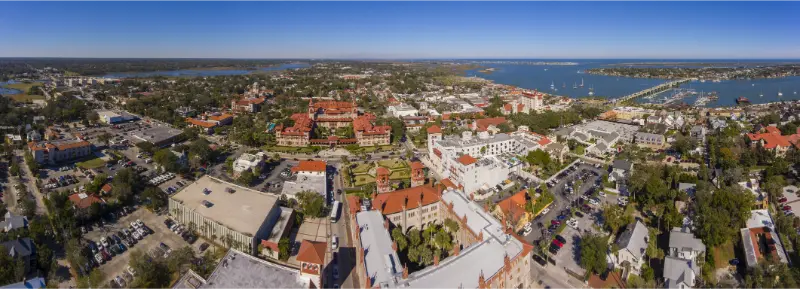
After reaching Gainesville, take a modest downtown or neighborhood outing according to your energy. The aim is to understand the surroundings: find a grocery store, identify parking for tomorrow, and choose an easy dinner. If you arrive from an airport after a long flight, do not reserve a timed museum program for the same afternoon. Gainesville’s roads and campus traffic may be unfamiliar to first-time visitors, especially around university events.
A short walk and a café can be enough. Children might enjoy seeing how a university town differs from a coastal resort; adults may notice bookstores, public art, or local businesses. Save a little time for checking tomorrow’s weather and the attraction’s operating hours. In North Florida, a chilly or rainy morning can change the appeal of an outdoor itinerary even when the afternoon forecast looks pleasant.
Day one: make a genuine plan for the natural history museum
The Florida Museum of Natural History is a major reason to visit Gainesville, with collections and displays related to biological and cultural history. The public exhibits have been closed during a substantial renovation, and the museum has announced reopening on November 23, 2026. See the official Florida Museum website for current visiting details. Never assume that a reopening date guarantees a particular gallery, butterfly experience, or program will be available at your visit time.
If the museum is open, choose a theme that interests the group: evolution, Florida ecosystems, fossils, or cultural history. Spend time understanding a few displays rather than rushing through all of them. For younger children, asking what surprised them works better than reading every label. If visiting before the reopening, select a botanical garden, another suitable museum, or the museum’s published community programs where available. An honest alternative is better than directing readers to a closed entrance.
Use Gainesville gardens and natural areas thoughtfully
Gainesville is surrounded by distinctive habitats, including wetlands, oak landscapes, and areas where wildlife can be observed from designated paths. Pick one outing with a suitable trail surface and the right distance for your group. If you plan to visit Sweetwater Wetlands Park or a similar wetland, verify current opening and trail conditions with the relevant local authority. Rain can leave paths muddy, and alligators or other wildlife may be present even when a trail looks peaceful.
Carry binoculars rather than approaching animals. Do not feed birds or reptiles, and keep children close to water edges. Insects can be active even outside summer. Some boardwalks lack shade; take water and plan a morning outing. For a traveler using a wheelchair or walker, ask about the actual pathway material, slopes, available seating, and accessible parking. Nature can be enjoyed through a short observation rather than a lengthy walk.
Day two: a Gainesville day built around choice
Use the second full day to explore a different side of the city. It could be an art exhibition, a carefully selected university-area cultural venue, or a second nature outing if the weather is excellent. Check campus access and event conditions in advance. Public exhibits may be free while parking is not, and a special lecture may require registration. Pick activities that offer real value to your companions rather than selecting places solely because they appear on lists of top things to do.
A family with an enthusiastic young scientist could revisit a natural history topic; a couple may prefer a garden and a relaxed lunch. Grandparents might welcome an afternoon rest before a dinner reservation. Gainesville is best appreciated as a lived-in place, not a quick checklist of attractions. Reserve time to notice local food, architecture, and the surrounding vegetation.
Day three: move to St. Augustine without treating the drive as sightseeing
Check out after breakfast and travel toward the Atlantic Coast. The journey is manageable as part of a longer itinerary, but road conditions and traffic can make the trip longer than a simple map estimate. Do not insert multiple attractions along the way unless the group specifically wants them. Carry water, allow a proper rest stop, and arrive at the St. Augustine hotel with enough daylight to learn the parking arrangement.
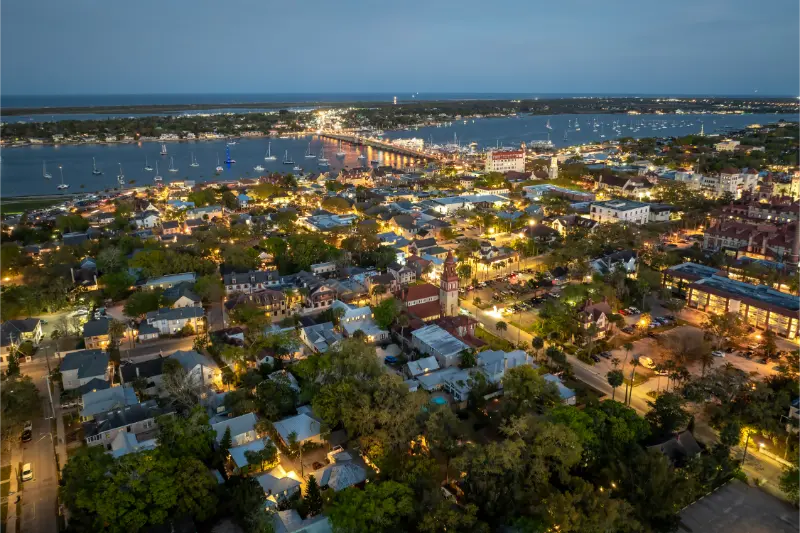
Spend the afternoon on a few blocks of the historic center rather than attempting a complete walking tour. St. Augustine’s older streets may have uneven paving, narrow sections, and heavy pedestrian traffic. A family with a stroller or a traveler using a walking aid should choose a short loop and confirm accessible approaches to buildings. If everyone is tired, sit down for a meal and save the main history day for tomorrow.
Day four: understand St. Augustine beyond the postcard
Castillo de San Marcos is one of the city’s signature historic places. Check the National Park Service Castillo page for current hours, admission, programming, and accessibility. Historic masonry, ramps, and elevated defensive features mean different areas may have different access conditions. Children may enjoy the fort’s shape and sea views, while adults can explore how colonial power, conflict, and trade influenced the region. Avoid presenting the fort as merely a scenic photo stop divorced from its history.
Allow time for one additional history venue only if the group remains comfortable. St. Augustine has many commercial attractions, and a high number of tickets can make the day costly and exhausting. Choose historical interpretation with care. Include perspectives of Indigenous communities, people of African descent, and later residents, rather than repeating a story limited to European explorers. Quality of learning matters more than the number of themed shops visited.
Day five: Lincolnville, the coast, or a quieter museum
On the final full day, consider exploring the city’s African American heritage in or around Lincolnville, where museums and preserved places help explain community life and the civil rights movement. Check the current opening details for any cultural institution before planning to enter; smaller museums can operate on limited schedules. Treat these sites as places of learning and memory rather than quick background scenery for a photo shoot.
Alternatively, make a short coastal visit with time to sit near the water, or return to a historical venue that deserved more attention. The choice depends on weather, children’s interests, and whether the group needs a slower day. St. Augustine Beach is enjoyable for views, but follow lifeguard flags and local access rules if anyone enters the ocean. Do not assume there is a staffed lifeguard at every access point year-round.
Food, admission, and budget decisions
This itinerary combines some paid museums with accessible public spaces. Set a daily admission budget and choose one main ticket per day rather than buying passes for attractions you may never visit. In St. Augustine, parking can be a notable cost, so evaluate the actual location of your hotel and the public garage or lots you expect to use. Gainesville’s campus-area parking requires separate attention during events.
A hotel breakfast or simple grocery meal can keep expenses manageable. Try local restaurants, but consider dietary needs and meal times for children. Review automatic service charges and tipping rather than adding money blindly. Keep a flexible amount available for an unexpectedly rainy afternoon museum or a direct taxi back to the hotel. A thoughtful budget protects the quality of the trip without forcing you to economize on every small pleasure.
Accessibility and planning for a wide age range
Six days can work for a preschool child, a teenager, and a grandparent if the itinerary respects different limits. Historic sites may have stairs, museums can involve long corridors, and natural areas may be hot or uneven. Check specific facilities for accessible restrooms, elevators, quieter spaces, and drop-off options. A shorter visit is not necessarily a lesser one. Family members can enjoy one place differently: one may study exhibit labels while another photographs architecture from a permitted viewpoint.
If a member of the group needs medical support or mobility equipment, arrange it before departure and carry important records. International travelers should review insurance coverage for emergencies. Do not leave essential medication in a parked car exposed to heat. Allow rest between transfers, especially after a late flight or long drive. The purpose of the itinerary is to make history and nature enjoyable, not to test anyone’s stamina.
Help children connect the two cities
Gainesville introduces biological history, landscapes, and the work of researchers. St. Augustine opens questions about settlement, trade, conflict, and cultural memory. Invite children to compare the two: how do a natural history specimen and a historic building tell different stories? What can each source reveal, and what cannot it tell us? These questions give the trip a thread that extends beyond tickets and photographs.
A small notebook can hold one discovery from each day: an animal adapted to wetlands, a plant noticed in a garden, a fort detail, or a new historical name. Do not demand a full travel diary from tired children. One interesting question shared over dinner is enough. Adults may find the same approach refreshing because it encourages curiosity rather than hurried sightseeing.
Keep the return journey unhurried
Plan the airport route and car return the evening before departure. If flying from Jacksonville, Orlando, or another airport, check the actual distance and likely traffic rather than assuming every major Florida airport is nearby. Do not arrange a nonrefundable attraction just before a flight. Keep the last morning for breakfast, packing, and a final comfortable walk if time permits.
The appeal of this North Florida route lies in contrast. Gainesville’s research and natural landscapes complement St. Augustine’s long, complex urban history. With honest attention to the museum reopening schedule and the access limits of older sites, six days offer an engaging vacation without needing a theme park or a frantic succession of hotel changes.
Frequently asked questions
Is the Florida Museum of Natural History open in October 2026?
Its public exhibition building is closed for renovation as of October 16, 2026. The museum has announced a November 23, 2026 reopening, subject to current official updates.
Should we stay in one hotel for all six days?
Two bases are more practical: one in Gainesville and one in St. Augustine. That avoids repeated long round trips between the cities.
Is the trip suitable for older adults and school-age children?
Yes, with short museum visits, shaded breaks, and attention to historic surfaces and nature trail conditions. Choose one principal outing each day.