

A four-day journey from Eatonville to Daytona Beach can tell a more meaningful story about Central Florida than a standard itinerary of shopping, swimming and theme parks. Eatonville is central to the history of Black self-government and the literary legacy of Zora Neale Hurston. Daytona Beach is associated with educator and civil rights leader Mary McLeod Bethune, whose work helped reshape educational opportunities and national public life. Between them lies a chance to explore how communities built institutions, preserved culture and challenged exclusion.
This trip is intended for adults, families with older children and visitors who want to approach history with care. The stops are not designed as a checklist of attractions whose hours can be taken for granted. Some historic sites are on working campuses, while cultural institutions hold exhibitions and programs that change. Confirm entry rules directly, and allow enough time for reading and conversation instead of treating each destination as a quick photo opportunity.
The historical thread connecting the route
Eatonville incorporated in 1887 and became one of the most significant early Black incorporated municipalities in the United States. The State Archives of Florida preserves photographs and oral histories connected with its residents. Its history deserves more than a passing description as Zora Neale Hurston’s childhood community: it is also a story of political agency, local business, education, church life and residents shaping their own town.
Daytona Beach adds a complementary story. Mary McLeod Bethune established a school that grew into Bethune-Cookman University and became a national figure in education and public service. Her legacy is not simply a monument or house; it is reflected in institutions and in the opportunities she pursued for others. The National Park Service biography provides essential historical context for the trip.
Four days, two bases if you prefer less driving
| Day | Area | Approach |
|---|---|---|
| 1 | Eatonville | Town history and local cultural interpretation |
| 2 | Eatonville and Maitland | Art, archives and time for deeper reading |
| 3 | Daytona Beach | Mary McLeod Bethune and the educational legacy |
| 4 | Daytona Beach | Other heritage stops and a thoughtful coastal finish |
You can sleep two nights in the greater Orlando area and one or two nights around Daytona Beach, or stay in one place and drive. A two-base arrangement reduces repeated highway trips but involves moving luggage. For visitors who prefer the same hotel, choose the arrangement that keeps evening driving reasonable. Verify addresses for the places you intend to enter before booking.
Day 1: begin with Eatonville as a living town
Start by learning how Eatonville came to be established and incorporated. The community’s history is connected to emancipation, Reconstruction and the efforts of Black residents to exercise local government and create a stable social life. The State Archives’ Black history collections guide identifies Eatonville oral histories among its records. These accounts help remind visitors that historical towns are experienced by their residents, not just by researchers or tourists.
A respectful town visit begins with public sites and current visitor information. Look for a cultural center or authorized museum experience rather than following an informal internet walking route that may cross private property. Houses, churches and public buildings are part of ordinary community life. Photograph buildings from appropriate public places and do not interrupt services or residents for a picture.
Let the first day revolve around understanding where you are. After a visit, take a relaxed lunch break and review what you learned before adding a second stop. A family with teenagers may want to compare a historical map with a modern map and discuss why the right to govern a municipality mattered so much in the late nineteenth century.
Zora Neale Hurston's significance extends beyond one address
Hurston became a major American writer and anthropologist whose work documented language, folklore and community life, particularly in the American South and Caribbean. Eatonville shaped her writing, but it is too simplistic to make every street into a scene from a novel. Read selected biographical information and consider how her approach gave attention to voices often marginalized in formal accounts.
The Zora Neale Hurston Museum of Fine Arts and cultural programming associated with the ZORA! Festival can be useful introductions, when open. The festival organization offers information about exhibitions and events, but do not assume the museum has continuous daily opening hours or that a festival is occurring during your stay. Contact the organization for visitor availability and any reservations.
For children, choose a brief, age-appropriate excerpt or an illustrated introduction to Hurston before the trip. For adults, her work can deepen the experience, but do not turn a vacation into an imposed literature exam. A good guided discussion may be more rewarding than trying to cover every milestone of her career in one afternoon.
Day 2: art and history as a conversation
Use the second day for an exhibition or cultural program that is actually available. Eatonville and neighboring Maitland offer opportunities to explore visual art and regional history, though individual institutions run their own schedules. A combined museum day can make sense if confirmed current exhibitions connect with your interests. The ZORA! Festival has organized programs linking the Hurston museum with art institutions in Maitland, illustrating the kind of collaboration possible.
Spend time reading labels, listening to an educator and asking how works interpret history rather than merely photographing objects. An exhibition about Black artists may provoke different questions from a town-history display; both matter. Be willing to discuss race and injustice truthfully but without asking an employee or another visitor to serve as an unpaid personal historian.
The afternoon is a good time to rest or visit a public park, particularly with children. This itinerary values sustained attention. People often remember one powerful historical account more clearly than six rushed museums.
Traveling toward Daytona Beach
The drive north toward Daytona Beach moves from greater Orlando’s built environment into a different part of Central Florida. Take it as a transfer rather than another attraction-filled day if the group is tired. Check traffic, allow for highway delays and arrive early enough to find your hotel before dark if that is your preference. Those traveling with an older adult or small child may benefit from a planned restroom break.
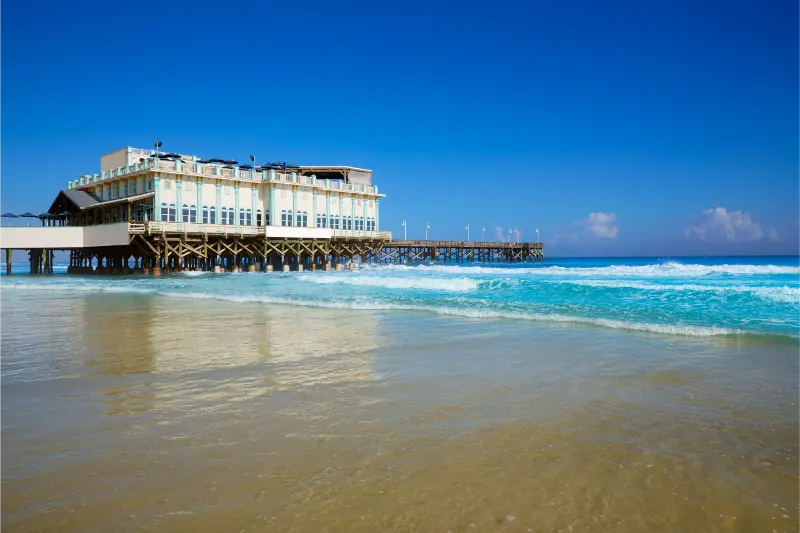
Choose accommodation according to your heritage visits, not simply the proximity to the sand. A beachfront hotel can be enjoyable, but parking and tourist-area traffic may make access to inland historical sites less convenient. A hotel with good road connections, reliable parking and breakfast options can suit a learning-focused vacation better than a resort that encourages you to remain on-site.
Day 3: Mary McLeod Bethune in Daytona Beach
Mary McLeod Bethune’s achievements span education, institution-building, political advocacy and national service. Read her biography before deciding which Daytona Beach heritage locations to visit. The Bethune-Cookman University campus is a living university, not an open-air museum with unlimited tourist access. Any visit to a historic residence, archive or educational building should follow the institution’s current booking, escort and photography rules.
The NPS biography recounts that Bethune’s home on the campus became a National Historic Landmark. That recognition does not automatically establish public opening hours today. Contact the institution or relevant museum operator before traveling. If access is unavailable, use verified public interpretation, local historical materials and a discussion of her educational accomplishments instead of attempting to enter restricted campus grounds.
With teenagers, compare Hurston and Bethune not as competing famous figures but as people who approached change through different forms of work. Literature and folklore preserved language and culture; education and institution-building expanded opportunities. Both stories raise questions about how a community creates a lasting legacy.
Day 4: use the wider city's heritage carefully
Daytona Beach has additional associations with sports, coastal tourism and civil rights history. Select one or two current heritage experiences rather than promising access to a long list of historic buildings. A local history museum, an authorized guided tour or a scheduled university program may be appropriate, depending on current availability. Read official material before claiming that a particular facility has a permanent exhibit or a daily tour.
A thoughtful final afternoon can include a public beach walk or riverfront view. This change of pace is not a distraction from history; it is a way to enjoy the city as a contemporary community. Follow beach driving and swimming rules carefully, especially with children. Avoid reducing Daytona Beach to a famous racetrack when the purpose of your trip has been to look more deeply at its educational and cultural contributions.
How to introduce difficult history to children
Children deserve truthful explanations adjusted to their ages. Explain slavery, segregation and unequal access to education plainly, without graphic detail that is not needed for the particular visit. Invite questions and allow quiet reflection. A child might ask why residents established a separate town or why Bethune created a school; answer using documented history rather than speculating about individual feelings.
For older students, discuss how sources work: oral histories, newspaper articles, photographs, literature and institutional archives reveal different aspects of life. Some archives reflect what officials chose to record, while oral accounts may preserve experiences omitted from formal documents. Encouraging thoughtful questions is more important than giving a long lecture during a car ride.
Respectful heritage tourism is not a performance
The communities in this itinerary are places where people live, study, worship and work. Avoid filming individuals without permission, treating church services as entertainment or approaching private homes because an online biography mentions an address. Follow museum photography policies and do not use an emotionally significant historical site as a humorous backdrop.
Whenever possible, support local cultural institutions and businesses. Paying a modest admission or buying a book directly from a museum shop can help sustain interpretation. If an organization is closed, accept the boundary rather than asking staff to open it for a tourist. An ethical visit is about learning from a community, not claiming access to every part of it.
Accessibility and practical comfort
Confirm step-free access, seating, restroom facilities and guided-tour requirements for the exact museums you plan to visit. An institution in a historic building may have constraints that do not appear in tourist photographs. For someone using a wheelchair or walker, an accessible program or exhibit may be more realistic than a loosely defined heritage walk that crosses several uneven sidewalks.
Plan shorter stops for children and older adults. A quiet lunch after a serious museum can provide time to process information. If a group member finds historical content emotionally difficult, allow a break without diminishing the subject. The pace should respect both physical and emotional needs.
Budget, seasons and event timing
Major costs include hotels, transportation, meals and museum or program admission. Special festival dates can bring valuable programming but also additional crowds and higher room demand. Outside festival periods, certain attractions may operate limited schedules. Compare the cultural program you can actually attend with your dates before booking nonrefundable accommodation.
Florida heat and thunderstorms can make city walks uncomfortable. Plan outdoor sightseeing earlier in the day and keep one verified indoor alternative available. If a site requires a guided time slot, allow sufficient driving and parking time. A slightly slower schedule improves the quality of the visit and reduces the chance of missing a reserved program.
What to take away from the journey
A four-day Eatonville-to-Daytona trip should leave visitors with a richer understanding of local self-determination, cultural expression, education and civic leadership. It is possible to admire Hurston’s literature and Bethune’s achievements while remembering the many residents, students, colleagues and community members who were essential to those histories. No single museum contains every story.
Visit with curiosity, read before you go, check access and leave room for conversation. That approach turns two nearby Florida destinations into a rewarding cultural journey rather than a list of famous names.
Frequently asked questions
Is Eatonville an outdoor history museum?
No. It is a living municipality with public and private spaces. Use official museum information and authorized visitor routes rather than wandering onto private property.
Can I visit Mary McLeod Bethune's historic home at any time?
Do not assume so. The historic home is associated with a working university and current public access must be confirmed with the operator before travel.
Is this route appropriate for children?
Yes, especially school-age children and teenagers who can engage with the history. Choose age-appropriate interpretation, allow breaks and explain difficult subjects honestly.