
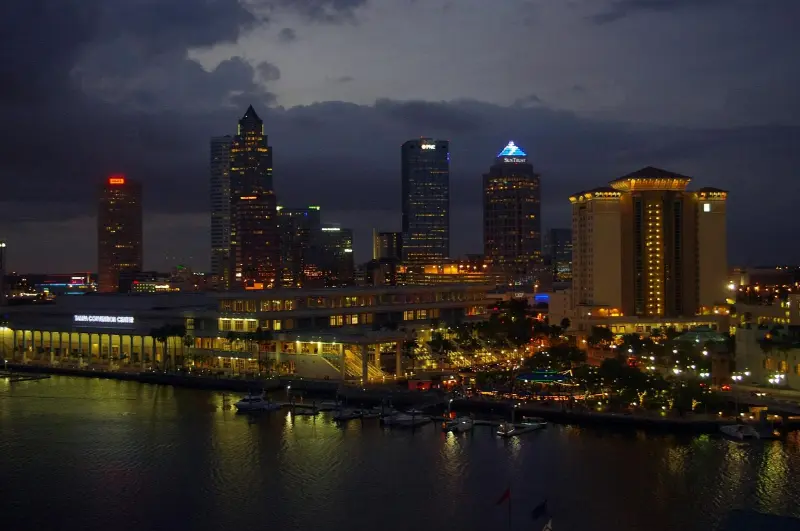
Jacksonville is often treated as a city that requires a car for everything, and a vehicle certainly helps if you want to reach the beaches, distant nature reserves and suburbs. But a short downtown-focused visit can be arranged without renting one, provided you choose your accommodation strategically and understand the transit network’s limitations. This three-day trip combines river views, contemporary art and the Riverside district. It doesn’t pretend that every attraction in Greater Jacksonville is within walking distance or connected by an effortless shuttle.
The key distinction is between a central cultural weekend and a full regional vacation. For downtown museums and selected waterfront walks, a mix of walking, JTA transit and occasional rideshare can be practical. For remote trailheads, beaches and late-night travel, the same approach may be inconvenient or costly. Travelers with children, mobility needs or limited time should focus on a compact set of stops rather than recreating a driving itinerary with a patchwork of long transfers.
Choose accommodation close to the activities you value
For a car-free downtown stay, compare hotels in central Jacksonville with access to the riverfront and the JTA stations you expect to use. Riverside offers a different neighborhood atmosphere and may be appealing for art lovers, but check the precise distance from the museum, eateries and transit. A hotel described as ‘Jacksonville’ may be many miles from the city center. The difference can turn a car-free weekend into repeated expensive rideshare journeys.
Before booking, check pedestrian access from the hotel entrance to your chosen first stop. A short straight-line distance may involve busy roads, construction or a route with few comfortable crossings. Ask about luggage storage if you arrive before check-in. For older guests, a hotel with an onsite restaurant and elevator can be worth a little extra. Visitors with mobility equipment should confirm doorway clearance and bathroom arrangements rather than relying on an accessibility filter alone.
Arrival: make the airport transfer a separate decision
Jacksonville International Airport is not directly within walking distance of downtown hotels. Compare available public transit, taxi, rideshare or other legitimate airport transfers according to your arrival time, luggage and party size. A service that runs during the day may not be suitable for a late-night flight. Confirm current routes and fares, and do not assume an old blog’s airport shuttle information still applies.
If using rideshare, follow the airport’s marked pickup instructions and check the license plate before entering. If using public transit, understand the expected transfers and whether you need a payment app or fare medium. A family carrying a stroller and multiple suitcases may find a direct ride a sensible initial expense even if most other travel is on foot.
Day 1: learn downtown from the riverfront
Start with a manageable walk around the public riverfront on a section that is open. The St. Johns River brings large-scale scenery into the city, but the waterfront is not a single uninterrupted promenade with identical facilities everywhere. Choose a legal route and check for construction closures or special events. A short morning crossing or viewing point can offer a strong sense of place without requiring a guided tour.
Build the next part of the day around lunch near your chosen downtown area. Jacksonville blocks can feel farther apart in heat than on a map. Bring water and use safe crossings. If a section feels uncomfortable or traffic-heavy, choose a legitimate transit connection rather than pressing on to ‘save’ a small fare. Check whether the next attraction actually opens today before setting out.
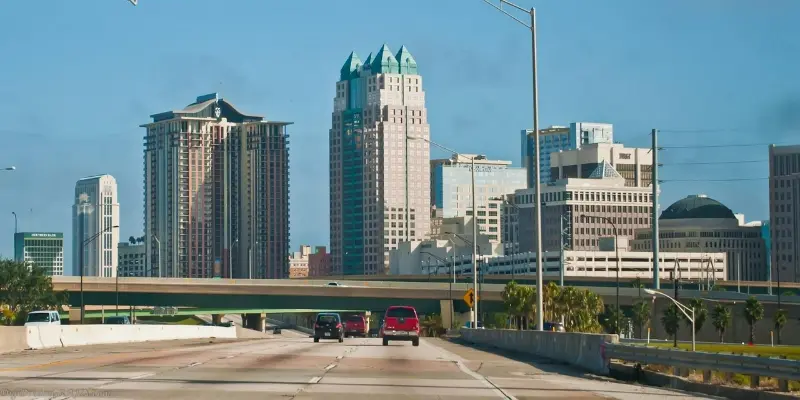
Use late afternoon for rest and a second brief river view. A car-free trip is most enjoyable when you aren’t transferring across town just to fill time. If the weather turns stormy, move indoors. The skyline will not look better if you’re standing in an exposed riverfront area during lightning.
Day 2 morning: MOCA and downtown culture
The Museum of Contemporary Art Jacksonville is centrally located and provides a focused cultural stop. Check the museum’s official visit page for current exhibitions, hours and free-admission opportunities. Spending a proper morning with one exhibition can be more satisfying than racing between museums that are farther apart than they appear. Visitors unfamiliar with contemporary art can choose a few works they genuinely want to discuss instead of trying to see everything.
A café or restaurant nearby makes sense for lunch, depending on current opening days. If traveling with a child, set an achievable museum visit length and take breaks; a gallery is more enjoyable when a young visitor has time to ask questions. Some children enjoy selecting their favorite colors or materials in an artwork, while adults may want to read labels more carefully. Both experiences can fit into the same visit if the schedule is flexible.
Day 2 afternoon: understand what the Skyway actually does
Jacksonville’s Skyway is useful in its downtown service area but is not a metro system that carries visitors to every part of the city. The official JTA Skyway page currently lists weekday service and weekend operation for special events only. It also gives station locations and operating details. That means a typical Saturday itinerary cannot simply assume trains will run at normal weekday frequency.
Before using it, check the actual day’s service status and whether your destination is close to a station. If the Skyway isn’t running, look for a suitable regular bus or plan a short rideshare trip. Allow extra time when transferring, since schedules and construction may affect connections. For a person who relies on accessible transport, examine the entire station-to-destination journey, including elevators and curb crossings, rather than assuming that a listed station guarantees access everywhere.
Day 3: Riverside and the Cummer Museum
Spend the final full morning around the Riverside district, with the Cummer Museum of Art & Gardens as a potential highlight. The museum’s collection and historic gardens offer a different atmosphere from MOCA’s contemporary focus. Check the official Cummer visitor information for today’s opening hours, garden access, admission and any temporary restrictions. Gardens can close in bad weather and may have different conditions from indoor galleries.
Arranging a car-free transfer to Riverside takes more planning than simply walking between adjacent downtown blocks. Check current JTA routes or the cost of a direct rideshare. If staying downtown, treat this as the one planned cross-neighborhood journey of the day. Once there, have lunch nearby and take a short walk through appropriate public streets rather than bouncing back and forth across the river.
The Cummer’s setting beside the St. Johns River rewards unhurried observation. Give the gardens time instead of treating them as an afterthought, subject to weather and access. An older visitor may find the indoor galleries a comfortable focus; someone with small children can adjust the visit to the sections suited to them. Remember the museum has artwork and gardens to protect, so follow its rules about food, touching objects and photography.
A weather-proof route for summer and rainy days
Jacksonville can be hot and humid, and thunderstorms may change an outdoor schedule quickly. Put the most exposed riverfront time early in the day, keep indoor museums available for midday and avoid a long walk just before a forecast storm. When lightning is nearby, seek appropriate indoor shelter. An umbrella is useful in ordinary rain but not protection against lightning.
The museum’s garden may close for weather even when indoor galleries remain open. Plan around that possibility without treating the visit as ruined. You can swap the order of the cultural days or spend more time in a current exhibition. If major weather disrupts transit, follow local alerts and consider staying in the hotel rather than attempting repeated rideshare trips in heavy traffic.
Can the beaches be added without a car?
The Atlantic beaches are a major reason to visit Greater Jacksonville, but they are not simply another stop on a short downtown walk. Reaching them by transit can require additional travel time and route planning. If the beaches are your primary interest, consider staying closer to the coast instead of choosing a downtown hotel and commuting repeatedly. If they are an optional extra, add a separate day after checking travel times and the return service.
Don’t base a schedule on an old claim about a free beach shuttle or bus frequency. Verify current JTA options for the specific beach and day of the week. A direct rideshare may save time, but the return fare and availability can vary. Beach parking costs won’t matter without a car, yet you still need to think about restrooms, carrying shade, weather and a safe route back.
Nighttime travel deserves its own plan
A museum visit and waterfront dinner can finish comfortably in the evening, but late-night public transport may operate differently from daytime services. If attending a performance or event, confirm its end time and the route home before buying tickets. Use well-lit public streets and legitimate transport options, and avoid walking long unfamiliar distances because a map labels them as short.
Travelers who prefer a quiet evening can eat near the hotel and enjoy the view from a safe public space. That is not less authentic than staying out until midnight. Group size, age and personal comfort all affect which late-night journey is reasonable. If using rideshare, verify the driver and pickup location.
Budget compared with renting a vehicle
Skipping a rental car removes daily vehicle charges and parking, but not transport costs altogether. Create a line for airport transfers, one or two cross-town journeys and any beach trip. A downtown hotel may cost more per night while reducing rideshare needs. Compare the full weekend totals for your dates, not the vehicle rate alone. Include taxes, hotel fees, meals and museum admission.
Some museums offer free or discounted admission during selected periods, but verify current eligibility and dates. These offers are not a substitute for checking operating hours, and you shouldn’t design the entire weekend around a promotion that may change. A three-day cultural trip can stay affordable through selective admission spending and walks along open public riverfront areas.
Mobility, children and practical details
People with limited walking stamina can enjoy downtown culture by arranging a shorter route with scheduled rest stops and one museum per day. Ask hotels about elevator access and transport pickup points. A museum advertising accessible facilities still requires checking the route from the bus stop or rideshare drop-off. Families with children should pay particular attention to busy intersections and waterfront edges, and keep an agreed meeting point in crowded areas.
Pack light: comfortable walking shoes, water, sun protection, a small umbrella and a light layer for air-conditioned interiors. Download current JTA route information before departure and save museum addresses offline. Don’t assume public Wi-Fi will work at every stop, and keep a backup payment method. These small preparations make a city weekend without a car feel deliberate rather than improvised.
Three-day plan at a glance
| Day | Core area | Main activity | Transport caution |
|---|---|---|---|
| Arrival | Downtown | Hotel and easy dinner | Confirm airport connection |
| 1 | Downtown riverfront | Public walk and short cultural stop | Check route and weather |
| 2 | Central downtown | MOCA and nearby streets | Skyway weekend limits |
| 3 | Riverside | Cummer Museum and gardens | Plan cross-neighborhood trip |
| Departure | Hotel to airport | Direct transfer | Allow traffic buffer |
What this itinerary does not promise
It does not make every part of sprawling Jacksonville car-free. It avoids remote nature reserves, distant shopping centers and beaches as mandatory stops because those destinations would create too much travel for a short urban stay. It also doesn’t promise that a museum, Skyway service or riverside route will be open on a particular day. Check current conditions and replace closed attractions with a nearby legitimate option.
For a visitor who enjoys art, urban history and waterfront scenery, three focused days can be enough to get a meaningful impression of the city. For a traveler who mainly wants national wildlife refuges or Atlantic surfing, another base or a rental vehicle will likely suit better. Choosing the right kind of Jacksonville vacation is the first step toward enjoying it.
Frequently asked questions
Does Jacksonville’s free Skyway run every weekend?
Not as a normal daily assumption. The published schedule currently lists weekday operation and weekends for special events; verify the actual date.
Can I reach the Cummer Museum from downtown without renting a car?
Yes, with a planned transit or rideshare connection. Check the route and walking distance rather than assuming the downtown Skyway reaches the museum entrance.
Is this suitable for visitors with limited mobility?
It can be adapted, with careful hotel choice, shorter walks and confirmation of accessible transfers and museum entrances.