
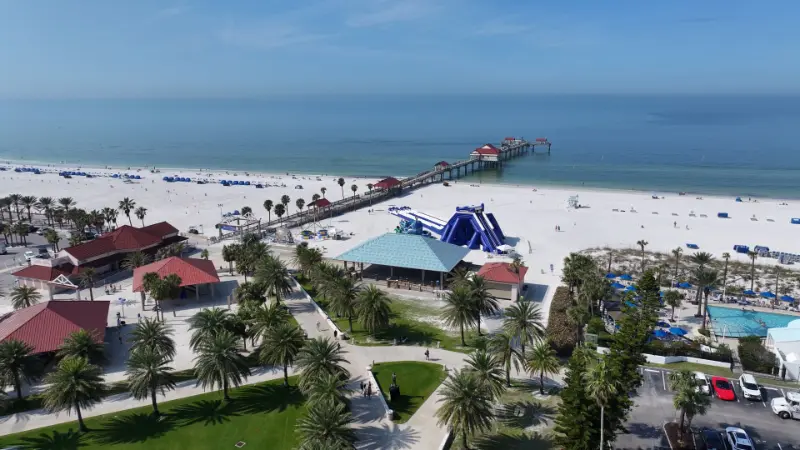
Clearwater Beach is famous for broad white sand and lively sunset evenings, while nearby Dunedin offers a walkable small downtown, cycling culture, and access toward Honeymoon Island. You can enjoy both in three days without trying to cover all of Tampa Bay. The important choice is where to sleep: a beachfront hotel gives you short trips back to your room, while staying in the mainland or in Dunedin changes how often you need to cross bridges and arrange transport. This route is built for a manageable beach break with room for nature, a marine learning stop, and a quiet afternoon.
Three-day itinerary at a glance
| Day | Recommended focus | Easy alternative |
|---|---|---|
| Day 1 | Clearwater Beach and Pier 60 sunset | Beach morning and a relaxed evening |
| Day 2 | Marine learning and downtown Dunedin | Choose one aquarium or nature stop |
| Day 3 | Honeymoon Island or favorite beach | Stay near hotel if departing early |
Pick the right home base before planning attractions
Staying near Pier 60 on Clearwater Beach puts the main shore, restaurants, and evening activity within reach, but it can mean busier sidewalks, significant room rates, and parking charges. The quieter northern stretch suits people who prefer a morning walk and a calmer night, provided they are comfortable with the distance to meals. On the mainland, hotels can cost differently and put you closer to other attractions, though you may have to make the beach crossing each day. Dunedin is a strong alternative if cafés, shops, and cycling matter more than waking up directly beside the Gulf.
Check whether your room truly faces the beach or merely overlooks a marina or neighboring building. A coastal apartment might offer a kitchen and laundry, but compare cleaning fees, parking arrangements, and check-in conditions before booking. People with limited mobility should ask about elevators, accessible bathrooms, and the distance from the entrance to a usable beach approach. If you intend to spend most evenings in downtown Dunedin, staying on Clearwater Beach may create avoidable driving. Two appealing destinations can be near each other without being interchangeable as overnight bases.
Day one morning: Clearwater Beach before the busiest hours
Arrive early for the main beach experience. The sand near Pier 60 is a convenient introduction, with facilities and businesses nearby, while sections farther north can feel less congested. Find the specific public access and understand any parking payment before unloading bags, coolers, and children. An early walk is often the most comfortable way to appreciate the shape of the shoreline; later, the sun is stronger and busy areas fill up. Bringing water, hats, and shade turns a short beach visit into an easy morning instead of a search for supplies.
Swimming conditions still depend on flags, weather, and lifeguard arrangements. The Gulf often looks gentle, but small children should always have a nearby adult, and nobody should enter during unsafe surf or lightning. A traveler who does not swim can still have an excellent first day by walking the paved promenade, reading in shade, or sitting at a café with a water view. Confirm beach-wheelchair and mat availability from the relevant local service if accessibility matters; an accessible parking stall does not solve the challenge of soft sand.
Day one afternoon and the Pier 60 sunset
After lunch, make time for a genuine indoor break. Families who spend all day outside in summer heat often lose the energy they wanted for the evening. Later, walk around the Pier 60 district, allowing time to browse without committing to an expensive activity. The sunset gathering traditionally includes performers and vendors, but exact arrangements can change, so treat it as an appealing possibility rather than a guaranteed daily show with an identical lineup.
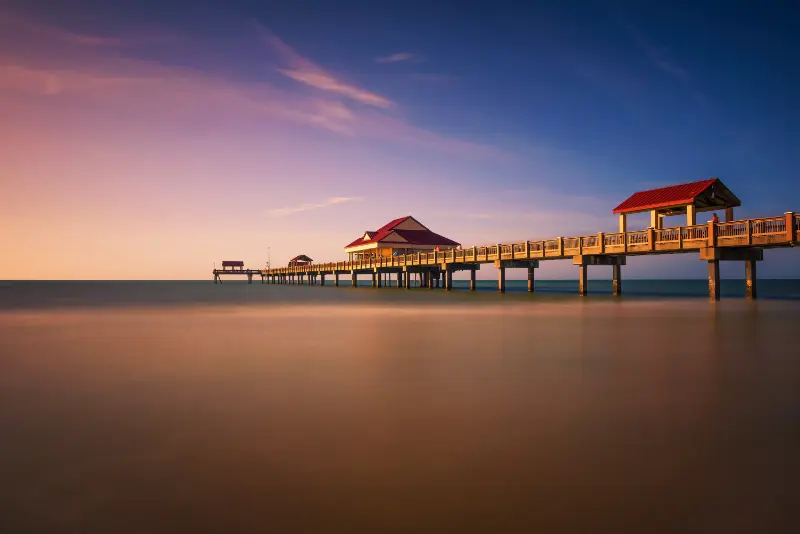
If you prefer a boat ride, consider a short sightseeing or dolphin-viewing excursion instead of adding it automatically on top of the beach. Ask the operator about the actual pier or marina, the boat's shade, restroom, boarding steps, and weather cancellation rules. A family with a stroller may appreciate a large vessel more than a small high-speed craft. Dinner reservations near the beach can simplify the evening during busy periods, although a picnic or casual early supper may be more relaxing for younger children.
Day two morning: a conservation-centered marine visit
Clearwater Marine Aquarium is known as a working marine animal rescue and rehabilitation institution. It can be a rewarding stop for children interested in sea turtles and dolphins, and its indoor exhibits provide a change of pace from the beach. Frame the visit around the animals' care and conservation rather than promising close physical encounters. Admission arrangements, exhibit access, and resident animals can change, so read the aquarium's own information shortly before your visit.
Allow more time than a quick photo stop but avoid packing every hour with scheduled activities. A family may spend longer at a presentation than anticipated; a senior visitor may benefit from a café break or quieter seating. Ask in advance about wheelchair routes and quiet spaces if needed. If the aquarium is not the right fit, substitute a waterfront stroll in mainland Clearwater or a shaded nature stop. One thoughtful activity is more valuable here than driving between several attractions that cover similar themes.
Day two afternoon: take a slow walk through Dunedin
Drive or arrange transport to downtown Dunedin for a very different coastal atmosphere. Independent shops, cafés, and the Pinellas Trail give the town a compact, relaxed character. The trail can be attractive for cycling or a short walk, but its crossings and the heat still deserve attention. Don't treat a popular multiuse path as a place for small children to run unsupervised. Choose a section that fits your energy and return for a long drink or an unhurried meal.
Dunedin is on the mainland; its downtown does not have a Gulf swimming beach. Visitors who see waterfront images online sometimes assume that every part of this area offers sand outside the door. A few blocks of town exploration can be more satisfying than another crowded beach hour, especially for couples, solo travelers, or families with a child tired of swimming. Check the local event calendar before visiting, because a festival can make an ordinary street busier and change the parking situation. For a quiet evening, dine here and return to the hotel without trying to fit in a second sunset event.

Day three: Honeymoon Island or an even easier beach day
Honeymoon Island State Park is a natural third-day choice for travelers who want a less commercial shoreline and a chance to observe coastal habitats. It is reached from the Dunedin area, not by strolling from downtown. Verify the park's current facilities, beach sections, parking, entrance conditions, and any closures related to storms or habitat work. The shoreline can vary with weather and erosion, and nature-focused visitors should stay within marked routes and respect nesting areas.
Do not promise everyone a long hike and a beach picnic simply because a park map shows several activities. Families with preschool children might enjoy a single shoreline stop. Visitors who walk slowly may prefer a short accessible nature viewpoint or a comfortable bench instead of a long sandy route. If the group has already loved Clearwater Beach, returning to the familiar public access is a completely valid alternative. Three days in this region does not require visiting three different beaches.
How to visit with children, teens, or older relatives
For very young children, plan beaches before the strongest heat and attractions after a nap. Bring familiar snacks, refillable water bottles, and dry clothes for moving between outdoor and air-conditioned spaces. School-age children may enjoy comparing the open Gulf beach with a rescue aquarium and a natural island. Teenagers could choose between cycling, boat sightseeing, or an additional beach outing, but set safety boundaries around roads, docks, and the water.
For older relatives, inspect the real walking distance from the hotel lobby to the sand and to dinner. A central beach address may sound convenient while still involving a long walk in direct sun. Agree ahead of time that one person can return to the accommodation without forcing the whole group to change plans. Travelers who need a sensory break may welcome a quieter lunch or a time-limited museum visit rather than constant music and crowds. A successful multigenerational itinerary has room for different speeds.
Avoiding parking frustration and unnecessary transfers
Parking on the barrier island is a major planning consideration. Public lots and on-street spaces can fill quickly, and private hotel parking may be expensive. If you stay on Clearwater Beach, consider leaving the car parked for day one and exploring nearby places on foot. The region has local transit and seasonal or route-specific services, but never assume a ferry, trolley, or shuttle will be operating at the exact hour you need; confirm current schedules and stops before relying on one to reach a booked activity.
Dunedin and the state park may be easiest by car, depending on the group's requirements. If you are traveling without a car, design the entire visit around one lodging base and fewer distant stops. The time spent transferring can consume a substantial part of a short holiday, especially when walking to stops under the midday sun. Rather than zigzagging across the region, group mainland activities together on the same day, then return to the beach for your final evening.
What the seasons change on this itinerary
Summer brings warm beach days, high humidity, busy family travel, and the possibility of afternoon thunderstorms. Spring and fall may feel more comfortable for long walks, though they can still bring crowds or unsettled conditions. Winter is appealing for bright coastal scenery and restaurant visits, but water temperatures may not suit everyone. The best time is not one universal month: it depends on whether you prioritize swimming, cycling, fewer visitors, or a flexible hotel budget.
Check the forecast every morning, especially lightning risk before a beach or boat activity. If a heavy rain period develops, visit the aquarium at a suitable time, enjoy indoor dining, and save the park for improved conditions. For trips during hurricane season, watch official updates and understand accommodation cancellations rather than relying on a generic forecast issued several days earlier. A carefully spaced three-day trip adapts more comfortably than a calendar of fixed tickets.
Budget and booking decisions that matter most
The largest cost difference often comes from accommodation location and parking rather than a single attraction ticket. A walkable beach hotel might cost more per night but reduce driving or rideshare expenses; a mainland rental may be economical if you already have a car and expect several local outings. Add resort fees, parking, taxes, cleaning charges, and beach equipment before making comparisons. Ask what is included, particularly when a property advertises a private pool or beach amenities.
A cost-conscious plan can still feel special: two Gulf mornings, a sunset walk, a few hours in Dunedin, and one paid marine activity if it appeals. Buy advance tickets only when the schedule is stable and the cancellation rules suit your trip. Restaurant spending is easy to manage by mixing a casual lunch or groceries with one memorable dinner. The best vacation value is not measured by how many attractions you cross off a list but by whether everyone enjoys the time between them.
Make the last day calm rather than ambitious
If your flight or drive home begins on day three, replace Honeymoon Island with a short familiar beach walk, breakfast, and a reliable checkout plan. Leave room for traffic across the causeways, returning a rental car, or locating a rideshare pickup point. Keep wet swimsuits separate from luggage that must remain dry. If a person in the group becomes tired, there is no need to complete the full sequence: Clearwater Beach and an evening in Dunedin already make a pleasant coastal getaway.
Before departure, review the accommodation's parking and checkout instructions, the forecast, and opening or access notices for any place you intend to enter. If a booked animal-care visit or boat excursion is central to your trip, confirm the time directly with the organization. That final check preserves the relaxed rhythm this itinerary is designed to create.
Frequently asked questions
Can I visit Clearwater Beach and Dunedin without a car?
Some activities may be possible with local transit or rideshare, but check current routes and plan fewer transfers.
Is Dunedin directly on a swimming beach?
Its downtown is on the mainland. Gulf beach outings require travel to a coastal destination.
Do I need all day at Clearwater Beach?
No. A morning on the shore and a sunset outing can be a satisfying introduction.