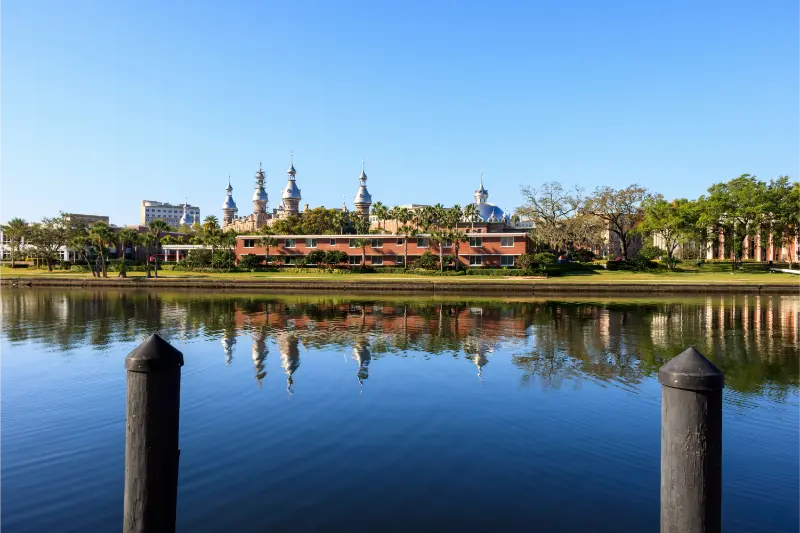
Category: Tampa Florida

  • ZooTampa vs Busch Gardens: Which Animal-Focused Tampa Day Is Better?

    ZooTampa vs Busch Gardens: Which Animal-Focused Tampa Day Is Better?

    Families visiting Tampa often consider ZooTampa at Lowry Park and Busch Gardens Tampa Bay when deciding where to spend an animal-focused day. Both offer opportunities to observe wildlife, but the way the visit unfolds differs substantially. ZooTampa is a zoological destination with conservation programs, habitats, and child-friendly activities, while Busch Gardens combines large-scale animal environments with a full theme park of coasters, shows, and paid experiences. A family with a preschooler, teenagers, and a grandparent may not agree on which sounds more exciting. The aim is to select an experience that works for the whole party, not simply compare marketing claims about the number of animals.

    What makes ZooTampa different?

    ZooTampa is built around animal habitats, education, conservation, and a visit that can be organized around watching, talking, and learning. Many guests particularly appreciate opportunities to encounter Florida wildlife and understand the rescue or care work undertaken by accredited facilities. The atmosphere is more zoological than thrill-oriented, even where family attractions are available. For an animal enthusiast who wants to observe behavior without spending a large portion of the day chasing intense roller coasters, that difference may be decisive. Check current species and habitat information rather than assuming any single animal will always be visible.

    A zoo day is also easy to discuss with younger children. They can compare animal shapes, movements, and habitats, and adults can pause to explain why a particular species needs protection. Still, a zoo is not automatically quiet or effortless: heat, school groups, special events, and walking distances affect the experience. Parents should identify which areas matter most and pace the day accordingly. One meaningful encounter with a conservation story can be more valuable than hurriedly passing every exhibit. Respect staff instructions and avoid encouraging children to approach an animal where barriers or rules prohibit it.

    What makes Busch Gardens different?

    Busch Gardens is simultaneously a major Tampa theme park and an animal attraction. It presents extensive animal habitats and conservation-related experiences alongside rides, performance venues, restaurants, and some high-intensity coasters. That mix appeals to groups where one teenager wants thrill rides while another family member cares more about animals. The park’s scale also means a visit can involve significant walking, larger queues, and more time spent planning around attraction operations. If you pay for a full day at Busch Gardens but ride nothing and observe only a few animals, compare whether the zoo would have suited you better.

    Optional animal tours may offer a more structured experience, sometimes with restrictions on age, access, duration, and additional fees. Do not assume an advertised giraffe encounter is included with ordinary admission or that every participant can board an open safari vehicle. Busch Gardens publishes tour details and accessibility information; review both before presenting a paid encounter as a family highlight. If a visitor cannot participate in a tour, there are other ways to enjoy habitats and presentations. A good day does not require purchasing every upgrade.

    Preschoolers: attention, shade, and familiar routines

    For a preschooler, visible animals and a manageable sequence of stops are usually more important than how famous a park is. ZooTampa can be appealing because families can make watching and learning the main event. Children may be happy to revisit a favorite species or pause at an interactive family area. Adults should still consider stroller parking, restrooms, feeding times, shade, and whether a particular animal-viewing space is crowded. Bring a simple observation game, such as looking for animals with feathers, long necks, or camouflage, rather than demanding that a young child read every sign.

    Busch Gardens also offers family experiences, but the contrast between small-child activities and intense rides needs careful management. An older sibling may want to queue for a coaster while the preschooler needs a snack and quiet time. Set a meeting arrangement before the group splits. The official ride-height rules and attraction status determine what children can experience; friendly characters or playful decorations do not override restrictions. For a family whose main reason to travel is observing animals rather than riding coasters, buying a more expensive thrill-oriented day may not be necessary.

    School-age children and animal enthusiasts

    School-age children may enjoy either destination for different reasons. At ZooTampa, invite them to choose a species and investigate its native habitat, diet, and conservation challenges. They may be motivated by learning about wildlife in Florida rather than seeing only animals from distant continents. The best educational experience leaves time to read interpretation, ask staff appropriate questions, and observe real behavior. Check whether keeper talks, encounters, or educational presentations are offered on the intended day; schedules can change and an ordinary admission ticket does not guarantee every program.

    At Busch Gardens, animal enthusiasts can combine habitat observation with more dramatic theme-park experiences. A child who loves giraffes, big cats, and African animals might appreciate the park’s animal environments and large-scale safari atmosphere. Yet an animal tour can have a minimum age or other safety criteria. Do not book a special encounter as a surprise without checking eligibility and whether younger siblings may join. If conservation is a priority, spend time discussing how both facilities care for animals and what their published welfare and education programs actually involve instead of assuming every photo opportunity is equivalent.

    At a glance: practical differences

    What mattersFirst optionSecond option
    FocusAnimal habitats, care, conservationLarge theme park with animals
    Thrill ridesNot the principal attractionMajor coasters and rides
    Preschool paceOften easier to keep animal-centeredPlan separate activities for non-riders
    Optional extrasCheck animal program packagesCheck tours and Quick Queue rules
    CostsCompare tickets and any encountersAdd upgrades and transport if desired

    Teenagers and mixed-interest families

    A teenager who loves roller coasters will likely see Busch Gardens as the stronger full-day option. Major rides, changing attraction calendars, and extra entertainment can give them an experience beyond animal observation. But thrill seekers should review current closures, restraint requirements, and wait times rather than assuming every coaster operates every day. Families may consider paid line-skipping products, but those also have exclusions and variable pricing. Avoid making an expensive extra purchase until you know which attractions your group will actually ride.

    A teenager with a strong interest in wildlife, photography, or veterinary science may choose ZooTampa instead. The quieter focus allows more time with exhibits and potentially with educational programming. Teens can also plan their own observation questions and take responsibility for researching the species they hope to see. A mixed-interest family should ask each person to identify one must-do experience and one activity they are willing to skip. This prevents the day from being decided entirely by whichever person speaks most enthusiastically about a thrill ride.

    Tampa Downtown Skyline at Dusk Aerial

    Adults, seniors, and visitors who do not ride

    Older relatives often want to share an outing without pretending they are interested in coasters. ZooTampa can support a relaxed, animal-centered day, although accessible routes and walking distances must be checked. Look for appropriate seating, shade, accessible restrooms, and a comfortable way to visit the areas most important to the guest. If mobility aids or rental equipment are required, contact the attraction early. A park being accessible in general does not mean all viewing areas involve the same route, surface, or transfer needs.

    Busch Gardens offers animal viewing, shows, dining, and scenic movement as alternatives for non-riders. Some attractions or transport experiences, including train-related options, may be unavailable during maintenance or unsuitable for certain mobility devices. Review the official accessibility guide rather than promising a service based on a travel article written years earlier. A slower visitor can still have a meaningful day with two animal areas, one scheduled presentation, and a pleasant meal. The most important thing is making their choices central to the plan, not treating them as someone left behind when the rest of the group queues.

    How to compare the real cost

    The correct cost comparison includes the full household, not just one adult admission. Start with date-specific entry prices, child admission rules, parking, travel, meals, and extras. Busch Gardens may offer specialized animal tours, Quick Queue products, and other upgrades that can increase the total substantially. ZooTampa may offer optional experiences of its own. None should be treated as essential without examining what ordinary admission already provides. An annual pass or combination product is only good value if the traveler will actually use it under its terms.

    For a group of five, the difference in admission can multiply quickly, particularly when children are old enough to require paid tickets. Compare the same day and realistic meal choices. Also consider what happens if one child becomes exhausted after two hours. A shorter outing with a less ambitious ticket may offer greater value than a full day of chasing attractions your family does not want. Do not rely on prices printed in old blog posts; the official checkout total, terms, and availability for your date are the relevant figures.

    Getting there and choosing a Tampa base

    Both attractions are in the Tampa area, but they have different entrances and road approaches. Use the actual address on the official site for navigation rather than typing a generic attraction name and trusting the first search result. Families staying in Downtown Tampa, near the airport, in Clearwater, or in St. Petersburg will face different transfers and traffic patterns. Check drive time for the hour you plan to arrive, not just a late-night estimate. If using rideshare, identify the authorized pickup area and consider whether a child car seat is required under applicable rules.

    Downtown Tampa Illuminated Skyline at Night

    If the vacation includes beaches on other days, splitting a stay may be unnecessary. A single hotel with convenient access to the attractions you will genuinely visit can simplify luggage and routines. Families with toddlers should favor predictable sleep, breakfast, and laundry over moving accommodation merely to shave a few minutes from one transfer. Guests with wheelchairs or ECVs need to verify whether hotel shuttles can accommodate the mobility device. A supposedly free shuttle that cannot carry your party or runs only once each morning offers little practical value.

    Weather, animal activity, and ethics

    Animals respond to temperature, noise, feeding schedules, and natural rhythms, so no zoo can guarantee that a particular animal will be visible at a specific moment. Cooler mornings may be more pleasant for guests in summer, but that is not a promise about wildlife sightings. Plan shade and indoor breaks during Tampa’s hot months and follow lightning instructions when storms approach. Do not tap glass, offer food, or shout to make an animal move for a photograph. A quiet observation can be more satisfying than trying to provoke a dramatic moment.

    Responsible animal tourism also means distinguishing welfare, education, rehabilitation, and entertainment. Read each institution’s official statements about veterinary care and conservation, and remain thoughtful about paid interaction products. A family can enjoy a legitimate accredited attraction while still asking sensible questions about animal choice, safety, and staff supervision. Never buy an encounter from an unverified seller or assume physical contact is appropriate for every species. Talk with children about why some animals must remain at a distance and why animal welfare comes before the perfect photograph.

    A calmer itinerary at ZooTampa

    Arrive with a short list of habitat priorities and check any scheduled demonstrations. Start with the animals your group most wants to see while the weather is comfortable, then pause for a snack. Allow time for children to watch rather than rushing from one species to the next. Plan lunch before the hottest or busiest part of the day and use the quieter period for lower-intensity activities. If staff offer a conservation talk, choose it when it matches your children’s curiosity rather than treating every event as mandatory.

    When energy begins to fade, finish with one favorite viewing area and an unhurried exit. You can add another Tampa stop afterward if the group feels well, but avoid promising an evening reservation that depends on staying all day. If a visitor has difficulty standing, build regular seating breaks into the route from the beginning. Parents should carry water and be ready to switch plans if a habitat is temporarily unavailable. A visit is successful when the family has learned and enjoyed something, even if not every exhibit is covered.

    Tampa Downtown Skyline Reflected across Water

    A balanced itinerary at Busch Gardens

    At Busch Gardens, identify one major animal area, one family experience, and any must-do rides before arriving. Begin with the option most important to the group. If teenagers are queuing for a high-intensity coaster, arrange a pleasant nearby activity for non-riders and a clear reunion place. Check the day’s operating map and show schedules. Avoid booking a special animal tour without confirming its age restrictions, meeting time, accessibility, and separate admission requirements. Build an indoor meal break into the middle of the day.

    In the afternoon, decide whether the group wants more animal viewing, another coaster, or simply a comfortable exit. Theme parks are especially tiring when adults force an unrealistic schedule to justify the ticket price. Leave time for water, shade, restrooms, and changes in weather. If someone develops a headache or becomes overwhelmed, prioritize their well-being rather than completing the final attraction. The point of choosing a mixed animal-and-ride park is flexibility, not an obligation to do everything.

    Which one deserves your vacation day?

    Choose ZooTampa when your family primarily wants an animal and conservation experience with a flexible pace, especially if preschoolers or non-riding adults are the focus. Choose Busch Gardens when the group genuinely wants a combination of substantial wildlife areas and a high-energy theme park. Either can accommodate a multigenerational group with proper planning, but the total cost and physical demands may be different. An adventurous teenager and a curious five-year-old may have different answers, and both deserve a voice in the decision.

    Before buying tickets, review the current operating calendar, optional tours, accessible services, and the exact ticket product. If you only have one Tampa day, make a list of the activities each person hopes to enjoy and compare the overlap. It is better to spend one enjoyable day at the attraction that matches your party than to pay more for a famous park whose defining experiences nobody intends to use.

    Frequently asked questions

    Is Busch Gardens only a roller coaster park?

    No. It combines coasters and other rides with large animal environments, presentations, and optional wildlife experiences.

    Which attraction suits a family focused entirely on animals?

    ZooTampa is a natural first option for a wildlife-centered visit; compare current habitats and programs at both before deciding.

    Are animal encounters included with admission?

    Not necessarily. Some tours or encounters require additional reservations, payment, and minimum-age eligibility. Check the official product description.


    Official information to check before your trip

  • Orlando Airport vs Tampa Airport: Which Should You Fly Into for Central Florida?

    Orlando Airport vs Tampa Airport: Which Should You Fly Into for Central Florida?

    Many Florida visitors automatically search for flights to Orlando International Airport (MCO) when planning a theme-park vacation. Others find an attractive fare to Tampa International Airport (TPA) and wonder whether the saving is worth it. The correct answer depends on where you are staying, whether you plan to visit Tampa Bay as well as Orlando, the need for a rental car, arrival times, and the comfort of the people traveling with you. Tampa and Orlando are separate metropolitan areas. A flight into the cheaper airport can be a smart choice for the right road trip, but an inconvenient transfer can also turn an inexpensive ticket into an exhausting arrival day.

    Know what each airport is convenient for

    Orlando International Airport is the natural major-airport option for many visitors heading to Walt Disney World, Universal Orlando, the International Drive corridor, or central Orlando hotels. Its services are designed to handle large numbers of tourists heading into the resort region, though visitors must still plan how they will get from the airport to their specific accommodation. A hotel name that contains ‘Orlando’ does not guarantee a short transfer. The city and surrounding tourist areas are extensive, and afternoon traffic can complicate what looks like a simple road journey.

    Orlando Airport Operations Support Building

    Tampa International is convenient for many Tampa Bay destinations, including Tampa itself and onward journeys toward Clearwater, St. Petersburg, and other Gulf Coast locations. It can also be a starting point for a Central Florida road trip that includes both Tampa Bay and Orlando. The key is whether that broader itinerary is something you genuinely want. Flying into TPA only to drive directly to a Disney hotel and then return the same way after a week of theme parks creates extra distance and effort that must be justified by the airfare difference.

    Compare actual flight quality first

    A nonstop flight into Tampa may be preferable to a difficult connecting itinerary into Orlando, particularly for travelers with small children, older relatives, or mobility needs. Conversely, a direct flight to MCO could be more comfortable than a complicated route into TPA even if Tampa appears cheaper on the booking screen. Compare number of connections, baggage rules, arrival hour, the possibility of an overnight connection, and whether the entire journey is protected on one airline ticket. A fare saving is not useful if a missed connection or baggage complication significantly increases the risk of disrupting the vacation.

    For international visitors, also consider where immigration and customs are completed. Depending on the itinerary, the passenger may need to handle entry formalities and checked baggage at an earlier U.S. airport before continuing on a domestic leg. This creates time pressure if the connection is short. Book a realistic itinerary rather than trusting a minimum connection that leaves no margin for delays. Flight schedules change by airline and season; the most suitable airport cannot be chosen without looking at the exact flights available from your point of departure.

    Transportation from MCO to resort hotels

    Orlando International has rental-car services, commercial ground transport, and various other ways to leave the airport. Guests visiting Disney or Universal should compare rideshare, private transfers, rental cars, and any hotel-specific shuttle service that actually operates from MCO. Do not assume a complimentary Disney airport transfer exists because a guest remembers a previous travel era. Each transport product has current rules, and some resort shuttles serve theme parks but not the airport. Read the exact pickup instructions and check whether children require appropriate car seats in the booked vehicle.

    The right transport can depend on the whole holiday. A family staying on-site at a resort with frequent park transport may not need a rental car for every day, especially if meals and activities are concentrated there. A visitor staying in a vacation home or planning multiple scattered outings may find a car more flexible. Add parking and toll arrangements to the calculation. If anyone uses an ECV or wheelchair, verify whether the transport has suitable capacity and boarding arrangements. A convenient airport transfer is one that matches your actual party and luggage, not the cheapest service advertised in isolation.

    Transportation from TPA to Orlando

    Tampa International to an Orlando-area hotel involves an intercity ground journey. The exact route depends on whether you are heading to the Disney area, downtown Orlando, Universal, or another location. Driving times can vary considerably, especially on busy highways. A rental car is often a logical option for travelers who plan to explore both regions, but it may be an unnecessary expense for someone whose entire vacation is based at one Orlando resort. Private transfers can be arranged, but the cost for a larger family should be quoted in advance.

    Public transport from TPA to an Orlando hotel is not a simple, universal, direct airport shuttle. Some combinations of intercity services and local transport may be possible, but transferring with luggage can be awkward, particularly with small children or a traveler with limited mobility. Verify the entire route from terminal to the hotel door rather than assuming a service that connects the cities serves both airports and every tourist district. If the journey will finish after dark, think carefully about fatigue and road safety before arranging a long rental-car drive immediately after an overnight flight.

    Orlando Highway and Airport Roads Aerial

    At a glance: practical differences

    What mattersFirst optionSecond option
    AirportOrlando International — MCOTampa International — TPA
    Often convenient forDisney, Universal, OrlandoTampa Bay and central Gulf Coast
    Disney-focused tripUsually shorter local transferIntercity road journey
    Gulf Coast tripPotentially longer transferOften better geographically
    CompareFare + transfer + hotel + fatigueFare + transfer + hotel + fatigue

    MCO or TPA for a Disney-focused vacation?

    If most days are at Walt Disney World and you have a convenient flight to both airports, MCO usually has the location advantage. The transfer to the Disney resort area is more straightforward than starting in Tampa, and a family may be able to avoid renting a car throughout the trip. That can reduce parking, toll, and fuel costs. Yet the result depends on ticket prices and transfers: a large fare saving into TPA could justify the extra driving, particularly if you already intended to rent a vehicle and visit Tampa Bay.

    Make a budget for both scenarios on the same dates. With MCO, count airfares and direct ground transport to the hotel, plus any cars or rides used later. With TPA, count airfares and the full intercity transfer in both directions, potential rental-car fees, fuel, tolls, and the value of time. A family arriving at Tampa late at night may prefer an airport hotel before driving onward; if that adds a room night, include it. A journey that looks like a bargain before adding these costs may not be cheaper in practice.

    MCO or TPA for Universal and International Drive?

    For visitors concentrated on Universal Orlando and International Drive, MCO often makes the most straightforward base. The destination is in the Orlando region, so travelers can focus on getting to the hotel and beginning the vacation rather than undertaking a cross-region transfer. Check whether the hotel offers a reliable transport service to the specific parks being visited. A shuttle serving Universal Studios Florida may not be equivalent to direct service for every new Universal gate or every departure time. Hotel location and current routing should be checked carefully.

    TPA may still be reasonable when your trip includes Busch Gardens, ZooTampa, Gulf Coast beaches, or another reason to spend time in the Tampa area before heading east. Instead of treating the drive as wasted time, make Tampa Bay a legitimate part of the holiday. For example, enjoy two nights there before continuing to an Orlando resort. This plan avoids an immediate return drive solely for a cheaper flight. However, if everyone wants only Universal attractions, one airport-to-hotel transfer through Orlando is usually a simpler way to start and end the holiday.

    MCO or TPA for Gulf Coast beaches?

    For a vacation focused on Clearwater Beach, St. Petersburg, Tampa, or parts of the central Gulf Coast, TPA often makes geographical sense. Families can reach many destinations without the added cross-state transfer from Orlando. A direct transfer from TPA to a beach hotel may allow children to settle in earlier. But beach towns still have traffic, bridges, parking restrictions, and seasonal congestion. Enter the exact hotel address and check arrival routes, especially on weekends or holiday periods. A regional airport advantage does not eliminate the need for a proper transport plan.

    MCO becomes more appealing if flights are significantly better or if the holiday includes Orlando attractions before continuing toward the coast. In that case, the longer trip to the beach is part of a deliberate multi-destination itinerary. Some travelers enjoy several theme-park days followed by a relaxed Gulf Coast stay. If you plan to change hotels once, compare where the rental car will be collected and returned, and whether an open-jaw itinerary using different airports could make sense. Do not assume one-way car rentals have the same fee structure as returning to the original airport.

    Families with babies and multiple children

    The difference between a manageable and difficult arrival day is often the number of transitions. After a long flight, children may be tired, hungry, and uncomfortable in unfamiliar surroundings. A shorter MCO transfer can be valuable for Orlando-bound families, even when the fare costs more. On the other hand, a nonstop flight into TPA followed by an appropriate overnight rest may be better than a highly stressful connection into MCO. Ask how your children handle driving after flying and build a plan that respects their usual rest and feeding routines.

    Arrange correct car seats in advance, whether renting a vehicle or hiring a transfer. Do not assume a taxi or rideshare has suitable seats ready for infants and young children. Keep feeding supplies, medicines, extra clothing, and essential documents in hand luggage. If several children need assistance, avoid planning a fast connection between transport services immediately after collecting baggage. A slightly higher fare for a direct flight and simple vehicle transfer can be worthwhile when it prevents an exhausting first day.

    Seniors and travelers who need mobility assistance

    For an older traveler or someone with limited stamina, the main question is how much standing, walking, and transferring the itinerary requires. Airports offer accessibility services, but these must be requested or confirmed through the airline and relevant provider. Compare terminal movement, baggage collection, accessible vehicle availability, and whether the traveler will need to sit for a long road journey after the flight. A Tampa arrival for an Orlando hotel can still work, but the extra road time should be considered carefully.

    If someone uses a powered mobility device, confirm dimensions, battery transport requirements with the airline, and capacity of any shuttle or rented vehicle. Do not assume an ordinary rideshare vehicle can carry a large scooter. If oxygen or other medical equipment is involved, consult the carrier’s rules in advance. For senior visitors, choosing a hotel close to the first day’s activity may matter more than the airport in isolation. Build a gentle arrival day with food, rest, and no prepaid attraction whose start time depends on perfectly punctual flights.

    Should you rent a car?

    A car can be valuable on a Florida itinerary that links Tampa Bay, Orlando, multiple beaches, nature areas, and small towns. It provides flexibility, particularly when public transport is inconvenient. But the price is more than the advertised rental rate. Check insurance terms, fuel, toll policies, parking at hotels and attractions, child seats, additional-driver charges, and any one-way drop-off fee. If the group plans to stay at a walkable or well-connected theme-park resort, renting a vehicle solely to travel from TPA may be an inefficient expense.

    Some visitors can use an airport transfer for the first segment and arrange shorter rentals later. Others prefer the simplicity of keeping one vehicle for the entire stay. Compare both options in a spreadsheet or simple list, including how much the party values not moving luggage repeatedly. International visitors should confirm driving-license requirements, accepted documents, and rental terms with the provider. Do not rely on vague assurances about tolls or insurance from a booking description; request details before paying a nonrefundable rate.

    Weather, fatigue, and highway driving

    Central Florida and Tampa Bay both experience heavy rain and thunderstorms, especially in warmer months. A long drive after a transatlantic flight is not the time to learn unfamiliar highway rules while fatigued. If your flight into TPA arrives late and you need to reach Orlando, consider an overnight stay rather than driving immediately. Traffic on major routes can be variable, and severe weather may affect visibility. Keep your phone charged, download maps, and follow official road alerts if conditions change.

    Tampa Florida Highway Light Trails at Night

    During hurricane season, flight operations and roads can be disrupted across several regions. Neither MCO nor TPA can guarantee immunity. Travel insurance and flexible hotels may help, subject to their specific conditions. Avoid making an inflexible arrival plan dependent on the highway being clear at a particular minute. A practical itinerary includes a backup arrival option and a way to contact the hotel if check-in will be late. Starting the holiday safely is more important than reaching the resort a few hours sooner.

    Four itineraries and the airport that fits

    For a week almost entirely at Disney World, search MCO first, then test whether a meaningful TPA fare saving survives the added transfer costs. For a family spending four days at Universal and two on International Drive, MCO again has the location advantage unless Tampa serves a separate trip purpose. For a week around Clearwater and St. Petersburg, TPA is usually a strong starting point. For a mixed Tampa Bay–Orlando itinerary, consider flying into one airport and out of the other, but compare the whole fare and rental-car drop-off terms before committing.

    Travelers visiting only one or two days in each region should resist overloading the trip. A week with too many hotel changes can waste time and leave children exhausted. Pick a main base and plan at most one deliberate transition where practical. If airport choice creates a very late transfer, adjust the overnight plan before buying flights. The best airport is not an abstract winner; it is the option that makes the particular route, budget, and family schedule work comfortably.

    The final choice

    Choose MCO when Orlando attractions and hotels dominate the trip and flight schedules are convenient. Choose TPA when Tampa Bay or the central Gulf Coast is the main destination, or when a Florida road trip benefits from starting in the west. A well-priced flight to the other airport can work, but only after including transfers, vehicle expenses, fatigue, and any additional hotel night. For very young children, seniors, or travelers with mobility needs, a direct flight and an easy transfer may be worth paying more for.

    Before checkout, record the exact hotel address, best available flights, door-to-door ground transport, late-arrival plan, and the total cost for every traveler. Keep the first evening relaxed and avoid making attraction tickets depend on a perfectly timed arrival. Airports are the gateway to the experience you want in Florida, not the reason for the vacation. Choose the gateway that lets you begin the trip safely and enjoyably.

    Frequently asked questions

    Is Tampa Airport close enough for Disney World?

    It is possible to fly to TPA and travel to Disney, but it involves an intercity transfer. Compare costs and travel time against MCO for the specific hotel.

    Which airport is better for Clearwater Beach?

    Tampa International often has the geographic advantage, although flight quality, price, and the exact hotel address can change the decision.

    Could I arrive at MCO and fly home from TPA?

    Yes, if suitable flights and transport are available. Confirm rental-car one-way charges or other transfer arrangements before booking.

    Official information to check before your trip

  • Tampa or St. Petersburg? Where to Stay for Your First Tampa Bay Vacation

    Tampa or St. Petersburg? Where to Stay for Your First Tampa Bay Vacation

    The choice between Tampa and St. Petersburg is not simply a question of which city has more things to do. Both sit on Tampa Bay, but they deliver notably different vacations. Tampa puts historic Ybor City, major family attractions, sports venues, a riverfront and the cruise port within reach. St. Petersburg places museums, sidewalk dining, waterfront green space and the Pier close together. Neither downtown is directly on the famous Gulf beaches, a detail that matters when you book a room advertised as a “Tampa Bay beach hotel.” The better base depends on whether your days revolve around attractions, art, the Gulf shore, or the ability to leave the car parked for hours. This comparison explains the real tradeoffs rather than naming one city the universal winner.

    Quick decision table

    CompareOption AOption B or planning note
    Overall feelAttractions, riverfront and Ybor CityMuseums, Pier, compact downtown
    Best visitor focusTheme parks, aquarium, cruise or sportsCulture, cafes, waterfront walks
    Gulf swimming beachRequires road transferRequires trip west to barrier islands
    Without a carCentral streetcar corridor works for selected sightsCentral arts and Pier district is walkable

    The important geography: two cities and several coastlines

    Tampa lies on the eastern side of the bay; downtown St. Petersburg is across the water to the southwest. The Gulf-facing beaches most visitors picture, including St. Pete Beach and Clearwater Beach, occupy barrier islands farther west. Downtown St. Petersburg is waterfront, but its bay shoreline is not the same as staying at a Gulf beachfront resort. Tampa has pleasant waterside districts yet no direct equivalent of a Clearwater hotel steps from broad Gulf sand. Travelers booking a five-night trip should therefore decide whether “waterfront” means a city promenade or beach swimming. The distinction also determines how much driving they will do. A downtown Tampa room can be practical for Busch Gardens or the airport, while a downtown St. Pete room works best for museum days and leisurely dinners. A beachfront booking is effectively a third accommodation choice, not merely a different Tampa neighborhood.

    The quickest answer for different travelers

    Families planning Busch Gardens and the Florida Aquarium will often find Tampa the more efficient base. Couples who prize museums, independent restaurants and evening walks may enjoy downtown St. Petersburg. Travelers with a small child who primarily wants sand, water and an early bedtime should look at a beach hotel instead of either downtown. Older travelers who dislike changing hotels can comfortably spend four days in St. Petersburg if museums, shaded pauses and short trips matter more than thrill rides. Sports fans should check the actual venue: professional teams play in different parts of the metropolitan area, and a hotel that sounds close geographically can still involve a congested bridge crossing. For anyone without a car, central location matters much more than the city name. Evaluate the precise block and nearby transit stops, not an entire municipality.

    What a Tampa-centered vacation looks like

    A well-paced Tampa day might begin with the Tampa Riverwalk and a museum or aquarium, followed by a short ride to Ybor City for its brick streets, cigar-industry history and food. The TECO Line Streetcar links downtown, the Channel District and Ybor City, offering a useful alternative to moving the car for every stop. The streetcar does not magically connect all of Greater Tampa: Busch Gardens is much farther north and most suburban hotels are not on its route. A family may give an entire day to Busch Gardens, another to the Florida Aquarium and the riverfront, and a third to waterfront parks or a sporting event. Tampa can also work for a cruise pre-stay if you choose a hotel with an appropriate terminal transfer. Its strongest advantage is variety without having to relocate every night, but the attractions are spread across a larger area than first-time visitors often expect.

    What a St. Petersburg-centered vacation looks like

    In St. Petersburg, much of the appeal is in the time between scheduled attractions. You can start at a waterfront park, see a museum, eat outside, browse galleries and return to the Pier without treating every stop as a separate driving project. The Dali Museum, the Museum of Fine Arts and the wider cultural district attract adults who want stimulating indoor breaks from Florida sun. Families can enjoy the Pier district’s open space and child-friendly features, although individual activities, splash-pad operations and programming should be confirmed. The city also has neighborhood murals and locally owned shops. St. Petersburg’s limitation is that a beach day still requires transportation west, and the downtown streets can get busy during events. If your idea of vacation is lingering over lunch rather than collecting eight attractions, that limitation may be acceptable.

    Saint Petersburg Florida Downtown Bay Skyline at Dusk

    Getting around: what you can realistically do without a car

    In Tampa, a hotel in the central streetcar corridor can reduce rideshare use for Ybor City, the port area and parts of downtown. Check current HART routes, frequency and the exact streetcar timetable before assuming an evening return. In St. Petersburg, a central hotel near the Pier and museums can make several days comfortably walkable, but Florida heat, sudden thunderstorms and mobility needs affect what “walkable” means in practice. The SunRunner connects downtown St. Petersburg with St. Pete Beach, although schedules, fares and stops should be checked with PSTA before departure. It is not a universal connection to every beach or resort. Crossing between Tampa and St. Pete by public transportation can be time-consuming, making a two-city car-free holiday less effortless than a city map suggests. If you are avoiding driving, build around one center and make at most one ambitious out-of-area journey.

    Which city works better for beach days?

    Neither city downtown is the perfect choice for a classic step-outside-and-swim holiday. From St. Petersburg, St. Pete Beach is a logical outing and the broader Pinellas beach communities are reachable by road or selected transit services. From Tampa, a Gulf beach trip generally means crossing the bay and allowing for bridge and beach-approach traffic. On sunny weekends, finding a legal parking space can be harder than the driving itself. Families taking a stroller, umbrella, cooler and several bags should compare the expense of staying closer to the shore with daily transport and parking. For a mostly beach-focused week, book a location with a documented public beach entrance, parking policy and realistic walking route. A modest room across the road from a beach can be more relaxing than a luxurious downtown suite paired with an hour of logistics every morning.

    Hotel locations and what the price does not tell you

    In Tampa, downtown, the Channel District, Ybor City, Westshore and the airport area serve different trips. Some hotels marketed as “near Tampa” are best treated as highway bases. In St. Petersburg, downtown waterfront hotels are convenient for culture; properties farther from downtown may cost less but require a car. Compare the total price after parking, destination or resort charges, local taxes and breakfast, rather than headline nightly rates. For families, look at bed layout, connecting-room guarantees, refrigerator availability and pool hours. For older guests, check elevator access, shower design and the distance from lobby to room. If a hotel says it offers an airport shuttle, confirm which airport and whether the service is complimentary. A low room rate loses its charm when two daily rideshare trips and an unavoidable parking fee push it beyond a better-located option.

    A three-day Tampa plan that leaves breathing room

    On the first day, arrive, check in and explore only a section of the Riverwalk. Keep the evening relaxed so a late flight does not become a missed restaurant reservation. Use the second day for a major attraction such as Busch Gardens or the aquarium, not both unless everyone actively wants a very long day. The third day can combine Ybor City with a museum, food stop and a streetcar ride if that service fits your route. Families with young children should place the most demanding outing on the morning after a full night of sleep. If rain interrupts outdoor plans, a museum or aquarium visit may salvage the day; verify whether timed tickets can be changed. A short stay works better with one main destination per day than a rigid sequence of distant stops. Leave time for the actual experiences, not just transfers.

    A three-day St. Petersburg plan without over-scheduling

    Start day one by exploring the Pier district and a nearby museum, pausing indoors during the hottest hours. On day two, choose either another cultural experience or a Gulf beach outing; attempting both may leave too little room for traffic and parking surprises. The third day might feature a leisurely downtown breakfast, murals, a waterfront park and a sunset dinner. Travelers with limited mobility can divide the downtown attractions into short clusters and use transport between them instead of walking every block. A grandparent traveling with children may prefer a morning at the Pier followed by a shaded lunch, then an afternoon hotel swim. Keep at least one day flexible for an exhibition schedule, an unexpected storm or simply the pleasure of a place that deserves more attention than the original timetable allowed.

    Families, teenagers and travelers over 70

    For families with children who need naps, the winning location is the one with the shortest dependable return to the room. Tampa makes a sensible base for aquarium and theme park plans, whereas a downtown St. Petersburg stay can give grandparents low-pressure outings and varied dining without driving constantly. Teenagers interested in roller coasters may vote for Tampa; those who enjoy food, art and photography could be happier in St. Pete. Travelers with hearing or vision needs should contact individual venues about available accommodations, captions, audio tours or staff assistance. Mobility-friendly is not equivalent to all-day step-free travel: check drop-off points, slopes, accessible toilets and the distance from parking to entrance. No itinerary suits every age from infancy to late adulthood in identical form. Let the least flexible person’s needs shape the first two outings and keep optional additions for everyone else.

    Timing, weather and seasonal tradeoffs

    Both cities have warm, humid summers with frequent afternoon thunderstorms, plus a busier, often pleasant winter visitor season. Spring and fall can be good compromises but are not immune to high temperatures, rain or tropical weather. The busiest beach weekends, holiday periods and major events affect hotel prices, local traffic and parking. Consult the National Weather Service before each outdoor day, and have a fully indoor option ready instead of assuming a shower will pass within a specific number of minutes. Hurricane season runs June through November; a visitor arriving during that period should monitor official advisories and understand accommodation cancellation conditions. Do not reserve a nonrefundable, cross-bay sequence of excursions simply because forecasts look sunny two weeks in advance. A flexible booking is sometimes worth more than a small advance discount.

    Budgeting the whole stay, not just the hotel

    Build a comparison in four categories: room and compulsory fees, transport, admissions and food. Tampa’s attractions may create a larger ticket budget, particularly if a theme park is central to the trip. St. Petersburg can be surprisingly economical for travelers content to alternate a paid museum with free waterfront walks, although beach transport and central hotels can add expense. A family with a rental car should include parking both at the hotel and at attractions. A couple using rideshare should price likely journeys at the times they expect to travel, not use a daytime estimate for every evening. Add a weather reserve: one rainstorm can move an outdoor picnic into a restaurant and change the day’s spending. Use current official admissions and hotel checkout totals, since invented “typical” prices rarely match a specific holiday week.

    Making the final choice before booking

    Choose Tampa if you need Busch Gardens, airport convenience, certain cruise arrangements or a mix of big attractions and historic neighborhoods. Choose downtown St. Petersburg if you want a more compact arts-and-waterfront trip, restaurants close together and the option of an occasional beach outing. Choose a barrier-island property if your true priority is swimming and relaxing on the sand every day. Before paying, locate three actual destinations on a map, check the journey from the proposed hotel to each, and note the return trip when everyone is tired. It is reasonable to stay in just one of these cities for four or five nights, even though the other is nearby. The most enjoyable Tampa Bay vacation is usually the one where the accommodation supports the activities you care about, not a theoretical effort to see the whole region in one visit.

    Frequently asked questions

    Is downtown Tampa on the beach?

    No. Downtown Tampa sits on the bay; Gulf beaches require a separate journey across the metropolitan area.

    Can I visit St. Pete Beach without a car?

    Selected transit routes connect downtown St. Petersburg and beach areas, but check current service and your hotel stop.

    Is St. Petersburg better for older visitors?

    Neither city is automatically better; central hotel access, the daily walking plan and the individual guest preferences decide.

    Official sources and trip planning

  • Where to Stay in Tampa: Downtown, Water Street, Ybor City or Hyde Park?

    Where to Stay in Tampa: Downtown, Water Street, Ybor City or Hyde Park?

    Tampa is more interesting as a vacation base once you stop treating it as a quick gateway to the Gulf beaches. On the east side of Tampa Bay, you can pair the Riverwalk with museums, sports venues, food markets, historic neighborhoods and family attractions. Yet a hotel near Amalie Arena offers a very different trip from a stay beside Busch Gardens or a room closer to Tampa International Airport. The coastal beaches around Clearwater and St. Pete are across the bay, not just outside the center of town. Understanding those distances is the first step toward choosing accommodation that fits the holiday you actually want. Here is how to compare Tampa’s principal visitor areas, with special attention to transport, walkability, families, quiet evenings and hidden costs.

    At a glance: compare the areas

    Where to stayBest forCheck before booking
    Downtown TampaRiverwalk and museumsEvent traffic
    Water Street / ChannelsideArena and aquariumGame-night noise
    Ybor CityHistoric food and nightlifeEvening crowds
    Hyde ParkNeighborhood diningLimited central hotels

    Downtown and the Riverwalk for a first Tampa city break

    Downtown is the most straightforward place to stay if you want to see Tampa on foot and enjoy the waterfront atmosphere. The Tampa Riverwalk connects parks, cultural venues and the Hillsborough River shoreline, so you can build an appealing morning around a walk rather than a car journey. The Tampa Museum of Art, Glazer Children’s Museum and nearby public spaces create a useful mix for adults and children. Downtown rooms vary: some are directly beside the river while others face business streets or event corridors. Ask whether there are continuous, accessible walking routes from the hotel to your priority stops. A hotel near the Riverwalk may still be a considerable distance from its far end. Weekend events and conventions can alter rates and traffic, so compare the total stay cost rather than assuming business-district hotels are always inexpensive on Saturdays.

    Tampa Riverwalk Waterfront and City Skyline

    Water Street and Channelside when entertainment is the priority

    Water Street is a modern, compact district south and east of much of Downtown, with dining and pedestrian-friendly blocks near Amalie Arena. It makes sense for visitors attending a hockey game, concert or convention, and for travelers who like an evening meal within easy reach of their room. The Florida Aquarium and Sparkman Wharf are nearby attractions that help fill a day without crossing the city. A property close to Amalie Arena may be lively during events, which is excellent if you are joining the crowds but less appealing to a light sleeper. Read reviews about room orientation and post-event noise. If traveling with children, check how far you will actually walk after the show and whether the hotel has family-suitable room configurations. Not every modern high-rise has practical luggage storage or an affordable breakfast, so check amenities individually.

    Ybor City: history, food and a stronger nightlife identity

    Ybor City is one of Tampa’s most distinctive areas, shaped by its cigar-making history, historic buildings and long-standing cultural communities. It is a wonderful place to explore on a guided walk, linger over Cuban food and learn about the city beyond its beaches. But staying here calls for an honest assessment of your evening preferences. Parts of the district become busy with bars and nightlife, especially around Seventh Avenue. A traveler who enjoys live music may be delighted; parents with a sleeping toddler may prefer a quieter area and come to Ybor during daylight hours. The TECO Line Streetcar connects parts of Ybor with Channelside and Downtown, but it does not serve every hotel or attraction. Check its current operating hours and the last return journey. For a short stay, proximity to the streetcar can be genuinely useful when it matches your plans.

    Hyde Park and SoHo for neighborhood restaurants and a slower routine

    Hyde Park is attractive to visitors who prefer leafy streets, local cafés and a more residential feeling between activities. Hyde Park Village provides a cluster of shopping and dining, while Bayshore Boulevard’s waterfront setting makes a memorable place for a walk when conditions are comfortable. It is not a beach promenade: the bayfront is scenic, but it does not replace the Gulf’s swimming beaches. Accommodation choices may be more limited than Downtown, and not every listing claiming the Hyde Park area is within a pleasant walk of the village center. Check maps carefully and consider what a humid afternoon will feel like. Some nearby entertainment pockets are lively at night, so ask about noise on the actual street. A couple planning restaurants and city walks may find this area more satisfying than a large convention hotel, provided its location supports their transport preferences.

    Westshore and the airport area: convenient, but not a substitute for the center

    Westshore can be useful for a late airport arrival, an early departure, business meetings or a road trip beginning the next morning. Many hotels here are designed around practical access to major roads and the airport rather than strolling between attractions. That may be exactly what you need for the first or final night of a long vacation. Check whether a hotel’s airport shuttle is included, what hours it operates, whether booking is required and how large a vehicle it provides. A nearby shopping area does not guarantee you can reach it safely on foot; roads are wide and traffic patterns may be uncomfortable for pedestrians. If you want to explore the Riverwalk every day, calculate the repeated rideshare or parking expense before selecting Westshore purely because the nightly rate looks lower. Convenience has to be measured against your actual destinations.

    Busch Gardens and North Tampa: choose this zone for a park-focused trip

    Visitors making Busch Gardens Tampa Bay or Adventure Island their main attraction may find accommodation in North Tampa practical, particularly with children who need a break after a long day. It can reduce morning and evening driving, but “near Busch Gardens” is a broad claim: confirm driving routes, paid parking at the attraction and whether the hotel really offers a useful shuttle. The surrounding environment is generally more car-oriented than Downtown. For a mixed itinerary with museums, riverfront meals and Gulf beach excursions, staying beside the park may add unnecessary journeys on other days. Guests with younger children should check pool safety, room layouts, air-conditioning and breakfast timings. If your family will visit the park only once, you may be happier Downtown and treat Busch Gardens as a separate outing. The best base depends on how many park days you truly plan, not the attraction’s prominence in advertisements.

    Tampa or Clearwater Beach: do not confuse the two vacations

    Clearwater Beach, St. Pete Beach and other Gulf coast communities are across Tampa Bay and require a dedicated transfer from Tampa. They can make a delightful trip from a Tampa hotel, but the journey involves bridges and traffic that may be unpredictable at busy times. If you expect to spend four mornings on the sand and only one in Downtown Tampa, a beach-side hotel is likely to suit you better. Conversely, if your days revolve around museums, sports and urban dining, sleeping in Tampa avoids repeatedly crossing the bay. The coastline also includes different beach communities, not one continuous walking district. A split stay can work for longer trips: perhaps two city nights followed by several coastal nights. For a weekend, moving hotels may create more disruption than benefit. Choose one primary experience and let the accommodation support it.

    Tampa Downtown Skyline Reflected across Water

    Getting around: Riverwalk walks, streetcars, cars and airport transfers

    Tampa’s tourist-friendly walking areas are concentrated. The Riverwalk and the streets around Water Street can be enjoyable on foot, while travel to Busch Gardens, farther-flung dining areas or the Gulf coast usually needs transport. The historic TECO Line Streetcar is useful along its route but should never be treated as a citywide transit system. If you plan to rent a car, confirm overnight parking costs before booking. If you plan to rely on rideshare, calculate several actual example trips, including evening returns, rather than assuming every transfer will cost the same. Tampa International Airport lies west of Downtown, and transfer choices vary with arrival time and luggage. On event nights, arrange a legal pickup point a short distance from crowds if it is comfortable and safe to reach. Travelers needing wheelchair-accessible vehicles should organize suitable transport ahead of time.

    A comfortable Tampa weekend with one hotel

    For a two-night Tampa city stay, arrive and explore your immediate neighborhood rather than trying to cross the bay on the first afternoon. If your hotel is Downtown, enjoy a stretch of the Riverwalk and choose one museum or waterfront attraction. On the next day, pair the Florida Aquarium with a slower lunch around Channelside, or visit Ybor City for history and food. Save the final morning for a casual breakfast and a nearby walk before checkout. Families may prefer Glazer Children’s Museum to an ambitious list of multiple museums; couples might replace it with an evening performance or a waterside dinner. If Busch Gardens is the central purpose, devote a complete day to it and avoid additional appointments. This itinerary is intentionally modest: Tampa becomes more enjoyable when there is space between the places you want to see.

    Which Tampa base fits your budget and travel style?

    Hotels around major downtown venues may cost more on concert or convention nights, while Westshore can offer value at some times but require more transfers. Apartment-style accommodation may suit families preparing breakfast or travelers staying a week, yet kitchen facilities and included parking need verification. For a car-free city break, Downtown and Channelside are the natural starting points. For a trip centered on Busch Gardens, compare North Tampa accommodation against the actual travel burden. For quieter restaurants and a neighborhood setting, examine Hyde Park. Solo travelers should think about evening return routes and an easily staffed check-in. Senior visitors may value dependable lifts, places to sit and manageable walking distances above a fashionable hotel pool. No neighborhood is best for every budget; the total experience matters more than a single nightly figure.

    Before booking: noise, accessibility, fees and event calendars

    Search your travel dates against Tampa’s major conventions, sports schedules and concerts. A hotel that seems convenient on a quiet map can face heavy traffic before or after an event. Read the property’s exact parking and resort-fee policies, check the room type and confirm whether breakfast is genuinely included. If you need a roll-in shower or step-free access, request precise room details in writing and verify the route from parking or drop-off. Parents should check connecting-room guarantees and whether there is a safe sleeping arrangement for each child. If visiting during the humid season, have one indoor alternative for storms. The National Weather Service is a better source of warnings than a general claim that Florida rain always passes quickly. Keep your first afternoon flexible, especially after a long flight.

    Making the right final choice

    Try a simple exercise: list the three places you most want to visit and mark them on a map together with two possible hotels. Add parking, airport transport, meal options and one realistic rest break each day. If almost everything clusters along the Riverwalk, choose Downtown or Water Street. If local restaurants and quieter evenings are the goal, Hyde Park deserves a closer look. If you have a single concert or cruise connection, convenience to that event may matter most. Do not let a promotional phrase such as “minutes from the beach” influence you without checking the route across the bay. Tampa can be a relaxed, rewarding base for visitors of many ages, but only when the accommodation is chosen for the real itinerary instead of the region’s broad marketing map.

    Frequently asked questions

    Is Tampa a good place to sleep for Clearwater Beach?

    It can work for a mixed city-and-beach trip, but Clearwater Beach is across the bay. If most mornings are planned on the Gulf sand, compare beach-side hotels first.

    Can visitors explore Downtown Tampa without a car?

    Yes, many attractions near the Riverwalk, Water Street and the streetcar corridor are accessible without a rental car. More distant attractions require separate transport.

    Where should I stay for Busch Gardens?

    Check North Tampa lodging if several park days dominate your trip. For a single visit alongside museums and Riverwalk dining, Downtown may be a more balanced base.

    Official resources for checking local details

  • Florida Food Heritage Road Trip: Six Days in Tampa, Ybor City, Plant City, Tarpon Springs and Cortez

    Florida Food Heritage Road Trip: Six Days in Tampa, Ybor City, Plant City, Tarpon Springs and Cortez

    Florida’s food is often reduced to key lime pie, seafood and colorful cocktails. A more rewarding trip explores why different dishes became important, who prepared them, and how working communities continue to shape the table. Around Tampa Bay, a short drive can lead from Ybor City’s cigar-worker history to Greek-influenced sponge-dock restaurants, seasonal strawberry growing in Plant City and the fishing traditions of Cortez. This is a food-history itinerary, not a ranking of restaurants or a promise that one shop serves the definitive version of a dish.

    Six days allow time to learn, taste and rest without visiting five cities in a single afternoon. Base yourself near Tampa or St. Petersburg, choose restaurants with current operating information, and combine each food-focused stop with something that does not require purchasing a meal. For families, this helps avoid a trip made entirely of waiting for tables. For travelers with food allergies, it also leaves enough time to ask questions and select places that can explain ingredients and preparation.

    Understand Tampa Bay’s food story before ordering

    Tampa’s culinary history is closely connected to migration, labor and trade. The cigar industry helped make Ybor City a multicultural neighborhood where Cuban, Spanish, Italian and other communities shared streets, businesses and dining traditions. The local Cuban sandwich is often associated with roast pork, ham, salami, Swiss cheese, pickles and mustard on Cuban bread, although individual shops and families may have variations. Asking why a recipe developed is more interesting than arguing over a single ‘authentic’ version.

    Tarpon Springs’ sponge industry brought Greek immigrants and their descendants into the area’s cultural story, while Cortez reflects generations of commercial fishing. Plant City’s strawberry production has shaped the area’s seasonal identity. These histories are not frozen museum exhibits; they are communities that continue to change. Treat restaurants as working businesses, not stages for tourists, and avoid assuming that every dish or person represents an entire ethnic community.

    Henry B Plant Museum Tampa Historic Architecture

    Day one: settle in and visit a local market

    Choose a hotel with easy access to the neighborhoods you intend to visit. Downtown Tampa can reduce driving for Ybor City and museum outings, while a St. Petersburg base may make the Cortez and Gulf Coast days more convenient. Compare parking fees, the cost of crossing the bay and the time you are prepared to spend in traffic. Stay in one hotel if moving every night would turn a pleasant food vacation into constant packing and checkout.

    Use the first afternoon for a farmers market or a reputable food shop with current opening days. Rather than buying large quantities, select one locally grown seasonal fruit or a small treat you can keep safely. Check origin labels instead of assuming ‘Florida-style’ means locally produced. Florida’s climate supports varied crops, but availability changes with growing seasons and weather. End the day with a simple dinner and make tomorrow’s museum visit the first substantial cultural outing.

    Day two: Ybor City beyond the sandwich

    Begin at Ybor City Museum State Park, checking the current admission and weekly opening days. The museum provides context about immigrant communities and the city’s cigar-making past. A guided walk or independently planned heritage stroll can then connect the neighborhood’s architecture, former industrial buildings and public spaces with the food you will try later. Keep walks manageable in summer heat and respect private property and active businesses.

    For lunch, sample a Cuban sandwich or another dish associated with the neighborhood. Pay attention to bread texture, fillings and preparation rather than treating a meal as a competition between restaurants. People with pork restrictions or gluten allergies should not assume a sandwich can simply be modified; ask about ingredients, shared surfaces and safe alternatives. In the afternoon, choose a cafe, heritage site or short rest. Ybor’s nightlife atmosphere differs from its daytime heritage experience, so families and early sleepers may prefer to return before late evening.

    A cigar heritage lesson without romanticizing working conditions

    Cigar manufacturing was an important economic engine in Ybor City, but the story includes working conditions, labor organizing and the lives of families whose livelihoods depended on factories. Learning about the readers known as lectors, workers’ social clubs and immigration patterns can help visitors understand why the neighborhood developed its particular character. Check local museum and heritage resources for current exhibits rather than repeating simplified stories from souvenir menus.

    If traveling with children, compare the neighborhood’s past and present: what happened in its factories, where workers lived, and how food businesses served people who worked long hours. There is no need to visit a smoking venue to understand the history of tobacco manufacturing. Choose family-appropriate interpretation and avoid buying products that conflict with your health or values merely because they are presented as heritage.

    Day three: Plant City and seasonal strawberries

    Plant City is strongly associated with strawberry agriculture. Timing matters: fresh local berries and strawberry-themed events are not year-round guarantees. Before traveling, consult farm websites or Florida’s official agritourism resources for current public access and seasonal picking conditions. Many farms are working agricultural businesses and may allow visitors only during specified hours or by reservation. Do not turn down a private farm road simply because a map labels the surrounding area as strawberry country.

    If a permitted farm tour or picking session is available, ask about footwear, sun exposure, restroom access and rules for young children. A family can learn about how berries grow, why harvest timing matters and what happens to produce after picking. If farms are not open, visit a public market or explore Plant City’s historic downtown instead. A seasonally closed farm does not make the day a failure; understanding the relationship between food, weather and workers is part of the lesson.

    How to buy berries without wasting them

    Strawberries are fragile in Florida heat. Keep purchases cool and eat them promptly rather than leaving boxes in a parked car while you visit another attraction. If you are staying in a hotel without refrigeration, buy only what your group will eat soon. Ask vendors where fruit was grown rather than relying on picturesque packaging. Prepared desserts may contain ingredients important to travelers with allergies, so request specific information before ordering.

    Children may love a berry dessert but tire of standing in a hot line for an hour. Keep the day short and have water and a shaded alternative. A quiet stop on the way back to Tampa can prevent a snack-focused excursion from becoming an exhausting drive. During the summer rainy season, use the morning for any farm activity and leave a weather-flexible afternoon.

    Tampa Florida Highway and Skyscrapers at Sunset

    Day four: Tarpon Springs and Greek food traditions

    Tarpon Springs is closely associated with the sponge industry and Greek American heritage. Around the sponge docks, restaurants, shops and cultural sites tell overlapping but not identical stories. Start by learning how sponge diving affected the town and how communities developed around maritime work. Avoid assuming that every tourist-oriented sponge display explains the risks, regulation and economic changes involved in the industry. Museums and local historical organizations can provide broader context.

    Lunch might feature Greek-style baked dishes, seafood, salads or pastries, depending on your preferences and dietary needs. Compare menus carefully because fish preparations, cheese, wheat, nuts and other allergens can be common in various dishes. For families, a short waterfront stroll and one museum stop may be enough. The sponge docks can be busy, so choose a parking area before arrival and avoid standing in roadways for photographs. A boat tour is optional, not necessary to enjoy the district.

    Distinguish cultural exchange from stereotypes

    Greek heritage is important in Tarpon Springs, but the town contains people with many backgrounds and contemporary lives. Ask thoughtful questions and listen to local historians, residents or guides rather than treating the area as an open-air replica of Greece. Shopping for a sponge or a pastry can be pleasant, but you can learn just as much by reading a museum exhibit or noticing the working waterfront. Check whether an item described as natural or local is actually sourced nearby before purchasing it as a souvenir.

    This approach matters for children. Explain that communities carry food traditions across generations, adapting ingredients and techniques to new places. Encourage curiosity without asking strangers to perform their identity for visitors. Keep a small travel notebook in which everyone records one detail they learned rather than rating every restaurant out of ten.

    Day five: Cortez and the working fishing waterfront

    Cortez, near Bradenton and Anna Maria Island, preserves an important part of Gulf Coast fishing heritage. Research the Florida Maritime Museum and local public heritage resources for current exhibits and opening arrangements. The goal is to understand fishing boats, net-making, seafood distribution and the people who have worked in the industry, not to wander across active docks where visitors may create hazards. Respect signs, private work spaces and fishermen who are completing demanding jobs.

    A local seafood meal can connect history to the present, but check what is in season and ask whether a fish is local rather than assuming. Commercial fishing seasons, catch rules and availability change. Families who prefer not to eat seafood can still enjoy a museum and waterfront outing. People sensitive to seafood allergens should take cross-contact seriously in restaurants that handle fish and shellfish extensively. When in doubt, select a venue where staff can clearly explain safe options.

    Day six: choose a favorite and leave room for the journey home

    Return to whichever place most interested the group. Some visitors may enjoy a second Ybor City museum or architectural walk; others may prefer a quiet breakfast in St. Petersburg or a market near the airport. Do not schedule a long restaurant tasting menu just before a flight. Transport, luggage and airport security leave little room for a leisurely final meal. If buying packaged sweets or food gifts, check customs restrictions for your destination country and airline rules for carrying liquids or perishables.

    A useful souvenir might be a locally published cookbook, a small crafted item or a product with clearly identified local origins. Fresh produce may not travel well, especially internationally. End the trip with a stronger sense of how immigration, agriculture and working waterfronts shaped Florida rather than a long list of dishes purchased under pressure.

    Six-day route summary

    Day Area History focus Flexible food experience
    1 Tampa Bay base Seasonal agriculture and local markets Small market purchase
    2 Ybor City Cigar workers and migration Cuban sandwich and cafe
    3 Plant City Strawberry growing and seasonal labor Seasonal berries or market
    4 Tarpon Springs Greek heritage and sponge diving Greek-influenced meal
    5 Cortez Commercial fishing and maritime culture Seafood or museum visit
    6 Chosen base Revisit favorite story Simple breakfast before departure

    The route is manageable with a car, but exact drive times depend on traffic, bridge conditions and where you stay. Do not assume that a public bus serves every farm or heritage site. If traveling without a car, focus on Tampa and Ybor City or another walkable cluster rather than attempting all four communities.

    Budget, accessibility and dietary planning

    Budget for hotel nights, parking, fuel or tolls, museums, meals and optional classes. A food-history trip need not involve expensive restaurant reservations every night; an inexpensive lunch and a meaningful museum visit can be more rewarding than a high-priced dinner. Some attractions offer senior, student or local-resident rates with eligibility restrictions. Verify them directly. Many working waterfront areas have uneven pavement, sun-exposed paths and limited seating, so ask about accessible routes and drop-off points.

    People with severe food allergies should contact restaurants about ingredients and preparation practices, not rely on generic ‘allergy-friendly’ labels. A food tour may combine dishes from several kitchens, making cross-contact assessment difficult. Travelers who have dietary restrictions can focus on the history and choose food independently; no one needs to eat something unsafe to participate in cultural tourism.

    Travel respectfully through living communities

    Food tourism is more meaningful when it supports businesses and respects the people who work there. Ask before photographing kitchen staff or customers, avoid blocking market aisles and do not enter agricultural fields without permission. Tip according to local service practices, but verify whether large-party gratuity has already been added. If you buy a local product, look for a reliable origin description instead of trusting a nostalgic label.

    Children can learn the distinction between a working fishing village and a themed waterfront attraction. Older visitors may appreciate historical interpretation and opportunities to sit rather than rushing from shop to shop. A good travel day balances the taste of a place with the time needed to understand how it became what it is.

    Frequently asked questions

    Is the best time to visit Plant City the same as beach season?

    Not necessarily. Strawberry growing and public farm experiences are seasonal; check individual farms and event calendars before choosing travel dates.

    Must we rent a car for this itinerary?

    A car makes travel between the four communities far easier. Without one, focus on fewer places with reliable transport rather than trying to replicate the whole route.

    Is this trip worthwhile for people who do not eat seafood or pork?

    Yes. Museums, neighborhood walks, markets and historical interpretation remain valuable, with alternative meals selected according to individual needs.

    Official resources

    Consult Ybor City Museum State Park, the Florida Maritime Museum, the City of Tarpon Springs and Visit Florida for public information and updates.

  • Best Day Trips from Tampa: St. Pete, Clearwater, Springs, Sarasota and Nature Escapes

    Best Day Trips from Tampa: St. Pete, Clearwater, Springs, Sarasota and Nature Escapes

    Tampa sits in one of Florida’s best positions for varied day trips. In less than a full vacation day you can move from downtown towers to Gulf beaches, major art museums, clear springs, old fishing communities, wildlife-rich rivers or Sarasota’s cultural attractions. That variety makes Tampa an excellent base, but it also creates a planning trap: every destination looks close enough to combine. In practice, bridges, beach traffic and warm-season storms can turn an overloaded plan into a sequence of car parks.

    I would choose a Tampa day trip by mood. St. Petersburg is best when you want culture and restaurants; Clearwater and nearby beaches work when sand is the priority; springs deliver a nature reset; Sarasota mixes art, gardens and Gulf access; and Crystal River makes sense when manatees are the reason for the day. One strong destination with a nearby add-on is usually the right formula.

    Quick planning summary

    • Best easy urban trip: St. Petersburg for museums, waterfront and food.
    • Best classic beach day: Clearwater Beach, with an early start for parking and traffic.
    • Best nature change: a spring or river outing chosen for current access.
    • Best culture: Sarasota and The Ringling area.
    • Best wildlife-focused long day: Crystal River, especially in the cooler manatee season.

    In this guide

    St. Petersburg: art, waterfront and an easy full day

    St. Petersburg is close enough to Tampa to feel simple but different enough to deserve its own day. Downtown combines waterfront parks, the St. Pete Pier, museums, murals and a dense restaurant scene. The Dalí Museum is a natural anchor, but I would not stack every museum simply because they are nearby. Pick one major indoor attraction and leave time for the waterfront.

    This is one of the easiest multigenerational day trips because the group can split interests without traveling far. One person can spend longer in a museum while another walks the waterfront or rests at a café. Parking and event traffic can still matter, so check the downtown calendar before assuming a quiet weekday.

    Clearwater Beach and the barrier islands

    Clearwater Beach is the obvious Gulf escape from Tampa, with broad sand, family infrastructure and a lively resort atmosphere. The main challenge is not deciding what to do; it is arriving before traffic and parking become frustrating. If you want a quieter beach day, look at other Pinellas County barrier-island options and choose the access that fits your group.

    Beach flags, rip currents, lightning and strong sun deserve the same attention here as anywhere in Florida. Families should establish a meeting point and keep young children within arm’s reach near the water. I would pack what you need before crossing toward the beach so the day is not interrupted by repeated drives back to the mainland.

    Honeymoon Island, Caladesi and a nature-focused coast

    For travelers who want Gulf scenery with more nature than resort development, Honeymoon Island and the Caladesi area are strong options. Access, ferries and park conditions can change, so verify the current arrangement rather than relying on an old itinerary. These trips are about walking, shelling, paddling and slowing down.

    Bring water, sun protection and insect repellent, and do not expect the same density of restaurants and services found on Clearwater Beach. Senior travelers may prefer shorter developed paths and scenic stops, while active families can turn the day into a combination of beach and nature trail.

    Sarasota: art, gardens and a different Gulf rhythm

    Sarasota is farther south but still practical as a focused day. The Ringling, downtown, St. Armands and nearby beaches provide more than enough choice. I would decide whether the day is primarily cultural or coastal. Trying to tour a major museum complex, shop, have a long lunch and then chase sunset on multiple beaches can become rushed.

    Sarasota Florida Downtown Sunset Skyline Aerial

    For couples and senior travelers, Sarasota is especially attractive because it offers a sophisticated day without the intensity of a theme park or sports event. Families can make it work by pairing one museum or garden with beach time. If Siesta Key is the priority, treat parking and beach access as the main logistics rather than an afterthought.

    Springs and rivers north of Tampa

    Weeki Wachee, Homosassa and other Nature Coast waters can turn a Tampa stay into a completely different Florida experience. Depending on the location and season, the day may involve kayaking, wildlife observation, swimming or a classic roadside attraction. Reservations and water access matter, and popular paddling routes can sell out.

    Do not choose a spring only from photographs. Read the current park information, understand whether swimming or paddling is available, and check whether the experience is suitable for your group. Clear water, wildlife and river scenery are worth the planning, but the best day often begins earlier than a normal city sightseeing day.

    Crystal River and manatees: worth the longer commitment

    Crystal River is a longer outing from Tampa, but it can be the right choice when manatees are a major travel goal. Winter brings concentrations of manatees to warm-water refuges, while conditions and distribution change with temperature. Boardwalk viewing, responsible tours and kayaking provide different ways to experience the area.

    I would never build the day around touching or chasing wildlife. Choose an operator or viewing area that follows current regulations, keep expectations realistic and remember that wild animals move on their own schedule. If manatees are not concentrated, the springs and Nature Coast still make the trip worthwhile.

    How to turn a Tampa day trip into an overnight

    Some Tampa day trips are better as one-night extensions. Sarasota can lead naturally toward Fort Myers or Naples, while Crystal River can become the start of a Nature Coast route. St. Petersburg can easily justify an overnight if museums, dinner and a beach sunset all matter. Turning the furthest excursion into a new base often saves more time than returning to Tampa late.

    For a fixed Tampa stay, use short trips after demanding days. Downtown St. Petersburg or a nearby beach is easier after Busch Gardens than a long Nature Coast drive. The best rhythm alternates high-energy attractions with simple Gulf or waterfront days.

    Clearwater Florida Downtown and Water Aerial

    What to pack for Gulf Coast day trips

    Beach and spring days need water, sun protection, insect repellent, dry clothing and footwear that can handle wet surfaces. A small towel and waterproof bag are useful even when swimming is not the main plan. Museum days require less gear but still benefit from a light layer for air conditioning.

    Getting aroundIf you are driving toward the Nature Coast, fill the fuel tank before leaving the urban corridor and save offline directions. Services can be more spread out than around Tampa Bay. Families should pack snacks and a simple backup meal plan so hunger does not force a long detour.

    Families, seniors and accessibility

    St. Petersburg and Clearwater are easiest for mixed ages because food, restrooms and indoor alternatives are close. Springs require more equipment and planning but can be unforgettable for older children. Teenagers may enjoy paddling, murals and beach activities more than a museum-heavy schedule. Toddlers need shade and a shorter outdoor block.

    For senior travelers and mobility-device users, confirm beach mats, boardwalk surfaces, boat boarding and parking distance. Urban waterfronts usually offer more predictable accessibility than undeveloped shorelines. Build in seated breaks and avoid crossing the bay at the busiest return period if fatigue is likely.

    Best time to go

    Late fall through spring brings more comfortable walking weather and is especially attractive for manatee-focused Nature Coast trips. Summer beach days can be excellent early, but afternoon thunderstorms and intense heat are normal. Gulf water temperatures and red-tide or water-quality advisories can affect specific coastal plans.

    Special events, spring break and holiday weekends increase traffic to barrier islands. If a beach is the main goal, weekdays and early starts are valuable. For kayaking or boat trips, confirm wind and weather close to departure.

    Budget and booking

    A St. Petersburg day can be moderate if you choose one museum and spend the rest of the time walking. Beach days may cost mainly parking and meals, while guided paddles and wildlife tours are more expensive. Decide where the paid experience adds the most value.

    Tolls, fuel and parking add up when crossing the region repeatedly. Keep the route compact. A cheaper attraction is not a bargain if it requires two extra hours in traffic and another parking fee.

    How to build a realistic day

    Choose one geographic zone, arrive early, do the most important activity before lunch and leave the afternoon flexible. On a beach day, that may mean sand first and a waterfront meal later. On a museum day, reverse the order if weather is expected to deteriorate.

    Return to Tampa without a strict evening deadline whenever possible. A simple dinner along the route or near the hotel is often more enjoyable than racing across a bridge for a reservation.

    Common mistakes to avoid

    • Trying to combine Sarasota, Clearwater and St. Petersburg in one sightseeing day.
    • Arriving at a popular barrier-island beach at peak time without a parking plan.
    • Booking a spring paddle without checking reservations and launch logistics.
    • Assuming manatees will be concentrated in the same place every day.
    • Ignoring Gulf weather, water-quality notices or lightning.
    • Crossing the bay repeatedly instead of keeping the route geographically coherent.

    Tampa travel guide, St. Petersburg and Clearwater travel guide, Sarasota and Siesta Key travel guide, Crystal River travel guide, Best natural springs in Florida.

    Official resources to check

    Hours, fees, access rules, wildlife conditions, weather impacts and reservation requirements can change. If a particular experience is essential to your trip, check the responsible agency, destination or operator again shortly before you travel.

    Final advice

    Tampa’s strength is variety. You do not need to cross half the state to create a day that feels completely different from the city. Pick one Gulf beach, one cultural center or one nature corridor, give it enough time, and let the day breathe.

  • Tampa Travel Guide for First-Time Visitors: Riverwalk, Ybor City, Busch Gardens and Where to Stay

    Tampa Travel Guide for First-Time Visitors: Riverwalk, Ybor City, Busch Gardens and Where to Stay

    Tampa works best when you understand that it is both a city destination and the urban half of a larger Tampa Bay vacation. Downtown has become much easier to explore on foot, the Riverwalk links major museums and attractions, Ybor City adds a distinct historic identity, and Busch Gardens gives families and thrill-seekers a full-scale theme park without requiring an Orlando base. Across the bay, St. Petersburg and the Gulf beaches add an entirely different layer to the same trip.

    Explore this guide

    For a first visit, the biggest decision is whether Tampa itself is your main base or one part of a beach-and-city itinerary. Staying downtown can make the Riverwalk and evening dining simple, while staying closer to Busch Gardens reduces driving for a park-focused family. Travelers who plan several beach days may be happier on the Pinellas County side and visit Tampa for one or two concentrated days.

    Quick planning summary

    • Best for: Families, couples, food travelers, sports fans, theme-park visitors and people combining a city break with Gulf beaches.
    • Ideal stay: Two to four nights for Tampa itself; four to seven nights for a broader Tampa Bay trip.
    • Do not miss: Tampa Riverwalk, Ybor City, Busch Gardens, The Florida Aquarium and at least one waterfront evening.
    • Getting around: Walking in downtown clusters, streetcar and local transit on selected routes, rideshare and a car for wider Tampa Bay.
    • Key planning rule: Group activities by neighborhood because cross-city driving can consume more time than the map suggests.

    How to plan this trip without overloading the itinerary

    The most useful way to plan Tampa Florida is to decide what the trip is really about before booking every hour. Choose two or three experiences that would make the visit feel successful even if weather, traffic or fatigue changes the rest of the schedule. Then place those anchors on different days and leave breathing room around them. Florida trips often look easy on a map, but parking, bridge traffic, security lines, heat, thunderstorms and long walks can turn a neat spreadsheet into a tiring holiday.

    For mixed-age groups, plan by energy rather than by attraction count. Put the most important outdoor or high-demand experience in the cooler morning, use lunch as a real rest period, and keep at least one afternoon flexible. A toddler, a teenager and a grandparent do not need to enjoy the same activity at the same intensity. The strongest itineraries make it normal to split up for a few hours and meet again for a meal, sunset or evening activity.

    The experiences worth building the trip around

    Tampa Riverwalk

    The Riverwalk is the easiest framework for a first downtown day. It runs for roughly 2.6 miles along the Hillsborough River and Garrison Channel, linking parks, museums, restaurants and waterfront spaces. Rather than trying to walk the entire route in the hottest part of the day, choose a section and use it to connect attractions such as the Tampa Museum of Art, Glazer Children’s Museum, Tampa Bay History Center and nearby dining.

    Tampa Riverwalk Waterfront and City Skyline

    Ybor City

    Ybor City tells the story of Tampa’s cigar industry, immigrant communities and nightlife in a way no modern waterfront development can. Visit in daylight for architecture, history and cafés, then decide whether the evening scene fits your travel style. Families and senior travelers may prefer a morning or early dinner, while adults looking for nightlife can return later. The historic street pattern makes it a good contrast to downtown.

    Busch Gardens Tampa Bay

    Busch Gardens combines major roller coasters, live entertainment and a large animal collection. It deserves a full day if thrill rides are a priority. Families should check height requirements before arrival and build indoor or shaded breaks into warm-season visits. Because the park is north of downtown, pair it with nearby lodging or give it its own day rather than sandwiching it between waterfront reservations.

    The Florida Aquarium and family waterfront

    The Florida Aquarium is one of Tampa’s strongest all-age attractions and works well with the Channel District, Sparkman Wharf and Riverwalk. It is especially useful in summer because part of the day can be spent indoors. Families with young children can combine it with a playground or short waterfront walk instead of adding another major ticketed attraction.

    Armature Works and Tampa Heights

    Armature Works and the Tampa Heights riverfront show the newer side of the city, with food, public spaces and an easy connection to the Riverwalk. It is a practical choice for groups that disagree on what to eat because everyone can choose something different and still share a table. Walk around the riverfront before or after the meal rather than treating it only as a food stop.

    Sports, museums and seasonal events

    Tampa’s professional sports, performing arts and event calendar can meaningfully change a weekend. Hockey, football, concerts, conventions and festivals affect traffic and hotel pricing. If you care about a game or show, build the trip around it. If you do not, check the calendar anyway so a surprise event does not complicate parking or restaurant plans.

    Where to stay: choose the base before the hotel

    Downtown and Water Street are the easiest choices for a first city-focused visit because you can walk to the Riverwalk, restaurants and several attractions. Ybor is better for travelers who value nightlife and historic atmosphere. Hotels near Busch Gardens can be practical for park days but feel disconnected from waterfront evenings. Airport and Westshore hotels are convenient for short stays, business trips and early flights.

    If the real goal is Gulf beaches, consider staying in St. Pete Beach or Clearwater and treating Tampa as a day trip. The reverse is also true: a downtown Tampa base can work beautifully for museums, sports and restaurants, but daily drives to the sand become tiring. Choose the base around the majority of your mornings, not around one attraction.

    Before paying, check the full price rather than the headline room rate. Resort fees, parking, destination fees and breakfast can change the comparison between two hotels. Families should also look for a refrigerator, laundry access and a pool that is genuinely useful rather than decorative. Travelers with mobility limitations should verify elevator access, step-free routes, bathroom layout and the real distance from the room to parking, transit or the beach.

    Getting there and getting around

    Downtown Tampa is increasingly easy to combine with walking and local transit, but the wider metropolitan area is spread out. A car remains useful for Busch Gardens, suburban restaurants and cross-bay trips. The historic streetcar connects parts of downtown, the Channel District and Ybor City; check current operating information because service patterns and fares can change.

    Tampa International Airport is close to the city compared with many major airports, which makes short trips practical. Rideshare can replace a rental car for a compact downtown stay, but once you add beaches, St. Petersburg, Busch Gardens or multiple suburban stops, the economics may shift. Compare parking costs with the total number of rideshare trips instead of assuming one option is always cheaper.

    Getting aroundIf you are driving, save the hotel, airport, parking garage and first major attraction in your phone before departure. Florida weather can create sudden detours or poor visibility, and a simple offline plan reduces stress. Do not build a schedule that depends on crossing a large metro area or barrier-island bridge at exactly the time you expect; add a buffer whenever a tour, meal or ticket has a fixed start.

    Families, teenagers, seniors and accessibility

    Tampa is strong for multigenerational travel because the aquarium, zoo, museums, Riverwalk and Busch Gardens appeal to different energy levels. With toddlers, keep outdoor walking short in warm weather and use air-conditioned attractions as anchors. Teenagers often appreciate Busch Gardens, sports and more independent time around waterfront districts. Senior travelers can enjoy the Riverwalk in shorter segments and use rideshare between clusters. For accessibility, check each attraction directly; waterfront paths are generally easier than historic buildings, but exact entrances and ride requirements vary.

    For multigenerational travel, one of the best strategies is to separate the group for one high-energy block rather than forcing everyone through the same day. People who want rides, paddling or long beach time can do that while others choose a museum, garden, café or hotel break. Reunite for the activity with the broadest appeal. When accessibility is essential, confirm details directly with the attraction, hotel, park or transport provider shortly before travel because equipment, procedures and construction can change.

    Best time to visit

    Late autumn through spring is the easiest period for long walks and outdoor dining. Summer is hot, humid and storm-prone, but indoor attractions and hotel pools make the city workable if you start early. Major sports, festival and holiday weekends can raise hotel prices regardless of weather. If a Gulf beach is part of the trip, also check current beach and water conditions rather than assuming conditions are identical on both sides of Tampa Bay.

    Florida’s Atlantic hurricane season runs from June through November, but that does not mean a trip during those months is automatically a bad idea. The practical response is flexible booking: understand cancellation rules, monitor official forecasts close to departure and avoid making expensive nonrefundable plans that leave no room to adapt. Ordinary afternoon thunderstorms are far more common than a direct tropical-system impact and can often be handled with a long lunch or indoor backup.

    A realistic first-time itinerary

    Day 1

    Downtown Riverwalk, Tampa Museum of Art or Glazer Children’s Museum, lunch, The Florida Aquarium and an evening at Sparkman Wharf or Water Street.

    Tampa Florida Downtown Riverwalk at Golden Hour

    Day 2

    Full day at Busch Gardens, with a relaxed dinner afterward rather than another major attraction.

    Day 3

    Ybor City in the morning, Tampa Heights and Armature Works for lunch, then a sports event, museum or waterfront sunset.

    Day 4

    Optional cross-bay day in St. Petersburg or at the Gulf beaches if Tampa is your main base.

    This itinerary is intentionally not packed from breakfast to bedtime. If a beach, museum, park or neighborhood is working for your group, stay longer. A successful Florida trip is not measured by the number of pins cleared from a map. The open space is what allows you to react to weather, tired children, a restaurant recommendation, a wildlife sighting or simply the desire to spend another hour by the water.

    Food, breaks and evening strategy

    Do not let restaurant logistics control the entire vacation. For breakfast, convenience often matters more than novelty, especially before a park, tour or beach morning. At lunch, prioritize shade, air-conditioning and enough time to recover. Save the meal you are genuinely excited about for an evening when the group is not arriving exhausted from a distant attraction. Reservations are useful for one or two special meals, but keeping other evenings flexible prevents a delayed boat trip, storm or traffic jam from becoming a crisis.

    Families can save money and time with simple groceries for breakfast, fruit, water and snacks. Couples may prefer a slower dinner and one less daytime stop. Senior travelers often benefit from eating slightly earlier, before the busiest restaurant period, while teenagers may appreciate one evening with a more casual walkable district rather than another formal plan. Wherever you eat, avoid leaving food or trash around wildlife and follow local beach and park rules.

    Budget: where the money actually goes

    Tampa can be less expensive than Orlando if you mix free waterfront time with one major paid attraction per day. The Riverwalk, neighborhood exploration and many outdoor spaces cost little or nothing. Busch Gardens and major attractions will be the largest ticket expenses. Parking and cross-bay transport are the hidden costs, so group activities geographically. A downtown hotel that lets you leave the car parked can sometimes offset a higher room rate.

    When comparing two versions of the trip, calculate the whole day rather than one price. A cheaper hotel far away may add parking, fuel and rideshare costs. A discounted ticket can be poor value if it forces an itinerary that is too intense. Conversely, one strategically located hotel, one well-chosen tour and several free beaches or neighborhoods can produce a better trip than buying a long list of attractions. Keep a small weather buffer in the budget so changing one activity does not feel like losing money twice.

    Practical packing and comfort

    Bring sun protection every season: broad-spectrum sunscreen, a hat, sunglasses and refillable water bottles. Add a compact rain layer in the warmer months and a light sweater in winter, when air-conditioned interiors or cold fronts can surprise visitors. Comfortable shoes matter even on beach trips because boardwalks, museums, parking lots and downtown walks add up. If you are spending time on the water, keep a dry bag or waterproof phone pouch and a change of clothes in the car.

    For young children, pack more snacks and spare clothing than you expect to need. For older adults, keep medication, water and a simple rest plan accessible rather than buried in luggage. If the day depends on a phone for tickets, maps and rideshare, carry a small power bank. Download confirmation emails and key addresses before leaving reliable Wi-Fi.

    Common mistakes to avoid

    • Booking a Tampa hotel when the trip is actually centered on Clearwater Beach.
    • Driving back and forth across the bay several times in one day.
    • Trying to pair Busch Gardens with a packed downtown sightseeing schedule.
    • Walking the entire Riverwalk at midday in summer without shade or breaks.
    • Ignoring major sports or convention dates when comparing hotel prices.

    Another common mistake is treating travel time as empty space. The journey between a hotel and an attraction may include parking, security, a shuttle, a long walk and a queue before the experience even begins. Build the day from door to door, not from map pin to map pin. This single change usually creates a calmer itinerary and makes it easier to travel with children, older adults or anyone who needs regular breaks.

    Useful Wonderful Florida guides to read next

    Continue planning with Florida Travel Guide, Florida with Kids, Best Time to Visit Florida.

    Official resources to check before you go

    Opening hours, admission systems, road access, parking, seasonal services and accessibility procedures can change. Use official sources for the final check shortly before travel, especially when a particular attraction, beach access, tour, transport service or event is essential to your itinerary.

    Final thoughts

    Tampa is most satisfying when you give its neighborhoods distinct roles: downtown for the riverfront and museums, Ybor for history and character, Busch Gardens for a full attraction day, and the wider bay for beaches and side trips. Avoid crossing the metropolitan area repeatedly, choose the right base, and the city becomes an easy mix of culture, family attractions and Gulf Coast energy.

  • Central West Florida Travel Guide: Tampa, St. Petersburg, Clearwater, Sarasota, Springs and Gulf Beaches

    Central West Florida Travel Guide: Tampa, St. Petersburg, Clearwater, Sarasota, Springs and Gulf Beaches

    Central West Florida is best understood as a region rather than a checklist of famous stops. Its strongest mix is city culture, Gulf beaches, museums, family attractions, Greek heritage, springs and easy weekend combinations. A first-time visitor can build a satisfying trip by choosing one or two bases, then using day trips to add contrast instead of changing hotels every night.

    I would start by deciding whether the trip is mainly about coast, nature, cities, attractions or a combination. Good bases include Tampa, downtown St. Petersburg, Clearwater Beach, Sarasota or a quieter Gulf beach town. The distances are manageable when the itinerary follows one direction, but they become tiring when the same highways are repeated every day. The options suit couples, families, teenagers, senior travelers and multigenerational groups, with practical attention to accessibility and pacing.

    Quick planning summary

    • Best for: city culture, Gulf beaches, museums, family attractions, Greek heritage, springs and easy weekend combinations.
    • Best bases: Tampa, downtown St. Petersburg, Clearwater Beach, Sarasota or a quieter Gulf beach town.
    • Recommended stay: 4–7 nights for one part of the region; 7–10 nights for a broader road trip.
    • Transport: a car is usually the easiest option outside compact downtowns and selected rail corridors.
    • Best planning rule: choose fewer bases and spend more time actually experiencing each place.

    In this guide

    Tampa: urban base, attractions and Ybor City

    Tampa provides the region’s strongest city base with the Riverwalk, museums, sports, The Florida Aquarium, Busch Gardens and the historic character of Ybor City. It is especially useful for families and travelers flying in because accommodation options span downtown, airport areas and suburban districts. Tampa is not a beach city, so a beach-focused trip should account for bridge crossings.

    Stay downtown for walkable evenings or closer to the interstate network for day trips. Do not choose a Tampa hotel expecting to step onto Gulf sand; Clearwater and the barrier beaches are separate destinations. For a regional trip, the practical question is not how many stops can fit on a map but how much time the group wants to spend outside the car. Cluster attractions by base, preserve one lighter half-day, and avoid moving hotels simply to save a short drive. This matters for families with small children, senior travelers and anyone who values relaxed evenings.

    St. Petersburg: museums, murals and waterfront

    St. Petersburg combines major museums, public art, restaurants, waterfront parks and quick access to beaches. It is one of Florida’s best mixed-interest bases because a group can divide between culture and outdoor time without traveling far. Downtown stays are particularly convenient for evenings and rainy-day alternatives.

    Saint Petersburg Beach Florida Blue Ocean and Sand

    If beach time is the priority every morning, consider sleeping on the Gulf side instead. Crossing between downtown and barrier islands repeatedly can be slower than the map suggests at peak periods. Road-trip distances in Florida can be deceptive because bridges, beach traffic, weather and urban congestion change the real journey. I would plan around realistic door-to-door time, include a food or restroom stop, and keep a second nearby option for days when thunderstorms or capacity limits alter the original plan.

    Clearwater and the barrier beaches

    Clearwater Beach is lively and highly developed, while nearby communities such as Indian Rocks Beach, Redington and Madeira Beach offer different levels of activity. Caladesi and Honeymoon Island add protected landscapes. Gulf conditions are often gentler than Atlantic surf, but storms, currents and marine conditions still require attention.

    Choose the specific beach town for your preferred atmosphere rather than treating the entire coast as interchangeable. Parking, trolley service and beach-access design vary by community. Accommodation location has a larger effect on the experience than a small difference in room price. Compare parking, resort fees, breakfast, laundry, kitchen facilities and the first drive of the morning. A well-located base often reduces both cost and fatigue over several days.

    Tarpon Springs, Dunedin and northern Pinellas

    Tarpon Springs brings Greek-American heritage and sponge-diving history, while Dunedin adds a compact downtown, breweries, cycling and access to Honeymoon Island. These towns make excellent alternatives to a full beach day and are strong choices for couples and repeat visitors.

    The Pinellas Trail can connect parts of the experience by bicycle, but heat and thunderstorms matter. Schedule cycling earlier in warm months and keep an indoor or cafe break available. Outdoor days are easiest when they start earlier, especially in warm months. Use midday for museums, lunch, pools or rest, then return outside later when conditions improve. Florida weather can change quickly, so a flexible sequence is usually better than a rigid hour-by-hour plan.

    Sarasota, Siesta Key and culture

    Sarasota extends the regional trip south with The Ringling, gardens, performing arts, St. Armands and famous Siesta Key sand. It works particularly well for multigenerational groups because there are quality indoor options alongside beach time. The area deserves more than a rushed Tampa day trip if museums and islands are both priorities.

    One or two nights in Sarasota can reduce backtracking on a Gulf Coast road trip. Beach parking fills early in busy periods, so lodging location and shuttle options can be valuable. When an activity depends on wildlife, water, launches, ferries or park capacity, treat the schedule as conditional. Verify the responsible agency or operator shortly before travel and plan a nearby alternative that would still make the day worthwhile.

    Springs and rivers north of Tampa Bay

    North of the urban bay area, the landscape transitions toward spring-fed rivers, state forests and Nature Coast communities. Weeki Wachee, the Withlacoochee area and Crystal River can be reached from some Central West bases, but they are best treated as full-day outings rather than quick add-ons.

    Check park capacity, paddling reservations and wildlife rules before departure. Winter manatee conditions can change how water access operates in individual spring areas. For a regional trip, the practical question is not how many stops can fit on a map but how much time the group wants to spend outside the car. Cluster attractions by base, preserve one lighter half-day, and avoid moving hotels simply to save a short drive. This matters for families with small children, senior travelers and anyone who values relaxed evenings.

    Choosing between city, beach and split stays

    A first-time Central West trip often works best with two bases: one urban and one coastal. Tampa plus Clearwater, or St. Petersburg plus Sarasota, can reduce daily bridge driving. Travelers with only three nights should choose one side of the bay and make a single focused excursion.

    Map actual driving at the time of day you expect to travel. A hotel that looks central geographically may be inconvenient if every activity requires a congested bridge or causeway. Road-trip distances in Florida can be deceptive because bridges, beach traffic, weather and urban congestion change the real journey. I would plan around realistic door-to-door time, include a food or restroom stop, and keep a second nearby option for days when thunderstorms or capacity limits alter the original plan.

    Families, seniors and accessibility

    Central West Florida can work extremely well for mixed-age trips if the day has one shared highlight rather than a long sequence of mandatory stops. Families with babies and toddlers benefit from short transfers, reliable restrooms, shade and accommodation where naps do not end the day. Teenagers often enjoy having one active or self-selected element such as surfing, kayaking, a sports event, shopping or a theme-park attraction. Senior travelers may prefer scenic drives, boat tours, museums and shorter walking loops.

    Accessibility should be checked at the level of the specific beach access, park, museum, boat, trail and hotel. A destination can be broadly accessible while one dune crossing, historic building or temporary route is not. Verify step-free access, beach mats or wheelchairs, elevators, accessible restrooms and parking directly when these features are essential. Build extra transition time into multigenerational days so the group does not have to move at the pace of its fastest member.

    Best time to visit

    The best season for Central West Florida depends on the trip. Winter and early spring often bring comfortable outdoor weather but can also bring higher demand in popular coastal areas. Late spring can offer warm beach conditions before the most humid period. Summer is useful for school-holiday travel but requires earlier outdoor starts, frequent hydration and realistic thunderstorm backups. Fall can be quieter, but tropical-weather risk remains part of planning through hurricane season.

    Do not reduce the decision to a single statewide temperature chart. North Florida can feel much cooler than Miami in winter, Gulf and Atlantic water conditions differ, and inland afternoons can feel hotter than breezy beaches. For trips built around swimming, wildlife, fishing or festivals, check the seasonal pattern for that specific activity as well as the general weather.

    Getting around and airports

    A rental car is the most flexible way to explore Central West Florida because many beaches, springs, preserves and small towns are not connected by frequent regional transit. In cities, however, parking can be expensive or inconvenient, so rideshare, trolleys, local buses or walking may be better for individual days. Build tolls, parking and one-way rental fees into the transport budget rather than treating the advertised car rate as the total cost.

    For flights, compare the airport closest to the first and last hotel rather than choosing solely by airfare. A cheaper flight that lands several hours from the actual destination may require an extra rental day, fuel and a tiring final drive. If the itinerary is linear, an open-jaw flight or one-way rental can sometimes save more time than it costs.

    Where to stay

    The strongest bases for Central West Florida include Tampa, downtown St. Petersburg, Clearwater Beach, Sarasota or a quieter Gulf beach town. Beachfront lodging is valuable when sunrise, sand access and midday breaks are central to the trip. A downtown hotel is usually better when restaurants, museums and evening walks matter more. Vacation rentals can be useful for families and longer stays, but compare cleaning fees, parking, cancellation terms and legal occupancy rules before deciding they are cheaper.

    Downtown Saint Petersburg Waterfront from Pier

    For a regional road trip, two well-chosen bases usually beat five one-night stops. Unpacking less often protects morning time and gives the group a place to recover after a long outdoor day. I would change hotels only when it removes a substantial drive or creates a genuinely different experience, not simply because another town appears on the route.

    A realistic 5-day regional itinerary

    Day 1: arrive and explore Tampa: urban base, attractions and Ybor City at an easy pace. Day 2: give the main beach, park or signature attraction a full day. Day 3: use St. Petersburg: museums, murals and waterfront for a contrasting experience. Day 4: choose Clearwater and the barrier beaches or another nature-focused excursion. Day 5: finish with Tarpon Springs, Dunedin and northern Pinellas, a relaxed meal and departure without adding a distant final stop.

    If the trip lasts a week, add one unstructured weather day and one smaller town or wildlife area. If it lasts only three nights, remove a destination rather than compressing all five days. A successful regional itinerary should have enough space for a beach morning to run long, a child to need a nap, or a storm to push an outdoor plan to the following day.

    Budget and booking strategy

    The biggest cost variables are usually accommodation location, school-holiday timing, theme-park or attraction tickets, rental cars and restaurant frequency. Save by choosing the right base first, then compare a room with breakfast or kitchen facilities against a lower headline rate. Free beaches, state parks, downtown walks, scenic drives and wildlife areas can balance expensive attractions without making the trip feel cheap.

    Reserve genuinely capacity-limited experiences early, but avoid prepaying every hour of the trip. Check cancellation terms for hurricane season and for trips built around boat excursions. Prices, parking systems and reservation rules can change, so confirm the official source shortly before payment when a detail materially affects the budget.

    Common mistakes to avoid

    • Trying to cover the entire region from one hotel when the daily drive becomes repetitive.
    • Judging beach safety only by how calm the water looks.
    • Scheduling every outdoor activity for the hottest part of the afternoon.
    • Assuming every spring, refuge, ferry or boat tour operates the same way year-round.
    • Choosing accommodation by price without adding parking, resort fees and transport.
    • Planning wildlife encounters as guaranteed sightings.
    • Ignoring a weather backup and then losing a full day to thunderstorms.

    Tampa travel guide, St. Petersburg and Clearwater guide, Sarasota and Siesta Key guide, Best day trips from Tampa, Florida Gulf Coast road trip.

    Official resources to check

    Opening hours, prices, event calendars, park capacity, water access, ferry or tour operations and storm-related conditions can change. Verify any detail that is essential to the trip with the responsible agency, attraction, accommodation or operator shortly before travel.

    Final advice

    Central West Florida is most rewarding when the itinerary reflects what the region does best instead of trying to imitate another part of Florida. Choose a base that matches the group, protect the mornings for the experiences that matter most, and leave enough unscheduled time for weather and discovery. A slower regional trip usually creates better memories than a statewide checklist completed from the car.