
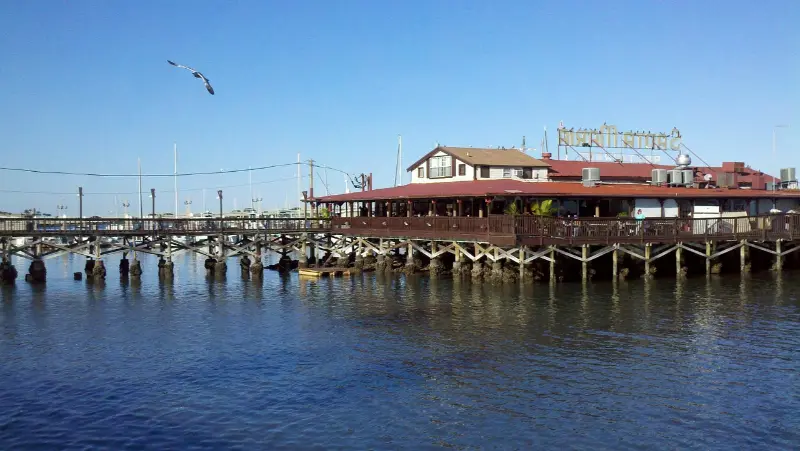
Florida literature grows from landscapes that vacation advertising often ignores: creeks, small towns, labor, migration, ecological change, island eccentricity and the complicated stories of people who made a home here. An eight-day literary journey can connect sites associated with Marjorie Kinnan Rawlings, Zora Neale Hurston and Ernest Hemingway while leaving space for libraries, independent bookshops and writers whose work is less prominently marketed. The route works best as two separate geographic clusters, North and Central Florida followed by the Keys, with an honest transfer day between them. It is not an instruction to collect author-house selfies. Reading a few pages before each stop, asking whose perspectives are missing and paying attention to contemporary Florida writers will make the trip richer. The itinerary is suitable for adults, bookish teenagers and curious families, although individual museums may not interest very young children for long.
On this page
- Build a reading list that avoids a single Florida story
- Day 1: St. Augustine as a place of stories
- Day 2: Jacksonville and the importance of archives
- Day 3: Cross Creek and Marjorie Kinnan Rawlings
- Day 4: Gainesville, university collections and the craft of research
- Day 5: Eatonville and Zora Neale Hurston
- Day 6: The long transfer is part of the plan
- Day 7: The Overseas Highway and writing about islands
- Day 8: Hemingway's Key West and voices beyond Hemingway
- Bookshops, museums and how to spend meaningfully
- A more honest kind of literary souvenir
- Planning at a glance
- Frequently asked questions
Build a reading list that avoids a single Florida story
Choose one work related to each major region before travel rather than trying to finish an enormous syllabus. Marjorie Kinnan Rawlings wrote about rural North Central Florida; Zora Neale Hurston explored Black Southern life and folklore with a voice inseparable from questions of representation; Hemingway's Key West period is widely interpreted through an author house and the surrounding island. These writers differ markedly in era, background and literary approach. A visitor should not treat any single book as an impartial history of the whole community it depicts. Pair classic works with an article by a local historian or a contemporary writer. For older travelers, audiobooks can be useful on driving days if the driver can concentrate safely. For children, use short passages about a place rather than assigning adult novels on vacation.
Day 1: St. Augustine as a place of stories
Begin in St. Augustine with a walk through the historic downtown, viewing the city as a layered place whose stories extend far beyond postcard colonial architecture. The Florida history you will encounter includes Indigenous history, Spanish colonial history, African American experiences and centuries of tourism. Look for a museum program or walking tour led by knowledgeable local interpreters. The city's narrow streets and irregular paving may call for frequent seated breaks. Spend an hour in a local bookshop or public library branch where visitors are permitted, looking for writers who depict Northeast Florida today. Rather than squeezing in every fort or house, choose a single exhibition that helps you understand who recorded the town's stories and who was denied a public voice. Overnight nearby to avoid exhausting transfers.
Day 2: Jacksonville and the importance of archives
Move to Jacksonville, where history museums, neighborhood heritage initiatives and public libraries can complement the literary focus. Jacksonville is a large city, and attractions are not arranged as one effortless pedestrian circuit. Choose one neighborhood and one carefully researched institution, then stop for a meal. Ask librarians or museum staff whether they have public displays about regional authors, oral histories or neighborhood change; a permanent exhibition should never be assumed without checking. This is also an opportunity to discuss how archives preserve letters, newspapers, photographs and voices that do not appear in canonical books. For a school-age child, a scavenger activity around maps and old photographs can be more engaging than another formal house tour. Stay in Jacksonville or move toward Gainesville when traffic and energy permit.
Day 3: Cross Creek and Marjorie Kinnan Rawlings
Cross Creek offers a very different experience from an urban museum. At Marjorie Kinnan Rawlings Historic State Park, the surrounding grove and farm buildings help place the writer's life in a working rural landscape. Interior house access is guided and subject to schedule changes, seasonal closures and high-heat limits, so consult the current Florida State Parks page rather than assuming the house will be open on any date. The grounds themselves can still offer context when tours are unavailable, but paths and surfaces should be checked by visitors with mobility needs. Avoid describing rural Florida as unchanged since Rawlings' era: agriculture, tourism and environmental pressures have reshaped the area. Read about both the writer's accomplishments and later scholarly criticism of whose lives were represented through her prose. Gainesville makes a reasonable overnight base.
Day 4: Gainesville, university collections and the craft of research
In Gainesville, spend time understanding how books become sources. The University of Florida's libraries and public cultural institutions may offer exhibitions or collections with specific access procedures; only promise entry to rooms or manuscripts after checking visitor policies. Even without a special collections appointment, a public exhibition, a bookstore and a quiet café can frame a rewarding literary day. Discuss with teenagers the difference between a historical document, an autobiographical account and a novel. A photograph or diary reveals one perspective, and a novelist's decisions reflect the period in which they wrote. If you are traveling with younger children, split the day into a short indoor stop, a park break and a small reading challenge. Carry a lightweight book and resist turning the day into a compulsory academic excursion.
Day 5: Eatonville and Zora Neale Hurston
Head toward Eatonville, an important historic Black town associated with Zora Neale Hurston's childhood and literary imagination. The setting deserves more than a hurried plaque photograph. Seek interpretation from local cultural organizations, check the operating status of any galleries or visitor centers, and learn about the town's civic history beyond its famous writer. Eatonville is a living community rather than an outdoor museum; respect homes, businesses and religious spaces. Hurston's work can spark discussion about language, folklore, autonomy and who controls a community's narrative. Her writing may introduce unfamiliar dialect and challenging themes, so choose reading material appropriate for children's ages. Orlando offers a broad choice of hotels and provides a convenient base for an extra day if anyone needs a rest before the long southward journey.
Day 6: The long transfer is part of the plan
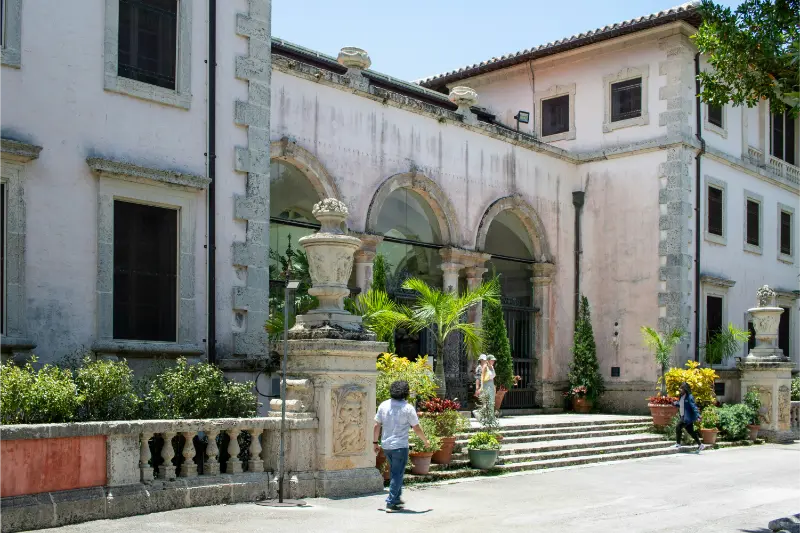
Do not disguise the distance between Orlando and the Keys with a vague instruction to continue south. Set aside a full travel day to reach the Miami area, with one modest stop on the way. A train connection may work between Central and South Florida, but the Keys still require a separate transportation plan. If driving, check live traffic, toll arrangements, weather forecasts and fuel or charging needs. A literary journey can use the transfer for an audiobook and a conversation about changing scenery rather than accumulating additional attractions. Book a Miami overnight rather than attempting a fatigued arrival in Key West late at night. If the group includes older travelers or anyone prone to motion sickness, consider extending the itinerary by a day instead of pushing through an overly ambitious transfer.
Day 7: The Overseas Highway and writing about islands
Drive through the Keys with a small selection of planned stops. Bridges, changing sea colors and settlements make the landscape distinctive, but the road has limited alternatives when congestion builds. A short environmental or historical stop helps place island writing in the context of fishing, storms and fragile coastal ecosystems. Keep all photography within legal pullouts; bridges and shoulders are not spontaneous scenic parking lots. Avoid romanticizing the islands as empty refuges for famous writers: year-round residents work in tourism, conservation and other industries while managing housing and storm risk. Arrive early enough in Key West to settle into your accommodation, walk part of the historic district and choose dinner without rushing. Your accommodation's parking policy can be more important than proximity measured in straight-line distance.
Day 8: Hemingway's Key West and voices beyond Hemingway
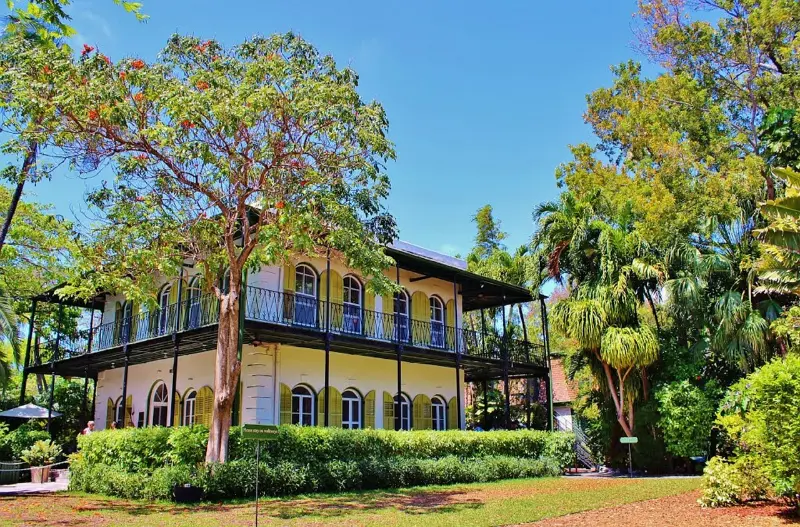
The Ernest Hemingway Home and Museum is a major literary attraction, but it should be one chapter of the day rather than its only purpose. Verify ticketing, tour arrangements and accessibility directly. The house's historic fabric can entail steps and uneven surfaces. After visiting, walk the surrounding streets and seek out other local histories, including Black Bahamian, Cuban and maritime traditions. A writers' town is shaped as much by neighbors and workers as by the celebrated person whose name appears on the attraction sign. Visit an independent bookshop and choose a contemporary Florida title to take home. If you are flying out of Key West, allow for airport logistics; if returning to Miami, do not plan a late departure from the island after an exhausting day.
Bookshops, museums and how to spend meaningfully
Literary tourism should circulate some money locally. Buying a book from an independent bookseller, paying an appropriate museum admission or hiring a qualified local guide can be more responsible than collecting free selfies. Yet not every traveler has room in the budget for many purchases, and libraries or free public programs can be equally valuable. Check event calendars for readings and festivals, but do not design an itinerary around a festival without confirming dates and ticket rules. If you use a wheelchair, ask whether author-house tour routes include rooms accessible only by stairs; a museum's public admission may not cover full building access. For a mixed-age family, plan one anchor cultural visit per day and make the rest optional. The intellectual value of the trip grows when everyone has space to reflect.
A more honest kind of literary souvenir
After each stop, write three sentences: what you saw, whose account you heard, and what you still need to learn. Children can sketch a building or copy the title of a new book; adults might note a surprising detail about the local history. This practice prevents the journey from becoming an interchangeable string of historic interiors. Do not quote long passages on a public travel blog without considering copyright, and seek permission before publishing identifiable portraits of museum staff or other visitors. If you describe your trip later, distinguish your observations from quotations and official interpretations. The best Florida reading itinerary does not declare that an author 'captured the real Florida.' It helps you notice how many different Floridas exist at once and sends you home curious enough to keep reading.
Planning at a glance
| Planning item | Recommendation |
|---|---|
| Typical pace | One substantive activity each day; avoid stacking distant stops |
| Getting around | Check regional distances and accessible transport before committing |
| Reservations | Verify actual tours, rentals, gate times and cancellation rules |
| Weather backup | Keep one indoor alternative for lightning, heat or heavy rain |
| Before travel | Reconfirm official operating notices, local rules and access needs |
Frequently asked questions
Can I do this entire trip without driving?
Parts work with rail or local transfers, but rural Cross Creek and the Keys require more careful transport planning.
Is the Rawlings farmhouse always open?
No. Guided tours have seasonal, weather-related and scheduling limits; verify current state park notices.
Is this good for teenagers?
Yes if they enjoy history and writing, but balance museums with outdoor breaks and short readings.
Do I need to read Hemingway before visiting Key West?
No, though one short work or a reliable biography helps explain the context of the house and town.
Where should I add an extra night?
Gainesville or the Miami area are sensible choices depending on whether you prefer a slower cultural day or easier Keys travel.
Reliable sources and further reading
- Marjorie Kinnan Rawlings Historic State Park tours
- Florida State Parks: Rawlings experiences
- NPS National Historic Landmark documentation
Travel planning note: opening hours, fees, access rules and local conditions may change. Recheck official sources before making reservations. This guide does not claim firsthand experience.