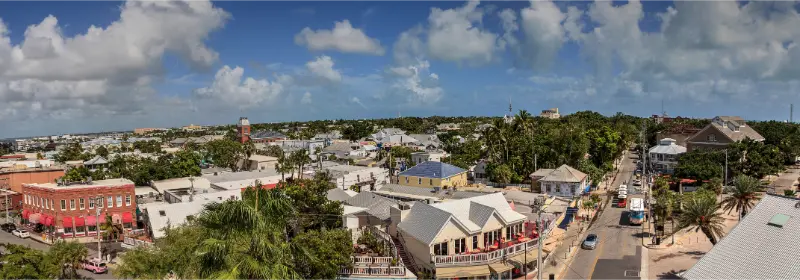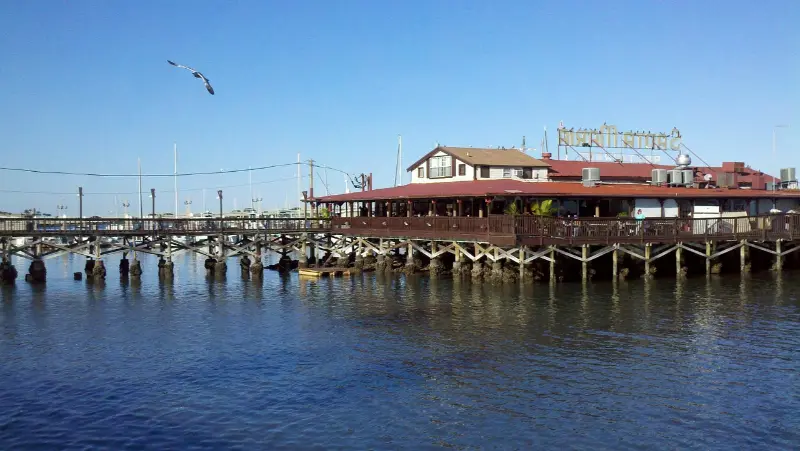
Category: Historic Homes Florida

  • Florida Literary Road Trip: Eight Days of Writers, Bookshops and Historic Places

    Florida Literary Road Trip: Eight Days of Writers, Bookshops and Historic Places

    Florida literature grows from landscapes that vacation advertising often ignores: creeks, small towns, labor, migration, ecological change, island eccentricity and the complicated stories of people who made a home here. An eight-day literary journey can connect sites associated with Marjorie Kinnan Rawlings, Zora Neale Hurston and Ernest Hemingway while leaving space for libraries, independent bookshops and writers whose work is less prominently marketed. The route works best as two separate geographic clusters, North and Central Florida followed by the Keys, with an honest transfer day between them. It is not an instruction to collect author-house selfies. Reading a few pages before each stop, asking whose perspectives are missing and paying attention to contemporary Florida writers will make the trip richer. The itinerary is suitable for adults, bookish teenagers and curious families, although individual museums may not interest very young children for long.

    On this page

    Build a reading list that avoids a single Florida story

    Choose one work related to each major region before travel rather than trying to finish an enormous syllabus. Marjorie Kinnan Rawlings wrote about rural North Central Florida; Zora Neale Hurston explored Black Southern life and folklore with a voice inseparable from questions of representation; Hemingway's Key West period is widely interpreted through an author house and the surrounding island. These writers differ markedly in era, background and literary approach. A visitor should not treat any single book as an impartial history of the whole community it depicts. Pair classic works with an article by a local historian or a contemporary writer. For older travelers, audiobooks can be useful on driving days if the driver can concentrate safely. For children, use short passages about a place rather than assigning adult novels on vacation.

    Day 1: St. Augustine as a place of stories

    Begin in St. Augustine with a walk through the historic downtown, viewing the city as a layered place whose stories extend far beyond postcard colonial architecture. The Florida history you will encounter includes Indigenous history, Spanish colonial history, African American experiences and centuries of tourism. Look for a museum program or walking tour led by knowledgeable local interpreters. The city's narrow streets and irregular paving may call for frequent seated breaks. Spend an hour in a local bookshop or public library branch where visitors are permitted, looking for writers who depict Northeast Florida today. Rather than squeezing in every fort or house, choose a single exhibition that helps you understand who recorded the town's stories and who was denied a public voice. Overnight nearby to avoid exhausting transfers.

    Day 2: Jacksonville and the importance of archives

    Move to Jacksonville, where history museums, neighborhood heritage initiatives and public libraries can complement the literary focus. Jacksonville is a large city, and attractions are not arranged as one effortless pedestrian circuit. Choose one neighborhood and one carefully researched institution, then stop for a meal. Ask librarians or museum staff whether they have public displays about regional authors, oral histories or neighborhood change; a permanent exhibition should never be assumed without checking. This is also an opportunity to discuss how archives preserve letters, newspapers, photographs and voices that do not appear in canonical books. For a school-age child, a scavenger activity around maps and old photographs can be more engaging than another formal house tour. Stay in Jacksonville or move toward Gainesville when traffic and energy permit.

    Day 3: Cross Creek and Marjorie Kinnan Rawlings

    Cross Creek offers a very different experience from an urban museum. At Marjorie Kinnan Rawlings Historic State Park, the surrounding grove and farm buildings help place the writer's life in a working rural landscape. Interior house access is guided and subject to schedule changes, seasonal closures and high-heat limits, so consult the current Florida State Parks page rather than assuming the house will be open on any date. The grounds themselves can still offer context when tours are unavailable, but paths and surfaces should be checked by visitors with mobility needs. Avoid describing rural Florida as unchanged since Rawlings' era: agriculture, tourism and environmental pressures have reshaped the area. Read about both the writer's accomplishments and later scholarly criticism of whose lives were represented through her prose. Gainesville makes a reasonable overnight base.

    Day 4: Gainesville, university collections and the craft of research

    In Gainesville, spend time understanding how books become sources. The University of Florida's libraries and public cultural institutions may offer exhibitions or collections with specific access procedures; only promise entry to rooms or manuscripts after checking visitor policies. Even without a special collections appointment, a public exhibition, a bookstore and a quiet café can frame a rewarding literary day. Discuss with teenagers the difference between a historical document, an autobiographical account and a novel. A photograph or diary reveals one perspective, and a novelist's decisions reflect the period in which they wrote. If you are traveling with younger children, split the day into a short indoor stop, a park break and a small reading challenge. Carry a lightweight book and resist turning the day into a compulsory academic excursion.

    Day 5: Eatonville and Zora Neale Hurston

    Head toward Eatonville, an important historic Black town associated with Zora Neale Hurston's childhood and literary imagination. The setting deserves more than a hurried plaque photograph. Seek interpretation from local cultural organizations, check the operating status of any galleries or visitor centers, and learn about the town's civic history beyond its famous writer. Eatonville is a living community rather than an outdoor museum; respect homes, businesses and religious spaces. Hurston's work can spark discussion about language, folklore, autonomy and who controls a community's narrative. Her writing may introduce unfamiliar dialect and challenging themes, so choose reading material appropriate for children's ages. Orlando offers a broad choice of hotels and provides a convenient base for an extra day if anyone needs a rest before the long southward journey.

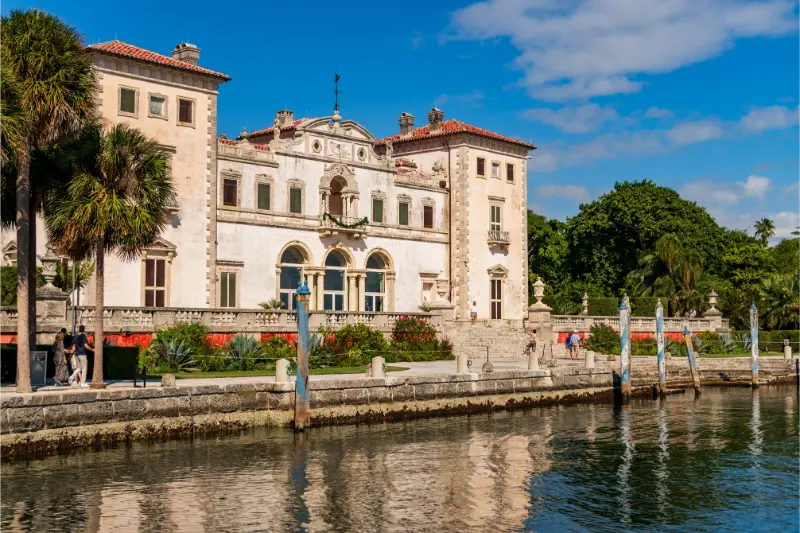
    Miami Historic Residential Building and Greenery

    Day 6: The long transfer is part of the plan

    Do not disguise the distance between Orlando and the Keys with a vague instruction to continue south. Set aside a full travel day to reach the Miami area, with one modest stop on the way. A train connection may work between Central and South Florida, but the Keys still require a separate transportation plan. If driving, check live traffic, toll arrangements, weather forecasts and fuel or charging needs. A literary journey can use the transfer for an audiobook and a conversation about changing scenery rather than accumulating additional attractions. Book a Miami overnight rather than attempting a fatigued arrival in Key West late at night. If the group includes older travelers or anyone prone to motion sickness, consider extending the itinerary by a day instead of pushing through an overly ambitious transfer.

    Day 7: The Overseas Highway and writing about islands

    Drive through the Keys with a small selection of planned stops. Bridges, changing sea colors and settlements make the landscape distinctive, but the road has limited alternatives when congestion builds. A short environmental or historical stop helps place island writing in the context of fishing, storms and fragile coastal ecosystems. Keep all photography within legal pullouts; bridges and shoulders are not spontaneous scenic parking lots. Avoid romanticizing the islands as empty refuges for famous writers: year-round residents work in tourism, conservation and other industries while managing housing and storm risk. Arrive early enough in Key West to settle into your accommodation, walk part of the historic district and choose dinner without rushing. Your accommodation's parking policy can be more important than proximity measured in straight-line distance.

    Day 8: Hemingway's Key West and voices beyond Hemingway

    The Ernest Hemingway Home and Museum is a major literary attraction, but it should be one chapter of the day rather than its only purpose. Verify ticketing, tour arrangements and accessibility directly. The house's historic fabric can entail steps and uneven surfaces. After visiting, walk the surrounding streets and seek out other local histories, including Black Bahamian, Cuban and maritime traditions. A writers' town is shaped as much by neighbors and workers as by the celebrated person whose name appears on the attraction sign. Visit an independent bookshop and choose a contemporary Florida title to take home. If you are flying out of Key West, allow for airport logistics; if returning to Miami, do not plan a late departure from the island after an exhausting day.
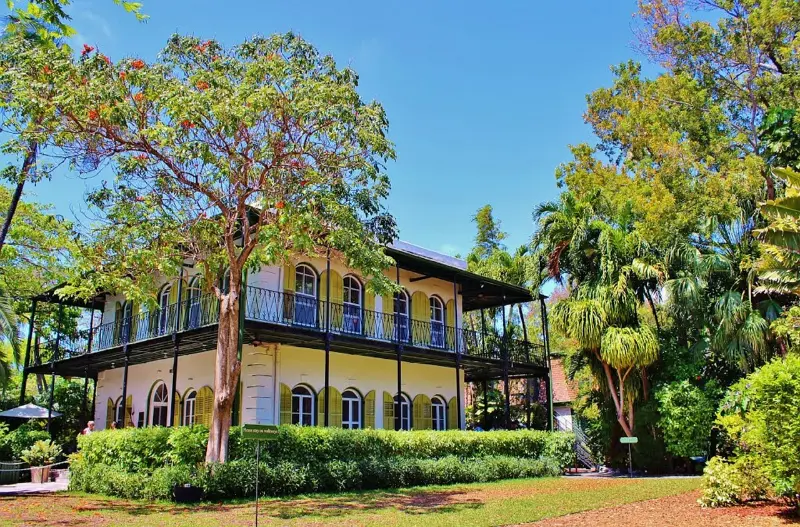
    Key West Historic Wooden House among Trees

    Bookshops, museums and how to spend meaningfully

    Literary tourism should circulate some money locally. Buying a book from an independent bookseller, paying an appropriate museum admission or hiring a qualified local guide can be more responsible than collecting free selfies. Yet not every traveler has room in the budget for many purchases, and libraries or free public programs can be equally valuable. Check event calendars for readings and festivals, but do not design an itinerary around a festival without confirming dates and ticket rules. If you use a wheelchair, ask whether author-house tour routes include rooms accessible only by stairs; a museum's public admission may not cover full building access. For a mixed-age family, plan one anchor cultural visit per day and make the rest optional. The intellectual value of the trip grows when everyone has space to reflect.

    A more honest kind of literary souvenir

    After each stop, write three sentences: what you saw, whose account you heard, and what you still need to learn. Children can sketch a building or copy the title of a new book; adults might note a surprising detail about the local history. This practice prevents the journey from becoming an interchangeable string of historic interiors. Do not quote long passages on a public travel blog without considering copyright, and seek permission before publishing identifiable portraits of museum staff or other visitors. If you describe your trip later, distinguish your observations from quotations and official interpretations. The best Florida reading itinerary does not declare that an author 'captured the real Florida.' It helps you notice how many different Floridas exist at once and sends you home curious enough to keep reading.

    Planning at a glance

    Planning itemRecommendation
    Typical paceOne substantive activity each day; avoid stacking distant stops
    Getting aroundCheck regional distances and accessible transport before committing
    ReservationsVerify actual tours, rentals, gate times and cancellation rules
    Weather backupKeep one indoor alternative for lightning, heat or heavy rain
    Before travelReconfirm official operating notices, local rules and access needs

    Frequently asked questions

    Can I do this entire trip without driving?

    Parts work with rail or local transfers, but rural Cross Creek and the Keys require more careful transport planning.

    Is the Rawlings farmhouse always open?

    No. Guided tours have seasonal, weather-related and scheduling limits; verify current state park notices.

    Is this good for teenagers?

    Yes if they enjoy history and writing, but balance museums with outdoor breaks and short readings.

    Do I need to read Hemingway before visiting Key West?

    No, though one short work or a reliable biography helps explain the context of the house and town.

    Where should I add an extra night?

    Gainesville or the Miami area are sensible choices depending on whether you prefer a slower cultural day or easier Keys travel.

    Reliable sources and further reading

    Travel planning note: opening hours, fees, access rules and local conditions may change. Recheck official sources before making reservations. This guide does not claim firsthand experience.

  • Florida Architecture Road Trip: Eight Days of Art Deco, Mediterranean Revival and Waterfront Landmarks

    Florida Architecture Road Trip: Eight Days of Art Deco, Mediterranean Revival and Waterfront Landmarks

    Florida’s buildings tell several different stories. Miami Beach’s pastel hotels describe an era of resort expansion; Palm Beach’s mansions reveal how winter tourism reshaped the coast; Sarasota’s cultural buildings show a more modern regional imagination. A good architecture trip should make room for the people and histories behind those façades, including the labor required to build and maintain them. This eight-day southbound itinerary begins in St. Augustine, spends time in Sarasota and Palm Beach, and finishes in Miami. The route is designed for visitors who enjoy walking, museums and photography but also need realistic drive times and indoor breaks. It is not an academic survey and does not require entering private properties to be rewarding.

    What to look for before you start

    Learn to distinguish a building’s appearance from its date and function. An ornate Mediterranean Revival hotel might evoke a much earlier European design language while actually having been built in twentieth-century Florida. Art Deco is often associated with geometric motifs and streamlined forms, but Ocean Drive is not a single uniform period. Preservation can involve substantial repairs and adaptations. Reading plaques and museum interpretation helps prevent the familiar travel-guide mistake of describing every old-looking building as authentically colonial. Take photographs of informational signs and compare details such as arches, decorative tile, horizontal bands, setbacks and windows.

    Avoid turning a city walk into a lesson delivered at a child who would rather go to the beach. Set one observation challenge for the day: look for buildings with repeated geometric patterns, compare shaded courtyards or find how an architect handled intense sun and storms. For someone using a wheelchair, select accessible sidewalks and museum entrances before choosing an exterior-photo route. Older districts can have uneven pavement and lengthy crossings. Architectural beauty is easier to appreciate at a humane pace, particularly in South Florida heat.

    Day one: St. Augustine, a city with several layers

    Begin in St. Augustine, where the built environment mixes Spanish colonial references, nineteenth-century development, religious structures and major Gilded Age investments. Walk a compact part of the historic district and notice the contrast between Castillo de San Marcos’s defensive masonry and the decorative architecture of former luxury hotels. The city’s narrow streets can be busy and occasionally uneven; choose a morning walk before the heat and allow plenty of time for crossings. Focus on three or four sites rather than trying to photograph every façade in the old city.

    Make the Lightner Museum or a nearby historical property the central indoor stop, after verifying admissions and accessible entry. Explain that a building can change use over time: a structure conceived as lodging may become a cultural venue, while a public square can acquire different meanings for successive residents. Arrange an overnight in or near the historic district so you do not finish the day with a long drive. A night here allows an evening exterior walk when streets have thinned, provided lighting and walking conditions are suitable.

    Day two: architecture, preservation and the road south

    Reserve the second morning for buildings you passed too quickly. Compare the materials and restoration approaches of a historic residence, church or hotel exterior. When a building is privately occupied, remain on the public sidewalk; a beautiful doorway is not an invitation to step into someone’s garden. Historic-center photography can be surprisingly tiring, so plan a seated lunch and a route that minimizes repeated parking. Families with children might balance one architectural visit with a waterfront break.

    In the afternoon, travel toward the Orlando area or position yourself along the route to Sarasota, depending on your comfort with driving. The distance from St. Augustine to Sarasota is significant for an architecture-focused day; splitting the journey is reasonable. Winter Park near Orlando offers attractive streets and an opportunity to compare a planned, leafy community with St. Augustine’s tourist core. Travelers who prefer fewer hotel changes could drive to Sarasota, but should not schedule a prepaid evening tour after unpredictable highway traffic.

    Day three: Sarasota and the cultural landscape

    Sarasota is a rewarding contrast to the Atlantic coast’s oldest cities. The Ringling complex brings art, circus history, landscaped grounds and Ca’ d’Zan into one cultural campus. The waterfront mansion’s architecture evokes the Venetian Gothic tradition, but its setting and modern history are specifically Floridian. Check the Ringling's official visit information for current access to individual venues, since museum admission and mansion access may be organized differently. Plan several hours and choose which sections matter most to your group instead of assuming everything fits into a brief stop.

    Afterward, walk an appropriate part of downtown Sarasota and observe how modern commercial blocks respond to Florida’s climate. Rooflines, covered walkways and shaded entrances are useful features to notice. If interested in the Sarasota School of Architecture, research a curated architectural tour with an established local organization rather than seeking private houses from old online lists. Residential properties deserve privacy. A traveler who enjoys design but cannot manage extensive walking can emphasize museum interiors, a shorter streetscape walk and a peaceful dinner by the bay.

    Day four: modern Sarasota and a move toward Palm Beach

    Use the fourth morning for a deliberate comparison between mid-century design and the older mansion aesthetic. Architecture is not merely a sequence of famous houses: schools, libraries, civic spaces and modest commercial buildings reveal ordinary design decisions. If you visit a contemporary arts organization, check exhibits and visitor policies in advance. A coastal drive can be tempting, but it is rarely the fastest route across the state; allow sensible time for the move toward the Palm Beach area.

    Plan a straightforward hotel arrival without an ambitious night program. The next two days will involve more walking and museum time. Travelers of different ages can spend this evening sorting photographs into themes—arches, ornament, pastel walls, glass, shade—or simply resting. If a hurricane or strong storm threatens, follow official local guidance rather than trying to complete a sightseeing schedule. Many spectacular waterfront buildings are close to exposed coastlines, and scenic appeal does not diminish weather risk.

    Ocean Drive Miami Beach Art Deco Hotels at Night

    Day five: Palm Beach and the Gilded Age

    Visit Palm Beach for its grand residential and hospitality architecture, especially the Flagler Museum at Whitehall. This landmark gives context to the expansion of leisure travel, rail infrastructure and wealthy seasonal communities in the region. The Flagler Museum's visitor information should be checked for days, admission and any exhibition restrictions. Move through the house with an eye on room design, labor and the social world that these interiors represent, rather than seeing only opulence.

    Beyond the museum, enjoy a public streetscape walk where it is permitted and practical. Palm Beach has expensive private properties and strong boundaries between public space and residential grounds. Do not approach gates or garden areas to obtain a close-up photograph. An architectural visit can also raise questions about who built Florida’s resort infrastructure and who could access it. Discuss those questions with teenagers or interested adult companions. Spending one whole day in the area allows time for a quiet lunch and avoids treating the region as merely a quick photo stop before Miami.

    Day six: West Palm Beach, civic streets and practical transit

    Cross to West Palm Beach and examine a different relationship between buildings and urban public space. Downtown blocks, cultural institutions and waterfront routes have a more varied everyday function than an isolated mansion. A museum visit or guided city walk can help distinguish authentic historical preservation from newer construction designed to resemble an earlier style. Check for street events and temporary closures if planning around a major festival. A garage close to the first stop is often preferable to repeated short car trips.

    Those continuing to Miami can choose an afternoon transfer or another Palm Beach night. Brightline provides an intercity rail alternative along portions of this corridor, but it does not turn every architecture stop into a car-free day: compare station access and luggage handling before leaving the rental vehicle behind. During summer, schedule outdoor examination in the morning and indoor museums in the afternoon. This matters as much for healthy young adults as for older travelers, because a long exposed streetscape walk can be exhausting.

    Day seven: Miami Beach Art Deco in context

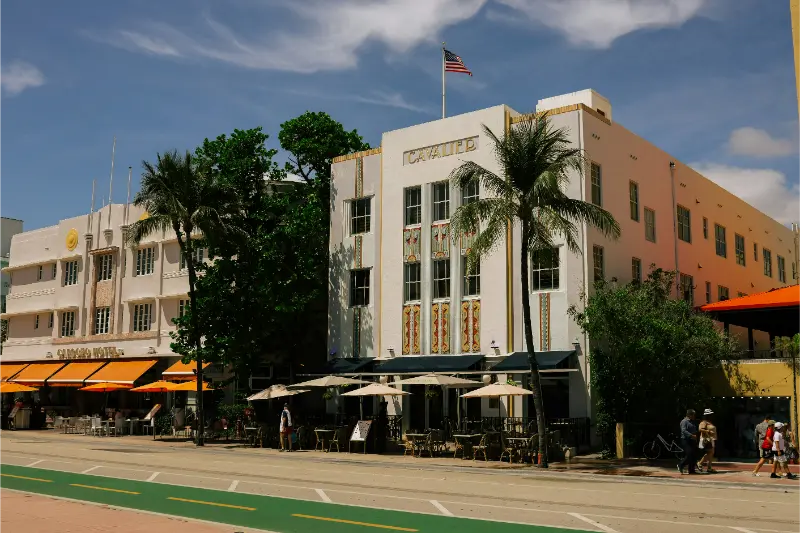
    The Miami Beach Art Deco Historic District is one of Florida’s most recognizable architectural destinations. The city describes hundreds of notable buildings associated with its Art Deco legacy; its official Art Deco overview explains common characteristics. Walk portions of Ocean Drive and nearby streets, comparing geometric reliefs, horizontal lines, rounded corners and entrance compositions. Do not assume every vibrant pastel paint scheme is original to the building’s first year. Restoration, commercial branding and periodic repainting contribute to today’s colorful streetscape.

    Ocean Drive Miami Beach Art Deco Street Aerial

    For more context, seek an established historical or preservation-oriented walking tour. Photograph exteriors from legal public viewpoints and respect hotel guests and staff. Ocean Drive’s restaurant promoters can distract from architectural details; plan a route in advance so your time is not consumed by marketing. Street crossings, bike lanes and heavy pedestrian traffic require attention. A person who finds crowds difficult may enjoy an earlier morning walk, followed by an indoor break. Overnight in Miami Beach if you want an unrushed evening, but verify parking fees before committing to a hotel.

    Day eight: Vizcaya and the architecture of Miami

    Finish with Vizcaya Museum and Gardens, a major contrast with streamlined Miami Beach. Its historic villa, formal gardens and waterfront setting demonstrate another version of elite early-twentieth-century life in South Florida. Consult the official Vizcaya visitor site for entry times, accessibility and garden conditions. Walk through spaces thoughtfully: architecture here is about the relationship between interior rooms, ornamental landscapes and Biscayne Bay. Because part of the experience is outdoors, rain and heat should inform your visit length.

    If your flight allows, compare Vizcaya’s intimate grounds with the larger civic streetscapes of downtown Miami. The contrast reveals how a city can contain private estates, resorts and public architecture with very different purposes. Avoid planning the museum as a last-minute stop if you have checked baggage or an international departure. Miami traffic can be unpredictable, and a relaxed morning at a single property is more rewarding than leaving before you have absorbed the details.

    Photography without trespassing or artificial staging

    A simple zoom lens and a camera or phone with good dynamic range are sufficient for most visitors. Early light can reveal details in stone and stucco, but in some urban canyons strong midday contrast also illustrates depth and ornament. Watch where you stand: do not block narrow sidewalks, lean over walls or set tripods where prohibited. A polarizing filter may help reflections, but interiors often restrict flash and other equipment. Ask before photographing staff or visitors and check each museum’s rules for commercial photography.

    Use wide images sparingly; detail shots of a doorway, tile pattern or shaded arcade can tell a richer story than a street emptied of people. Record the actual building name and location, not merely “art deco hotel” or “Spanish villa.” If you share photographs publicly, avoid making inaccurate historical claims from an appearance alone. An informative caption might explain why you stopped, what detail caught your eye and where readers can verify the building’s significance. No first-person claim is necessary unless you genuinely visited.

    Where to sleep and how to keep the route realistic

    This is an ambitious cross-state route. A sensible division is two nights near St. Augustine, two near Sarasota, two in Palm Beach County and one or two in Miami. That creates hotel changes, but also limits very long sightseeing drives. If you have only five days, choose Sarasota-to-Miami or St. Augustine-to-Sarasota rather than trying to visit everything. Families needing predictable naps can make a museum the main activity each day and use parks or waterfronts as optional additions.

    Costs depend primarily on hotel district, parking and museum admissions. Resort destinations can add substantial valet or garage charges, particularly in Palm Beach and Miami Beach. Compare the total cost of your accommodations with the convenience of walking to the first attraction. Check accessibility beyond the building entrance: historic houses may have stairs, uneven garden surfaces or restricted upper rooms. A shorter accessible itinerary is a legitimate architecture trip, not a lesser version of one.

    Eight-day itinerary summary

    DayOvernight areaMain architecture interestPlan B
    1St. AugustineHistoric center and Gilded Age landmarksLightner Museum
    2Orlando corridor or SarasotaPreservation and travel southShort Winter Park stroll
    3SarasotaThe Ringling and Ca’ d’ZanSelected indoor collections
    4Palm Beach CountyMid-century perspectives and transferRest and photography review
    5Palm Beach CountyFlagler Museum and public streetscapesExtended museum visit
    6Palm Beach County or MiamiWest Palm Beach civic architectureRail transfer
    7Miami BeachArt Deco Historic DistrictGuided short walk
    8MiamiVizcaya Museum and GardensDeparture-focused schedule

    Frequently asked questions

    Is Miami Beach the only Florida city worth visiting for architecture?

    No. Sarasota, Palm Beach and St. Augustine show different design traditions and social histories. The contrast between them is the central value of this trip.

    Can the entire route be completed by train?

    Not conveniently as written. Rail may help between some Atlantic cities, but Sarasota and multiple dispersed sites favor a car or a carefully arranged combination of transfers.

    Are the famous historic homes always open?

    No. Individual sites have admission rules, conservation work and occasional event restrictions. Review venue calendars before purchasing tickets or driving long distances.

    Is the architecture trip suitable for older travelers?

    Yes if the route is shortened and walking is tailored to individual mobility. Prioritize accessible museums, central hotels, shade and an indoor rest between outdoor streetscape visits.

    Can I photograph private homes from the street?

    Follow local laws and respect privacy. Remain on public property, never block entrances or approach residents, and check museum policies before using professional equipment.

    Official resources

    Use the City of Miami Beach Art Deco guide, The Ringling, Flagler Museum and Vizcaya Museum and Gardens for official context. Prepared October 2026; opening times and restoration access can change.

  • Audubon House and Tropical Gardens: A Historic Key West Home and Peaceful Garden Visit

    Audubon House and Tropical Gardens: A Historic Key West Home and Peaceful Garden Visit

    Only a short walk from the busy Key West waterfront, Audubon House and Tropical Gardens offers a slower perspective on the island. This beautifully restored nineteenth-century home recalls the era of maritime pilots, wrecking and the city’s prosperity through ship-related trade. Outside, a tropical garden creates a calm contrast to the surrounding shops and sidewalks. The attraction works best for visitors who enjoy architecture, social history and plants — and who want to understand the difference between the actual Geiger family home and the famous naturalist whose name it carries.

    The house’s history and the Audubon connection

    Captain John Huling Geiger’s family built the home in the 1840s, and generations of the family lived there. In the maritime world of nineteenth-century Key West, skilled pilots and wreckers were central to the island’s economic life. Ships navigating Florida’s reef could run into serious trouble, and the work surrounding their rescue, recovery and salvage shaped the community. The building gives visitors a way to imagine the domestic setting of a prosperous family connected to that world.

    Sunset Key Island near Key West Florida

    Despite the attraction’s name, it is important not to assume that John James Audubon owned or lived in the house. He visited Key West in 1832, before the Geiger house was built. His association with local birds and the landscape influenced the museum’s later identity. The site celebrates the naturalist’s art while preserving a house associated with a different family. Explaining this timeline helps prevent an appealing name from becoming an inaccurate historical claim.

    From threatened demolition to landmark preservation

    The home was once at risk of being destroyed. In 1958, Mitchell and Frances Wolfson helped save it, and restoration followed. The museum opened in 1960, becoming an early and influential example of Key West’s historic-preservation movement. This story is compelling because it asks a practical question: what happens to a city’s identity when older buildings are replaced without considering their cultural value?

    On a walk through Old Town, the answer becomes visible in the pattern of wooden houses, verandas, small gardens and streets that still retain historic character. The Audubon House was not preserved simply because it looked attractive; its rescue helped demonstrate that historic structures could offer the city a lasting cultural and economic resource. Visitors who love architecture may enjoy comparing its details with other nearby nineteenth-century buildings while remembering that not all homes have the same history or remain open to visitors.

    Admission, hours and where to find it

    The museum is located at 205 Whitehead Street, Key West, FL 33040. The official website checked in October 2026 lists general museum and garden hours of 9:30 a.m. to 4:15 p.m. daily, with gallery and gift-shop access listed later in the afternoon. The published adult ticket is $16, with student and child rates and free admission for children under six. Certain private garden events can produce early closures, so arriving well before the last normal hour is sensible.

    The attraction specifically advises visitors to arrive before 3 p.m. or call ahead on days when early closing may occur. Treat published admission as a current reference rather than a lifelong guarantee. If you are arriving from a cruise ship or connecting a timed tour, reconfirm hours on your day. A calm visit often takes around an hour, possibly longer if you enjoy detailed historic interpretation, architectural photography or unhurried garden observation.

    What to notice inside the house

    Rather than rushing past room after room, examine how the furnishing choices communicate daily life. The museum contains period antiques and some objects connected to the Geiger family, offering clues about wealth, household work and social expectations in nineteenth-century Key West. Notice circulation between formal rooms and practical household spaces. A beautiful room does not tell the whole story; consider who maintained the house, who cooked, and how an affluent family’s life related to the labor and commerce of the harbor.

    The site includes a replica period cook house in the garden, another reminder that daily domestic life involved work outside the grand rooms. If you are visiting with older children, invite them to compare modern and historic household routines. What tasks took longer before electricity or modern refrigeration? How might tropical weather have shaped the building? Such questions are more productive than simply saying people in the past “lived differently.”

    The gardens: a separate reason to visit

    The tropical grounds are an attraction in their own right. The official garden information describes pathways among orchids, bromeliads, palms and other plants, with labels that help visitors identify collections. The shaded setting can be a welcome break from the heat of the waterfront, but paths and outdoor surfaces may still be uneven or slippery after rain. Allow yourself time to study foliage and the way different plants are arranged rather than treating the garden as the exit route from the house.

    Gardens also invite small observations about the Keys’ climate and growing conditions. Compare the colors and textures of leaves, look for butterflies without chasing them and notice how plants respond to sun and shade. Do not pick flowers or handle wildlife. Some garden paths may narrow, so visitors using mobility aids should ask staff about the most suitable route. A short, accessible garden experience can be more satisfying than trying to reach every corner.

    Audubon, birds and the limits of an easy story

    John James Audubon helped make North American birds a central subject of natural-history art. His drawings remain visually influential, but modern interpretation can also explore the context and limitations of historical naturalism. The site’s association with Audubon offers an entry point into a discussion about observation, artistic representation and how attitudes toward wildlife have changed. Visitors interested in birds can compare the period’s illustrated approach with ethical modern birdwatching and photography.

    It is best to distinguish historical folklore from well-documented fact. The museum recounts local stories that link Audubon’s 1832 Key West visit with the landscape later occupied by the house, but the building itself dates from the following decade. You can appreciate the artwork and gardens without turning every romantic association into historical certainty. For children, this is a useful lesson in asking what records can actually establish.

    Visiting with children and several generations

    Young children may find the garden more engaging than historic rooms full of fragile antiques. Keep the indoor segment short and explain a simple rule before entering: look closely, but do not touch objects unless staff invite interaction. In the garden, ask them to find three different leaves or identify the colors of flowering plants. A peaceful stop may be particularly valuable between louder, busier Key West activities, but little children will still require close supervision.

    Grandparents may enjoy the architecture and slower pace, while family members interested in literature or natural history can focus on the Audubon connection. However, historic buildings sometimes have stairs, thresholds and narrow passages. Contact the property about wheelchair access and any restrictions on the upper floors before buying tickets for someone who depends on a step-free route. Building age and heritage status can complicate access even when the staff are accommodating.

    Getting there and walking around Old Town

    The museum’s Whitehead Street location makes it practical to include in a walking itinerary with several Old Town sites. Mel Fisher Maritime Museum is nearby and offers a very different angle on the island’s maritime story; the Key West Aquarium explores the surrounding marine environment. Choose one or two attractions according to your group’s interests rather than accumulating ticket costs without enough time to enjoy any of them.

    Key West Old Town and Waterfront Aerial

    For visitors staying in the historic district, walking is often more convenient than relocating a car between narrow streets and paid parking. Check shade and hydration, especially in summer. Cruise passengers should remember the return-to-ship deadline, even when a museum feels very close to the port. If planning to visit just before sunset, confirm the museum’s earlier afternoon closing rather than assuming it operates on the same schedule as waterfront entertainment.

    Photography and respectful historic-house etiquette

    Interior photographs may be limited by site policy, fragile displays or crowd management. Follow staff instructions; do not rearrange furniture, lean on historic surfaces or use equipment that blocks a passage. Exterior photographs often work well when framed with plants, veranda elements and the surrounding garden. When sharing pictures, credit the site accurately rather than presenting it as Audubon’s former residence.

    Small museums thrive when visitors engage carefully with details. Read a room’s interpretation, ask a question and consider why preservation mattered to the city. If the garden is hosting a private function or a path is temporarily blocked, accept the restriction and enjoy what is available. Visiting a historic home is not the same experience as entering a recreated movie set, and the property’s authentic character deserves the extra respect.

    Practical visitor table

    Topic Best plan
    Address 205 Whitehead Street, Old Town Key West
    Main interest Geiger family home, preservation and tropical gardens
    Typical duration Around one to two hours
    Published museum hours 9:30 a.m.–4:15 p.m.; verify event closures
    Children Garden observation and a short indoor visit
    Accessibility Ask about stairs, thresholds and garden routes
    Pair with One nearby maritime or cultural attraction

    Frequently asked questions

    Did John James Audubon live in this house?

    No. Audubon visited Key West in 1832, and the Geiger family house was built in the 1840s. The name reflects the museum’s historical and artistic interpretation, not his ownership of the property.

    Are the gardens included in a visit?

    The historic house and tropical gardens are presented together as the attraction. Confirm the current ticket and any private-event restriction before arriving.

    How much time should I plan?

    About an hour is a reasonable minimum, with extra time for visitors who enjoy historic furniture, architecture, botanical labels and quiet photography.

    Is the site good with toddlers?

    The gardens may appeal to young children, but historic rooms require close supervision. A short visit can be rewarding if expectations and rest breaks are realistic.

    Is the entire house wheelchair accessible?

    Do not assume full access within a nineteenth-century building. Contact the museum to clarify your required route, steps and any available assistance.

    Official sources and final advice

    Read the Audubon House official site, admission details and garden information before visiting. This is an especially satisfying stop for travelers who want more than the usual Key West waterfront highlights: the house, its preservation story and its tropical garden reveal a quieter, historically layered side of the island.

  • Vizcaya Museum and Gardens in Miami: Historic Villa, Waterfront Gardens and Visitor Tips

    Vizcaya Museum and Gardens in Miami: Historic Villa, Waterfront Gardens and Visitor Tips

    Vizcaya Museum and Gardens in Miami is not a quick photo stop disguised as a museum. It is an early-twentieth-century waterfront estate where architecture, decorative arts, subtropical gardens, and the history of Miami meet in one place. The experience works especially well for travelers who want a quiet counterpoint to South Beach or a cultural morning between outdoor adventures. Its beauty is immediately apparent, but a rewarding visit comes from understanding what you are seeing and allowing time to explore the landscape as well as the main house. This guide explains the practical decisions that matter: tickets, transport, walking conditions, weather, and how to make the estate worthwhile for different ages.

    Why Vizcaya is worth visiting

    Industrialist James Deering developed Vizcaya as a winter residence in the 1910s, commissioning a Mediterranean-inspired villa and formal gardens beside Biscayne Bay. It was never a traditional centuries-old European palace. It is instead a carefully composed American estate that borrowed, adapted, and reimagined European architectural traditions in a South Florida setting. That distinction makes the interiors especially interesting: antique objects, elaborate rooms, scenic transitions, and a landscape designed as an extension of the house tell a story about taste, wealth, labor, and the way Miami was changing during that era.

    Vizcaya Museum Historic White Facade Miami

    The most memorable aspect is the conversation between indoor and outdoor spaces. A shaded loggia may frame the bay; a formal axis may point toward a fountain; a garden path may turn the tropical sunlight into an unexpected theatrical effect. Visitors who rush from staircase to staircase often miss these details. Give yourself time to stand still, examine the relationship between rooms and terraces, and read interpretive material rather than treating every corner as a background for photographs.

    Inside the main house

    The main house is a decorative-arts experience as much as an architectural one. Expect highly detailed furniture, ceilings, architectural fragments, and rooms conceived with specific purposes. A useful approach is to begin by learning how the household functioned and then notice the contrast between grand entertaining spaces and the practical support that made the estate operate. This makes the visit more meaningful for older children studying history and for adults interested in design.

    The building is historic, not a modern gallery built for unrestricted movement. Some areas may be closed for preservation or maintenance, and stairs or changes in floor level can affect the route. Before visiting, consult the museum’s current accessibility guidance and ask which spaces can be reached step-free. Someone who cannot access the whole house can still enjoy important parts of the estate, but it is better to choose a route deliberately than discover an obstacle halfway through the visit.

    Gardens, waterfront views, and photography

    The formal gardens reward slow exploration. Their geometry, sculptures, water elements, and plantings were planned as a series of outdoor rooms. Look for the different ways paths create views toward the villa and the bay. The celebrated stone barge offshore is part of the designed waterfront composition, not a normal boat that visitors can board. Its condition and permitted viewing areas may change as preservation work continues.

    Morning light is usually more comfortable for walking and often more flattering for pictures than harsh midday sun. After rain, stone surfaces and steps may be slippery; during hot months, exposed paths can feel much warmer than shaded sections. Respect barriers around fragile garden elements, stay out of fountains and planting beds, and observe posted photography restrictions. Personal snapshots are different from commercial shoots: professional equipment, staged sessions, and large groups may require permission even when handheld tourist photography is allowed.

    Hours, admission, and timing

    Vizcaya’s published regular schedule is 9:30 a.m. to 4:30 p.m., with Tuesdays closed. The museum may operate differently for special programs, holidays, or severe weather. Admission categories and online ticket terms can change, so use the official ticket page for the actual travel date. Do not assume that an online reseller’s listing includes special tours or access beyond standard admission.

    Plan roughly two to three hours if you want to see both the villa and gardens without rushing. A history-focused visitor could comfortably stay longer; a family with a toddler might prefer a shorter, earlier visit with a deliberate snack and stroller break. If you have only one hour, prioritize the main house and one garden axis rather than trying to cover every outdoor corner. Leaving a little unscheduled time helps you enjoy the estate instead of treating it like a timed checklist.

    Getting there from Miami and Miami Beach

    The address is 3251 South Miami Avenue, on the mainland south of Downtown Miami in the Coconut Grove area. Vizcaya offers on-site parking, but availability is not guaranteed during busy events or peak visiting periods. A rental car can be convenient when combining the estate with other mainland attractions; it can be inefficient if you are staying on Miami Beach and would otherwise avoid a car. Compare the cost of parking and driving with a taxi or rideshare before committing.

    Metrorail’s Vizcaya station is in the surrounding area, but the final approach still involves walking near busy streets. Check the actual pedestrian route on the day, especially with children, a wheelchair, or limited stamina. Do not assume that a transit station name means step-free door-to-door access. In summer, schedule enough time for heat, crossings, and a water stop. If you will return by rideshare, select a legal and clearly identifiable pickup point instead of stepping into vehicle traffic to meet your driver.

    Vizcaya with children, teens, and older visitors

    For school-age children, frame Vizcaya as an architectural treasure hunt: ask them to find different kinds of arches, water features, decorative motifs, and ways that the garden frames the bay. Explain that touching historic objects is not allowed and that fountains are not playgrounds. Teens interested in photography may enjoy the composition of the courtyards and gardens, but should keep filming unobtrusive.

    Vizcaya Museum Historic Architecture Miami

    For infants, investigate the current stroller and changing-facility policies before departure. Families with preschoolers should avoid a long noon-time circuit, bring drinking water, and identify a quiet place for a break. Older adults may prefer beginning with the most important indoor spaces and then choosing shorter garden loops. Visitors with mobility limitations should contact the accessibility team for the exact route, restroom availability, and any equipment accommodations. A beautiful property can still demand considerable walking.

    What to wear and bring

    Wear comfortable closed-toe or supportive walking shoes rather than footwear chosen solely for photographs. Historic paving can be uneven, and the garden includes transitions between sun and shade. A small bottle of water, sun protection, and light rain protection are practical in Miami. Backpacks, food, drinks, and large bags may be restricted in parts of the museum; read the current visitor policy before packing a picnic. Keep your belongings compact and never leave valuables visible in your parked car.

    Mosquito activity varies with rain and season. A visitor sensitive to heat should plan an early arrival and consider the indoor spaces as the anchor of the visit. During lightning, do not remain in exposed gardens just to finish a photo series; follow staff instructions. Some terraces or pathways may close temporarily for preservation, maintenance, or weather, and those closures are a reason to change the route, not to cross a barrier.

    A practical half-day itinerary

    Arrive at opening and begin in the main house while your group has the most energy for interpretive exhibits. Spend approximately an hour moving through the principal rooms, pausing for context rather than photographing everything. Next, explore the formal gardens, with a slower stop at the waterfront. Finish with a rest, look at the museum shop if it appeals, and then continue to a nearby lunch in Coconut Grove. This itinerary leaves an afternoon free for an entirely different Miami experience.

    If you are combining Vizcaya with Fairchild Tropical Botanic Garden, remember that both attractions reward meaningful walking and that they are not next door to each other. Trying to compress both into a rushed morning is particularly unwise with younger children. A second possibility is to combine Vizcaya with a relaxed exploration of Coconut Grove. Choose one nearby continuation and be realistic about travel time, parking, and afternoon thunderstorms.

    Costs and realistic alternatives

    The entrance fee supports a historic institution, but what matters for a family is the full cost: admission for every eligible person, transportation, food, and the possibility of a shortened visit if weather changes. Check discounts from the museum itself instead of relying on old travel blogs. If the budget is tight, a free waterfront stroll elsewhere in Miami can still be enjoyable, but it does not replace the interiors and heritage interpretation at Vizcaya.

    Vizcaya is best for people who appreciate architecture, gardens, and cultural history. It is less suitable as an all-day interactive attraction for toddlers, a guaranteed rainproof activity, or a place where every area is uniformly accessible. Being clear about that fit is more useful than calling it a must-see for everyone.

    At-a-glance planning table

    Planning point Practical recommendation Confirm before leaving
    Visit length Allow two to three hours Current route and room access
    Best start Morning, especially in warm weather Opening hours and entry time
    Transport Compare car, Metrorail plus walk, and rideshare Parking and step-free access
    Families Focus on house and a shorter garden loop Stroller and bag rules
    Reduced mobility Request a route based on available access Accessibility contact and restroom options
    Photography Use a small handheld camera respectfully Commercial session policies

    Frequently asked questions

    Is Vizcaya a real European palace?

    No. It is a Miami estate created in the early twentieth century with strong European design influences. Understanding that history adds depth to its architecture and collections.

    Is Vizcaya open on Tuesdays?

    The museum’s published regular hours exclude Tuesdays. Check the official calendar for any date-specific changes, holiday events, or unexpected closures.

    Is Vizcaya suitable for a stroller or wheelchair?

    Some routes and areas can be accessible, but the historic property is not uniformly step-free. Contact the museum for current details before booking if access is a deciding factor.

    Can I visit Vizcaya and Miami Beach in one day?

    Yes, but plan around traffic and allow at least a couple of hours on site. It works better as a cultural morning followed by a relaxed afternoon than as one stop in an overloaded itinerary.

    Can visitors take photos in the gardens?

    Personal photos are generally part of a visit, subject to posted rules. Professional shoots or elaborate equipment may need permission, and all visitors should protect historic features and other people’s privacy.

    Official information and final advice

    Use the Vizcaya Museum and Gardens visitor page and its contact information to verify tickets, openings, accessibility, and photography conditions. A good visit is not about racing through rooms. It is about allowing the unusual meeting of Mediterranean design and a tropical Miami waterfront to become the memorable part of your day.

  • Hemingway Home in Key West: Historic House, Six-Toed Cats and Tour Information

    Hemingway Home in Key West: Historic House, Six-Toed Cats and Tour Information

    The Ernest Hemingway Home & Museum is one of Key West’s most recognizable historic houses, yet it is easy to underestimate what makes the visit interesting. Famous six-toed cats are part of the attraction, but the property also tells a story about a writer, a distinctive island community, domestic life in the 1930s, and the complicated connection between literature and place. A visit works well within a walking tour of Old Town Key West, provided you allow time for a guided explanation and treat the house as a preserved historic site rather than an interactive petting attraction.

    Why visit Hemingway's Key West home?

    Ernest Hemingway lived and worked in Key West during an important phase of his writing career. His former home gives visitors an opportunity to connect the public image of the author with a real physical environment: domestic spaces, gardens, and the setting of a small subtropical island. You do not have to be a literary scholar to enjoy it, but knowing a little about Hemingway’s life and work can make the house significantly more meaningful.

    A first-time visitor should pay attention to how the house fits into the character of Old Town. Key West’s historic architecture, narrow streets, and tropical vegetation provide a different atmosphere from mainland Florida. The museum is not a conventional modern literary museum filled entirely with interactive screens. Its value comes from the building, guided storytelling, historic context, and the continuing community fascination with the writer and his cats.

    Key West Ocean View from Beach

    What to expect from the guided tour

    The museum’s official visitor information describes short guided tours that generally last about twenty to thirty minutes. Tours start frequently during operating hours, but exact timing may change with crowd levels and staffing. A guide can help visitors interpret rooms and stories that might be confusing without context, including Hemingway’s writing, fishing interests, relationships, and the development of the home. Listening to the guide is usually worth more than trying to photograph every corner immediately.

    Guided commentary adds interpretation, not permission to touch historic objects or wander into closed areas. Keep children close, especially in small rooms where groups may be crowded. If you need to hear clearly or follow a tour in another language, ask the museum about available accommodations or alternatives. Families may choose to stay for additional independent exploration of permitted areas after the tour, but the length of that opportunity depends on the museum’s current rules.

    The famous polydactyl cats

    The cats are a major part of the Hemingway Home’s identity. The museum explains that Hemingway received a white six-toed cat from a ship’s captain and that some cats on the property are descendants of that original animal. The extra toes are associated with polydactyly, a natural inherited trait. Visitors may see cats lounging around the grounds or in favorite shady spots, but animals are living creatures with their own needs, not scheduled performers.

    Observe the museum’s rules on interaction. Never chase, pick up, feed, or disturb a sleeping cat for a photograph. Children should learn to let an animal approach on its own terms and follow staff guidance about touching. A responsible visit also means avoiding flash or loud movements around animals. Someone with a significant cat allergy should think carefully before booking, because the presence of resident cats is central to the experience and cannot simply be removed for one guest.

    Architecture, gardens, and island atmosphere

    The house itself offers a window into historic Key West domestic life. The architecture, shaded grounds, and arrangement of indoor and outdoor spaces show how residents adapted to the island’s heat and environment. Notice practical details such as verandas, cooling shade, and the relationship between living areas and the garden. For architecture enthusiasts, the property can be part of a broader Old Town walk focusing on wooden houses, tropical landscaping, and the historic streetscape.

    The garden is not merely a background for cats. Mature plants and outdoor corners contribute to the character of the property, and they can be a pleasant place to pause after a guided tour. Remember that much of the experience is outdoors and subject to heat, rain, and uneven ground. Historic architecture does not necessarily offer the same barrier-free access as a newly built museum, so inquire about the areas you can comfortably visit before purchasing a ticket.

    Hours, tickets, and entry procedure

    The official site describes the museum as open daily from 9 a.m. to 5 p.m. and says advance reservations are not required for ordinary visits. Tickets are sold at the main gate rather than through an online reservation system, so be cautious about third-party websites claiming to guarantee a specific tour slot. The museum publishes rates for adults, children aged six to twelve, and free admission for children five and under. Card and mobile transactions may carry an additional processing fee.

    Bring a suitable payment method and check the current visitor page before leaving your accommodation. Unlike a timed theme-park experience, a short guided tour can fit naturally into a flexible Old Town itinerary. Even so, arriving near opening often makes the day more comfortable in warm weather and gives you room to linger afterward. During festivals, cruise-ship arrivals, or peak holiday periods, the entrance may be busier than expected.

    How much time to allow

    Allow around one hour for the house and grounds, or longer if you particularly enjoy literary history or photography. The guided tour itself may be much shorter, but entrance, waiting, browsing permitted spaces, and looking for cats can add time. A party with small children might choose one compact tour and a brief garden stroll. A literary enthusiast may want to spend longer reflecting on the home and its place within Hemingway’s career.

    Do not plan to spend an entire morning here unless your interest is unusually deep. Key West has many nearby historic and cultural stops, and the museum fits well as one part of a walkable morning. On the other hand, reducing it to a ten-minute photo stop misses the interpretation that makes the house worth paying to enter. Choose a measured pace appropriate to your interest.

    Getting there in Old Town Key West

    The Hemingway Home is in Old Town, close to the cultural and tourist heart of Key West. Walking is often the easiest approach for travelers staying nearby, though heat and uneven sidewalks can affect comfort. People arriving from a hotel farther away may prefer a local taxi, rideshare, or another available transport option. Parking in Old Town can be limited and expensive, so bringing a rental car directly to each attraction is not always worthwhile.

    Key West Florida Island and Neighborhood Aerial

    If you are visiting Key West for a day from the Upper or Middle Keys, plan your vehicle parking strategy before you arrive and explore central attractions on foot where practical. A visitor staying in Key West should often leave the car at the accommodation. Confirm the official address using the museum’s own directions instead of relying on a similarly named gift shop or tour operator. Take care at pedestrian crossings and allow extra time during large events.

    Visiting with babies, children, and teenagers

    Very young children may enjoy seeing the cats and house but may not want to listen to a long historical explanation. Parents can prepare them with a simple story about a writer who lived in Key West and shared his home with unusual cats. Set rules before entry: no chasing animals, touching old furniture, or shouting in rooms where other guests are listening. Bring water and a stroller only if the current access policy and conditions make it sensible.

    School-age children may enjoy counting visible cat toes without attempting to handle animals. Teens studying literature can connect the house to Hemingway’s themes, journalism, travel, and relationship to the Florida Keys. For a family member who prefers not to enter a historic interior, consider whether they can comfortably enjoy accessible grounds or a nearby alternative while others take the tour. Confirm this directly with staff rather than assuming that all parts of the site are equally accessible.

    Accessibility and visitor comfort

    Historic homes can include stairs, thresholds, narrow passages, and fragile surfaces. Before visiting with a wheelchair, walker, or other mobility aid, contact the museum for a detailed explanation of the currently accessible route and whether an alternative interpretation can be provided for inaccessible rooms. Don’t rely solely on a generic statement that a venue welcomes everyone. What matters is whether the actual spaces you want to experience are reachable and comfortable for your needs.

    A visitor who struggles with prolonged standing should ask about seating opportunities and whether a tour can be adapted. People with hearing difficulties should inquire about the best way to follow commentary. High temperatures and humidity in Key West make hydration and shaded breaks important, even for a relatively short museum visit. If rain makes paths slippery, prioritize safety rather than squeezing in every outdoor corner.

    Where Hemingway fits in a Key West itinerary

    The home combines easily with other Old Town landmarks and a relaxed meal. A sensible morning might begin with the museum, continue through nearby historic streets, and finish with lunch in a shaded café. Depending on interests, visitors can combine it with a separate maritime history exhibit, a neighborhood architecture walk, or a later waterfront stop. Avoid packing in too many ticketed sights just because they appear close together on a small map.

    If you are in Key West on a cruise stop, keep your ship’s boarding deadline in mind and know how to return to the terminal. A guided museum tour can be included in a shore visit, but unexpected queues and summer showers may affect timing. Travelers driving from Miami should not regard Key West as a casual round-trip half-day excursion; the Overseas Highway requires serious driving time, particularly around traffic or weather disruptions.

    Photography, privacy and respectful behavior

    The house is highly photogenic, from its architecture to its cats. Use handheld photography within permitted areas and respect any signs governing flash, tripods, or commercial work. Do not block a doorway while a group moves through a guided tour, and avoid photographing other visitors in a way that intrudes on their privacy. Historic objects may be delicate, so never rearrange furniture or decorations for a picture.

    Visitors who particularly want a portrait of a six-toed cat should be patient. Wait for a natural moment rather than trying to provoke an animal’s reaction. The museum’s appeal lies partly in the cats’ ordinary independent behavior. Taking a few thoughtful photographs and then listening to the interpretation generally makes a more rewarding visit than trying to produce a constant stream of social-media content.

    The right visitor expectations

    Hemingway Home is an appealing stop for readers, architecture enthusiasts, history-minded families, and people curious about Key West’s personality. It may be less compelling for a traveler who wants a modern hands-on children’s museum or has no interest in historic houses. The property is smaller than a large art museum and the tour is relatively short. That does not diminish its value; it simply means expectations should be clear before paying admission.

    For visitors traveling with someone who has sensory sensitivities, choose a less crowded period and discuss how enclosed rooms, voices, and animal activity may feel. For travelers with allergies, the resident cat population is an important planning factor. For older visitors, an early tour followed by a quiet café stop is often more comfortable than a midday rush between multiple outdoor attractions. The ideal itinerary has room for personal preference.

    Planning at a glance

    Question Practical advice Confirm before visiting
    Tickets Purchase at official entrance Current rates and accepted payment
    Guided tour Allow time for short staff-led explanation Start times and group size
    Cats Observe without chasing or feeding Posted interaction rules
    Small children Keep visit short and prepare behavior expectations Stroller and access conditions
    Accessibility Ask about exact reachable rooms and grounds Steps and assistance availability
    Transport Walk or use local transport in Old Town Parking and cruise return time

    Frequently asked questions

    Do I need to book a Hemingway Home ticket online?

    The museum’s official site says ordinary visits are walk-in and that tickets are available at the main gate without advance reservations.

    Are guided tours included?

    The official admission information describes a short guided tour. Confirm exact arrangements and languages with staff when you arrive.

    Are the six-toed cats really part of the museum?

    Yes. Cats live on the property and are part of the museum’s history. Treat them respectfully and follow the staff’s animal-interaction rules.

    Can a toddler visit?

    The museum lists free admission for children five and under. Parents should consider the historic interior, heat, and the child’s comfort during a guided explanation.

    Is the entire historic home wheelchair accessible?

    Do not assume that every historic room is step-free. Contact the museum for current details about accessible areas and alternative interpretation.

    Official museum information

    Review the Hemingway Home admission and tour page and official museum website before your visit. The best experience combines a little literary curiosity with respect for a fragile old house, its gardens, and the cats that have become part of the Key West story.