
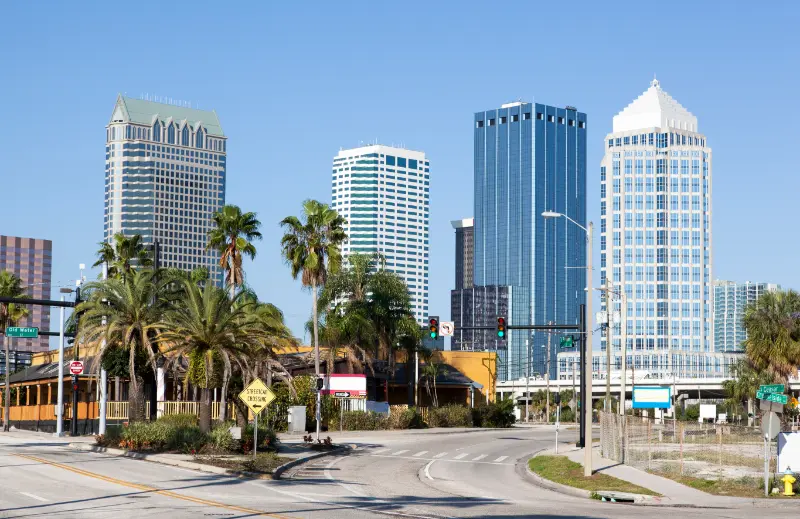
Railroads shaped where many Florida towns grew, how citrus and other goods reached markets, and how winter visitors traveled long before modern highways and airports. You can explore that history through restored equipment, former railway hotels, depots and museums without spending five days staring at tracks. This itinerary connects Tampa Bay, Parrish and Central Florida, combining a heritage train ride where available with broader context in historic towns.
The journey requires a car for most connections because the heritage attractions themselves do not form a modern passenger rail route. It is suitable for train enthusiasts, children interested in machines, retired travelers and anyone curious about why a once-remote peninsula became a major tourist destination. The essential rule is to check the actual operating calendar: heritage railways often run special trains on limited dates, while indoor museums may close on certain weekdays or for restoration work.
Understand what kind of rail experience you are booking
There are three different experiences in this itinerary. A heritage train ride places visitors aboard operating equipment, often on limited routes with designated departure times. A railway museum may display locomotives, historic photographs and artifacts but provide no regular passenger service. A railroad-history attraction such as a preserved hotel or depot explores how trains changed the wider community. Mixing these makes the week educational and keeps it enjoyable for family members who are not fascinated by engines.
Before buying anything, check whether the attraction offers an actual train ride on your chosen date and whether it has coach seating, air conditioning, restrooms and step-free boarding. Historic rolling stock may be difficult for someone who uses a wheelchair, and not every heritage car can carry a stroller. Book assistance directly and do not infer accessibility from a photo of a modern station. Families with children should also ask about seating assignments, noise, moving between cars and food policies.
Day one: Tampa’s railway resort history
Start with the Henry B. Plant Museum in Tampa, housed in part of the former Tampa Bay Hotel. Its history connects Henry Plant’s transportation network with the growth of leisure travel. The museum explains the Gilded Age resort, its original furnishings and the experiences of people who helped operate it. The story is not simply one of glamorous visitors; it also raises questions about labor and who benefited from the new infrastructure. Take time to read the exhibits rather than focusing only on the building’s striking architecture.

The museum has its own opening schedule and may close on Monday or certain holidays, so confirm before arrival. Combine the visit with a short downtown lunch and waterfront walk rather than racing to a second distant museum. Older visitors may appreciate a seated pause after galleries, while children can look for clues about how travel worked before modern airports: luggage, uniforms, passenger information and historical photographs. If the weather is poor, the indoor museum makes a valuable introduction to a rail-themed trip.
Day two: book a Florida Railroad Museum excursion at Parrish
The Florida Railroad Museum in Parrish is a logical centerpiece when heritage train service is available. Its excursions can introduce the sounds and movement of historic railway travel in a way photographs cannot. Operating calendars, route details, special event trains and boarding instructions change, so review the museum’s official schedule before finalizing your hotel nights. Do not assume service every day or book a hotel solely on the basis of a generic travel listing.
Arrive before the published boarding time and follow crew directions near tracks and rolling stock. Children should stay with adults, and everyone should remain behind safety lines. If a family member uses mobility equipment or cannot climb steps, arrange boarding accommodations directly with the museum well in advance. Ask whether a particular excursion uses open windows, air conditioning or themed performances; that can affect comfort for toddlers, older visitors and people sensitive to noise. Enjoy the train ride as the main event, then keep the remainder of the day relaxed.
Day three: a heritage day without another long train ride
Use day three for a slower look at the towns and landscapes the railroads once served. Around Tampa Bay, you can seek out a preserved depot, local historical display or neighborhood whose growth was tied to trains. Rather than presenting every historic building as railway-related, rely on local museum interpretation and signage. A casual walk among older commercial buildings may raise useful questions: Where did goods arrive? Why are roads laid out in a grid? How did train access influence hotel location and agricultural shipping?
If your group has young children, a railroad day can include an ordinary park or playground. Older children may enjoy drawing a map of how oranges moved from grove to port. For adults, this is an opportunity to explore local history without needing another ticket. Preserve the flexibility to move the day if the heritage excursion is rescheduled for weather or operational reasons. A train trip with one guaranteed attraction and several optional stops is less fragile than a chain of nonrefundable admissions.
Day four: head toward Central Florida and Winter Garden
Travel toward the Orlando area with time for a stop in Winter Garden. Its historic downtown and former rail corridor make a useful contrast with the bigger resort zones nearby. Look for official local-history resources or a railway heritage museum if open, but verify current addresses and hours; smaller collections may depend heavily on volunteers and may not open daily. The downtown area’s public spaces offer a chance to see how rail-era streets have been reused for shops, cafes and walking or cycling routes.
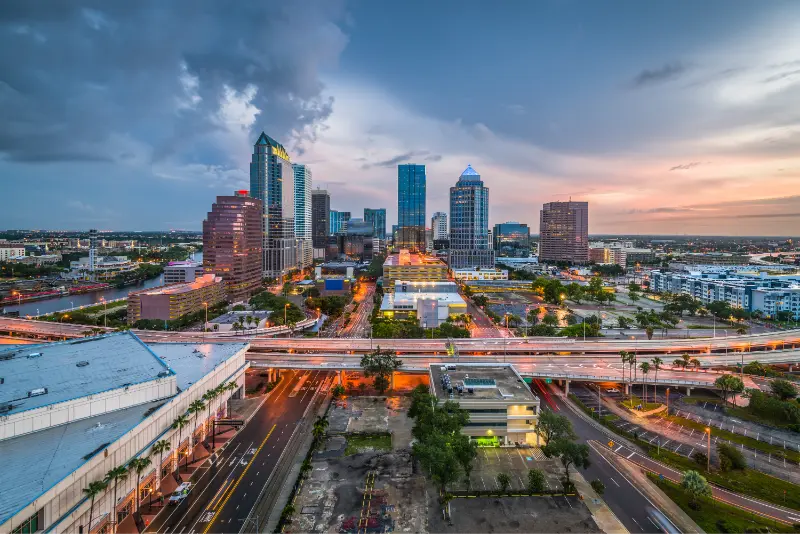
The popular West Orange Trail passes through this region, reflecting how some former transport corridors have become community recreation spaces. If you plan to ride bicycles, check trail rules and safe road crossings. You can also simply walk a short section and visit nearby businesses. Families should not attempt a long ride in midday heat after a road transfer. Choose one enjoyable hour and keep the evening free. For visitors whose railway interest is technical, local historical societies can help identify photographs and information about former lines.
Day five: finish with a museum or a train-themed family activity
Use the final day for a local museum that covers transportation or regional history, or simply enjoy Winter Garden before departure. If a specific railroad museum is unexpectedly closed, a preserved downtown and thoughtful historical walk still fit the trip’s theme. Do not force a distant detour across Orlando solely to complete a list. If your departure airport is nearby, plan a short outing with enough time to return the rental car and clear airport security. For families with young children, the hotel pool or an indoor science attraction can be a pleasant alternative after several educational days.
This is also a chance to compare old and new travel. Florida has modern intercity rail service in some corridors, but it does not follow the same tourist itinerary as the heritage attractions described here. Treat heritage trains as experiences rather than as transportation between cities. If you choose to ride a modern passenger train on a separate day, check current routes, luggage policies and station transfers; do not try to combine unfamiliar rail systems without a realistic connection plan.
Five-day practical route
| Day | Area | Rail connection | What to book |
|---|---|---|---|
| 1 | Tampa | Henry Plant railway-era resort history | Museum hours/admission |
| 2 | Parrish | Historic excursion train | Exact train date and boarding needs |
| 3 | Tampa Bay | Depots, community history and flexible stops | Optional local museum only |
| 4 | Winter Garden | Historic downtown and rail corridor reuse | Check small-museum schedule |
| 5 | Central Florida | Final cultural stop and departure | Airport transfer |
The route can be condensed to three days by focusing on Tampa and Parrish, or stretched with more time in Central Florida. The choice should reflect your family’s attention span and operating schedules. During special holiday train events, tickets and accommodation may need to be booked much earlier than for a normal week. Verify refund and weather policies before paying for a limited-date excursion.
Where to stay and when to travel
A Tampa-area hotel for three nights and an Orlando- or Winter Garden-area hotel for two nights minimizes hotel changes. Select lodging by parking and access to the attractions, not just the city name. Tampa Bay is geographically large, and traffic can turn a ‘nearby’ hotel into a frustrating commute. For the heritage train day, check the exact boarding station in Parrish and the preferred arrival time before comparing accommodation. Hotels with breakfast or a refrigerator are helpful for early departures.
Rail events often attract families during weekends and holidays. If you travel in summer, consider indoor museums or morning outdoor stops; Florida humidity can be uncomfortable near uncovered platforms. Winter weather may be mild but not always warm, particularly on open-air carriages. Pack a light layer and closed-toe shoes. Ticket prices vary by type of excursion, seat category and season, so use date-specific official quotes instead of a universal estimate.
How to make it interesting for all ages
Preschoolers may simply enjoy the sight and sound of a locomotive but lose interest in detailed historical text. Choose a short experience and allow time to stretch afterward. Elementary-age children can look for rails, signal lights and station signs, then compare them with modern road signs. Teenagers might research a specific historic route before departure and lead a small discussion. Retired railway workers or older travelers may enjoy museums’ technical details and historical documents, but should still verify seating and accessible boarding.
For a mixed-age family, alternate interpretation with breaks. Ask children to imagine how a family packed for a long rail journey a century ago, or how workers prepared a station for arrivals. Avoid romanticizing the past as uniformly comfortable. Early rail travel could be expensive, segregated or difficult, and construction relied on workers whose stories deserve attention. Understanding these realities gives the museum exhibits depth beyond the excitement of old machinery.
Safety, access and responsible museum visits
Never cross tracks outside designated crossings, climb on equipment or enter restricted maintenance areas. Even a stationary carriage can have heavy steps, sharp metal or narrow passageways. Listen to staff and obey photography rules; some museums restrict flash or images of special exhibitions. Children should be supervised around platforms. If a train is operating, avoid leaning out of windows and keep hands inside the vehicle. For guests with hearing or vision needs, request available assistance before booking rather than arriving with essential questions unanswered.
Support preservation organizations by respecting volunteer time, purchasing a ticket where required and asking before photographing staff or workshop areas. Historic equipment demands constant maintenance, and temporary cancellations do not necessarily indicate poor organization. Build a flexible schedule that can accommodate an operational change. A well-planned heritage vacation gives you room to enjoy the people and places that keep Florida’s railway story alive.
Frequently asked questions
Can we travel between these museums by train?
Not as a continuous heritage passenger route. The historic attractions are in different cities; a car is the practical transport for this itinerary. Museum train rides are separate excursions.
Are the heritage train rides suitable for wheelchairs?
Some services may offer accommodations, but equipment and boarding arrangements vary. Contact the operator for the exact train, car and date before purchasing.
What happens if the heritage train is not running?
Make Tampa’s historical museum and Winter Garden’s downtown the core of the trip, or reschedule around an advertised departure. Avoid relying on daily train service that does not exist.
Official resources
Check the Henry B. Plant Museum for its historical exhibits and hours; use the Florida Railroad Museum for excursion dates, fares and access needs. For the Winter Garden area, consult the City of Winter Garden and Orange County Parks for trail and public-space information.
Leave a Reply