
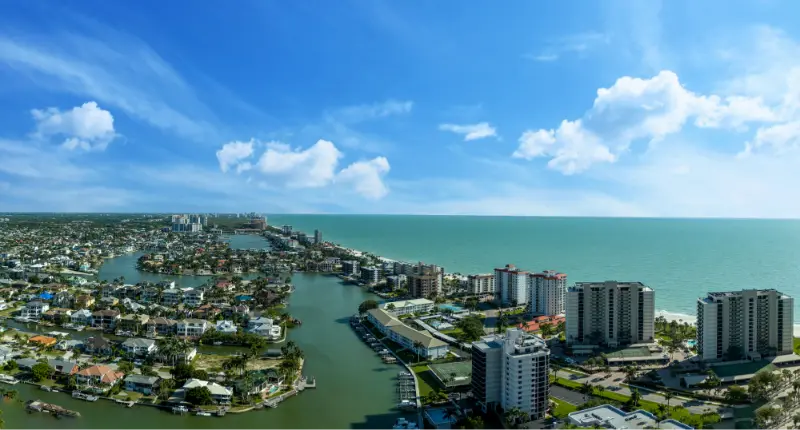
A Florida Gulf Coast road trip is much longer and more varied than the phrase “white-sand beaches” suggests. From Pensacola and the Panhandle through the Big Bend, Tampa Bay, Sarasota, Fort Myers and Naples, the coastline shifts from resort beaches to marshes, fishing towns, springs, barrier islands and urban waterfronts. Driving the entire route deserves at least 10 to 14 days if you want the places between the endpoints to matter.
I would not follow the water literally every mile. The Big Bend and Nature Coast require inland connections, and some barrier islands add slow bridge traffic. The most satisfying route uses regional bases and day trips. Families may emphasize the Panhandle and Sarasota beaches; wildlife travelers can slow down around the Big Bend and Crystal River; senior travelers may prefer longer stays in St. Petersburg, Sarasota or Naples.
Quick planning summary
- Best Panhandle start: Pensacola, Navarre, Destin or 30A depending on trip style.
- Best wild middle: Big Bend and Nature Coast.
- Best urban-waterfront stop: St. Petersburg/Tampa Bay.
- Best culture plus beach: Sarasota.
- Best southern finish: Naples and Marco Island.
In this guide
- Quick planning summary
- Pensacola and the western Panhandle
- Destin, Fort Walton Beach and 30A
- Apalachicola and the Big Bend transition
- Nature Coast springs and manatee country
- Tampa Bay and St. Petersburg
- Sarasota, barrier islands and Charlotte Harbor
- Fort Myers, Sanibel, Naples and Marco Island
- Families, seniors and accessibility
- Best time to go
- Budget and booking
- How to build a realistic day
- Common mistakes to avoid
- Related Wonderful Florida guides
- Official resources to check
- Final advice
Pensacola and the western Panhandle
Pensacola adds history and naval culture to the beach-road-trip formula. Pensacola Beach, Gulf Islands scenery and the National Naval Aviation Museum can fill two days, while Navarre offers a quieter coastal alternative farther east. Start the route with two nights if arriving by air rather than landing and immediately driving several hours.
For a Gulf Coast road trip, I would make this part of the trip deliberately rather than treating it as a box to tick. Think about parking or station access, shade, restrooms, meal timing and how much walking the group will actually enjoy. Storm recovery and seasonal beach conditions should be checked before travel. A flexible backup nearby is useful because Florida weather, traffic and local access can change the shape of a day even when the main destination stays open.
Destin, Fort Walton Beach and 30A
The Emerald Coast section is where many travelers imagine the classic Panhandle vacation. Destin and Fort Walton Beach offer family attractions and boating, while Scenic Highway 30A links smaller planned beach communities and coastal dune lakes. Choose either a resort base or a 30A-style slow day; repeated parking searches across multiple beach towns can become the whole itinerary.
For a Gulf Coast road trip, I would make this part of the trip deliberately rather than treating it as a box to tick. Think about parking or station access, shade, restrooms, meal timing and how much walking the group will actually enjoy. Peak-season traffic can make short distances surprisingly slow. A flexible backup nearby is useful because Florida weather, traffic and local access can change the shape of a day even when the main destination stays open.
Apalachicola and the Big Bend transition
East of the busiest Panhandle beaches, the coast becomes wilder and more historic. Apalachicola, St. George Island, Carrabelle and the Big Bend Scenic Byway introduce forests, marshes, seafood history and wildlife. This is not the place to expect continuous resort beaches. Fuel up, download maps and plan daylight driving on remote stretches.
For a Gulf Coast road trip, I would make this part of the trip deliberately rather than treating it as a box to tick. Think about parking or station access, shade, restrooms, meal timing and how much walking the group will actually enjoy. Some coastal areas remain vulnerable to storm impacts and limited services. A flexible backup nearby is useful because Florida weather, traffic and local access can change the shape of a day even when the main destination stays open.
Nature Coast springs and manatee country
Crystal River, Homosassa and nearby spring regions create a freshwater chapter within a Gulf road trip. Winter can bring manatee viewing opportunities, while warmer seasons may suit paddling and spring visits. Coastal marshes and small towns make the region feel different from both the Panhandle and Tampa Bay. Book wildlife experiences responsibly and follow sanctuary rules.
For a Gulf Coast road trip, I would make this part of the trip deliberately rather than treating it as a box to tick. Think about parking or station access, shade, restrooms, meal timing and how much walking the group will actually enjoy. Wildlife should never be touched, chased or blocked for photographs. A flexible backup nearby is useful because Florida weather, traffic and local access can change the shape of a day even when the main destination stays open.
Tampa Bay and St. Petersburg
Tampa Bay is the route’s major urban reset with museums, sports, neighborhoods, attractions and waterfronts. St. Petersburg works particularly well for art and a walkable downtown, while Clearwater and other Gulf beaches remain within reach. Tampa adds Ybor City and major attractions. Stay on the side of the bay that matches most of your plans.
For a Gulf Coast road trip, I would make this part of the trip deliberately rather than treating it as a box to tick. Think about parking or station access, shade, restrooms, meal timing and how much walking the group will actually enjoy. Cross-bay traffic can complicate a schedule that looks simple on a map. A flexible backup nearby is useful because Florida weather, traffic and local access can change the shape of a day even when the main destination stays open.
Sarasota, barrier islands and Charlotte Harbor
Sarasota combines culture and beaches, making it one of the easiest multi-interest stops on the Gulf Coast. The Ringling, downtown, Siesta Key and nearby islands can fill several days. Farther south, Venice, Englewood and Charlotte Harbor add quieter alternatives. Use one base for two or three nights and choose beach access strategically.
For a Gulf Coast road trip, I would make this part of the trip deliberately rather than treating it as a box to tick. Think about parking or station access, shade, restrooms, meal timing and how much walking the group will actually enjoy. Barrier-island parking and bridge traffic are the practical constraints. A flexible backup nearby is useful because Florida weather, traffic and local access can change the shape of a day even when the main destination stays open.
Fort Myers, Sanibel, Naples and Marco Island
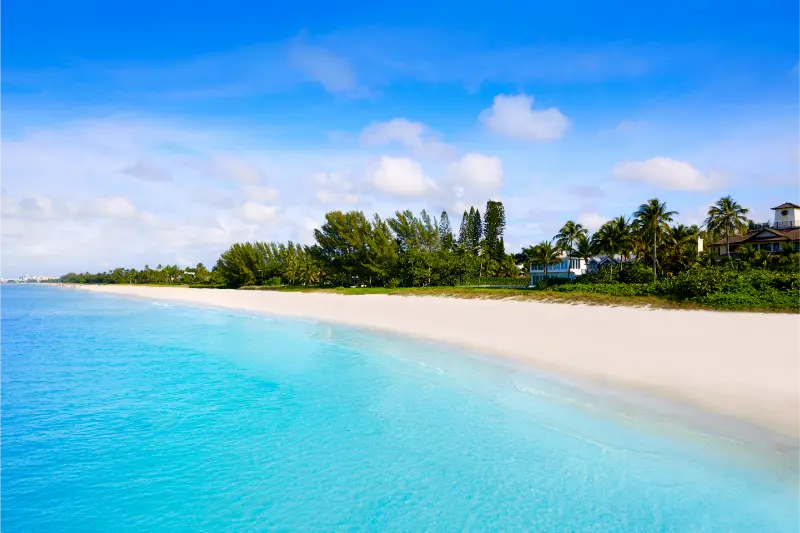
Southwest Florida provides a relaxed finish with beaches, shelling, wildlife and polished town centers. Fort Myers and Sanibel offer different experiences from Naples and Marco Island, so choose the base that matches your budget and preferred pace. Everglades and Ten Thousand Islands excursions can extend the trip south and east. Verify current island access and facilities because coastal recovery can evolve over time.
For a Gulf Coast road trip, I would make this part of the trip deliberately rather than treating it as a box to tick. Think about parking or station access, shade, restrooms, meal timing and how much walking the group will actually enjoy. Do not schedule a long wildlife boat excursion immediately before a same-day flight. A flexible backup nearby is useful because Florida weather, traffic and local access can change the shape of a day even when the main destination stays open.
Families, seniors and accessibility
Families should avoid changing hotels every night and choose at least one three-night Gulf base with a pool or easy beach access. Senior travelers may prefer St. Petersburg, Sarasota or Naples for restaurants and cultural backups, while active teenagers can enjoy paddling, snorkeling or fishing in selected regions. For multigenerational groups, the most effective plan is usually to identify one shared highlight and then allow different energy levels around it. Young children need shade, food and predictable breaks; teenagers often value one activity that feels independent or active; senior travelers may prefer shorter walking loops, seated tours or a hotel closer to the evening activity.
Accessibility varies by beach access, historic district, transit stop, park and accommodation. Verify step-free routes, beach mats, wheelchairs, elevators and accessible restrooms directly when they are essential. Florida State Parks, for example, has an Access for All program, but amenities differ by park. A destination can be broadly accessible while one boardwalk, dune crossing or temporary route is not.
Best time to go
Spring and fall can balance warmth and crowds, winter is comfortable but expensive in many southern Gulf areas, and summer brings intense heat, storms and hurricane-season flexibility needs. Florida is large enough that North Florida, Central Florida, South Florida and the Keys can feel like different seasons on the same week. Winter fronts, summer thunderstorms, hurricane-season uncertainty, spring-break demand and holiday weekends can all change a trip.
Instead of choosing a month only from average temperature, match the season to your priority: swimming, wildlife, theme parks, road-tripping, festivals or comfortable walking. Check the forecast, surf or marine conditions and any park or event calendar again shortly before travel.
Budget and booking
Beachfront rates vary dramatically along the Gulf, so mixing one premium barrier-island stay with inland or downtown bases can control costs. Compare the total cost rather than the headline room or fare. Resort fees, parking, tolls, rental-car charges, beach equipment, attraction tickets and meals can change the real daily budget substantially.
Book the experiences that would genuinely disappoint you to miss, but keep ordinary beach, neighborhood and nature time flexible. A refundable room or cancellable activity can be worth more than a small prepaid discount during storm season or around major holiday periods. Keep confirmation emails and cancellation terms accessible offline.
How to build a realistic day
The Gulf Coast is too long for a chain of one-night stops; use regional bases and make the coast the experience rather than the distance target. I usually plan one anchor experience, one optional secondary stop and a meal area rather than a chain of reservations. That creates room for traffic, parking, weather, a tired child, a longer museum visit or an unexpectedly good beach.
Start outdoor days earlier when heat or crowds matter, and avoid putting the longest drive after the most physically demanding activity. If the group is staying several nights, deliberately schedule one lighter half-day. Florida vacations improve when there is enough space to enjoy a place rather than only reach it.
Common mistakes to avoid
- Assuming the entire Gulf Coast is one continuous white-sand resort strip.
- Underestimating the distance between the Panhandle and Southwest Florida.
- Changing hotels on every barrier island.
- Ignoring bridge traffic and limited parking.
- Treating wildlife encounters as guaranteed attractions.
Related Wonderful Florida guides
Florida Gulf Coast vs Atlantic Coast, Best beach towns in Florida, Best natural wonders in Florida, Florida beach safety guide, Best time to visit Florida.
Official resources to check
Schedules, prices, access rules, road conditions, event dates, transit service and weather-related operations can change. If a detail is essential to the trip, confirm it with the responsible public agency, destination or operator shortly before travel.
Final advice
The Gulf Coast deserves time because its character changes more than a simple beach map suggests. Build the trip around regional bases, let the Big Bend and Nature Coast slow you down, and save enough unstructured time for the water, sunsets and small towns that make the route memorable.