

Southwest Florida rewards patient wildlife photographers who enjoy changing light, wetland landscapes and quiet observation more than dramatic close-ups at any cost. The region’s protected habitats can reveal wading birds, dolphins, alligators, mangroves, bald cypress, insects and seasonal migrants, but nothing is guaranteed. This five-day circuit uses Naples and the Fort Myers area as practical bases, with Corkscrew Swamp Sanctuary, the Ten Thousand Islands region, Big Cypress National Preserve and Sanibel Island as anchors. The plan works for dedicated cameras or smartphones and can be adapted for a traveler who prefers flat paths and a short walk. Wildlife welfare and refuge regulations must always come before a photograph.
What makes photography here different
Southwest Florida combines freshwater swamps, brackish estuaries, mangroves, coastal islands and open wetland edges. Each habitat produces different photographic conditions. Cypress forests can be dim, while exposed boardwalks have intense midday reflections. A lens suited to a distant bird is not automatically suitable for a sweeping mangrove landscape. Think in sequences: one broad view to show habitat, one medium view of an animal in context, and only a closer photograph if the animal’s natural behavior and the site rules allow it.
The best trip is not measured by how many species you photograph. Watching a heron hunt for several minutes can teach more than chasing a moving bird from one parking lot to the next. Never bait animals, use recorded calls without permission or block their movement for a close image. Wildlife refuges explicitly discourage disturbance, including forcing birds to fly. Keep natural vegetation and the dignity of other visitors in mind. A long lens or a crop from a safe distance is far better than an unsafe approach to a nesting bird, alligator or manatee.
When to visit and what equipment to carry
Cooler months generally make extended observation more pleasant and can bring seasonal bird activity. Summer may offer dramatic skies and lush vegetation but also storms, humidity, insects and heat stress. Sunrise can deliver soft light and active animals, although entrance hours at individual sites may begin later. A plan for “golden hour” is useless if the protected area is closed then. Verify daylight access and any timed ticketing. Bring a reusable water bottle, sun protection, shoes with traction and a lightweight rain cover for the camera.
A moderate telephoto lens is helpful for birds, but a smartphone with a steady hand and patient framing is enough for habitat photographs. Avoid heavy gear if it forces you to leave the trail or makes long boardwalks exhausting. A small dry bag can protect equipment during tropical rain; a waterproof cover does not make the photographer immune to lightning. Bring binoculars even if you have a long camera lens. Watching first and photographing second often leads to more interesting composition and fewer attempts to push too close.
Day one: Corkscrew Swamp Sanctuary near Naples
Begin with Corkscrew Swamp Sanctuary, an Audubon destination northeast of Naples known for its boardwalk through wetland and old-growth bald cypress habitat. Review the official sanctuary planning page for current admission, operating hours and conditions. Its boardwalk is a major part of the experience and is designed to be accessible, but the full circuit can be longer than a visitor with limited stamina wants. Choose a manageable distance and do not rush; morning sounds and the shapes of the trees are as important as a rare animal sighting.
Pay attention to reflected light under the canopy. The contrast between bright sky and dark trunks may be greater than a camera can capture in one exposure; exposing for highlights and accepting some shadow is often better than producing an unnatural image. Look for repeated cypress shapes, the reflection of leaves and the changing color of water. Ask staff about recent sightings rather than assuming old social media reports are current. Lunch and a rest in Naples make an appropriate end to the first day, especially for families or older travelers.
Day two: Ten Thousand Islands marshes and careful boat choices
Spend day two around the Ten Thousand Islands National Wildlife Refuge and its accessible mainland observation options. The US Fish and Wildlife Service describes a Marsh Trail and observation tower, while much of the refuge is most naturally visited by water. It **does not itself operate kayak rentals or guided tours**, so an operator claiming to be the official refuge guide should be checked carefully. The refuge visitor information explains public access and facilities. Use the mainland trail for a low-impact morning if wind or boat logistics are unsuitable.
A guided boat excursion can offer different perspectives on mangrove shorelines and birds, provided it follows boating regulations and wildlife approach limits. Ask about group size, speed, shade, restroom access and cancellation conditions. Choose an operator who describes ecological interpretation and avoids chasing dolphins or approaching nesting habitat for photographs. From a moving boat, stabilize your camera safely without leaning over railings. Keep camera straps secure and protect gear from spray. An unhurried marsh-tower session can be more productive than a high-speed boat trip if your main interest is bird behavior.
Day three: Big Cypress boardwalks and swamp landscapes
Travel the Tamiami Trail through Big Cypress National Preserve, stopping at official visitor areas and boardwalks. The National Park Service accessibility page describes accessible visitor centers and wildlife-viewing options. Before targeting Kirby Storter Boardwalk, note that park notices have reported partial access limitations after a 2025 fire; verify its present status rather than relying on an older description that calls the full route open. H. P. Williams and the visitor-center boardwalks can provide alternatives when one route is restricted.
The swamp offers quiet photographic opportunities that do not depend on approaching reptiles. Focus on cypress knees, layers of vegetation and reflections. Alligators are wild animals; never stand between an animal and the water or feed one for an image. Carry insect protection and drink water even on cool days. Roadside shoulder stopping is dangerous on US 41, particularly when traffic is fast. Use marked pull-offs. If a thunderstorm develops, return to the vehicle or a safe building rather than continuing along an open boardwalk because the clouds look dramatic.
Day four: Sanibel and Ding Darling refuge
Drive to Sanibel Island for J. N. “Ding” Darling National Wildlife Refuge. Its Wildlife Drive is a popular route for birds and coastal wetland photography. The official refuge visitor page states that Wildlife Drive is **closed on Fridays**, a critical detail for a five-day itinerary. Check current reopening or repair notices for facilities, since storm recovery can affect some trails. The drive’s slow speed encourages observation from designated stopping points without stepping into sensitive habitat.
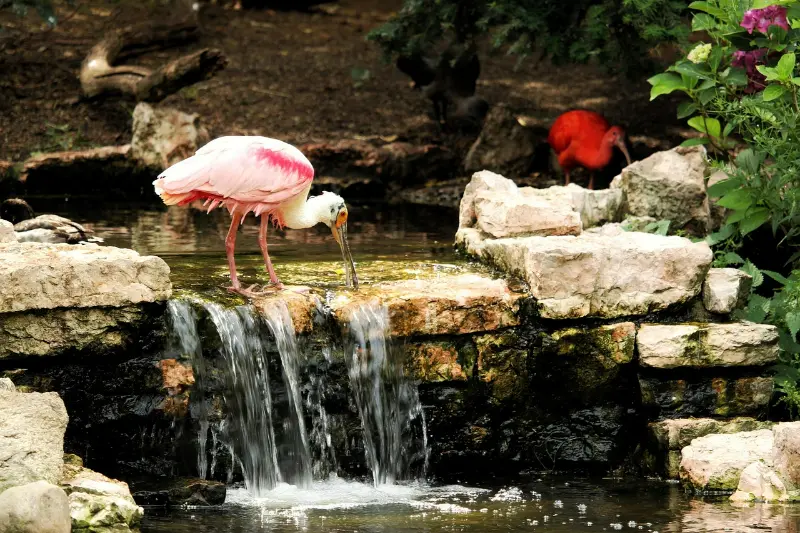
Try to work with the light rather than choosing a species first. During suitable tidal conditions, mudflats may attract feeding shorebirds, but tidal cycles and seasonal patterns vary. Ask staff about the best legal observation opportunities on your particular day. Use a long focal length for a spoonbill or egret, leaving generous space around the animal. If a bird stops feeding, repeatedly looks at you or moves away, increase distance. Finish with an easy island meal and a sunset landscape from a permitted public access, not a blocked private driveway or dune crossing.
Day five: optional return to a favorite habitat
The final day should be flexible rather than another high-mileage transfer. Serious photographers often learn more by returning to the sanctuary that produced the most interesting conditions. If day one was overcast, a second look at Corkscrew can reveal new textures. If Sanibel was windy, spend longer on a calm protected path. Families can choose a short beach visit or an indoor nature exhibit instead. A traveler with limited mobility can revisit a known accessible deck without needing to explore miles of new trail.
Review photographs in the afternoon. Organize them by habitat, date and location and record what you actually observed. A blurry image of a bird you cannot identify should not be published with a confident species label. Use a field guide, credible birding reference or a qualified local expert when necessary. Do not share sensitive nesting coordinates or real-time locations of protected animals if that could encourage crowding. A responsible photo journal can communicate why wetland conservation matters without advertising secret wildlife sites.
Birdwatching etiquette, drones and animal safety
Do not use flash at close range on sensitive nocturnal wildlife, and follow the specific rules of each sanctuary and refuge for tripods, commercial filming and drones. A national wildlife refuge is not an unregulated drone-flying space. Many protected areas restrict unmanned aircraft and filming that affects visitors or wildlife. Pets may also be restricted; Corkscrew, for example, does not allow ordinary pets on its boardwalk. Check service-animal guidance if relevant. Never enter closed sections to obtain a new angle.
Photographing alligators, dolphins and manatees requires restraint. Do not lure animals with food or sound. Observe from a safe distance and never approach a mother and young. In water, follow local boating and paddling guidance, maintain safe distance and understand that a wildlife sighting may be brief. If using a polarizing filter or looking through a long lens, remain aware of your position and approaching people. Photography is a privilege in a shared conservation setting, not a reason to ignore safety instructions.
Where to stay and how to pace the driving
Use Naples for nights one through three, then the Fort Myers or Sanibel area for one or two nights. Naples provides access to Corkscrew and Big Cypress, while Sanibel is more convenient for an early refuge visit. Driving through the region can be slow during winter seasonal tourism, particularly over island causeways. Avoid scheduling a nonrefundable boat excursion immediately after a long drive. A room with easy parking, a secure place for equipment and an early breakfast can be more valuable than a view from the highest floor.
For wheelchair users, check the actual path between parking, restroom and observation area; a site that advertises an accessible boardwalk may still have unavailable segments or nearby unpaved parking. Family groups should bring child-friendly binoculars and select short assignments instead of expecting hours of silence from toddlers. Those traveling alone should let someone know their plan before entering remote areas. Cell service can be inconsistent, and a scheduled check-in is a sensible safeguard during field photography.
Budget, fees and equipment decisions
This route’s largest expenses are lodging, car rental and any paid excursions. Corkscrew requires admission, wildlife drives may have entry fees and professional boat trips can be expensive. A visitor with a phone and binoculars can still enjoy excellent natural history observation with no new camera purchase. Renting a lens for a few days may be more rational than buying costly gear before learning the conditions. Compare cancellation terms for storm-prone months and keep a free inland or museum alternative ready.
Avoid adding multiple paid boat rides because one sighting was disappointing. Animals cannot be scheduled, and repeated disturbance harms the very habitats you came to enjoy. Small donations to conservation organizations or purchases from visitor-center shops can support interpretation, but they should not buy privileged access to restricted areas. Photography is often better after a second visit to an accessible location because you know where light falls and how long it takes to walk from parking.
Five-day field schedule
| Day | Site | Best focus | Confirm first |
|---|---|---|---|
| 1 | Corkscrew Swamp | Cypress forest and boardwalk wildlife | Operating hours and ticketing |
| 2 | Ten Thousand Islands | Marsh birds and mangrove landscape | Boat operator or mainland trail status |
| 3 | Big Cypress | Cypress strands, water reflections | Boardwalk repair and road notices |
| 4 | Ding Darling, Sanibel | Wading birds and estuary | Wildlife Drive not Friday |
| 5 | Favorite site | Repeat in better light | Weather and available access |
Frequently asked questions
What is the best month for wildlife photography in Southwest Florida?
Cooler months are generally comfortable and often good for seasonal birds, but sightings depend on weather, tides and habitat. There is no guaranteed wildlife calendar.
Do I need a long professional lens?
No. Binoculars, a smartphone and good observation habits can produce engaging habitat images. A longer lens helps with distant birds without approaching them.
Can I drive through Ding Darling on Friday?
The refuge’s official visitor information says Wildlife Drive closes on Fridays. Check for updated schedules and other permitted refuge areas before visiting.
Are all Big Cypress boardwalks fully open?
Do not assume so. Some have experienced repair or fire-related restrictions. Consult the National Park Service’s current notices and choose an accessible alternative if necessary.
Will a guided boat trip guarantee dolphins or birds?
No ethical operator can guarantee wild animal behavior. Choose a safety-conscious interpreter and treat sightings as an opportunity rather than an entitlement.
Official field references
Read Audubon's Corkscrew Swamp guidance, Ten Thousand Islands refuge visitor information, Big Cypress accessibility updates and Ding Darling visitor rules. Prepared October 2026; seasonal hours, refuge closures and repair notices change.