
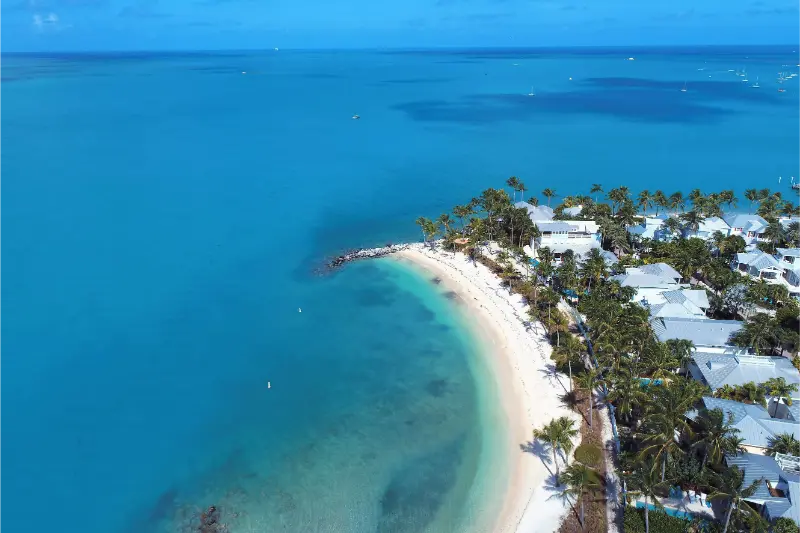
The Florida Keys are a wonderful setting for several generations to vacation together, but they are not automatically easy. Driving along the Overseas Highway takes time, not every waterfront property has a sandy beach, and some of the most famous activities involve boats, stairs, or strong sun. A comfortable multigenerational trip succeeds when everyone can enjoy the water and island scenery in their own way, whether they swim, watch from shore, or spend an afternoon with a book.
Islamorada is a useful base for a seven-day Keys holiday because it sits between the larger mainland route and the central islands. This itinerary combines short excursions, a small number of paid experiences, and generous free time. It is designed for a group that could include children, their parents, and grandparents, but can be adapted for anyone wanting a relaxed stay without changing hotels every night.
One week based in Islamorada
| Day | Main experience | Optional gentler version |
|---|---|---|
| Arrival | Drive down, groceries, settle in | Stay at property all evening |
| 1 | Islamorada arts and waterfront | One gallery and lunch |
| 2 | Key Largo reef education | Visitor center or short cruise |
| 3 | Accommodation day | Pool, rest, sunset meal |
| 4 | Marathon day trip | Choose one attraction only |
| 5 | Water activity for interested guests | Land-based nature viewing |
| 6 | Flexible favorite experience | Repeat the beach or stay local |
| Departure | Drive back with buffer | One scheduled rest stop |
Why Islamorada can be a better base than Key West
Staying in one place reduces packing and uncertainty. Key West offers history, nightlife, and an appealing old town, but it is a much longer drive from mainland airports and can involve higher accommodation prices and parking constraints. Islamorada is not necessarily cheap, yet it allows day trips north to Key Largo and south toward Marathon without turning each day into a long journey. Travelers who want to spend most of their time in Key West should stay there instead of attempting repeated drives.
Before booking, look at a property’s position relative to the highway, grocery stores, restaurants, and the kind of waterfront access you expect. A listing that says oceanfront may describe a dock, seawall, or boat basin rather than a walk-in beach. Ask for photographs of the actual access and verify whether the shoreline can be used by children. Pools often become the main swimming option in the Keys, which is worth considering when some travelers prefer gentle water.
Book the right accommodation for a three-generation group
The best layout may be two nearby rooms, a multi-bedroom rental, or a suite with separate sleeping spaces. Consider bedtime differences, stairs, bathroom accessibility, and the need for a refrigerator or kitchen. A ground-floor room is helpful only if the entrance and bathroom meet the guests’ needs. Ask whether the property has step-free routes to dining and pools, whether an elevator is dependable, and whether a roll-in shower is truly available where required.
Holiday rentals can look attractive for a larger party, but review cleaning fees, taxes, damage deposits, minimum stays, parking limits, and hurricane policies. For a hotel, compare breakfast, laundry, resort fees, and any fee for additional adults. A waterfront balcony can be wonderful, but a comfortable living room where everyone can gather in the afternoon often adds more value than an expensive view nobody uses during the day.
Arrival: take the Overseas Highway seriously
The journey from Miami or Fort Lauderdale airports is longer than a simple distance calculation suggests. Traffic, roadworks, weekends, and weather can slow the Overseas Highway. Avoid planning a boat excursion or complicated dinner reservation on arrival day. Stop for food or supplies before the family becomes tired, and keep essential medication and children’s items readily accessible in the car.
If flying internationally, consider spending the first night on the mainland instead of driving after a sleepless arrival. One main highway serves the islands, so alternative road routes can be limited when there is an incident. Fill the fuel tank before it becomes urgent and be considerate of local residents on smaller roads. Plan a meaningful break rather than pushing through because the view from the bridge is beautiful.
Day one: Islamorada at a relaxed pace
Start with breakfast, then visit a small gallery, local arts area, or waterfront venue that welcomes day visitors. Let each generation choose part of the day: perhaps art for adults, a short waterside stop for children, and a calm lunch for everyone. Confirm opening hours directly because galleries and restaurants may operate seasonally or close for private events. Do not assume an advertised sunset spot is publicly accessible without a reservation or purchase.
Spend the afternoon at the hotel pool or in shaded common space. If grandparents wish to rest while parents take children out, agree on clear supervision and emergency contact arrangements. Evening is a good time to enjoy a seafood restaurant or another regional meal, but check menu options for anyone with allergies. Book early enough to avoid a long wait with young children.
Day two: Key Largo and coral reef discovery
John Pennekamp Coral Reef State Park in Key Largo introduces visitors to the protected reef environment. The park’s official activity information describes glass-bottom boat options and other tours, including specific accessible equipment. A glass-bottom cruise can suit family members who want to see coral reef scenery without snorkeling, though offshore conditions may cause motion sickness and visibility is never guaranteed.
Book according to the least comfortable traveler, not the most adventurous person. A child prone to seasickness may enjoy the visitor center or short shore-based exploration much more than a long cruise. Verify minimum ages, accessible boarding, restrooms, cancellation policies, and water conditions. Do not describe the reef as an aquarium: marine life is wild, and coral condition and visibility vary. If a trip is canceled, choose an educational stop and return to Islamorada without frustration.
Day three: a day at home can be the highlight
A midweek day with no driving can restore everyone’s energy. Children might swim under proper supervision, adults can read or enjoy a slow breakfast, and grandparents can set their own pace. Plan simple meals so nobody spends the whole day finding parking. Family vacations benefit from hours when each person may be together without doing the same activity. A shared afternoon board game or a quiet sunset often becomes a favorite memory.

If the weather is hot, keep sun exposure limited and protect vulnerable visitors from dehydration. Do not expect everyone to use the pool. Provide alternatives such as a shady seating area and a cool indoor room. Check the property’s rules about unattended children and pool access; a lifeguard should never be assumed. For a rainy day, verify where the group can sit indoors instead of remaining confined to separate bedrooms.
Day four: a single outing to Marathon
Marathon offers educational and nature attractions, including the Turtle Hospital, which focuses on sea turtle rescue and rehabilitation. Check the Turtle Hospital’s current tour details and reserve appropriately rather than expecting an unscheduled walk-in. Explain to children why these animals are patients, not performers. Any animal-focused activity should teach respectful conservation rather than promise close contact with wildlife.
Other travelers may prefer a museum, park, or short scenic stop instead. Do not automatically pair two admission attractions, lunch, a beach, and a sunset viewpoint in one day. If the group includes a wheelchair user, verify the full visitor route, boarding, and restrooms. The road south provides beautiful glimpses of the islands, but the drive itself should be part of the outing, with adequate breaks and no pressure to race back.
Day five: let the group divide without splitting the vacation
This is the ideal day for different interests. Confident swimmers and boat enthusiasts may choose a guided water activity with an established operator, while others visit a garden, café, gallery, or familiar waterfront spot. Arrange a clear meeting time and keep essential contact numbers on everyone’s phones. Children should remain with their designated supervising adult; do not assume a teenager can take responsibility for a younger sibling in unfamiliar water.
A short accessible boat trip may be an option for a visitor with mobility limitations, but confirm the boarding situation with the operator. A flat deck does not guarantee accessible access from a particular dock at a particular tide. For anyone uncomfortable with a boat, a land-based outing is just as valid. The aim is to meet different needs without asking one person to compromise every day.
Day six: return to a favorite place instead of seeking another milestone
Reserve the final full day for what worked best. Children may want another beach visit, grandparents may enjoy a quiet meal overlooking the water, and adults may appreciate a second look at a gallery. Repeating a place eliminates the logistics of researching another destination. A short visit at the preferred time of day may be more comfortable than forcing a long drive to Key West simply because it is famous.
If the group really wants to see Key West, consider extending the trip and staying overnight there rather than treating it as a casual afternoon. With traffic, parking, and walking, the return journey is demanding. A small cruise or fishing outing should be booked with plenty of contingency time before departure day, because weather delays and cancellations can change the schedule.
How to manage water safety and the reef environment
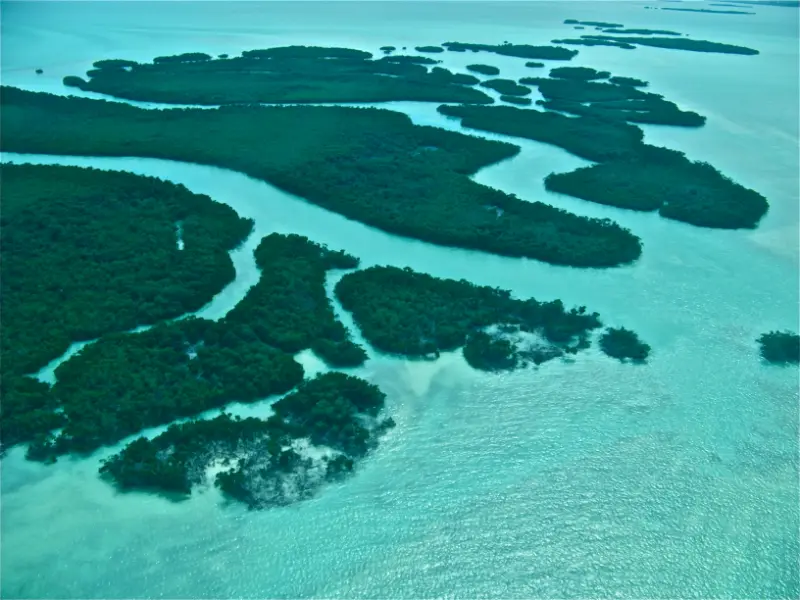
The Keys’ shorelines often have rocks, seagrass, boat channels, and sensitive habitats. Choose designated swim areas and follow local instructions. Jellyfish, currents, and visibility vary; do not treat calm-looking water as risk-free. Children and inexperienced swimmers require appropriate supervision. Do not stand on coral, chase marine animals, collect living creatures, or touch protected wildlife. The Florida Keys National Marine Sanctuary offers responsible visitor guidance for protecting marine habitats.
Sun protection is a daily concern, including on cloudy days. Pack reusable water bottles, hats, and shade options. Older adults may be more comfortable with early outings and long afternoons indoors, though personal preference matters more than age. If anyone becomes ill or overheated, stop and adjust the plan rather than insisting the day’s tickets must be used.
A realistic vacation budget
| Expense | What may change the total | Planning choice |
|---|---|---|
| Lodging | Location, season, room count, resort fees | Compare total weekly cost |
| Transport | Rental size, fuel, airport transfer | Share one suitably sized vehicle if practical |
| Food | Waterfront dining versus groceries | Plan simple breakfasts and flexible lunches |
| Boat excursions | Number of people and weather rules | Book only one or two priorities |
| Entertainment | Tours, museums, rental equipment | Balance paid and no-cost days |
The Florida Keys can be costly during busy winter and holiday periods. A shoulder-season stay may reduce the lodging bill, but wetter weather and tropical-storm risk need consideration. Do not book a nonrefundable family rental without reading the exact cancellation terms, especially for travel during hurricane season. Keep enough budget for a flexible extra night if an unexpected disruption affects the mainland drive or flight.
Who should choose a different base?
Families wanting a wide sandy beach directly outside the hotel may find some mainland Gulf Coast destinations more suitable. Travelers focused mainly on Key West nightlife or museums should stay near that city rather than commuting from Islamorada. Visitors who will not rent a car should investigate walkable properties and local transfers very carefully: the Keys do not have the same convenient intercity rail network as Southeast Florida. Some attractions need a vehicle even when the map distances appear short.
Islamorada shines for a party that values water views, relaxed shared meals, and modest day trips. With the right property, everyone can choose how much of the day to participate in. That flexibility is more important than squeezing every island from Key Largo to Key West into one week.
Frequently asked questions
Is Islamorada a good base for a multigenerational Keys vacation?
Yes, especially if the group wants a single base between Key Largo and Marathon, with time for quiet waterfront activities. Check the accommodation’s actual water access and accessibility.
Do we need to snorkel to enjoy the coral reef?
No. John Pennekamp offers glass-bottom boat trips and visitor facilities. Check weather, seasickness concerns, accessibility, and current schedules before booking.
Should we drive to Key West and back in one day?
It is possible but may be tiring, especially with children or travelers who need frequent breaks. For a substantial visit, an overnight stay is often more comfortable.