
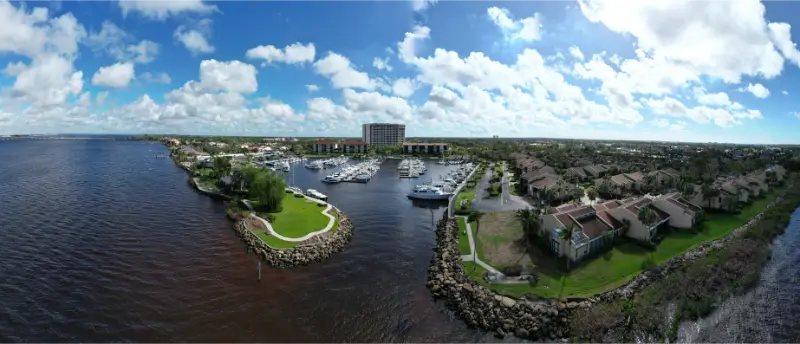
Cape Coral and Fort Myers sit on opposite sides of the Caloosahatchee River, close enough to share a vacation but different enough that your choice of hotel changes how the week feels. Cape Coral is known for residential canals and spread-out neighborhoods. Fort Myers offers more obvious historic and cultural stops, while the beaches on the barrier islands are a separate excursion rather than something you can reach simply by stepping outside a downtown hotel. This five-day plan explains how to use the region without pretending it is one continuous walkable resort.
It suits couples, families with school-age children and older travelers who want a mix of local history, river views, nature and time near the water. It is less useful for people who want a hotel directly on a wide oceanfront beach every day. A rental car makes the itinerary much easier, and the condition of individual beaches, boardwalks and businesses should be verified after severe weather events.
Where to stay: Cape Coral or Fort Myers?
| Choose | For | Main compromise |
|---|---|---|
| Downtown Fort Myers | Restaurants, historic streets and riverfront evenings | Drive to Gulf beaches |
| Cape Coral | House rentals, kitchen space and relaxed residential pace | Most errands require a car |
| Fort Myers beach corridor | Beach-focused stays when properties and access are open | Traffic, parking and possible rebuilding |
| Near airport and major highways | Easy late arrival or early departure | Less neighborhood character |
Cape Coral accommodations often appeal to multigenerational groups looking for two or three bedrooms. Check the total rental cost, pool safety, cancellation terms and whether a waterfront dock is private and secured. A canal view is not a swimming invitation. In Fort Myers, choosing a downtown hotel lets you enjoy some meals without driving, but ask about parking charges, noise from nightlife and the walking distance to the waterfront.
Do not book an ‘island beach hotel’ merely because the listing says Fort Myers. Fort Myers, Fort Myers Beach, Sanibel and Captiva are distinct areas with different roads and travel times. Confirm the exact address and current facilities on a map.

Day 1: discover the riverfront and downtown Fort Myers
Begin in the historic downtown and choose a few blocks rather than trying to tour the whole city before lunch. The streets near the river reveal an older Florida of civic buildings, shops and waterfront views. A café stop and a short stroll can provide a pleasant introduction while allowing time to locate parking and get comfortable with the region.
For families, turn the walk into a small scavenger hunt: identify the river, find a historic façade and notice how the downtown differs from a newer shopping district. For adults, an architecture-oriented afternoon makes sense. Visitors with mobility needs should check street surfaces and parking locations in advance; an attractive historical district does not automatically have an entirely level route.
Keep the first evening local. The sunset is enjoyable from a public riverfront area when conditions permit, but restaurants may be busy on weekends or during events. Confirm operating hours rather than relying on an old directory. After a long flight, choose a low-stress dinner instead of attempting a remote waterfront drive.
Day 2: Edison and Ford history with a garden break
The Edison and Ford Winter Estates are the area’s signature history attraction, bringing together preserved buildings, collections and gardens associated with the inventors’ winter residences. A visit helps explain why Fort Myers developed its reputation as a winter retreat. The attraction is not simply a house where you move from room to room: grounds, exhibits and tour options deserve time, especially if your family enjoys science or historical stories.
Check the Estates’ official visitor information for current ticket types, guided activities and accessibility details. Parts of a historic property can have constraints that differ from the modern visitor facilities. If a member of your group has limited stamina, prioritize one tour plus a short garden visit instead of trying to cover every display.
Lunch afterward can be unhurried. Leave the afternoon for a simple park or hotel pool rather than driving to Sanibel and back. The appeal of this five-day trip is having room to absorb experiences. Children may enjoy relating inventions and historical tools to devices they use today; encourage questions without promising a particular hands-on exhibit or demonstration.
Day 3: Cape Coral's canals and protected nature
Cape Coral’s extensive canal layout can make it feel very different from Fort Myers despite the short distance between them. Drive through a few residential areas only when you have a legitimate destination; there is no need to turn private neighborhoods into a sightseeing tour. Choose a public waterfront park, a local restaurant or a designated nature area, and respect residents’ driveways and dock access.
Four Mile Cove Ecological Preserve is a commonly recommended mangrove-oriented escape, but trail conditions, storm repairs and seasonal closures must be checked through the city before you go. A boardwalk that looks easy in photographs may include damaged or inaccessible sections after storms. If it is not open, use a verified public park or an interpretive nature center rather than improvising entry through a closed gate.
A family with young children may prefer a short nature outing, an afternoon snack and a playground. Adults who enjoy photography can watch for wading birds from public paths. Wildlife is most likely to be interesting when people remain quiet, keep their distance and avoid feeding birds or fish. Ask a local outfit about an authorized guided experience only if you genuinely want to spend time on the water.
Day 4: choose one barrier-island adventure
A beach day is best approached as its own destination. Sanibel, Captiva and Fort Myers Beach should not be stacked into one hurried ‘three beaches by lunch’ circuit. Traffic, causeways, parking availability and weather can consume much of the day. First choose what matters: shelling, a broad beach with services, a pleasant coastal lunch or simply seeing the Gulf. Then verify the specific access point and its current conditions.
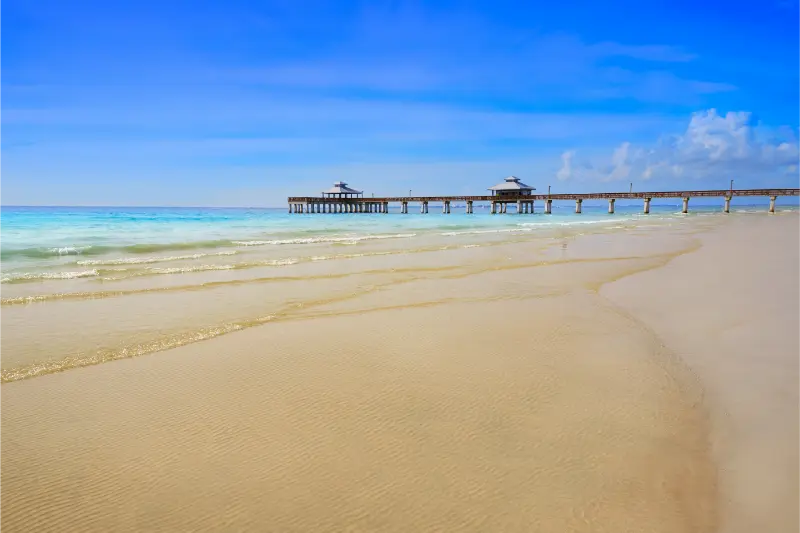
Sanibel is famous for shells, but collecting is not a reason to disturb live animals or enter sensitive habitat. Follow posted restrictions and leave living organisms where you found them. Swimming conditions depend on local flags, weather and water quality. The NOAA safe-swimming guidance is a helpful reminder to check conditions and choose a lifeguarded area when entering the water.
If your family includes an infant or someone who struggles on soft sand, consider a shorter shoreline visit followed by an accessible indoor lunch. Ask the beach authority about mats, wheelchair arrangements and restrooms; these differ from one access point to another. The entire day should not depend on spending four hours under the sun. Cloud, wind and rain are sufficient reasons to change plans.
Day 5: wetlands or a second city day before departure
Six Mile Cypress Slough Preserve provides an opportunity to see southwest Florida’s freshwater landscape from a designated walking route. It is a very different experience from the seawater scenery of the Gulf. Before visiting, check county notices, the availability of parking and the condition of any boardwalk sections. Bring drinking water and plan a gentle pace. Even a short nature outing can feel long during a hot and humid afternoon.
An alternative final day is to return to downtown Fort Myers for a museum, leisurely lunch or shops. People staying in Cape Coral may want to explore another neighborhood instead of crossing the river again. If your flight departs from Southwest Florida International Airport, set a departure buffer that includes bridge traffic, returning the rental car and checking luggage.
Children may remember watching a bird along a quiet wetland trail more vividly than an expensive attraction. There is no obligation to purchase a ticket for every day of a Florida vacation. The best final day is often the one that leaves everyone fresh enough for the trip home.
Choosing the right season
Winter and early spring often provide pleasant conditions for long walks, but accommodation can be expensive and popular public spaces are busy. Summer is humid and storm-prone, so start outdoor days early and reserve an indoor afternoon option. Autumn may bring quieter periods but falls within Atlantic hurricane season; check forecasts, travel insurance and cancellation policies. The same beach access can feel very different after a storm or during major reconstruction.
Red tide, bacterial advisories and other coastal conditions can affect specific beaches. Use county beach updates and Florida’s official environmental monitoring rather than a single statewide statement that ‘the Gulf is clear.’ Visitors with respiratory sensitivities may need to avoid a beach during an active bloom. No itinerary should guarantee clear water, shells or a wildlife sighting on a particular day.
Getting around without needless driving
A car is the practical default for this region. Before selecting accommodation, open a map and enter the places you will actually visit: downtown Fort Myers, a Cape Coral park, the Estates, a nature preserve and one island access point. Compare travel times at plausible hours, not at midnight with empty roads. A hotel that costs slightly more but reduces repeated bridge crossings may save both time and parking costs.
For travelers without a car, stay in a compact area and plan only a small number of outings with taxis or suitable rideshare. Public transport can serve certain corridors but will not make island exploration effortless. People traveling with a wheelchair or larger stroller should arrange an appropriate vehicle rather than assuming one will arrive quickly on demand.
A realistic five-day spending plan
List your accommodation, parking, car rental, bridge or road tolls if applicable, one paid history attraction, groceries, meals and a beach day. Add a contingency for severe weather or changes in access. Do not calculate budget using an advertised nightly rate that omits cleaning fees, service fees or taxes. A Cape Coral home with a kitchen may save money on family meals but can also come with higher cleaning charges and more driving.
A couple staying downtown might choose restaurants and modest attractions, while a six-person family could split a larger rental house and prepare breakfast. There is no universally cheaper base. Compare the full five-day plan in dollars and hours of travel. Paying for a private boat ride is optional; public parks and interpretive spaces can provide excellent experiences at a lower cost.
Practical considerations for multiple generations
For young children, protect nap time and verify child safety seats. For grandparents, choose hotels with elevators, suitable bathrooms and nearby restaurants. For everyone, use insect repellent appropriate to the person, carry water and seek shade. Check that a rented house has safe pool barriers and that sliding doors can be secured. Never leave children unsupervised near canals, pools, rivers or the Gulf.
If storms threaten, stay away from shorelines and flooded streets. Ask your property what happens if a tropical weather system disrupts the booking. When attractions close, swap the order of days rather than driving to a closed park. The region rewards visitors who plan one main activity per day and leave time for relaxed discovery.
Frequently asked questions
Is Cape Coral on the beach?
Cape Coral has extensive canals and waterfront settings but is not the same as staying directly on Sanibel or Fort Myers Beach. Reaching many Gulf beach access points requires driving.
Can I visit Sanibel and Captiva in one day?
You can, but a comfortable day usually focuses on one or two specific stops. Traffic and parking conditions should determine whether a second location is worthwhile.
Is this trip possible without renting a car?
A limited Fort Myers-centered vacation is possible with prearranged transfers, but most of the proposed nature and coastal trips are easier with a vehicle. Compare the true cost of rideshares before deciding.