
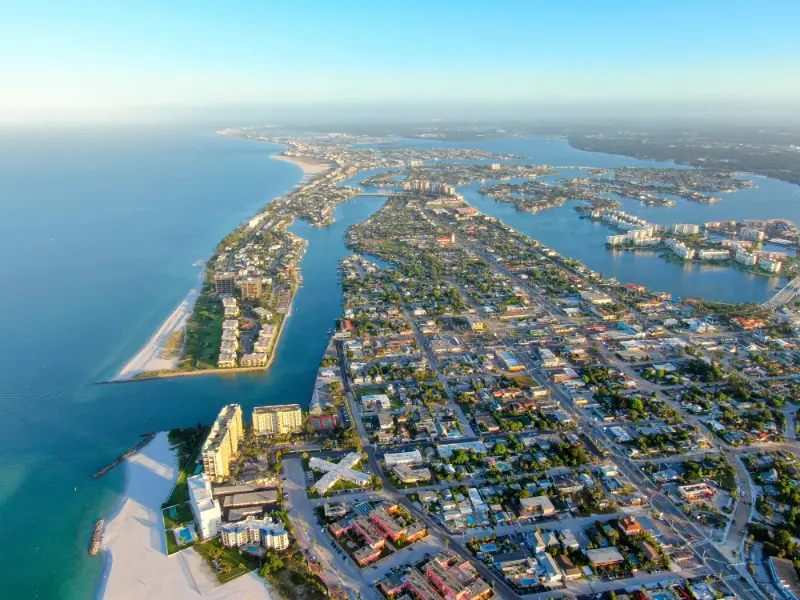
St. Petersburg is an excellent Florida city for a short arts break because its murals are not hidden behind museum doors. Colorful walls can transform an ordinary walk into an informal gallery visit. For families, this means children can engage with art for a few minutes at a time rather than spending an afternoon in a quiet room. For adults and older travelers, it means enjoying the city through neighborhoods, cafes and public spaces without needing to plan an expensive cultural vacation.
A successful mural weekend is not a race to photograph every wall. Murals change, buildings are repainted and new work appears. The best plan combines a small number of nearby artworks, one museum or gallery, and generous breaks. This three-day itinerary uses central St. Petersburg as a base and includes alternatives for rain, heat and family members who are not interested in street art.
What makes this a good family arts weekend
Public art offers an approachable starting point for conversations about identity, nature and design. A child can ask why a bird appears three stories tall, while an adult may wonder how an artist gained permission to paint an entire building. The city’s SHINE Mural Festival has helped expand its public-art landscape. The local tourism office lists the November 6–15, 2026 festival, but the murals are not an attraction that requires visiting during those exact dates. Existing works can be explored at other times, subject to access.
The weekend also works for people who do not want to spend hours in museums. Instead of buying many tickets, balance free street-level viewing with one indoor experience. Keep in mind that a wall may face a busy road, parking lot or private building. A mural being visible does not guarantee that you may enter the surrounding property.
A practical three-day outline
| Day | Best focus | Keep it manageable |
|---|---|---|
| 1 | Downtown art walk and waterfront | Choose one compact walking zone |
| 2 | Warehouse Arts District and an indoor arts stop | Use short drives between clusters |
| 3 | Favorite murals, local shops and a relaxed park | Let the family vote on a return visit |
Build the route around a current public mural map or official arts organization information. Do not copy an old online list of addresses without checking. New pieces replace older ones, construction changes routes, and the easiest place to view a work may differ from the exact street address used in a gallery listing.
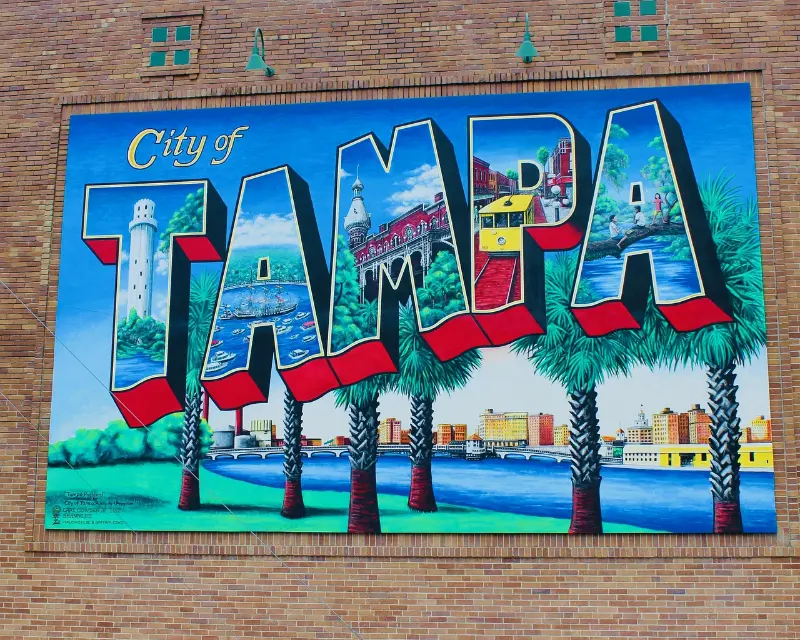
Day 1: discover art downtown without overdoing it
Begin after breakfast, when the sidewalks are more comfortable and everyone has energy. Select a handful of downtown murals within a reasonable walking distance, then leave time for the waterfront. This gives children two contrasting kinds of space: colorful streets and a view where they can simply move, look at boats and enjoy the open air. Choose a public parking structure or appropriate transit stop before setting out rather than circling blocks looking for the closest place to stop.
A good mural walk needs frequent pauses. Look at one piece for a minute, then ask everyone to choose a detail they noticed. Is the scale surprising? Does the artist use local wildlife, geometric shapes or humor? Avoid demanding a sophisticated interpretation from children. A child who notices the color of a painted fish has already begun to engage with the work.
Use a shaded lunch stop to decide whether to continue. People often underestimate Florida humidity because an urban art walk does not sound like an outdoor activity. Sidewalks can radiate heat, crossings take time and buildings offer uneven shade. A family with a stroller will be happier completing a shorter circuit than trying to cover a full citywide mural map in one afternoon.
Teach children to look, not just pose
Before the trip, give each child a tiny visual challenge: spot a plant, a sea creature and a pattern in the artworks. Older children can photograph the same mural from two permitted public viewpoints and discuss how perspective changes the image. Teenagers may enjoy learning about the difference between commissioned murals and illegal graffiti, and about the artists who create public work.
Do not encourage children to touch painted walls, climb on structures or stand in the road for a photo. Some murals are on active businesses with deliveries and parking entrances. Stay on public sidewalks and obey crossing signals. Ask permission before photographing people working in a storefront; the artwork may be public-facing, but a person’s workday is not an attraction.
Day 2: the Warehouse Arts District deserves time
The Warehouse Arts District offers a different atmosphere from the waterfront. Creative spaces and working studios can sit alongside industrial buildings, and the neighborhood is better understood through a few carefully selected stops than by wandering randomly. Check current public hours for any gallery or artist space you want to enter. An exterior mural is often visible outside normal gallery hours, but doors may be closed and events may require tickets.
For families, choose one indoor art venue if the program suits the age group. A hands-on class or short workshop may be more memorable than several passive gallery visits. Confirm whether children are welcome, whether registration is necessary and what supplies are included. Adults who enjoy contemporary art can spend longer at an exhibition while others take a break at a nearby cafe.
Parking near studio spaces can be less obvious than downtown. Use signed public spaces and never block a loading bay for the sake of a photograph. Some blocks have limited shade or substantial walking gaps between artworks. Moving the car to another legal parking location is often more practical than dragging tired preschoolers across several industrial streets.
A rainy-day alternative that still feels creative
When lightning threatens, stop walking outside and move to a substantial building. A covered outdoor passage or carport is not adequate lightning shelter. Choose an established museum, art center, cinema or other indoor activity where current opening hours are verified. The purpose is not to force a mural theme into every moment of the holiday; an enjoyable family day matters more than completing a predetermined route.
Check if indoor museums allow backpacks, strollers and photography before arrival. Some galleries have quiet rules that may be difficult for energetic toddlers. If you are traveling with a child who is sensitive to sound or crowds, contact the venue about busy periods and quieter access. A shorter admission window during a less crowded hour can be much more successful than staying until everyone is overwhelmed.
Day 3: revisit favorites rather than chase quantity
Use the final morning to return to an area you enjoyed. Revisit a favorite work in different light, browse a bookshop or stop for breakfast near the waterfront. Visitors sometimes feel obliged to travel to a distant mural because it appears on a top-ten list. If that trip would require a long drive and leave little time to enjoy the destination, skip it.
A short arts weekend is also a chance to see how people use their city. Sit in a public park, observe daily waterfront activity and take time over lunch. Keep the afternoon flexible for the journey home, particularly if you are flying out of Tampa International Airport or driving through busy bridges at peak periods. Do not book a final attraction that depends on an unrealistically fast transfer.
Where to stay: walkability has trade-offs
Downtown accommodation can make early mural walks and evening restaurants easier, although room rates and parking may be higher. A less central hotel may save money but require multiple paid parking sessions or rideshares. Compare the entire cost of the weekend and the convenience for your particular group. For families with nap-time needs, the ability to return to the room during the afternoon may justify a more convenient location.
Ask the property about actual parking charges, elevator access, connecting rooms if needed and the route from the front entrance to the room. Travelers using mobility aids should verify curb ramps and suitable accessible transport between specific sites. A central hotel does not automatically make every mural accessible because sidewalks, intersections and construction conditions vary.
How to plan for children of different ages
Children ages three to six often enjoy bright images but have limited patience for long walks. Allow perhaps a few focused mural stops before a playground or lunch. Ages seven to twelve may enjoy collecting details in a sketchbook and learning how murals differ from canvas paintings. Teenagers might be interested in the artist’s message, photography and neighborhood development.
Make the experience collaborative: each family member chooses one artwork or cultural activity. Nobody has to like the same style. Grandparents may prefer a shaded waterfront bench while a parent takes older children for a final short walk. Agree on meeting points and check that everyone can reach them safely without crossing unpredictable traffic.
Accessible mural viewing: ask about the route, not only the art
Outdoor murals are usually visible without tickets, but this does not prove that the viewing point has a smooth, step-free approach. Before setting out with a wheelchair or walker, inspect the route for sidewalk widths, curb ramps, steep crossings and construction. Use official accessibility information for museums and public parking garages; contact sites where it is not clear.
Choose a compact part of town rather than promising a long accessible walking circuit that has not been inspected. If rain has left uneven pavement slippery, reduce the route. For someone with limited stamina, a drive-and-stop art visit with one accessible indoor museum may be more comfortable than several hours on foot.
Costs and the value of free public art
Viewing murals from public spaces is generally free. The main expenses are accommodation, transportation, parking, meals and any optional museum or workshop admission. Decide in advance whether you want one ticketed experience. Buying multiple museum passes simply because they are advertised as a deal is not always cheaper for a three-day visit.
Food and lodging costs can fluctuate around major events, holiday weekends and festivals. A mural festival may be exciting but may also bring crowds and accommodation demand. Travelers who prefer quiet can visit at another time; check which works remain publicly visible and whether nearby construction affects the experience.
Respect artists and neighborhoods
Artists create murals within communities, not as props for tourists. Do not reproduce an image commercially without understanding rights or permissions. Avoid tagging walls, attaching items to artwork or placing tripods where they obstruct pedestrian traffic. If a gallery or local shop is open and you enjoy its work, consider supporting it with a purchase that suits your budget.
Remember that neighborhoods contain homes, businesses and daily routines. Keep noise moderate, use legal parking and avoid photographing through residential windows. The most rewarding street-art visit combines curiosity with good manners and an understanding that public art can express stories that are not exclusively about tourism.
A small souvenir that costs nothing
On the last evening, ask everyone to select three favorite photographs and write one sentence about each. Younger children can draw a new mural inspired by an animal seen on the trip. Adults may enjoy noting an artist or neighborhood they want to learn more about. These small reflections turn the weekend into more than a collection of colorful images.
St. Petersburg works well because an engaging arts vacation can be flexible: you can enjoy three murals in a morning, spend the afternoon indoors, and still feel that you have experienced something distinctive about the city.
Frequently asked questions
Do I have to visit during the SHINE festival?
No. The festival creates and celebrates work, but many existing murals can be viewed throughout the year. Verify current public locations before your trip.
Is a mural weekend suitable for preschoolers?
Yes, with short walks, snacks, shaded breaks and activities that involve looking for colors and shapes. A stroller may be useful on suitable sidewalks, but routes can vary.
Are murals and street-art tours free?
Viewing exterior artwork from public spaces is generally free. Guided tours, workshops and museum admissions may cost extra, and parking is not necessarily free.