
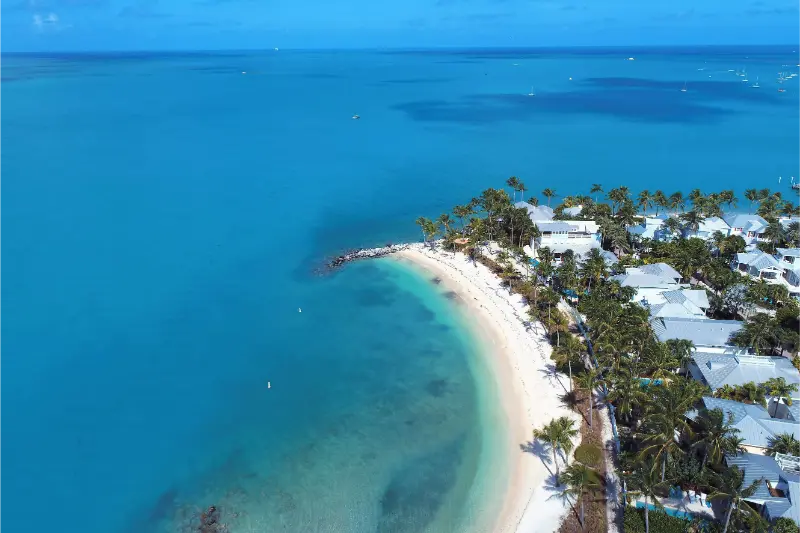
The Florida Keys look like a single string of islands, but sleeping at the northern end of the chain creates a different holiday from staying near Seven Mile Bridge or at the far western end in Key West. Key Largo is an appealing first stop from mainland Florida, Islamorada has a strong fishing and waterfront-resort identity, Marathon makes a practical central base, and the Lower Keys offer a quieter natural setting before the urban energy of Key West. Accommodation varies from simple inns and rental homes to full-service resorts, often with higher costs than first-time visitors expect. The most common planning mistake is booking the cheapest available room and assuming every attraction is only a short drive away. In the Keys, U.S. 1 is the essential road connection, and changing your plans can mean adding considerable driving. Here is how to match the island to the vacation.
At a glance: compare the areas
| Where to stay | Best for | Check before booking |
|---|---|---|
| Key Largo | Reef trips and Miami access | Not a beach-town center |
| Islamorada | Fishing and resorts | Spread-out amenities |
| Marathon | Central family base | Driving for some outings |
| Lower Keys | Wildlife and quiet | Fewer convenient services |
Key Largo: closest to the mainland and suited to reef-focused trips
Key Largo is a logical choice for travelers driving from Miami or the wider South Florida area, especially on a short trip. It gives you access to the Upper Keys without committing to the much longer drive to Key West. John Pennekamp Coral Reef State Park and reef-related boat excursions are major reasons to stay, though availability and conditions depend on weather, bookings and the specific operator. The accommodation landscape includes waterfront properties, smaller inns and rental options, but a place beside a canal may not provide a sandy swimming beach. Ask precisely what “water access” means: a dock, boat launch, pool, tiny private waterfront area and broad public beach are very different amenities. For a weekend devoted to snorkeling or diving, Key Largo may be ideal. For visitors wanting nightly strolls among historic streets and bars, the experience is not the same as central Key West.
Islamorada: fishing heritage, waterfront dining and a resort feel
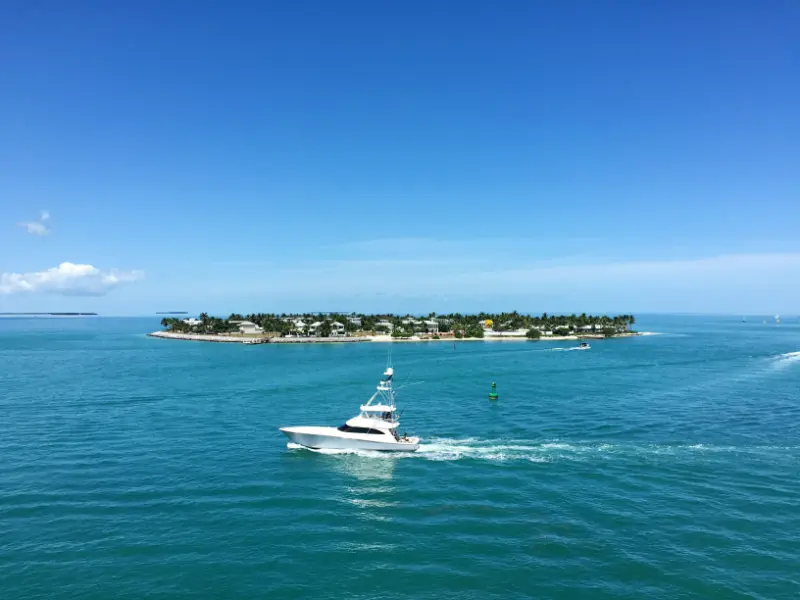
Islamorada appeals to couples and groups who want a laid-back, water-oriented vacation with restaurants, charter fishing and time on a boat or at a resort. The community spreads across several islands, so check the precise mile marker and location of your accommodation. Two properties described as “Islamorada” can have very different access to groceries and dining. The water may look dazzling from a balcony, but shorelines can be rocky, mangrove-fringed or designed around boats rather than ordinary beach swimming. If fishing is important, verify the charter departure point, licensing arrangements and what equipment is supplied. Wildlife and marine life should be observed responsibly, with operators following current protections. A traveler content to spend hours at the same resort may find Islamorada restful; someone planning repeated Key West nights out should think twice about using it as a distant sleeping base. Choose it for Islamorada’s own character, not only its position along the road.
Marathon: a practical middle-Keys base for families and explorers
Marathon occupies a useful part of the island chain for travelers interested in more than one region. It is a reasonable base for exploring nearby bridges, visiting local attractions and taking organized boat trips, while remaining closer to the Upper Keys than Key West itself. Sombrero Beach is a notable local beach, but check current access, facilities and beach conditions rather than assuming every coastal rental is within walking distance. Families may find useful accommodation with kitchens and multiple bedrooms, which can make a week-long vacation more manageable. The trade-off is that Marathon is not a compact historic town where visitors can walk to all activities from most hotels. A car is often convenient, particularly when traveling with children or equipment. If the goal is a no-car holiday full of restaurants and museums, a central Key West stay usually provides an easier match. For a relaxed boating and nature-focused week, Marathon is worth serious consideration.
The Lower Keys: space, wildlife and quieter days
The Lower Keys, including Big Pine Key and neighboring islands, suit travelers who value wildlife, paddling, scenic roads and a slower atmosphere. This part of the chain has protected habitats and distinctive natural landscapes, and accommodation may be more scattered than in Key West. That means tranquility can come with longer journeys to restaurants and services. Some areas have sensitive wildlife, including Key deer habitat; drive attentively, respect speed limits and never feed wildlife. For visitors who prefer a resort with several on-site dining choices, the Lower Keys require careful property selection. A self-catering stay may be comfortable, but check kitchen facilities and the distance to supplies before booking. If someone in the group needs regular medical services or specialized mobility support, investigate practical access ahead of time. Choose the Lower Keys because you want their quiet outdoor character, not merely because an online listing looks inexpensive compared with Key West.
Key West: a walkable historic destination, not just another beach island
Key West sits at the end of the Overseas Highway and has the most recognizable urban visitor atmosphere in the island chain. Old Town’s historic streets, museums, cafés and harbor activity allow many visitors to spend several days without a rental car. That experience is different from staying in Key Largo for reef excursions or Marathon for a central road base. Accommodation in Old Town can be expensive or compact, while hotels farther east may require transport. If you spend the whole week in Key West, day trips to the Upper Keys involve substantial backtracking. Conversely, a hotel in Islamorada or Marathon can make an evening out in Key West into a long return drive. A sensible plan often divides a longer Keys trip into two bases—one in the Upper or Middle Keys, one in Key West. For a short weekend, however, hotel changes can waste time. Decide whether the historic town experience is a main attraction before choosing your island.

The Overseas Highway and the time cost of changing islands
The Overseas Highway is beautiful, but it is still a real road with local traffic, bridge approaches and occasional delays. Map the route between specific properties and departure docks, not just the distance between town names. A boat excursion early in the morning can be stressful if you are sleeping several islands away. Driving after a long snorkeling day can also be tiring, especially after sunset or in heavy rain. If you intend to spend time at multiple stops, plan them in geographical order rather than alternating northbound and southbound trips. An excellent seven-day plan may use one Upper Keys base and one Key West base, with the transfer day devoted to leisurely stops near Marathon and Seven Mile Bridge. Do not schedule an expensive offshore excursion immediately after a long drive unless the timing is realistic. The view from the road is part of the experience, and rushing diminishes it.
Beaches in the Keys: set expectations before paying for waterfront lodging
Not every Keys island has broad natural sandy beaches, and many accommodations advertise waterfront access that is intended for boats rather than swimming. Parts of the shoreline are rocky or mangrove-lined. If easy beach access is crucial, identify the specific beach you hope to use, such as Sombrero Beach in Marathon or Bahia Honda State Park in the Lower Keys, and check current conditions with the responsible authority. Some beaches have parking or park admission fees; others may have limited facilities. A pool can be particularly valuable for families who enjoy the water but do not want to schedule every swim around a boat excursion. For travelers with mobility limitations, ask about pathways, accessible restrooms and equipment rather than assuming a beachfront label guarantees step-free access. A Keys holiday is often at its best when it embraces boating, wildlife and coastal scenery without demanding that every shoreline resemble a Gulf Coast resort beach.
Snorkeling, diving and fishing: choose your base by departure point
Marine activities are a strong reason to visit the Keys, but they are not equally convenient from every lodging area. Some reef trips depart from Key Largo, others from Islamorada, Marathon or Key West, and boat travel time varies. Start by choosing the activity, a reputable operator and the actual departure location. Then consider whether you want that experience once or repeatedly. Snorkeling requires attention to swimming ability, sea conditions and operator requirements; not everyone should enter open water on a particular day. Divers should select services suited to their training and follow established safety guidance. Fishing charters may provide equipment and guidance, but ask about licenses, catch policies, weather cancellations and what the price includes. A resort with an attractive dock photograph is not necessarily affiliated with the excursion you want. The most practical accommodation shortens the journeys you will make most frequently.
Families, seniors and travelers who prefer an easy pace
The Keys can work for people across generations when expectations are realistic. With toddlers, a kitchen, safe outdoor spaces and the ability to return to a room after a morning activity may matter more than a packed sightseeing schedule. Older travelers may enjoy a seated boat trip, wildlife viewing from accessible platforms or waterfront dining, but should verify boarding steps and restroom arrangements. Family groups need to check balcony safety, pool barriers, sleeping layouts and the actual distance from parking to rooms. For a quieter stay, Islamorada or a suitable Marathon property may be easier than a lively Old Town address, while visitors without a car may favor centrally located Key West. Mobility needs differ substantially, so ask providers for precise access details rather than accepting the blanket label “senior-friendly.” A well-paced vacation might alternate a booked excursion with a largely free day of scenery and meals.
What does a realistic Keys accommodation budget include?
Nightly prices are only the beginning. Factor in taxes, cleaning or resort charges, parking, breakfast, groceries, fuel and boating activities. A rental house with several bedrooms can be a good choice for a larger group, but it may have a cleaning fee, minimum stay and property rules. A resort with a pool, dining and water views can simplify daily life but may carry substantial additional charges. Compare complete totals for the same dates and guest count. Boat trips are often a major part of the budget, so research those before committing to a room that leaves little money for activities. Popular winter and holiday periods can be competitive, though prices and availability change widely by property. Read cancellation terms carefully during storm season and avoid assuming that travel insurance covers every weather-related disruption. Having some flexibility in your dates is often more useful than chasing a single advertised deal.
A sensible five- or seven-day route through the island chain
For five days, choose one main base unless a specific Key West stay is essential. A Key Largo or Islamorada hotel supports reef activities and nearby exploring; Marathon can be convenient when you want a little of several regions. For seven days, consider spending three or four nights in the Upper or Middle Keys, then two or three nights in Key West. Use the moving day for roadside stops rather than packing it with a timed tour. The reverse pattern also works if flights or accommodation availability favor it. Keep one weather-flexible day because boat excursions may be delayed or canceled. A traveler flying in and out of different airports should check the real transfer distances and one-way rental-car terms. The point of splitting accommodation is to reduce repeated driving, not to experience the inconvenience of packing every morning.
Your island-by-island booking checklist
Before selecting a property, write down the primary activity for each full day. Then mark the hotel, departure docks, beach access points, groceries and dinner options on a map. Confirm whether the accommodation actually offers a swimmable beach, merely a shoreline view or a marina. Review driving time along U.S. 1, especially for early departures. Ask about parking, accessible rooms, outdoor safety, kitchen facilities and changes during severe weather. Check the operator’s cancellation terms separately from the hotel’s. For international travelers, verify U.S. entry requirements from official sources and do not assume a lodging booking establishes permission to enter. Finally, choose the island whose everyday atmosphere fits your group. The Keys are most rewarding when the journey feels leisurely and the accommodation keeps the activities you care about within comfortable reach.
Frequently asked questions
Which Florida Key is easiest to reach from Miami?
Key Largo is the first main island area reached from mainland South Florida. It works particularly well for a short Upper Keys trip.
Where is a practical family base for a week?
Marathon can work well because of its central position and accommodation choices, especially if boating and selected beach days are priorities.
Should I book just one hotel for all of the Keys?
For a short stay, one hotel reduces packing. A longer trip combining the Upper Keys and Key West can benefit from two bases to avoid repeated long drives.