
| Day | Main plan |
|---|---|
| Day 1 | Homestead, Redland and the geography of the area |
| Day 2 | The Everglades main entrance and Anhinga Trail |
| Day 3 | The road to Flamingo and coastal wetlands |
| Day 4 | Biscayne National Park from the mainland |
| Day 5 | Fruit & Spice Park and Tropical Redland |
| Day 6 | Deering Estate or a slower coastal heritage day |
| Day 7 | One last nature experience—or simply rest |
South Miami-Dade is an excellent choice for travelers who want nature and local history without spending a week in the busiest parts of Miami Beach. Here the landscape shifts between tropical fruit-growing country, the wide wetlands of Everglades National Park, coastal mangroves and the waters of Biscayne Bay. Homestead and Florida City make practical bases, but neither is a conventional beach resort. A thoughtful seven-day itinerary helps visitors understand why two national parks so close on the map are entirely different experiences. It also leaves room for family-friendly gardens, history and a quiet meal rather than demanding an airboat excursion every morning. This trip is especially appealing for wildlife watchers, curious children and adults who value natural places more than nightlife.
A base near Homestead or Florida City
A hotel in Homestead or Florida City can reduce early-morning driving to the main southern entrance of the Everglades and to visitor services associated with Biscayne National Park. Accommodation is often designed around road travelers, so examine the actual room, pool, breakfast and noise conditions rather than expecting a walkable resort district. Some tropical farms and Redland attractions are spread across rural roads with few pedestrian routes. A car is strongly recommended for this itinerary unless you arrange guided transport and deliberately limit your destinations. Visitors planning a couple of nights in Miami Beach afterward may prefer splitting the wider vacation, but keep the South Dade portion in one base. Families should look for a refrigerator and convenient dining. Travelers with limited mobility may prioritize a ground-floor room or reliable elevator and short vehicle access to attractions. Do not book a property purely because it is labeled ‘near the Everglades’ without checking which park entrance it actually serves.

Day 1: Homestead, Redland and the geography of the area
Begin with an easy day close to your accommodation. Explore Homestead’s central area and selected Redland farm-country stops that are open to visitors. Rural Miami-Dade is known for tropical agriculture, but farms are working properties, not universal public attractions. Check opening seasons and farmstand hours before driving, and do not enter private fields. A taste of locally grown tropical fruit, when in season, can be more meaningful than a long checklist of roadside photographs. Families can make the day educational by learning what grows in this subtropical climate; older visitors may appreciate a shaded lunch and a calm scenic route. Confirm that an attraction accepts visitors without a tour reservation. Afternoon storms or extreme heat are good reasons to shorten the drive. This first day provides context for why the area is more than a highway staging point for the national parks and lets everyone settle into the week’s rhythm.
Day 2: The Everglades main entrance and Anhinga Trail
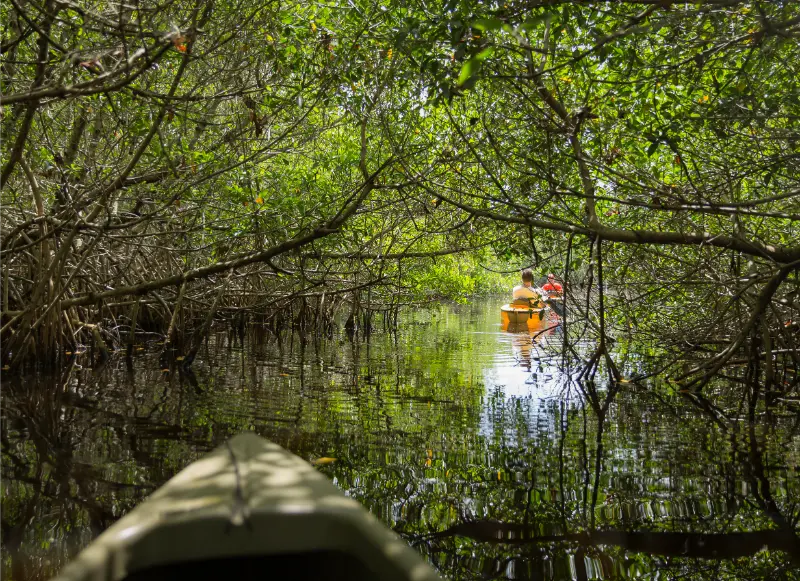
Use the Homestead entrance to Everglades National Park for a day focused on the park’s southern ecosystems. Start at the Ernest F. Coe Visitor Center area when services are operating and ask about current trail access and ranger programs. The Anhinga Trail near Royal Palm is popular for viewing birds and freshwater wildlife from a designated walkway, but sightings are seasonal and never guaranteed. Keep a safe distance from alligators and never feed animals, even if they seem accustomed to people. Families should bring water, hats and insect repellent; younger children may enjoy a short loop far more than hours of exposed walking. Travelers with limited mobility should check the status of accessible surfaces and boardwalk repairs before arriving. This day should not include Shark Valley as an extra afternoon stop: it is a separate park entrance reached by road from another direction, not connected by an internal drive-through route. Allow time to appreciate the wide landscape without rushing to Flamingo immediately.
Day 3: The road to Flamingo and coastal wetlands
Return to Everglades National Park for a second, quite different day, following the main park road toward Flamingo if conditions and access permit. Stop at a small number of designated viewpoints or short trails; there is no need to walk each route simply because the map lists it. Pine rockland, freshwater marsh and coastal environments change along the way, making the drive itself part of the experience. At Flamingo, check the visitor facilities and guided boat or canoe trips available on your date. Crocodiles and manatees may be seen in the area, but keep a respectful distance and follow staff guidance. Boat activities are weather-dependent, and some routes may require mobility or balance that not every visitor has. Pack snacks and adequate fuel because services are limited inside the park. For a family with toddlers or anyone sensitive to heat, stop early and enjoy the scenic drive rather than insisting on reaching every last viewpoint. Return with ample daylight for the journey back.
Day 4: Biscayne National Park from the mainland
Biscayne National Park is predominantly water. The Dante Fascell Visitor Center at Convoy Point is an important starting place, but looking over the bay from the mainland is not the same as accessing the coral reefs or offshore islands. Choose a guided boat experience if it suits your group and availability; the park’s authorized programs include island visits, paddling and marine excursions. Reserve in advance when recommended and check weather, boarding, cancellation rules and the physical demands of each trip. A family with young children or a non-swimmer may prefer a sightseeing cruise over a snorkeling excursion. Visitors who stay on land can learn about the park at the visitor center and enjoy the shoreline scenery without pretending they have covered the entire national park. Water conditions may prevent a planned trip even on an otherwise sunny day. Keep the afternoon flexible for a meal or rest in Homestead, rather than booking another distant attraction after the boat returns.
Day 5: Fruit & Spice Park and Tropical Redland
Spend the fifth day exploring the agricultural identity of South Dade. Fruit & Spice Park has tropical plant collections and a landscape that helps explain the area’s growing conditions. Confirm visiting hours, tour arrangements and current entry rules before departure; garden experiences vary seasonally. Stop at one or two permitted farmstands or small businesses if they are open, and pay attention to what is actually in season. Do not assume every tropical fruit is available every month. Parents can involve children in comparing unfamiliar produce, while adults interested in gardening may spend longer learning about different trees. Avoid tasting unknown fruit picked directly from a plant; follow staff guidance and food safety advice. Summer heat and insects can make exposed walks tiring, so begin early and plan a shaded lunch. This day offers a valuable contrast to large national parks: it is about how local communities cultivate and live within the same subtropical environment.
Day 6: Deering Estate or a slower coastal heritage day
Head north toward the Deering Estate area for a cultural and natural stop that adds human history to the week’s landscape. The historic estate is associated with coastal habitats, architecture and South Florida heritage. Check current admissions, tours and access arrangements, because historic structures and outdoor trails can have different mobility requirements. A museum-focused visit can suit a family that needs respite from long drives, although some nature walks will still be hot and exposed. Visitors interested in birdwatching may prefer a designated public trail nearby when available. Choose a lunch stop on the return toward Homestead and avoid adding the crowded center of Miami to the same afternoon. For adults who have spent several days outdoors, this can be the week’s gentlest cultural interlude. If the property is closed for a private event or maintenance, substitute another public historic site or a calm Redland day rather than making an unsupported detour through private neighborhoods.
Day 7: One last nature experience—or simply rest
A final day in South Dade should remain flexible. Families may want to revisit a favorite trail at a cooler hour, while nature enthusiasts might book a specialized ranger program or a short wildlife outing if one is available and appropriate. If your trip includes a flight from Miami International Airport or Fort Lauderdale, do not plan a lengthy park excursion with uncertain return time. Spend the morning packing, enjoying breakfast and checking the current road or weather situation. A late flight may allow a stop at a nearby garden or museum, but the simplest ending is often best. Travelers who found the Everglades demanding can stay near the hotel pool. People who chose Biscayne for its water views can revisit Convoy Point without needing a second boat ticket. Leave the area with a clearer understanding of why its reefs, wetlands and farms require different methods of exploration and protection.
The two national parks are not interchangeable
This is the most important practical distinction in the itinerary. Everglades National Park’s southern road entrance gives access to freshwater and coastal habitats by road and trail, with separate opportunities for tours. Biscayne National Park is primarily marine, and much of its notable landscape lies offshore. A visitor cannot drive through Biscayne’s reefs or use an Everglades admission ticket as a boat reservation. Even within the Everglades, the Homestead entrance, Shark Valley and Gulf Coast visitor areas are reached separately from surrounding highways rather than through a connecting internal road system. Study official maps before choosing your daily route. Booking a nature tour outside the national park is not automatically the same as entering or learning about the protected park itself. When traveling with children, explain what they are seeing and why some areas are restricted. The distinction helps prevent wasted driving and improves conservation awareness.
Vehicle planning, tours and food stops
A rental car offers the greatest practical flexibility around Homestead and the Redland. Rural roads may have slow traffic, agricultural vehicles and few safe pedestrian routes. Use official visitor center addresses, not just a generic national park label in navigation. Fill the tank before the longer Everglades day and carry water and food; concessions and phone reception can be limited. If you do not drive, inquire about organized tours, but verify whether they visit official national park sites or only attractions marketed under the ‘Everglades’ name. A tour’s meeting point and included admission deserve attention. A flexible, simple meal routine helps families after hot park days. Supermarkets and casual restaurants near the lodging may be more convenient than searching for a waterfront dinner every night. If using rideshare, confirm pickup availability outside urban areas instead of assuming a vehicle will arrive on demand.
Budget and reservations for a nature-first vacation
Admission and tour costs vary by activity. Everglades National Park entrance fees, separate boat tours in Biscayne, garden admission and any guided excursion should appear as distinct lines in your budget. Do not assume the most expensive option offers the most suitable experience: a short boardwalk walk may be the week’s highlight for a young child. Book marine tours ahead when required, but review cancellation policies for wind, lightning and tropical-weather interruptions. A hotel with breakfast or a kitchenette can reduce food spending, especially when leaving early. Account for fuel, park parking where applicable, sun protection and accessible transport needs. Compare the total cost of staying in Homestead with a Miami Beach hotel plus long daily drives; cheaper rooms do not compensate for unreasonable travel. Families may benefit from one carefully chosen paid excursion and several self-guided days. Keep some money available for schedule changes rather than filling every day with nonrefundable tickets.
Wildlife, heat and accessibility for all ages
The Everglades and Biscayne Bay are remarkable environments but not controlled amusement parks. Alligators, crocodiles, venomous wildlife, mosquitoes, heat and water conditions require respect. Never approach or feed animals, and keep children close on trails and waterfronts. Check park notices on current boardwalk access, restrooms and trail conditions if anyone uses a wheelchair or walker. Boat access can be much more demanding than the mainland visitor center; ask specifically about gangways, steps, seating and restroom facilities. Infants and toddlers should have realistic nap and sun-protection routines. Older visitors may prefer short, early outings and air-conditioned breaks. For non-swimmers, a boat tour may still be possible if the operator’s conditions and vessel suit them, but no one should be pressured into entering open water. Make the trip inclusive by treating each excursion as an option with an equally worthwhile alternative rather than a compulsory achievement.
Seasons, storms and the importance of checking conditions
Winter and early spring can be more comfortable for walking and sometimes offer favorable wildlife-viewing conditions, while summer can be extremely hot, humid and buggy. Tropical storms and hurricanes are possible during the June–November season, and both parks may close or restrict access in unsafe weather. Boat operations in Biscayne are particularly sensitive to wind and lightning. Verify National Park Service notices, local marine forecasts and authorized operator schedules close to your visit. Agricultural attractions have their own seasonal calendars, so a winter fruit selection will differ from one in summer. If heavy rain appears, swap the outdoor day for a suitable indoor historical attraction or a rest day rather than driving on flooded roads. Seven days make this possible without losing the trip’s purpose. The reward is not seeing every species or reaching every island; it is learning how different parts of South Florida fit together.
Frequently asked questions
Are Everglades and Biscayne National Parks connected by road?
No. Everglades has separate land entrances, while most of Biscayne National Park is water and reaching islands or reefs requires marine transport.
Can I visit the Everglades without a car?
Seasonal Homestead trolley options may help at the southern entrance, but do not substitute for the full road-based itinerary. Confirm routes and seasons.
Can a non-swimmer enjoy Biscayne National Park?
Yes. Mainland visitor facilities and suitable boat sightseeing trips can be worthwhile; verify marine conditions and boarding access before booking.