
Florida’s best-known images are beaches and theme parks, but the state’s most surprising places are often natural systems that do not exist in quite the same form elsewhere. Clear freshwater springs rise from limestone, the Everglades moves water through a vast subtropical landscape, coral reefs extend along the Keys, caves open beneath North Florida, and undeveloped barrier islands protect dunes, wildlife and dark skies. These are not background scenery. They are destinations that can shape an entire trip.
I would choose natural wonders by region rather than attempting to collect them all in one vacation. Florida is long, and driving from the Panhandle to the Keys takes most of a day. A stronger itinerary pairs one or two major ecosystems with nearby towns. Nature also requires flexibility: water levels, storms, wildlife seasons, reservations and restoration work can change what is accessible.
Quick planning summary
- Most iconic ecosystem: the Everglades and connected South Florida wetlands.
- Most uniquely Florida swimming landscape: freshwater springs.
- Best underwater wonder: the Florida Keys reef system and protected marine areas.
- Most surprising inland experience: Florida Caverns and karst landscapes in the Panhandle.
- Best planning principle: organize nature stops by region and current conditions.
In this guide
- Quick planning summary
- The Everglades and Big Cypress
- Florida’s freshwater springs
- Florida Keys reefs and Biscayne waters
- Caves, sinkholes and the limestone beneath Florida
- Dunes, barrier islands and wild beaches
- Wildlife refuges, mangroves and river landscapes
- How to plan a nature-focused Florida road trip
- What to pack for Florida’s natural areas
- Families, seniors and accessibility
- Best time to go
- Budget and booking
- How to build a realistic day
- Common mistakes to avoid
- Related Wonderful Florida guides
- Official resources to check
- Final advice
The Everglades and Big Cypress
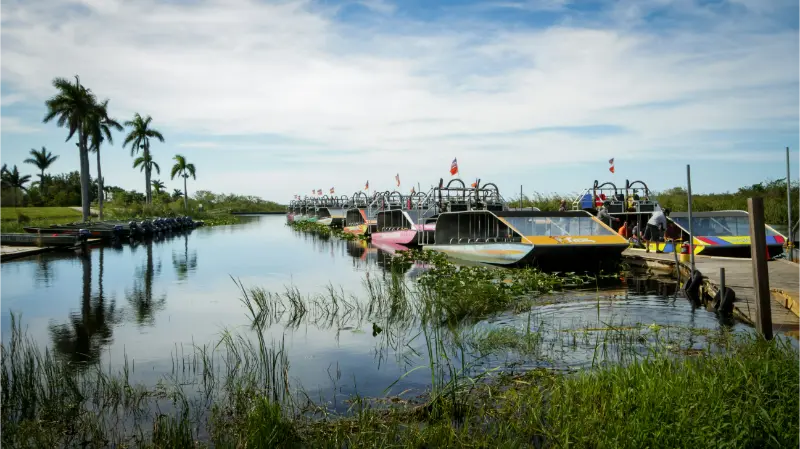
The Everglades is not simply a swamp but a vast sheet-flow ecosystem of sawgrass, sloughs, hammocks, mangroves and coastal water. Everglades National Park protects the southern portion, while Big Cypress National Preserve and other public lands extend the broader wetland story. Different entrances provide very different experiences.
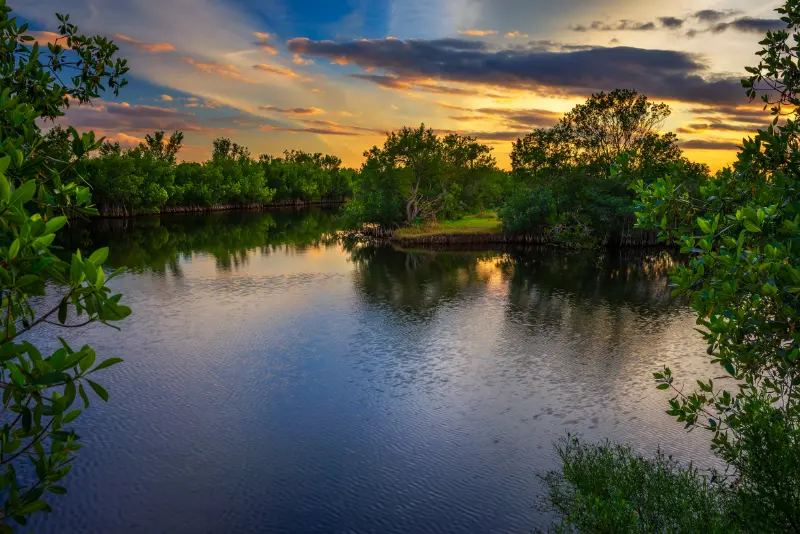
A first visit should focus on one corridor: Shark Valley, the Homestead-to-Flamingo route or a Big Cypress drive. Wildlife viewing improves when you slow down. Boardwalks, tram tours, ranger programs and paddling can all reveal more than trying to drive every available road.
Florida’s freshwater springs
Florida has hundreds of natural springs, including many large first-magnitude systems. Clear water, limestone basins, spring runs and aquatic vegetation create a landscape that can feel almost unreal. Silver Springs, Wakulla, Rainbow, Ichetucknee, Weeki Wachee, Wekiwa and others each offer a different combination of swimming, paddling, tubing, wildlife or boat tours.
Popular springs can reach capacity or use reservation systems. Water activities may close for wildlife protection or conditions. Choose the spring for the experience you want and verify the current rules. The constant cool water temperature feels wonderful in summer and surprisingly cold in winter.
Florida Keys reefs and Biscayne waters
The coral reef system along South Florida and the Keys is one of the state’s great natural treasures. Snorkeling and diving can reveal coral, tropical fish, turtles and other marine life, while glass-bottom or guided boat trips provide alternatives for non-swimmers.
Reef conditions depend on weather, water clarity and environmental stress. Use responsible operators, avoid touching coral and choose reef-safe behavior. Biscayne National Park is mostly water, which means the best way to understand it is often by boat rather than from a roadside overlook.
Caves, sinkholes and the limestone beneath Florida
Florida’s geology is responsible for both its springs and its caves. Florida Caverns State Park near Marianna offers one of the state’s most accessible opportunities to see a dry cave on a guided tour. Elsewhere, sinkholes and underwater cave systems reveal the porous limestone foundation beneath much of the state.
Cave diving is a specialized technical activity and should never be confused with casual snorkeling. Families and non-divers can appreciate cave landscapes through authorized tours, springs and geological interpretation. Stay on designated routes and respect closures designed to protect both visitors and fragile formations.
Dunes, barrier islands and wild beaches
Florida’s undeveloped barrier islands can be as impressive as its famous resort beaches. St. George Island State Park, Canaveral National Seashore, Gulf Islands National Seashore and other protected coasts preserve dunes, shorebird habitat, maritime vegetation and long horizons without continuous high-rise development.
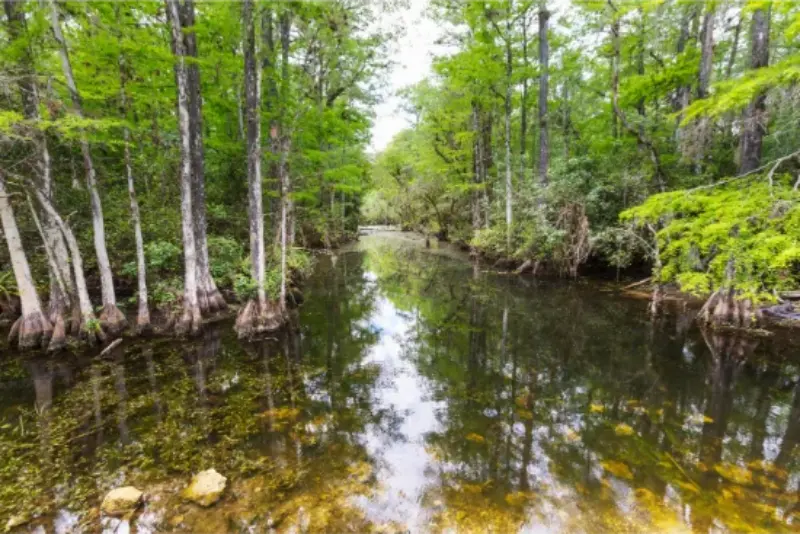
These landscapes are fragile. Use boardwalks instead of crossing dunes, follow nesting closures and take everything you brought back with you. Wild beaches often have fewer services, so water, shade planning and weather awareness matter more.
Wildlife refuges, mangroves and river landscapes
Merritt Island, St. Marks, Loxahatchee, Crystal River and other refuge systems protect habitat that can be spectacular even without a famous landmark. Bird migrations, manatee seasons, alligator sightings and seasonal plant changes create reasons to return more than once.
Florida’s rivers also deserve attention. The Suwannee, Wacissa, Loxahatchee and spring-fed tributaries show very different sides of the state. A guided paddle can reveal ecology that is invisible from highways. Choose routes within your skill level and check flow, weather and shuttle logistics.
How to plan a nature-focused Florida road trip
Group ecosystems geographically. A South Florida loop can combine Everglades wetlands, Biscayne waters and Keys reefs. North Central Florida can focus on springs, rivers and state parks. The Panhandle can combine caves, dune lakes and Gulf islands. This approach reduces driving and makes ecological differences easier to understand.
Spend at least two nights in important nature bases when weather can cancel the main activity. A single-night schedule creates pressure to paddle, snorkel or take a boat in marginal conditions. Flexibility is one of the most valuable pieces of safety equipment you can bring.
What to pack for Florida’s natural areas
Bring more water than you expect to need, sun protection, insect repellent and footwear suited to the surface. A small dry bag protects phone, keys and medication on water days. Binoculars can transform wildlife viewing, especially for children and senior travelers who prefer not to leave developed trails.
Download maps and save reservation confirmations before entering rural areas. A paper map is still useful in large parks and refuges. Tell someone your route when paddling or hiking away from developed visitor centers.
Families, seniors and accessibility
Natural wonders work best for families when the day has one clear activity: a glass-bottom boat, short boardwalk, swim, cave tour or guided paddle. Children do not need a six-hour ecology lecture. Give them a wildlife checklist, waterproof camera or simple task and let curiosity do the rest.
Senior travelers and people with mobility needs should favor developed overlooks, accessible boardwalks, boat tours and visitor centers where appropriate. Many spectacular ecosystems can be experienced without strenuous hiking. Confirm specific trail surfaces and boarding requirements.
Best time to go
Winter is excellent for South Florida wetlands and manatee viewing, while summer makes cool springs especially attractive. Fall and spring can be comfortable across much of the state. Marine trips depend on wind and water clarity, and cave or river outings can be affected by heavy rain and flooding.
Wildlife seasons matter. Bird migration, turtle nesting and manatee concentration change through the year. Build the trip around the ecosystem’s rhythm rather than assuming every natural wonder peaks in the same month.
Budget and booking
Many state and federal natural areas are inexpensive compared with major attractions, but guided boats, paddles, snorkeling and diving add costs. Pay for expertise when it improves safety or access. A ranger-led walk or scenic drive can be just as memorable as an expensive tour.
Remote nature days require practical spending on fuel, water and food. Do not save a few dollars by skipping equipment that affects safety, such as life jackets or proper footwear.
How to build a realistic day
Choose one major ecosystem per day. Arrive early, spend the best weather window outdoors, eat nearby and keep the afternoon flexible for a visitor center, scenic drive or town. Nature days are better when they have room for a wildlife sighting or weather delay.
On a road trip, alternate active nature days with easier city or beach days. This keeps children and older travelers from accumulating fatigue.
Common mistakes to avoid
- Trying to visit distant natural regions in one day.
- Entering a spring or cave without understanding the current rules and skill requirements.
- Walking across dunes or ignoring wildlife closures.
- Touching coral or feeding wildlife.
- Assuming water clarity and wildlife sightings are guaranteed.
- Skipping weather checks for paddling, snorkeling or remote coastal trips.
Related Wonderful Florida guides
Florida National Parks guide, Best natural springs in Florida, Everglades National Park guide, Florida wildlife guide, Florida snorkeling and scuba diving guide.
Official resources to check
Hours, fees, access rules, wildlife conditions, weather impacts and reservation requirements can change. If a particular experience is essential to your trip, check the responsible agency, destination or operator again shortly before you travel.
Final advice
Florida’s natural wonders reward travelers who slow down enough to see systems rather than attractions: water rising from limestone, wetlands changing with the season, reefs shaped by current and wildlife moving with temperature. Choose a region, check current conditions and give one landscape enough time to become the reason you remember the day.