
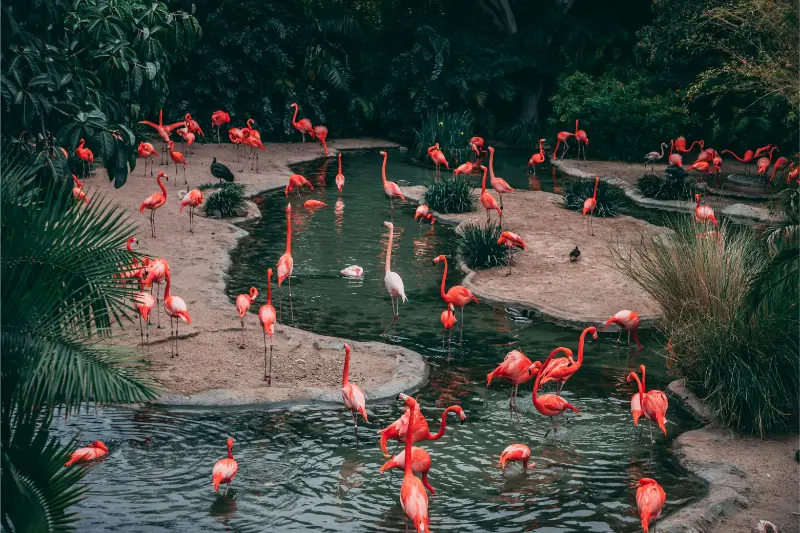
Florida is unusually varied for travel photography. A single trip can include pastel sunrise over the Atlantic, Gulf sunset, clear spring water, Art Deco architecture, cypress wetlands, birds, rocket launches and neon-lit city streets. The challenge is light, weather and access: tropical brightness can be harsh at midday, humidity can affect equipment, wildlife requires distance and some of the most photogenic places are also environmentally sensitive.
Good Florida photography starts with timing rather than gear. Early morning often provides softer light, cooler temperatures and more active wildlife; evening can deliver dramatic Gulf color and city atmosphere. A phone can produce excellent images when the traveler is in the right place at the right time, while a large camera is only useful if it does not become a reason to ignore safety, signs or other visitors.
Quick Planning Summary
- Atlantic beaches are natural sunrise locations; Gulf-facing beaches are strong for sunset.
- Wildlife photography should use distance, patience and telephoto reach rather than approach.
- Springs and underwater scenes require attention to glare, moisture and site rules.
- Cities provide architecture and street scenes when midday nature light is harsh.
- Drone and launch photography require current rules and location-specific restrictions.
In this guide
- Sunrise on the Atlantic and sunset on the Gulf
- Wildlife photography
- Springs, clear water and underwater images
- Everglades and wetland landscapes
- Miami, St. Augustine and architectural photography
- Theme parks and night photography
- Rocket launches and the Space Coast
- Night skies, gear care and drones
- Families, seniors and accessibility
- Best time and season
- Budget and booking strategy
- How to build a realistic day
- Common mistakes to avoid
- Related Wonderful Florida guides
- Official resources
- Final advice
Sunrise on the Atlantic and sunset on the Gulf
Florida geography makes sunrise and sunset planning intuitive but not automatic. Atlantic beaches often face the first light, while western Gulf beaches are famous for sunset. Barrier islands, piers, clouds and seasonal sun angle can change the composition.
Arrive before the peak color rather than at the exact sunrise or sunset time. Use a safe public access and bring a small light for the walk back after dark without shining it toward nesting wildlife. Keep the day geographically compact. Florida traffic, bridge crossings and parking can turn a simple-looking transfer into lost vacation time, so one major area plus one nearby secondary stop is usually enough.
Wildlife photography
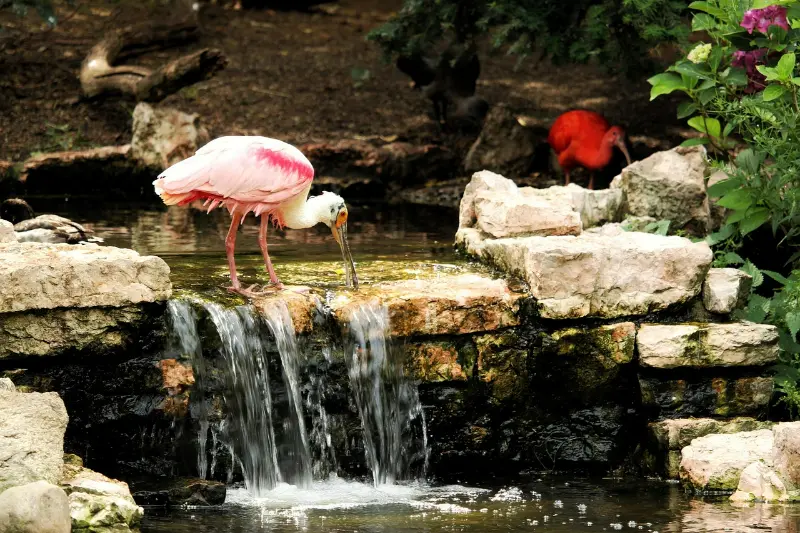
Florida offers manatees, alligators, dolphins, sea turtles, birds and other wildlife, but the ethical image is made from appropriate distance. Long lenses and binoculars allow behavior to continue naturally while the photographer stays out of nesting, feeding and resting space.
Never bait, touch or surround an animal. Respect refuge closures and beach nesting ropes even if another photographer has stepped beyond them. Build a weather alternative before the trip rather than after a thunderstorm begins. Museums, long lunches, pools and flexible neighborhood time can protect the day without forcing the group to chase the original schedule.
Springs, clear water and underwater images
Florida springs can produce striking blue-green scenes, reflections and underwater views. Polarizing filters may reduce surface glare, while waterproof housings or action cameras can expand possibilities. Water clarity varies with rainfall, crowds and natural conditions.
Do not stand on vegetation or enter restricted zones for a cleaner composition. Dry equipment carefully after water use and allow cameras to acclimate when moving between air conditioning and humid outdoor air. For multigenerational travel, let the slowest comfortable pace define the shared portion of the day. People can split for optional activities later, but meals and one headline experience are easier when nobody feels rushed.
Everglades and wetland landscapes
The Everglades reward wide compositions, leading lines, cloud reflections and small details rather than only close wildlife. Boardwalks and roadside areas can create strong images without leaving designated access. Storm light can be dramatic but dangerous when lightning is nearby.
Use weather as part of planning but never stay exposed for a photograph during thunder. Mosquito protection and water matter as much as camera settings. Check the official source shortly before travel whenever access depends on capacity, wildlife, weather, water conditions, event schedules or operating rules. Florida conditions can change without making the destination itself less worthwhile.
Miami, St. Augustine and architectural photography
Florida cities add Art Deco, historic masonry, murals, modern skylines and colorful neighborhoods. Early mornings can provide cleaner streets and softer light, while blue hour adds atmosphere around waterfronts and downtowns.
Be respectful when photographing people, homes and private businesses. Public art does not make every adjacent space public property. Keep the day geographically compact. Florida traffic, bridge crossings and parking can turn a simple-looking transfer into lost vacation time, so one major area plus one nearby secondary stop is usually enough.
Theme parks and night photography
Theme parks and entertainment districts provide colorful night scenes, but tripods, large equipment and commercial photography rules vary by property. Phones and stabilized lenses often work better than carrying a large setup through rides and security.
Check the venue’s current camera policy before bringing specialty equipment. Do not block walkways or use bright lights that affect other guests. Build a weather alternative before the trip rather than after a thunderstorm begins. Museums, long lunches, pools and flexible neighborhood time can protect the day without forcing the group to chase the original schedule.
Rocket launches and the Space Coast
A launch can create extraordinary images from public viewing areas, but timing and trajectory are never completely under the photographer’s control. Long focal lengths help, while wider views can include water, crowds or the coastline for context.
Use official launch and viewing information. Never enter restricted property or stop on unsafe roadsides, and build schedule flexibility because launches can be delayed. For multigenerational travel, let the slowest comfortable pace define the shared portion of the day. People can split for optional activities later, but meals and one headline experience are easier when nobody feels rushed.
Night skies, gear care and drones
Florida has dark-sky opportunities away from major cities, while humidity, salt and sand create equipment challenges. Keep lens cloths and sealed bags available, avoid changing lenses in blowing sand and allow cold equipment to warm gradually before exposing it to humid air. Drone rules are a separate layer.
Recreational drone pilots should check FAA requirements plus park, refuge and local restrictions before flying. Many protected areas prohibit or restrict drone launch and operation even when the aerial view would be attractive. Check the official source shortly before travel whenever access depends on capacity, wildlife, weather, water conditions, event schedules or operating rules. Florida conditions can change without making the destination itself less worthwhile.
Families, seniors and accessibility
Photography can be family-friendly when it does not make everyone wait for perfect light all day. Give children a simple photo challenge or disposable/phone camera role, and choose short sunrise sessions rather than forcing the whole group into a long technical setup. Senior travelers can use accessible overlooks and boardwalks; mobility should never be traded for a risky viewpoint.
When accessibility is essential, verify the exact route from parking or transit to the experience itself. A destination may advertise accessibility while an individual beach access, historic building, dock, trail or hotel facility still has limitations. Ask about step-free entry, elevators, accessible restrooms, seating and mobility equipment rather than relying on a general label.
Best time and season
Winter provides comfortable outdoor sessions and lower humidity in many regions, spring adds flowers and migration, summer brings dramatic skies but heat and lightning, and fall can be excellent while tropical-weather risk remains. Wildlife and nesting seasons change what can be photographed and how close access may be.
Florida is long enough that conditions can differ substantially between the Panhandle, Central Florida, South Florida and the Keys. Recheck local weather and any marine, park or event conditions close to the travel date rather than planning only from statewide averages.
Budget and booking strategy
Excellent images do not require expensive equipment. Spend first on access, time and a safe place to be at the right light. A telephoto rental can make sense for a dedicated wildlife trip, while a waterproof phone case may add more value for a casual spring vacation than another lens.
Compare the total trip cost rather than the first advertised price. Parking, resort fees, tolls, equipment rental, transport, meals and cancellation terms can change which option is actually good value. Reserve the experiences you would be genuinely disappointed to miss and keep ordinary sightseeing more flexible.
How to build a realistic day
Start with one anchor experience and one optional second stop. Add a meal area, transport plan and realistic return time before adding anything else. This makes the schedule resilient when weather, traffic, parking, a tired child or an unexpectedly good experience changes the original timing.
Outdoor activities are often easiest earlier in the day during warm months. Use midday for indoor attractions, lunch, a pool or rest, then return outside later. Avoid scheduling the longest drive immediately after the most physically demanding activity.
Common mistakes to avoid
- Approaching wildlife to fill the frame instead of using distance.
- Standing in dunes, nesting areas or road shoulders for a composition.
- Ignoring lightning because the sky looks dramatic.
- Taking cold camera gear directly into humid air without allowing acclimation.
- Flying a drone without checking FAA and site-specific restrictions.
Related Wonderful Florida guides
Florida wildlife guide, Best scenic drives in Florida, Best Florida state parks, Florida arts and culture guide, Florida beach vacation guide.
Official resources
Operating rules, prices, access, weather procedures and schedules can change. When a detail is essential to the trip, confirm it with the responsible park, agency, destination or operator shortly before travel.
Final advice
The strongest Florida photographs usually come from patience, good timing and respect for the place. Arrive early, let wildlife remain wild, protect fragile habitats and choose safety over a dramatic angle when weather or access becomes uncertain.