
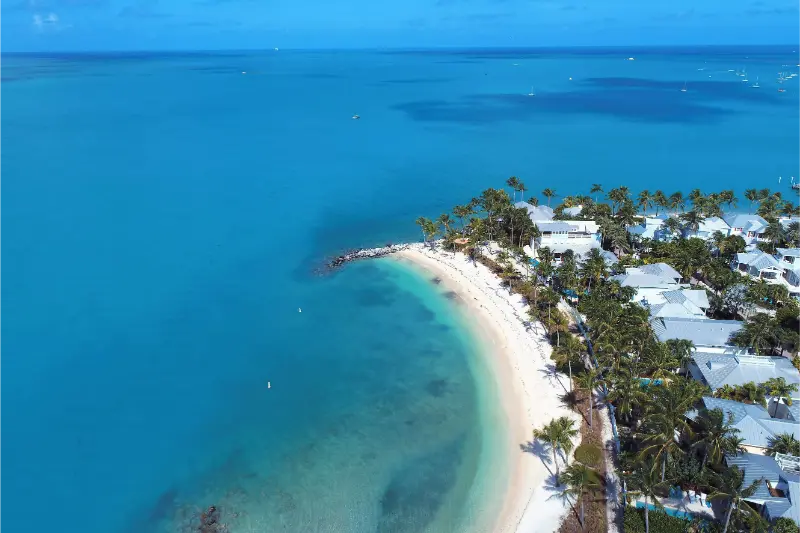
The Middle and Lower Florida Keys offer a vacation that is very different from Key West's busy historic streets. Around Marathon, bridges cross changing shades of shallow water, boatyards sit beside holiday rentals and mangrove shorelines lead to an extraordinary marine environment. Three days let you learn about turtle conservation, spend unhurried time at a beach and explore the quieter stretch toward Big Pine Key. The distances are manageable by car, but heavy road traffic and limited beach facilities can disrupt an overfilled plan. This itinerary makes room for those realities and for travelers who want to appreciate the Keys without scuba diving or booking a boat every day.
Three-day summary
| Day | Main plan | Easier alternative |
|---|---|---|
| 1 | Marathon and sea turtle conservation | Short beach or shore viewpoint |
| 2 | Bahia Honda and Seven Mile Bridge area | Approved scenic viewpoint |
| 3 | Big Pine Key and Key deer habitat | Refuge nature center and lunch |
Pick a practical base and understand the island chain
Marathon is a useful base for the Middle Keys because it has groceries, restaurants and a range of accommodation options along the Overseas Highway. In the Keys, “oceanfront,” “bayfront” and “canalfront” are three different experiences, and none guarantees a natural sandy beach outside your door. Ask the host precisely how guests access the water, whether swimming is permitted and whether a dock is private. Some appealing rentals sit beside working channels rather than safe swimming spots. A place with a kitchen and shaded outdoor seating may be ideal for a family planning repeated midday breaks.
The Overseas Highway is the essential road connection through this region, so allow extra time for holiday traffic, maintenance and accidents. Check maps for property access rather than assuming that every address called Marathon is within a short walk of shops. If anyone has mobility limitations, ask about stairs, bathrooms and parking at the actual property. A lifted Keys house can offer wonderful views but many steps. It may be sensible to pay more for a truly suitable entrance and shower instead of adding complicated daily transfers. This is a coastal landscape where the logistics of each property matter.
Day one morning: the Turtle Hospital and conservation learning
Start in Marathon with a conservation-focused attraction such as the Turtle Hospital, which is associated with the rescue and rehabilitation of injured sea turtles. Visitor tours may require reservations, have age or mobility considerations and depend on animal welfare needs. Book through the attraction's official channels and ask what the visit includes. It is not a petting zoo; rescued wildlife deserves calm observation and explanations rooted in veterinary care. Families can use the tour to teach children why boats, fishing gear, pollution and habitat pressures affect marine animals.
A conservation visit also provides a more meaningful beginning than immediately running from beach to beach. Allow time to absorb the explanations and for a conversation afterwards over lunch. Teenagers may be interested in the science and environmental challenges, while younger children need a realistic expectation that some animals will not be visible. Travelers who are uncomfortable standing should ask whether benches or accessible viewing areas are available. If tours are sold out, choose a different maritime education stop rather than making an unapproved visit to a rescue facility. The purpose is learning, not guaranteed close animal contact.
Day one afternoon: Sombrero Beach or a calm waterside stop
For the afternoon, check current conditions at Sombrero Beach, a popular public beach in Marathon. Beach facilities and parking arrangements can change with storms or local maintenance, so consult Marathon's official information before relying on a particular amenity. Bring shade, drinking water and a plan for restrooms. The Keys may feel breezy on the shore but ultraviolet exposure can still be strong. Families should supervise children closely, follow swimming guidance and leave the beach immediately when lightning threatens. A beautiful sheltered setting is not evidence that conditions are always safe.
Visitors who do not swim can enjoy a short walk, photography or a shaded rest if there are suitable facilities. Avoid disturbing protected shorebird or turtle nesting areas, and never approach animals for photographs. If a park is crowded, arriving earlier tomorrow may be better than circling for parking. Marathon has nearby restaurant and grocery choices, making it easy to end the day with a simple meal. The first afternoon should be an introduction to the area's water, not an endurance test. Avoid pairing a long sunset excursion with a morning tour if your group is already tired.
Day two morning: Bahia Honda State Park carefully planned
Drive south for a visit to Bahia Honda State Park, famous for its beaches and views of the old railroad bridge. The park is a major Middle Keys highlight, but popular periods can bring heavy visitor demand and sections of the coast may be affected by environmental or infrastructure work. Verify current hours, admission, facilities and any restricted areas on the Florida State Parks website. Arrive early if practical and identify which part of the park is best for your group. A visitor interested in a historical bridge view may have a different plan from someone who hopes to spend hours swimming.
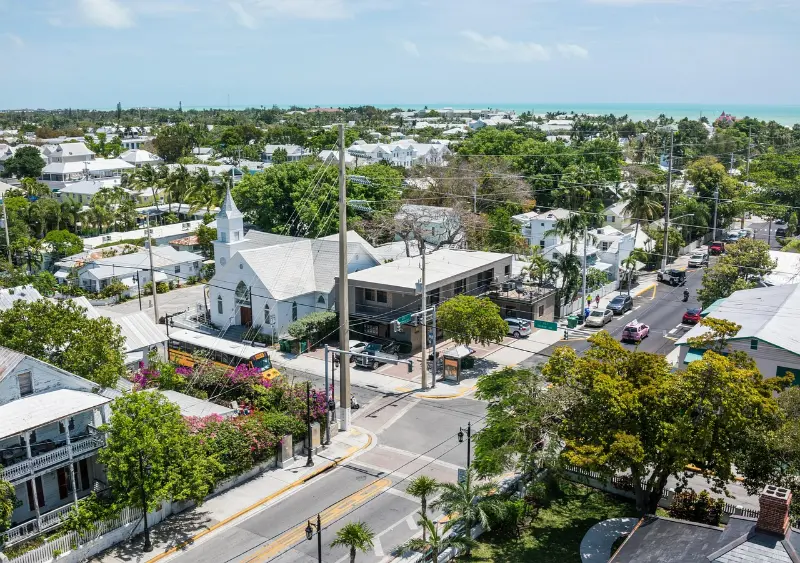
Use only designated routes and viewing areas around old bridge structures. Coastal currents, tidal conditions and depth vary, so observe posted signs and never treat a scenic photograph as swimming advice. For small children or nonswimmers, a picnic and a short shore visit can be rewarding without entering the water. Anyone with difficulty walking over sand should ask staff about accessible parking and possible viewpoints. The beauty of Bahia Honda is that it combines open water, vegetation and history in a compact area; it does not require climbing everything or covering every beach.
Day two afternoon: stop at the Seven Mile Bridge viewpoints
On the way to or from Bahia Honda, allow time for a legal viewpoint near the Seven Mile Bridge area. The bridge and surrounding water form one of the defining views of the Florida Keys. Do not stop on highway shoulders or block traffic for photographs. Use approved parking and pedestrian access where available, and check the current status of the old bridge or Pigeon Key tour connections before promising a visit. Walking across exposed causeways is physically demanding in hot weather and can be particularly uncomfortable with children or for anyone who needs regular shade.
If a tour of Pigeon Key is important to you, check official tickets, transportation arrangements, weather restrictions and how much time it requires. It should be a planned attraction, not an improvised ten-minute stop. Others may prefer to return to Marathon for a quiet afternoon. The day already includes a park outing and a highway excursion, and there is value in ending it early. Choose a dinner with straightforward parking and let everyone rest. Too much time driving back and forth across the same bridge can make a short trip feel unnecessarily rushed.
Day three morning: Big Pine Key and the Key deer habitat
Head toward Big Pine Key for the third morning. This lower stretch of the Keys is associated with the endangered Key deer and protected habitats, including the National Key Deer Refuge. The deer are wild animals, not roadside attractions that can be fed or approached. Drive carefully, obey speed restrictions and never stop suddenly in traffic because an animal appears near the road. Photograph from a safe distance using an appropriate public location; do not lure deer with food or move toward them on private property. Wildlife viewing may or may not happen, and that uncertainty is normal.
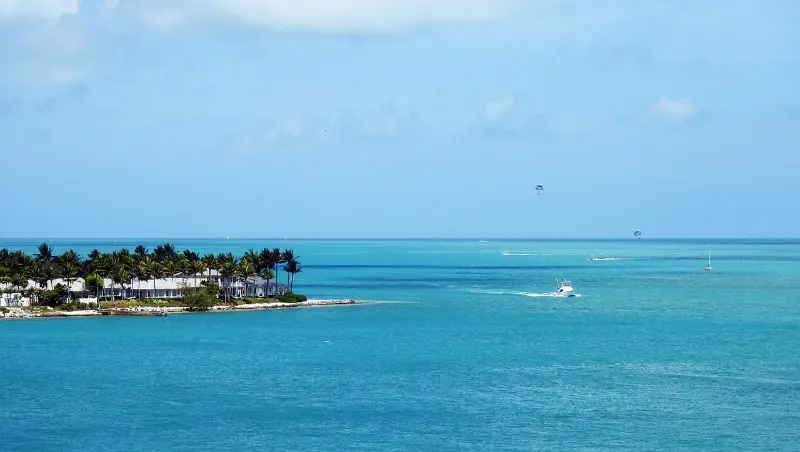
Choose a short permitted nature route or public viewpoint that suits the weather and your group's stamina. Protected habitats can be fragile, and mosquitoes may be intense depending on season and conditions. Wear appropriate clothing and carry water, but avoid taking pets into restricted wildlife areas. If a path seems inaccessible or muddy, respect the limit and choose an easier location. Big Pine Key can be appreciated for its distinctive landscape even without a deer sighting. Allow time for a simple lunch and a gradual return toward Marathon or the next destination.
Day three afternoon: leave flexibility for a final easy stop
After exploring Big Pine Key, avoid automatically adding Key West to this same afternoon. Key West deserves its own time and presents parking and traffic challenges that can turn a relaxed third day into hours on the road. If your holiday continues south, plan it as a separate leg. Otherwise, return toward Marathon, stop at a verified public viewpoint or visit a local heritage site that fits your route. Anyone with a flight from Miami or another mainland airport should calculate the full driving time, including the possibility of congestion on the Overseas Highway.
If weather is unfavorable for a nature outing, an indoor lunch and a short cultural stop may be preferable. Traveling with grandparents or toddlers, keep a rest break every so often and use restaurants with accessible bathrooms rather than waiting until someone is uncomfortable. This is also the right time to refuel and make sure the vehicle is ready for the trip onward. Island travel rewards patience. Saving energy for the journey home can be far more important than reaching one last location purely to add it to a list.
Snorkeling, boating and water activities: choosing safely
Marathon offers snorkeling, paddling, fishing and boat trips, but these activities deserve careful selection rather than being treated as mandatory extras. A reef snorkeling excursion is weather-dependent and requires confidence in the water, a suitable operator and safety equipment. Ask about age minimums, the depth and conditions of the site, how passengers board and what happens when the sea is rough. If someone cannot swim comfortably, choose a glass-bottom or sightseeing alternative when available rather than pressuring them into a water activity. Never assume a guided tour guarantees wildlife sightings or calm seas.
Reefs and seagrass habitats are sensitive. Avoid touching coral or marine animals, use reef-conscious practices and follow the operator's instructions. Boaters need to comply with sanctuary rules and navigation restrictions. For younger children, a beach or shore-based marine education stop may offer a better balance of fun and safety than a long offshore trip. A visitor with reduced mobility should ask for practical boarding details, not simply whether a company advertises itself as “accessible.” These questions can prevent costly disappointment and make an optional excursion genuinely enjoyable.
Budget, seasons and a final checklist
In the Keys, accommodation is often a major cost, and resort fees, cleaning charges, boat tours, restaurant meals and rental cars can increase the total. Price the complete stay rather than the headline room rate. Some rentals require minimum nights and may have strict cancellation rules during weather disruptions. Summer can be hot, humid and stormy; winter is popular and can be windy. Monitor hurricane-season forecasts and learn your accommodation's evacuation procedures. Carry water and basic supplies, but buy what you need in established communities rather than assuming every remote stop has services.
Before departure, check Turtle Hospital bookings, Bahia Honda State Park alerts, Marathon beach facilities, the current Pigeon Key visitor arrangements and National Key Deer Refuge guidance. Save directions for approved parking and confirm your exact hotel entrance along the highway. Three days in the Middle Keys should feel like a gradual journey through marine conservation, a striking coastline and the distinctive habitat of the Lower Keys. A single excellent beach morning and a respectful wildlife visit can be more rewarding than exhausting everyone with a full day of driving.
Frequently asked questions
Is Marathon a good base for the Middle Keys?
Yes. It provides services and road access, but check the actual beach and water access promised by your accommodation.
Can I feed Key deer?
No. Feeding or harassing Key deer is prohibited; observe from a safe distance and drive carefully.
Does Bahia Honda have a swimming beach?
It has beaches, but specific access, conditions and facilities must be confirmed for your visit.