Category: Florida State Parks

  • Hillsborough River State Park Near Tampa: Rapids, Suspension Bridge and Nature Trails

    Hillsborough River State Park Near Tampa: Rapids, Suspension Bridge and Nature Trails

    Many visitors think of Tampa in terms of waterfront restaurants, theme parks and urban attractions. Hillsborough River State Park offers a strikingly different side of the region: a wooded river corridor with rare Florida rapids, a historic suspension bridge, hiking paths and opportunities to paddle when conditions and concessions allow. It is one of the more rewarding outdoor escapes from the city, but visitors need to understand that facilities and sections of the trail network have been affected by closures. A good park day begins with checking what is open rather than assuming every activity from an old brochure remains available.

    The river and why its rapids are unusual

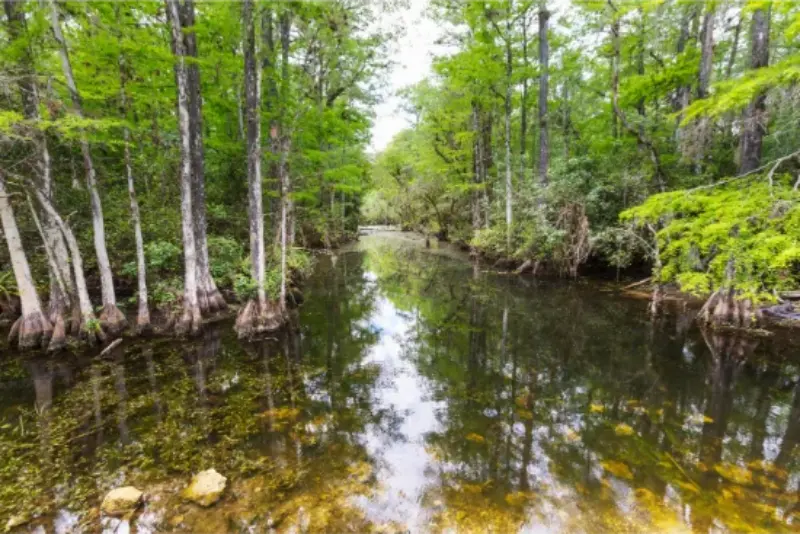
    Florida rivers are often imagined as flat, slow and bordered by wetlands. Along a stretch of the Hillsborough River, rocks and changes in elevation create Class II rapids, a memorable landscape in a generally low-relief state. The rapids are a feature to observe from safe designated viewpoints, not an invitation for inexperienced visitors to enter dangerous current. Flow conditions vary after heavy rain or dry periods, and submerged rocks can be hard to judge from the bank.

    The beauty of this area lies in the transition from upland woods to river floodplain. Look for changes in tree species, root patterns and birds as the path approaches water. The river supports an intricate habitat, but seeing animals is never guaranteed. Quiet walking in the early part of the day offers a better chance of noticing bird calls or a turtle sunning itself than hurrying through with loud music. Do not feed animals, approach alligators or enter water where swimming is prohibited.
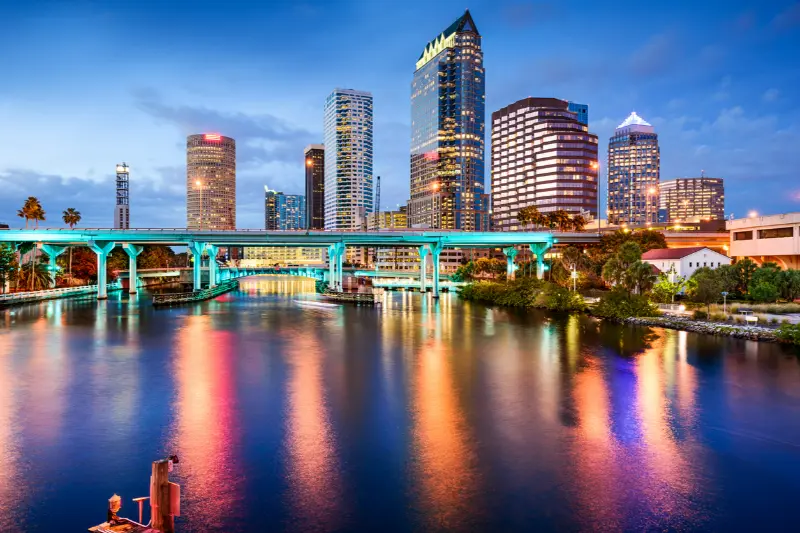
    Tampa Florida Downtown Skyline Reflected over River

    Current access, openings and the park’s address

    Florida State Parks lists the park at 15402 U.S. Highway 301 North, Thonotosassa, Florida, generally open from 8 a.m. until sunset. The official page checked in October 2026 lists a $6 vehicle entrance fee and important operational notices. Since reopening in February 2025, most facilities have resumed operations, but the café, recreation hall, several campsites, two pavilions, the Seminole Trail and parts of the Rapids Trail are listed as closed. Never use a map from several years ago as the final authority on the day’s route.

    The park also published a temporary change to canoe, kayak and bicycle concessions effective August 4, 2026, with closures on Tuesdays and Wednesdays. The notice includes rental hours and a last-launch cutoff. These may change again; contact the park if paddling or renting a bicycle is essential. Your day should still work if a concession is unavailable, because the forest, designated walks and river scenery are worthwhile without rented equipment.

    Walking to the suspension bridge and river views

    The suspension bridge is one of the park’s iconic scenes: a narrow crossing that places you close to the river and surrounding forest. Approach it as part of a walking route rather than a photo checkpoint. Read posted capacity or safety instructions and allow other walkers to pass, especially if someone is nervous about movement or heights. When water levels are elevated, avoid the temptation to climb down to the banks for a better photo.

    Trail conditions matter as much as distance. Roots, patches of sand, wet ground and detours can increase the difficulty of an apparently easy walk. Stop at the ranger station or read the latest official map and ask which trails are currently open. If part of the Rapids Trail remains closed, choose an alternate route instead of passing barriers. Never assume that a closed shortcut is safe merely because you can see people walking beyond it.

    Paddling the Hillsborough River

    A canoe or kayak trip changes the perspective completely. From the water, tree roots, river bends and birdlife may be easier to appreciate, but paddling requires more planning than a short nature walk. Verify concession availability, launch time, water level, weather and the return route. If it is your first time on this river, ask staff which stretches are appropriate for beginners. The presence of rapids elsewhere in the park does not mean that every stretch of water is suitable for every paddler.

    Wear an appropriately fitted life jacket, protect phones and medication in waterproof containers and avoid paddling during lightning or rising-water warnings. Families should check minimum ages, approved craft and how children will be seated before booking. Travelers with limited hand strength or mobility may prefer the easier land-based river viewpoints. Rental availability is a service, not a promise, and conditions can change even after you arrive.

    Hiking with children and older adults

    This park can work well for a multigenerational outing when expectations are realistic. With little children, choose one short trail, the bridge if accessible and a picnic break. Create a wildlife-spotting game built on patience: notice three different leaves, listen for a woodpecker and compare tree roots near and away from water. Explain that the forest is not a playground where plants can be picked or animals approached. A carrier may sometimes be easier than a stroller on roots or sandy ground.

    Older visitors might enjoy a short, level-seeming section but find exposed roots or a hot return walk tiring. Ask about surface conditions, not simply whether a route is described as easy. Bring more drinking water than you expect to need, keep medications accessible and build the day around shade and breaks. For wheelchair users, request up-to-date information on truly accessible facilities and paths; not every wooded trail or bridge approach is step-free.

    Picnics, camping and a slower visit

    A picnic can be the most satisfying part of a park trip, allowing families to enjoy shade between walks. Check whether the pavilion you intend to use is open, because official notices identify some closed facilities. Bring food in a sealed container, use designated trash disposal and keep wildlife from obtaining snacks. Never leave a cooler unattended in an area where animals can reach it. If you want a specific group shelter, confirm the reservation rules rather than assuming arrival order is enough.

    Camping is a separate experience from day admission. Several sites have been listed as temporarily unavailable, so confirm current site inventory and any maintenance restrictions before reserving. Look at campsite layout, bathroom access, the length of a walking route to facilities and after-dark arrival procedures. A Florida forest overnight also calls for insect protection, rain planning and careful storage of food. For beginners, one comfortable night is often wiser than committing to a long stay without understanding the campground.

    Wildlife and seasonal conditions

    Birds, turtles and other wildlife use the river corridor throughout the year, but humidity and insect levels vary enormously. Late fall through early spring often feels more comfortable for a longer walk. Summer brings strong heat and the possibility of afternoon thunderstorms; the safest plan is usually to start early and leave the riverbank when storms develop. After extended rain, mud and elevated water can alter what trails are usable.

    The park is habitat first and recreation area second. Keep pets leashed where allowed, follow trail restrictions and observe animals from a distance. If an alligator is present, do not block its path or encourage someone to get closer for a photograph. Avoid swimming outside designated areas even if other visitors are taking risks. For bird photography, patience and a longer lens are better than leaving the marked path.

    Combining the park with a Tampa itinerary

    Hillsborough River State Park pairs naturally with a few days in Tampa but deserves breathing room. It is north and east of the urban waterfront, and driving time will depend on your accommodation and traffic. For a balanced visit, put the park on a morning with good weather, return to the city for lunch and use the afternoon for a museum or another indoor activity if the heat becomes intense. Do not schedule a costly timed attraction immediately after a paddle trip whose duration may vary.

    Curtis Hixon Waterfront Park Tampa Florida Aerial

    Visitors without a car should research transport carefully: a suburban state park is not equivalent to a downtown attraction with a transit stop at the door. If hiring a rideshare, consider how to arrange the return ride before entering a location with uncertain reception. Families can choose a rental car day for the park and reserve a different, walkable day for downtown Tampa. The most successful plan minimizes time in traffic while preserving enough energy to enjoy the natural setting.

    Practical visit-at-a-glance table

    Need Best approach
    Entry Check the official Florida State Parks page for current fees
    Trail choice Ask which sections remain open before starting
    Signature scenery River rapids and suspension bridge viewpoints
    Boat or bike rentals Confirm temporary concession schedule and conditions
    Family pace One manageable walk, a break and a short second stop
    Camping Reserve only after checking currently available sites
    Safety Never enter closed trails or unsafe river currents

    Frequently asked questions

    Can visitors swim in the rapids?

    Do not treat the rapids as a swimming attraction. Current, rocks and changing water levels present hazards, and visitors must follow park signs about water access. Use a designated swimming venue elsewhere if swimming is your main goal.

    Is the suspension bridge open?

    Access can change because of maintenance or surrounding trail closures. Consult park staff on arrival, especially when the official page lists closed trail segments.

    Can I rent a kayak on Tuesday or Wednesday?

    The park’s August 2026 advisory lists concessions as closed on Tuesdays and Wednesdays. Verify any later update directly before traveling specifically to rent equipment.

    How much time is worthwhile?

    Allow roughly three or four hours for a relaxed land visit, longer for a planned paddle trip. An hour may be enough for a very short stop, but leaves little time to appreciate the river.

    Is the park good for visitors with limited mobility?

    Selected facilities may be manageable, but wooded trails can have roots, sand and uneven sections. Ask about the exact route and restroom access rather than assuming that all attractions are accessible.

    Official planning resources

    Consult the Florida State Parks Hillsborough River page for entrance information, closures, camping and concessions. Treat the dated notices as reasons to confirm rather than as rules that will last forever. The best visit is flexible: enjoy the river and historic landscape while letting weather, trail access and the group’s stamina determine how much ground to cover.

  • Ruskin, Apollo Beach and Wimauma: Five Quiet Days on Tampa Bay’s East Shore

    Ruskin, Apollo Beach and Wimauma: Five Quiet Days on Tampa Bay’s East Shore

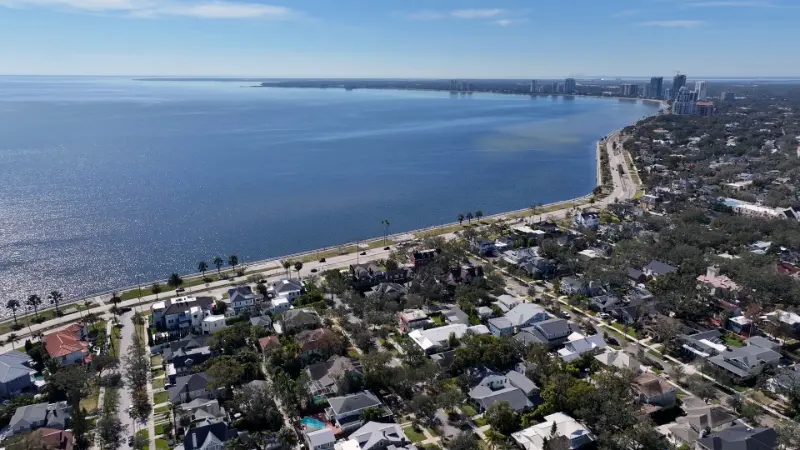
    The eastern side of Tampa Bay has a different mood from the beaches of St. Pete and Clearwater. Ruskin, Apollo Beach and Wimauma are close enough for a five-day stay without constant hotel changes, yet the landscape moves from mangroves and open water to farms, quiet roads and a blackwater river. This itinerary is for people who want a few memorable nature outings, practical access to groceries and accommodation, and enough unplanned time for the youngest and oldest members of the group.

    The main planning issue is seasonality. The famous Manatee Viewing Center at Apollo Beach is associated with cool-weather manatee congregations near the power station. It is not a guaranteed manatee encounter in summer, and its public operating season needs checking. Other areas, including Little Manatee River State Park, carry trail advisories that should alter your route. This guide treats wildlife encounters as possibilities rather than promises and avoids describing the whole east shore as one continuous public beach.

    Choose your lodging for access, not a beach label

    Ruskin and Apollo Beach are useful bases if you value short drives to local preserves, groceries and casual dining. Some accommodations have Tampa Bay views while others are inland or near industrial and residential streets. Study the precise location and access before booking; ‘waterfront’ might mean a canal, and a canal view is not the same as a walkable, swimmable beach. If a hotel advertises a pool, check whether it is open, heated in winter and suitable for small children.

    Wimauma provides a more rural setting but fewer conventional lodging choices. A remote rental can be appealing, yet the advantage disappears if the nearest supermarket or restaurant is an inconvenient drive. Families with infants should ask about laundry, a safe sleeping arrangement, kitchen equipment and room darkening. If your party includes an older visitor, prioritize a ground-floor sleeping room, easy bathroom access and a predictable route from parking.

    Day 1: get to know Ruskin’s quieter waterfront

    Spend the first day adjusting to the area rather than driving across Tampa Bay immediately. Visit an established public county park or a clearly signed observation area around Ruskin, and learn the relationship between its shallow shoreline, mangroves and fishing activity. E. G. Simmons Conservation Park can be an appealing candidate when open, with bayside scenery and recreation facilities; check the official Hillsborough County page for entrance fees, hours, campground access and any restrictions.

    Tampa Bay Marina and Waterfront Aerial

    A shoreline with mangroves can be surprisingly good for spotting wading birds, but stay on maintained paths and avoid disturbing roots. Don’t walk into shallow water looking for an easier photograph. The bottom may be soft and uneven, and this is habitat for wildlife. For children, a short bird-counting challenge and a picnic are better than hours under an exposed sun. If someone has mobility limitations, call the park about accessible restrooms and the distance between parking and the place you actually intend to sit.

    Finish with a leisurely meal in Ruskin or at your accommodation. Restaurants can be busy on weekends and may close earlier than a city-center venue. Check the actual opening schedule. Keep the first evening light, especially after arriving by air, because there are more rewarding activities ahead when everyone is rested.

    Day 2: Apollo Beach and the manatee question

    The Manatee Viewing Center is a signature attraction of this part of the bay, but timing is fundamental. Manatees may gather in warm-water discharge areas in colder periods; this depends on water temperatures, not your preferred travel date. Before setting out, consult the official Tampa Electric Manatee Viewing Center page for seasonal opening details, current operating hours, parking and any temporary access rules. If it is closed, do not treat a viewing platform seen in an old photo as accessible.

    When operating, a viewing area is an opportunity to learn about manatees without touching or approaching them. The center may include other educational features, and some sections or pathways may not suit every mobility device. Ask about the walking distances before promising the entire site to an older family member. On a busy winter weekend, patience and flexible arrival times matter more than racing to the platform.

    If the center is closed or few animals are present, build a different day around an open public nature area, lunch and time with the bay scenery. Never follow a manatee into the water or attempt to feed it. Responsible wildlife travel accepts that wild animals choose whether to appear. The Florida Fish and Wildlife Conservation Commission publishes guidance about protecting manatees and responding to animals in distress.

    Day 3: Wimauma and Little Manatee River State Park

    Drive inland toward Little Manatee River State Park for a change from saltwater shoreline to a blackwater river landscape. The park protects woods and river habitat and offers options that range from camping to more demanding trails. This is where it pays to plan a specific activity instead of deciding vaguely to ‘do the state park.’ The official notice currently states that the long North Trail is temporarily closed. Check the current state park page and select an open, manageable alternative rather than crossing barriers.

    A short nature visit can be enough for families and anyone who wants a gentle pace. Study the map, choose a suitable picnic area, and ask staff about trail conditions after heavy rain. Florida’s blackwater rivers are distinctive, but dark water does not mean a safe or supervised swimming area. Treat banks, boat launches and riverside slopes as places requiring active supervision of young children. Visitors considering paddling should use properly fitted life jackets and understand current river conditions.

    Take insect protection and water, particularly in warm weather. A park road or an accessible viewing point may produce a satisfying wildlife encounter without a strenuous hike. If a thunderstorm develops, leave trails and water in good time. Save the afternoon for a comfortable meal, not another hour-long nature stop added simply to fill the itinerary.

    Day 4: a flexible day for local food, gardens or rest

    Use Day 4 to match the group’s interests. A couple might choose a relaxed restaurant lunch and a drive through rural surroundings on public roads. A family with school-age children might repeat their favorite park or look for a scheduled educational activity run by a legitimate organization. A multigenerational group may prefer a late breakfast and shaded seating rather than another walk in full sun.

    If you visit a working farm, nursery or seasonal produce stand, check that it welcomes visitors and confirm current opening times. Wimauma and the surrounding area have an agricultural identity, but fields and operations are private property unless clearly opened to the public. Don’t drive into farm lanes for photographs or assume a crop festival is offered every weekend. Buy produce from authorized sellers and store perishables safely on hot days.

    An indoor alternative is useful during summer storms. Instead of choosing a distant paid attraction immediately, consider the comfort of a café, local history stop or your lodging. A day with fewer scheduled activities isn’t wasted. It allows the wildlife outings to remain enjoyable rather than exhausting.

    Day 5: a final park stop and sensible departure

    On the last day, revisit the most convenient open shoreline area or enjoy a calm breakfast before departure. If flying from Tampa, leave a substantial buffer for traffic, rental-car return and airport procedures. The drive can become much slower at certain times, particularly near bridges, major highways and event traffic. If departing from Sarasota Bradenton instead, compare routing and rental agreement details rather than assuming the airports are interchangeable.

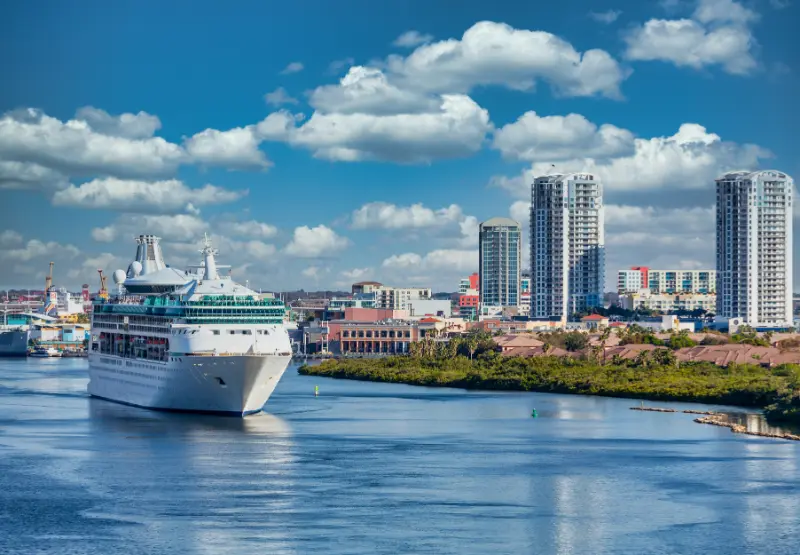
    Tampa Bay Florida Cruise Ship at Port

    Keep bags in a secure location while exploring. Do not leave passports or electronics on display in the car at a park. If a child is tired, shorten the stop. If an older traveler needs a restroom, select the location accordingly. A final hour should improve the journey, not put the flight at risk.

    The right season for each experience

    Cooler months are particularly relevant for the Apollo Beach manatee viewing season and can make outdoor walks more pleasant. Warmer months can be good for observing other coastal wildlife but bring greater heat, humidity and afternoon thunderstorms. There is no universally ‘best’ date because access, weather and animal behavior differ. Build the trip around what you can do whether or not a manatee appears.

    Hurricane-season planning matters for coastal accommodation from June through November. Review cancellation conditions, official forecasts and local evacuation information close to departure. Do not rely on a social media picture to assess a storm impact. In every season, protect yourself from sun exposure and plan shade and drinks before the group becomes uncomfortable.

    Beaches, water access and what not to assume

    Unlike the broad Gulf beaches to the west, much of this east-shore landscape is estuarine or lined with mangroves, seawalls and developed properties. There are excellent nature views, but swimming access is not universal. If a sandy, supervised beach is essential, plan a separate coastal outing and include the extra driving in your itinerary. Don’t tell children the day will be a ‘beach day’ when the real destination is a wildlife overlook.

    Public fishing piers and launches may have rules on access, hours, gear and permits. A visitor who wants to fish should check Florida’s current license requirements, as exemptions depend on circumstances. Someone who simply wants to watch boats should use a permitted public area and keep clear of launching vehicles and lines.

    Getting around and keeping costs predictable

    A car is the practical way to link these stops. The area has suburban development, rural roads and parks separated by distances that are awkward without a vehicle. Compare the full cost of rental, fuel, any tolls and accommodation against choosing a single centrally located room. Ask whether the lodging charges parking separately, and budget for state-park or county-park entry where applicable.

    Spend on one memorable experience rather than several unverified tours. Nature viewing is often economical, but the most expensive surprises can be a distant rental, a room without kitchen facilities and repeated restaurant meals. Travelers who need a quiet pace will benefit from a hotel with a shaded pool or a pleasant sitting area. Make sure that amenity is actually available on the date you travel.

    Five-day itinerary overview

    Day Area Main attraction Sensible backup
    1 Ruskin Public bayside park and birdwatching Early dinner and rest
    2 Apollo Beach Seasonal manatee education Another confirmed-open nature area
    3 Wimauma Little Manatee River State Park Shorter approved park route
    4 East shore Local food or optional repeat outing Indoor lunch and downtime
    5 Ruskin or airport route Breakfast and a short scenic stop Direct departure

    Accessibility and safe wildlife habits

    Before promising an accessible experience, ask about the actual path from parking, surface quality, distance and restrooms. Flat-looking boardwalks can still have steep approaches or temporary repairs. A nature outing should be adaptable for someone who uses a stroller, walker or wheelchair; that may mean choosing one viewing point instead of a whole loop.

    Don’t feed wildlife, approach nesting birds or use drones where prohibited. Respect mangroves and private property. If you see a distressed marine mammal, report it through the state wildlife authority instead of attempting a rescue. A thoughtful five-day visit to the east shore is more rewarding when the landscapes and their rules are treated seriously.

    Frequently asked questions

    Can I see manatees in Apollo Beach all year?

    Do not count on that. The viewing center has a seasonal operating period, and manatee gatherings depend on conditions; check the official site for your dates.

    Is this a good base for a classic white-sand beach vacation?

    It is better for estuary scenery and nature. If swimming at broad Gulf beaches is your priority, choose lodging nearer an appropriate swimming beach or plan a longer day trip.

    Can older visitors enjoy the Little Manatee River park?

    Yes, if the day’s activity is matched to their stamina. Check the specific open paths, parking and restroom access before going.

  • Florida State Parks in One Week: An Orlando-to-Sarasota Nature Road Trip

    Florida State Parks in One Week: An Orlando-to-Sarasota Nature Road Trip

    A Florida vacation can be built around state parks rather than theme parks, shopping centers or an endless series of beach days. State parks protect springs, scrub habitat, river landscapes and coastal environments, so a week on the road can reveal how varied the state really is. This seven-day route starts around Orlando, explores freshwater landscapes north of the city, then heads toward Sarasota for woodland walks and Gulf Coast wildlife. It suits curious adults, families, and older travelers who prefer to pick short walks over strenuous hikes.

    The route is deliberately not a race to collect park stamps. Most days feature one park as the focus and a comfortable afternoon nearby. Some state parks reach capacity, require reservations or close features for maintenance; the conditions matter more than the outline below. Before paying for a rental car or accommodation, check each park’s current operating page and identify a usable alternative in the same area.

    Understand the state park pass before buying one

    Florida’s state park system sells individual and family annual entrance passes. According to the official state park FAQ, the standard individual pass is $60 and the family pass $120, but rates and rules can change. The family pass generally covers a group of up to eight people entering together, subject to exceptions at certain parks. An individual pass is not a blanket ticket for everyone in the car. These passes cover eligible day-use entry, not paid tram rides, boat tours, rentals, guided activities, campsites or private concessions. National Park Service passes are separate and do not replace a Florida state park pass.

    For a one-week visitor, a pass may or may not save money. Many parks charge a modest entry fee per vehicle, sometimes less than a day of paid parking in a city. Write down the actual fees at the parks you intend to visit, account for which members of your group are covered, and compare the total with the annual pass cost. If you are visiting only four inexpensive parks, paying individually can be sensible. If you will return later in the year, the calculation changes. Check whether particular parks use reservations, since a pass does not necessarily secure capacity-limited entry.

    Day one: arrive in Orlando and take a gentle local walk

    After your flight or drive, choose a hotel with easy parking and convenient access to your first park rather than a resort full of extra amenities you will not use. Arriving in the afternoon? Spend the remaining daylight in a local public garden or shaded city park if energy allows. Do not turn the arrival day into a complicated excursion, particularly if children have traveled for many hours. Stock up on refillable water containers, snacks, hats and comfortable shoes suitable for wet ground or sandy trails.

    If you rent a car, remember to compare toll policies and parking charges before accepting an apparent bargain. Save offline maps and check your route through Orlando suburbs, where large highways and complicated junctions can be stressful after a flight. A basic picnic set—a soft cooler, reusable cutlery and a bag for trash—will serve you throughout the week. Ask each person what they hope to see: an alligator at a safe distance, flowering plants, manatees or a clear spring. Give the group a few achievable nature goals rather than promising any particular wildlife sighting.

    Day two: Blue Spring State Park near Orange City

    Blue Spring is a natural choice for learning about Florida’s freshwater world. In cooler months, manatees may gather in the protected spring run, although their arrival depends on water temperature and conditions. The park is not a guarantee of sightings, and viewing rules and water activities change seasonally for the animals’ protection. The visitor boardwalk and river landscape reward a slow visit even when wildlife is scarce. If someone cannot walk far, investigate accessible routes and available resting places before arrival rather than assuming every boardwalk has benches at convenient intervals.

    Important for current planning: Florida State Parks announced a reservation requirement for day-use visitors beginning July 15, 2026. Check and make the required reservation before traveling, including if you hold an entrance pass. Arriving at the gate without the right booking may ruin the day’s plan. Start in the morning, bring binoculars, and keep your voice low near wildlife. Do not touch, feed or approach manatees. If the park is full, a relaxed lunch in a nearby town and another public nature area are preferable to queuing for hours in the heat.

    Day three: De Leon Springs and a lesson in local history

    De Leon Springs State Park adds a different perspective. Its history includes Indigenous communities, water-powered industry and modern recreation. Rather than treating the spring only as a swimming hole, read the interpretive information and consider the eco/heritage boat tour if operating, appropriate for your group and within budget. The operator describes a roughly fifty-minute excursion through the park and neighboring wetlands, subject to weather and service availability. Ask directly about wheelchair boarding, space for mobility aids and boarding conditions. The spring swimming area has safety rules and no lifeguard; a child who cannot swim needs direct supervision at all times.

    Allow plenty of time for the well-known pancake restaurant if you plan to dine there; meal availability and waits can change. Visitors who dislike crowds can make the boat tour or a nature walk their main activity and eat elsewhere. As of October 2026, the park also posted a temporary closure notice for its fishing pier due to flooding. Do not design your visit around a single pier or amenity without checking updates. If rain arrives, a short historical visit can still be worthwhile, but avoid trails during lightning and storms.

    Day four: drive toward Sarasota without filling every hour

    The drive toward the Gulf Coast is a transition day. Start late enough to enjoy breakfast and build in a proper break en route. Florida roads can be busy near major cities, and holiday traffic is not reliably predicted by distance alone. Avoid the temptation to stop at three distant attractions just because they appear on the route. Your destination should be a Sarasota-area base for the remaining nights, ideally with a comfortable room, practical dining and a place to rest after driving.

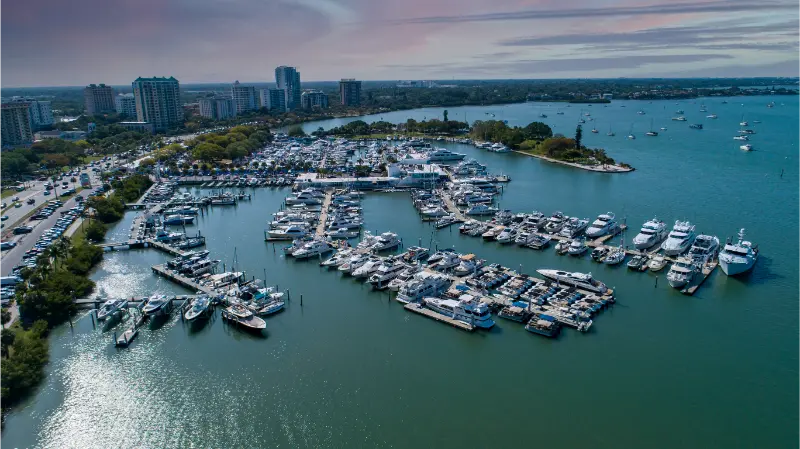
    Downtown Sarasota Florida Marina Aerial

    Depending on your arrival time, enjoy a sunset walk in a local waterfront park or a quiet dinner. The best observation is often an ordinary one: pelicans moving over the water, mangroves at a distance or families using a public green space. Keep away from nesting birds, do not collect protected plants, and stay on marked paths. If a traveler has limited mobility, this afternoon is a good moment to check accessible parking and route surfaces before the next day’s park rather than arriving with unanswered questions.

    Day five: Oscar Scherer State Park, not a marathon hike

    Oscar Scherer State Park near Osprey protects important scrub habitat and offers trails, picnic areas and nature-watching opportunities. The park is especially associated with Florida scrub-jays, a bird whose habitat protection matters far more than the chance of getting a close-up photograph. Stay on designated routes and never feed wildlife. Ask rangers about current trail conditions and accessible options. Official park information identifies the Lester Finley Barrier Free Trail and other amenities, while some longer trails have limited shade or facilities.

    Visitors comfortable on bicycles may enjoy the Legacy Trail connection, but cycling is optional. Choose a short trail or an easy picnic and allow the group to set the pace. In summer, early arrival reduces heat exposure, while winter mornings may be cooler than travelers expect. Carry water into the park and bring insect repellent as appropriate. If a family member cannot walk on soft or uneven ground, make the nature center, picnic location and accessible path the main experience rather than presenting the trip as a failed hike.

    Day six: coastal wildlife and a comfortable beach pause

    After freshwater springs and woodland, a coastal day makes the diversity of Florida obvious. From Sarasota, consider a public beach or a managed conservation area whose official visitor information confirms current access. Choose based on parking, restrooms, lifeguards and your group’s mobility, not on a ranking of the ‘prettiest’ beach. A nature-focused day can consist of photographing shorebirds from a respectful distance, reading dune signs and watching changing light. Swimming is not mandatory.

    Protected beaches often have seasonal nesting rules and restrictions on dogs, lights or beach equipment. Do not disturb marked turtle nests and keep clear of birds resting at the waterline. In warm weather, plan for storms and move indoors when thunder is heard. A sand visit that ends before lunchtime can be more comfortable than a six-hour stay. If the beach conditions are poor, Sarasota’s museums and indoor cultural attractions offer a logical alternative without adding a long drive.

    Sarasota Florida Marina and Skyline at Sunset Aerial

    Day seven: finish with an easy morning and safe departure

    Use the last morning for a park you enjoyed or a short neighborhood stroll. Avoid driving long distances in pursuit of an extra state park if it will make you late for a flight. For a Tampa or Sarasota-area departure, verify actual travel times and rental-car returns the night before. If flying from Orlando, allow a much larger road journey and consider whether your final night would be better spent closer to the airport. Return any borrowed binoculars or rented outdoor equipment and leave time for packing wet footwear separately.

    Review the week’s spending: entrance fees, fuel, tolls, parking, lunches, boat rides and accommodation. This helps determine whether the annual park pass would make sense for a future visit. More importantly, review what each traveler liked. Some will remember the manatee overlook; others the scrub landscape or a peaceful afternoon beside the Gulf. Florida’s parks make an especially satisfying vacation when you leave space to notice rather than rush.

    A practical week at a glance

    Day Base Main focus Low-energy alternative
    1 Orlando Arrival and gentle city green space Settle into hotel
    2 Orlando area Blue Spring State Park Nearby shaded park if reservations unavailable
    3 Orlando area De Leon Springs nature and history Interpretive visit without swimming
    4 Sarasota Transfer with a long break Direct drive and hotel rest
    5 Sarasota Oscar Scherer State Park Accessible nature center and picnic
    6 Sarasota Beach or coastal conservation Indoor museum on stormy day
    7 Departure Easy walk and packing Direct airport transfer

    Practical advice for children, older visitors and accessibility

    State parks are not uniformly accessible simply because they are public. A park might offer a paved nature path alongside sandy hiking routes, or an accessible picnic area but limited access to the water. Look for details on individual park pages and call when you need a specific feature such as step-free restrooms, a wheelchair-compatible boat, listening assistance or a bench within a short distance. For children, educational value is strongest when the outing is small enough for questions and observation. Ask them to describe differences between spring water, scrub trees and a tidal shoreline. For seniors, rest and shade can turn a nominally short day into a comfortable one.

    Bring sun protection even in winter, wear shoes with good grip and keep food sealed away from wildlife. Never assume that clear water is automatically safe for swimming or drinking. Use designated swimming areas and follow current health and park notices. In an evacuation or severe-weather warning, postpone the park outing and follow local emergency instructions. A flexible park trip is not about maximizing days outdoors regardless of conditions.

    Frequently asked questions

    Do I need a Florida State Parks annual pass for one week?

    Not necessarily. Compare your planned park admission costs with the official pass prices and check eligibility and exceptions. Tours and rentals are generally separate charges.

    Is a state park pass also valid at Everglades National Park?

    No. Florida state parks and federal national parks use different entry systems. Check the relevant agency’s passes and fees.

    Can we visit Blue Spring without a reservation?

    The park announced a day-use reservation requirement beginning July 15, 2026. Verify the current reservation process before arrival, including if you have an annual pass.

    Official sources and current conditions

    Plan with Florida State Parks annual-pass FAQ, the Blue Spring State Park hours and reservation notice, De Leon Springs State Park and Oscar Scherer State Park. Always check notices close to your travel date.

  • Best Florida State Parks: Springs, Beaches, Wildlife, Camping and First-Time Planning

    Best Florida State Parks: Springs, Beaches, Wildlife, Camping and First-Time Planning

    Florida’s state parks are one of the best ways to understand the state beyond beaches and theme parks. The system protects springs, barrier islands, coral reefs, forests, historic forts, rivers and wildlife habitat, and many parks are inexpensive enough to become the backbone of a longer road trip. The difficulty is not finding a good park; it is choosing the right one for your season, age group and activity level.

    Explore this guide

    For a first trip, I would not chase a list of ‘top ten’ parks across hundreds of miles. Instead, choose two or three parks that fit the route you already want to drive. A spring park near Orlando, a beach park on the Gulf and a historic or wildlife park in North Florida will show more variety than five similar beach parks visited in a rush.

    Quick planning summary

    • Best for: nature, beaches, springs, wildlife, camping, history, families, seniors and low-cost Florida days.
    • How many parks? One substantial park per day is enough when swimming, paddling or hiking is involved.
    • Reservations: Some popular parks now require day-use reservations; rules can change, so check the individual park page.
    • Annual pass: Frequent visitors should compare day-use fees with the current individual or family annual entrance pass.
    • Most important habit: Check capacity, weather, water conditions and closures the day before you go.

    How the Florida State Parks system works

    Florida State Parks currently promotes a system of 175 parks. Most are generally open from morning to sunset, but museums, historic buildings, boat tours and concession activities can have different schedules. Camping and cabins use a reservation system, and the booking window differs for Florida residents and nonresidents.

    Day-use entry has also changed at several high-demand parks. As of 2026, Wekiwa Springs, Rainbow Springs, Henderson Beach and Blue Spring require reservations for at least certain day-use entry. That is exactly why I avoid publishing a permanent ‘just arrive early’ rule: the correct procedure depends on the park and date.

    Best Florida state parks for a first trip

    Blue Spring State Park — best for winter manatees

    Blue Spring near Orange City is famous for manatee season, a long spring run and boardwalk views. It works for families and seniors because much of the wildlife experience can be enjoyed without entering the water. Swimming rules change during manatee season, and day-use reservations are currently required, so plan this park rather than improvising it.

    Silver Springs State Park — best for glass-bottom boats

    Silver Springs near Ocala combines one of Florida’s most historic attractions with clear water, wildlife, paddling and trails. The glass-bottom boats make the park unusually inclusive for visitors who do not swim or paddle, while kayakers can experience the river at water level.

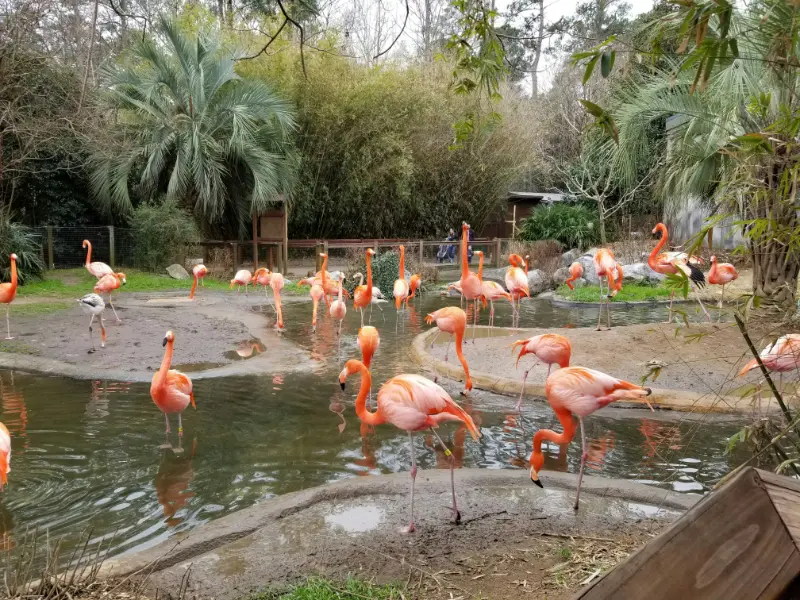
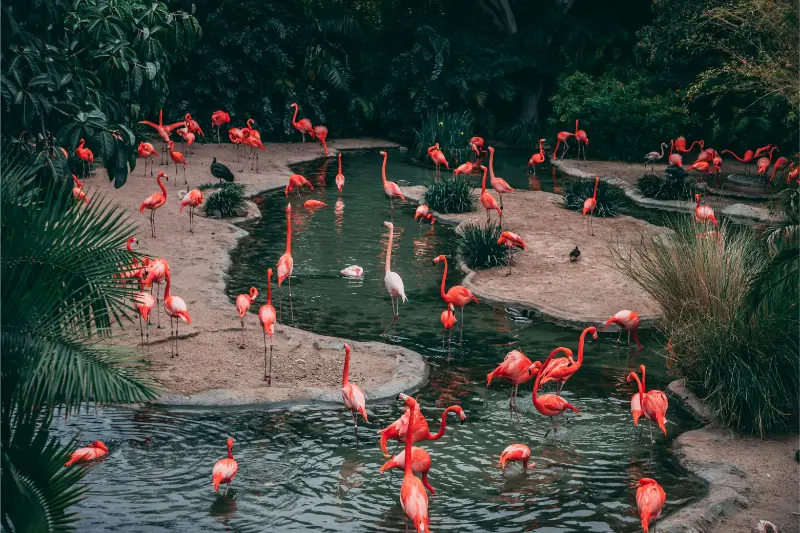
    Pink Flamingos Standing in Florida Wildlife Park

    Rainbow Springs State Park — best for swimming and scenery

    Rainbow Springs near Dunnellon is a classic clear-water destination with headsprings swimming, gardens and access to the Rainbow River. The park has introduced reservation requirements for the main day-use entrance, and tubing uses a separate area, so confirm the exact entrance for your activity.

    Ichetucknee Springs State Park — best for tubing

    Ichetucknee is the spring-river day many visitors imagine when they think about North Florida. Tubing, paddling and swimming are seasonal and access-specific, so read the park’s current instructions before driving there with rental equipment or a tightly timed schedule.

    Wekiwa Springs State Park — best spring day near Orlando

    Wekiwa gives Orlando visitors a dramatically different day without crossing the state. Swimming, paddling and trails make it useful for families and active adults. Because day-use reservations are required, it is now a park to book into the itinerary rather than treat as a spontaneous backup.

    Henderson Beach State Park — best easy Gulf beach park

    In Destin, Henderson Beach protects sugar-white dunes and a beautiful stretch of Gulf shoreline. It is one of the easiest state parks to understand immediately: beach, boardwalks, picnics and camping close to a major resort area. Vehicle day-use reservations are currently part of the entry system.

    St. Andrews State Park — best for beach plus snorkeling

    Near Panama City Beach, St. Andrews offers Gulf and pass-side water, jetties, snorkeling potential, camping and access toward Shell Island. Water conditions matter, so families should follow flags and local safety guidance rather than assuming the protected-looking shoreline is always calm.

    Bahia Honda State Park — best Florida Keys scenery

    Bahia Honda is a Keys classic for turquoise water, beaches, snorkeling and views of the old bridge. Its remote geography means it works best inside a Keys itinerary rather than as a day trip from mainland South Florida.

    John Pennekamp Coral Reef State Park — best for reef access

    Key Largo’s Pennekamp is the marine counterpart to inland spring parks. Snorkel and glass-bottom boat trips bring visitors toward reef environments, while paddling and shoreline activities work for travelers who prefer to stay closer to land.

    Myakka River State Park — best for big landscapes

    Near Sarasota, Myakka combines wetlands, prairies, wildlife and a sense of scale. It is a strong choice for travelers who want birding and alligator habitat without driving deep into South Florida. Heat and sun exposure make early starts valuable.

    Paynes Prairie Preserve State Park — best for wildlife near Gainesville

    Paynes Prairie protects a huge basin landscape where bison, wild horses, birds and alligators may be seen. Wildlife is never guaranteed, but the park is worth visiting for the scenery alone. Choose trails and overlooks based on current water levels and mobility.

    Flock of Flamingos at Florida Wildlife Park

    Fort Clinch State Park — best history-plus-beach combination

    On Amelia Island, Fort Clinch combines a substantial historic fort, maritime forest, beaches and trails. That makes it especially good for families whose interests are split between history and the coast.

    Honeymoon Island State Park — best Tampa Bay beach escape

    Honeymoon Island is a convenient Gulf-coast nature day from the Tampa Bay area, with beaches and trails. Coastal storms and restoration work can affect facilities, so check current park notices before promising a particular access point.

    Weeki Wachee Springs State Park — best for classic Florida spectacle

    Weeki Wachee is different from a typical state park because its mermaid shows and spring attraction are the main draw. Families can combine the cultural icon with water recreation, but capacity and attraction schedules make advance planning important.

    Florida Caverns State Park — best unexpected landscape

    Near Marianna, Florida Caverns shows a side of the state many visitors do not expect: guided cave tours, forest and camping. It is especially valuable on a Panhandle road trip because it adds geology and an indoor component to a region often planned only around beaches.

    Reservations, fees and annual passes

    Florida State Parks lists an individual annual entrance pass and a family annual entrance pass, with separate rules for special attractions and additional fees. The annual pass covers entrance rather than every activity; boat tours, tubing, camping, gardens or special events may cost extra.

    For camping, the official reservation system is the source to trust. Current policy allows Florida residents a longer advance window than nonresidents. If a particular campsite or cabin matters, book when your window opens; if the road trip is flexible, midweek dates and less famous parks can be easier.

    Families, seniors and accessibility

    A state-park vacation can work from toddler age through senior travel, but the right park matters more than the label. Glass-bottom boats, boardwalks, beaches with accessible mats, paved gardens and wildlife drives are very different experiences from remote paddling or long sand trails.

    Florida State Parks has an Access for All program and states that wheelchairs and manually powered mobility aids are allowed wherever foot traffic is allowed. Some parks have all-terrain wheelchairs, accessible boat tours or other accommodations. Because equipment and terrain vary, contact the individual park when a feature is essential.

    Best state parks by travel style

    • With toddlers: Silver Springs, Blue Spring boardwalks, Fort Clinch and parks with short paved routes.
    • With teenagers: Ichetucknee tubing, snorkeling at St. Andrews or Pennekamp, paddling and mountain-bike opportunities.
    • For seniors: Glass-bottom boats, scenic drives, historic forts, gardens and boardwalk wildlife areas.
    • For beach lovers: Henderson Beach, St. Andrews, Bahia Honda, Honeymoon Island and Gulf barrier-island parks.
    • For wildlife: Myakka River, Paynes Prairie, Blue Spring and wetland-rich parks.
    • For camping: Reserve around the park experience you want, not just campsite availability; coastal, spring and forest campgrounds create very different trips.

    Common mistakes to avoid

    • Driving to a famous park without checking whether day-use reservations are required.
    • Assuming a state-park annual pass covers camping, boat tours or every special activity.
    • Planning exposed trails at midday in summer.
    • Getting too close to alligators, bison, horses or manatees for a photograph.
    • Trying to collect parks as checkmarks instead of spending a full day in the landscapes that interest you.
    • Ignoring individual park alerts after storms, wildfire, flooding or construction.

    Useful Wonderful Florida guides

    Official resources

    Final thoughts

    The best Florida state park is not the one with the most famous photograph; it is the one that fits your route, season and group. Build the road trip around a few different landscapes, reserve the high-demand parks early, and give each place enough time to become an experience rather than a parking lot. That approach is cheaper, calmer and far more memorable than trying to visit a different park every few hours.

  • Sustainable Florida Travel Guide: Eco-Friendly Lodging, Wildlife, Parks, Transport and Low-Impact Tips

    Sustainable Florida Travel Guide: Eco-Friendly Lodging, Wildlife, Parks, Transport and Low-Impact Tips

    Sustainable travel in Florida is less about trying to make a vacation perfectly impact-free and more about making better choices around fragile places. Beaches, springs, coral reefs, wetlands, wildlife habitat and historic communities can all be affected by how visitors move, park, boat, paddle, choose lodging and interact with animals. I prefer practical decisions that improve the trip at the same time: staying longer in fewer places, using rail where it genuinely works, choosing established access points and giving wildlife more space.

    Quick planning summary

    • Stay longer in fewer places to reduce driving and make the trip calmer.
    • Use established boardwalks, beach access points and trails to protect dunes, reefs, springs and wetlands.
    • Never feed or crowd wildlife for photographs.
    • Look for specific environmental programs rather than vague green marketing.
    • Rail, walking and cycling can reduce car use in selected corridors, but choose practicality over ideology.

    In this guide

    Start with geography: fewer bases, less backtracking

    Planning tipThe easiest way to reduce the impact of a Florida road trip is also one of the best ways to improve it: stop changing hotels every night. Two or three well-chosen bases reduce driving, laundry, packing and repeated check-in. A week split between Orlando and the Space Coast or Miami and the Keys can feel richer than a race through five regions.

    When a car is necessary, group attractions geographically and avoid crossing a metro area several times in a day. If Brightline, SunRail or local transit genuinely fits the route, use it. If it does not, driving efficiently is more sensible than constructing an impractical itinerary solely to claim it is car-free.

    Eco-friendly lodging and Florida Green Lodging

    Florida has an official Green Lodging Program that recognizes participating accommodation properties for environmental practices. A designation can be one useful signal, but I would still compare location, energy and water practices, housekeeping policy and transport needs. A certified hotel far from everything may create more daily driving than a centrally located alternative.

    Guests can make simple choices without turning the vacation into work: reuse towels when practical, turn off lights and climate control when leaving for long periods, and avoid requesting unnecessary linen changes. The most meaningful decisions are usually structural—where you stay and how you move—not whether you decline one plastic straw.

    Protecting beaches, dunes and sea-turtle habitat

    Florida beaches are living systems, not empty sand. Use designated access rather than crossing dunes, follow local lighting rules during turtle season and remove chairs, tents and trash as required. Never approach a nesting turtle or hatchlings. Beach rules differ by county and season, so local government or wildlife agencies are the correct source.

    Choose reef-safe behavior even when product labels are confusing: use shade and protective clothing, avoid standing on coral, do not collect live organisms and keep distance from wildlife. On snorkeling or diving trips, select operators that explain conservation practices rather than treating reefs as props.

    Springs, rivers and paddling with less impact

    Florida springs are popular because of clear water and stable temperatures, but heavy use can stress shorelines and wildlife. Enter at designated points, avoid trampling submerged vegetation and follow rules about food, alcohol, tubes and disposable containers. State parks and local managers may use reservations or capacity limits at popular springs.

    On paddling trips, keep a respectful distance from manatees and other wildlife. Do not chase an animal for a closer photo or block its path. Guided eco-tours can be valuable when operators emphasize interpretation and wildlife ethics rather than guaranteed close contact.

    Wildlife viewing: distance is part of the experience

    Florida’s wildlife is one of the strongest reasons to visit, but it is easy for popular viewing areas to turn into crowding. Use binoculars or a longer camera lens instead of moving closer. Never feed alligators, birds, monkeys, dolphins or other wildlife. Feeding changes behavior and can create danger for both animals and people.

    Choose accredited wildlife facilities and conservation-focused tours. A sanctuary or aquarium should be transparent about its mission, animal care and education. Avoid attractions built mainly around handling or posing with wild animals. Ethical viewing often produces better behavior and photographs because the animal is not being pressured.

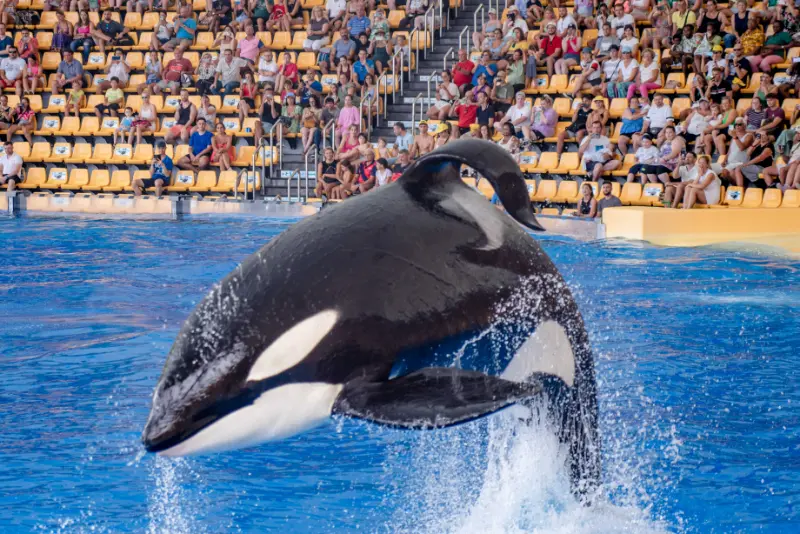
    Orca Swimming in Aquarium Pool

    Local food, markets and spending

    Sustainable travel is also economic. Eating at locally owned restaurants, buying from regional markets and using local guides keeps more tourism value in the community. This does not mean every meal must be artisanal or expensive. One neighborhood restaurant and a farmers market can add more sense of place than another chain stop.

    Seafood is complicated because sustainability varies by species, season and source. Ask restaurants where products come from when that matters to you, and check current fishery guidance rather than relying on a static list from years ago.

    Low-impact outdoor recreation

    Hiking, cycling and paddling can be low-impact ways to see Florida when visitors stay on designated routes and respect closures. Boardwalks are especially useful because they protect wetlands while creating access for a wide range of travelers. Carry reusable water containers where facilities allow and bring only the gear you actually need.

    Do not confuse low-impact with low-risk. Heat, lightning, tides and wildlife still require preparation. An environmentally responsible trip should also be a safe one; rescues and off-trail shortcuts are not improvements.

    Volunteering and conservation experiences

    Some destinations offer beach cleanups, citizen-science programs or volunteer opportunities. These can add meaning to a longer stay, but use established organizations rather than inventing your own wildlife intervention. Never handle animals, nests or sensitive habitat without authorization and training.

    A short-term visitor can also support conservation by paying park entrance fees, choosing responsible operators and following rules that may seem restrictive. Capacity limits, closed dunes and protected zones exist because access has a cost. Respecting them is part of seeing the place well.

    Families, seniors and accessibility

    Sustainable planning can improve accessibility rather than compete with it. A central hotel reduces transfers, a boardwalk protects habitat while creating an easier route, and a smaller itinerary reduces fatigue. Families can make conservation tangible through ranger programs and wildlife centers. Older travelers can choose guided tours that reduce walking while still supporting protected places. The goal is not to shame visitors for needing a car, air conditioning or mobility support; it is to reduce avoidable impact where practical.

    Florida Resort with Pool and Palm Trees Aerial

    Budget and booking

    Low-impact choices are not always more expensive. Walking a compact district, using a refillable bottle, avoiding unnecessary linen changes and choosing a nearby activity can all reduce both cost and impact. Green-certified lodging may command a premium in some markets, but location and total transport cost still matter. Do not pay extra for vague environmental marketing without understanding the actual practice. Look for specific programs, conservation measures or recognized designations.

    How to build a realistic day

    Pick one region and reduce unnecessary backtracking. Use a central base, choose protected areas with established visitor infrastructure and combine nearby experiences. A morning paddle, local lunch and boardwalk walk can create a full day without several long drives. When rail or public transport works well, use it; when it does not, a car may still be the practical option. Sustainability should simplify the itinerary, not turn it into a complicated performance.

    Common mistakes to avoid

    • Treating sustainability as a reason to lecture other travelers.
    • Approaching wildlife for photos or feeding animals.
    • Walking through dunes or closed habitat instead of using established access.
    • Assuming any hotel using the word green follows a recognized program.
    • Driving long distances for a short activity when a local alternative exists.
    • Buying disposable gear for one day instead of renting or reusing.

    Florida wildlife guide, Florida national parks guide, Best Florida state parks, Florida by train, Florida kayaking guide.

    Official resources to check

    Rules, schedules, access arrangements, fees and weather-related operations can change. If a detail is essential to the trip, confirm it with the responsible public agency, attraction, venue or operator shortly before travel rather than relying on an old screenshot or third-party summary.

    Trip design checklist

    Before booking, write down the one experience that would make this trip feel successful, the maximum daily driving you are comfortable with, the walking or activity level that suits the group and the amount of flexibility you need for weather. Then choose accommodation and transport around those answers. This simple exercise prevents a common Florida problem: collecting attractive places on a map without noticing that they create an exhausting route. Keep one unscheduled half-day in every three or four days so the itinerary can absorb weather, laundry, a late start or an experience you discover after arrival.

    Recheck the practical details a few days before travel. Confirm opening hours, parking, reservation requirements, accessibility, current advisories and any equipment you need. Save confirmations offline and share the main plan with the group. Florida rewards flexible travelers because conditions can change quickly, yet there is almost always a useful alternative nearby. The goal is not to remove uncertainty; it is to make sure a change of plan does not become a crisis.

    Final planning advice

    The strongest Florida trips balance ambition with flexibility. Choose the experiences that genuinely matter, keep each day geographically sensible and leave room for weather, traffic and energy to change. A little breathing space usually produces a better vacation than a schedule that depends on everything running perfectly.

  • Best Natural Wonders in Florida: Springs, Everglades, Reefs, Caves, Dunes and Wild Coast

    Best Natural Wonders in Florida: Springs, Everglades, Reefs, Caves, Dunes and Wild Coast

    Florida’s best-known images are beaches and theme parks, but the state’s most surprising places are often natural systems that do not exist in quite the same form elsewhere. Clear freshwater springs rise from limestone, the Everglades moves water through a vast subtropical landscape, coral reefs extend along the Keys, caves open beneath North Florida, and undeveloped barrier islands protect dunes, wildlife and dark skies. These are not background scenery. They are destinations that can shape an entire trip.

    I would choose natural wonders by region rather than attempting to collect them all in one vacation. Florida is long, and driving from the Panhandle to the Keys takes most of a day. A stronger itinerary pairs one or two major ecosystems with nearby towns. Nature also requires flexibility: water levels, storms, wildlife seasons, reservations and restoration work can change what is accessible.

    Quick planning summary

    • Most iconic ecosystem: the Everglades and connected South Florida wetlands.
    • Most uniquely Florida swimming landscape: freshwater springs.
    • Best underwater wonder: the Florida Keys reef system and protected marine areas.
    • Most surprising inland experience: Florida Caverns and karst landscapes in the Panhandle.
    • Best planning principle: organize nature stops by region and current conditions.

    In this guide

    The Everglades and Big Cypress

    The Everglades is not simply a swamp but a vast sheet-flow ecosystem of sawgrass, sloughs, hammocks, mangroves and coastal water. Everglades National Park protects the southern portion, while Big Cypress National Preserve and other public lands extend the broader wetland story. Different entrances provide very different experiences.

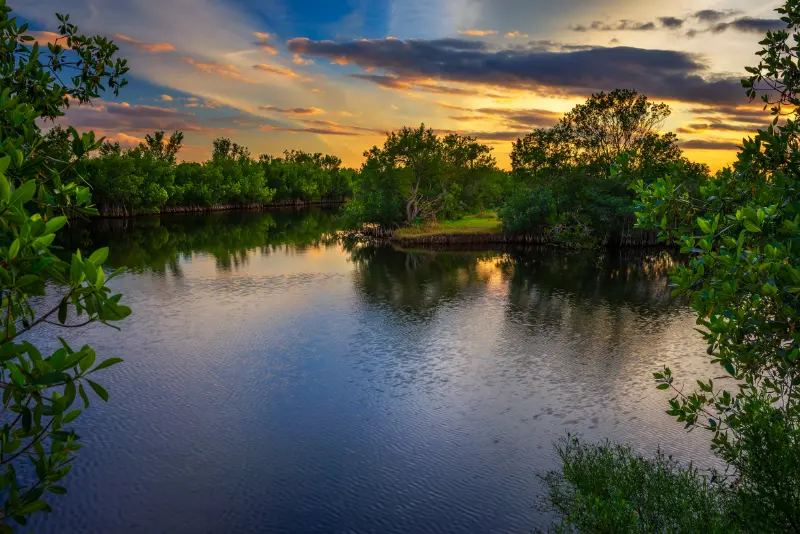
    Florida Everglades Calm Lake at Sunset

    A first visit should focus on one corridor: Shark Valley, the Homestead-to-Flamingo route or a Big Cypress drive. Wildlife viewing improves when you slow down. Boardwalks, tram tours, ranger programs and paddling can all reveal more than trying to drive every available road.

    Florida’s freshwater springs

    Florida has hundreds of natural springs, including many large first-magnitude systems. Clear water, limestone basins, spring runs and aquatic vegetation create a landscape that can feel almost unreal. Silver Springs, Wakulla, Rainbow, Ichetucknee, Weeki Wachee, Wekiwa and others each offer a different combination of swimming, paddling, tubing, wildlife or boat tours.

    Popular springs can reach capacity or use reservation systems. Water activities may close for wildlife protection or conditions. Choose the spring for the experience you want and verify the current rules. The constant cool water temperature feels wonderful in summer and surprisingly cold in winter.

    Florida Keys reefs and Biscayne waters

    The coral reef system along South Florida and the Keys is one of the state’s great natural treasures. Snorkeling and diving can reveal coral, tropical fish, turtles and other marine life, while glass-bottom or guided boat trips provide alternatives for non-swimmers.

    Reef conditions depend on weather, water clarity and environmental stress. Use responsible operators, avoid touching coral and choose reef-safe behavior. Biscayne National Park is mostly water, which means the best way to understand it is often by boat rather than from a roadside overlook.

    Caves, sinkholes and the limestone beneath Florida

    Florida’s geology is responsible for both its springs and its caves. Florida Caverns State Park near Marianna offers one of the state’s most accessible opportunities to see a dry cave on a guided tour. Elsewhere, sinkholes and underwater cave systems reveal the porous limestone foundation beneath much of the state.

    Cave diving is a specialized technical activity and should never be confused with casual snorkeling. Families and non-divers can appreciate cave landscapes through authorized tours, springs and geological interpretation. Stay on designated routes and respect closures designed to protect both visitors and fragile formations.

    Dunes, barrier islands and wild beaches

    Florida’s undeveloped barrier islands can be as impressive as its famous resort beaches. St. George Island State Park, Canaveral National Seashore, Gulf Islands National Seashore and other protected coasts preserve dunes, shorebird habitat, maritime vegetation and long horizons without continuous high-rise development.

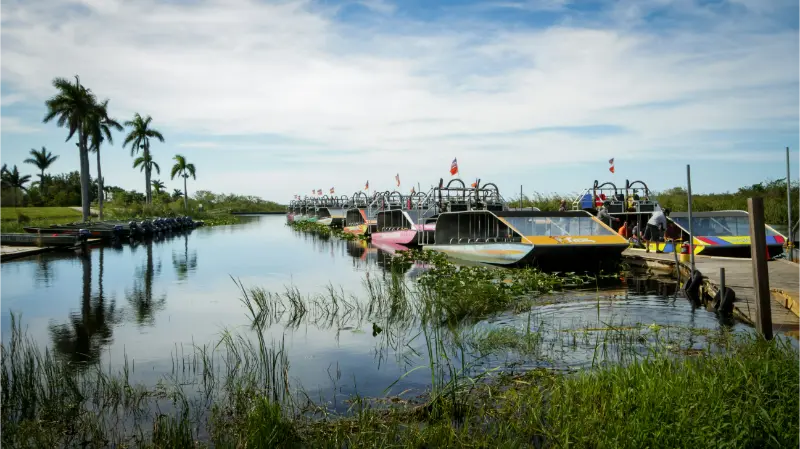
    Everglades National Park Cypress Swamp Waterway

    These landscapes are fragile. Use boardwalks instead of crossing dunes, follow nesting closures and take everything you brought back with you. Wild beaches often have fewer services, so water, shade planning and weather awareness matter more.

    Wildlife refuges, mangroves and river landscapes

    Merritt Island, St. Marks, Loxahatchee, Crystal River and other refuge systems protect habitat that can be spectacular even without a famous landmark. Bird migrations, manatee seasons, alligator sightings and seasonal plant changes create reasons to return more than once.

    Florida’s rivers also deserve attention. The Suwannee, Wacissa, Loxahatchee and spring-fed tributaries show very different sides of the state. A guided paddle can reveal ecology that is invisible from highways. Choose routes within your skill level and check flow, weather and shuttle logistics.

    How to plan a nature-focused Florida road trip

    Group ecosystems geographically. A South Florida loop can combine Everglades wetlands, Biscayne waters and Keys reefs. North Central Florida can focus on springs, rivers and state parks. The Panhandle can combine caves, dune lakes and Gulf islands. This approach reduces driving and makes ecological differences easier to understand.

    Spend at least two nights in important nature bases when weather can cancel the main activity. A single-night schedule creates pressure to paddle, snorkel or take a boat in marginal conditions. Flexibility is one of the most valuable pieces of safety equipment you can bring.

    What to pack for Florida’s natural areas

    Bring more water than you expect to need, sun protection, insect repellent and footwear suited to the surface. A small dry bag protects phone, keys and medication on water days. Binoculars can transform wildlife viewing, especially for children and senior travelers who prefer not to leave developed trails.

    Download maps and save reservation confirmations before entering rural areas. A paper map is still useful in large parks and refuges. Tell someone your route when paddling or hiking away from developed visitor centers.

    Families, seniors and accessibility

    Natural wonders work best for families when the day has one clear activity: a glass-bottom boat, short boardwalk, swim, cave tour or guided paddle. Children do not need a six-hour ecology lecture. Give them a wildlife checklist, waterproof camera or simple task and let curiosity do the rest.

    Senior travelers and people with mobility needs should favor developed overlooks, accessible boardwalks, boat tours and visitor centers where appropriate. Many spectacular ecosystems can be experienced without strenuous hiking. Confirm specific trail surfaces and boarding requirements.

    Best time to go

    Winter is excellent for South Florida wetlands and manatee viewing, while summer makes cool springs especially attractive. Fall and spring can be comfortable across much of the state. Marine trips depend on wind and water clarity, and cave or river outings can be affected by heavy rain and flooding.

    Wildlife seasons matter. Bird migration, turtle nesting and manatee concentration change through the year. Build the trip around the ecosystem’s rhythm rather than assuming every natural wonder peaks in the same month.

    Budget and booking

    Many state and federal natural areas are inexpensive compared with major attractions, but guided boats, paddles, snorkeling and diving add costs. Pay for expertise when it improves safety or access. A ranger-led walk or scenic drive can be just as memorable as an expensive tour.

    Remote nature days require practical spending on fuel, water and food. Do not save a few dollars by skipping equipment that affects safety, such as life jackets or proper footwear.

    How to build a realistic day

    Choose one major ecosystem per day. Arrive early, spend the best weather window outdoors, eat nearby and keep the afternoon flexible for a visitor center, scenic drive or town. Nature days are better when they have room for a wildlife sighting or weather delay.

    On a road trip, alternate active nature days with easier city or beach days. This keeps children and older travelers from accumulating fatigue.

    Common mistakes to avoid

    • Trying to visit distant natural regions in one day.
    • Entering a spring or cave without understanding the current rules and skill requirements.
    • Walking across dunes or ignoring wildlife closures.
    • Touching coral or feeding wildlife.
    • Assuming water clarity and wildlife sightings are guaranteed.
    • Skipping weather checks for paddling, snorkeling or remote coastal trips.

    Florida National Parks guide, Best natural springs in Florida, Everglades National Park guide, Florida wildlife guide, Florida snorkeling and scuba diving guide.

    Official resources to check

    Hours, fees, access rules, wildlife conditions, weather impacts and reservation requirements can change. If a particular experience is essential to your trip, check the responsible agency, destination or operator again shortly before you travel.

    Final advice

    Florida’s natural wonders reward travelers who slow down enough to see systems rather than attractions: water rising from limestone, wetlands changing with the season, reefs shaped by current and wildlife moving with temperature. Choose a region, check current conditions and give one landscape enough time to become the reason you remember the day.