Category: North Central Florida

  • One Day in Ocala: Best First-Time Itinerary for Springs, Horse Country and Downtown

    One Day in Ocala: Best First-Time Itinerary for Springs, Horse Country and Downtown

    One day in Ocala is enough to understand the destination if you choose experiences that show three different sides of the region: spring water, horse country and the historic center. It is not enough time to visit every famous attraction, and trying to do so usually creates more driving than sightseeing.

    Explore this guide

    The itinerary below is designed for a first-time visitor with a car, normal mobility and a full day from roughly 8:00 a.m. to 8:30 p.m. Adjust it for reservations, weather and children rather than following the clock rigidly.

    One-day Ocala itinerary at a glance

    • Morning: Silver Springs State Park and a glass-bottom boat
    • Lunch: east or central Ocala
    • Afternoon: horse-country drive plus a scheduled farm tour or public equestrian venue
    • Late afternoon: rest or Sholom Park if time allows
    • Evening: Downtown Ocala for dinner and a short walk

    8:00–11:30 a.m.: Silver Springs State Park

    Start at Silver Springs because the morning is cooler, wildlife is often more active and a timed boat tour gives the day structure. The glass-bottom boat is the best first-time choice because it communicates what makes Florida springs special without requiring everyone to swim or paddle.

    After the boat, walk part of the riverfront or add a short trail. Do not start a long one-way paddle on a one-day itinerary unless paddling is the main reason you came; it consumes too much of the day and creates shuttle logistics.

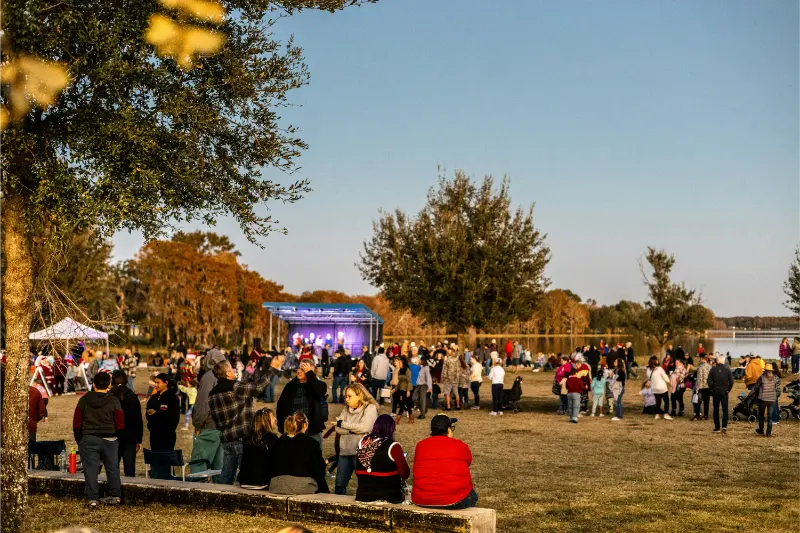
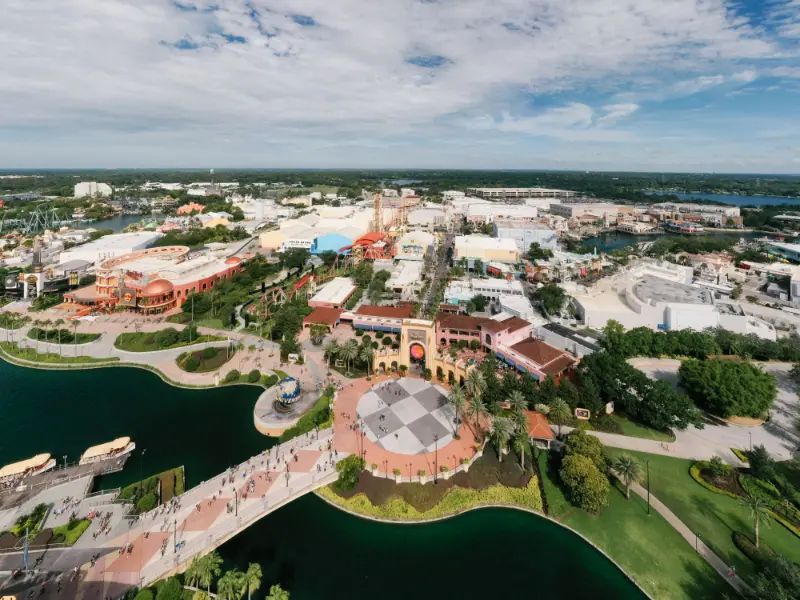
    Park Lake with Florida City Skyline

    11:45 a.m.–1:00 p.m.: lunch and reset

    Eat before heading into horse country. A long lunch may feel inefficient, but it protects the afternoon from heat and gives children or older travelers a chance to recover. If you are visiting in summer, this is also when storms often begin building.

    1:30–4:30 p.m.: horse country

    Use our horse-country guide to choose one legitimate experience. A scheduled farm tour is best for first-time visitors who want explanation. If no tour fits the date, check World Equestrian Center or Florida Horse Park for public competition.

    Do not spend the afternoon randomly driving farm roads hoping to find public access. Scenic roads are attractive, but the destination becomes much more meaningful with a guide or live event.

    5:00–6:00 p.m.: optional easy stop

    If the group still has energy, Sholom Park provides a calm hour without another large admission cost. If everyone is tired, skip it and return to the hotel. A good one-day itinerary should have at least one optional element that can disappear without ruining the trip.

    6:30–8:30 p.m.: Downtown Ocala

    Finish around the square with dinner and a short walk. Downtown works better in the evening than as the main daytime attraction because restaurants, lights, murals and seasonal events give the area more energy after outdoor attractions close.

    Alternative one-day itinerary for spring lovers

    If horses are not your priority, replace the afternoon with one swimming spring. Compare the Ocala springs before choosing. Rainbow Springs is logical if you do not mind driving west; Alexander Springs is better if you want to stay east. I would not attempt both Silver Springs and a distant national-forest spring if anyone in the group dislikes long drives.

    Alternative one-day itinerary with children

    Keep Silver Springs, shorten horse country to a public show or easy farm tour, and eliminate the optional late-afternoon stop. Children usually enjoy Downtown more when dinner arrives before they are overtired. See Ocala with kids for age-specific alternatives.

    Rainy-day version

    If persistent storms make springs unrealistic, start with Don Garlits Museum or Appleton Museum of Art, then check whether an indoor horse arena has public competition. Finish downtown between showers. This version is less “natural Ocala,” but far better than spending the day waiting in a hotel for perfect weather.

    What not to do in one day

    • Silver Springs + Rainbow Springs + World Equestrian Center + Downtown
    • a full Juniper Run paddle plus a timed farm tour
    • driving into the national forest without confirming capacity or reservation rules
    • booking two nonrefundable activities less than an hour apart
    • crossing Marion County repeatedly because each stop looked close on a statewide map

    Where to stay for this itinerary

    A hotel near central Ocala or the I-75 corridor is the easiest base because it balances restaurant access with travel to horse country and Silver Springs. If this one day is part of a longer forest trip, an eastern campground can still work, but your evening downtown drive will be longer.

    Budget planning

    The biggest fixed cost is usually the spring experience and any farm tour. Horse-show spectating may be free depending on the event, and Downtown walking costs nothing beyond food and parking if applicable. Families can reduce costs by choosing the glass-bottom boat as the major paid attraction and using a free public equestrian event.

    Final thoughts

    A successful one-day Ocala visit should leave you understanding why the destination is different from Orlando, Tampa or the beach towns. One spring shows the water, one horse-country experience shows the local identity, and Downtown gives the trip a human scale. Anything beyond those three layers is a bonus, not a requirement.

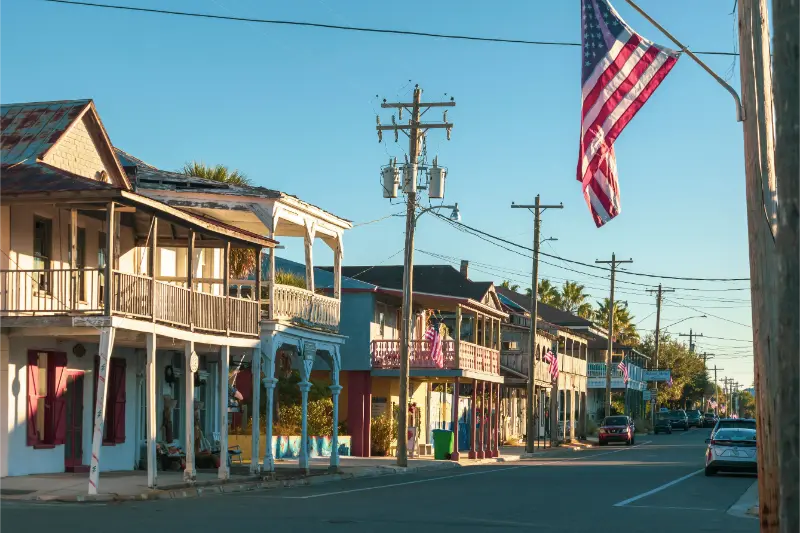
    Florida Drawbridge over Downtown Canal

    How to adapt the itinerary by season

    In summer, move Silver Springs as early as possible and protect the hottest hours with lunch, hotel rest or an indoor stop. In winter, the spring boat is still excellent but horse events may become the highlight of the afternoon. Spring and fall are the easiest seasons for the full itinerary because temperatures are comfortable enough to walk Downtown after an outdoor morning.

    What to prebook and what to leave flexible

    Prebook the activity that has a fixed capacity: a specific farm tour, timed event or required spring reservation. Leave dinner, Sholom Park and most Downtown walking flexible. A one-day plan becomes fragile when every hour has a confirmation number. One reservation plus two adaptable blocks is usually the right balance.

    Who should not use this exact itinerary?

    Travelers who came mainly to paddle should devote the morning and afternoon to one water route. Serious equestrian visitors should spend more time in horse country. Families with very young children may need a hotel nap instead of a second attraction. Use the itinerary as a framework, not a test of whether you “did Ocala correctly.”

    Driving time and why the route matters

    Ocala attractions sit on different sides of a large county. Silver Springs is east of the center, while much of horse country and WEC is west. The itinerary intentionally crosses the city only once. Adding Rainbow Springs or a deep national-forest stop would turn a sightseeing day into a driving day.

    Navigation apps also underestimate the mental cost of rural driving after dark or after a full day outdoors. Finish near your lodging when possible.

    Practical planning checklist

    • save the official address and current operating information before leaving your hotel
    • check weather, heat index and lightning risk on the morning of the visit
    • keep water, dry clothing and basic first-aid supplies in the vehicle
    • confirm any reservation or timed-entry requirement separately from admission
    • leave enough time between activities for food, restrooms and traffic

    Ocala and Marion County are easiest to enjoy when the schedule has room to absorb a change. A delayed tour, full parking lot or sudden storm should alter the order of the day, not destroy the entire itinerary.

    Extra planning advice for a smoother Ocala trip

    Ocala looks compact when viewed on a statewide map, but the county spreads across horse country, the I-75 corridor, Silver Springs, Dunnellon and the Ocala National Forest. Before committing to a schedule, plot the exact entrances of the places you intend to visit. A route that appears to involve three nearby attractions can become several hours of driving when one stop is west of the city and another is deep in the forest. Grouping activities by area usually improves the trip more than adding one extra attraction.

    Weather deserves the same attention. From late spring through early fall, start strenuous outdoor activities early, protect the hottest part of the afternoon for lunch or an indoor stop, and keep a rain alternative available. Thunderstorms can arrive quickly and may close swimming areas, outdoor arenas or trails even when the morning was clear. In winter, the opposite problem appears: spring water remains relatively constant while cool air makes getting out of the water uncomfortable, especially for children and older travelers.

    Carry drinking water in the car even when the attraction sells beverages. Rural recreation areas may have limited service, and a short delay can become uncomfortable in heat. Download maps, reservation confirmations and important phone numbers before leaving strong cell coverage. If you have medication, mobility equipment or food that must stay cool, plan for those needs before entering the forest rather than assuming facilities will be equivalent to a city attraction.

    Finally, leave at least one flexible block in every day. Ocala is most enjoyable when a spring, horse event, museum or scenic drive has enough time to breathe. The region is not improved by rushing from one parking lot to another. A slower schedule also makes it easier to respond to capacity limits, delayed shows, a child who needs a rest, or a storm that changes the order of the day.

  • Matheson History Museum Gainesville Guide: Free Admission, Hours, Local History and Downtown Tips

    Matheson History Museum Gainesville Guide: Free Admission, Hours, Local History and Downtown Tips

    The Matheson History Museum is where Gainesville starts to make more sense as a city rather than simply as the home of the University of Florida. The museum explores local and regional history through exhibitions, archives and historic structures in the east side of downtown. It is compact, free and easy to combine with a meal or walk, which makes it a valuable counterweight to larger attractions that demand half a day.

    Explore this guide

    For a first visit, allow 1–2 hours. This guide reflects official visitor information checked in October 2026. Because the post is scheduled for 2028, recheck prices, opening hours, construction, water conditions, trail closures and special programs shortly before travel.

    Quick planning summary

    • Location: 513 E. University Ave., Gainesville, FL 32601
    • Current hours: Currently Wednesday–Saturday, 11 a.m.–4 p.m.
    • Current admission: Free; donations encouraged
    • How much time: 1–2 hours
    • Best for: history lovers, adults, older children, senior travelers and anyone wanting context for Gainesville beyond the university

    Important current-status note

    October 2026 snapshot: The Matheson currently lists Wednesday–Saturday hours from 11 a.m. to 4 p.m. Admission to the museum and most programs is free, with donations welcomed. Current visitor information lists ADA ramps and accessible restrooms in the museum complex.

    That date matters. Conditions involving water quality, construction, wildlife facilities and park access can change long before a 2028 trip. Use the current-status note to understand what to verify, not as a prediction of what will still be true when you arrive.

    Why this place is worth your time

    A Gainesville trip can easily become dominated by campus museums, football references and outdoor nature. Matheson adds the civic story: neighborhoods, transportation, community life, architecture and the changing identity of Alachua County. Travelers who enjoy understanding why a place looks and feels the way it does will get more from the museum than visitors who only want a large collection of famous objects.

    The most useful way to judge this stop is not by how many attractions fit inside it, but by whether the experience adds something different to the rest of your Florida itinerary. In this part of the state, springs, forests, wildlife education and local history often deliver more memorable contrasts than another busy commercial attraction.

    What to see and do

    • Current exhibitions: Exhibits change, so read the current program before arrival and give yourself time for the subjects that connect with your trip.
    • Historic Matheson House context: The museum complex includes historic elements, although tours and access can change during rehabilitation projects.
    • Local maps and photographs: These are especially useful if you plan to explore downtown or older neighborhoods afterward.
    • Free guided or group tours: Current information says exhibition tours can be arranged free of charge; advance scheduling is better for groups.
    • Gift shop and local books: A good place to find Florida and Gainesville history titles rather than generic souvenirs.

    You do not need to complete every option. Pick the two or three elements that match your group, weather and energy level. A focused visit almost always works better than trying to force every activity into one afternoon.

    How to plan the visit

    Use the Matheson as a 60–90 minute anchor around lunch rather than as a full-day destination. Visit after a morning outdoors, then continue into downtown. Because opening days are limited, check the calendar before building a weekday itinerary. If a specific historic house or archive feature matters to you, confirm access because rehabilitation work can change what is open.

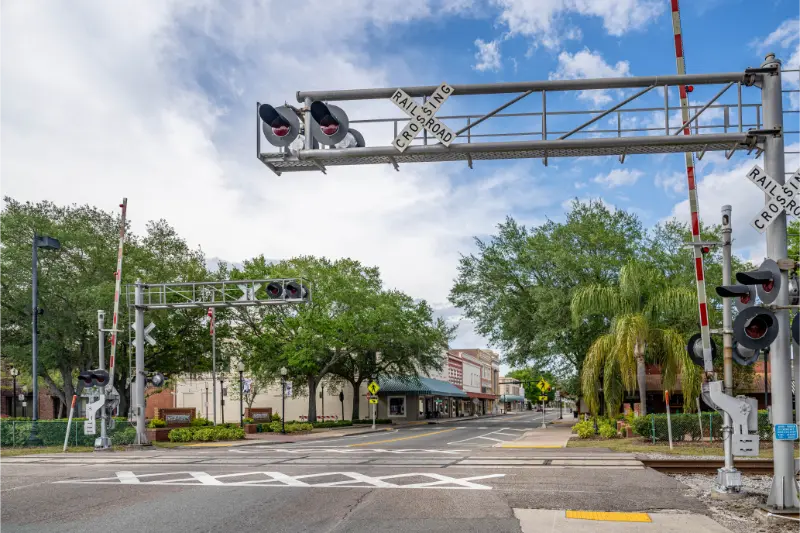
    Downtown Street with Construction Crane

    Build a small buffer into the schedule for parking, restrooms, ticket or check-in procedures and weather. That buffer is particularly important with children and older travelers because the practical transitions often take longer than the attraction itself suggests.

    Families, teenagers and older travelers

    This is better for school-age children who can engage with stories, old photographs and local history than for toddlers who need constant hands-on activity. Teenagers studying Florida history may appreciate the direct connection to place. Adults and seniors are likely to get the most from the museum because it rewards reading and conversation. For a multi-generational day, follow it with a park or food stop rather than asking children to do another text-heavy museum immediately.

    Good to knowA useful rule for mixed-age groups is to plan one demanding activity and one easy activity per day. Babies and toddlers need shade, restrooms and short blocks; school-age children benefit from a clear purpose; teenagers appreciate autonomy and photography; older adults usually enjoy the trip more when seating, heat and walking distance are considered before arrival.

    Accessibility and mobility

    Current visitor information lists an ADA-accessible ramp and restrooms for the museum and accessible features at the Historic Matheson House. The Tison Tool Barn is not currently ADA accessible and has limited public access. If a particular building matters, verify before arrival.

    Temporary maintenance can change accessibility even when the attraction remains open. If a wheelchair route, accessible restroom, service-animal arrangement or low-step entry is essential, verify that specific feature rather than relying only on a general “accessible” label.

    Best season and weather strategy

    This is a year-round attraction and a smart choice for hot, wet or cool weather. The more important limitation is its Wednesday–Saturday schedule. Downtown special events can increase parking demand, so a quiet Thursday morning feels different from a festival weekend.

    North Central Florida can change quickly from comfortable morning air to hot, humid afternoons. Summer storms often build fast, and winter cold fronts can make mornings surprisingly cool. For outdoor activities, radar and lightning risk matter as much as the daily high temperature.

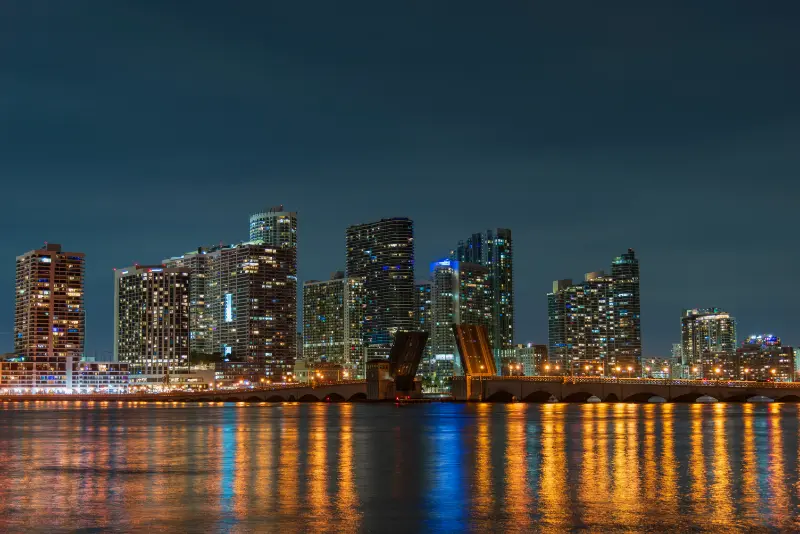
    Florida Bayfront Skyscrapers at Night

    Parking, driving and arrival logistics

    The museum lists parking in its own lot, with additional evening/weekend options nearby. Read signs carefully because downtown and institutional parking rules can change by time and day. From the museum, downtown is close enough that it makes sense to park once if your mobility allows.

    Save the official address and the specific entrance you need before leaving Wi-Fi. Rural parks, college campuses and preserves can have multiple gates or map pins. Arriving at the wrong entrance is one of the easiest ways to lose the best hour of the day.

    Food, water and breaks

    The museum is not a food destination, which is an advantage: build lunch around downtown rather than settling for a museum café. A history visit followed by local food makes the day feel more connected to Gainesville itself.

    Carry more water than a short driving distance might suggest. Heat, cold spring water, walking and cycling can all mask fatigue until the group is already tired. A planned snack and a seated break often extend a family outing more effectively than adding another attraction.

    Safety and practical cautions

    The main considerations are ordinary historic-building care and downtown awareness. Do not assume every historic structure is open simply because the museum campus is open. During severe weather, verify operating status before driving.

    Florida wildlife should always be observed at a respectful distance. Never feed wild animals, never enter water or trails that are posted closed, and never treat lightning as a minor inconvenience. When official staff close an area, build the day around what remains open instead of looking for a workaround.

    Common mistakes to avoid

    • assuming the museum is open every day
    • planning it as a three-hour attraction when your group does not love local history
    • promising access to a historic building that may be under rehabilitation
    • driving away for lunch when downtown is already within easy reach
    • overlooking the museum because admission is free

    How to combine it with other Gainesville experiences

    The easiest combination is Downtown Gainesville, where you can continue on foot for food and murals. If you want a nature contrast, Sweetwater Wetlands Park or Morningside Nature Center can fill the other half of the day.

    For a two- or three-day Gainesville stay, alternate outdoor and indoor experiences. That protects the itinerary from heat and thunderstorms while also making the trip feel more varied for different ages.

    Budget planning

    Admission is currently free, so this is one of the best low-cost cultural stops in Gainesville. A donation is a reasonable way to support the museum if you found the visit useful. Your main spending will likely be food and parking elsewhere downtown.

    Always compare the admission price with the true cost of the day: parking, rental equipment, fuel, meals and reservation fees can matter more than the gate price. Free attractions still deserve the same scheduling care as expensive ones.

    Who should prioritize this stop?

    Matheson is not the biggest museum in Gainesville, but it is one of the best for understanding Gainesville. Add it when you want context, a slower hour and a cultural stop that does not strain the budget.

    If your group has very different interests, use this stop as the part of the day designed for the people who will enjoy it most, then balance it with a second activity chosen for the rest of the group. A complete Florida trip does not require every traveler to love every attraction equally.

    Official information to check before you go

    Before traveling, check the official visitor information for the latest opening hours, fees, construction or water-status notices, reservations, event calendars and weather-related changes. For a 2028 visit, the official update closest to your travel date should override older screenshots, blogs and social-media posts.

    Final thoughts

    Matheson is not the biggest museum in Gainesville, but it is one of the best for understanding Gainesville. Add it when you want context, a slower hour and a cultural stop that does not strain the budget.

    North Central Florida is at its best when you leave room for conditions to shape the day. Springs, trails, wildlife facilities and small museums reward travelers who arrive informed but flexible, and that approach is usually more valuable than trying to force a perfect checklist.

  • Downtown Gainesville Guide: Parking, Food, Murals, Events and Walking Tips

    Downtown Gainesville Guide: Parking, Food, Murals, Events and Walking Tips

    Downtown Gainesville Guide is one of the stops that helps explain why Gainesville deserves its own place on a Florida itinerary. Downtown Gainesville is useful because it adds everyday local life to a trip dominated by state parks and museums. The strongest experience comes from walking slowly, noticing historic storefronts and murals, stopping for coffee or food and checking what is happening at nearby venues. It feels more like a working college-city center than a packaged tourist district.

    Explore this guide

    For a first visit, allow 2–5 hours, or an evening. The attraction is best for food-focused travelers, couples, visitors attending events, architecture and mural fans, and anyone wanting a walkable break from nature attractions. The practical information below reflects the official visitor guidance available in October 2026; because conditions may change by 2028, always recheck prices, operating hours, closures and special-event rules shortly before travel.

    Quick planning summary

    • Location: Downtown Gainesville, centered around Main Street and University Avenue, Gainesville, FL
    • Current hours: Public streets and businesses operate on their own schedules; city parking enforcement is generally Monday–Friday 10 a.m.–8 p.m. unless posted otherwise
    • Current admission: City parking ranges from free peripheral options to low-cost metered spaces and garage rates; always check posted signage
    • How much time: 2–5 hours, or an evening
    • Best for: food-focused travelers, couples, visitors attending events, architecture and mural fans, and anyone wanting a walkable break from nature attractions
    • Compact enough for a self-guided walk but varied enough for an afternoon or evening
    • Parking is inexpensive by large-city standards but rules vary by zone

    Why this place is worth adding to a Gainesville trip

    Downtown Gainesville is useful because it adds everyday local life to a trip dominated by state parks and museums. The strongest experience comes from walking slowly, noticing historic storefronts and murals, stopping for coffee or food and checking what is happening at nearby venues. It feels more like a working college-city center than a packaged tourist district.

    The key is to arrive with the right expectation. This is not an attraction to rush only because it appears on a list. Give yourself enough time to notice the details that make the place distinctive, then leave before fatigue turns a good stop into a chore.

    What to see and do

    • Main Street and surrounding historic blocks
    • Public art and murals
    • Bo Diddley Plaza and event programming
    • Restaurants, breweries, coffee shops and late-night options
    • Easy connection to Depot Park and the Innovation District

    You do not need to complete every possible activity. Choose two or three priorities based on the weather and the ages in your group. That usually creates a better visit than trying to cover every trail, room or viewpoint.

    How much time should you allow?

    A realistic first visit is 2–5 hours, or an evening. Shorter visits can work when this is the secondary stop of the day, but building in a little extra time helps with parking, restroom breaks, photography and weather delays.

    If you are traveling with children or older adults, think in activity blocks rather than total hours. A 45-minute walk followed by a seated break is often more successful than a continuous two-hour push.

    Best time of day and best season

    North Central Florida is easiest to explore from October through April, when humidity is lower and long walks are more comfortable. Spring adds flowers, active wildlife and pleasant evenings, while summer rewards early starts but requires serious respect for heat and thunderstorms. If your main attraction is outdoors, schedule it before lunch and keep an indoor museum or café option for the afternoon. Gainesville can be busy during University of Florida football weekends, graduation and major campus events, so hotel rates and traffic are not purely seasonal.

    Families, teenagers and older travelers

    Families should visit earlier in the day or combine downtown with Depot Park. Children usually get more from a mural walk, snack stop and plaza than from an aimless restaurant crawl. Evening nightlife is better suited to adults and older teens.

    Gainesville works unusually well for mixed-age trips because the city has high-quality attractions that do not require everyone to move at the same pace. Toddlers need shade, toilets and short activity blocks; school-age children usually do best with animals, fossils, water or hands-on interpretation; teenagers often appreciate photography, trails, college-town food and flexible time; older adults benefit from benches, climate-controlled museums and a plan that avoids the hottest part of the day. The best itinerary is usually one major stop plus one lighter stop, not three demanding attractions.

    Accessibility and mobility

    Downtown sidewalks and city facilities make this more manageable than natural trails, but curb cuts, construction and older storefront entrances can vary block by block. Choose a central parking garage if minimizing walking uncertainty matters.

    If mobility is important to your group, call or check the official site before departure. Temporary construction, storms and maintenance can change which routes are open even when the attraction itself remains operating.

    Safety and practical cautions

    As in any active downtown, keep valuables out of sight in parked cars and use normal city awareness after dark. The bigger visitor mistake is parking without reading signs: enforcement hours, garage rules and event closures can differ by block.

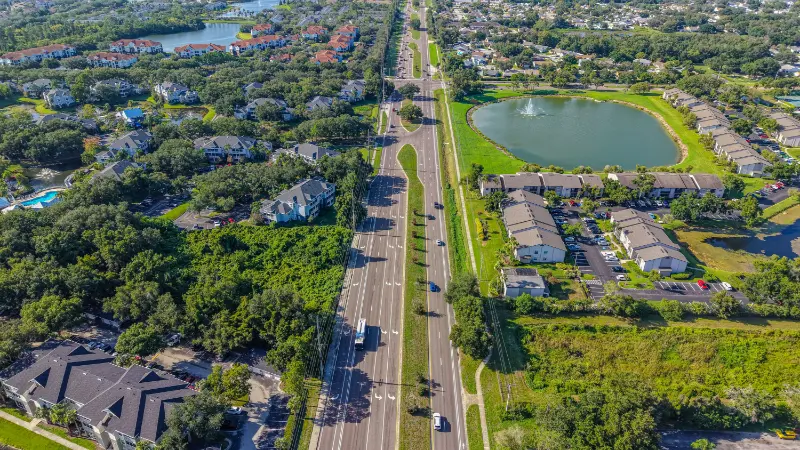
    Florida City Center with Shopping Streets Aerial

    Summer planning should assume heat, high humidity and a realistic chance of afternoon thunderstorms. Lightning can close splash pads, exposed trails and outdoor programs even when the rain itself is brief. In winter, cold fronts can make mornings much cooler than visitors expect from Florida. Check both temperature and radar, and pay attention to sunset because many parks close at sunset rather than at a fixed evening hour.

    Parking, driving and getting around

    Gainesville is easier with a car than many college towns because major nature sites and museums are spread across the metro area. Downtown and the UF Cultural Plaza have specific parking systems, while state parks and city nature centers usually have their own lots. Read signs rather than assuming one parking rule applies everywhere. During football weekends, allow more time than a map app suggests and avoid crossing the university core near kickoff or immediately after a game if you do not need to.

    Save the exact entrance in your navigation app. Large parks and university facilities can have multiple gates, service roads or parking lots, and simply searching the attraction name may not send you to the best visitor entrance.

    What to bring

    For outdoor stops, bring refillable water, sunscreen, insect repellent, a hat and closed shoes even if the forecast looks mild. A compact poncho is more useful than an umbrella on exposed trails. For museums, carry a light layer because air-conditioning can feel strong after being outside. Keep a small towel and spare shirt in the car if children may visit a splash pad or if a thunderstorm catches you between attractions.

    Food and breaks

    Do not plan every meal around the attraction itself. Some parks have no food service, while university museums may offer only snacks or vending. Gainesville has enough restaurants that leaving for lunch is usually easy, but doing so can cost valuable time if you intend to return to a paid attraction. For outdoor mornings, a cooler in the car and a planned restaurant afterward usually works better than carrying a full picnic on the trail.

    Florida Festival Food Trucks and Visitors

    How to fit it into a Gainesville itinerary

    For families, combine downtown with Depot Park. For a different North Florida urban experience, compare it with Riverside, Avondale and Five Points in Jacksonville.

    A good rule is to pair one mentally focused attraction with one physically active stop. Museum plus garden, wetland plus downtown, or trail plus relaxed meal usually feels balanced across a full day.

    Budget planning

    A Gainesville trip can be very good value. Several museums and city nature areas are free, and state-park entry is modest compared with major Florida attractions. Spend money where it changes the experience: a special exhibit, the Butterfly Rainforest, a guided program or a comfortable meal after a long outdoor morning. Families can keep costs low by combining one paid attraction with one free park or museum in the same day.

    Where to stay for this part of Gainesville

    For a short city-focused stay, downtown or the University of Florida area keeps museums, restaurants and evening activities close. Travelers focused on I-75 access, Kanapaha or road-trip logistics often prefer the southwest side of Gainesville. Nature-heavy itineraries can work from either area because Paynes Prairie, Sweetwater and Morningside sit in different directions. Choose by the first activity of the morning rather than by a generic ‘central’ label.

    Common mistakes to avoid

    • Common mistakes include scheduling a long outdoor trail for mid-afternoon in summer, assuming wildlife sightings are guaranteed, arriving at a university attraction without checking event traffic, and treating a free attraction as something that needs only 20 minutes
    • Another frequent error is building a schedule with no buffer for thunderstorms
    • Gainesville rewards flexible days: if rain interrupts a wetland walk, shift to a museum and return outdoors later.

    Official information to check before you go

    Before traveling, check the official visitor information for the latest operating hours, admission, closures, programs and weather-related changes. For a 2028 visit, current conditions matter more than any older printed schedule.

    Final thoughts

    The strongest Gainesville itineraries feel varied rather than crowded. Mix a museum with a wetland, a botanical garden with downtown, or a geological stop with an easy family park. That rhythm shows why North Central Florida deserves more than a fuel stop on the way between Orlando and Jacksonville.

    For Downtown Gainesville Guide, the best approach is simple: arrive with realistic timing, choose the parts that fit your group, and leave room in the day for Gainesville itself rather than turning the trip into a checklist.

  • Cedar Key Florida Travel Guide: Best Things to Do, Wildlife, Museums, Food and Planning Tips

    Cedar Key Florida Travel Guide: Best Things to Do, Wildlife, Museums, Food and Planning Tips

    Cedar Key is one of the best places in Florida for travelers who want the Gulf Coast without high-rise resorts, large theme attractions or a rigid sightseeing schedule. The small island city sits at the end of State Road 24, surrounded by salt marsh, shallow Gulf water and protected wildlife habitat. Its appeal comes from the combination of seafood, clamming heritage, museums, birding, kayaking, sunsets and a compact downtown that still feels like a working coastal community.

    Explore this guide

    For a first visit, two nights is ideal. One full day can cover the essentials, but a weekend lets you separate downtown and history from refuge scenery or a water activity. Cedar Key also works as a slower contrast to Crystal River or Ocala on a longer North Central Florida road trip.

    Quick planning summary

    • Best stay: 2 nights for a first visit; 3 nights for paddling, fishing or a very slow pace
    • Main experiences: historic downtown, Dock Street, museums, seafood, wildlife, kayaking, sunsets and nearby refuges
    • Car: useful for museums, Shell Mound, Lower Suwannee NWR and state parks; less important once parked downtown
    • Best season: late fall through spring for walking and birding; summer for warm-water activities if you can handle heat and storms
    • Best for: couples, multigenerational families, birders, photographers, paddlers, history travelers and road-trippers who prefer small towns
    • Not ideal for: travelers expecting a broad resort beach, nightlife district or major shopping destination

    Important current-status note

    October 2026 information snapshot: this article is scheduled for 2028, so hours, fees, storm recovery, trail conditions, ferry or boat access, museum schedules and wildlife closures should be checked again shortly before travel. Cedar Key and the lower Suwannee coast are low-lying, tide-driven places where weather and restoration work can change practical access faster than in a large city destination.

    Why Cedar Key feels different from most Florida beach towns

    Cedar Key sits on Way Key about four miles offshore and is reached by a single road across marshes and channels. The city says its full-time population is about 800, and aquaculture and tourism remain central to the local economy. That scale changes the visit. You are not moving between large attractions; you are moving between a waterfront meal, a museum, a marsh overlook, a short trail and perhaps a boat or kayak outing.

    The town is also exposed to Gulf storms. Hurricane recovery has been part of recent life here, and some businesses, public facilities or historic structures may reopen in stages. Travelers should approach this as a real community rather than a preserved tourist set: spend locally, respect closures and accept that the landscape is dynamic.

    The best things to do in Cedar Key

    • Walk the historic core: Second Street, the marina area and Dock Street are easy to combine on foot.
    • Learn the island story: visit both Cedar Key Museum State Park and the Cedar Key Historical Society Museum if their schedules fit.
    • Explore the refuges: the Lower Suwannee and Cedar Keys National Wildlife Refuges add birding, driving routes, trails and island scenery.
    • Kayak or take a boat tour: this is one of the best ways to understand how the town relates to the surrounding keys and shallow estuary.
    • Visit Shell Mound: the archaeological site and coastal refuge landscape are among the most distinctive stops north of town.
    • Watch sunset: keep the last hour flexible rather than booking a long dinner before sunset on a clear day.

    How many days do you need?

    A day trip works if you live nearby or are passing through, but it compresses the town into lunch and a quick waterfront walk. Two nights allow one land-focused day and one nature-focused half day. Three nights make sense for paddlers, anglers, festival visitors or travelers who simply want a slower pace.

    Florida Festival Food Trucks and Visitors

    One-night visit

    Arrive before lunch, explore downtown, visit one museum, enjoy sunset and dinner, then spend the next morning at Shell Mound or on the water before leaving.

    Two-night visit

    Use Day 1 for downtown, Dock Street and history. Use Day 2 for a refuge, kayak trip, boat tour or state park. Keep the final morning open for breakfast, birding or another short museum stop.

    Cedar Key with children and teenagers

    Cedar Key can be excellent for children who enjoy animals, boats, shells, history or being outdoors, but it is not a destination built around large kid attractions. Young children usually do best with short museum visits, waterfront time and a simple wildlife walk. Teenagers may enjoy kayaking, fishing, photography and exploring the compact downtown independently for short periods. A trip works better when adults do not overschedule every hour.

    Food and the clamming connection

    Cedar Key is known nationally for farm-raised clams, and seafood is part of the destination rather than an afterthought. Build at least one meal around local shellfish if your group eats seafood. At the same time, do not assume every traveler wants a long restaurant lunch; remote refuge days are easier with snacks and water in the car.

    Where to stay

    Stay in Cedar Key itself if the goal is walking to dinner, sunset and the waterfront. Lodging ranges from small inns and cottages to vacation rentals and modest hotels. The island is compact, so the distinction between neighborhoods matters less than whether you want a waterfront view, kitchen, elevator, ground-floor access or easy parking. For a 2028 trip, compare hurricane-recovery status and recent reviews rather than relying on older photos.

    Getting around

    The historic core is walkable, but the broader trip is not car-free. Cedar Key Museum State Park, refuge trailheads and nearby Levy County destinations require driving. Golf carts and bicycles may be useful locally, but do not treat them as substitutes for a car on state highways or long rural approaches.

    A good first-timer weekend plan

    1. Arrival afternoon: downtown walk, marina, Dock Street and sunset.
    2. First full morning: Cedar Key Museum State Park plus the Historical Society Museum if open.
    3. First full afternoon: boat or kayak outing, or a relaxed lunch and wildlife viewing.
    4. Second morning: drive to Shell Mound and Lower Suwannee National Wildlife Refuge.
    5. Departure: add Manatee Springs or Fanning Springs if continuing inland toward Chiefland.

    Official planning sources

    Check the City of Cedar Key, Cedar Key Chamber of Commerce and the relevant state park or U.S. Fish & Wildlife Service pages before travel.

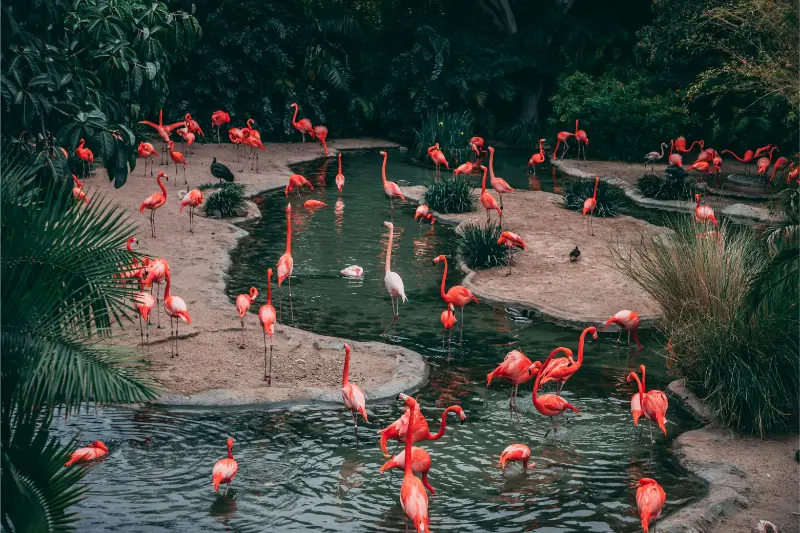
    Flock of Flamingos at Florida Wildlife Park

    Planning the visit for different ages

    This part of Florida can work very well for mixed-age groups, but the best activity is not always the most adventurous one. Babies and toddlers usually need shade, predictable restrooms and short outdoor blocks; school-age children often enjoy wildlife spotting and simple museum stories; teenagers tend to appreciate paddling, photography and less structured time; older travelers often prefer scenic drives, boardwalks, museums and short trails. Build the day around the least flexible traveler and let everyone else add optional activities around that core plan.

    Weather, tides and the best season

    Late fall through spring usually brings the most comfortable temperatures for walking, birding and exploring historic sites. Summer is hot, humid and storm-prone, with mosquitoes and no-see-ums often more noticeable near marshes. Tropical weather can affect Cedar Key and the Nature Coast from summer into fall. On any coastal day, check radar, tide, wind and local alerts before committing to a long paddle or remote trail, and carry more drinking water than you think you will need.

    Tides matter here in a way they do not on many inland Florida trips. A shoreline, creek or launch that looks easy at high water can become muddy, shallow or difficult at low tide. If your day includes paddling, fishing or island access, look at a local tide table and ask the outfitter or refuge staff how the tide changes the route. For land-only sightseeing, tides are less critical but still shape wildlife viewing and the look of the marsh.

    Accessibility and low-effort alternatives

    Accessibility varies sharply from paved museum grounds to natural-surface refuge roads and sandy trails. Before traveling with a wheelchair, walker or stroller, check the official accessibility notes for the specific site rather than assuming a short trail will be smooth. A useful low-effort backup in this region is to combine a museum, a scenic waterfront drive and a meal instead of forcing a trail when heat, mobility or weather makes it a poor choice.

    What to bring

    • Refillable water bottles and a small cooler for remote sites
    • Sun protection, hat and sunglasses even in winter
    • Insect repellent for marsh and forest stops
    • Closed shoes for shell, sand and uneven trail surfaces
    • A lightweight rain layer in warm months
    • Binoculars for birds and dolphins
    • A paper or downloaded map when cell coverage may be weak
    • Dry bag or waterproof pouch if the day includes boats or kayaks

    How to combine it with nearby places

    Cedar Key pairs especially well with Crystal River and Homosassa to the south or Ocala inland. If you are driving between the Nature Coast and Gainesville, it can also serve as a two-night coastal break rather than a rushed detour.

    Common planning mistakes

    • trying to schedule too many remote sites in one day
    • assuming every natural area has food, shade and full-service restrooms
    • ignoring tide, heat or storm conditions because the route looks short
    • arriving late at a site with limited museum days or early closing
    • treating wildlife sightings as guaranteed
    • forgetting that storm recovery can change access for months or years

    Final planning advice

    The best trips on this stretch of the Nature Coast are intentionally unhurried. Choose one anchor activity, add one nearby secondary stop, and leave room for weather, wildlife, a longer lunch or an unexpectedly good sunset. That rhythm is more realistic than building the day like an Orlando attraction schedule, and it fits the character of Cedar Key and the lower Suwannee coast much better.

  • Where to Stay in Ocala: Best Areas for Horse Shows, Springs, Downtown, Families and Road Trips

    Where to Stay in Ocala: Best Areas for Horse Shows, Springs, Downtown, Families and Road Trips

    Where you stay in Ocala matters more than many visitors expect because the attractions are spread across a large county. A hotel that looks “central” on a Florida map may still put you forty minutes from the spring or horse venue you plan to visit at 8 a.m. The best area is therefore not the fanciest neighborhood; it is the base that reduces repeated driving for your specific itinerary.

    Explore this guide

    This guide compares the most useful areas for first-time visitors, horse-show travelers, families, spring trips, road trips and campers. It focuses on location strategy rather than ranking individual hotels that can change ownership, price and quality before your travel date.

    Quick answer: best areas to stay in Ocala

    • Best for first-time visitors: central/west Ocala near I-75 and State Road 200
    • Best for evening atmosphere: Downtown Ocala
    • Best for World Equestrian Center: west/northwest Ocala near the venue and horse country
    • Best for Silver Springs: east Ocala / Silver Springs side
    • Best for Ocala National Forest: forest campgrounds, cabins or eastern Marion County
    • Best for Rainbow Springs: Dunnellon area
    • Best for RV travelers: choose a campground based on your primary park or trail rather than defaulting to I-75

    1. Central and west Ocala: best all-around base

    For a first trip that mixes Silver Springs, horse country, restaurants and a possible day trip, the I-75/State Road 200 corridor is usually the easiest compromise. You gain freeway access, a large choice of hotels and food, and shorter drives toward western horse venues than you would have from the forest.

    The trade-off is atmosphere. This area feels practical rather than romantic. Choose it when convenience and predictable services matter more than walking from your room to a historic square.

    2. Downtown Ocala: best for restaurants and evening walks

    Staying near Downtown Ocala makes dinner, bars, coffee and the square easier. Couples and travelers who dislike driving after dinner often prefer this. It also gives the trip more sense of place than a highway hotel.

    Florida Resort Hotel Complex with Swimming Pools Aerial

    Downtown is not the shortest base for every attraction. World Equestrian Center is west, Silver Springs is east and the national forest stretches much farther east. If you plan to leave before sunrise every day, the walkability advantage may not matter enough to justify the location.

    3. West and northwest Ocala: best for horse shows and farm tours

    If your trip revolves around World Equestrian Center, farm tours or several days of horse competition, stay close to horse country. Event traffic and large venue campuses make “only 20 minutes away” feel much longer when you are repeating the drive morning and evening.

    This area also makes it easy to combine a horse weekend with Sholom Park or western restaurants, but it is less convenient for early-morning national-forest springs.

    4. East Ocala and Silver Springs: best for Silver Springs State Park

    Choose the east side if your priority is Silver Springs, Appleton Museum and the Highway 40 route into Ocala National Forest. This is especially useful for travelers heading east toward Juniper Springs the next morning. The trade-off is a longer drive to WEC and much of the western horse country.

    5. Dunnellon: best for Rainbow Springs and river trips

    Dunnellon is not just an “Ocala suburb.” It is a logical base for Rainbow Springs, the Rainbow River and western outdoor activities. Paddlers and families planning multiple water days can save meaningful drive time by sleeping closer to the river instead of returning to central Ocala each night.

    6. Ocala National Forest: best for camping and nature-first trips

    If your itinerary is built around Juniper Springs, Salt Springs, Silver Glen Springs and Alexander Springs, consider camping or a nature-oriented base east of the city. The official tourism bureau notes more than 50 campgrounds and RV parks across the county, including options near state parks, forest recreation areas and Santos.

    The trade-off is services. Cell reception, restaurant choice and late-night shopping can be limited. Bring food, download maps and confirm gate times before treating a forest campground like a normal suburban hotel.

    Best area for families

    Most families doing a mixed itinerary will be happiest near I-75 or central Ocala because restaurant choice, pools and quick errands reduce friction. A family focused almost entirely on springs may prefer Dunnellon or a campground. See Ocala with kids before choosing.

    Best area for couples

    Downtown is the easiest recommendation for couples who want dinner and drinks without another car ride. Horse-focused couples may prefer a resort-style stay near World Equestrian Center. Nature-focused couples should consider a cabin or campground if they genuinely enjoy quiet evenings rather than expecting nightlife.

    Best area for seniors

    Prioritize short drives, elevators, accessible showers and on-site breakfast over a scenic address. Central Ocala generally offers the largest inventory of practical hotels. If a particular spring or equestrian event is the reason for the trip, staying close to that activity can be worth more than saving a small amount on room rate.

    Best area for road trippers

    I-75 is the obvious choice when Ocala is a one-night stop between regions. Don Garlits Museum is also on the south side of Ocala, making a highway base particularly efficient for travelers who want one attraction before continuing north or south.

    How many nights should you stay?

    One night works for a single spring or horse event. Two nights is ideal for a first balanced trip. Three or four nights makes sense if you are paddling, cycling, attending a multi-day horse show or exploring several national-forest springs. More nights are justified by a specific interest rather than by the number of attractions on a list.

    Booking strategy for horse-show weekends

    Check the event calendar before booking a refundable hotel. Major equestrian weeks can tighten inventory near the venue and change traffic patterns. If your dates are tied to a competition, secure the room first and refine the sightseeing later. If your dates are flexible, avoid paying a premium for proximity to a venue you are not actually visiting.

    Horse Drawn Carriage at Florida Park

    Booking strategy for spring weekends

    A hotel reservation does not guarantee spring admission. If Rainbow Springs or a seasonal vehicle-reservation program is central to your trip, secure that access separately. Staying closer helps with an early arrival, but it does not override capacity rules.

    Current official accommodation resources

    The Ocala/Marion County official accommodation directory currently organizes hotels, motels, campgrounds, RV parks, vacation rentals and bed-and-breakfasts. Use it to build a shortlist, then compare current cancellation policies, accessible-room details and total price directly with the property or your preferred booking platform.

    Final recommendation

    For most first-time visitors, choose central/west Ocala for two nights. Choose Downtown if evening walkability matters more than absolute driving efficiency. Stay near WEC only if horses are central to the trip, near Dunnellon if Rainbow River is central, and inside or beside the national forest only if you are comfortable trading restaurants and connectivity for proximity to nature. The best hotel area is the one that removes the most repeated driving from your actual itinerary.

    How location changes the total trip cost

    A room that is $25 cheaper can cost more overall if it adds two long round trips every day. Fuel matters, but so do parking, restaurant choices and the temptation to buy convenience meals when everyone returns late. Compare lodging by total itinerary cost, not nightly rate alone.

    The opposite can also happen: paying a large premium to stay beside a venue is unnecessary if you visit it once for two hours. Proximity is most valuable when you repeat the same drive on multiple days.

    When a vacation rental makes sense

    Vacation rentals can work well for multigenerational groups that need bedrooms, a kitchen and laundry, especially on a three- or four-night stay. Check the exact location carefully; “Ocala area” listings can be far from your planned attractions. Also compare cleaning fees, cancellation rules and pool safety if children are traveling.

    When camping makes sense

    Camp if waking up near a spring or trail is part of the experience, not merely because camping appears cheaper. Equipment, food storage, weather and campground rules add logistics. RV travelers should compare full-hookup needs with the specific facilities at Salt Springs, private parks or other campgrounds before reserving.

    Questions to ask before booking a room

    • What is the real drive time to my first activity at the hour I will travel?
    • Is breakfast early enough for a spring reservation or horse show?
    • Does the property charge parking, resort or pet fees?
    • Is the pool usable year-round or seasonally heated?
    • Can the property guarantee the accessible room features I need?
    • What is the cancellation policy if weather or an event schedule changes?

    Those questions matter more than a small difference in star rating. Ocala trips are activity-driven, so lodging should make the activities easier.

    Practical planning checklist

    • save the official address and current operating information before leaving your hotel
    • check weather, heat index and lightning risk on the morning of the visit
    • keep water, dry clothing and basic first-aid supplies in the vehicle
    • confirm any reservation or timed-entry requirement separately from admission
    • leave enough time between activities for food, restrooms and traffic

    Ocala and Marion County are easiest to enjoy when the schedule has room to absorb a change. A delayed tour, full parking lot or sudden storm should alter the order of the day, not destroy the entire itinerary.

    Extra planning advice for a smoother Ocala trip

    Ocala looks compact when viewed on a statewide map, but the county spreads across horse country, the I-75 corridor, Silver Springs, Dunnellon and the Ocala National Forest. Before committing to a schedule, plot the exact entrances of the places you intend to visit. A route that appears to involve three nearby attractions can become several hours of driving when one stop is west of the city and another is deep in the forest. Grouping activities by area usually improves the trip more than adding one extra attraction.

    Weather deserves the same attention. From late spring through early fall, start strenuous outdoor activities early, protect the hottest part of the afternoon for lunch or an indoor stop, and keep a rain alternative available. Thunderstorms can arrive quickly and may close swimming areas, outdoor arenas or trails even when the morning was clear. In winter, the opposite problem appears: spring water remains relatively constant while cool air makes getting out of the water uncomfortable, especially for children and older travelers.

    Carry drinking water in the car even when the attraction sells beverages. Rural recreation areas may have limited service, and a short delay can become uncomfortable in heat. Download maps, reservation confirmations and important phone numbers before leaving strong cell coverage. If you have medication, mobility equipment or food that must stay cool, plan for those needs before entering the forest rather than assuming facilities will be equivalent to a city attraction.

    Finally, leave at least one flexible block in every day. Ocala is most enjoyable when a spring, horse event, museum or scenic drive has enough time to breathe. The region is not improved by rushing from one parking lot to another. A slower schedule also makes it easier to respond to capacity limits, delayed shows, a child who needs a rest, or a storm that changes the order of the day.
  • North Central Florida Travel Guide: Tallahassee, Gainesville, Springs, Cedar Key and Small Towns

    North Central Florida Travel Guide: Tallahassee, Gainesville, Springs, Cedar Key and Small Towns

    North Central Florida is best understood as a region rather than a checklist of famous stops. Its strongest mix is springs, university towns, state capital history, forests, rivers and small communities with a slower pace. A first-time visitor can build a satisfying trip by choosing one or two bases, then using day trips to add contrast instead of changing hotels every night.

    I would start by deciding whether the trip is mainly about coast, nature, cities, attractions or a combination. Good bases include Tallahassee, Gainesville, High Springs, Lake City or Cedar Key. The distances are manageable when the itinerary follows one direction, but they become tiring when the same highways are repeated every day. The options suit couples, families, teenagers, senior travelers and multigenerational groups, with practical attention to accessibility and pacing.

    Quick planning summary

    • Best for: springs, university towns, state capital history, forests, rivers and small communities with a slower pace.
    • Best bases: Tallahassee, Gainesville, High Springs, Lake City or Cedar Key.
    • Recommended stay: 4–7 nights for one part of the region; 7–10 nights for a broader road trip.
    • Transport: a car is usually the easiest option outside compact downtowns and selected rail corridors.
    • Best planning rule: choose fewer bases and spend more time actually experiencing each place.

    In this guide

    Tallahassee and the capital region

    Tallahassee is a useful starting point because it combines state history, university energy, museums, gardens and wooded landscapes that feel different from the peninsula’s resort centers. The Capitol area and historic sites can fill a cultural day, while nearby parks and trails make it easy to alternate indoor and outdoor activities. The city is also a practical base for exploring Wakulla County and the Big Bend without changing hotels constantly.

    Plan cultural attractions in the hotter part of the day and outdoor walks earlier or later. College football weekends and legislative events can change hotel prices and traffic patterns. For a regional trip, the practical question is not how many stops can fit on a map but how much time the group wants to spend outside the car. Cluster attractions by base, preserve one lighter half-day, and avoid moving hotels simply to save a short drive. This matters for families with small children, senior travelers and anyone who values relaxed evenings.

    Wakulla Springs and Big Bend nature

    South of Tallahassee, spring-fed rivers, cypress scenery and coastal marshes introduce the Big Bend environment. Edward Ball Wakulla Springs State Park is known for its large spring and wildlife-rich river, while roads toward St. Marks and the Gulf reveal a less developed side of Florida. This is not a conventional beach-resort trip; the attraction is wildlife, paddling, birding and landscapes.

    Wildlife sightings and water clarity vary naturally. Check boat-tour operations, weather, river conditions and refuge or park notices shortly before the visit rather than building the entire day around one expected sighting. Road-trip distances in Florida can be deceptive because bridges, beach traffic, weather and urban congestion change the real journey. I would plan around realistic door-to-door time, include a food or restroom stop, and keep a second nearby option for days when thunderstorms or capacity limits alter the original plan.

    Gainesville: museums, campus and nature

    Gainesville balances a lively college-town atmosphere with excellent museums and easy access to preserves and springs. The Florida Museum of Natural History and nearby cultural attractions make strong rainy-day options, while trails, sinkholes and nearby rivers broaden the trip outdoors. Gainesville is one of the best North Central bases for travelers who want restaurants and services at night but nature during the day.

    Gainesville Florida Downtown Streets at Dusk

    Avoid scheduling every outdoor activity for midday in warm months. If visiting during a major University of Florida event, reserve accommodation early or consider a base outside the immediate campus zone. Accommodation location has a larger effect on the experience than a small difference in room price. Compare parking, resort fees, breakfast, laundry, kitchen facilities and the first drive of the morning. A well-located base often reduces both cost and fatigue over several days.

    High Springs, Ichetucknee and spring country

    High Springs and surrounding communities are gateways to some of Florida’s clearest freshwater experiences. Tubing, paddling and swimming can be unforgettable, but spring parks may use capacity controls, reservations or seasonal access rules. Water temperatures remain cool, which is welcome in hot weather but can surprise young children or anyone sensitive to cold.

    Arrive early when entry is first-come, carry dry clothing and use a backup spring or town activity. Never assume a social-media swimming spot is legal or open; use official park access points. Outdoor days are easiest when they start earlier, especially in warm months. Use midday for museums, lunch, pools or rest, then return outside later when conditions improve. Florida weather can change quickly, so a flexible sequence is usually better than a rigid hour-by-hour plan.

    Cedar Key and the Gulf edge

    Cedar Key provides a compact waterfront base with seafood, birding, kayaking and sunset views. Its appeal is scale: this is a place to slow down rather than chase a long checklist. The drive west crosses rural country, and services thin out as you approach the coast. Weather and storm impacts can matter more here than in larger resort cities.

    Before you goCheck current local access and business status before a dedicated trip, particularly after severe weather. A two-night stay is often more rewarding than a rushed lunch detour because sunrise, tides and evening light shape the experience. When an activity depends on wildlife, water, launches, ferries or park capacity, treat the schedule as conditional. Verify the responsible agency or operator shortly before travel and plan a nearby alternative that would still make the day worthwhile.

    Suwannee River country and Lake City

    The Suwannee corridor brings together springs, river parks, forest roads and small towns. Lake City is practical for interstate access, while river communities work better for paddling-focused trips. Distances can look short on a state map but involve slower rural roads. This area suits campers, RV travelers, hikers and families who enjoy outdoor days with fewer commercial attractions.

    Download maps before leaving major roads, carry water and fuel conservatively, and confirm river or trail conditions. Cell coverage and food options can be uneven around remote recreation areas. For a regional trip, the practical question is not how many stops can fit on a map but how much time the group wants to spend outside the car. Cluster attractions by base, preserve one lighter half-day, and avoid moving hotels simply to save a short drive. This matters for families with small children, senior travelers and anyone who values relaxed evenings.

    Small towns worth building into the route

    Micanopy, Monticello, Quincy and other North Central towns can add architecture, antiques, cafes and local history between nature stops. They work best as part of the route rather than as a race to collect town names. One well-timed lunch and a slow main-street walk can be more memorable than several rushed stops.

    Check opening days because small museums and independent shops may have limited hours. Pair a town with a nearby park or spring so the day still works if one small attraction is closed. Road-trip distances in Florida can be deceptive because bridges, beach traffic, weather and urban congestion change the real journey. I would plan around realistic door-to-door time, include a food or restroom stop, and keep a second nearby option for days when thunderstorms or capacity limits alter the original plan.

    Families, seniors and accessibility

    North Central Florida can work extremely well for mixed-age trips if the day has one shared highlight rather than a long sequence of mandatory stops. Families with babies and toddlers benefit from short transfers, reliable restrooms, shade and accommodation where naps do not end the day. Teenagers often enjoy having one active or self-selected element such as surfing, kayaking, a sports event, shopping or a theme-park attraction. Senior travelers may prefer scenic drives, boat tours, museums and shorter walking loops.

    Accessibility should be checked at the level of the specific beach access, park, museum, boat, trail and hotel. A destination can be broadly accessible while one dune crossing, historic building or temporary route is not. Verify step-free access, beach mats or wheelchairs, elevators, accessible restrooms and parking directly when these features are essential. Build extra transition time into multigenerational days so the group does not have to move at the pace of its fastest member.

    Best time to visit

    The best season for North Central Florida depends on the trip. Winter and early spring often bring comfortable outdoor weather but can also bring higher demand in popular coastal areas. Late spring can offer warm beach conditions before the most humid period. Summer is useful for school-holiday travel but requires earlier outdoor starts, frequent hydration and realistic thunderstorm backups. Fall can be quieter, but tropical-weather risk remains part of planning through hurricane season.

    Do not reduce the decision to a single statewide temperature chart. North Florida can feel much cooler than Miami in winter, Gulf and Atlantic water conditions differ, and inland afternoons can feel hotter than breezy beaches. For trips built around swimming, wildlife, fishing or festivals, check the seasonal pattern for that specific activity as well as the general weather.

    Getting around and airports

    A rental car is the most flexible way to explore North Central Florida because many beaches, springs, preserves and small towns are not connected by frequent regional transit. In cities, however, parking can be expensive or inconvenient, so rideshare, trolleys, local buses or walking may be better for individual days. Build tolls, parking and one-way rental fees into the transport budget rather than treating the advertised car rate as the total cost.

    For flights, compare the airport closest to the first and last hotel rather than choosing solely by airfare. A cheaper flight that lands several hours from the actual destination may require an extra rental day, fuel and a tiring final drive. If the itinerary is linear, an open-jaw flight or one-way rental can sometimes save more time than it costs.

    Where to stay

    The strongest bases for North Central Florida include Tallahassee, Gainesville, High Springs, Lake City or Cedar Key. Beachfront lodging is valuable when sunrise, sand access and midday breaks are central to the trip. A downtown hotel is usually better when restaurants, museums and evening walks matter more. Vacation rentals can be useful for families and longer stays, but compare cleaning fees, parking, cancellation terms and legal occupancy rules before deciding they are cheaper.

    Downtown Tallahassee Florida at Dusk

    For a regional road trip, two well-chosen bases usually beat five one-night stops. Unpacking less often protects morning time and gives the group a place to recover after a long outdoor day. I would change hotels only when it removes a substantial drive or creates a genuinely different experience, not simply because another town appears on the route.

    A realistic 5-day regional itinerary

    Day 1: arrive and explore Tallahassee and the capital region at an easy pace. Day 2: give the main beach, park or signature attraction a full day. Day 3: use Wakulla Springs and Big Bend nature for a contrasting experience. Day 4: choose Gainesville: museums, campus and nature or another nature-focused excursion. Day 5: finish with High Springs, Ichetucknee and spring country, a relaxed meal and departure without adding a distant final stop.

    If the trip lasts a week, add one unstructured weather day and one smaller town or wildlife area. If it lasts only three nights, remove a destination rather than compressing all five days. A successful regional itinerary should have enough space for a beach morning to run long, a child to need a nap, or a storm to push an outdoor plan to the following day.

    Budget and booking strategy

    The biggest cost variables are usually accommodation location, school-holiday timing, theme-park or attraction tickets, rental cars and restaurant frequency. Save by choosing the right base first, then compare a room with breakfast or kitchen facilities against a lower headline rate. Free beaches, state parks, downtown walks, scenic drives and wildlife areas can balance expensive attractions without making the trip feel cheap.

    Reserve genuinely capacity-limited experiences early, but avoid prepaying every hour of the trip. Check cancellation terms for hurricane season and for trips built around boat excursions. Prices, parking systems and reservation rules can change, so confirm the official source shortly before payment when a detail materially affects the budget.

    Common mistakes to avoid

    • Trying to cover the entire region from one hotel when the daily drive becomes repetitive.
    • Judging beach safety only by how calm the water looks.
    • Scheduling every outdoor activity for the hottest part of the afternoon.
    • Assuming every spring, refuge, ferry or boat tour operates the same way year-round.
    • Choosing accommodation by price without adding parking, resort fees and transport.
    • Planning wildlife encounters as guaranteed sightings.
    • Ignoring a weather backup and then losing a full day to thunderstorms.

    Gainesville travel guide, Best natural springs in Florida, Best Florida state parks, Florida kayaking guide, Best small towns in Florida.

    Official resources to check

    Opening hours, prices, event calendars, park capacity, water access, ferry or tour operations and storm-related conditions can change. Verify any detail that is essential to the trip with the responsible agency, attraction, accommodation or operator shortly before travel.

    Final advice

    North Central Florida is most rewarding when the itinerary reflects what the region does best instead of trying to imitate another part of Florida. Choose a base that matches the group, protect the mornings for the experiences that matter most, and leave enough unscheduled time for weather and discovery. A slower regional trip usually creates better memories than a statewide checklist completed from the car.