Category: St. Augustine Florida

  • St. Augustine Amphitheatre Guide: Tickets, Parking, Free Shuttle, Weather and Concert Tips

    St. Augustine Amphitheatre Guide: Tickets, Parking, Free Shuttle, Weather and Concert Tips

    The St. Augustine Amphitheatre—usually called The Amp—is one of the most useful evening anchors for a St. Augustine trip because it adds a modern live-music experience to a destination otherwise dominated by history, beaches and daytime attractions. Its Anastasia Island location also makes it easy to pair a concert with the lighthouse, state park or beach earlier in the day.

    Explore this guide

    The biggest planning issue is parking. On-site spaces are limited and can sell out, so the venue’s free satellite parking and shuttle system is often the simplest choice. The second issue is weather: shows are generally rain or shine, umbrellas are not permitted, and lightning or high winds can delay an event.

    A smooth concert night therefore starts before arrival: use the official ticket provider, check the bag/security policy, choose parking in advance and bring weather protection that is actually allowed inside the venue.

    Quick planning summary

    • Best for: couples, music fans, families with older children, multigenerational groups and visitors who want an evening activity
    • How much time: allow the full evening plus 60–90 minutes for arrival, security and post-show transportation
    • Current official ticketing: AXS is the venue’s exclusive ticket provider; mobile entry is standard
    • Current shuttle: free shuttles from Anastasia State Park and R.B. Hunt Elementary School Soccer Field begin about 60 minutes before gate time and run up to 60 minutes after the event
    • Location: 1340C A1A South, St. Augustine, FL 32080

    Buying tickets safely

    The venue states that AXS is its official and only ticketing agent. Buying from the official channel reduces the risk of invalid or counterfeit tickets and gives you the clearest path if an event is canceled or changed.

    The box office also sells tickets in person and can help with accessible seating. Current posted box-office hours are Sunday–Friday 10 a.m.–5 p.m. and Saturday 8 a.m.–3 p.m., but event-day changes are possible.

    Parking: the most important part of the plan

    On-site parking

    The venue’s on-site lot opens two hours before gates and is limited. If you have on-site parking, arrive early enough that security and entry do not become stressful. Tailgating and alcohol are not permitted in the lot.

    Free satellite parking and shuttle

    The Amp currently provides free satellite parking at Anastasia State Park and the R.B. Hunt Elementary School Soccer Field. Complimentary shuttles begin about an hour before gate time and continue for up to an hour after the event ends.

    This option is often better than circling nearby streets. Residential neighborhoods around the venue are not event parking areas, and the venue warns that unauthorized vehicles can be ticketed or towed.

    Walking and bicycling

    The Amphitheatre encourages walking and cycling, with bicycle racks and a pump station near the main lot. This is most practical for visitors staying nearby on Anastasia Island rather than in the historic district across the bridge.

    Security, bags and what to bring

    Guests are screened with wands and bag checks. Security rules can change by event, so read the current permitted/prohibited-items page instead of relying on advice from a past concert. The venue specifically notes that umbrellas are not allowed.

    A light rain jacket or poncho is therefore more useful than an umbrella during unsettled weather. Carry only essentials to move through security faster.

    Weather policy

    Shows are generally held rain or shine unless conditions create a safety risk. Lightning or high winds can cause temporary delays. This matters in Florida because a hot, sunny afternoon can turn into an active thunderstorm close to showtime.

    Check the venue’s official channels on event day rather than assuming rain automatically means cancellation. If a delay occurs, follow staff instructions and avoid standing in exposed areas simply to hold a place in line.

    Best daytime pairings before a concert

    The Amp is close to Anastasia State Park, St. Augustine Lighthouse and St. Augustine Alligator Farm. A beach or park morning followed by hotel rest before the concert is usually better than spending the entire day on your feet downtown.

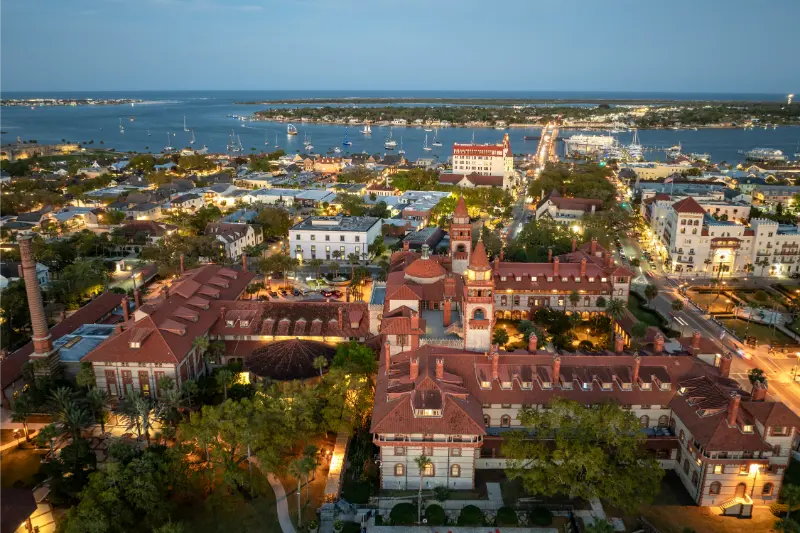
    Flagler College Saint Augustine Spanish Architecture

    If you want the historic district on the same day, schedule it in the morning, have an early meal, then return to Anastasia Island with plenty of buffer for parking and security.

    Families with babies and young children

    The Amp can work with children when the artist and event are age-appropriate, but late finish times, loud sound and standing crowds can be difficult for younger kids. Bring hearing protection designed for children if volume is a concern.

    With babies and young children, plan around shade, bathrooms, snack breaks and opportunities to move rather than trying to maximize the number of attractions. In northeast Florida, heat and humidity can change a child’s energy level faster than distance on a map suggests. A shorter paid attraction followed by a playground, beach or easy walk often works better than stacking two information-heavy visits back to back.

    Teenagers and older children

    Teenagers often enjoy The Amp as a highlight of the trip, especially when the concert is their choice. Let them manage their mobile ticket with an adult backup and agree on a meeting point in case the group separates.

    Teenagers usually engage more when they have a specific task or choice: follow one historical story, find a favorite viewpoint, photograph a landmark, choose the lunch stop or compare two activities. Giving them some ownership of the schedule can make a history-heavy destination feel much less like a school assignment.

    Senior travelers and multigenerational groups

    Senior travelers should prioritize accessible seating and transportation. The free shuttle is useful, but anyone with significant mobility limits may prefer a drop-off close to the entrance followed by satellite parking for the driver.

    For multigenerational travel, remove unnecessary walking before removing the destination itself. Park strategically, use benches, choose cooler hours and let the least mobile traveler set the base pace. More active family members can add a stair climb, long trail or beach walk while everyone else meets at a clear landmark, lobby, pavilion or café.

    Accessibility and comfort

    Accessible seating can be purchased through the box office or official ticketing channel. Accessible parking is available on site first-come, first-served for vehicles with valid placards or plates, but spaces are limited.

    Accessibility can change by surface and activity even when a facility has accessible parking and restrooms. Historic floors, dune crossovers, sand, roots, gravel and outdoor heat all matter. If a traveler uses a wheelchair, walker or cane, confirm the exact route needed for the part of the experience you care about most rather than relying only on a general accessibility label.

    Food and timing

    Eat before the busiest arrival window unless the event’s food options are part of the experience. A late lunch or early dinner on Anastasia Island can make the evening much calmer than trying to squeeze a sit-down meal between parking and gate time.

    Hydrate during the day, especially after beach time. Concert crowds plus Florida heat can make dehydration noticeable faster than expected.

    Weather and seasonal planning

    Northeast Florida is visitable year-round, but the experience changes sharply with the season. Late spring through early fall brings heat, humidity and frequent afternoon thunderstorms. Winter often has comfortable walking weather, yet cold fronts can make beaches and exposed waterfronts surprisingly cool and windy. Spring and fall usually provide the easiest compromise between temperature and daylight.

    Lightning is the main reason to keep a flexible plan. At beaches, golf courses, parks and open historic sites, thunder is a cue to move indoors rather than shelter under a tree or pavilion. During hurricane season, check operating status before driving because coastal parks, bridges, beach ramps and attractions can close or alter hours even when the storm center is far away.

    A realistic concert-day plan

    Morning

    Choose one outdoor attraction such as Anastasia State Park or the lighthouse. Keep the pace moderate rather than trying to complete a full historic-district itinerary.

    Afternoon

    Return to the hotel, shower, rest and check official venue updates. Confirm tickets, parking choice, bag policy and weather.

    Evening

    Aim to be in your chosen parking area before the main rush. Use the shuttle or walk, pass security and enter with enough time to find seats without missing the opening act.

    Common mistakes to avoid

    • Buying tickets from an unofficial seller without understanding the risk.
    • Assuming street parking will be easier than the venue shuttle.
    • Bringing an umbrella because rain is forecast.
    • Spending an exhausting full day sightseeing before a late concert.
    • Ignoring event-specific bag or security rules.

    Official resources to check before you go

    Use The Amp venue guide and official directions and parking page for current shuttle, parking, weather and security information.

    Extra planning notes for a smoother visit

    Keep a 15–30 minute buffer between major stops around The St. Augustine Amphitheatre. Short map distances can still involve bridge traffic, event congestion, full parking lots, security lines or slow pedestrian streets. A little slack in the day prevents one delay from forcing you to skip the attraction you cared about most.
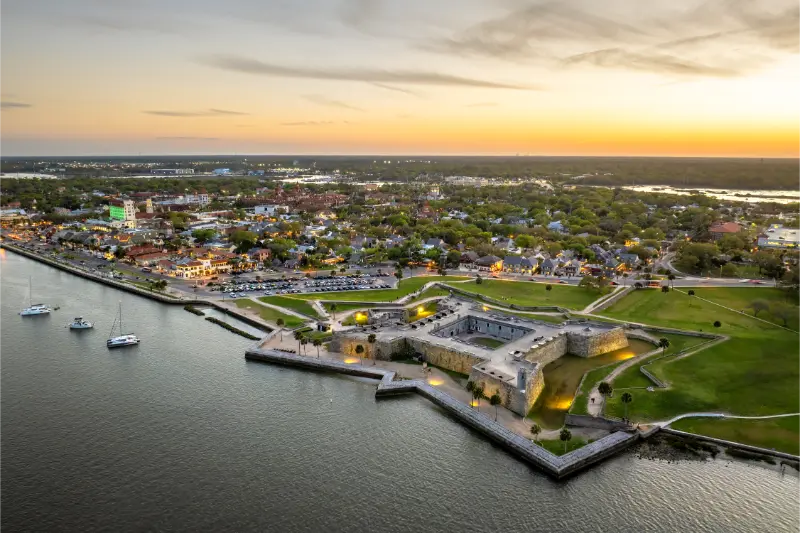
    Castillo de San Marcos Saint Augustine at Sunset Aerial

    Save the official address, parking instructions and any reservation confirmation before leaving your hotel. Mobile coverage is generally good, but a group trying to navigate, find a garage and retrieve tickets at the same time can lose more time than expected.

    Use official same-day notices for outdoor access. Beach driving, dune walkovers, trails and event parking can change because of tide, storms, maintenance or special events. A map app showing a place as open does not guarantee every activity or entrance is operating normally.

    Comfortable shoes are more important here than they may seem. A single day can include brick streets, wooden boardwalks, grass, sand, gravel and historic floors. Choose footwear for the most demanding surface in the itinerary, not only for the restaurant or photo stop at the end.

    Build one flexible element into every half day. A beach walk, café, park or scenic drive can expand when everything is running smoothly and shrink when parking, weather or fatigue slows the group down. That flexibility is especially valuable with children and senior travelers.

    Think about the return trip before you begin the final activity of the day. After a beach session, concert, long museum visit or golf round, the group is less patient with restaurant queues and parking searches. Keep water in the car and know where your next practical stop will be.

    Final thoughts

    The Amp is easiest when you treat transportation as part of the ticket, not as an afterthought. Use the free shuttle when practical, travel light through security and keep the daytime schedule relaxed enough that the concert feels like the highlight rather than the final endurance test of the day.

    How to decide whether this belongs in your itinerary

    A useful test is to ask what this stop adds that your other plans do not. If the day already contains two history museums, choose nature, beach or active recreation instead of a third similar attraction. If everyone has been outdoors in the heat, an indoor or seated experience may be the better use of time. Variety usually creates better travel memories than simply maximizing the number of famous names.

    For this destination, the practical goal is not to follow a rigid checklist but to leave enough margin for real conditions on the day. That may mean shortening a walk, moving a meal earlier, changing parking areas or dropping a low-priority stop. A trip feels more complete when the experiences you keep are enjoyed at a reasonable pace.
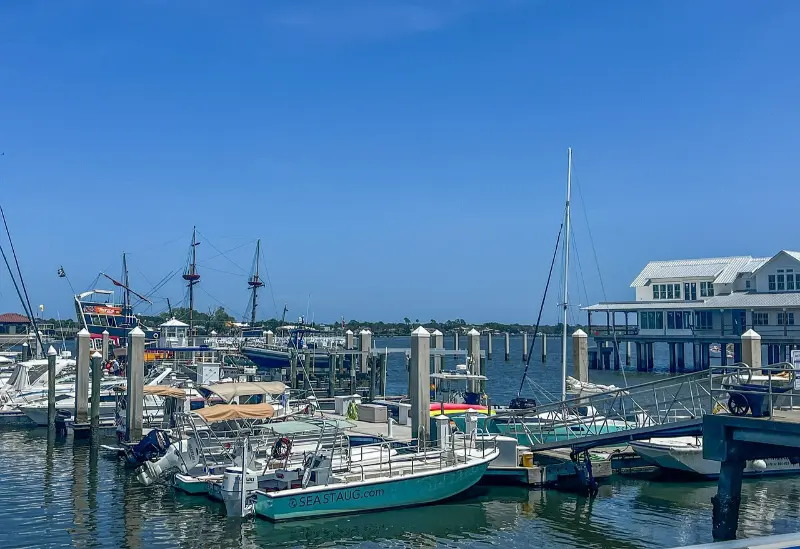

    Transportation reality

    Northeast Florida distances can look small on a map, but bridges, beach traffic, event congestion and parking searches affect real travel time. Group nearby stops and avoid crossing the same bridge repeatedly. When an attraction has a timed tour or concert gate time, build the schedule backward from that fixed commitment and keep flexible activities around it.

    For this destination, the practical goal is not to follow a rigid checklist but to leave enough margin for real conditions on the day. That may mean shortening a walk, moving a meal earlier, changing parking areas or dropping a low-priority stop. A trip feels more complete when the experiences you keep are enjoyed at a reasonable pace.

    Planning for meals and energy

    Meals are part of the itinerary rather than empty space between attractions. Eating slightly before peak lunch or dinner can reduce waits and protect the rest of the schedule. Families should carry simple snacks, while all travelers benefit from water in the car. After a hot beach or trail session, a long sit-down meal may be more restorative than forcing one more attraction before dinner.

    For this destination, the practical goal is not to follow a rigid checklist but to leave enough margin for real conditions on the day. That may mean shortening a walk, moving a meal earlier, changing parking areas or dropping a low-priority stop. A trip feels more complete when the experiences you keep are enjoyed at a reasonable pace.

    Photography without slowing the whole group

    Choose two or three moments for deliberate photography instead of stopping every few minutes. Early and late light is usually softer on beaches and historic architecture, while overcast conditions can be excellent for gardens and portraits. At wildlife sites, use distance and a longer lens rather than approaching animals. At active churches, concerts and private tours, follow the specific photography rules.

    For this destination, the practical goal is not to follow a rigid checklist but to leave enough margin for real conditions on the day. That may mean shortening a walk, moving a meal earlier, changing parking areas or dropping a low-priority stop. A trip feels more complete when the experiences you keep are enjoyed at a reasonable pace.
  • St. Augustine Aquarium Guide: Guided Tours, Tickets, Snorkeling and Family Tips

    St. Augustine Aquarium Guide: Guided Tours, Tickets, Snorkeling and Family Tips

    St. Augustine Aquarium is not a giant indoor aquarium with huge glass galleries. It is a smaller open-air facility built around guided education, touch opportunities, feeding experiences and optional snorkeling with marine life.

    Explore this guide

    That distinction matters when deciding whether it fits your group. Families who want staff interaction and hands-on learning may value it more than travelers expecting a climate-controlled metropolitan aquarium.

    Its location near I-95 also makes it useful on an arrival or departure day when you do not want to enter downtown parking and traffic.

    Quick planning summary

    • Best for: families, marine-life fans, homeschool travelers, children who enjoy animal interaction and visitors looking for an activity near I-95
    • How much time: About 1–1.5 hours for the guided aquarium visit; allow longer for booked snorkeling or add-on encounters.
    • Current cost: The official visitor page currently lists general admission at $14.99 for adults and $9.99 for children, with ages 2 and under free. Snorkel experiences and animal encounters cost extra.
    • Current hours/status: The aquarium uses guided tours and publishes seasonal hours. Current pages show daytime operation with Sunday opening later and last tours in mid-afternoon; reserve a time and verify the schedule before driving over.
    • Location: 2045 State Road 16, St. Augustine, FL 32084

    Why this stop is worth including

    The guided format means visitors are not simply walking past tanks. Staff can explain animals, safety and Florida marine ecosystems while controlling interactive moments.

    Children often remember touching invertebrates or seeing rays at close range more than reading a long wall panel. The smaller scale can also be less overwhelming for young visitors.

    Optional snorkeling creates a distinctly different experience for confident swimmers who want more than a standard aquarium visit.

    What to see and do

    Understand the guided-tour format

    The aquarium currently operates guided visits rather than fully independent wandering.

    Reserve a time so you are not surprised by the need to wait for a tour group.

    Use the touch experiences thoughtfully

    Touching animals can be memorable when staff explain how to do it safely and gently.

    Follow every instruction and never reach into a habitat without permission.

    Watch sharks and rays

    Sharks and rays are major draws, and paid feeding or encounter options may be available in limited numbers.

    Decide before arrival whether add-ons fit your budget so children are not negotiating at the gift shop.

    Consider the snorkel adventure

    The official site currently offers scheduled snorkeling that includes equipment and general admission.

    Participants should be comfortable in water and follow age rules; reserve in advance because capacity is limited.

    Remember it is outdoors

    Shade covers habitats, but this is still an open-air Florida attraction.

    Dress for heat, rain and humidity rather than expecting continuous air conditioning.

    Add the nature elements

    The aquarium also advertises a nature trail and educational activities beyond the marine habitats.

    These can extend the visit if children still have energy after the guided tour.

    Current costs, hours and reservations

    The aquarium’s official visitor information currently lists adult admission at $14.99, child admission at $9.99 and ages 2 and under free. The facility emphasizes guided tours, with staff accompanying guests around open-air habitats. Seasonal schedules are published, and the site currently lists snorkeling by appointment plus optional shark and ray experiences. Tickets are described as non-refundable, so verify the date, weather and reservation details before purchase.

    Hours, prices, tour schedules, weather policies and temporary closures can change. Because this article is scheduled for future publication, recheck the official source shortly before travel and again on the day of any weather-sensitive visit.

    Parking and getting there

    The aquarium is outside the downtown core near the I-95/State Road 16 area, so driving is the practical choice. Use the attraction’s current parking instructions rather than attempting to combine it on foot with downtown St. Augustine.

    Best time of day and best season

    Morning is usually more comfortable in warm months because this is an outdoor facility. Choose a reservation that avoids the most intense afternoon heat and leaves buffer time if thunderstorms develop.

    Spring and fall often provide the easiest balance of temperature and crowds in northeast Florida. Summer brings long daylight but also stronger heat, humidity and thunderstorms. Winter can be excellent for walking, although cold fronts and wind sometimes make outdoor stops feel much cooler than the forecast suggests.

    Families with babies and young children

    This attraction is built for family participation. Young children benefit from short explanations and hands-on moments, while parents should prepare them to follow animal-safety instructions immediately.

    Family tipFor families with babies or young children, plan around attention span rather than the advertised length of a tour. Bathrooms, shade, food and opportunities to move often determine whether a stop feels successful. A one-hour historic attraction followed by a park or beach can work better than stacking two information-heavy visits back to back. Teenagers usually respond better when they have a specific question, photo challenge or story to follow instead of being asked to read every panel.

    Teenagers and older children

    Teenagers may prefer snorkeling or a more advanced encounter over the standard touch-tour format. Let them take responsibility for listening to safety briefings.

    Senior travelers and multigenerational groups

    The tour is relatively compact, but outdoor heat and standing can be tiring. Ask about seating, shade and the easiest path if someone in the group has limited stamina.

    For senior travelers and groups with different mobility levels, remove unnecessary walking before removing the attraction itself. Park strategically, ask about step-free entrances, use benches and schedule outdoor sites for cooler hours. Historic buildings may have narrow stairs or uneven floors, while natural areas can include sand, roots or gravel. Let the least mobile traveler set the base pace, then allow more active members to add a longer trail, tower climb or beach walk.

    Accessibility and comfort

    Contact the aquarium before booking if a wheelchair, walker or other mobility device is involved, particularly because the facility is open-air and tour-based. Ask about path surfaces and access to interactive areas.

    Food, water and practical breaks

    Plan water and a snack before or after the tour. The site notes snack and gift-shop facilities, but do not rely on them as a full meal plan for a hungry family.

    Photography tips

    Animal photos are best when you avoid flash and keep the lens away from barriers or staff work areas. During interactive sessions, prioritize instructions over getting a perfect shot.

    How it compares with nearby alternatives

    Choose the Aquarium for guided marine interaction and optional snorkeling. St. Augustine Alligator Farm is much larger and stronger for reptiles, birds and a full zoological half day, while GTM Research Reserve is better for natural coastal ecosystems and trails.

    How to combine it with other Wonderful Florida guides

    Because the aquarium is near I-95, pair it with an arrival/departure day or continue later to Fort Mose Historic State Park or downtown rather than trying to walk between them.

    How to fit this stop into a St. Augustine trip

    St. Augustine works best when you organize each day by area instead of driving back and forth between isolated attractions. The historic core is compact, while the wider destination reaches north toward Ponte Vedra, west toward the St. Johns River and south along Anastasia Island. Parking once and walking usually saves more time than moving the car between nearby downtown stops. A good itinerary also alternates concentrated history with something lighter: a garden, beach, waterfront walk, animal experience or relaxed meal. That rhythm is especially useful for families, teenagers and multigenerational groups who do not all absorb museums at the same pace.

    Horse Drawn Carriage in Saint Augustine Florida

    If you have only one day

    Choose one major historic anchor, one smaller cultural or natural stop and one flexible outdoor period. Keep downtown activities walkable and avoid stacking several reserved tours so tightly that a parking delay ruins the sequence.

    If you have two or three days

    Separate the historic core from beach, wildlife or river experiences. This reduces driving, keeps indoor attractions from feeling repetitive and gives the group time to recover between information-heavy visits.

    Budget and value

    St. Augustine can become expensive if every hour includes an admission ticket. Decide which paid experiences genuinely match your interests, then use free churches, plazas, scenic streets, parks, beaches and waterfront areas to create contrast. Compare current direct prices with any combination pass you are considering, but only buy a bundle if you realistically have time for all the included stops. Free attractions are not automatically quick: some of the best low-cost places deserve an hour or more when the weather is pleasant.

    Weather and seasonal planning

    Northeast Florida weather can change the value of a visit. Late spring through early fall brings heat, humidity and frequent afternoon thunderstorms, while winter can be sunny but surprisingly cool and windy near open water. Lightning matters at beaches, parks and exposed historic grounds, so treat thunder as a reason to change plans rather than something to wait out under a tree. Carry water, sun protection and a light rain layer, and check same-day conditions. During hurricane season, confirm operating status before driving because coastal sites and outdoor attractions may close even when the storm center is far away.

    A realistic half-day plan

    Reserve a guided time

    Confirm the seasonal hours and your exact arrival instructions.

    Spend about an hour on the standard tour

    Let staff lead the pace and interactive moments.

    Add snorkeling only if booked

    Allow extra changing and transition time rather than scheduling another fixed reservation immediately afterward.

    Where to stay for this part of northeast Florida

    Stay in or beside the historic district if evening walking, restaurants and major downtown sights are your priority. Anastasia Island and St. Augustine Beach are better for ocean access and a quieter end to the day. Vilano and Ponte Vedra work well for north-coast itineraries, while northwest St. Johns County is more convenient for river, golf and I-95-area stops. For a short trip, one well-chosen base is usually better than changing hotels to save a few driving miles.

    Flagler College Saint Augustine Spanish Architecture

    Common mistakes to avoid

    • Expecting a giant indoor aquarium.
    • Arriving without checking the guided-tour schedule.
    • Booking non-refundable tickets without considering weather and timing.
    • Promising children every paid add-on before seeing the current options.
    • Underestimating outdoor heat and humidity.

    Practical questions before you go

    How much is general admission?

    The official site currently lists $14.99 adults and $9.99 children, with ages 2 and under free.

    Can I walk around without a guide?

    The aquarium currently emphasizes guided tours for the main visitor experience.

    Is snorkeling available?

    Yes, the official site currently offers scheduled snorkeling by appointment for an extra fee.

    Is it indoors?

    No. It is an open-air facility with shaded habitat areas.

    How long should I allow?

    About 1–1.5 hours for general admission, longer with add-ons.

    Official resource to check before you go

    Use the official visitor information for current hours, prices, reservations, access rules, closures and event schedules before travel.

    Extra planning notes for a smoother visit

    If the stop has a fixed tour, worship service, guided entry or seasonal program, build the day around that constraint first. Flexible activities such as a plaza walk, beach time or lunch can move around it. This prevents the common mistake of arriving just after the only program your group wanted.

    Keep a fifteen- to thirty-minute buffer between major stops. Historic-district traffic, full parking lots, bridge openings, weather changes and ticket lines can make short map distances take longer than expected.

    Save the official address, confirmation email and parking instructions before leaving the hotel. Mobile reception is usually good in the city, but having the essentials available offline prevents avoidable stress when a group is trying to navigate together.

    For multigenerational travel, agree on a reduced version of the visit. One person can skip a sandy path, stair climb or long gallery while the rest continue, then everyone can meet at a clearly defined bench, lobby, pavilion or café.

    Think about the return trip before you begin. After a hot beach session, long guided tour or museum visit with children, the group is less patient with parking searches and restaurant queues. Keep water in the car and know which meal options are nearby.

    Respect the setting. Churches, shrines, wildlife facilities, museums, dunes and historic homes all have different rules for photography, touching, food and movement. Following those rules usually improves the experience for everyone rather than limiting it.

    More practical details that can change the day

    Crowds can alter the best route through even a small attraction. If a lobby, parking lot or exhibit room is congested, move to the flexible part of the plan and return later rather than waiting in the most uncomfortable place. This works especially well in St. Augustine because many downtown alternatives are only a few minutes apart on foot.

    Check official notices rather than relying only on map-app hours. Historic properties may close for private events, religious sites can change access for services, wildlife facilities may adjust tours, and beaches or parks can react quickly to storms, tides or maintenance. A place being marked “open” online does not guarantee every activity is operating normally.

    Comfortable shoes matter more than they seem. A single day can include brick streets, wooden walkovers, gravel, sand and historic floors. Choose footwear for the most demanding surface in your itinerary, not only for the restaurant or photo stop at the end.

    Final thoughts

    St. Augustine Aquarium is best for travelers who want interaction and education in a small, guided setting. Choose it for the experience style rather than expecting the scale of a major city aquarium, and reserve enough time to enjoy the animals without rushing to the next appointment.

  • Ximenez-Fatio House Museum Guide: Tours, Admission, Women’s History and St. Augustine Tips

    Ximenez-Fatio House Museum Guide: Tours, Admission, Women’s History and St. Augustine Tips

    The Ximenez-Fatio House Museum is one of St. Augustine’s strongest choices for visitors who want to understand daily life, travel and women’s roles rather than another military or grand-hotel narrative. The house stands on Aviles Street, a quieter lane only a short walk from the plaza.

    Explore this guide

    Its history as a boarding house creates an unusually human scale. Rooms can be interpreted through the people who worked, stayed and managed the property, which makes the site especially useful for travelers interested in social history.

    Because the museum is smaller and calmer than many headline attractions, it rewards visitors who slow down and listen rather than rushing through to collect another landmark.

    Quick planning summary

    • Best for: social-history travelers, architecture lovers, adults, older children and visitors who want a quieter museum away from the busiest tourist blocks
    • How much time: 1–1.5 hours for most tours and courtyard time.
    • Current cost: Current official pricing lists guided adult tours at $15, audio tours at $12, several $10 discount categories, children 7–12 at $6 and children under 6 free; verify current pricing before travel.
    • Current hours/status: The museum currently operates Monday–Saturday with self-guided access generally ending at 3:45 p.m.; Wednesday opens later. Guided tours are currently listed at 11 a.m., 1 p.m. and 3 p.m., weather permitting. Closed Sunday.
    • Location: 20 Aviles Street, St. Augustine, FL 32084

    Why this stop is worth including

    The house broadens the city’s story. St. Augustine was not only forts, governors and wealthy resort development; it was also a place where women ran businesses, travelers stayed for long periods and domestic work shaped daily life.

    The preserved rooms make abstract historical themes easier to visualize. You can think about privacy, sanitation, cooking, travel and class in a way that a timeline alone cannot communicate.

    Its Aviles Street location also gives you a reason to explore one of the historic district’s most atmospheric side streets.

    What to see and do

    Choose guided or audio touring deliberately

    A docent-led visit is best if you enjoy questions and narrative, while the audio option gives you more control over pace.

    Reserve around your broader downtown schedule instead of assuming a tour will be available the moment you arrive.

    Focus on the boarding-house story

    The property becomes more interesting when you imagine it as a functioning business rather than only a decorated historic house.

    Think about how travelers arrived, where they ate and what services they expected.

    Notice women’s management and labor

    The site offers a useful lens on women’s economic roles in a period when many formal opportunities were limited.

    Older children and teenagers can connect this with broader questions about work and property.

    Study the rooms as evidence

    Furniture, room arrangement and surviving fabric help explain how the building was used.

    Ask what is original, restored or interpreted when that distinction matters to you.

    Spend time in the courtyard

    The courtyard provides a change of pace and helps you appreciate the relationship between interior and exterior life.

    It is also a useful rest before continuing downtown.

    Walk Aviles Street afterward

    Do not leave immediately for the car. The surrounding street has galleries and historic character that fit the museum’s quieter mood.

    Saint Augustine Florida Historic Street at Dusk

    Continue toward the plaza on foot for a natural transition to your next stop.

    Current costs, hours and reservations

    The museum currently lists Monday–Saturday operation, with Wednesday opening at 11 a.m. rather than 10 a.m. Self-guided audio tours are offered until 3:45 p.m., and guided tours are listed at 11 a.m., 1 p.m. and 3 p.m., weather permitting. Current official admission includes $15 guided adult tours, $12 adult audio tours and reduced categories for seniors, students, military personnel, teachers, first responders and children.

    Hours, prices, tour schedules, weather policies and temporary closures can change. Because this article is scheduled for future publication, recheck the official source shortly before travel and again on the day of any weather-sensitive visit.

    Parking and getting there

    The museum currently notes limited free parking at 28 Cadiz Street for the duration of a visit, first come first served. It also points to paid parking nearby. Because the lot is small, do not build your schedule around finding a free space; downtown parking plus a walk is a safer plan on busy days.

    Best time of day and best season

    A morning guided tour works well before the historic district becomes busiest. The 1 p.m. slot can be useful as a midday indoor break, while the 3 p.m. tour fits travelers who spend the morning at a larger attraction.

    Spring and fall often provide the easiest balance of temperature and crowds in northeast Florida. Summer brings long daylight but also stronger heat, humidity and thunderstorms. Winter can be excellent for walking, although cold fronts and wind sometimes make outdoor stops feel much cooler than the forecast suggests.

    Families with babies and young children

    School-age children interested in old houses can enjoy the rooms, but this is more conversational than interactive. Toddlers may find a long guided tour difficult, so a self-guided format can offer more flexibility.

    Family tipFor families with babies or young children, plan around attention span rather than the advertised length of a tour. Bathrooms, shade, food and opportunities to move often determine whether a stop feels successful. A one-hour historic attraction followed by a park or beach can work better than stacking two information-heavy visits back to back. Teenagers usually respond better when they have a specific question, photo challenge or story to follow instead of being asked to read every panel.

    Teenagers and older children

    Teenagers studying U.S. history may respond to themes of women’s work, travel and class if you connect the rooms to real economic choices rather than treating the house as furniture display.

    Senior travelers and multigenerational groups

    The compact property is manageable, but historic floors and room transitions can matter for balance. Ask about seating and tour route before beginning if someone needs frequent rests.

    For senior travelers and groups with different mobility levels, remove unnecessary walking before removing the attraction itself. Park strategically, ask about step-free entrances, use benches and schedule outdoor sites for cooler hours. Historic buildings may have narrow stairs or uneven floors, while natural areas can include sand, roots or gravel. Let the least mobile traveler set the base pace, then allow more active members to add a longer trail, tower climb or beach walk.

    Accessibility and comfort

    Because this is a historic house, not every space may function like a modern museum. Contact the museum before travel for current wheelchair, walker or stroller access information and alternatives for areas that may be difficult to reach.

    Food, water and practical breaks

    Aviles Street and the plaza area have many nearby cafés. Eat before a scheduled tour if hunger will be distracting, then use the courtyard for a short break afterward rather than carrying food through the rooms.

    Photography tips

    Historic interiors can be dim and visually dense. Avoid flash if prohibited and use the courtyard and Aviles Street for wider compositions.

    How it compares with nearby alternatives

    Choose Ximenez-Fatio for domestic and social history. Lightner Museum is larger and more art-oriented, while Villa Zorayda Museum emphasizes an unusual architectural interior and collection.

    How to combine it with other Wonderful Florida guides

    Pair the museum with Lightner Museum, the plaza and St. George Street without moving your car.

    How to fit this stop into a St. Augustine trip

    St. Augustine works best when you organize each day by area instead of driving back and forth between isolated attractions. The historic core is compact, while the wider destination reaches north toward Ponte Vedra, west toward the St. Johns River and south along Anastasia Island. Parking once and walking usually saves more time than moving the car between nearby downtown stops. A good itinerary also alternates concentrated history with something lighter: a garden, beach, waterfront walk, animal experience or relaxed meal. That rhythm is especially useful for families, teenagers and multigenerational groups who do not all absorb museums at the same pace.

    Saint Augustine Florida Historic Waterfront at Night

    If you have only one day

    Choose one major historic anchor, one smaller cultural or natural stop and one flexible outdoor period. Keep downtown activities walkable and avoid stacking several reserved tours so tightly that a parking delay ruins the sequence.

    If you have two or three days

    Separate the historic core from beach, wildlife or river experiences. This reduces driving, keeps indoor attractions from feeling repetitive and gives the group time to recover between information-heavy visits.

    Budget and value

    St. Augustine can become expensive if every hour includes an admission ticket. Decide which paid experiences genuinely match your interests, then use free churches, plazas, scenic streets, parks, beaches and waterfront areas to create contrast. Compare current direct prices with any combination pass you are considering, but only buy a bundle if you realistically have time for all the included stops. Free attractions are not automatically quick: some of the best low-cost places deserve an hour or more when the weather is pleasant.

    Weather and seasonal planning

    Northeast Florida weather can change the value of a visit. Late spring through early fall brings heat, humidity and frequent afternoon thunderstorms, while winter can be sunny but surprisingly cool and windy near open water. Lightning matters at beaches, parks and exposed historic grounds, so treat thunder as a reason to change plans rather than something to wait out under a tree. Carry water, sun protection and a light rain layer, and check same-day conditions. During hurricane season, confirm operating status before driving because coastal sites and outdoor attractions may close even when the storm center is far away.

    A realistic half-day plan

    Book or choose a tour format

    Decide whether you want a docent or self-guided audio experience.

    Spend about an hour in the house

    Focus on boarding-house life, women’s work and room use.

    Walk Aviles Street and the plaza

    Use the surrounding historic streets as part of the visit before your next museum or meal.

    Where to stay for this part of northeast Florida

    Stay in or beside the historic district if evening walking, restaurants and major downtown sights are your priority. Anastasia Island and St. Augustine Beach are better for ocean access and a quieter end to the day. Vilano and Ponte Vedra work well for north-coast itineraries, while northwest St. Johns County is more convenient for river, golf and I-95-area stops. For a short trip, one well-chosen base is usually better than changing hotels to save a few driving miles.

    Common mistakes to avoid

    • Assuming limited free parking will always be available.
    • Arriving after the last self-guided entry time.
    • Choosing a long guided tour for a toddler who needs constant movement.
    • Looking only at furniture and missing the boarding-house story.
    • Rushing away without walking Aviles Street.

    Practical questions before you go

    Is the museum open Sunday?

    The current official schedule lists Sunday closed.

    How much is admission?

    The current official page lists $15 adult guided tours and $12 adult audio tours, with several reduced categories.

    Are guided tours available every day?

    They are currently listed Monday–Saturday at set times, weather permitting.

    Is there parking?

    The museum lists a very small free lot plus nearby paid alternatives.

    How long should I allow?

    About 60–90 minutes is realistic for most visitors.

    Official resource to check before you go

    Use the official visitor information for current hours, prices, reservations, access rules, closures and event schedules before travel.

    Extra planning notes for a smoother visit

    If the stop has a fixed tour, worship service, guided entry or seasonal program, build the day around that constraint first. Flexible activities such as a plaza walk, beach time or lunch can move around it. This prevents the common mistake of arriving just after the only program your group wanted.

    Keep a fifteen- to thirty-minute buffer between major stops. Historic-district traffic, full parking lots, bridge openings, weather changes and ticket lines can make short map distances take longer than expected.

    Save the official address, confirmation email and parking instructions before leaving the hotel. Mobile reception is usually good in the city, but having the essentials available offline prevents avoidable stress when a group is trying to navigate together.

    For multigenerational travel, agree on a reduced version of the visit. One person can skip a sandy path, stair climb or long gallery while the rest continue, then everyone can meet at a clearly defined bench, lobby, pavilion or café.

    Think about the return trip before you begin. After a hot beach session, long guided tour or museum visit with children, the group is less patient with parking searches and restaurant queues. Keep water in the car and know which meal options are nearby.

    Respect the setting. Churches, shrines, wildlife facilities, museums, dunes and historic homes all have different rules for photography, touching, food and movement. Following those rules usually improves the experience for everyone rather than limiting it.

    Final thoughts

    Ximenez-Fatio House is one of the best places in St. Augustine to replace headline history with human-scale history. Give the house time to tell its boarding-house story, then continue on foot through Aviles Street and the plaza rather than treating it as an isolated stop.

  • Three Days in St. Augustine: Historic Streets, Forts and an Atlantic Beach

    Three Days in St. Augustine: Historic Streets, Forts and an Atlantic Beach

    St. Augustine rewards visitors who stop treating it as a quick photo opportunity between Orlando and Jacksonville. Its historic district is compact enough to explore on foot, but the wider area includes coastal defenses, maritime history, beaches, tidal wetlands and neighborhoods that deserve unhurried time. This three-day plan balances those experiences without asking a family to walk for eight hours or making an older traveler choose between sightseeing and a comfortable dinner. The trick is to separate the historic core from Anastasia Island and to select only one or two paid attractions each day.

    This itinerary assumes three days and two or three nights, with a car useful for the beach day but not essential for walking around the old town. Start early at the fort, take a long midday pause when the weather is hot, and leave an evening free for the bayfront after day-trip crowds have thinned. You can use St. Augustine as a destination of its own or as a Northeast Florida stop on a larger road trip. Do not mistake the relaxed appearance of old streets for universally step-free conditions; original paving, narrow doorways and historic buildings require attention when planning accessibility.

    At a glance: three days without rushing

    DayMain areaMain experienceLower-energy option
    1Historic district and bayfrontCastillo de San Marcos, old streets, waterfrontShort fort visit and bayfront benches
    2Anastasia IslandBeach, maritime history, dunes and Salt RunScenic beach overlook and picnic
    3Historic neighborhoodsMuseum, architecture and a quieter side streetOne indoor attraction and a café

    A family that wants to add the Alligator Farm or lighthouse can exchange it for one stop, but should resist cramming both into the same afternoon. Weather, museum schedules and parking matter more than covering every square on a sightseeing map.

    Day 1: Castillo de San Marcos before the heat

    Start at Castillo de San Marcos National Monument, the star-shaped coquina fort beside Matanzas Bay. The structure explains why the city’s strategic location mattered for centuries; it is more revealing to study the defensive layout and views from the grounds than merely take a quick photo outside. Allow time for interpretive exhibits and ranger information, and verify the fort’s official hours and any demonstration schedule rather than assuming cannon activities run daily. Families can turn the visit into a short investigation of how the fort was built and why coquina differs from ordinary stone.

    The National Park Service notes that the lower level and restrooms are wheelchair accessible, while the upper gun deck is reached only by stairs. That makes a mixed-ability visit possible if everyone agrees on a regrouping point, but it is not an entirely barrier-free attraction. Cannon noise and smoke may also bother some children or travelers with sensory sensitivities. Download the park’s interpretive material before arriving because cell reception can be unreliable in the walls. Most importantly, choose an early time rather than the hottest midday period.

    Afterward, walk south along the bayfront and toward the Plaza de la Constitución, using shady stops whenever possible. St. George Street is pedestrian-oriented and atmospheric, although it can be busy; the quieter lanes immediately off it often make better places to notice balconies, courtyards and different periods of architecture. For lunch, stay near the historic district rather than returning to the car. An afternoon in a small museum or a genuine hotel rest makes a later sunset walk much more enjoyable than a nonstop sightseeing sprint.

    Day 2: Anastasia Island, dunes and shoreline

    Cross the Bridge of Lions to Anastasia Island and begin with Anastasia State Park. Its protected beach, dunes, maritime hammock and salt-marsh habitat contrast sharply with the busy shops downtown. Florida State Parks lists an entrance fee and daily park hours; check current conditions and capacity before heading over, especially on holiday weekends. Pack drinking water, proper sun protection and shoes for hot sand. This is not a setting in which to promise children calm swimming every day: surf, tides, wind and local advisories determine whether getting into the Atlantic is sensible.

    For a gentler morning, focus on the park’s trails, picnic area or wildlife observation around Salt Run instead of committing to a long beach outing. Bring binoculars if you enjoy birds, but keep distance from nesting or feeding wildlife and respect all dune protection signs. Travelers using mobility devices should confirm the specific beach access option and any beach-wheelchair availability directly with staff; a description such as ‘accessible park’ does not mean every stretch of sand is independently usable. If it rains, swap the park with an indoor museum and return when storms clear.

    In the afternoon, choose between the St. Augustine Lighthouse & Maritime Museum and the St. Augustine Alligator Farm Zoological Park. The lighthouse’s tower climb is demanding and unsuitable for some visitors, although grounds and exhibits provide alternatives. The wildlife park may appeal more to younger children or visitors who prefer interpretation about animals; check current shows and ethical wildlife rules. Doing one thoroughly allows dinner near the beach or a return to the historic center without exhausting everyone.

    Day 3: A museum and the quieter historic city

    Begin with one indoor museum selected for genuine interest: the Lightner Museum for decorative arts and the historic former hotel setting, or another venue focused on the city’s layered Spanish, British and American stories. Review the museum’s opening days and temporary exhibitions before deciding. A ninety-minute thoughtful visit usually feels richer than three quick ticket scans. Follow it with a slow walk in a less-crowded stretch of the historic district, taking note of churches, former residences and the different building materials rather than using the commercial pedestrian street as the whole definition of St. Augustine.

    Saint Augustine Historic Town Aerial

    If everyone still has energy, consider the scenic drive toward Vilano Beach or a quiet waterfront stop north of the old town. Do not add Fort Matanzas National Monument casually to the end of the itinerary: its historic fort is reached by a ranger-operated ferry when service is available, and transport or tour arrangements require checking with the National Park Service. It is a worthy separate outing for enthusiasts, but the journey and visitor process need their own time. Finish early enough to collect bags and leave without turning the last afternoon into a deadline race.

    Where to stay: old town, Anastasia Island or the highway

    Staying within walking distance of the historic district is a strong choice for couples, visitors without a car and anyone who wants to see the waterfront after dinner. You may pay more for the privilege, and historic inns sometimes have stairs, compact bathrooms or limited onsite parking. Ask precise questions about room location, elevator access, step-free entrances and parking costs before reserving, especially if you are traveling with a stroller or mobility equipment. The best room for the photographs is not necessarily the best room for your party.

    Anastasia Island works better for travelers who want beach time or a larger family property. Expect to drive or arrange transport into the old town; a listing with ‘St. Augustine’ in its address may be far from the places you intend to visit. Hotels along major roads can reduce nightly cost but increase time in the car and parking charges downtown. Compare the total stay cost, including parking and breakfast, not simply the price displayed before taxes and required fees.

    Driving, parking and getting around the old streets

    Historic downtown streets can become congested, and garage availability changes dramatically during festivals and weekends. Choose one lawful parking facility for the first day and explore on foot rather than moving the car between places a few blocks apart. The city-operated Historic Downtown Parking Facility is a useful starting point to investigate, but confirm current fees and event arrangements. Do not assume a tourist trolley ticket is necessary: it can be helpful for people who cannot comfortably walk long distances, but specific stops, operating times and step-free options need checking with the operator.

    Saint Augustine Florida Historic Buildings Panorama

    For day two, a car is convenient because the state park, museum choices and lodging are not necessarily near one another. Rideshare can work for a point-to-point transfer but is less reliable as a last-minute exit from a remote beach. If you are flying into Jacksonville or Orlando, leave a realistic buffer after arrival and before departure. Bridges and beach approaches can move slowly during popular travel periods. Build a route that minimizes backtracking; repeated bridge crossings can consume more time than an extra attraction.

    What this trip costs and where to save

    The castle, museums and state park represent different fee structures. Check their official websites for age categories, annual passes or included experiences; do not rely on a two-year-old price chart. The biggest controllable expense is often accommodation and downtown parking. A centrally located room that eliminates two rides or daily parking may be sensible even when its headline price is higher. A family can choose one paid attraction per day and spend the rest of the afternoon at the waterfront or beach.

    For food, plan a sit-down lunch or early dinner away from the busiest tourist rush rather than buying expensive snacks each time someone gets tired. Carry refillable water and sunscreen. If you need to keep spending predictable, decide in advance which attraction is the priority, reserve a realistic meal budget, and treat souvenir shopping as optional. Tickets and restaurant opening times change; the value of this itinerary is in choosing a coherent route, not assuming a fixed dollar total will apply next year.

    Comfort and accessibility for ages zero to 100-plus

    With infants or preschoolers, plan a stroller-friendly path but anticipate uneven historic surfaces and busy pedestrian crossings. A shaded lunch and a nap can take the place of an afternoon museum. Children ages six through twelve usually benefit from one mission per day—spot a fort feature, identify coastal birds or compare two architectural styles—rather than a nonstop lecture. Teens may enjoy photography and the stories behind military defenses. Grandparents and older adults can follow the same three-day sequence with shorter walks and convenient places to sit.

    Anyone sensitive to heat should visit the most exposed sites first. Check the exact museum restroom access and any ramps at the time of travel; aging buildings and changing maintenance work can create barriers that generic accessibility tags overlook. If a member of the party cannot climb a tower or walk on sand, plan a genuinely appealing parallel option instead of asking them to wait for an hour in a parking lot. Sightseeing works best when everybody’s day includes something worth anticipating.

    Seasonal and weather decisions

    St. Augustine’s Atlantic setting can feel cooler in winter and much hotter under summer sun than the forecast number suggests. Rain and thunderstorms can interrupt beach plans, particularly during warmer months. The city’s festival calendar may bring charming events but also higher hotel prices and difficult parking. Reserve ahead for major holidays and winter celebrations, then confirm whether temporary street closures affect your lodging access. In hurricane season, follow official warnings and allow flexibility instead of relying on a nonrefundable sequence of outdoor bookings.

    The most resilient schedule has one museum, one outdoor park and one historical centerpiece that can trade places. Keep a light jacket for breezy waterfront evenings outside summer and keep water accessible whenever you walk. Sunrise at the shore can be beautiful, but nobody needs to sacrifice sleep after a long flight to get the ‘perfect’ picture. An itinerary that adjusts to the people and the conditions is more useful than a timetable optimized only for attraction opening times.

    Frequently asked questions

    Is three days too long for St. Augustine?

    Three days suits visitors who want history and the beach rather than just St. George Street. A fast day trip can cover the fort and waterfront, but it leaves little room for museums, Anastasia Island or rest.

    Can I visit without a rental car?

    You can enjoy a historic-center-focused stay on foot with taxis or rideshares, but accessing the beach and more distant sites will require arranging transportation carefully. Choose accommodation within the old town if car-free travel is important.

    Which day should we visit the fort?

    Choose the earliest suitable day with a comfortable forecast, especially in summer. Confirm NPS hours and any demonstration program in advance; a visit remains interesting without scheduled reenactments.

    Is the lighthouse suitable for older travelers?

    The tower climb is a substantial stair activity, so it is not suitable for everyone. Ask about exhibitions and grounds that can be enjoyed without climbing and use an alternative museum if needed.

    Can we add Jacksonville or Daytona Beach?

    Both can fit into a larger Northeast Florida trip, but neither is an easy extra to squeeze between the fort and a museum. Add an overnight stay or replace a day rather than adding a long round trip.

    Official sources for final planning

  • Gainesville to St. Augustine in Six Days: Natural History and Coastal Heritage

    Gainesville to St. Augustine in Six Days: Natural History and Coastal Heritage

    North Florida in late fall has a different character from the Florida vacation shown in many advertisements. The heat can be gentler, gardens and historic streets are comfortable to explore, and the region’s museums make weather changes easier to manage. A six-day journey from Gainesville to St. Augustine brings together natural history, university-town culture, wildlife habitats, and centuries of complicated coastal history. It is particularly appealing to curious adults, families with school-age children, and grandparents who enjoy substantial but unhurried days.

    One date matters for this route: the Florida Museum of Natural History in Gainesville has announced that its public exhibition building will reopen on November 23, 2026 after renovations. Before that date, plan around other Gainesville experiences rather than implying that the museum’s permanent galleries are available. Even after the announced reopening, verify actual public hours and individual exhibits before traveling.

    The six-day itinerary

    Day Main destination Focus Optional adjustment
    Arrival Gainesville Settle in and short downtown walk Rest after driving
    One Gainesville Natural history or garden Use alternate venue before Nov. 23
    Two Gainesville area Wetlands and university-town culture Short indoor stop after rain
    Three Travel toward St. Augustine Transfer and historic center Break the drive with a meal
    Four St. Augustine Fort and historical interpretation Pick one main attraction
    Five St. Augustine Coastal setting and neighborhood heritage Return to a preferred museum
    Six Departure Breakfast and transfer No rigid timed attraction

    When to go and how to use a date-specific opening

    Late November through early spring can bring cooler days than South Florida, and the exact experience varies with cold fronts and rain. Pack a light outer layer alongside ordinary warm-weather clothes. If you visit in October or early November 2026, do not build your itinerary around the Gainesville natural history museum’s galleries. The Florida Museum reopening announcement identifies November 23, 2026 as the planned public reopening date; this is a scheduled event that should be checked for changes.

    If you travel around the Thanksgiving holiday, expect altered museum hours, restaurant schedules, and traffic. A reopening announcement does not establish holiday hours for every venue in town. Families may prefer early December or another less crowded period, but weather and prices still depend on the exact dates. Choose the season according to the activities you actually want, not a generic claim that North Florida is always sunny.

    Choose two bases rather than commuting repeatedly

    Three nights in Gainesville and three around St. Augustine create a relaxed structure. A single Gainesville base would produce unnecessary round-trip driving for the coast, while a single St. Augustine base would make local Gainesville days tiring. Look for parking, breakfast options, and quiet rooms, especially if traveling with older adults or young children. Historic accommodations may have character but also stairs, limited elevators, or a tricky route from the car.

    Check what the room rate actually includes. In St. Augustine, some central accommodations have limited on-site parking or charge separately. A property a little farther from the historic core may be more convenient for a family with luggage, provided there is a reliable way to reach attractions. In Gainesville, think about access to the destinations you want rather than assuming that a hotel described as ‘near the university’ is a short walk from every campus building.

    Saint Augustine Florida Historic District Aerial

    Arrival in Gainesville: get oriented before planning a full day

    After reaching Gainesville, take a modest downtown or neighborhood outing according to your energy. The aim is to understand the surroundings: find a grocery store, identify parking for tomorrow, and choose an easy dinner. If you arrive from an airport after a long flight, do not reserve a timed museum program for the same afternoon. Gainesville’s roads and campus traffic may be unfamiliar to first-time visitors, especially around university events.

    A short walk and a café can be enough. Children might enjoy seeing how a university town differs from a coastal resort; adults may notice bookstores, public art, or local businesses. Save a little time for checking tomorrow’s weather and the attraction’s operating hours. In North Florida, a chilly or rainy morning can change the appeal of an outdoor itinerary even when the afternoon forecast looks pleasant.

    Day one: make a genuine plan for the natural history museum

    The Florida Museum of Natural History is a major reason to visit Gainesville, with collections and displays related to biological and cultural history. The public exhibits have been closed during a substantial renovation, and the museum has announced reopening on November 23, 2026. See the official Florida Museum website for current visiting details. Never assume that a reopening date guarantees a particular gallery, butterfly experience, or program will be available at your visit time.

    If the museum is open, choose a theme that interests the group: evolution, Florida ecosystems, fossils, or cultural history. Spend time understanding a few displays rather than rushing through all of them. For younger children, asking what surprised them works better than reading every label. If visiting before the reopening, select a botanical garden, another suitable museum, or the museum’s published community programs where available. An honest alternative is better than directing readers to a closed entrance.

    Use Gainesville gardens and natural areas thoughtfully

    Gainesville is surrounded by distinctive habitats, including wetlands, oak landscapes, and areas where wildlife can be observed from designated paths. Pick one outing with a suitable trail surface and the right distance for your group. If you plan to visit Sweetwater Wetlands Park or a similar wetland, verify current opening and trail conditions with the relevant local authority. Rain can leave paths muddy, and alligators or other wildlife may be present even when a trail looks peaceful.

    Carry binoculars rather than approaching animals. Do not feed birds or reptiles, and keep children close to water edges. Insects can be active even outside summer. Some boardwalks lack shade; take water and plan a morning outing. For a traveler using a wheelchair or walker, ask about the actual pathway material, slopes, available seating, and accessible parking. Nature can be enjoyed through a short observation rather than a lengthy walk.

    Day two: a Gainesville day built around choice

    Use the second full day to explore a different side of the city. It could be an art exhibition, a carefully selected university-area cultural venue, or a second nature outing if the weather is excellent. Check campus access and event conditions in advance. Public exhibits may be free while parking is not, and a special lecture may require registration. Pick activities that offer real value to your companions rather than selecting places solely because they appear on lists of top things to do.

    A family with an enthusiastic young scientist could revisit a natural history topic; a couple may prefer a garden and a relaxed lunch. Grandparents might welcome an afternoon rest before a dinner reservation. Gainesville is best appreciated as a lived-in place, not a quick checklist of attractions. Reserve time to notice local food, architecture, and the surrounding vegetation.

    Day three: move to St. Augustine without treating the drive as sightseeing

    Check out after breakfast and travel toward the Atlantic Coast. The journey is manageable as part of a longer itinerary, but road conditions and traffic can make the trip longer than a simple map estimate. Do not insert multiple attractions along the way unless the group specifically wants them. Carry water, allow a proper rest stop, and arrive at the St. Augustine hotel with enough daylight to learn the parking arrangement.

    Spend the afternoon on a few blocks of the historic center rather than attempting a complete walking tour. St. Augustine’s older streets may have uneven paving, narrow sections, and heavy pedestrian traffic. A family with a stroller or a traveler using a walking aid should choose a short loop and confirm accessible approaches to buildings. If everyone is tired, sit down for a meal and save the main history day for tomorrow.

    Saint Augustine Historic Town Aerial

    Day four: understand St. Augustine beyond the postcard

    Castillo de San Marcos is one of the city’s signature historic places. Check the National Park Service Castillo page for current hours, admission, programming, and accessibility. Historic masonry, ramps, and elevated defensive features mean different areas may have different access conditions. Children may enjoy the fort’s shape and sea views, while adults can explore how colonial power, conflict, and trade influenced the region. Avoid presenting the fort as merely a scenic photo stop divorced from its history.

    Allow time for one additional history venue only if the group remains comfortable. St. Augustine has many commercial attractions, and a high number of tickets can make the day costly and exhausting. Choose historical interpretation with care. Include perspectives of Indigenous communities, people of African descent, and later residents, rather than repeating a story limited to European explorers. Quality of learning matters more than the number of themed shops visited.

    Day five: Lincolnville, the coast, or a quieter museum

    On the final full day, consider exploring the city’s African American heritage in or around Lincolnville, where museums and preserved places help explain community life and the civil rights movement. Check the current opening details for any cultural institution before planning to enter; smaller museums can operate on limited schedules. Treat these sites as places of learning and memory rather than quick background scenery for a photo shoot.

    Alternatively, make a short coastal visit with time to sit near the water, or return to a historical venue that deserved more attention. The choice depends on weather, children’s interests, and whether the group needs a slower day. St. Augustine Beach is enjoyable for views, but follow lifeguard flags and local access rules if anyone enters the ocean. Do not assume there is a staffed lifeguard at every access point year-round.

    Food, admission, and budget decisions

    This itinerary combines some paid museums with accessible public spaces. Set a daily admission budget and choose one main ticket per day rather than buying passes for attractions you may never visit. In St. Augustine, parking can be a notable cost, so evaluate the actual location of your hotel and the public garage or lots you expect to use. Gainesville’s campus-area parking requires separate attention during events.

    A hotel breakfast or simple grocery meal can keep expenses manageable. Try local restaurants, but consider dietary needs and meal times for children. Review automatic service charges and tipping rather than adding money blindly. Keep a flexible amount available for an unexpectedly rainy afternoon museum or a direct taxi back to the hotel. A thoughtful budget protects the quality of the trip without forcing you to economize on every small pleasure.

    Accessibility and planning for a wide age range

    Six days can work for a preschool child, a teenager, and a grandparent if the itinerary respects different limits. Historic sites may have stairs, museums can involve long corridors, and natural areas may be hot or uneven. Check specific facilities for accessible restrooms, elevators, quieter spaces, and drop-off options. A shorter visit is not necessarily a lesser one. Family members can enjoy one place differently: one may study exhibit labels while another photographs architecture from a permitted viewpoint.

    If a member of the group needs medical support or mobility equipment, arrange it before departure and carry important records. International travelers should review insurance coverage for emergencies. Do not leave essential medication in a parked car exposed to heat. Allow rest between transfers, especially after a late flight or long drive. The purpose of the itinerary is to make history and nature enjoyable, not to test anyone’s stamina.

    Help children connect the two cities

    Gainesville introduces biological history, landscapes, and the work of researchers. St. Augustine opens questions about settlement, trade, conflict, and cultural memory. Invite children to compare the two: how do a natural history specimen and a historic building tell different stories? What can each source reveal, and what cannot it tell us? These questions give the trip a thread that extends beyond tickets and photographs.

    A small notebook can hold one discovery from each day: an animal adapted to wetlands, a plant noticed in a garden, a fort detail, or a new historical name. Do not demand a full travel diary from tired children. One interesting question shared over dinner is enough. Adults may find the same approach refreshing because it encourages curiosity rather than hurried sightseeing.

    Keep the return journey unhurried

    Plan the airport route and car return the evening before departure. If flying from Jacksonville, Orlando, or another airport, check the actual distance and likely traffic rather than assuming every major Florida airport is nearby. Do not arrange a nonrefundable attraction just before a flight. Keep the last morning for breakfast, packing, and a final comfortable walk if time permits.

    The appeal of this North Florida route lies in contrast. Gainesville’s research and natural landscapes complement St. Augustine’s long, complex urban history. With honest attention to the museum reopening schedule and the access limits of older sites, six days offer an engaging vacation without needing a theme park or a frantic succession of hotel changes.

    Frequently asked questions

    Is the Florida Museum of Natural History open in October 2026?

    Its public exhibition building is closed for renovation as of October 16, 2026. The museum has announced a November 23, 2026 reopening, subject to current official updates.

    Should we stay in one hotel for all six days?

    Two bases are more practical: one in Gainesville and one in St. Augustine. That avoids repeated long round trips between the cities.

    Is the trip suitable for older adults and school-age children?

    Yes, with short museum visits, shaded breaks, and attention to historic surfaces and nature trail conditions. Choose one principal outing each day.

  • St. Augustine’s Civil Rights History: A Two-Day Walking and Museum Guide

    St. Augustine’s Civil Rights History: A Two-Day Walking and Museum Guide

    St. Augustine is famous for Spanish-era stone walls, narrow streets and views across Matanzas Bay, but its twentieth-century history also deserves attention. In 1963 and 1964, local activists and national civil rights organizers challenged segregation in the city. Their efforts brought violence, mass arrests, national news coverage and lasting change. A visit that includes Lincolnville, the ACCORD Freedom Trail and community-led interpretation can deepen a Florida vacation without treating painful history as entertainment. This two-day plan is designed for curious adults, teenagers and multigenerational groups who prefer to travel at a thoughtful pace.

    Understand the story before choosing your stops

    The Civil Rights Movement in St. Augustine did not begin with a famous national figure arriving for a photograph. Black residents organized locally, confronted discriminatory employment and public-accommodation practices, and faced intimidation while pressing for equal rights. Dentist and activist Dr. Robert B. Hayling was a central local figure, and the city’s campaigns later intersected with the Southern Christian Leadership Conference and Martin Luther King Jr. A short historical overview before arrival helps visitors recognize the difference between local leadership and national attention.

    The events of 1964 unfolded as the United States debated federal civil rights legislation. Demonstrations, attacks and arrests in St. Augustine drew wide publicity, while peaceful advocates continued to insist on change. Families should be prepared for descriptions of racist violence rather than expecting every historical display to be appropriate for very young children. For older students, visiting actual streets and community museums can make broad textbook terms more understandable. The best approach is not to race from marker to marker but to pause and consider who is speaking in each account.

    Begin in Lincolnville, not at the busiest tourist corner

    Lincolnville is a historically Black neighborhood south of St. Augustine’s busiest visitor streets. It provides important context for the civic, religious and educational life that supported organizing. Streets in the neighborhood are part of an active residential community, so explore with ordinary courtesy: respect homes and private property, keep conversation volumes low and avoid pointing cameras into people’s yards. A short walk with a map can reveal more than a hurried drive to a famous plaque.

    Saint Augustine Florida Historic Waterfront at Night

    Start by identifying a manageable route around one or two places you genuinely intend to interpret. Parking rules change, and narrow sidewalks or uneven surfaces can complicate travel with strollers or mobility aids. Do not plan an uninterrupted march across every landmark. Read the neighborhood’s history and decide whether you would rather visit the Lincolnville Museum and Cultural Center before walking or afterward. Indoor interpretation can provide the names and chronology that make the streets meaningful rather than anonymous.

    Visit the Lincolnville Museum and Cultural Center

    The Lincolnville Museum and Cultural Center preserves and interprets African American history in St. Augustine and the surrounding region. Its exhibitions provide a broader perspective than the demonstrations of a single year, connecting education, community leadership and cultural life. Confirm current hours, special exhibitions and admission arrangements directly with the museum before making it the centerpiece of a day. A building may offer limited hours even when online maps display a regular listing. Give the visit enough time to read rather than treating it as a quick photo stop.

    If your group includes children, invite them to select a person or object they want to learn more about, then discuss it over lunch. Avoid asking them to summarize centuries of injustice in a few sentences. Older relatives may recognize school, church and community traditions that help bring the material into perspective. Ask museum staff whether any portion of the exhibition includes upsetting imagery if a visitor is sensitive to graphic historical material. The museum is also an opportunity to support local institutions whose work keeps this history visible year-round.

    Practical comparison at a glance

    ConsiderationChoice or stopWhat to know
    Main settingLincolnville and museumACCORD trail and downtown
    ExperienceCommunity interpretationOutdoor historical markers
    Time neededHalf day or moreSelected marker cluster
    Access noteConfirm museum scheduleMap outdoor routes in advance

    How the ACCORD Freedom Trail works

    The ACCORD Freedom Trail marks locations connected to the city’s civil rights struggle. It is a distributed collection of historical plaques rather than one enclosed attraction with a ticket gate. The ACCORD Civil Rights Museum is associated with the broader effort and has operated with restricted or appointment-based access at times. Before departure, check the museum’s own information and the local tourism listing to understand whether the building is open, requires an appointment, or is unavailable on your chosen day. The trail markers are a separate outdoor resource.

    Download or collect the trail map and select a modest cluster of stops rather than trying to cover every marker in one outing. The collection includes more than thirty markers, and sites can be separated by more distance than a quick glance at a downtown map suggests. A smartphone audio resource can help, but take a printed copy if you prefer paper or expect limited battery life. Read the language on each marker carefully; it names people and places that can be overlooked in more general accounts of the movement.

    Day one: museums, neighborhood history and a short trail section

    On the first morning, visit the Lincolnville Museum if its operating day fits your trip. Follow with lunch near the historic district, then explore a small part of the ACCORD trail on foot or using short vehicle transfers. Prioritize quality over quantity: three carefully understood stops can be more rewarding than a rushed tour of twelve. Keep water handy, choose shaded breaks and consider how crowded St. Augustine becomes during holidays and weekends. Heat makes even modest walking distances tiring for young children and older adults.

    Flagler College Saint Augustine Historic Building

    In the afternoon, spend time connecting the neighborhood story to the national debate of 1964. Florida Memory’s archival photographs and documents record demonstrations, counterdemonstrations and public responses. Viewed alongside local interpretation, these materials reveal how local action became national news. Do not invent conversations that historical participants might have had; let documented evidence and community storytelling guide the discussion. Finish the day with a quiet meal rather than scheduling a loud ghost tour immediately after confronting difficult material, unless your group clearly wants that change of pace.

    Day two: the city center and the public-accommodations struggle

    The second day can focus on the city center and the public spaces where the movement sought equal treatment. Restaurants, hotels, beaches and other places of everyday leisure became settings for debates over who had the right to participate. The historical events often discussed in St. Augustine include sit-ins and protests connected to segregated accommodations. Avoid assuming the present-day business operating at an old address occupies the exact interior from 1964; buildings and ownership can change. Use the ACCORD material to locate historically relevant sites and understand what remains.

    For families, explain what segregation meant in practical terms: being denied a table, a room or access to a public facility because of race. That explanation often communicates more than a list of dates. Adults may wish to read about the role of local organizers, the press and federal law, but allow younger visitors to ask questions at their own pace. If you book a guided heritage tour, seek a knowledgeable local operator and check whether its route actually addresses civil rights history instead of offering only colonial architecture and general sightseeing.

    Connect the movement with Fort Mose carefully

    Fort Mose Historic State Park is an important place to learn about an earlier era of Black history. It commemorates the eighteenth-century community associated with formerly enslaved people who gained freedom under Spanish rule. Its story is not the same as the twentieth-century civil rights movement, yet placing the two in conversation can help travelers understand the long and changing history of freedom, citizenship and exclusion in Florida. Keep the timeline explicit so that visitors do not blend centuries of different circumstances into one simplistic narrative.

    Fort Mose can be an optional extension when the park’s facilities and access suit your group. Check the current state-park information for museum exhibitions, trails, admission, hours and accessible features. Outdoor terrain may not feel the same as a downtown sidewalk. Avoid squeezing it into the middle of a tightly scheduled museum day; a separate morning often works better. If the group is mainly interested in 1964, you can skip Fort Mose and spend more time on the ACCORD sites without feeling that the historical itinerary is incomplete.

    Accessibility and comfort across two days

    St. Augustine’s age is part of its charm and part of its logistical challenge. Some streets include uneven paving, narrow sidewalks and heavy pedestrian traffic. Historical properties may have steps, thresholds or limited interior access. A museum’s accessible entrance does not guarantee that every nearby trail marker can be approached using the same route. Contact the venues you plan to enter, use a street-level map and identify parking close to the specific cluster of stops you intend to visit.

    A sensible day for visitors with limited stamina might include one indoor museum, two outdoor markers and a relaxed meal. Someone traveling with a wheelchair, stroller, cane or walker can still engage deeply with the subject without covering the entire trail. Consider a companion who can help with wayfinding and reading when desired, but do not assume a visitor wants assistance without asking. If the weather turns hot or stormy, return to indoor exhibits or saved archival material; the history does not disappear because the day’s walk becomes shorter.

    How to discuss painful history with children and teenagers

    Children may be surprised that the events described happened in a familiar-looking tourist city rather than a distant place. Keep explanations factual and age appropriate. With younger children, focus on the idea that people challenged unfair rules and worked together for equal treatment. With teenagers, introduce the complications: the differing roles of residents, activists, police, business owners, churches, journalists and elected officials. Avoid presenting the movement as a story in which a few famous people solved everything overnight.

    Make room for the emotions that historical material can bring, and let a young visitor step away from upsetting imagery. Ask an open question such as which local organizer’s story they want to remember. Do not pressure anyone to pose for cheerful photos at a site connected to violence. Traveling respectfully is about listening as well as looking. Museums and community organizations often provide educational resources that continue the learning after the vacation, especially when students want to research a person whose name was unfamiliar before the visit.

    Where to stay, park and eat

    A central St. Augustine hotel can be convenient for a mostly walking itinerary, but proximity on a map does not always mean a comfortable route over uneven paving. Compare the actual path between the hotel, Lincolnville and the city center, and ask about onsite parking, elevator access and quiet rooms if these are important. If driving, check whether your hotel charges for parking and whether the car will remain unused most of the day. An accommodation just outside the busiest streets may offer easier vehicle access at the cost of additional trips downtown.

    Choose meals that support the day’s schedule instead of turning lunch into a complicated extra expedition. Check restaurant accessibility, seating arrangements and hours, particularly when traveling with a large family group. If a local Black-owned business is part of your planned visit, support it as a real business rather than a symbolic backdrop. Keep enough time for conversation after the museum. A reflective historical trip is often remembered for a few thoughtful exchanges as much as for the number of landmarks seen.

    A budget and planning checklist that avoids surprises

    The ACCORD trail itself can be explored outdoors, but museum admission and guided tours may have separate fees. Add transport, parking, meals and any special program charges to the budget; do not assume that every institution operates the same schedule or ticket policy. The two-day trip works as an extension of a Northeast Florida beach vacation or a Jacksonville stay, so visitors need not book a full week dedicated to one theme. If you are already spending time at St. Augustine’s colonial sites, reserve one entire morning for twentieth-century history rather than adding it as an afterthought.

    Before leaving, confirm the Lincolnville Museum schedule, any ACCORD Museum appointment requirement and the current trail map. Save the Florida Memory archive page for the 1964 St. Augustine demonstrations and read a short overview of the civil rights legislation of that period. Prepare two or three core stops per day, plus an optional one for energetic travelers. Done thoughtfully, the itinerary honors the people whose choices shaped St. Augustine and shows that Florida’s past reaches far beyond its most photographed buildings.

    Frequently asked questions

    Is the ACCORD Freedom Trail a single indoor museum?

    No. It is a series of historical markers in St. Augustine. The associated museum has its own access arrangements, which should be checked before the visit.

    Is this itinerary suitable for younger children?

    Yes, with selective stops and age-appropriate explanations, although some archival accounts involve racist violence and may require parental guidance.

    Can I combine Lincolnville and the colonial historic district in one day?

    You can see parts of both, but a separate half-day for civil rights heritage allows enough time to understand the museum and trail rather than rushing past them.

    Official information and useful maps

  • St. Augustine Alligator Farm Guide: Tickets, Hours, Rookery, Crocodiles and Family Tips

    St. Augustine Alligator Farm Guide: Tickets, Hours, Rookery, Crocodiles and Family Tips

    The St. Augustine Alligator Farm Zoological Park is much broader than its name suggests. Alligators are central, but the collection includes crocodilians from around the world, birds, mammals, reptiles and a famous wild bird rookery that can be extraordinary in nesting season.

    Explore this guide

    For a family visiting Florida, the attraction works because it combines recognizable animals with a compact walking route and scheduled presentations. You can spend a serious wildlife-focused half day here without the scale and exhaustion of a giant theme park.

    The main planning decision is whether you want a general zoo visit, a bird-photography morning or an adventure add-on such as the zip-line course. Those are different experiences and should not be squeezed into the same timetable automatically.

    Quick planning summary

    • Best for: families, wildlife lovers, photographers, grandparents traveling with children, first-time Florida visitors and anyone interested in crocodilians
    • How much time: 2–3.5 hours for the zoo; longer if you add shows, bird photography or Crocodile Crossing.
    • Current cost: Current official general admission: $36.99 ages 12+, $21.99 ages 3–11, under 3 free; tax extra. Discounts and online offers can change.
    • Current hours/status: Current standard hours: 9 a.m.–5 p.m. daily, with extended hours to 6 p.m. from Memorial Day to Labor Day.
    • Location: 999 Anastasia Blvd., St. Augustine, FL 32080

    Why this stop is worth including

    This is one of the easiest places in northeast Florida to compare alligators and crocodiles side by side rather than seeing one animal from a distant roadside pond. That comparative element gives the zoo educational value beyond the novelty of seeing a large reptile.

    The rookery changes the character of the property in spring, when wild herons, egrets, spoonbills and other birds may nest above predator-rich water where raccoons and other nest raiders are less comfortable.

    Families also benefit from predictable facilities. The site is contained, there are shows and exhibits to break up walking, and the location on Anastasia Island makes it easy to combine with the lighthouse without a long transfer.

    What to see and do

    Compare crocodilian species

    Do not stop at the first alligator pool. The educational value comes from noticing differences in snout shape, body form, behavior and habitat among crocodilians.

    Older children can turn the visit into a classification challenge: identify which animals are alligators, crocodiles, caimans or gharial-like species before reading the labels.

    Watch a scheduled wildlife presentation

    Daily programs may include feedings or interpretive talks. These are useful because they show behavior and give keepers a chance to explain conservation, feeding and safety.

    Times are subject to weather and operational changes, so check the board or app when you arrive rather than relying on an old schedule screenshot.

    Walk through the bird rookery area

    The rookery is at its most dramatic during nesting season, generally within the broader spring period. Wild birds choose the area freely, so exact species and activity are never guaranteed.

    Bring binoculars or a longer camera lens if birds are a priority. Keep voices low around nesting activity and follow all barriers.

    Look beyond the headline reptiles

    Spend time with lemurs, birds, snakes and other exhibits so younger visitors do not burn out on one type of animal. A varied route keeps attention higher.

    For adults, conservation messaging is strongest when you compare how different species depend on wetland, forest and coastal habitats rather than treating the zoo as a collection of dangerous animals.

    Consider Crocodile Crossing separately

    The zip-line and aerial obstacle experience is a distinct activity with its own age, height, footwear and ticket rules. It can be a highlight for active older children and adults.

    Do not promise it before verifying requirements and availability. If one family member wants to do the course, plan what the rest of the group will do during that time.

    Photograph behavior, not just open mouths

    The best wildlife photographs often show posture, nesting, interaction or habitat rather than the standard close-up of teeth. Morning light and cooler temperatures can also improve animal activity.

    Never cross barriers or lean equipment into animal spaces for a better angle.

    Current costs, hours and reservations

    The official ticket page currently lists adult general admission at $36.99 for ages 12 and older and child admission at $21.99 for ages 3–11, before sales tax. Children under three are free. The zoo is open every day, normally 9 a.m.–5 p.m., with summer hours extending to 6 p.m. from Memorial Day through Labor Day. Discount categories and online pricing can change, so recheck when buying.

    Treat every ticket price, opening time, special program and construction notice in this article as a planning snapshot from October 2026. Travelers should recheck the official source shortly before travel rather than assuming a 2026 operating detail remained unchanged into 2028 or later.

    Parking and getting there

    On-site parking makes the visit simpler than a downtown attraction. The property is on Anastasia Boulevard, close to the lighthouse and the route toward St. Augustine Beach. If you are combining attractions, stay on the island side for several hours rather than repeatedly crossing downtown traffic.

    St. Augustine traffic becomes much easier when you group attractions by area. The historic core rewards walking after you park; Anastasia Island rewards staying on the island for several stops. Avoid crossing the Bridge of Lions repeatedly simply because each attraction looks close on a map.

    Best time of day and best season

    Arrive near opening for cooler walking, more comfortable animal viewing and better light. Bird photographers should research the current rookery season because nesting activity is highly seasonal. Summer afternoons can be hot and stormy; use shaded exhibits and indoor or covered spaces during the warmest part of the day.

    Families with babies and young children

    This is a strong attraction for preschool and elementary-age children because animals provide immediate visual interest. Use shows as natural rest periods, bring a stroller if your child still needs one, and avoid trying to read every label. Toddlers may be more interested in movement than taxonomy, so let the day be sensory without forcing a classroom pace.

    For small children, the most successful day alternates structured sightseeing with movement, food and shade. A child who has already spent two hours listening indoors may enjoy a beach, park or open plaza far more than a third museum, even if that museum is objectively excellent.

    Teenagers and older children

    Teenagers may enjoy the more unusual crocodilian species, bird photography and the optional aerial course. Give them responsibility for the map or schedule so they can choose one presentation instead of being passively moved through exhibits. A phone camera challenge focused on behavior or conservation can keep engagement higher.

    Give teenagers some ownership of the itinerary. Let them choose a photo stop, snack, viewpoint or second-half activity. That small decision often produces more engagement than adding another attraction chosen entirely by adults.

    Senior travelers and multigenerational groups

    The compact zoo format can work well for senior travelers, but heat and standing during shows are the main fatigue issues. Use shaded areas, schedule a seated break and avoid stacking the zoo after a long morning walking downtown. If mobility devices are used, review current route and rental information before arrival.

    Build the day around the least mobile or most heat-sensitive traveler first. More active family members can add a climb, longer beach walk or side street without requiring everyone to cover the same distance.

    Accessibility and comfort

    The zoo publishes reduced ticket pricing for guests in wheelchairs and provides accessible visitor information, but individual viewing angles and the separate zip-line experience have their own limitations. Contact the zoo for specific mobility or service-animal questions rather than assuming every exhibit or add-on follows the same rules.

    Food, water and practical breaks

    Food is available on-site, but a family can also time the visit between breakfast and a later island meal. Carry water and use meal breaks strategically. Children often have more patience for one final exhibit after sitting down for food than after three uninterrupted hours on their feet.

    Carry more water than a short Florida outing seems to require, especially from late spring through early fall. A planned seated break is not wasted sightseeing time; it is often what allows a multigenerational group to enjoy the final two hours of the day.

    Photography tips

    A moderate telephoto lens is more useful than an ultra-wide lens for birds and reptiles. The rookery rewards patience and attention to background clutter. Avoid flash where prohibited and do not block narrow boardwalks with tripods. For phone photography, wait for clean eye contact or interesting reflections rather than shooting through every fence immediately.

    How it compares with nearby alternatives

    Choose the Alligator Farm for concentrated wildlife variety and crocodilians. Choose Marine Science Center in Ponce Inlet for a smaller marine-rehabilitation emphasis, or Smyrna Dunes Park when your group wants open-air coastal nature rather than a zoo. They are different experiences rather than substitutes.

    How to combine it with other Wonderful Florida guides

    A wildlife-focused road trip can link the zoo with Marine Science Center in Ponce Inlet and the coastal habitats in River to Sea Preserve. Within St. Augustine, the closest natural pairing is the lighthouse because both are on Anastasia Island and require very little driving between them.

    How to fit this stop into a St. Augustine trip

    A useful way to plan St. Augustine is to separate the day into one history-heavy anchor, one lighter walk or outdoor stop, and one flexible meal or beach period. The city contains enough museums and ticketed attractions to fill several days, but stacking four indoor history stops back-to-back often produces less learning, not more. Families usually do better when a structured attraction is followed by open space; couples may prefer to reserve late afternoon for the bayfront; senior travelers often benefit from putting the longest walk before lunch and using a museum during the warmest part of the day.

    Horse Drawn Carriage in Saint Augustine Florida

    If you have only one day

    Keep the schedule disciplined. Choose one major paid attraction in the morning, use the historic district or beach as your flexible middle period, and add a second ticketed stop only if travel time and energy remain realistic. St. Augustine is compact, but parking, lines and heat can make a short distance consume more time than it appears on a map.

    If you have two or three days

    Divide the city by theme or geography. One day can focus on the historic core, another on Anastasia Island and the beach, and a third can be used for a slower museum, nature or north-coast excursion. This reduces repeated parking and keeps children and older travelers from spending every day in the same type of environment.

    Budget and value

    St. Augustine can be inexpensive or surprisingly costly depending on how many admissions you buy. Parking, two major attractions and restaurant meals can turn a casual day into a substantial family expense. Pick the one or two paid experiences that best match your interests, then use free elements such as the bayfront, Plaza de la Constitución, portions of St. George Street and beach time to create contrast. If your itinerary includes several federal recreation sites, compare the cost of individual admission with any pass you already hold; if you are traveling with children, always check the attraction’s age thresholds because some sites admit young children free.

    Weather and seasonal planning

    Northeast Florida weather rewards flexible sequencing. Summer brings heat, high humidity and frequent afternoon thunderstorms, while winter can be mild one day and windy or surprisingly cool the next. Lightning is a reason to leave exposed fort walls, beaches, piers, lighthouse towers and open water promptly. During hurricane season, verify operating status again on the morning of the visit because coastal parks and historic properties may close even when the center of a storm is far away. Carry water year-round, use sun protection, and do not treat an overcast sky as protection from ultraviolet exposure.

    A realistic half-day plan

    Arrive at opening

    Begin with the reptile exhibits and note the day’s presentation schedule.

    Use one show as a mid-visit break

    Sit, listen and let younger visitors reset before the second half of the zoo.

    Choose one final priority

    Finish with the rookery, a favorite species or the optional adventure course rather than trying to repeat the entire loop.

    Where to stay for this part of northeast Florida

    For a first St. Augustine visit, staying in or immediately beside the historic district is the most convenient choice if your priority is walking to the fort, St. George Street, Flagler College and evening restaurants. Anastasia Island is usually better for travelers who want easier beach access, a quieter night and short drives to the lighthouse, Alligator Farm and state park. Families who value space, a pool and simple parking may prefer the beach side even if it means crossing the Bridge of Lions for downtown sightseeing. For a one- or two-night stay, avoid changing hotels simply to save a few miles: traffic and parking strategy matter more than moving your luggage between neighborhoods.

    Flagler College Saint Augustine Florida

    Common mistakes to avoid

    • Treating the attraction as only an alligator display and skipping the other wildlife.
    • Arriving at midday in summer without a heat plan.
    • Promising the zip-line before checking requirements and availability.
    • Expecting peak nesting activity outside the rookery season.
    • Trying to combine the zoo, lighthouse, state park and downtown in one rushed day.

    Practical questions before you go

    How much are tickets?

    The current official general admission is $36.99 for ages 12+ and $21.99 for ages 3–11, before tax; under 3 is free.

    What are the standard hours?

    The zoo currently opens daily 9 a.m.–5 p.m., with 6 p.m. closing from Memorial Day to Labor Day.

    Do I need advance reservations?

    General admission currently does not require advance reservations, though online purchase may offer convenience or discounts.

    When is the bird rookery best?

    Nesting activity is seasonal and strongest during the broader spring breeding period; verify current conditions.

    Is Crocodile Crossing included?

    Treat the aerial course as a separate add-on with its own ticket and participation requirements.

    Official resource to check before you go

    For current visitor information, use the official visitor page. Recheck hours, fees, reservations, closures, construction notices, weather restrictions and accessibility information shortly before travel.

    Final thoughts

    The Alligator Farm works best when you treat it as a compact zoological park rather than a novelty reptile stop. Compare species, watch one well-chosen program and leave room for the rookery or another personal priority. For families, it offers enough variety to feel substantial without requiring a full theme-park day.

  • Cathedral Basilica of St. Augustine Guide: History, Visiting Etiquette, Mass and Downtown Tips

    Cathedral Basilica of St. Augustine Guide: History, Visiting Etiquette, Mass and Downtown Tips

    The Cathedral Basilica of St. Augustine occupies one of the most visible corners of the Plaza de la Constitución and gives the historic district a living connection to centuries of Catholic worship. Unlike a museum, it still functions first as a church, which changes how you should plan and behave during a visit.

    Explore this guide

    A quick look at the facade is worthwhile, but the interior gives the building much of its character through stained glass, religious art, woodwork and the spatial relationship between nave, altar and side areas.

    Because the Cathedral sits directly on the main pedestrian route, it is one of the easiest meaningful stops to add without creating another parking problem or consuming half a day.

    Quick planning summary

    • Best for: architecture lovers, history travelers, Catholic visitors, photographers and anyone walking the central historic district
    • How much time: 20–45 minutes for a respectful sightseeing visit; longer if attending Mass or a scheduled tour.
    • Current cost: General church entry is typically free; donations may be welcomed. Paid behind-the-scenes tours, when offered, use separate schedules and pricing.
    • Current hours/status: The Cathedral is an active parish, so access can change around Masses, weddings, funerals and special events. Check the parish calendar and current visitor information before going.
    • Location: 38 Cathedral Place, St. Augustine, FL 32084

    Why this stop is worth including

    The Cathedral helps explain St. Augustine as more than a collection of colonial attractions. Worship, immigration, fire, rebuilding and civic change are all reflected in the building and parish history.

    It is also a useful architectural contrast with the grand hotels associated with Flagler-era St. Augustine and the much smaller devotional spaces around Mission Nombre de Dios.

    For travelers on a budget, the Cathedral adds real historical depth without another standard admission ticket.

    What to see and do

    Study the exterior from the plaza

    Step back across Cathedral Place so you can see the full facade and bell tower rather than only the entrance details.

    Morning light and quieter streets make the exterior easier to appreciate.

    Enter quietly and let your eyes adjust

    Historic church interiors often reveal details gradually as your eyes adapt from bright Florida sunlight.

    Pause before moving down the aisle so you do not immediately miss ceiling, window and balcony details.

    Look for layers of rebuilding

    St. Augustine’s churches have been affected by fire, war, climate and changing architectural tastes.

    Instead of searching for a single “original” moment, notice how different periods remain visible in one building.

    Respect active worship

    If Mass, confession, prayer or a private ceremony is underway, sightseeing becomes secondary.

    Keep voices low, silence phones and follow any restricted-access signs.

    Use the plaza as part of the visit

    The Cathedral makes more sense when you view it in relationship to the Plaza de la Constitución and surrounding civic buildings.

    Spend a few minutes outside before rushing to the next attraction.

    Check for a formal tour if you want deeper access

    Behind-the-scenes tours have been offered at different times and may include areas not open during a normal walk-in visit.

    Because schedules can change, verify directly with the parish rather than relying on an old timetable.

    Current costs, hours and reservations

    The Cathedral Basilica remains an active parish, and the parish website publishes current Masses, events and visitor information. Public access can be affected by services, weddings, funerals, rehearsals and special liturgies. Historical notices on the parish site show that behind-the-scenes tours have been offered in the past, but visitors should verify whether they are currently running and at what price before planning around them.

    Hours, prices, tour schedules, weather policies and temporary closures can change. Because this article is scheduled for future publication, recheck the official source shortly before travel and again on the day of any weather-sensitive visit.

    Parking and getting there

    Do not drive into the center just for the Cathedral if you are already sightseeing downtown. Use the same garage or legal parking you chose for St. George Street, the Lightner Museum or the Castillo and walk to the plaza.

    Best time of day and best season

    Mid-morning outside Mass times is usually easiest for sightseeing. Sunday mornings and major feast days can be busy with parish activity, while evenings may offer beautiful exterior light even when interior access is limited.

    Spring and fall often provide the easiest balance of temperature and crowds in northeast Florida. Summer brings long daylight but also stronger heat, humidity and thunderstorms. Winter can be excellent for walking, although cold fronts and wind sometimes make outdoor stops feel much cooler than the forecast suggests.

    Families with babies and young children

    Children can handle a short visit well if you frame it as an architecture stop rather than a long museum. Explain beforehand that it is an active place of worship and keep the indoor portion brief for toddlers.

    Family tipFor families with babies or young children, plan around attention span rather than the advertised length of a tour. Bathrooms, shade, food and opportunities to move often determine whether a stop feels successful. A one-hour historic attraction followed by a park or beach can work better than stacking two information-heavy visits back to back. Teenagers usually respond better when they have a specific question, photo challenge or story to follow instead of being asked to read every panel.

    Teenagers and older children

    Teenagers interested in design, photography or urban history may get more from the building than from a purely devotional explanation. Compare it with Flagler-era architecture elsewhere downtown.

    Senior travelers and multigenerational groups

    The Cathedral is centrally located, so it can provide a meaningful stop without a long detour. Seating may be available, but do not use pews in a way that disrupts worship or reserved areas.

    For senior travelers and groups with different mobility levels, remove unnecessary walking before removing the attraction itself. Park strategically, ask about step-free entrances, use benches and schedule outdoor sites for cooler hours. Historic buildings may have narrow stairs or uneven floors, while natural areas can include sand, roots or gravel. Let the least mobile traveler set the base pace, then allow more active members to add a longer trail, tower climb or beach walk.

    Accessibility and comfort

    Historic religious buildings can have access constraints in some side areas. The main church serves a large congregation, but visitors with specific mobility needs should confirm current entrances and restroom availability with the parish.

    Food, water and practical breaks

    There are many cafés and restaurants around the plaza, but food and beverages should stay outside the worship space. Plan a meal before or after the visit rather than treating the church as a cooling stop with snacks.

    Photography tips

    Interior photography rules can vary by service and event. Avoid flash, tripods and photographing worshippers without permission. Exterior views from the plaza are easy and often more flexible.

    How it compares with nearby alternatives

    The Cathedral is the best central stop for living religious and architectural history. Lightner Museum offers more decorative arts, while Mission Nombre de Dios adds the city’s early Catholic founding story in a larger outdoor setting.

    How to combine it with other Wonderful Florida guides

    Combine the Cathedral with St. George Street, Lightner Museum and Flagler College in one walkable downtown circuit.

    How to fit this stop into a St. Augustine trip

    St. Augustine works best when you organize each day by area instead of driving back and forth between isolated attractions. The historic core is compact, while the wider destination reaches north toward Ponte Vedra, west toward the St. Johns River and south along Anastasia Island. Parking once and walking usually saves more time than moving the car between nearby downtown stops. A good itinerary also alternates concentrated history with something lighter: a garden, beach, waterfront walk, animal experience or relaxed meal. That rhythm is especially useful for families, teenagers and multigenerational groups who do not all absorb museums at the same pace.

    Saint Augustine Florida Historic Buildings Panorama

    If you have only one day

    Choose one major historic anchor, one smaller cultural or natural stop and one flexible outdoor period. Keep downtown activities walkable and avoid stacking several reserved tours so tightly that a parking delay ruins the sequence.

    If you have two or three days

    Separate the historic core from beach, wildlife or river experiences. This reduces driving, keeps indoor attractions from feeling repetitive and gives the group time to recover between information-heavy visits.

    Budget and value

    St. Augustine can become expensive if every hour includes an admission ticket. Decide which paid experiences genuinely match your interests, then use free churches, plazas, scenic streets, parks, beaches and waterfront areas to create contrast. Compare current direct prices with any combination pass you are considering, but only buy a bundle if you realistically have time for all the included stops. Free attractions are not automatically quick: some of the best low-cost places deserve an hour or more when the weather is pleasant.

    Weather and seasonal planning

    Northeast Florida weather can change the value of a visit. Late spring through early fall brings heat, humidity and frequent afternoon thunderstorms, while winter can be sunny but surprisingly cool and windy near open water. Lightning matters at beaches, parks and exposed historic grounds, so treat thunder as a reason to change plans rather than something to wait out under a tree. Carry water, sun protection and a light rain layer, and check same-day conditions. During hurricane season, confirm operating status before driving because coastal sites and outdoor attractions may close even when the storm center is far away.

    A realistic half-day plan

    Start at the plaza

    See the exterior in context before entering.

    Spend a short, quiet period inside

    Focus on architecture and a few important details rather than touring every corner.

    Continue on foot

    Move next to St. George Street, Lightner Museum or Flagler College without relocating your car.

    Where to stay for this part of northeast Florida

    Stay in or beside the historic district if evening walking, restaurants and major downtown sights are your priority. Anastasia Island and St. Augustine Beach are better for ocean access and a quieter end to the day. Vilano and Ponte Vedra work well for north-coast itineraries, while northwest St. Johns County is more convenient for river, golf and I-95-area stops. For a short trip, one well-chosen base is usually better than changing hotels to save a few driving miles.

    Saint Augustine Florida Historic District Aerial

    Common mistakes to avoid

    • Entering during worship and continuing to talk like you are in a museum.
    • Assuming historic tour schedules found online are still current.
    • Driving a few blocks between downtown stops.
    • Using flash or photographing worshippers without permission.
    • Expecting the visit to function like a ticketed attraction with a fixed route.

    Practical questions before you go

    Is there an admission fee?

    Normal church entry is generally free; verify any special tour pricing separately.

    How long does a sightseeing visit take?

    About 20–45 minutes is usually enough outside a formal tour or service.

    Can I visit during Mass?

    Visitors should not treat Mass as sightseeing time; attend respectfully or return later.

    Is photography allowed?

    Rules may vary, especially during services. Follow posted guidance and staff instructions.

    Is it near St. George Street?

    Yes. It is directly in the central historic district beside the plaza.

    Official resource to check before you go

    Use the official visitor information for current hours, prices, reservations, access rules, closures and event schedules before travel.

    Extra planning notes for a smoother visit

    If the stop has a fixed tour, worship service, guided entry or seasonal program, build the day around that constraint first. Flexible activities such as a plaza walk, beach time or lunch can move around it. This prevents the common mistake of arriving just after the only program your group wanted.

    Keep a fifteen- to thirty-minute buffer between major stops. Historic-district traffic, full parking lots, bridge openings, weather changes and ticket lines can make short map distances take longer than expected.

    Save the official address, confirmation email and parking instructions before leaving the hotel. Mobile reception is usually good in the city, but having the essentials available offline prevents avoidable stress when a group is trying to navigate together.

    For multigenerational travel, agree on a reduced version of the visit. One person can skip a sandy path, stair climb or long gallery while the rest continue, then everyone can meet at a clearly defined bench, lobby, pavilion or café.

    Think about the return trip before you begin. After a hot beach session, long guided tour or museum visit with children, the group is less patient with parking searches and restaurant queues. Keep water in the car and know which meal options are nearby.

    Respect the setting. Churches, shrines, wildlife facilities, museums, dunes and historic homes all have different rules for photography, touching, food and movement. Following those rules usually improves the experience for everyone rather than limiting it.

    More practical details that can change the day

    Crowds can alter the best route through even a small attraction. If a lobby, parking lot or exhibit room is congested, move to the flexible part of the plan and return later rather than waiting in the most uncomfortable place. This works especially well in St. Augustine because many downtown alternatives are only a few minutes apart on foot.

    Check official notices rather than relying only on map-app hours. Historic properties may close for private events, religious sites can change access for services, wildlife facilities may adjust tours, and beaches or parks can react quickly to storms, tides or maintenance. A place being marked “open” online does not guarantee every activity is operating normally.

    Comfortable shoes matter more than they seem. A single day can include brick streets, wooden walkovers, gravel, sand and historic floors. Choose footwear for the most demanding surface in your itinerary, not only for the restaurant or photo stop at the end.

    Final thoughts

    The Cathedral Basilica is one of the simplest ways to add depth to a downtown St. Augustine walk. Treat it as a living church first and a historic landmark second, and the visit becomes more meaningful rather than merely another photo stop.

  • Treaty Park St. Augustine Guide: Playground, Skatepark, Pickleball, Dog Park and Family Tips

    Treaty Park St. Augustine Guide: Playground, Skatepark, Pickleball, Dog Park and Family Tips

    Treaty Park is not the kind of place most first-time visitors put on a St. Augustine bucket list, and that is exactly why it can be so useful. The 47-acre county recreation complex gives families, teenagers, dog owners and active travelers a free place to move between historic attractions and beach time.

    Explore this guide

    The park currently includes an ADA playground, basketball, bocce, a dog park, horseshoes, paddle/POP tennis, pavilions, pickleball, softball, tennis, a nature trail and a large concrete skatepark. That range makes it one of the best “reset stops” in the area when different generations want different things.

    You do not need to build a day around Treaty Park. Its strength is flexibility: 45 minutes at the playground, a pickleball session, a dog-park break or a skatepark visit can fit around a larger St. Augustine itinerary without another admission fee.

    Quick planning summary

    • Best for: families, teenagers, skateboarders, pickleball players, dog owners and travelers needing a free activity break
    • How much time: 45 minutes to 2 hours depending on activity
    • Current general park hours: dawn to dusk
    • Skatepark hours: currently listed sunrise to 10 p.m.
    • Location: 1595 Wildwood Drive, St. Augustine, FL 32086

    Why Treaty Park is useful for travelers

    Historic St. Augustine asks visitors to walk slowly, read exhibits and spend time indoors. Treaty Park does the opposite: it gives children space to run, teenagers a real skatepark, adults sports courts and dog owners a fenced area.

    That contrast can rescue a multigenerational itinerary. Instead of forcing everyone through another museum because it is “next on the list,” use the park as a deliberate change of pace.

    What to do

    ADA playground

    The playground is the most practical feature for families with younger children. Use it as an energy break before a meal or after a history-heavy morning rather than promising a long museum day with no movement.

    Robert-Laryn Skate Park

    The county describes a 28,000-square-foot concrete skatepark with half pipes, rails, ledges, banks and a deep kidney-shaped pool feature. It is a meaningful destination for skateboarders rather than a token neighborhood ramp.

    Pickleball, tennis and paddle/POP tennis

    Travelers who like to stay active can use the court facilities when available. Bring your own equipment unless you have confirmed a local rental option; the park is a recreation facility, not a full-service resort.

    Paws Dog Park

    Separate fenced areas serve large and small dogs, with watering features and seating. Bring waste bags and follow posted rules even if supplies are present.

    Nature trail and quieter corners

    The trail is useful when one family member wants a walk while others use the playground or courts. It is not a substitute for a major preserve, but it adds variety to a short stop.

    Best time to visit

    Morning and late afternoon are best in warm months. Midday shade is limited in active recreation areas, and hot court or skate surfaces can make a summer visit uncomfortable.

    The general park is listed dawn to dusk, while the skatepark has later posted hours. Use the current county page because special maintenance or league activities can affect availability.

    Parking and practical setup

    Treaty Park is designed as a recreation complex, so arrival is simpler than downtown parking. The main planning issue is bringing the right equipment: sports gear, helmets, water, sunscreen and dog supplies if relevant.

    If your group splits among playground, courts and skatepark, choose a clear meeting point and time rather than relying on phone calls across a large park.

    Families with babies and young children

    This is one of the easiest free St. Augustine-area stops with young children because the playground gives them an activity designed for movement. Keep sun exposure in mind and bring water even for a short visit.

    With babies and young children, plan around shade, bathrooms, snack breaks and opportunities to move rather than trying to maximize the number of attractions. In northeast Florida, heat and humidity can change a child’s energy level faster than distance on a map suggests. A shorter paid attraction followed by a playground, beach or easy walk often works better than stacking two information-heavy visits back to back.

    Teenagers and older children

    The skatepark, basketball and courts make Treaty Park unusually useful for teenagers who are tired of historic sightseeing. A one-hour active break can improve the rest of the day considerably.

    Teenagers usually engage more when they have a specific task or choice: follow one historical story, find a favorite viewpoint, photograph a landmark, choose the lunch stop or compare two activities. Giving them some ownership of the schedule can make a history-heavy destination feel much less like a school assignment.

    Senior travelers and multigenerational groups

    Senior travelers may enjoy bocce, a short trail walk or watching younger family members from seating areas. Choose cooler hours and avoid unnecessary crossings of the full complex.

    For multigenerational travel, remove unnecessary walking before removing the destination itself. Park strategically, use benches, choose cooler hours and let the least mobile traveler set the base pace. More active family members can add a stair climb, long trail or beach walk while everyone else meets at a clear landmark, lobby, pavilion or café.

    Accessibility and comfort

    The county lists an ADA playground and modern recreation amenities. Exact surface, restroom and court access can change, so travelers with specific needs should confirm the current facility details.

    Accessibility can change by surface and activity even when a facility has accessible parking and restrooms. Historic floors, dune crossovers, sand, roots, gravel and outdoor heat all matter. If a traveler uses a wheelchair, walker or cane, confirm the exact route needed for the part of the experience you care about most rather than relying only on a general accessibility label.

    How to combine Treaty Park with a St. Augustine day

    The park works well between the historic district and southern St. Augustine accommodations, or before continuing toward Crescent Beach and Fort Matanzas. It can also be a low-cost afternoon after a paid morning attraction such as the lighthouse or Alligator Farm.

    Saint Augustine Historic Town Aerial

    Family tipFor families, a strong rhythm is one paid attraction, lunch, Treaty Park, then beach or hotel pool time. This avoids the common mistake of trying to make children absorb four consecutive historic stops.

    Weather and seasonal planning

    Northeast Florida is visitable year-round, but the experience changes sharply with the season. Late spring through early fall brings heat, humidity and frequent afternoon thunderstorms. Winter often has comfortable walking weather, yet cold fronts can make beaches and exposed waterfronts surprisingly cool and windy. Spring and fall usually provide the easiest compromise between temperature and daylight.

    Lightning is the main reason to keep a flexible plan. At beaches, golf courses, parks and open historic sites, thunder is a cue to move indoors rather than shelter under a tree or pavilion. During hurricane season, check operating status before driving because coastal parks, bridges, beach ramps and attractions can close or alter hours even when the storm center is far away.

    A realistic 60–90 minute family visit

    First 15 minutes

    Choose the main activity immediately—playground, skatepark, courts or dog park—rather than walking the entire complex first.

    Middle 45 minutes

    Let active family members use the park at their own pace while adults keep water and shade breaks available. If several facilities are busy, switch activities rather than waiting for the perfect court.

    Final 15 minutes

    Use the restroom, cool down and decide whether the next stop should be food, beach or hotel rest. The value of Treaty Park is how easily it can restore energy without consuming the whole day.

    Common mistakes to avoid

    • Assuming the skatepark and general park have identical closing times.
    • Arriving without helmets or sport-specific gear.
    • Scheduling the park at the hottest part of a summer afternoon.
    • Using the dog park without reading current posted rules.
    • Treating a free recreation break as something that must fill half a day.

    Official resource to check before you go

    Use St. Johns County’s Treaty Park page for current hours, amenities, trail information and skatepark details.

    Extra planning notes for a smoother visit

    Keep a 15–30 minute buffer between major stops around Treaty Park. Short map distances can still involve bridge traffic, event congestion, full parking lots, security lines or slow pedestrian streets. A little slack in the day prevents one delay from forcing you to skip the attraction you cared about most.

    Save the official address, parking instructions and any reservation confirmation before leaving your hotel. Mobile coverage is generally good, but a group trying to navigate, find a garage and retrieve tickets at the same time can lose more time than expected.

    Use official same-day notices for outdoor access. Beach driving, dune walkovers, trails and event parking can change because of tide, storms, maintenance or special events. A map app showing a place as open does not guarantee every activity or entrance is operating normally.

    Comfortable shoes are more important here than they may seem. A single day can include brick streets, wooden boardwalks, grass, sand, gravel and historic floors. Choose footwear for the most demanding surface in the itinerary, not only for the restaurant or photo stop at the end.

    Saint Augustine Florida Historic Waterfront at Night

    Build one flexible element into every half day. A beach walk, café, park or scenic drive can expand when everything is running smoothly and shrink when parking, weather or fatigue slows the group down. That flexibility is especially valuable with children and senior travelers.

    Think about the return trip before you begin the final activity of the day. After a beach session, concert, long museum visit or golf round, the group is less patient with restaurant queues and parking searches. Keep water in the car and know where your next practical stop will be.

    Final thoughts

    Treaty Park is a practical rather than iconic recommendation—and that is its strength. Families and active travelers often need one place on the itinerary where nobody has to queue, read a plaque or buy another ticket. This park fills that role very well.

    How to decide whether this belongs in your itinerary

    A useful test is to ask what this stop adds that your other plans do not. If the day already contains two history museums, choose nature, beach or active recreation instead of a third similar attraction. If everyone has been outdoors in the heat, an indoor or seated experience may be the better use of time. Variety usually creates better travel memories than simply maximizing the number of famous names.

    For this destination, the practical goal is not to follow a rigid checklist but to leave enough margin for real conditions on the day. That may mean shortening a walk, moving a meal earlier, changing parking areas or dropping a low-priority stop. A trip feels more complete when the experiences you keep are enjoyed at a reasonable pace.

    Transportation reality

    Northeast Florida distances can look small on a map, but bridges, beach traffic, event congestion and parking searches affect real travel time. Group nearby stops and avoid crossing the same bridge repeatedly. When an attraction has a timed tour or concert gate time, build the schedule backward from that fixed commitment and keep flexible activities around it.

    For this destination, the practical goal is not to follow a rigid checklist but to leave enough margin for real conditions on the day. That may mean shortening a walk, moving a meal earlier, changing parking areas or dropping a low-priority stop. A trip feels more complete when the experiences you keep are enjoyed at a reasonable pace.
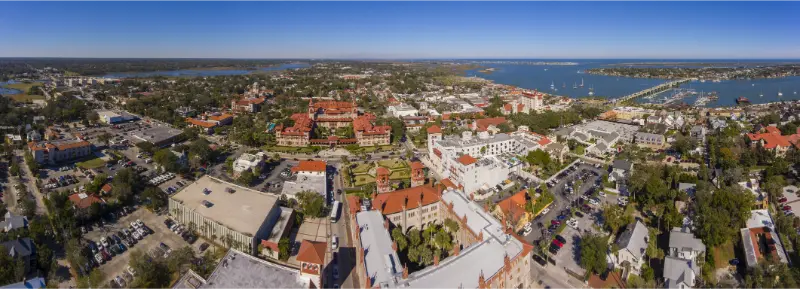
    Planning for meals and energy

    Meals are part of the itinerary rather than empty space between attractions. Eating slightly before peak lunch or dinner can reduce waits and protect the rest of the schedule. Families should carry simple snacks, while all travelers benefit from water in the car. After a hot beach or trail session, a long sit-down meal may be more restorative than forcing one more attraction before dinner.

    For this destination, the practical goal is not to follow a rigid checklist but to leave enough margin for real conditions on the day. That may mean shortening a walk, moving a meal earlier, changing parking areas or dropping a low-priority stop. A trip feels more complete when the experiences you keep are enjoyed at a reasonable pace.
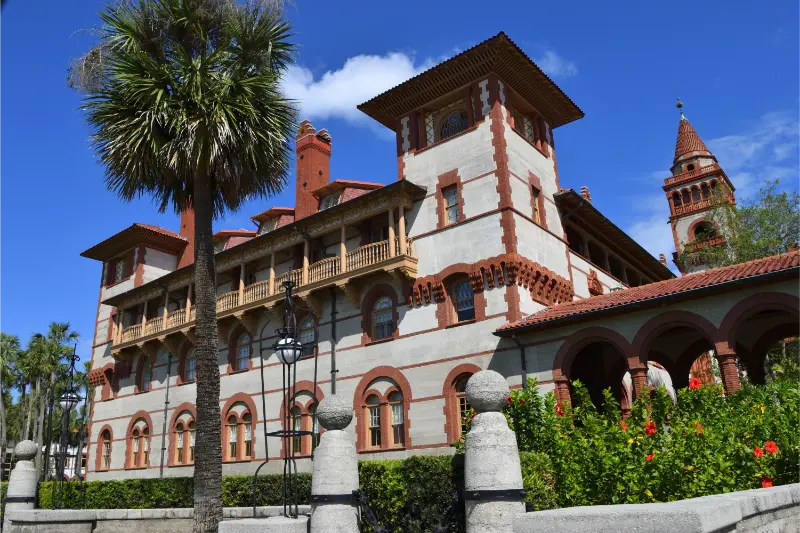
    Photography without slowing the whole group

    Choose two or three moments for deliberate photography instead of stopping every few minutes. Early and late light is usually softer on beaches and historic architecture, while overcast conditions can be excellent for gardens and portraits. At wildlife sites, use distance and a longer lens rather than approaching animals. At active churches, concerts and private tours, follow the specific photography rules.

    For this destination, the practical goal is not to follow a rigid checklist but to leave enough margin for real conditions on the day. That may mean shortening a walk, moving a meal earlier, changing parking areas or dropping a low-priority stop. A trip feels more complete when the experiences you keep are enjoyed at a reasonable pace.
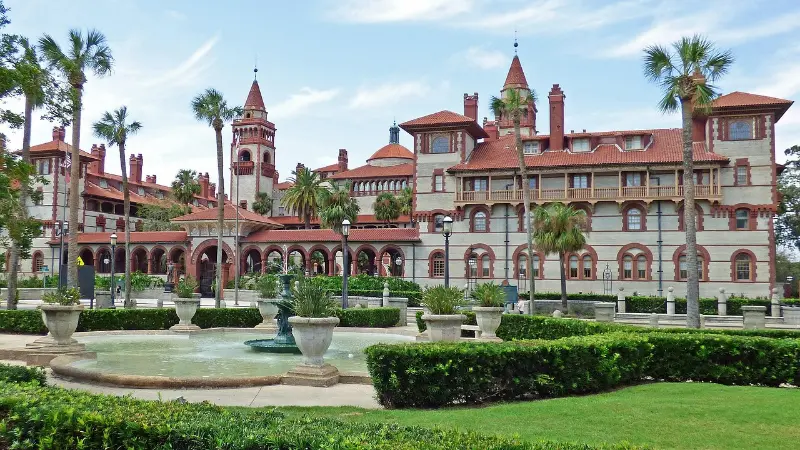
    What to do when plans change

    Have one backup in the same geographic area. If a beach closes to driving, use a pedestrian access rather than crossing the county for another ramp. If a thunderstorm delays an outdoor attraction, switch to a nearby museum or meal and return later. The strongest itineraries are modular: one change should not force a complete redesign of the day.

    For this destination, the practical goal is not to follow a rigid checklist but to leave enough margin for real conditions on the day. That may mean shortening a walk, moving a meal earlier, changing parking areas or dropping a low-priority stop. A trip feels more complete when the experiences you keep are enjoyed at a reasonable pace.

  • Lightner Museum Guide: Admission, Hours, Collections, Architecture and St. Augustine Tips

    Lightner Museum Guide: Admission, Hours, Collections, Architecture and St. Augustine Tips

    The Lightner Museum is one of St. Augustine’s best answers to a hot afternoon, a rainy morning or a traveler who wants more than colonial history. The museum occupies the former Alcazar Hotel, so architecture and collections compete for your attention in a way that feels very different from the city’s fort and reconstructed colonial sites.

    Explore this guide

    The holdings range across fine and decorative arts, glass, furniture, sculpture and objects collected during the Gilded Age and early twentieth century. You do not need to be an art specialist to enjoy the museum, but you will get more from it if you slow down and choose themes instead of trying to inventory every gallery.

    Its central location makes it easy to combine with Flagler College, the Plaza and St. George Street. That convenience is also the danger: visitors sometimes rush through the Lightner simply because too many other attractions are nearby.

    Quick planning summary

    • Best for: art and design lovers, Gilded Age fans, couples, senior travelers, architecture enthusiasts and anyone needing a high-quality indoor stop downtown
    • How much time: 1.5–2.5 hours; allow longer if you enjoy decorative arts, special exhibitions or architectural details.
    • Current cost: Current official admission: adults $20, seniors/students/military $17, youth 12–17 $13, children 11 and under free; local and program discounts may apply.
    • Current hours/status: Current schedule: open daily 9 a.m.–5 p.m.; last admission 4 p.m.; upper floors close 4:30 p.m.; closed selected major holidays.
    • Location: 75 King Street, St. Augustine, FL 32084

    Why this stop is worth including

    The museum explains a different era of St. Augustine. The fort tells a military-colonial story; the Lightner shows how the city was reinvented as a Gilded Age resort destination with ambitious architecture and wealthy visitors.

    The building itself is a major part of the experience. Looking at courtyards, arches, old hotel spaces and adaptive reuse helps visitors understand the Flagler-era transformation of the city even before they focus on individual objects.

    For multigenerational trips, it provides climate control, restrooms and a more predictable walking environment than a beach or exposed fort, which makes it strategically useful as well as culturally worthwhile.

    What to see and do

    Start with the building, not the labels

    Before focusing on objects, notice the scale and layout of the former Alcazar Hotel. Understanding that the building was designed as part of St. Augustine’s luxury resort era gives context to the collections inside.

    Flagler College Saint Augustine Historic Building

    Look for sightlines into courtyards and architectural details that reveal how hotel guests once moved through the property.

    Choose a decorative-arts theme

    Glass, furniture, metalwork and other decorative arts can become overwhelming if you treat each case equally. Pick one material or period that interests you and follow it through several galleries.

    This approach works especially well with older children or teenagers because it gives them a search task rather than a passive museum march.

    Spend time with fine art and sculpture

    Paintings and sculpture provide a visual break from dense object displays. Stand back far enough to see how works relate to the gallery rather than only reading captions at close range.

    If a temporary exhibition is running, decide early whether it is a priority so you do not leave it until everyone is tired.

    Look for the hotel story

    The former Alcazar was part of Henry Flagler’s effort to create a sophisticated winter destination. Architectural remnants and interpretation help connect the museum to Flagler College across the street.

    Seeing both properties on the same day makes the Gilded Age transformation of St. Augustine much easier to understand.

    Use the museum as a deliberate climate break

    On a summer day, schedule the Lightner around midday when exposed streets are hottest. This is not merely weather avoidance; you are using the city’s geography intelligently.

    Afterward, the Plaza and pedestrian streets feel more pleasant as temperatures begin to ease.

    Leave time for the exterior and courtyard

    Do not walk out and immediately call a ride. The building and surrounding blocks are part of the experience, and exterior photography helps you appreciate the Spanish Renaissance Revival setting.

    This is also a good point for a seated break before your next attraction.

    Current costs, hours and reservations

    The Lightner currently opens daily from 9 a.m. to 5 p.m., with last admission at 4 p.m. and upper floors closing at 4:30 p.m. Current general admission is $20 for adults, $17 for seniors, students and military, $13 for youth ages 12–17, and free for children 11 and under. St. Johns County residents and qualifying Museums for All visitors have separate rates or opportunities. Holiday closures include Easter Sunday, Thanksgiving, Christmas and New Year’s Day under the present schedule.

    Treat every ticket price, opening time, special program and construction notice in this article as a planning snapshot from October 2026. Travelers should recheck the official source shortly before travel rather than assuming a 2026 operating detail remained unchanged into 2028 or later.

    Parking and getting there

    The museum does not solve downtown parking for you. The Historic Downtown Parking Facility is a reliable all-day option, while metered spaces may be better for a shorter visit if you find one. If your day includes Flagler College and St. George Street, park once and walk. Repeatedly moving the car across the compact historic center wastes time and increases frustration.

    St. Augustine traffic becomes much easier when you group attractions by area. The historic core rewards walking after you park; Anastasia Island rewards staying on the island for several stops. Avoid crossing the Bridge of Lions repeatedly simply because each attraction looks close on a map.

    Best time of day and best season

    Midday is strategically excellent in hot months because the museum is indoors. In winter, morning gives you a quieter cultural start before the streets become busy. Rainy days predictably increase demand for indoor attractions, so arrive early if the forecast looks poor. Last admission is an hour before closing, and the upper floors close earlier than the building itself.

    Families with babies and young children

    Children who enjoy visual oddities, glass, furniture and unusual objects can have a good visit, but the museum is not designed as a nonstop hands-on children’s attraction. Keep the visit shorter with young children and give them a theme to hunt for. Because children 11 and under are currently free, families can visit without feeling pressure to extract three hours of value from every child.

    For small children, the most successful day alternates structured sightseeing with movement, food and shade. A child who has already spent two hours listening indoors may enjoy a beach, park or open plaza far more than a third museum, even if that museum is objectively excellent.

    Teenagers and older children

    Teenagers interested in design, architecture, photography or fashion history may find more to engage with than they expect. Let them choose a favorite room or object and explain why it looks expensive, strange or modern. Connecting the former hotel to today’s tourism industry can also make the history feel less remote.

    Give teenagers some ownership of the itinerary. Let them choose a photo stop, snack, viewpoint or second-half activity. That small decision often produces more engagement than adding another attraction chosen entirely by adults.

    Senior travelers and multigenerational groups

    The indoor setting and central location are strengths for senior travelers. Plan enough time that stairs or elevators do not become a race. Ask staff about current accessible routes and seating, especially if a temporary exhibition changes normal circulation.

    Build the day around the least mobile or most heat-sensitive traveler first. More active family members can add a climb, longer beach walk or side street without requiring everyone to cover the same distance.

    Accessibility and comfort

    As a historic structure adapted into a museum, access is more complex than in a purpose-built modern gallery. The museum provides visitor accessibility information, but anyone who depends on elevator service, step-free routes or specific restroom features should verify the current layout before travel. A mobility-friendly pace can still cover the core collections without seeing every corner.

    Food, water and practical breaks

    The museum sits in one of the easiest parts of St. Augustine for lunch planning. Eat before or after rather than interrupting the galleries with snack logistics. If the group is tired, a proper seated meal after the museum is usually more restorative than another quick attraction.

    Carry more water than a short Florida outing seems to require, especially from late spring through early fall. A planned seated break is not wasted sightseeing time; it is often what allows a multigenerational group to enjoy the final two hours of the day.

    Photography tips

    Architectural photographs often work better than isolated object shots. Look for symmetry, arches, stair details and courtyard light. Follow current gallery photography rules and avoid flash where prohibited. Exterior photographs across King Street can help place the museum in context with Flagler College.

    How it compares with nearby alternatives

    Choose the Lightner when you want decorative arts, architecture and a Gilded Age indoor experience. Flagler Beach Historical Museum is much smaller and focused on local coastal history, while the Lightner rewards a longer museum visit. If your priority is an active climb rather than galleries, Ponce Inlet Lighthouse offers the opposite kind of experience.

    How to combine it with other Wonderful Florida guides

    Travelers driving north from Flagler County can use Washington Oaks Gardens State Park or Flagler Beach guide as an outdoor stop on another day, then reserve the Lightner for the denser historic core. This prevents a single itinerary from becoming an uninterrupted string of indoor attractions.

    How to fit this stop into a St. Augustine trip

    A useful way to plan St. Augustine is to separate the day into one history-heavy anchor, one lighter walk or outdoor stop, and one flexible meal or beach period. The city contains enough museums and ticketed attractions to fill several days, but stacking four indoor history stops back-to-back often produces less learning, not more. Families usually do better when a structured attraction is followed by open space; couples may prefer to reserve late afternoon for the bayfront; senior travelers often benefit from putting the longest walk before lunch and using a museum during the warmest part of the day.

    Flagler College Saint Augustine Florida at Sunset Aerial

    If you have only one day

    Keep the schedule disciplined. Choose one major paid attraction in the morning, use the historic district or beach as your flexible middle period, and add a second ticketed stop only if travel time and energy remain realistic. St. Augustine is compact, but parking, lines and heat can make a short distance consume more time than it appears on a map.

    If you have two or three days

    Divide the city by theme or geography. One day can focus on the historic core, another on Anastasia Island and the beach, and a third can be used for a slower museum, nature or north-coast excursion. This reduces repeated parking and keeps children and older travelers from spending every day in the same type of environment.

    Budget and value

    St. Augustine can be inexpensive or surprisingly costly depending on how many admissions you buy. Parking, two major attractions and restaurant meals can turn a casual day into a substantial family expense. Pick the one or two paid experiences that best match your interests, then use free elements such as the bayfront, Plaza de la Constitución, portions of St. George Street and beach time to create contrast. If your itinerary includes several federal recreation sites, compare the cost of individual admission with any pass you already hold; if you are traveling with children, always check the attraction’s age thresholds because some sites admit young children free.

    Weather and seasonal planning

    Northeast Florida weather rewards flexible sequencing. Summer brings heat, high humidity and frequent afternoon thunderstorms, while winter can be mild one day and windy or surprisingly cool the next. Lightning is a reason to leave exposed fort walls, beaches, piers, lighthouse towers and open water promptly. During hurricane season, verify operating status again on the morning of the visit because coastal parks and historic properties may close even when the center of a storm is far away. Carry water year-round, use sun protection, and do not treat an overcast sky as protection from ultraviolet exposure.

    A realistic half-day plan

    Park once downtown

    Use the garage or a suitable meter and walk to the museum.

    Spend 90 minutes to two hours inside

    Choose architectural details and two or three collection themes rather than trying to inspect everything.

    Continue with a short outdoor walk

    Use the Plaza, Flagler College exterior or St. George Street as a low-pressure transition before another ticketed stop.

    Where to stay for this part of northeast Florida

    For a first St. Augustine visit, staying in or immediately beside the historic district is the most convenient choice if your priority is walking to the fort, St. George Street, Flagler College and evening restaurants. Anastasia Island is usually better for travelers who want easier beach access, a quieter night and short drives to the lighthouse, Alligator Farm and state park. Families who value space, a pool and simple parking may prefer the beach side even if it means crossing the Bridge of Lions for downtown sightseeing. For a one- or two-night stay, avoid changing hotels simply to save a few miles: traffic and parking strategy matter more than moving your luggage between neighborhoods.

    Saint Augustine Historic Narrow Street

    Common mistakes to avoid

    • Arriving after 4 p.m. and expecting normal admission.
    • Treating the museum as a quick lobby photo rather than exploring the collections.
    • Trying to read every label with young children.
    • Moving the car between the Lightner, Flagler College and nearby downtown sights.
    • Skipping temporary exhibition information when planning a repeat visit.

    Practical questions before you go

    How much is admission?

    Current adult admission is $20, with reduced rates for seniors, students, military and youth; children 11 and under are free.

    What are the hours?

    The museum currently opens 9 a.m.–5 p.m. daily, with last admission at 4 p.m.

    How long should I stay?

    Allow 1.5–2.5 hours for a comfortable first visit.

    Is it good on a rainy day?

    Yes. It is one of the strongest indoor attractions in central St. Augustine.

    Is the building part of the attraction?

    Absolutely. The former Alcazar Hotel is central to understanding the museum and the city’s Gilded Age development.

    Official resource to check before you go

    For current visitor information, use the official visitor page. Recheck hours, fees, reservations, closures, construction notices, weather restrictions and accessibility information shortly before travel.

    Final thoughts

    The Lightner Museum is most rewarding when you treat the former hotel and its collections as one story. It provides depth beyond St. Augustine’s colonial identity and gives a useful indoor counterpoint to fort walls and beach time. Choose a few themes, notice the building and leave enough energy to appreciate the surrounding Gilded Age streets afterward.