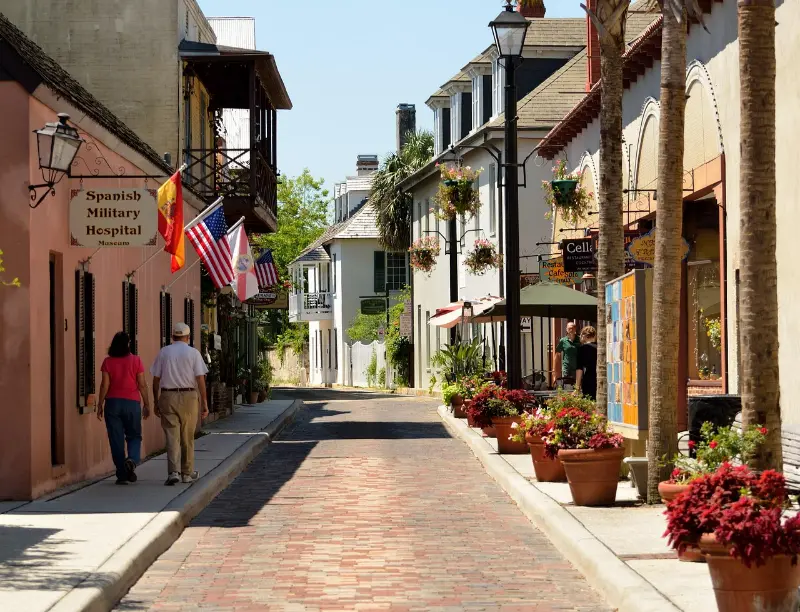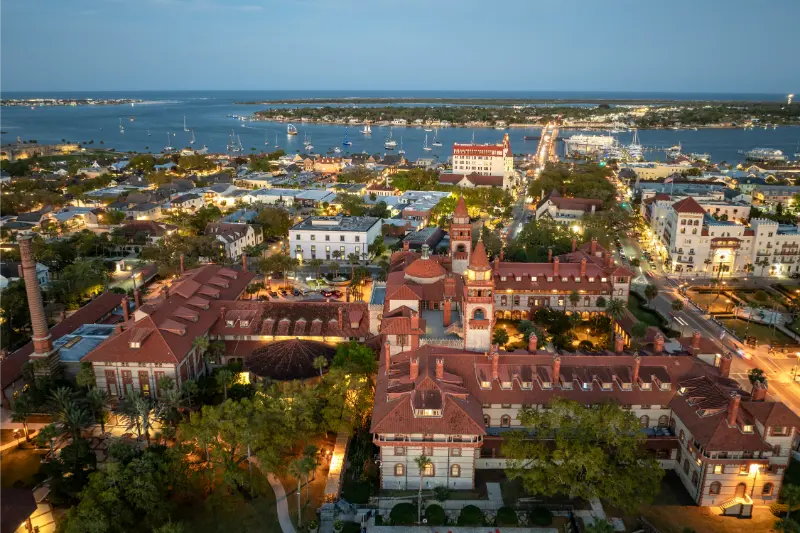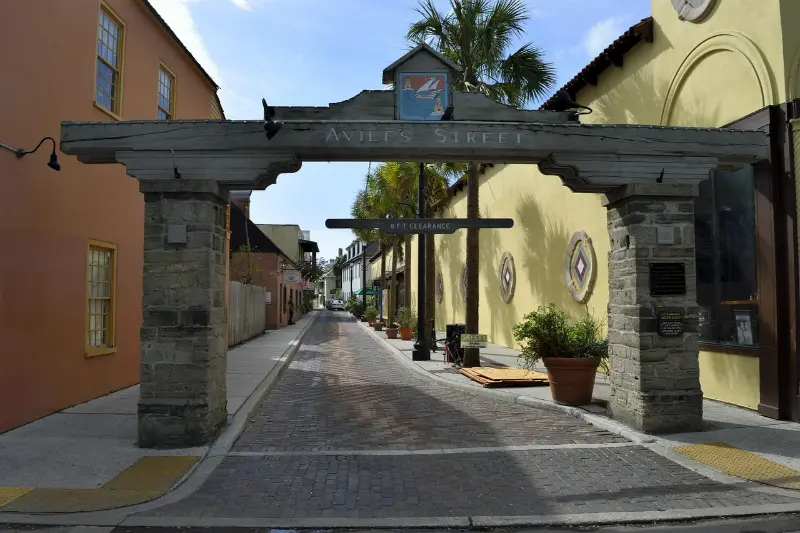
St. George Street is the easiest place to understand the tourist heart of St. Augustine. The north section is pedestrian-focused, lined with historic and reconstructed buildings, restaurants, small museums, shops and passages that make it natural to explore without a fixed itinerary.
The street is free to walk, but it can become one of the most expensive parts of a day if parking, impulse shopping, snacks and several small attractions accumulate without a plan. It is better treated as the connective tissue between major sights than as a checklist of every storefront.
Your experience changes dramatically with time of day. Early morning emphasizes architecture and quiet photography; midday brings the most shopping energy; evening adds restaurants, entertainment and, in season, holiday lighting.
Quick planning summary
- Best for: first-time visitors, couples, families, food-focused travelers, shoppers, photographers and anyone wanting a free, flexible introduction to historic St. Augustine
- How much time: 1–2 hours for a simple walk; 3–5 hours if you add meals, shops, museums and nearby attractions.
- Current cost: Walking the street is free. Your real budget is parking, food, shopping and any ticketed attractions you add.
- Current hours/status: The public street itself does not operate like a ticketed attraction; individual shops, restaurants and museums set their own hours. Crowd patterns change strongly by season and event.
- Location: St. George Street, Historic District, St. Augustine, FL 32084
Why this stop is worth including
The street puts many layers of St. Augustine within a few blocks. You can move from the City Gate toward the Plaza while seeing colonial-style façades, side streets, courtyards and the commercial life of a modern tourist city.
It is also useful because nobody in the group must enjoy it in the same way. One person can focus on architecture, another on food, another on shopping and children on small diversions without splitting across town.
As a free activity, it balances expensive admissions elsewhere. A day with one major ticketed attraction plus a long St. George Street walk often feels more relaxed than three consecutive paid stops.
What to see and do
Start at the City Gate area
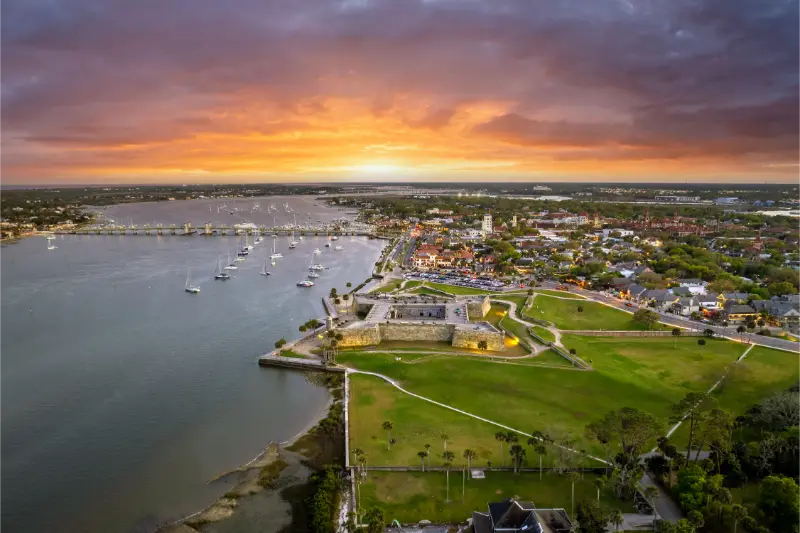
Beginning near the north end gives the walk a clear orientation and puts you close to the Castillo. Look at the transition from fort grounds to the narrow urban street.
Early morning is particularly good here because shop deliveries and visitor crowds have not fully taken over the visual scene.
Explore side streets and courtyards
Do not walk only in a straight line. Hypolita Street, Cuna Street and short side passages often reveal quieter architecture, shaded courtyards and better photo angles.
Keep track of your route so younger children do not become disoriented in a dense crowd.
Use food as a planned stop, not constant grazing
St. George Street makes it easy to buy something every twenty minutes. Decide whether you want one snack and one meal or a tasting-style afternoon.
A deliberate plan controls both budget and energy, especially with children who may lose interest in history once they know another sweet shop is nearby.
Look beyond souvenir shopping
Some storefronts are tourist-oriented, but the street also provides architectural details, small museums and access to significant historic sites.
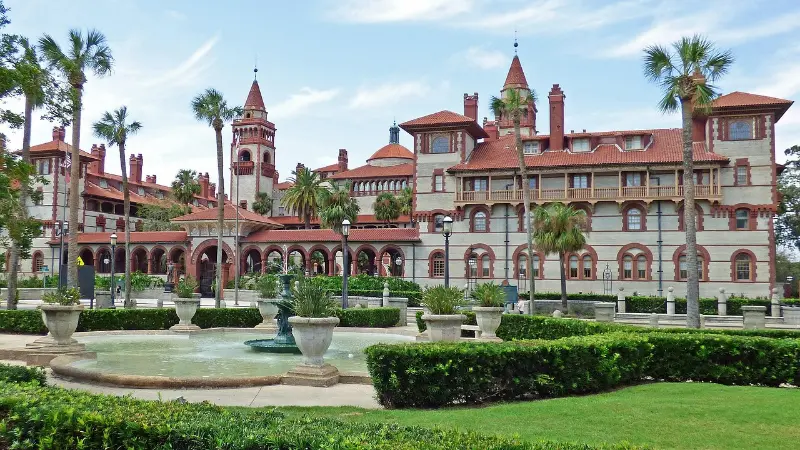
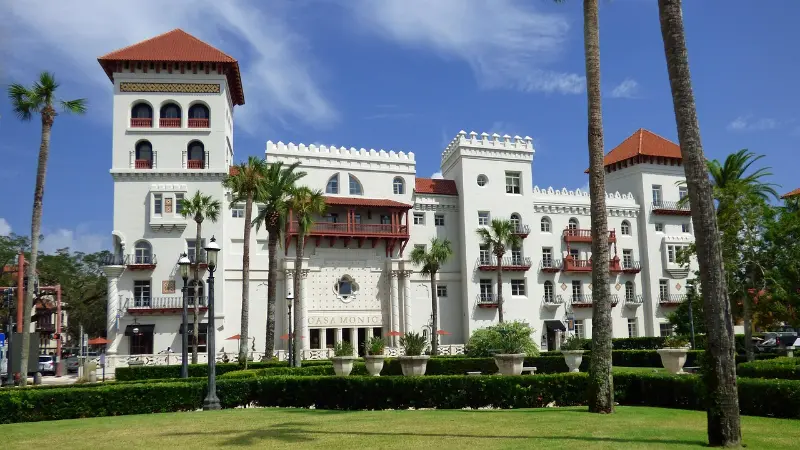
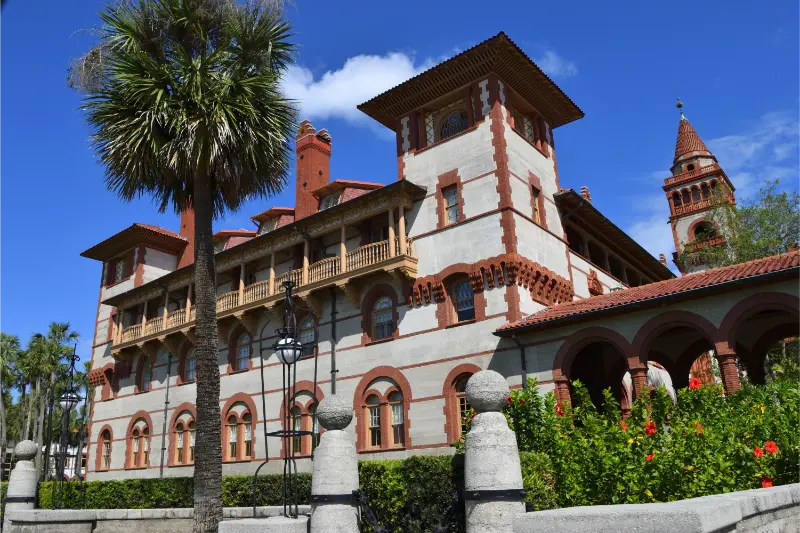
If shopping is not your interest, keep walking and use the street primarily as a pedestrian route between the Castillo, Plaza and Flagler-era area.
Return after dark if your schedule allows
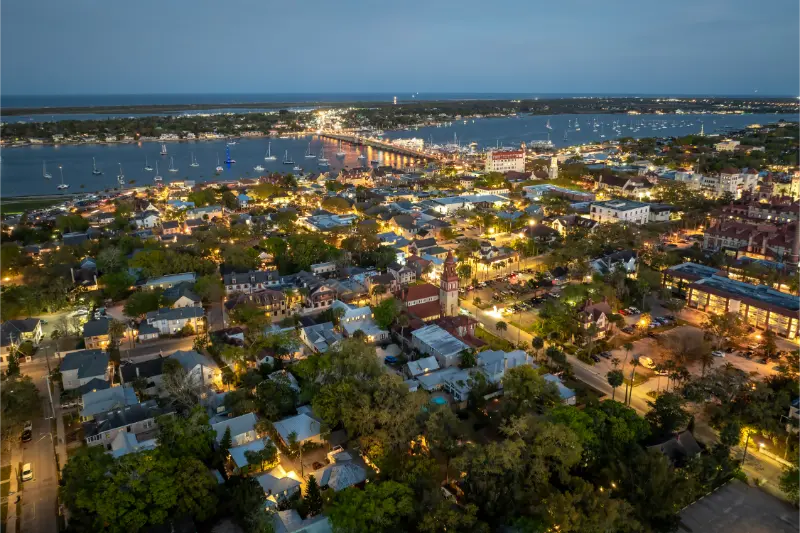
Evening changes the street’s atmosphere as restaurant activity grows and building lights become more noticeable. During Nights of Lights season, crowd levels can be dramatically higher.
A second short evening walk can be more enjoyable than trying to stay downtown continuously from breakfast until late night.
Use the Plaza as your southern reset point
The Plaza de la Constitución provides open space near the southern end of the core walking area. Sit, regroup and decide whether the next step is food, Flagler College, the waterfront or ending the day.
That pause prevents the common mistake of wandering until everyone is tired and then choosing the next attraction poorly.
Current costs, hours and reservations
St. George Street is a public historic-district corridor rather than a gated attraction, so there is no single admission fee or unified opening time. The north section has long been restricted to pedestrian traffic, while surrounding blocks mix pedestrian zones and vehicle streets. Individual museums, stores and restaurants set their own schedules. During Nights of Lights, major festivals and fireworks events, the city may alter pedestrian routing, parking and traffic controls, so check current city notices.
Treat every ticket price, opening time, special program and construction notice in this article as a planning snapshot from October 2026. Travelers should recheck the official source shortly before travel rather than assuming a 2026 operating detail remained unchanged into 2028 or later.
Parking and getting there
The Historic Downtown Parking Facility at 1 Cordova Street is the most straightforward all-day option. Current city pricing is $20 per entry during peak hours and $5 during designated off-peak entry hours, with exceptions during special events. Metered parking can be cheaper for a short visit, but searching for a perfect space often wastes more time than the savings justify. Once parked, keep the car parked.
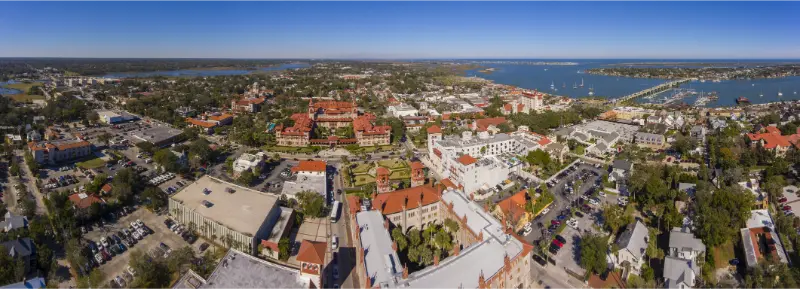
St. Augustine traffic becomes much easier when you group attractions by area. The historic core rewards walking after you park; Anastasia Island rewards staying on the island for several stops. Avoid crossing the Bridge of Lions repeatedly simply because each attraction looks close on a map.

Best time of day and best season
Arrive before 9 a.m. if photography and architecture are your priority. Late morning to mid-afternoon offers the widest shopping and museum availability. Evening is best for dining and atmosphere. Nights of Lights season creates exceptional visuals but also the year’s heaviest pedestrian and traffic pressure, so use shuttles and special-event parking when the city offers them.
Families with babies and young children
A pedestrian street is easier with children than a normal downtown traffic corridor, but crowds still require close supervision. Give children a fixed meeting rule and identify a landmark in case the group separates. Strollers work reasonably well on much of the route, though historic surfaces and busy thresholds can be awkward. Plan a snack and a seated break before behavior deteriorates.
For small children, the most successful day alternates structured sightseeing with movement, food and shade. A child who has already spent two hours listening indoors may enjoy a beach, park or open plaza far more than a third museum, even if that museum is objectively excellent.
Teenagers and older children
Teenagers often enjoy St. George Street more when they are allowed some choice. Let them pick one store, one food stop or one side street to explore. Photography, people-watching and the mix of old façades with modern tourism can be more interesting than forcing them into every small museum.
Give teenagers some ownership of the itinerary. Let them choose a photo stop, snack, viewpoint or second-half activity. That small decision often produces more engagement than adding another attraction chosen entirely by adults.
Senior travelers and multigenerational groups
The ability to stop frequently is a major strength. Benches and the Plaza can break the walk into manageable segments, though crowds and uneven historic surfaces can be tiring. Avoid the busiest mid-afternoon period if balance or hearing in crowds is a concern, and consider an early walk followed by a museum break.
Build the day around the least mobile or most heat-sensitive traveler first. More active family members can add a climb, longer beach walk or side street without requiring everyone to cover the same distance.
Accessibility and comfort
The pedestrian environment is generally helpful, but historic sidewalks, thresholds and dense crowds can still create barriers. Wheelchair users should use the city’s current accessibility and parking information, and travelers with visual or mobility limitations may find early morning easier than peak event periods. Accessible parking rules can differ from standard garage pricing.
Food, water and practical breaks
Food is part of the experience, but choose rather than react. If you are visiting with a family, decide where lunch will happen before everyone is hungry. Carry water in warm weather even though drinks are easy to buy; waiting in a crowded line for hydration is avoidable.
Carry more water than a short Florida outing seems to require, especially from late spring through early fall. A planned seated break is not wasted sightseeing time; it is often what allows a multigenerational group to enjoy the final two hours of the day.
Photography tips
Early morning gives the cleanest architectural photographs and the least clutter. At night, stabilize your phone or camera against a wall or use a fast lens rather than blocking the street with a large tripod. Photograph people respectfully and avoid standing in doorways while framing a building.
How it compares with nearby alternatives
Choose St. George Street for a free, flexible walking experience with food and shopping. Flagler Beach guide provides a much quieter small-town coastal walk, while Flagler Beach Historical Museum is a contained museum experience. St. George Street is not a substitute for the Castillo or a museum; it is the route that helps those attractions fit together.
How to combine it with other Wonderful Florida guides
If you are traveling north from Flagler Beach guide or Washington Oaks Gardens State Park, park once in St. Augustine and switch completely to walking. The historic core rewards staying on foot more than trying to preserve a road-trip mentality block by block.
How to fit this stop into a St. Augustine trip
A useful way to plan St. Augustine is to separate the day into one history-heavy anchor, one lighter walk or outdoor stop, and one flexible meal or beach period. The city contains enough museums and ticketed attractions to fill several days, but stacking four indoor history stops back-to-back often produces less learning, not more. Families usually do better when a structured attraction is followed by open space; couples may prefer to reserve late afternoon for the bayfront; senior travelers often benefit from putting the longest walk before lunch and using a museum during the warmest part of the day.

If you have only one day
Keep the schedule disciplined. Choose one major paid attraction in the morning, use the historic district or beach as your flexible middle period, and add a second ticketed stop only if travel time and energy remain realistic. St. Augustine is compact, but parking, lines and heat can make a short distance consume more time than it appears on a map.
If you have two or three days
Divide the city by theme or geography. One day can focus on the historic core, another on Anastasia Island and the beach, and a third can be used for a slower museum, nature or north-coast excursion. This reduces repeated parking and keeps children and older travelers from spending every day in the same type of environment.
Budget and value
St. Augustine can be inexpensive or surprisingly costly depending on how many admissions you buy. Parking, two major attractions and restaurant meals can turn a casual day into a substantial family expense. Pick the one or two paid experiences that best match your interests, then use free elements such as the bayfront, Plaza de la Constitución, portions of St. George Street and beach time to create contrast. If your itinerary includes several federal recreation sites, compare the cost of individual admission with any pass you already hold; if you are traveling with children, always check the attraction’s age thresholds because some sites admit young children free.
Weather and seasonal planning
Northeast Florida weather rewards flexible sequencing. Summer brings heat, high humidity and frequent afternoon thunderstorms, while winter can be mild one day and windy or surprisingly cool the next. Lightning is a reason to leave exposed fort walls, beaches, piers, lighthouse towers and open water promptly. During hurricane season, verify operating status again on the morning of the visit because coastal parks and historic properties may close even when the center of a storm is far away. Carry water year-round, use sun protection, and do not treat an overcast sky as protection from ultraviolet exposure.
A realistic half-day plan
Arrive early and park once
Begin near the City Gate before peak pedestrian traffic.
Walk slowly toward the Plaza
Take one side-street detour and one planned food or coffee stop.
Choose one paid attraction at most
Use the rest of the time for the bayfront, Flagler-era architecture or an evening return rather than buying tickets impulsively everywhere.
Where to stay for this part of northeast Florida
For a first St. Augustine visit, staying in or immediately beside the historic district is the most convenient choice if your priority is walking to the fort, St. George Street, Flagler College and evening restaurants. Anastasia Island is usually better for travelers who want easier beach access, a quieter night and short drives to the lighthouse, Alligator Farm and state park. Families who value space, a pool and simple parking may prefer the beach side even if it means crossing the Bridge of Lions for downtown sightseeing. For a one- or two-night stay, avoid changing hotels simply to save a few miles: traffic and parking strategy matter more than moving your luggage between neighborhoods.
Common mistakes to avoid
- Driving between attractions only a few blocks apart.
- Treating every souvenir store as a must-stop and losing the historical context.
- Waiting until everyone is hungry before choosing lunch.
- Underestimating Nights of Lights crowd levels.
- Assuming the entire length and all side streets are vehicle-free.
Practical questions before you go
Is St. George Street free?
Yes. Walking the public street is free; parking, food, shopping and individual attractions cost extra.
Is it pedestrian-only?
The best-known north section is pedestrian-focused, but surrounding parts of St. George and cross streets can carry vehicles.
Where should I park?
The Historic Downtown Parking Facility is the simplest all-day option for most first-time visitors.
How long should I allow?
One to two hours works for a simple walk; half a day is easy if you add meals and attractions.
When is it least crowded?
Early morning is generally the quietest and best for architecture photography.
Official resource to check before you go
For current visitor information, use the official visitor page. Recheck hours, fees, reservations, closures, construction notices, weather restrictions and accessibility information shortly before travel.
Final thoughts
St. George Street works best when it is allowed to connect the city rather than dominate it. Walk early for architecture, choose food and shopping deliberately, and use the street to move naturally between the fort, Plaza and Flagler-era landmarks. Because the walk itself is free, it is also one of the best tools for keeping a St. Augustine day interesting without turning every hour into another admission fee.