Category: St. Augustine Florida

  • Castillo de San Marcos Guide: Admission, Hours, Parking, History and St. Augustine Tips

    Castillo de San Marcos Guide: Admission, Hours, Parking, History and St. Augustine Tips

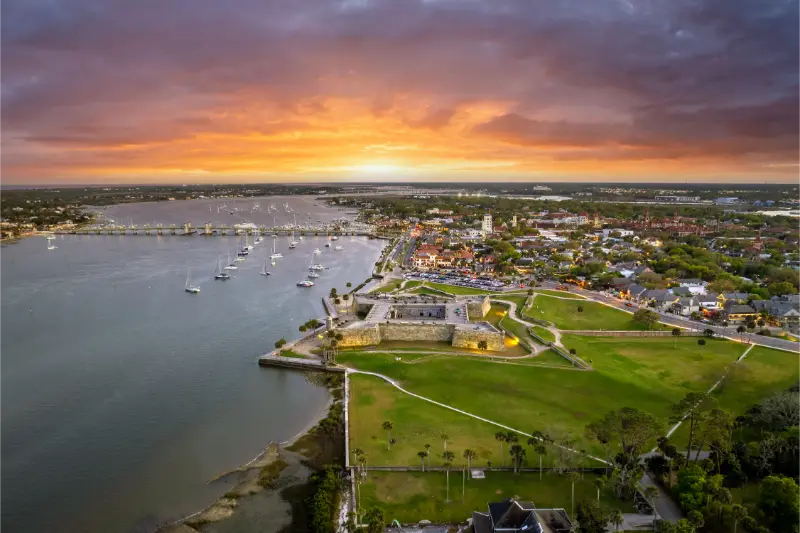
    Castillo de San Marcos is the sight that gives St. Augustine its strongest sense of place. The coquina fort sits directly on Matanzas Bay, close enough to the pedestrian historic district that it can be the first major stop of a day without requiring another drive.

    Explore this guide

    The building matters for more than age. Its thick coquina walls, star-shaped defensive plan and long sequence of Spanish, British and United States control make it an unusually clear introduction to the military and colonial history of northeast Florida.

    The practical challenge is not understanding whether the fort is worth visiting; it is timing the visit around crowds, heat, parking and weather. A good plan gives the fort enough time to feel meaningful without letting one crowded attraction consume the entire day.

    Quick planning summary

    • Best for: first-time St. Augustine visitors, history lovers, families with school-age children, architecture fans, photographers and travelers who want one essential historic site
    • How much time: 1.5–2.5 hours for the fort; 3–4 hours if you add the bayfront and St. George Street.
    • Current cost: Current NPS snapshot: $15 per person age 16+, valid for seven consecutive days; age 15 and under free. Cashless payment. Pass rules can change, so recheck.
    • Current hours/status: Current NPS schedule: first admission 9 a.m., last admission 5 p.m., fort closes 5:15 p.m.; closed Thanksgiving and Christmas. Grounds have longer hours.
    • Location: 11 S. Castillo Drive, St. Augustine, FL 32084

    Why this stop is worth including

    If you visit only one historic attraction in St. Augustine, the Castillo is the strongest candidate because the building itself is the primary artifact. You are not entering a modern museum that happens to contain old objects; you are moving through rooms, walls and gun decks designed for defense centuries ago.
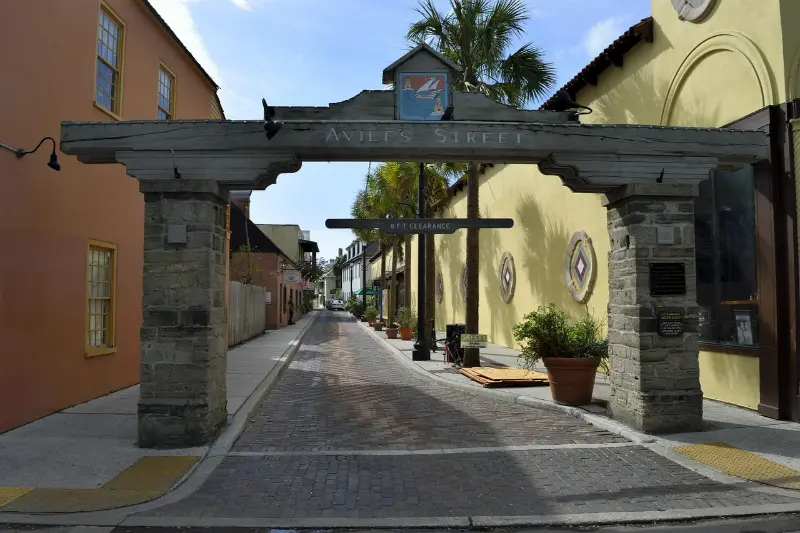
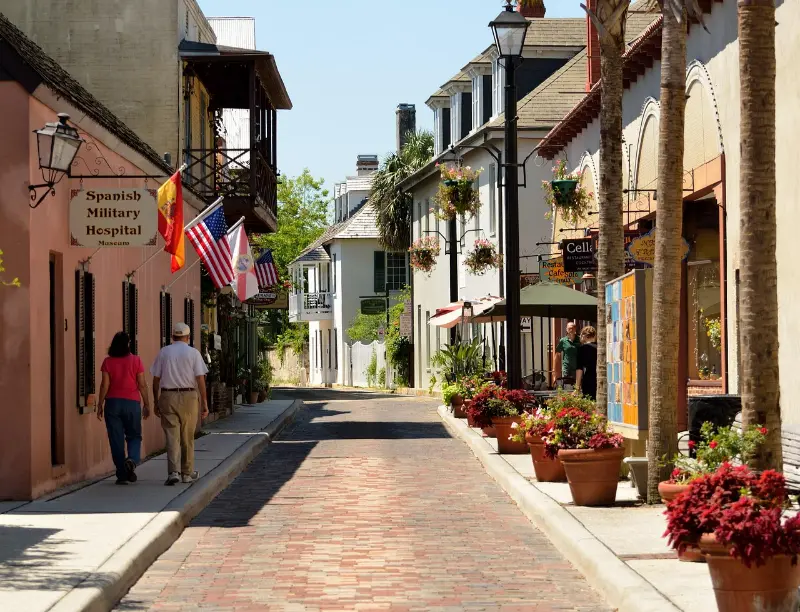
    Historic Saint Augustine Pedestrian Street

    It also works well across age groups. Children can understand cannons, walls and the shape of the fort without reading every panel, while adults can spend much longer with the political history and construction details.

    The setting adds value after admission. The bayfront, city gate area and north end of St. George Street are immediately nearby, so the visit naturally becomes part of a larger walking route rather than an isolated ticketed stop.

    What to see and do

    Walk the courtyard before entering every room

    Use the central courtyard to understand the fort’s geometry before disappearing into the casemates. Look at the four bastions, the thickness of the walls and the way circulation was organized around a protected interior space. This orientation makes later rooms easier to interpret.

    Families can turn the courtyard into a simple map exercise: identify the water side, the city side and the route up toward the gun deck. That is often more memorable for children than beginning with a long chronology.

    Spend time inside the coquina casemates

    The interior rooms explain soldiers, storage, weapons and changing uses of the fort. Coquina is visually distinctive, so look closely at the shell fragments rather than treating the walls as ordinary stone.

    Some visitors rush through because the rooms appear similar. Slow down for the exhibits that explain why coquina behaved differently from harder masonry under cannon fire; that single idea helps explain why the fort survived repeated attacks.

    Go up to the gun deck when conditions allow

    The upper level gives the clearest sense of the star-shaped plan and provides broad views over Matanzas Bay, the Bridge of Lions and the historic district. It is also the most exposed part of the visit.

    There is no elevator to the gun deck, and the National Park Service may close it during lightning or unsafe weather. Travelers who cannot climb should not treat the visit as a failure: the courtyard and lower rooms still contain most of the historical interpretation.

    Watch for ranger talks and demonstrations

    Programs vary by staffing, season and weather. When a ranger talk is available, it can turn a collection of rooms into a coherent story and is especially useful for first-time visitors who do not know the sequence of Spanish, British and American periods.

    Do not build the entire day around a specific demonstration unless the park calendar confirms it. Programs can change, and the fort remains worthwhile even when no special event is running.

    Use the waterfront after the fort

    When you leave, walk a short stretch of the seawall or bayfront before going directly to another indoor attraction. The open view helps reset attention and shows why control of this harbor mattered.

    This transition is particularly useful with children and multigenerational groups because it creates a natural break without adding another ticket or complicated transfer.

    Look back at the fort from outside

    Some of the best understanding comes from the exterior. Walk far enough along the grounds to see the bastions and moat-like dry ditch as a single defensive system.

    Late-day light can be attractive on the coquina, but the fort interior closes earlier than the surrounding grounds. Visit inside first, then save exterior photography for later if your schedule allows.

    Current costs, hours and reservations

    The National Park Service currently charges $15 per visitor age 16 and older, while children 15 and under enter free with an adult. The standard entrance is valid for seven consecutive days. The site is cashless, and qualifying federal recreation passes are honored under their rules. The fort currently opens for first admission at 9 a.m., with last admission at 5 p.m. and exit by 5:15 p.m. Holiday closures and special fee-free days can change normal patterns.

    Treat every ticket price, opening time, special program and construction notice in this article as a planning snapshot from October 2026. Travelers should recheck the official source shortly before travel rather than assuming a 2026 operating detail remained unchanged into 2028 or later.

    Parking and getting there

    The small city lot beside the fort is convenient but fills quickly and currently uses hourly paid parking. The Historic Downtown Parking Facility at 1 Cordova Street is a practical alternative and is only a short walk away; current city pricing is higher than a short meter stay but can be easier for a full downtown day. On busy weekends, Nights of Lights periods and festivals, arrive early enough that parking is not the first stressful experience of the visit.

    St. Augustine traffic becomes much easier when you group attractions by area. The historic core rewards walking after you park; Anastasia Island rewards staying on the island for several stops. Avoid crossing the Bridge of Lions repeatedly simply because each attraction looks close on a map.
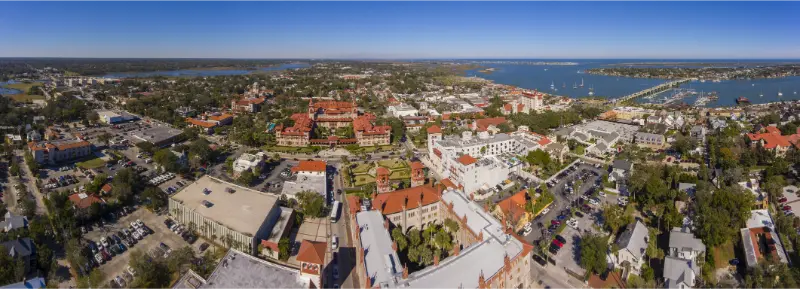
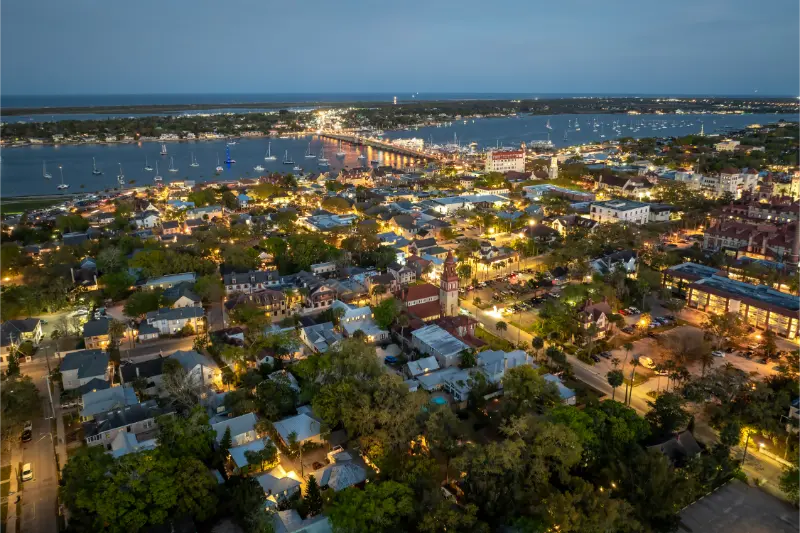
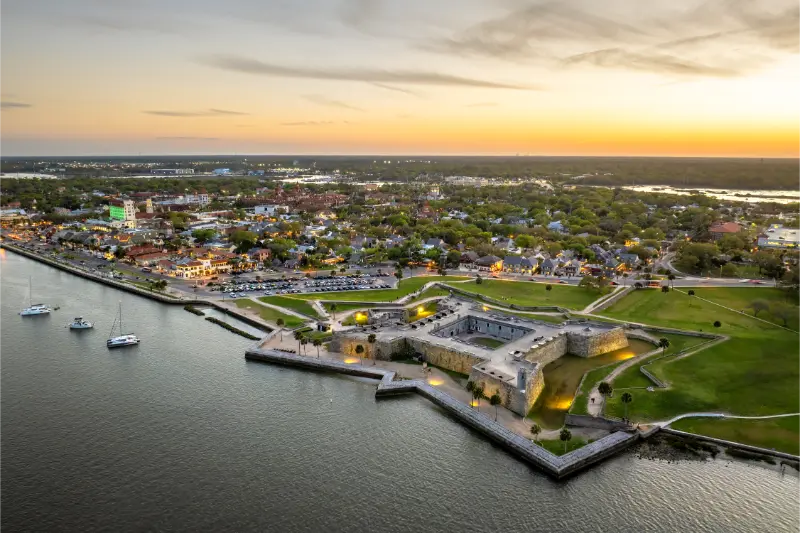
    Saint Augustine Florida Historic District Aerial

    Best time of day and best season

    Morning is best if you want cooler temperatures and more room in the interior spaces. Late afternoon can be visually attractive, but do not arrive so late that you have only a few minutes before last admission. The National Park Service notes that holiday periods, school breaks and weekends are among the busiest times. February can also include school groups, so a weekday morning is not automatically empty.

    Families with babies and young children

    For babies and toddlers, the main issue is heat, stairs and the limited usefulness of a stroller on the upper level. A carrier can be more practical for parts of the site, but never carry a child into an area where staff advise against it. With elementary-age children, give them three concrete things to find: coquina, a cannon and a view toward the bay. That keeps the visit active without turning every room into a lesson.

    For small children, the most successful day alternates structured sightseeing with movement, food and shade. A child who has already spent two hours listening indoors may enjoy a beach, park or open plaza far more than a third museum, even if that museum is objectively excellent.

    Teenagers and older children

    Teenagers often respond better to defensive engineering and conflict than to a long list of dates. Ask them to work out how attackers would have approached the fort, why the corners project outward and why the harbor mattered. Photography from the upper level can also give them a reason to engage with the site rather than treating it as another mandatory museum stop.

    Give teenagers some ownership of the itinerary. Let them choose a photo stop, snack, viewpoint or second-half activity. That small decision often produces more engagement than adding another attraction chosen entirely by adults.

    Senior travelers and multigenerational groups

    Senior travelers should prioritize shade, hydration and the lower-level exhibits if stairs are uncomfortable. The fort has accessible areas, but the historic structure limits full access to the gun deck. A slower visit to the lower rooms followed by a seated break on the grounds can be more satisfying than attempting every level.

    Build the day around the least mobile or most heat-sensitive traveler first. More active family members can add a climb, longer beach walk or side street without requiring everyone to cover the same distance.

    Accessibility and comfort

    The lower level offers substantial interpretation, but the gun deck is reached by historic stairs and has no elevator. The NPS provides digital and virtual resources that can help visitors access views and information from areas they cannot physically enter. If mobility, hearing or vision accommodations are important, review the current accessibility page before arrival rather than assuming a centuries-old fort has modern access to every space.

    Food, water and practical breaks

    There is no reason to plan a full meal inside the fort. Carry water according to current rules, then use the surrounding historic district for lunch. Eating after the visit also gives a family a clear milestone: finish the fort, take a bayfront walk, then sit down before choosing the next attraction.

    Carry more water than a short Florida outing seems to require, especially from late spring through early fall. A planned seated break is not wasted sightseeing time; it is often what allows a multigenerational group to enjoy the final two hours of the day.

    Photography tips

    Wide-angle views from the gun deck show the fort and bay relationship, while exterior shots from the lawn reveal the star-shaped bastions better than close-up courtyard photographs. Avoid blocking narrow passages while composing images. Drones are prohibited on National Park Service lands under current rules, so plan ground-based photography.

    How it compares with nearby alternatives

    Choose Castillo de San Marcos when you want the strongest single historic landmark. Choose Ponce Inlet Lighthouse if your priority is a vertical climb and maritime views, or Flagler Beach Historical Museum for a compact local museum experience farther south. The Castillo is less about polished exhibits and more about occupying the historic structure itself.

    How to combine it with other Wonderful Florida guides

    A northbound coastal itinerary can connect the fort with River to Sea Preserve and Washington Oaks Gardens State Park on separate days. Within St. Augustine, pair the Castillo with a walk through the historic district rather than immediately driving to another county. These internal links all point to articles scheduled before this package.

    How to fit this stop into a St. Augustine trip

    A useful way to plan St. Augustine is to separate the day into one history-heavy anchor, one lighter walk or outdoor stop, and one flexible meal or beach period. The city contains enough museums and ticketed attractions to fill several days, but stacking four indoor history stops back-to-back often produces less learning, not more. Families usually do better when a structured attraction is followed by open space; couples may prefer to reserve late afternoon for the bayfront; senior travelers often benefit from putting the longest walk before lunch and using a museum during the warmest part of the day.

    If you have only one day

    Keep the schedule disciplined. Choose one major paid attraction in the morning, use the historic district or beach as your flexible middle period, and add a second ticketed stop only if travel time and energy remain realistic. St. Augustine is compact, but parking, lines and heat can make a short distance consume more time than it appears on a map.

    If you have two or three days

    Divide the city by theme or geography. One day can focus on the historic core, another on Anastasia Island and the beach, and a third can be used for a slower museum, nature or north-coast excursion. This reduces repeated parking and keeps children and older travelers from spending every day in the same type of environment.

    Budget and value

    St. Augustine can be inexpensive or surprisingly costly depending on how many admissions you buy. Parking, two major attractions and restaurant meals can turn a casual day into a substantial family expense. Pick the one or two paid experiences that best match your interests, then use free elements such as the bayfront, Plaza de la Constitución, portions of St. George Street and beach time to create contrast. If your itinerary includes several federal recreation sites, compare the cost of individual admission with any pass you already hold; if you are traveling with children, always check the attraction’s age thresholds because some sites admit young children free.

    Weather and seasonal planning

    Northeast Florida weather rewards flexible sequencing. Summer brings heat, high humidity and frequent afternoon thunderstorms, while winter can be mild one day and windy or surprisingly cool the next. Lightning is a reason to leave exposed fort walls, beaches, piers, lighthouse towers and open water promptly. During hurricane season, verify operating status again on the morning of the visit because coastal parks and historic properties may close even when the center of a storm is far away. Carry water year-round, use sun protection, and do not treat an overcast sky as protection from ultraviolet exposure.

    A realistic half-day plan

    Arrive before peak crowds

    Park, walk to the fort and enter before heat and school-break traffic build.

    Tour the fort at a deliberate pace

    Use the courtyard, casemates and gun deck as the core 90-minute to two-hour experience.

    Continue on foot

    Walk toward St. George Street or the bayfront for lunch and a lighter afternoon instead of moving the car immediately.

    Where to stay for this part of northeast Florida

    For a first St. Augustine visit, staying in or immediately beside the historic district is the most convenient choice if your priority is walking to the fort, St. George Street, Flagler College and evening restaurants. Anastasia Island is usually better for travelers who want easier beach access, a quieter night and short drives to the lighthouse, Alligator Farm and state park. Families who value space, a pool and simple parking may prefer the beach side even if it means crossing the Bridge of Lions for downtown sightseeing. For a one- or two-night stay, avoid changing hotels simply to save a few miles: traffic and parking strategy matter more than moving your luggage between neighborhoods.

    Common mistakes to avoid

    • Arriving near last admission and assuming the grounds and interior close at the same time.
    • Expecting an elevator to the gun deck.
    • Spending so long reading every panel that children are exhausted before seeing the upper level.
    • Ignoring lightning risk on the exposed gun deck.
    • Driving from the fort to St. George Street instead of walking the short distance.

    Practical questions before you go

    How much is admission?

    The current NPS rate is $15 per person age 16 and older; age 15 and under is free. Recheck before travel.

    How long should I allow?

    Most visitors need about 1.5 to 2.5 hours, depending on ranger programs and how closely they read exhibits.

    Is the fort open every day?

    It is currently open daily except Thanksgiving and Christmas, with first admission at 9 a.m.

    Can I use cash?

    The current National Park Service policy is cashless payment for entrance fees.

    Is the gun deck accessible by elevator?

    No. The upper level requires stairs, but much of the interpretation is on the lower level.

    Official resource to check before you go

    For current visitor information, use the official visitor page. Recheck hours, fees, reservations, closures, construction notices, weather restrictions and accessibility information shortly before travel.

    Final thoughts

    Castillo de San Marcos deserves its reputation because it makes St. Augustine’s history physical. Give the fort enough time to understand its shape and materials, but keep the day balanced with a waterfront walk and the surrounding historic streets. The best visit is not the one that checks every panel; it is the one that leaves you able to explain why this fort stands here and why it mattered.
  • Two Days in St. Augustine: Best 2-Day Itinerary with History, Beach and Wildlife

    Two Days in St. Augustine: Best 2-Day Itinerary with History, Beach and Wildlife

    Two days is the sweet spot for many first-time St. Augustine trips. It gives you enough time to understand the historic core without turning the city into a museum marathon, and it leaves a second day for Anastasia Island, wildlife, the lighthouse and the Atlantic coast.

    Explore this guide

    The key is geographic separation. Keep day one mostly downtown, where you can park once and walk. Use day two for the island and beach side, where driving between a few larger attractions is more practical. This simple split removes unnecessary backtracking and makes both days feel calmer.

    The plan below works for couples, families and multigenerational groups, with optional swaps depending on weather and interests.

    Quick planning summary

    • Day 1: Castillo de San Marcos, St. George Street, Flagler-era architecture, one museum and evening historic district
    • Day 2: lighthouse, Alligator Farm or Anastasia State Park, beach and optional Amphitheatre event
    • Best base: historic district for walking or Anastasia Island/St. Augustine Beach for beach access
    • Transportation: park once downtown on day one; drive strategically on day two
    • Best pace: two major paid attractions per day at most, plus flexible outdoor time

    Day 1 morning — Castillo and the historic core

    Start at Castillo de San Marcos while temperatures are lower. Allow 60–90 minutes, then walk toward St. George Street and the colonial core.

    Use the morning to understand the city rather than shopping immediately. Add a short free or low-pressure stop such as Governor’s House Cultural Center if the group still has attention for exhibits.

    Day 1 lunch and early afternoon — Flagler St. Augustine

    After lunch, choose Flagler College or Lightner Museum. Both explain the Gilded Age transformation of the city, but they overlap enough in time and geography that one is usually sufficient on a two-day trip.

    Architecture lovers can walk the King Street area between attractions rather than immediately entering another ticketed site.

    Day 1 late afternoon — one smaller interest stop

    Families can choose Pirate & Treasure Museum. Social-history travelers may prefer Ximenez-Fatio House. Religious and cultural travelers can use Cathedral Basilica or St. Photios Shrine as a quieter alternative.

    Day 1 evening — slow down

    Have dinner in or near the historic district and walk the bayfront after dark. Do not book a late structured tour unless that experience is a priority; two full sightseeing days are easier when at least one evening remains flexible.

    Day 2 morning — St. Augustine Lighthouse

    Begin at St. Augustine Lighthouse. The tower climb is physically demanding enough that morning is usually better than a hot afternoon. Travelers who do not want the 219-step climb can still enjoy museum areas and grounds.

    Saint Augustine Florida Historic District Aerial

    Allow 1.5–2 hours if the lighthouse is a major interest. Families with very young children should review current height, safety and climb rules before promising the tower experience.

    Day 2 late morning — choose wildlife or beach nature

    Choose St. Augustine Alligator Farm for a wildlife-focused family attraction, or Anastasia State Park for beach, dunes and natural scenery.

    Trying to do the lighthouse, Alligator Farm and a long beach session before lunch is too much for most groups. Pick one as the main second stop and keep the other for later only if energy and weather cooperate.

    Day 2 afternoon — beach time

    Use a beach that fits your location and group. Anastasia State Park works naturally if you are already on the island, while St. Augustine Beach offers easier access to food and beach-town services.

    A two- to three-hour beach window is enough to feel like a real coastal day without turning the afternoon into a logistics exercise.

    Optional Day 2 evening — concert or relaxed dinner

    If your dates align with an event at the St. Augustine Amphitheatre, the venue can be a memorable final night. Otherwise, a relaxed dinner on Anastasia Island or the historic bayfront is usually the better choice after an outdoor day.

    Two days with young children

    Reduce formal history. Day one can be Castillo, St. George Street, lunch and one interactive museum. Day two can be Alligator Farm, playground/hotel rest and beach. Children rarely benefit from squeezing Flagler College, Lightner Museum and multiple historic homes into the same 48 hours.

    Two days with teenagers

    Give teenagers one anchor to choose: lighthouse climb, Alligator Farm, beach, surf lesson, TPC Sawgrass, pirate museum or a concert. The rest of the itinerary can then balance history around that personal highlight.

    Two days for senior travelers

    Use day one as a compact walking zone with frequent seated breaks. On day two, drive between lighthouse, wildlife or beach stops. If the tower climb is not appropriate, substitute Lightner Museum, a scenic coastal drive or a shorter accessible beach-viewing stop.

    Where to stay for a two-day trip

    Stay in the historic district when evening walking and minimal downtown driving matter most. Stay on Anastasia Island or St. Augustine Beach when ocean access, pools and a quieter night are more important. Vilano works well for travelers continuing north toward Ponte Vedra.

    Budget strategy

    Two days can become expensive if you buy tickets continuously. Choose two to four paid attractions total and fill the rest with the fort grounds/bayfront, historic streets, churches, parks and beach time. Spend money where the experience is difficult to replicate for free.

    Weather and seasonal planning

    Northeast Florida is visitable year-round, but the experience changes sharply with the season. Late spring through early fall brings heat, humidity and frequent afternoon thunderstorms. Winter often has comfortable walking weather, yet cold fronts can make beaches and exposed waterfronts surprisingly cool and windy. Spring and fall usually provide the easiest compromise between temperature and daylight.

    Lightning is the main reason to keep a flexible plan. At beaches, golf courses, parks and open historic sites, thunder is a cue to move indoors rather than shelter under a tree or pavilion. During hurricane season, check operating status before driving because coastal parks, bridges, beach ramps and attractions can close or alter hours even when the storm center is far away.

    Rainy-weather version

    Move the larger indoor attractions to the wettest periods: Lightner Museum, Pirate & Treasure Museum, Ximenez-Fatio House and other historic interiors. Preserve lighthouse, beach and Alligator Farm for the clearest weather window rather than locking every hour in advance.

    Common mistakes to avoid

    • Mixing downtown and island stops repeatedly on both days.
    • Booking too many guided tours back to back.
    • Treating beach time as a 30-minute photo stop.
    • Ignoring rest after a lighthouse climb or long museum morning.
    • Assuming the same itinerary works for toddlers, teenagers and senior travelers.

    Official planning resources

    Use Florida’s Historic Coast for maps and events, and check individual official attraction pages shortly before travel for current hours and reservations.

    Extra planning notes for a smoother visit

    Keep a 15–30 minute buffer between major stops around St. Augustine. Short map distances can still involve bridge traffic, event congestion, full parking lots, security lines or slow pedestrian streets. A little slack in the day prevents one delay from forcing you to skip the attraction you cared about most.

    Save the official address, parking instructions and any reservation confirmation before leaving your hotel. Mobile coverage is generally good, but a group trying to navigate, find a garage and retrieve tickets at the same time can lose more time than expected.

    Use official same-day notices for outdoor access. Beach driving, dune walkovers, trails and event parking can change because of tide, storms, maintenance or special events. A map app showing a place as open does not guarantee every activity or entrance is operating normally.

    Comfortable shoes are more important here than they may seem. A single day can include brick streets, wooden boardwalks, grass, sand, gravel and historic floors. Choose footwear for the most demanding surface in the itinerary, not only for the restaurant or photo stop at the end.

    Build one flexible element into every half day. A beach walk, café, park or scenic drive can expand when everything is running smoothly and shrink when parking, weather or fatigue slows the group down. That flexibility is especially valuable with children and senior travelers.

    Think about the return trip before you begin the final activity of the day. After a beach session, concert, long museum visit or golf round, the group is less patient with restaurant queues and parking searches. Keep water in the car and know where your next practical stop will be.

    Final thoughts

    Two days lets St. Augustine feel like a place rather than a checklist. Keep the historic core together, keep the island and coast together, and protect one flexible block each day. That structure gives you history, architecture, wildlife and beach time without spending the trip in the car.

    Saint Augustine Historic Narrow Street

    How to decide whether this belongs in your itinerary

    A useful test is to ask what this stop adds that your other plans do not. If the day already contains two history museums, choose nature, beach or active recreation instead of a third similar attraction. If everyone has been outdoors in the heat, an indoor or seated experience may be the better use of time. Variety usually creates better travel memories than simply maximizing the number of famous names.

    For this destination, the practical goal is not to follow a rigid checklist but to leave enough margin for real conditions on the day. That may mean shortening a walk, moving a meal earlier, changing parking areas or dropping a low-priority stop. A trip feels more complete when the experiences you keep are enjoyed at a reasonable pace.

    Transportation reality

    Northeast Florida distances can look small on a map, but bridges, beach traffic, event congestion and parking searches affect real travel time. Group nearby stops and avoid crossing the same bridge repeatedly. When an attraction has a timed tour or concert gate time, build the schedule backward from that fixed commitment and keep flexible activities around it.

    For this destination, the practical goal is not to follow a rigid checklist but to leave enough margin for real conditions on the day. That may mean shortening a walk, moving a meal earlier, changing parking areas or dropping a low-priority stop. A trip feels more complete when the experiences you keep are enjoyed at a reasonable pace.

    Planning for meals and energy

    Meals are part of the itinerary rather than empty space between attractions. Eating slightly before peak lunch or dinner can reduce waits and protect the rest of the schedule. Families should carry simple snacks, while all travelers benefit from water in the car. After a hot beach or trail session, a long sit-down meal may be more restorative than forcing one more attraction before dinner.

    For this destination, the practical goal is not to follow a rigid checklist but to leave enough margin for real conditions on the day. That may mean shortening a walk, moving a meal earlier, changing parking areas or dropping a low-priority stop. A trip feels more complete when the experiences you keep are enjoyed at a reasonable pace.

    Photography without slowing the whole group

    Choose two or three moments for deliberate photography instead of stopping every few minutes. Early and late light is usually softer on beaches and historic architecture, while overcast conditions can be excellent for gardens and portraits. At wildlife sites, use distance and a longer lens rather than approaching animals. At active churches, concerts and private tours, follow the specific photography rules.

    For this destination, the practical goal is not to follow a rigid checklist but to leave enough margin for real conditions on the day. That may mean shortening a walk, moving a meal earlier, changing parking areas or dropping a low-priority stop. A trip feels more complete when the experiences you keep are enjoyed at a reasonable pace.

    What to do when plans change

    Have one backup in the same geographic area. If a beach closes to driving, use a pedestrian access rather than crossing the county for another ramp. If a thunderstorm delays an outdoor attraction, switch to a nearby museum or meal and return later. The strongest itineraries are modular: one change should not force a complete redesign of the day.

    For this destination, the practical goal is not to follow a rigid checklist but to leave enough margin for real conditions on the day. That may mean shortening a walk, moving a meal earlier, changing parking areas or dropping a low-priority stop. A trip feels more complete when the experiences you keep are enjoyed at a reasonable pace.

    Safety and comfort

    Heat, lightning, surf and traffic are more relevant to most visitors than dramatic hazards. Use sunscreen, hydrate before you feel thirsty, respect beach flags and move indoors when thunder approaches. Never leave children or pets in a parked vehicle, even briefly. On natural trails, tell someone your route if walking alone and turn back before daylight or weather becomes a problem.

    For this destination, the practical goal is not to follow a rigid checklist but to leave enough margin for real conditions on the day. That may mean shortening a walk, moving a meal earlier, changing parking areas or dropping a low-priority stop. A trip feels more complete when the experiences you keep are enjoyed at a reasonable pace.

    Extra planning notes for a smoother visit

    Keep a 15–30 minute buffer between major stops around this part of St. Johns County. Short map distances can still involve bridge traffic, event congestion, full parking lots, security lines or slow pedestrian streets. A little slack in the day prevents one delay from forcing you to skip the attraction you cared about most.

    Save the official address, parking instructions and any reservation confirmation before leaving your hotel. Mobile coverage is generally good, but a group trying to navigate, find a garage and retrieve tickets at the same time can lose more time than expected.

    Use official same-day notices for outdoor access. Beach driving, dune walkovers, trails and event parking can change because of tide, storms, maintenance or special events. A map app showing a place as open does not guarantee every activity or entrance is operating normally.

    Comfortable shoes are more important here than they may seem. A single day can include brick streets, wooden boardwalks, grass, sand, gravel and historic floors. Choose footwear for the most demanding surface in the itinerary, not only for the restaurant or photo stop at the end.

    Build one flexible element into every half day. A beach walk, café, park or scenic drive can expand when everything is running smoothly and shrink when parking, weather or fatigue slows the group down. That flexibility is especially valuable with children and senior travelers.

    Think about the return trip before you begin the final activity of the day. After a beach session, concert, long museum visit or golf round, the group is less patient with restaurant queues and parking searches. Keep water in the car and know where your next practical stop will be.

  • One Day in St. Augustine: Best 1-Day Itinerary for First-Time Visitors

    One Day in St. Augustine: Best 1-Day Itinerary for First-Time Visitors

    One day in St. Augustine is enough to understand why the city is special, but only if you resist the temptation to treat every museum, church and attraction as mandatory. The historic core is compact, yet admissions, guided tours, queues and parking can easily turn a short walking distance into an overloaded schedule.

    Explore this guide

    For a first visit, the best one-day plan uses one major historic anchor, a long walk through the central streets, one architecture or museum stop and a flexible waterfront or evening period. This gives you variety without spending the entire day watching the clock.

    The itinerary below assumes a normal sightseeing day rather than a major festival, holiday or Nights of Lights peak evening. During special events, parking and pedestrian congestion can add substantial time.

    Quick planning summary

    • Best for: first-time visitors, couples, families with school-age children and travelers passing through northeast Florida
    • Ideal arrival: before 9 a.m. when possible
    • Parking strategy: park once near the historic district and walk; the Historic Downtown Parking Facility is a practical default
    • Main anchors: Castillo de San Marcos, St. George Street, Flagler-era architecture and bayfront
    • What to skip: trying to fit the beach, lighthouse, Alligator Farm and five downtown museums into the same day

    Before you arrive: parking strategy

    The Historic Downtown Parking Facility near the Visitor Information Center currently offers about 1,200 spaces and is open 24 hours. Current posted pricing is $20 per entry, with designated accessible spaces handled under the city’s current rules.

    Parking once is usually more efficient than moving the car between nearby attractions. If a major event is scheduled, check city park-and-ride or shuttle notices in advance because special services can dramatically change the easiest route.

    8:30–10:00 a.m. — Castillo de San Marcos

    Begin with Castillo de San Marcos. Starting early gives you cooler conditions on the exposed fort and helps you understand the military geography before walking the colonial streets.

    Allow about 60–90 minutes. Read enough to understand the fort’s changing Spanish, British and American history, but do not spend so long on every panel that the rest of the city becomes rushed.

    10:00–11:30 a.m. — St. George Street and the colonial core

    Walk into St. George Street and treat the pedestrian district as a moving experience rather than a shopping checklist. Step into side streets, plazas and small courtyards rather than remaining on the busiest central strip.

    If one small museum strongly interests you, add it here. The Governor’s House Cultural Center is useful because it can provide context without consuming the time of a large paid attraction.

    11:30 a.m.–1:00 p.m. — lunch and Plaza de la Constitución

    Have lunch before the peak afternoon heat. A sit-down meal is also a strategic rest after two hours of standing and walking.

    Spend a few minutes around the Plaza and bayfront afterward. This is a good point to reassess energy levels before committing to the afternoon museum or architecture stop.

    1:00–2:30 p.m. — choose one Flagler-era attraction

    For architecture, choose Flagler College. For decorative arts and a larger museum collection, choose Lightner Museum. Trying to do both in depth on a one-day visit usually makes the afternoon feel rushed.

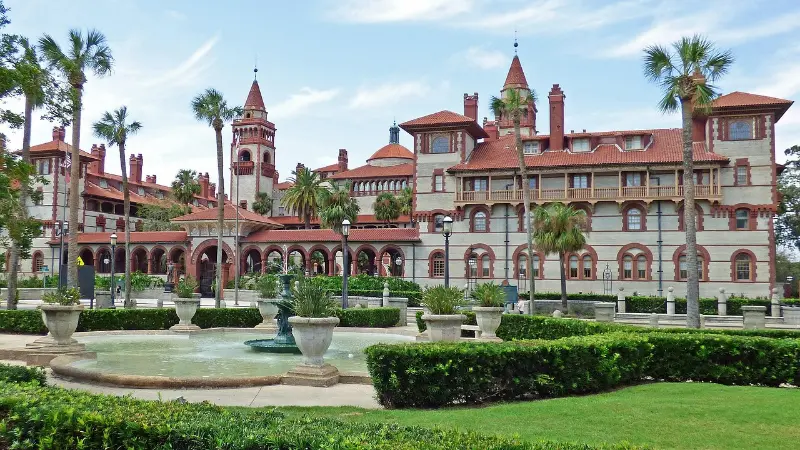
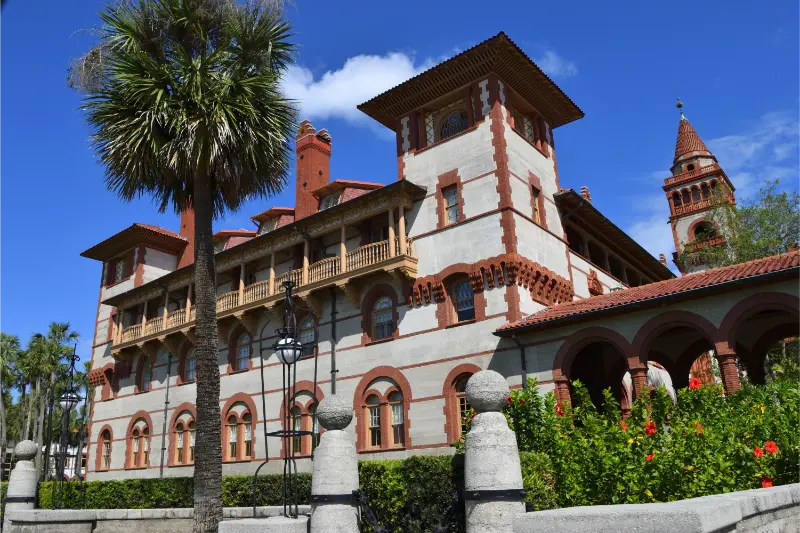
    Flagler College Saint Augustine Florida

    If your group dislikes museums, substitute a slower architecture walk around King Street and the historic hotels rather than buying an admission simply because it appears on every checklist.

    2:30–4:00 p.m. — one flexible choice

    This is the part of the day that should respond to your group. Families may prefer Pirate & Treasure Museum or Oldest Wooden School House. History-focused adults may choose Ximenez-Fatio House. Tired travelers can simply slow down along the bayfront.

    4:00–6:00 p.m. — reset before evening

    Do not fill every minute. Return to the hotel if you are staying nearby, have a coffee, sit in a shaded courtyard or walk the waterfront. This break is what makes the evening enjoyable rather than something endured after eight straight hours of sightseeing.

    Evening — dinner and night atmosphere

    St. Augustine becomes more atmospheric after day-trippers leave. Have dinner in the historic core, then take a short walk through illuminated streets and the bayfront.

    If your visit coincides with a major seasonal event, expect crowds and plan transportation accordingly. A calm ordinary evening and a festival evening are very different logistical experiences.

    What about the beach?

    A beach stop is possible, but it usually weakens a one-day first visit unless you arrive very early or are staying on Anastasia Island. Anastasia State Park and St. Augustine Beach deserve more than a rushed drive-by.

    If the ocean is essential, replace the afternoon museum block with 2–3 hours at the beach rather than adding beach time on top of everything else.

    One-day itinerary with kids

    With children, shorten the Castillo and formal architecture portions. A stronger family mix is Castillo, St. George Street, lunch, one interactive attraction and an outdoor break. St. Augustine Alligator Farm is excellent but is better as the main afternoon anchor rather than a quick add-on.

    One-day itinerary for senior travelers

    Reduce standing and backtracking. Use the parking garage, benches around the Plaza and a single reserved tour. Choose either Flagler College or Lightner Museum, not both, and use the bayfront as the flexible final activity.

    Budgeting for one day

    St. Augustine becomes expensive when every hour has an admission. A better strategy is one or two paid anchors plus free streets, plazas, churches and waterfront spaces. Compare the actual attractions you will use before buying any bundled pass.

    Weather and seasonal planning

    Northeast Florida is visitable year-round, but the experience changes sharply with the season. Late spring through early fall brings heat, humidity and frequent afternoon thunderstorms. Winter often has comfortable walking weather, yet cold fronts can make beaches and exposed waterfronts surprisingly cool and windy. Spring and fall usually provide the easiest compromise between temperature and daylight.

    Lightning is the main reason to keep a flexible plan. At beaches, golf courses, parks and open historic sites, thunder is a cue to move indoors rather than shelter under a tree or pavilion. During hurricane season, check operating status before driving because coastal parks, bridges, beach ramps and attractions can close or alter hours even when the storm center is far away.

    If it rains

    Keep the Castillo only if conditions are comfortable and safe, then shift time toward Lightner Museum, Flagler College, Pirate & Treasure Museum, Ximenez-Fatio House or another indoor attraction. Thunderstorms often pass, so preserving one flexible block is more effective than abandoning the entire day.

    Common mistakes to avoid

    • Trying to see every famous attraction in eight hours.
    • Moving the car between downtown sights that are easier to walk.
    • Skipping lunch and rest to squeeze in another museum.
    • Adding beach time without removing something else.
    • Booking multiple timed tours with no buffer for parking or queues.

    Official planning resources

    Use the City of St. Augustine for current parking and event notices and Florida’s Historic Coast for destination maps and visitor information.

    Extra planning notes for a smoother visit

    Keep a 15–30 minute buffer between major stops around historic St. Augustine. Short map distances can still involve bridge traffic, event congestion, full parking lots, security lines or slow pedestrian streets. A little slack in the day prevents one delay from forcing you to skip the attraction you cared about most.

    Save the official address, parking instructions and any reservation confirmation before leaving your hotel. Mobile coverage is generally good, but a group trying to navigate, find a garage and retrieve tickets at the same time can lose more time than expected.

    Use official same-day notices for outdoor access. Beach driving, dune walkovers, trails and event parking can change because of tide, storms, maintenance or special events. A map app showing a place as open does not guarantee every activity or entrance is operating normally.

    Comfortable shoes are more important here than they may seem. A single day can include brick streets, wooden boardwalks, grass, sand, gravel and historic floors. Choose footwear for the most demanding surface in the itinerary, not only for the restaurant or photo stop at the end.

    Build one flexible element into every half day. A beach walk, café, park or scenic drive can expand when everything is running smoothly and shrink when parking, weather or fatigue slows the group down. That flexibility is especially valuable with children and senior travelers.

    Think about the return trip before you begin the final activity of the day. After a beach session, concert, long museum visit or golf round, the group is less patient with restaurant queues and parking searches. Keep water in the car and know where your next practical stop will be.

    Final thoughts

    The best one-day St. Augustine itinerary is not the one with the most tickets. It is the one that leaves enough time to notice the fort, brick streets, Flagler-era architecture and bayfront as parts of one story. Choose a few strong anchors and let the historic core connect them.

    How to decide whether this belongs in your itinerary

    A useful test is to ask what this stop adds that your other plans do not. If the day already contains two history museums, choose nature, beach or active recreation instead of a third similar attraction. If everyone has been outdoors in the heat, an indoor or seated experience may be the better use of time. Variety usually creates better travel memories than simply maximizing the number of famous names.

    For this destination, the practical goal is not to follow a rigid checklist but to leave enough margin for real conditions on the day. That may mean shortening a walk, moving a meal earlier, changing parking areas or dropping a low-priority stop. A trip feels more complete when the experiences you keep are enjoyed at a reasonable pace.

    Transportation reality

    Northeast Florida distances can look small on a map, but bridges, beach traffic, event congestion and parking searches affect real travel time. Group nearby stops and avoid crossing the same bridge repeatedly. When an attraction has a timed tour or concert gate time, build the schedule backward from that fixed commitment and keep flexible activities around it.

    For this destination, the practical goal is not to follow a rigid checklist but to leave enough margin for real conditions on the day. That may mean shortening a walk, moving a meal earlier, changing parking areas or dropping a low-priority stop. A trip feels more complete when the experiences you keep are enjoyed at a reasonable pace.

    Planning for meals and energy

    Meals are part of the itinerary rather than empty space between attractions. Eating slightly before peak lunch or dinner can reduce waits and protect the rest of the schedule. Families should carry simple snacks, while all travelers benefit from water in the car. After a hot beach or trail session, a long sit-down meal may be more restorative than forcing one more attraction before dinner.

    For this destination, the practical goal is not to follow a rigid checklist but to leave enough margin for real conditions on the day. That may mean shortening a walk, moving a meal earlier, changing parking areas or dropping a low-priority stop. A trip feels more complete when the experiences you keep are enjoyed at a reasonable pace.

    Photography without slowing the whole group

    Choose two or three moments for deliberate photography instead of stopping every few minutes. Early and late light is usually softer on beaches and historic architecture, while overcast conditions can be excellent for gardens and portraits. At wildlife sites, use distance and a longer lens rather than approaching animals. At active churches, concerts and private tours, follow the specific photography rules.

    For this destination, the practical goal is not to follow a rigid checklist but to leave enough margin for real conditions on the day. That may mean shortening a walk, moving a meal earlier, changing parking areas or dropping a low-priority stop. A trip feels more complete when the experiences you keep are enjoyed at a reasonable pace.

    What to do when plans change

    Have one backup in the same geographic area. If a beach closes to driving, use a pedestrian access rather than crossing the county for another ramp. If a thunderstorm delays an outdoor attraction, switch to a nearby museum or meal and return later. The strongest itineraries are modular: one change should not force a complete redesign of the day.

    For this destination, the practical goal is not to follow a rigid checklist but to leave enough margin for real conditions on the day. That may mean shortening a walk, moving a meal earlier, changing parking areas or dropping a low-priority stop. A trip feels more complete when the experiences you keep are enjoyed at a reasonable pace.

    Safety and comfort

    Heat, lightning, surf and traffic are more relevant to most visitors than dramatic hazards. Use sunscreen, hydrate before you feel thirsty, respect beach flags and move indoors when thunder approaches. Never leave children or pets in a parked vehicle, even briefly. On natural trails, tell someone your route if walking alone and turn back before daylight or weather becomes a problem.

    For this destination, the practical goal is not to follow a rigid checklist but to leave enough margin for real conditions on the day. That may mean shortening a walk, moving a meal earlier, changing parking areas or dropping a low-priority stop. A trip feels more complete when the experiences you keep are enjoyed at a reasonable pace.

  • St. Augustine to New Smyrna Beach in Six Days: A Relaxed Atlantic Coast Road Trip

    St. Augustine to New Smyrna Beach in Six Days: A Relaxed Atlantic Coast Road Trip

    Florida’s Atlantic coast feels very different when you stop trying to see every major city. Between St. Augustine, Flagler Beach and New Smyrna Beach, you can create a six-day road trip built around historic streets, coastal parks, casual meals and beach mornings. The route is short enough to avoid constant hotel changes, yet varied enough to give each day its own character. It suits couples, families with school-age children and older travelers who prefer comfortable stops to marathon driving.

    The idea is simple: start in St. Augustine for history, follow sections of the coastal highway south, slow down near Flagler Beach, then finish around New Smyrna Beach. You won’t be racing toward Miami or attempting to visit Orlando theme parks between beach stops. The interest lies in the details: maritime history, protected dunes, birds near an inlet and the different rhythms of small Atlantic towns.

    Two lodging bases are enough for six days

    Book the first three nights in or near St. Augustine, then move to the New Smyrna Beach area for the final three. This arrangement limits packing while making the most of the route. Families who dislike hotel changes could stay in one central area, but that creates more repeated driving, particularly if you want several short outings at opposite ends of the corridor.

    Historic St. Augustine accommodation may put you close to major sights but introduce parking charges, older-building stairs and noise on busy evenings. A property slightly outside the old town may offer easier car access. New Smyrna Beach has hotels and rentals with very different locations: some are close to the beach, some near downtown and others in quieter areas requiring a car for each meal. Check exact addresses, not just the town name.

    For older guests, ask about elevators, shower access and distance from parking. For families, a kitchenette can simplify breakfasts. Review the total costs, especially parking, resort fees and cleaning charges, before choosing a rental on the strength of a low headline price.

    Day one: arrive in St. Augustine and focus on its streets

    Use the first afternoon for a short walk through the historic district. Look at the old street pattern, pause outside notable buildings and find a café that suits your group. St. Augustine has many attractions, but the first day works better without a timed ticket. If you’re arriving after a flight, an unhurried dinner provides a more comfortable start than racing to fit in one last museum.

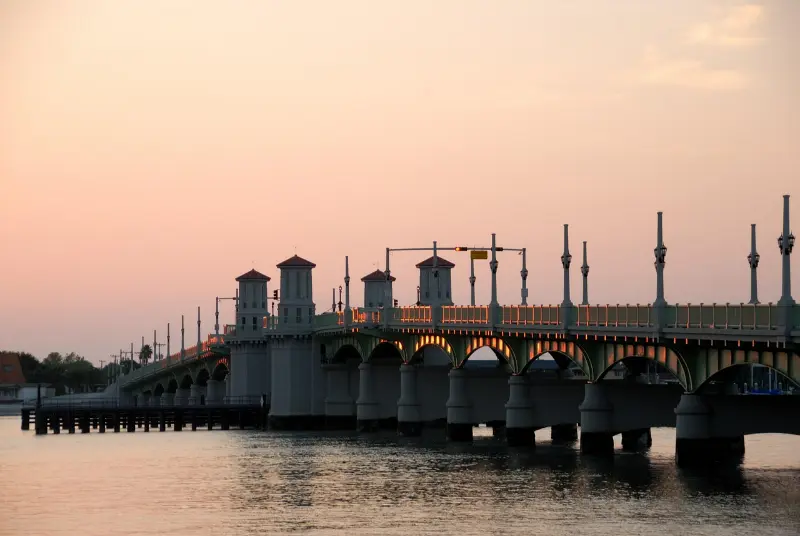
    Bridge of Lions Saint Augustine at Sunset

    The historic core includes uneven surfaces and narrow areas that can be difficult for some wheelchairs or strollers. Choose the route by actual comfort rather than attempting to cover every photogenic lane. A family member can stop in a shaded place while others browse a nearby shop. If your group is interested in the city’s complicated history, begin with a few questions about the Spanish colonial period, Indigenous communities and how the town changed over centuries.

    Evenings can be lively. If you prefer quiet rooms, don’t assume an accommodation in the heart of the district will offer complete silence. Ask about the room’s location and nearby activities before booking.

    Day two: a thoughtful visit to Castillo de San Marcos

    Castillo de San Marcos National Monument is an excellent place to understand why this coast mattered to colonial powers. The fort’s thick walls, defensive design and waterfront position invite questions that interest adults and children alike. Check operating hours, entry arrangements and any ranger programs on the National Park Service website. The monument is a historic structure, so access to different levels may not be equally easy.

    Before the visit, explain that forts were built in a period of conflict and that their stories involve soldiers, civilians, enslaved people and Indigenous communities, not just dramatic battles. Encourage children to ask what life inside the fort might have been like and why controlling a harbor mattered. A guided interpretive talk can make the visit more meaningful than moving quickly between rooms for photographs.

    Follow this with lunch and a relaxed afternoon. Do not schedule another major attraction across town unless everyone is enthusiastic and the heat is manageable. A short waterfront look and time to rest are enough for day two.

    Day three: coastal scenery and a slower afternoon

    Use the third day to enjoy the shore near St. Augustine rather than adding another long historic site. Anastasia Island offers beaches and natural areas, including Anastasia State Park, whose current park page is the correct source for access and conditions. Choose a designated public route and remain outside protected dune areas. A beach day can mean an hour of looking for birds, a picnic and a quiet return to town; it need not require swimming.

    If swimming appeals to your group, check flags and surf conditions. Atlantic waves and rip currents can be serious, and being a confident pool swimmer does not make a person immune. Active supervision is essential for children. If someone has limited mobility, investigate the specific access point instead of assuming a public beach will have an accessible route across soft sand.

    For an indoor alternative, choose a St. Augustine museum or historic venue that genuinely interests the family. A rainy day can still feel well spent if you avoid crossing the city repeatedly in traffic.

    Day four: drive south with a Flagler Beach stop

    Check out after breakfast and head south toward Flagler Beach using the most appropriate coastal route for the day’s conditions. A1A offers attractive stretches, but roadworks, storm repairs and traffic patterns can change travel times. Make the drive part of the day rather than a race. Choose one public stop in Flagler Beach and explore the local atmosphere, perhaps around a downtown café or beach viewpoint.

    The town’s character differs from a high-rise resort destination. That’s part of its appeal. Enjoy a short walk, take a break for lunch and leave time to notice the coast. Do not assume every access point has ample parking or that all features of the historic pier are open; repair work can change access, and the city is the appropriate authority for updates.

    For curious children, talk about how coastal communities respond to storms and why dunes matter. For adults, the stop can simply be a peaceful pause between two lodging bases. After lunch, continue to New Smyrna Beach, check in and spend the evening close to the hotel.

    Day five: New Smyrna Beach at your own pace

    New Smyrna Beach allows an enjoyable combination of coastal scenery, art and local businesses. Start in the morning with a beach or inlet-area viewpoint suited to your group’s interests, then plan a downtown visit or lunch. Some nearby state recreation areas protect coastal habitats and provide scenic outlooks, but access rules, hours and parking can vary; check official park information rather than driving to a random point shown on a map.

    If your children enjoy ocean science, bring an inexpensive wildlife identification booklet or make a list of questions about dune plants, seabirds and tidal changes. Teenagers may prefer a supervised beach activity or free time to photograph the town. Older adults might choose a shorter outing followed by a long lunch. There is no obligation to remain together every minute; the family can separate for an hour and meet at an agreed safe location.

    Be especially careful around inlets and fishing structures. Current and boat traffic can be dangerous, and attractive photographs are not a reason to cross barriers or enter restricted zones. The Florida State Parks safety guidance is useful background for a coastal day.

    Day six: finish with a relaxed breakfast and one small choice

    A holiday often feels shorter when the final morning becomes a struggle to fit in one more must-see attraction. Enjoy breakfast and choose between a brief local walk and a comfortable departure. If you’re flying from Orlando or another airport, allow for the drive, fuel, car return and security. Road conditions can change; check the actual route before setting out.

    If you have a late departure, choose a nearby art space, safe public waterfront or lunch stop. Avoid a remote beach or a ticketed attraction that could keep you away from the car longer than expected. Families should check chargers, beach toys, medication and wet swimsuits before leaving. A calm ending is worth more than a final photograph taken in a hurry.

    Travelers continuing farther south can extend their trip along the coast in a separate itinerary. This six-day plan is deliberately complete without adding Daytona Beach, the Space Coast or the Palm Beaches.

    What makes this route good for different ages?

    You can adjust the emphasis without changing the overnight stops. For younger children, focus on short beach visits, a fort story told at their level and plenty of rest. For teenagers, give them a role in choosing an art stop, restaurant or activity. For couples, longer historic walks and quiet coastal meals may be the highlights. Older travelers often value predictable parking, benches and a route that can be shortened at any point.

    Be honest about mobility differences. A tour described as “easy walking” may still cross cobblestones, sandy approaches or uneven historic surfaces. Ask museums and parks about accessible entrances and the location of seating. If you are bringing a stroller, try a route with paved portions and carry only what is necessary for the outing. Don’t expect a wheel-based device to work well on loose sand without appropriate adaptations.

    Allow different interests to coexist. One person may want to visit another historic exhibit while another is content watching the Atlantic from a shaded bench. The best travel day is the one in which everyone feels included without being forced into the same pace.

    Timing, storms and local road conditions

    Spring and fall can be comfortable for a coastal road trip, though weather remains variable. Summer brings humid conditions and afternoon thunderstorms. Winter may be excellent for historic sightseeing and outdoor meals, but ocean swimming may not appeal to everyone. School holidays and local events can make parking and accommodations busier than expected.

    Florida’s Atlantic hurricane season runs from June through November. Follow the National Hurricane Center and local public safety instructions during any tropical threat. Barrier islands and coastal highways are particularly sensitive to severe storms and erosion. Even after skies clear, access may be limited by damage or repairs. Choose refundable arrangements when the risk or your flexibility calls for them.

    Fuel up before starting a longer drive and keep the itinerary on a phone that works offline. A1A is scenic in sections but is not always the fastest route. If someone needs a restroom stop or becomes tired, take a break in an established public place rather than stopping unsafely along a narrow road.

    A quick budget and route planner

    Day Overnight Main visit
    1 St. Augustine Historic district and easy dinner
    2 St. Augustine Castillo de San Marcos
    3 St. Augustine Anastasia Island or indoor history
    4 New Smyrna Beach Flagler Beach coastal stop
    5 New Smyrna Beach Beach, local art and relaxed lunch
    6 Departure Short favorite stop or straight home

    Budget for two sets of lodging charges, parking in historic and beach areas, state or national park admissions and meals. Because many memorable activities are public walks, the route need not be expensive. However, beachfront lodging and holiday weekends can raise prices considerably. Compare complete room costs and read cancellation rules before booking.

    A trip along this part of A1A is most rewarding when you choose to notice rather than rush. The historic stones of St. Augustine, a low-key afternoon in Flagler Beach and the ordinary sounds of a seaside morning create a satisfying Florida vacation without requiring a single theme park ticket.

    Frequently asked questions

    Is A1A the quickest way to drive between these towns?

    Not always. It is often chosen for scenery rather than speed. Check current roadworks and compare with inland alternatives on your travel day.

    Can we travel without changing hotels?

    Yes, but you will spend more time repeating the north–south drive. Two lodging bases usually make this six-day itinerary more comfortable.

    Is the trip appropriate for someone who cannot swim?

    Yes. Historic sites, coastal viewpoints, local dining and wildlife watching are worthwhile without swimming. Confirm exact access conditions for each stop.

  • St. Augustine Lighthouse Guide: 219 Steps, Hours, Tickets, Views and Family Tips

    St. Augustine Lighthouse Guide: 219 Steps, Hours, Tickets, Views and Family Tips

    The St. Augustine Lighthouse is one of the few attractions where the physical effort is part of the story. Reaching the observation deck requires 219 steps, and the changing view through the stairwell makes the climb feel different from a normal museum visit.

    Explore this guide

    The tower is only one part of the site. The historic Keepers’ House, maritime archaeology exhibits, shipwreck stories and grounds add enough substance that travelers who cannot or do not want to climb can still have a meaningful visit.

    Planning matters because the tower is weather-dependent, the staircase is historic and children must meet a height requirement. Treat the climb as an optional highlight inside a broader maritime museum, not as the only reason your ticket has value.

    Quick planning summary

    • Best for: lighthouse fans, active families, photographers, maritime-history travelers, couples and visitors who want one of the best elevated views in St. Augustine
    • How much time: 1.5–2.5 hours for the tower, Keepers’ House and maritime exhibits; longer for a guided or special tour.
    • Current cost: Ticketed attraction. General-admission prices and special-tour rates change; check the official ticket page before travel. Children must meet the current 44-inch height rule to climb.
    • Current hours/status: Current official schedule: generally 9 a.m.–6 p.m. October–February and 9 a.m.–6:30 p.m. March–September, with earlier last ticket times and modified holiday/event hours.
    • Location: 100 Red Cox Drive, St. Augustine, FL 32080

    Why this stop is worth including

    The lighthouse combines a memorable viewpoint with a strong sense of work and daily life. The 219 steps help visitors understand what keepers repeatedly climbed, while exhibits explain lenses, shipwrecks, navigation and families who lived at the station.

    It is also a good contrast to downtown St. Augustine. After hours of colonial streets and Gilded Age architecture, the lighthouse shifts attention toward the Atlantic, shipping and the long relationship between the city and the sea.

    Family tipFor families, the site is unusually flexible: one adult can climb with taller children while another uses the exhibits, grounds or children’s activities with a younger child.

    What to see and do

    Climb the 219-step tower if it fits your group

    The spiral staircase has landings where visitors can pause, but the climb still requires steady effort and comfort with height. Go at your own pace and let faster visitors pass rather than turning it into a race.

    The reward is a broad view over Anastasia Island, the Atlantic and St. Augustine. Wind can be stronger at the top than at ground level, and staff may close the tower or observation deck when weather creates unsafe conditions.

    Explore the Keepers’ House

    The 1876 Keepers’ House gives the human side of the light station. Instead of seeing lighthouse work as an abstract maritime function, you see how families lived beside the tower and supported an operation that had to work every night.

    Interactive and period-room elements are useful for children because they create more variety after the climb.

    Look at the maritime archaeology exhibits

    The museum’s shipwreck and archaeology work distinguishes it from a simple lighthouse viewpoint. Exhibits connect St. Augustine to wrecks, trade, conservation and the practical science of recovering objects from underwater sites.

    If your group includes a teenager interested in diving, archaeology or conservation science, spend more time here than in the gift shop or decorative rooms.

    Use the landings as mini-exhibits

    The stair climb is not just transit. Interpretive material on the way up provides natural rest points and gives you something to focus on besides the remaining steps.

    Read selectively. Stopping at every panel while people are moving in both directions can create congestion; choose a few landings and continue.

    Join a daytime guided program when available

    The museum advertises guided interpretation with general admission during parts of the day. A short tour can clarify details that are easy to miss on a self-guided visit.

    Program times can change, so check the current schedule on arrival rather than promising children a particular demonstration.

    Leave time for the grounds

    The maritime hammock and outdoor spaces help the visit breathe. Use them after the tower to cool down, look back at the tower from a distance and let younger children move at their own pace.

    This is also where families can split temporarily if not everyone wants to climb.

    Current costs, hours and reservations

    The official visitor page currently lists seasonal closing times, with daily opening at 9 a.m. and later closing from March through September. The tower can close for weather and special events. Ticket prices vary by general admission and special tours, so this is a case where the official ticket page is more useful than quoting a price months in advance. Children must currently be at least 44 inches tall and climb under their own power; carrying children in the tower is prohibited.

    Treat every ticket price, opening time, special program and construction notice in this article as a planning snapshot from October 2026. Travelers should recheck the official source shortly before travel rather than assuming a 2026 operating detail remained unchanged into 2028 or later.

    Parking and getting there

    The lighthouse has on-site visitor parking, which is a major convenience compared with downtown attractions. Arrive earlier on weekends, holidays and event days because the site can be busy. If you are pairing the lighthouse with Alligator Farm or Anastasia State Park, keep the car on Anastasia Island for that part of the day rather than crossing the Bridge of Lions between every stop.

    St. Augustine traffic becomes much easier when you group attractions by area. The historic core rewards walking after you park; Anastasia Island rewards staying on the island for several stops. Avoid crossing the Bridge of Lions repeatedly simply because each attraction looks close on a map.

    Saint Augustine Florida Historic Street at Dusk

    Best time of day and best season

    Morning is best for a cooler climb and usually calmer planning. Late afternoon can offer beautiful light, but last-climb and last-admission rules mean you should not cut it close. Winter hours are currently shorter than summer hours. Special evening experiences can be worthwhile for repeat visitors, but they are separate products and often require advance booking.

    Families with babies and young children

    The 44-inch climbing rule is the key family detail. Measure borderline-height children before promising the climb. Younger children who cannot climb can still enjoy maritime exhibits, the grounds and family-oriented activities, which makes it easier for adults to split the group briefly. After the tower, plan a snack and a low-structure activity rather than immediately demanding another museum.

    For small children, the most successful day alternates structured sightseeing with movement, food and shade. A child who has already spent two hours listening indoors may enjoy a beach, park or open plaza far more than a third museum, even if that museum is objectively excellent.

    Teenagers and older children

    The combination of physical challenge, views, shipwrecks and archaeology works well for teenagers. Let them lead the tower climb or spend more time with conservation and shipwreck interpretation. If they are interested in photography, the top of the tower gives an obvious creative goal, though phones and cameras should be secured carefully on the stairs and deck.

    Give teenagers some ownership of the itinerary. Let them choose a photo stop, snack, viewpoint or second-half activity. That small decision often produces more engagement than adding another attraction chosen entirely by adults.

    Senior travelers and multigenerational groups

    Older visitors who are comfortable with stairs may enjoy the climb at a slower pace using the landings. Others can skip the tower entirely and focus on exhibits. The site should not be judged only by whether everyone reaches the top; the historic houses and maritime story have independent value.

    Build the day around the least mobile or most heat-sensitive traveler first. More active family members can add a climb, longer beach walk or side street without requiring everyone to cover the same distance.

    Accessibility and comfort

    There is no elevator inside the historic lighthouse. Several museum areas and public restrooms are accessible, and the museum provides a video view from the top for visitors who cannot climb. Because historic buildings can have individual limitations, review current accessibility information or contact staff when a specific route, mobility device or seating need is essential.

    Food, water and practical breaks

    Treat the lighthouse as a two-hour attraction rather than a meal destination. Bring water and use nearby Anastasia Island restaurants before or after the visit. If children are climbing, avoid beginning the staircase immediately after a heavy meal or after they have become overheated at the beach.

    Carry more water than a short Florida outing seems to require, especially from late spring through early fall. A planned seated break is not wasted sightseeing time; it is often what allows a multigenerational group to enjoy the final two hours of the day.

    Photography tips

    The observation deck is the obvious photo location, but the best lighthouse portrait often comes from the grounds where the entire striped tower fits into the frame. Morning and late afternoon reduce harsh contrast. Secure loose gear on the staircase, and respect any restrictions on tripods, commercial photography or special-event use.

    How it compares with nearby alternatives

    Choose this lighthouse for the combination of climb, maritime museum and St. Augustine views. Ponce Inlet Lighthouse offers a different lighthouse experience farther south and is useful if you are comparing Florida light stations, while Marine Science Center in Ponce Inlet emphasizes wildlife rehabilitation and marine education rather than a tower climb.

    How to combine it with other Wonderful Florida guides

    On a coastal road trip, compare the maritime story here with Ponce Inlet Lighthouse and then continue north or south through River to Sea Preserve. All of those guides are scheduled before this package, so these links remain valid when 1112 publishes.

    How to fit this stop into a St. Augustine trip

    A useful way to plan St. Augustine is to separate the day into one history-heavy anchor, one lighter walk or outdoor stop, and one flexible meal or beach period. The city contains enough museums and ticketed attractions to fill several days, but stacking four indoor history stops back-to-back often produces less learning, not more. Families usually do better when a structured attraction is followed by open space; couples may prefer to reserve late afternoon for the bayfront; senior travelers often benefit from putting the longest walk before lunch and using a museum during the warmest part of the day.

    Saint Augustine Historic Town Aerial

    If you have only one day

    Keep the schedule disciplined. Choose one major paid attraction in the morning, use the historic district or beach as your flexible middle period, and add a second ticketed stop only if travel time and energy remain realistic. St. Augustine is compact, but parking, lines and heat can make a short distance consume more time than it appears on a map.

    If you have two or three days

    Divide the city by theme or geography. One day can focus on the historic core, another on Anastasia Island and the beach, and a third can be used for a slower museum, nature or north-coast excursion. This reduces repeated parking and keeps children and older travelers from spending every day in the same type of environment.

    Budget and value

    St. Augustine can be inexpensive or surprisingly costly depending on how many admissions you buy. Parking, two major attractions and restaurant meals can turn a casual day into a substantial family expense. Pick the one or two paid experiences that best match your interests, then use free elements such as the bayfront, Plaza de la Constitución, portions of St. George Street and beach time to create contrast. If your itinerary includes several federal recreation sites, compare the cost of individual admission with any pass you already hold; if you are traveling with children, always check the attraction’s age thresholds because some sites admit young children free.

    Weather and seasonal planning

    Northeast Florida weather rewards flexible sequencing. Summer brings heat, high humidity and frequent afternoon thunderstorms, while winter can be mild one day and windy or surprisingly cool the next. Lightning is a reason to leave exposed fort walls, beaches, piers, lighthouse towers and open water promptly. During hurricane season, verify operating status again on the morning of the visit because coastal parks and historic properties may close even when the center of a storm is far away. Carry water year-round, use sun protection, and do not treat an overcast sky as protection from ultraviolet exposure.

    A realistic half-day plan

    Arrive near opening

    Use the cooler part of the day for the tower and confirm that weather has not affected climbing.

    Climb first, exhibits second

    Do the physically demanding part while energy is high, then slow down in the Keepers’ House and maritime spaces.

    Add a relaxed Anastasia Island stop

    Have lunch, visit a beach or choose another nearby attraction only if the group still has energy.

    Where to stay for this part of northeast Florida

    For a first St. Augustine visit, staying in or immediately beside the historic district is the most convenient choice if your priority is walking to the fort, St. George Street, Flagler College and evening restaurants. Anastasia Island is usually better for travelers who want easier beach access, a quieter night and short drives to the lighthouse, Alligator Farm and state park. Families who value space, a pool and simple parking may prefer the beach side even if it means crossing the Bridge of Lions for downtown sightseeing. For a one- or two-night stay, avoid changing hotels simply to save a few miles: traffic and parking strategy matter more than moving your luggage between neighborhoods.

    Historic Saint Augustine Park and Shops

    Common mistakes to avoid

    • Promising a tower climb to a child under the height requirement.
    • Arriving close to last admission without checking the last-climb time.
    • Assuming the site has an elevator.
    • Skipping the museum exhibits after paying only for the view in your mind.
    • Ignoring wind or lightning because the weather looked fine at ground level.

    Practical questions before you go

    How many steps are there?

    There are 219 steps to the observation deck, with landings along the way.

    Can young children climb?

    Children must currently be at least 44 inches tall and climb under their own power.

    Is there an elevator?

    No. The lighthouse is a historic tower; accessible exhibits and a video view provide alternatives.

    How long does a visit take?

    Allow about 1.5 to 2.5 hours for the climb, exhibits and grounds.

    Can the tower close because of weather?

    Yes. Lightning, high winds and other conditions can affect tower access.

    Official resource to check before you go

    For current visitor information, use the official visitor page. Recheck hours, fees, reservations, closures, construction notices, weather restrictions and accessibility information shortly before travel.

    Final thoughts

    The St. Augustine Lighthouse is worth more than a quick climb for a photograph. The tower gives the memorable moment, but the Keepers’ House, maritime archaeology and working-light story are what make the attraction feel complete. Arrive early, respect the climbing rules and keep a backup plan for weather so the visit remains successful even if the observation deck closes.

  • Best Beaches in St. Augustine and Ponte Vedra: Parking, Swimming, Beach Driving and Family Guide

    Best Beaches in St. Augustine and Ponte Vedra: Parking, Swimming, Beach Driving and Family Guide

    Choosing the best beach around St. Augustine is less about finding one universally superior stretch of sand and more about matching the beach to the day you want. Families may prioritize restrooms and lifeguards, nature travelers may prefer protected coastline, drivers may want legal vehicle access, and couples may care more about quiet space than nearby restaurants.

    Explore this guide

    St. Johns County and Florida’s Historic Coast offer roughly 42 miles of Atlantic shoreline from Ponte Vedra south toward the Matanzas area. Public access, parking, dune crossings and vehicle rules vary significantly, so the easiest beach for one traveler can be the most frustrating for another.

    This guide compares the beaches that are most useful for visitors rather than ranking them by scenery alone. The goal is to help you decide where to park, what facilities to expect and which beach fits children, seniors, surfers, walkers or a relaxed half day.

    Quick answer: which beach should you choose?

    • Best all-round beach-town experience: St. Augustine Beach
    • Best state-park beach: Anastasia State Park
    • Best quiet family beach: Crescent Beach
    • Best for easy access north of downtown: Vilano Beach
    • Best Ponte Vedra public beach: Mickler’s Landing
    • Best for nature: GTM/Guana access areas
    • Best for combining beach and national monument: the Matanzas/Crescent Beach area

    St. Augustine Beach: best for convenience and a classic beach-town day

    St. Augustine Beach is the easiest recommendation for first-time visitors who want restaurants, nearby services, multiple access points and a lively but family-friendly atmosphere. It is also convenient when staying on Anastasia Island.

    Bridge of Lions Saint Augustine at Sunset

    Parking can still be competitive on summer weekends, and the county pier area has experienced construction/closure changes, so check current status rather than assuming every facility around the pier is open.

    Anastasia State Park: best for dunes, nature and a controlled park setting

    Anastasia State Park combines more than 1,600 acres of beach, marsh and maritime habitat with a state-park entry system. Current admission is $8 per vehicle, with lower rates for single occupants, pedestrians and bicyclists.

    Choose Anastasia when you want natural scenery, birding, beach time and park amenities in one place. It is less convenient for restaurant-hopping than St. Augustine Beach but much stronger for a nature-focused half day.

    Crescent Beach: best for a quieter family day

    Crescent Beach has a calmer residential feel and practical public facilities. The county lists 104 parking spaces at the main access, accessible restrooms, outdoor showers and both pedestrian and authorized vehicle access.

    This is a strong choice for families and travelers who want a broad beach without needing a commercial strip immediately behind them.

    Vilano Beach: best for quick access from historic St. Augustine

    Vilano Beach is just north of the historic core and can be a convenient beach add-on after downtown sightseeing. The county lists public parking, restrooms, showers and a Mobi-Mat at the northern access, though some dune crossings still involve stairs or soft sand.

    Vilano is also one of the designated vehicle-access points, currently restricted to 4WD for driving onto the beach when conditions permit.

    Mickler’s Landing: best public beach in Ponte Vedra

    Mickler’s Landing is the most useful public-beach recommendation for Ponte Vedra visitors. The county lists more than 200 parking spaces, showers, changing rooms, accessible restrooms and a Mobi-Mat designed to ease access.

    Its main weakness is popularity. Parking can fill on summer weekends and holidays, which is why the county sometimes operates a free seasonal shuttle from Cornerstone Park on major holiday weekends.

    GTM and Guana beaches: best for nature

    GTM Research Reserve and Guana-area access points give the northern coast a more protected, less developed feel. They are better for nature lovers, long walks and combining beach time with trails or environmental interpretation.

    Some parking areas sit across A1A from the beach, so crossing safely at designated points matters. Facilities and stair counts vary by access.

    Beach driving: what visitors need to know

    St. Johns County currently allows vehicles on about 12 miles of designated beach. During the peak toll season, currently March through September, vehicles need a beach pass. Access depends on tides, sand and weather, and several ramps require or strongly favor 4WD.

    Driving on the beach is not a guaranteed parking solution. Ramps can close temporarily, vehicle capacity can fill and sea-turtle nesting season brings gate-hour restrictions. Check same-day county updates before relying on vehicle access.

    Best beaches for families with young children

    Prioritize lifeguard presence, restrooms, short walks from the car and the ability to leave quickly when children are tired. St. Augustine Beach, Crescent Beach, Mickler’s Landing and Anastasia State Park are the most practical starting points.

    No beach is automatically “safe” because it has gentle-looking waves. Rip currents and shore break can occur throughout the coast. Use staffed lifeguard zones when available and read the beach flags.

    Best beaches for senior travelers and accessibility

    Accessibility varies more than most visitors expect. A boardwalk can be wheelchair-friendly yet end at soft sand; a Mobi-Mat can reduce but not eliminate the challenge of reaching firm beach. Mickler’s, Vilano and Crescent all publish specific accessibility details, while the county also provides beach-wheelchair information.

    For travelers who mainly want ocean views rather than swimming, an accessible viewing platform may be more comfortable than attempting a long sand crossing.

    Best beach for surfers and active travelers

    Surf conditions change daily, and experienced local surfers use multiple breaks depending on swell, wind and tide. St. Augustine Beach and the inlet areas are commonly associated with surfing, but beginners should use reputable lessons rather than choosing a break based only on online photos.

    Dogs on the beach

    Florida’s Historic Coast notes that dogs are permitted on most area beaches when leashed, but rules can differ by park and protected area. State parks, wildlife refuges and specific conservation zones may have stricter policies. Check the exact beach before bringing a dog.

    Weather and seasonal planning

    Northeast Florida is visitable year-round, but the experience changes sharply with the season. Late spring through early fall brings heat, humidity and frequent afternoon thunderstorms. Winter often has comfortable walking weather, yet cold fronts can make beaches and exposed waterfronts surprisingly cool and windy. Spring and fall usually provide the easiest compromise between temperature and daylight.

    Lightning is the main reason to keep a flexible plan. At beaches, golf courses, parks and open historic sites, thunder is a cue to move indoors rather than shelter under a tree or pavilion. During hurricane season, check operating status before driving because coastal parks, bridges, beach ramps and attractions can close or alter hours even when the storm center is far away.

    A simple beach-selection strategy

    If parking convenience matters most

    Choose a large formal facility and arrive early: St. Augustine Beach, Crescent, Anastasia State Park or Mickler’s.

    If scenery and nature matter most

    Choose Anastasia State Park or GTM/Guana. Bring water and accept that food and commercial services are less immediate.

    If you are combining with historic St. Augustine

    Vilano or Anastasia Island usually minimize driving. A beach stop after downtown can be excellent, but leave enough time to change clothes and avoid carrying sand into a formal dinner or museum.

    Sailing Boats in Saint Augustine Florida Marina

    Common mistakes to avoid

    • Choosing a beach only by distance without checking parking and facilities.
    • Assuming beach driving is always open.
    • Leaving valuables visible in a vehicle.
    • Ignoring beach flags, lightning and rip-current risk.
    • Expecting every accessible boardwalk to continue across soft sand to the water.

    Official resources to check before you go

    Use St. Johns County Beach Access for parking, ramps and accessibility, and Florida’s Historic Coast beaches guide for broader trip planning.

    Extra planning notes for a smoother visit

    Keep a 15–30 minute buffer between major stops around St. Augustine and Ponte Vedra beaches. Short map distances can still involve bridge traffic, event congestion, full parking lots, security lines or slow pedestrian streets. A little slack in the day prevents one delay from forcing you to skip the attraction you cared about most.

    Save the official address, parking instructions and any reservation confirmation before leaving your hotel. Mobile coverage is generally good, but a group trying to navigate, find a garage and retrieve tickets at the same time can lose more time than expected.

    Use official same-day notices for outdoor access. Beach driving, dune walkovers, trails and event parking can change because of tide, storms, maintenance or special events. A map app showing a place as open does not guarantee every activity or entrance is operating normally.

    Comfortable shoes are more important here than they may seem. A single day can include brick streets, wooden boardwalks, grass, sand, gravel and historic floors. Choose footwear for the most demanding surface in the itinerary, not only for the restaurant or photo stop at the end.

    Build one flexible element into every half day. A beach walk, café, park or scenic drive can expand when everything is running smoothly and shrink when parking, weather or fatigue slows the group down. That flexibility is especially valuable with children and senior travelers.

    Think about the return trip before you begin the final activity of the day. After a beach session, concert, long museum visit or golf round, the group is less patient with restaurant queues and parking searches. Keep water in the car and know where your next practical stop will be.

    Final thoughts

    The best beach is the one whose parking, facilities and atmosphere match your group. First-time families usually do best with a formal beachfront park; nature travelers should choose Anastasia or GTM; golf and resort visitors in Ponte Vedra will find Mickler’s the most practical public option.

    How to decide whether this belongs in your itinerary

    A useful test is to ask what this stop adds that your other plans do not. If the day already contains two history museums, choose nature, beach or active recreation instead of a third similar attraction. If everyone has been outdoors in the heat, an indoor or seated experience may be the better use of time. Variety usually creates better travel memories than simply maximizing the number of famous names.

    For this destination, the practical goal is not to follow a rigid checklist but to leave enough margin for real conditions on the day. That may mean shortening a walk, moving a meal earlier, changing parking areas or dropping a low-priority stop. A trip feels more complete when the experiences you keep are enjoyed at a reasonable pace.

    Transportation reality

    Northeast Florida distances can look small on a map, but bridges, beach traffic, event congestion and parking searches affect real travel time. Group nearby stops and avoid crossing the same bridge repeatedly. When an attraction has a timed tour or concert gate time, build the schedule backward from that fixed commitment and keep flexible activities around it.

    For this destination, the practical goal is not to follow a rigid checklist but to leave enough margin for real conditions on the day. That may mean shortening a walk, moving a meal earlier, changing parking areas or dropping a low-priority stop. A trip feels more complete when the experiences you keep are enjoyed at a reasonable pace.

    Planning for meals and energy

    Meals are part of the itinerary rather than empty space between attractions. Eating slightly before peak lunch or dinner can reduce waits and protect the rest of the schedule. Families should carry simple snacks, while all travelers benefit from water in the car. After a hot beach or trail session, a long sit-down meal may be more restorative than forcing one more attraction before dinner.

    For this destination, the practical goal is not to follow a rigid checklist but to leave enough margin for real conditions on the day. That may mean shortening a walk, moving a meal earlier, changing parking areas or dropping a low-priority stop. A trip feels more complete when the experiences you keep are enjoyed at a reasonable pace.

    Photography without slowing the whole group

    Choose two or three moments for deliberate photography instead of stopping every few minutes. Early and late light is usually softer on beaches and historic architecture, while overcast conditions can be excellent for gardens and portraits. At wildlife sites, use distance and a longer lens rather than approaching animals. At active churches, concerts and private tours, follow the specific photography rules.

    For this destination, the practical goal is not to follow a rigid checklist but to leave enough margin for real conditions on the day. That may mean shortening a walk, moving a meal earlier, changing parking areas or dropping a low-priority stop. A trip feels more complete when the experiences you keep are enjoyed at a reasonable pace.

    What to do when plans change

    Have one backup in the same geographic area. If a beach closes to driving, use a pedestrian access rather than crossing the county for another ramp. If a thunderstorm delays an outdoor attraction, switch to a nearby museum or meal and return later. The strongest itineraries are modular: one change should not force a complete redesign of the day.

    For this destination, the practical goal is not to follow a rigid checklist but to leave enough margin for real conditions on the day. That may mean shortening a walk, moving a meal earlier, changing parking areas or dropping a low-priority stop. A trip feels more complete when the experiences you keep are enjoyed at a reasonable pace.

  • Florida Black History Road Trip: Seven Days From Fort Mose to Miami

    Florida Black History Road Trip: Seven Days From Fort Mose to Miami

    Florida’s Black history is too often reduced to a single museum stop between beaches. In reality, the state holds stories of freedom under Spanish rule, slavery and resistance, emancipation, the growth of independent communities, civil-rights organizing, literature, performance and the development of modern cities. This seven-day route connects St. Augustine, Jacksonville, the Orlando area and Miami, with an emphasis on sites visitors can approach respectfully and research using local institutions. It is a cultural journey rather than an entertainment checklist. You will encounter difficult subjects, and some sites represent living communities rather than attractions created for tourists. Plan time to read exhibition materials, support local cultural organizations and let each place tell its own story.

    Start with the Florida Black Heritage Trail

    The Florida Department of State maintains the Florida Black Heritage Trail, which documents sites and stories across the state. Use it as a research framework instead of assuming all historic buildings are open to the public. Some entries are memorials, former schools, churches or neighborhoods without visitor centers; others are operating institutions where worshippers, students or residents have priority. Check current access directly. A thoughtful visit may mean attending a public program or reading interpretation outside a building, not entering every site or taking pictures of strangers.

    Consider how to discuss difficult history with children. Avoid descriptions that gloss over violence or suggest freedom arrived evenly everywhere. A museum’s educational approach may be suitable for older students but distressing for some younger children; consult exhibit descriptions in advance. Give adolescents a chance to choose an object, person or story to investigate independently. For adults, resist the urge to turn a complex history into a rapid succession of commemorative photographs. The reason to travel is to understand the people and places more deeply.

    Day 1: St. Augustine and the significance of Fort Mose

    Begin north of central St. Augustine at Fort Mose Historic State Park. Established as Gracia Real de Santa Teresa de Mose in 1738, this site represents the first legally sanctioned free African settlement in what is now the United States, formed under Spanish Florida’s particular political and religious conditions. The story is not that Spain operated without slavery or inequality; it is that people escaped English colonies and negotiated a route toward freedom in the contested borderlands. The official Fort Mose history provides essential context. The modern park includes interpretation, marsh views and a reconstructed fort, whose details reflect archaeological and historical work.

    Allow at least a substantial morning rather than treating Fort Mose as a photo stop. Look at exhibits, walk the designated trail and consider how marshland and military geography shaped the settlement. Accessibility details are listed on the park page. Afterwards, return to St. Augustine to explore its wider Spanish colonial history and discuss the different communities whose stories shaped the town. Historic streets can be crowded and uneven; plan an accessible route if necessary. An evening meal is a good time to reflect on what the settlement meant, and what happened to its residents as imperial control changed.

    Day 2: Lincolnville and later Black life in St. Augustine

    Spend day two learning about Lincolnville, a neighborhood whose history connects emancipation-era settlement to the civil-rights movement. Research the Lincolnville Museum and Cultural Center’s current exhibitions and hours before arriving. The purpose is not simply to compare the district with the tourist streets north of it, but to recognize a place where residents built institutions, businesses, social networks and movements for equal rights. Interpretive markers and local organizations can introduce visitors to histories that do not appear prominently in some conventional St. Augustine itineraries. Avoid photographing private houses as if the neighborhood were an open-air set.

    Pair a museum or guided educational visit with a quiet walking segment, stopping at publicly interpreted sites. Not all streets or sidewalks are equally suitable for wheelchairs or strollers; use the museum and official heritage resources to identify a manageable route. In the afternoon, allow time for broader context at a local historical venue rather than adding an unrelated beach simply to fill the schedule. A family with very young children can focus on one exhibit and a short shaded stroll, while older students may appreciate the contrasting stories of Fort Mose and Lincolnville across different centuries.

    Miami Beach Vintage Blue Classic Car

    Day 3: Jacksonville's LaVilla heritage and a major city museum

    Drive north to Jacksonville. LaVilla was a major center of Black cultural, business and entertainment life, and the neighborhood’s history reaches far beyond surviving buildings. Research the Ritz Theatre and Museum’s current exhibitions, scheduled performances and visitor arrangements. Institutions of Black cultural memory are not interchangeable: the Ritz’s setting can illuminate music, performance and civic life, whereas other heritage sites may focus on schooling, business or faith communities. Do not claim every former theater or significant building is still standing or open. Urban redevelopment has changed the landscape, making interpretation especially important.

    Leave room to explore a nearby central district and eat at a locally owned restaurant chosen on its current merits, not on unsupported claims about who owns it. If a public performance is available, it may be the most memorable part of the visit; check age suitability and ticket prices. Jacksonville is geographically large, and distances between neighborhoods should not be underestimated. A car is useful, but urban parking and event traffic require planning. Families can shorten the day by choosing one museum and one short walking stop. Overnight in Jacksonville or near the route south, depending on the next day’s schedule.

    Day 4: Eatonville and the work of Zora Neale Hurston

    Head toward Eatonville, a historic self-governing Black municipality associated with the childhood of writer and anthropologist Zora Neale Hurston. The community’s history invites a different discussion from a fort or civil-rights site: residents’ local governance, cultural identity, literature and everyday social life all matter. Check the Zora Neale Hurston National Museum of Fine Arts and relevant local heritage programming before making plans. The museum’s schedule and programming may vary, and an annual festival should not be assumed to occur during your visit. Engage with cultural interpretation instead of treating Eatonville as a mere roadside name recognition stop.

    Reading an excerpt from Hurston’s writing before arriving can deepen the visit, especially for teens learning about African American literature. Discuss the difference between a writer’s fictional portrayal and the historical community that informed her work. Consider an afternoon in nearby Winter Park or Orlando, but keep the cultural theme in focus if you choose another museum. Avoid connecting unrelated attractions only because they share a metropolitan area. Stay around greater Orlando for an evening and prepare for the longer drive to South Florida on day five.

    Vintage Car on Ocean Drive Miami Beach at Night

    Day 5: the long southbound transfer should remain a travel day

    The route from Central Florida to Miami is substantial. Driving can be affected by expressway traffic, weather and construction; train travel offers a different way to reach South Florida, but transporting a rental vehicle or choosing one-way reservations requires decisions made earlier. Resist booking two museums on this transfer day. Stop for food and rest, then settle into a hotel positioned for Miami’s central cultural districts. A central location may cost more, yet repeated long rides after dark can erase the apparent savings of distant accommodation. Check parking fees and safe pedestrian routes before confirming a property.

    Use the evening to read background material about Black Miami, including neighborhoods shaped by segregation, economic opportunities and artistic activity. A current community calendar can help you choose a public program for the next day. Keep your camera in your bag when entering a functioning neighborhood or gathering until you know photography is appropriate. The travelers’ comfort is not the only consideration: these are places where people work, worship, commute and live ordinary lives, not exhibits assembled for visitors.

    Day 6: Historic Overtown, music and community history

    Devote the day to Historic Overtown and related cultural interpretation. The Lyric Theater is an important historic performance venue, but access to the interior depends on events and programming. Research the institution’s current visitor information and look for exhibitions or tours run by established organizations. Overtown’s history includes jazz, hotels, civic leadership and the effects of transportation projects that altered the neighborhood. An honest guide should not describe it solely through a nostalgic entertainment lens or treat present-day residents as background scenery for tourism.

    Take care with route planning. A place’s proximity on a map does not guarantee a comfortable or accessible pedestrian journey, particularly near busy roads. Choose daylight for walking, use appropriate local transit or a reputable ride service and identify a specific destination rather than wandering into private spaces. A guided heritage visit led by a local institution can be valuable, especially if it gives the community a voice in how its history is shared. Support museums and cultural organizations when possible, and avoid purchasing “authentic” experiences from operators unable to explain their community relationships.

    Day 7: reflect, explore one final institution and depart

    Use the final day for a second Miami cultural stop if your departure allows, or reserve it entirely for a relaxed journey to the airport. One meaningful museum visit is more useful than a rushed list of landmarks. Travelers with older children could revisit notes from Fort Mose, LaVilla, Eatonville and Overtown and ask which forms of freedom, culture and community building were shared and which were specific to each period. The objective is not to flatten their histories into one simple narrative. Different sites illuminate different pressures, successes and legacies.

    If leaving from Miami International Airport, consider luggage, road traffic and security time before booking anything else. A family may wish to extend the vacation with a beach day afterward, but that should be a separate choice rather than a substitute for the historical purpose of the trip. Ask how your travel spending supported the organizations preserving the stories you encountered. Responsible cultural tourism is partly about how we listen and learn, not only where we go.

    Practical route, accommodation and timing

    This itinerary works best by car because the historic places are spread across regions and not all connect conveniently by public transit. A one-way itinerary entering near Jacksonville or St. Augustine and departing Miami avoids backtracking, but check rental return fees and flight availability. Another option is arriving in Orlando, driving north for the first three days and returning south, which adds travel. Book approximately two nights in St. Augustine, one in Jacksonville, one in greater Orlando and two in Miami; adapt to flight timing. No single hotel base can serve the whole journey comfortably.

    Red Vintage Car outside Miami Beach Hotel

    Winter and spring may offer more pleasant walking conditions, but holidays and school calendars affect accommodation prices. Summer heat and thunderstorms require indoor alternatives. Historic properties sometimes have restricted opening days, tours by appointment or special closures. Call ahead for any place that is essential to your itinerary. If traveling with people with limited mobility, verify parking, entrances, toilet facilities and the extent of exhibits actually reachable, rather than assuming an accessible parking symbol guarantees a complete visit.

    Traveling with children and visiting respectfully

    For children under eight, one carefully chosen story and a short trail may be enough. Middle-school students can compare historical timelines; teens can research individuals and consider how community institutions endured. Adults should prepare age-appropriate discussions about enslavement, racism and violence instead of skipping those topics or presenting them as mere obstacles in a feel-good narrative. Libraries, museums and public historical organizations often provide educational material written by specialists. Use those materials rather than improvising unsupported stories about individual families.

    Follow posted photography rules and treat places of worship as functioning communities. Ask permission before photographing a person, especially during an event. Do not enter private properties connected with a heritage trail simply because the building appears on a historic map. When selecting a guide, prefer people or organizations with a demonstrated connection to the community or the subject. Give museums enough time to speak in their own terms rather than using their exhibits as proof of a predetermined travel theme.

    Route at a glance

    DayAreaHistorical focusPlanning note
    1St. AugustineFort Mose and Spanish FloridaReview park exhibits
    2St. AugustineLincolnville and civil rightsConfirm museum opening
    3JacksonvilleLaVilla and Ritz cultural historyAllow city travel time
    4EatonvilleZora Neale Hurston and community lifeConfirm local programming
    5Southbound transferBackground readingAvoid timed tours
    6MiamiHistoric Overtown and performance historyPrefer established guides
    7MiamiFinal cultural stop or departureProtect airport time

    Frequently asked questions

    Is the Florida Black Heritage Trail one continuous walking trail?

    No. It is a state historical resource documenting significant sites across many regions. Visitors create their own route and must check which institutions currently welcome the public.

    Is Fort Mose a reconstructed historic site?

    The park preserves the site and interprets its settlement history, including a reconstructed fort. Its national significance relates to the historic community formed in 1738, not merely the physical structure on view today.

    Is this itinerary suitable for children?

    Yes, with age-appropriate preparation and time for discussion. Some exhibitions address traumatic history, so educators’ resources and advance review can help families decide what suits each child.

    Do I need a car?

    A car is the most practical way to combine all these stops in one week. Rail may cover major regional transfers, but local heritage locations still require careful last-mile planning.

    Can I enter all heritage trail buildings?

    No. Some are private, active places of worship or sites viewed from public streets. Always follow institution rules, posted hours and privacy expectations.

    Official planning resources

    Start with the Florida Department of State Black Heritage Trail, the history of Fort Mose and official Fort Mose visitor details. Confirm current institution schedules before traveling; this route reflects information reviewed in October 2026.

  • Where to Stay in St. Augustine and Ponte Vedra: Best Areas for Families, Couples, Beaches and History

    Where to Stay in St. Augustine and Ponte Vedra: Best Areas for Families, Couples, Beaches and History

    Where you stay can change a St. Augustine trip more than the difference between two similarly rated hotels. A room in the historic district makes evening walking effortless but can add parking cost and noise. A beach hotel gives you sunrise and sand but requires driving to downtown. Ponte Vedra offers resorts and golf, while I-95-area hotels can save money at the cost of atmosphere.

    Explore this guide

    There is no single best area. The right base depends on the part of the trip you want to make easiest: historic sightseeing, beach time, golf, family logistics, nightlife or road-trip access.

    For short stays, choose one base and accept a little driving rather than changing hotels. St. Johns County is large enough that moving luggage usually costs more time than it saves.

    Quick answer: best area by traveler type

    • Best for first-time sightseeing: Historic District / bayfront
    • Best for beach families: St. Augustine Beach or Anastasia Island
    • Best for a quieter coast close to downtown: Vilano Beach
    • Best for golf and upscale resort stays: Ponte Vedra Beach
    • Best for road trips and lower prices: I-95 / US 1 outer areas
    • Best for couples without much driving: historic district boutique inns or bayfront hotels

    Historic District and bayfront: best for first-time visitors

    Stay here when your priority is walking to Castillo de San Marcos, St. George Street, Flagler-era architecture, restaurants and evening atmosphere. You can often leave the car parked for most of the day.

    The trade-offs are price, parking and potential noise. Historic inns can have stairs, small rooms and limited parking; larger downtown hotels may charge substantial parking fees. Read the parking policy as carefully as the room rate.

    Saint Augustine Florida Historic District Aerial

    Anastasia Island: best balance of attractions and coast

    Anastasia Island is ideal when you want quick access to the lighthouse, Alligator Farm, Anastasia State Park and The Amp while remaining a short drive from the historic core.

    This is one of the strongest areas for families because beach, wildlife and outdoor activities are easier to reach without giving up downtown entirely.

    St. Augustine Beach: best for a traditional beach vacation

    Choose St. Augustine Beach when mornings on the sand, pools, casual restaurants and a beach-town feel matter more than walking to historic attractions.

    You will drive or use rideshare for downtown sightseeing, especially at night. The reward is that beach time can happen spontaneously rather than requiring a separate day trip.

    Vilano Beach: best for quiet coast plus quick downtown access

    Vilano Beach sits just north of the historic district across the water. It offers a quieter coastal feel and convenient access to A1A, with easier northbound trips toward GTM and Ponte Vedra.

    Vilano works particularly well for repeat visitors and couples who want to avoid the busiest downtown atmosphere while still reaching it quickly.

    Ponte Vedra Beach: best for resorts and golf

    Ponte Vedra Beach is the premium choice for TPC Sawgrass, upscale resorts, spas and a quieter northern-coast vacation. It is farther from the historic core, so daily St. Augustine sightseeing requires more driving.

    Choose Ponte Vedra when the resort or golf experience is itself the purpose of the trip, not when you plan to spend every morning and evening downtown.

    I-95 and outer St. Augustine: best for road trips and budget

    Hotels near the interstate often provide easier parking, larger modern rooms and lower rates than the historic core. They are practical for one-night stops, travelers continuing north or south, and families visiting attractions by car.

    The disadvantage is atmosphere. You will drive for almost everything and lose the ability to step outside after dinner into the historic streets or onto the beach.

    Best area for families with young children

    St. Augustine Beach and Anastasia Island are usually easiest because children can alternate attractions with beach, pool or outdoor time. Look for included parking, breakfast, laundry access and enough room to handle naps or early bedtimes.

    A beautiful historic inn may be less practical with a stroller if the room is upstairs, parking is remote or there is no space to decompress after a busy day.

    Best area for teenagers

    Beach areas are often easiest because teens can have some independence around the sand, pool and nearby casual food. Anastasia Island also keeps the lighthouse, Alligator Farm and Amphitheatre close.

    Best area for senior travelers

    The historic district reduces driving but can involve brick streets, stairs and valet parking. Modern hotels on Anastasia Island or St. Augustine Beach may offer easier elevators, larger accessible rooms and simpler vehicle access. Choose the property by mobility needs rather than by neighborhood name alone.

    Best area for couples

    Historic-district inns are strongest for atmosphere, dining and evening walks. Vilano works for a quieter coastal escape. Ponte Vedra suits couples who want spa, golf and resort amenities more than sightseeing density.

    Parking and hidden costs

    Always compare total stay cost. Downtown valet parking, resort fees, destination charges and breakfast can erase an apparent rate advantage. Conversely, a slightly more expensive walkable hotel can save garage fees, rideshares and time.

    If bringing a rental car, confirm whether parking is guaranteed, valet-only or first-come. During major festivals and holiday periods, this detail becomes even more important.

    How many nights should you stay?

    One night is enough for a road-trip sampler but forces difficult choices. Two nights supports one full historic day plus an island/beach day. Three or four nights allows Ponte Vedra, GTM, Fort Matanzas or a slower beach schedule without sacrificing St. Augustine evenings.

    When changing hotels makes sense

    A split stay can work when the trip has two genuinely different purposes—for example, two nights walking the historic district followed by three nights at a Ponte Vedra resort. It rarely makes sense simply to save 15–20 minutes of driving for one attraction.

    Weather and seasonal planning

    Northeast Florida is visitable year-round, but the experience changes sharply with the season. Late spring through early fall brings heat, humidity and frequent afternoon thunderstorms. Winter often has comfortable walking weather, yet cold fronts can make beaches and exposed waterfronts surprisingly cool and windy. Spring and fall usually provide the easiest compromise between temperature and daylight.

    Lightning is the main reason to keep a flexible plan. At beaches, golf courses, parks and open historic sites, thunder is a cue to move indoors rather than shelter under a tree or pavilion. During hurricane season, check operating status before driving because coastal parks, bridges, beach ramps and attractions can close or alter hours even when the storm center is far away.

    Booking strategy

    For major event periods, holiday weekends and the winter festival season, book the neighborhood you truly want before chasing the lowest rate. For ordinary weekdays, compare refundable rates across two or three areas and revisit prices as the trip approaches.

    Read the most recent guest comments specifically for parking, noise, elevators, air conditioning and room layout. Those practical details often matter more than whether the lobby photographs well.

    Common mistakes to avoid

    • Choosing a hotel by star rating without considering location.
    • Ignoring parking or resort fees.
    • Booking a historic inn with stairs when mobility is limited.
    • Staying far west of town to save money while planning every day downtown.
    • Changing hotels unnecessarily on a short trip.

    Official lodging resource

    Use Florida’s Historic Coast lodging directory to compare current hotels, inns, resorts, campgrounds and vacation rentals across St. Augustine and Ponte Vedra.

    Saint Augustine Florida Historic Street at Dusk

    Extra planning notes for a smoother visit

    Keep a 15–30 minute buffer between major stops around St. Augustine and Ponte Vedra. Short map distances can still involve bridge traffic, event congestion, full parking lots, security lines or slow pedestrian streets. A little slack in the day prevents one delay from forcing you to skip the attraction you cared about most.

    Save the official address, parking instructions and any reservation confirmation before leaving your hotel. Mobile coverage is generally good, but a group trying to navigate, find a garage and retrieve tickets at the same time can lose more time than expected.

    Use official same-day notices for outdoor access. Beach driving, dune walkovers, trails and event parking can change because of tide, storms, maintenance or special events. A map app showing a place as open does not guarantee every activity or entrance is operating normally.

    Comfortable shoes are more important here than they may seem. A single day can include brick streets, wooden boardwalks, grass, sand, gravel and historic floors. Choose footwear for the most demanding surface in the itinerary, not only for the restaurant or photo stop at the end.

    Build one flexible element into every half day. A beach walk, café, park or scenic drive can expand when everything is running smoothly and shrink when parking, weather or fatigue slows the group down. That flexibility is especially valuable with children and senior travelers.

    Think about the return trip before you begin the final activity of the day. After a beach session, concert, long museum visit or golf round, the group is less patient with restaurant queues and parking searches. Keep water in the car and know where your next practical stop will be.

    Final thoughts

    The best place to stay is the area that removes the hardest part of your trip. Put history outside your door if you plan to walk all day, put the beach outside your door if children need daily sand time, and choose Ponte Vedra when golf or resort relaxation is the main event. Location should solve a problem, not simply look good on a map.

    How to decide whether this belongs in your itinerary

    A useful test is to ask what this stop adds that your other plans do not. If the day already contains two history museums, choose nature, beach or active recreation instead of a third similar attraction. If everyone has been outdoors in the heat, an indoor or seated experience may be the better use of time. Variety usually creates better travel memories than simply maximizing the number of famous names.

    For this destination, the practical goal is not to follow a rigid checklist but to leave enough margin for real conditions on the day. That may mean shortening a walk, moving a meal earlier, changing parking areas or dropping a low-priority stop. A trip feels more complete when the experiences you keep are enjoyed at a reasonable pace.

    Transportation reality

    Northeast Florida distances can look small on a map, but bridges, beach traffic, event congestion and parking searches affect real travel time. Group nearby stops and avoid crossing the same bridge repeatedly. When an attraction has a timed tour or concert gate time, build the schedule backward from that fixed commitment and keep flexible activities around it.

    For this destination, the practical goal is not to follow a rigid checklist but to leave enough margin for real conditions on the day. That may mean shortening a walk, moving a meal earlier, changing parking areas or dropping a low-priority stop. A trip feels more complete when the experiences you keep are enjoyed at a reasonable pace.

    Planning for meals and energy

    Meals are part of the itinerary rather than empty space between attractions. Eating slightly before peak lunch or dinner can reduce waits and protect the rest of the schedule. Families should carry simple snacks, while all travelers benefit from water in the car. After a hot beach or trail session, a long sit-down meal may be more restorative than forcing one more attraction before dinner.

    For this destination, the practical goal is not to follow a rigid checklist but to leave enough margin for real conditions on the day. That may mean shortening a walk, moving a meal earlier, changing parking areas or dropping a low-priority stop. A trip feels more complete when the experiences you keep are enjoyed at a reasonable pace.

    Photography without slowing the whole group

    Choose two or three moments for deliberate photography instead of stopping every few minutes. Early and late light is usually softer on beaches and historic architecture, while overcast conditions can be excellent for gardens and portraits. At wildlife sites, use distance and a longer lens rather than approaching animals. At active churches, concerts and private tours, follow the specific photography rules.

    For this destination, the practical goal is not to follow a rigid checklist but to leave enough margin for real conditions on the day. That may mean shortening a walk, moving a meal earlier, changing parking areas or dropping a low-priority stop. A trip feels more complete when the experiences you keep are enjoyed at a reasonable pace.

    What to do when plans change

    Have one backup in the same geographic area. If a beach closes to driving, use a pedestrian access rather than crossing the county for another ramp. If a thunderstorm delays an outdoor attraction, switch to a nearby museum or meal and return later. The strongest itineraries are modular: one change should not force a complete redesign of the day.

    For this destination, the practical goal is not to follow a rigid checklist but to leave enough margin for real conditions on the day. That may mean shortening a walk, moving a meal earlier, changing parking areas or dropping a low-priority stop. A trip feels more complete when the experiences you keep are enjoyed at a reasonable pace.