
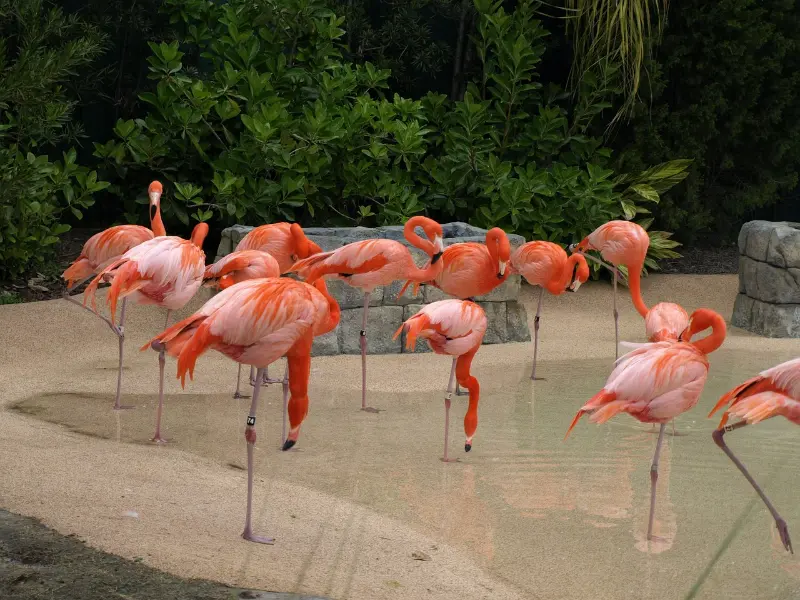
Florida is one of the easiest states for turning a normal vacation into a birdwatching trip because productive habitat appears beside beaches, wetlands, suburban parks, refuges and road-trip routes. The Great Florida Birding and Wildlife Trail links more than 500 wildlife-viewing sites across the state, so visitors do not need to be expert birders or travel to remote wilderness to have a rewarding morning. The best experiences usually happen early, with a simple pair of binoculars and enough time to stop moving.
A dedicated birding trip can focus on South Florida specialties, coastal migration or Panhandle forests, but casual travelers can add birding to an Everglades day, Space Coast stay or state-park visit. Families may enjoy short boardwalks with obvious wading birds, while experienced birders can target seasonal species and less accessible habitats. The key is to choose habitat and season rather than chasing an unrealistic statewide checklist.
Quick Planning Summary
- Use the Great Florida Birding and Wildlife Trail to find sites by region and amenities.
- South Florida wetlands are strong for wading birds and subtropical species.
- The Space Coast and Merritt Island area combine lagoons, marshes and coastal habitat.
- Migration can make the Keys and Panhandle especially rewarding at the right time.
- Ethical birding means distance, quiet observation and respecting nesting or closed areas.
In this guide
- Start with the Great Florida Birding and Wildlife Trail
- Everglades and South Florida wetlands
- Space Coast, Merritt Island and lagoon habitat
- Florida Keys and migration
- Panhandle, Big Bend and forest birds
- Central Florida wetlands and prairie
- Beginner gear and identification
- Ethical birding and nesting seasons
- Families, seniors and accessibility
- Best time and season
- Budget and booking strategy
- How to build a realistic day
- Common mistakes to avoid
- Related Wonderful Florida guides
- Official resources
- Final advice
Start with the Great Florida Birding and Wildlife Trail
The statewide trail is a practical planning framework because it organizes hundreds of sites and includes a mix of large refuges, state parks, beaches and small urban locations. The official site lets travelers explore regions and site information rather than relying on a social-media list that may omit access restrictions or seasonal changes.
Choose two or three nearby sites around an existing hotel base. Birding improves when the morning begins close to habitat instead of after a two-hour drive. Keep the day geographically compact. Florida traffic, bridge crossings and parking can turn a simple-looking transfer into lost vacation time, so one major area plus one nearby secondary stop is usually enough.
Everglades and South Florida wetlands
Everglades National Park, Big Cypress and surrounding wetlands create iconic birding landscapes with herons, egrets, ibis, anhingas, raptors and seasonal concentrations of wildlife. Water levels influence where birds gather, so the exact experience can vary dramatically between visits.
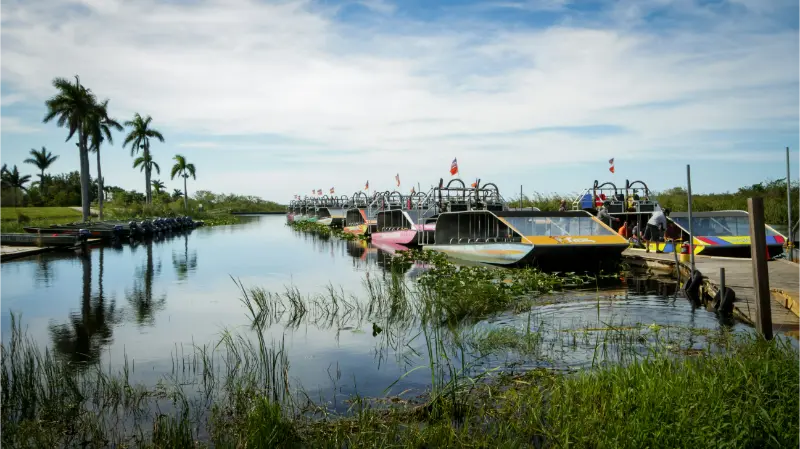
Boardwalks and roadside pullouts can be productive without a strenuous hike. Stay on established routes and never approach wildlife for a closer photograph. Build a weather alternative before the trip rather than after a thunderstorm begins. Museums, long lunches, pools and flexible neighborhood time can protect the day without forcing the group to chase the original schedule.
Space Coast, Merritt Island and lagoon habitat
Brevard County and the Space Coast are strong because Atlantic beaches, the Indian River Lagoon and protected refuge habitat sit close together. A day can combine shorebirds, marsh birds and raptors, with Kennedy Space Center and Cocoa Beach nearby for non-birding family members.
Launch operations, refuge access and seasonal closures can affect individual roads. Check current conditions before driving long refuge loops. For multigenerational travel, let the slowest comfortable pace define the shared portion of the day. People can split for optional activities later, but meals and one headline experience are easier when nobody feels rushed.
Florida Keys and migration
The Keys can concentrate migrating birds because the island chain sits at the edge of major seasonal routes between North America and the Caribbean. Dry Tortugas is famous among birders, but getting there requires a ferry or seaplane and weather can affect access. Key West and other Keys also have gardens, shorelines and preserves worth exploring.
Do not build a short vacation around one rare species. Migration is dynamic, and a good birding day is about habitat and observation rather than a guaranteed checklist. Check the official source shortly before travel whenever access depends on capacity, wildlife, weather, water conditions, event schedules or operating rules. Florida conditions can change without making the destination itself less worthwhile.
Panhandle, Big Bend and forest birds
Northwest and North Central Florida offer a different birding experience with pine forests, coastal marshes, rivers and migration stopovers. St. Marks National Wildlife Refuge and other Gulf habitats can be especially rewarding, while inland forests add species not associated with South Florida wetlands.
Long rural drives require fuel, water and downloaded maps. Insects and heat can be significant outside winter, so dress for habitat rather than for a city walk. Keep the day geographically compact. Florida traffic, bridge crossings and parking can turn a simple-looking transfer into lost vacation time, so one major area plus one nearby secondary stop is usually enough.
Central Florida wetlands and prairie
Central Florida includes large lakes, marshes, ranch country and prairie habitat that can produce excellent birding without leaving the Orlando region very far. Places such as Lake Apopka area drives, Kissimmee Prairie and state parks can add a nature day to a theme-park vacation.
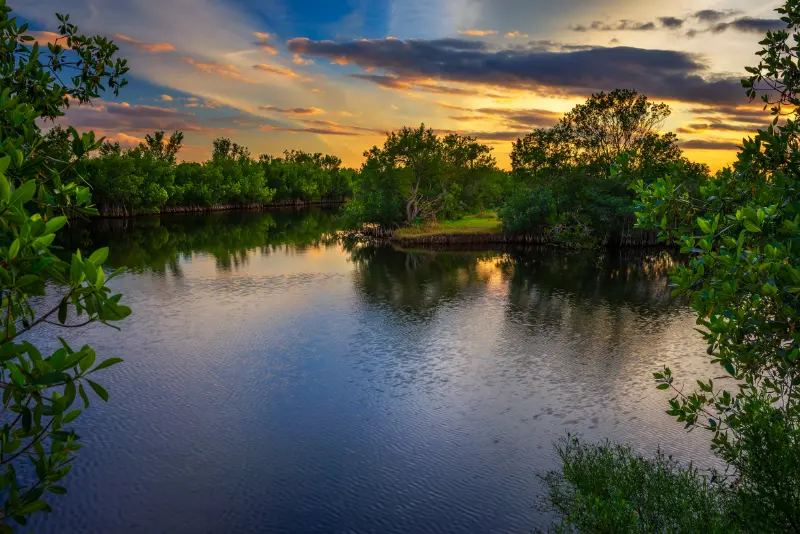
Start early for cooler temperatures and better activity. Some wildlife drives operate on limited days or schedules, so check official access before planning. Build a weather alternative before the trip rather than after a thunderstorm begins. Museums, long lunches, pools and flexible neighborhood time can protect the day without forcing the group to chase the original schedule.
Beginner gear and identification
A comfortable pair of binoculars matters more than expensive camera equipment. A field guide or bird-identification app helps, but beginners should focus first on size, shape, behavior and habitat. Photographing an unfamiliar bird can be useful for later identification without spending the entire outing staring at a screen.
Carry water, sun protection and insect repellent. Download maps where cell coverage is weak, and tell someone where you are going if exploring a remote trail alone. For multigenerational travel, let the slowest comfortable pace define the shared portion of the day. People can split for optional activities later, but meals and one headline experience are easier when nobody feels rushed.
Ethical birding and nesting seasons
Birds use Florida beaches, islands, wetlands and trees for nesting, resting and feeding. Getting too close can force adults from nests or repeatedly disturb exhausted migrants. Dogs, drones and playback of bird calls can also create stress or violate site rules.
Use binoculars and telephoto lenses to create distance. Obey roped-off beach nesting zones and site-specific closures even when another visitor ignores them. Check the official source shortly before travel whenever access depends on capacity, wildlife, weather, water conditions, event schedules or operating rules. Florida conditions can change without making the destination itself less worthwhile.
Families, seniors and accessibility
Birdwatching is unusually adaptable across ages because a productive outing can be 30 minutes on a boardwalk or a full day in a refuge. Children often respond better to short identification challenges than long silent hikes. Senior travelers can choose accessible loops and observation decks. When mobility is limited, search the Birding Trail for sites with appropriate amenities and confirm surface conditions.
When accessibility is essential, verify the exact route from parking or transit to the experience itself. A destination may advertise accessibility while an individual beach access, historic building, dock, trail or hotel facility still has limitations. Ask about step-free entry, elevators, accessible restrooms, seating and mobility equipment rather than relying on a general label.
Best time and season
Migration makes spring and fall exciting, winter attracts many visiting species and comfortable weather, and summer brings breeding activity but also heat, storms and insects. The best season varies by target habitat. Water levels can be as important as temperature in wetlands.
Florida is long enough that conditions can differ substantially between the Panhandle, Central Florida, South Florida and the Keys. Recheck local weather and any marine, park or event conditions close to the travel date rather than planning only from statewide averages.
Budget and booking strategy
Birding can be one of Florida’s lower-cost activities. Binoculars, park entry and perhaps one guided outing may be the main expenses. A professional guide can be worthwhile for a short specialist trip, but beginners can have excellent experiences using official trail sites and state parks independently.
Compare the total trip cost rather than the first advertised price. Parking, resort fees, tolls, equipment rental, transport, meals and cancellation terms can change which option is actually good value. Reserve the experiences you would be genuinely disappointed to miss and keep ordinary sightseeing more flexible.
How to build a realistic day
Start with one anchor experience and one optional second stop. Add a meal area, transport plan and realistic return time before adding anything else. This makes the schedule resilient when weather, traffic, parking, a tired child or an unexpectedly good experience changes the original timing.
Outdoor activities are often easiest earlier in the day during warm months. Use midday for indoor attractions, lunch, a pool or rest, then return outside later. Avoid scheduling the longest drive immediately after the most physically demanding activity.
Common mistakes to avoid
- Driving across the state to chase one reported bird on a short vacation.
- Approaching nests or roosts for a photograph.
- Starting too late on a hot summer day.
- Forgetting water and insect protection in remote wetlands.
- Assuming every refuge road is open every day of the year.
Related Wonderful Florida guides
Florida wildlife guide, Best Florida state parks, Best scenic drives in Florida, Best places to visit in Florida, Best time to visit Florida.
Official resources
Operating rules, prices, access, weather procedures and schedules can change. When a detail is essential to the trip, confirm it with the responsible park, agency, destination or operator shortly before travel.
Final advice
Florida birding works best when it is built around habitat, season and patience. Start early, use official trail resources, keep respectful distance and let common birds be part of the experience rather than treating the day as a hunt for rare sightings.