Category: Arts and Culture Florida

  • St. Petersburg Street Art With Kids: A Three-Day Mural Weekend

    St. Petersburg Street Art With Kids: A Three-Day Mural Weekend

    St. Petersburg is an excellent Florida city for a short arts break because its murals are not hidden behind museum doors. Colorful walls can transform an ordinary walk into an informal gallery visit. For families, this means children can engage with art for a few minutes at a time rather than spending an afternoon in a quiet room. For adults and older travelers, it means enjoying the city through neighborhoods, cafes and public spaces without needing to plan an expensive cultural vacation.

    A successful mural weekend is not a race to photograph every wall. Murals change, buildings are repainted and new work appears. The best plan combines a small number of nearby artworks, one museum or gallery, and generous breaks. This three-day itinerary uses central St. Petersburg as a base and includes alternatives for rain, heat and family members who are not interested in street art.

    What makes this a good family arts weekend

    Public art offers an approachable starting point for conversations about identity, nature and design. A child can ask why a bird appears three stories tall, while an adult may wonder how an artist gained permission to paint an entire building. The city’s SHINE Mural Festival has helped expand its public-art landscape. The local tourism office lists the November 6–15, 2026 festival, but the murals are not an attraction that requires visiting during those exact dates. Existing works can be explored at other times, subject to access.

    The weekend also works for people who do not want to spend hours in museums. Instead of buying many tickets, balance free street-level viewing with one indoor experience. Keep in mind that a wall may face a busy road, parking lot or private building. A mural being visible does not guarantee that you may enter the surrounding property.

    A practical three-day outline

    DayBest focusKeep it manageable
    1Downtown art walk and waterfrontChoose one compact walking zone
    2Warehouse Arts District and an indoor arts stopUse short drives between clusters
    3Favorite murals, local shops and a relaxed parkLet the family vote on a return visit

    Build the route around a current public mural map or official arts organization information. Do not copy an old online list of addresses without checking. New pieces replace older ones, construction changes routes, and the easiest place to view a work may differ from the exact street address used in a gallery listing.

    Welcome to Tampa Florida Colorful Mural

    Day 1: discover art downtown without overdoing it

    Begin after breakfast, when the sidewalks are more comfortable and everyone has energy. Select a handful of downtown murals within a reasonable walking distance, then leave time for the waterfront. This gives children two contrasting kinds of space: colorful streets and a view where they can simply move, look at boats and enjoy the open air. Choose a public parking structure or appropriate transit stop before setting out rather than circling blocks looking for the closest place to stop.

    A good mural walk needs frequent pauses. Look at one piece for a minute, then ask everyone to choose a detail they noticed. Is the scale surprising? Does the artist use local wildlife, geometric shapes or humor? Avoid demanding a sophisticated interpretation from children. A child who notices the color of a painted fish has already begun to engage with the work.

    Use a shaded lunch stop to decide whether to continue. People often underestimate Florida humidity because an urban art walk does not sound like an outdoor activity. Sidewalks can radiate heat, crossings take time and buildings offer uneven shade. A family with a stroller will be happier completing a shorter circuit than trying to cover a full citywide mural map in one afternoon.

    Teach children to look, not just pose

    Before the trip, give each child a tiny visual challenge: spot a plant, a sea creature and a pattern in the artworks. Older children can photograph the same mural from two permitted public viewpoints and discuss how perspective changes the image. Teenagers may enjoy learning about the difference between commissioned murals and illegal graffiti, and about the artists who create public work.

    Do not encourage children to touch painted walls, climb on structures or stand in the road for a photo. Some murals are on active businesses with deliveries and parking entrances. Stay on public sidewalks and obey crossing signals. Ask permission before photographing people working in a storefront; the artwork may be public-facing, but a person’s workday is not an attraction.

    Day 2: the Warehouse Arts District deserves time

    The Warehouse Arts District offers a different atmosphere from the waterfront. Creative spaces and working studios can sit alongside industrial buildings, and the neighborhood is better understood through a few carefully selected stops than by wandering randomly. Check current public hours for any gallery or artist space you want to enter. An exterior mural is often visible outside normal gallery hours, but doors may be closed and events may require tickets.

    For families, choose one indoor art venue if the program suits the age group. A hands-on class or short workshop may be more memorable than several passive gallery visits. Confirm whether children are welcome, whether registration is necessary and what supplies are included. Adults who enjoy contemporary art can spend longer at an exhibition while others take a break at a nearby cafe.

    Parking near studio spaces can be less obvious than downtown. Use signed public spaces and never block a loading bay for the sake of a photograph. Some blocks have limited shade or substantial walking gaps between artworks. Moving the car to another legal parking location is often more practical than dragging tired preschoolers across several industrial streets.

    A rainy-day alternative that still feels creative

    When lightning threatens, stop walking outside and move to a substantial building. A covered outdoor passage or carport is not adequate lightning shelter. Choose an established museum, art center, cinema or other indoor activity where current opening hours are verified. The purpose is not to force a mural theme into every moment of the holiday; an enjoyable family day matters more than completing a predetermined route.

    Check if indoor museums allow backpacks, strollers and photography before arrival. Some galleries have quiet rules that may be difficult for energetic toddlers. If you are traveling with a child who is sensitive to sound or crowds, contact the venue about busy periods and quieter access. A shorter admission window during a less crowded hour can be much more successful than staying until everyone is overwhelmed.

    Day 3: revisit favorites rather than chase quantity

    Use the final morning to return to an area you enjoyed. Revisit a favorite work in different light, browse a bookshop or stop for breakfast near the waterfront. Visitors sometimes feel obliged to travel to a distant mural because it appears on a top-ten list. If that trip would require a long drive and leave little time to enjoy the destination, skip it.

    A short arts weekend is also a chance to see how people use their city. Sit in a public park, observe daily waterfront activity and take time over lunch. Keep the afternoon flexible for the journey home, particularly if you are flying out of Tampa International Airport or driving through busy bridges at peak periods. Do not book a final attraction that depends on an unrealistically fast transfer.

    Where to stay: walkability has trade-offs

    Downtown accommodation can make early mural walks and evening restaurants easier, although room rates and parking may be higher. A less central hotel may save money but require multiple paid parking sessions or rideshares. Compare the entire cost of the weekend and the convenience for your particular group. For families with nap-time needs, the ability to return to the room during the afternoon may justify a more convenient location.

    Ask the property about actual parking charges, elevator access, connecting rooms if needed and the route from the front entrance to the room. Travelers using mobility aids should verify curb ramps and suitable accessible transport between specific sites. A central hotel does not automatically make every mural accessible because sidewalks, intersections and construction conditions vary.

    How to plan for children of different ages

    Children ages three to six often enjoy bright images but have limited patience for long walks. Allow perhaps a few focused mural stops before a playground or lunch. Ages seven to twelve may enjoy collecting details in a sketchbook and learning how murals differ from canvas paintings. Teenagers might be interested in the artist’s message, photography and neighborhood development.

    Make the experience collaborative: each family member chooses one artwork or cultural activity. Nobody has to like the same style. Grandparents may prefer a shaded waterfront bench while a parent takes older children for a final short walk. Agree on meeting points and check that everyone can reach them safely without crossing unpredictable traffic.

    Accessible mural viewing: ask about the route, not only the art

    Outdoor murals are usually visible without tickets, but this does not prove that the viewing point has a smooth, step-free approach. Before setting out with a wheelchair or walker, inspect the route for sidewalk widths, curb ramps, steep crossings and construction. Use official accessibility information for museums and public parking garages; contact sites where it is not clear.

    Choose a compact part of town rather than promising a long accessible walking circuit that has not been inspected. If rain has left uneven pavement slippery, reduce the route. For someone with limited stamina, a drive-and-stop art visit with one accessible indoor museum may be more comfortable than several hours on foot.

    Costs and the value of free public art

    Viewing murals from public spaces is generally free. The main expenses are accommodation, transportation, parking, meals and any optional museum or workshop admission. Decide in advance whether you want one ticketed experience. Buying multiple museum passes simply because they are advertised as a deal is not always cheaper for a three-day visit.

    Food and lodging costs can fluctuate around major events, holiday weekends and festivals. A mural festival may be exciting but may also bring crowds and accommodation demand. Travelers who prefer quiet can visit at another time; check which works remain publicly visible and whether nearby construction affects the experience.

    Respect artists and neighborhoods

    Artists create murals within communities, not as props for tourists. Do not reproduce an image commercially without understanding rights or permissions. Avoid tagging walls, attaching items to artwork or placing tripods where they obstruct pedestrian traffic. If a gallery or local shop is open and you enjoy its work, consider supporting it with a purchase that suits your budget.

    Remember that neighborhoods contain homes, businesses and daily routines. Keep noise moderate, use legal parking and avoid photographing through residential windows. The most rewarding street-art visit combines curiosity with good manners and an understanding that public art can express stories that are not exclusively about tourism.

    A small souvenir that costs nothing

    On the last evening, ask everyone to select three favorite photographs and write one sentence about each. Younger children can draw a new mural inspired by an animal seen on the trip. Adults may enjoy noting an artist or neighborhood they want to learn more about. These small reflections turn the weekend into more than a collection of colorful images.

    St. Petersburg works well because an engaging arts vacation can be flexible: you can enjoy three murals in a morning, spend the afternoon indoors, and still feel that you have experienced something distinctive about the city.

    Frequently asked questions

    Do I have to visit during the SHINE festival?

    No. The festival creates and celebrates work, but many existing murals can be viewed throughout the year. Verify current public locations before your trip.

    Is a mural weekend suitable for preschoolers?

    Yes, with short walks, snacks, shaded breaks and activities that involve looking for colors and shapes. A stroller may be useful on suitable sidewalks, but routes can vary.

    Are murals and street-art tours free?

    Viewing exterior artwork from public spaces is generally free. Guided tours, workshops and museum admissions may cost extra, and parking is not necessarily free.


  • Sunken Gardens St. Petersburg: Tropical Plants, Flamingos and Easy Visiting Tips

    Sunken Gardens St. Petersburg: Tropical Plants, Flamingos and Easy Visiting Tips

    St. Petersburg offers major museums and waterfront parks, but Sunken Gardens creates a more intimate kind of outing. This established tropical garden surrounds visitors with layered greenery, flowering plants, water features and wildlife in an unexpectedly urban setting. The appeal is not a long hike or a massive botanical collection spread across miles. It is an easy-to-pace walk where older visitors can stop frequently, children can notice colors and shapes, and photographers can pay attention to texture and filtered light. Planning still matters: the garden has a defined last admission time and may close because of adverse weather.

    At a glance

    Sunken Gardens | 1825 4th Street North, St. Petersburg, FL 33704 | Best planned around historic urban tropical garden, winding pathways and family-friendly nature education.

    Contents

    A historic garden with a different sense of scale

    Sunken Gardens describes itself as St. Petersburg’s oldest living museum, a reminder that gardens can be cultural heritage as well as places to admire plants. Its pathways and collections invite visitors to observe the contrast between Florida’s bright streets and the humidity of a more sheltered green environment. The value is in details: a leaf shape, the root structure beside a path, light falling through a canopy. You do not need to know the Latin name of every species. Take time to look for changes in height, shade and the way water helps shape the landscape. A compact garden can produce a more memorable visit than racing through a larger park.

    What you will see on the paths

    The experience is centered on tropical and subtropical plants in landscaped paths, ponds and garden spaces. Animals such as flamingos are associated with the attraction, but the garden is not a substitute for a wildlife refuge. Respect barriers, keep food away from animals and do not touch or remove plants. Give children a simple scavenger hunt based on colors, large leaves and different kinds of flowers without stepping off designated paths. Photographers can use a shaded path to practice close observation rather than bringing intrusive flashes or equipment. Expect a living collection that changes with maintenance, flowering seasons and weather.

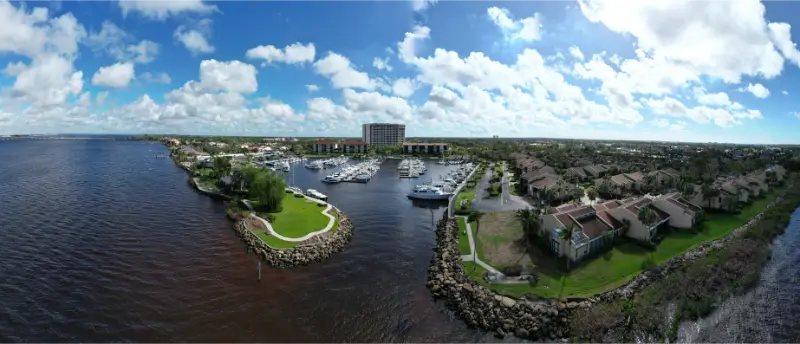
    Luxury Yacht Passing Florida Tropical Homes

    Planning the amount of time and a relaxed route

    The garden’s official visitor information suggests that many guests spend roughly one and a half to two hours exploring the grounds and associated visitor areas. That is a useful planning benchmark, not an obligation. A guest who enjoys plants may spend longer, while a family with a toddler might take a shorter circuit and still have a satisfying outing. Begin by asking for a current map, identify restrooms and seating, and avoid committing to another timed attraction immediately afterward. If you arrive near last admission, the walk may feel rushed. The best visit includes time to stop, notice and discuss what is around you.

    Admission, hours and the last ticket

    The operator lists different opening hours for Sunday and other days, a daily last-admission cutoff and certain holiday closures. The page currently also states that standard admissions cannot be purchased in advance through its website or office. Check the most current official information before arriving, particularly if using a city attraction pass or a discount offered by a third party. Keep in mind that closing time is not the same as the time when new visitors are admitted. A good plan reaches the entrance with enough time for the entire route and keeps a nearby indoor alternative for a rainy day.

    Visiting with babies, seniors and mobility needs

    A botanical garden may feel gentler than a museum with long standing periods, but path surfaces, slopes and humidity still matter. Ask staff about the recommended accessible route, seating and any areas under maintenance if someone uses a wheelchair or walker. Families with babies should confirm the suitability of a stroller on the current pathway network and arrange feeding or diaper changes before beginning. Older guests may appreciate frequent pauses away from direct sun. For someone with sensory sensitivities, the garden can offer a change of pace, although crowds and bird calls may affect how calm it feels at a particular moment.

    How to take better garden photos without disruption

    Look for soft morning light, shadows on broad leaves and reflections in water. A photograph with one clear subject often communicates the garden better than a wide frame filled with people and signs. Do not block narrow paths with a large tripod or step into beds for a better angle. Ask about rules before using professional gear, flash or commercial filming equipment. Children can try a color-based photo challenge that does not require moving any plant. A garden visit is a good opportunity to teach the distinction between observation and manipulation: the flower stays where it is, and the visitor adjusts their perspective.

    What weather does to a subtropical garden day

    Rain can make foliage look luminous, but thunderstorms are not merely an aesthetic inconvenience. The operator warns that the garden may close because of inclement weather. Wet paving may become slippery, and high humidity can tire people more quickly than expected. In the hotter months, bring water, choose a cooler time and schedule an indoor break after the visit. If the forecast shows lightning, check for a closure before driving across town. A family that needs predictable conditions might prefer a museum as the primary activity and keep Sunken Gardens as an option when the weather improves.

    Pairing the gardens with downtown St. Petersburg

    The gardens sit north of the downtown waterfront, making them a possible morning stop before lunch, the pier area or a separate cultural visit. Do not assume the distance between every attraction is comfortably walkable in midday heat. Choose your next stop based on your group’s energy: families with small children may appreciate an early meal, while plant lovers could continue to a local park. If you have a car, look up the actual parking arrangement rather than expecting museum parking spaces to be available for an entire afternoon. Avoid overloading the day with several admissions just to maximize an itinerary.

    Why the garden is worthwhile beyond the photographs

    A living museum demonstrates how plants, moisture and human care interact. Discussions about invasive species, habitat and the importance of maintained green space can start with small observations on a trail. Plants used in designed gardens are not always the same as native ecosystems, so do not confuse an attractive landscape with a natural wilderness. That distinction can make the visit educational for both adults and older children. Leave all plants, feathers and wildlife undisturbed, and follow marked paths. The aim is to carry away knowledge and photographs while leaving the collection in good condition for those who come next.

    A guide to enjoying plants instead of just names

    Visitors often feel pressure to identify every flower, but a garden can be appreciated through patterns and relationships. Notice which plants cast deep shade, which leaves catch rainwater and how different textures change a view. Children can compare the shapes of three leaves without picking them. Adults might look at how landscaped water features alter the feeling of a small space. A quiet garden visit is not a speed challenge. Leave time to sit, listen and observe details that are easy to overlook in a busy city. Learning can happen through careful looking, even when nobody knows a species’ scientific name.

    Planning for humidity and changing light

    The garden’s tropical feel can become humid, and the shaded sections may remain warm. People with limited stamina should start in the cooler part of the day, carry water and schedule breaks. Bright midday light can make photography harsh, while morning or late-afternoon shade may soften contrast. Rain changes the appearance of foliage, but thunderstorms require following the operator’s closure guidance. Do not stand under trees during lightning simply because the garden is beautiful in the rain. Check the day’s operating status before setting off, and keep a museum or restaurant backup if the weather does not cooperate.

    Making it an outing for multiple generations

    A small grandchild may enjoy searching for a particular color, while an older relative may prefer a seat overlooking a planted area. A teenager can experiment with close-up photography under the same rules that protect the collection. Plan a shared route without demanding that every person move at identical speed. If necessary, choose a meeting point near a staffed area and use the official map. People who need mobility assistance should inquire about accessible paths in advance instead of being told to “manage a few steps.” The most successful family outing gives everyone something to notice while keeping the practical pace gentle.

    What to know about ticketing and visitor services

    Sunken Gardens currently lists walk-up admission and says it does not sell standard admissions in advance through its own website. This may differ from third-party ticket claims. Look at the current official notice, accepted payment methods and any visitor restrictions before travel. The garden also has scheduled events, so normal daytime opening can sometimes coexist with separate paid programs. Plan to enter before the last-admission cutoff, which is earlier than closing. For a short trip, avoid relying on a last-minute arrival from a distant beach. A predictable relaxed visit is worth more than squeezing into the final few minutes.

    Respecting a living museum

    Plants and animals require care long after visitors go home. Stay on pathways, do not cut flowers and never offer food to birds. If you see a fallen leaf, it is better to photograph it than to assume collecting it is permitted. The landscaping is maintained for many guests and may contain restoration or work areas temporarily out of bounds. Follow directions from staff and do not step into planting beds for a portrait. Supporting a living museum means leaving the environment intact for school groups, researchers and future visitors. The smallest respectful habits are easy to carry to every other park on a Florida itinerary.

    Practical planning table

    QuestionPlanning guidance
    Best forGardens, photography, gentle nature outings
    Time budgetOften around 1.5–2 hours at a relaxed pace
    Opening noteSunday differs; last admission precedes closing
    TicketsOfficial page currently describes walk-up purchases
    WeatherPossible inclement-weather closures

    Frequently asked questions

    How long should I allow for Sunken Gardens?

    The operator suggests about 1.5 to 2 hours for many visits, with flexibility for your pace.

    Can I arrive at the posted closing time?

    No. Last admission is earlier; check the official cutoff.

    Can I buy official tickets online?

    The current visitor page says advance purchases are not offered through its own website or admissions office; verify changes.

    Is the garden good for seniors?

    It can be a gentle visit, but confirm seating, paths and mobility arrangements specific to your party.

    Does the garden always remain open when it rains?

    No. The operator may close it for inclement weather, especially thunderstorms.

    Official sources and current alerts

    Information checked 10 October 2026. Hours, fees, closures, accessibility arrangements and concession schedules can change. Always confirm the current status directly before traveling.

    Important current note: The garden’s official page lists last admission at 4 p.m., weather-related closures and no advance online ticket purchase through its site as of October 2026.

  • Orlando After Sunset with Kids: Five Relaxed Evenings Beyond Theme Parks

    Orlando After Sunset with Kids: Five Relaxed Evenings Beyond Theme Parks

    Not every family wants to spend an Orlando vacation watching fireworks after midnight. Children may be tired after long park days, grandparents may prefer a quiet dinner and some adults simply enjoy seeing a city when the heat begins to ease. Orlando offers pleasant early-evening options without making every night another expensive ticketed attraction. This five-evening plan focuses on downtown views, outdoor public spaces, cultural stops and comfortable meals while keeping bedtime and safety in view.

    The itinerary is deliberately flexible. Sunset varies through the year, and an evening activity that works beautifully in winter may collide with lightning or heavy humidity in summer. Driving times across greater Orlando can also be significant. Choose the evenings that suit your hotel location rather than traveling an hour each way to complete a list. Parents of babies can make one evening a hotel-pool or storytime night; teenagers may prefer a short cultural outing; older travelers can enjoy a view and conversation without walking far.

    Pick a base that makes returning early easy

    If you stay at a Disney or Universal resort, remember that downtown Orlando is not next door. A trip to Lake Eola or a local cultural district may require a substantial drive, especially with traffic. If several evenings will be in downtown, consider a hotel closer to the center. Otherwise, substitute parks and restaurants near your existing lodging. An early-evening itinerary should lower the stress of the day, not create a second major commute after dinner.

    Check whether the hotel offers a pool, outdoor seating, child-friendly dining and a safe pedestrian route nearby. A room with a balcony is not automatically suitable for unsupervised children, and pool hours may be shorter than advertised during maintenance. If someone uses a wheelchair or stroller, verify that the whole route to an evening activity is accessible, including curbs and parking. A nearby grocery store and a quick dinner can sometimes be the most valuable family convenience.

    Evening one: Lake Eola as the light changes

    Lake Eola Park offers a recognizable downtown Orlando setting with water, paths and city views. The city lists a paved walking path, public amenities and a playground, making it a possible place for a short early-evening stroll. You do not need to complete the full circuit. Choose a convenient arrival point, enjoy the lake from a safe distance and stop for an early meal. Watch for geese or other birds on paths and teach children not to feed or chase them.

    The city’s swan pedal boats are a separate paid activity with operating hours; do not assume you can hire one after dark. As of the current city information, rentals are usually available Tuesday through Sunday in daytime and early evening, weather permitting, and are first-come, first-served. Check the closing time and any weather changes if a boat ride matters to the family. The park itself can still be worth a visit without renting anything. A simple photograph at dusk and a gentle walk may be enough.

    Evening two: An unhurried meal and local neighborhood atmosphere

    Choose a restaurant district close to your hotel or an area such as Winter Park, depending on where you are based. A shared early dinner gives everyone a chance to discuss the day. Rather than booking an elaborate dining show, pick a restaurant whose menu, seating and noise level fit the group. Some children need predictable foods, while others are eager to try something unfamiliar. If a member of the party has allergies, contact the restaurant directly about ingredient and preparation information.

    Allow an hour for the meal and, if energy remains, a short walk through a public shopping street. Private parking garages and lots may have evening rates, and street parking can be difficult during events. If traveling with an infant, select a place with changing facilities and a quiet route back to the car. For older travelers, reserve seating and ask about noise or steps into the dining room. The outing should end with everybody comfortable, not searching for another attraction simply because the evening is still young.

    Evening three: See a show only if it fits the ages and schedule

    A small theater, concert or family-oriented performance can be a memorable change from rides and queues. Orlando has cultural venues beyond the theme-park districts, but schedules, ticket prices and show lengths differ. Check the current program and age suitability before buying seats. Some productions use loud sound, darkness or theatrical effects that may be difficult for young or sensory-sensitive visitors. A show that ends at a reasonable hour may be a better choice than a late performance followed by a long drive.

    Orlando Theme Park Fireworks Display

    For wheelchair users or anyone who needs step-free seating, contact the box office about specific positions, companion tickets and arrival procedures. Parents should clarify whether lap infants are admitted; policies differ. Plan parking or transit before departure, and consider a meal nearby rather than rushing across town. If no suitable performance is scheduled, replace the evening with a short museum event or an ordinary walk. A cultural activity should be chosen because it appeals to the family, not simply because it appears on a list of nighttime attractions.

    Evening four: An early waterfront or garden-like setting

    Explore a public park, landscaped urban square or gentle outdoor space close to the hotel. In greater Orlando, natural areas vary widely in hours and may close at sunset. Never enter a preserve after its posted closing time to pursue an evening wildlife sighting. A developed city park with lighting and nearby dining is more appropriate for after-dusk use than a remote forest trail. If you want sunset photographs, arrive while public facilities are still open and be ready to leave when required.

    Consider the difference between a ‘sunset outing’ and a ‘night hike.’ The former can work with short walks and an easy return; the latter requires special conditions, permissions and equipment. Young children can watch the changing colors in the sky and identify sounds from a safe public area. Adults may prefer to sit and talk. In the rainy season, lightning can quickly end any open-air plan, so keep a nearby indoor alternative rather than waiting under a pavilion.

    Evening five: Build a family tradition instead of another ticket

    Use the final evening for the group’s favorite simple activity: a meal at a casual restaurant, a short neighborhood walk, a board game back at the hotel or a last look at a public lake. Invite each person to choose one highlight from the vacation and one thing they would do differently next time. Children may remember a small unplanned moment more vividly than a heavily scheduled paid attraction. The final night is also the right time to pack and check next morning‘s airport transfer.

    If you have an early flight, do not schedule an evening that finishes far from the hotel. Set out travel documents, medications and important bags, then return to the room before exhaustion takes over. For visitors with disabilities, a predictable end-of-day routine can make travel more comfortable. A flexible final evening demonstrates that a good vacation does not depend on constant activity.

    The five-evening plan at a glance

    Evening Suggested focus Main cost Easy fallback
    1 Lake Eola and downtown views Parking, meal, optional boat Short park stop
    2 Early dinner and neighborhood Food and parking Dinner near hotel
    3 Optional performance Tickets and transport Free public event or rest
    4 Sunset in a developed public space Transport Hotel evening
    5 Family’s favorite repeat activity Flexible Games and packing

    Safety around lakes and urban wildlife

    Orlando’s lakes and ponds are not safe play areas for unsupervised children. Alligators can inhabit Florida freshwater, and birds may become aggressive if visitors feed them. Stay on designated pathways, keep small children close to adults and never approach a shoreline for a close photograph of wildlife. Follow park signs and do not let pets roam off leash where prohibited. After dark, use lit public routes and avoid isolated sections even in familiar neighborhoods.

    Pedestrians should also use marked crossings and keep phones put away while navigating traffic. If a family is taking a rideshare, verify the vehicle, pickup point and appropriate child restraints. Avoid improvised stops on a busy road to capture photographs of nighttime lights. One adult should remain responsible for children around boat docks or water, even if other family members are taking pictures.

    Weather and darkness are the real variables

    In summer, sunset comes relatively late and a small child’s bedtime may arrive first. In winter, the same park stroll can take place earlier in the evening, but air temperatures may be cooler than expected. Plan around daylight rather than a fixed clock time. Florida thunderstorms are common in warm months, and lightning danger persists even when rain seems light. Move to an enclosed building or vehicle when thunder is heard; an open gazebo or tree does not provide adequate protection.

    Rain also changes traffic conditions. Leave space for a slower drive and avoid flooded streets. Check current weather alerts rather than relying on a forecast screenshot saved in the morning. If a park is closed or a performance is canceled, return to the hotel and use the backup plan. Families do not lose an evening by choosing safety and rest.

    Budget choices that genuinely matter

    Parking, transport and meals can cost more than the activity itself. A free public park is less economical when reached by two expensive rideshares. Keep activities grouped near your hotel and use one paid evening at most if budget is tight. If buying theater tickets, compare booking fees, seat location and refund terms. A family with several children may prefer one shared experience to multiple low-cost individual purchases that add up quickly.

    A grocery-store dessert, a picnic in an appropriate public area or a casual takeout dinner can be enjoyable alternatives. Be careful about leaving food where it attracts birds or other wildlife. If the hotel charges for parking, do not assume the fee covers downtown garages. Track the total daily amount rather than measuring the trip by whether an advertised attraction has free entry.

    Different ages, different endings

    Children under five may be happy with a twenty-minute sunset stop. School-age kids may enjoy a short scavenger hunt along a safe public path. Teenagers might appreciate choosing dinner or attending a suitable cultural performance. An older relative can often share the experience from a bench or accessible outdoor terrace, without completing the same distance as the rest of the group. Give each person permission to return to the hotel when tired.

    For travelers with visual or hearing impairments, ask a venue about audio description, captions or assistive devices for performances. Families with sensory-sensitive children can select quieter areas and keep a clear exit plan. A stroller-friendly park description should still be checked for current construction or steps. When the group is genuinely rested, the next morning in Orlando tends to go more smoothly, whether it includes a theme park or not.

    Frequently asked questions

    Can we rent Lake Eola swan boats at night?

    Do not count on nighttime rental. The city publishes daytime and early-evening hours that can change with weather; check the current schedule before visiting.

    Are Orlando nature preserves open after dark?

    Many close at sunset. Use developed public evening spaces and obey each site’s posted hours rather than entering a closed trail.

    Does every family need to see theme-park fireworks?

    No. Simple meals, lake views and early cultural outings can be more comfortable for families with very young children or travelers who prefer a quieter pace.

    Official information

  • Sarasota Modern Architecture: A Four-Day Florida Trip Beyond the Beaches

    Sarasota Modern Architecture: A Four-Day Florida Trip Beyond the Beaches

    Sarasota is often marketed through bright sand, gardens and waterfront dining, yet it is also a distinctive destination for people who enjoy twentieth-century architecture. Designers associated with the Sarasota School of Architecture explored shade, airflow, openness and the relationship between buildings and Florida’s climate. Their work gives a fascinating reason to slow down and explore the city beyond the beaches. This four-day itinerary combines publicly accessible architecture interpretation, museum spaces and relaxed neighborhood visits. It is intended for curious travelers, not only architects, and avoids promising entry into private modernist homes.

    What the Sarasota School of Architecture means

    The Sarasota School is associated with mid-twentieth-century modern architecture rather than a literal school building or a single uniform design. Architects working in the region experimented with light structures, expansive glazing, roof overhangs, adaptable spaces and ways to live with heat and subtropical conditions. Paul Rudolph is a central name, though other architects and clients were part of the wider story. Look for how a building manages sun, privacy and indoor-outdoor transitions, not merely whether it has a flat roof or unusual angles.

    It is useful to know that the term describes a body of work and an architectural movement. Many important buildings are privately owned, altered or not open on ordinary sightseeing days. Rather than navigating to a private home and hoping to enter, begin with an organization that explains the work and provides scheduled public programs. Architecture Sarasota is a valuable official source for talks, exhibitions and tours. The city becomes more rewarding when you understand a few design principles before hunting for particular façades.

    Day one: Architecture Sarasota and downtown context

    Begin around South Orange Avenue, where Architecture Sarasota operates in the adapted Scott Building, a place that itself reflects the region’s modern design heritage. Check its current visitor program and opening hours; a public exhibition, event or guided tour may have separate admission and limited dates. The organization also provides information about the restored Umbrella House and other significant buildings, but scheduled access should not be assumed. Seeing an image of a building on a website does not mean a visitor can enter it the next morning.

    After an interpretive visit, take a short downtown walk and compare mid-century forms with older civic architecture. Notice differences in windows, shading, material choices and how buildings meet the sidewalk. Select a comfortable area rather than constructing a long architecture scavenger hunt in the heat. For families with children, turn the walk into a visual game: find overhangs, columns, curved walls and shaded courtyards. A simple exercise helps everyone participate without requiring an interest in technical jargon or professional design vocabulary.

    Day two: Sarasota Art Museum and the school campus story

    Sarasota Art Museum occupies a former school complex, making it useful for seeing how a historic educational campus can become a cultural destination. Its architecture tours have discussed the former Sarasota High School and a modern addition associated with Paul Rudolph. The value of the stop lies in the contrast between periods and in the way the property has been adapted. Check the museum’s current exhibition and tour calendar; not every admission ticket automatically includes a specialist architecture walk.

    Ringling Circus Museum Sarasota Florida Historic Building

    Allow time for the art as well as the building. Travelers can easily spend more energy photographing exterior details than enjoying the public galleries. An indoor museum provides welcome shade during a warm afternoon, but do not assume every exhibition will interest every age. If traveling with teenagers, encourage them to compare the original school role with the current museum use and consider what preservation means when a building changes purpose. The conversation is more memorable than requiring them to remember every architect’s date of birth.

    Practical comparison at a glance

    ConsiderationChoice or stopWhat to know
    Day 1Architecture SarasotaInterpretation and modernist history
    Day 2Sarasota Art MuseumCampus reuse and exhibitions
    Day 3Downtown civic routeArt Deco, Moderne and public buildings
    Day 4Gardens and climateShade, landscape and design

    Day three: public architecture and civic landmarks

    Use the third day for a selected downtown walking route that includes older civic structures. Visit Sarasota County’s historical walking-tour material for a grounded route and explanations. The Municipal Auditorium is one recognizable public building, connected to late-1930s civic architecture and the Art Deco and Moderne movements. It is not a Sarasota School house, and that difference is worth understanding. Comparing architecture from separate decades prevents the trip from becoming a collection of visually interesting buildings with their histories mixed together.

    Keep to publicly accessible streets and venues. An auditorium may host events or operate under rules that do not permit casual entry to every room. Look at the exterior where legal, confirm whether a tour is offered, and choose another stop if access is restricted. Combine the walking route with a relaxed café break and perhaps a public exhibition. For someone using a wheelchair or walker, evaluate sidewalks and crossing points before setting off. A compact route with three strong stops is more comfortable than a long circuit whose final third everyone rushes through.

    Day four: gardens, climate and how Florida buildings feel

    On the last day, choose a garden or shaded public landscape and think about the local climate as part of the architecture story. Sarasota’s subtropical environment influences why overhangs, breezeways, screens and outdoor rooms are so interesting. A garden visit allows a different view of light and shade without necessarily adding another specialist tour. Marie Selby Botanical Gardens can be a candidate if its current exhibitions and admission fit the budget, but treat it as a botanical destination, not a promise of private modernist-house access.

    The afternoon can remain open for a beach, quiet café or revisit to a favorite neighborhood. Architecture is easiest to enjoy when travelers have time to notice how a place functions. Sit where permitted and observe how people move between sun and shade. Ask what would make a building comfortable in August versus January. For visitors who rarely consider design on vacation, those questions can connect the historical tour to everyday experiences and make familiar Florida scenes feel freshly interesting.

    The Umbrella House and the question of private access

    The Umbrella House is a major Sarasota modernist landmark associated with architect Paul Rudolph. It is widely featured in architecture literature, and its distinctive overhead shade element has been restored. However, an iconic image is not an open invitation to walk through the property. Architecture Sarasota’s own programming is the appropriate place to check for guided access and special events. If no public tour is scheduled, enjoy the building through authorized photographs and interpretation instead of treating the surrounding residential area as a free museum.

    Private homes are where visitors must be especially careful. Do not enter driveways, peer through windows, fly drones over gardens or photograph residents at close range. If you are following a self-guided architecture map, keep to legal public viewpoints and obey parking signs. Many owners maintain buildings that are expensive to preserve and still need ordinary privacy. Respectful behavior protects the possibility of future tours and shows that architectural tourism can support preservation rather than inconvenience communities.

    A relaxed itinerary for people who do not know architecture

    If a companion is skeptical about a vacation centered on buildings, make it a mixed trip. One architecture-focused activity each morning leaves afternoons free for art, gardens, waterfront meals and family interests. Explain a few concrete ideas rather than relying on specialist labels: why a deep roof overhang blocks direct sun, how large windows change a view, why a courtyard can make a building feel cooler. These observations provide a common language for families and couples without turning the trip into a design examination.

    A group with children can use drawings or photos to compare two buildings, while older travelers may enjoy memories of the way houses and public buildings changed during the mid-twentieth century. Avoid describing every building as a futuristic masterpiece. Some experiments aged differently, and restoration requires thoughtful choices. Architecture becomes more engaging when people can talk about what works well, what is difficult to maintain and how expectations of comfort have changed.

    Where to stay for an architecture-focused break

    For most visitors, a central Sarasota base is more convenient than an isolated beach resort if mornings are spent at museums and downtown walking routes. Compare the location of your preferred hotel with Architecture Sarasota, Sarasota Art Museum and the civic district. Parking fees, restaurant access and the time needed to reach each stop can matter more than the hotel’s visual style. If you also want daily beach time, a property on a barrier island may be appealing, but allow for bridge traffic and parking on the mainland.

    Travelers who use mobility aids should ask about accessible rooms and entrances at both hotels and scheduled tour venues. A modernist building’s dramatic design does not necessarily make every historic entrance barrier-free, especially when private houses are opened for special visits. Ask tour organizers about stairs, narrow passages, indoor seating and the length of any walking portion. Booking a smaller number of accessible experiences is better than purchasing several tickets for spaces a member of your group cannot enter comfortably.

    Weather, transportation and timing the trip

    Sarasota can be hot and humid during much of the year, so arrange outdoor architectural walks earlier in the day. Thunderstorms may disrupt an open-air tour even when nearby museums continue operating. Check the operator’s cancellation or rescheduling policy before paying. If your schedule is flexible, plan indoor exhibitions for the warmest afternoon hours. Carry water and use sun protection; architecture trips often involve longer periods standing on sidewalks than visitors realize when looking at a short itinerary description.

    A car is convenient for reaching locations beyond central downtown, but not every short movement requires driving. Choose a walkable cluster where possible and use a taxi or rideshare for longer transfers if parking is awkward. Do not assume a historical walking tour includes transport between buildings. Some guided events start at a designated meeting location that differs from the organization’s main office. Confirm the precise address and arrival instructions so the day begins with curiosity rather than a frantic search for a tour group.

    How to tell original, restored and adapted structures apart

    Preservation can mean maintaining original material, carefully replacing deteriorated elements or changing a building’s purpose while retaining significant design features. Sarasota offers examples of all these approaches. Look for explanatory panels or ask guides which details are original and which were reconstructed. An architect’s early drawing and the building visible today may differ. Neither observation ruins the experience; understanding change is part of understanding how buildings survive in a humid coastal environment.

    Read official preservation and architectural-organization material alongside promotional hotel and attraction descriptions. A phrase such as “mid-century inspired” might describe a recent design with no historical connection to the movement. Likewise, a beautiful restored building may have lost significant original features. Visitors do not have to judge the work as experts. Asking why an element was repaired and what future maintenance requires can make a short tour feel more substantial and less like a set of decorative photographs.

    Costs, reservations and useful sources

    The cost of this trip depends heavily on how many specialist tours and museum admissions you select. Some public exterior architecture is free to observe from appropriate viewpoints, while interior exhibitions and guided house visits may require booked tickets. Check student, senior and member discounts directly with organizers rather than assuming an overseas card qualifies. Build a simple budget covering four nights, transport, parking, museum fees, meals and one optional architecture tour. Leave room for a last-minute program that genuinely interests you, but avoid paying for multiple events with overlapping content.

    Use Architecture Sarasota’s official events and Explore pages, the Sarasota Art Museum calendar and Visit Sarasota County’s architectural and historical walking resources. These sources offer more reliable starting points than an old list of private addresses. The best four-day experience is not the one with the greatest number of famous buildings. It is the trip that helps you see how Sarasota’s landscape, climate, art and daily life shaped an inventive approach to modern design.

    Frequently asked questions

    Can tourists enter Sarasota's famous modernist houses?

    Only some, and often through scheduled guided programs. Check Architecture Sarasota rather than assuming private residential buildings are open daily.

    Is Sarasota's modern architecture suitable for children?

    Yes, especially when combined with museum visits, gardens and short observation activities. Avoid scheduling hours of technical lectures for younger children.

    Do I need a rental car?

    A central base allows some walking, but a car or planned rideshare is useful for sites outside downtown. Confirm tour meeting locations first.

    Official information and useful maps

  • Maitland Art Center Near Orlando: Historic Architecture and Museum Visit

    Maitland Art Center Near Orlando: Historic Architecture and Museum Visit

    Not every rewarding Orlando-area outing involves a ride, beach or theme park. Maitland Art Center offers a compact cultural experience in a distinctive historic setting just north of the city, with artistic architecture and a broader museum campus. Art & History Museums Maitland combines the art center with local-history interpretation and a telephone museum, making it a versatile stop on a hot afternoon or quieter day between bigger excursions. Before traveling, check which buildings and outdoor spaces are open: exhibitions, classes and private events affect what visitors can see.

    At a glance

    231 West Packwood Avenue, Maitland — Historic architecture and small art/history museums — Unhurried half-day cultural outing. Always confirm current access and temporary closures before traveling.

    Contents

    What makes Maitland Art Center different

    The Maitland Art Center is known for an unusual blend of architectural design, sculptural decoration and artist-centered history. It is not a conventional modern gallery block; courtyard spaces and ornamented structures are part of what visitors come to see. The experience can appeal both to people who follow art history and to travelers interested in distinctive buildings.

    A valuable visit looks beyond whether a current exhibition matches your taste. Study the relationship between architecture and the surrounding landscape, then consider how the site supported artistic work and community life. The museum campus offers a window into a different side of Central Florida from its entertainment complexes.

    Getting there and understanding the campus

    The main museum campus is listed at 231 West Packwood Avenue in Maitland, a short drive north of central Orlando. Do not confuse this with a park or unrelated event space. The campus has multiple museum components, and your ticket may cover several of them when open. Check where to enter, where to park and whether any special event changes the normal visitor route.

    This can be an efficient half-day from an Orlando hotel, but driving time across the metropolitan area varies widely. Public transit may be possible for some travelers yet could involve walking and connections; verify the whole route rather than assuming a train station is directly at the museum door.

    Architecture as part of the exhibition

    Maitland’s distinctive art-center architecture is an attraction in itself. Rather than racing through galleries, pause to notice carved surfaces, repeating patterns, courtyards and how daylight changes the appearance of exterior details. Avoid attaching unsupported labels to every motif; use the museum’s own interpretation to understand influences and the design history.

    Photographs of the building are useful memory aids, but confirm whether commercial photography, tripods or special shoots need permission. Ordinary visitors should avoid blocking narrow passages to set up elaborate photos. The site often feels best when appreciated slowly, as both a place for art and a work of art.

    Tickets, museums and seasonal exhibitions

    The official ticket page lists general admission and concession categories, with children under five admitted free in its published schedule. Museum admission has included access to the Maitland Art Center, Maitland History Museum and Telephone Museum on the main campus, subject to opening arrangements. These are published conditions rather than a guarantee of every gallery on any particular date.

    Check current exhibition schedules before choosing the visit for a specific show. A private event or an installation changeover may temporarily affect rooms or outdoor areas. A general admission ticket can offer good value for travelers who enjoy several small museums rather than one large blockbuster attraction.

    How to visit with children and teenagers

    Younger children may enjoy spotting carvings, textures and visual patterns even if they cannot follow every exhibition label. A short activity such as finding three repeated shapes helps turn the architecture into a discovery walk without touching objects. Teenagers interested in photography, design or local history may appreciate comparisons between older and newer artistic styles.

    Set a realistic duration and include a break. Not every temporary exhibition is designed for toddlers, and a museum gallery is not a playground. Check any family programs, workshops or age limits on the official events calendar. A focused visit can be more enjoyable than trying to see all campus components in one uninterrupted session.

    Older adults and access questions

    An art-center outing can be comfortable for visitors seeking an alternative to physically demanding amusement parks. Nevertheless, historic architecture and exterior courtyards may involve different surfaces or thresholds than a purpose-built modern museum. Call ahead about continuous step-free routes, seating and accessible restrooms, particularly if temporary works or events are taking place.

    For visitors with low vision or hearing needs, ask about interpretation materials, guided programs and other support. A member of staff can explain which exhibitions offer the best match. Do not infer that admission to a campus means every room is independently accessible in the same way.

    The history museum and telephone collection

    If the related museums are open during your visit, they offer context about Maitland’s community and the history of communication technologies. These provide a different pace from the art galleries. For families, the telephone museum can prompt a conversation about how communication changed from wired devices to today’s smartphones.

    A useful strategy is to give each person one topic to investigate: a local historical photograph, an old communication object or an architectural detail. Compare discoveries during lunch rather than asking everyone to absorb every panel. Confirm which museums the day’s ticket covers and any separate event admissions.

    Choosing the best time and handling closures

    The campus publishes opening hours, discounts and major-holiday closures. Art & History Museums Maitland also warns that grounds can be affected by private events. Check both the standard weekly schedule and any date-specific announcement before departure. This is especially important around Thanksgiving, Christmas, New Year and weekends with special programming.

    The advantage of a cultural outing is flexibility: if one exhibition is closed, another museum may still be worthwhile, but never assume all components are open without checking. In warm weather, allow for time outdoors between buildings and carry water. Rain can affect courtyard exploration even if interior galleries remain open.

    Pairing Maitland with an Orlando-area afternoon

    The art center works well as the main attraction in a quiet half-day, followed by lunch or a walk in an appropriate Maitland public area. Avoid stacking multiple museum openings or long cross-city drives so tightly that no time remains to notice the architecture. A visitor who likes small collections may prefer to spend more time at the history displays than a person primarily interested in photography.

    If staying in an Orlando resort, consider a second indoor stop only if it is geographically convenient and confirmed open. This makes Maitland useful during unpredictable summer weather without turning the outing into another exhausting full-day program.

    Orlando Church Square and Historic Facades

    Visitor etiquette and a meaningful takeaway

    Follow posted directions on touching artwork, photographing exhibitions and accessing private or temporarily closed areas. Do not climb architectural elements or treat courtyards as unrestricted photo studios. The campus is a working cultural venue where events, classes and preservation activities can happen alongside ordinary visiting hours.

    The strongest way to remember the visit is to connect a specific artwork or building detail with a historical idea. Ask what made Maitland an artistic community and how creative spaces influence the identity of a place. That deeper question gives this modest-sized site a place in a larger Florida travel story.

    Why a small museum can be worth the journey

    A busy Orlando vacation can make visitors overlook quieter cultural places, but a small historic campus can offer an unusually direct encounter with local identity. At Maitland Art Center, the building fabric and museum displays invite visitors to notice details at their own pace. Compared with large attractions, questions can be answered more conversationally and an attentive visit may take just a few hours. Families should choose this trip because they are curious about design and local history, not because they expect rides, costumed characters or extensive entertainment facilities.

    Planning for an exhibition-specific trip

    If a temporary show is the reason for visiting, check the dates and whether installation work closes any room. Verify opening hours and admission rules for that day, not just the general price table. An exhibition opening, workshop or private hire might produce unusual schedules. Ask about photography limitations and the suitability of the work for younger children when relevant. Allow time for exterior architecture even if the main exhibition is indoors. An apparently small campus can be surprisingly rich when visitors pay attention rather than rush through.

    Finding a suitable route for all ages

    Arrange the day around the visitor with the least stamina. A person using a mobility aid may need a step-free courtyard path and nearby seating, while a toddler needs short changes of activity. An older teenager could focus on photographing architectural patterns if permitted. Ask staff to identify open galleries and routes rather than making assumptions from an old map. The museums are not all necessarily available on a particular date, so success means seeing the parts that are accessible and relevant—not proving that every room was visited.

    Practical planning table

    Planning pointWhat to know
    Location231 West Packwood Avenue, Maitland
    Main appealHistoric architecture and small art/history museums
    Visit styleUnhurried half-day cultural outing
    Family approachShort visual scavenger hunt and supervised museum time
    Key checkExhibitions, campus access and any private events

    Frequently asked questions

    Is Maitland Art Center part of a theme park?

    No. It is an independent historic art and museum campus in Maitland, north of Orlando.

    Jurassic Park Visitor Center at Universal Orlando

    Does one ticket cover more than one museum?

    The official admission page lists the art center, history museum and telephone museum together for main-campus admission, subject to openings and special events.

    Is the site suitable for young children?

    Yes for a short supervised visit focused on architecture and discoveries. Check current family programs and temporary exhibition suitability.

    Are the grounds always fully open?

    No. The museum warns that private events and holidays can affect access. Confirm your particular date before driving.

    Is the site wheelchair accessible?

    Ask the museum about the precise step-free route and current facilities because historic spaces and courtyards may differ.

    Official sources and visitor updates

    Opening hours, tour availability, prices, closures and facilities may change. Check the following primary sources shortly before departure. These links are informational, not endorsements or affiliate promotions.

    Editorial fact-check: October 10, 2026. Conditions mentioned for October 2026 are date-specific and must not be assumed to remain in effect later. This article does not claim first-hand travel experiences.

  • Deering Estate in Miami: Biscayne Bay History, Nature Trails and Planning a Visit

    Deering Estate in Miami: Biscayne Bay History, Nature Trails and Planning a Visit

    Miami has many places that compete for attention with big crowds and bright colors. Deering Estate offers a quieter alternative on Biscayne Bay: historic architecture, preserved coastal habitat and space to think about the region before its modern skyline. Located in Palmetto Bay, it is a destination worth planning deliberately rather than tacking onto a rushed South Beach itinerary. The property combines self-guided grounds with some scheduled experiences, and restoration work can limit access to particular historic interiors. Here is how to decide what you can realistically see and whether the estate fits your family’s interests and mobility requirements.

    At a glance: Palmetto Bay. Biscayne Bay. historic landscape. Stone House restoration closure. museum tours. grounds and mangroves. Confirm seasonal services, admission and any temporary closures with the operator before traveling.

    On this page

    An estate with several different stories

    Deering Estate is not solely a house museum. Its significance includes the landscape of Biscayne Bay, natural habitats, architecture and the history of the people who used this coast over time. The historic buildings associated with Charles Deering sit in a wider protected property. Interpret the architecture and shoreline together rather than treating the estate like a collection of picturesque backgrounds.

    Historical sites often have layered narratives involving indigenous history, workers, settlement, land ownership and conservation. Read the official interpretation and ask guides questions rather than relying on one romanticized version of the past. The estate is particularly rewarding for visitors who enjoy architecture combined with nature, and for families seeking a lower-key educational day in South Miami-Dade.

    Start with the main grounds and Biscayne Bay

    The open lawn and shoreline views are important parts of the experience. The bay can look serene even though it is an active estuarine ecosystem. Look for differences between manicured historic grounds and the mangrove habitat, paying attention to how the shoreline is managed. It helps explain why south Miami’s environmental history cannot be separated from urban development.

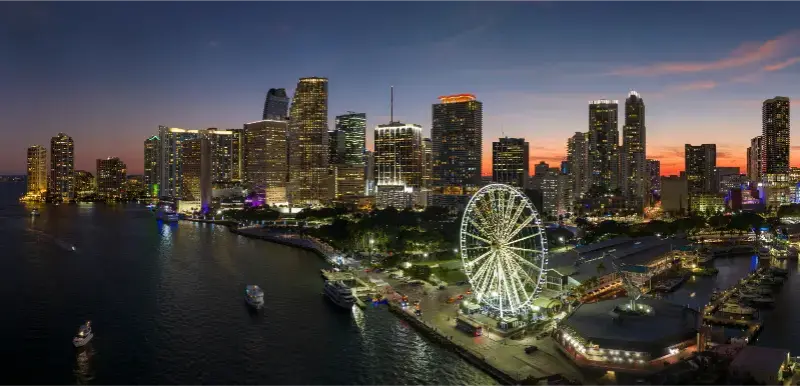
    Miami Biscayne Bay and Downtown at Dusk

    Build in time for sitting quietly, especially with older relatives or young children who may find an extended museum lecture tiring. Do not cross barriers or walk into habitat restoration areas for a photograph. Wind, bright sun and afternoon thunderstorms can change the comfort of the waterfront. A morning arrival is usually a sensible default for an outdoor-heavy day.

    Historic buildings, museum tours and the Stone House update

    Paid general admission has included guided museum tours, but interior availability changes with preservation work and special events. Crucially, the estate’s official planning page says the Stone House has been closed to the public since April 28, 2025 for restoration preparation. Do not promise prospective visitors they can walk freely through every interior, and check that page again before departure.

    The guided museum tour provides valuable interpretation even when a building is closed. Ask staff what historic spaces are included on your date and whether visitors with limited mobility can follow the route. A traveler interested only in the Stone House’s interior should not buy tickets based on old photographs or a tour description that predates the restoration work.

    Mangroves, trails and ecological observations

    The estate publishes access information for a mangrove boardwalk and a garden trail, plus natural-area tours during part of the year. Paths can differ in surface, shade and conditions after rain. The coastal setting attracts birds and other wildlife, but seeing a particular species is not guaranteed. Take time to interpret the relation between mangroves, tidal water and shore stability.

    If you want a deeper nature experience, the estate has advertised guided preserve tours at approximately 12:30 p.m. during the October-to-May season, subject to staffing, sign-up and conditions. Mosquito protection and sturdy shoes are advisable for a natural-area walk. A hot midday trail is not always suitable for every age group, and guests should feel comfortable choosing only the main grounds.

    Tickets, hours and booking decisions

    The official visit page currently lists daily general admission from 10 a.m. to 5 p.m. with no admission after 4 p.m., excluding Thanksgiving and Christmas Day. It provides separate rates for adults, younger visitors and eligible discounts. Treat those published terms as a point to verify at booking rather than an assurance that no special event will alter access.

    If you are traveling with several family members, calculate the combined cost before arrival and decide whether the group values both historic interpretation and time outdoors. Parking is listed as free, but that does not eliminate costs of traveling across Miami-Dade. Tickets and special programs may have final-sale terms. The most expensive mistake is arriving late expecting a full visit.

    Accessibility: ask about the route, not only the entrance

    Deering Estate contains both built heritage and outdoor environments. A general accessibility statement rarely answers whether a particular guest can manage a nature trail, a building threshold or a scheduled walking tour. Contact visitor services with the specific requirements that matter: step-free access, restroom location, terrain stability, places to sit and whether the scheduled activity uses surfaces that are difficult for a wheelchair or walker.

    Families with strollers may face some of the same route considerations as mobility-device users. A shorter self-guided grounds visit can still be rewarding. For visitors with sensory sensitivities, ask about tour-group size and quieter periods. Do not assume that an outdoor estate is less demanding than an indoor museum; humid weather and long distances can become the limiting factors.

    Photography and respectful site behavior

    The bayside setting lends itself to broad architectural views, tree silhouettes and changing clouds. Do not treat an archaeological or historic landscape as a playground for climbing or staging intrusive images. Respect closed rooms and any posted restrictions around the house, shoreline and natural areas. Commercial photography or professional shoots may require special permission.

    Avoid wildlife feeding and stay on designated visitor routes. The purpose of a public estate is preservation and interpretation, so photography works best when it observes rather than rearranges the place. For family photos, choose a naturally open viewpoint that does not block a walkway or guided group. Keep equipment minimal if you plan to follow a museum tour as well.

    A relaxed half-day plan in South Miami-Dade

    Arrive when the grounds open and start with the bay and main landscape while temperatures are moderate. Join a scheduled museum tour if available, then decide whether a short boardwalk visit or an organized preserve tour fits your energy and time. Leave space for a quiet break before driving back toward your accommodation. Plan on a few hours rather than a 30-minute photo stop.

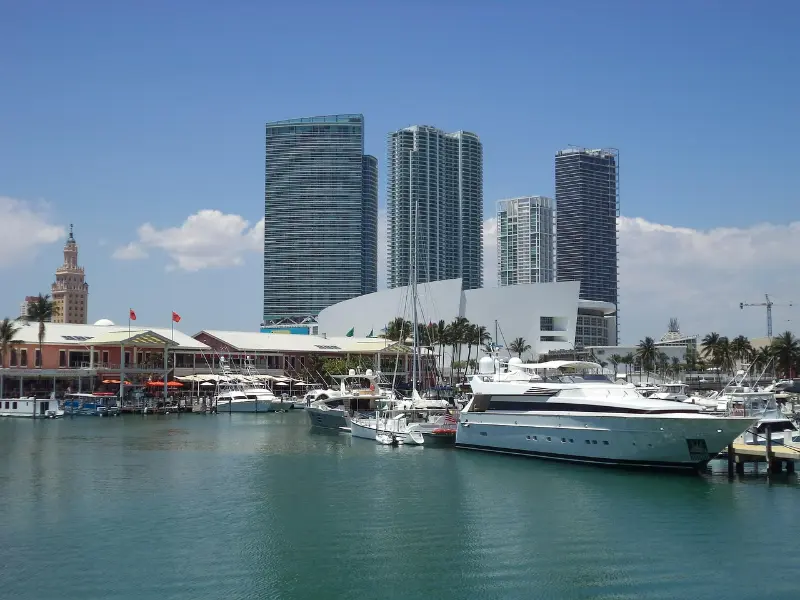
    Miami Biscayne Bay Yachts and Skyline at Sunset

    If combining the estate with another attraction, choose something geographically sensible in southern Miami-Dade, not a distant appointment near Miami Beach at a tightly fixed time. Traffic can be unpredictable. A family wanting a full-day historic-and-nature theme could pair this stop with another verified nearby park, but allow a separate meal and rest break instead of racing between gates.

    What makes Deering different from Miami’s other historic houses

    Choose Deering if coastal ecosystems and historic architecture appeal equally. Its value lies in seeing the bay, grounds and preservation story as one place. Visitors who primarily want ornate furnished interiors may be disappointed by temporary restoration closures, and visitors hoping for a beach day will find that the estate’s shoreline is not a conventional public swimming beach.

    It works especially well for photographers, curious older children and travelers who enjoy interpretation rather than thrill rides. If your group includes people with very different interests, agree on a modest shared plan: a short tour, a bay view and time to explore at individual pace. That balance makes a quiet cultural visit feel intentional rather than obligatory.

    Mistakes visitors can avoid at a historic coastal estate

    The first common mistake is treating Deering as a quick viewpoint near every other major Miami attraction. It lies in Palmetto Bay, so cross-city traffic and parking deserve real consideration. Check the current entrance gate and start with the official estate map. The second mistake is assuming that every historic house can be entered freely. Restoration is part of preserving the site, and an interior closure is not a sign that the entire visit lacks value. Read the current building updates and choose a guided tour only when it includes what your group most wants to understand.

    Third, resist planning a long natural-area tour during the hottest part of the day if your family is unused to subtropical humidity. Even a modest walking distance can feel demanding when sunlight reflects from open lawn and bay. Discuss mosquito protection and accessibility needs before arriving. If the weather changes, respect the staff’s instructions and skip exposed walks rather than expecting a refund for every rain shower.

    Finally, do not confuse scenery with a public swimming area. Enjoy the bay from designated vantage points and allow the protected shoreline to do its ecological work. A thoughtfully paced visit can combine history, architecture and nature without any swimming or high-energy activities.

    Practical planning table

    Planning questionWhat to know
    Region and settingPalmetto Bay
    Main interestBiscayne Bay
    Good to knowhistoric landscape
    Most suitable visitStone House restoration closure
    Before leaving homemuseum tours
    Flexible alternativegrounds and mangroves

    Frequently asked questions

    Is Deering Estate the same as Vizcaya?

    No. Deering Estate is in Palmetto Bay and emphasizes its own historic buildings and protected Biscayne Bay landscape. It is a separate attraction from Vizcaya Museum and Gardens.

    Can I enter the Stone House?

    The official estate page reports the Stone House closed for restoration work beginning in April 2025. Verify current status before booking and do not assume an interior visit is included.

    Can I visit with small children?

    Yes, children can enjoy the grounds and shorter interpreted stops, but adults should supervise them around the water and in historic spaces. A long nature tour may not suit every child.

    How long do I need?

    A few hours is more realistic than a quick stop if you want grounds, interpretation and a comfortable rest. Guided experiences can extend the visit.

    Is parking available?

    The official plan-your-visit page lists free parking. Check current event conditions and travel time, especially if arriving from northern Miami neighborhoods.

    Official information

    Rules, prices, opening hours, access and guided-program schedules can change. The following are primary sources for checking your exact travel dates:

    Editorial information checked: October 10, 2026. Recheck official visitor notices before departure; this guide does not claim first-hand visits or guaranteed sightings.

  • Eatonville to Daytona Beach: A Four-Day Black Heritage Journey

    Eatonville to Daytona Beach: A Four-Day Black Heritage Journey

    A four-day journey from Eatonville to Daytona Beach can tell a more meaningful story about Central Florida than a standard itinerary of shopping, swimming and theme parks. Eatonville is central to the history of Black self-government and the literary legacy of Zora Neale Hurston. Daytona Beach is associated with educator and civil rights leader Mary McLeod Bethune, whose work helped reshape educational opportunities and national public life. Between them lies a chance to explore how communities built institutions, preserved culture and challenged exclusion.

    This trip is intended for adults, families with older children and visitors who want to approach history with care. The stops are not designed as a checklist of attractions whose hours can be taken for granted. Some historic sites are on working campuses, while cultural institutions hold exhibitions and programs that change. Confirm entry rules directly, and allow enough time for reading and conversation instead of treating each destination as a quick photo opportunity.

    The historical thread connecting the route

    Eatonville incorporated in 1887 and became one of the most significant early Black incorporated municipalities in the United States. The State Archives of Florida preserves photographs and oral histories connected with its residents. Its history deserves more than a passing description as Zora Neale Hurston’s childhood community: it is also a story of political agency, local business, education, church life and residents shaping their own town.

    Daytona Beach adds a complementary story. Mary McLeod Bethune established a school that grew into Bethune-Cookman University and became a national figure in education and public service. Her legacy is not simply a monument or house; it is reflected in institutions and in the opportunities she pursued for others. The National Park Service biography provides essential historical context for the trip.

    Four days, two bases if you prefer less driving

    DayAreaApproach
    1EatonvilleTown history and local cultural interpretation
    2Eatonville and MaitlandArt, archives and time for deeper reading
    3Daytona BeachMary McLeod Bethune and the educational legacy
    4Daytona BeachOther heritage stops and a thoughtful coastal finish

    You can sleep two nights in the greater Orlando area and one or two nights around Daytona Beach, or stay in one place and drive. A two-base arrangement reduces repeated highway trips but involves moving luggage. For visitors who prefer the same hotel, choose the arrangement that keeps evening driving reasonable. Verify addresses for the places you intend to enter before booking.

    Day 1: begin with Eatonville as a living town

    Start by learning how Eatonville came to be established and incorporated. The community’s history is connected to emancipation, Reconstruction and the efforts of Black residents to exercise local government and create a stable social life. The State Archives’ Black history collections guide identifies Eatonville oral histories among its records. These accounts help remind visitors that historical towns are experienced by their residents, not just by researchers or tourists.

    A respectful town visit begins with public sites and current visitor information. Look for a cultural center or authorized museum experience rather than following an informal internet walking route that may cross private property. Houses, churches and public buildings are part of ordinary community life. Photograph buildings from appropriate public places and do not interrupt services or residents for a picture.

    Let the first day revolve around understanding where you are. After a visit, take a relaxed lunch break and review what you learned before adding a second stop. A family with teenagers may want to compare a historical map with a modern map and discuss why the right to govern a municipality mattered so much in the late nineteenth century.

    Zora Neale Hurston's significance extends beyond one address

    Hurston became a major American writer and anthropologist whose work documented language, folklore and community life, particularly in the American South and Caribbean. Eatonville shaped her writing, but it is too simplistic to make every street into a scene from a novel. Read selected biographical information and consider how her approach gave attention to voices often marginalized in formal accounts.

    The Zora Neale Hurston Museum of Fine Arts and cultural programming associated with the ZORA! Festival can be useful introductions, when open. The festival organization offers information about exhibitions and events, but do not assume the museum has continuous daily opening hours or that a festival is occurring during your stay. Contact the organization for visitor availability and any reservations.

    For children, choose a brief, age-appropriate excerpt or an illustrated introduction to Hurston before the trip. For adults, her work can deepen the experience, but do not turn a vacation into an imposed literature exam. A good guided discussion may be more rewarding than trying to cover every milestone of her career in one afternoon.

    Day 2: art and history as a conversation

    Use the second day for an exhibition or cultural program that is actually available. Eatonville and neighboring Maitland offer opportunities to explore visual art and regional history, though individual institutions run their own schedules. A combined museum day can make sense if confirmed current exhibitions connect with your interests. The ZORA! Festival has organized programs linking the Hurston museum with art institutions in Maitland, illustrating the kind of collaboration possible.

    Spend time reading labels, listening to an educator and asking how works interpret history rather than merely photographing objects. An exhibition about Black artists may provoke different questions from a town-history display; both matter. Be willing to discuss race and injustice truthfully but without asking an employee or another visitor to serve as an unpaid personal historian.

    The afternoon is a good time to rest or visit a public park, particularly with children. This itinerary values sustained attention. People often remember one powerful historical account more clearly than six rushed museums.

    Traveling toward Daytona Beach

    The drive north toward Daytona Beach moves from greater Orlando’s built environment into a different part of Central Florida. Take it as a transfer rather than another attraction-filled day if the group is tired. Check traffic, allow for highway delays and arrive early enough to find your hotel before dark if that is your preference. Those traveling with an older adult or small child may benefit from a planned restroom break.

    Daytona Beach Florida Pier and Hotels

    Choose accommodation according to your heritage visits, not simply the proximity to the sand. A beachfront hotel can be enjoyable, but parking and tourist-area traffic may make access to inland historical sites less convenient. A hotel with good road connections, reliable parking and breakfast options can suit a learning-focused vacation better than a resort that encourages you to remain on-site.

    Day 3: Mary McLeod Bethune in Daytona Beach

    Mary McLeod Bethune’s achievements span education, institution-building, political advocacy and national service. Read her biography before deciding which Daytona Beach heritage locations to visit. The Bethune-Cookman University campus is a living university, not an open-air museum with unlimited tourist access. Any visit to a historic residence, archive or educational building should follow the institution’s current booking, escort and photography rules.

    The NPS biography recounts that Bethune’s home on the campus became a National Historic Landmark. That recognition does not automatically establish public opening hours today. Contact the institution or relevant museum operator before traveling. If access is unavailable, use verified public interpretation, local historical materials and a discussion of her educational accomplishments instead of attempting to enter restricted campus grounds.

    With teenagers, compare Hurston and Bethune not as competing famous figures but as people who approached change through different forms of work. Literature and folklore preserved language and culture; education and institution-building expanded opportunities. Both stories raise questions about how a community creates a lasting legacy.

    Day 4: use the wider city's heritage carefully

    Daytona Beach has additional associations with sports, coastal tourism and civil rights history. Select one or two current heritage experiences rather than promising access to a long list of historic buildings. A local history museum, an authorized guided tour or a scheduled university program may be appropriate, depending on current availability. Read official material before claiming that a particular facility has a permanent exhibit or a daily tour.

    A thoughtful final afternoon can include a public beach walk or riverfront view. This change of pace is not a distraction from history; it is a way to enjoy the city as a contemporary community. Follow beach driving and swimming rules carefully, especially with children. Avoid reducing Daytona Beach to a famous racetrack when the purpose of your trip has been to look more deeply at its educational and cultural contributions.

    How to introduce difficult history to children

    Children deserve truthful explanations adjusted to their ages. Explain slavery, segregation and unequal access to education plainly, without graphic detail that is not needed for the particular visit. Invite questions and allow quiet reflection. A child might ask why residents established a separate town or why Bethune created a school; answer using documented history rather than speculating about individual feelings.

    For older students, discuss how sources work: oral histories, newspaper articles, photographs, literature and institutional archives reveal different aspects of life. Some archives reflect what officials chose to record, while oral accounts may preserve experiences omitted from formal documents. Encouraging thoughtful questions is more important than giving a long lecture during a car ride.

    Respectful heritage tourism is not a performance

    The communities in this itinerary are places where people live, study, worship and work. Avoid filming individuals without permission, treating church services as entertainment or approaching private homes because an online biography mentions an address. Follow museum photography policies and do not use an emotionally significant historical site as a humorous backdrop.

    Whenever possible, support local cultural institutions and businesses. Paying a modest admission or buying a book directly from a museum shop can help sustain interpretation. If an organization is closed, accept the boundary rather than asking staff to open it for a tourist. An ethical visit is about learning from a community, not claiming access to every part of it.

    Accessibility and practical comfort

    Confirm step-free access, seating, restroom facilities and guided-tour requirements for the exact museums you plan to visit. An institution in a historic building may have constraints that do not appear in tourist photographs. For someone using a wheelchair or walker, an accessible program or exhibit may be more realistic than a loosely defined heritage walk that crosses several uneven sidewalks.

    Plan shorter stops for children and older adults. A quiet lunch after a serious museum can provide time to process information. If a group member finds historical content emotionally difficult, allow a break without diminishing the subject. The pace should respect both physical and emotional needs.

    Budget, seasons and event timing

    Major costs include hotels, transportation, meals and museum or program admission. Special festival dates can bring valuable programming but also additional crowds and higher room demand. Outside festival periods, certain attractions may operate limited schedules. Compare the cultural program you can actually attend with your dates before booking nonrefundable accommodation.

    Florida heat and thunderstorms can make city walks uncomfortable. Plan outdoor sightseeing earlier in the day and keep one verified indoor alternative available. If a site requires a guided time slot, allow sufficient driving and parking time. A slightly slower schedule improves the quality of the visit and reduces the chance of missing a reserved program.

    What to take away from the journey

    A four-day Eatonville-to-Daytona trip should leave visitors with a richer understanding of local self-determination, cultural expression, education and civic leadership. It is possible to admire Hurston’s literature and Bethune’s achievements while remembering the many residents, students, colleagues and community members who were essential to those histories. No single museum contains every story.

    Visit with curiosity, read before you go, check access and leave room for conversation. That approach turns two nearby Florida destinations into a rewarding cultural journey rather than a list of famous names.

    Frequently asked questions

    Is Eatonville an outdoor history museum?

    No. It is a living municipality with public and private spaces. Use official museum information and authorized visitor routes rather than wandering onto private property.

    Can I visit Mary McLeod Bethune's historic home at any time?

    Do not assume so. The historic home is associated with a working university and current public access must be confirmed with the operator before travel.

    Is this route appropriate for children?

    Yes, especially school-age children and teenagers who can engage with the history. Choose age-appropriate interpretation, allow breaks and explain difficult subjects honestly.

  • Coral Castle in Homestead: History, Guided Tours and a Curious Miami Day Trip

    Coral Castle in Homestead: History, Guided Tours and a Curious Miami Day Trip

    Coral Castle is among South Florida’s strangest roadside museums, but it is more compelling when approached as a human story than as an impossible engineering puzzle. In Homestead, an outdoor complex of carved limestone walls, seats, tables and sculptural forms reflects the work of Edward Leedskalnin, a Latvian immigrant who developed the site over decades. The attraction combines craftsmanship, biography and local legend, which explains why visitors disagree over what its most remarkable feature is. A thoughtful visit separates the evidence of hard work and unusual skill from exaggerated stories about supernatural powers, then uses the included tour to ask better questions.

    At a glance

    Coral Castle Museum | 28655 S. Dixie Highway, Homestead, FL 33033 | Best planned around limestone sculpture, the builder Edward Leedskalnin and a guided cultural stop.

    Contents

    What Coral Castle actually is

    Despite its name, Coral Castle is neither a medieval fortress nor a coral reef. It is an outdoor stone sculpture environment built from local limestone, often called coral rock. Its walls, carved objects and geometric forms invite visitors to look for balance, pattern and a sense of scale. The objects have been interpreted romantically for years, but a museum tour is a better way to understand them than an internet video focused solely on mysteries. The attraction rewards adults interested in craftsmanship and children who enjoy thinking about how very heavy objects can be moved, even when the answer is less sensational than the legend.

    Edward Leedskalnin and the craft behind the legend

    Leedskalnin is central to the story. He spent many years creating and moving carved limestone elements, working on a project that became his distinctive artistic environment. Accounts of his private life and motivations circulate widely, but the most defensible explanation of the site begins with what remains visible: deliberate shapes, extensive labor and improvised tools. Avoid telling children that paranormal forces have been proven or that no technical explanation is possible. Instead, discuss the ingenuity of traditional lifting methods, the patience needed to carve stone and the difference between an unanswered historical detail and a proven miracle.

    What to notice on a guided tour

    The admission experience includes a professionally led tour and a documentary according to the current museum visitor page. Listen for descriptions of the site’s layout and the function of the carved features, then pause to compare the size of individual objects with the narrow paths between them. A guided group may move at a speed set by questions and visitor numbers. Visitors with small children should choose a tour time that avoids the child’s usual rest period, while older guests may prefer an earlier tour rather than one held in late-afternoon heat. There is value in allowing the experience to be about history rather than chasing the perfect photo.

    How long to allow and whether it fits a road trip

    Coral Castle works best as a planned stop in Homestead, not as an unverified detour you add while racing to catch a flight. Allow time for the tour, documentary, photos, parking and a break. People also use Homestead as a base for Everglades National Park, Biscayne National Park or the route toward the Keys, but these are separate trips with different access logistics. A well-paced day might pair the museum with a local meal and one additional nearby activity. Trying to visit an Everglades entrance, Coral Castle and a distant Keys island between breakfast and dinner would leave very little time at each.

    The outdoors: heat, rain and practical clothing

    Much of the value of Coral Castle comes from looking closely at its open-air stone environment. Comfortable shoes and sun protection matter even though the attraction is not a hiking destination. Limestone and paved surfaces can become slippery after rain. Bring water, but ask about rules for taking drinks into interpreted areas. If thunderstorms are moving through, do not assume an outdoor tour can safely continue on the original schedule. Visitors sensitive to bright light or heat may appreciate a morning arrival, while a person with a mobility aid should verify exactly where accessible routes and seating are located.

    Admission, schedule and booking pitfalls

    The operator’s visitor information says that regular tickets are bought on site and include the public tour and documentary. Prices and closing hours should be checked immediately before travel, because separate museum webpages currently show different sets of hours. Calling is sensible if you expect to arrive late. Group tours have separate reservation rules, which are not the same as an individual walk-in ticket. Avoid buying a third-party “fast entry” add-on without checking whether it offers anything beyond standard admission. Carry a card and an alternative payment method, and keep the phone number accessible.

    Miami Historic Residential Building and Greenery

    Accessibility and visiting with different ages

    Coral Castle advertises wheelchair access, but a traveler should still ask about surfaces, rest areas and the exact tour route. A family with a stroller can plan around compact passageways and the need to keep younger children close to stonework. Older adults might benefit from a seat or a shorter photo stop after the main tour. For a blind or low-vision visitor, a guide’s spoken explanations may be especially valuable; inquire whether additional descriptive assistance can be offered. A family member who dislikes crowded tours could request information about the quietest times rather than skipping the site entirely.

    Interpreting myth without spreading misinformation

    A number of Coral Castle stories appeal to the idea that Leedskalnin moved stone using secret energies. It is fine to report that these legends are part of the attraction’s reputation; it is not accurate to present unverified supernatural claims as fact. A useful visitor exercise is to ask which elements of a claim are documented, which are observations and which are later speculation. This approach makes the museum an unexpected educational visit. Teenagers interested in engineering, history or storytelling can discuss how mystery boosts tourism and why historical research needs evidence rather than repetition.

    A thoughtful Homestead half-day

    Begin with the museum at a confirmed time, let the guided visit set the pace and follow it with a meal rather than another ticketed stop. If driving from Miami, allow highway traffic flexibility. Visitors continuing south on U.S. 1 should avoid leaving all luggage visible in a parked rental car. Photograph details without touching or climbing on fragile objects, and observe museum restrictions. If you are visiting with multiple generations, agree that different people may spend different amounts of time at the exhibits. A short, memorable visit is preferable to an exhausting itinerary designed around checking off every attraction in South Florida.

    Coral Castle versus a traditional Miami museum

    A conventional art museum may present a broad collection with galleries organized by period; Coral Castle is essentially one maker’s remarkable environment. The experience is therefore more focused, and personal interest matters. Travelers who love eccentric roadside history may find the small site deeply engaging, while visitors expecting multiple floors of changing exhibitions may be surprised. Use the guided narrative to decide what is evidence, what is interpretation and what is legend. For a short trip, consider this attraction when you are already exploring Homestead or the southern Miami area instead of making an expensive detour from far north of the city.

    Miami Retro Dade Neon Sign

    Useful questions for a guide

    Ask how the carved features were assembled, which parts of the story are supported by records and what the museum knows about the sequence of construction. Questions about the tools used can lead to a more meaningful discussion than simply asking whether the builder had secret powers. Visitors interested in architecture may look for recurring shapes and proportions, while students can consider how oral history becomes embellished over generations. A respectful guide can help separate speculation from facts without spoiling the attraction’s atmosphere. Children may particularly enjoy comparing an immense stone object with everyday furniture and imagining the care needed to shape it.

    Photography and visitor etiquette

    Because the site contains sculptural objects and passageways rather than large open plazas, photographers should remain aware of other visitors. Do not climb on the carvings or position children where they could damage stone or fall. Ask whether large cameras, tripods or filming require additional approval. A good photo captures scale by including a person at a respectful distance, not by staging risky interactions with an artifact. If other visitors are listening to the guided tour, keep conversations low and wait for an appropriate moment to take pictures. The museum is a shared experience rather than a private photo studio.

    A family conversation about engineering

    Coral Castle provides a chance to discuss the physical world without turning into a formal classroom. Ask children which methods might help people move a very heavy block, and discuss simple machines such as levers and pulleys as possible engineering principles rather than claiming to have reconstructed every step of Leedskalnin’s work. Compare the patience required for stone carving with today’s rapid construction processes. Teenagers might research why the story became famous and how businesses use mystery to attract visitors. This kind of inquiry respects the builder’s accomplishment more than repeating unsupported claims that no human technique could explain the site.

    Practical end-of-day checks

    Before traveling, confirm the tour schedule, admission rules and weather. The attraction’s own web pages have displayed inconsistent closing details, so a telephone confirmation is especially helpful for a late visit. Plan where to eat, ensure you have a safe return trip and do not leave valuables visible in a vehicle. If you are traveling onward to Key Largo, allow for delays on the highway rather than booking a strict marina departure immediately after the museum. A short attraction can fit neatly into a South Florida trip when it is treated as a planned stop with a realistic time cushion.

    Practical planning table

    QuestionPlanning guidance
    Best forHistory, sculpture, unusual roadside architecture
    Main experienceGuided tour and documentary according to operator
    WhereHomestead, south of Miami
    Before arrivalVerify last tour time due to inconsistent published hours
    FocusBuilder Edward Leedskalnin, stone craftsmanship and evidence

    Frequently asked questions

    Is Coral Castle a real medieval castle?

    No. It is a twentieth-century limestone sculpture environment in Homestead.

    Are guided tours included?

    The official visitor page includes a documentary and a public guided tour with admission; confirm on the day.

    Are supernatural explanations proven?

    No. Legends exist, but they should not be confused with documented historical evidence.

    Is Coral Castle accessible by wheelchair?

    The operator states that it is accessible; verify the route and assistance relevant to your needs.

    Can I arrive just before closing?

    Confirm the last tour time by telephone because official pages display differing hours.

    Official sources and current alerts

    Information checked 10 October 2026. Hours, fees, closures, accessibility arrangements and concession schedules can change. Always confirm the current status directly before traveling.

    Important current note: The official site displays some inconsistent hours across its pages. Verify the final tour time by telephone before a late arrival.

  • Edison and Ford Winter Estates in Fort Myers: Historic Homes, Gardens and Museum Guide

    Edison and Ford Winter Estates in Fort Myers: Historic Homes, Gardens and Museum Guide

    The Edison and Ford Winter Estates are worth visiting for more than the celebrity names on the entrance sign. Along McGregor Boulevard in Fort Myers, the property connects a stretch of Florida’s winter-resort history with industrial experimentation, domestic life, botanical collecting and the challenge of presenting historic houses to a modern audience. Thomas Edison’s winter retreat, the neighboring property associated with Henry Ford, tropical gardens, a laboratory and a museum create several distinct layers of interpretation. Visitors who only expect a brief walk around two old houses may be surprised by the size of the grounds; people arriving for the invention exhibits should also reserve time outdoors. The best visit balances both sides, with an itinerary suited to heat, walking ability and the interests of each traveler.

    Contents

    Understanding what is on the estate

    The campus is not a single house with a gift shop attached. Visitors can explore historic buildings, landscaped grounds, the Edison Botanical Research Laboratory and museum exhibits. The garden component covers a substantial area, and the historic buildings and exhibits tell different stories. Begin by deciding whether inventions, architecture, horticulture or family history matter most to your group. Someone fascinated by electrical engineering may spend longer with museum displays than at the waterfront, while a garden lover may do the reverse. It is reasonable to dedicate two to three hours, especially if you read interpretive information instead of merely moving from one photo opportunity to the next. The grounds make this an appealing intergenerational outing, but their scale means short rests help maintain everyone’s enthusiasm.

    The Edison home and the Fort Myers winter setting

    Edison came to Southwest Florida during an era when seasonal residences and access by water helped shape the region’s development. The winter estate was a place to work, rest and receive visitors, rather than an isolated inventor’s workshop. Notice the relationship between covered outdoor spaces, the garden landscape and the waterfront climate. Historic homes were designed to manage sun, breeze and social activity differently from today’s sealed, air-conditioned buildings. Interpretation offers opportunities to discuss who maintained the property and how life here depended on staff and resources beyond those of a famous family. Because some building interiors may be viewed from designated positions rather than entered freely, follow signs and do not presume each room is part of a walk-through route. This is a preserved historic site, not an open-house real estate tour.

    Fort Myers Florida Colorful Buildings and Palms

    Henry Ford’s winter presence

    The Ford connection makes the estate especially interesting for travelers who know the names Edison and Ford from inventions but have never considered their personal relationship. Their association reflects overlapping interests in technology, mobility and American industry. Look for how the neighboring homes are presented in the interpretive materials: the architectural details and domestic spaces can be as revealing as the better-known biographies. A teenager studying the early automobile age may respond more to Ford-related questions about manufacturing and transportation than to a formal house tour. For older travelers, the story of twentieth-century travel to Florida provides another perspective on how the state became a seasonal destination. Avoid turning the visit into a trivia contest about famous dates; focus instead on what the objects and spaces reveal about work, leisure and the people who supported them.

    Research laboratory and museum: why they matter

    The botanical research laboratory is one of the estate’s strongest distinguishing features. It reminds visitors that industrial research did not occur only in urban factories and northern offices. Experiments with plants and materials connected the Florida landscape to questions about technology and supply. In the museum, give yourself enough time to understand each exhibit’s central idea instead of trying to memorize every object. Families can select two or three inventions or experiments and ask how each changed daily life—or why an attempt did not have the expected outcome. A museum visit also offers a welcome indoor break from summer humidity. Exhibits and gallery arrangements can change, so check the current program if a specific historical item is the main reason for your visit.

    The botanical gardens and the landscape design

    The gardens are more than a pleasant path between buildings. Tropical and subtropical plants reveal how a winter residence in Southwest Florida could become a place of collecting, display and research. Pause to observe the size and form of established trees, contrasting palm canopies and flowering plants. A visitor with little botanical background can still notice adaptations: broad leaves, aerial roots, dense shade and the ways plants manage intense light. Be careful not to handle plants or collect material; historic collections need protection. Summer visitors should start with the outdoor spaces before midday, saving museum galleries for the hottest hours. After rainfall, paths may remain wet. Comfortable shoes with grip are better than dress footwear for a site combining indoor displays and garden routes. If a plant is especially important to your group, ask staff whether it can currently be viewed.

    Self-guided versus guided visits

    The estate offers self-guided ways to explore, including audio interpretation accessible through its official platform, and guided options when available. Choosing between them changes the pace. Self-guided touring works well for people who need frequent sitting breaks, families whose children have different attention spans or travelers using multilingual material. A guided tour may help guests who prefer a coherent historical narrative and opportunities to ask questions. Verify the tour type before purchasing: an admission ticket, guided experience and special event are not necessarily interchangeable. If using an audio tour, bring a charged phone and headphones so that you do not disturb other visitors. Guests who would rather not use a smartphone can ask whether an alternative method is available. Check which buildings and exhibits are included rather than assuming a particular option permits extra access.

    Florida Suburban Waterfront Homes Aerial

    When to go and how long to allow

    Official visitor information lists operation from 9 a.m. to 5:30 p.m. daily, except Thanksgiving and Christmas, with last admission typically at 4:30 p.m. Hours and special closures can change. Morning visits make the garden portion more comfortable; afternoon works when the air-conditioned museum is your main focus. Two hours is a realistic minimum for a selective visit, while three hours lets you absorb more displays without rushing. Plan around the least heat-tolerant person in your party. Fort Myers weather can switch between strong sun and heavy rain; if a storm approaches, move indoors and follow site directions rather than sheltering beneath large trees. Photography should be respectful of displayed objects and any restricted interiors. Do not build a day around the estate’s final hour and assume you can see every component.

    Tickets, directions and practical facilities

    The official address is 2350 McGregor Boulevard, Fort Myers, Florida 33901. Parking information on the estate’s visitor page indicates on-site parking, but accessible spaces and visitor drop-off routes should be confirmed if needed. Tickets can be purchased through the official system; adult, teen and child rates and special programs are separate, and the site offers different tour formats. Bring a form of payment and retain the confirmation. If you use a rideshare, arrange a clear pickup point rather than standing in the historic driveway waiting for an unfamiliar vehicle. Do not assume meals are available at every hour; the museum and garden experience is more reliable than any particular food outlet. Nearby Fort Myers dining is a flexible option after touring, especially with small children.

    Accessibility, children and a thoughtful pace

    Listings indicate accessible parking and some wheelchair-friendly facilities, but historic houses and garden paths can present differing surfaces, widths and restrictions. Contact visitor services with your specific needs, including whether you require a step-free route, seating, captions, accessible bathrooms or assistance with an audio tour. Families with toddlers can make the estate more enjoyable by alternating a short museum section with outdoor observation; very young children may tire quickly of detailed historic descriptions. Older children can compare an invention in the museum with a research question in the laboratory. Seniors who love history might enjoy a guided tour but appreciate a bench break halfway through. The goal is not to prove you’ve visited every room but to leave with an understanding of why this particular site matters to Fort Myers.

    Pairing the estates with a Fort Myers day

    The estate sits near other Fort Myers attractions, so it is tempting to schedule an entire list of museums and waterfront stops. Consider the weather and the driving distance first. A well-paced itinerary might begin at the historic estate, continue to lunch on or near a walkable downtown street, and finish with a short riverfront stroll if conditions are comfortable. Conversely, visitors staying on Sanibel or Fort Myers Beach should allow additional road travel and not assume a quick hop across the metropolitan area. Rainy afternoons favor the indoor museum displays, but severe weather can affect access to outdoor spaces. If your trip lasts several days, combining the estate with a separate relaxed day exploring natural Southwest Florida is more rewarding than treating the region as one big checklist.

    Which part should you prioritize?

    Interest Recommended focus Planning note
    Inventions and science Museum and botanical laboratory Allow reading time and an indoor break
    Historic houses Edison and Ford residences Check current permitted viewing routes
    Gardening Trees and botanical landscape Visit before peak midday heat
    Family education Two or three exhibit themes Keep questions simple and interactive
    Easy-paced history Self-guided route and seating breaks Ask about accessible paths and audio options

    Five frequently asked questions

    Do I need a guided tour to enjoy the estates?

    Not necessarily. Self-guided admission with interpretive resources is suitable for many travelers. Guided tours can add context, but check current availability, price and what is included before deciding.

    Can visitors enter the historic houses?

    Access varies by building and preservation requirements. Do not assume every room is open for unrestricted walking. Staff instructions and published routes are the best guide; viewing historic interiors from a designated area is still meaningful.

    How much time is enough for a visit?

    Two to three hours suits most first-time visitors. One hour allows only a selective overview, while visitors interested in the laboratory and museum exhibits may prefer more time.

    Is this attraction suitable in summer?

    Yes with sensible pacing. Start in the gardens early, drink water, use sun protection and schedule air-conditioned museum time during the hottest portion. Afternoon lightning and heavy rain are reasons to change the outdoor plan.

    What if someone uses a wheelchair or cannot stand long?

    Contact the estates before buying tickets to discuss current accessible routes, bathrooms, seating and tour format. Some areas are more easily navigated than others because the site combines historic structures with outdoor paths.

    Official planning resources

    Check the Edison and Ford Winter Estates visitor information and its official ticket listings for opening times, admissions and any building restrictions. The most memorable visit treats the estate as a connected story of homes, gardens and research—not merely two famous names attached to a Fort Myers attraction.

  • Key West Butterfly Conservatory: Tickets, Flamingos and a Calm Family Stop

    Key West Butterfly Conservatory: Tickets, Flamingos and a Calm Family Stop

    Key West is often described through bars, sunset crowds and water sports, yet the Butterfly and Nature Conservatory offers a radically different rhythm. Behind an entrance on Duval Street is an enclosed tropical environment where butterflies move among foliage and birds cross paths above the walkways. It is a compact attraction, not an all-day zoo, and its strength lies in helping visitors pay attention to small details. Young children, grandparents and people wanting a break from the heat can all appreciate it, provided they understand the rules about touching wildlife, stroller access and the difference between an enclosed garden and an outdoor butterfly release event.

    At a glance

    Key West Butterfly and Nature Conservatory | 1316 Duval Street, Key West, FL 33040 | Best planned around enclosed tropical garden with butterflies, birds and flamingos near Duval Street.

    Contents

    What is inside the conservatory

    The experience takes place in an enclosed, planted habitat with butterflies and colorful birds. Moving slowly allows your eyes to adjust to the many layers of greenery before you notice the animals. Butterflies may rest on leaves or pass near visitors, but an encounter is not something to demand. The environment can be warm and humid, even when the air outdoors feels comfortable. This matters for travelers who need regular hydration or who are sensitive to humidity. Treat the conservatory as a place to observe living creatures at their own pace rather than a stage on which every animal must perform for photos.

    Butterflies, flamingos and respectful viewing

    The attraction is also known for resident birds, including flamingos. Children may be drawn immediately to the largest colorful animal, while adults notice the subtle flight patterns of butterflies. Both responses are part of the experience. Avoid reaching for wings, chasing an insect or tapping plants to make a butterfly move. Butterfly wings are delicate and wildlife behavior should not be directed by visitors. Photograph from where you stand and do not use a flash unless the operator permits it. A minute of quiet watching can reveal feeding or resting patterns you would miss by constantly moving toward a new photo.

    Tickets, entry and same-day re-entry

    The operator publishes admission categories for adults, children, seniors and other groups. It also currently says a paid guest may re-enter the conservatory during the same date, subject to its stated final entry time and receipt rules. This can be useful if you want a short first look, lunch nearby and a later second stroll. However, do not interpret same-day re-entry as a promise that crowds or admission policy will remain unchanged indefinitely. Keep your receipt and check when the last entry is allowed. Special holiday closing times should be confirmed before planning an evening visit.

    Wheelchair access, strollers and pet rules

    The official visitor page describes the facility as wheelchair accessible. It also specifies that strollers and pets are welcome in the gift shop and gallery but not inside the conservatory itself. There is a stroller parking area. Families should prepare to carry or walk with small children through the enclosed section, respecting space for other visitors. A person using a mobility device can contact staff ahead of time about doorway widths or turning space relevant to their equipment. Service-animal access is governed by applicable rules; if assistance arrangements matter, communicate those needs before buying tickets.

    A visit with toddlers or sensory-sensitive travelers

    A small child does not need to memorize butterfly names to enjoy the garden. Give one simple goal such as finding three wing patterns or listening for a bird call. Keep the group together without trying to touch plants or insects. Visitors who dislike crowded paths may prefer the first opening period or a less busy weekday. The humidity, movement and bright colors can be soothing for some people but overstimulating for others, so allow a short exit and re-entry if the ticket policy permits. Make the next activity optional rather than insisting on a long Duval Street march immediately afterward.

    Photography without disturbing the habitat

    Natural-light photos often work better when you stop and let wildlife move into the frame rather than pursuing it. Aim for one clear subject and a simple background; tangled leaves can make an otherwise beautiful butterfly difficult to recognize. Do not force a butterfly to land on a finger for a staged image. Ask before using large tripods, lights or commercial equipment, since small pathways may make those intrusive. If you are visiting with children, let them draw or note what they saw as well as taking phone pictures. A memory of patient observation is a valuable counterbalance to rapid vacation photography.

    Where it fits on a Key West walking day

    The location on Duval Street makes the conservatory easy to combine with a walk around the southern end of Key West. It is close enough to other sightseeing areas that it can become a morning pause rather than a stand-alone car trip. Parking in Key West may cost more effort than the attraction itself, so people staying downtown can often walk. If driving, note the published small first-come parking area and the nearby paid lot. Do not plan to leave a car in a private space beyond the visit without permission. A short indoor stop can also break up a day of exposed sunshine.

    Key West Waterfront Neighborhood Aerial

    How much time and money to allow

    Many visitors will be satisfied with a shorter visit than they would need for an aquarium or a botanical garden spread over many acres. Build extra time if you enjoy photography, travel with toddlers or want to use a same-day re-entry. Admission tiers are listed on the official site, but taxes and eligibility details may change. A family should total the ticket price and transport before deciding whether to include another paid attraction. Consider starting with a leisurely breakfast, entering the conservatory early and keeping the afternoon open for the waterfront, rather than compressing the garden between reservations with no margin.

    Why a small conservatory can make a lasting impression

    The educational value is in noticing relationships among plants, insects, humidity and shelter. A butterfly feeding or resting is not an attraction failing to entertain; it shows the quiet biology that supports tropical environments. Small groups can compare wing markings and discuss how vulnerable insect populations are to habitat change. The most effective interpretation combines pleasure with restraint: do not leave food or trash, do not handle wildlife and resist turning every sighting into a staged performance. Visitors can carry those habits into Florida’s beaches, trails and national parks long after leaving Key West.

    A calming alternative to a crowded Key West afternoon

    Key West afternoons can become tiring when visitors combine exposed streets, expensive excursions and crowded attractions. The conservatory offers an enclosed environment where movement is slower and the experience can be enjoyed without physical exertion. It is particularly useful when a group contains someone uninterested in bars or water sports. That does not mean it is a completely cool, air-conditioned refuge; tropical humidity is part of the garden environment. Drink water, dress lightly and avoid planning it as a solution for a guest who cannot tolerate warm humid conditions at all. Check the temperature and the operator’s advice before entering.

    Observing butterfly behavior without touching

    Watch whether a butterfly rests with wings folded, drinks from a flower or follows a patch of light. Rather than moving plants to force an insect into view, stand still and let the scene develop. Children can count how many wing colors they notice while a parent explains why delicate wings should never be grabbed. Photograph from an appropriate distance and leave narrow pathways open for other guests. The birds also need space. A visitor who experiences one subtle, unplanned moment of behavior may remember it longer than a series of staged selfies. This is the point of entering a living habitat.

    Key West Florida Suburban Neighborhood Aerial

    How to organize a low-stress visit with a baby

    Since strollers are not permitted inside the conservatory section, parents should consider how they will carry or support a baby. A suitable baby carrier may help if the child is comfortable with it, but consult the operator regarding any restrictions. Use the restroom and handle feeding needs before the loop so you are not rushing back through narrow spaces. Avoid touching butterflies with a baby’s hand, even when it seems like a sweet photo opportunity. Because the setting is compact, a shorter visit with calm attention can work better than attempting to stretch the experience to justify the admission charge.

    Accessibility questions to confirm

    Published wheelchair accessibility is reassuring, but each visitor’s needs are different. A person using a wide power chair may wish to confirm turning space, path widths and the way doors operate. Another traveler may need a seat or reduced standing time. Contact staff in advance for questions about sensory accommodations, service animals and communication assistance. Remember that a pet permitted in the shop is not necessarily permitted in the conservatory. Confirm the rule that applies to your situation instead of relying on a generic description of the attraction as family-friendly.

    Making the experience part of learning about habitat

    Butterflies illustrate the dependence of insects on specific plants and environmental conditions. A discussion about life cycles and pollination can begin with what visitors actually notice rather than a long scientific lecture. Adults can compare this maintained tropical habitat with the wild ecosystems of the Keys, where animals face different threats. Encourage children to support habitat conservation back home by learning about native plants rather than buying live animals as souvenirs. Do not treat the conservatory as evidence that butterflies should be handled freely in nature. The most useful lesson is to admire wildlife without controlling it.

    Practical planning table

    QuestionPlanning guidance
    Best forSmall children, multi-generation families, calm sightseeing
    Main experienceEnclosed tropical habitat with butterflies and birds
    AccessibilityOperator reports wheelchair access; check personal needs
    RestrictionsStrollers and pets excluded from conservatory interior
    BookingReview admission tiers and same-day re-entry cutoff

    Frequently asked questions

    Is the conservatory open every day?

    The operator lists daily opening, with shorter holiday hours on specified dates; verify before travel.

    Can I bring a stroller inside the conservatory?

    Strollers are parked outside the conservatory section; they are permitted in the shop and gallery.

    Is the site wheelchair accessible?

    The operator describes it as wheelchair accessible; contact staff for specific mobility needs.

    Can guests re-enter the same day?

    The published policy permits same-day re-entry until its stated cutoff with a valid receipt.

    Will a butterfly definitely land on me?

    No. Animal interactions happen naturally and should not be forced.

    Official sources and current alerts

    Information checked 10 October 2026. Hours, fees, closures, accessibility arrangements and concession schedules can change. Always confirm the current status directly before traveling.

    Important current note: The operator lists daily opening but shortened hours on Thanksgiving, Christmas Eve and Christmas Day. Confirm last admission and special events.