Category: Arts and Culture Florida

  • Bahamian Heritage in South Florida: Coconut Grove, Key West and Four Days of History

    Bahamian Heritage in South Florida: Coconut Grove, Key West and Four Days of History

    Florida’s relationship with the Bahamas is more than a short stretch of sea between two vacation destinations. Bahamian people, including Black settlers, sailors, builders and craftspeople, helped shape communities in South Florida. Their histories are visible in Coconut Grove, Miami’s early neighborhoods and Key West’s Bahama Village, alongside broader stories of Caribbean migration, maritime labor and changing urban landscapes. This four-day cultural route balances historical context with the realities of visiting living neighborhoods. Some landmarks are public museums or parks; others are residential streets or active churches where public access cannot be assumed. The aim is to learn from reliable interpretation, support appropriate local businesses and leave community life undisturbed.

    Why Bahamian history matters to Florida visitors

    Travel maps can make the Bahamian islands look close to Florida while hiding the human connections formed through centuries of sailing, trade, migration and work. Bahamian settlers contributed skills in boatbuilding, construction, agriculture, fishing and domestic labor, and their descendants helped create enduring cultural communities. These contributions should not be reduced to cheerful island decorations or a single food tradition. The story also includes racial segregation, uneven access to property and opportunities, and neighborhoods that changed as property values increased. A responsible itinerary asks whose work built a city and who could benefit from its prosperity. Travelers can appreciate a lively street or a historic house while recognizing that contemporary residents have varied identities and interests. This is history to investigate, not a demand that people explain themselves to tourists.

    Day 1: Coconut Grove and Miami's earliest layers

    Start in Coconut Grove, one of Miami’s oldest neighborhoods, and spend a morning learning the context of early settlement around Biscayne Bay. The Barnacle Historic State Park preserves the home of Ralph Middleton Munroe, an important figure in the area’s maritime past. It does not on its own tell the whole Bahamian story, so treat it as a complement to material from local history institutions rather than an all-purpose answer. The park’s current schedule lists specific opening days and guided house-tour times; verify before visiting. Look closely at how boats and the bay connected people before the modern road system. Then seek reputable local-history interpretation about Bahamian settlement and community formation in the Grove. Do not wander private residential roads photographing houses simply because they appear old. A pre-arranged public history tour can make the day much more informative.

    Day 1 afternoon: heritage beyond the waterfront mansions

    Coconut Grove’s popular retail and waterfront areas show only part of its identity. Historically Black neighborhoods within the Grove have stories involving Bahamian families, religious institutions, tradespeople and civic organizing. Names such as the West Grove point toward histories that require care and accuracy, not superficial contrasts between poor and wealthy blocks. If visiting an active church or community building, check whether a tour or event is explicitly public. Exterior photography of private homes can still feel intrusive, especially when residents are present. Consider a museum exhibition or a conversation with an established local guide instead. For children, ask what kinds of jobs and skills were needed to build a coastal community before air-conditioning and modern transport. For adults, explore how land ownership and development reshaped the neighborhood over time.
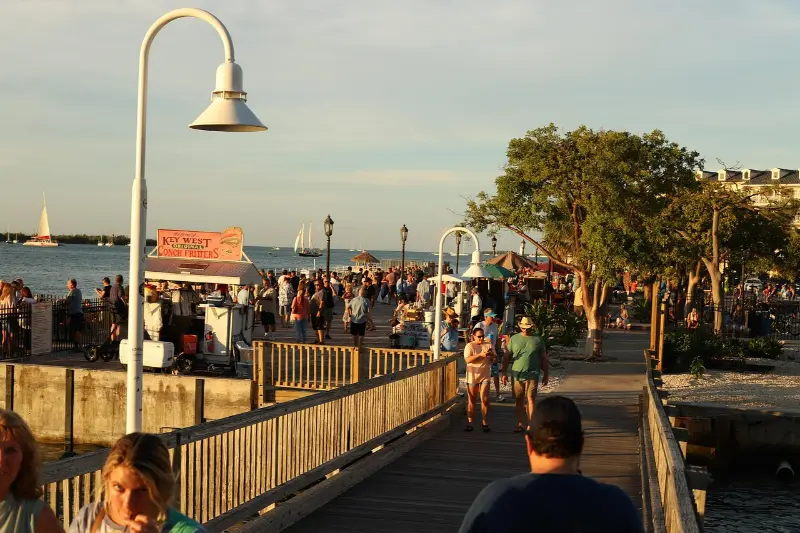
    Key West Sunset Mallory Square Waterfront

    Day 2: Miami history institutions and the citywide perspective

    Use the second day for a public history collection that interprets immigration and settlement around Biscayne Bay. HistoryMiami and other established institutions periodically present exhibitions and archival material about South Florida’s communities, but temporary programs change. Confirm the actual subject of the exhibition before buying tickets; a permanent city history gallery may be a good fallback. Explore how Bahamian heritage relates to, but is not identical with, later Cuban, Haitian and other Caribbean immigration. Avoid treating all Caribbean communities as interchangeable. Museum labels and oral histories can help locate individuals and dates, while neighborhood memories may add nuance. Finish the afternoon with a rest rather than starting the drive to Key West late at night. The Overseas Highway deserves daylight, attention and a separate travel day.

    Day 3: drive the Overseas Highway with cultural context

    The drive from the Miami area to Key West is a substantial journey through a series of islands and bridges. Plan several hours plus food and comfort stops, and never build the day’s schedule around an optimistic navigation estimate alone. This road tells a different part of the maritime story: how islands were connected by boats, rail and later a highway. Discuss changes in travel and economic opportunity without assuming every piece of the route directly represents Bahamian settlement. On the way, choose one safe official viewpoint rather than stopping on an unsafe bridge shoulder for photographs. Heavy traffic, storms and wildlife concerns can make a slow day even slower. Once in Key West, check into lodging and visit a public sunset viewpoint if conditions suit. Do not schedule a major museum and a late-night event after the drive.

    Day 4: Bahama Village and Key West's living culture

    Bahama Village is a historic Key West neighborhood associated with Bahamian and Black community histories, not an amusement zone. A respectful visit may include public streets, a community-oriented venue, an appropriate historic interpretation stop and a meal at a locally operated business. Avoid assigning a single identity to every restaurant or resident, and do not treat people’s porches as photo sets. Check whether any cultural performance or heritage program is actually scheduled rather than assuming regular entertainment. A local walking guide can explain the neighborhood’s historical context, but ask whether tours are community-led and how they approach sensitive subjects. If traveling with young children, shorten the walk and include a park break. Visitors with mobility limitations should check pavement and crossing conditions and use short rides between separated stops.
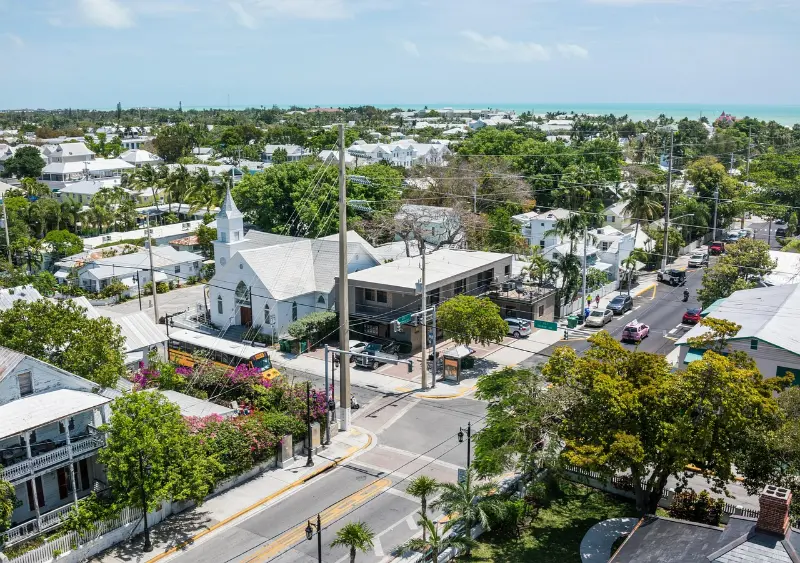
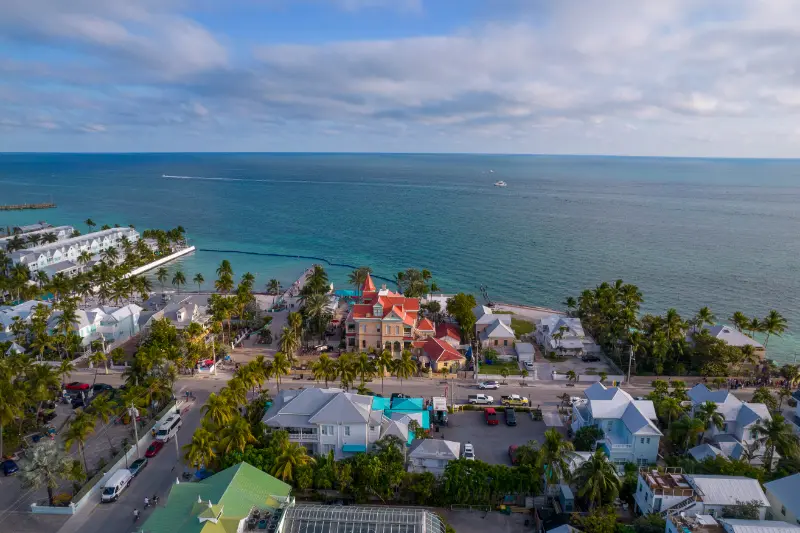
    Key West Florida Suburban Neighborhood Aerial

    Historic houses are not automatic Bahamian landmarks

    Key West is full of attractive historic homes, and many tourists mistake their architectural age for evidence of a particular migration story. A weatherboard house, shuttered veranda or tropical garden does not by itself prove that Bahamian families built or lived in it. Use named historical records, reliable museum interpretation or curated tours to establish connections. The same principle applies to Coconut Grove. Architectural appreciation is valuable, but genealogical and labor histories require more than aesthetic guesswork. If you find a historic plaque, read its wording carefully and note whether it commemorates a person, a neighborhood or an entire era. Ask guides to distinguish documented evidence from local legend. This makes the experience more respectful and far more educational than a checklist of vaguely Caribbean-looking buildings.

    What the route looks like in four days

    DayAreaCore theme
    1Coconut GroveSettlement, maritime links and neighborhood change
    2MiamiCommunity histories and archives
    3Overseas HighwayTransport and regional connections
    4Key West / Bahama VillageLiving cultural heritage and public history

    Eating, shopping and supporting heritage respectfully

    Food traditions change across households and generations, and menu labels do not establish a person’s ancestry. Seek places that describe their own cooking and avoid insisting that a particular restaurant serve the one dish you read about online. Ask staff about allergens or spice levels without turning a busy lunch service into an interview. Buy locally made crafts or books when possible, and look for the maker’s name and story. Tourist merchandise bearing a Bahamian label is not necessarily locally produced. If you want to support preservation, consider museum admissions, community exhibitions and reputable history organizations. Small choices matter: paying for a thoughtful guided tour may contribute more than another souvenir with no clear origin. Respect private events and religious spaces even if you happen upon music or a celebration.

    Distinguish neighborhood visits from genealogy research

    Travelers tracing family ties should prepare names, approximate dates and known locations before contacting archives. Public museums may have research rooms or referral services, but they do not necessarily offer immediate genealogy assistance to walk-in visitors. Historic neighborhoods have changed names and boundaries, while family histories may cross national archives. Research work is often better started online, with appointments for specific collections. Do not knock on a private resident’s door because an old directory lists an ancestor at that address. If you hope to interview someone about community memory, obtain informed consent and respect the person’s time. Visitors without family connections can still learn deeply through exhibitions, published oral histories and guided cultural programs.

    Where to sleep and how to handle the long drive

    Spend two nights in the Miami area and at least one in Key West if the route is to feel like a vacation rather than a highway endurance test. Key West rooms can be expensive and parking scarce, so compare the total lodging and vehicle cost. A rental car is convenient for the intercity journey but may become a burden on the compact streets of Key West; some travelers prefer to park once and explore locally on foot or by approved transport. If flying internationally into Miami, leave a buffer before beginning a long drive. A traveler using a wheelchair should confirm the actual accessibility of accommodations and chosen walking tours, not rely on photographs of ground-floor entrances. During hurricane season, consider weather warnings, evacuation orders and refundable bookings seriously.

    Responsible photography in a community setting

    Some of the most meaningful places on this route are not attractions at all: a neighborhood corner, a community center, a small street or a commemorative sign. Photograph public markers and architecture thoughtfully but avoid framing strangers as exotic local color. Ask permission before portraits, especially of children, performers or people at worship. Drones have additional flight and privacy restrictions and are an unnecessary intrusion in many residential areas. Avoid blocking doorways and sidewalks while filming. If a community leader or guide explains that a location is sensitive, do not publish its precise address to encourage informal visits. The purpose is to preserve and understand heritage, not to turn ordinary residents into part of a visitor’s content project.

    Keeping the schedule comfortable across generations

    This itinerary can accommodate children and older adults if it is built around one meaningful heritage stop per day. In Miami, pair an indoor museum with a short neighborhood walk. On the highway day, stop for restrooms and meals before anyone is exhausted. In Key West, begin early and take a shaded afternoon break. Historical discussions about migration and discrimination can be framed at different levels depending on age. A teenager might compare oral-history interviews with archival records; a child might explore why boats were once the main connection between islands. Give companions the option to skip a difficult or crowded part of a tour. Do not schedule two hours of standing in the sun because the brochure promises a picturesque street.

    Sources, cautions and final checks

    Use The Barnacle Historic State Park for a documented maritime-history stop, HistoryMiami Museum for wider Miami history and relevant exhibitions, and the City of Key West for municipal visitor and public-space information. Supplement with established local historians and community organizations when researching Bahamian settlement. None of these sources should be stretched to imply that every historic home or business has a specific Bahamian origin. Confirm visitor hours, road conditions and any guided-tour booking before travel. The best cultural journey recognizes that these are places where history is still being lived.

    Frequently asked questions

    Is Bahama Village a theme park or organized attraction?

    No. It is a living Key West neighborhood with an important cultural history. Visit public spaces respectfully and use scheduled programs or informed guides.

    Can I drive from Miami to Key West and back on one day?

    It is possible for some drivers but makes for a very long, tiring excursion. One overnight in Key West provides a more comfortable heritage visit.

    Does The Barnacle tell the entire Bahamian story of Coconut Grove?

    No. It offers valuable maritime and early Miami context, which should be supplemented by community history and other reliable sources.

    Is this itinerary suitable for older travelers?

    Yes, with short walks, planned seating breaks and the long Keys drive split from the main sightseeing day.

    Can I photograph residents and private houses freely?

    No. Respect privacy, private property and community requests. Ask permission for portraits and avoid intrusive photography.

  • Florida’s Railroad Heritage: Seven Stops from St. Augustine to Key West

    Florida’s Railroad Heritage: Seven Stops from St. Augustine to Key West

    Railroads helped shape the Florida that vacationers know today, but the story is more complicated than a single legendary tycoon. Tracks moved visitors, workers, goods and agricultural produce; rail-connected hotels encouraged development; and routes across marshes and water created formidable engineering challenges. This historical road trip traces that legacy from St. Augustine through Palm Beach and Miami to the Florida Keys, with an optional Gulf Coast comparison near Tampa. It is a trip by modern road, not a surviving passenger-train journey along the original line. Some former stations and rail bridges are private, restricted or visible only from a distance. A responsible visitor seeks public museums, interpretive signs and accessible historic spaces rather than trespassing beside operating tracks.

    Start with the two big railway stories

    Henry Flagler’s Florida East Coast Railway connected developing Atlantic communities and eventually reached Key West through the Overseas Railroad, completed in 1912. On the Gulf side, Henry Plant and later railway companies helped Tampa, other ports and agricultural towns grow. Railroad history is therefore a gateway to stories about hotels, tourism marketing, engineering and labor. It also raises harder questions. The construction of infrastructure depended on workers facing harsh conditions; development often changed or displaced existing communities and ecosystems. A meaningful heritage vacation should include those human consequences rather than portraying every expansion as inevitable progress. Visit local museums and read state historic markers for perspectives beyond company founders. The modern Brightline train is useful for some trips between Orlando and South Florida but is not the same service as the historical Overseas Railroad and does not travel to Key West.

    Stop 1: St. Augustine and the resort city rail travel helped create

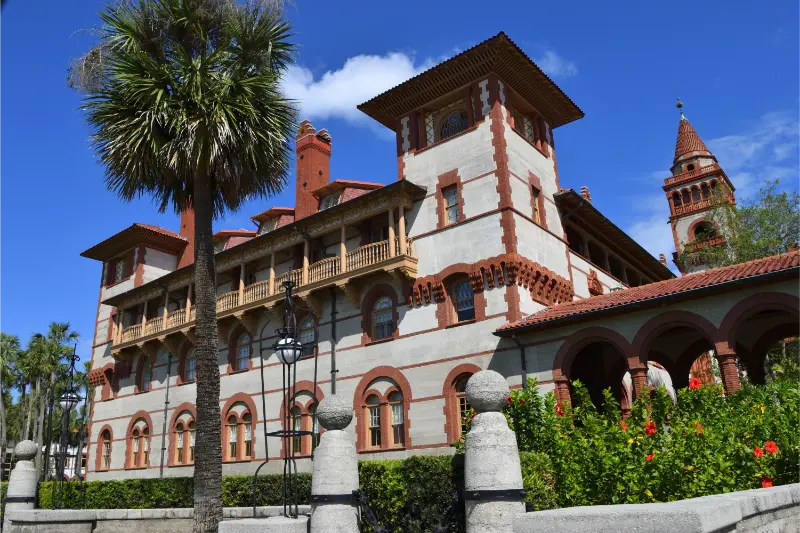
    Begin around Flagler College, whose striking main building occupies the former Hotel Ponce de León. This landmark captures a moment when visitors arrived for a winter resort experience that combined architecture, hospitality and transport. Check the college’s official historic tour information: it is an educational institution, not a public museum with unlimited access. Elsewhere in St. Augustine, the contrast between Spanish colonial heritage and the late nineteenth-century resort era shows how layers of tourism accumulated. Set aside time for a guided account of the buildings rather than only photographing the façade. The historic center can be crowded and paving uneven, so choose a parking location and realistic walking loop in advance. Families may use this day to compare an old station or hotel image with the present streetscape. Stay two nights if you also want forts and beaches; one crowded afternoon will not do justice to the city’s different histories.

    Stop 2: Palm Beach and Henry Flagler's Whitehall

    Whitehall, now the Flagler Museum in Palm Beach, is the obvious centerpiece for understanding the industrialist’s personal world and the elite winter-resort economy. The building’s rooms, collections and interpretation are more illuminating than a drive-by glimpse of a mansion behind landscaping. Confirm current exhibition access, tours and accessibility before visiting. Pair the museum with a short observation of Palm Beach’s urban form and the rail-linked hotel development in the region. Avoid describing the whole area as a product of one man’s ambitions; local residents, workers and communities had histories of their own before luxury tourism expanded. If you have older companions, choose one substantial museum visit and a seated lunch rather than multiple long walks in the heat. Palm Beach can be expensive, so an overnight base across the water in West Palm Beach may offer a different cost and transportation balance.

    Stop 3: West Palm Beach to Miami—how a rail corridor transformed a coast

    Travel south and notice how towns, roads and development cluster along the Atlantic corridor. The Florida East Coast Railway’s growth helped make Miami a major urban destination, but the present metropolitan region is not a preserved nineteenth-century rail exhibit. Use a museum or historical society in your chosen stop to understand local stages of growth. Look at old photographs showing waterfronts, hotels and labor districts before the modern skyline emerged. If you decide to use Brightline for this section, build the itinerary around stations and luggage logistics rather than assuming that train travel automatically reaches every beach. Parking at one station and retrieving a car at another can complicate a rental agreement. For a fully car-based heritage trip, allow plenty of time for congested urban roads. A well-planned stop in one community is more productive than hurriedly viewing three from a windshield.

    Stop 4: Miami and the making of a railroad terminus

    Miami grew quickly around rail arrival, land promotion, trade and population change. You can explore downtown historical interpretation, preserved civic buildings and neighborhoods while remembering that today’s multilingual city reflects many later waves of migration and local history. It would be misleading to reduce Miami to the end point of a railway. Consider visiting a museum or designated historical district and adding stories about Indigenous history, Black residents and Caribbean communities whose contributions extend far beyond hotel guests. Walking outside in midday heat can be tiring even in the cool season, so a museum morning and a short outdoor route may work better. Use transit or rideshare for central neighborhoods when parking is difficult. If traveling with children, show them the distinction between a historic rail map and a current route planner: the city has changed in geography, transportation and scale.

    Stop 5: Key Largo and Islamorada—where the road tells a rail story

    Cross onto the Overseas Highway and watch how the geography begins to govern movement. The Keys are a chain of islands rather than a continuous mainland shore. The historic railroad required bridges and embankments, many of which were severely damaged in the 1935 Labor Day hurricane. The modern highway and some parallel historic structures can prompt questions about engineering and storm exposure. Do not climb barriers, park illegally on bridges or enter closed heritage structures for a photo. Public parks, museums and sanctioned viewpoints are better places to examine the landscape. Allow much more time than the mileage alone suggests; traffic, bridges, weather and visitor demand can slow the route. A lunch stop in Islamorada or Key Largo gives the group a break. This is also a good place to discuss how transportation projects affect fragile marine habitats and local residents today.

    Stop 6: Marathon and the Old Seven Mile Bridge

    Near Marathon, Pigeon Key and the Old Seven Mile Bridge offer an especially tangible connection to the Overseas Railroad. Pigeon Key served as a construction camp, while the original bridge later became part of the early highway story. The old structure does not function as an unrestricted road. Access arrangements to Pigeon Key and pedestrian use of the restored bridge segment are governed by current rules and maintenance conditions. Check the official operator rather than relying on outdated directions. Families can imagine the logistical challenge of transporting materials over the water, while older travelers may prefer a shorter viewpoint stop instead of a long exposed walk. Bring sun protection; shade on the bridge is limited. Remember that a bridge is infrastructure with hazards, not a scenic playground, and remain behind safety railings. The photographs are most meaningful when paired with some understanding of the workers and weather risks behind them.

    Stop 7: Key West and the end of the old line

    Finish in Key West, where the former railway’s presence can be explored through museum interpretation, historic images and the broader city’s waterfront history. Train service did not continue to the present day: after destruction from the 1935 hurricane, the state purchased parts of the right-of-way and converted bridges for highway travel. The resulting road network helped remake how people reached the Keys. Devote some time to the town itself, not only the railroad narrative. Key West’s architecture, cultural communities and harbor businesses offer many stories connected to trade and tourism. Because the old town is compact, walking or local transport can be easier than moving a car repeatedly. Parking and hotel prices may be high, and the journey back toward mainland airports is long. Consider an open-jaw flight arrangement or an extra overnight in the Upper Keys instead of scheduling an early mainland departure.

    Key West Florida Suburban Neighborhood Aerial

    Optional contrast: Tampa and the legacy of Henry Plant

    Travelers with an extra two days can add Tampa on a separate leg before or after the Atlantic route. Henry Plant’s rail and steamship network helped develop the Gulf side of the state, and the former Tampa Bay Hotel, now associated with the Henry B. Plant Museum at the University of Tampa, is a strong complement to Whitehall. The comparison makes the history richer: railway investment did not follow one uniform coast-to-coast model. Tampa’s port links, cigar industry, immigrant communities and later growth followed their own chronology. Adding Tampa in the middle of an already busy East Coast week would create a punishing diversion, so treat it as an optional extension. This is especially important with grandparents or young children who may enjoy museums but not constant hotel changes. Do not confuse a historic building’s grounds with full access to every interior room.

    Timing, accommodations and accessible ways to experience the route

    Seven substantial stops are best spread over nine to twelve calendar days if you want two-night hotel stays, although the title refers to seven primary heritage destinations rather than seven consecutive mornings. For a shorter vacation, choose St. Augustine, Palm Beach and the Keys, then build a second trip around the others. Historic sites may include stairs, uneven paving or limited lifts. Ask each museum about usable entrances and which galleries are accessible, and separate the desire to see a tower or bridge from the ability to do so comfortably. Budget for paid museum admission, parking in historic centers and a substantial rental-car one-way fee if applicable. Public transit can cover pieces of the corridor, not every chosen stop. Check seasonal operating hours, local festivals and possible bridge closures. A flexible itinerary invites more conversation and reflection than a checklist of buildings.

    A planning table for the heritage route

    StopMain historical lensPractical caveat
    St. AugustineFlagler-era resort developmentCollege tours have set access
    Palm BeachWhitehall and winter tourismVerify museum programs
    MiamiRail-linked urban growthDense city logistics
    Upper KeysConstruction across islandsRoad traffic and protected shores
    MarathonOverseas Railroad engineeringBridge and Pigeon Key access rules
    Key WestFrom railroad to highwayLong return journey
    Tampa extensionHenry Plant’s Gulf systemSeparate driving leg

    Research your history through primary institutions

    For the rail narrative, read the Flagler Museum's Florida East Coast Railway history, the Florida Railroad Museum's broader history and the State of Florida's Pigeon Key historical marker. These are starting points, not substitutes for local oral history and museum interpretation. Confirm current attraction schedules through each operator and keep in mind that working railway tracks, private bridges and restricted installations are not visitor attractions. Take photographs from lawful public locations. The most valuable result of this trip is understanding how roads, hotels, labor and environment are interconnected in the Florida that vacationers see today.

    Frequently asked questions

    Can I ride a passenger train from St. Augustine to Key West?

    No. There is no surviving through passenger rail service along the old Overseas Railroad. Plan the heritage route by road and treat current trains as separate transport options.

    Key West Ocean View from Beach

    Is Flagler College an ordinary museum?

    No. It is an operating college in a historic hotel building. Visitors should use official tour arrangements and respect campus restrictions.

    Can I drive across the Old Seven Mile Bridge?

    No. The old structure is not a public road. Check the approved pedestrian and Pigeon Key visitation arrangements before traveling.

    Is this suitable for people who cannot walk far?

    Some museum buildings and viewpoints can work well with careful planning, while bridge walks and stairs may not. Confirm each site’s accessible route in advance.

    How many nights should I allow?

    Plan at least nine to twelve days for an unhurried version with all seven stops and rest time. Shorter trips should focus on fewer regions.

  • South Miami-Dade Beyond South Beach: Four Days Around Deering Estate and Biscayne Bay

    South Miami-Dade Beyond South Beach: Four Days Around Deering Estate and Biscayne Bay

    There is another side to Miami that becomes easier to appreciate when you travel south of the skyline. Around Palmetto Bay, Cutler Bay and the southern reaches of Biscayne Bay, a vacation can revolve around subtropical gardens, waterfront scenery, historic houses and the practical pleasure of not fighting for a crowded beach parking space every morning. This four-day plan is for visitors who have already seen the better-known postcard images—or simply prefer a quieter part of the county for their first stay.

    This is not a car-free itinerary. Destinations are spread along suburban roads, and public transport may not connect the precise entrance and timing you need. Renting a vehicle or carefully budgeting rideshares makes the plan much easier. The trade-off is worthwhile for people who enjoy a historical property in the morning, a shaded picnic at lunch and a drive home before the evening rush. Families, couples and older travelers can follow the same geographical outline while choosing different walking distances.

    Trip at a glance

    Suggested lengthFour days
    Key experiencesDeering Estate and Biscayne Bay
    Useful baseSouthern Miami-Dade
    TransportCar or planned rideshares

    Understand the geography before booking

    Palmetto Bay and Cutler Bay lie south of central Miami, with Biscayne Bay to the east. Homestead and the Redland agricultural area are farther south and should not be casually added to every day. The popular downtown, airport and beach areas are not next door. A map can make the coastline look like one continuous series of attractions, but the practical route depends on bridges, neighborhood streets, park entrances and traffic that varies by day.

    South Beach Miami Coastline and Turquoise Water Aerial

    If your purpose is to visit Deering Estate, Matheson Hammock Park and a few local green spaces, a hotel or vacation rental toward southern Miami-Dade can reduce driving. If the trip includes three nights of restaurants and shows in downtown Miami, however, staying farther south may cost more in transport than it saves in room price. Decide which experience comes first and choose your base accordingly. Ask about parking restrictions, quiet hours and the actual ground-floor access at any rental property.

    Day 1: arrive, shop locally and leave the bay for tomorrow

    After a flight into Miami International Airport or Fort Lauderdale, resist the urge to add a long sightseeing detour. Collect the car, buy groceries or snacks and check into the accommodation. An early evening stroll around a suitable neighborhood park may be enough. South Florida’s humidity can surprise visitors even outside the peak summer months, and international travelers may be tired long before local dinner time.

    Use the first afternoon to verify the times and parking instructions for the next day’s stops. Some county parks charge for parking through mobile systems; the pay method may be different from a meter downtown. Charge your phone, keep a backup card and save the park’s official page. If you have a stroller or walking aid, ask for the closest suitable parking area rather than simply selecting the first pin that appears on a mapping app. A smooth first evening makes the rest of the itinerary easier.

    Day 2: Deering Estate, history and a slow bayfront afternoon

    Deering Estate is the cultural centerpiece of this trip. The county heritage property combines historic buildings, landscaped grounds and views across Biscayne Bay, with opportunities to learn about the people and environments associated with the site. You can choose a general visit or investigate scheduled tours that go more deeply into architecture, history and ecology. Not every tour follows the same surfaces or requires the same amount of walking, so ask staff which options suit your party before buying extra activities.

    The estate’s official visitor information lists general admission hours and ticket arrangements; it also makes clear that ticket sales have conditions, including limits on refunds. Review those conditions if rain is forecast or you are traveling with someone who may need to cancel at short notice. Families can bring a picnic where permitted and alternate a historical stop with time looking toward the water. The historic home and the natural shoreline are distinct experiences, and neither needs to be rushed simply to ‘get value’ from the entrance charge.

    How to make Deering Estate enjoyable with children

    For a child aged five or six, an extended architectural explanation may be less engaging than the visible details of a historic house or the question of how people once lived along this coast. Before entering, choose three things to notice: a material used to build the property, a view of the bay and a plant that grows in the grounds. This makes the visit interactive without turning it into a noisy scavenger hunt. Follow staff instructions about restricted rooms and protected landscapes.

    With older children and teenagers, link the property to wider South Florida themes: settlement, local labor, the environmental history of the bay and the contrast between a preserved estate and expanding metropolitan neighborhoods. Allow time for thoughtful questions and avoid reducing complex local history to a single romantic story about a wealthy owner. For toddlers, bring shade and water and consider a shorter visit. The best museum day is one that leaves the family curious rather than exhausted.

    Day 3: Matheson Hammock Park and the coastal setting

    Matheson Hammock Park offers a different kind of bayfront day, with a marina and the well-known atoll-style pool area. The county park site publishes parking fees and restrictions, so check the current charge rather than assuming every public beach and park in Miami-Dade is free. The marina is a working boating area; remain in the designated visitor sections and keep children away from ramps and maneuvering trailers. Water access also requires attention to local conditions and posted advisories.

    It is easy to assume that sheltered water is automatically safe for small children, but appearance alone is not enough. Check current water-quality information, swimming rules, weather and the availability of any supervision. Do not infer lifeguard coverage from the word ‘beach.’ The safest approach for groups with mixed swimming abilities may simply be a scenic picnic, observation and a walk on appropriate paved surfaces. Nearby trees provide a different feeling from South Beach, but insect protection can be useful around coastal vegetation.

    Miami South Beach Oceanfront Luxury Hotels Aerial

    A useful comparison: Deering Estate versus Matheson Hammock

    Choose Deering Estate when history, museum-style interpretation and a quieter cultural outing are your main priorities. Choose Matheson Hammock when your group wants an outdoor park, bay views or a marina-oriented visit. They are geographically compatible but not interchangeable. Deering admission is separate from county park parking, and neither should be used as a guarantee about what the other has open that day. On a short break, there is no requirement to visit both if one already fits your family perfectly.

    For travelers who walk with a cane, the question is which portion of a destination delivers the experience without the most effort. The Deering grounds may involve different surfaces from parts of the park, and waterfront sections can be exposed to wind and sun. Call ahead about accessible restrooms, entrance routes and places to sit. A shorter visit with a comfortable lunch can be much more satisfying than struggling to complete a full circuit because an itinerary says you should.

    Day 4: choose between neighborhoods and a southern extension

    The final sightseeing day should respond to what you enjoyed most. If you liked the waterside setting, choose a public park in Cutler Bay or Palmetto Bay with practical parking and restroom facilities and plan a light lunch nearby. If the history at Deering Estate sparked interest in South Florida’s rural side, you could drive farther south toward the Redland, where small farms and seasonal produce offer another perspective on the region. That is a separate outing, however, not something to squeeze between checkout and the airport.

    Redland visits are especially sensitive to season and opening days. A farm stand advertised online may not be operating when you arrive, fruit harvests vary and private agricultural land is not a public attraction. Use a specific, currently operating farm or garden as the anchor and call first. For a family with young children, avoid driving between multiple farm addresses on the off chance that something will be open. One confirmed visit is better than a long afternoon of disappointment.

    Weather, tides and water quality

    South Florida is warm for much of the year, but the comfort of this itinerary still changes with the season. In summer, plan any exposed waterfront walk early and use museums or indoor rest periods during the hottest hours. Afternoon thunderstorms can develop quickly and lightning requires leaving open shorelines. In winter, a clear and breezy morning can feel cooler than a traveler from a northern climate expects, particularly at the edge of Biscayne Bay.

    Weather is not the only variable. Coastal parks and beaches may have water-quality advisories, temporarily closed facilities or maintenance projects. Check the Miami-Dade County park page and the relevant public-health water testing information on the day of an intended swim. Never treat online photographs as proof of current conditions. If the water isn’t suitable, this trip still works as a combination of history, gardens, photography, restaurants and neighborhood parks.

    A realistic budget for four days

    Build the expense estimate around four categories: the accommodation, transport, entry/parking and meals. A rental car adds airport fees, taxes, possible toll charges and fuel, while rideshares may become costly when parks are spread apart and return pickups are uncertain. If you plan only one paid cultural attraction and several parks, the overall experience can cost considerably less than four major ticketed activities—but Miami-area room rates still depend heavily on dates and events.

    Use the official Deering Estate admission page and Miami-Dade’s Matheson Hammock listing for the current fees rather than copying figures from an old guide. Add a parking contingency and a meal or grocery budget that suits your group. A vacation rental with a kitchen may make family breakfasts easy; a hotel can be simpler for a couple on a short trip. Compare the full total including cleaning charges or mandatory hotel fees instead of the nightly headline price.

    Safety and accessibility planning

    Waterfront destinations deserve extra attention when traveling with children, elderly relatives or mobility aids. Sun exposure, slippery edges and uneven surfaces can make even a short excursion tiring. Pack hats, water, insect protection, comfortable shoes and a charged phone. Supervise children continuously near water, and do not feed birds or approach wildlife. Although these parks look peaceful, they are part of an active natural environment, not controlled playgrounds.

    For access needs, request specific details: step-free routes to exhibits, available accessible parking, surfaces between the parking area and the attraction, and whether a scheduled tour includes stairs. Do not assume that an accessible entrance provides identical access to every historic room. If a wheelchair user cannot take part in one tour segment, ask whether a different interpretive option is offered. An honest discussion before arrival is far better than discovering a barrier after paying.

    Departure and a useful way to extend the trip

    On departure day, give yourself time for heavy traffic, fuel or rental-car return and airport security. Southern Miami-Dade can feel surprisingly far from an airport when major roads are congested. If you have another three or four days, extend the vacation around a different base rather than keeping the same hotel and making exhausting day trips. Homestead and the national parks to the south are one possibility; Miami’s urban museums and neighborhoods are another.

    The value of this small coastal itinerary is the change of perspective. You can learn South Florida history, sit beside Biscayne Bay and see how suburban neighborhoods meet preserved green spaces, all without treating Miami solely as nightlife and ocean beaches. With sensible distances and a flexible schedule, four days reveal a rewarding part of the region that is easy to overlook.

    Frequently asked questions

    Is Deering Estate close to Miami Beach?

    It is in southern Miami-Dade, not beside Miami Beach. Allow travel time and avoid planning both as one short walk.

    Is Matheson Hammock the same as an ocean beach?

    No. It is a county bayfront park with a marina and a different coastal setting. Check current swimming and water-quality guidance.

    Can this itinerary work with children?

    Yes. Keep the estate visit shorter for small children and choose parks with restrooms, shade and direct supervision near water.

    Official sources and useful information

  • Tampa Soulwalk in Three Days: Black History, Public Art and Heritage Routes

    Tampa Soulwalk in Three Days: Black History, Public Art and Heritage Routes

    Tampa’s best-known visitor attractions can make it easy to overlook the stories of the neighborhoods that built the city. The city’s Soulwalk project offers a different approach: a collection of public art, historical markers, neighborhoods, and cultural landmarks reflecting Tampa’s Black history and continuing creative life. Rather than attempting an exhausting all-city checklist, you can spend three thoughtful days around a few walkable clusters. This plan prioritizes the Central Avenue and Scrub area, selected downtown landmarks, and time for museums, conversation, and local businesses.

    Soulwalk is not one short, continuous trail. The City of Tampa describes a network spanning many neighborhoods and sites. Walking the entire network in one day would be impractical. Instead, consult the city’s maps and route descriptions and choose manageable clusters. The route below treats historic sites respectfully, never assumes a memorial or church is open to tourists, and makes room for rest and meaningful interpretation.

    Before you begin: history is not a photo checklist

    Tampa’s Black communities shaped civic life, business, education, music, labor, and the struggle for equal treatment. Some places commemorate achievements and community organization; others mark exclusion, violence, displacement, or institutions that no longer stand. Reading markers slowly is important because a vanished street or demolished building can be historically significant even when little architecture remains visible. A visitor should resist reducing such stories to a few colorful mural photographs.

    The city’s project presents public art alongside research and markers. These are different forms of evidence and interpretation. A historical marker summarizes a subject; a public artwork may invite emotional or symbolic reflection; a museum can provide deeper documentation. Use all three thoughtfully. When a marker raises a question, look for a related museum resource or reputable local history organization rather than drawing sweeping conclusions from one sentence.

    Day 1: Central Avenue and the Scrub

    Begin with a manageable section of the Central Avenue and Scrub cluster, using the city’s map to identify current walking routes. The neighborhood once served as a significant center of Black business and cultural life. Urban change, clearance, and redevelopment have altered its physical character, so you will be reading the history of a place as much as viewing surviving storefronts. Allow extra time to make sense of what is no longer there.

    Perry Harvey, Sr. Park is an important anchor for understanding the area’s story. Public art and commemorative elements offer points of entry into the history of Central Avenue. Move between installations slowly and read their explanations rather than treating them as decorative backdrops. A parent visiting with older children might discuss why a neighborhood can be central to a city’s identity even after its buildings and street patterns have changed. Take notes about names you want to research later.

    The people behind the plaques and artworks

    A heritage walk becomes richer when you look beyond the most famous names. Workers, clergy, entrepreneurs, musicians, educators, families, and civic organizers all helped sustain community life. Some markers reveal how segregation shaped where people could stay, work, and find entertainment. Others describe successes achieved despite those barriers. Rather than imagining the past as a single era, pay attention to dates and the way conditions changed across generations.

    The city documents historic markers and has announced additional installations. Use the current map because locations, access, and interpretation may be updated. Respect active churches, offices, and residential streets. A heritage route does not turn every private property into a public attraction. Photograph public installations without blocking entrances or disturbing services.

    Plan walking distances for mixed-age groups

    A one-mile urban walk may be easy for some visitors and difficult for others. Tampa heat, road crossings, uneven brick surfaces, and the need to stand while reading markers can make a short distance more demanding. Decide the number of stops before you begin, and build in a shaded break and a nearby restroom. Do not promise a completely step-free route without checking the exact sidewalks and any current construction.

    For older visitors, consider splitting the route into two small outings rather than pushing through one long session. A parent with a stroller should inspect crossings and surfaces. Teenagers may enjoy using a map to locate markers and compare historical images with the modern city. Smaller children may benefit from a shorter route with a clear theme, followed by a park or café break. Everyone can learn from the site without completing every marker.

    Day 2: downtown markers and civic history

    Use the second day for selected downtown Soulwalk locations. The city lists markers and landmarks that address Black civic life, labor, cultural influence, and experiences of discrimination. Some are close enough to combine on foot; others require a separate transport leg. Choose a logical cluster from the current map instead of assuming the nearest markers in numerical order form the best walking route.

    Downtown Tampa Skyline Lit Up at Night

    Places associated with labor organizing, historical schools, and public life invite questions about whose achievements are usually celebrated in city tourism. A good heritage day is not measured by how many photographs you take. Consider writing down one person and one event to explore in more detail at an afternoon museum stop. The route is emotionally varied, and visitors may appreciate a quiet break after sites dealing with injustice or violence.

    The Jackson House and historic preservation

    The Jackson House is a significant subject in Tampa’s Black heritage history. Its story illustrates how accommodation, travel, and segregation intersected in the city. However, preservation projects and building conditions can affect public access. Do not assume the interior is open or that visitors can walk directly onto a work site. Check authoritative current information and appreciate exterior views only from permitted public space.

    This distinction matters for visitors seeking a rewarding itinerary: a historically important building may be better approached as an interpretive stop than as a conventional museum admission. Pair it with the surrounding marker context and another confirmed open venue. Children can learn that historic preservation is a process involving resources, community effort, and difficult choices, not simply the automatic survival of every old building.

    A museum afternoon that adds depth

    The Tampa Bay History Center can provide broader historical context for a Soulwalk-focused day. Check its official site for current exhibitions, pricing, and accessibility arrangements. Do not assume every temporary exhibit will cover the subjects encountered on your walk. Instead, use the visit to understand Tampa’s growth, its neighborhoods, and the overlapping communities that shaped the region.

    Another option is to spend time with official digital materials or an audio route rather than entering a second ticketed venue. The choice depends on your interests, budget, and energy level. Families with younger children may find one short museum visit enough. Older travelers might appreciate seated interpretation and air conditioning after an outdoor morning. The purpose is to give context to the places already visited, not fill another slot on a timetable.

    Day 3: public art and living culture

    The final day can focus on Soulwalk installations that emphasize artistic expression and living community stories. Consult the city map and select sites you can reach comfortably by your chosen transport. Be aware that murals and public artwork can change as buildings are renovated or redeveloped. A location listed in an older guide may not look the same today. This is especially important when planning a photography-specific outing.

    Art is not separate from history here. Public installations may commemorate local leaders, labor, music, or neighborhood memory. Pause to consider how the artwork tells a story that a plaque alone could not. If visiting a community business, be a normal respectful customer rather than assuming its owner has time to provide a free historical lecture. Ask permission before photographing people or interiors.

    New historical markers and what changes in 2026

    The city announced new Soulwalk-related historical markers in 2026, including subjects connected with Black travelers in segregated Florida, community neighborhoods, organized labor, and fashion designer Ann Lowe. These additions show that urban heritage is an active field of public research and recognition. A trail map or list from several years ago may be incomplete. The city’s announcement provides useful background, while the live maps should guide your actual walk.

    Visitors interested in Black heritage should pay attention to the themes of work and mobility. Places to sleep, routes of travel, and access to services were historically shaped by racial discrimination. Understanding that context makes a simple marker about a motel or a labor organization more meaningful. Avoid presenting all stories as triumphant or all as tragic; the history contains complex personal experiences and community achievements.

    Three-day outline and alternatives

    DayFocusSensible backup
    1Central Avenue, the Scrub, Perry Harvey ParkShorter mapped loop and indoor rest
    2Downtown landmarks and interpretationTampa Bay History Center or audio resources
    3Public art and additional mapped sitesRepeat a meaningful cluster at a slower pace

    Using public transport and parking sensibly

    Tampa’s attractions are spread across a functioning urban area. You can organize some Soulwalk clusters on foot, but the entire project is too large for a single pedestrian route. Check HART transit information or a current rideshare estimate if you are without a rental car. Travelers driving should use legal parking and avoid leaving valuables visible inside the car. A short stop at a marker does not justify parking in an unsafe or prohibited location.

    Consider splitting walking days with a rideshare between clusters. For anyone with limited mobility, exact drop-off location matters more than the nominal distance between sites. Verify accessible museum entries and restrooms directly with venues. Do not rely on a travel website’s generic statement that all of downtown Tampa is accessible; conditions differ between sidewalks, crossings, buildings, and construction zones.

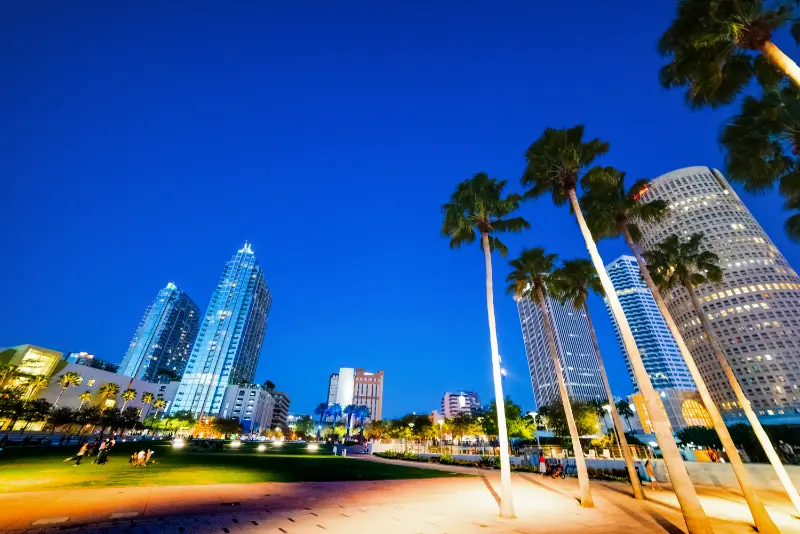
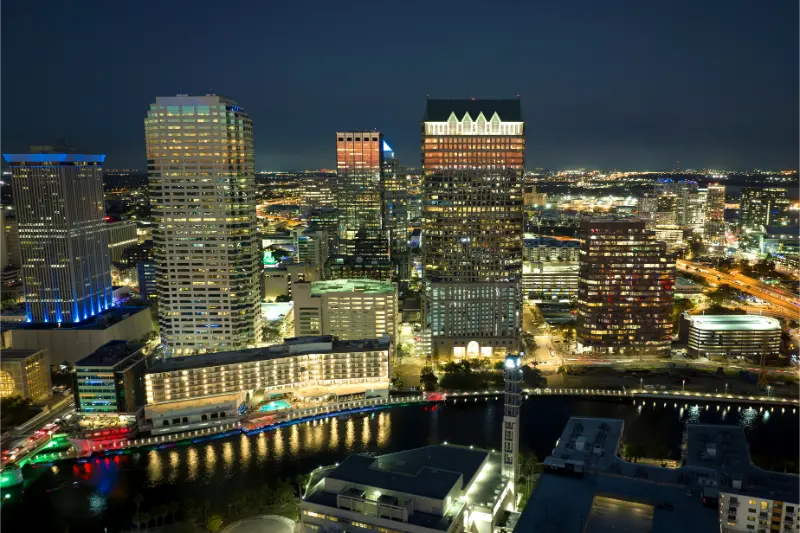
    Tampa Downtown Towers and Roads Illuminated at Night

    Talking about difficult history with children

    Children can understand that some people were unfairly prevented from using services and that communities worked to create schools, businesses, cultural spaces, and safer opportunities. Keep explanations truthful and age-appropriate. Avoid graphic details when a child is not ready, but do not soften the reality of segregation into a harmless misunderstanding. Asking “Who is remembered here, and why?” can open a thoughtful conversation.

    Teenagers may be interested in the way photographs, markers, art, and oral histories tell different parts of a story. Encourage them to notice whose perspective appears on an interpretive sign. If a memorial involves death or racial violence, give family members room to respond without demanding an immediate discussion. This is a different kind of vacation day from a beach or theme park, and that difference can be valuable.

    When to visit and how much time to allow

    Choose a mild morning if possible. Summer heat and thunderstorms can make outdoor walking unpleasant, while special events can change downtown traffic and parking. Arriving early also makes it easier to pause at markers without feeling rushed by lunch reservations. Use the official site maps for distances and plan a realistic time budget for reading; a half-mile of interpretive stops can take longer than a simple recreational walk.

    Most outdoor markers are not ticketed attractions, but transport, meals, parking, and museums still cost money. Build a modest budget and check current museum admission or discount policies. Visitors traveling from another Florida city can make a focused one-day visit, but three days allow a deeper encounter with Central Avenue, downtown, and public art without trying to absorb too much history at once.

    Frequently asked questions

    Is Tampa Soulwalk one continuous walking path?

    No. Soulwalk connects sites across many neighborhoods. Use the city’s current maps and select walkable clusters that fit your mobility, interests, and available time.

    Does every Soulwalk marker have an indoor attraction?

    No. Many sites are public markers or artworks, and some historically important buildings are closed or no longer stand. Check individual venues before planning interior visits.

    Is this itinerary appropriate for teenagers?

    Yes, especially teenagers interested in history, art, civil rights, community culture, or urban change. Choose a manageable route and encourage discussion rather than treating the walk as a sightseeing race.

  • Little Haiti, Miami: Three Days of Art, Food, Language and Community Heritage

    Little Haiti, Miami: Three Days of Art, Food, Language and Community Heritage

    Little Haiti is a living Miami neighborhood, not an outdoor museum arranged for visitors. Its identity emerges from Haitian and wider Caribbean migration, churches, small businesses, visual arts, literature, music and daily language. A good visit begins by recognizing that this is a place where people work, worship and raise families. This three-day plan centers on the city-run Little Haiti Cultural Complex and the surrounding commercial streets, with time for Haitian-owned businesses and public performances when scheduled. It deliberately avoids turning a neighborhood’s identity into a single dish or a colorful mural. Stay flexible: cultural programs change, local businesses may close or move, and Miami traffic can make short distances feel slow.

    Understand the neighborhood before photographing it

    Haiti has a rich, independent history that reaches far beyond tourism slogans. Migration from Haiti to South Florida occurred over generations and under very different economic and political circumstances. Miami’s Haitian communities have preserved Kreyòl language, literature, traditions, religion, music, commerce and political organizing while also reshaping the city around them. A neighborhood visit should therefore celebrate creativity without overlooking the realities of housing affordability, development pressure and changing commercial streets. Many residents also identify with other Caribbean or African diasporic communities, so avoid assuming everyone’s origins from an accent or a shop sign. If you want deeper context, choose local institutions’ written materials and public talks. Asking strangers to explain their ancestry while they are working is not a substitute for learning.

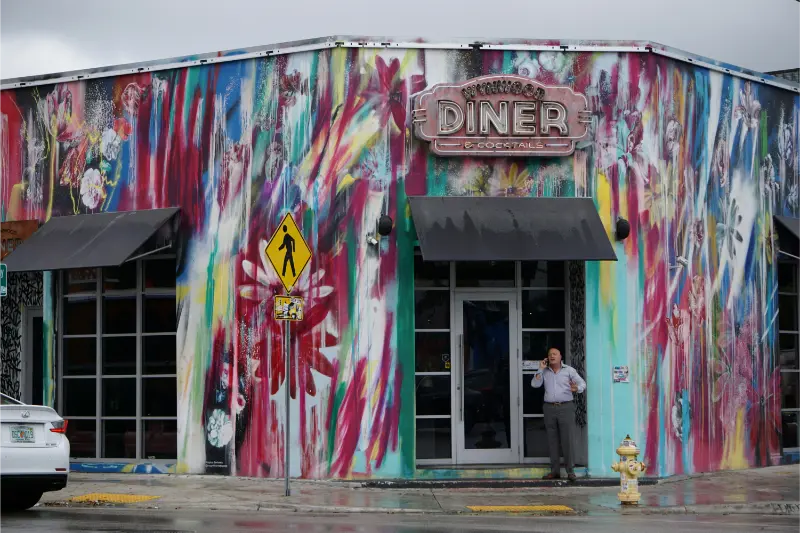
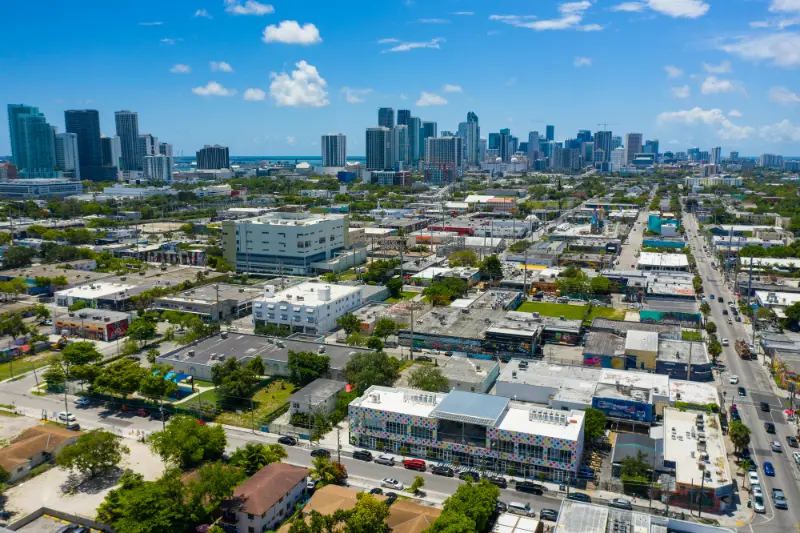
    Wynwood Miami Neighborhood Street Art Aerial

    Day 1: start at the Little Haiti Cultural Complex

    Begin at the Little Haiti Cultural Complex, a City of Miami cultural facility near NE 59th Terrace and NE Second Avenue. Its spaces include galleries, a theater and the Caribbean Marketplace. Current public hours on the official city pages differ by component, and programming schedules can override routine access. Do not arrive assuming a concert, vendor market or exhibition is happening simply because the facility is open. Contact the complex or check its calendar for that particular date. The cultural center’s mission emphasizes preserving Afro-Caribbean cultures and supporting creativity. Spend time with explanatory labels or staff-led public programming when available. With children, select one artwork and consider its materials, colors and story; with teenagers, explore the relationship between art, language and migration.

    Day 1 afternoon: Caribbean Marketplace and neighborhood commerce

    The Caribbean Marketplace, also known as Mache Ayisyen, draws inspiration from markets in Port-au-Prince. It is a worthwhile place to look for art, craft, food and music when vendors are operating, but a building’s posted public hours should not be treated as a guarantee of a busy market every afternoon. Ask before taking close-up pictures of makers or their goods. Buy directly from vendors when possible rather than using their work only as a background for social media. Afterward, choose a short walk on main streets with active storefronts. Notice Haitian Creole lettering and bilingual commerce without treating unfamiliar words as decorative props. Travelers with children or mobility limitations will be more comfortable with a small loop and a planned indoor rest than an improvised multi-mile walk in midday heat.

    Day 2 morning: literature, memory and local voices

    Haitian storytelling extends from oral traditions to poetry, novels, theater and community journalism. Make day two a cultural-learning day by checking the calendars of the Little Haiti Cultural Complex, Miami Book Fair and other reputable local institutions. The Little Haiti Book Festival, for example, is event-based, not an attraction that can be visited every day of the year. If nothing is scheduled, a bookshop with a relevant selection or a public library can provide a quieter introduction. Avoid reducing Haitian literature to tragedy or migration alone. Explore humor, imagination, family relationships and contemporary urban life as well. Younger visitors might choose a children’s story; adults can look for bilingual writing and translations. Allow room for voices that disagree: a community is not a single public-relations message.

    Day 2 afternoon: food with a little knowledge

    Haitian cooking reflects regional ingredients, history and family practices. Dishes visitors may encounter include griot, diri kole, pikliz and various soups, but menus differ and not every restaurant serves every dish. Pikliz is often spicy; ask about heat levels before ordering for young children. A food allergy or dietary restriction requires direct confirmation about ingredients, sauces, frying oil and cross-contact. Do not label a restaurant authentic merely because of its location or demand that cooks explain a traditional recipe during a rush. Choose a locally operated restaurant, order one or two items you genuinely want to learn about, and tip appropriately. Ask whether portions are suitable for sharing. For visitors unaccustomed to South Florida heat, a long seated lunch in air conditioning can make the rest of the afternoon more enjoyable.

    Day 3: wider Afro-Caribbean Miami without losing the focus

    Use the third day to connect the neighborhood to the wider city through a pre-booked exhibition, guided arts program or a complementary Miami history museum. Many neighborhoods have overlapping migration stories, and they should not be presented as interchangeable. Little Haiti is not Little Havana; Haitian Kreyòl is not Spanish; and Haitian cultural institutions have their own histories and priorities. A broader Miami museum can offer context about settlement and urban development, while a scheduled talk at the cultural complex keeps Haitian voices central. If you prefer a relaxed final morning, return to a gallery you did not finish and spend the afternoon elsewhere in Miami. The value of a cultural itinerary is not measured by crossing as many neighborhoods as possible on the same day.

    Wendys Restaurant at Miami Roadside

    Choosing a respectful guided experience

    A good guide should know the neighborhood, distinguish historical claims from anecdotes and be transparent about where the fee goes. Community-led walking tours can provide more depth than a quick bus stop, but do not book an experience solely because it uses a neighborhood name. Ask about the route’s length, indoor breaks, accessibility and whether businesses will be visited with their consent. Guides should not promise interaction with residents or access to worship spaces without arrangements. Private homes, schools and religious ceremonies are not casual tourism attractions. If the guide asks you to refrain from photographs, follow that request. For travelers who do not want a structured tour, the official cultural complex offers a clear starting point for a self-directed visit grounded in publicly available information.

    Where to stay and how to reach Little Haiti

    Visitors may find a broader choice of hotels in Downtown Miami, Brickell, Miami Beach or other established lodging districts. Little Haiti itself has different accommodation options, but proximity to an attraction is only one concern: prioritize a property with dependable transport, clear check-in arrangements and verified accessibility features. Driving offers flexibility, though parking locations and rules must be checked on site. Rideshares are often simpler for a short cultural trip; confirm pickup addresses before leaving an evening event. Transit can be practical on some routes but service patterns, transfers and midday heat affect the experience. Use Miami-Dade’s current transit planner rather than assuming a map published years ago still reflects bus routes or fares.

    A three-day itinerary that leaves room for people

    DayMain focusPlan B if an event is not running
    1Little Haiti Cultural Complex, gallery and MarketplaceVisitor information and nearby lunch
    2Literature, public programming and Haitian cuisineLibrary reading and locally owned restaurant
    3Guided heritage experience or related city museumReturn to a favorite exhibition and enjoy a slower morning

    Best time of day, weather and event uncertainty

    South Florida’s humid months can be exhausting for long outdoor walks, particularly with babies, older visitors or anyone who struggles with heat. Start outside in the morning, reserve the warmest hours for galleries and lunch, and carry water even on short walks. Lightning is a more immediate reason to abandon an outdoor itinerary than light rain. Use a simple two-part plan: one confirmed indoor anchor and one flexible neighborhood walk. Festivals and concerts can be rewarding but also loud and crowded; a child who is sensitive to sound may prefer daytime gallery hours. Check date-specific accessibility details before attending, especially for temporary stages or markets. Do not assume all vendors accept the same payment methods; a small amount of cash may help but is never a reason to carry valuables openly.

    Supporting local businesses without treating people as attractions

    A worthwhile visit can support neighborhood commerce in modest, practical ways. Buy a book by a Haitian author, pay for admission to a local event, choose a locally operated meal or purchase artwork you genuinely like. Read the artist’s name rather than describing every object as generic island art. Do not request pictures with people in traditional clothing or take photos through shop windows without regard for privacy. Ask for permission politely and accept a no. It is also fine to simply observe a public performance without documenting every moment. Visitors should respect places of worship even if the exterior architecture is interesting. None of these customs prevents enjoyment; they make the visit more rewarding and less extractive.

    Families, older visitors and access needs

    Little Haiti is possible with mixed-age travelers if the schedule is modest. Children may enjoy art activities or music, but only when appropriate public events are actually offered. Teenagers can learn about bilingual publishing and how neighborhoods change over time. Older adults may appreciate seated performances, short gallery visits and a quiet restaurant rather than long sidewalk walks. Ask the Cultural Complex about accessible seating, restroom locations and the specific spaces used by an event. Wheelchair availability, interpreter requests and sensory conditions vary between gallery, theater and marketplace. Build a rest stop into the day, and confirm a return ride before any evening show. Travelers with infants should check changing facilities rather than assuming a historic venue has all family amenities.

    What not to assume about safety and neighborhood change

    No travel article can promise that every block is equally safe or that conditions stay the same. Check current local advice and use normal city precautions: keep belongings secure, avoid distracted street crossings and choose well-lit, active routes after dark. Do not conflate cultural difference with danger. At the same time, it is not respectful to romanticize displacement or pretend rising costs and development pressures do not affect local residents. Reading a neighborhood history can help explain why an artist-run space or family business matters. The best response is to visit thoughtfully and spend money with organizations whose work you value. For visitors on a tight schedule, one meaningful morning is better than trying to cover a rapidly changing neighborhood by checklist.

    Official contacts and final planning checklist

    Check the City of Miami Little Haiti Cultural Complex for the venue and events calendar, the official Caribbean Marketplace venue page for market-specific arrangements, and Miami-Dade transportation information before choosing a hotel or route. The city itself states that operating hours can change. Confirm your anchor exhibition, restaurant location and return transport the day before visiting. If a marketplace is quiet, use that time to look at architecture and public art rather than treating it as a failed trip. A neighborhood’s importance does not depend on being a constant festival for visitors.

    Frequently asked questions

    Is Little Haiti a single museum or attraction?

    No. It is a living Miami neighborhood. The Little Haiti Cultural Complex is a useful public starting point, but it does not represent every resident or business.

    Is the Caribbean Marketplace open with vendors every day?

    Do not assume that. Building access, individual vendor activity and special events have separate schedules; verify current information directly.

    Is this suitable for families with children?

    Yes, particularly for a short gallery visit and age-appropriate workshops when scheduled. Avoid unplanned outdoor walks during the hottest hours.

    Can I explore without a guided tour?

    Yes. Use the official cultural center and publicly accessible spaces, respect private property and ask permission before close-up photography.

    Where should I stay for this itinerary?

    Choose accommodation based on transport reliability and your wider Miami plans, not only the distance to Little Haiti. Downtown and other central districts can be practical bases.

  • Jewish Miami Beach: Three Days of History, Architecture and Living Culture

    Jewish Miami Beach: Three Days of History, Architecture and Living Culture

    Miami Beach is often described through Art Deco hotels and sand, yet its Jewish heritage is inseparable from the city’s modern history. Jewish migrants, business owners, religious communities, artists and activists helped shape neighborhoods, institutions and public life. This three-day cultural itinerary begins in South of Fifth, where a former synagogue houses the Jewish Museum of Florida, and continues through Miami Beach’s memorial landscape and the changing communities of the mainland. It is a visit built around learning rather than photographing religious sites. Because active congregations are places of worship, not guaranteed sightseeing attractions, the route prioritizes museums and public spaces and leaves services to people who have checked visitor policies in advance.

    Why this history belongs on a Florida itinerary

    Miami Beach’s growth depended on newcomers from many backgrounds. Jewish residents encountered exclusion and discrimination in housing and hotels even while participating in the development of South Florida; those histories are important to the story, not a footnote beside glamorous architecture. Over time Jewish communities established synagogues, businesses, social networks and cultural institutions across Miami Beach and the greater metropolitan area. The history includes Holocaust survivors, migrants from Latin America and other regions, and generations born locally. Avoid treating the city’s Jewish experience as one uniform identity. Families differ in religious practice, language, immigration experience, political views and food traditions. A museum visit is a good starting point precisely because it explains this complexity. Travelers visiting with children can approach the route through the ideas of belonging, neighborhoods and how a community preserves its stories.

    Day 1 morning: begin at the Jewish Museum of Florida

    Start at the Jewish Museum of Florida, at 301 Washington Avenue in the South of Fifth area. Its historic buildings were once synagogues, making the architecture part of the exhibits. Set aside at least two hours, more if a temporary exhibition aligns with your interests. The institution documents more than 250 years of Jewish experience in Florida, not only twentieth-century Miami. Read object captions rather than racing through galleries: personal photographs, documents and oral histories often communicate as much as grand timelines. The museum’s current published schedule lists Wednesday through Sunday, 10 a.m. to 4 p.m., with Monday and Tuesday closures, but special events may change this. Check the official visit page before committing to your first morning. Those with limited stamina can arrange one focused gallery visit followed by a seated lunch rather than multiple museums.

    Day 1 afternoon: look beyond the postcard Art Deco district

    Walk north slowly through southern Miami Beach, comparing the scale of former community buildings with the commercial streets around them. Architecture is a record of changing uses: buildings may have housed synagogues, schools or social organizations before new tenants arrived. Do not assume a building’s present occupants or purpose from an old walking-tour map. The Art Deco Historic District is nearby, but the point here is not to claim that every streamlined façade represents Jewish heritage. Instead, notice the urban conditions that shaped daily life: compact blocks, neighborhood shops, access to the ocean and changes in land use. Stop for lunch at a place with clearly displayed menus, avoiding assumptions that a Jewish-inspired menu is kosher. Strictly kosher certification is a specific, independently verifiable matter, and visitors who observe dietary rules should ask the establishment directly.

    Miami Beach Art Deco Hotels at Night

    Day 2 morning: the Holocaust Memorial in Miami Beach

    Set aside a contemplative visit to the Holocaust Memorial on Meridian Avenue. Unlike a conventional entertainment attraction, the memorial asks visitors to confront persecution, loss and memory. Read its interpretive material and approach the sculptures respectfully. Do not climb installations, interrupt ceremonies or stage celebratory photographs against the memorial setting. For young children, prepare a short explanation that people were harmed because of who they were and that memorials help society remember; graphic details need not be the focus of a first visit. Teenagers can discuss the difference between commemoration and historical evidence, and why both matter. Verify access arrangements and any commemorative events through the memorial’s own calendar; remembrance programs may temporarily affect ordinary visitor circulation. Allow time afterward for a quiet garden or shaded break rather than scheduling another emotionally demanding stop immediately.

    Day 2 afternoon: public memory, books and neighborhood conversation

    Spend the afternoon with a small number of cultural stops rather than an exhaustive checklist. A publicly accessible library exhibition, a museum program or a bookstore event can provide contemporary voices that complement the historic displays. Check the organizing institution’s calendar and reserve places when required. Respect the distinction between a public lecture and a religious service: a synagogue may welcome organized tours at certain times and restrict photography or access at others. Visitors interested in architecture should contact congregations about tours rather than turning up unannounced. A useful alternative is an independent stroll through pedestrian-friendly sections of Miami Beach followed by time to reflect in a journal. Families might ask each member to choose one artifact or story from the museum that changed their understanding of the city.

    Day 3: connect Miami Beach to the wider metropolitan story

    Dedicate the third day to context. Jewish life in South Florida extends well beyond the beach, including mainland Miami, North Miami Beach and communities farther north. Distances and traffic can make several distant appointments unrealistic; choose one institution with a confirmed public exhibition or program and make that the center of the day. If none is scheduled, use the day for broader Miami history at a recognized local museum, which helps place immigration and neighborhood change in perspective. A rideshare or rental car may be practical depending on your destination, but driving across the causeways during rush hour often consumes more time than expected. Confirm visitor parking, security protocols and the exact entrance before setting off. A thoughtful day with one appointment is more valuable than knocking on closed doors.

    Miami Beach Art Deco Hotels and Palm Trees

    Consider observances, holidays and security etiquette

    Jewish institutions have different calendars from many tourist attractions. The weekly Sabbath begins Friday evening and ends Saturday night, and observance varies between communities. Some museums operate on Saturdays; synagogues, shops and restaurants may have very different arrangements. Major Jewish holidays can alter hours, security, programming and transportation patterns. Look up the exact dates for your travel year instead of assuming they fall on the same Gregorian day. Security staff may ask visitors to check in or show identification, and some institutions limit bags and photography. These measures are not invitations to debate entry rules at the door. If you want to attend a service or special event, ask in advance whether guests are welcome and what attire or behavior is expected. Be attentive without treating worshippers as exhibits.

    How to discuss difficult history with different ages

    This route can work for a multigenerational group, but the depth of interpretation should change by age and emotional readiness. For children under seven, focus on family, community buildings and the idea of fairness, and consider a shortened or substituted memorial visit. School-age children can consider how museums preserve family stories, while teenagers may engage with segregation, discrimination and immigration policy. Adults interested in genealogy should distinguish public museum collections from private family records; curators cannot be expected to trace a lineage during an ordinary admission visit. Older travelers may appreciate guided talks and places to sit. Anyone who finds the material distressing may take a break or leave an exhibition. Respect for the subject includes respecting the needs of your companions.

    Where to stay and how to get between stops

    South Beach is the most convenient overnight base for the first two days because the museum, memorial and historical streets are within a relatively compact area. A hotel farther north may be quieter, but account for transit time. Check the exact location of accessible entrances, elevators and step-free routes: historic sidewalks sometimes have uneven surfaces. Miami Beach trolley services can be helpful but route patterns and service hours change, so verify them with the city rather than relying on a blog map. For mainland appointments, compare rideshare costs with a full-day car rental; hotel parking can erase apparent savings. If someone uses a wheelchair, check vehicle accessibility instead of assuming a standard rideshare will work. Heat and short afternoon storms make a generous daily schedule more comfortable.

    Food, shopping and contributing respectfully

    Food can enrich the journey without becoming a performance of someone else’s identity. Delis, bakeries and markets have histories shaped by migration and adaptation, but menus alone do not authenticate a restaurant’s religious standards. People keeping kosher should check supervision details directly; those with food allergies should clarify preparation and cross-contact separately. Purchase books, exhibition catalogs or work by local artisans from established institutions when possible. Avoid photographing strangers inside religious spaces, even when a phone camera is convenient. Ask permission before photographing people at commemorations and remember that a public sidewalk does not make every private moment appropriate to share online. A responsible cultural visit leaves revenue and attention with institutions and people who care for the history.

    A realistic three-day planning table

    DayMain experienceLower-energy alternative
    1Jewish Museum of Florida and South Beach historyMuseum plus one café stop
    2Holocaust Memorial and public cultural programmingMemorial and garden reflection only
    3Wider Miami Jewish history or related exhibitionOne pre-booked talk or a broader history museum

    What the trip might cost

    The museum’s published admission schedule offers different rates for adults, seniors, students and young children, and free Saturday entry at the time of writing; use its current page before quoting an exact budget. The memorial may involve different arrangements for ordinary visits and special programs. The largest variable is likely lodging and transportation rather than museum admission. Miami Beach hotel taxes, parking, resort fees and peak-season prices can add substantially to an advertised nightly rate. Build your budget around the full hotel price, two or three modest restaurant meals, one paid museum day, local transportation and a weather reserve. Avoid scheduling a ticketed afternoon immediately after an uncertain flight arrival. As always, obtain a clear refund policy for any timed tour or group booking.

    Accessibility and quieter choices

    Ask each venue what accessible features apply to the specific exhibition you plan to visit. A building can have an accessible main entrance while a particular older room or event format has limitations. Large print, seating, hearing accommodations and service-animal policies should be confirmed individually rather than inferred from general statements. If you are sensitive to sound or crowds, choose a weekday museum morning and avoid peak event periods. Visitors who cannot walk far can take a direct ride between the museum and memorial, allowing time for rest. The route deliberately avoids demanding long tours on three consecutive days. For a family traveling with an infant, a stroller and flexible feeding breaks may matter more than one additional gallery.

    Official sources to check before departure

    Use the Jewish Museum of Florida visitor information for admission, operating days and exhibitions; consult the Holocaust Memorial Miami Beach for commemorative programming and visitor expectations; and check City of Miami Beach for local transportation and public-space updates. Event dates and public-tour availability are perishable information, not permanent promises. If researching a synagogue, use that congregation’s own current visitor contact rather than outdated third-party listings. Plan this trip with humility: the reward is not counting sacred or historic buildings but gaining a fuller understanding of the people whose communities helped create modern South Florida.

    Frequently asked questions

    Is this itinerary appropriate for children?

    Yes, with age-sensitive preparation. A short museum visit and conversation about belonging can work well; the Holocaust Memorial may require parental judgment and a gentler explanation.

    Do I need to be Jewish to visit the museum?

    No. The museum is a public cultural institution. Participation in religious events is a separate question governed by each congregation or organizer.

    Is the Jewish Museum of Florida open every day?

    No. Its published schedule lists Wednesday through Sunday at present. Check holidays and any special closures on the official page.

    Can I take photographs inside religious buildings?

    Do not assume so. Request explicit permission and respect worship, memorial services and posted restrictions. Museum photography policies may also vary by exhibition.

    Can I complete the three days without renting a car?

    The first two days are practical from a Miami Beach base. A mainland appointment on day three may require transit planning or a rideshare depending on its location.

  • Free Culture in Miami: Five Days of Museums, Art and Neighborhood Walks

    Free Culture in Miami: Five Days of Museums, Art and Neighborhood Walks

    Miami has a reputation for luxury hotels and expensive nightlife, but some of its most interesting cultural experiences cost little or nothing. Public art, neighborhood architecture, free galleries, and a memorable ride on the downtown Metromover can fill several days without buying a premium attraction pass. The trick is knowing what is genuinely free, what requires a timed reservation, and which low-cost experience becomes expensive when you add parking or a long taxi trip.

    This five-day plan is for travelers who want to understand Miami’s character beyond its beaches. It combines downtown public art, the Design District, Miami Beach architecture, and neighborhood exploration. You can use it as a complete culture-first holiday or borrow individual days between other sightseeing. It is especially useful for students, couples, solo visitors, and families with children old enough to enjoy architecture or art.

    Five days of low-cost culture

    Day Area Anchor experience Keep costs under control
    1 Downtown Miami Free Metromover public-art ride Use one central transport network
    2 Design District Free ICA Miami galleries Reserve free admission in advance
    3 Miami Beach Art Deco buildings and public art Choose a self-guided walk
    4 Little Havana Cultural neighborhood and local food Avoid packaged sightseeing extras
    5 Flexible Wynwood murals or free-event day Research any ticketed areas first

    Where to stay when the budget matters

    A hotel in downtown Miami or nearby may help if several planned activities are connected to Metromover or Metrorail. However, a location that looks close on a map could still require a rideshare across a complicated road network. Miami Beach has a different transport pattern, and a cheap inland room may create large daily transfer bills. Compare total costs for your actual itinerary, not only the first hotel price shown in a booking search.

    Look for lodging with access to affordable meals, late-evening transport, and a straightforward route back after dark. For families, a refrigerator and simple breakfast arrangement can make a noticeable difference. Check taxes, resort fees, deposits, and any parking charge. The cheapest accommodation can become a poor value if visiting museums requires repeated long trips. Choosing one neighborhood carefully is the first money-saving decision.

    Day one: public art via Miami’s free Metromover

    Miami’s elevated Metromover offers a distinctive view of the central city and connects to several public-art locations. The Greater Miami tourism organization published a Metromover public-art itinerary in 2026, noting that the system is free to ride and has different loops. Use its recommendations to pick a few stops, but verify service and elevator access with the transit operator before travel.

    Miami Suburban Neighborhood Aerial View

    The best approach is not to ride every loop solely for the sake of completion. Choose two or three stops where you want to spend time, such as a public plaza, an art display, or an area overlooking the bay. Large roads and intersections can still make the walk between a station and a destination uncomfortable. Bring water, take time to understand the station signage, and remember that a free train ride does not make every museum along the route free.

    How to turn a simple train ride into a cultural outing

    Invite children or friends to look for murals, sculpture, distinctive building shapes, and the contrast between modern towers and older streets. Avoid blocking station doors to take photographs. If you use a mobility aid, check elevators and service notices for each station; an otherwise short trip may become difficult when a lift is unavailable. Time the visit for comfortable temperatures rather than attempting a long unsheltered walk at midday.

    A free experience can still have a generous rhythm: start with the view from the train, stop for a small exhibition, enjoy a café, and return to the hotel before exhaustion. This is particularly appealing to solo travelers who prefer freedom to change direction. For visitors interested in the city’s growth, the Metromover also offers a chance to observe how transport shapes the urban landscape.

    Day two: Institute of Contemporary Art in the Design District

    The Institute of Contemporary Art, Miami is one of the area’s standout free cultural destinations. Its official visit page confirms free admission and strongly recommends reserving a ticket because unreserved visitors may not be accommodated when the galleries are full. Current listed museum days are Wednesday through Sunday, so do not automatically schedule it for a Monday or Tuesday.

    Plan an hour or two with contemporary art, allowing time for the outdoor sculpture area when open. Exhibitions change, so focus on what is currently on view instead of promising to see an artwork you saw in an old blog photograph. Some installations may be unsettling or challenging for young children. Parents can preview descriptions and allow a child to skip a room. Adults may enjoy a free tour if offered on their chosen day.

    Exploring the Design District without a shopping budget

    The Design District’s architecture, art, and streetscape can be interesting even if you are not buying designer products. Walk a few blocks, admire public installations where permitted, and enjoy the area’s creative energy. Public art is not a license to enter private courtyards or use commercial spaces without following posted rules. If you plan to photograph people, ask permission rather than treating the whole neighborhood as a backdrop.

    Food and beverages here can be costly. Decide whether lunch in the district is a meaningful treat or whether a café elsewhere better suits your budget. Avoid stacking a museum visit with several distant neighborhoods in one afternoon. A relaxed art day can be as satisfying as an expensive guided shopping excursion, especially if you leave time to discuss what you saw.

    Day three: Miami Beach’s Art Deco district

    Miami Beach is often portrayed as a nightlife destination, yet its architecture tells a fascinating twentieth-century story. The Art Deco Historic District contains buildings with curved corners, geometric ornament, pastel façades, and nautical motifs. The local tourism organization highlights self-guided Miami Beach cultural walks, including public art and architectural routes. These allow you to explore without purchasing a formal guided tour.

    Wynwood Miami Street Art Cafe Exterior

    Start early to avoid the hottest part of the day and choose a manageable stretch around Ocean Drive and neighboring streets. Public sidewalks are free, but tours, museums, parking, and food are separate costs. Look beyond colorful buildings to learn how conservation, tourism, and urban change shaped the area. If someone in the group finds walking difficult, focus on a small central section and plan a shaded stop instead of trying to cover the entire district.

    Add public art without forcing a long walk

    The outdoor sculptures around South Pointe Park and along parts of Miami Beach can make a playful introduction to contemporary art for children. However, the distance between installations can be substantial, especially in heat. Choose two or three pieces from a self-guided route and decide how to travel between them. An attractive promenade is not automatically shaded, and finding toilets or water may require detours.

    Visitors interested in photography should avoid stepping into traffic, blocking pedestrian routes, or climbing on artworks. Public art can invite participation without needing to be touched. For a family, give children a simple theme to notice, such as shapes, colors, or materials. A half-day architecture walk followed by a beach picnic often makes more sense than adding another formal museum immediately afterward.

    Day four: Little Havana with curiosity and respect

    Little Havana is a living neighborhood with restaurants, music, social spaces, and layers of Cuban-American history. Calle Ocho is the best-known corridor, but it should be approached as a community rather than a street built to perform for tourists. Visit public spaces, support local businesses if you can, and learn the context of landmarks before taking photographs. Do not assume that everyone living or working in the area has the same story.

    You can spend modestly by choosing a snack and a simple lunch rather than a full tasting package. If traveling with children, select one short walk and a place to sit. Be courteous around social games and conversations, and never interrupt residents for an uninvited photograph. A local cultural center, event, or performance may enrich the day, but programs are not guaranteed to be free or available every weekday.

    Day five: murals in Wynwood or a scheduled free event

    Wynwood’s street art has helped turn the neighborhood into an international destination. Much outdoor art can be seen from public streets, but the well-known Wynwood Walls attraction is ticketed, and not every visible artwork is on public property. A self-guided walk may suit visitors who enjoy murals and photography; choose daylight hours and stay aware of traffic and changing conditions. The official tourism free-activities guide can help identify public art ideas.

    An alternative is to plan your fifth day around a free museum program, performance, or community event on your actual travel dates. For example, Pérez Art Museum Miami has periodically offered free second-Saturday admission, but check its current calendar and reservation details before promising that to the family. A schedule that works on one weekend may not be available the next month.

    What ‘free’ really costs in Miami

    Expense Can it be free? What still costs money?
    Metromover Normally yes Getting to its service area
    ICA Miami general admission Yes, with reservation recommended Transport, food, special purchases
    Art Deco public-street walk Yes Paid tours or museums
    Little Havana public streets Yes Food, shopping, transport
    Wynwood outdoor murals Many are free to view Ticketed art attractions

    If you are staying in Miami Beach, the transfer to the Design District or downtown is a real expense and takes time. With several travelers, one short rideshare may be economical compared with multiple transit tickets, but check the current fare and demand. With one traveler, the reverse may be true. Keep a daily spending envelope for food, water, and transport rather than treating an itinerary as costless because museum admission is waived.

    Accessibility, safety, and group comfort

    Miami’s cultural districts differ in pedestrian infrastructure. Ask venues about accessible entry, restrooms, sensory accommodation, and any large-print or audio interpretation. Check whether sidewalks on the chosen route are practical for a stroller, wheelchair, or walker. Miami’s tropical sun can be intense; public art walking tours are best organized with water and opportunities to cool down. If rain threatens, use a museum’s indoor opening hours instead of sheltering outside near tall structures during lightning.

    For younger children, an hour in a gallery followed by a playground or snack is often more effective than a full day of exhibitions. Teenagers may enjoy street photography and cultural discussion, while older adults might prefer a compact museum tour and a seated meal. Everyone should feel able to finish early. You do not need to see all the neighborhoods together every day to share a rewarding vacation.

    How to avoid tourist traps and disappointment

    Verify whether an attraction is public or privately ticketed before arriving. Watch for outdated claims about museum free-entry days and special exhibitions. Do not assume a ‘free guided tour’ runs daily. Read the official admission policy and reserve a time where required. Avoid buying a city pass without comparing its price with the attractions you genuinely plan to enter; a free-culture itinerary may make a pass poor value.

    Consider creating a shortlist of two options per day—one outdoors and one indoors. If an exhibition is sold out, you can enjoy nearby public art without turning the whole day into a long detour. This practical flexibility is what makes low-cost cultural travel enjoyable rather than frustrating.

    A meaningful way to experience Miami for less

    Miami’s neighborhoods reflect Cuban, Caribbean, Latin American, Jewish, African American, and many other histories. A culture-first visit should make room for these communities without reducing them to food and decorative façades. Read museum labels, listen to local perspectives, choose independent businesses where appropriate, and acknowledge the complexity of the city’s growth. A few thoughtful conversations are more memorable than a collection of hurried selfies.

    With the right neighborhood base, public transport planning, and current museum information, five days can offer a substantial view of Miami without an expensive admission schedule. Spend where it adds value, keep the free experiences genuinely relaxed, and let the city reveal more than its glossy postcard image.

    Frequently asked questions

    Is the Institute of Contemporary Art Miami really free?

    Yes, general admission is free. Advance reservation is strongly recommended, and current museum days and exhibitions should be checked before visiting.

    Is Miami’s Metromover free for tourists?

    Yes, it is a free local people-mover in central Miami. It does not cover Miami Beach or every neighborhood, so other transportation may be needed.

    Can I see Wynwood street art without paying for Wynwood Walls?

    You can view many murals from public streets, but some specific venues and attractions charge admission. Respect private property and posted rules.

  • Jacksonville Without a Car: Three Days of Riverwalks, Museums and Transit

    Jacksonville Without a Car: Three Days of Riverwalks, Museums and Transit

    Jacksonville is often treated as a city that requires a car for everything, and a vehicle certainly helps if you want to reach the beaches, distant nature reserves and suburbs. But a short downtown-focused visit can be arranged without renting one, provided you choose your accommodation strategically and understand the transit network’s limitations. This three-day trip combines river views, contemporary art and the Riverside district. It doesn’t pretend that every attraction in Greater Jacksonville is within walking distance or connected by an effortless shuttle.

    The key distinction is between a central cultural weekend and a full regional vacation. For downtown museums and selected waterfront walks, a mix of walking, JTA transit and occasional rideshare can be practical. For remote trailheads, beaches and late-night travel, the same approach may be inconvenient or costly. Travelers with children, mobility needs or limited time should focus on a compact set of stops rather than recreating a driving itinerary with a patchwork of long transfers.

    Choose accommodation close to the activities you value

    For a car-free downtown stay, compare hotels in central Jacksonville with access to the riverfront and the JTA stations you expect to use. Riverside offers a different neighborhood atmosphere and may be appealing for art lovers, but check the precise distance from the museum, eateries and transit. A hotel described as ‘Jacksonville’ may be many miles from the city center. The difference can turn a car-free weekend into repeated expensive rideshare journeys.

    Before booking, check pedestrian access from the hotel entrance to your chosen first stop. A short straight-line distance may involve busy roads, construction or a route with few comfortable crossings. Ask about luggage storage if you arrive before check-in. For older guests, a hotel with an onsite restaurant and elevator can be worth a little extra. Visitors with mobility equipment should confirm doorway clearance and bathroom arrangements rather than relying on an accessibility filter alone.

    Arrival: make the airport transfer a separate decision

    Jacksonville International Airport is not directly within walking distance of downtown hotels. Compare available public transit, taxi, rideshare or other legitimate airport transfers according to your arrival time, luggage and party size. A service that runs during the day may not be suitable for a late-night flight. Confirm current routes and fares, and do not assume an old blog’s airport shuttle information still applies.

    If using rideshare, follow the airport’s marked pickup instructions and check the license plate before entering. If using public transit, understand the expected transfers and whether you need a payment app or fare medium. A family carrying a stroller and multiple suitcases may find a direct ride a sensible initial expense even if most other travel is on foot.

    Day 1: learn downtown from the riverfront

    Start with a manageable walk around the public riverfront on a section that is open. The St. Johns River brings large-scale scenery into the city, but the waterfront is not a single uninterrupted promenade with identical facilities everywhere. Choose a legal route and check for construction closures or special events. A short morning crossing or viewing point can offer a strong sense of place without requiring a guided tour.

    Build the next part of the day around lunch near your chosen downtown area. Jacksonville blocks can feel farther apart in heat than on a map. Bring water and use safe crossings. If a section feels uncomfortable or traffic-heavy, choose a legitimate transit connection rather than pressing on to ‘save’ a small fare. Check whether the next attraction actually opens today before setting out.

    Jacksonville Downtown Riverfront Buildings

    Use late afternoon for rest and a second brief river view. A car-free trip is most enjoyable when you aren’t transferring across town just to fill time. If the weather turns stormy, move indoors. The skyline will not look better if you’re standing in an exposed riverfront area during lightning.

    Day 2 morning: MOCA and downtown culture

    The Museum of Contemporary Art Jacksonville is centrally located and provides a focused cultural stop. Check the museum’s official visit page for current exhibitions, hours and free-admission opportunities. Spending a proper morning with one exhibition can be more satisfying than racing between museums that are farther apart than they appear. Visitors unfamiliar with contemporary art can choose a few works they genuinely want to discuss instead of trying to see everything.

    A café or restaurant nearby makes sense for lunch, depending on current opening days. If traveling with a child, set an achievable museum visit length and take breaks; a gallery is more enjoyable when a young visitor has time to ask questions. Some children enjoy selecting their favorite colors or materials in an artwork, while adults may want to read labels more carefully. Both experiences can fit into the same visit if the schedule is flexible.

    Day 2 afternoon: understand what the Skyway actually does

    Jacksonville’s Skyway is useful in its downtown service area but is not a metro system that carries visitors to every part of the city. The official JTA Skyway page currently lists weekday service and weekend operation for special events only. It also gives station locations and operating details. That means a typical Saturday itinerary cannot simply assume trains will run at normal weekday frequency.

    Before using it, check the actual day’s service status and whether your destination is close to a station. If the Skyway isn’t running, look for a suitable regular bus or plan a short rideshare trip. Allow extra time when transferring, since schedules and construction may affect connections. For a person who relies on accessible transport, examine the entire station-to-destination journey, including elevators and curb crossings, rather than assuming that a listed station guarantees access everywhere.

    Day 3: Riverside and the Cummer Museum

    Spend the final full morning around the Riverside district, with the Cummer Museum of Art & Gardens as a potential highlight. The museum’s collection and historic gardens offer a different atmosphere from MOCA’s contemporary focus. Check the official Cummer visitor information for today’s opening hours, garden access, admission and any temporary restrictions. Gardens can close in bad weather and may have different conditions from indoor galleries.

    Arranging a car-free transfer to Riverside takes more planning than simply walking between adjacent downtown blocks. Check current JTA routes or the cost of a direct rideshare. If staying downtown, treat this as the one planned cross-neighborhood journey of the day. Once there, have lunch nearby and take a short walk through appropriate public streets rather than bouncing back and forth across the river.

    Jacksonville Downtown Skyline Reflected in River

    The Cummer’s setting beside the St. Johns River rewards unhurried observation. Give the gardens time instead of treating them as an afterthought, subject to weather and access. An older visitor may find the indoor galleries a comfortable focus; someone with small children can adjust the visit to the sections suited to them. Remember the museum has artwork and gardens to protect, so follow its rules about food, touching objects and photography.

    A weather-proof route for summer and rainy days

    Jacksonville can be hot and humid, and thunderstorms may change an outdoor schedule quickly. Put the most exposed riverfront time early in the day, keep indoor museums available for midday and avoid a long walk just before a forecast storm. When lightning is nearby, seek appropriate indoor shelter. An umbrella is useful in ordinary rain but not protection against lightning.

    The museum’s garden may close for weather even when indoor galleries remain open. Plan around that possibility without treating the visit as ruined. You can swap the order of the cultural days or spend more time in a current exhibition. If major weather disrupts transit, follow local alerts and consider staying in the hotel rather than attempting repeated rideshare trips in heavy traffic.

    Can the beaches be added without a car?

    The Atlantic beaches are a major reason to visit Greater Jacksonville, but they are not simply another stop on a short downtown walk. Reaching them by transit can require additional travel time and route planning. If the beaches are your primary interest, consider staying closer to the coast instead of choosing a downtown hotel and commuting repeatedly. If they are an optional extra, add a separate day after checking travel times and the return service.

    Don’t base a schedule on an old claim about a free beach shuttle or bus frequency. Verify current JTA options for the specific beach and day of the week. A direct rideshare may save time, but the return fare and availability can vary. Beach parking costs won’t matter without a car, yet you still need to think about restrooms, carrying shade, weather and a safe route back.

    Nighttime travel deserves its own plan

    A museum visit and waterfront dinner can finish comfortably in the evening, but late-night public transport may operate differently from daytime services. If attending a performance or event, confirm its end time and the route home before buying tickets. Use well-lit public streets and legitimate transport options, and avoid walking long unfamiliar distances because a map labels them as short.

    Travelers who prefer a quiet evening can eat near the hotel and enjoy the view from a safe public space. That is not less authentic than staying out until midnight. Group size, age and personal comfort all affect which late-night journey is reasonable. If using rideshare, verify the driver and pickup location.

    Budget compared with renting a vehicle

    Skipping a rental car removes daily vehicle charges and parking, but not transport costs altogether. Create a line for airport transfers, one or two cross-town journeys and any beach trip. A downtown hotel may cost more per night while reducing rideshare needs. Compare the full weekend totals for your dates, not the vehicle rate alone. Include taxes, hotel fees, meals and museum admission.

    Some museums offer free or discounted admission during selected periods, but verify current eligibility and dates. These offers are not a substitute for checking operating hours, and you shouldn’t design the entire weekend around a promotion that may change. A three-day cultural trip can stay affordable through selective admission spending and walks along open public riverfront areas.

    Mobility, children and practical details

    People with limited walking stamina can enjoy downtown culture by arranging a shorter route with scheduled rest stops and one museum per day. Ask hotels about elevator access and transport pickup points. A museum advertising accessible facilities still requires checking the route from the bus stop or rideshare drop-off. Families with children should pay particular attention to busy intersections and waterfront edges, and keep an agreed meeting point in crowded areas.

    Pack light: comfortable walking shoes, water, sun protection, a small umbrella and a light layer for air-conditioned interiors. Download current JTA route information before departure and save museum addresses offline. Don’t assume public Wi-Fi will work at every stop, and keep a backup payment method. These small preparations make a city weekend without a car feel deliberate rather than improvised.

    Three-day plan at a glance

    Day Core area Main activity Transport caution
    Arrival Downtown Hotel and easy dinner Confirm airport connection
    1 Downtown riverfront Public walk and short cultural stop Check route and weather
    2 Central downtown MOCA and nearby streets Skyway weekend limits
    3 Riverside Cummer Museum and gardens Plan cross-neighborhood trip
    Departure Hotel to airport Direct transfer Allow traffic buffer

    What this itinerary does not promise

    It does not make every part of sprawling Jacksonville car-free. It avoids remote nature reserves, distant shopping centers and beaches as mandatory stops because those destinations would create too much travel for a short urban stay. It also doesn’t promise that a museum, Skyway service or riverside route will be open on a particular day. Check current conditions and replace closed attractions with a nearby legitimate option.

    For a visitor who enjoys art, urban history and waterfront scenery, three focused days can be enough to get a meaningful impression of the city. For a traveler who mainly wants national wildlife refuges or Atlantic surfing, another base or a rental vehicle will likely suit better. Choosing the right kind of Jacksonville vacation is the first step toward enjoying it.

    Frequently asked questions

    Does Jacksonville’s free Skyway run every weekend?

    Not as a normal daily assumption. The published schedule currently lists weekday operation and weekends for special events; verify the actual date.

    Can I reach the Cummer Museum from downtown without renting a car?

    Yes, with a planned transit or rideshare connection. Check the route and walking distance rather than assuming the downtown Skyway reaches the museum entrance.

    Is this suitable for visitors with limited mobility?

    It can be adapted, with careful hotel choice, shorter walks and confirmation of accessible transfers and museum entrances.

  • St. Augustine’s Civil Rights History: A Two-Day Walking and Museum Guide

    St. Augustine’s Civil Rights History: A Two-Day Walking and Museum Guide

    St. Augustine is famous for Spanish-era stone walls, narrow streets and views across Matanzas Bay, but its twentieth-century history also deserves attention. In 1963 and 1964, local activists and national civil rights organizers challenged segregation in the city. Their efforts brought violence, mass arrests, national news coverage and lasting change. A visit that includes Lincolnville, the ACCORD Freedom Trail and community-led interpretation can deepen a Florida vacation without treating painful history as entertainment. This two-day plan is designed for curious adults, teenagers and multigenerational groups who prefer to travel at a thoughtful pace.

    Understand the story before choosing your stops

    The Civil Rights Movement in St. Augustine did not begin with a famous national figure arriving for a photograph. Black residents organized locally, confronted discriminatory employment and public-accommodation practices, and faced intimidation while pressing for equal rights. Dentist and activist Dr. Robert B. Hayling was a central local figure, and the city’s campaigns later intersected with the Southern Christian Leadership Conference and Martin Luther King Jr. A short historical overview before arrival helps visitors recognize the difference between local leadership and national attention.

    The events of 1964 unfolded as the United States debated federal civil rights legislation. Demonstrations, attacks and arrests in St. Augustine drew wide publicity, while peaceful advocates continued to insist on change. Families should be prepared for descriptions of racist violence rather than expecting every historical display to be appropriate for very young children. For older students, visiting actual streets and community museums can make broad textbook terms more understandable. The best approach is not to race from marker to marker but to pause and consider who is speaking in each account.

    Begin in Lincolnville, not at the busiest tourist corner

    Lincolnville is a historically Black neighborhood south of St. Augustine’s busiest visitor streets. It provides important context for the civic, religious and educational life that supported organizing. Streets in the neighborhood are part of an active residential community, so explore with ordinary courtesy: respect homes and private property, keep conversation volumes low and avoid pointing cameras into people’s yards. A short walk with a map can reveal more than a hurried drive to a famous plaque.

    Saint Augustine Florida Historic Waterfront at Night

    Start by identifying a manageable route around one or two places you genuinely intend to interpret. Parking rules change, and narrow sidewalks or uneven surfaces can complicate travel with strollers or mobility aids. Do not plan an uninterrupted march across every landmark. Read the neighborhood’s history and decide whether you would rather visit the Lincolnville Museum and Cultural Center before walking or afterward. Indoor interpretation can provide the names and chronology that make the streets meaningful rather than anonymous.

    Visit the Lincolnville Museum and Cultural Center

    The Lincolnville Museum and Cultural Center preserves and interprets African American history in St. Augustine and the surrounding region. Its exhibitions provide a broader perspective than the demonstrations of a single year, connecting education, community leadership and cultural life. Confirm current hours, special exhibitions and admission arrangements directly with the museum before making it the centerpiece of a day. A building may offer limited hours even when online maps display a regular listing. Give the visit enough time to read rather than treating it as a quick photo stop.

    If your group includes children, invite them to select a person or object they want to learn more about, then discuss it over lunch. Avoid asking them to summarize centuries of injustice in a few sentences. Older relatives may recognize school, church and community traditions that help bring the material into perspective. Ask museum staff whether any portion of the exhibition includes upsetting imagery if a visitor is sensitive to graphic historical material. The museum is also an opportunity to support local institutions whose work keeps this history visible year-round.

    Practical comparison at a glance

    ConsiderationChoice or stopWhat to know
    Main settingLincolnville and museumACCORD trail and downtown
    ExperienceCommunity interpretationOutdoor historical markers
    Time neededHalf day or moreSelected marker cluster
    Access noteConfirm museum scheduleMap outdoor routes in advance

    How the ACCORD Freedom Trail works

    The ACCORD Freedom Trail marks locations connected to the city’s civil rights struggle. It is a distributed collection of historical plaques rather than one enclosed attraction with a ticket gate. The ACCORD Civil Rights Museum is associated with the broader effort and has operated with restricted or appointment-based access at times. Before departure, check the museum’s own information and the local tourism listing to understand whether the building is open, requires an appointment, or is unavailable on your chosen day. The trail markers are a separate outdoor resource.

    Download or collect the trail map and select a modest cluster of stops rather than trying to cover every marker in one outing. The collection includes more than thirty markers, and sites can be separated by more distance than a quick glance at a downtown map suggests. A smartphone audio resource can help, but take a printed copy if you prefer paper or expect limited battery life. Read the language on each marker carefully; it names people and places that can be overlooked in more general accounts of the movement.

    Day one: museums, neighborhood history and a short trail section

    On the first morning, visit the Lincolnville Museum if its operating day fits your trip. Follow with lunch near the historic district, then explore a small part of the ACCORD trail on foot or using short vehicle transfers. Prioritize quality over quantity: three carefully understood stops can be more rewarding than a rushed tour of twelve. Keep water handy, choose shaded breaks and consider how crowded St. Augustine becomes during holidays and weekends. Heat makes even modest walking distances tiring for young children and older adults.

    Flagler College Saint Augustine Historic Building

    In the afternoon, spend time connecting the neighborhood story to the national debate of 1964. Florida Memory’s archival photographs and documents record demonstrations, counterdemonstrations and public responses. Viewed alongside local interpretation, these materials reveal how local action became national news. Do not invent conversations that historical participants might have had; let documented evidence and community storytelling guide the discussion. Finish the day with a quiet meal rather than scheduling a loud ghost tour immediately after confronting difficult material, unless your group clearly wants that change of pace.

    Day two: the city center and the public-accommodations struggle

    The second day can focus on the city center and the public spaces where the movement sought equal treatment. Restaurants, hotels, beaches and other places of everyday leisure became settings for debates over who had the right to participate. The historical events often discussed in St. Augustine include sit-ins and protests connected to segregated accommodations. Avoid assuming the present-day business operating at an old address occupies the exact interior from 1964; buildings and ownership can change. Use the ACCORD material to locate historically relevant sites and understand what remains.

    For families, explain what segregation meant in practical terms: being denied a table, a room or access to a public facility because of race. That explanation often communicates more than a list of dates. Adults may wish to read about the role of local organizers, the press and federal law, but allow younger visitors to ask questions at their own pace. If you book a guided heritage tour, seek a knowledgeable local operator and check whether its route actually addresses civil rights history instead of offering only colonial architecture and general sightseeing.

    Connect the movement with Fort Mose carefully

    Fort Mose Historic State Park is an important place to learn about an earlier era of Black history. It commemorates the eighteenth-century community associated with formerly enslaved people who gained freedom under Spanish rule. Its story is not the same as the twentieth-century civil rights movement, yet placing the two in conversation can help travelers understand the long and changing history of freedom, citizenship and exclusion in Florida. Keep the timeline explicit so that visitors do not blend centuries of different circumstances into one simplistic narrative.

    Fort Mose can be an optional extension when the park’s facilities and access suit your group. Check the current state-park information for museum exhibitions, trails, admission, hours and accessible features. Outdoor terrain may not feel the same as a downtown sidewalk. Avoid squeezing it into the middle of a tightly scheduled museum day; a separate morning often works better. If the group is mainly interested in 1964, you can skip Fort Mose and spend more time on the ACCORD sites without feeling that the historical itinerary is incomplete.

    Accessibility and comfort across two days

    St. Augustine’s age is part of its charm and part of its logistical challenge. Some streets include uneven paving, narrow sidewalks and heavy pedestrian traffic. Historical properties may have steps, thresholds or limited interior access. A museum’s accessible entrance does not guarantee that every nearby trail marker can be approached using the same route. Contact the venues you plan to enter, use a street-level map and identify parking close to the specific cluster of stops you intend to visit.

    A sensible day for visitors with limited stamina might include one indoor museum, two outdoor markers and a relaxed meal. Someone traveling with a wheelchair, stroller, cane or walker can still engage deeply with the subject without covering the entire trail. Consider a companion who can help with wayfinding and reading when desired, but do not assume a visitor wants assistance without asking. If the weather turns hot or stormy, return to indoor exhibits or saved archival material; the history does not disappear because the day’s walk becomes shorter.

    How to discuss painful history with children and teenagers

    Children may be surprised that the events described happened in a familiar-looking tourist city rather than a distant place. Keep explanations factual and age appropriate. With younger children, focus on the idea that people challenged unfair rules and worked together for equal treatment. With teenagers, introduce the complications: the differing roles of residents, activists, police, business owners, churches, journalists and elected officials. Avoid presenting the movement as a story in which a few famous people solved everything overnight.

    Make room for the emotions that historical material can bring, and let a young visitor step away from upsetting imagery. Ask an open question such as which local organizer’s story they want to remember. Do not pressure anyone to pose for cheerful photos at a site connected to violence. Traveling respectfully is about listening as well as looking. Museums and community organizations often provide educational resources that continue the learning after the vacation, especially when students want to research a person whose name was unfamiliar before the visit.

    Where to stay, park and eat

    A central St. Augustine hotel can be convenient for a mostly walking itinerary, but proximity on a map does not always mean a comfortable route over uneven paving. Compare the actual path between the hotel, Lincolnville and the city center, and ask about onsite parking, elevator access and quiet rooms if these are important. If driving, check whether your hotel charges for parking and whether the car will remain unused most of the day. An accommodation just outside the busiest streets may offer easier vehicle access at the cost of additional trips downtown.

    Choose meals that support the day’s schedule instead of turning lunch into a complicated extra expedition. Check restaurant accessibility, seating arrangements and hours, particularly when traveling with a large family group. If a local Black-owned business is part of your planned visit, support it as a real business rather than a symbolic backdrop. Keep enough time for conversation after the museum. A reflective historical trip is often remembered for a few thoughtful exchanges as much as for the number of landmarks seen.

    A budget and planning checklist that avoids surprises

    The ACCORD trail itself can be explored outdoors, but museum admission and guided tours may have separate fees. Add transport, parking, meals and any special program charges to the budget; do not assume that every institution operates the same schedule or ticket policy. The two-day trip works as an extension of a Northeast Florida beach vacation or a Jacksonville stay, so visitors need not book a full week dedicated to one theme. If you are already spending time at St. Augustine’s colonial sites, reserve one entire morning for twentieth-century history rather than adding it as an afterthought.

    Before leaving, confirm the Lincolnville Museum schedule, any ACCORD Museum appointment requirement and the current trail map. Save the Florida Memory archive page for the 1964 St. Augustine demonstrations and read a short overview of the civil rights legislation of that period. Prepare two or three core stops per day, plus an optional one for energetic travelers. Done thoughtfully, the itinerary honors the people whose choices shaped St. Augustine and shows that Florida’s past reaches far beyond its most photographed buildings.

    Frequently asked questions

    Is the ACCORD Freedom Trail a single indoor museum?

    No. It is a series of historical markers in St. Augustine. The associated museum has its own access arrangements, which should be checked before the visit.

    Is this itinerary suitable for younger children?

    Yes, with selective stops and age-appropriate explanations, although some archival accounts involve racist violence and may require parental guidance.

    Can I combine Lincolnville and the colonial historic district in one day?

    You can see parts of both, but a separate half-day for civil rights heritage allows enough time to understand the museum and trail rather than rushing past them.

    Official information and useful maps

  • Port Orange, Ponce Inlet and Spruce Creek: Four Days Beyond Daytona Beach

    Port Orange, Ponce Inlet and Spruce Creek: Four Days Beyond Daytona Beach

    Daytona Beach attracts visitors with its famous sand and racing history, yet the communities just to the south offer a different coastal vacation. Port Orange has gardens, restaurants and access to quieter green spaces; Ponce Inlet concentrates maritime history around a landmark lighthouse; and the Spruce Creek area reveals the wetlands and waterways that sit behind the Atlantic shore. Together they make an appealing four-day break for families, couples or older visitors who prefer a few substantial stops to a crowded attraction schedule.

    The route is compact on a map but not fully walkable. There are different park entrances, busy roads and coastal bridges, so a car is useful. You do not need to climb a lighthouse or paddle a creek to appreciate the area: museum rooms, historic grounds, carefully selected viewpoints and an easy lunch can create a satisfying day. At the same time, it is important to distinguish what is genuinely accessible from what merely looks short or flat in a photograph.

    Trip at a glance

    Suggested lengthFour days
    Main highlightPonce de Leon Inlet Lighthouse
    Optional physical challenge203 lighthouse steps
    TransportA car is recommended

    A coast, an inlet and a creek are three different experiences

    Ponce Inlet sits near the southern end of the barrier-island coastline below Daytona Beach. Its identity is tied to the inlet, navigation, fishing and the lighthouse. Port Orange lies primarily on the mainland side, with commercial areas and neighborhoods as well as parks and local points of interest. Spruce Creek connects this broader landscape to tidal waterways, habitat and aviation-related communities. Think of the four days as a small regional sampler rather than a single beach holiday.

    Daytona Beach Coastline and Pier

    The differences shape what you should pack. At the lighthouse, comfortable closed shoes matter if you are climbing stairs. In a garden, sun protection and mosquito repellent may be useful. In a preserve, water, a trail map and footwear suitable for damp or uneven ground matter more than a beach towel. Do not assume you can add a spontaneous swim at every shoreline stop; waterways near an inlet can have currents, boat traffic and restricted access.

    Where to stay to keep drives short

    A Port Orange base can work well for visitors focused on the mainland and the southern part of the Daytona area. Daytona Beach Shores or another coastal lodging location may be better if waking near the Atlantic matters most. Staying in Ponce Inlet can feel quieter but the accommodation inventory and dining choices may differ from those in larger neighboring communities. Compare each property’s precise address with your intended morning stops before booking.

    If you are traveling with a young child, check whether the accommodation has laundry, refrigerator space and easy parking. For older companions, ask about elevator reliability, distances from the room to the parking lot and whether the bathroom has grab bars if needed. Some beach properties advertise ocean views but have long corridors or steps to beach access. A convenient room with a simple route to breakfast can improve a short trip more than an expensive view that no one has time to enjoy.

    Day 1: the gardens and local pace of Port Orange

    Start with a low-pressure Port Orange day. Sugar Mill Gardens is associated with the site’s earlier sugar-mill history and landscaped grounds; its value lies in the combination of botanical interest and a glimpse of the past. Check its official or managing organization’s current opening information before setting out. Gardens are living places, not fixed exhibits. A particular flower display may be seasonal, paths can be wet after rain and shade varies with the route.

    Children can enjoy looking for different leaf shapes, flowers and insects without picking plants or touching fragile displays. Explain that ruins or historic features are not climbing equipment. For adults, give yourself time to read interpretation rather than treating the gardens as a quick photography stop. If a mobility aid is involved, request specific path-surface information before arrival; an outdoor attraction can combine improved walkways with sections that remain uneven or difficult after rainfall.

    Make the first afternoon deliberately light

    After the gardens, take lunch in Port Orange and use the afternoon for a local public park or a hotel rest. Do not add a distant museum merely because it seems close in road mileage; beach-area traffic and bridges can stretch a short drive. Families with preschoolers may want a reliable nap break. Couples may prefer a quiet waterfront meal. Teens might enjoy making a few photographs or choosing the next day’s snack stop.

    This simple day also gives you a weather buffer. If thunderstorms prevent the planned garden walk, move the outdoor visit to another morning and use the arrival period to settle in. Flexibility is easy here because you are staying in one base. It is harder if a trip depends on consecutive prepaid activities across several towns. Avoid building a ‘perfect’ itinerary that falls apart because one site closes early.

    Day 2: the lighthouse as a maritime museum, not just a staircase

    Ponce de Leon Inlet Lighthouse is the anchor for a historical day. The lighthouse is a navigation landmark with museum structures and exhibits explaining maritime life, preservation and coastal history. The tower’s 203 steps attract energetic visitors, but climbing should be considered optional. Not everyone can or wants to manage the climb, especially in heat or after a tiring travel day. The museum experience can still be meaningful for someone who remains at ground level.

    The lighthouse organization publishes its opening hours, current admission rates and notices about temporary tower or deck closures. It has also warned visitors of partial gallery deck work in 2026. Consult the current notice shortly before visiting rather than assuming a ticket guarantees unrestricted access to every surface. Tower access can be interrupted by lightning or operational reasons even when the rest of the museum remains open. Allocate more time than a quick stop for photos.

    What to do with children and non-climbers at Ponce Inlet

    For a young child, describe the lighthouse’s purpose before arriving: ships needed a visible guide at night, and generations of keepers maintained the light. Look for the lens, keeper-related objects and the shape of the tower rather than trying to persuade a reluctant child to climb. The 203 steps are a physical challenge, not a test of bravery. A caregiver should check the tower’s posted rules and the child’s ability before starting.

    For grandparents or anyone with limited mobility, choose the parts of the museum that can be comfortably reached and confirm accessible routes. Historic properties sometimes have buildings separated by gravel or older surfaces. Do not promise that everyone can tour identical spaces. The related historic Pacetti Hotel museum is another option, with its own ticketing; check its current admission and hours rather than assuming it is automatically included in every lighthouse ticket. A thoughtful short tour can be more interesting than a rushed climb.

    Day 3: Spruce Creek and the landscape behind the beach

    The Spruce Creek area adds the natural perspective missing from a lighthouse-only weekend. Look for a properly designated public preserve or park access point rather than following a vague pin to the water. Portions of this landscape are residential or privately owned, and a nearby creek does not imply public shoreline access. Verify the county’s current map, parking instructions and trail status before departure. A short signed trail can reveal wetland vegetation and birdlife without launching a kayak.

    Daytona Beach Florida Pier and Oceanfront Aerial

    Trail conditions matter. A walk that appears easy when dry can have standing water, roots, soft soil or exposed areas after rain. Stroller users should not assume they can complete a natural-surface loop. If someone in the group prefers not to hike, split the morning: a short park stop for the walkers, with a safe agreed meeting location for others, followed by lunch together. Respect wildlife and leave plants, nests and any archaeological material undisturbed.

    Can you go kayaking here?

    Possibly, but paddling should be planned as a separate activity with a legitimate outfitter or verified public launch. A tidal creek involves water levels, boat traffic, wind and conditions that can change within hours. First-time paddlers should not simply rent the cheapest boat and expect a calm park pond. Ask an operator about expected trip length, tide, life jacket sizing, minimum ages and procedures if the weather shifts. Anyone who gets motion sick or is nervous on open water might enjoy a shoreline visit far more.

    Never paddle during thunderstorms or after a local warning. Small children should wear properly fitted life jackets and be supervised, and every participant needs to understand how the boat is controlled. Do not feed wildlife or approach manatees or dolphins if encountered. Staying on land is a legitimate way to appreciate the creek ecosystem, especially for visitors who use a walking aid or for families traveling with toddlers.

    Day 4: choose history, the coast or a departure morning

    Use the last day for the experience you enjoyed most instead of building another long route. Those who liked the lighthouse may investigate additional local historic interpretation; beach lovers can choose a managed public access area for a quiet ocean view; nature-minded travelers can return to a suitable park at a different time of day. Do not attempt to add distant Central Florida attractions simply because they are within theoretical driving range.

    If your flight departs that day, make the outing brief. Confirm the journey to your departure airport, rental-car return rules and traffic conditions. A regional airport may be relatively close, while Orlando International Airport requires a longer transfer. Leave room for road delays. After an active lighthouse day and a nature walk, some families would rather have breakfast and pack than race toward a final attraction.

    Ocean safety is not the same as creek safety

    Ponce Inlet’s coastline requires attention to currents and posted beach rules. An inlet can concentrate boat movement and tidal flow, which is one reason not to improvise swimming or fishing from random shoreline spots. Check local lifeguard information for beach swimming and stay away from unguarded or prohibited water access. Red flags, thunderstorms and poor visibility mean changing plans. Keep children within arm’s reach near water regardless of how calm it looks.

    In inland creeks and wetlands, different concerns apply: slippery banks, mosquitoes, alligators and sudden weather changes. Never stand between wildlife and an escape route or try to photograph an animal at close range. Keep pets leashed where permitted; some sensitive habitats restrict dogs. Collect all fishing line and litter because loose material can seriously injure birds and other wildlife.

    When to go and what an affordable plan looks like

    Late fall through spring can be pleasant for historic walks, particularly when you start before the hottest part of the day. Winter mornings can be breezy on the coast, so pack a light layer. Summer trips need early outdoor time and indoor breaks, with a backup for lightning. Weekend and event traffic may affect restaurant waits and parking, and special racing events elsewhere in the Daytona area can raise lodging prices even if your plans have nothing to do with the track.

    Budget for four nights or three, depending on your arrival schedule, plus local driving, meals and the specific museums you want. The lighthouse can be an affordable paid highlight compared with a major theme park, but combine current admission rates and any second museum ticket correctly. Many park visits cost relatively little, though parking rules differ. A hotel with breakfast may help families; a rental home might allow home cooking but bring cleaning charges. Check total quotes for your dates.

    Different travelers, different ways to enjoy the route

    For a five-year-old, the best memory may be a garden discovery game and seeing the tall lighthouse from below. Teenagers may enjoy maritime engineering and responsible nature photography. A couple can extend museum time and slow down over dinner. A traveler in their eighties might favor accessible exhibits, a well-chosen viewpoint and a comfortable seat near the water. These are not inferior versions of the same itinerary; they are different ways to enjoy the same region.

    Before you go, verify Sugar Mill Gardens operations, the Ponce Inlet Lighthouse museum’s notices and the exact public access information for the preserve you choose. With one convenient base and no pressure to complete every trail or climb every stair, the southern Daytona area delivers a satisfying blend of gardens, maritime history and coastal habitats without the pace of a major attraction marathon.

    Frequently asked questions

    Must I climb the lighthouse?

    No. Visiting the light station museum can be rewarding without attempting the 203 steps.

    Is the lighthouse always fully open?

    No. Maintenance, special activities and severe weather can restrict tower or deck access; check current museum notices.

    Can I swim in Spruce Creek?

    Do not treat a creek or inlet as a designated beach. Follow local access and water-safety rules; a land-based nature visit is a good alternative.

    Official sources and useful information