Category: Florida Itineraries

  • Florida Nature Coast Road Trip: Six Days from Crystal River to Cedar Key

    Florida Nature Coast Road Trip: Six Days from Crystal River to Cedar Key

    Florida’s Nature Coast is an excellent choice when the point of a vacation is to see springs, fishing villages, coastal forests and wildlife instead of spending every morning in a line. This six-day itinerary links Crystal River, Homosassa, Yankeetown, Inglis and Cedar Key, with room for a manatee-viewing boardwalk, a museum afternoon and a peaceful sunset. It suits couples, families and travelers who prefer short outings. It is not a promise of seeing manatees on command, and it does not require getting into the water.

    The route is best done with a car. Public transportation between these communities is limited, especially for wildlife areas, and rideshares may not be easy to find for the return trip. Treat the six days as five full days plus arrival or departure time, rather than trying to add Tampa, Orlando and Gainesville to the same week. Local access may change after storms, so confirm a particular island, pier or state park is open before building an entire day around it.

    Where to stay and when to go

    For the first three nights, Crystal River or Homosassa provides a practical base with groceries, restaurants and routes to Kings Bay. For the last two nights, Cedar Key offers a more intimate coastal setting, although vacation rentals and small inns may have limited reception hours. If frequent hotel changes are difficult, stay near Crystal River and make Cedar Key a day trip, allowing enough time for the return drive before dark. Check stairs, elevator availability and bathroom layout before booking historic lodging.

    Cooler months are especially attractive for walking and for viewing manatees gathered around warm-water refuges, but winter sightings still depend on weather and animal movement. Summer brings longer daylight, mosquitoes, humidity and afternoon thunderstorms. The coast has a different appeal each season. A shaded morning in August may be more enjoyable than a sunny midday outing; a January boat ride may feel cold even when a nearby spring remains at a fairly constant temperature.

    Day one: Arrive in Crystal River and explore Kings Bay

    Avoid booking a complicated boat tour for the first afternoon, particularly after an international flight or long drive. Check into your hotel, find a nearby grocery store and take a first look at the public waterfront. Kings Bay supports manatees, fish and birdlife, but many attractive views are on private property. Use designated public viewpoints, and do not assume that any waterfront parking lot permits public shoreline access. A simple dinner near the center of Crystal River is a comfortable start.
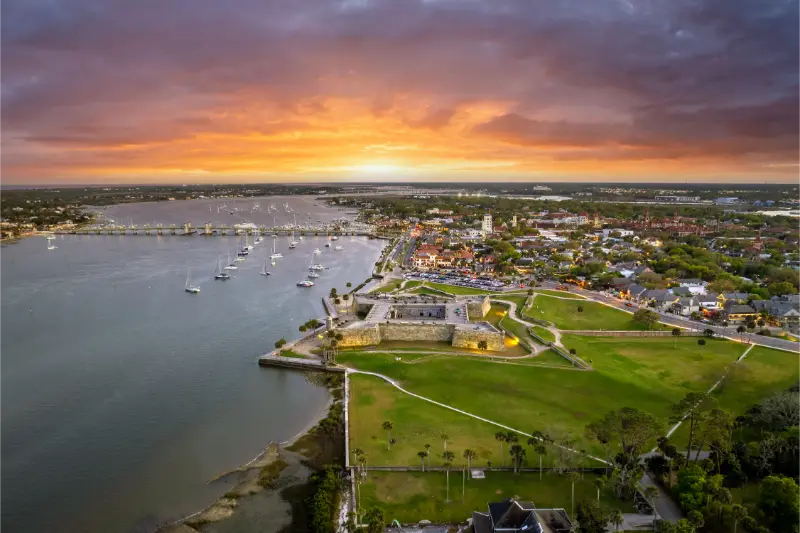
    Florida River Estuary Nature Reserve Aerial

    Use the evening to check tomorrow’s access at Three Sisters Springs. The land-based refuge entrance, shuttle arrangements, parking and ticketing can differ from kayak or swimming access. Importantly, the land entrance does not provide a route into the water. This is a major advantage for grandparents, cautious children and anyone who would rather observe wildlife while dry, but it is not a suitable starting point for an independent snorkel trip.

    Day two: Three Sisters Springs without a swimming tour

    Plan your morning around the Three Sisters Springs boardwalk and its viewing platforms. In the cold season, the water may hold resting manatees, while warmer periods may offer clear-water views and other wildlife instead. Move slowly between observation points and use binoculars if animals are distant. The boardwalk has railings and places to stop, but the wider site includes grass and gravel paths, so check exact route surfaces for mobility devices. Bring water even in winter.

    The U.S. Fish and Wildlife Service describes passive observation as the appropriate way to enjoy manatees. Do not call, chase, touch or obstruct animals. A wildlife encounter becomes more meaningful when children learn that the animal controls the distance. Families can compare the clear spring run with the darker waters of Kings Bay and discuss why warm-water refuges matter to manatees during cold weather. After lunch, leave the afternoon flexible for a visitor-center stop, a bookshop or hotel rest.

    Day three: Homosassa and the stories behind the water

    Homosassa provides a useful contrast to Crystal River. Depending on current opening conditions, choose a wildlife-oriented park visit, a riverside walk or a local heritage attraction. Ellie Schiller Homosassa Springs Wildlife State Park is known for its interpretation of native wildlife and its setting near the springs, but visitors should check which exhibits and transportation features are operating. Do not plan on any single animal being visible at a particular time.

    A small group with children can spend the morning on interpretation and leave after lunch; a couple interested in wildlife photography may want more time. If a person in the group uses a wheelchair, ask staff about the complete route, including arrival, boat or tram transfers if offered, and restrooms. Do not mistake the word ‘accessible’ on a listing for a guarantee that every exhibit, path and transfer is identical. Finish with a relaxed meal instead of adding a rushed trip north.

    Day four: Follow the coast through Inglis and Yankeetown

    Travel toward the Withlacoochee River and Yankeetown at a leisurely pace. These communities reward curiosity about rivers, marshes and working waterfronts rather than a checklist of admission-ticket attractions. Choose one scenic riverside stop, look for waterbirds from public areas and have lunch where hours are confirmed. Do not venture down a private dock or across an unmarked landing to improve a photograph. Tides and weather can affect views and boating activity.

    The drive also illustrates an important distinction in Florida geography: a Gulf Coast shoreline does not always mean a broad swimming beach. Much of the Nature Coast consists of estuaries, salt marshes and shallow waters. For families who imagine a white-sand resort beach, explain that this trip is built around different habitats. If swimming is essential, identify a permitted beach or spring swimming area separately and check water-quality notices, weather, lifeguards and closure conditions first.

    Day five: Cedar Key at the speed of a small town

    Cedar Key is compact enough to enjoy without filling every hour. Start with the historic district, pause by the waterfront and learn about the community’s fishing and railroad past. Cedar Key Historical Society Museum and Cedar Key Museum State Park are two possible stops, depending on their schedules. Museums may offer a stronger understanding of local life than a quick stroll past shops. Check post-storm reopening notices before assuming an old photograph reflects today’s waterfront.

    For lunch, choose an open restaurant and ask about seasonal seafood availability rather than treating a printed menu as a guarantee. Afterward, pick just one activity: a museum, a quiet drive to a public nature area or a seated view of the Gulf. Boat trips to offshore keys depend on operators, conditions and wildlife restrictions; never presume that an island is open to landing. The most enjoyable evening may simply be the changing light over the water, followed by an early dinner.

    Day six: One final nature stop and the journey home

    Use the last morning for a place you missed rather than adding a distant detour. Lower Suwannee National Wildlife Refuge offers natural landscapes north of Cedar Key, but the refuge has multiple access points and road conditions can change. Identify a specific public road, trail or viewing area on an official map beforehand. A short nature drive may be more suitable than a long trail for a mixed-age group. Leave enough daylight for the drive to your departure airport or next Florida destination.

    Before setting off, check the forecast and decide whether the final stop is worth the time. Visitors who have a flight that evening should prioritize returning the rental car and reaching the airport rather than trying to complete another full excursion. If the forecast brings lightning or heavy rain, a museum or café can be a better last memory than a muddy trail. A successful road trip is one that ends without unnecessary pressure.

    Practical itinerary at a glance

    Day Area Main plan Simpler alternative
    1 Crystal River Settle in, Kings Bay views Early dinner and rest
    2 Three Sisters Springs Land-based boardwalk Visitor-center exhibits
    3 Homosassa Wildlife interpretation Short riverfront outing
    4 Inglis and Yankeetown River and marsh scenery Scenic drive with one stop
    5 Cedar Key History, museums, sunset Waterfront lunch and rest
    6 Cedar Key / Lower Suwannee Short nature stop, depart Direct departure

    What the vacation really costs

    Accommodation is the largest variable. Cedar Key inns may be small and popular on weekends, while Crystal River offers a broader range of hotel styles. Budget for a rental car, fuel, insurance, groceries, meals, parking and admissions where applicable. A wildlife boat tour adds expense, and there is no need to buy one to enjoy the region. Compare total costs, including resort or cleaning fees, before choosing a rental. The cheapest nightly rate is not always the best value if it requires driving far for every meal.

    Families may save by using one base and taking day trips. Visitors with limited stamina might spend more on a conveniently placed room and less on paid excursions. Keep a little flexibility for changes caused by rain or spring-area access restrictions. It is sensible to reserve lodging in advance during peak winter manatee-viewing season, but do not prepay every activity unless its refund terms are acceptable.

    Planning for babies, children and older travelers

    For toddlers, keep the first outdoor stop short and plan around naps and feeding. Spring water can look inviting but currents, drop-offs and rules make unsupervised splashing unsafe. Carry sun protection, insect repellent suitable for the traveler’s age and a change of clothes. School-age children may enjoy a simple wildlife checklist, while teenagers can research conservation questions or photograph different coastal habitats from marked areas.

    For older adults, choose one main outing a day and confirm shade, benches and toilets. Travelers using a walker should ask whether the full route is paved or includes gravel, boardwalk transitions and vehicle transfers. A small portable seat may be restricted at some facilities, so check before bringing one. Do not pressure anybody to enter cold water for a wildlife experience that can be appreciated from land.

    Wildlife, weather and water safety

    Alligators can occur in Florida freshwater and brackish habitats. Never feed wildlife, approach the water’s edge to provoke a photograph or allow pets to roam near banks. Manatees need space, particularly around resting and warm-water areas. Salt marshes can produce biting insects; evenings may require long sleeves. After a storm, roads, docks, boardwalks and businesses may be closed even if general tourism promotion remains online.

    Thunderstorms can appear quickly in warm weather. Return to a substantial building or enclosed vehicle when thunder is heard, and never assume a wooden pavilion or open boat provides lightning protection. Check official weather alerts and avoid boating when small-craft advisories or other warnings are in effect. Avoid making swimming or kayaking mandatory activities for the entire group, especially when some travelers are uncomfortable in open water.

    Frequently asked questions

    Can I see manatees without swimming?

    Yes, the Three Sisters Springs land-based boardwalk is one option, especially in colder months. Sightings depend on conditions, and access arrangements should be checked before arrival.

    Is Cedar Key a good destination for a traditional beach vacation?

    It is better known for coastal scenery, fishing heritage and the islands and marshes around it. Travelers seeking resort-style swimming beaches should choose a different base or plan a separate beach day.

    Do we need two hotels for six days?

    Not necessarily. Two bases reduce driving on later days, but a single base in the Crystal River area can make packing and mobility logistics easier.


    Official sources to check before travel

  • Florida Open-Jaw Flights: A Seven-Day Orlando-to-Tampa Vacation Without Backtracking

    Florida Open-Jaw Flights: A Seven-Day Orlando-to-Tampa Vacation Without Backtracking

    Flying into Orlando and home from Tampa can turn a Florida vacation into a comfortable journey rather than a loop designed around returning to an airport. It is especially useful when your interests are split between central Florida attractions and the Gulf Coast. But an open-jaw trip only works if the flight prices, one-way car rental, hotel locations and actual driving days make sense together. A cheap flight combination can become an expensive mistake if the rental car carries an unexpected return charge or your final hotel is an hour from the departure terminal.

    This seven-day Orlando-to-Tampa plan combines city neighborhoods, gardens, lakes and a Gulf Coast stay. You can add theme parks if they matter to your group, but the route does not depend on buying several theme-park tickets. Families, couples and older travelers can follow the same general direction while changing the length of each stop. The strongest advantage is simple: you keep moving toward your departure airport rather than retracing the whole route.

    At a glance: the route and who it suits

    Part of the vacation Suggested base Main reason to stay Watch for
    Nights 1–2 Orlando or Winter Park Easy arrival and central Florida sights Resort fees and parking
    Nights 3–4 Lakeland or nearby Lakes, gardens and a slower inland interlude Weekend event traffic
    Nights 5–6 Tampa or St. Petersburg Museums, waterfront and airport access Bridge traffic and hotel location
    Day 7 Depart from Tampa International Airport No long return drive to Orlando Rental-car return and flight time

    This route is best with a rental car, although someone who prefers rail and local transfers could build a more limited city-focused variation. Do not assume every town on the route has frequent public transportation or an inexpensive rideshare service. For a family with a stroller and luggage, three hotels in six nights may be too many. In that case, stay three nights in Orlando and three nights in Tampa, making Lakeland a stop en route.

    Tampa Florida 16th Street Sign

    First, compare the airfare as a complete trip

    When searching flights, select a multi-city itinerary instead of two unrelated one-way tickets: home to Orlando International Airport (MCO), then Tampa International Airport (TPA) to home. Compare this with a conventional round trip into Orlando and another into Tampa. The result depends heavily on your departure city, connections and airline rather than an automatic rule that open-jaw fares are cheaper. Check baggage allowances on both legs. An international journey may also involve different connection airports on the outward and return flights.

    Look beyond the displayed fare. Add the cost of changing airports, fuel, parking, tolls and any one-way rental charge. Confirm that the exact rental category and return station permit collection at MCO and return at TPA. Some companies include the one-way arrangement in the final quote; others show a separate fee or different daily rate. Save a screenshot of the total booking terms before paying.

    A late arrival in Orlando should not be paired with a demanding first morning. Likewise, do not schedule a long Gulf beach excursion on the morning of your flight home. This plan gains value through flexibility, not by squeezing a seventh full sightseeing day out of six hotel nights.

    Day 1: arrive in Orlando and choose one neighborhood

    After landing, follow the terminal-specific instructions for baggage claim and ground transportation. MCO has multiple terminals, and the rental-car route differs by terminal and provider; use the airport’s current terminal maps rather than a screenshot from an old travel article. If you arrive tired, use the afternoon for your hotel, a nearby meal and an easy walk. The point is to learn the roads and settle into Florida time.

    A downtown Orlando hotel works for people interested in Lake Eola, restaurants and city culture. Winter Park suits visitors who want attractive streets, museums and café time. The International Drive or resort corridor can be sensible if a park visit is planned, but location names do not guarantee easy walking. Look carefully at street crossings, traffic and the distance from your room to the places you expect to use.

    If you are traveling with an older adult, request the exact room features needed before arrival, including an elevator, step-free entrance or suitable shower. With children, confirm the bedding and crib arrangements instead of relying on a request field in the reservation.

    Day 2: Winter Park, lakes and an adaptable cultural day

    Spend the morning in Winter Park, with time for Park Avenue and the surrounding streets. A boat tour on the lakes can be a memorable way to understand the area’s waterways, but check operating schedules, weather and boarding conditions before treating it as the day’s anchor. Those who prefer to remain on land can choose a museum visit or take shorter walks near the shopping district. Avoid building a strict appointment schedule around an outdoor attraction in Florida’s thunderstorm season.

    For a family, choose one child-friendly stop and leave time for lunch and a swim in the hotel pool if conditions are suitable. For adults, the best afternoon might be a leisurely museum followed by dinner without needing to drive across Orlando. If you are adding a theme park, replace most of this day’s activities with the park itself. Trying to do both a full theme-park day and city sightseeing is a reliable way to exhaust younger and older guests alike.

    The overnight choice matters: stay a second night in your original hotel instead of moving hotels merely to save a few miles the following morning. Packing and checking out can consume more vacation time than a short drive.

    Day 3: move west through central Florida

    Travel toward Lakeland at a relaxed pace, checking navigation for the correct destination and not just assuming that interstate traffic will be light. A morning stop in the lakes district provides an introduction to central Florida beyond theme parks. Lakeland has an established downtown, waterfront landscapes and architectural interest. Walk part of Lake Mirror’s surroundings if the weather and mobility of your group allow, then settle in for lunch.

    You can use the afternoon for local cultural attractions, gardens or simple downtown exploration. Some historic buildings offer tours only on selected dates; reserve those separately when available rather than arriving and hoping for entry. The day should have a clear endpoint: check into the next hotel while there is daylight, especially if someone in the group is uncomfortable driving at night.

    If you want fewer hotel changes, keep the Orlando hotel and visit Lakeland for the day before relocating directly to Tampa on Day 4. The longer drive back that evening is a trade-off, but some families would rather unpack once fewer.

    Day 4: lakes, gardens and a flexible indoor backup

    Give central Florida a full day rather than treating it only as a corridor between airports. Consider a garden visit around Lake Wales, an architectural stop in Lakeland or a relaxing lake-oriented morning. Bok Tower Gardens offers garden and landscape experiences, but check the official calendar for hours, events and accessibility before buying tickets. Its grounds are extensive, and the amount of walking is a personal choice, not a requirement to cover every trail.

    A traveler using a walker might enjoy shorter paved sections and a peaceful shaded stop, while an energetic school-age child may prefer a route with exploration breaks. Carry drinking water and plan for direct sun even outside midsummer. If thunderstorms are forecast, choose an indoor stop earlier and keep the garden visit optional.

    Spend your second night in the Lakeland area. Do not try to drive to an attraction near Tampa, return to Lakeland and drive back the next morning; that defeats the purpose of moving steadily west. Check the location of tomorrow’s hotel so that the next transfer is easy.

    Day 5: Tampa's waterfront and museums

    Head for Tampa Bay after breakfast and arrive early enough to park once if possible. Tampa’s Riverwalk area makes a useful orientation point, but a waterfront path can be longer than it looks on a map. Select a short section that connects the sights important to you rather than feeling compelled to complete the entire route. For a museum-focused day, choose one main institution and perhaps a nearby café or waterfront stop.

    Welcome to Tampa Florida Colorful Mural

    The Florida Aquarium and other family attractions are worth considering when younger children are traveling, but opening hours, special experiences and ticket prices should be checked directly. Adults may prefer historic Ybor City or an arts-focused itinerary. If you are staying across the bay in St. Petersburg, allow for bridge traffic at busy times instead of assuming the two downtowns are next door.

    This is also a sensible day to buy grocery basics for the last nights. By now you know your family’s pace and can decide whether Day 6 should be active or almost entirely devoted to the beach.

    Day 6: choose Tampa, St. Petersburg or the Gulf beaches

    There are three sound ways to finish. City lovers can explore St. Petersburg’s art museums and waterfront parks; beach lovers can choose a Gulf Coast beach area with appropriate facilities; history-minded visitors can return to Tampa neighborhoods. Do not attempt all three in a single afternoon. The beaches west of St. Petersburg require crossing busy urban roads and causeways, and parking demand can be considerable on weekends.

    For a beach outing, consult the latest marine forecast and local flags. The National Hurricane Center’s safe-swimming guidance recommends checking rip-current risk and using lifeguarded beaches when entering the water. A gentle Gulf shoreline does not remove the possibility of dangerous conditions. Families may enjoy a shore-based day without swimming at all.

    Choose the final hotel with tomorrow’s departure in mind. A night near TPA can reduce departure-day uncertainty, but a distant airport hotel may also require an extra transfer. Compare the real driving time from your chosen neighborhood early in the morning.

    Day 7: leave without a last-minute cross-state drive

    Return the rental vehicle to the correct Tampa airport location and allow time for fuel, a final inspection and the walk or shuttle to your terminal. Keep photographs of the car’s condition, the fuel receipt and confirmation of return. International departures require a suitable buffer for airline check-in and security. Do not base the plan solely on the minimum time shown by a mapping app.

    If your flight departs late in the day, breakfast and a short nearby activity may fit. But account for hotel checkout and luggage storage. An extra admission ticket is poor value if it makes the whole group anxious about the airport. For a very early flight, an airport-area hotel on the last night may be the most comfortable way to conclude the trip.

    What to budget before you reserve

    Use five separate lines: multi-city air tickets; accommodation including taxes and parking; car rental including one-way charges, insurance and child restraints; admissions; and meals. Add a small margin for tolls and an unexpected travel-day change. Booking a larger rental car because there are four people may still leave insufficient luggage capacity; check the model class and actual bag sizes.

    The lower-cost itinerary is not always the one with the fewest hotel nights. Saving one night can require longer drives, extra parking, restaurant meals on the road and less time to enjoy what you came to see. Compare the overall package. A couple who enjoys museums might spend more on centrally located lodging and less on a vehicle; a family may be better served by a breakfast-included hotel and two paid activities all week.

    Adjustments for different ages and abilities

    For toddlers, reduce the number of hotel changes and stop after two hours of sightseeing. For older children, give each person one choice between gardens, museums, parks or the Gulf beaches. Adults who dislike driving in rain should set arrival targets well before sunset. Seniors with limited mobility can follow the same route with carefully selected accommodation, shorter walks and planned accessible parking.

    Do not assume that a facility described as accessible has the exact feature your companion needs. Phone museums, hotels and tour operators about slopes, wheelchair dimensions, roll-in showers or accessible boarding. A comfortable vacation is built through precise questions, not broad labels.

    Frequently asked questions

    Is it always cheaper to fly into Orlando and out of Tampa?

    No. Compare multi-city fares, return flights, car rental and transfers together. The value often lies in avoiding backtracking rather than obtaining the lowest airfare.

    Do I need to book three hotels?

    No. Orlando and Tampa can be your only bases, with Lakeland or Lake Wales visited during the drive between them. Choose fewer moves when traveling with children or mobility equipment.

    Can I reverse the itinerary?

    Yes. Arriving at Tampa and departing from Orlando can work just as well. Reverse the hotel sequence and check the actual one-way rental terms and flight times before paying.

  • Florida Forts Beyond St. Augustine: A Six-Day History and Coast Road Trip

    Florida Forts Beyond St. Augustine: A Six-Day History and Coast Road Trip

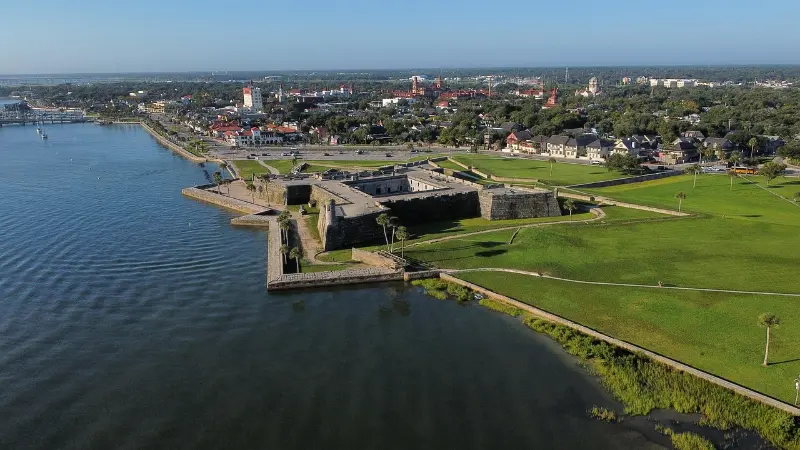
    Castillo de San Marcos in St. Augustine is rightly famous, but it is not the whole story of Florida's fortifications. Across the state, coastal batteries, frontier posts and preserved military landscapes reveal conflicting empires, maritime commerce, forced labor, warfare and changing ideas of defense. A six-day route focused on Northeast Florida, the Panhandle and selected Gulf Coast sites can be fascinating, provided the itinerary acknowledges the immense distances between them. Rather than promising to visit every fort in the state, this guide shows how to choose a realistic heritage journey and understand what a structure was built to protect—and whose lives were threatened by it. Some sites are substantial historic masonry forts; others are earthworks, commemorative landscapes or interpretive locations. Families, veterans, history enthusiasts and older travelers will find different layers of interest, but none should expect uniform accessibility or daily reenactments.

    On this page

    What counts as a Florida fort?

    Florida's military sites span Spanish colonial defenses, British and United States fortification programs, Seminole War landscapes and coastal artillery installations. The word 'fort' can describe buildings that survive, vanished sites known from records, modern reconstructions or a place where a military position once stood. Good interpretation makes those differences clear. It also recognizes that forts were often instruments of territorial control as well as shelter for a particular group. Stories of Indigenous resistance, enslavement, civilian displacement and disease deserve space beside architecture and uniforms. When you read a plaque, note who produced it and when. An old interpretive panel may emphasize heroic military narratives while newer scholarship raises questions that the earlier presentation did not address. Visit with curiosity instead of searching for one uncomplicated version of the past.

    Day 1: Fort Clinch and Amelia Island

    Begin at Fort Clinch State Park on Amelia Island, where a large nineteenth-century brick fort gives visitors a concrete sense of coastal defense engineering. Verify opening hours for both the state park and the fort interior, as they may have separate fees and access arrangements. A guided program, when offered, can explain how garrisons lived and how the fort relates to the surrounding coast. Thick walls, stairs and uneven historic surfaces can limit access to certain areas. Visitors with mobility needs should contact the park about the route they can actually use rather than rely on a general facility label. Spend the afternoon in Fernandina Beach, examining the town's maritime and trading history. Overnight locally for a relaxed start, and avoid trying to combine this day with a distant Panhandle destination.

    Day 2: Jacksonville and the Fort Caroline story

    Around Jacksonville, the Fort Caroline National Memorial area explores French colonial history and European competition, but the site's interpretation should be approached carefully: today's visitor landscape does not mean every surviving structure is the original colonial fort. Consult the National Park Service for current trail, visitor-center and access notices. Connect the visit to Timucua history and the broader ecological setting around the St. Johns River. Be explicit that European forts existed within territories with long Indigenous histories. A family visit can focus on maps and the question of why river mouths mattered strategically. Avoid describing the landscape as empty wilderness before European settlement. Plan a second local historical stop only if it fits daylight and current access, then sleep in Jacksonville or move a manageable distance west.

    The long westward transfer needs its own time

    Northeast Florida and Pensacola are far apart; a driving route that pretends otherwise is poor holiday advice. Use Day 3 mainly for moving west through North Florida, with a short historic downtown or river stop along the way. Check live traffic and choose accommodation before the end of the day. On a long-drive day, children need routine stops and older travelers may appreciate a longer lunch. Do not plan a late-night arrival at a remote site or assume a park museum will stay open until sunset. Alternative plans can shorten the trip to just Amelia Island and Jacksonville, or split the Panhandle section into a separate holiday. This is a modular itinerary, not a competition to cover the most miles.

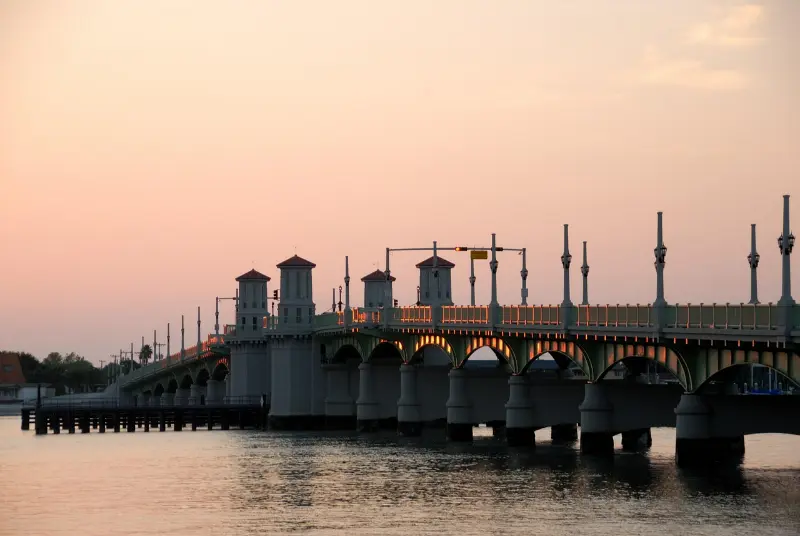
    Bridge of Lions Saint Augustine at Sunset

    Day 4: Pensacola's coastal defenses

    Pensacola's strategic Gulf location produced layers of coastal military history. Fort Pickens on Santa Rosa Island is one of the best-known preserved fortifications associated with Gulf Islands National Seashore. The National Park Service provides current access rules, which matter because storm damage, road conditions and temporary closures can alter what visitors reach. Historic masonry structures can have sandy approaches, steps or low passages, so check accessibility before committing to a long tour. A ranger-led activity, if scheduled, may help explain artillery design and the evolution of coastal defense. Avoid treating the site merely as a backdrop for military-themed photographs. The beach and seashore environment is fragile in its own right; protect dunes, respect nesting areas and follow park road restrictions.

    Day 5: Fort Barrancas and naval-base access

    A second Pensacola day can consider Fort Barrancas, which sits in a different access context from many public state parks because of the surrounding Naval Air Station Pensacola installation. Base entry policies and security procedures may restrict visitor access, including for people without accepted identification or particular immigration or citizenship status. Do not promise foreign tourists that they can enter simply because a guidebook lists the fort. Review the National Park Service and base's current notices before planning a special journey. If entry is unavailable, substitute a publicly accessible downtown museum, heritage trail or maritime history activity. This flexibility is crucial for international families who may otherwise waste a holiday day driving to a gate. Sensitive military areas are not places to argue with guards or bypass screening rules.

    Day 6: Choose a return with one meaningful stop

    Spend the final day either exploring Pensacola's broader historic district or heading toward a departure airport. If flying from the Panhandle, allow an unhurried final museum and meal; if returning to Jacksonville or Orlando, the drive will consume most of the day. A detour toward another fort should be based on actual access and your group's stamina, not a desire to list more sites. Many historic military places are located near coastal recreation areas, so the most balanced final stop may be a short nature walk or waterfront viewpoint. Good historical travel leaves room to process complex subjects. It also leaves sufficient daylight for safe driving and does not end with everyone exhausted at a rental-car counter.

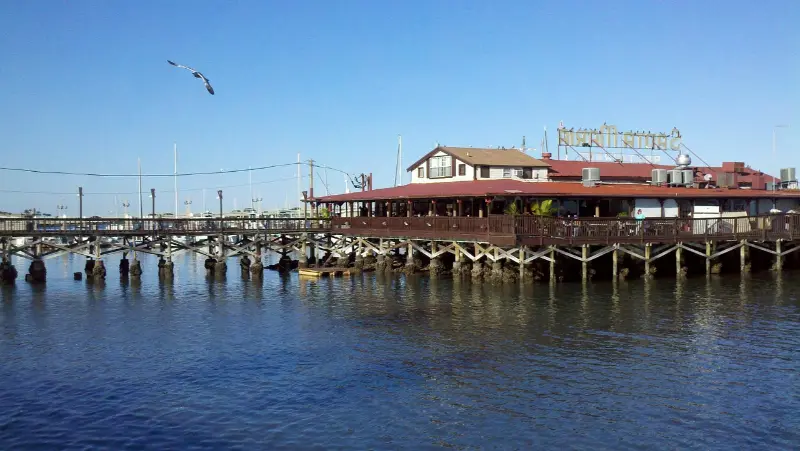
    Saint Augustine Historic Bridge of Lions Pier

    How fort architecture reveals a changing threat

    Look for differences in wall thickness, bastions, gun positions and orientation toward water or land. Older masonry designs responded to particular weapons and expected attacks; later works reflect changes in artillery technology and strategic geography. Interpretation will be more accurate if it identifies when a structure was built, modified and actually used. A fort completed after its original strategic purpose changed still has historical significance. Children can compare two maps and ask what each fort could see from its location, while adults can read about logistics, labor and supply networks. Avoid touching fragile stone, entering closed chambers or climbing onto walls for a photograph. Even a well-preserved fort is an archaeological and historical resource, not a playground with unlimited access.

    Whose history should a fort tour include?

    An honest military history route does not isolate uniforms from society. Ask whose land a fort occupied, who supplied construction labor, how civilians lived nearby, what treaties or wars shaped events, and how people of different backgrounds experienced the site. In Florida, the histories of Seminole peoples, African Americans, enslaved people and free communities are essential to interpreting territorial power. Some institutions now include broader perspectives that older displays missed. When speaking with a ranger, ask an open question about current historical research rather than assuming the placard gives the entire story. Younger visitors may need age-appropriate explanations of conflict and displacement. The goal is understanding, not entertainment through violence or treating historic suffering as a dramatic attraction.

    Practical access, weather and photography

    Historic sites frequently have short visitor-center hours, seasonal programs or closed zones after storms. Always inspect official notices, not solely a search engine hours panel. Summer heat inside and around masonry forts can be intense, and open ramparts create lightning exposure. Carry water and use closed-toe footwear suitable for old stairs and uneven surfaces. Some interiors have limited light, echo or narrow passages. Travelers sensitive to enclosed spaces can enjoy exterior interpretation without entering every chamber. Photography policies vary, particularly on military properties. Do not fly a drone around sensitive sites without authorization. For families, a site with restrooms and a staffed visitor center is usually a more comfortable anchor than a remote ruin without services.

    Where to stay and how to shorten the route

    The full six-day route is a driving itinerary, with Amelia Island/Jacksonville and Pensacola as distinct clusters. Travelers with small children, reduced mobility or limited funds should often select one cluster and explore it well rather than attempt both. A Northeast Florida short trip can combine Fort Clinch and the Jacksonville heritage sites. A Pensacola-centered visit can focus on Fort Pickens, downtown history and optional Fort Barrancas only if entry is confirmed. Choose lodging for parking, elevators and proximity to your main stops, not an abstract claim that it lies halfway across the state. Consult the operating agency for each site as the source of truth. A fort trip is most successful when it replaces heroic assumptions with the questions that history actually deserves.

    Planning at a glance

    Planning itemRecommendation
    Typical paceOne substantive activity each day; avoid stacking distant stops
    Getting aroundCheck regional distances and accessible transport before committing
    ReservationsVerify actual tours, rentals, gate times and cancellation rules
    Weather backupKeep one indoor alternative for lightning, heat or heavy rain
    Before travelReconfirm official operating notices, local rules and access needs

    Frequently asked questions

    Is Fort Clinch the same as Castillo de San Marcos?

    No. Fort Clinch is a distinct nineteenth-century fort on Amelia Island with different history and management.

    Can international visitors enter Fort Barrancas?

    Access may be limited by Naval Air Station security rules; verify current entry eligibility before traveling.

    Are all these forts wheelchair accessible?

    No. Historic stairs, sand and uneven surfaces can restrict access; ask each park about specific routes.

    Can I drive the entire route in six days?

    Yes with a dedicated westward transfer, but two shorter regional trips may be much more comfortable.

    Do reenactments happen daily?

    No. Interpretive events depend on staffing, schedules and site conditions; check official calendars.

    Reliable sources and further reading

    Travel planning note: opening hours, fees, access rules and local conditions may change. Recheck official sources before making reservations. This guide does not claim firsthand experience.

  • Florida in 48 Hours: Four Practical Stopovers from Orlando, Miami, Tampa and Fort Lauderdale

    Florida in 48 Hours: Four Practical Stopovers from Orlando, Miami, Tampa and Fort Lauderdale

    A forty-eight-hour stopover in Florida can be surprisingly rewarding, provided the plan fits the airport and avoids cross-state travel. Two days are enough to sample a waterfront, explore a neighborhood, visit one major attraction or unwind by the beach. They are not enough to combine Orlando's theme parks, Miami's arts districts and the Florida Keys without spending most of the time on roads. The key questions are where you land, when you arrive, whether you have a rental car and what kind of traveler is coming along. The itineraries below are flexible frameworks, not promises about every venue's operating hours or transit timetable.

    On this page

    Decide what 48 hours actually means

    A flight landing at 9 p.m. and leaving two mornings later gives far less sightseeing time than an early arrival and late departure. Count usable daylight after immigration, baggage collection, airport transfers and hotel check-in. International arrivals may require additional time for entry formalities, and travelers transferring between terminals should not assume baggage is automatically checked through. Do not build an itinerary around a nonrefundable morning excursion immediately after an overnight intercontinental flight. Check whether a hotel will store luggage before check-in and after checkout. If accessibility is important, confirm the location of lifts and how far you must walk with bags. A strong short trip should contain one main activity each day and room for a meal and rest.

    Orlando: combine a neighborhood with one signature experience

    For a short Orlando stay, choose between a theme-park-focused stopover and a more varied city-and-nature visit. A single theme-park day can take most of the available time, especially with travel, security lines and meal breaks. If you do not have enough energy for that, look at downtown Orlando and Lake Eola, Winter Park's walkable center or a suitable museum, then plan a second day around one carefully chosen attraction. The Kennedy Space Center area on the Space Coast is a possible full-day outing with suitable transport, but it should not be paired with a second major attraction the same day. Check the official venue calendar and opening hours. A late evening flight does not guarantee a full final day after traffic and airport security are considered.

    Orlando airport logistics are a trip of their own

    Orlando International Airport, commonly called MCO, serves many leisure visitors. Ground transportation includes rental vehicles, taxis, ride-app services and public transit, but the practicality of each depends on your hotel. A resort described as being 'near Orlando' may be far from downtown or from a particular theme park. Ask whether a hotel shuttle actually serves your chosen venue, whether a reservation is needed and how frequently it runs. If renting a car for only one day, account for collection, deposits, parking and return time. With a toddler, request an appropriate child restraint from a dependable provider in advance. Without a car, choose accommodation near the activities and avoid multiple cross-city journeys.

    Miami: one neighborhood per half-day is enough

    A short Miami itinerary can blend a beach, art or architecture, and food without trying to cover every celebrated neighborhood. Depending on where you stay, you might choose a daytime stroll through South Beach's Art Deco district, a planned meal in Little Havana and a waterfront walk in downtown Miami or Brickell. Those areas are not a single compact walking route, so select two that suit your interests and connect them by public transport or a licensed ride. For a museum-focused visit, replace one outdoor component with a cultural institution instead of adding it to an already full day. The Everglades and Florida Keys deserve more time than a spare morning; treat them as separate trips unless your stopover is longer.

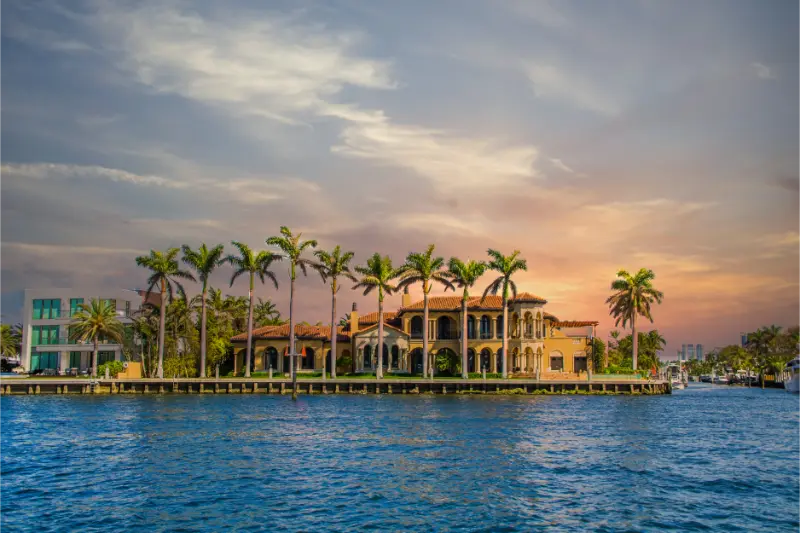
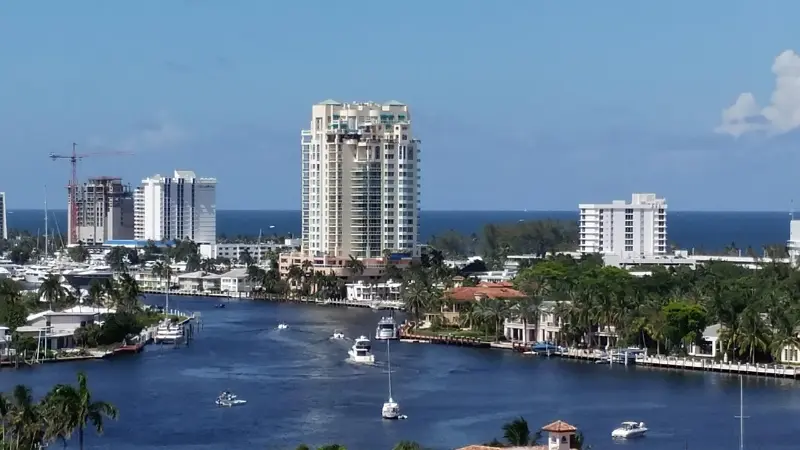
    Fort Lauderdale Intracoastal Waterfront Aerial View

    Reaching Miami from the airport sensibly

    Miami International Airport connects with the Miami Intermodal Center through the MIA Mover. From that transport hub, travelers can use Metrorail, Metrobus and other services, depending on route and hours. The airport also has authorized taxis and designated ride-app pickup zones. Do not accept unsolicited offers of transport inside the terminal; the airport advises using official ground transportation points. South Beach, downtown and the cruise port require different routes, so confirm where your hotel actually sits. If you have large bags or cannot walk far, a direct taxi may be worth the additional cost. Do not assume that a map's straight-line distance from the airport reflects driving time during traffic.

    Tampa: downtown, the riverfront and one bay-side extension

    Tampa is a good short break for travelers who want waterfront public spaces and museums rather than a complicated multi-park schedule. Concentrate one day around a manageable portion of the Tampa Riverwalk, a nearby museum and a sit-down meal. On the other day, choose either a focused city attraction or an outing toward St. Petersburg or a Gulf Coast beach, not all of them. The bay's bridges and traffic make beach trips take longer than the map can suggest. Families may prefer a museum and shady park over a midday outdoor marathon in summer. Visitors with limited mobility should identify benches, step-free routes and accessible restrooms before walking long waterfront stretches.

    Tampa airport connections require checking the latest route

    Tampa International Airport uses the SkyConnect train to reach its Rental Car Center. Its official ground transportation page lists options including taxis, ride-app pickup and public transport connections at the rental center. Read the current directions for your terminal and provider, because pickup zones can move with airport operations. If you are staying downtown, compare all-in transport costs rather than assuming a rental car is cheapest. If you are staying near Clearwater or St. Pete Beach, account for additional driving and potential parking fees. Travelers making a short cruise-related stopover should separately check the actual cruise terminal, since an airport transfer is not necessarily the same as a hotel transfer. Leave a departure buffer for major road congestion.

    Fort Lauderdale: waterfront and easy South Florida days

    Fort Lauderdale-Hollywood International Airport, FLL, works well for a beach and canal-focused stay. A short itinerary might dedicate one day to the oceanfront and a second to a riverside area, museum or organized water excursion that matches the group's mobility and budget. Hollywood Beach's Broadwalk is another option, but it is a separate trip requiring transport. Travelers should not schedule Fort Lauderdale, Miami Beach and Palm Beach in forty-eight hours just because a train connects the region. Choose a single base and use a rail excursion only if the station transfer and travel times fit comfortably. For families with babies, a walkable hotel-and-beach combination may be more rewarding than a checklist of distant attractions.

    Fort Lauderdale Florida Waterfront Suburbs Aerial

    Fort Lauderdale airport and rail connections

    FLL's official airport website describes ground transport including taxis, ride apps, rental cars, Broward County Transit buses and a shuttle connection to Tri-Rail. Pickup points differ by terminal and can shift during construction. The airport also publishes accessibility information for passengers who require assistance. The fact that Tri-Rail is available does not mean the platform is inside the airport terminal; plan for the shuttle transfer. Some hotels offer shuttle service, but it must be confirmed with the property and may run only during certain hours. If planning a rail journey to another South Florida city, consider all the transfers from terminal to station, station to hotel and back rather than simply quoting the rail journey duration.

    Which airport and city should you choose?

    Choose Orlando for theme parks or selected Central Florida attractions, Miami for metropolitan culture and South Beach, Tampa for a waterfront city break and nearby Gulf region, and Fort Lauderdale for a coastal South Florida stay. This is about efficient geography, not declaring any destination objectively 'best.' A direct flight at a good arrival time may outweigh a slightly better destination that requires a connecting flight. For older travelers or anyone with reduced mobility, a short transfer and well-located hotel can matter more than a headline attraction. A traveler with infants may prefer an apartment-style room and a nearby grocery store. The practical winner is the city where you can enjoy two days without repeatedly packing, commuting and queuing.

    Budget for a short trip without false precision

    Accommodation, transport and time of year drive the cost. Compare a central hotel without a rental car against a cheaper distant hotel plus airport transfers, parking and taxis. Include any resort or destination fees, sales and lodging taxes, breakfast, admission tickets and luggage storage. A short stopover may have a higher cost per activity than a longer vacation because airport transfers cannot be spread across many days. Families should assess whether one expensive attraction offers enough value for children with different heights and interests. Seniors may choose a museum and a waterfront restaurant rather than a full-price park day. Keep funds for a canceled flight or an additional hotel night, especially when flying internationally.

    If traveling with children or older adults

    A stopover feels shorter when every movement requires packing, navigating and waiting, so the simplest route often wins. Families with infants might choose a hotel with a crib, laundry access and a grocery store nearby, then do one shaded outdoor activity before an afternoon rest. Travelers with reduced stamina can base a trip around a museum with seating and a short waterside walk rather than a theme park covering many miles. Confirm the transfer vehicle can accommodate a wheelchair or large stroller before arrival. Parents should check legal child-restraint requirements for the transfer they plan to use and arrange an appropriate seat when necessary. If grandparents are joining, allow extra time for airport walking and seating, and do not assign them a long highway day immediately after flying. A short Florida visit can be rich in local experiences without pushing everyone to exhaustion. The freedom to sit over a good lunch, walk through a neighborhood and see a sunset may be more valuable than a third admission ticket.

    Departure morning: protect the connecting journey

    On the final day, do not leave essential travel tasks until the last moment. Confirm the airline terminal, bag drop cutoff, documents and transport pickup instructions. A hotel breakfast or brief walk nearby is a safer final activity than a distant tour. Leave enough time to reach the airport during local traffic, return a rental car, pass security and handle any airline-specific requirements. If continuing by cruise ship or a separate domestic flight, make sure the transfer is booked to the correct port or terminal. Carry medication, travel documents and essential infant supplies in hand luggage rather than checking everything. A successful 48-hour visit ends with a calm departure rather than one final rushed attraction.

    Quick comparison

    Airport baseShort-trip strengthAvoid
    Orlando MCOTheme parks or one Central Florida highlightTrying to visit both coasts
    Miami MIANeighborhoods, architecture and waterfrontTreating Keys as a quick detour
    Tampa TPARiverwalk and one bay-area excursionCombining multiple beach towns
    Fort Lauderdale FLLBeach and canalsOverloading with three South Florida cities

    Frequently asked questions

    Is two days enough for a Florida vacation?

    It is enough for a focused city or beach stopover, but not a statewide itinerary. Plan around the airport and choose one main activity per day.

    Should I rent a car for only 48 hours?

    Only if it materially improves access. Compare pickup time, parking, tolls and hotel location with public transit or direct rides.

    Can I do Miami and Key West in one afternoon?

    It would be a very rushed plan because driving the Overseas Highway takes considerable time and can be delayed. Give the Keys a separate longer visit.

    Which Florida airport works best for a beach stopover?

    The answer depends on the precise beach. FLL, MIA and TPA connect to different coastal areas; compare airport-to-hotel transfer time, not just the air fare.

    Official sources

    Information and operating arrangements checked against official sources in October 2026. Reconfirm hours, rules, prices and availability before your visit.

  • Florida With Teens Ages 15–18: Seven Days from Fort Lauderdale to Juno Beach

    Florida With Teens Ages 15–18: Seven Days from Fort Lauderdale to Juno Beach

    Florida can be a wonderful vacation with teenagers who have outgrown the playground stage but do not want a week of theme-park lines. The Atlantic coast between Fort Lauderdale and the Palm Beaches offers a useful balance: beach neighborhoods, marine science, boat-filled waterways, museums and independent-feeling town centers. It is also manageable as a vacation based in two places, rather than a frantic drive across the state.

    This seven-day itinerary is built for families with teenagers around ages 15–18. It includes genuine choices so a teen interested in photography, ecology or culture can shape the experience. Not every teenager likes the same things, and not every family wants to spend every afternoon together. The plan leaves room for beach rest, changing weather and the kind of unplanned lunch that often becomes a favorite travel memory.

    Decide on two bases: Fort Lauderdale and the Palm Beaches

    Spend approximately four nights around Fort Lauderdale and three nights near West Palm Beach, Lake Worth Beach or a nearby coastal neighborhood. That arrangement gives you several manageable outings without packing bags daily. The exact split can change according to your flights: travelers landing at Fort Lauderdale-Hollywood International Airport may find Fort Lauderdale an efficient starting point, while Palm Beach International Airport may favor the northern half of the route.

    A hotel near Fort Lauderdale beach can make early walks and casual meals easier but may charge substantial parking or resort fees. Downtown locations may be more convenient for museums and dining, with the beach farther away. In the Palm Beaches, a West Palm Beach city stay and a quieter ocean-area stay are different experiences. Show teenagers two or three real options on a map and have them compare walking routes, room layouts and the total price.

    Florida Fort Lauderdale Marina and Beachfront

    Ask about connecting rooms if privacy matters; an advertised “family room” may still mean everyone shares one sleeping area. If driving, calculate parking at each hotel and attraction. Without a car, study actual train and local transit routes before selecting lodging; being close to a rail station does not automatically solve the last mile to a beach or park.

    Day one: get comfortable and explore Fort Lauderdale’s waterfront

    Use arrival day for a light walk near your accommodation and a meal chosen together. Fort Lauderdale is known for waterways and a busy coastal city environment, but the beach, Las Olas area and downtown are not identical neighborhoods. Rather than rushing between all of them, pick one. A short walk along a public beach area can work if conditions are safe, while a downtown evening may be better if your hotel is inland.

    Give the teenagers one practical responsibility: find a dinner place within the group’s budget, navigate the route, or identify tomorrow’s weather forecast. That increases engagement without turning the vacation into a school assignment. Agree on rules for phones, water safety and how to meet if someone becomes separated. Teens may want independence, but unfamiliar street crossings and water conditions still require judgment.

    After a long flight, avoid booking a tightly timed boat tour on the first afternoon. An evening ride can be enjoyable on another day, but boat operators’ weather and boarding rules should be confirmed in advance. End the evening with a realistic outline of the next morning, leaving space to sleep longer if needed.

    Day two: science, city life and an optional beach session

    Start with the Museum of Discovery and Science in Fort Lauderdale if its current exhibitions match the family’s interests. It can provide an engaging indoor alternative on a hot or stormy day, although a teenager who prefers art or street photography may want a different experience. Check the museum’s official schedule, tickets and any special programs before leaving; events and traveling exhibitions change.

    After lunch, explore one part of downtown or Las Olas Boulevard at a comfortable pace. Teens may enjoy choosing a café, taking architectural photographs or looking at independently owned shops. Be respectful when taking photos of people, businesses and private property. A short city experience provides variety after the more controlled environment of a museum.

    If conditions permit, add an hour at the beach later. Consult beach flags and lifeguards, especially where surf or rip currents are present. Do not assume strong swimmers can disregard warnings. If the forecast turns stormy, replace the shoreline with an early dinner or another indoor activity rather than treating the outdoor portion as a compulsory goal.

    Day three: Hugh Taylor Birch State Park and the coast

    Hugh Taylor Birch State Park is close to Fort Lauderdale’s urban beachfront yet offers greenery and opportunities for a quieter outing. Its official park page provides current alerts, fees and conditions. As of October 2026, the park has reported some facility and floating-dock closures, so do not plan a specific restroom or paddling activity without checking whether it is operating.

    Fort Lauderdale Marina and Downtown Skyline Aerial

    Make the visit a nature morning. Walk a comfortable section rather than requiring everyone to complete a long route, and look for birds or the contrast between the city and coastal habitat. If bikes, kayaks or another rental activity appeal to the group, confirm current providers, minimum ages and safety rules. A teenager interested in wildlife photography might enjoy slowing down to observe details rather than covering distance.

    In the afternoon, choose a beach rest or let each teen select one nearby activity, within sensible supervision arrangements. If a young person has sensory sensitivities, this is a good day to retreat from crowded attractions. Keep water, sun protection and insect repellent available, and use established trails to protect the park’s wildlife and plants.

    Day four: Boca Raton’s marine ecology and a move north

    Use the transfer toward the Palm Beaches as an outing, not simply a highway trip. Gumbo Limbo Nature Center in Boca Raton is a useful stop for teens curious about coastal ecosystems. The city-operated site includes natural areas and education features, but facilities and hours vary. Consult the official visitor page for nature-center and trail hours separately; restrooms are not available during all trail-only hours, and visitor parking is not intended for adjacent beach use.

    Let the family spend time learning about mangroves and coastal plants rather than trying to fit in several museums. Discuss how these habitats protect shorelines and support wildlife. If the teens are interested in photography, invite them to choose a small theme—textures, bird behavior or water reflections—rather than competing to get close to animals. Respect signs and barriers throughout the center.

    Continue to the northern accommodation and settle in before dinner. There is no need to schedule another major stop. A road trip is more relaxing when moving hotels consumes only part of one day. Keep driving and traffic delays in mind; check FL511 before leaving and allow extra time for parking.

    Day five: sea turtles at Juno Beach and a slower afternoon

    The Loggerhead Marinelife Center at Juno Beach focuses on ocean conservation and sea turtle care. Its visitor information describes a largely outdoor campus, making weather and heat relevant even though it is an educational facility. Programs can change, so check the day’s visitor schedule and avoid promising that a particular animal or rehabilitation activity will be visible. A sea turtle hospital is not an entertainment attraction where animals should perform on demand.

    Use the visit to discuss responsible beach behavior: not approaching or disturbing nesting turtles, respecting protected areas, and removing rubbish that could harm marine life. Sea turtle nesting and hatching are seasonal, and sightings are never guaranteed. The center can be worthwhile at any time because the educational message is broader than a single wildlife encounter.

    Later, choose a nearby lunch and a restful afternoon. One teen may want a public beach walk; another might appreciate downtime by the hotel pool. It is reasonable to split briefly with an adult accompanying each smaller group when supervision is needed. Do not force one activity on everyone merely to preserve the itinerary’s order.

    Day six: West Palm Beach arts, gardens or a relaxed waterfront

    Give the final full day a clear choice. Art-loving teenagers may prefer a museum and downtown lunch in West Palm Beach; others may choose a shorter nature outing or additional time near the coast. The Norton Museum of Art is a prominent option, but consult its current schedule and exhibition policies. A museum experience becomes much more enjoyable when each traveler is encouraged to pick three works or rooms that interest them rather than being marched through every gallery.

    For a lighter outing, explore a waterfront public space, look for a café and spend time talking about the best moment of the week. Teens often remember being consulted more than they remember a long list of attractions. If your group prefers nature, find a suitable local park with accessible facilities and manageable walking distances. Avoid unverified claims that a trail is completely wheelchair accessible; confirm conditions with the site if that matters for your party.

    Consider an evening meal celebrating the end of the trip, and set aside time to pack before bedtime. The goal is to finish the vacation rested enough to manage the journey home.

    Day seven: departure with time for a final stop only if practical

    Choose your airport and departure route carefully. If flying from the same airport where you arrived, include the extra travel needed to return from your second base. Rail or car transfers can be disrupted by traffic, weather or service changes; check timetables directly. Do not commit to a timed attraction shortly before your flight.

    If the schedule allows, a local breakfast and brief waterfront walk are enough. Make sure the teenagers have their passports or accepted ID, chargers and personal items before you leave the hotel. Double-check that nothing is plugged into a bedside outlet. A calm final morning protects the trip from the frustration of arriving at an airport rushed and hungry.

    Costs, transport and meaningful teen choices

    Decision Lower-cost approach When paying more might help
    Accommodation Shared family room away from premium beachfront Connecting rooms or walkable beach location
    Transportation Combine nearby outings; avoid unnecessary car days Rental car for nature stops and luggage
    Activities Beaches, waterfront walks, selected free educational sites One museum, guided trip or special experience
    Food Grocery breakfasts and casual lunches One restaurant meal chosen by the teens
    Schedule One main activity daily An extra paid outing only when everyone wants it

    Plan the budget around your actual group rather than an invented universal daily figure. Check ticket age bands, parking costs and cancellation rules. A nearly adult teenager may pay the adult rate, even at attractions described as family-friendly. Balance busy days with quieter mornings and make clear that everyone can propose a change if an activity is not working.

    Safety, season and an alternative for different interests

    South Florida’s heat and humidity can be demanding, and coastal storms may interrupt outdoor plans. Always check the National Weather Service and current beach advisories. Strong surf, lightning and extreme heat are reasons to change an outing, not problems to push through. Encourage teens to carry water, wear sun protection and respect local wildlife rules.

    For families with a science-focused teen, emphasize the museum, marine center and nature park. For art enthusiasts, substitute an extra museum, design neighborhood or gallery visit. For sports-loving teens, investigate a supervised lesson with a reputable provider, checking experience requirements, weather policies and equipment safety. You do not have to include a theme park to deliver an active, memorable Florida week.

    Frequently asked questions

    Is Fort Lauderdale suitable for a family with older teenagers?

    Yes, especially if the family likes a mixture of beach time, museums, city neighborhoods and nature. Select a practical hotel and agree on safety and independence boundaries.

    Should we use one hotel or two for the full week?

    Two hotels can reduce repeat driving if you plan to explore both Fort Lauderdale and the Palm Beaches. One base may be preferable for a family that dislikes moving luggage, provided day trips remain manageable.

    Can this itinerary work without a rental car?

    Parts can, but the nature stops and hotel transfers require careful planning with current rail, transit and rideshare options. Evaluate your exact lodging addresses before deciding against a car.

  • Florida With a Toddler and a Teenager: Six Days Around Fort Lauderdale

    Florida With a Toddler and a Teenager: Six Days Around Fort Lauderdale

    Planning a Florida vacation for a toddler and a teenager is less straightforward than booking a theme park and hoping everyone enjoys it. A three-year-old may need a midday nap, safe places to run and short outings. A fifteen-year-old might want photography, independent choices and something more challenging than another playground. South Florida can accommodate both, but the solution is not to force both children through the same attraction list at the same speed. It is to create a trip with shared experiences, brief separate choices and enough downtime to prevent every afternoon from ending badly.

    This six-day plan uses Fort Lauderdale, Hollywood Beach and the inland Davie area as a manageable Broward County base. It is useful for parents, grandparents and other caregivers traveling together. Every day’s main activity has a shorter version and an alternative when the weather or the toddler’s needs change. The activities are real places, not invented personal experiences, and the itinerary can be adapted for an adult who walks slowly or a teen who dislikes water.

    Balancing a toddler and a teen

    Day Shared experience Different-age option
    One Easy arrival and dinner Teen chooses food stop; toddler rests
    Two Hollywood Broadwalk Short stroller loop or longer photo walk
    Three Hands-on science Split museum galleries with responsible adults
    Four Flamingo Gardens Quiet animal viewing or photography
    Five Hugh Taylor Birch nature Short shaded walk or longer supervised path
    Six Repeat a favorite Each child chooses a small final activity

    Start by choosing the right family accommodation

    Select one base for all six nights. Fort Lauderdale can be convenient for city attractions and the waterfront, while Hollywood Beach provides direct access to a long oceanfront promenade in some locations. Davie and other inland areas may be useful for the garden day but are less attractive if the family wants to walk to the beach regularly. Compare driving times at the actual hours you will travel, not only distances in a booking app. A small child becomes tired in traffic long before the rest of the family does.

    Prioritize two sleeping zones if the budget allows. A toddler who goes to bed early and a teenager who wants to read or talk in the evening have very different routines. A separate bedroom or quiet sitting area can be more valuable than a luxury pool. Check whether a crib can be reserved, whether bedroom doors lock unexpectedly and whether any pool or balcony is securely protected. Ask about laundry, refrigerator access and a nearby supermarket. For six nights, ordinary practical features can determine how relaxed everyone feels.

    Day one: arrive, recover and explore a small area

    Arrival day should have no expensive timed attraction. Check into the hotel, locate the grocery store and take a gentle walk where your youngest traveler can move safely. If arriving by plane, check the toddler’s seat and transport needs before departure rather than assuming a rideshare provider will supply an appropriate child restraint. The teenager can help choose a casual restaurant or photograph the evening light; that small choice makes the trip feel shared rather than completely designed for a preschooler.

    If you have time, explore the closest public waterfront or neighborhood path for less than an hour. Avoid a long drive to Miami or an ambitious sunset cruise on the first night. Young children often need familiarity, and adults may be tired from travel logistics. Establish where everyone will sleep and which items must be packed for the morning. A calm arrival can save the next day from frustration, particularly when several family members have different sleep schedules.

    Day two: Hollywood Broadwalk for two different ages

    Hollywood Beach’s Broadwalk is a paved oceanfront promenade with restaurants, places to pause and access to the sand. It suits a mixed-age group because visitors can enjoy the setting without all joining the same activity. The official City of Hollywood Broadwalk information describes the route and public amenities. Choose a short stretch near confirmed parking and restrooms rather than expecting a toddler to cover the entire promenade.

    The teenager might enjoy taking photos or walking farther with one adult while another supervises the toddler close to a shaded rest point. Establish a clear reunion location, and do not leave young children unattended at the beach. Swimming should depend on current flags and safe conditions, not a promise made days before the trip. Families who prefer to remain dry can still enjoy breakfast near the ocean and watch the activity along the shore. Return to the accommodation before everyone is exhausted.

    Day three: hands-on science in Fort Lauderdale

    A science museum is useful when two children have different learning styles. The Museum of Discovery and Science in downtown Fort Lauderdale has interactive exhibits that can be more flexible than a performance with one start time. Check current admission, exhibits and age recommendations before arrival, since temporary programs change. Ask the teen to choose one exhibit that they genuinely want to explore, and give the toddler shorter hands-on sessions where appropriate. One parent or grandparent may need to move between different galleries rather than expecting all four visitors to stay together.

    Fort Lauderdale Downtown Waterway and Highways Aerial

    Plan a midpoint snack and an exit option. Museum fatigue is real, particularly when a toddler has been awake early. If the teen wants more time, one adult can remain while the other leaves with the younger child; agree on a safe pickup plan in advance. In hot or stormy weather, an indoor museum can be the day’s principal attraction. Finish with a low-key dinner instead of adding a distant evening event that depends on the youngest member’s unpredictable energy.

    Day four: gardens and rescued wildlife in Davie

    Flamingo Gardens combines botanical landscapes with a wildlife sanctuary, offering opportunities to talk about native plants and animal care. The official Flamingo Gardens visit page lists admission details and operating hours. Verify the current tram operation and exhibit schedule before setting out rather than promising an animal presentation that might not occur. A teenager interested in photography can find plenty to study, while a younger child may be happiest observing one animal quietly rather than rushing between displays.

    The sanctuary is not a petting zoo. Explain that the animals are not there to be touched or fed by visitors. Keep the toddler from climbing barriers or dropping food into enclosures, and use the marked paths. A stroller can help, but check surface conditions if your group has mobility limitations. Reserve shaded breaks and drinking water, especially in warm months. After the visit, return to the hotel rather than scheduling another distant park. A day that works for both ages often has a single clear highlight.

    Day five: Fort Lauderdale’s Hugh Taylor Birch State Park

    Hugh Taylor Birch State Park provides an urban nature experience very different from the ocean promenade. It protects green space between developed Fort Lauderdale and coastal waterways. The official state-park information provides current access conditions and notes that some restrooms, pavilions and the floating dock have been affected by closures. Check those details before choosing an activity that depends on a particular facility. A short shaded outing can be plenty for a small child, while a teen may enjoy observing wildlife or exploring a longer designated route with an adult.

    Do not assume that all paths are suitable for strollers, and never bring the toddler close to open water without direct supervision. The group can split by energy level for part of the morning and meet for a picnic in an open, permitted area. Carry food and water because convenience services can change. If storms approach, leave the park and use a museum or a quiet hotel afternoon as the backup. The purpose is to appreciate a pocket of nature, not to force a full-day hike inside a city.

    Fort Lauderdale Skyline and Waterfront Aerial

    Day six: let each child choose a small final experience

    The final day is ideal for a simple choice. Ask the teenager to select between a photography walk, a museum return or a favorite food stop. Give the toddler a predictable playground or short beach outing with a caregiver. Keep the choices geographically close so the family is not spending the day driving between them. You might all meet for lunch and enjoy one brief shared waterfront moment in the afternoon. If your flight is that day, replace extra sightseeing with unhurried packing and a comfortable transfer.

    One mistake on mixed-age trips is to describe a teenager’s preference as a reward for tolerating the toddler’s activities. Both children are legitimate travelers. A little separate time can help the older child feel respected and the younger child stay comfortable. Adults should plan who carries snacks, who supervises beach access and who handles tickets; these decisions are easier before a tired child starts crying. A successful conclusion may involve very little activity and still feel satisfying.

    A daily rhythm that prevents tired afternoons

    Build the day around one main morning outing, lunch, rest and an optional short evening activity. For a toddler, naps may be essential; for the teen, downtime in a separate space can be just as valuable. If the family is staying in a rental with a kitchen, an early meal can reduce the pressure to find a restaurant when everyone is hungry. Pack a change of clothes, sunscreen, water and a few familiar snacks, but do not carry so much equipment that every stop becomes difficult.

    Alternate the focus of the days. A beach promenade and garden visit provide movement and nature, while an indoor science museum adds hands-on learning. Do not schedule multiple animal attractions simply because the children liked one. Consider the teen’s interests—photography, art, marine science, food or sports—and choose the relevant details within the same itinerary. For a toddler, novelty comes from manageable experiences such as watching birds, riding in a stroller and exploring a safe public space.

    Swimming, storms and family safety

    Broward County’s Atlantic beaches have changing waves, currents and weather. Follow flags and lifeguard instructions, maintain direct toddler supervision and avoid swimming during unsafe conditions. For a mixed-age group, assign supervising adults rather than assuming a teenager will watch a younger sibling while everyone relaxes. A teen may be a capable helper but should not carry the full responsibility for another child’s safety. The family should have a meeting point and know what to do if separated in a crowded area.

    Thunderstorms are common in warm months and can make exposed beaches or open gardens dangerous. Move inside when lightning is nearby, and do not wait under a beach umbrella. In the car, use age- and size-appropriate child restraints according to the applicable requirements. If the toddler becomes overheated, return to an air-conditioned environment and seek medical help for concerning symptoms. There is no attraction important enough to justify ignoring a child’s health or an official safety warning.

    How to budget fairly for two ages

    The budget includes accommodation that allows proper rest, car hire or other transport, parking, meals, admission for different age categories and a small reserve for weather-related changes. Check museum and garden ticket prices for the actual ages of your children; one child may qualify for free admission while the other pays a youth or adult rate. A hotel pool can be an excellent low-cost afternoon option, but it still requires supervision. Compare full accommodation prices, not just advertised nightly amounts.

    Allow the teenager a small discretionary amount for a chosen activity or snack rather than spending every extra dollar on toddler equipment. Budget for one paid family highlight and several low-cost outings, such as a waterfront promenade and park time. A convenient hotel may cost more but save enough driving, parking and stress to be worth it. Conversely, a rental with laundry and a kitchen can make a longer stay easier. Choose based on the group’s actual routines.

    Keep the vacation flexible enough for everyone

    The joy of this kind of trip lies in noticing that the two children may enjoy the same place for different reasons. At a garden, the teen might photograph birds while the toddler notices bright leaves. On the Broadwalk, the older child may enjoy an independent stroll with an adult while the younger one watches bicycles from a stroller. Both experiences count. Do not make every day a forced group photograph or a contest to visit the most attractions.

    If grandparents join, include their comfort and mobility needs in the plan from the beginning. They may enjoy an art museum more than a long beach walk, or they may prefer to spend a quiet afternoon with the younger child while the parents accompany the teenager to a chosen attraction. Offer options rather than assumptions. South Florida has enough variety for different generations, provided the itinerary values rest and treats each person’s energy as real.

    Frequently asked questions

    Is Fort Lauderdale a good base for a toddler and a teenager?

    It can be. The area combines beaches, museums, parks and nearby gardens. Choose one lodging base, plan short morning activities and keep afternoons flexible.

    Can we see Hollywood Beach without spending the whole day swimming?

    Yes. The paved Broadwalk, ocean views and restaurants make a shorter, mostly dry outing possible. Always follow beach safety instructions if anyone enters the water.

    What if the teenager and toddler want completely different activities?

    Plan one shared outing, then allow a brief split with a responsible adult supervising each child. Agree on the meeting place and treat both children’s preferences seriously.

  • Florida Without Theme Parks: A Seven-Day Route Through St. Augustine, the Space Coast and Winter Park

    Florida Without Theme Parks: A Seven-Day Route Through St. Augustine, the Space Coast and Winter Park

    A Florida vacation can be full without a single roller coaster or resort character breakfast. Historic streets, coastal wildlife, space exploration, gardens, old towns and natural springs are all compelling reasons to visit. The mistake is trying to see them all in one long drive. This one-week route uses three manageable areas: St. Augustine, the Space Coast and the northern Orlando region. It suits adults, families and curious first-timers who want variety without a park-ticket budget. A rental car is the easiest way to follow the complete route, although short sections can be adapted into separate stays.

    On this page

    The route and the best airports

    A practical starting point is Jacksonville International Airport for St. Augustine, with an exit through Orlando International Airport after exploring Central Florida. An open-jaw flight can reduce backtracking, but sometimes costs more than a round-trip fare. Compare the complete expense, including any one-way rental-car charge, before committing. If you fly in and out of Orlando, reverse the sequence or accept extra driving at the start or finish. Do not schedule an important attraction on the same afternoon as a long international arrival.

    The week can be split into two nights in St. Augustine, two on the Space Coast and two or three around Winter Park or the northern Orlando suburbs. Three bases are enough to create different experiences without changing hotels daily. Travelers with toddlers or limited stamina may prefer dropping an excursion and adding a rest day; travelers who love museums might stay longer in St. Augustine. The route is a framework that can be adjusted, not a promise that every attraction is open regardless of the date.

    Day 1: Historic St. Augustine at an easy pace

    Arrive, check in and make the historic district the focus. Start around the Castillo de San Marcos waterfront, then choose a few streets to explore rather than attempting to cover the whole old town. Shops, courtyards, cafés and historic buildings are close together, but the area’s surfaces and sidewalks are not uniformly smooth. People using mobility devices should consult the National Park Service’s accessibility information for the Castillo and check the paths to any privately operated museum.

    After lunch, choose one small museum or a relaxed trolley-style sightseeing tour if it serves the places you actually want to visit. These tours vary in stops and access arrangements, so compare operator details. Aim for a harbor view or an early dinner rather than another long attraction. St. Augustine is atmospheric after dark, but there is no reason to stay out late if you are recovering from travel. Keep the first day soft and give the city its proper time tomorrow.

    Day 2: History, architecture and a coastal option

    Visit the Castillo de San Marcos in the morning, when the sun and crowds may be easier to manage. The fort is a National Park Service property with changing admission procedures and weather-related restrictions. Its upper level requires stairs, so visitors who cannot climb them should confirm what is accessible on the lower level. Allow time to understand the site’s history instead of treating it as a photograph stop. Later, explore a second historic attraction, such as the Lightner Museum, if the exhibitions appeal to your group.

    If the weather is pleasant, make the afternoon a short drive to St. Augustine Beach or Anastasia State Park. The park is not simply a beach parking lot; check entrance fees, hours and access details before arriving. At the water, obey warning flags and avoid exposing yourself to thunderstorms. Travelers who do not swim can enjoy dune scenery, a seaside walk or a relaxed meal. In rainy weather, stay in the historic district for museums and galleries. A full day is possible without rushing between unrelated parts of town.

    Flagler College Saint Augustine Spanish Architecture

    Day 3: Drive south toward the Space Coast

    Leave St. Augustine after breakfast and travel south along the Atlantic side of Florida. Choose one stopping point on the journey, not several. New Smyrna Beach can offer a coastal break, while a quieter lunch stop may be preferable for families carrying luggage. Plan the drive using current traffic conditions rather than a fixed online mileage estimate. Arrival on the Space Coast should leave time to settle in, get food and review tomorrow’s Kennedy Space Center hours.

    Cocoa Beach is a familiar choice for a beach-oriented stay, while Titusville can be convenient for some space and wildlife attractions. The best hotel depends on whether sunrise at the shore or the Kennedy Space Center drive matters most. Compare accommodation parking, access to food and realistic travel times. Rocket launches are exciting, but dates and viewing restrictions can change even after tickets have been booked. Treat a launch as a possible bonus, never as an event guaranteed for your particular day.

    Day 4: Kennedy Space Center Visitor Complex

    Kennedy Space Center Visitor Complex is a major day on this route, even though it is not a conventional theme park. Exhibitions about human spaceflight, the Space Shuttle Atlantis and launch operations can appeal to travelers who are interested in engineering, history and exploration. Review the official visitor complex’s current attraction list, bus-tour procedures, admission prices, security requirements and opening hours. Some experiences may have separate timed entry or special rules, so choose priorities before arrival.

    Spend a substantial portion of the day here rather than trying to add a distant attraction in the evening. Families may want to divide attention between interactive exhibits and quieter displays. Older visitors or anyone who tires with extended standing should plan seating and food breaks. If a launch is scheduled, understand that launch traffic, security and weather can change access to surrounding roads. When you return to your base, keep dinner simple. One excellent space-history day is enough to make the trip memorable without packing in more miles.

    Day 5: Coastline, wildlife and Canaveral decisions

    Use this day to see the area’s natural side. Merritt Island National Wildlife Refuge provides opportunities to appreciate coastal habitats and birdlife, but certain roads or areas can be affected by wildlife management, launches or temporary closures. Consult the U.S. Fish and Wildlife Service’s current alerts before entering. A guided outing may suit travelers unfamiliar with the environment. Keep distance from alligators and other wildlife, remain on designated routes and plan around heat and mosquito conditions.

    Another possibility is Canaveral National Seashore, whose protected beaches offer a different atmosphere from a developed resort strip. Access points, parking and launch-related closures vary, and some sections have limited facilities. Do not arrive expecting showers, food stands or guaranteed parking. Bring supplies, confirm what is open and decide how long the group can comfortably remain. If the weather is poor, substitute a museum or indoor attraction near Cocoa or Titusville. The day’s purpose is to slow down and observe rather than drive from stop to stop.

    Day 6: Move inland to Winter Park

    Drive to the greater Orlando area, but bypass the urge to fill every hour with attractions. Winter Park’s Park Avenue, museums, lakes and historic neighborhoods offer a slower introduction to Central Florida. Browse the downtown area, choose a museum such as the Charles Hosmer Morse Museum of American Art if its current exhibitions interest you, and allow an unrushed lunch. A scenic boat tour can be lovely in suitable weather, but verify its schedule, seating and boarding access before making it essential.

    Winter Park Florida Shaded Garden Waterway

    For accommodation, decide whether to sleep in Winter Park, downtown Orlando or another northern suburb depending on the next day’s plans and your airport. Not all places labeled “Orlando area” are close to one another. Restaurants, parking and hotel access are important for the last stretch of a trip. Keep the evening open for packing or a relaxed dinner. Visitors traveling with children may enjoy a lakefront park, while adults interested in design can spend more time in the local galleries.

    Day 7: Choose springs, gardens or an easier departure

    If departure is late enough, a Central Florida nature outing can finish the week. Silver Springs State Park offers a classic Florida landscape and glass-bottom boat experiences, with reservations and conditions to check on the official site. Wekiwa Springs State Park is another option in the region, but busy periods, parking limits and swimming rules demand advance research. Blue Spring State Park has a day-use reservation program that began in July 2026, so it should never be treated as a spontaneous guaranteed-entry substitute.

    Select only an outing that fits the actual airport timing. A drive to a spring is not a quick stop when traffic, parking and walking are added. Visitors who prefer an easier end can enjoy a Winter Park café or a garden closer to the accommodation. Protect time for car return, fuel, baggage and airport security. It is better to leave one spring for a future Florida visit than to end an otherwise relaxed trip with a missed flight.

    Costs and booking priorities

    A no-theme-park holiday is not automatically cheap. Kennedy Space Center admission, museums, guided tours, hotel parking, rental-car insurance and state-park fees still add up. Compare the combined cost of the itinerary rather than assuming every nature stop is free. Some state parks charge per vehicle, while others have different admission or special reservation rules. Book the main space attraction and accommodation first, then build flexible nature days around weather and local conditions.

    The greatest saving may come from fewer hotel changes and a sensible route. Avoid paying for expensive beach rooms on nights you expect to arrive late or spend the whole day inland. Use grocery-store picnic supplies where permitted, but do not underestimate Florida’s heat: food safety and cold storage matter. International drivers should review licensing and rental requirements, while all drivers should understand toll billing and how to check traffic alerts. Leave a modest reserve for a rainy-day museum or an unexpected transfer.

    Travel with different ages and interests

    For young children, Kennedy Space Center and the fort may need shorter visits than adults expect. Alternate museum days with beaches or playgrounds and preserve nap time when necessary. For teens, engineering exhibits, guided history and wildlife photography can be more engaging than a generic sightseeing bus. Older guests may appreciate the museums and scenic boat options but need confirmed seating, restroom access and short walking routes. Travelers who cannot swim are not missing the essential appeal of this itinerary.

    A visitor with mobility or sensory needs should check individual attractions rather than relying on city-wide labels such as “family-friendly” or “accessible.” Some historic buildings have stairs, natural paths have uneven surfaces and boat boarding differs by operator. If an excursion cannot fit everyone, splitting for a few hours is preferable to forcing the group into discomfort. A well-paced trip leaves enough energy to enjoy dinners and conversations, not just the headline attractions.

    Quick planning snapshot

    Planning pointWhat to know
    RouteSt. Augustine → Space Coast → Winter Park
    TransportRental car usually the simplest option
    Best forHistory, space exploration, coast and nature
    Booking prioritiesHotels, Kennedy Space Center and park access

    Frequently asked questions

    Can I follow this route without a car? The entire seven-day combination is difficult without a vehicle. Consider booking a single region and guided outings if you prefer not to drive.

    Is Kennedy Space Center a theme park? It is an educational visitor complex focused on space exploration, with exhibits and experiences; it differs from an amusement-park-centered vacation.

    Is the route suitable for travelers who do not swim? Yes. Beaches are optional scenic stops, and museums, historic sites and wildlife viewing provide the main experiences.

    Can I replace a Space Coast day with Disney World? You can, but that changes the focus and may introduce a large additional ticket cost. Keep the schedule realistic.

    Official planning resources

    Use the National Park Service’s Castillo de San Marcos visitor information, Canaveral National Seashore, Florida State Parks and the Florida 511 travel-information system for current access and road conditions. Check the Kennedy Space Center Visitor Complex directly for admission, exhibit changes and launch-related operations.

  • Florida With Preschoolers Ages 3–5: Six Days on Amelia Island and in Jacksonville

    Florida With Preschoolers Ages 3–5: Six Days on Amelia Island and in Jacksonville

    For children ages three to five, a Florida vacation succeeds when the day includes something exciting and enough unhurried time to enjoy it. A wide beach, a gentle nature walk or a close-up look at an old fort can leave a stronger impression than an ambitious schedule of tickets and driving. Northeast Florida’s First Coast is particularly good for that kind of holiday: Amelia Island offers a compact beach town, while the Jacksonville area provides a zoo, riverfront parks and indoor choices for poor weather.

    This six-day plan uses two bases or one base with manageable day trips. It is designed for adults who want an enjoyable vacation of their own, while keeping preschoolers’ naps, attention spans and limited tolerance for heat in mind. It doesn’t promise that every attraction is stroller-accessible in every section, and it doesn’t require children to behave like miniature adults.

    Decide whether to stay on Amelia Island or near Jacksonville

    Amelia Island is a good base for a beach-focused family. Fernandina Beach has historic streets, cafés and a setting that invites short walks. A rental with a practical kitchen and a quick route to the sand can save time on breakfast and snacks. If the trip includes a stroller, inspect the route from accommodation to the beach: sandy access points, stairs and long boardwalks are not all equally convenient. Staying close to the beach may cost more, but with a child who needs afternoon rest it can make the entire holiday feel easier.

    Jacksonville offers more varied lodging and usually puts indoor activities and the zoo within easier reach. The city spreads over a large area, so selecting a hotel based on the word “Jacksonville” alone can mean long daily drives. Families who want both beach and museums should compare Jacksonville Beach, Southbank, Riverside and the northern parts of the city according to their intended outings. One base for all six nights works if you do not mind driving, but switching once between Amelia Island and Jacksonville can reduce backtracking.

    Jacksonville Marina and Waterfront Towers

    A rental car generally makes this itinerary simpler. Confirm the child restraint you need and inspect it before leaving the airport. Parents arriving late should consider collecting the car, buying basic food and doing nothing more elaborate that evening. Small children rarely benefit from an impressive first-night plan after a long flight.

    Day one: arrive and learn the neighborhood

    After arrival, give the child a familiar routine. Find a grocery store, a shaded place to eat and the nearest place to buy sunscreen or forgotten supplies. A short walk around Fernandina Beach’s historic district or a peaceful neighborhood near your Jacksonville hotel is enough. The day’s highlight may simply be ice cream and the promise of the beach tomorrow. Reserve any serious sightseeing for a morning when everyone has slept.

    If your family has arrived from another time zone, avoid insisting on a tightly timed restaurant meal. A casual place with outdoor seating can make a stop less stressful, provided temperatures are comfortable. Bring water, a sun hat and a lightweight layer for strong indoor air conditioning. Confirm that the hotel room or rental has genuinely usable curtains and a sleeping setup that keeps a small child away from balcony doors.

    Day two: Amelia Island beach time, with an early finish

    Begin at a public beach access point suited to your equipment and mobility needs. Atlantic beaches can have surf and currents; shallow-looking water is not automatically safe. Check flags and local advisories, stay within reach of children near the water and choose sand play over swimming if conditions are rough. A bucket, a small shovel and time to watch shorebirds can occupy a preschooler happily. Protect dune vegetation by using marked access paths.

    Leave before the hottest part of the day, even if everyone wants “five more minutes.” A lunch and quiet afternoon at the property creates energy for another short outing at sunset. Adults who want a longer walk can take turns while the other adult remains with the resting child. Avoid designing the whole family schedule around one person’s tolerance for heat or distance.

    In the evening, explore a small section of Fernandina Beach on foot and choose an early casual dinner. Rather than promising a particular restaurant before you know the child’s mood, identify two nearby options with accessible restrooms and food everyone can eat. Keeping this day simple sets up the rest of the trip.

    Day three: Fort Clinch, where history becomes visible

    Fort Clinch State Park combines an old coastal fort, maritime forest and beach scenery. Preschoolers often respond to visible objects such as cannons, thick walls and historic rooms more than to a long explanation of military history. Begin at the visitor information area, ask what programs are happening and select the parts of the fort your child can enjoy without climbing every stair. Adults can give the child a small mission: find the old doors, observe the brickwork or imagine how a meal might have been prepared.

    Some fort areas are inherently difficult for people with mobility limitations because of historic construction. Florida State Parks lists accessible boardwalks and viewing platforms and notes that staff may provide assistance for selected lower-level fort areas. Check directly before visiting if step-free access is essential. Fort Clinch accessibility and visitor facilities.

    The park’s natural setting makes it possible to end a museum visit with a picnic or a short boardwalk outing. If the weather is very hot, resist adding the beach afterward. Children may be delighted by the fort but completely finished by lunchtime. Carry snacks and water because reliable food at the exact spot you want should never be assumed.

    Day four: Jacksonville Zoo and Gardens

    A zoo day is not a competition to see every animal. Arrive early, choose four or five exhibits and plan a break while interest is still high. Jacksonville Zoo and Botanical Gardens offers animal habitats and garden landscapes; review the current map and any temporary closures before choosing a route. Online ticket booking can make entry simpler, and the zoo’s official visitor page provides current operating information: Jacksonville Zoo and Gardens.

    Downtown Jacksonville Waterfront with Tour Boat

    Ask the child which animals they most want to see, then add one or two quieter stops that interest the adults. A stroller may still be useful for a four-year-old who usually walks at home: the distances can feel longer in humid weather. Use shaded paths and restrooms before anyone is desperate for them. If a particular exhibit is crowded, move on instead of keeping a child standing in a line for a glimpse.

    Plan a low-effort afternoon. A hotel pool, subject to adult supervision and weather, may be more rewarding than an additional attraction. Children often process a busy day through play and repetition, so leave time for them to talk about what they noticed rather than rushing to another ticketed experience.

    Day five: a riverfront or garden morning, not another big event

    Jacksonville’s St. Johns River shapes the city, and a gentle visit to a riverfront park can show children a different landscape from the Atlantic beaches. Choose a well-maintained promenade or park with shade, drinking water and a straightforward parking plan. Watch boats pass, notice the changing color of the water and let the child move at their own pace. If the sun is harsh or rain is forecast, replace the walk with a short indoor museum or children’s activity appropriate to their age.

    The Cummer Museum of Art and Gardens is an option for adults who enjoy art and landscaped gardens, but decide whether your child can manage an art museum respectfully. A short visit focused on two or three paintings and the gardens is preferable to dragging a bored preschooler through every gallery. Ask about family programming and current garden access. If you choose something else, the day is still complete: the family does not need to earn its vacation by visiting every landmark.

    A relaxed dinner near your accommodation is a better finale than a long cross-city drive. If the child is still energetic, a small playground or a supervised game outdoors will likely be more memorable than another attraction.

    Day six: one last favorite place and a gentle departure

    Use the final morning to revisit what your child enjoyed most. That may mean a second short beach stop, a café breakfast or a park. Allow more time than expected to pack snacks, rinse sand from shoes, return rental equipment and organize the car seat. Wet bathing suits and beach toys can become an unpleasant surprise at the airport if packed hurriedly.

    If the flight departs early, skip sightseeing. Children are usually more resilient about an uneventful final morning than about a stressful airport rush. Keep comfort items and spare clothing in the hand luggage, and calculate your departure based on the rental car return and the specific airport’s recommendations, not only the drive shown on a map.

    Choose the season for comfort rather than just price

    Spring and fall can be pleasant for outdoor visits, although weather varies from week to week. Summer brings heat, humidity, thunderstorms and beach conditions that can change quickly. A day planned around morning activities and an indoor afternoon works better than expecting a preschooler to be comfortable outside for six consecutive hours. Winter can be enjoyable for walking and sightseeing even when the Atlantic water feels too cool for a swim.

    School vacations and holiday weekends affect prices and crowds. For a flexible family, choosing a midweek arrival and a less busy period can reduce both hotel cost and pressure at attractions. Compare the forecast for Jacksonville with your expectations: Northeast Florida does not have the same winter temperatures as Miami or the Keys. Pack layers and do not let promotional beach photographs determine the packing list.

    Meals, equipment and realistic expenses

    You don’t need to pack an entire nursery, but you do need a familiar set of essentials. Check whether your accommodation provides a crib or booster seat before relying on it. A small cooler for water and snacks, sunscreen that your child tolerates, and a change of clothes can make the difference between a manageable outing and an abrupt return to the hotel. Keep a weatherproof bag for wet clothes and a basic first-aid kit.

    Budget for lodging, car rental and child seat, parking, admission, food, beach equipment and taxes. Many attractions charge different rates by age and may require advance online purchases. Don’t rely on a random older price quoted on a blog. An excellent family day can be inexpensive, especially when it’s spent at a local park or beach; a zoo day and a fort visit may be the two main admission expenses worth prioritizing.

    Safety and access questions parents should settle

    At any Florida beach, review current surf conditions and lifeguard information where available. Do not leave toddlers or preschoolers unattended near water, even when they wear flotation devices. Natural areas may have insects and uneven trails; use clear paths, keep children close and never invite them to feed wild animals. If a thunderstorm approaches, leave exposed beaches and piers rather than trying to watch it from the shoreline.

    For children with sensory needs, ask the zoo and museums about quiet spaces, special programming and less crowded arrival times. A child who dislikes loud sounds may enjoy the forest or garden more than a busy exhibit. For families using wheelchairs or other mobility aids, contact each attraction for current routes and facilities; historic fort spaces and beach surfaces need special attention.

    What makes this trip work

    The First Coast gives families variety without demanding a theme park vacation. One day focuses on sand, another on historic walls, another on animals, and the remaining days protect the breathing room that preschoolers need. If you reduce the schedule when the weather or mood calls for it, you haven’t wasted the trip. You have built a vacation that lets children enjoy Florida while leaving adults enough energy to enjoy it too.

    Frequently asked questions

    Is the First Coast a good choice for a three-year-old?

    Yes, if the daily plan remains flexible. A morning on a beach with easy restroom access, one short fort visit and a zoo day can be enough variety. Choose accommodation close to your main base so that naps, snacks and unexpected changes do not require long drives.

    Should we include both Amelia Island and Jacksonville every day?

    No. Most families will enjoy the trip more by concentrating on Amelia Island for beach and small-town days, then making one or two purposeful excursions to Jacksonville. The time saved in the car is especially useful for children who still rest after lunch.

    Can preschoolers visit Fort Clinch?

    Families can enjoy park scenery and selected historic features, but some fort areas have stairs, uneven surfaces and limits for strollers. The state park lists accessible boardwalks and offers equipment for some visitors with mobility needs; contact staff before committing to a particular route.

  • Florida Keys for Non-Swimmers: Seven Days From Key Largo to Key West

    Florida Keys for Non-Swimmers: Seven Days From Key Largo to Key West

    A Florida Keys vacation is often sold through snorkeling trips, fishing charters and boats heading toward coral reefs. Those activities can be wonderful for the right traveler, but they are not the only way to experience the islands. People who do not swim, dislike boat motion, travel with small children or have limited mobility can still find history, tropical gardens, architecture, roadside views, wildlife learning and memorable meals across the island chain.

    This seven-day journey travels from Key Largo through Islamorada and Marathon to the Lower Keys and Key West. It assumes a car for the first part, then favors walking or local transportation where practical in Key West. It does not invent an accessible beach at every island or promise that water will always be calm. The Keys are a narrow, weather-exposed destination with expensive lodging and limited road alternatives, so planning carefully makes a considerable difference.

    Choose your route before choosing hotels

    Flying into Miami or Fort Lauderdale and driving south is common, but you should account for airport formalities, rental car collection and traffic before setting a goal for the first evening. The Overseas Highway offers memorable views, but driving through the Keys can take considerably longer during holiday weekends, incidents or periods of road work. An itinerary that assumes a fast, uninterrupted drive between every island is likely to become frustrating.

    Split the week between a base in the Upper or Middle Keys and several nights in Key West, instead of changing rooms on every island. Islamorada or Marathon can work well for the middle portion. Choose a property with parking, restaurants nearby and a water view you can actually enjoy from land. Not every hotel has a conventional sandy beach: seawalls, docks and marina edges are common. Confirm the exact shoreline before reserving.

    If you would rather not drive in Key West, arrange accommodation that allows walking or straightforward local rides to the sights you care about. Cars can be more of a burden there than in quieter island communities. Make sure you understand parking charges and whether the hotel offers help with luggage and accessible entry.

    Day one: Key Largo as a gentle starting point

    After reaching Key Largo, keep the afternoon light. Take a short drive through the island, locate a comfortable waterfront dining spot and enjoy the change in scenery. The island’s mangrove shorelines and channels are not quite the same as the broad Atlantic beaches many visitors imagine. A view across the water, fishing boats and changing sky colors can be rewarding even when you never leave dry land.

    Key West Waterfront Neighborhood Aerial

    If you arrive early enough, look for a visitor center or interpretive exhibit that explains the marine environment. John Pennekamp Coral Reef State Park is famous for water-based activities, but those should not be treated as essential to this itinerary. A traveler who does not want to take a boat can still learn about the reef environment from shore-based information where current facilities permit. Verify operating status and whether particular viewing areas are open.

    Choose a casual dinner and prepare for tomorrow, rather than attempting an evening drive deeper into the island chain. Keys sunsets are a pleasure, but stopping on the shoulder of the Overseas Highway is unsafe and often illegal. Use designated parking and official viewpoints.

    Day two: Islamorada, art and a relaxed island day

    Travel to Islamorada for a day centered on local culture and coastal views. The area’s galleries, small shops and fishing heritage give non-boaters a good reason to visit. Look for an open cultural exhibit or history-focused stop, then enjoy lunch without rushing. Some waterfront properties have privately controlled access; a photograph showing a dock does not mean the public may walk onto it. Use businesses and public areas where visitors are welcome.

    Visitors traveling with children may find that a low-key art stop, a snack and an afternoon pool break are more enjoyable than a paid marine excursion. Adults can explore local food and craft shops. If you want a nature experience, ask whether an interpretive center or short trail is suitable for the group’s mobility level. Avoid unmarked shoreline access, which may cross sensitive mangrove habitat or private property.

    For an evening view, plan dinner before sunset and use a legal parking spot. Keys traffic slows around busy restaurants, so don’t assume you can reach several sunset locations in ten minutes. One satisfying place with comfortable seating is better than a frantic drive to capture a particular photograph.

    Day three: Marathon, bridges and an island history lesson

    Marathon makes a useful base for understanding the geography of the Middle Keys. The historic story of the Overseas Railroad, bridges and the development of island travel can be explored through local museums and interpretive displays. The Old Seven Mile Bridge is a striking reminder of how much engineering has shaped these islands. Check current pedestrian access, distance and weather before planning to walk a section: it is exposed, and a seemingly easy stroll becomes demanding in strong sun and wind.

    A history museum or aquarium-style learning attraction can be an indoor alternative, but not every facility offers the same access for strollers or wheelchairs. Contact the operator when an accessible route, quiet environment or seating is important. Families can make the day a simple geography lesson by following the sequence of islands and bridges on a map, noticing where the ocean lies on one side and the bay on the other.

    Leave time for lunch and a quiet afternoon. Boat traffic and water views are interesting from established public areas, and there is no need to book a cruise simply because other visitors do. People prone to motion sickness often enjoy the Keys more when the schedule respects that preference.

    Day four: Bahia Honda and the Lower Keys, when conditions allow

    Bahia Honda State Park is one of the area’s best-known places for coastal scenery and historic bridge views. It can be worthwhile for people who do not swim because the surroundings are beautiful in their own right. However, beach access involves sand and exposure, and the park can temporarily stop admitting visitors when capacity is reached. Read the official Bahia Honda visitor guidance and bring shade and drinking water.

    Take the day at the pace of the least mobile traveler. A person using a cane may prefer a viewpoint near parking over a long beach walk. Families should check currents and beach flags before allowing children into any water, and remember that no beach experience is lost merely because everyone remains on land. If the park is full or the weather poor, choose a safe public viewpoint elsewhere and continue the drive.

    Farther west, the Lower Keys offer open skies and a more spacious feeling than busy commercial areas. Wildlife refuges protect sensitive habitats, and visitors should stay on designated routes. The presence of endangered wildlife is not an invitation to approach, feed or search for animals in roadside vegetation.

    Day five: arrive in Key West and leave the car behind

    Key West has an atmosphere distinct from the Upper Keys: historic houses, compact streets, museums and a lively harbor. After checking in, park and explore one walkable district rather than driving from attraction to attraction. The streets can be crowded, and pedestrian surfaces vary; visitors with wheelchairs or strollers should check curb ramps and routes rather than assuming the entire historic center is uniformly accessible.

    Key West Sunset Mallory Square Waterfront

    Choose a museum or historic house that matches your interests. Some preserved buildings have stairs that cannot be eliminated without damaging their historic character, so accessible alternatives may be necessary. For a family, one memorable house or exhibit is enough before a casual lunch. Adults may prefer to linger over architecture or harbor views.

    The sunset scene can be festive and crowded. Anyone sensitive to noise may prefer a quieter waterfront restaurant or a different evening viewpoint. Keep the return journey well lit and choose transportation that fits the group’s walking ability. You don’t need to join the busiest gathering to appreciate the last light over the water.

    Day six: Key West’s culture without a marine excursion

    Spend this day exploring history and culture. Key West’s literary heritage, architecture and museums offer considerable interest to travelers who never step onto a boat. Choose two major stops, with a meal and shaded breaks between them. If you enjoy art, look for an open gallery; if you prefer history, use an interpretive museum to understand how trade, migration and maritime work shaped the island.

    For children, a single interactive or visually engaging exhibit may be more useful than a series of adult-oriented houses. Teenagers may enjoy photographing street details and comparing architectural styles. Grandparents may prefer a tour that allows seating and a manageable walking distance. If your group has different interests, split for part of the afternoon and meet somewhere easy to find.

    Don’t assume you can always escape heat by walking to the coast: much of Key West is exposed, and its streets can feel hot. Carry water and take indoor breaks. When rain is forecast, visit museums during the wettest part of the day rather than attempting an open-air excursion between thunderstorms.

    Day seven: a calm final morning and departure

    Use the last day for an easy breakfast and a favorite short stop. If your departure is from Key West airport, allow time for local travel and security; if you are driving north to Miami or Fort Lauderdale, treat it as a substantial travel day with traffic uncertainty. Avoid promising a full day of sightseeing before a long drive up the Overseas Highway. A single vehicle incident can affect travel across large stretches of the route.

    If you have additional days, it may be better to add them to your existing lodging bases than to squeeze more islands into the week. A repeated café, gallery or view can be more relaxing than another hotel transfer. Save room in the schedule for doing very little beside the water.

    What non-swimmers can enjoy—and what to skip

    There is no need to apologize for not snorkeling, fishing or boating. The Keys offer roads with scenic views, museums, local culture, casual dining, protected lands and distinctive island neighborhoods. Even people who love the sea sometimes prefer to see it from a shaded terrace. Choose a waterfront location where access is legitimate and surfaces are suitable, and avoid stepping onto slippery seawalls or docks simply for a better photograph.

    Boat excursions are only an optional supplement. If somebody in the group wants to go, the others can plan a museum morning or café visit instead. Do not book a nonrefundable excursion for everyone because the operator advertises it as a “must-do.” For travelers with balance difficulties, motion sensitivity or small children, careful questions about vessel access and weather policy matter more than colorful promotional pictures.

    Responsible travel in a fragile island chain

    The Florida Keys depend on healthy mangroves, seagrass, reefs and wildlife habitat. Don’t touch or remove marine life, collect living shells or damage vegetation. Visitors who do snorkel should follow the Florida Keys National Marine Sanctuary’s responsible recreation guidance. Non-boaters also play a part by using designated paths, keeping litter out of the water and avoiding activities that disturb birds or nesting turtles.

    Hurricane season requires care with booking terms and weather monitoring. Always follow evacuation instructions and official road updates. The single highway route through much of the island chain means storm planning is particularly important. During peak holidays, reserve lodging and key activities early but try to keep cancellations flexible when possible.

    Budget, timing and the right pace

    The Keys are often relatively expensive, especially for accommodation. For current island travel information and special conditions, consult the Florida Keys official visitor website as well as individual park notices. Price the complete route, including rental car, fuel, parking, meals, taxes and any admission fees. A room with a water view may be worth more to a non-boating traveler than a hotel advertising watersports that they will never use. A convenient location in Key West may also reduce the need for driving and paid parking.

    Winter brings many visitors and can offer comfortable walking weather; summer is hotter and stormier. Avoid making beach swimming the standard by which the entire trip is judged. The strongest memories may be a bridge seen at the right time of day, a conversation about island history, an evening meal or the calm of a mangrove shoreline. None requires entering the water.

    Frequently asked questions

    Can you enjoy the Florida Keys if you never enter the water?

    Absolutely. The Overseas Highway, historic Key West streets, art stops, state park scenery and sunset viewpoints offer a full itinerary on land. Avoid booking boat-based excursions simply because they appear on every tour list; choose the activities that match your interests and comfort.

    How many hotel bases are practical for seven days?

    Two or three bases can work: an Upper Keys stay, a stop near Marathon and several nights in Key West. However, one or two moves may be easier with young children or travelers using mobility equipment. Consider the time of year and the cost of one-way rentals before booking.

    What should non-swimmers know about boat trips?

    Passengers are not necessarily required to swim, but operators have different rules and boats may involve steps, motion and exposure to sun or rain. Ask about boarding, life jackets, seasickness and cancellation terms. A land-based day is a perfectly good alternative.

  • Florida Atlantic Lighthouse Road Trip: Seven Days from St. Augustine to Key Biscayne

    Florida Atlantic Lighthouse Road Trip: Seven Days from St. Augustine to Key Biscayne

    Florida’s Atlantic lighthouses are much more than scenic towers. They reveal how difficult navigation could be before modern electronics, how shifting inlets shaped coastal towns, and how communities have worked to preserve maritime history. An Atlantic lighthouse road trip offers a satisfying mix of beaches, museums, architecture and short coastal drives. You can plan it with children, as an adult history vacation or as a slower trip with grandparents who may prefer looking at a tower to climbing one.

    This seven-day route starts around St. Augustine, continues past Ponce Inlet and the Space Coast, visits Jupiter and the Palm Beaches, and finishes at the southern end of Key Biscayne. Climbing is optional throughout. Tower-access policies often have age, height, footwear, medical or weather restrictions, and even an enthusiastic climber may not want to tackle several staircases on consecutive days. The smartest plan mixes one major lighthouse with a comfortable afternoon nearby.

    Route overview: where to sleep and how far to drive

    Stay for two nights around St. Augustine, one around Daytona Beach or New Smyrna Beach, one on the Space Coast, one around Jupiter or West Palm Beach and one or two near Miami. This creates several hotel changes, so travelers who dislike packing can consolidate some nights at the cost of longer drives. The trip is best by car. Public transportation may connect parts of individual cities, but it does not make every lighthouse easy to reach.

    Check travel conditions before departure. A lighthouse on an active facility may require special entry permission or advance tours. Others are museums with a published admission schedule, while some can only be admired from outside. Do not assume a lighthouse marked on a road map is open for climbing. Keep a flexible afternoon in case a tower closes during a thunderstorm or a special event restricts parking.

    Day 1: St. Augustine Lighthouse and maritime museum

    St. Augustine is a natural starting point because its coastline and long history give the lighthouse a broader setting. At the St. Augustine Lighthouse & Maritime Museum, visitors can learn about navigation, shipwrecks, maritime crafts and the area’s coastal environment. The tower’s long staircase appeals to energetic visitors, but climbing is only one possible part of the experience. Those who stay below can explore museum areas and grounds where accessible.

    Bridge of Lions Saint Augustine at Sunset

    Read the attraction’s current climb rules, admission terms and visitor services before booking. A traveler with vertigo, knee pain or reduced stamina should never feel obligated to climb just because companions want to. Arrange a meeting point and allow each person to enjoy the site at a suitable pace. Families with small children need to check whether age or height restrictions apply; a stroller is not a substitute for supervising a child on stairs.

    After lunch, choose a beach overlook or gentle historical stop rather than another tower. St. Augustine itself has cobbled and uneven surfaces in parts of its historic center, so accessible trip planning should be specific to the places you intend to visit. A relaxed dinner near your accommodation makes a far better start than driving south late at night.

    Day 2: maritime context in St. Augustine and a flexible coast day

    Use the second day to connect the lighthouse story to the old town, harbor and fortifications. St. Augustine’s waterfront is shaped by currents, shoals, storms and centuries of maritime travel. A guided historical walk can help children and adults understand why harbor approaches mattered so much; alternatively, a museum visit followed by a quiet café provides a comfortable way to explore without excessive walking.

    You do not need to turn this into a checklist of every local attraction. Choose between Castillo de San Marcos, a harbor-side viewpoint or a beach morning depending on your group’s interests. The national monument has its own access conditions and hours, and historic surfaces can be uneven. If anyone in your party relies on mobility equipment, check the monument’s official accessibility details rather than assuming that every fort area can be reached.

    The afternoon is ideal for photographs of the coastline in soft light. Respect private properties and protected dune vegetation. A clear photograph from a legal public viewpoint is better than stepping onto a restricted dune or dangerous jetty. Storm forecasts should guide any outdoor plan, especially in summer, when lightning can arrive quickly.

    Day 3: Ponce Inlet Lighthouse and the Daytona coast

    Drive south toward Ponce Inlet, close to Daytona Beach and New Smyrna Beach. Ponce Inlet Lighthouse is a major maritime museum, and its tower has a substantial climb. It rewards visitors who enjoy mechanical history and coastal views, but the stairs are not appropriate for everyone. Verify admission, tower access, footwear rules, age requirements and the day’s weather procedures directly with the museum.

    The grounds and exhibits can be rewarding even if you do not climb. Look for displays that explain how lenses projected light, how keepers maintained equipment and why the inlet needed a navigational marker. Children sometimes enjoy these technical stories more than another beach photograph, particularly when an adult helps translate the engineering into simple ideas. A magnifying glass or small notebook can turn the visit into a learning activity without requiring a formal tour.

    Afterward, enjoy a relaxed coastal afternoon. The inlet is a working marine environment, with currents, vessels and fishing activity. Avoid climbing barriers for a view or entering areas closed to pedestrians. If a beach is part of your plan, check lifeguard coverage, flags and safe access points. Overnight around Daytona or New Smyrna to avoid another long evening in the car.

    Day 4: Space Coast, Cape Canaveral history and beaches

    Continue to the Space Coast. The Cape Canaveral Lighthouse is connected to an active installation, which means it should not be treated like a walk-in public tower. Tours can involve reservations, identification and security requirements; availability is subject to current operations. Consult an authorized tour provider and read all entry conditions before placing it on your fixed itinerary. International visitors in particular should confirm eligibility rather than assuming any valid passport guarantees access.

    If access is not practical, focus on the coast itself. The Cape Canaveral area, Port Canaveral and nearby beach towns offer plenty of alternative activities, from an easy waterfront meal to spaceflight-themed exhibits. These are meaningful substitutions, not second-best choices. A lighthouse trip is also about the shoreline and the people who worked along it, and a day spent learning about the modern port can create a useful comparison with older navigation methods.

    Keep the afternoon flexible because Space Coast traffic can be affected by launches, events and cruise-ship movements. If you plan Kennedy Space Center as well, add a full extra day rather than attempting it in a spare hour. Travelers with young children may prefer a shorter museum stop and a hotel with a pool, while history enthusiasts may be happy spending the entire day on maritime and aerospace stories.

    Day 5: Jupiter Inlet Lighthouse and the Palm Beaches

    Jupiter Inlet Lighthouse is one of the most recognizable towers on Florida’s Atlantic coast. Its grounds and museum programs help explain the relationship between the inlet, the surrounding river landscape and maritime safety. Climbing access can be affected by conditions and specific visitor rules, so check directly before arriving. A traveler who cannot climb can still enjoy learning about the site through ground-level exhibits and permitted exterior viewpoints.

    The Jupiter area makes a convenient overnight stop because it offers a calmer pace than immediately continuing to Miami. Look for a nearby riverside restaurant, a safe beach overlook or a short nature outing. The best choice depends on the season and everyone’s energy. In hot months, prioritize the lighthouse in the morning and save a shaded activity for the afternoon.

    Consider how you will handle tickets for a group with mixed abilities. Rather than paying for experiences that part of the group cannot use, ask the museum which admission or tour option suits everyone. When traveling with older relatives, allow time for seating and restrooms. If someone has visual or hearing accessibility needs, ask what interpretive materials are available rather than assuming a standard guided talk is accessible to all.

    Day 6: the Palm Beaches to Key Biscayne

    This is a coastal transfer day, not a competition to find every tower along the highway. Some lights in South Florida are on restricted property or accessible only through scheduled arrangements. Do not enter private maritime land or attempt to approach a structure from unsafe rocks or a jetty. Enjoy the view from public locations where permitted, and use the drive to appreciate how rapidly Florida’s coastline changes from quieter communities to densely developed urban shorelines.

    Settle near Miami, Coral Gables or Key Biscayne depending on lodging costs and your preferred final-day activities. If arriving at rush hour, build extra time into the drive. A property outside the busiest beach districts may offer easier parking, while a central location could reduce driving once you arrive. Compare the complete nightly cost, including parking, taxes and any resort charges.

    Spend the evening on a simple meal or a short waterfront walk. South Florida nightlife can be lively, but the next day’s lighthouse experience will be more enjoyable with a fresh start. If you are flying home from Miami, this base also provides a convenient last night without an early cross-state transfer.

    Day 7: Cape Florida Lighthouse and a gentle finale

    The Cape Florida Lighthouse stands in Bill Baggs Cape Florida State Park on Key Biscayne. Park access and lighthouse tour availability should be checked separately; a park entrance fee does not automatically promise entry into the tower at any hour. The surrounding area offers coastal scenery and outdoor space that can work for visitors who would rather remain at ground level. Some facilities and tours may change after storms or maintenance, so rely on current state park notices.

    Plan for a morning at the park and a relaxed lunch afterward. Bring sun protection, drinking water and footwear suitable for outdoor paths. If a child is fascinated by the difference between old lighthouses and today’s shipping technology, this is the ideal place to review what you have learned all week. Compare the height, position and setting of the towers, and think about why each one stood where it did.

    Do not book an early-afternoon international flight after a full lighthouse morning. Leaving luggage in a car during a long park visit may create security risks, and traffic toward Miami International Airport can be unpredictable. Either keep a generous airport buffer or move the final excursion to the preceding day.

    Should you climb every lighthouse?

    No. Seven days can include several towers without seven strenuous climbs. Some have steep staircases, narrow sections and restrictions related to weather or visitor size. If someone is anxious about heights, has joint pain or becomes short of breath on stairs, choosing the museum and grounds is a sensible and satisfying alternative. Children who enjoy climbing should still follow every safety instruction and remain supervised.

    Take photographs from marked public areas and follow drone rules. Lighthouse properties may include historic structures and habitats requiring protection, and professional photography permissions can differ from casual visitor rules. Do not assume that a panoramic rooftop view is available simply because a tower is open: specific tours may have separate schedules or limited capacity.

    Historic Saint Augustine Pedestrian Street

    Costs, seasons and accessible planning

    Budget for museum admissions, car rental, fuel, parking, hotels and a few special tours. Price alone is not enough to compare accommodations; factor in how close each property is to the next stop and whether it offers a quiet room, breakfast or accessible bathroom. Winter and spring can provide pleasant walking conditions but greater visitor demand. Summer means intense heat and the possibility of storms that restrict climbing.

    Travelers who use wheelchairs or walkers should check each museum individually. Historic lighthouse towers are rarely suitable for wheelchairs, but interpretive grounds or visitor buildings may offer partial access. A group can split briefly so one visitor climbs while others enjoy the museum. Select a fixed meeting point and use mobile phones as backup rather than letting anyone wait in an exposed place for an hour.

    Frequently asked questions

    Are lighthouse towers always open? No. Hours, staffing, weather, age rules and security restrictions vary. Confirm before driving.

    Can non-climbers enjoy this road trip? Yes. Museum exhibits, maritime history, beaches and coastal viewpoints make the route worthwhile without stair climbing.

    Do we need seven hotel nights? Not necessarily. Travelers comfortable with more driving can reduce changes, while those seeking extra rest can add nights in St. Augustine or Jupiter.

    Is Cape Canaveral Lighthouse open to international visitors? Eligibility depends on current authorized tour and security rules. Check directly with the tour operator.

    What should we pack? Comfortable shoes, water, sunscreen, a small day bag, identification for any secured tour and a light rain layer are good basics.

    Official planning starting points

    Check St. Augustine Lighthouse & Maritime Museum, Ponce Inlet Lighthouse, Jupiter Inlet Lighthouse & Museum and Florida State Parks for current admission policies and site access. For any secured Cape Canaveral visit, use the currently authorized tour channel.