Category: Florida Itineraries

  • 3 Days in Panama City Beach: Beach, Nature, Family Attractions and a Relaxed Weekend Itinerary

    3 Days in Panama City Beach: Beach, Nature, Family Attractions and a Relaxed Weekend Itinerary

    Three days in Panama City Beach gives you enough time to experience the Gulf, a natural side of Bay County and some of the destination’s family entertainment without trying to fit the entire region into one weekend. The most useful structure is to give each day a theme. Day one establishes the beach and your immediate neighborhood. Day two uses the best weather window for nature or a boat-based experience. Day three adds one attraction or a slower west-side outing. This format makes it easy to swap days when wind, rain or beach conditions change.

    Explore this guide

    Quick planning summary

    • Best for: First-time visitors who want a balanced long weekend without turning Panama City Beach into a race between attractions.
    • Ideal trip length: Three full days plus arrival and departure time if possible.
    • Getting around: A car gives the most flexibility across Panama City Beach, state parks and Panama City, but a resort-focused stay near one activity cluster can reduce driving.
    • Safety priority: Check current beach warning flags before entering the Gulf and move indoors early when thunderstorms approach.

    How to use this guide

    First-time visitors who want a balanced long weekend without turning Panama City Beach into a race between attractions. The goal is not to create a schedule that looks impressive on paper. Panama City Beach is easiest when the most weather-dependent activity happens early, the middle of the day includes shade or indoor time, and the evening stays flexible. Travel time along Front Beach Road can be longer than the mileage suggests during busy periods, so group activities by area.

    Panama City Beach Skyline and Shoreline Aerial

    Day 1 morning: settle into the Gulf Coast rhythm

    Start with the beach closest to your accommodation rather than driving immediately to a famous access point. Check the warning flags, walk the shoreline and learn how long it takes to move between your room, parking and sand. If you arrive early enough, keep the first beach session to a few hours so you still have energy for lunch and the evening. Families should use this time to test what children actually enjoy—waves, sand play, pool time or short walks—before planning the remaining days around assumptions.

    Day 1 afternoon and evening: Pier Park and the City Pier area

    After a real lunch and a break, use Pier Park as an easy first-day orientation. Browse, eat, let children or teenagers choose a small activity and walk toward Russell-Fields Pier for late-day views. This is intentionally not a major-ticket day. You have traveled, checked in and spent time outside; a flexible evening is enough. If your accommodation is far from Pier Park and everyone is tired, stay local and move this block to Day 3.

    Day 2: St. Andrews State Park and optional Shell Island

    Use the second morning for the area’s natural side. St. Andrews State Park can be a full experience by itself, while Shell Island can become the anchor for travelers who want a more undeveloped beach setting and are comfortable with the transport and weather logistics. Do not assume both must be done in one rushed sequence. Check current boat operations, park capacity and marine conditions. Bring water, sun protection and anything you need for a less-developed environment.

    Day 2 late afternoon: rest before dinner

    After several hours around open water and sun, take the pressure off the late afternoon. Return to the accommodation, shower, use the pool briefly or simply rest. This pause is especially important for children, senior travelers and anyone unaccustomed to Gulf Coast heat. Choose dinner on the same side of town as your hotel or next stop. A relaxed dinner can be a stronger memory than another attraction squeezed into the day because there is technically time.

    Day 3: choose one paid attraction or a quieter west-side day

    Families may use the final full day for Shipwreck Island, WonderWorks, ZooWorld or another attraction that suits the ages in the group. Nature-focused travelers can choose Conservation Park or Camp Helen instead. Couples may prefer a slow West End day with beach time and an early dinner. The key is to make one choice, not all of them. A three-day trip feels complete when the days are different from one another, not when every possible attraction has been checked off.

    Build a weather swap into the plan

    The order above is not sacred. If Day 2 has poor boating conditions but Day 3 is calm, swap them. Use an indoor attraction during thunderstorms and protect the clearest morning for the experience that depends most on weather. Check refund and rescheduling terms before booking water-based activities. This flexibility is one of the advantages of a three-day trip: one imperfect weather window does not have to ruin the vacation.

    Families, age groups and different travel styles

    With toddlers, shorten each morning block and return for naps. With teenagers, allow more choice around Day 3 and the evening at Pier Park. Senior travelers may prefer a pier, boardwalk or scenic drive instead of a long sand walk. Multigenerational groups can keep Day 2 as the shared anchor and split for different Day 3 activities.

    For a mixed-age group, decide which activity everyone truly wants to share and let the rest of the day be modular. A vacation becomes easier when a toddler can nap, a teenager can choose an activity and an older traveler can skip a long exposed walk without the group treating those choices as problems.

    Where to stay

    For three days, choose one base and stay there. Pier Park works well for easy evenings, the West End for a quieter beach trip, and Grand Lagoon for boating. A central property can reduce crossing time if the plan mixes east- and west-side activities. Compare total lodging cost, parking and beach route rather than moving hotels to save a small amount per night.

    Compare the total accommodation cost rather than only the first nightly rate shown. Parking, resort fees, cleaning charges, taxes and cancellation rules can materially change the value. For families and longer stays, laundry and a kitchen may save time as well as money. For travelers with mobility needs, confirm the route from parking to room to beach or pool directly with the property.

    Beach safety: the rule that should shape every itinerary

    Panama City Beach uses a beach warning flag system. A green flag still means use caution; yellow indicates a medium hazard; red signals high hazard; purple warns of dangerous marine life; and double red means the water is closed to the public. Conditions can look calm from a balcony while currents remain dangerous. Check the current flag status before entering the Gulf and follow lifeguard and local-authority instructions.

    Rip currents are a major Gulf hazard. Swim near lifeguarded areas when possible, keep children within direct reach appropriate to their ability and do not use inflatable toys as safety devices. If lightning develops, leave the water and beach early and move to a safe indoor location. A trip can be rearranged; water and thunderstorm warnings should not be negotiated with an itinerary.

    Weather, heat and the best daily rhythm

    In warm months, an early outdoor block followed by lunch, indoor time or a hotel break usually works better than staying exposed through the hottest hours. Afternoon thunderstorms can be localized and fast-moving, so keep one indoor alternative available. In cooler months, mornings may require a light layer even when the afternoon is pleasant. Check the actual forecast shortly before travel instead of relying on long-term climate averages.

    Sun, humidity and saltwater add fatigue gradually. Drink water throughout the day, reapply sun protection and schedule recovery time after long beach or boat sessions. This matters for children, senior travelers and visitors arriving from cooler climates, but it also affects healthy adults who underestimate how much energy a full day outside requires.

    Driving, parking and getting around

    Panama City Beach is long rather than compact. Before leaving, enter the exact parking area or attraction—not only the destination name—into navigation. Group stops on the same side of town, and avoid driving from east to west and back again for minor errands. During busy seasons, add buffer time for Front Beach Road and popular access points. Never park on dunes, landscaped areas or private property because a map pin appears close to the beach.

    If you are flying into ECP and plan to explore state parks, Panama City, the West End or other Panhandle destinations, a rental car is usually the most flexible choice. Resort-focused travelers may be able to combine transfers or rideshare with walking, but compare the real cost against parking and rental fees before deciding.

    Food and budget planning

    Use geography to control both cost and stress. Eat near the activity you are already doing instead of driving across the city for every meal. A condo kitchen can make breakfast, snacks and one simple dinner inexpensive, leaving more budget for a boat trip or attraction that matters. Families should keep water and familiar snacks available, while travelers with dietary restrictions should identify a few reliable options before arriving.

    Ticket prices and operating schedules can change, so compare current official prices shortly before travel. Do not assume a multi-attraction day is automatically better value. One well-chosen paid experience plus free beach time, a park walk and sunset can create a stronger day than several rushed admissions.

    Common mistakes to avoid

    • Booking a major ticketed attraction on all three days
    • Planning Shell Island without checking transport and weather
    • Skipping rest after a long sun-and-water day
    • Driving across town for every meal instead of grouping stops
    • Refusing to swap days when weather clearly favors a different order
    • Leaving no flexibility for Gulf weather, traffic or a tired traveler.

    Useful Wonderful Florida guides to combine with this article

    Depending on your itinerary, continue with one-day Panama City Beach itinerary, St. Andrews State Park guide, Shell Island guide, Pier Park guide and Shipwreck Island Waterpark guide.

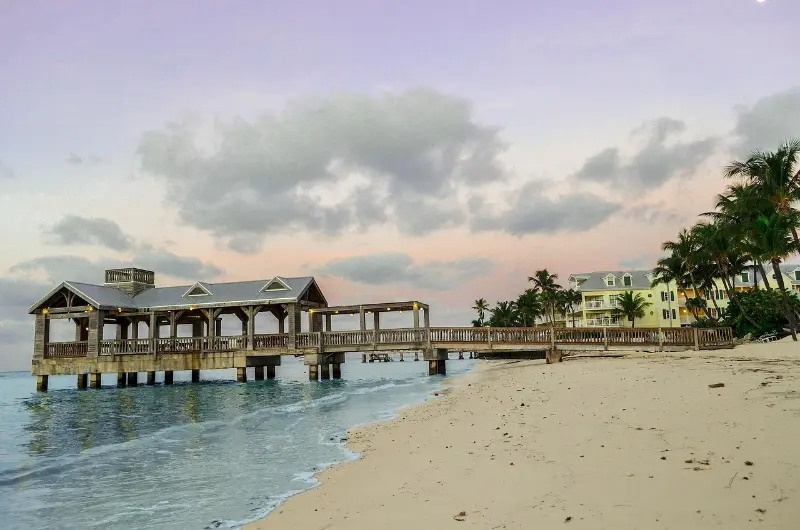
    Panama City Beach Florida Pier over Turquoise Sea

    Official information to check before travel

    Opening hours, access conditions, beach flags, parking arrangements, attraction restrictions and transportation services can change. Use official or primary sources shortly before travel when a specific feature is essential to your day.

    Final planning advice

    Panama City Beach is easiest to enjoy when the beach is treated as part of the schedule rather than the entire schedule. Choose one anchor experience, leave room for weather and rest, and keep the final hours of the day simple. That approach works for families, couples, teenagers, senior travelers and visitors with accessibility needs because it gives the trip enough structure to be useful without turning a Florida vacation into a sequence of deadlines.


  • Disney World and Universal Orlando in One Week: A Seven-Day Itinerary With Time to Rest

    Disney World and Universal Orlando in One Week: A Seven-Day Itinerary With Time to Rest

    A week in Orlando can become a blur of queues, shuttles and tired feet if every day is planned like a race. Combining Walt Disney World with Universal Orlando is possible without spending all seven days inside theme parks. The key is to treat the week as a vacation rather than an athletic endurance test: choose parks by your group’s interests, insert a genuine recovery day and build transportation into the plan instead of discovering it when everyone is exhausted.

    On this page

    This seven-day route assumes six nights or more in the Orlando area, a group that wants Disney and Universal, and a willingness to leave some headline rides for another visit. It is a framework, not a promise that specific attractions will be open. A toddler, an eight-year-old, a coaster-obsessed teenager and a parent who needs frequent breaks will require different priorities. Keep the shape of the schedule, but replace park selections according to your travelers.

    Before Day 1: Pick your parks and your ticket products

    Disney’s four principal parks are Magic Kingdom, EPCOT, Disney’s Hollywood Studios and Disney’s Animal Kingdom. Universal Orlando operates Universal Studios Florida, Islands of Adventure and Epic Universe, alongside the seasonal Volcano Bay water park. This itinerary gives three days to Disney and two to Universal, with arrival and recovery time. You can reverse that balance when Harry Potter, Nintendo and major coasters are the group’s primary reasons for traveling.

    Universal Orlando Covered Shopping Street

    List your five must-do experiences and place them on a map. A Harry Potter fan who wants the Hogwarts Express must pay attention to Universal park-to-park ticket eligibility. An Epic Universe day should be explicitly included in the purchased ticket product. Disney’s dated tickets and hopping options have their own rules. Avoid buying a more expensive admission package simply because it appears flexible; flexibility is valuable only if you will use it.

    Your accommodation should support a midday break or at least a comfortable early evening. Check travel times at the hours you will actually drive. Many off-site hotels advertise a theme-park shuttle but operate only a few trips, sometimes with reservations. Check the earliest departure and final return, and have a backup plan before committing.

    Day 1: Arrive, settle in and resist the urge to buy a park day

    Keep arrival day intentionally light, especially if you have traveled internationally or are arriving with young children. Pick up groceries or snacks, check the air conditioning, unpack rain layers, fill water bottles and test the travel time to your nearest park. Walk around the hotel property, swim if conditions and supervision allow, then eat an early dinner. Do not assume a flight landing at noon leaves enough time for a worthwhile afternoon inside a park. Immigration delays, baggage waits and traffic can undo that calculation quickly.

    A low-key first evening also provides time to set up official resort apps, confirm ticket linkage and look over accessibility and dining options. Decide who will carry identification, medications, portable phone chargers and emergency contacts. If the group includes infants, check that the sleeping arrangement and any provided crib meet your needs. If it includes someone with limited stamina, evaluate the longest walk from room to lobby and from parking to the elevators now, while changes might still be possible.

    Day 2: Start with Magic Kingdom or your most important Disney park

    For a first Disney visit with younger children, Magic Kingdom offers the most recognizable starting point. Rather than crossing the entire park for one famous attraction after another, select a small number of experiences in neighboring areas. Add a comfortable meal and one indoor show. Afternoon heat and thunderstorms can make a hotel break more useful than squeezing in an extra ride. If fireworks are the group’s highlight, consider a later start or a long midday rest so children are not overtired by evening.

    A group of teens or adults may prefer to start at Disney’s Hollywood Studios, where the attraction mix can better match film and thrill interests. What matters is giving the first full day to a park that genuinely excites your travelers. Check the calendar for the exact date, as early closing for a separately ticketed event can affect how much time you have. Measure success in smiles rather than rides completed; one thoughtfully paced day builds confidence for the rest of the week.

    Day 3: A contrasting Disney experience

    Use the second Disney day to balance the first. After Magic Kingdom, try EPCOT for an unhurried mix of exhibits, attractions and food, or Disney’s Animal Kingdom for animal habitats and a different kind of setting. Adults who enjoy photography or architecture might linger in EPCOT; nature-minded families may prefer a safari-oriented day. Check park hours and animal-care schedules because not every experience runs continuously until closing.

    This is also the day to practice splitting the group respectfully. Someone who dislikes simulators can choose a show or quiet meal rather than waiting unhappily for everyone else. Agree on the place and time to regroup, and confirm everyone has access to the hotel and emergency contacts. Schedule a seated lunch before everyone is hungry. Orlando’s humidity increases fatigue, and a shaded ten-minute pause can prevent the kind of argument that lasts the rest of the trip.

    Day 4: A real rest day in the Orlando area

    Do not rename this day “rest” and then fill it with three attractions. Sleep later, enjoy the pool under appropriate supervision, wash clothes and choose one short outing if anyone feels like it. A visit to Winter Park for a stroll and lunch can be pleasant for adults, while the Orlando Science Center may appeal to families who want an indoor activity; check admission and opening days in advance. It is equally reasonable to remain at your hotel.

    A rest day is not wasted ticket value. It is insurance against the accumulation of tiredness, especially when a member of your party is under five, over seventy, sensitive to crowds or using mobility equipment. Wet clothes can dry, sore feet can recover, and the group can adjust the next two park days after learning which experiences actually worked. If the weather forecast shows a particularly stormy day, move the rest day within the week where ticket validity allows.

    Day 5: Universal Studios Florida or Islands of Adventure

    Begin the Universal portion with the park that holds the greatest number of your group’s priorities. Universal Studios Florida mixes film-themed attractions and entertainment, while Islands of Adventure includes high-energy attractions and several richly themed lands. Check children’s heights and ride-specific motion effects. A family with one rider who loves coasters and another who avoids them should identify nearby alternatives in advance rather than leaving someone seated outside every queue.

    Universal Orlando Entrance Globe Fountain

    If Harry Potter is central to the trip, compare experiences in both parks and decide whether paying for park-to-park access to the Hogwarts Express makes sense. It may be more satisfying to enjoy one land thoroughly than hurry across the resort to catch every ride. For young families, consider a shorter day and early dinner. For thrill seekers, prioritize the hardest-to-do experiences in the morning and save shows, shops or slower attractions for later when fatigue sets in.

    Day 6: Epic Universe or a second Universal park

    Epic Universe is a full destination in its own right, with distinct themed worlds and attraction requirements. If the group wants Nintendo, additional Harry Potter experiences or its specific shows and rides, assign it a dedicated day rather than treating it as a small add-on. Verify that your tickets include admission on the chosen date. Universal’s Express products are not interchangeable across all parks, and on-site hotel benefits vary by property; review the official terms before spending money on queue options.

    If Epic Universe is not a priority, make this an Islands of Adventure day or use it for another park your group missed. Families with small children should not force a major thrill day merely to use an extra admission entitlement. More adventurous teenagers might stay later while other adults return to the hotel. Have a designated meeting point away from the busiest entrance corridor, and confirm that everyone knows the route back. The best plan is one that lets different ages enjoy themselves without compromising supervision.

    Day 7: Choose a third Disney park, a lighter park or a beach-free finale

    On the last day, evaluate the energy available instead of obeying a rigid timetable. A third Disney park can round out the experience: Disney’s Animal Kingdom offers a wildlife-oriented contrast, while Hollywood Studios may supply favorite rides not covered earlier. Alternatively, finish with a relaxed hotel morning, souvenir shopping within a fixed budget and a leisurely meal. If departure is the same day, avoid buying a park ticket you could lose to flight timing or luggage needs.

    This is also an opportunity to return to a favorite resort if your admissions allow it. Children sometimes value repeating a gentle attraction more than trying a new, intimidating one. Adults may prefer a slower visit to a garden, market or town center. Reserve time for packing and checking departure transportation; early flights can require an airport journey well before sunrise. Ending the week calmly is part of a successful vacation.

    How much park time does a mixed-age family really need?

    Five park days in a seven-day period can already be demanding. Babies need naps, preschoolers benefit from predictable meals, teenagers may tolerate more walking but not necessarily earlier starts, and adults can be more affected by heat than expected. Build one non-negotiable rest window into each day: a late breakfast, an air-conditioned lunch or a hotel return. The group should know it is normal to use that window rather than seeing rest as failure.

    Use a stroller or mobility aid when it improves comfort, with attention to each park’s rental and access rules. Carry water, sunscreen and weather protection. Orlando’s summer thunderstorms require stopping outdoor activities when warnings are issued; indoor attractions may temporarily close or become crowded. Never plan transfers so tightly that a delayed show, storm or traffic queue ruins a reservation at another park.

    Should you change hotels halfway through?

    A split stay can shorten transfers if three days are concentrated at Disney and two at Universal, especially with an accommodation that provides useful transportation. Yet hotel changes cost packing time, possible cleaning fees and energy. For families with multiple children or equipment, one comfortable centrally located base can be preferable. Compare total costs after parking, resort charges, shuttle limitations and transfers rather than the room price alone.

    If you switch hotels, consider doing so on the rest day rather than after a long park evening. Ask each property about luggage storage, check-in hours and any early access benefit. Make sure your luggage will fit the rental vehicle with child seats installed. A change of hotel is worthwhile when it clearly improves the trip; it should not be treated as necessary to visit both resorts.

    A realistic budget for a seven-day Orlando park vacation

    Separate spending into admissions, accommodation, transport, food and optional services. Multiply individual add-ons across every member of your group before deciding they are inexpensive. Families often overlook vehicle parking, ticket taxes, hotel resort fees, stroller rentals and souvenirs. Queue-management extras can be valuable on a particular day but are not a substitute for choosing the right parks and arriving with a sensible schedule.

    Set a modest per-person discretionary budget before entering the parks. Pack allowable snacks and refillable water bottles, but verify each operator’s rules. Compare on-site hotel benefits to actual off-site transport costs. A lower ticket quantity with meaningful rest days can be a better investment than paying for admissions you use only for an hour because everyone is too tired to continue.

    Ticket, accessibility and schedule checks before leaving home

    Read the official Disney World ticket options and Universal Orlando ticket options for your precise dates. Verify height rules, separately ticketed events, operating calendars and closures. For guests with disability-related needs, consult each park’s current accessibility guidance and describe specific requirements before traveling. Download the official apps but also carry a written backup with confirmation details and hotel address.

    Universal Orlando Themed Shops and Signage

    If anyone needs daily medication, a cooler or specialized nutrition, plan safe storage and screening procedures ahead of time. Discuss child supervision clearly, especially when a group is split across attractions. Keep weather alerts enabled and know how to get back to the room without relying on a single phone. This preparation is less glamorous than counting rides, but it makes the week more comfortable for every generation.

    Quick planning snapshot

    Planning pointPractical guidance
    Day 1Arrival, room setup and no compulsory park admission
    Days 2–3Two thoughtfully chosen Disney park days
    Day 4Genuine rest day or short local visit
    Days 5–6Two Universal days, including Epic Universe if chosen
    Day 7Flexible Disney day or relaxed departure

    Frequently asked questions

    Can we visit Disney World and Universal in a single week?

    Yes, but choose the parks that matter most instead of trying to visit everything. Three Disney days, two Universal days, an arrival day and a rest day are a workable starting framework, not a requirement.

    Is Epic Universe included in every Universal ticket?

    No. Products vary and you must verify that your exact ticket includes entry to Epic Universe for the intended date. Do not assume a two-park or older ticket includes it.

    Should I buy express or line-skipping products for every day?

    Not automatically. Evaluate the expected crowds, your group’s must-do attractions, accommodation benefits and total cost on each date before deciding.

    What if we have a toddler and teenagers together?

    Choose common morning attractions, then allow an adult-led split for age-specific activities. Keep meal and regroup times fixed, with explicit supervision and transportation plans.

  • Florida After 80: A Comfortable Seven-Day Sarasota and St. Petersburg Vacation

    Florida After 80: A Comfortable Seven-Day Sarasota and St. Petersburg Vacation

    A Florida vacation after age 80 can be full of coastal views, good food, museums and nature without requiring a packed itinerary. The difference is often in the details: a hotel close to dinner, an elevator that actually serves the room, safe transfers from the car, and enough time to enjoy each place before fatigue becomes a problem. Travel companions should discuss preferences rather than assuming everyone of a particular age has the same abilities.

    This seven-day plan focuses on Sarasota and St. Petersburg, two Gulf Coast areas that offer cultural attractions, promenades, gardens and relatively short regional day trips. It is designed for someone who prefers a comfortable pace, whether traveling alone with appropriate support, as a couple, or with younger family members. It is not a medical fitness assessment. Tailor activities to the traveler and seek individual medical advice where needed.

    Choose one or two hotels, not a new bed every night

    For seven days, either spend the entire week in one base with local excursions or split it between Sarasota and St. Petersburg. Avoid changing hotels more than once. A room that is inexpensive but far from restaurants can lead to repeated long car journeys, difficult evening walks and added parking stress. Before booking, call the property to confirm a walk-in shower if needed, grab bars where relevant, a working elevator, step-free entry, seating in the room and the exact layout of any accessible bathroom.

    If someone uses a walker or wheelchair, ask for dimensions and photographs rather than accepting the word accessible at face value. Check the distance from parking to the entrance and whether valet parking is mandatory. In a vacation rental, stairs and pool fencing deserve equally careful questions. A suitable hotel is one where an exhausted person can comfortably return for an afternoon rest.

    Day 1: arrive and make the first evening effortless

    Plan no attraction on arrival day. Collect luggage, take a prearranged transfer or rental car, check into the hotel and eat nearby. Even a short flight can become tiring when combined with a long airport walk and busy road traffic. If a traveler benefits from airport assistance, request it through the airline ahead of time rather than hoping a wheelchair or escort will be immediately available at the gate.

    Choose a hotel with a restaurant on site or a short, level route to dinner. Unpack essential medicines into a safe, accessible location; keep a written list of medications and contacts. Make sure everyone knows the room number, how to request help from the front desk and the easiest return route from the lobby. If travel goes smoothly, a fifteen-minute sunset stroll is a pleasant extra, not an obligation.

    Day 2: Sarasota’s cultural side at The Ringling

    The Ringling in Sarasota is a strong choice for travelers who enjoy art, history and gardens, but its grounds are extensive. Select one main component—such as the art museum—and allow time for seated breaks. Do not assume that a ticket to the complex means every gallery, historic building or tour is equally accessible at all times. Review current accessibility information and opening hours using The Ringling’s official site.

    Ringling Circus Museum Sarasota Florida Historic Building

    Have lunch either on site where available or back near your hotel, then keep the afternoon open. Someone who loves museums may prefer ninety unhurried minutes over three hours of trying to see everything. Travel companions can explore separate areas and meet at a prearranged indoor location. If walking outside is uncomfortable, indoor galleries may be preferable to gardens in the midday heat.

    Day 3: gentle nature at Oscar Scherer State Park

    Oscar Scherer State Park near Osprey can provide a taste of Florida wildlife without committing to strenuous hiking. The park lists the Lester Finley Barrier Free Trail, Lake Osprey Trail, accessible observation amenities, picnic areas and a nature center. Choose the route after discussing present conditions and surfaces with staff. The state park amenities page provides useful advance detail.

    A short trail and a long shaded picnic may be all you need. Bring water and a supportive seat cushion if it helps. Do not schedule boating or swimming merely because those activities are offered; the nature experience is worthwhile from shore. Nature center hours can differ from the park’s general opening hours, so verify them separately. Return to the hotel before afternoon heat, leaving time for a quiet evening meal.

    Day 4: transfer north with a relaxed lunch break

    If changing hotels, travel from Sarasota toward St. Petersburg as a single, unrushed transfer day. Choose one lunch stop, avoid major detours and arrive with enough daylight to become familiar with the new property. Routes and travel times depend on traffic, particularly around Tampa Bay and bridges; navigation estimates are not promises. If staying in Sarasota all week, this can instead become a rest day or a modest local outing.

    The best use of the afternoon is settling in. Confirm whether your parking space is close, locate the elevator, and check that the air conditioning and bathroom meet expectations. A waterfront-view room is pleasant, but it is not automatically worth stairs, a faraway building or an awkward shower. People traveling with family may appreciate a couple of independent hours after three days together.

    Day 5: St. Petersburg’s waterfront and The Dalí Museum

    St. Petersburg pairs waterfront parks and museums with comfortable restaurants. The Dalí Museum may appeal to art lovers, while someone less interested in galleries could enjoy a short visit to the waterfront and a cafe. Look at current exhibitions and accessibility information at the official museum website before deciding whether advance tickets are necessary.

    A museum-first morning leaves room for a light lunch and a short waterside stroll. The St. Pete Pier district has free public access, although particular attractions and food outlets charge separately; its official FAQ gives useful visiting information. Do not feel obliged to walk all the way to the pier’s end. A suitable bench with a breeze and a view may be the better experience.

    Day 6: choose between a beach view and a second cultural day

    This is the flexible day. For a beach atmosphere, choose a coastal restaurant, accessible promenade or beach access with documented parking and a short route. Some beaches provide mobility mats or beach wheelchairs, but availability varies and should be confirmed with the managing authority. Watching the Gulf from a comfortable seat is a legitimate beach day, especially when sand makes walking unsafe or exhausting.

    If someone prefers indoors, use the day for another art museum, a small history exhibit or a leisurely lunch. Families can split up: one group spends an hour in the sand while another enjoys a nearby accessible cafe, then everyone reunites. Check thunderstorms and heat before leaving. An itinerary should respect the least comfortable traveler without preventing others from choosing optional activities.

    Day 7: breakfast, checkout and a calm journey home

    Keep departure day free of major sightseeing. Allow extra time for medication routines, the hotel’s elevators, airport security and any prearranged mobility assistance. Before leaving, check drawers, chargers, glasses and refrigerated items. A photo of the packed luggage arrangement can be helpful if a cane or mobility aid has been stored separately.

    If returning a rental car, know where the rental facility is before driving to the airport; some require a shuttle connection. Refill fuel according to the contract and budget for traffic. Travel is easier when the final day is predictable. If the flight is late, request an extended checkout in advance rather than assuming it will be available for free.

    Alternative: stay in one Sarasota-area hotel all week

    For travelers who find packing and hotel transfers difficult, choose one accommodation for the entire seven days. Sarasota has beaches, The Ringling, parks and restaurants, while Osprey and nearby communities offer easy nature excursions. A day trip to St. Petersburg is possible for many drivers, but it need not be included. A simpler trip can be richer than a more geographically ambitious one.

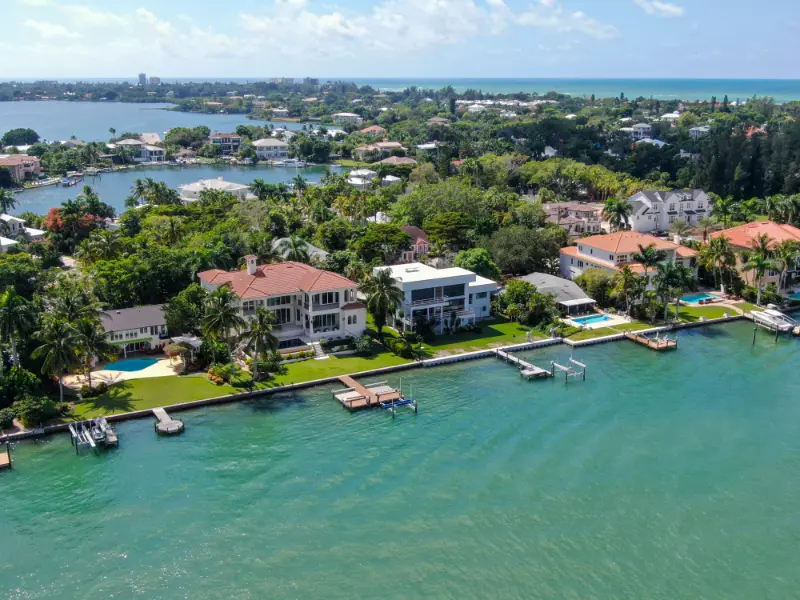
    Sarasota Florida Canalfront Houses Aerial

    A one-base holiday also works for families with children of different ages. Younger companions can arrange an optional theme-park or beach day on their own while an older relative enjoys a quiet morning. Agree in advance on shared meals and independent time. The goal is a welcoming trip, not insisting that everyone participate in every activity.

    Timing: when is this trip most comfortable?

    Many travelers prefer the less humid parts of the year, but winter can bring cooler fronts, high-season demand and busy restaurants. Spring can be pleasant, with spring-break crowding in some areas. Summer often means heat, high humidity and afternoon thunderstorms. Late summer and fall require careful attention to hurricane forecasts and booking flexibility. Check the National Weather Service and current local notices rather than choosing dates based only on a monthly average temperature.

    Build days around the forecast. A museum morning and hotel rest make sense on a hot day; a garden walk may be nicer in mild weather. For people who need regular medication or medical equipment, storage temperature and power reliability should form part of the lodging decision. If a storm warning is issued, follow local emergency directions promptly.

    Food, medication and health considerations

    Staying hydrated, enjoying familiar meals and taking normal medications on schedule help many travelers remain comfortable, but individual needs differ. Discuss long flights, medications, mobility, circulation concerns and medical equipment with a clinician when appropriate. International visitors should examine health insurance coverage carefully; U.S. medical care can be costly. Keep prescriptions and essentials in carry-on baggage, using original packaging when suitable.

    For restaurant meals, reserve a table when a venue is busy and request seating that avoids stairs if necessary. Ask about restroom access before ordering. Long lines and loud music may make a highly rated restaurant less appealing. Consider an early dinner, particularly if evening driving is difficult. There is no prize for spending the entire day away from the hotel.

    A simple budget and booking checklist

    Compare the full accommodation price including parking, taxes, any resort fee and the cost of a suitable room type. Decide whether a rental car is genuinely necessary or whether transfers and local rides are easier. A vehicle with comfortable seating and easy entry can be more useful than the least expensive option. Museums, state parks and organized tours may charge admission, and discounts can depend on residency or specific eligibility.

    Before paying for nonrefundable activities, check cancellation terms and physical requirements. Keep a list of essential contacts, preferred hospital or urgent-care options and family phone numbers. If travelers are in different rooms, agree on a simple way to communicate. A comfortable holiday is often the result of a few practical questions asked early.

    Frequently asked questions

    Is Florida a good vacation destination after age 80?

    It can be. Choose suitable lodging, manageable transfers, activities with seating and access, and a schedule matched to the individual’s health and interests rather than their age alone.

    Do we need a rental car for Sarasota and St. Petersburg?

    A car can make scattered outings easier, but airport transfers and rideshares may work if the hotel is near restaurants and attractions. Check availability of suitable accessible vehicles before booking.

    Should we visit the beach if someone cannot walk on sand?

    Yes, if they enjoy coastal scenery. Choose a promenade, accessible viewpoint, restaurant or verified beach-mat location. Sand access is not necessary to appreciate the coast.

  • Florida Solo Travel After 70: Six Unhurried Nights in Sarasota

    Florida Solo Travel After 70: Six Unhurried Nights in Sarasota

    A solo Florida vacation after 70 does not have to revolve around a cruise, a large organized tour, or someone else’s timetable. Sarasota makes an appealing base for travelers who want time for art, sea air, gardens, and comfortable meals without packing up every morning. The important question is not whether you can fit six attractions into a day. It is whether you can enjoy one or two places, get back easily, and still feel enthusiastic about tomorrow.

    This six-night plan works best for an independent traveler who is comfortable arranging ordinary transportation but prefers shorter outings and reliable indoor alternatives. It can also help a companion planning for a parent. Individual mobility, hearing, stamina, and health differ enormously among people of the same age, so the plan offers choices rather than assuming that everyone over 70 wants the same pace.

    Six nights at a glance

    Day Main idea Keep it comfortable
    Arrival Settle into one Sarasota base No prepaid attraction after traveling
    One Bayfront, downtown, and an easy meal Pick a short waterfront section
    Two The Ringling’s art and grounds Museum first, grounds if energy allows
    Three Siesta Key beach or a shaded park Verify beach mat and transport access
    Four Selby Gardens or a quiet cultural stop Book a timed entry if offered
    Five Venice waterfront or an extra Sarasota day A day trip is optional, not mandatory
    Departure Breakfast and a calm transfer Keep a buffer for traffic and luggage

    Choose the right neighborhood before choosing a hotel

    Downtown Sarasota is helpful if you enjoy restaurants, cultural venues, and a bayfront setting with some walkable blocks. A property close to Main Street may reduce evening driving, but distances on a map do not tell you whether crossings, sun exposure, or construction will make a walk pleasant. Ask the accommodation for the distance from the actual room entrance to a suitable restaurant and whether a ground-floor room or reliable elevator is available. Request a shower arrangement that matches your needs instead of relying on the broad word accessible.

    Staying on or near Siesta Key can be lovely if the beach is your priority, but it may mean more transport to museums or downtown. An inland hotel with uncomplicated parking may suit someone driving a rental car. Compare the total cost of lodging, parking, resort fees, and taxis rather than treating the cheapest nightly rate as the best value. If you do not plan to drive, centrality and a realistic transfer plan are worth paying for.

    Arrival: make your first evening deliberately easy

    Travel is tiring even when nothing goes wrong. Arriving at an airport, collecting luggage, finding a rideshare pickup, and checking in can take longer than expected. Reserve the first evening for groceries or a simple meal near the hotel. Identify a pharmacy, a place to get drinking water, and the best route back to your room after dark. Save the hotel’s address and telephone number offline. If you use medication requiring refrigeration, confirm a usable refrigerator before paying and bring a backup plan for delays.

    Sarasota Bradenton International Airport can be convenient for the area, while flights into Tampa or other larger airports may require a substantially longer transfer. A prebooked car service can be worthwhile after a long flight, especially when you prefer clear pickup instructions or assistance with luggage. Ask about the full charge, waiting time, and cancellation terms. Do not assume the rental desk will still be open if your flight lands late.

    Day one: Sarasota’s bayfront and downtown at your own pace

    Begin with breakfast, then visit a manageable part of the bayfront rather than committing to a long uninterrupted waterfront walk. The Bay and other public waterfront spaces offer opportunities to sit and enjoy the scene, but check current path and event information before setting out. Choose a route with benches and nearby restrooms, and turn around while you still feel comfortable. Morning is often kinder than midafternoon in warmer months.

    Sarasota Florida Canalfront Houses Aerial

    After lunch, explore a couple of downtown blocks, a bookstore, or a café. This is not a day to test your endurance. If the weather changes, switch to a gallery or a relaxed indoor meal. Traveling alone offers a genuine advantage here: you can stop because something catches your interest and return whenever you want. Keep a small card with your accommodation address and an emergency contact even if you normally rely on a smartphone.

    Day two: spend time with art at The Ringling

    The Ringling’s collections and grounds can easily occupy more than one visit. Study the official museum visit information to decide which buildings, exhibitions, and gardens matter most. Prioritize the Museum of Art if indoor comfort or weather is the deciding factor, then consider the other experiences only if you have energy and the appropriate admission. On a large campus, the distance between attractions is part of the outing, not an afterthought.

    Plan a seated break after an hour or two, and check accessibility details directly with the museum if you use a cane, walker, wheelchair, or hearing assistance. Do not assume every historic building has exactly the same access arrangements. Photography rules and special exhibition times can change. You will get more out of three galleries you can enjoy slowly than a rushed circuit of everything with no chance to absorb the art.

    Day three: enjoy Siesta Beach without needing a long beach walk

    A beach day can mean watching the ocean, reading beside the pavilion, or sharing lunch under cover. You do not have to swim or walk far along the sand to enjoy Sarasota’s coast. Siesta Beach has accessibility features, including a beach access mat described by the local tourism organization; check its current location and the availability of other equipment before traveling. The Sarasota County accessibility guide provides a useful starting point, not a substitute for confirming your particular needs.

    Choose a day with suitable weather and a calm return journey. Sand can be harder to navigate than expected, and a comfortable morning can turn hot quickly. Sunscreen, water, footwear, a shaded resting option, and a planned restroom are more important than a perfect photograph. If the coast is windy or crowded, exchange the outing for a local garden or an indoor venue without treating the change as a failure.

    Day four: a garden day with time to sit and notice details

    Marie Selby Botanical Gardens offers a different mood from the beach. Verify the particular campus, exhibition, parking arrangements, opening hours, and ticket requirements on the official Selby Gardens website. Paths, temporary displays, and special-event access can affect the visit. If the weather is hot, arrive early and prioritize a short selection of the grounds. Plant displays reward attention; the value is in looking closely rather than covering a particular distance.

    Some travelers prefer a café visit or a quiet afternoon after a garden. Others may enjoy another gallery or a small downtown concert. Check the actual performance duration, seating and transport home before booking. If you are sensitive to noise, ask about amplified music and venue layout. A relaxed cultural night can be memorable without demanding a late return or an unfamiliar drive.

    Day five: decide between Venice and a second Sarasota day

    Venice is a possible excursion for travelers who enjoy another coastal downtown and a change of scenery. Before committing, compare the driving and parking effort with the actual time you want to spend there. You might prefer a short downtown stroll, lunch, and a visit to a beach viewpoint rather than several separate attractions. Conditions at individual beach accesses, including storm repairs and facilities, can change. Look at municipal updates on the morning of departure.

    If you would rather remain in Sarasota, repeat a favorite place. Return to a museum room you rushed, spend another morning on the bayfront, or simply take a leisurely breakfast. A trip becomes more personal when it leaves space for preferences discovered along the way. The extra day is also valuable if rain affected an earlier plan. There is no obligation to turn a six-night stay into a regional road trip.

    Getting around safely without making the itinerary rigid

    A solo traveler can mix short taxi or rideshare journeys with carefully chosen walks. Before relying on any local bus route, check its current schedule, stop location, and accessibility on the Sarasota County transportation website. Demand-responsive services and ordinary fixed-route buses have different eligibility and booking procedures. Never assume a vehicle will be waiting at a tourist attraction when it is time to return. For an evening outing, decide how you will get home while you are still at the hotel.

    Driving yourself provides freedom but introduces parking, traffic, and unfamiliar junctions. Avoid making your first Florida driving experience a late-night journey immediately after a transatlantic flight. If you use a mobility aid, confirm the trunk can accommodate it. When booking an accessible ride, explain the equipment and assistance you require rather than assuming every car can handle it. A short, predictable outing is often worth more than a complicated connection.

    Meals, hydration, and an achievable daily budget

    You do not need a fine-dining reservation every evening. Look for restaurants with comfortable seating, manageable noise, and clear opening times. Lunch can be the main restaurant meal, with a lighter dinner close to the hotel. Ask about portion sizes, service charges, and whether a restaurant can accommodate dietary needs. Florida tipping practices may be different from those at home, so examine the bill before adding an amount that has already been included for a group.

    Build a budget with separate lines for accommodation, airport transfer, daily local transport, meals, museum admission, and a contingency fund. A conveniently located hotel may eliminate several taxi journeys, but the saving varies by itinerary. Compare full totals rather than promotional nightly rates. Set aside money for an unexpected additional hotel night or urgent transport; being prepared makes solo travel more comfortable, not less adventurous.

    Comfortable travel when you use medication or mobility support

    Carry prescription medicine in properly identified packaging and keep essentials in hand luggage when flying. Bring a written medication list and the name of your travel insurer, and know how to reach emergency assistance. US medical care can be costly for visitors without suitable coverage, so review emergency and preexisting-condition terms before departure. If you have significant health concerns, discuss the trip with your clinician. This article is about practical travel planning, not individualized medical advice.

    Let your accommodation know about any essential mobility or hearing accommodations before arrival, and request written confirmation. If you prefer a room near an elevator, specify it. If a step-free shower is necessary, distinguish that from a room that simply has grab bars. Ask for a quiet room if sleeping well is a priority. Keep afternoons adaptable, take breaks before fatigue becomes severe, and remember that wanting comfort does not mean wanting an uninteresting vacation.

    Staying confident and connected while traveling alone

    Share your basic itinerary with a trusted person, including the hotel and intended day-trip areas, without feeling compelled to report every minute. Charge your phone each evening, carry a small backup battery, and save maps offline. In restaurants or crowded venues, keep your bag in view. If a stranger offers unsolicited help with tickets, transport, or luggage, politely direct them to official staff. Use an established provider for airport transfers and review cancellation policies in advance.

    At the same time, do not let safety planning crowd out spontaneity. Chat with museum volunteers, ask a bookseller for a local recommendation, or enjoy a waterfront bench without a phone in hand. Sarasota offers enough variety that a thoughtful six-night trip can feel rich without daily long drives. Solo travel at 70, 80, or beyond is not defined by a number: choose what works for your interests and abilities today.

    Frequently asked questions

    Is Sarasota a good Florida destination for someone traveling alone after 70?

    Yes, especially if you enjoy museums, gardens, coastal scenery, and a slower pace. Choose accommodation and transport around your own walking comfort and interests rather than an age-based formula.

    Do I need a rental car for six nights?

    Not necessarily. A well-located hotel with taxis or prearranged transfers may work, although beach and garden visits need more transport planning. Compare the full cost with parking and rental charges.

    Can I enjoy Siesta Beach if I do not want to walk on the sand?

    Yes. Focus on the beach pavilion, nearby seating, and designated accessible routes where available. Confirm current mats, equipment, parking, and restroom arrangements before your visit.

  • Florida Keys Beyond Key West: A Six-Day Trip from Key Largo to Big Pine Key

    Florida Keys Beyond Key West: A Six-Day Trip from Key Largo to Big Pine Key

    The Florida Keys are often described as a drive to Key West, but treating the islands as a destination in their own right produces a very different vacation. You can watch fishing boats leave Islamorada, learn about injured sea turtles in Marathon, take an easy waterfront walk in Key Largo, and visit the protected habitats of Big Pine Key without spending every morning packing a suitcase. This six-day Florida Keys itinerary stays north of Key West. It suits couples who enjoy quiet evenings, families who need predictable breaks, and older travelers who want coastal scenery without a nonstop round of tours.

    The most useful planning decision is to select two accommodation bases, not six. Spend the first three nights around Key Largo or Islamorada and the next two or three in Marathon, depending on when you depart. The distances on US 1 look modest, but traffic across bridges, restaurant queues, boat schedules, and the temptation to pull into scenic roadside stops make travel slower than the map suggests. Book time-sensitive boats first and build the remaining days around them.

    At a glance: six days in the Upper, Middle and Lower Keys

    Day Base Main experience Easier alternative
    1 Key Largo Arrive, short waterfront visit, sunset Early dinner close to hotel
    2 Key Largo John Pennekamp area and optional reef excursion Shore-based park visit or sheltered boat
    3 Islamorada Marine history, galleries, harbor views One museum and a long lunch
    4 Marathon Turtle Hospital, Old Seven Mile Bridge area Observation stops rather than long walks
    5 Marathon Bahia Honda and Big Pine Key wildlife Scenic drive and refuge nature center
    6 Departure Breakfast and return along US 1 Add an overnight stop in South Florida

    A round trip through Miami is straightforward in concept, but do not schedule a tight flight connection after a full sightseeing morning. US 1 is the main artery through the islands, and a crash or storm can disrupt your journey. For an early flight, a final night near the airport is a sensible purchase, not wasted vacation time.

    Day 1: enter the Keys slowly through Key Largo

    After collecting your rental car in Miami or Fort Lauderdale, take time to buy water, simple breakfast supplies, and any items unavailable at a small island convenience store. This is especially valuable for parents who need diapers and familiar snacks or travelers managing a dietary restriction. Choose a room with parking included or clearly priced. A waterside location is pleasant, but it is not worth paying an enormous premium if the property’s pool, elevator or accessible room does not meet your needs.

    Use your first afternoon to settle in. Look for an established waterfront restaurant or an easily accessible marina viewing area rather than committing to a boat excursion immediately after a flight. Sunset can be beautiful around the bay side, but sea walls, marinas and private waterfront property are not necessarily public access. Ask the accommodation desk which public waterfront spots are suitable for a short, legal visit. Families with jet lag can make dinner the day’s main event and return before children become overtired.

    Day 2: choose your Key Largo water experience carefully

    John Pennekamp Coral Reef State Park provides an introduction to the marine environment that makes the Upper Keys famous. The park is associated with snorkeling, diving and glass-bottom-boat opportunities, although actual tour operations, accessibility and conditions should be confirmed directly before booking. A reef outing is only enjoyable if the weather, seas, swimming ability and everyone’s comfort level align. Children who have never snorkeled should not be pressured to attempt a demanding open-water excursion merely because the rest of the family is excited.

    Key West Wooden Pier and Calm Water

    For mixed ages, split the party only when there are enough capable adults to supervise. One adult could explore a nature trail or visitor exhibits with a preschooler while others take a booked boat trip. People who experience motion sickness may prefer shore activities, a calmer itinerary or a different day. Confirm departure location and check-in requirements: arriving at the park entrance is not the same as standing at the boarding point at the required time. Leave the afternoon flexible for shade, a swim at an approved swimming area, or the hotel pool.

    Day 3: Islamorada without rushing from stop to stop

    Islamorada rewards a loose morning plan. Browse a small art gallery, visit a maritime or local history stop where available, and leave time to watch working harbors. Roadside attractions vary widely: some feature animals, others focus on fishing and commercial experiences. Read the full details before purchasing tickets, particularly when a wildlife encounter is marketed as suitable for everyone. A family interested in marine conservation may get more from an educational presentation than from a crowded paid photo opportunity.

    Lunch by the water is a natural centerpiece here. If your group includes an older traveler who cannot stand long, ask about seating and parking when reserving. If you plan a fishing charter, inquire about boat shade, on-board toilets, sea conditions, trip length, license coverage, and what happens when weather forces cancellation. A half-day private charter may be better than an ambitious full-day outing for people trying fishing for the first time. An entirely land-based day is also a legitimate way to enjoy Islamorada.

    Day 4: Marathon, sea turtles and island history

    Move south after breakfast, aiming to arrive in Marathon without feeling obliged to fill every hour. The Turtle Hospital is an educational attraction centered on sea turtle rescue and rehabilitation; tours should be booked and their current age, timing, and access provisions confirmed. Discuss with children beforehand why rehabilitating an injured animal differs from a petting zoo. This makes the visit more meaningful and avoids the expectation that every turtle can be touched or photographed closely.

    The Old Seven Mile Bridge and Pigeon Key area add an entirely different story: rail history and how people connected these islands before the modern highway. Walking the bridge can be hot and exposed, and the distance people want to cover differs considerably. Take a short section for a photograph rather than treating the full route as compulsory. If a guided island visit interests you, check the official Pigeon Key transport arrangements, reservations and departure points; do not assume the bridge walk is required or that every part is accessible.

    Day 5: Bahia Honda and the natural Lower Keys

    Bahia Honda State Park is a useful beach-and-scenery stop, but conditions can change after storms and certain facilities or beach areas may be limited. Check the park’s current information, parking and accessibility before leaving Marathon. The best family plan is a comfortable morning with drinking water, broad shade and an exit time agreed in advance. The presence of bright water is not a guarantee that swimming conditions are safe. Consider tides, wind, marine advisories, flags and each person’s abilities.

    Continue toward Big Pine Key to understand the extraordinary habitats that protect Key deer. Begin with the National Key Deer Refuge nature center when open. Wildlife can be seen near roads and residential areas, so slower driving is both respectful and safer. The refuge explicitly asks visitors not to feed deer and to pull completely off the road if observing wildlife. Do not walk into vegetation for a better photograph or block traffic to watch animals. For a short walk, ask refuge staff about current surfaces and conditions: some trails are firm and short while others are uneven, exposed and affected by rain.

    Day 6: return north with room for delays

    Departure day is best reserved for the drive. Build in a relaxed breakfast, a fuel stop and one or two optional pauses only if traffic is cooperative. Families often underestimate how long it takes to clear a vacation rental, repack car seats and return an airport rental vehicle. For a party of five or six, all that luggage may also demand a larger vehicle than the accommodation’s advertised sleeping capacity suggests. A compact SUV may seat everyone but still fail the suitcase test.

    Before joining the busiest northbound stretches, review the traffic report and weather. If you have two more days available, add one extra night in Marathon for another nature or beach day rather than attempting an excursion and a flight on the same afternoon. If you must fly out on day six, make the morning deliberately uneventful. You will remember the trip for its marine landscapes, not for squeezing in one final rushed stop.

    Where to stay: choosing a base that suits your group

    Key Largo has the strongest case for travelers flying into Miami who want to minimize their initial drive and book reef-related outings. Islamorada suits guests who value waterfront meals, marina activity and a quieter resort rhythm. Marathon is strategically placed for Bahia Honda, Pigeon Key and the Lower Keys; it also makes a long trip from the Upper Keys to Big Pine unnecessary. Two bases are usually enough unless you have an unusually long stay.

    Compare the total stay rather than the nightly rate. Resort charges, parking, housekeeping arrangements, minimum-stay requirements, cancellation rules, and kitchen facilities can change the actual value. A waterfront room on the second floor is a poor choice for someone who needs step-free access if the lift is unreliable or the pool has no usable entry. Ask for a description of the real access route from parking to room to restaurant. Families should also verify crib availability and whether the property permits storing or heating baby food.

    What the Keys cost and where not to economize

    There is no honest universal daily price for a Keys vacation: winter and holiday nights can cost substantially more than less popular weekdays, and water tours add quickly to the budget. Price your accommodation first, then the car, parking, meals, excursions and fuel. Select one paid signature activity every one or two days; free views, short walks and unhurried meals can fill the spaces in between. Reserving every morning boat tour creates a fragile plan when the wind rises.

    Do not economize on properly fitted child restraints, sufficient hotel sleeping space, reliable transportation, or appropriate insurance protection for your circumstances. If an excursion is nonrefundable, look at its weather policy in writing. Travelers who cannot handle an exposed, bouncy boat should not select one purely because a discounted ticket is available. Value means paying for experiences your particular group can actually enjoy.

    Timing, weather and environmental responsibility

    The Keys can feel warm much of the year, but a passing cold front, strong wind or heavy rainfall can make a boat day impossible. Hurricane season adds uncertainty from June through November; watch official weather alerts, respect evacuation notices, and favor flexible reservations during higher-risk periods. In any season, high UV exposure and limited shade can turn an easy walk into a tiring experience. Plan outdoor visits earlier, carry water, and retreat indoors during lightning.

    Never stand on coral, touch marine organisms, feed fish or discard fishing line. In Key deer country, drive attentively and stay at a respectful distance. Beaches, mangroves and submerged habitats are the reason the Keys attract visitors; treating them as more than a backdrop keeps the trip worthwhile. The official Florida Keys tourism guide, National Key Deer Refuge and Florida State Parks provide current visitor information.

    Adapt the trip for children, non-swimmers and older visitors

    With babies or toddlers, make the morning your one planned outing and keep a calm place for naps. With teenagers, allow one independently chosen activity, such as a reputable supervised watersport lesson, rather than asking them to attend every museum. With older adults, favor two or three-night hotel blocks, accessible bathrooms, comfortable restaurant seating, and attractions that can be enjoyed in thirty- to sixty-minute portions. Non-swimmers can still enjoy visitor centers, dockside restaurants, shorebird watching and many scenic locations.

    The essential rule is to plan according to the least flexible need, not the fastest traveler. Somebody who walks slowly or becomes exhausted in the heat should not feel responsible for spoiling anyone else’s vacation. Sometimes the best compromise is breakfast together, separate midday outings, and an early evening meal back at the same hotel. That arrangement gives the whole group a shared experience while respecting individual energy levels.

    Frequently asked questions

    Can you visit the Florida Keys without going to Key West?

    Absolutely. Key Largo, Islamorada, Marathon and Big Pine Key can support a full six-day vacation with wildlife, water, history and dining. In fact, skipping the final drive may create more time for the parts of the Keys that interest you most.

    Is this itinerary suitable for someone who cannot swim?

    Yes, provided you choose shore-based activities and evaluate boat tours separately. Water-based excursions are optional, not the organizing principle of the trip. Look for museums, refuge facilities and short coastal viewpoints.

    Do you need a different hotel every night?

    No. Two well-chosen bases reduce packing, rental-car loading and unnecessary road time. One base may also work if you concentrate on a smaller part of the island chain and accept longer day trips.

  • Florida History With Kids Ages 7–11: Six Days from St. Augustine to the Space Coast

    Florida History With Kids Ages 7–11: Six Days from St. Augustine to the Space Coast

    History becomes much more interesting to children when they can stand inside a real fort, look across an old harbor or see an actual spacecraft instead of memorizing dates from a textbook. Florida is particularly good for this kind of family travel because its Atlantic coast connects stories of Indigenous communities, Spanish colonial power, maritime trade, coastal defense and the American space program. Those subjects deserve honest explanations, but they can be explored in a way that welcomes curious children.

    This six-day route is designed for families with children roughly ages 7–11. It begins in St. Augustine and finishes on the Space Coast, with three nights in each region. A rental car makes the journey easier; the daily schedule includes only one major attraction because young children can learn plenty from an hour of careful exploration followed by a swim or a restful lunch. The aim is an enjoyable family vacation, not a demanding history course.

    Choose the right approach to history for children

    Before departure, ask your children what interests them: castles, ships, stories about people, unusual buildings or rockets. Let each child pick a question to investigate. At a fort, it may be “How did people carry water?” or “What happened when someone was sick?” At a space exhibit, it could be “How did astronauts eat?” Questions that connect daily life to a historic place are more engaging than simply asking children to remember names and years.

    Florida’s history is not a story of only one group of settlers. Long before European colonization, Indigenous nations and communities lived across the peninsula, and their descendants remain part of Florida today. Colonial forts also connect to enslavement, conflict, migration and resistance. Present these themes honestly, using age-appropriate language and interpretation from official museums and parks. Avoid describing painful histories as amusing battles or treating living cultures as exotic decorations.

    Pack notebooks if your children enjoy drawing, but do not make every activity into homework. One sketch, one question and one favorite fact are enough to turn a visit into a conversation over dinner.

    Day one: arrive in St. Augustine and explore the old streets

    St. Augustine provides a strong introduction because its historic core is compact enough for a short afternoon walk, yet different attractions require different amounts of time. After checking in, choose a public square or short street section near your accommodation and enjoy the buildings, waterways and lively atmosphere. Older streets can have uneven paving, so a family using a stroller or mobility aid should plan the exact route rather than assuming all historic areas are smooth.

    Saint Augustine Florida Historic Waterfront at Night

    Let children compare old building styles with the places they know at home. Ask them which features might have helped people cope with heat, storms or daily work. A waterfront view can lead naturally to questions about transportation before cars. Do not overload the afternoon with paid tours: the sense of place is part of the lesson.

    If you choose a hotel near the historic center, verify whether parking is included. Some lodgings in older buildings have stairs or limited family room options. Eating dinner near the hotel helps children settle and leaves everyone rested for the fort the next morning.

    Day two: Castillo de San Marcos and its Junior Ranger program

    The Castillo de San Marcos National Monument is one of Florida’s most vivid places to explore colonial military history. Its walls, rooms and position beside the Matanzas River help explain how the city was defended. The National Park Service visitor guidance recommends allowing time for the visit, while its Junior Ranger resources provide an engaging way for children to explore, ask questions and learn.

    Do not promise a cannon demonstration without checking the current program calendar. Even when special activities are unavailable, the site’s architecture and exhibits make an interesting visit. Invite children to identify where food might have been stored and what life inside a defensive structure could have felt like. Keep discussions sensitive: military sites tell stories of people under threat, not merely exciting battles.

    Take water and plan shade breaks. Parts of historic structures can involve stairs, exposed areas and uneven surfaces, so families traveling with grandparents or wheelchairs should consult accessibility guidance. After the visit, choose a casual lunch and one short neighborhood activity at most. The fort deserves time for questions and reflection rather than being squeezed between attractions.

    Day three: Fort Mose or Fort Matanzas—choose one

    The third day offers two distinct historical stories. Fort Mose Historic State Park, north of the center, introduces the history of freedom seekers and a community of formerly enslaved people associated with Spanish Florida. It is an important corrective to accounts of the region that focus solely on governors and forts. The official state park page lists visitor center and tour arrangements, which do not necessarily match grounds opening days. Check before you plan the day’s timing.

    Fort Matanzas National Monument, south of St. Augustine, offers another approach through maritime defense and a short passenger ferry to a historic fort. The National Park Service says free boarding passes must be collected in person from its own visitor center and that ferry tours do not run on Tuesdays and Wednesdays. Every family member needs a pass, including babies. Because passes are first come, first served and the historic fort involves stairs and other constraints, this is not a guaranteed accessible outing.

    Choose the site that fits the children’s interests and your group’s mobility. Fort Mose emphasizes a profound story of freedom and resilience; Fort Matanzas emphasizes the geography and defense of a waterway. Attempting both in one day can be stressful. A short beach visit afterward, if conditions are safe, provides a change of pace.

    Day four: drive south and tell the story of coastal navigation

    Move toward the Space Coast, allowing time for a modest heritage stop along the way. The Ponce de Leon Inlet Lighthouse near Daytona Beach is one potential place to explore the importance of coastal navigation. Some visitors enjoy the museum grounds and historic context without climbing the tower. The climb is strenuous and involves many steps, so check current rules, height restrictions and access considerations before telling children they will reach the top.

    Discuss how a lighthouse helped mariners navigate before satellite positioning and modern electronic instruments. Invite kids to compare a lighthouse with a phone map: both communicate location, but the tools and risks are very different. If the lighthouse stop would make the day too long, drive directly to your accommodation and save the lesson for a coastal viewpoint near your destination.

    Settle into a hotel around Titusville, Cocoa Beach or another Space Coast base that suits your next two days. The best location depends on which attractions matter most. Hotels near the ocean may be farther from Kennedy Space Center than expected, while an inland base could be less convenient for evening beach walks. Check actual driving times and parking, not just the regional label.

    Day five: Kennedy Space Center and Florida’s modern history

    The Kennedy Space Center Visitor Complex connects the historic journey with a different era of exploration. Children can encounter the scale of rockets, learn about astronaut training and see how spaceflight involves engineering, teamwork and risk. Use the official visitor complex website to check current tickets, operating schedules, exhibits and any tour requirements. Launch times and special activities can change, so never build a family’s entire trip around an unconfirmed launch.

    Choose two or three major exhibits instead of assuming every experience can be completed in one day. Some films and presentations may be loud or dark, which is worth considering for children with sensory sensitivities. Families with younger siblings can split temporarily with an adult accompanying each group. Allow time for meals and sitting down, and check stroller or mobility equipment rules in advance.

    Turn the visit into a discussion about curiosity and evidence. What problem did engineers have to solve? What equipment helped protect astronauts? What would children ask a scientist who works there today? The site is especially effective when children are encouraged to wonder rather than feel tested on technical facts.

    Day six: coastal ecosystems and the trip home

    End with a gentle Space Coast morning. A suitable beach access, nature center or small local museum can help children connect historical exploration with the landscape they have been traveling through. Look at dunes, notice birds from a respectful distance and talk about why shorelines need protection. If conditions are good, a brief beach stop can be relaxing; if surf or lightning is a concern, choose an indoor alternative or return to the hotel.

    If you are departing from Orlando or another airport that day, do not add an ambitious excursion. Allow time to check out, drive, return the car and reach the terminal. A final breakfast conversation is a fine way to summarize what each child enjoyed. They may remember an animal at the water’s edge as strongly as the historic fort, and that is part of the value of travel.

    Families with seven or eight nights can add a free day in St. Augustine or on the Space Coast. A rest day makes a substantial difference to children who need time to process new surroundings.

    What to pack and how to keep learning fun

    Bring sun protection, water, comfortable shoes, a small notebook and spare clothing for a possible beach outing. Historic sites often have exposed stone surfaces and limited shade. Some buildings or tours have stairs, narrow passages or noise, so read visitor guidance before arrival. A lightweight pair of binoculars can make a waterfront stop more interesting, but expensive special equipment is unnecessary.

    Give children age-appropriate jobs: reading a sign aloud, spotting an old building feature, choosing one photo, or asking a ranger a question. Do not pressure them to perform for the camera or finish every Junior Ranger page in a hurry. If a subject becomes emotionally difficult, discuss it plainly and leave room for questions. Learning does not require dramatizing war or human suffering.

    Set one realistic daily spending limit for paid attractions, food and souvenirs. National Park Service fees, special tours and Kennedy Space Center tickets have different price structures, and some programs have limited capacity. Buying tickets from official providers helps avoid unclear cancellation conditions. Balance costly days with small-town strolls and free public viewpoints.

    The six days in one view

    Day Main story Key experience
    1 St. Augustine as a historic city Short old-town exploration
    2 Colonial defense and everyday life Castillo de San Marcos
    3 Freedom and coastal history Fort Mose or Fort Matanzas
    4 Maritime navigation Optional Ponce Inlet Lighthouse stop
    5 Modern science and exploration Kennedy Space Center
    6 People and coastal landscapes Easy Space Coast nature outing

    The route works best with thoughtful choices. The children do not need to visit every fort or complete every educational exhibit. A meaningful historic trip is one where they understand that Florida has many stories and remain curious enough to ask about them long after coming home.

    Frequently asked questions

    What age is best for this history itinerary?

    Ages 7–11 are a good fit because many children in this range enjoy forts, Junior Ranger activities and space exhibits, but the route can be adapted for younger siblings and teenagers.

    Can we visit Fort Matanzas any day of the week?

    No. The National Park Service currently lists no ferry service on Tuesdays and Wednesdays, and visitors need free same-day boarding passes. Check for updates and weather cancellations.

    Is Kennedy Space Center essential for the last part of the trip?

    No, but it creates a strong contrast with colonial history. Families on a tighter budget can choose local heritage or nature activities instead and keep the trip focused on enjoyable learning.

  • Florida Gulf Coast With an Older Parent: Six Comfortable Days from Sarasota to St. Petersburg

    Florida Gulf Coast With an Older Parent: Six Comfortable Days from Sarasota to St. Petersburg

    Planning a Florida vacation with an older parent can be a pleasure when you design the trip around shared interests and realistic travel days rather than treating age as an obstacle. A six-day Gulf Coast itinerary from Sarasota through the St. Petersburg area offers gardens, art, waterfront views, and good opportunities for relaxed meals. It can also be adjusted for someone who walks slowly, prefers not to drive, uses a cane, or simply dislikes long, crowded days. The most important decision is not which attraction gets the highest ranking; it is how to create a week in which everybody still has energy for dinner.

    This example assumes that an adult companion can manage most driving, while the older traveler has an active role in choosing activities. It is not medical advice, and being over seventy or eighty does not automatically imply limited mobility. Some older adults comfortably walk for hours. Others need regular breaks or specific accessibility features. Ask the person what they prefer before making reservations. An enjoyable multigenerational vacation protects independence and dignity as well as comfort.

    Choose the two-base route carefully

    The itinerary uses a first base in the Sarasota area and a second in St. Petersburg or another conveniently located part of Pinellas County. This avoids packing and unpacking every night while allowing a natural progression along the central Gulf Coast. Depending on your flights, you can arrive and depart through airports that reduce backtracking. Compare airfares, one-way car-rental costs, hotel logistics, and total driving before selecting that arrangement.

    A single Sarasota base for all six days is possible, but repeated journeys north can become tiring. Conversely, visitors who dislike moving hotels might prefer spending the entire week in St. Petersburg and dropping distant outings. There is no universal best answer. Think about the person’s normal schedule at home: breakfast time, walking pace, and how long they enjoy sitting in a car. A travel plan that reflects existing preferences usually feels much more natural.

    Day 1: settle in Sarasota without a packed arrival schedule

    After your flight or drive, keep the first afternoon light. Check into a hotel, confirm room access and parking, and choose an easy meal nearby. If your parent has been sitting for hours, a short outdoor stroll may be welcome, but an ambitious museum visit is probably unnecessary. Choose an accommodation with a convenient restaurant or grocery option, because a last-minute meal search can become the most stressful part of the arrival day.

    If time and energy permit, enjoy a waterfront view from a legitimate public access point. Do not assume a stretch of sand is suitable for someone using a cane or walker. A paved scenic setting and a bench may provide an equally pleasant introduction to the coast. Florida weather can be hot and change rapidly; if rain threatens, remain close to the hotel and use the time to review the next day’s plans together.

    Day 2: the Ringling or a garden, not both by default

    The Ringling in Sarasota is a substantial cultural destination for visitors interested in art and history. However, the grounds and different buildings can make a full visit physically demanding. Review the museum’s current visitor information and accessibility details, then choose which parts matter most. A visitor who loves painting may prefer the art museum, while another may be more interested in the historic setting. There is no reason to force every part of the complex into a single morning.

    Arrange tickets and the day’s route in advance if the site requires them. Ask about wheelchairs, seating, restrooms, and accessible entry where relevant. Keep a flexible lunch planned and avoid another major indoor attraction immediately afterward. An older parent may be energized by a good museum visit but want to discuss it over a slow meal, which can be as valuable as seeing another exhibition. Children accompanying the group might need a different afternoon activity.

    Day 3: choose Sarasota nature at a comfortable scale

    The region offers several ways to experience greenery without a major hike. Choose a garden or public waterfront space with paths that suit the group and verify its operating hours. Marie Selby Botanical Gardens can be appealing to plant and art enthusiasts, but different sites and seasonal exhibitions have distinct entry arrangements. Check official visitor information before booking. Do not assume every garden area is equally shaded or step-free.

    An hour among plants can be a full and satisfying day when combined with lunch and a quiet afternoon. Take an interest in what your parent notices: unusual leaves, coastal light, or childhood memories of gardens. Family travel often becomes memorable through conversation rather than expensive activities. Keep water and sun protection available and be ready to switch to a shorter outing if humidity or fatigue becomes uncomfortable.

    Day 4: transfer toward St. Petersburg with a meaningful break

    Instead of treating the change of hotel as a race, plan an easy morning, check out, and drive north with one optional stop. Avoid committing to a timed attraction that leaves no margin for traffic. Arrive early enough to explore the hotel facilities and find dinner in daylight. St. Petersburg’s waterfront and arts district can provide a pleasant evening depending on your lodging location, but the exact walking distance matters.

    Saint Petersburg Beach Florida Blue Ocean and Sand

    Check the new room before unloading everything. If the reservation requires step-free access, a walk-in shower, an elevator, or an accessible parking space, confirm that the assigned room really meets those needs. Do not assume that being on a low floor means there are no thresholds or that a property labeled accessible has every possible feature. Specific confirmation is more reliable than a generic website icon.

    Day 5: art or a waterfront morning in St. Petersburg

    St. Petersburg has major cultural attractions including the Dalí Museum and the Museum of Fine Arts. Select one according to interests and energy, rather than combining several full visits in a single day. Museum hours, exhibition tickets, parking, and accessibility arrangements should be checked with the venues. A museum morning paired with a leisurely waterfront lunch is often more rewarding than walking from one end of downtown to the other under the afternoon sun.

    If the traveler is not interested in art, choose a comfortable waterfront park or scenic view instead. St. Petersburg is not enjoyable only to people who can cover miles on foot. Select a paved area with restrooms and seating, or spend part of the day enjoying a café. In a mixed-age family, active companions can add a separate late-afternoon walk while others rest. The group can meet again for dinner without anyone feeling excluded.

    Day 6: departure with time to spare

    Keep the final morning simple. Enjoy breakfast, pack carefully, and allow generous time to reach the airport. Older travelers may prefer not to rush through a busy hotel lobby or carry heavy bags down a long corridor. Arrange luggage handling and the airport transfer in advance. If someone uses a mobility aid, confirm that the transfer vehicle has adequate space and that airport assistance is arranged directly with the airline when needed.

    Do not try to squeeze a beach trip between checkout and a flight unless the schedule is unusually generous. A relaxed lunch or short viewpoint visit may be the better ending. Bring water, necessary supplies, and an extra layer for an air-conditioned terminal. The last day should reinforce the enjoyment of the week rather than become the part everyone remembers for stress.

    How to check hotels for real comfort

    A hotel can be luxurious and still be inconvenient for a traveler who walks slowly. Ask how far the assigned room is from the elevator, whether there are ramps along the route, how the shower is configured, and where vehicles can stop for unloading. If a person requires grab bars, a roll-in shower, or particular clearances, request those features explicitly and confirm them before arrival. A room with an attractive view is not a substitute for a safe, usable bathroom.

    Noise and sleep also matter. Ask about rooms near elevators, events, pools, or service areas. If the older traveler rises early, arrange breakfasts that do not require a long drive. Families staying together in one vacation rental should verify bedroom placement, stair access, bathrooms, and the real number of beds. A cheaper place that involves constant stairs or long drives may have a much higher practical cost.

    Driving decisions that keep everyone safer

    If a parent no longer drives or does not wish to drive on unfamiliar highways, do not pressure them to take a turn at the wheel. Let a confident driver manage transfers, or use a verified professional transport option. Daylight driving is often easier for people who find glare or night navigation difficult. CDC guidance on older adult driver safety emphasizes planning routes and choosing safer conditions. The advice is useful for the whole group, not a reason to stereotype a person because of age.

    For the six-day route, minimize cross-city backtracking. Set a realistic drive-time limit and stop if anyone needs a break. Traffic around bridges and holiday weekends may be unpredictable. Keep the car stocked with water and a small snack, but never leave heat-sensitive supplies or pets unattended inside. A late-afternoon traffic jam becomes less frustrating when dinner reservations are flexible and the next day has only one major activity.

    A flexible six-day Gulf Coast plan

    DayMain ideaLower-energy version
    1Arrive in SarasotaHotel and nearby meal only
    2Ringling cultural visitChoose one gallery or part of the grounds
    3Sarasota gardens or waterfrontShort shaded garden visit
    4Transfer to St. PetersburgDirect drive and rest
    5Art museum or waterfrontSeated views and unhurried lunch
    6Travel homeBreakfast and early airport departure

    Meals, medications, and daily routines

    Discuss preferences before traveling. Some people want a light early breakfast, a substantial lunch, and quiet evenings; others enjoy late dinners. There is no reason every family member must follow the same routine each day. Choose restaurants with accessible entry and manageable noise levels if those factors matter. For anyone with allergies or dietary restrictions, contact the establishment rather than trusting a general menu description.

    Essential medication and mobility supplies should remain accessible during travel, following airline security and professional instructions where applicable. Keep an adequate supply for reasonable disruptions and know how to contact the relevant healthcare provider if a question arises. Do not change medicine schedules casually based on a travel blog. When concerns about health, heat, or activity limits are significant, discuss them with the person’s clinician before departure.

    What to do when the group has different energy levels

    A six-day vacation does not require everyone to stay together every hour. An adult who wants a long walk can go after the shared breakfast, while a parent relaxes at a museum café or hotel. Families with children can divide temporarily between a playground and a quiet cultural stop. Decide where to meet and how to communicate before separating. That freedom can be more respectful than treating every person as part of one inflexible tour group.

    Avoid framing rest as failure. A nap after lunch may make dinner enjoyable. A shorter museum visit may allow deeper attention to the exhibits you actually see. Ask the older person what they would most enjoy repeating or skipping, and take that answer seriously. The best travel plan is one in which visitors retain the ability to change their minds without guilt.

    Weather, budget, and reservation priorities

    Spring and late fall can offer comfortable outdoor periods, but no season guarantees pleasant weather. Summer heat and humidity may call for an earlier schedule, and thunderstorms can close outdoor attractions. Winter days are often mild, though occasional cool spells can surprise visitors expecting tropical temperatures. Book flexible lodging where possible, keep one indoor alternative, and follow serious-weather guidance if storms approach.

    Budget for two hotel bases, transport, parking, meals, admission, and any mobility assistance or optional equipment. Compare the full cost of a central hotel with one on the outskirts: closer parking and shorter transfers may be worth a higher nightly price. Check ticket concessions or senior discounts only through the actual venue and verify eligibility; do not assume all businesses offer the same age threshold. Comfort is an important part of value, not an extra added after the budget is fixed.

    Frequently asked questions

    Is six days enough for a slow Gulf Coast trip with an older parent?

    Yes, especially if you use no more than two hotel bases and choose one main activity per day. The itinerary can be shortened, extended, or simplified based on individual comfort and interests.

    Should older travelers avoid Florida in summer?

    Not necessarily, but summer heat, humidity, and storms can make outdoor activities more demanding. Choose early outings, indoor breaks, suitable hydration, and advice from a healthcare professional when relevant.

    Is a rental car essential for this Sarasota–St. Petersburg route?

    A car or arranged transfers make the two-base itinerary much easier. Travelers staying within one compact area may prefer taxis and walking, but should check costs, transport availability, and mobility needs before booking.

  • Florida Farmers Markets and Local Food: A Seven-Day Trip from Tampa Bay to Miami

    Florida Farmers Markets and Local Food: A Seven-Day Trip from Tampa Bay to Miami

    A farmers market can reveal more about a Florida destination than a crowded souvenir shop. Produce tables, bakeries, seafood stalls, plants and local crafts show how agriculture, migration and everyday food choices shape regional life. But not every market is held daily, and not every item sold at a market was grown just outside town. This seven-day route links Tampa Bay, Sarasota, Central Florida and Miami, combining food shopping with neighborhood walks and manageable sightseeing. For example, start on a Tuesday near St. Petersburg and reach Winter Park on Saturday; a Saturday morning market in St. Petersburg would require reversing or extending the trip. It is aimed at visitors who want to taste and learn rather than book seven expensive restaurant dinners. Check calendars closely: a famous Saturday market cannot be moved to Tuesday simply because it fits a travel itinerary. Adapt the sequence to match your arrival day and prioritize a few genuine markets.

    What counts as a farmers market in Florida?

    Markets vary widely. Some focus on fresh produce from regional farms, while others include prepared meals, breads, coffee, crafts or resale goods. A visitor should never assume that every tomato on a stall was grown locally or that every prepared-food vendor uses ingredients from one farm. Ask growers where products come from, what is in season and whether they use specific agricultural practices; sellers may have helpful answers but should not be expected to offer a long interview during a busy morning. When you see a sign saying local, ask what geographic area it means. A fresh citrus product, tropical fruit or herb may tell you something about the growing region, but availability changes with weather and harvest cycles. Use markets as places to buy food and learn, not as automatic certificates of sustainability.

    Day 1: St. Petersburg and a true market morning

    Start in St. Petersburg, using an operating Saturday Morning Market only if your actual dates align; on the Tuesday-start sample route, explore food shops and the waterfront instead. These events can attract substantial crowds, so arrive early, wear comfortable shoes and bring reusable shopping bags. Check its official calendar, venue and seasonal arrangements: some Florida outdoor markets operate only during part of the year or move temporarily for special events. Buy a simple breakfast, browse the stalls and leave time to explore the waterfront or an indoor museum. With children, let each choose one unfamiliar fruit or vegetable to learn about, subject to allergies and food safety. Older travelers may appreciate an early visit before the busiest period. Do not buy more perishable food than you can store safely in your lodging. If the market is closed, use the day for a local food shop and a neighborhood walk instead of inventing a substitute event.

    Day 2: Tampa food traditions and public markets

    Cross Tampa Bay for a day exploring how immigrant communities and working waterfronts influenced local eating traditions. Historic Ybor City is useful context for cigar-worker cultures, Cuban and Spanish influences and the evolution of restaurants and bakeries. This is not a claim that every establishment in Ybor City preserves an unchanged family recipe. Choose one public food market or reputable bakery with confirmed hours, then spend time at a history museum or public exhibit. If you want to compare Cuban sandwiches, remember that food identities often involve local debate and variation; enjoy the differences rather than appointing one restaurant as the sole authentic authority. Travelers with celiac disease or other allergies should clarify ingredients and preparation independently of cultural descriptions. Set an indoor stop for the afternoon, when heat or thunderstorms can make outdoor food wandering unpleasant.

    Wendys Restaurant at Miami Roadside

    Day 3: Sarasota or Bradenton and the Gulf-side harvest economy

    Continue south toward Sarasota or Bradenton, choosing one current market or food-focused public event and combining it with a relaxed coastal afternoon. In this region, fishing, farming and tourism coexist, but seafood availability and farm produce change through the year. A fish labeled local should invite a specific question about its source; different species have different harvesting regulations and sustainability concerns. A market vendor may sell prepared seafood meals without operating a fishing business. If visiting a waterfront village, stay in public areas and avoid photographing workers on active docks without permission. This day also works well for families who want a break from long walking routes: buy picnic ingredients and eat at a designated park table. Use a cooler for perishable products, particularly when temperatures are high, and do not leave seafood in a parked car.

    Day 4: a relaxed travel day toward Central Florida

    The drive from the Gulf Coast toward Orlando offers an opportunity to reflect on agriculture rather than adding a market in every town. Florida’s food economy includes cattle, citrus, vegetables, nurseries and many other products, and farms are active workplaces rather than roadside attractions. If you find a legitimate, publicly advertised produce stand, stop during its operating hours. Do not pull into private farm gates or walk among crops in search of a photograph. Choose a museum, public garden or short park visit as the day’s anchor and keep the afternoon free for checking in to new lodging. Travelers interested in U-pick experiences should verify crop availability, whether picking is open and whether a reservation is required. A social-media post from last season is not evidence that a field is available today.

    Day 5: Winter Park's Saturday market as a Central Florida highlight

    Winter Park offers an especially convenient market-and-town combination when your schedule includes Saturday morning. The city’s official Saturday Farmers’ Market normally operates at Central Park’s West Meadow in the morning, but it sometimes relocates for major festivals; in March 2026 it temporarily moved to Seven Oaks Park for a one-day event. Always check the current city notice rather than driving to a habitual location on autopilot. Market visits can be paired with a walk around Park Avenue, an art museum or a shaded garden. The timing makes this trip flexible rather than strictly consecutive: if you began in St. Petersburg on Saturday, you may choose one of these markets on a later week, reverse the itinerary, or swap the Central Florida stop for a weekday attraction. A good article should not pretend that two weekly Saturday events can automatically happen on different consecutive days.

    Day 6: travel south with a neighborhood food stop

    Head toward South Florida, leaving a large travel buffer for traffic and rest. Choose a confirmed public market, bakery or local food shop near your actual overnight base instead of detouring across the entire Miami metropolitan area for a picture of a famous dish. Miami’s food traditions reflect Cuban, Haitian, Bahamian, Jewish, Latin American and many other histories, which should not be lumped together as a single tropical cuisine. If visiting a neighborhood market, learn from the vendors and read labels while respecting busy working spaces. An indoor museum can provide context about migration and trade. Visitors traveling with children can turn the day into a simple comparison of bread, fruits, spices or cooking tools seen in different regions, while adults might make notes about seasonality and prices.

    Day 7: Miami food culture and an easy departure

    Use the last day for a modest neighborhood visit, breakfast from a reputable local business and one final stop if flight timing permits. Remember that food markets can be crowded and may not have ample seating or restrooms. Families with babies will need shade, water, feeding arrangements and time away from noise. Visitors with mobility limitations should check whether a market’s aisles and approach paths are paved and whether accessible parking is available. Do not take fresh produce on an international flight without checking customs and agricultural rules; even interstate transport of certain plants or pests can be restricted. A good final purchase might be a shelf-stable, clearly labeled product, but airline security and destination import rules still apply. Finish early enough to handle rental-car return and airport check-in without rushing.

    Miami Skyline at Sunset from Across the Bay

    An itinerary built around calendars, not wishful thinking

    DayRegionRecommended focus
    1St. PetersburgNeighborhood food shops; market only if scheduled
    2TampaFood traditions and historic Ybor City
    3Sarasota / BradentonGulf-region produce or seafood
    4Central Florida transferPublic farm stand or cultural stop
    5Winter ParkSaturday Farmers’ Market if dates align
    6South FloridaLocal shop and neighborhood history
    7MiamiEasy market or breakfast and departure

    Local food, certified claims and honest labels

    Market descriptions can mix legally defined claims, voluntary standards and casual advertising language. Organic certification has specific rules, while words such as artisanal, homemade or farm fresh may mean different things in different contexts. If a claim is important to you, ask for the producer’s explanation and look for appropriate certification rather than taking a handwritten sign as definitive proof. A prepared-food stall may require a different type of license from a grower’s produce table. Travelers with allergies should ask about ingredients and cross-contact, especially for sauces, baked goods and shared fryers. A market seller may not be able to guarantee that a food is safe for every allergy; choosing not to eat a questionable item is a reasonable decision. Cultural curiosity should never override medical dietary precautions.

    Seasonality and Florida's growing regions

    Florida’s harvest calendar is not identical to that of colder U.S. states. Some crops are associated with winter and spring production, while others are more abundant in warm months. Weather, freezes, storms, disease and individual farm decisions can shift availability. Citrus is a famous symbol, but do not promise grove picking or oranges at every stall year-round. Ask a vendor which products are currently in season and where they were grown. That conversation can be more informative than a generic best-fruits list. Travelers hoping to cook in a vacation rental should check that it has safe storage, proper refrigeration and necessary utensils. A hotel room with only a small minibar is not the same as a kitchen. For multigenerational travel, plan meals around everyone’s actual dietary needs and preferences rather than novelty alone.

    Shopping etiquette and how to avoid waste

    Bring a reusable bag, small denomination payment options and a way to keep delicate produce from being crushed. Some vendors accept cards while others have minimum purchases or connectivity problems, so ask before ordering. Respect posted no-touch signs and let sellers handle loose items when requested. If sampling is offered, take only what you intend to try and dispose of waste properly. Prepared foods need prompt refrigeration or immediate eating in Florida heat; do not buy a full cooler of seafood before a day of sightseeing unless you can maintain food-safe temperatures. Visitors should avoid bargaining aggressively with small producers over posted prices. A market is a business for sellers and a source of food for residents, not a performance staged exclusively for tourists.

    Transport, accommodation and realistic costs

    This itinerary spans several regions, so a rental car is generally more practical than relying on taxis for every move. Staying two or three nights near Tampa Bay and the remainder closer to Orlando or Miami reduces repeated check-ins, though the exact split depends on which market days you target. Compare lodging with parking and kitchen facilities against the cost of eating every meal out. Food markets are not guaranteed to be cheaper than supermarkets, especially for artisanal prepared food, but they can offer distinctive local experiences. Plan a daily spending limit for breakfast, snacks, produce and one main meal; leave room for admission to cultural attractions. Do not book a distant hotel solely because a market looks nearby on a small map. Miami and Tampa traffic often turn apparent short drives into long ones.

    Miami City Skyline by Night across Bay

    Families, older travelers and accessible layouts

    Open-air markets may have uneven surfaces, narrow aisles, limited seating or loud live music. Arriving soon after opening can help visitors who prefer more space. A stroller may be difficult in tightly packed vendor rows, so use the widest routes and avoid blocking stalls. Older travelers might value a nearby café and accessible restroom more than visiting every table. People with low vision should ask companions to describe labels or choose vendors willing to read ingredients aloud; do not assume all signs are available digitally. Those with hearing difficulties may find quiet edges useful for conversations. For visitors with service animals, consider crowding and hot pavement. A market visit should be short enough that everyone can still enjoy the rest of the day.

    Sources and market checks before you go

    Confirm the City of Winter Park Saturday Farmers' Market for operating hours and possible relocations, consult the Florida Department of Agriculture and Consumer Services for agriculture and food guidance, and use Visit Florida to identify further regional destinations before checking each market operator’s actual current calendar. Do not treat a tourism roundup as proof that any individual stall will be present. A wonderful food trip combines a few genuine market experiences with gardens, museums, neighborhood walks and time to cook or enjoy what you bought. Florida’s food story becomes much richer when you learn where ingredients come from and who brings them to the table.

    Frequently asked questions

    Are Florida farmers markets held every day?

    No. Many operate on one or two set days, and hours or locations can change for festivals and weather. Check the actual operator calendar.

    Does every item at a farmers market come from a local farm?

    Not necessarily. Markets may include prepared-food sellers, crafts and products sourced from elsewhere. Ask vendors about origin.

    Can I visit St. Petersburg and Winter Park Saturday markets in one week?

    Only if the trip timing includes the relevant Saturdays or the schedule is adjusted. They are not automatically available on different consecutive days.

    Is a farmers market suitable for children and older adults?

    Usually yes if you choose quieter hours, plan shade and seating, and do not require a long walk in crowded aisles.

    Can I take Florida fruit home on an airplane?

    Check airline, destination customs and agricultural restrictions before carrying produce, particularly on international flights. Never assume it is permitted.

  • Florida Botanical Garden Vacation: Six Peaceful Days from Sarasota to Naples

    Florida Botanical Garden Vacation: Six Peaceful Days from Sarasota to Naples

    If your favorite holiday photographs are of banyan trees, flowering orchids, old estates and waterfront gardens, the Gulf Coast offers a different way to see Florida. This six-day itinerary links Sarasota, Bradenton, Fort Myers and Naples, with cultivated gardens, historic landscapes and gentle nature experiences. It works particularly well for couples, retirees, grandparents traveling with grandchildren and anyone who prefers a quieter vacation to amusement parks.

    The route is not about racing from one collection to the next. Gardens change with the season, and tropical sun can make an afternoon walk harder than the mileage suggests. One major attraction each day, an unhurried lunch and a nearby optional stop is usually enough. Visitors with limited stamina can still enjoy a satisfying trip by concentrating on accessible garden paths, shaded benches and short segments rather than attempting every trail.

    The route, best bases and ideal time of year

    Spend three nights in Sarasota or Bradenton and two nights in Naples, with Fort Myers as a stop between them. A rental car is helpful because the gardens, estates and nature preserves are not all connected conveniently by public transportation. Starting in Sarasota and flying home from Southwest Florida International Airport may reduce backtracking, although a round-trip rental and flight from Tampa may be less expensive. Compare the total cost and driving time rather than choosing the cheapest flight alone.

    The drier and generally cooler part of the year is pleasant for walking, but bloom cycles, crowd levels and ticket prices vary. Summer can bring lush greenery and afternoon storms, along with humidity that demands shorter visits and more water. Do not plan the entire vacation around one flower being in bloom. Check the venue’s own seasonal highlights and event schedule shortly before departure. Outdoor plant displays may change after storms, restoration projects or landscape work.

    Day 1: Sarasota and the downtown campus of Marie Selby Botanical Gardens

    Begin with the downtown Sarasota campus of Marie Selby Botanical Gardens, celebrated for plant collections and its bayfront setting. Visitors who enjoy orchids, epiphytes and carefully designed displays should give themselves a relaxed morning here. Verify campus-specific entrance details because Marie Selby also operates the separate Historic Spanish Point campus; they are not simply two gates to the same garden. The landscape, exhibitions and occasional events may change, so a map and current visitor information are valuable.

    Naples Florida Historic Street with Tropical Gardens

    Walk slowly and look beyond the showiest flowers. Notice how shade, moisture and air circulation shape tropical plant life. Children can turn the visit into a simple observation game: spot a leaf bigger than a hand, a plant growing on another plant, and a flower with an unusual shape. Adults who enjoy photography will find that patience and soft light are often more rewarding than trying to photograph everything. Respect plant labels and barriers; delicate collections are not suitable for climbing or touching.

    After the garden, stay close to downtown for lunch, a waterfront view or time at your hotel. If it is hot, do not add a long beach outing just because the coast is nearby. A comfortable first day helps everyone adjust to the humidity and makes the following days easier.

    Day 2: Historic Spanish Point and the stories in the landscape

    The Historic Spanish Point campus at Osprey combines gardens with a layered cultural setting. The site offers a chance to consider how people have lived along Florida’s Gulf Coast, from earlier communities to historic settlement eras. This day is more than a collection of scenic flowers: old structures, waterways and the relationship between people and land are part of the experience. Review accessibility details because historic properties may have uneven surfaces and longer walking routes than visitors anticipate.

    Plan to visit in the morning, when temperatures are usually more manageable. Bring a hat, water and insect repellent, particularly in warmer months. If someone in the group cannot complete all the paths, identify one or two highlights close to available parking or services. A companion can explore a longer section while others take a seated break. The goal is shared enjoyment, not equal mileage. Confirm what areas and buildings are currently open rather than relying on old travel photographs.

    Use the afternoon for a gentle coastal drive or a relaxed meal around Osprey and Nokomis. This is also a good point to decide whether your group prefers botanical displays or broader natural history; the remainder of the route can be adjusted accordingly. A child may especially appreciate a short beach stop after a morning of careful looking and listening.

    Day 3: The Ringling grounds and a cultural garden day

    The Ringling in Sarasota is known for art and circus history, but its grounds, waterfront setting and historic architecture make it a rewarding garden-oriented excursion. Do not assume that one basic ticket includes every building or special exhibition. Check the current admission choices, individual opening hours and any restrictions for the Ca’ d’Zan historic home. Depending on your interests, you might spend most of the day between the museum, landscape and outdoor views.

    A mixed-age group can divide the visit intelligently. One pair may want to study paintings; another may prefer the circus collections; someone else may simply need a slower afternoon among the grounds. Agree on a meeting point and a lunch time rather than dragging everyone through every gallery. For grandchildren, a short conversation about circus transport, performance design or historic life in Sarasota can make the museum feel more immediate.

    Wear comfortable shoes even if you are not planning a major walk. The campus is spread out, and the sun between buildings can be strong. If your vacation includes a stroller, wheelchair or walker, consult the venue’s current visitor services about accessible routes. Make dinner simple and use the final Sarasota night to pack for the southbound transfer.

    Day 4: Fort Myers, the Edison and Ford estates, and an easy transfer

    Drive south through the Fort Myers area and stop at the Edison and Ford Winter Estates if their gardens and historic grounds interest you. The landscape connects to a broader story of experimentation, technology and Florida’s winter resort history. Plant collections, large trees and historic buildings give the visit variety, which can be welcome after several days devoted mainly to gardens.

    Check tour options and accessibility arrangements before arrival. The most immersive tour may not be the best choice for someone who cannot stand for long periods or negotiate historic steps. A self-guided visit, a shorter tour or extra time in accessible outdoor areas may provide a better experience. Summer visitors should plan around the hottest part of the day and understand that a historic property may have less shade in some sections than a modern botanical garden.

    Continue toward Naples in the afternoon, taking a break along the way if traffic is slow. Avoid scheduling an expensive evening attraction after the hotel transfer. A waterfront dinner or a quiet walk in the neighborhood is enough. Naples will be your base for the final two nights, so choose a hotel that suits your transport plans and does not charge unexpected parking or resort fees.

    Day 5: Naples Botanical Garden, a highlight worth savoring

    Naples Botanical Garden is the focal point of this itinerary’s southern end. Its cultivated landscapes interpret tropical and subtropical plants, with water features, plant collections and an extensive network of paths. The official visitor information describes accessible routes through cultivated gardens; however, anyone needing a specific mobility aid should check current rentals and availability before arrival. A long shaded bench break is not a failure to see the garden. It may be the most pleasant way to appreciate the changing sounds and colors.

    Do not hurry through the garden with a strict checklist. Choose two or three themed areas that appeal to your group and give them proper attention. Photography lovers may prefer morning light. Families can ask children to compare leaf shapes, notice where water collects, or listen for birds without approaching wildlife. Since this is a cultivated garden, respect signs that distinguish paths from planted beds and avoid picking flowers or seeds.

    The garden is at 4820 Bayshore Drive, Naples, and details about tickets, opening hours and accessibility are published at Naples Botanical Garden. Food and refreshments may be available on site, but check current offerings. Leave the late afternoon open for a rest, a quiet local meal or a short look at Naples’ waterfront areas, where beach and parking conditions should be reviewed separately.

    Village Shops on Venetian Bay Naples Florida Waterfront

    Day 6: a nature preserve or one final garden morning

    For the final day, choose between a slower return to Naples Botanical Garden if your admission arrangement permits or a nearby conservation-focused outing. Corkscrew Swamp Sanctuary, east of Naples, provides a very different environment: natural wetlands and a boardwalk-based visit rather than formal horticultural displays. Before considering it, check the sanctuary’s reservation requirements, boardwalk status, accessibility information and available visitor services. A boardwalk can be approachable for many visitors, but the total distance may still be tiring and some visitors will prefer a short outing.

    If you have a flight that afternoon, keep the plan modest. Rental-car return and airport security can consume more time than anticipated, especially during popular winter travel periods. A casual breakfast and one local walk may be a better end than a full-day nature excursion. Keep packed water accessible, and do not leave valuable bags visible in a parked car during sightseeing stops.

    Families with young children can use this day to revisit a favorite experience instead of introducing another long drive. Repeat visits often allow more meaningful attention to details missed the first time. There is no requirement to fill every calendar slot in order to have a rich holiday.

    Practical planning: costs, comfort and mobility

    This itinerary trades theme-park admissions for gardens and estates, but tickets still add up. Compare individual admissions, parking, tour surcharges and museum memberships that might offer a genuine reciprocal benefit. Check the rules rather than assuming a membership grants entry everywhere. Lodging near Sarasota and Naples can be expensive in popular winter weeks, so choosing a weekday arrival or a base slightly inland may help. Add fuel and one-way rental fees when calculating the real trip cost.

    For warm-weather comfort, choose lightweight breathable clothing, a sun hat, insect protection and sturdy shoes. Carry more water than you think you need; a beautiful garden path may have fewer refill stations than a city attraction. Older travelers who tire easily should decide their walking limit before arrival and ask staff where seating and restrooms are located. Children who cannot stand still for long may enjoy alternating a garden with a playground or beach stop rather than attending several formal tours back to back.

    If your group includes a wheelchair user, someone with limited vision or a traveler with hearing difficulties, contact each venue for current arrangements. Historic homes, garden boardwalks and contemporary visitor buildings may differ significantly. Ask about accessible parking, slope, restroom location, tour format, captioning and available seating. Such practical details matter more than a general label of ‘accessible.’

    How to avoid common itinerary mistakes

    The biggest mistake is arranging three admissions in a single day because each location looks close on a map. Florida traffic, parking, ticket lines and the heat can turn that into a frustrating marathon. Another mistake is choosing lodging far away from your core attractions to save a small amount nightly; the extra car time can erase the savings. A third is arriving for a garden exhibition without checking whether it is seasonal or separately ticketed.

    Treat outdoor photography with care. Tripods, drones and commercial shoots can be restricted even where casual photography is permitted. Do not enter roped-off areas to get a cleaner background or handle delicate plants. If rain arrives, ask whether the ticket supports reentry or a later visit; policies differ by venue. A light shower need not ruin a garden, but lightning and unsafe conditions are reasons to move indoors.

    Frequently asked questions

    Is this route suitable for people who do not like walking far? It can be adapted, but walking distances vary. Pick one venue per day and request site-specific accessibility details instead of assuming every path is short.

    Do we need a rental car? For this complete multi-city route, a car or private transfers is strongly recommended. Some individual venues can be reached by local transit, but connections between the campuses are less convenient.

    Are the gardens interesting for teenagers? Teenagers interested in photography, ecology, design or architecture may love the route. Others may prefer replacing one garden with a beach, boat or museum day.

    When is the best season? Cooler months can be more comfortable for daytime walking. Bloom displays and event schedules vary, so verify highlights with each venue before booking.

    Can we visit all the sites in a weekend? That would be rushed. Choose Sarasota-focused venues or Naples and Fort Myers for a two- or three-day version.

    Check official visitor information

    Consult Marie Selby Botanical Gardens, The Ringling, Edison and Ford Winter Estates, Naples Botanical Garden and Corkscrew Swamp Sanctuary for admission, programs, openings and any access changes.

  • Florida Botanical Gardens Road Trip: Seven Days from Orlando to Sarasota

    Florida Botanical Gardens Road Trip: Seven Days from Orlando to Sarasota

    You do not have to be a serious gardener to enjoy Florida’s botanical gardens. Across the middle of the state, living collections reveal a different side of the landscape: tropical foliage in the shade, camellias in cooler months, citrus-country hills, native pollinator plants and gardens that make room for quiet observation. A garden vacation is also surprisingly flexible. You can visit with children, spend a few hours with a camera, or organize short visits around mobility and heat limitations.

    This seven-day garden-focused road trip begins near Orlando and finishes in Sarasota, with stops around Lake Wales, St. Petersburg and Largo. Rather than zigzagging across Florida, it moves west in stages and uses three main accommodation bases. A car makes the route simpler, but the central idea is leisurely garden visits combined with nearby town time—not driving all day to collect attraction tickets.

    An overview: seven days and three useful bases

    For the first two nights, choose Orlando or Winter Park. Spend one night around Lake Wales or Lakeland if you want to slow the crossing, then base yourself around St. Petersburg for two nights and Sarasota for the remaining nights. Another practical option is three nights near Orlando, two near St. Petersburg and two near Sarasota, using Lake Wales as an en-route stop. Let flight times and lodging prices determine the exact balance.

    Days Area Garden focus Main planning point
    1–2 Orlando / Winter Park Leu Gardens and Mead Botanical Garden Short city drives, warm weather
    3 Lake Wales Bok Tower Gardens Slopes, outdoor exposure, tour choices
    4–5 St. Petersburg / Largo Sunken Gardens and Florida Botanical Gardens Urban garden and county landscape
    6–7 Sarasota / Osprey Selby Gardens and Historic Spanish Point Two distinct campuses, final rest day

    You can skip one garden without damaging the route. In fact, some travelers may enjoy returning to a favorite place twice rather than racing through each one. Check official opening days and timed events before confirming accommodation; gardens sometimes host weddings, seasonal installations or temporary closures.

    Day one: discover Harry P. Leu Gardens in Orlando

    Start with Orlando’s Harry P. Leu Gardens. Its broad collection makes it a good introduction to subtropical horticulture and offers a refreshing alternative to the city’s crowded entertainment districts. Depending on the season, you might notice changing flowering displays, remarkable foliage and quiet tree-lined paths. Check the current official admission and hours page before leaving the hotel because seasonal hours and events can affect access.

    An important detail for visitors in October 2026: the Historic Leu House Museum is temporarily closed, according to official visitor information. Plan around the gardens themselves rather than promising a house tour. Most pathways are paved and the site offers some accessibility support, but visitors who use mobility equipment should confirm specific routes, slopes and availability in advance. A garden advertised as accessible does not necessarily mean every side path has the same surface.

    Spend about two relaxed hours here, leaving time for a meal and a quiet evening. Families can turn the walk into a hunt for different shapes and textures, while visitors with cameras may enjoy plants against the softer morning light. Please do not pick flowers or step into planted beds for photographs.

    Day two: Mead Botanical Garden and a little Winter Park

    Mead Botanical Garden in Winter Park presents a different experience from a formal ticketed botanical garden. It is a green, nature-oriented place suited to unhurried observation, a picnic or a short stroll. Its official website describes free public admission and provides current visitor guidelines. Natural areas may be damp or uneven after rain, so inspect paths rather than assuming every section is suitable for wheelchairs or narrow stroller wheels.

    Pair the garden with a nearby meal in Winter Park. The city has a pleasant downtown atmosphere, but don’t overload the day by attempting an ambitious museum program, boat ride and long walk. If you particularly enjoy urban architecture and shopping, replace some garden time with a short stroll on the streets near your chosen restaurant. The point of staying in Winter Park is that interesting activities can be grouped without an early-morning highway departure.

    If the weather is hot, visit the garden early and retreat indoors after lunch. A rainy spell can make the plants look beautiful, but thunder is not a reason to remain under trees. Return to the hotel, check the next day’s drive and make an early start for Lake Wales.

    Day three: Bok Tower Gardens and a change of scenery

    Bok Tower Gardens stands on higher ground near Lake Wales and feels distinct from the flatter coastal destinations that follow. The Singing Tower and cultivated grounds reward a deliberate visit; rushing straight to the tower and back would miss the contrast between gardens, open spaces and nearby landscape. The official Bok Tower Gardens information outlines admission, hours and policies, including restrictions on equipment and some activities.

    If the family includes children, investigate the child-friendly garden features and current program schedule. Adults may prefer a longer look at the landscape and architectural details. The site involves outdoor distances and some grades, so travelers with limited stamina should consult accessibility guidance and decide whether to focus on fewer areas. A garden visit does not need to include the entire property.

    El Retiro, the historic estate associated with the property, has separate tour arrangements and an additional cost. Do not count on entering it with an ordinary garden ticket. Check current availability and whether the tour suits your party before booking. After the visit, continue west only if the group feels rested. If you have a full day and want a quiet evening, staying near Lake Wales or Lakeland can make the route kinder than squeezing another long drive into the afternoon.

    Day four: Sunken Gardens in St. Petersburg

    St. Petersburg’s Sunken Gardens is an urban contrast to Bok Tower’s open setting. The tropical greenery can feel immersive even though the attraction sits within a city. It offers a chance to learn about long-established ornamental horticulture and to see how a relatively compact garden can create varied experiences. The garden’s official visitor page provides opening times, admission, special-event guidance and weather-closure information.

    Allow about ninety minutes to two hours if your group enjoys reading signs and taking photographs. Some visitors may move faster; families with children or older relatives may want frequent pauses. Garden paths can be narrow or uneven in places, so if mobility is a concern, contact the attraction about the exact walking route before buying tickets. Bring water, even if the site is partly shaded.

    Spend the rest of the day in one St. Petersburg neighborhood, perhaps with a waterfront meal or a museum selected for the weather. Avoid planning a beach trip on the opposite side of the region during the busiest traffic period. The garden itself should remain the day’s main event.

    Day five: Florida Botanical Gardens in Largo

    The Florida Botanical Gardens in Largo provides another style of visit: a public landscape managed within the Pinellas County parks system. Its official county page describes free admission, daily opening arrangements and a substantial mix of formal gardens and native habitats. This makes it especially useful for travelers who want a good garden outing without adding another major admission fee.

    Because the grounds cover a broad area, choose two or three sections that interest the group rather than treating the entire site as one compulsory circuit. Look for butterflies, native plantings and landscaping ideas, but keep realistic expectations about what is blooming. Summer may be lush but humid; cooler months can be more comfortable for walking. Dogs on leashes are permitted under county rules, while each accompanying family should still consider heat and other visitors.

    A low-cost day can include breakfast at your accommodation, the garden visit, a casual lunch and a rest period. Do not mistake free admission for no planning: parking, special events, restroom locations and access needs still deserve a quick check. If a large event is scheduled, consider changing the date to keep the visit peaceful.

    Day six: the Downtown Sarasota campus of Selby Gardens

    Continue south to Sarasota for a garden that emphasizes the relationship between plants, art and the bayfront landscape. Marie Selby Botanical Gardens has separate campuses; the Downtown Sarasota campus is the one to choose for this day’s botanical focus. Read the current exhibition description rather than assuming that orchids, outdoor installations or specific plant collections will look identical throughout the year.

    Downtown Sarasota Florida Marina Aerial

    This is an excellent place for a slow visit, with rest stops and opportunities to spend time looking rather than simply moving. Visitors may bring strollers, according to official guidance, but should not expect to borrow one from the garden. Bring comfortable shoes and be prepared for sunny sections. A person with mobility needs should check the current accessible route and any temporary path closures before arrival.

    Enjoy a relaxed lunch afterward and leave the afternoon free. Sarasota has many other attractions, but trying to visit several cultural institutions on a garden-focused day would work against this itinerary’s quiet pace. If you want a special dinner, choose somewhere near the hotel rather than committing to a distant reservation after a full outdoor morning.

    Day seven: Historic Spanish Point or a favorite garden revisited

    The Historic Spanish Point campus near Osprey is distinct from Selby’s downtown location. It combines outdoor landscapes and local archaeological and historical context across extensive grounds. The official visiting advice encourages comfortable shoes and notes that visitors can bring their own strollers. It is especially rewarding for people who enjoy understanding the relationship between coastal plants and the communities that lived nearby.

    Because it covers considerable ground, treat it as a half-day option rather than a quick stop before a flight. Check current admission arrangements for the campus you are entering. Someone who is not comfortable with longer outdoor walks may prefer returning to the more familiar downtown setting, taking a shorter Sarasota waterfront stroll, or simply spending the morning at the hotel.

    Finish the journey without an unnecessary transfer. If flying home that day, prioritize the airport journey and skip the final garden. A garden road trip works best when it leaves you with enough energy to appreciate the last day, not when it turns every morning into a race against the clock.

    When to go, what to pack and how to manage costs

    Florida’s planting and flowering seasons vary by species and region. Winter and spring are often attractive for comfortable walking and certain blossoms; summer brings lush growth but can involve significant heat and afternoon thunderstorms. Do not assume a particular flower or seasonal display will be at its peak. Look at the gardens’ current calendars and recent updates before selecting dates.

    Pack water, breathable clothing, comfortable shoes, a hat and insect repellent suitable for your group. Photography equipment is optional; a phone is enough for most visitors. Some gardens have rules about tripods, professional shoots, pets, food and picnics, so check before arriving. If you have a stroller or use a wheelchair, contact each attraction about surfaces, grades and available rest spaces.

    Budget for garden admission at some sites, parking and fuel between regions, accommodations and one or two special tours if desired. Free sites such as Mead Botanical Garden and Florida Botanical Gardens provide a useful balance, but prices at other gardens can change. Buying multiple tickets in advance is sensible only after confirming dates, refund conditions and the weather risk.

    Frequently asked questions

    Can this garden road trip work with children?

    Yes. Keep visits short, add snacks and rest breaks, and choose gardens with age-appropriate features. Children often enjoy looking for colors and wildlife more than listening to long horticultural explanations.

    Is the route appropriate for older travelers?

    It can be, especially with short visits and several hotel bases. Check walking surfaces, distances and accessibility at each garden; do not assume all grounds are flat or entirely paved.

    Do I need seven full days?

    No. A three-day version could focus on Leu Gardens, Bok Tower and one Sarasota or St. Petersburg site. Seven days allow a slower pace and more variety without constant driving.