Category: Florida Itineraries

  • One Week in Orlando Without Theme Parks: Gardens, Lakes, Food and Old Florida

    One Week in Orlando Without Theme Parks: Gardens, Lakes, Food and Old Florida

    Orlando has enough to fill a week without setting foot in a major theme park. That does not mean treating it as a collection of substitutes for rides. Beyond the resort corridor are neighborhoods with independent restaurants, lakeside gardens, museums, natural springs, historic streets and a surprisingly varied arts scene. A well-designed trip gives each of these places its own pace. The route below works particularly well for repeat visitors, adults accompanying non-riders, families who want space between big-ticket attractions and travelers who prefer nature to lines. It assumes a rental car for several suburban days, but explains where a simpler, more local stay can reduce driving.

    Where to stay: downtown, Winter Park or the resort corridor?

    Downtown Orlando is a sensible base when culture, Lake Eola, performances and neighborhood restaurants are priorities. Winter Park offers leafy streets and proximity to museums and scenic lakes, though hotels may cost more or be more limited. A hotel near International Drive can have plentiful accommodation choices, but it is less convenient for a week focused on the city neighborhoods, and traffic may undermine the apparent savings. Travelers planning several spring visits should choose a base with easy highway access and allow extra time at park entrances. Check parking fees, whether breakfast is included, how walkable the immediate area actually is and whether the room offers a refrigerator. For a family of four, a larger suite may be better value than two standard rooms. For older adults, a quiet location close to elevators and restaurants may matter more than a hotel shuttle to attractions you will not visit.

    Day 1: Lake Eola and downtown Orlando

    Start with Lake Eola Park, where a short or long walk around the water can set a relaxed tone for the week. The fountain and city skyline are an appealing introduction, but the lake is also a neighborhood park, not a controlled resort attraction. Stay mindful of birds, cyclists and other users of shared paths. Nearby streets have cafés and lunch spots, making the morning easy to adapt for children who need frequent breaks. Spend the afternoon exploring a small part of downtown rather than trying to cover every district. Check the Dr. Phillips Center for the Performing Arts schedule for an evening performance, but reserve only if everyone can handle a late finish. Travelers who use a wheelchair should confirm the specific venue’s seating and drop-off arrangements rather than relying on broad accessibility claims. If arriving on this day, simply walk by the lake and save the cultural outing for later.

    Day 2: Winter Park, Park Avenue and the lakes

    Winter Park feels distinctly different from the large roads around Orlando’s resort areas. Browse Park Avenue, stop for coffee or lunch and visit one museum according to your interests, such as the Charles Hosmer Morse Museum of American Art. The collection and visitor information deserve their own time; opening days may vary. The Scenic Boat Tour provides another perspective on connected lakes and the leafy shoreline, but boat boarding and weather conditions should be checked before planning around it. Families can break up the day with a nearby park instead of expecting younger children to enjoy a long museum visit. Allow time for parking in an appropriate public location and avoid assuming every residential street welcomes visitors’ cars. An older traveler may enjoy Park Avenue and a seated lunch even without a boat trip. Keep the evening uncomplicated so that tomorrow’s garden visit starts with fresh energy.

    Day 3: Leu Gardens and neighborhood restaurants

    Harry P. Leu Gardens brings the focus to plants, landscapes and Orlando’s subtropical growing conditions. Arrive in the cooler part of the day, pay attention to how much shade is available on the paths and plan time to enjoy one area without rushing. The garden has seasonal hours and occasional special programs, so check its official schedule before choosing a date. Afterward, explore a small section of the Audubon Park area or another nearby dining neighborhood for a leisurely meal. This is a good day for travelers who prefer a less commercial side of Central Florida. Families may find a scavenger-hunt approach to flowers and trees more engaging than detailed botanical labels; avoid touching plants or wildlife. Some surfaces in gardens can feel uneven, so ask about accessible routes when needed. On a rainy day, reverse priorities by choosing a nearby indoor exhibit and leaving the garden for a clearer morning.

    Cinderella Castle in Magic Kingdom Gardens

    Day 4: Wekiwa Springs, with a genuine nature alternative

    Wekiwa Springs State Park is a chance to experience Central Florida’s natural environment rather than a designed water attraction. Arrive with an understanding that entrance procedures can be reservation-controlled and capacity-limited: check the Florida State Parks website for your exact visit date before driving. Swimming and paddling depend on designated areas, weather and current park rules. The water may be refreshing, but supervise children closely and never assume a natural spring works like a lifeguarded resort pool. Visitors who do not want to swim can enjoy the scenery or selected land-based trails, keeping heat and insects in mind. If the park is unavailable or the weather is poor, switch to a nearby museum, market or a quieter city day; do not assume another famous spring will have unrestricted space. A car is the most practical choice here, and the outing deserves its own day rather than an added stop after a long morning downtown.

    Day 5: Art, history and the neighborhoods beyond the resorts

    Choose a pair of cultural stops that genuinely interest your group. The Orlando Museum of Art and local history exhibits can offer a meaningful break from the sun, but check current exhibitions and opening schedules rather than relying on an old brochure. Spend part of the day in a neighborhood café or independent bookshop, and notice how Orlando functions as a home city as well as a tourism hub. Families with children can shorten the museum visit and focus on one display or hands-on activity if available. Travelers with limited stamina may prefer one museum and a calm lunch. Do not use this day as a reason to zigzag between multiple distant locations; the benefit comes from staying within a manageable area. If a performance or neighborhood festival is scheduled that evening, decide in advance whether it suits the group’s energy and accessibility needs. A free day in a city can be a valuable part of a vacation, even with no ticketed highlight.

    Day 6: Mount Dora and small-town lakes

    A day trip to Mount Dora changes the mood again: historic-looking downtown streets, independent stores and lake views feel far removed from the resort corridor. Leave time to browse the central blocks, sit by the water and have an unhurried lunch. Check for festivals or weekend markets, because a busy event may make parking harder and alter the atmosphere. Boat outings and local tours can be rewarding but may not run in poor conditions; verify operators and accessibility before booking. Families with toddlers can concentrate on short walks and a picnic, while older visitors may prefer several seated stops and a comfortable restaurant. You do not need to add Tavares, Eustis and every nearby lake just to justify the drive. Pick one additional stop only if traffic and weather are kind. If you are avoiding rental cars completely, replace this excursion with another day near your Orlando base rather than relying on an expensive, complicated multi-leg journey.

    Day 7: The gentle finish—Winter Garden or a favorite repeat

    Finish with an outing that does not require a dawn departure. Historic downtown Winter Garden offers an enjoyable change of scene with its walkable core, local dining and the West Orange Trail corridor. Bicycle rental is optional, and families should confirm trail rules, crossing points and suitable equipment rather than assuming a long ride suits everyone. Visitors who would rather stay close to the hotel can return to Lake Eola, enjoy a relaxed brunch or visit the museum they missed earlier. This day should be flexible if you are flying home: do not plan a timed event that depends on unpredictable traffic toward the airport. Orlando International Airport is large, so allow adequate time to return a rental car and reach your terminal. A final afternoon by the hotel pool or at a shady park can feel more enjoyable than one last expensive attraction. The week succeeds because each day had its own character and space for rest.

    Car, transit and realistic drive planning

    A car makes the springs, Mount Dora and Winter Garden much easier, but it also introduces parking fees, toll roads and traffic. Download the region’s actual toll and parking rules before driving, and check the rental agreement’s toll-processing charges. If staying downtown and spending your time on Lake Eola, nearby museums and restaurants, you may be able to combine walking with occasional rideshares. Do not mistake a hotel shuttle to Disney for public transport to Winter Park or a spring. Families requiring child restraints should arrange compliant seats in advance, including for ride-hailing. Travelers who need a step-free route should confirm it stop by stop. A flexible itinerary can move the longest drives to weekdays and reserve weekends for local neighborhoods; that may reduce stress when popular parks are busy. Keep the drive back after a day outdoors within a comfortable limit for the driver.

    Budget choices that actually make a difference

    Compared with a week of major theme-park admission, this itinerary can offer meaningful savings, but not every museum, garden or guided boat outing is free. Create three categories: predictable lodging and transport, chosen paid attractions, and flexible meals or snacks. A picnic day reduces restaurant spending and gives children familiar food, but natural parks may restrict where you can eat. Check admission schedules and ticketing rules directly before purchasing a nonrefundable slot. If the forecast is unsettled, keep indoor museums flexible and reserve outdoor venues only when their cancellation terms suit your trip. Parking at one neighborhood may be inexpensive while a private garage elsewhere is not. A hotel farther from the activities can erase savings in fuel, tolls and daily time. Spend where it improves the experience—perhaps a boat tour you genuinely want—rather than paying for attractions because they appear on every itinerary.

    Accessibility and family rhythm

    This is one of Orlando’s easiest styles of vacation to customize for mixed ages because much of it revolves around shorter activities and lunch stops. Preschool children may enjoy a garden, lake or playground but become restless after a long gallery. Teenagers can take responsibility for choosing a café or an afternoon museum. Older adults and travelers with limited stamina should be able to skip any boat or trail without losing the purpose of a day. Check path surfaces and accessible restrooms at springs and outdoor sites; nature does not automatically mean step-free. For everyone, make one main outing enough. Plan a meaningful air-conditioned break in the hottest months, carry water and adjust outdoor starts earlier. If someone needs a quiet morning, split the group for a few hours rather than forcing the entire party onto an unsuitable schedule. Children and grandparents can share the same Florida vacation without sharing every minute of activity.

    Seasons, storms and what to check before departure

    Central Florida summers are hot, humid and often stormy in the afternoon; spring and fall can offer more comfortable walking, while winter cold fronts sometimes make swimming less appealing. Tropical-weather planning matters during the June–November hurricane season. Rain showers do not necessarily ruin an entire day, but lightning is a serious reason to leave open-water activities and exposed trails. State park reservations, garden hours and museum exhibitions can change. Confirm official notices within a few days of visiting, especially for special events or holidays. Build the week around the places your group truly wants to see, then reorder days based on conditions. A successful no-theme-parks Orlando vacation should feel like time spent exploring a real city and its surrounding landscape, not a list of apologies for skipping the roller coasters.

    Frequently asked questions

    Is a rental car necessary for this Orlando itinerary?

    It is practical for the springs and small-town outings. A downtown-only version is possible without one, but would require replacing the more distant days.

    Can I visit Wekiwa Springs without a reservation?

    Check Florida State Parks entry procedures for your exact date before driving. Reservations and capacity controls can change.

    What is the best rainy-day swap?

    Choose a museum or a relaxed neighborhood lunch, then move a garden or springs visit to a safer weather window.


  • Three Days in Florida After a Cruise: Stay Longer Near Miami, Port Canaveral, Fort Lauderdale or Tampa

    Three Days in Florida After a Cruise: Stay Longer Near Miami, Port Canaveral, Fort Lauderdale or Tampa

    The morning your cruise ends does not have to be the end of your Florida vacation. Three additional nights on land can turn a journey focused on the ship into a chance to experience local neighborhoods, museums, beaches and nature. But it is easy to overestimate what you can do after disembarkation. Luggage, customs procedures, tired children and an uncertain arrival time can make a complicated first day stressful. A good post-cruise extension begins with a comfortable hotel and one easily reached area—not a race to the next attraction.

    On this page

    The right extension depends on where the ship docks. PortMiami, Port Everglades near Fort Lauderdale, Port Canaveral on the Space Coast and Port Tampa Bay lead naturally to different trips. This guide shows how to choose between them, which activities make sense over three days and how to avoid transportation mistakes. It applies to couples, families with children and older visitors who prefer a slower transition from ship to shore.

    First, verify your actual disembarkation port

    Do not rely only on the general name of the cruise. A South Florida itinerary can involve PortMiami or Port Everglades, which are distinct facilities. A cruise advertised as sailing from the Orlando area generally uses Port Canaveral, not downtown Orlando. Tampa sailings use the Port Tampa Bay area, with a different airport and hotel geography. Check the cruise line’s final documents for the precise terminal and any changes.

    A three-day extension should follow that port unless you have a compelling reason to relocate. Traveling from Canaveral to Miami after a cruise merely to see one beach can consume time and transport budget. Most visitors benefit from staying near their arrival coast and ending the holiday at an airport with convenient departure options. Compare flights from the nearest appropriate airports before committing to a hotel.

    Confirm whether the cruise line transports passengers to the airport, whether the service can be booked without an immediate flight and what documentation is required. Independent transfers offer flexibility but should be arranged with enough time for baggage collection and border formalities. Never assume you can walk directly from a cruise terminal to a nearby hotel even when the map looks simple.

    Cruise arrival day: plan for uncertainty and tiredness

    Disembarkation involves the ship’s schedule, passengers leaving in groups, luggage collection and any required inspection. You may reach your hotel well before normal check-in, and an early room cannot be guaranteed without confirmation. Arrange baggage storage and a place to sit. A hotel with a lobby, restaurant and accessible toilets can be far more useful at this moment than one that saves a small amount of money but leaves everyone waiting outside.

    Choose one gentle activity: a waterfront lunch, a short park visit or a neighborhood stroll. Avoid same-day tickets for an attraction far from the port, especially if they are nonrefundable. Travelers may be dehydrated, sun-exposed or affected by motion after several days at sea. For families, provide snacks and quiet time before proposing another adventurous outing. A leisurely afternoon is often the most enjoyable part of the transition.

    If a child is traveling with a stroller or a guest needs a mobility-friendly vehicle, arrange the transfer in advance. Cruise line excursions and regular rideshare services are not always suitable for child-restraint or wheelchair requirements. Confirm the number of bags that can fit inside the chosen vehicle; a family of five leaving a cruise may have more luggage than it carried into the airport.

    Option 1: Three nights after PortMiami

    PortMiami is close to urban Miami, but neighborhoods have different strengths. Downtown and Brickell place visitors near transit and dining, while Miami Beach offers an ocean-focused stay that usually requires a separate transfer from the port. Choose according to your group: travelers wanting museums and urban exploration may like downtown, while a family that mainly wants a beach morning may prefer a well-located Miami Beach hotel. Beware of resort fees and costly beach parking when comparing prices.

    On Day 1, check in and choose a short waterfront outing. On Day 2, visit one cultural destination such as a museum or a neighborhood with a different atmosphere, with time for a relaxed meal. On Day 3, choose a beach morning if conditions allow or explore a quiet park before packing. Do not combine a full Everglades excursion, South Beach, a Keys day trip and several museums into two full days. Each can deserve its own careful visit.

    The official PortMiami visitor information and transport guidance explain terminal access and transport options. If you plan to travel onward by Brightline, verify station transfers and train times rather than assuming a terminal-to-train connection is automatic.

    Option 2: Fort Lauderdale after Port Everglades

    For a cruise ending at Port Everglades, Fort Lauderdale offers coastal hotels, the Riverwalk area, boating-related activities and an airport nearby. It can be a convenient extension for travelers who do not wish to spend several more hours changing cities. Lodging near the beach can make a restful third day possible; staying closer to the urban core may be better for dining, museums and transport access. Confirm the exact terminal and pickup zone with your transfer provider.

    Fort Lauderdale Downtown Skyline across Canal

    On the first afternoon, keep your plans close to the hotel. Day 2 can focus on the riverfront, a museum and a leisurely meal, or a scenic boat experience if weather and boarding arrangements work. Day 3 is ideal for beach time, a botanical or nature stop, or simply relaxing by the pool. Families with children may prefer fewer moves and a hotel offering predictable food options.

    Miami is reachable from Fort Lauderdale, including by rail, but a three-day extension does not require another city. If your international flight departs from Miami International Airport, consider airport transfers and traffic before deciding whether to switch accommodation. One base often saves more time than a hurried two-hotel itinerary.

    Option 3: Port Canaveral and the Space Coast

    Port Canaveral sits near Cocoa Beach and other Space Coast communities. Visitors often imagine that Port Canaveral and Orlando theme parks occupy the same neighborhood, but they are separated by a meaningful drive. The most natural cruise extension stays around Cocoa Beach, Cape Canaveral or nearby coastal towns. Kennedy Space Center Visitor Complex can be an outstanding full-day outing for space enthusiasts, though booking, hours and exhibit operations need checking in advance.

    On Day 1, arrive and enjoy a coastal meal or a hotel pool. Day 2 can be dedicated to Kennedy Space Center for a family or group truly interested in rockets, exploration and exhibits. Day 3 offers a beach morning, a nature-focused outing or a relaxed day before flying home. For travelers who dislike theme parks, the Space Coast provides a distinct Florida vacation rather than simply serving as a substitute for Orlando.

    If you prefer Disney or Universal, you can stay in Orlando after the cruise instead, but allow for the full port-to-city transfer, park ticket costs and hotel logistics. Do not book an evening theme-park experience on the assumption that everyone will be ready immediately after leaving the ship. Confirm your flight airport—Orlando International Airport is a common option, but transport remains necessary.

    Option 4: Three days after a Tampa cruise

    Port Tampa Bay connects naturally to downtown Tampa, the waterfront and Tampa Bay cultural attractions. After disembarking, choose accommodation near the activities you want rather than defaulting to a distant beach resort. Downtown can work for people interested in the Riverwalk, museums and restaurants, while a Gulf beach stay offers a different, slower conclusion to the holiday. Beaches around Clearwater and St. Pete are not simply a few steps from the port and require a planned transfer.

    Day 1 might be lunch and a short Tampa Riverwalk outing. Day 2 can be a museum or aquarium experience, especially with children. Day 3 could involve a coastal excursion if weather and your transportation arrangements support it. An older traveler may prefer two full days downtown with a scenic boat or café experience instead of spending another day driving between areas.

    Tampa International Airport can be practical for onward travel, but check actual flight options. If your next flight requires a connection, the shortest drive to the airport is not necessarily the best overall itinerary. Compare cancellation policies and allow enough time on departure day for all travelers, particularly when the party includes children or travelers requiring assistance.

    Choosing the right hotel after sleeping on a cruise ship

    A hotel after a cruise serves a different purpose than the pre-cruise hotel. You may want a larger room, a quiet bedroom, accessible bathroom or a balcony where you can relax without scheduled activities. Compare location, breakfast, laundry, baggage storage and the actual distance from the port. If your ship arrives early, ask about luggage storage rather than assuming complimentary early check-in. For a family, a suite with separate sleeping space can provide real value after several nights in a compact cabin.

    Do not assume cruise-line transfer offers are cheaper than private options for every party size. With a large family, a suitably sized vehicle may be cost-effective; for one solo traveler, a shared service may make sense. Compare pickup location, vehicle type and waiting policy. For beach hotels, add resort fees, parking, umbrella rentals and meals to the advertised rate before concluding that the extension is inexpensive.

    Travelers with dietary restrictions should check that nearby food is available outside tourist entertainment hours. A hotel breakfast can be helpful, especially on the last day before an early flight. If you plan a rental car, inspect one-way return terms, toll arrangements and child seat policies. Having a car is not automatically necessary for an urban Miami or Fort Lauderdale stay.

    Staying safe and flexible after a cruise

    Travel insurance and travel documents still matter once you are off the ship. Confirm whether your policy covers the land extension and any medical needs after the cruise ends. A person who becomes unwell should not attempt an ambitious multi-stop sightseeing day. Keep medications and essential supplies accessible rather than packed in luggage sent to hotel storage. International travelers should understand the entry and customs requirements that apply when returning to the United States.

    On beaches, check local flags, surf forecasts and posted safety advice. Not every location has lifeguards, and the Atlantic coast can have strong currents. If thunderstorms affect outdoor activities, switch to a museum or hotel rest instead of trying to preserve a beach schedule at all costs. For boat tours after the cruise, consider whether anyone still has motion sensitivity; another water excursion may not be the best choice.

    A flexible plan is also a financial safeguard. Booking one main ticket for each full day leaves room to adapt. Buying several timed tours on the first disembarkation afternoon exposes the group to delays beyond its control. Save nonrefundable experiences for days when you are already settled in the area.

    Getting to the airport on your final morning

    Leave sufficient time for the exact airport, not simply the nearest city name. If you are flying internationally, account for the airline’s recommended arrival time, security, luggage and traffic. Miami and Fort Lauderdale airports are different; Orlando International Airport is not located at Port Canaveral; Tampa International Airport is not beside Clearwater Beach. Check the route before choosing the final hotel.

    Arrange a shuttle, car return or private transfer in writing. For very early departures, ask whether the hotel can provide a simple breakfast or a safe option nearby. If you have spent the three days without a car, do not wait until the last evening to discover that your chosen transfer company cannot accommodate a stroller, wheelchair or six large bags.

    How to choose between the four extensions

    For urban culture and a beach option, Miami is appealing. For a manageable combination of riverfront, ocean and airport proximity, consider Fort Lauderdale. For space exploration and an easy coastal mood, the Space Coast is especially distinctive. For museums, waterfront walks and access to the Gulf, Tampa Bay is a strong choice. The best extension is the one located near your actual port and matched to the group’s interests.

    Give yourself permission to do less after a cruise. A calm first afternoon, one outstanding full-day outing and a final coastal or cultural day is enough. Spending three days in a genuine part of Florida can complement the cruise beautifully without turning the return journey into another complicated project.

    Quick planning snapshot

    Planning pointPractical guidance
    PortMiamiMiami urban culture or Miami Beach stay
    Port EvergladesFort Lauderdale waterfront and nearby airport
    Port CanaveralCocoa Beach, Kennedy Space Center, Space Coast
    Port Tampa BayTampa museums, Riverwalk and Gulf Coast add-on

    Frequently asked questions

    Is it worth staying in Florida after a cruise?

    Yes, if you can add two or three nights without straining the budget. It provides a chance to see Florida beyond the port, with less pressure than trying to squeeze sightseeing into disembarkation day.

    Should we stay in Miami after a Port Everglades cruise?

    You can, but Fort Lauderdale is usually more convenient for a short extension. Move to Miami only when its specific attractions or your return flight justify the extra transfer.

    How far is Port Canaveral from Orlando theme parks?

    It is a meaningful road journey, not a walkable connection. Plan transportation and time accordingly, and avoid assuming you can complete a major park visit on cruise arrival day.

    Can we book an attraction for the morning our cruise arrives?

    It is risky unless the schedule has ample flexibility. Disembarkation, baggage procedures and transfers can take longer than expected. Use the first morning for settling in and choose fixed-time activities on later days.

  • Florida’s Atlantic Coast Without Swimming: Five Days from St. Augustine to Daytona Beach

    Florida’s Atlantic Coast Without Swimming: Five Days from St. Augustine to Daytona Beach

    An oceanfront vacation does not have to revolve around getting into the water. Some visitors cannot swim; some simply dislike waves, jellyfish, saltwater or the feeling of sand sticking to wet clothes. A family with a baby may be happiest watching the surf from a protected boardwalk, while a couple visiting in winter may find the Atlantic too cool for swimming. The coast between St. Augustine and Daytona Beach provides historic sites, quiet overlooks, marine education and cafés close enough together to create a rewarding five-day trip without one planned swim.

    This route is particularly useful for travelers who enjoy coastal scenery but prefer their feet dry. It combines St. Augustine, Anastasia Island, Flagler Beach, Ormond Beach and Daytona Beach, with a car recommended for moving between towns. The schedule is deliberately lighter than a typical beach checklist. You will still need sun protection and weather awareness, even if nobody enters the ocean. At every beach, respect tide lines, restricted nesting areas and local warning signs.

    Start with lodging that makes the ocean optional

    A beachfront hotel sounds convenient, but a rental car, parking fees and restaurant choices can make an inland base more practical. In St. Augustine, staying near the historic center gives easy access to museums and restaurants, while accommodations on Anastasia Island may reduce the effort of reaching the shore. For the southern half, consider Ormond Beach or Daytona Beach depending on the room layout and activities. With a five-day trip, two bases can minimize unnecessary driving; staying in one place is possible but adds repeated coastal transfers.

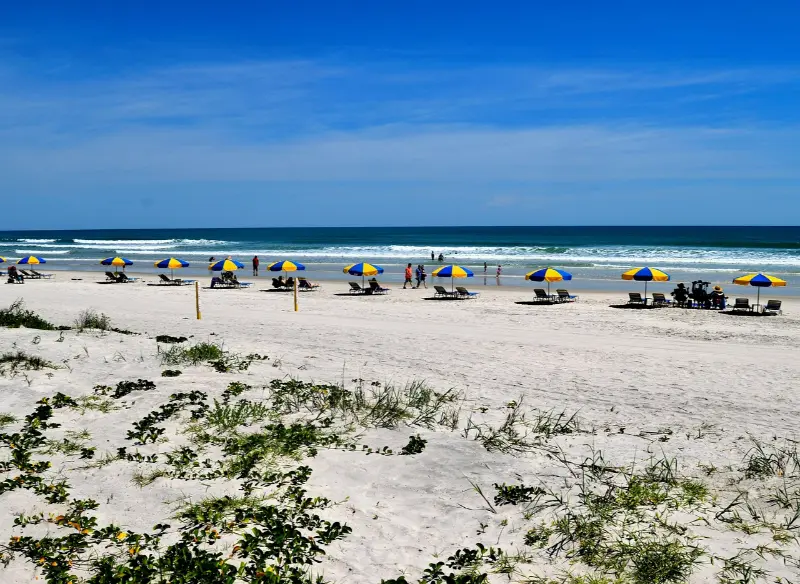
    Daytona Beach White Sand and Blue Ocean

    For people with limited mobility, ask about accessible entrances, elevators, the route to breakfast, and whether the promised ‘ocean view’ is usable from a seated position. A balcony may have a threshold or obstructed railing. Families with children should prioritize safe sleeping space and reasonable drives. Compare parking and resort fees in the full quote, not just nightly room rates. You are paying for a coastal setting, not for an obligation to swim.

    Day one: St. Augustine’s historic waterfront

    Begin with the bayfront and a single historic attraction rather than racing across town. Castillo de San Marcos National Monument is an excellent lesson in coastal defense and the city’s long history. Its stone walls and waterfront position are memorable even for guests who remain on the lower level; the National Park Service notes that the gun deck requires stairs while the lower level is wheelchair accessible. Consult current operating hours and accessible-route details before arrival.

    Afterward, choose a café or short guided activity close to the historic core. St. Augustine’s sidewalks can be crowded and uneven, so do not assume a child stroller or mobility scooter will roll effortlessly along every street. If the afternoon is hot, enjoy a quieter museum visit or return to the hotel. The point of this first day is to appreciate the Atlantic environment—sea breeze, historic fortifications, harbor traffic—without scheduling an exhausting walk.

    Day two: Anastasia State Park from dry land

    Anastasia State Park offers dunes, natural habitats and beach access near St. Augustine. A visit can work entirely on dry land: take photographs from approved walkways, picnic in a designated area and spend time observing shorebirds without pursuing them. The park lists accessible beach features, including elevated boardwalks, Mobi-Mat and beach wheelchairs; their availability may change, so confirm if a specific amenity is essential. Beach wheelchair access does not make surf conditions suitable for swimming.

    For families with a toddler, shade and restroom access are more important than the length of the beach. Choose a short outing around the cooler morning, and plan lunch off the beach before children become tired. Avoid walking across dunes or disturbing vegetation, even if doing so appears to offer a better view. A visitor who cannot walk on loose sand should not feel excluded: enjoying the water from a constructed access point is a valid beach experience.

    Day three: Flagler Beach and scenic A1A

    Drive south along the coast with time for small stops rather than treating A1A as a motorway. Flagler Beach has a different atmosphere from the larger resorts: lower-rise streets in parts of town, local restaurants and long ocean views. The pier area has experienced reconstruction and access changes, so check current municipal updates rather than assuming old photos reflect present conditions. A bench, accessible overlook or café terrace can supply the sense of being at the beach without requiring a barefoot walk.

    Take a short detour for a park or nature area if weather and mobility allow. Bring binoculars for shorebirds and look from appropriate distances. If strong wind blows sand across the road, reduce the length of outdoor stops. Travelers seeking a quiet day should skip attempting every public beach access. One comfortable stop with a good view is often much better than three difficult parking searches.

    Day four: Ormond Beach and coastal history

    Ormond Beach offers a softer change of pace after Flagler. Plan a manageable waterfront or park visit, then choose a museum, gallery or historic site whose opening day matches your schedule. Some attractions have limited weekday hours and paid admission; verify directly. The nearby Halifax River adds another waterfront scene that is not oceanfront, which can be appealing on windy days. A sunset or late-afternoon river view can substitute for any beach activity without making the day feel empty.

    If the group includes adults who tire easily, schedule lunch and a comfortable hotel break between outings. Kids can enjoy spotting boats and birds from a supervised viewpoint, but keep them away from unprotected waterfront edges. For a rainy day, have one indoor museum or family activity chosen in advance; thunderstorms should never be treated as a reason to remain under a beach shelter and wait for better light.

    Day five: Daytona without the waves

    Daytona Beach is best known for driving and racing history as well as a busy shore. For visitors not interested in swimming, the speedway experience or a local museum can anchor the day, with an optional short oceanfront stop. Daytona International Speedway tours and availability vary around events; book based on official information rather than assuming that the entire facility can be toured on any date. For children who like vehicles, this is a vivid alternative to another afternoon digging in sand.

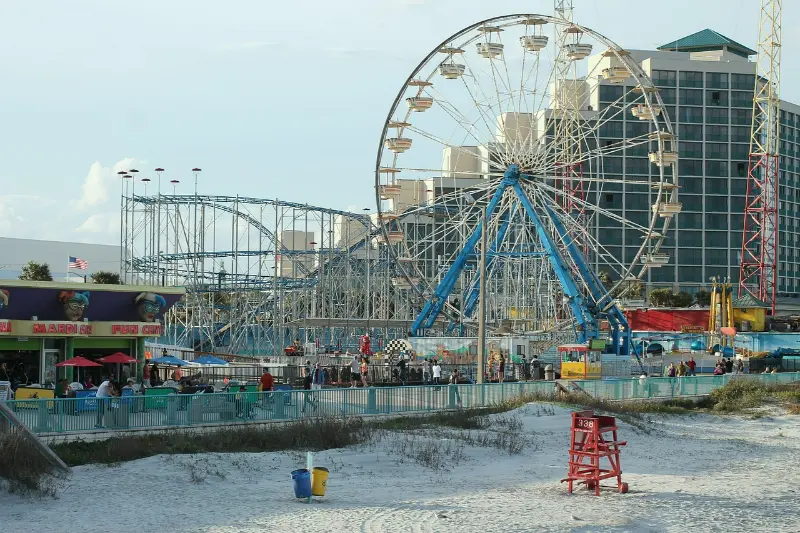
    Daytona Beach Oceanfront Observation Wheel

    Keep the departure day lighter if you have an onward flight. The coastal roads and town traffic can become congested during major events, racing weekends and spring-break periods. Avoid planning both a distant attraction and a same-day airport departure with no buffer. Whether you end in Daytona or drive back to St. Augustine, give yourself enough time for meals, fuel and the return of the rental car.

    Activities that replace swimming instead of imitating it

    A good non-swimming coast trip is not just a list of beaches where guests refuse to enter the water. It focuses on things the ocean creates: lighthouses and defensive forts, bird habitats, estuaries, seafood traditions and different styles of coastal town. Guided history tours, visitor centers, short boardwalks, cafés with water views and wildlife-watching stops can create a real sense of place. They also provide variety for people who dislike intense outdoor exercise.

    Do not assume a boat tour is a universally good alternative. Someone who avoids swimming because of motion sickness or a fear of open water may not enjoy a cruise. Ask each person what kind of contact with the sea feels comfortable. A sheltered garden, museum or riverfront promenade may be the best fit. Ocean views can be enjoyed without purchasing equipment, renting a boat or collecting a large number of attractions.

    A comfortable pace for children and older travelers

    With a baby, fit the main outing between feeding and sleep rather than scheduling around a perfect sunset. School-age children often do well when a historic site is paired with a snack or hands-on museum. Teenagers may enjoy selecting the day’s café, photographing a boardwalk or visiting motorsports attractions. Older travelers may prefer a seated viewpoint and a half-day excursion. There is no reason every member of a mixed-age party must follow the same steps on the same day.

    For someone using a wheelchair or walker, verify the exact accessible route at each park, not just the presence of designated parking. A beach access ramp can end before loose sand; a restaurant may have an accessible door on another side. Distances on a map can be misleading during hot weather. Choose shorter routes with benches and usable restrooms where possible.

    Food, parking and budgeting

    Budget for at least one historic attraction, one museum or speedway activity, fuel, parking and dining, while leaving room for free scenic stops. Public beaches and parks can charge vehicle fees or have limited spaces. Dining near a scenic waterfront often costs more than casual meals a few blocks inland. A family can keep costs predictable by choosing one paid experience per day and eating some breakfasts at the hotel.

    Check event calendars, especially around Daytona. Busy weekends change hotel prices and traffic patterns significantly. If traveling in February or during spring vacation weeks, reserve refundable accommodation ahead of time. A short walk and a takeout lunch can be just as pleasant as a full-service waterfront restaurant when parking is difficult or children need a break.

    Weather and shoreline safety for non-swimmers

    Even dry-land visitors need beach safety habits. Waves can surge onto rocks or walkways, and thunderstorms can arrive quickly. Avoid standing near the waterline for photographs when high surf is present. Follow beach erosion closures and stay away from damaged boardwalks. Sea turtle nesting areas and protected dunes require extra respect. No photograph is worth crossing barriers or disturbing animals.

    A winter visit can include chilly wind, while summer often brings high humidity and afternoon lightning. Dress in layers when needed and carry drinking water. If a storm approaches, retreat to a substantial building or enclosed vehicle and wait until conditions are safe. Do not assume the beach shelter itself provides lightning protection. These simple choices make a shore-centered vacation enjoyable even without swimming.

    Five-day summary

    Day Base or location Focus without swimming Backup
    1 St. Augustine Bayfront history and Castillo Indoor museum or café
    2 Anastasia Island Park overlooks and beach views Shaded picnic and visitor information
    3 Flagler Beach Scenic A1A and quiet shore stops Town dining and galleries
    4 Ormond Beach Halifax River and local history Museum visit
    5 Daytona Beach Speedway or museum and a final view Direct departure

    Frequently asked questions

    Can I enjoy Florida’s Atlantic coast if I cannot swim?

    Absolutely. Historic forts, scenic overlooks, nature centers, galleries, waterfront restaurants and motorsports attractions offer many reasons to visit. Choose accessible dry-land activities that fit the group’s interests.

    Are Florida beaches safe to approach when swimming is prohibited?

    Not automatically. Closures, large waves and storm conditions can affect the shoreline and boardwalks. Follow signs and local instructions and remain in permitted areas.

    Should I book one hotel or two for this route?

    Two bases usually shorten drives, but a single base is possible if your group values unpacking only once. Balance the extra driving against moving luggage and the specific activities you have selected.

    Official travel references

  • Immokalee, Ave Maria and CREW: Four Days Inland From Naples

    Immokalee, Ave Maria and CREW: Four Days Inland From Naples

    Immokalee and Ave Maria offer a Southwest Florida itinerary that looks very different from the beaches and luxury shopping districts often associated with Naples. Travel inland and you encounter working farmland, communities with varied cultural histories, broad wetland landscapes, and places where the rhythm of the day is shaped by agriculture rather than tides. A four-day stay can combine the history of Immokalee, a look at the planned town of Ave Maria, and carefully chosen walks on public lands managed through the Corkscrew Regional Ecosystem Watershed, commonly called CREW. This is best approached as a learning trip, not as a scenic drive through someone else’s workplace.

    The region requires respect and preparation. Agricultural areas are active workplaces, and roads carry trucks as well as local traffic. Not every nature preserve has a paved path or even drinking water; some have primitive parking and seasonal flooding. You should not assume that you can enter farms, take photographs of workers, or stop on roadside shoulders without permission. With that understood, the trip becomes more meaningful. Families can learn where food comes from and spot wildlife from approved trails. Adults can explore a lesser-known side of Collier County. Older visitors can select the town and interpretive stops while leaving strenuous trails optional.

    WhenAreaMain ideaBefore you go
    Day 1ImmokaleeAgricultural and community historyConfirm museum hours
    Day 2Ave MariaPublic town center and architectureRespect church service access
    Day 3CREW trailsWildlife and wetlandsChoose trail by surface, not distance alone
    Day 4Inland Southwest FloridaShort return visit or extra nature stopCheck weather and water levels

    Where to stay, how to get around, and when to visit

    A hotel in the Naples or North Naples area gives a larger choice of restaurants and accommodations, but it introduces a daily drive into the countryside. Staying closer to Immokalee or Ave Maria may reduce driving, although hotel and dining choices should be checked carefully by date. Do not choose based only on the map pin; the experience of a quiet rural property is different from a location beside a major road. Verify late check-in arrangements, room access, breakfast, parking, and the distance to essential services before you pay. A rental car is strongly recommended; app-based rides cannot be counted on for reliable returns from remote trailheads.

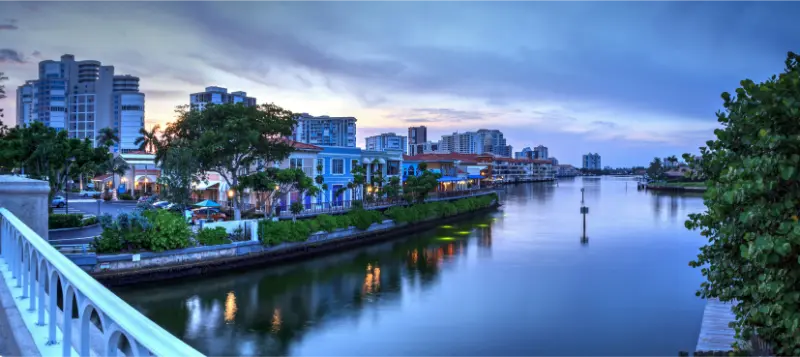
    Village Shops on Venetian Bay Naples Florida Waterfront

    The drier part of the year is generally more comfortable for exploring sandy tracks and wetlands, but dry conditions do not eliminate heat. Summer adds intense sun, mosquitoes, daily storm risk, and places where water covers parts of a trail. A trail’s official description may classify it as flat without promising a firm surface. Plan nature visits in the morning, carry more water than you expect to drink, and turn around early if the ground is slippery. Never enter floodwater to reach a lookout. The afternoon is better reserved for a town visit, lunch, or a comfortable indoor break.

    Day one: Understanding Immokalee

    Begin in Immokalee with history rather than attempting to fit in several far-flung nature stops. The community’s story includes cattle ranching, farming, migration, and many people whose labor supports Florida’s food supply. Look for museum or heritage interpretation open to visitors, including information about the Immokalee area and the region’s agricultural past. Check current admissions and opening days before traveling; exhibits and guided programs may be seasonal. This is not a place to treat working neighborhoods as an attraction. Public historical displays and approved cultural venues are the appropriate way to learn about community life.

    A thoughtful lunch is part of the day. Immokalee has a culturally diverse food scene, but menus, hours, and food safety needs should be confirmed directly. Support a local restaurant by ordering something you actually enjoy rather than searching for a staged version of an ‘authentic’ experience. If you have a child in the group, ask them to compare the landscape with the Florida they had imagined before arrival. Where do trucks go? What is grown locally? How do canals and weather affect daily life? Keep the questions open-ended, and do not photograph strangers or private workplaces without consent.

    Day two: Ave Maria at a different pace

    Ave Maria provides an interesting contrast to Immokalee because of its planned layout, town center, and prominent church architecture. Spend the morning exploring public areas on foot and paying attention to how the streets, shops, and civic spaces have been organized. It is a residential community, so be mindful of where visitors can park and enter. Respect worship services and private events; a religious building is not automatically a museum with unlimited hours. If you wish to see the interior of the church, check the parish’s visitor information and avoid interrupting active services.

    After a leisurely lunch, choose a small amount of independent shopping or a public walk instead of attempting a second long-distance attraction. Children may enjoy having a simple scavenger hunt based on architectural features and public landscaping. Older visitors can focus on a short, level section with benches rather than walking every street. Ave Maria is also a practical place to discuss what makes a town convenient for residents versus visitors: shade, sidewalks, groceries, recreation, and distance from larger hospitals or airports. That comparison helps travelers make better lodging decisions if they are considering a longer winter stay in Southwest Florida.

    Day three: Choose the right CREW trail, not the longest one

    The CREW landscape is one of the strongest reasons to venture inland. The CREW Trust publishes information on several separate trail systems, including the Marsh Trails, Cypress Dome Trails, Bird Rookery Swamp, and Flint Pen Strand. These are not interchangeable entrances to one easy boardwalk. Some routes involve grass, sand, water, and very limited facilities. Before departure, open the trail-specific map and advisory, not just a general search result. Note the trailhead’s actual address, the length of a manageable loop, surface conditions, and whether restrooms or drinking water are available. If you cannot walk confidently on uneven terrain, select a more developed alternative elsewhere.

    The Cypress Dome Trails, for example, have habitat transitions that include pine flatwoods, oak hammocks, wet prairie, and cypress domes. The CREW Trust describes them as largely flat grass and sand with seasonally wet areas, so ‘flat’ should not be confused with ‘wheelchair accessible.’ Bring a paper or offline map, closed shoes, sun protection, water, and insect repellent. Stay with the marked trail; do not approach alligators or step into the water to improve a photograph. Birdwatchers may enjoy moving slowly, but no wildlife sighting is guaranteed. If thunder develops, leave the trail rather than sheltering beneath a lone tree.

    Day four: A shorter nature morning and departure

    Use your final morning to explore another modest public area or revisit whichever part of the previous day worked best. There is no obligation to complete a full CREW loop if the heat, mosquitoes, or walking surfaces were difficult. A shorter birdwatching stop from a public trailhead can be more enjoyable than a long trek under uncomfortable conditions. Ask your group what they preferred: the agricultural history, the architecture of Ave Maria, or the wetland landscape. Tailor this last day accordingly, and allow time to pack and refuel before heading to the coast or an airport.

    If you want to add a major wildlife attraction near the region, distinguish public preserve trails from ticketed nature centers and privately operated tours. Confirm that the attraction fits your route and that its entry is appropriate for the ages and abilities in your party. Never assume a boat experience is included in ordinary park admission. On departure, avoid driving at dusk if you are uncomfortable with poorly lit rural roads. Traffic, heavy rain, and wildlife can complicate a route that appears simple on a map. Keep the final afternoon intentionally light.

    Food and farming without trespassing

    A visit to agricultural Southwest Florida often raises questions about produce, growers, and seasonal harvests. Farm stands, farmers markets, and public agricultural events can make those questions tangible, but their schedules are not standardized. Before planning a stop, verify whether retail sales are available to the public and whether the business is open that day. Never turn down a private farm road because an online photograph shows rows of vegetables. Keep vehicles clear of farm equipment and loading areas. When purchasing fresh produce, use a cooler and follow safe storage advice in warm weather.

    The region’s food culture reflects a wide range of communities. Be curious without treating residents as exhibits. A local meal may be the most memorable stop of the day, especially if everyone can sit somewhere cool after a morning outside. Families with allergies should ask about ingredients and preparation practices. Travelers avoiding certain foods can check menus in advance; do not assume that a restaurant’s regional label tells you what is safe to eat. For a picnic, bring your own supplies, pack out all trash, and never feed wildlife. Food left near a trail can attract animals and harm the environment.

    Accessibility and comfort across generations

    This itinerary can suit children and older adults if it is organized around the most comfortable participant. Town centers and designated public spaces offer easier options than primitive wetland trails, but surfaces and step-free access still require individual checking. A stroller with small wheels may struggle on sand, and a wheelchair user should not rely on a generic ‘easy hike’ label. Call the venue or consult its accessibility information for current details on parking, restrooms, entrance thresholds, and walking surfaces. If the chosen trail is not appropriate, enjoy the countryside from public viewpoints and focus on cultural stops instead.

    Traveling with small children means extra attention near canals and water. Alligators are part of Florida’s natural environment, and children and dogs should never be allowed to approach water edges unsupervised. Older travelers may prefer two hours out in the morning followed by a long meal and time at the hotel. Schedule medication, rest, and meals without apology. People sensitive to heat can visit in the coolest part of the day and choose air-conditioned activities after lunch. The goal is not to make everyone participate in identical activities; it is to share a trip where everyone can participate comfortably.

    A realistic budget for inland Southwest Florida

    You may avoid the premium cost of some beachfront resorts, but a car and longer drives are part of this trip. Compare accommodation totals after taxes and property fees; a cheaper room far from all three main stops may not save much. Free public trails reduce ticket expenses, yet you still need fuel, meals, and suitable outdoor gear. A paid museum or guided experience should be booked only after confirming the date and cancellation rules. If you are traveling with children, a cooler, snacks, and a shaded lunch stop may do more for the day’s comfort than adding another ticketed activity.

    Budget extra time as well as money. A remote preserve may have no place to buy water, and a town restaurant may close between lunch and dinner. Check schedules daily and keep backup supplies in the car. Avoid firm promises about the price of a seasonal farm event; different dates and operators charge differently. If an activity requires a special permit, obtain it through the proper agency and keep confirmation available. The strongest value of this itinerary is the chance to see contrasting communities and ecosystems within one area, not an unrealistic claim that everything inland is free.

    What to double-check before each day

    For Immokalee, confirm the museum or historical venue you intend to visit. For Ave Maria, check public building access and whether a community event changes parking. For a CREW trail, review current wetland conditions, trail maps, and the specific entrance. Search results sometimes confuse similarly named trailheads, and starting at the wrong parking area can turn a short walk into a much longer outing. Note that trail websites may describe hours or facilities differently from third-party travel blogs; the managing organization’s current guidance should take priority.

    Also check weather and hydration needs for everyone in the car. If heavy rain is forecast, a museum-and-cafe day is preferable to walking on flooded terrain. Carry an offline map, a fully charged phone, and an emergency contact. Tell someone where your party is hiking, and do not rely on cell reception for navigation. These precautions are simple rather than dramatic; the landscape is rewarding, but it is not an urban park with a coffee shop at every turn. Responsible planning gives you the confidence to enjoy it.

    Why this itinerary deserves a place on a Florida holiday

    The trip is especially valuable for someone whose previous Florida vacations have revolved around theme parks or Gulf beaches. Immokalee introduces living agricultural and community history. Ave Maria offers a contrasting example of a planned inland town. CREW provides a window into the wetlands that support the region’s ecology. Each stop helps explain Southwest Florida beyond its coastline. You do not need to invent personal encounters or claim that one day reveals every local tradition. Curiosity, preparation, and a respectful pace are enough to make four days meaningful.

    Frequently asked questions

    Are CREW trails suitable for strollers?

    Many routes use natural sand or grass and can become wet. Check the specific trail map and current conditions before taking a stroller.

    Can I enter farms around Immokalee?

    Only where a business specifically offers public access or a booked tour. Working agricultural land is private.

    Is Ave Maria a good stop for nonreligious visitors?

    Yes, for public town-center architecture and everyday amenities, provided visitors respect private property and active services.

    Useful official resources

  • Northeast Florida History with Kids and Grandparents: Five Days from Jacksonville to Amelia Island

    Northeast Florida History with Kids and Grandparents: Five Days from Jacksonville to Amelia Island

    Northeast Florida offers something that is easy to miss on a conventional beach trip: layered history alongside waterways, old neighborhoods and Atlantic coastline. From Jacksonville’s riverfront to the Timucuan Preserve, St. Augustine and Amelia Island, a five-day holiday can introduce children to several centuries of stories while giving grandparents time for galleries, shaded lunches and manageable walking. The challenge is to avoid treating complicated history as a set of decorative forts and souvenir shops.

    This itinerary is designed around one substantial outing each morning and a relaxed afternoon. It does not require long hikes, although some historic sites have uneven surfaces, old steps or sandy paths. Families should check official accessibility descriptions for the exact exhibits and fortifications they want to visit. You will need a car for the complete route; public transport across the separate communities is not practical for a tightly timed family vacation.

    Plan your bases and allow history to be complicated

    Two nights in Jacksonville and two near St. Augustine or Fernandina Beach make a sensible route, depending on your arrival airport. Travelers who dislike hotel changes can select one base in northeast Jacksonville or St. Augustine and make longer day trips. For families with infants, check room space for a travel crib; for older adults, prioritize elevator access or a ground-floor room. Historic inns often have charm but may not have the accessibility features of newer hotels.

    Historical interpretation should include the people who lived in the region long before European colonization, the arrival of Europeans and Africans, the role of enslavement and the development of coastal communities. When children ask difficult questions, answer clearly at an age-appropriate level rather than skipping a subject because it is uncomfortable. Museums, national park staff and historic-site interpretation can provide context that a quick photograph of a fort cannot. Choose at least one visit where you can read or hear original perspectives.

    Day one: Jacksonville riverfront and a calm beginning

    Start with Jacksonville’s St. Johns River and the downtown riverfront, selecting a public park or waterfront route suitable for your group’s mobility. Jacksonville is spread out; distances between attractions can be longer than a visitor expects. A riverfront view, a leisurely lunch and one museum or cultural stop is enough after travel. Avoid promising a particular ferry or water-taxi connection unless you have checked that it is operating on your chosen day.

    Jacksonville Florida Riverfront Fountain Illuminated Purple

    Children can compare the river setting with the Atlantic beaches they may visit later. Ask them to notice bridges, working boats and the direction of the current. Older travelers may enjoy a seated waterfront view more than a long urban walk in the heat. If the group reaches the hotel early, use the evening to review the next day’s park alerts. Museums can have short hours on certain weekdays; verifying one dependable indoor option prevents last-minute disappointment.

    Day two: Timucuan Preserve and the stories of the coast

    The National Park Service’s Timucuan Ecological and Historic Preserve protects important wetlands and interprets human history in the Jacksonville area. It includes places associated with French colonial history and plantation life, including Fort Caroline and Kingsley Plantation. Do not assume all areas are open or accessible in the same way. The park encompasses dispersed sites, and driving to the correct trailhead or visitor facility is essential. Consult the NPS page and current alerts before departure.

    At Kingsley Plantation, focus on the evidence of enslaved people’s lives and the complex history represented by preserved structures. Families may find it helpful to begin with a ranger program or interpretive material when available. Explain the difference between a historical building and the people whose labor made a plantation operate. At Fort Caroline, discuss the early French presence and its relationship to Indigenous peoples rather than presenting the site merely as a military attraction. Choose one of the two major places if a long day would be difficult.

    Day three: St. Augustine and Fort Mose

    Drive toward St. Augustine, leaving room for traffic and parking. The historic center is rewarding but can be crowded and uneven in places. Select a central drop-off or parking arrangement, then visit one key site. Castillo de San Marcos is the city’s most recognizable fortification, and its coquina walls offer a tangible discussion of Spanish colonial defense. However, the historic fort is not equivalent to a modern building; consult the National Park Service accessibility information before assuming every level can be reached without stairs.

    Fort Mose Historic State Park gives the family another essential perspective on early Florida, particularly free Black history and the people who sought freedom from British colonies under Spanish rule. Verify which museum, reconstruction, tour or grounds are accessible at the time of the visit. Present Fort Mose as a significant historical community, not a footnote to downtown sightseeing. After lunch, choose a quiet courtyard or museum instead of squeezing in a nighttime ghost tour that younger children may not enjoy.

    Day four: Fernandina Beach and Fort Clinch State Park

    Head north to Amelia Island. Fernandina Beach has a historic downtown that works well for an unhurried morning of architecture, shops and lunch. Fort Clinch State Park provides a different military-era environment from Castillo de San Marcos. Its historic fort, beach and trails have distinct surfaces and access requirements, so decide in advance whether your party wants a fort tour, a short outdoor walk or simply a scenic coastal afternoon.

    Children can compare the forts: why are they in different positions, and how did military technology and political circumstances change? Grandparents may prefer a short self-guided visit and rest in the shade. Weather can make the exposed fort area uncomfortable in summer, so plan an early arrival and carry water. If the historic fort is inaccessible for a traveler, the state park may still have other appropriate developed facilities, but the exact route and restroom location should be confirmed directly.

    Historic Jacksonville Building with Tower

    Day five: American Beach and departure

    On the final morning, consider American Beach and its history as an African American coastal community established during segregation. The A.L. Lewis Museum and related local interpretation can help give the destination the attention it deserves; check opening days and tour availability. The beach itself is a living place, not only an outdoor museum. Families can discuss how access to recreation was shaped by segregation and how residents protected the identity of their community.

    Leave enough time for the drive to the airport or onward destination. A final beach view is an optional pleasure, not something that should jeopardize a flight. If the museum is closed, choose a respectful visit to a publicly accessible area and read available historical information, without photographing private property or disturbing residents. Do not try to replace historical learning with a rushed series of roadside plaques; one thoughtfully understood place is worth more than five hurried stops.

    Five-day outline for mixed ages

    Day Main area Main learning experience Easier alternative
    1 Jacksonville Riverfront and urban history Seated waterfront view
    2 Timucuan Preserve Fort Caroline or Kingsley Plantation One short interpretive stop
    3 St. Augustine Castillo de San Marcos and Fort Mose One site plus lunch
    4 Amelia Island Fernandina and Fort Clinch Downtown cafés and a park view
    5 American Beach Community heritage and departure Short public heritage stop

    Bringing history alive for children without trivializing it

    A simple notebook can help children collect questions and observations. Ask them to draw a fort wall, identify a local plant or write down a surprising fact. Discuss why different communities might remember the same place differently. Do not invent quotations from people who lived centuries ago; use material supplied by the museum or National Park Service when available. Teenagers can compare Indigenous, Spanish, French, British and African American perspectives across the region.

    For younger children, select a small goal such as finding an old building material or listening for a bird call at a coastal site. A long lecture is unlikely to work when the child is hot or hungry. Plan an engaging question for each stop and allow plenty of breaks. Relatives can each choose one historical interest, creating a shared trip rather than making a grandparent responsible for every museum explanation.

    Accessibility and comfortable walking

    Cobblestones, uneven bricks, loose paths and fort staircases can be obstacles to wheelchairs and walkers. If a site cannot accommodate a visitor’s needs, do not assume the rest of the family must either abandon the outing or leave that person waiting in the car. Choose alternate exhibits, accessible viewpoints or nearby indoor venues and divide the party only when everyone agrees. For each day, identify parking, the shortest entrance route, restrooms and seating before leaving the hotel.

    Historic downtown areas may be more tiring than their distances suggest. Heat, crowds and extended standing can affect visitors of any age. Reserve the morning for the site that matters most, lunch for conversation and the afternoon for one optional activity. An electric mobility device may be permitted in some areas but not others; confirm policies rather than relying on an assumption. Carry medication and water according to the traveler’s regular needs.

    How to avoid unnecessary expenses

    The biggest costs are accommodations and transport. Park admissions, tours, museum tickets and parking vary, and some historic sites charge separately for different experiences. Families can save by alternating a major paid attraction with a free waterfront or public historic district visit. A room with breakfast and a refrigerator may help with food costs. Check children’s ticket age bands rather than assuming every child pays the same amount.

    Do not book all historical tours in advance if the group may need rest days, and verify cancellation terms. Jacksonville and St. Augustine have many lodging types, but a centrally located room may reduce parking charges and driving. If you want a hotel in Fernandina Beach, check whether staying there adds value beyond a day trip. Summer heat and holiday weekends can affect room availability; compare totals with taxes and fees included.

    Respectful visits and practical safety

    Keep children away from unprotected drops, old fort edges and tidal shorelines. Wildlife near marshes should be observed from a distance, and no one should walk off a marked path to reach a better photograph. Avoid leaning on historic fabric or climbing features not designated for visitors. Respect cemetery and memorial spaces by keeping noise low and following posted rules.

    Check weather alerts before any coastal drive. In thunderstorms, an enclosed building or vehicle is safer than an open fort or beach shelter. Hurricane-season travel may require route changes or cancellations, so keep flexible accommodation terms where possible. Give children enough rest to absorb the experiences; a history-focused vacation should foster curiosity rather than feel like a compulsory school assignment.

    Frequently asked questions

    Is this itinerary suitable for grandparents who cannot walk far?

    Yes, with adjustments. Select one significant site per day, confirm accessible routes, and use nearby views or indoor alternatives where historic surfaces are difficult.

    Is Fort Mose the same place as Castillo de San Marcos?

    No. Both are important to St. Augustine’s history, but their stories, settings and visitor arrangements differ. Check each official site separately.

    Can we do all five days from one hotel?

    Possible, but driving will be longer. Two bases usually make the Jacksonville–St. Augustine–Amelia Island route more comfortable.

    Official information

  • Three Days North of Tampa: Tarpon Springs, Dunedin and Safety Harbor

    Three Days North of Tampa: Tarpon Springs, Dunedin and Safety Harbor

    If your Florida vacation centers on Tampa or Clearwater, an extra three days north of the bay can change the entire mood of the trip. Tarpon Springs has a distinctive Greek-American maritime history, Dunedin mixes a walkable downtown with access to the Pinellas Trail and barrier-island nature, and Safety Harbor offers an easygoing waterfront and a compact main street. They are close enough to visit from one hotel, but different enough to deserve separate days. This itinerary does not try to add Busch Gardens, downtown Tampa and Clearwater Beach to an already full schedule. It is for visitors who want museums, food culture, cycling or short strolls, birdlife and quieter coastal settings.

    Choose a base by the day you care about most

    Dunedin is a practical middle base if you enjoy walking to restaurants and intend to visit Honeymoon Island. Tarpon Springs works for travelers more interested in the Sponge Docks and historic districts, while Safety Harbor appeals to those who want a calmer waterfront atmosphere and convenient access to Tampa Bay-side parks. Staying directly on a beach is not necessary for this itinerary, and the best shore excursions involve a drive or ferry. Compare hotels by the real parking situation, room access and proximity to a lively street—not just a promotional claim of being “minutes from the beach.” A rental car offers the easiest regional transfers. Without one, confine yourself mainly to a selected town and arrange rides for outlying attractions.

    Day 1: Tarpon Springs beyond the souvenir shops

    The Sponge Docks are an obvious starting point, but they make more sense when you understand why sponge diving became central to the local economy and why Greek-American immigrants shaped the food, language and religious traditions of the town. Browse the working waterfront with respect for boats and employees; these are not simply movie-set props. Enjoy a Greek meal and, if interested, choose an interpretive tour whose claims and schedule are transparent. Walk beyond the dockside strip to see another side of Tarpon Springs, perhaps its historic downtown or a museum. In a group with young children, one guided experience plus lunch may be enough before an afternoon break. Do not mistake an advertised “sponge cruise” for a guaranteed opportunity to observe commercial harvesting in progress.

    Understanding the Sponge Docks respectfully

    A good visit distinguishes heritage from a themed shopping district. Sponges, bakeries, cultural festivals and church traditions reflect generations of local residents, not an invented tourist concept. At the same time, restaurants and retail shops vary in authenticity and price. Ask where a sponge was harvested, what a specialty pastry contains or how a particular dish is prepared, especially when food allergies matter. You need not pay for several short boat trips to understand the story; a local cultural exhibit or thoughtful conversation can add more. Parking near the waterfront becomes difficult on peak weekends, so arrive early and review municipal rules rather than circling residential streets looking for a convenient illegal spot.

    Day 2: Dunedin's town center and the Pinellas Trail

    Start with Dunedin’s compact downtown and enjoy the streets that make the town a useful contrast to big resort beaches. The Pinellas Trail, a paved regional path, passes through town and is popular with walkers and cyclists. Choose a short section appropriate for your ability instead of treating the entire trail as a mandatory ride. Rental bikes can be useful for confident riders, but children must be fitted with suitable helmets and everyone should yield carefully at road crossings. Anyone using a wheelchair should still check construction and crossing conditions rather than assume that a paved path is uniformly effortless. A gallery, coffee shop or waterfront stop can fill the rest of the morning. This is a place to allow unplanned browsing without turning the day into a shopping checklist.

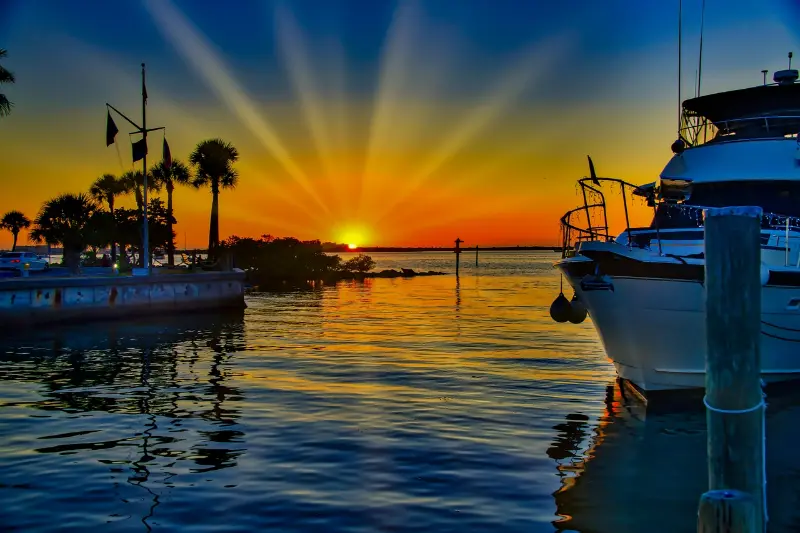
    Dunedin Florida Sailboats against Orange Sunset

    Honeymoon Island in 2026: check the notices before departure

    Honeymoon Island State Park is reached by causeway from Dunedin and offers beaches, coastal views and wildlife habitat. However, its official page reported flooding-related parking-lot closures in October 2026, including the North, Oasis and Picnic Area lots. It also warns about a cut in the northern sandspit formed by erosion and water movement. Do not attempt to cross the cut or enter dangerous water to reach an isolated stretch of sand. Confirm which facilities are accessible on the actual day. You can still enjoy approved areas when open, but a closed lot may make the original plan impractical. Bring sun protection, water and a change of clothes, and treat any lifeguard or warning flag guidance as more important than your planned afternoon schedule.

    Caladesi Island is a separate logistical decision

    Caladesi Island State Park is reached by ferry from Honeymoon Island or by private watercraft, not by driving onto it. Ferry trips have schedules and weather constraints, and the state park’s latest notices describe marina limitations and possible restricted food service. In other words, “see both parks in an afternoon” is often a poor promise, particularly with young children or visitors who tire easily. If Caladesi is your priority, give it most of a day, check ferry availability and bring essential food and water. If your group prefers a shorter outing, remain on open areas of Honeymoon Island and preserve Caladesi for a future trip. Before boarding any vessel, verify steps, seating, the possibility of seasickness and access for mobility aids.

    Day 3: Safety Harbor's main street and Philippe Park

    Safety Harbor is small enough that the day can begin with an unhurried downtown walk and continue along the bay. Visit local shops or a cultural stop, then enjoy a waterfront view rather than driving to another ocean beach. Philippe Park, along Old Tampa Bay, offers picnic spaces, mature trees and historical context. Its landscape also deserves cultural respect: the Tocobaga mound is a significant Indigenous heritage feature, not a climbing challenge or recreational hill. Stay on permitted paths and follow site signage. A picnic under shade can be a welcome alternative to an expensive restaurant, especially after two active days. If the weather turns, shorten the park time and focus on an indoor venue in town.

    Dunedin Florida Palm Trees at Sunset

    Food, culture and a realistic daily budget

    Tarpon Springs is the natural place to explore Greek-influenced cooking, but the region’s food choices extend well beyond one cuisine. Try a bakery or family restaurant if it suits your dietary needs, and keep time for independent cafes in Dunedin and Safety Harbor. Compare menu prices and service charges before ordering; tourist waterfront settings may cost more than places a few streets away. The budget’s larger variables are lodging, optional cruises, beach parking, state park entrance and ferry tickets. You can keep a three-day trip reasonably economical by making only one paid boat experience, if any, and allowing walking, local museums and picnic breaks to fill the other hours. Avoid booking multiple prepaid outings on the same storm-prone afternoon.

    Best seasons and what Gulf weather means here

    Winter and spring can be comfortable for town walking and birdlife, but water temperatures may feel chilly for visitors expecting tropical swimming. Summer is hot and humid, and strong afternoon thunderstorms can disrupt cycling and island excursions. Early fall belongs to the Atlantic hurricane season, so monitor official alerts and choose flexible accommodations. At any time of year, wind and rough water may cancel a ferry or make an exposed shoreline unpleasant. A blue sky in downtown Dunedin does not guarantee calm Gulf boating conditions. Bring layers for boat rides during breezy months, and treat sunscreen, drinking water and lightning safety as essential rather than optional beach accessories.

    Planning for several generations in one group

    Three towns over three days offer a genuine chance to split up without losing a shared holiday. Grandparents who do not wish to cycle might browse downtown Dunedin while teenagers ride a short permitted trail section with a responsible adult. A preschooler may prefer a playground or simple picnic to a full ferry excursion. For a person who uses a wheelchair, check boardwalk surface conditions, actual restroom accessibility and whether an operator can safely accommodate mobility equipment. Visitors with sensory sensitivities may find busy waterfront markets noisy but enjoy quieter gardens or bay overlooks. Schedule a meeting place and time rather than assuming everyone wants to move at the pace of the fastest walker.

    Travel logistics and common errors

    Driving between towns is usually straightforward outside rush hour, but local parking and causeway traffic can surprise visitors. Check a ferry’s departure location rather than putting “Caladesi” directly into a navigation app. Separate city parking fees from state park entry fees and from the ticket cost of a private cruise. Don’t leave bags visible in vehicles; take valuables along or store them securely. The largest error is attempting Tarpon’s docks, both barrier islands, the entire Pinellas Trail and Safety Harbor in one or two days. Choose one main focus each morning, then use the afternoon for a smaller activity or a rest. The towns reward attention to detail, not rapid accumulation of sights.

    Three-day itinerary table

    DayPrimary areaPriorityEasier alternative
    1Tarpon SpringsSponge Docks and local historyWaterfront lunch and museum
    2DunedinDowntown, trail and optional islandShort trail walk and café
    3Safety HarborWaterfront, main street and Philippe ParkShaded park picnic and short stroll

    Frequently asked questions

    Can we stay in one hotel for all three days?

    Yes. Dunedin is a convenient middle choice, but any of the towns can work depending on price and whether you prefer dining, heritage or waterfront quiet.

    Is Caladesi Island accessible by road?

    No. Visitors use ferry or private watercraft, and schedules depend on weather and operations. The park’s marina and services have had restrictions, so check before traveling.

    Is the Pinellas Trail suitable for children?

    Short portions can be, but it is a shared-use trail with crossings. Supervise young riders, choose properly fitting helmets and select a distance appropriate for your group.

    Are the Sponge Docks only souvenir shops?

    No. They reflect a working waterfront and significant Greek-American heritage, although tourist retail is prominent. Look for history as well as food and shopping.

    What should we do if Honeymoon Island lots are closed?

    Follow the park’s published notice and choose an approved alternative: more Dunedin time, Safety Harbor or a separate beach access where authorities confirm it is open.

    Official resources to verify

    Three well-chosen days north of Tampa are about small differences that linger in the memory: sponge-boat history, a trail that runs through a real town and a quiet bayfront park at the end of the trip.

  • Amelia Island and St. Augustine With Grandchildren: A Six-Day Family Trip

    Amelia Island and St. Augustine With Grandchildren: A Six-Day Family Trip

    A trip with grandchildren is an opportunity to share new discoveries without treating every day as a test of stamina. Northeast Florida offers a particularly appealing mix for children roughly five to nine years old: sandy Atlantic beaches, a historic coastal fort, old streets with stories, and small natural areas that can be enjoyed in manageable pieces. Amelia Island and St. Augustine also allow adults to build a holiday around a single region rather than covering hundreds of miles.

    This six-day itinerary assumes grandparents are traveling with one or two children, with or without the parents. It begins on Amelia Island, continues through the Jacksonville area, and finishes in St. Augustine. It does not assume that every grandparent walks slowly or that all children are energetic. The best pace depends on the individuals, and the suggestions allow for shorter routes, indoor alternatives, and time together that does not cost admission.

    Six days in Northeast Florida

    Day Area Main experience Easier substitute
    1 Fernandina Beach Arrive and explore one downtown block Early dinner by the hotel
    2 Amelia Island Fort Clinch and a little beach time Accessible park viewpoint
    3 Jacksonville area River or small museum outing Indoor activity and rest
    4 St. Augustine Drive south, old town orientation Trolley or guided accessible tour
    5 St. Augustine Castillo or historic streets Visitor center and waterside lunch
    6 St. Augustine area Fort Matanzas option and departure Short nature walk without ferry

    Begin with the practical responsibility of traveling with grandchildren

    If you are traveling without the children’s legal guardians, confirm the documents required by airlines, border agencies, and any other countries on the itinerary. Carry contact information, relevant medical instructions, and written permission if appropriate for your situation. These are practical precautions, not a substitute for checking official entry requirements. A child who does not share a grandparent’s surname may prompt questions, so arrange documentation well before departure rather than at the airport counter.

    Discuss food allergies, medications, motion sickness, swim ability, sleep habits, and what to do when someone becomes overwhelmed. Agree with parents about sunscreen, spending money, screen time, and photographs shared online. For a grandparent with limited lifting ability, verify car-seat logistics and luggage weight. Florida child-restraint rules apply whether the driver is a parent or grandparent; obtain the correct seat and follow the manufacturer’s fit instructions.

    Where to stay for a family of different ages

    On Amelia Island, a hotel near Fernandina Beach or another convenient area reduces long daily drives, though the beach and historic downtown may still be separate trips. Look for an elevator, a reliable bathroom arrangement, a refrigerator, and a pool or sitting area where everyone can unwind. St. Augustine offers lodging close to the historic district or outside the busiest streets with easier parking. Decide whether short walking distances or a simple arrival by car matter more.

    Changing accommodation once is enough. Three hotels in six days create unnecessary packing, lost toys, and early departures. Ask whether connecting rooms, a sofa bed, or a family suite really meet the group’s sleeping needs. An excited seven-year-old may sleep badly if a grandparent’s reading light or television stays on. Good rest can be more valuable than choosing the cheapest room in a distant suburb.

    Day one: Fernandina Beach at child’s-eye level

    After arrival, concentrate on the historic downtown rather than trying to reach the beach and fort in the same afternoon. Walk a short section, find a place for a snack, and watch what interests the children: a historic building, boats, a shop window, or a local story. A short scavenger hunt works well. Ask them to spot three different building details or sketch a scene instead of dragging them through a full architectural tour.

    Give older relatives a comfortable place to sit while children explore under supervision. The waterfront is attractive, but docks, boats, and roadway crossings require attention. Keep the first evening easy. Have a simple discussion about the next day’s adventure and let the children help choose between a fort-focused outing and a shorter park visit.

    Day two: Fort Clinch, history without a lecture

    Fort Clinch State Park is an excellent introduction to military and coastal history. Children can imagine what life might have been like for soldiers stationed at the fort, and adults can appreciate the landscape and preserved structures. The official Florida State Parks page provides current visitor information, hours, and admission details. Pack water, hats, comfortable shoes, and a light layer if the wind is cool.

    Do not promise that the entire fort is accessible. Historic portions have physical constraints; the park explains that beach boardwalks and viewing platforms are accessible, while some parts of the fort are not. It also offers all-terrain wheelchairs and ramp access to selected lower structures by arrangement. Check the accessibility information and telephone staff before arriving with a mobility device. The children’s highlight may simply be watching the cannons and then eating a picnic.

    Beach time requires its own safety rules

    The Atlantic coast can have stronger surf than inexperienced swimmers expect. Choose a public beach section with facilities that suit your needs and observe posted flags and lifeguard directions. Grandparents who do not want to enter the water can still make the visit special through sandcastles, shell observation, or a shaded picnic. Keep children close enough to intervene quickly, and do not rely on inflatables as lifesaving devices.

    Teach children to leave living animals, nesting sites, dunes, and protected vegetation alone. Bring drinking water, a change of clothing, and plastic-free ways to carry wet items. If sand or sun becomes uncomfortable, end the beach visit while everyone is in a good mood. A thirty-minute beach stop with ice cream afterward can be a complete vacation memory.

    Day three: a Jacksonville area interlude

    The Jacksonville area is large, and its attractions are not all near one another. Select a single destination that fits the group’s interests, such as a riverside setting, a museum with appropriate children’s programming, or a quiet garden. Confirm opening hours, parking, and accessibility before leaving Amelia Island. You do not need to cross the city repeatedly to justify the day.

    For a warm or rainy afternoon, use an indoor option rather than another exhausting outdoor stop. Children may be satisfied with a picnic in a local park if the weather is kind. A museum visit is most effective when adults choose two interesting sections and help children ask questions. Keep enough time for the drive south and a restful dinner rather than turning the day into a race.

    Day four: settle into St. Augustine slowly

    St. Augustine rewards slow exploration because the streets are full of details, but the historic environment includes uneven paving and busy pedestrian areas. Start at a visitor information point, orient yourselves, and select one small walking loop. Talk about the city’s Spanish colonial history, Indigenous peoples, and later eras without reducing the story to a single romantic narrative. Encourage children to ask who lived here, who worked here, and whose histories are preserved.

    Flagler College Saint Augustine Florida Campus

    A sightseeing trolley or guided tour can help visitors who prefer not to walk far; check boarding steps, accessibility, fares, and stops before booking. Do not use it as an excuse to hop off at a dozen locations. One heritage site, a meal, and some open-air time are enough. If the afternoon is stormy, let children pick a brief indoor activity or return to the hotel to rest.

    Day five: the Castillo and the city waterfront

    Castillo de San Marcos National Monument is one of the most memorable historic sites in the region. Children can see the stone fortress and imagine how the bay once needed protection, while adults can consider the fort’s changing role over centuries. Check the National Park Service’s current visitor information for hours, closures, admission, and ranger programs. The site can be crowded and exposed to sun; morning is often a comfortable choice.

    Explain that steps and historic surfaces can make parts of old forts difficult for some visitors. Ask staff for routes that match your group. Afterward, enjoy a manageable portion of the waterfront rather than adding another long museum. A short conversation over lunch about what surprised the children can be more educational than a second fortress immediately afterward.

    Day six: Fort Matanzas is an option, not an obligation

    Fort Matanzas National Monument lies south of St. Augustine and offers a free passenger ferry to a smaller fort when service is running. The National Park Service currently states that ferry tours run Thursday through Monday, with no ferry on Tuesdays or Wednesdays. Free boarding passes must be collected in person on the same day, and even babies need one; availability is limited and weather can stop service. Review the official ferry information immediately before the trip.

    The ferry and grounds offer access options, but the fort building itself has steep stairs. A family with a mobility limitation can still visit the mainland visitor area or choose a beachside viewpoint, without regarding the outing as a failure. If traveling home that day, prioritize departure time and luggage. A fort ferry is not worth risking a missed flight or driving tired after a long morning.

    What this trip costs beyond accommodation

    Expense Main decision Saving tip
    Rental car One vehicle with adequate child seats Collect and return near airports if practical
    Fort admissions Different rules at state and federal sites Check passes and age categories
    Ferry Fort Matanzas ferry is free Arrive early enough for a pass
    Meals Restaurant lunches and snacks add up Use a room fridge or picnic kit
    Parking Old towns can have paid garages Compare walkable hotel and parking total

    Budget a small amount for child-chosen activities, and explain the limit in advance. Saving money does not mean cutting out every treat. A bookstore postcard, ice cream, or local snack may be a better souvenir than a large gift-shop toy that breaks in the suitcase. Do not assume a national parks pass covers every independently charged activity or a separate state-park fee.

    Make the itinerary work for babies, older kids, and seniors

    With a baby or toddler, reduce the itinerary to one outing a day and emphasize nap access and car-seat time. Children five to nine often enjoy forts, animals, and water, but differ in their patience for history. Give them short jobs such as following a map or choosing a picnic spot. Older teenagers might appreciate historical stories, photography, or independent reading time; they do not need the same structured treasure hunt as a first grader.

    For older adults, plan seats, shaded breaks, familiar meal times, and minimal changes of accommodation. Avoid assuming that age determines capability: someone in their nineties may enjoy active sightseeing, while a much younger traveler may need careful step-free planning. Have a way for a relative to return to the hotel without ending everyone else’s afternoon. The best family trip respects different energy levels.

    Weather, insects, and wildlife etiquette

    Summer humidity, thunderstorms, and coastal winds can change how far a group comfortably walks. Consult weather warnings and avoid outdoor water activities when lightning threatens. Mosquitoes may be bothersome near marshy areas, particularly at certain times of day. Use age-appropriate insect protection, follow product directions, and keep food covered. Watch wildlife from a distance and never feed birds or alligators.

    Sea turtle nesting protections may apply to beaches during warmer months. Avoid bright lights, do not disturb marked nests, and follow local beach rules. When a beach is crowded, choose a shorter visit rather than searching endlessly for parking. The purpose of the itinerary is family connection, not trying to make children appreciate every historic landmark in the region.

    A daily habit that keeps everyone happy

    Before breakfast, each person names one thing they would enjoy that day. Pair the children’s choice with one quieter adult preference where possible. Put the hardest-to-cancel reservation first, then leave space to change plans. Agree on a stop signal: if someone is overheated, tired, or uncomfortable, nobody argues for another half hour. This can make traveling with different generations calmer and more enjoyable.

    At the end of each day, invite the children to choose a photograph or draw a postcard-sized memory. Six days later they will have a record of places and shared conversations rather than only ticket stubs. Northeast Florida is an excellent setting for this type of holiday because history, beaches, food, and nature sit close enough to mix without relentless driving.

    Frequently asked questions

    Is Fort Clinch suitable for grandparents using a wheelchair?

    Many park boardwalks and viewpoints are accessible, but parts of the historic fort are not. Call the park to discuss available wheelchairs and arrangements for lower-level access.

    Can my grandchildren take the Fort Matanzas ferry for free?

    Yes, when it operates, but every person needs a free same-day boarding pass. No ferry service is scheduled on Tuesdays or Wednesdays, and weather can cancel tours.

    Should we stay in one hotel for all six days?

    One base is possible, but two bases—Amelia Island and St. Augustine—reduce repeated driving. Choose according to your flight times, mobility needs, and tolerance for packing.

  • Three Days in Miami’s Redland: Tropical Fruit, Farms and the Quiet Road to Homestead

    Three Days in Miami’s Redland: Tropical Fruit, Farms and the Quiet Road to Homestead

    Miami is often introduced through beaches, skyline views and nightlife. Southwest of the city, the Redland agricultural district offers a very different way to spend a few days: tropical fruit collections, nurseries, rural roads, local food and the history of farming on land that has changed dramatically over time. A visit here is not a promise that every roadside stand will be open or that visitors may walk through any grove. Agriculture is a working business, and access depends on owners, seasons and public facilities. The rewards come from slowing down and learning how South Florida produces food.

    This three-day itinerary uses Homestead as a practical base, with a focus on Miami-Dade County’s Fruit & Spice Park and selected visitor-facing farms or markets that can be checked before travel. Families can turn a garden visit into a lesson about climate and crops, while people traveling with older relatives can choose shorter shaded walks and a leisurely meal. You will need a vehicle or a prearranged driver for most of the route; the district is not a compact pedestrian quarter with reliable public buses stopping at every interesting farm gate.

    Why Redland is not the same as downtown Homestead

    Redland is an agricultural area associated with tropical farming and historic settlement southwest of central Miami. Homestead is the nearest familiar city name for many travelers, but simply searching for ‘Homestead attractions’ can mix farms with national park gateways, large commercial roads and unrelated activities. For a successful visit, identify exact destinations and the roads between them. Rural blocks may be long, shade and sidewalks inconsistent, and roadside ditches common. Never stop in a travel lane for a mango-tree photograph or turn into a drive marked private.

    Miami MacArthur Causeway and Downtown Skyline

    The landscape is also seasonal. Mangoes, lychees, avocados and other tropical crops do not all ripen simultaneously, and a fruit-stand menu changes with harvesting and weather. A grove may be a commercial operation without public admission. Some attractions use reservations for demonstrations or tours. Plan a flexible day built around one confirmed anchor and one optional local stop, not an impossible checklist of every fruit or a promise to sample varieties that may not be available.

    Day 1: Fruit & Spice Park as your introduction

    Begin at the county-operated Fruit & Spice Park, 24801 SW 187th Avenue in Homestead. Miami-Dade County describes it as a large public collection of tropical fruit, spices and other edible plants in the historic Redland community. The official visitor page currently lists daily daytime opening, but consult its operating notice before your trip, especially around holidays and thunderstorms. The grounds may involve extended outdoor walking, and staff can adjust tram tours when lightning is near. A morning visit usually makes more sense than an afternoon walk in the hottest part of the year.

    The experience should be educational rather than extractive. The park’s official history explains that visitors may sample fruit that has fallen naturally under park rules, but harvesting fruit from trees is not permitted. Do not shake branches, take cuttings or climb trees. Children can compare leaf shapes, seeds and fruit sizes, while adults may enjoy the origins of crops that feel familiar only from the supermarket. Take a notebook and ask staff which plants are in season rather than assuming the printed guide reflects that day’s offerings.

    Fruit, spice and the stories behind the plants

    A botanical collection is a good place to think about how plants travel. Different crops have moved among tropical regions through trade, migration and agricultural experimentation. In South Florida the weather allows many plants to grow, but frost risk, soil, rainfall and pests still matter. The Redland’s agricultural story involves generations of workers and business owners, not simply postcard orchards. A good guide should acknowledge that labor, irrigation and changing land use shape the landscape people enjoy visiting.

    If you see an unfamiliar fruit, ask its name and whether it is edible rather than sampling it casually. Even an edible fruit may be unsuitable for someone with an allergy or medication concern. The park is a place to observe, not an invitation to treat every plant as food. Photographers should stay on paths and check rules for tripods or professional shoots. A visitor with limited stamina may prefer to ask about tram service or a shorter route; the county states that weather can delay or cancel regular tram operations.

    Day 2: Markets, local produce and farm visits

    Use the second day to visit one or two verified businesses open to the public. The right choice depends on the season: a produce stand may have outstanding fruit at one time of year and a limited selection at another. Check the business’s current hours directly, and distinguish a permanent retail location from a seasonal pop-up. Ask before entering growing areas, taking photographs of employees or sampling produce. A good farm visit is respectful of the landowner’s time and biosecurity requirements.

    Make a food-focused stop meaningful by comparing local products rather than just buying a souvenir. Look for produce labeled by grower and origin, and ask how it should be stored in Florida heat. Many tropical fruits bruise easily, so purchasing a large quantity at the start of a hot road trip may be wasteful. If you are flying internationally afterward, check agricultural import restrictions; buying something legally in Florida does not guarantee permission to carry it into another country. Locally consumed fruit, a meal or a small approved packaged product may be the simplest memory.

    Day 3: Agricultural heritage and the national-park crossroads

    On the third day, decide whether to remain in Redland or use Homestead as a jumping-off point to a nearby park gateway. Everglades National Park’s entrance toward Royal Palm and Flamingo lies southwest of Homestead, while Biscayne National Park’s visitor facilities are a different drive toward the coast. The parks are not interchangeable and most of Biscayne is water. A Redland farm itinerary should not pretend that you can properly explore both national parks in a casual leftover afternoon. Choose one interpretive visit or keep the day rooted in local communities.

    If you stay in the agricultural district, visit an additional confirmed garden, a museum or a small-town public space instead of driving aimlessly from farm to farm. The quiet roads themselves can reveal differences between nurseries, tree crops and residential landscapes, but attention belongs on the road. Avoid stopping where there is no safe parking. Families may like a half-day split between plants and an indoor lunch; an older traveler may appreciate a single strong morning activity and no second destination at all.

    Where to stay and what to expect from the roads

    Homestead and Florida City provide practical hotel bases for travelers who want to combine Redland with national park visits. Miami or Miami Beach offers more city options but adds time in traffic, making an early farm outing more complicated. Pick a hotel with reliable parking, air conditioning, nearby food choices and the amenities your party genuinely needs. Some vacation rentals are farther from restaurants than their advertising implies, and not every rural road is pleasant for nighttime driving.

    Miami Coastal Skyline and Causeway Aerial

    Carry an offline map or a saved list of exact addresses. Fruit & Spice Park’s published address is straightforward, but small farms may have driveways that are easy to miss. Check whether an entrance allows a turnaround for a large rental car or van; never pull onto unpaved private tracks without permission. A tour advertised as ‘Miami countryside’ might operate at quite a distance from the actual Redland. Confirm the provider’s address, not just the nearest town label.

    Budget, food safety and avoiding unrealistic expectations

    The main budget decisions are transport, lodging, park admission, meals and optional private tours. A day of observing crops can be inexpensive compared with an amusement park, but independent transport may be essential. Do not quote a universal mango price or farm-entry fee because produce prices and visitor programs change. If you hire a driver, clarify whether waiting time is included, especially when taking a tram or attending a scheduled demonstration. Bring drinking water and a cooler if you intend to buy perishables.

    Wash produce before eating it, follow staff instructions about tasting, and be cautious with unfamiliar fruit. Travelers with food allergies should not assume that a natural or local ingredient is safe. Keep young children from picking unknown berries or plants. Afternoon thunderstorms can interrupt field activities; the county park says lightning may delay or cancel tram rides. For a mixed-age family, place the main outdoor visit first, an air-conditioned lunch second and any additional stop only if everyone remains comfortable.

    Accessibility and responsible agricultural tourism

    The main challenge is not always the distance but the surface: lawns, gravel, uneven rural paths and soft ground can be difficult for a stroller, walker or wheelchair. Ask staff about accessible routes and whether a particular tour uses a vehicle that can accommodate the equipment your party needs. Do not promise step-free access to a private farm without confirmation. A leisurely stop at a public garden is better than pressuring an older traveler to cross a muddy grove.

    Agricultural landscapes are private workplaces. Treat fences, signs and closed gates seriously. Never pick from a tree simply because fruit overhangs a lane, and do not fly drones over workers or farms without permission. Choose visitor experiences that explain farming honestly, pay attention to crop seasons and compensate operators fairly. Seeing only two good places, and coming away understanding what grows here and why, is a stronger trip than photographing ten unverified roadside pins.

    Three-day outline

    Day Base plan Alternative
    1 Fruit & Spice Park Short garden visit and tram if running
    2 Two verified farm or market stops One market and long local lunch
    3 Agricultural heritage or one park gateway Rest day in Homestead

    Frequently asked questions

    Can I pick mangoes from trees in Fruit & Spice Park?

    No. Miami-Dade County’s park guidance does not permit picking from trees; its published history describes limited sampling of naturally fallen fruit under park rules.

    Are Redland farms open every day?

    No. Individual growers and seasonal stands set their own business hours, and crop availability changes through the year. Confirm before driving.

    Can I visit both Everglades and Biscayne National Parks in one afternoon?

    That would be rushed and incomplete. They have different entry points and visitor experiences, and much of Biscayne is accessible by water.

    Is the district accessible without a rental car?

    Not conveniently as a multi-stop itinerary. Prebooked driving arrangements are preferable to depending on sporadic rideshare availability in rural areas.

    Is the trip suitable for children and older adults?

    Yes with morning outdoor stops, scheduled breaks and confirmed access arrangements. Avoid long exposed walks in peak heat.

    Official resources

  • Fort Lauderdale Without a Car: Four Days by Water Trolley, Shuttle and on Foot

    Fort Lauderdale Without a Car: Four Days by Water Trolley, Shuttle and on Foot

    Fort Lauderdale is famous for canals and boats, which makes it tempting to plan a vacation without renting a car. That is possible, but it is much easier when you distinguish three different services: the paid sightseeing Water Taxi, the city’s free LauderGO! Water Trolley on the New River, and its street-level community shuttles and micro-movers. They do not follow identical routes, operate under the same ticketing system, or serve every hotel and beach. A four-day stay can work beautifully when you choose your base first and build small neighborhoods into each day.

    This guide is written for visitors who prefer not to drive, including international travelers, couples, families with older children, and older adults who want a lighter program. It does not promise that every boat is wheelchair accessible. In fact, Fort Lauderdale’s official Water Trolley page says that the free vessel is not wheelchair accessible and points visitors toward other community mobility services. Anyone with specific boarding requirements should contact the operator before buying tickets or planning a transfer.

    Choose one walkable base, not the cheapest remote room

    Downtown and Las Olas-area lodging can put restaurants, galleries, and some riverfront stops within a manageable radius. Beachfront accommodation provides easy ocean access but may require more frequent trips inland for museums and evening activities. Hotels near airport highways can look inexpensive while generating repeated taxi expenses. Study the exact hotel address in relation to a shuttle stop, a lawful pedestrian crossing, and the attractions you want most.

    Consider noise, parking fees even if you will not have a car, elevators, swimming-pool access, and whether the hotel offers a realistic route to your first activity. Some downtown streets are pleasant to walk; others may require crossing larger roads or construction zones. A person with a rolling suitcase, a stroller, or a mobility aid may experience the same route very differently from a traveler carrying a small backpack.

    Understand the free LauderGO! Water Trolley

    The city’s free water trolley operates on the New River, offering a short scenic journey between designated riverfront stops. This is a different proposition from a paid all-day sightseeing route. The official service currently lists several stops, including Laura Ward Park, Esplanade Park, and others; some stops may be closed because of construction. It also provides approximate wait-time information and explains that bridge openings can cause delays. Read the current map on the day rather than treating a printed map as permanent.

    The trolley is part of the city’s mobility network, not a magical bridge to every beach and attraction. Passenger space is limited. On busy days, you may wait for another departure or decide to walk a short alternative route. The service is especially enjoyable for visitors who can board comfortably and want to experience the river itself. If boarding conditions are unsuitable, choose a ground transport option rather than attempting a risky transfer.

    What the paid Water Taxi does differently

    Fort Lauderdale’s paid Water Taxi is generally organized around broader tourist routes and stops, with fares and schedules that depend on the service chosen. It can function as both transportation and a scenic outing, but buying a pass only makes financial sense if the operating route matches your plans. Compare the price of a day pass with the cost of your actual planned trips. A family that uses the boat once may prefer a single trip or ground transport instead.

    Fort Lauderdale Florida Harborfront and Shops

    Check the official Water Taxi operator for current boarding points, accessibility details, child fares, evening operations, and weather cancellations. Do not assume its boats are interchangeable with the free municipal trolley. If you have an appointment or flight connection, allow much more time than the nominal travel duration because boarding queues and schedules can change.

    Day 1: arrive and enjoy Las Olas

    After arriving at your hotel, spend the first afternoon exploring a comfortable portion of Las Olas Boulevard or the nearby riverfront. Choose one section rather than attempting the whole district on arrival day. You may find shops, cafés, restaurants, and galleries, but availability varies by day and season. If someone is tired after a flight, lunch and a twenty-minute walk can be more enjoyable than squeezing in a museum before check-in.

    For families, identify a bathroom and shaded rest stop before children become restless. Older travelers may appreciate early dinner reservations and a short ride back to the hotel. Stay aware of traffic crossings and cyclists. A pleasant pedestrian district still contains intersections and vehicle entrances. On rainy afternoons, choose a nearby indoor venue instead of trying to keep to an outdoor schedule at all costs.

    Day 2: the New River and downtown heritage

    Begin with a riverfront walk and, if suitable, a ride on the free trolley. The New River is a revealing way to see Fort Lauderdale: bridges, boats, waterside homes, and commercial activity occupy the same corridor. Look for public walkways and remain outside private dock areas. Construction may temporarily block familiar paths or boarding points, so have a ground route in mind before you leave the hotel.

    Add one cultural attraction such as the Historic Stranahan House Museum or a downtown gallery if it is open and interests your group. History tours may have reserved entry and building-access limitations, while galleries may close for private events. Check current opening directly. Families who are not interested in long museum visits can focus on a short history stop and an extended lunch. One meaningful venue is often enough for a day that also includes public transport and walking.

    Day 3: a beach day without a rental car

    Use the LauderGO! Beach Link where its route and schedule suit your accommodation, or choose another verified public bus or rideshare transfer. The city lists the community shuttle routes and current timetable resources. Never assume that a free shuttle will operate late enough to return from dinner. Save a second option and check the last service in advance.

    At the beach, plan for a short visit rather than an entire unshaded day. Choose an access point with restrooms and, when swimming, follow lifeguard warnings about surf and rip currents. A scenic beach walk is often more suitable for a multigenerational group than several hours of swimming. If walking on loose sand is difficult, enjoy an oceanfront promenade or café and confirm any beach accessibility equipment locally before making the trip.

    Day 4: gardens, museums, or a final river ride

    Reserve the fourth day for a quieter attraction within a practical transport radius. Options depend on your interests: a museum, a garden, an arts venue, or another riverfront neighborhood. Confirm opening hours first, then calculate the full door-to-door journey. With public transport, a destination may appear near on a map but involve an inconvenient connection or a stop on the opposite side of a busy road.

    If your departure flight is that evening, avoid crossing town for a small attraction you can easily miss. Check baggage storage rules at the hotel and arrange an airport transfer that does not rely on a last-minute shuttle. Keep a change of clothes accessible in case you want to freshen up after the beach. A relaxed morning, lunch, and early return for bags can make the last day feel like a holiday instead of a transport puzzle.

    Compare your transport choices

    ServiceMain useLimitation to check
    Free New River Water TrolleyShort scenic river journeysNot wheelchair accessible; stops may change
    Paid Water TaxiBroader sightseeing on the waterwaysTicket price, route and boarding conditions
    LauderGO! community shuttlesNeighborhood and beach connectionsSpecific operating days and last departure
    Micro MoverLimited on-demand service zonesApp booking, area coverage and availability
    Rideshare or taxiAirport and difficult connectionsCost, luggage capacity and pickup location

    Micro Mover and free neighborhood shuttles

    The city also describes a free Micro Mover service through LauderGO!, with operating areas including downtown and beach districts. Service boundaries and dispatch procedures differ from a scheduled bus. Read the official mobility overview and any app instructions before relying on it. On-demand does not mean a vehicle will be immediately available at every street corner.

    Travelers without mobile data should identify alternatives before leaving the hotel. A map screenshot, written hotel address, and phone number can be helpful, but some app-based transport cannot be booked fully offline. If you need wheelchair transportation, ask the service directly about accessible vehicles and reservations. Do not treat a small electric neighborhood vehicle as universally suitable for all passengers or luggage.

    Four days with children or older travelers

    With children, build each day around one central activity and one backup. The boat ride itself may be the highlight, so there is little reason to add three museums. Carry water and sun protection, allow toilet breaks, and do not let children lean over waterside railings. For grandparents, choose a hotel with a practical return route and avoid planning multiple transfers after dark. A short taxi ride at the end of the day can be worth the expense.

    People with limited mobility should independently verify step-free hotel entrances, sidewalk conditions, museum facilities, and boat boarding procedures. The free water trolley’s published limitation is particularly important. A land-based itinerary may be more suitable, and it can still offer river views, art, cafés, and beach scenery. Accessibility is not one universal yes-or-no property of an entire destination.

    Costs and when passes pay off

    Not renting a car can eliminate rental fees, fuel, and parking, but it does not make ground transport free. Airport transfers, paid water taxi fares, taxis during rain, and optional tours can add up. Compare a realistic four-day transport total with the full price of a rental car, including insurance choices and hotel parking. Many travelers will prefer the flexibility of a compact car-free itinerary even if it is not the absolute cheapest option.

    Look at the final booking amount for accommodation, not the headline nightly rate. Downtown and beachfront hotels may charge destination or other mandatory fees. For ticketed attractions, buy only after checking the intended date and cancellation terms. If a public transit route changes, being based near several activities gives you a stronger backup than a nonrefundable timetable-dependent excursion.

    Weather, boats, and the importance of flexibility

    Thunderstorms and high winds can interrupt boat services, outdoor walking, and beach plans. Florida’s summer humidity also makes long walks uncomfortable at midday. Do your river and beach activity in the cooler portion of the day when practical, leaving museums or a relaxed meal for hot afternoons. Do not continue a waterfront outing when lightning threatens. The day’s success should not depend on completing every leg of a boat route.

    A four-day Fort Lauderdale visit without a car works best when you accept that the city is both a waterfront destination and a functioning urban area. Choose an appropriate base, verify transport before each day, and keep travel ambitions realistic. The reward is being able to watch boats pass, step into a gallery, and enjoy the Atlantic without worrying about where to park after every stop.

    Fort Lauderdale Waterfront Tropical Sunset

    Frequently asked questions

    Is the free Fort Lauderdale Water Trolley the same as the Water Taxi?

    No. The municipal free Water Trolley serves designated New River stops. The paid Water Taxi operates separate tourist routes and ticket options. Check both operators before planning journeys.

    Can someone using a wheelchair ride the free Water Trolley?

    The City of Fort Lauderdale states that the free Water Trolley vessel is not wheelchair accessible. Contact the city about suitable community shuttle alternatives and confirm other transport services separately.

    Do I need a car to visit Fort Lauderdale Beach from downtown?

    Not necessarily. Some city shuttle routes, public transit, and rideshares connect the two areas. Verify the exact stop, service days, closing time, and the distance you will walk from the stop to your destination.

  • Three Days in Naples and Marco Island: Beaches, Tropical Gardens and Southwest Florida at Your Own Pace

    Three Days in Naples and Marco Island: Beaches, Tropical Gardens and Southwest Florida at Your Own Pace

    Naples and Marco Island work beautifully for a three-day Southwest Florida break, but they are not simply two interchangeable stops along one beachfront. Naples combines city streets, gardens, restaurants, and access to the Gulf; Marco Island is a more resort-oriented island where beach access and accommodation location require careful attention. Trying to add the entire Everglades in the same weekend can turn a restful visit into hours on the road. This itinerary keeps most activities nearby while giving nature lovers a meaningful choice for the final day.

    Three-day itinerary at a glance

    DayRecommended focusEasy alternative
    Day 1Naples beach and downtownEnjoy one legal beach access
    Day 2Botanical garden and Marco IslandRest between garden and island
    Day 3Nature tour or quiet final beachAvoid an Everglades marathon

    Where to sleep: Naples, Marco Island, or somewhere between

    Central Naples is convenient for restaurants, galleries, and a flexible evening stroll, but the accommodation that looks near Fifth Avenue South may not be an easy walk to a suitable beach entrance. Along the Gulf, some hotels provide direct guest access while public approaches have their own parking rules. Marco Island is appealing when a resort stay and long beach sessions are the priority; a rental farther from the sand can be less convenient than a room whose nightly price initially looked higher.

    Tigertail Beach Marco Island with Kayaks

    Check the precise address, not only the destination name. If you choose inland Naples for a less expensive hotel, calculate the time and parking cost of repeated beach drives. Travelers using walkers or wheelchairs should ask about the hotel bathroom, elevators, pool access, and route to any public or private beach. Families may value separate bedrooms and a full kitchen, while couples might prefer a central room with restaurants nearby. Compare final prices including taxes, resort charges, parking, and cleaning fees. Decide first whether you want three evenings by the beach or three evenings able to walk to dinner.

    Day one morning: start with a beach, not a long driving loop

    Begin early at an officially open Naples-area beach access. The exact spot should be chosen after checking city or county parking and any restoration or maintenance notices; coastal access can change following storms. A few hours is enough to see the Gulf's colors and enjoy the shoreline without exhausting the group. Bring shade and water and avoid touching nesting areas, dune plants, or marked wildlife habitat. A short early walk may be just right for a couple or a senior traveler who does not plan to swim.

    Do not assume every street ending near the coast provides public parking or a public beach entry. Some access points are limited, and permits may be required for certain parking spaces. Confirm the current rules before setting out. If swimming is on the agenda, watch beach flags and water-quality notices and leave immediately when lightning approaches. For young children, start with a short session, then return to the hotel for lunch and rest; there is little value in keeping a child in the sun simply to complete a full beach day.

    Day one afternoon: discover central Naples slowly

    Spend the hottest part of the afternoon indoors, then explore a manageable stretch of downtown Naples. Fifth Avenue South and nearby streets offer a mix of restaurants, shopping, and a compact urban atmosphere different from Marco Island's resort setting. You do not have to shop to enjoy this area: choosing a shaded café, noticing the street architecture, and strolling only as far as everyone feels comfortable make a good arrival-day plan. Check restaurant hours and reservation expectations, especially on weekends or during the busiest winter season.

    If the group prefers gardens to shops, keep the downtown visit short and save the major garden outing for day two. Parents of toddlers may want a hotel return before dinner; people who tire easily can enjoy the evening from one carefully chosen restaurant rather than moving between venues. Give yourselves permission to have an early dinner. A scenic Gulf sunset may be memorable, but only if the day's driving and walking have left enough energy to appreciate it.

    Day two morning: Naples Botanical Garden

    Naples Botanical Garden offers a memorable contrast to sand and resort pools, with cultivated tropical landscapes, water features, and educational displays. It is a strong choice for visitors who love plants or photography, and it can also work well for grandparents and children when everyone agrees on a gentle route. The garden describes accessible paths through cultivated spaces and provides information about mobility equipment; check its latest visitor page before arrival because admission prices, equipment availability, and event arrangements can change.

    Start early when possible. Tropical gardens can become hot even when paths are shaded in places, so plan water stops and avoid treating the whole property as a race to see every corner. One child may love spotting butterflies and unusual leaves, while another will prefer a café stop and a shorter circuit. Keep plants, animals, and garden structures undisturbed. If heavy rain is likely, decide whether a shorter visit still suits you or whether an indoor activity would be wiser. A great garden morning leaves room for a relaxed lunch, not a second strenuous outing.

    Day two afternoon: drive to Marco Island with realistic expectations

    Marco Island is worth visiting for the difference in its shoreline atmosphere, but consider traffic, distance, and beach access rules before driving. Choose one approved public access rather than trying to visit every named beach. Some areas are closely associated with beachfront resorts, and public beach parking and pedestrian approaches are more limited than visitors expect. Confirm the route, facilities, and opening information, then decide whether to walk, relax under shade, or enjoy a meal with a view.

    If your lodging is in Naples, consider staying on Marco Island through dinner only if the return drive and everyone's energy make sense. If staying on Marco, reverse the itinerary: enjoy the island's beach in the morning and visit Naples on your garden day. A family with a baby may want to skip a midday island trip entirely and schedule Marco for a separate day. The point is to experience one meaningful contrast rather than spend half a vacation hunting for parking and rushing back across busy roads.

    Marco Island Florida Waterfront at Sunset

    Day three: a nature choice, not an Everglades marathon

    One option is a guided nature experience near the Ten Thousand Islands or the Everglades City side of the region. Water tours can introduce mangroves, coastal birds, and a landscape very different from Naples, but operators, launch points, weather conditions, and wildlife sightings vary. Book only after verifying the actual departure location and travel time; a tour advertised as “Naples Everglades” may depart well beyond Naples itself. Wildlife encounters are never guaranteed, and ethical operators keep suitable distances from animals.

    A quieter alternative is another beach morning or a nature-focused local boardwalk, depending on current access. Visitors with limited mobility may prefer a shorter land-based activity with clear restroom and seating information. Those traveling with small children should be cautious about heat, insects, boating duration, and motion sickness. Do not attempt an extensive Everglades National Park route just because it appears on a map: the park has several separate entrances, and the distance between them is a trip-planning decision in its own right.

    Choosing the right pace for families and seniors

    Younger children will usually remember sand play, a garden feature, and one fun meal more clearly than a sequence of hurried attractions. Carry water, sun protection, and snacks and choose an accommodation that allows a midday return. Families with teenagers can add a water activity or a longer nature outing, but check age requirements and weather. A multi-generation group benefits from an agreed plan to split up briefly: some may remain at the hotel while others go to the coast.

    For adults who walk slowly, compare actual path surfaces at attractions. A botanical garden's accessible paths can be easier than a wide beach, even when that beach is next to the hotel. Confirm shaded seating, bathroom distances, and parking availability. Nobody should have to cross soft sand to prove they have visited Naples. A comfortable waterfront lunch, a botanical garden and a modest shoreline outing can form a full and satisfying three-day holiday.

    Practical transport and the true cost of the weekend

    A car is commonly useful for a Naples–Marco combination, but it adds parking and possible toll or rental expenses. Decide whether most activities are near your hotel before choosing a rental car for every day. Flying into Southwest Florida International Airport may be practical for many visitors, yet ground transfers still depend on traffic and your precise destination. Late arrivals should not be scheduled for a dinner reservation across the area. Check both the hotel's parking charge and local beach parking requirements.

    Your total holiday budget includes accommodation taxes, resort fees, parking, eating out, and optional tours. You can make this trip economical by keeping two days based around beaches and walking and choosing one admission-based attraction. A condo kitchen can help with breakfasts, but high cleaning fees may be disproportionate for only three nights. A waterfront hotel can be worth more than the same amount spent on additional driving and excursions if your principal goal is to relax by the sea.

    Seasons, weather, and wildlife respect

    Winter and early spring attract visitors seeking comfortable warmth and active outdoor days, while summer tends to be hotter and more humid with frequent afternoon thunderstorms. Summer visits are entirely possible, but outdoor time is often better in the morning. Water temperatures, beach conditions, seasonal traffic, and wildlife activity change across the year. Do not promise a particular animal sighting or swimming conditions based on a brochure; follow live local information.

    Southwest Florida is sensitive to coastal storms. Monitor official warnings and check for park or beach closures, water-quality updates, and infrastructure works close to departure. Never approach or feed wild animals, and do not use flashlights or other lights in ways that could disturb nesting sea turtles. On boats, follow the operator's safety instructions and wear appropriate flotation equipment. The area is beautiful precisely because people and natural habitats share a fragile coastline.

    Shorter alternatives and what to verify before leaving

    If you have only two full days, do Naples beach and downtown on the first, then Naples Botanical Garden and a short Marco outing on the second. If your travelers do not care about the beach, prioritize gardens, dining, and a small nature excursion. If a child becomes tired or thunderstorms arrive, returning to your accommodation for a long rest is a successful adjustment, not a failed itinerary. On departure day, do not book a distant boat trip unless you have ample time to reach the airport.

    Before paying for any ticket, verify the garden's admission and accessible arrangements, the tour operator's exact departure point, and the coastal public access you hope to use. Recheck travel time between Naples and Marco Island during the season of your visit. This three-day plan works best when one protected morning, a downtown afternoon, a garden visit, and one optional wild-water experience are enough. There is no need to see all of Southwest Florida in a weekend.

    Frequently asked questions

    Do Naples and Marco Island have identical beach access?

    No. Individual beaches and parking areas operate under different rules; verify current public approaches.

    Should we include Everglades National Park?

    A focused nature outing can work, but the park has separate entrances and a longer visit deserves its own day.

    Is Naples Botanical Garden good for a relaxed visit?

    Yes, many visitors can enjoy cultivated areas at an unhurried pace; check current accessibility and ticket information.

    Official visitor information