Category: Florida Itineraries

  • Three Days in Ocala and Silver Springs: Glass-Bottom Boats, Horse Country and Shaded Nature

    Three Days in Ocala and Silver Springs: Glass-Bottom Boats, Horse Country and Shaded Nature

    Central Florida's Ocala area offers a contrast to both Orlando's theme parks and Florida's beach resorts. Clear springs, oak-covered roads, horse farms and a historic downtown provide the main themes of a short vacation. Three days are enough for a Silver Springs State Park visit, a horse-country or museum afternoon and one carefully chosen nature outing. The challenge is not a lack of options but the temptation to drive between too many springs. Some attractions have different entrances, launch requirements and swimming rules; a calm itinerary works better when it treats each destination as a distinct place rather than assuming every clear-water park offers the same experience.

    Three-day itinerary at a glance

    DayRecommended focusEasy alternative
    Day 1Silver Springs glass-bottom boat and gardensShort accessible riverfront path
    Day 2Downtown Ocala and horse-country heritageMuseum or approved equestrian venue
    Day 3One nearby forest or springs destinationEasy nature stop and departure

    Understand the region before planning each day

    Ocala is a city with restaurants, shops, cultural stops and road access, while Silver Springs State Park lies to the east. Horse farms are spread around the county, many on private land that cannot be entered without permission. Additional springs and forest destinations may be farther away than they appear on a map, especially when travel involves smaller roads. Choose one activity focus per day: water ecology, equestrian heritage, and a flexible nature or town option. A car makes these connections much easier, but it is still wise to minimize repeated transfers across the same routes.

    Staying near downtown Ocala can simplify evening meals and provide a central base. A lodging option closer to Silver Springs may suit visitors whose main interest is the park, but check availability of nearby dining. Rural cabins can be attractive for families, yet some require more driving for groceries and services. If someone needs accessible facilities or frequent bathroom stops, confirm practical details before choosing a remote property. A place with a kitchen may help a multi-generational group, while a comfortable hotel with breakfast can keep a three-day visit simple.
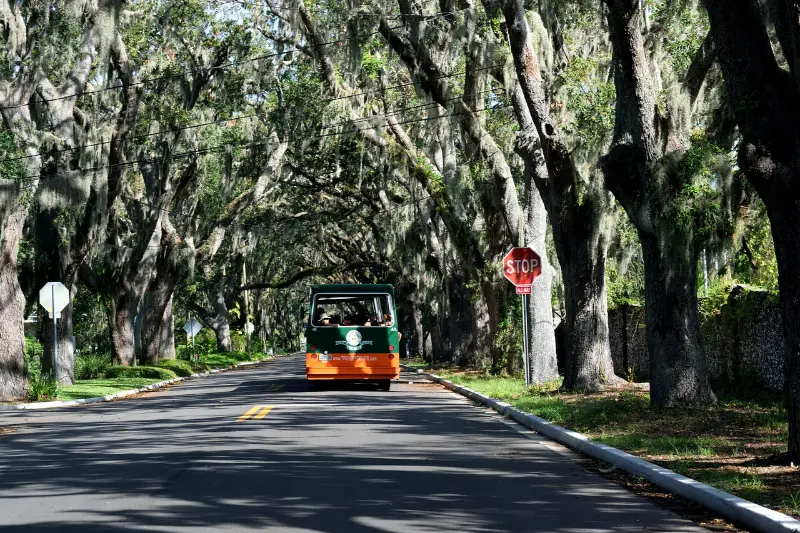
    Florida Shaded Street under Spanish Moss Trees

    Day one: discover Silver Springs State Park

    Make Silver Springs State Park your first full day's centerpiece. The park's historic glass-bottom boats offer a view into the clear freshwater system, including submerged features and aquatic life, without requiring visitors to swim. Reserve boat tickets where recommended and check availability through the official concession. Boats and routes may operate differently under changing weather or conditions. The park has multiple entrances serving different purposes, so use the precise address for your planned activity rather than assuming that every entrance leads directly to the glass-bottom boat dock.

    Arrive early enough to park, use the restrooms and enjoy the spring setting before your tour. The natural system connects springs, river habitat and surrounding forests; interpretive materials can help children understand why water clarity matters. An adult who does not swim may find the boat trip especially rewarding. Some departures may have specific accessible arrangements, so wheelchair users should confirm the appropriate boat and booking procedure in advance. Do not promise anyone a particular animal sighting, as wildlife movement is unpredictable. The boat and nearby public paths can provide a substantial experience even without a long hike.

    Day one afternoon: gardens, historic features and short walks

    After the boat, spend the afternoon in the main spring area, where designated paths, gardens and interpretive stops can complement the water excursion. Choose a walk that matches your group's stamina. Some routes have paved surfaces and places to rest, while longer nature trails may have different conditions. Check the park's current map and any closed structures or platforms. If you are visiting with young children, one short loop and a snack may be all they need; forcing a long hike after a boat ride can make the day less enjoyable.

    Silver Springs has a long tourism history, and the glass-bottom boat tradition itself is part of that story. Observing the spring through a boat is also a way to discuss Florida's aquifer, limestone and groundwater. People interested in photography can look for reflections, shade and broad river views rather than seeking close contact with wildlife. Keep a respectful distance from alligators and other animals, and never feed them. Swimming at Silver Springs State Park should not be assumed permitted simply because the water looks inviting; follow the park's designated recreation rules, not guesses based on other springs.

    Day two morning: downtown Ocala and its history

    Begin day two with a more urban rhythm. Downtown Ocala offers shops, cafes, architecture and opportunities to learn about the city's role in the region. Choose a compact walking route near the downtown square and explore a museum or gallery if one is open. This morning can be particularly useful for visitors who enjoyed Silver Springs but want a day with less time outdoors. Local businesses and exhibition schedules change, so look up current hours rather than relying on a printed guide from a previous season. A pleasant downtown visit can be as simple as breakfast, a short walk and time in one cultural venue.

    Family tipFor families, a town morning adds variety after a full day around the river. Parents can choose a relaxed lunch without needing to pack another outdoor picnic. Travelers with limited mobility should check the precise parking location, crossings and accessible entrance to any selected venue. Downtown streets are not identical to a nature trail: curbs, traffic and crowded events create different planning needs. If a weekend market or festival takes place, it may enrich the visit but also affect parking. Enjoy what fits your interests rather than feeling obliged to cover an entire neighborhood.

    Day two afternoon: discover Ocala's horse-country identity

    Ocala and Marion County are widely associated with horse breeding, equestrian sports and rolling farm landscapes. You can appreciate that heritage without entering private property. Look for an authorized tour, an open public equestrian venue or a visitor attraction that explains the region's industry. Some horse-related experiences require advance booking, appropriate footwear and compliance with animal-handling rules. Do not drive onto a farm just because it looks scenic from the road; farms are workplaces and private homes. A short official tour is more informative and respectful than stopping unexpectedly at someone's gate.

    If horses do not appeal to your group, choose a museum, local park or restful afternoon. Young children may be interested in learning about horses but not ready for a riding session. A teenager who wants to ride needs a reputable instructor and an activity suited to their experience. Travelers with mobility limitations can ask whether a venue offers accessible observation areas or educational demonstrations. Florida's horse country is also valuable as a landscape: mature trees, fences and open pastures create a quieter side of the state, best appreciated safely from public roads and designated destinations.

    Horse Drawn Carriage at Florida Park

    Day three: one nature choice, not every spring in the county

    For day three, decide between another nature destination or a relaxing return to a favorite area. Ocala National Forest, nearby state parks and regional trails offer multiple options, but they vary considerably in travel time, amenities, swimming permissions and safety considerations. Pick one that suits your group and verify the official location details before departing. For visitors looking for a gentle outing, a designated park with bathrooms and a short trail may be better than an isolated spring accessed by unpaved road. Families with active children might consider a managed outdoor program, while older travelers may prefer a scenic drive and picnic.

    The forest and waterways are not interchangeable with a supervised recreation center. Some natural swimming areas have depth changes, no lifeguards and limited cell service. A trip requiring paddling may also involve currents, equipment rental and launch fees. Choose only activities consistent with the group's ability and ask staff about conditions on the day. If the forecast threatens thunderstorms, use the morning for an indoor venue or a drive to a safe public stop. A third day that feels comfortable is far more worthwhile than a rushed attempt to visit three springs by lunchtime.

    Traveling with children, grandparents and mobility aids

    Ocala lends itself to an all-ages schedule if you are realistic about distances. The Silver Springs glass-bottom boat can be a shared centerpiece, provided everyone can board an appropriate departure and tolerate its duration. For children, pair one longer attraction with a playground or snack stop. Older adults may enjoy the clear-water views and downtown history without committing to difficult trails. Teenagers might want a more active forest or horse-country experience, but the rest of the group can enjoy a separate accessible stop and meet later for dinner.

    Research accessible facilities at the exact attraction, not just the park name. Silver Springs has more than one entrance, and the accessible boat arrangements need advance checking. Museums may be easier than rugged trails, but historic buildings can include steps or narrow approaches. Ask about seating, shade, restrooms, parking and emergency assistance where relevant. People who cannot walk long distances should avoid itineraries that depend on multiple long boardwalks in one day. The area's most memorable features can often be experienced through a few intentional stops, with plenty of time to recover between them.

    Water safety, wildlife and environmental care

    Clear water can create an illusion of safety. Springs vary in depth, temperature, current and permitted uses, and water may be colder than air temperatures suggest. Never enter a location that prohibits swimming, and do not paddle in closed channels or outside your skills. Wear properly fitted life jackets when required and know how to reboard a vessel. Young children need close supervision around launches and riverbanks. Watch the weather carefully in summer; lightning and paddling do not mix. People with medical or mobility needs should seek specific professional advice before choosing demanding activities.

    Protect native wildlife and habitat. Alligators may live in waterways even if they are not visible, and feeding them is dangerous and prohibited. Keep distance from monkeys if present in the Silver Springs ecosystem; wild animals are not pets. Stay on designated paths, avoid damaging river vegetation and carry out trash. Do not approach or feed birds for photographs. Horse-country visits also call for respectful animal behavior, following the owner's directions and avoiding sudden contact. These measures allow visitors of every age to appreciate Florida's natural environments without putting themselves or wildlife at risk.

    Understand the likely costs

    Your main expenses are lodging, car travel, meals and any ticketed tours or attractions. Silver Springs State Park may have an admission charge separate from boat tour tickets or launch fees; check the official park and concession information. Guided horse experiences can be another significant expense, while downtown walks and some scenic stops are lower-cost options. Compare the cost of an activity against the time your group will truly enjoy it. An expensive riding lesson may be worthwhile for an enthusiastic teen but unnecessary for a family that simply wants to see the area's landscape.

    Accommodation cost also depends on whether you want a central hotel, a rural rental or a property with more amenities. Kitchens and laundry can reduce some daily expenses for families, but cleaning charges may offset the benefit. Check any pet policies and whether a rental's remote setting creates extra driving for meals. Plan for seasonal changes in demand and cancellation terms. Reserving only a few key activities makes it easier to adjust when rain or heat interrupts the schedule. The region offers much to enjoy without stacking paid experiences across all three days.

    Seasons, weather and last-minute checks

    Ocala's inland location can bring cooler winter mornings than coastal Florida, while summer afternoons are hot and storm-prone. Pack layers outside summer and start outdoor visits earlier in warm months. Spring can be popular for garden and horse-country activities, but events may affect lodging and road use. During hurricane season, follow official forecasts and local emergency guidance. Rain may change a planned trail into a museum visit; it is sensible to have one indoor alternative ready. The goal is not to plan every hour, but to prevent a closed entrance or storm from taking over the whole day.

    Before departing, confirm the exact Silver Springs State Park entrance for glass-bottom boats, check available reservations and any accessibility arrangements, and save official maps for your chosen day-three destination. Ask about current horse-tour offerings rather than assuming public farm access. Three days in Ocala and Silver Springs can be remarkably varied: spring-fed water, local history and landscapes shaped by horses. An unhurried structure allows these elements to stand apart, while keeping the trip comfortable for families, couples, solo travelers and people who need a gentler pace.

    Frequently asked questions

    Can I swim in Silver Springs State Park?

    Do not assume swimming is allowed. Follow current park rules for each entrance and designated activity.

    Which entrance is used for glass-bottom boats?

    Use the official Silver Springs main entrance and booking information, not the separate camping entrance.

    Is the glass-bottom boat accessible?

    Accessible boat arrangements exist on selected departures; confirm booking details with the concessionaire.

    Official visitor information

  • Florida Literary Road Trip: Eight Days of Writers, Bookshops and Historic Places

    Florida Literary Road Trip: Eight Days of Writers, Bookshops and Historic Places

    Florida literature grows from landscapes that vacation advertising often ignores: creeks, small towns, labor, migration, ecological change, island eccentricity and the complicated stories of people who made a home here. An eight-day literary journey can connect sites associated with Marjorie Kinnan Rawlings, Zora Neale Hurston and Ernest Hemingway while leaving space for libraries, independent bookshops and writers whose work is less prominently marketed. The route works best as two separate geographic clusters, North and Central Florida followed by the Keys, with an honest transfer day between them. It is not an instruction to collect author-house selfies. Reading a few pages before each stop, asking whose perspectives are missing and paying attention to contemporary Florida writers will make the trip richer. The itinerary is suitable for adults, bookish teenagers and curious families, although individual museums may not interest very young children for long.

    On this page

    Build a reading list that avoids a single Florida story

    Choose one work related to each major region before travel rather than trying to finish an enormous syllabus. Marjorie Kinnan Rawlings wrote about rural North Central Florida; Zora Neale Hurston explored Black Southern life and folklore with a voice inseparable from questions of representation; Hemingway's Key West period is widely interpreted through an author house and the surrounding island. These writers differ markedly in era, background and literary approach. A visitor should not treat any single book as an impartial history of the whole community it depicts. Pair classic works with an article by a local historian or a contemporary writer. For older travelers, audiobooks can be useful on driving days if the driver can concentrate safely. For children, use short passages about a place rather than assigning adult novels on vacation.

    Day 1: St. Augustine as a place of stories

    Begin in St. Augustine with a walk through the historic downtown, viewing the city as a layered place whose stories extend far beyond postcard colonial architecture. The Florida history you will encounter includes Indigenous history, Spanish colonial history, African American experiences and centuries of tourism. Look for a museum program or walking tour led by knowledgeable local interpreters. The city's narrow streets and irregular paving may call for frequent seated breaks. Spend an hour in a local bookshop or public library branch where visitors are permitted, looking for writers who depict Northeast Florida today. Rather than squeezing in every fort or house, choose a single exhibition that helps you understand who recorded the town's stories and who was denied a public voice. Overnight nearby to avoid exhausting transfers.

    Day 2: Jacksonville and the importance of archives

    Move to Jacksonville, where history museums, neighborhood heritage initiatives and public libraries can complement the literary focus. Jacksonville is a large city, and attractions are not arranged as one effortless pedestrian circuit. Choose one neighborhood and one carefully researched institution, then stop for a meal. Ask librarians or museum staff whether they have public displays about regional authors, oral histories or neighborhood change; a permanent exhibition should never be assumed without checking. This is also an opportunity to discuss how archives preserve letters, newspapers, photographs and voices that do not appear in canonical books. For a school-age child, a scavenger activity around maps and old photographs can be more engaging than another formal house tour. Stay in Jacksonville or move toward Gainesville when traffic and energy permit.

    Day 3: Cross Creek and Marjorie Kinnan Rawlings

    Cross Creek offers a very different experience from an urban museum. At Marjorie Kinnan Rawlings Historic State Park, the surrounding grove and farm buildings help place the writer's life in a working rural landscape. Interior house access is guided and subject to schedule changes, seasonal closures and high-heat limits, so consult the current Florida State Parks page rather than assuming the house will be open on any date. The grounds themselves can still offer context when tours are unavailable, but paths and surfaces should be checked by visitors with mobility needs. Avoid describing rural Florida as unchanged since Rawlings' era: agriculture, tourism and environmental pressures have reshaped the area. Read about both the writer's accomplishments and later scholarly criticism of whose lives were represented through her prose. Gainesville makes a reasonable overnight base.

    Day 4: Gainesville, university collections and the craft of research

    In Gainesville, spend time understanding how books become sources. The University of Florida's libraries and public cultural institutions may offer exhibitions or collections with specific access procedures; only promise entry to rooms or manuscripts after checking visitor policies. Even without a special collections appointment, a public exhibition, a bookstore and a quiet café can frame a rewarding literary day. Discuss with teenagers the difference between a historical document, an autobiographical account and a novel. A photograph or diary reveals one perspective, and a novelist's decisions reflect the period in which they wrote. If you are traveling with younger children, split the day into a short indoor stop, a park break and a small reading challenge. Carry a lightweight book and resist turning the day into a compulsory academic excursion.

    Day 5: Eatonville and Zora Neale Hurston

    Head toward Eatonville, an important historic Black town associated with Zora Neale Hurston's childhood and literary imagination. The setting deserves more than a hurried plaque photograph. Seek interpretation from local cultural organizations, check the operating status of any galleries or visitor centers, and learn about the town's civic history beyond its famous writer. Eatonville is a living community rather than an outdoor museum; respect homes, businesses and religious spaces. Hurston's work can spark discussion about language, folklore, autonomy and who controls a community's narrative. Her writing may introduce unfamiliar dialect and challenging themes, so choose reading material appropriate for children's ages. Orlando offers a broad choice of hotels and provides a convenient base for an extra day if anyone needs a rest before the long southward journey.

    Miami Historic Residential Building and Greenery

    Day 6: The long transfer is part of the plan

    Do not disguise the distance between Orlando and the Keys with a vague instruction to continue south. Set aside a full travel day to reach the Miami area, with one modest stop on the way. A train connection may work between Central and South Florida, but the Keys still require a separate transportation plan. If driving, check live traffic, toll arrangements, weather forecasts and fuel or charging needs. A literary journey can use the transfer for an audiobook and a conversation about changing scenery rather than accumulating additional attractions. Book a Miami overnight rather than attempting a fatigued arrival in Key West late at night. If the group includes older travelers or anyone prone to motion sickness, consider extending the itinerary by a day instead of pushing through an overly ambitious transfer.

    Day 7: The Overseas Highway and writing about islands

    Drive through the Keys with a small selection of planned stops. Bridges, changing sea colors and settlements make the landscape distinctive, but the road has limited alternatives when congestion builds. A short environmental or historical stop helps place island writing in the context of fishing, storms and fragile coastal ecosystems. Keep all photography within legal pullouts; bridges and shoulders are not spontaneous scenic parking lots. Avoid romanticizing the islands as empty refuges for famous writers: year-round residents work in tourism, conservation and other industries while managing housing and storm risk. Arrive early enough in Key West to settle into your accommodation, walk part of the historic district and choose dinner without rushing. Your accommodation's parking policy can be more important than proximity measured in straight-line distance.

    Day 8: Hemingway's Key West and voices beyond Hemingway

    The Ernest Hemingway Home and Museum is a major literary attraction, but it should be one chapter of the day rather than its only purpose. Verify ticketing, tour arrangements and accessibility directly. The house's historic fabric can entail steps and uneven surfaces. After visiting, walk the surrounding streets and seek out other local histories, including Black Bahamian, Cuban and maritime traditions. A writers' town is shaped as much by neighbors and workers as by the celebrated person whose name appears on the attraction sign. Visit an independent bookshop and choose a contemporary Florida title to take home. If you are flying out of Key West, allow for airport logistics; if returning to Miami, do not plan a late departure from the island after an exhausting day.

    Key West Historic Wooden House among Trees

    Bookshops, museums and how to spend meaningfully

    Literary tourism should circulate some money locally. Buying a book from an independent bookseller, paying an appropriate museum admission or hiring a qualified local guide can be more responsible than collecting free selfies. Yet not every traveler has room in the budget for many purchases, and libraries or free public programs can be equally valuable. Check event calendars for readings and festivals, but do not design an itinerary around a festival without confirming dates and ticket rules. If you use a wheelchair, ask whether author-house tour routes include rooms accessible only by stairs; a museum's public admission may not cover full building access. For a mixed-age family, plan one anchor cultural visit per day and make the rest optional. The intellectual value of the trip grows when everyone has space to reflect.

    A more honest kind of literary souvenir

    After each stop, write three sentences: what you saw, whose account you heard, and what you still need to learn. Children can sketch a building or copy the title of a new book; adults might note a surprising detail about the local history. This practice prevents the journey from becoming an interchangeable string of historic interiors. Do not quote long passages on a public travel blog without considering copyright, and seek permission before publishing identifiable portraits of museum staff or other visitors. If you describe your trip later, distinguish your observations from quotations and official interpretations. The best Florida reading itinerary does not declare that an author 'captured the real Florida.' It helps you notice how many different Floridas exist at once and sends you home curious enough to keep reading.

    Planning at a glance

    Planning itemRecommendation
    Typical paceOne substantive activity each day; avoid stacking distant stops
    Getting aroundCheck regional distances and accessible transport before committing
    ReservationsVerify actual tours, rentals, gate times and cancellation rules
    Weather backupKeep one indoor alternative for lightning, heat or heavy rain
    Before travelReconfirm official operating notices, local rules and access needs

    Frequently asked questions

    Can I do this entire trip without driving?

    Parts work with rail or local transfers, but rural Cross Creek and the Keys require more careful transport planning.

    Is the Rawlings farmhouse always open?

    No. Guided tours have seasonal, weather-related and scheduling limits; verify current state park notices.

    Is this good for teenagers?

    Yes if they enjoy history and writing, but balance museums with outdoor breaks and short readings.

    Do I need to read Hemingway before visiting Key West?

    No, though one short work or a reliable biography helps explain the context of the house and town.

    Where should I add an extra night?

    Gainesville or the Miami area are sensible choices depending on whether you prefer a slower cultural day or easier Keys travel.

    Reliable sources and further reading

    Travel planning note: opening hours, fees, access rules and local conditions may change. Recheck official sources before making reservations. This guide does not claim firsthand experience.

  • Key Largo Without Snorkeling: Four Days of Reefs, Forest Trails, and Florida Keys History

    Key Largo Without Snorkeling: Four Days of Reefs, Forest Trails, and Florida Keys History

    Key Largo is often presented as a place where the best parts are underwater. That is true for divers and many snorkelers, but it is a narrow picture of the island. Travelers who do not swim, dislike boat motion, or simply want a vacation with dry feet can still build a rewarding four-day stay around coral geology, tropical forest, sea-life exhibits, and the complicated history of the Overseas Railroad. This itinerary keeps journeys short enough to accommodate small children and older relatives while showing why the upper Florida Keys feel different from mainland Florida.

    Quick planning table

    DayMain experience
    1John Pennekamp visitor center and trails
    2Dagny Johnson tropical hardwood hammock
    3Windley Key fossil reef quarry
    4Flexible local history and waterfront stops

    A rental car is useful because attractions spread along the Overseas Highway and public transportation does not operate like a frequent city bus. Stay in Key Largo or the northern Islamorada area rather than moving hotels every night. Consider a property with a shaded outdoor seating area and easy parking; the enjoyment here is as much about the pace between visits as the number of tickets purchased. This is an island environment: walkways can be exposed, afternoons humid, and traffic slow during weekend arrivals.

    Day one: start with the reef on land

    Make John Pennekamp Coral Reef State Park the first anchor. Its visitor center includes a substantial saltwater aquarium and smaller displays that help explain reef fish and invertebrates before anyone considers a boat trip. These exhibits make the marine environment understandable for a child who is too young to snorkel or an adult who prefers not to enter deep water. The park also has paths and waterside areas, so you can choose a short visit or stay for a picnic. Confirm visitor-center hours and current exhibit access on the official site.

    Rather than trying to see every corner of the park, choose one nature trail after the aquariums. The Wild Tamarind Trail is described by the state as a three-tenths-of-a-mile loop through tropical hardwood hammock; the Grove Trail is longer, with mangrove and former grove habitats. Conditions can be hot, uneven, muddy, or buggy, even when distances look modest. Bring closed-toe shoes, drinking water, and a trail map. Visitors who cannot manage the route may enjoy the aquarium and shaded areas without treating the trail as an obligation.

    Understand what a reef is without entering the water

    The upper Keys are built on a story of changing seas, fossil coral, mangroves, and modern protected waters. In the aquarium, look for differences between reef fish, invertebrates, and living coral displays. Ask a child to identify three adaptations: color, camouflage, and the way fish occupy different parts of the habitat. The point is to leave with a better understanding of the living ecosystem, not just photographs. Interactive interpretation is especially valuable when weather cancels a boat excursion or one member of the group prefers indoor activities.

    Do not confuse an aquarium reef with a promise of clear visibility in the sea. Water conditions, wind, and storms control what boat passengers will see on a real outing. A glass-bottom boat may be an optional way to experience the offshore habitat without swimming, but it is still a boat; motion sickness and cancellation rules matter. Book only if everyone who wants to go is comfortable with those uncertainties. The entirely land-based itinerary works just as well without it.

    Day two: Dagny Johnson Key Largo Hammock

    Dagny Johnson Key Largo Hammock Botanical State Park protects a large tract of West Indian tropical hardwood hammock and several protected species. The difference from the manicured mainland parks is immediate: dense vegetation, filtered light, limestone ground, and an unfamiliar mix of plants. It is better suited to unhurried observation than a fast exercise walk. The state park describes more than six miles of trails overall, but visitors do not need to cover most of them. Select a short route matched to the day's conditions and turn around early if needed.

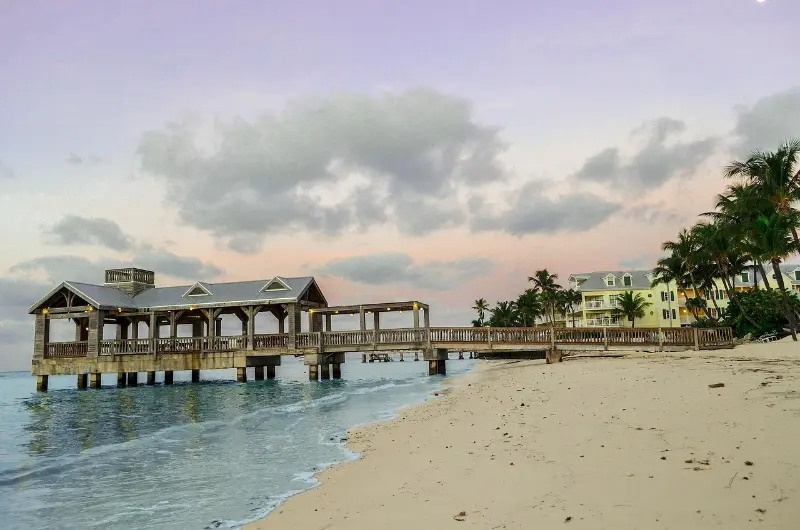
    Key West Wooden Pier and Calm Water

    The park has an honor-box admission system, so arrive prepared according to its current instructions. Watch for roots, insects, and slippery patches after rain. Remain on established paths; fragile plants and animal habitat make shortcuts a poor choice. Birdwatchers may enjoy early hours, while families can keep a simple leaf-shape notebook instead of searching for rare wildlife. Never promise crocodile sightings, even though American crocodiles occur in the broader region. Wild animals should be observed from distance, never approached or fed.

    What a tropical hammock teaches about the Keys

    The hardwood hammock is not a beachside garden. It is a scarce upland habitat shaped by elevation, salt exposure, hurricanes, and the slow accumulation of organic material over limestone. That makes it an especially revealing place to understand development pressure in the islands. Compared with urban Key Largo, the park shows the environmental character that existed before modern road corridors and large visitor facilities. A family can spend an hour identifying shade, light openings, and wind protection without needing specialized equipment.

    Older visitors may prefer one short segment and then a comfortable lunch elsewhere. For a wheelchair user, do not infer that a park is accessible merely because a route is short; ask the ranger station which trail sections have firm surfaces and suitable width on the chosen day. If the path is unsuitable, keep the wildlife education portion at Pennekamp and substitute a scenic roadside overlook. A successful vacation offers equivalent enjoyment, not a mandatory hike.

    Day three: Windley Key and the Overseas Railroad

    Travel south toward Islamorada to Windley Key Fossil Reef Geological State Park. This is one of the most intellectually satisfying stops in the upper Keys because the old quarry walls reveal fossilized reef structure in exposed limestone. The site also helps connect natural history to human history. In the early twentieth century, rock from the quarry was used for Henry Flagler's Overseas Railroad; later, the stone became decorative building material. The surviving industrial setting gives visitors something tangible to examine beyond conventional beach scenery.

    The park currently lists Thursday-through-Monday opening, so organize your four-day visit around its posted schedule instead of assuming you can arrive on any weekday. Paths in a quarry are not the same as a smooth waterfront promenade: check mobility, heat, and footwear needs. Read the interpretive panels slowly, then compare fossil patterns with what you saw in the live aquariums on day one. Children who enjoy trains may be particularly interested in the quarry's railway connection, while adults can reflect on the engineering work involved in crossing islands before modern bridges.

    Day four: a flexible Key Largo day

    Keep the final day deliberately light. Return to a favored viewpoint, spend a relaxed morning at a waterfront cafe, or revisit Pennekamp's visitor center if the first day was abbreviated. Many waterside restaurants have outdoor tables, but access to a private dock or shoreline is not automatically public; use only authorized viewing spots. If you prefer a history-oriented morning, look for local interpretive displays connected to early Keys settlement and the highway. Check each museum or gallery's operating schedule rather than assuming daily opening.

    This is also the best time to decide whether a short guided boat experience belongs in the trip. If one person wants the reef and another cannot board, separate plans can work better than insisting everyone participate. Keep the land-based group near a confirmed restroom and comfortable seating, and arrange a clear reunion point. Where a boat outing would create anxiety or extra expense, an extra meal and a quiet afternoon are fully legitimate vacation choices.

    Where to stay: location matters more than resort scale

    Key Largo stretches along U.S. 1 rather than around a single walkable center. A hotel that looks close to a restaurant on the map may still sit across a busy highway without a comfortable crossing. Ask whether the property has a ground-floor room or elevator, whether its outdoor paths have steps, and whether parking is included. For families, a refrigerator for drinks and snacks can be more useful than an elaborate activity program. Travelers with mobility needs should request details about bathroom doors, showers, and the exact path between their room and facilities.

    A rental condo may offer cooking space and a quieter routine, but confirm the final total including cleaning charges, taxes, parking, and cancellation terms. Don't assume that a property advertising 'waterfront' has a sandy swimming beach. Many Keys shorelines are mangroves, rocks, seawalls, or docks. Choosing an accommodation for the view and the calm rather than imagined beach access avoids a common disappointment.

    Getting there and avoiding unnecessary driving

    Key Largo is generally approached from the Miami and Florida City area along U.S. 1. Allow extra time for airport rental pickup and traffic on the southern mainland approaches. Long-distance day trips from Orlando or Tampa sacrifice much of the destination's relaxed value; they leave little time for short stops or a meal. Once in the upper Keys, group sites by direction so you do not drive back and forth repeatedly. A Key Largo base suits Pennekamp and Dagny Johnson; Windley Key is a convenient outing to the south.

    Drivers should watch for changing speed limits, bike riders, and turn lanes on the Overseas Highway. Never stop on a bridge or shoulder merely because the water looks beautiful; use signed, legal parking areas. After heavy rainfall, trails may be muddy even while the main road is dry. During tropical storm warnings, follow county and state instructions and never attempt to outsmart an evacuation order for the sake of a paid booking.

    A Key Largo budget that is realistic

    Separate the trip into lodging, transportation, food, admissions, and optional activities. The forest park and quarry often cost much less than a guided reef outing, but prices can change, and using a rental car may be a significant share of the budget. Compare overnight rates by weekday and season and check whether resort fees are added at checkout. When booking outdoor tours, review the weather cancellation policy as carefully as the advertised price.

    A practical four-day plan might include two paid park visits, one or two optional restaurant meals each day, and a free afternoon between activities. Taking a packed lunch to a permitted picnic area can make the day less expensive and easier with children who need familiar food. No expensive water sport is necessary to understand why the Keys' coral and mangroves matter.

    Frequently asked questions

    Can we enjoy Key Largo without swimming or snorkeling?

    Yes. Pennekamp's aquariums, forest trails, Windley Key's fossil quarry, and waterfront dining make a satisfying land-based stay. A boat is optional, not essential.

    Are trails accessible to every wheelchair or stroller?

    No. Trail surfaces and conditions differ. Ask each park about the specific route and current condition before committing; choose visitor centers and shorter stops when needed.

    What is the best season for this itinerary?

    Many visitors appreciate the generally milder winter and spring months, but traffic and room rates can be high. Summer can be hot and stormy. Check the forecast and park updates for the precise dates.

    Official resources

    Use John Pennekamp Coral Reef State Park, Dagny Johnson Key Largo Hammock, and Windley Key Fossil Reef to verify hours, routes, admission rules, and park conditions.

  • Two Days in Ocala: Best Weekend Itinerary for Springs, Horses, Downtown and Ocala National Forest

    Two Days in Ocala: Best Weekend Itinerary for Springs, Horses, Downtown and Ocala National Forest

    Two days in Ocala is the sweet spot for a first visit. One day gives you the highlights; two days lets you actually slow down at a spring and see horse country without turning every meal into a race against the next reservation. The best weekend also mixes east and west sides of the county so you are not crossing the same roads repeatedly.

    Explore this guide

    This itinerary assumes you have a car and want a balanced trip rather than a specialist paddling, cycling or equestrian weekend. It works for couples, families and active older travelers with small adjustments.

    Two-day Ocala itinerary at a glance

    • Day 1: Silver Springs → Appleton Museum or easy park → Downtown Ocala
    • Day 2: horse-country experience → lunch → one swimming spring or World Equestrian Center event
    • Best base: central/west Ocala or I-75 for mixed itineraries
    • Best pace: one major morning activity and one flexible afternoon/evening activity

    Day 1 morning: Silver Springs

    Begin with Silver Springs State Park. Book or confirm the glass-bottom boat and allow time to walk rather than leaving immediately after the tour. If your group wants to paddle, use a short rental rather than the longest route; Day 2 still has a major outdoor component.

    Day 1 afternoon: choose culture or an easy reset

    On a hot or rainy afternoon, Appleton Museum of Art is a natural follow-up because it stays on the eastern side of town. Families who need movement rather than galleries may prefer Sholom Park, though that involves driving west.

    Day 1 evening: Downtown Ocala

    Spend the evening around Downtown Ocala. Dinner, the square, murals and a seasonal event provide enough structure without requiring another ticket. Keep the evening moderate if Day 2 begins with a scheduled horse tour.

    Day 2 morning: horse country

    Book a legitimate experience using our horse-country guide. A farm tour is ideal because it explains what you saw from the road on Day 1. If tours do not operate on your date, use a public class at World Equestrian Center or Florida Horse Park.

    Florida Shopping Boulevard with Palm Trees

    Day 2 afternoon: choose one spring or one equestrian event

    If the weather is hot and everyone wants water, choose a spring using our Ocala springs comparison. Rainbow Springs makes sense if you are already west of Ocala. Alexander Springs is better if your next overnight is toward Orlando or the Atlantic side. Salt, Juniper and Silver Glen are better for travelers intentionally exploring the national forest rather than squeezing in a quick swim.

    If an important horse show is running, skip the second spring and stay in horse country. Watching a feature class gives the weekend more contrast than repeating another water activity simply because springs are famous.

    Two-day itinerary for families

    1. Day 1: Silver Springs boat, hotel/pool break, Downtown dinner.
    2. Day 2: short horse experience in the morning, one swimming spring after lunch, early dinner.

    Families should not add a museum unless weather makes it necessary. With children, the unplanned hour at the hotel pool can be more valuable than a fourth attraction.

    Two-day itinerary for active travelers

    1. Day 1: early paddle at Silver Springs, late lunch, Santos or easy evening downtown.
    2. Day 2: horse-country tour, then Rainbow Springs or an extended equestrian event.

    Do not pair Juniper Run with technical mountain biking on the same day unless everyone is conditioned for it. Heat and dehydration accumulate faster than a simple mileage calculation suggests.

    Two-day itinerary for older travelers

    1. Day 1: glass-bottom boat, Appleton Museum, Downtown dinner.
    2. Day 2: guided horse-country tour, long lunch, Sholom Park or World Equestrian Center spectator visit.

    This version still feels distinctly Ocala without requiring spring entry or long trails.

    Where to stay for two days

    Central/west Ocala is the most flexible choice for a mixed weekend because restaurants, I-75, World Equestrian Center and horse country remain easy to reach. Downtown lodging is best for evening atmosphere. Forest camping is better only if springs and outdoor recreation are the central purpose of the trip.

    Reservation strategy

    Reserve the activity that can ruin the trip if unavailable: horse tour, spring vehicle reservation or a specific event ticket. Keep the second half of each day flexible. Weather and capacity are too variable to prepay every hour of an Ocala weekend.

    Common mistakes

    • using both days only for springs
    • using both days only for horse venues unless that is your main interest
    • switching hotels after one night
    • underestimating drive time across Marion County
    • scheduling a long outdoor activity during the hottest afternoon in summer
    • forgetting that public horse-show schedules can shift

    Final thoughts

    Two days is enough to build a coherent Ocala story: water, horses, local culture and one quieter green space. The weekend feels complete because each day has a different rhythm. If you leave wanting to return for Juniper Run, Santos, more horse shows or the national forest, that is a better outcome than exhausting every option in forty-eight hours.

    How to choose between a hotel and campground

    A hotel is easier for first-time visitors because it simplifies breakfast, air conditioning, laundry and late meals. A campground makes sense when most of the trip is built around springs, paddling or forest trails. Families who plan only one national-forest day usually gain little by moving the entire trip out of central Ocala.

    How to handle bad weather across two days

    Do not cancel the entire weekend because the first forecast shows thunderstorms. Florida storms are often uneven and short-lived. Keep Don Garlits Museum, Appleton Museum or an indoor equestrian arena as a movable block. If a spring closes, move horse country forward and retry the water activity the next morning.

    A note on driving fatigue

    Two days can still involve substantial mileage because Dunnellon, Silver Springs, WEC and the national forest sit in different directions. Group attractions geographically and finish each evening near your lodging. The best weekend often includes fewer total stops than the map suggests, but far less time in the car.

    How to extend this itinerary to a third day

    A third day should deepen one interest instead of repeating Day 1 and Day 2. Spring lovers can spend it in Ocala National Forest at Juniper, Salt or Silver Glen. Cyclists can devote it to Santos. Motorsport fans can add Don Garlits Museum. Serious equestrian visitors can follow an event schedule rather than forcing a general sightseeing plan.

    Florida Downtown Skyline on Sunny Day

    That extra day also gives you a weather buffer. If thunderstorms disrupt a spring on Day 1, move water activities to Day 3 instead of trying to salvage them late in the afternoon.

    Practical planning checklist

    • save the official address and current operating information before leaving your hotel
    • check weather, heat index and lightning risk on the morning of the visit
    • keep water, dry clothing and basic first-aid supplies in the vehicle
    • confirm any reservation or timed-entry requirement separately from admission
    • leave enough time between activities for food, restrooms and traffic

    Ocala and Marion County are easiest to enjoy when the schedule has room to absorb a change. A delayed tour, full parking lot or sudden storm should alter the order of the day, not destroy the entire itinerary.

    Extra planning advice for a smoother Ocala trip

    Ocala looks compact when viewed on a statewide map, but the county spreads across horse country, the I-75 corridor, Silver Springs, Dunnellon and the Ocala National Forest. Before committing to a schedule, plot the exact entrances of the places you intend to visit. A route that appears to involve three nearby attractions can become several hours of driving when one stop is west of the city and another is deep in the forest. Grouping activities by area usually improves the trip more than adding one extra attraction.

    Weather deserves the same attention. From late spring through early fall, start strenuous outdoor activities early, protect the hottest part of the afternoon for lunch or an indoor stop, and keep a rain alternative available. Thunderstorms can arrive quickly and may close swimming areas, outdoor arenas or trails even when the morning was clear. In winter, the opposite problem appears: spring water remains relatively constant while cool air makes getting out of the water uncomfortable, especially for children and older travelers.

    Carry drinking water in the car even when the attraction sells beverages. Rural recreation areas may have limited service, and a short delay can become uncomfortable in heat. Download maps, reservation confirmations and important phone numbers before leaving strong cell coverage. If you have medication, mobility equipment or food that must stay cool, plan for those needs before entering the forest rather than assuming facilities will be equivalent to a city attraction.

    Finally, leave at least one flexible block in every day. Ocala is most enjoyable when a spring, horse event, museum or scenic drive has enough time to breathe. The region is not improved by rushing from one parking lot to another. A slower schedule also makes it easier to respond to capacity limits, delayed shows, a child who needs a rest, or a storm that changes the order of the day.

  • Florida Nature Coast Road Trip: Six Days From Homosassa to Cedar Key

    Florida Nature Coast Road Trip: Six Days From Homosassa to Cedar Key

    Between the large resorts of Tampa Bay and the better-known beaches of the Panhandle, Florida’s Nature Coast reveals a quieter side of the Gulf. Springs emerge from limestone, rivers wind through forests and small waterfront communities preserve a slower pace of life. A journey from Homosassa through Crystal River, the lower Suwannee country and Cedar Key is not the trip for nightclub seekers or travelers who want an endless row of beachfront towers. It is well suited to people who enjoy wildlife, simple seafood meals, local history and the pleasure of stopping when a view deserves more time.

    This six-day route deliberately leaves room for unpredictable weather and wildlife. Manatee sightings vary by season, tides affect some waterways, and small-town opening hours can be limited. Rather than guaranteeing a close encounter or a particular boat trip, the itinerary provides good bases and alternative choices so families, couples and older travelers can enjoy the region at their own rhythm.

    Plan the route and decide where to sleep

    Begin in Homosassa or Crystal River, move north toward the Suwannee River and finish at Cedar Key. You can do the drive in a much shorter time, but that would miss the point: the value of the route lies in exploring the places between the major stops. A car is extremely helpful because public transport does not link the smaller parks, coastal roads and lodging areas in a way that suits a standard sightseeing vacation.

    Two nights around Homosassa or Crystal River, one or two nights in the Chiefland or Fanning Springs area and two nights in Cedar Key make a sensible pattern. Travelers who dislike moving luggage can instead stay longer in Crystal River and choose day trips, accepting more driving. Look for accommodation with air conditioning, parking, reliable communication and dining nearby. Waterfront rentals can be charming but may be far from stores, restaurants and the nearest medical or transport services.

    Before booking Cedar Key, confirm the specific property’s condition and current access arrangements. Coastal communities can be affected by storms and repairs, and availability can change. A newly reopened restaurant or pier may not have the same hours or services shown in older travel photographs. Contact small operators directly when an activity is essential to your plans.

    Day one: settle into Homosassa and explore river country

    Arrive in Homosassa early enough to have a leisurely meal and a look at the riverside setting. The town’s appeal is not an urban shopping district; it comes from waterways, boats, working coastal culture and nearby wildlife sites. Choose a short outing rather than attempting a complicated paddling excursion immediately after the drive. A waterfront meal can be a useful first introduction to the region, especially if everyone is adjusting to Florida’s weather.

    Homosassa Springs Wildlife State Park offers a chance to learn about native wildlife in a managed setting. Check current exhibits, visitor access and whether any transport options are operating before you go. Families may find that a few hours here give children a better understanding of manatees and Florida habitats than a rushed boat ride where the animals are not visible. Older visitors can arrange a shorter experience instead of trying to see everything.

    For the evening, seek a comfortable view over the river and let the first day finish early. Florida’s coast can feel very quiet after dark away from the main resort centers. Having dinner plans confirmed is more useful than relying on an advertised restaurant that might close early on weekdays.

    Day two: Crystal River, springs and manatee etiquette

    Spend the morning in the Crystal River area. During cooler months, manatees may gather in spring-fed waters, making winter one of the most rewarding times to look for them. Three Sisters Springs is particularly well known for above-water viewing from designated boardwalk areas when public access is available. The reserve and its managed access procedures can change with conservation requirements, so check the official pages before setting out: Crystal River National Wildlife Refuge.

    Florida River Estuary Nature Reserve Aerial

    Wildlife is not a scheduled performance. Even during winter, a particular animal sighting cannot be guaranteed. Watch quietly and avoid crowding or touching manatees. Feeding or giving them water is prohibited; pushing toward a resting animal can change its behavior and endanger it. The Florida Fish and Wildlife Conservation Commission’s manatee viewing guidelines are worth reading even if your group plans only to observe from shore.

    In warmer months, when many manatees are dispersed, make spring landscapes and local history the main attractions. Choose a scenic boat outing only with a reputable operator who explains conditions and wildlife rules clearly. Some travelers are happier with a dry, land-based viewpoint than with snorkeling or paddling; nobody has to enter the water to appreciate this region.

    Day three: the archaeology and landscape of the Crystal River area

    Give the day a different focus. Crystal River Archaeological State Park preserves evidence of long-standing Indigenous presence along the coast. Reading interpretive material and looking over the site can broaden the story of Florida beyond beaches and modern attractions. Treat archaeological places respectfully: stay on designated paths, don’t collect artifacts and explain to children why sites associated with earlier communities deserve care.

    If your group wants more nature afterward, consider a short trip into nearby forested or wetland landscapes rather than another long water excursion. For families, a small trail with clear signs can become a scavenger hunt for leaves, bird calls or different tree shapes. For photographers, early or late light often gives a richer sense of the landscape than bright midday sun. An accessible outing should be selected according to current path conditions, not an assumption that all nature trails are smooth.

    This is also a useful laundry or rest afternoon before continuing north. Travelers on a road trip tend to underestimate the time needed for groceries, petrol, packing and a quiet meal. Using a middle day for those practical tasks makes the next move more enjoyable.

    Day four: Fanning Springs and the Suwannee River

    Drive north toward the Suwannee River area. Fanning Springs and nearby communities provide a change from coastal marshes to spring water and wooded river scenery. Pick one state park or river viewpoint rather than trying to tour several facilities in an afternoon. In some places swimming is popular, but a visit can still revolve around walking, looking at the water and learning about the limestone landscape.

    River levels, current, water quality and park access can change. If paddling is important, ask a local outfitter whether the selected route suits the experience of your whole group. A family with a small child or an older traveler who prefers stable footing may enjoy the river more from a dock or shaded picnic area. Never assume a spring’s clear appearance makes every part of the water safe for an inexperienced swimmer.

    Stay near Chiefland or another practical base with evening dining options. This part of the route is less developed for tourists than major beach centers, which is part of its character and also means you should plan fuel, meals and hotel check-in rather than hoping to discover everything spontaneously after sunset.

    Day five: Lower Suwannee landscapes and the road to Cedar Key

    Check the Lower Suwannee National Wildlife Refuge visitor guide for permitted roads and trails. Allow time for Lower Suwannee National Wildlife Refuge, where forests, waterways and bird habitats show the ecological breadth of the Nature Coast. Choose official roads and trails, respecting weather closures and wildlife protection notices. A slow scenic drive with a few short stops may suit a mixed-age group better than a long hike. Bring binoculars: looking at a distant bird through lenses is kinder to the animal and more enjoyable than approaching until it flies away.

    Then continue to Cedar Key, a small island community where the waterfront, working heritage and changing light are the attraction. It is not a wide, white-sand resort destination like Destin. That distinction matters when choosing a hotel and setting expectations for children. Look for the details: docks, low buildings, salt air, seafood, boats and a sunset that changes the colors of the water.

    Arrive well before dinner, park once if your accommodation permits and walk a short section of town. Ask local businesses about current opening times and conditions. If repairs or temporary closures affect an attraction, use the afternoon for the waterfront and a leisurely meal rather than driving long distances to fill an empty slot.

    Day six: Cedar Key history, birds and a slow departure

    The last morning should be flexible. If local museums are open, they can help explain Cedar Key’s past as a working settlement connected to fishing, trade and transport. Check opening days before making a museum the center of your schedule; small attractions may run fewer hours than visitors expect. Families might enjoy looking for shorebirds and learning the difference between wading birds and gulls. If the group has little interest in museums, choose a peaceful morning around the water instead.

    People who enjoy paddling can ask locally about conditions, launch locations and appropriate routes, but tidal waters are not suitable for an improvised first outing. Weather, boat traffic and exposed channels demand judgment. For a low-effort option, a knowledgeable guided boat tour may offer valuable context when conditions permit. Anyone susceptible to motion sickness should ask about vessel size, duration and weather arrangements before paying.

    Leave enough time to reach the next destination in daylight. The Nature Coast rewards an unhurried driver, but wildlife, narrow roads and unfamiliar turnoffs can complicate navigation after dark. Offline maps are useful when mobile reception is inconsistent.

    When to visit and what changes by season

    Late fall through spring often brings more comfortable temperatures for walks and birdwatching than midsummer. Winter is particularly interesting for manatee observation in appropriate areas, although cold fronts can alter the feel of the coast and water activities. Summer may provide long days and lush scenery but also oppressive humidity, insects, thunderstorms and high afternoon heat. Hurricane season calls for a flexible booking approach, a weather check and awareness of local evacuation guidance.

    If seeing manatees is the main reason for visiting, treat the trip as a winter nature vacation and accept that the animals make their own choices. If boating and relaxed waterfront meals are the priority, the best dates may be different. Around holiday weekends, book ahead: small towns have fewer accommodation options and can feel busy when many visitors arrive at once.

    Costs, comfort and accessible choices

    Costs usually come from lodging, car rental, fuel, meals, park entry and any guided outing. A day spent driving scenic roads or visiting inexpensive public spaces can balance a paid wildlife experience. Do not compare the region only with theme park ticket prices; the Nature Coast’s value is the slower atmosphere and the chance to enjoy outdoors without constant bookings.

    Older travelers or visitors with limited mobility should favor accommodations with step-free entry, parking close to the room and a shower arrangement that matches their needs. Wildlife boardwalks vary in surface and access, and a dock may not have accessible boarding. Ask specifically about walking distances and restroom locations. Families need sun protection, insect repellent, water and a plan for shade; a charming waterfront street can become uncomfortable quickly at midday.

    Travel responsibly in sensitive habitats

    Do not touch manatees, approach nesting birds or collect plants and animals. Stay on established routes through marshes and forest, and don’t feed wildlife. Keep dogs leashed where permitted and check pet rules before entering a refuge or state park. If a place seems quieter than a famous beach, that doesn’t mean its wildlife is less vulnerable to disturbance. Travel gently and use reputable local services that explain conservation responsibilities.

    This trip works best when you allow a spring, a river and a coastal community to stand on their own merits. What makes the Nature Coast memorable is not a checklist of landmarks, but the combination of clear water, historic landscapes, human-scale towns and enough empty space in the day to notice them.

    Frequently asked questions

    What time of year is best for watching manatees?

    Cooler months are generally the most promising, because manatees may seek warmer spring-fed waters when surrounding temperatures fall. Sightings cannot be guaranteed, and protected zones or access arrangements may change. Use official wildlife-watching guidance before planning any encounter.

    Do we need a boat to enjoy the Nature Coast?

    No. Riverfront towns, archaeological sites, overlooks, wildlife refuges and springs offer worthwhile land-based days. A boat tour can add another perspective, but anyone prone to motion sickness or with boarding difficulties can skip it without losing the character of the journey.

    Is this six-day route suitable for grandparents?

    It can be if lodging is convenient and the group chooses short walks and scenic drives over intensive hiking. Check gravel road surfaces, bathroom availability and distances between stops in advance. In summer, finish outdoor activities early and include shaded or indoor breaks.

  • Lakeland and Winter Haven: Four Days of Lakes, Nature and LEGO

    Lakeland and Winter Haven: Four Days of Lakes, Nature and LEGO

    Between the busy Orlando and Tampa corridors sits Polk County, where a Florida holiday can alternate wildlife trails, a LEGO theme park, elegant architecture and lakeside neighborhoods. Lakeland and Winter Haven are close enough to share a base but different enough to deserve separate days. This itinerary is designed for families without assuming everyone wants four days of rides. A couple or group of older adults can replace LEGOLAND with cultural stops and gardens while keeping the rest of the route. The key is not to underestimate how much time the large parks and natural reserves require, especially in summer heat.

    Why this route works

    Lakeland offers Bonnet Springs Park, a historic downtown and Frank Lloyd Wright’s Florida Southern College buildings, while Winter Haven is associated with its Chain of Lakes and LEGOLAND Florida Resort. Nearby Lake Wales can become a distinct optional fifth day, but trying to include Bok Tower Gardens and a full theme-park day together is a common scheduling mistake. Polk County feels more residential than the famous resort areas, so hotel selection should reflect your actual priority. Families visiting for LEGOLAND need a different base and pace from birdwatchers heading to Circle B at sunrise.

    Day 1: Downtown Lakeland and Bonnet Springs Park

    Begin downtown beside Lake Mirror, where walking paths and public spaces introduce Lakeland without demanding a long drive. If a morning market or cultural event is running, treat it as a bonus rather than a guaranteed daily feature. Move on to Bonnet Springs Park, a large revitalized landscape with trails, play opportunities and nature experiences; review the park’s current map because facilities and special events can change. The Florida Children’s Museum is a good paid add-on for hands-on learners, while adults who want a quieter day can linger in landscaped areas. Choose only a few sections of the park rather than trying to complete every route under the midday sun. A long lunch or hotel break makes sense before an easy evening in Lakeland. Families should agree on a meeting point: large multi-zone parks are not ideal places to become separated.

    Day 2: Circle B Bar Reserve and Florida Southern architecture

    Arrive early at Circle B Bar Reserve for cooler temperatures and a better chance of observing birds, turtles and other wetland animals from designated trails. Alligators live here; maintain distance, never feed wildlife and follow any route closures or high-water warnings. The reserve is not a petting zoo or a guarantee of a particular sighting. Carry water and sun protection even if you expect to take only a short walk. Later, explore the architectural legacy at Florida Southern College, home to a notable concentration of Frank Lloyd Wright work. Campus access, guided tours and interiors follow their own rules, so use the official visitor program rather than assuming buildings are open to walk into. This pairing makes a full day of two very different types of Florida heritage. If the group has young children, shorten the trail segment and substitute a playground or early hotel rest.

    Florida River Estuary Nature Reserve Aerial

    Day 3: LEGOLAND Florida Resort, thoughtfully paced

    Reserve the main part of this day for LEGOLAND Florida Resort in Winter Haven, especially if children in your party love LEGO building or gentler themed rides. Check height requirements, operating dates, water-park admission conditions and app-based ride information beforehand. An advertised attraction list does not guarantee each ride will be running. Group activities by section rather than crossing the property after every ride, and build in shade, snacks and a quiet break; young children may be happier with a shorter day than with an exhaustive checklist. Adults not visiting the park can explore Winter Haven’s downtown or arrange a separate lakeside experience with safe transport. Do not schedule Bok Tower Gardens late the same afternoon unless the group genuinely wants a rushed visit. Finish with dinner close to the hotel instead of driving back toward a distant Orlando resort.

    Day 4: Winter Haven lakes and local heritage

    Explore the Chain of Lakes area at a gentler pace. Boat tours are possible when reputable operators are running and weather allows, but lake conditions and departure points should be checked directly. Walk an appropriate lakeside path, browse downtown Winter Haven and enjoy a local meal that is not dictated by a theme-park reservation. This is also a useful day for shopping for snacks, doing laundry or simply recovering before the next leg of a Florida road trip. If the group is more interested in gardens than water, use the day for Bok Tower Gardens in Lake Wales as a substitution, not a mandatory fifth stop; allow time for the landscaped grounds and interpretive features. Visitors with limited mobility should examine distances and potential shuttle services in advance. An afternoon departure works better after a local morning than after another major theme park.

    Where to stay and how to choose a base

    Choose Winter Haven if LEGOLAND is your primary reason to visit or you want to be near the lakes. Lakeland works better for Circle B Bar Reserve, Bonnet Springs Park, downtown restaurants and Florida Southern College. The towns are linked by road but do not assume a ten-minute transfer between individual addresses. A suite or rental with a kitchen can be economical for families staying four nights, provided cleaning fees and parking are disclosed. At a resort, verify whether pools, breakfast and ticket packages are actually included. Accessible rooms should be confirmed directly; a generic “accessible property” filter is not proof that a chosen room suits every guest.

    Getting around and making the drives realistic

    A car is strongly recommended. Public-transit choices may be workable for individual commutes but are not a realistic substitute for connecting nature reserves, theme parks and multiple downtowns in a four-day sightseeing schedule. Preload park addresses because large campuses and attraction entrances can differ from mailing addresses. At Circle B, use only authorized parking and paths; arriving for wildlife at sunrise does not justify entering before a site opens. At LEGOLAND, factor parking, security and children’s bathroom needs into arrival time. If coming from Orlando International Airport, avoid planning a timed paid tour shortly after landing.

    Costs and ways to save without missing the point

    This trip can be inexpensive on its lakefront and public-park days, with LEGOLAND as the major admission cost. Families should compare one-day admission, optional water-park access and any genuine package benefits; prices change by date. Bring refillable water and plan meals around children’s appetites, because repeated snack purchases at a major attraction add up. Review whether special exhibitions at museums require an extra ticket. Cheap lodging on the wrong side of the county may cost more in fuel and stress than a slightly more expensive room near your principal outings.

    Planning for babies, kids, teenagers and older travelers

    For children under six, Bonnet Springs and LEGO-themed play may be better anchors than a strenuous wildlife trail. School-age children can compare animal habitats with architecture or try building activities at the theme park; older children may be more engaged by behind-the-scenes technology than by the smallest rides. Teenagers uninterested in LEGOLAND can spend time with art, cycling or a separately arranged lake experience. Adults and grandparents may appreciate Florida Southern architecture and shaded green spaces. At Circle B, wheelchair users should check which routes are firm and accessible; boardwalk and soil conditions can change. Always separate an educational wildlife encounter from approaching an alligator for a photo.

    When to visit and what weather changes

    Central Florida can be pleasant for walking in the cooler months, but mornings can be chilly and afternoon sunshine strong. In summer, humidity and thunderstorms make early outdoor visits the safest choice and can interrupt rides or boat outings. Attraction crowds rise around school holidays and some weekends, so use current operating calendars rather than relying on past-year schedules. Birding conditions and water levels at Circle B vary. If rain is forecast, switch the nature day with the museum or indoor portions of LEGOLAND rather than trying to push through a wetland trail in lightning.

    Smart substitutions if plans change

    If LEGOLAND is not relevant to your group, replace that day with Bok Tower Gardens and Lake Wales instead of forcing an expensive ticket. If Circle B trails are closed or too hot, focus on Florida Southern’s visitor program or a museum. If a lake cruise is canceled, downtown Winter Haven and its waterfront spaces still provide a worthwhile afternoon. Families who need a nap can divide Bonnet Springs into morning and late afternoon sessions. The best substitution respects why each traveler came: a toddler needs play, a birder needs habitat, and a visitor with knee pain needs comfortable access—not another arbitrary stop on a list.

    Mistakes that can spoil this itinerary

    Avoid treating Lakeland and Winter Haven as interchangeable neighborhoods; check exact drive times for attractions and hotels. Do not promise swimming in natural lakes, enter a reserve after closure or assume every LEGOLAND ride accepts every child. A state park, a municipal park and a privately operated attraction can have entirely different rules. Resist attaching Bok Tower Gardens to a full LEGO day without a realistic travel and walking allowance. Most importantly, never treat an alligator sighting as an invitation to move closer with children.

    At-a-glance four-day plan

    DayMain experienceTravel-planning emphasis
    1Downtown Lakeland and Bonnet Springs ParkAllow enough time and confirm opening hours
    2Circle B Bar Reserve and Florida Southern architectureCheck parking, weather and any access alerts
    3LEGOLAND Florida Resort, thoughtfully pacedPlan meals and adapt for the group
    4Winter Haven lakes and local heritageLeave a realistic buffer before departing

    Frequently asked questions

    Can we stay in one hotel for four nights?

    Yes. Choose Lakeland for nature and culture or Winter Haven for LEGOLAND and the Chain of Lakes. Both work with a car.

    Is LEGOLAND only for very young children?

    It tends to fit LEGO-loving families best, but suitability depends on individual interests and ride height rules; adults may enjoy the exhibits and themed construction.

    Is Circle B Bar Reserve safe with kids?

    Families visit, but it is a wild habitat. Keep children close, follow designated trails and all wildlife-distance instructions, and leave during unsafe weather.

    Could we do Bok Tower Gardens too?

    Yes, best by using it as a full alternative to a theme-park or leisure day rather than adding it at the end of an already full program.

    Does this work without a rental car?

    It is difficult. Local transport does not conveniently connect all four major areas; a driver or car simplifies this route considerably.

    Official resources for final trip planning

    For this Lakeland Winter Haven 4 day itinerary route, prices, operating hours, accessibility features and temporary closures may change. Review the official notices before departure and adjust each outing to the abilities and interests of your travelers.

  • Florida Science and Space Road Trip: Seven Days of Rockets, Museums and Ocean Discovery

    Florida Science and Space Road Trip: Seven Days of Rockets, Museums and Ocean Discovery

    A Florida vacation does not need a roller coaster to feel exciting. For children who ask how rockets fly, teenagers fascinated by the ocean and adults who enjoy hands-on museums, a science-focused road trip can be as memorable as a theme park holiday. This seven-day route connects Orlando, the Space Coast, West Palm Beach and Miami, mixing genuine learning experiences with easy outdoor breaks. It is designed for families, but the itinerary works for curious couples and multigenerational groups too.

    The most important trick is to avoid treating every museum as a two-hour stop. A planetarium show may have a fixed starting time, a Kennedy Space Center experience may occupy most of the day, and a child who has been exploring exhibits since breakfast will appreciate a swimming pool or quiet dinner more than another ticket. Plan one major attraction each day and use additional stops as bonuses, not obligations.

    Route overview and where to stay

    Use three bases rather than changing hotels daily. Spend two nights around Orlando, two near Cocoa Beach or Titusville, and two in West Palm Beach or Miami, depending on your return flight and favorite museum. A rental car is the most practical way to connect these areas; major-city transit is possible for selected local trips but is not a convenient substitute for the entire route. If you need fewer hotel changes, stay in Orlando for the first four nights and accept longer Space Coast driving days.

    The route is a one-way journey from Central Florida toward South Florida. Check whether a one-way car rental fee applies and compare flights into Orlando and out of Miami or Fort Lauderdale. If the fees are excessive, reverse part of the itinerary or add a return drive day. Rain and wind can affect launch-viewing plans, and some museums have timed tickets or specific opening days. Reserve the activities that matter most before making your schedule inflexible.

    Day 1: arrive in Orlando and start with a short science experience

    Orlando is a sensible arrival point because it has substantial airport services, varied family hotels and the Orlando Science Center. On your first day, resist the instinct to rush directly from an overnight flight into a long attraction visit. Check in, collect snacks and decide whether there is enough energy for a limited museum session or simply an exploratory walk around a nearby lake. If you have flown internationally, leaving the afternoon mostly free is often worth more than a discounted ticket.

    If your arrival is early and everyone is rested, the Orlando Science Center offers exhibits that can work for different ages. Families should review current exhibit ages, special-event schedules and parking before visiting. A preschooler may be happiest with interactive, low-level displays; a teenager might prefer a science demonstration or a more technical exhibit. Divide into pairs for an hour if interests differ, then meet at an agreed point. Do not assume all exhibits are open every day or included in basic admission.

    For dinner, choose somewhere near your hotel and keep the evening calm. Science travel is surprisingly tiring because visitors spend the day standing, reading, concentrating and changing rooms. Comfortable shoes, a lightweight stroller where needed, and a simple bedtime routine will help the next day’s visit feel enjoyable rather than rushed.

    Day 2: Orlando Science Center in depth, with a relaxed evening

    Give the Orlando Science Center a proper half-day or longer instead of squeezing it between unrelated stops. Check Orlando Science Center’s official website for tickets, parking, exhibit hours and any additional ticketed experiences. Its mix of demonstrations and hands-on galleries makes the visit adaptable: younger children may repeat favorite activities while adults and older children explore more detailed explanations. Many visitors benefit from beginning with the exhibit that has the strongest interest for their group rather than following a strict floor-by-floor route.

    An easy learning challenge can make the day more engaging without turning it into schoolwork. Invite each traveler to photograph or note one surprising thing, such as the way sound behaves or how an ecosystem responds to a change. Compare discoveries over lunch. This gives an eight-year-old and a grandparent equally meaningful ways to participate. Avoid taking flash photographs or recording where museum rules prohibit it, and remind children that displays are not all meant to be touched.

    Spend the late afternoon at a hotel pool, a shaded park or a leisurely local meal. Orlando has many paid attractions, but adding one more admission does not automatically improve the trip. If thunderstorms arrive, you have already chosen an indoor-focused day; if the skies stay clear, the rest of the afternoon can be genuinely restful.

    Day 3: head to the Space Coast and learn the story behind launches

    Travel east toward Titusville, Merritt Island or Cocoa Beach and allow enough time to settle in. Depending on your interests, use this day for the American Space Museum in Titusville, a visitor stop at the Merritt Island area where permitted, or time along the Indian River Lagoon. A smaller museum can be especially rewarding before Kennedy Space Center because it introduces the people, equipment and local history behind the more famous launch imagery.

    The space program is a working operation, not a stage show. Visitors should never expect access to active launch facilities beyond what their authorized tickets or tours expressly include. Roads and nature refuge areas can close for launch operations, and viewing areas may have different rules on different dates. Keep a realistic plan for where to park and be prepared to change course. A launch seen from a public location can be thrilling, but seeing one should be considered a bonus, not something the itinerary promises.

    Families staying in Cocoa Beach can end the day with a shoreline walk, observing local beach flags and conditions. Staying around Titusville reduces certain driving distances and may make an early start to the visitor complex easier. Choose the base by your priorities rather than assuming the beach town is always the best option.

    Day 4: give Kennedy Space Center Visitor Complex a full day

    Kennedy Space Center Visitor Complex is the central attraction of this journey. Its displays, vehicles, exhibits and experiences are spread across a large site, and some activities involve shuttle buses or timed entry. Check the official Kennedy Space Center Visitor Complex before traveling, including current operating hours, available bus tours, special experiences, launch-day procedures and accessibility services. Purchasing tickets through the official provider is safer than relying on unusually cheap, unverified resale offers.

    Kennedy Space Center Exploration Sign

    Pick your top three priorities. For one group, they might be spaceflight history, actual spacecraft and a bus-based behind-the-gates experience. For another, the highlight may be engineering exhibits and a simulated launch. Children who dislike dark theaters, motion simulators or loud effects should not be pressured to join every experience; the complex has enough variety for flexible alternatives. Check height and accessibility requirements rather than assuming that everything is suitable for toddlers or visitors with motion sensitivity.

    Bring refillable water, sun protection and patience with queues. Lunch and transport between sections consume more time than many first-timers expect. If an actual rocket launch is scheduled nearby, review the day’s special procedures because normal visitor schedules may change. A scrubbed launch is a normal possibility. The best mindset is to enjoy the visitor complex in its own right and celebrate a launch only if conditions allow.

    Day 5: coastal ecology on the way to the Palm Beaches

    Southbound travel offers a chance to shift from rockets to marine science. The Indian River Lagoon region has a rich ecological story, though specific boat tours and wildlife programs should be booked with legitimate operators and respect local conditions. A good morning option is a coastal nature walk at an authorized public site or a short visit to a conservation-oriented education center. Dolphins, manatees and sea turtles are wild animals; keep your distance and do not promise a sighting to children.

    Continue toward West Palm Beach with a planned lunch stop. Driving times depend on traffic and your chosen route. If you arrive early, take an easy waterfront stroll or spend time resting at the hotel. Families sometimes add multiple small attractions because the day looks empty on paper, but the combination of packing, driving, lunch and checking in can use most of the daylight. Keep the afternoon loose enough for delays.

    For an educational conversation, ask what distinguishes a coastal lagoon from the open ocean and why freshwater runoff matters. You do not need to lecture anyone; a few observations from the water’s edge may be enough to make the following day’s museum visit more interesting. Avoid entering closed mangrove habitats or disturbing nesting areas to improve a photograph.

    Day 6: Cox Science Center and Aquarium or onward to Miami

    Near West Palm Beach, the Cox Science Center and Aquarium is a strong choice for a day that combines demonstrations, exhibits and aquarium viewing. Verify current visitor information and any planetarium or special program schedules. If you are traveling with someone who uses a wheelchair, needs a quiet space or tires easily, contact the venue for practical information on routes, rest areas and program access. A museum being advertised as family-friendly does not mean every activity meets every family’s needs.

    Kennedy Space Center Spacecraft Exhibit

    An alternative is to drive south toward Miami and visit the Phillip and Patricia Frost Museum of Science on day seven. This option is sensible if your international flight departs from Miami and you would rather sleep close to the airport on the final night. Avoid attempting both major museums on one day, as tickets, parking and fatigue can make the result expensive and unsatisfying.

    If staying in the Palm Beaches, leave the evening for dinner and a gentle walk. An interesting vacation often benefits from conversation time after an attraction, especially with teenagers who need time to process what they saw. Let different family members choose one small part of the evening, from the restaurant to the dessert stop, to balance the itinerary across ages.

    Day 7: Miami science finale or a practical departure day

    If your departure time permits, the Frost Science museum brings the theme full circle with aquarium environments, interactive science and planetarium programming. Its waterfront Miami location makes the visit distinctive, but downtown traffic and parking require planning. Check the Frost Science official website for daily hours and admission options, then decide honestly whether the schedule works with baggage storage and the trip to the airport.

    A morning flight is a reason to skip the museum, not to squeeze it into an impossible day. Use a final afternoon only when you have a late departure or another night in Miami. Families with young children may prefer a casual breakfast, a short waterfront stroll and a comfortable airport buffer. Travelers carrying medication, medical equipment or fragile purchases should keep essentials accessible rather than packing everything into checked bags.

    If you have more time, Miami also offers cultural and environmental learning beyond science museums. That is an excellent reason to extend the stay, but this seven-day route is already full. The priority should be leaving with good memories and energy, not a final exhausted rush through a gallery.

    Budget and booking choices that matter

    The largest cost decisions are whether to buy premium Kennedy Space Center experiences, whether to add planetarium or theater tickets, and where to stay. Calculate the total including parking, taxes, service fees, meals and one-way car charges. Comparing total spending for one science-centered week with a major theme park itinerary can be enlightening, but the route is not automatically inexpensive. Several museums plus hotels and a rental car still add up.

    Look for legitimate museum memberships or reciprocal admission arrangements only after checking the exact program and restrictions. Some science centers have reciprocity rules based on distance or home institutions; a generic membership card does not guarantee free entry everywhere. Educational discounts may require identification. For children under school age, pay attention to admission age brackets and whether the most interesting exhibits are actually suitable for them.

    Accessibility, sensory needs and weather backups

    Museums are often convenient in Florida’s heat, yet they can also be crowded, noisy or visually intense. Ask about elevators, accessible seating, captioned programs, sensory kits, quiet areas and stroller parking where these matter. For a child who becomes overwhelmed, establish a meeting place and an easy exit plan. The same planning helps older adults who simply want a place to sit without missing the group all day.

    Space Coast activities involve outdoor walking and exposed areas, so carry water and monitor thunderstorms. Florida lightning is dangerous even when rain has not started near you. Follow venue closures and never shelter under an isolated tree during a storm. A rocket launch may be postponed, and the museum day remains worthwhile without it.

    Frequently asked questions

    Is this trip suitable for a five-year-old? Yes, if you choose a few age-appropriate exhibits, allow breaks and do not expect a young child to enjoy a full day of technical displays without rest.

    Do we need to book Kennedy Space Center ahead? Booking in advance is generally wise, particularly for special experiences or busy dates. Always use the current official admission information.

    Can we see a rocket launch on demand? No. Launch times change and may be canceled for operational or weather reasons.

    Can we do this without a car? Individual museums can be reached using selected local transport options, but the complete multi-city itinerary is far easier with a rental car or arranged transfers.

    Could we replace Miami with more beach time? Absolutely. Two beaches and three good science days may be better for some families than attempting every museum listed here.

    For accurate operating information use Orlando Science Center, Kennedy Space Center Visitor Complex, Cox Science Center and Aquarium and Frost Science. Check every venue’s current calendar before purchasing travel arrangements.

  • Florida Architecture Road Trip: Eight Days of Art Deco, Mediterranean Revival and Waterfront Landmarks

    Florida Architecture Road Trip: Eight Days of Art Deco, Mediterranean Revival and Waterfront Landmarks

    Florida’s buildings tell several different stories. Miami Beach’s pastel hotels describe an era of resort expansion; Palm Beach’s mansions reveal how winter tourism reshaped the coast; Sarasota’s cultural buildings show a more modern regional imagination. A good architecture trip should make room for the people and histories behind those façades, including the labor required to build and maintain them. This eight-day southbound itinerary begins in St. Augustine, spends time in Sarasota and Palm Beach, and finishes in Miami. The route is designed for visitors who enjoy walking, museums and photography but also need realistic drive times and indoor breaks. It is not an academic survey and does not require entering private properties to be rewarding.

    What to look for before you start

    Learn to distinguish a building’s appearance from its date and function. An ornate Mediterranean Revival hotel might evoke a much earlier European design language while actually having been built in twentieth-century Florida. Art Deco is often associated with geometric motifs and streamlined forms, but Ocean Drive is not a single uniform period. Preservation can involve substantial repairs and adaptations. Reading plaques and museum interpretation helps prevent the familiar travel-guide mistake of describing every old-looking building as authentically colonial. Take photographs of informational signs and compare details such as arches, decorative tile, horizontal bands, setbacks and windows.

    Avoid turning a city walk into a lesson delivered at a child who would rather go to the beach. Set one observation challenge for the day: look for buildings with repeated geometric patterns, compare shaded courtyards or find how an architect handled intense sun and storms. For someone using a wheelchair, select accessible sidewalks and museum entrances before choosing an exterior-photo route. Older districts can have uneven pavement and lengthy crossings. Architectural beauty is easier to appreciate at a humane pace, particularly in South Florida heat.

    Day one: St. Augustine, a city with several layers

    Begin in St. Augustine, where the built environment mixes Spanish colonial references, nineteenth-century development, religious structures and major Gilded Age investments. Walk a compact part of the historic district and notice the contrast between Castillo de San Marcos’s defensive masonry and the decorative architecture of former luxury hotels. The city’s narrow streets can be busy and occasionally uneven; choose a morning walk before the heat and allow plenty of time for crossings. Focus on three or four sites rather than trying to photograph every façade in the old city.

    Make the Lightner Museum or a nearby historical property the central indoor stop, after verifying admissions and accessible entry. Explain that a building can change use over time: a structure conceived as lodging may become a cultural venue, while a public square can acquire different meanings for successive residents. Arrange an overnight in or near the historic district so you do not finish the day with a long drive. A night here allows an evening exterior walk when streets have thinned, provided lighting and walking conditions are suitable.

    Day two: architecture, preservation and the road south

    Reserve the second morning for buildings you passed too quickly. Compare the materials and restoration approaches of a historic residence, church or hotel exterior. When a building is privately occupied, remain on the public sidewalk; a beautiful doorway is not an invitation to step into someone’s garden. Historic-center photography can be surprisingly tiring, so plan a seated lunch and a route that minimizes repeated parking. Families with children might balance one architectural visit with a waterfront break.

    In the afternoon, travel toward the Orlando area or position yourself along the route to Sarasota, depending on your comfort with driving. The distance from St. Augustine to Sarasota is significant for an architecture-focused day; splitting the journey is reasonable. Winter Park near Orlando offers attractive streets and an opportunity to compare a planned, leafy community with St. Augustine’s tourist core. Travelers who prefer fewer hotel changes could drive to Sarasota, but should not schedule a prepaid evening tour after unpredictable highway traffic.

    Day three: Sarasota and the cultural landscape

    Sarasota is a rewarding contrast to the Atlantic coast’s oldest cities. The Ringling complex brings art, circus history, landscaped grounds and Ca’ d’Zan into one cultural campus. The waterfront mansion’s architecture evokes the Venetian Gothic tradition, but its setting and modern history are specifically Floridian. Check the Ringling's official visit information for current access to individual venues, since museum admission and mansion access may be organized differently. Plan several hours and choose which sections matter most to your group instead of assuming everything fits into a brief stop.

    Afterward, walk an appropriate part of downtown Sarasota and observe how modern commercial blocks respond to Florida’s climate. Rooflines, covered walkways and shaded entrances are useful features to notice. If interested in the Sarasota School of Architecture, research a curated architectural tour with an established local organization rather than seeking private houses from old online lists. Residential properties deserve privacy. A traveler who enjoys design but cannot manage extensive walking can emphasize museum interiors, a shorter streetscape walk and a peaceful dinner by the bay.

    Day four: modern Sarasota and a move toward Palm Beach

    Use the fourth morning for a deliberate comparison between mid-century design and the older mansion aesthetic. Architecture is not merely a sequence of famous houses: schools, libraries, civic spaces and modest commercial buildings reveal ordinary design decisions. If you visit a contemporary arts organization, check exhibits and visitor policies in advance. A coastal drive can be tempting, but it is rarely the fastest route across the state; allow sensible time for the move toward the Palm Beach area.

    Plan a straightforward hotel arrival without an ambitious night program. The next two days will involve more walking and museum time. Travelers of different ages can spend this evening sorting photographs into themes—arches, ornament, pastel walls, glass, shade—or simply resting. If a hurricane or strong storm threatens, follow official local guidance rather than trying to complete a sightseeing schedule. Many spectacular waterfront buildings are close to exposed coastlines, and scenic appeal does not diminish weather risk.

    Ocean Drive Miami Beach Art Deco Hotels at Night

    Day five: Palm Beach and the Gilded Age

    Visit Palm Beach for its grand residential and hospitality architecture, especially the Flagler Museum at Whitehall. This landmark gives context to the expansion of leisure travel, rail infrastructure and wealthy seasonal communities in the region. The Flagler Museum's visitor information should be checked for days, admission and any exhibition restrictions. Move through the house with an eye on room design, labor and the social world that these interiors represent, rather than seeing only opulence.

    Beyond the museum, enjoy a public streetscape walk where it is permitted and practical. Palm Beach has expensive private properties and strong boundaries between public space and residential grounds. Do not approach gates or garden areas to obtain a close-up photograph. An architectural visit can also raise questions about who built Florida’s resort infrastructure and who could access it. Discuss those questions with teenagers or interested adult companions. Spending one whole day in the area allows time for a quiet lunch and avoids treating the region as merely a quick photo stop before Miami.

    Day six: West Palm Beach, civic streets and practical transit

    Cross to West Palm Beach and examine a different relationship between buildings and urban public space. Downtown blocks, cultural institutions and waterfront routes have a more varied everyday function than an isolated mansion. A museum visit or guided city walk can help distinguish authentic historical preservation from newer construction designed to resemble an earlier style. Check for street events and temporary closures if planning around a major festival. A garage close to the first stop is often preferable to repeated short car trips.

    Those continuing to Miami can choose an afternoon transfer or another Palm Beach night. Brightline provides an intercity rail alternative along portions of this corridor, but it does not turn every architecture stop into a car-free day: compare station access and luggage handling before leaving the rental vehicle behind. During summer, schedule outdoor examination in the morning and indoor museums in the afternoon. This matters as much for healthy young adults as for older travelers, because a long exposed streetscape walk can be exhausting.

    Day seven: Miami Beach Art Deco in context

    The Miami Beach Art Deco Historic District is one of Florida’s most recognizable architectural destinations. The city describes hundreds of notable buildings associated with its Art Deco legacy; its official Art Deco overview explains common characteristics. Walk portions of Ocean Drive and nearby streets, comparing geometric reliefs, horizontal lines, rounded corners and entrance compositions. Do not assume every vibrant pastel paint scheme is original to the building’s first year. Restoration, commercial branding and periodic repainting contribute to today’s colorful streetscape.

    Ocean Drive Miami Beach Art Deco Street Aerial

    For more context, seek an established historical or preservation-oriented walking tour. Photograph exteriors from legal public viewpoints and respect hotel guests and staff. Ocean Drive’s restaurant promoters can distract from architectural details; plan a route in advance so your time is not consumed by marketing. Street crossings, bike lanes and heavy pedestrian traffic require attention. A person who finds crowds difficult may enjoy an earlier morning walk, followed by an indoor break. Overnight in Miami Beach if you want an unrushed evening, but verify parking fees before committing to a hotel.

    Day eight: Vizcaya and the architecture of Miami

    Finish with Vizcaya Museum and Gardens, a major contrast with streamlined Miami Beach. Its historic villa, formal gardens and waterfront setting demonstrate another version of elite early-twentieth-century life in South Florida. Consult the official Vizcaya visitor site for entry times, accessibility and garden conditions. Walk through spaces thoughtfully: architecture here is about the relationship between interior rooms, ornamental landscapes and Biscayne Bay. Because part of the experience is outdoors, rain and heat should inform your visit length.

    If your flight allows, compare Vizcaya’s intimate grounds with the larger civic streetscapes of downtown Miami. The contrast reveals how a city can contain private estates, resorts and public architecture with very different purposes. Avoid planning the museum as a last-minute stop if you have checked baggage or an international departure. Miami traffic can be unpredictable, and a relaxed morning at a single property is more rewarding than leaving before you have absorbed the details.

    Photography without trespassing or artificial staging

    A simple zoom lens and a camera or phone with good dynamic range are sufficient for most visitors. Early light can reveal details in stone and stucco, but in some urban canyons strong midday contrast also illustrates depth and ornament. Watch where you stand: do not block narrow sidewalks, lean over walls or set tripods where prohibited. A polarizing filter may help reflections, but interiors often restrict flash and other equipment. Ask before photographing staff or visitors and check each museum’s rules for commercial photography.

    Use wide images sparingly; detail shots of a doorway, tile pattern or shaded arcade can tell a richer story than a street emptied of people. Record the actual building name and location, not merely “art deco hotel” or “Spanish villa.” If you share photographs publicly, avoid making inaccurate historical claims from an appearance alone. An informative caption might explain why you stopped, what detail caught your eye and where readers can verify the building’s significance. No first-person claim is necessary unless you genuinely visited.

    Where to sleep and how to keep the route realistic

    This is an ambitious cross-state route. A sensible division is two nights near St. Augustine, two near Sarasota, two in Palm Beach County and one or two in Miami. That creates hotel changes, but also limits very long sightseeing drives. If you have only five days, choose Sarasota-to-Miami or St. Augustine-to-Sarasota rather than trying to visit everything. Families needing predictable naps can make a museum the main activity each day and use parks or waterfronts as optional additions.

    Costs depend primarily on hotel district, parking and museum admissions. Resort destinations can add substantial valet or garage charges, particularly in Palm Beach and Miami Beach. Compare the total cost of your accommodations with the convenience of walking to the first attraction. Check accessibility beyond the building entrance: historic houses may have stairs, uneven garden surfaces or restricted upper rooms. A shorter accessible itinerary is a legitimate architecture trip, not a lesser version of one.

    Eight-day itinerary summary

    DayOvernight areaMain architecture interestPlan B
    1St. AugustineHistoric center and Gilded Age landmarksLightner Museum
    2Orlando corridor or SarasotaPreservation and travel southShort Winter Park stroll
    3SarasotaThe Ringling and Ca’ d’ZanSelected indoor collections
    4Palm Beach CountyMid-century perspectives and transferRest and photography review
    5Palm Beach CountyFlagler Museum and public streetscapesExtended museum visit
    6Palm Beach County or MiamiWest Palm Beach civic architectureRail transfer
    7Miami BeachArt Deco Historic DistrictGuided short walk
    8MiamiVizcaya Museum and GardensDeparture-focused schedule

    Frequently asked questions

    Is Miami Beach the only Florida city worth visiting for architecture?

    No. Sarasota, Palm Beach and St. Augustine show different design traditions and social histories. The contrast between them is the central value of this trip.

    Can the entire route be completed by train?

    Not conveniently as written. Rail may help between some Atlantic cities, but Sarasota and multiple dispersed sites favor a car or a carefully arranged combination of transfers.

    Are the famous historic homes always open?

    No. Individual sites have admission rules, conservation work and occasional event restrictions. Review venue calendars before purchasing tickets or driving long distances.

    Is the architecture trip suitable for older travelers?

    Yes if the route is shortened and walking is tailored to individual mobility. Prioritize accessible museums, central hotels, shade and an indoor rest between outdoor streetscape visits.

    Can I photograph private homes from the street?

    Follow local laws and respect privacy. Remain on public property, never block entrances or approach residents, and check museum policies before using professional equipment.

    Official resources

    Use the City of Miami Beach Art Deco guide, The Ringling, Flagler Museum and Vizcaya Museum and Gardens for official context. Prepared October 2026; opening times and restoration access can change.

  • One Day in Ocala: Best First-Time Itinerary for Springs, Horse Country and Downtown

    One Day in Ocala: Best First-Time Itinerary for Springs, Horse Country and Downtown

    One day in Ocala is enough to understand the destination if you choose experiences that show three different sides of the region: spring water, horse country and the historic center. It is not enough time to visit every famous attraction, and trying to do so usually creates more driving than sightseeing.

    Explore this guide

    The itinerary below is designed for a first-time visitor with a car, normal mobility and a full day from roughly 8:00 a.m. to 8:30 p.m. Adjust it for reservations, weather and children rather than following the clock rigidly.

    One-day Ocala itinerary at a glance

    • Morning: Silver Springs State Park and a glass-bottom boat
    • Lunch: east or central Ocala
    • Afternoon: horse-country drive plus a scheduled farm tour or public equestrian venue
    • Late afternoon: rest or Sholom Park if time allows
    • Evening: Downtown Ocala for dinner and a short walk

    8:00–11:30 a.m.: Silver Springs State Park

    Start at Silver Springs because the morning is cooler, wildlife is often more active and a timed boat tour gives the day structure. The glass-bottom boat is the best first-time choice because it communicates what makes Florida springs special without requiring everyone to swim or paddle.

    After the boat, walk part of the riverfront or add a short trail. Do not start a long one-way paddle on a one-day itinerary unless paddling is the main reason you came; it consumes too much of the day and creates shuttle logistics.

    Park Lake with Florida City Skyline

    11:45 a.m.–1:00 p.m.: lunch and reset

    Eat before heading into horse country. A long lunch may feel inefficient, but it protects the afternoon from heat and gives children or older travelers a chance to recover. If you are visiting in summer, this is also when storms often begin building.

    1:30–4:30 p.m.: horse country

    Use our horse-country guide to choose one legitimate experience. A scheduled farm tour is best for first-time visitors who want explanation. If no tour fits the date, check World Equestrian Center or Florida Horse Park for public competition.

    Do not spend the afternoon randomly driving farm roads hoping to find public access. Scenic roads are attractive, but the destination becomes much more meaningful with a guide or live event.

    5:00–6:00 p.m.: optional easy stop

    If the group still has energy, Sholom Park provides a calm hour without another large admission cost. If everyone is tired, skip it and return to the hotel. A good one-day itinerary should have at least one optional element that can disappear without ruining the trip.

    6:30–8:30 p.m.: Downtown Ocala

    Finish around the square with dinner and a short walk. Downtown works better in the evening than as the main daytime attraction because restaurants, lights, murals and seasonal events give the area more energy after outdoor attractions close.

    Alternative one-day itinerary for spring lovers

    If horses are not your priority, replace the afternoon with one swimming spring. Compare the Ocala springs before choosing. Rainbow Springs is logical if you do not mind driving west; Alexander Springs is better if you want to stay east. I would not attempt both Silver Springs and a distant national-forest spring if anyone in the group dislikes long drives.

    Alternative one-day itinerary with children

    Keep Silver Springs, shorten horse country to a public show or easy farm tour, and eliminate the optional late-afternoon stop. Children usually enjoy Downtown more when dinner arrives before they are overtired. See Ocala with kids for age-specific alternatives.

    Rainy-day version

    If persistent storms make springs unrealistic, start with Don Garlits Museum or Appleton Museum of Art, then check whether an indoor horse arena has public competition. Finish downtown between showers. This version is less “natural Ocala,” but far better than spending the day waiting in a hotel for perfect weather.

    What not to do in one day

    • Silver Springs + Rainbow Springs + World Equestrian Center + Downtown
    • a full Juniper Run paddle plus a timed farm tour
    • driving into the national forest without confirming capacity or reservation rules
    • booking two nonrefundable activities less than an hour apart
    • crossing Marion County repeatedly because each stop looked close on a statewide map

    Where to stay for this itinerary

    A hotel near central Ocala or the I-75 corridor is the easiest base because it balances restaurant access with travel to horse country and Silver Springs. If this one day is part of a longer forest trip, an eastern campground can still work, but your evening downtown drive will be longer.

    Budget planning

    The biggest fixed cost is usually the spring experience and any farm tour. Horse-show spectating may be free depending on the event, and Downtown walking costs nothing beyond food and parking if applicable. Families can reduce costs by choosing the glass-bottom boat as the major paid attraction and using a free public equestrian event.

    Final thoughts

    A successful one-day Ocala visit should leave you understanding why the destination is different from Orlando, Tampa or the beach towns. One spring shows the water, one horse-country experience shows the local identity, and Downtown gives the trip a human scale. Anything beyond those three layers is a bonus, not a requirement.

    Florida Drawbridge over Downtown Canal

    How to adapt the itinerary by season

    In summer, move Silver Springs as early as possible and protect the hottest hours with lunch, hotel rest or an indoor stop. In winter, the spring boat is still excellent but horse events may become the highlight of the afternoon. Spring and fall are the easiest seasons for the full itinerary because temperatures are comfortable enough to walk Downtown after an outdoor morning.

    What to prebook and what to leave flexible

    Prebook the activity that has a fixed capacity: a specific farm tour, timed event or required spring reservation. Leave dinner, Sholom Park and most Downtown walking flexible. A one-day plan becomes fragile when every hour has a confirmation number. One reservation plus two adaptable blocks is usually the right balance.

    Who should not use this exact itinerary?

    Travelers who came mainly to paddle should devote the morning and afternoon to one water route. Serious equestrian visitors should spend more time in horse country. Families with very young children may need a hotel nap instead of a second attraction. Use the itinerary as a framework, not a test of whether you “did Ocala correctly.”

    Driving time and why the route matters

    Ocala attractions sit on different sides of a large county. Silver Springs is east of the center, while much of horse country and WEC is west. The itinerary intentionally crosses the city only once. Adding Rainbow Springs or a deep national-forest stop would turn a sightseeing day into a driving day.

    Navigation apps also underestimate the mental cost of rural driving after dark or after a full day outdoors. Finish near your lodging when possible.

    Practical planning checklist

    • save the official address and current operating information before leaving your hotel
    • check weather, heat index and lightning risk on the morning of the visit
    • keep water, dry clothing and basic first-aid supplies in the vehicle
    • confirm any reservation or timed-entry requirement separately from admission
    • leave enough time between activities for food, restrooms and traffic

    Ocala and Marion County are easiest to enjoy when the schedule has room to absorb a change. A delayed tour, full parking lot or sudden storm should alter the order of the day, not destroy the entire itinerary.

    Extra planning advice for a smoother Ocala trip

    Ocala looks compact when viewed on a statewide map, but the county spreads across horse country, the I-75 corridor, Silver Springs, Dunnellon and the Ocala National Forest. Before committing to a schedule, plot the exact entrances of the places you intend to visit. A route that appears to involve three nearby attractions can become several hours of driving when one stop is west of the city and another is deep in the forest. Grouping activities by area usually improves the trip more than adding one extra attraction.

    Weather deserves the same attention. From late spring through early fall, start strenuous outdoor activities early, protect the hottest part of the afternoon for lunch or an indoor stop, and keep a rain alternative available. Thunderstorms can arrive quickly and may close swimming areas, outdoor arenas or trails even when the morning was clear. In winter, the opposite problem appears: spring water remains relatively constant while cool air makes getting out of the water uncomfortable, especially for children and older travelers.

    Carry drinking water in the car even when the attraction sells beverages. Rural recreation areas may have limited service, and a short delay can become uncomfortable in heat. Download maps, reservation confirmations and important phone numbers before leaving strong cell coverage. If you have medication, mobility equipment or food that must stay cool, plan for those needs before entering the forest rather than assuming facilities will be equivalent to a city attraction.

    Finally, leave at least one flexible block in every day. Ocala is most enjoyable when a spring, horse event, museum or scenic drive has enough time to breathe. The region is not improved by rushing from one parking lot to another. A slower schedule also makes it easier to respond to capacity limits, delayed shows, a child who needs a rest, or a storm that changes the order of the day.

  • St. Petersburg Street Art With Kids: A Three-Day Mural Weekend

    St. Petersburg Street Art With Kids: A Three-Day Mural Weekend

    St. Petersburg is an excellent Florida city for a short arts break because its murals are not hidden behind museum doors. Colorful walls can transform an ordinary walk into an informal gallery visit. For families, this means children can engage with art for a few minutes at a time rather than spending an afternoon in a quiet room. For adults and older travelers, it means enjoying the city through neighborhoods, cafes and public spaces without needing to plan an expensive cultural vacation.

    A successful mural weekend is not a race to photograph every wall. Murals change, buildings are repainted and new work appears. The best plan combines a small number of nearby artworks, one museum or gallery, and generous breaks. This three-day itinerary uses central St. Petersburg as a base and includes alternatives for rain, heat and family members who are not interested in street art.

    What makes this a good family arts weekend

    Public art offers an approachable starting point for conversations about identity, nature and design. A child can ask why a bird appears three stories tall, while an adult may wonder how an artist gained permission to paint an entire building. The city’s SHINE Mural Festival has helped expand its public-art landscape. The local tourism office lists the November 6–15, 2026 festival, but the murals are not an attraction that requires visiting during those exact dates. Existing works can be explored at other times, subject to access.

    The weekend also works for people who do not want to spend hours in museums. Instead of buying many tickets, balance free street-level viewing with one indoor experience. Keep in mind that a wall may face a busy road, parking lot or private building. A mural being visible does not guarantee that you may enter the surrounding property.

    A practical three-day outline

    DayBest focusKeep it manageable
    1Downtown art walk and waterfrontChoose one compact walking zone
    2Warehouse Arts District and an indoor arts stopUse short drives between clusters
    3Favorite murals, local shops and a relaxed parkLet the family vote on a return visit

    Build the route around a current public mural map or official arts organization information. Do not copy an old online list of addresses without checking. New pieces replace older ones, construction changes routes, and the easiest place to view a work may differ from the exact street address used in a gallery listing.

    Welcome to Tampa Florida Colorful Mural

    Day 1: discover art downtown without overdoing it

    Begin after breakfast, when the sidewalks are more comfortable and everyone has energy. Select a handful of downtown murals within a reasonable walking distance, then leave time for the waterfront. This gives children two contrasting kinds of space: colorful streets and a view where they can simply move, look at boats and enjoy the open air. Choose a public parking structure or appropriate transit stop before setting out rather than circling blocks looking for the closest place to stop.

    A good mural walk needs frequent pauses. Look at one piece for a minute, then ask everyone to choose a detail they noticed. Is the scale surprising? Does the artist use local wildlife, geometric shapes or humor? Avoid demanding a sophisticated interpretation from children. A child who notices the color of a painted fish has already begun to engage with the work.

    Use a shaded lunch stop to decide whether to continue. People often underestimate Florida humidity because an urban art walk does not sound like an outdoor activity. Sidewalks can radiate heat, crossings take time and buildings offer uneven shade. A family with a stroller will be happier completing a shorter circuit than trying to cover a full citywide mural map in one afternoon.

    Teach children to look, not just pose

    Before the trip, give each child a tiny visual challenge: spot a plant, a sea creature and a pattern in the artworks. Older children can photograph the same mural from two permitted public viewpoints and discuss how perspective changes the image. Teenagers may enjoy learning about the difference between commissioned murals and illegal graffiti, and about the artists who create public work.

    Do not encourage children to touch painted walls, climb on structures or stand in the road for a photo. Some murals are on active businesses with deliveries and parking entrances. Stay on public sidewalks and obey crossing signals. Ask permission before photographing people working in a storefront; the artwork may be public-facing, but a person’s workday is not an attraction.

    Day 2: the Warehouse Arts District deserves time

    The Warehouse Arts District offers a different atmosphere from the waterfront. Creative spaces and working studios can sit alongside industrial buildings, and the neighborhood is better understood through a few carefully selected stops than by wandering randomly. Check current public hours for any gallery or artist space you want to enter. An exterior mural is often visible outside normal gallery hours, but doors may be closed and events may require tickets.

    For families, choose one indoor art venue if the program suits the age group. A hands-on class or short workshop may be more memorable than several passive gallery visits. Confirm whether children are welcome, whether registration is necessary and what supplies are included. Adults who enjoy contemporary art can spend longer at an exhibition while others take a break at a nearby cafe.

    Parking near studio spaces can be less obvious than downtown. Use signed public spaces and never block a loading bay for the sake of a photograph. Some blocks have limited shade or substantial walking gaps between artworks. Moving the car to another legal parking location is often more practical than dragging tired preschoolers across several industrial streets.

    A rainy-day alternative that still feels creative

    When lightning threatens, stop walking outside and move to a substantial building. A covered outdoor passage or carport is not adequate lightning shelter. Choose an established museum, art center, cinema or other indoor activity where current opening hours are verified. The purpose is not to force a mural theme into every moment of the holiday; an enjoyable family day matters more than completing a predetermined route.

    Check if indoor museums allow backpacks, strollers and photography before arrival. Some galleries have quiet rules that may be difficult for energetic toddlers. If you are traveling with a child who is sensitive to sound or crowds, contact the venue about busy periods and quieter access. A shorter admission window during a less crowded hour can be much more successful than staying until everyone is overwhelmed.

    Day 3: revisit favorites rather than chase quantity

    Use the final morning to return to an area you enjoyed. Revisit a favorite work in different light, browse a bookshop or stop for breakfast near the waterfront. Visitors sometimes feel obliged to travel to a distant mural because it appears on a top-ten list. If that trip would require a long drive and leave little time to enjoy the destination, skip it.

    A short arts weekend is also a chance to see how people use their city. Sit in a public park, observe daily waterfront activity and take time over lunch. Keep the afternoon flexible for the journey home, particularly if you are flying out of Tampa International Airport or driving through busy bridges at peak periods. Do not book a final attraction that depends on an unrealistically fast transfer.

    Where to stay: walkability has trade-offs

    Downtown accommodation can make early mural walks and evening restaurants easier, although room rates and parking may be higher. A less central hotel may save money but require multiple paid parking sessions or rideshares. Compare the entire cost of the weekend and the convenience for your particular group. For families with nap-time needs, the ability to return to the room during the afternoon may justify a more convenient location.

    Ask the property about actual parking charges, elevator access, connecting rooms if needed and the route from the front entrance to the room. Travelers using mobility aids should verify curb ramps and suitable accessible transport between specific sites. A central hotel does not automatically make every mural accessible because sidewalks, intersections and construction conditions vary.

    How to plan for children of different ages

    Children ages three to six often enjoy bright images but have limited patience for long walks. Allow perhaps a few focused mural stops before a playground or lunch. Ages seven to twelve may enjoy collecting details in a sketchbook and learning how murals differ from canvas paintings. Teenagers might be interested in the artist’s message, photography and neighborhood development.

    Make the experience collaborative: each family member chooses one artwork or cultural activity. Nobody has to like the same style. Grandparents may prefer a shaded waterfront bench while a parent takes older children for a final short walk. Agree on meeting points and check that everyone can reach them safely without crossing unpredictable traffic.

    Accessible mural viewing: ask about the route, not only the art

    Outdoor murals are usually visible without tickets, but this does not prove that the viewing point has a smooth, step-free approach. Before setting out with a wheelchair or walker, inspect the route for sidewalk widths, curb ramps, steep crossings and construction. Use official accessibility information for museums and public parking garages; contact sites where it is not clear.

    Choose a compact part of town rather than promising a long accessible walking circuit that has not been inspected. If rain has left uneven pavement slippery, reduce the route. For someone with limited stamina, a drive-and-stop art visit with one accessible indoor museum may be more comfortable than several hours on foot.

    Costs and the value of free public art

    Viewing murals from public spaces is generally free. The main expenses are accommodation, transportation, parking, meals and any optional museum or workshop admission. Decide in advance whether you want one ticketed experience. Buying multiple museum passes simply because they are advertised as a deal is not always cheaper for a three-day visit.

    Food and lodging costs can fluctuate around major events, holiday weekends and festivals. A mural festival may be exciting but may also bring crowds and accommodation demand. Travelers who prefer quiet can visit at another time; check which works remain publicly visible and whether nearby construction affects the experience.

    Respect artists and neighborhoods

    Artists create murals within communities, not as props for tourists. Do not reproduce an image commercially without understanding rights or permissions. Avoid tagging walls, attaching items to artwork or placing tripods where they obstruct pedestrian traffic. If a gallery or local shop is open and you enjoy its work, consider supporting it with a purchase that suits your budget.

    Remember that neighborhoods contain homes, businesses and daily routines. Keep noise moderate, use legal parking and avoid photographing through residential windows. The most rewarding street-art visit combines curiosity with good manners and an understanding that public art can express stories that are not exclusively about tourism.

    A small souvenir that costs nothing

    On the last evening, ask everyone to select three favorite photographs and write one sentence about each. Younger children can draw a new mural inspired by an animal seen on the trip. Adults may enjoy noting an artist or neighborhood they want to learn more about. These small reflections turn the weekend into more than a collection of colorful images.

    St. Petersburg works well because an engaging arts vacation can be flexible: you can enjoy three murals in a morning, spend the afternoon indoors, and still feel that you have experienced something distinctive about the city.

    Frequently asked questions

    Do I have to visit during the SHINE festival?

    No. The festival creates and celebrates work, but many existing murals can be viewed throughout the year. Verify current public locations before your trip.

    Is a mural weekend suitable for preschoolers?

    Yes, with short walks, snacks, shaded breaks and activities that involve looking for colors and shapes. A stroller may be useful on suitable sidewalks, but routes can vary.

    Are murals and street-art tours free?

    Viewing exterior artwork from public spaces is generally free. Guided tours, workshops and museum admissions may cost extra, and parking is not necessarily free.