Category: Florida Itineraries

  • Florida With Teens Without Theme Parks: Seven Days on the Space Coast

    Florida With Teens Without Theme Parks: Seven Days on the Space Coast

    A Florida vacation with teenagers can be memorable without a single day at Disney or Universal. The Space Coast, east of Orlando, combines rockets, ocean beaches, wildlife, surfing culture and small-town places to eat. It is a particularly good match for teens who want to do something, not just look at landmarks, but who also enjoy having unstructured afternoons. This seven-day plan uses Cocoa Beach or Cape Canaveral as a practical base and keeps most driving in Brevard County rather than attempting to tour half the state.

    Not every teenager likes the same things. The itinerary deliberately alternates indoor and outdoor days, expensive and inexpensive experiences, and independent-feeling activities that still permit safe adult supervision. The major activity is Kennedy Space Center Visitor Complex; the other days let your group choose whether to prioritize the ocean, animals, history or simple time together.

    Where to stay for a teen-friendly Space Coast week

    Cocoa Beach makes sense if walking to sand, a café or a surf shop is a central priority. A property close to an actual beach access point reduces daily loading and parking. The town extends farther than visitors sometimes expect, so check the route from your hotel rather than assuming that the words Cocoa Beach guarantee a short walk. Cape Canaveral can be convenient for some port-area accommodations and beach access, though local restaurant and transport options vary by address.

    Merritt Island or inland areas may be less expensive in some periods and convenient for driving to Kennedy Space Center or nature outings, but the trade-off is fewer spontaneous evenings on foot. For teens, that matters: the ability to get a snack nearby or take a short family sunset walk can be more valuable than a larger room far from activity. Compare total nightly cost including parking, resort charges and taxes. Ask whether two teenagers can have separate beds and enough charging outlets. A small apartment with laundry may be more useful than a luxury room with an impressive view.

    Base Best reason to choose it What to double-check
    Cocoa Beach near beach access Walkable ocean mornings Traffic, noise, public-access route
    Cape Canaveral Port and northern beach convenience Transport to restaurants and attractions
    Merritt Island Flexible driving around the county You may drive for most evening activities

    Day 1: arrive and let the coast set the pace

    Reach the accommodation, buy snacks and check beach conditions. After travel, give teenagers control over something small: choosing the dinner spot, selecting a morning activity or deciding whether to take a short walk. It is tempting to fit in a surf lesson immediately, but fatigue and unfamiliar ocean conditions are a poor combination. Instead, walk to a beach access point, enjoy the view from dry sand and identify where lifeguards or official safety information are available.

    Take time to explain local beach rules without lecturing. The Atlantic can have strong rip currents even under blue skies. Check warnings, avoid swimming after dark and never assume that a strong pool swimmer understands ocean conditions. If the group wants the water tomorrow, identify a reputable surf instructor and ask about instruction for beginners, weather cancellation and the equipment supplied. Dinner and sleep finish day one.

    Day 2: devote a full day to Kennedy Space Center

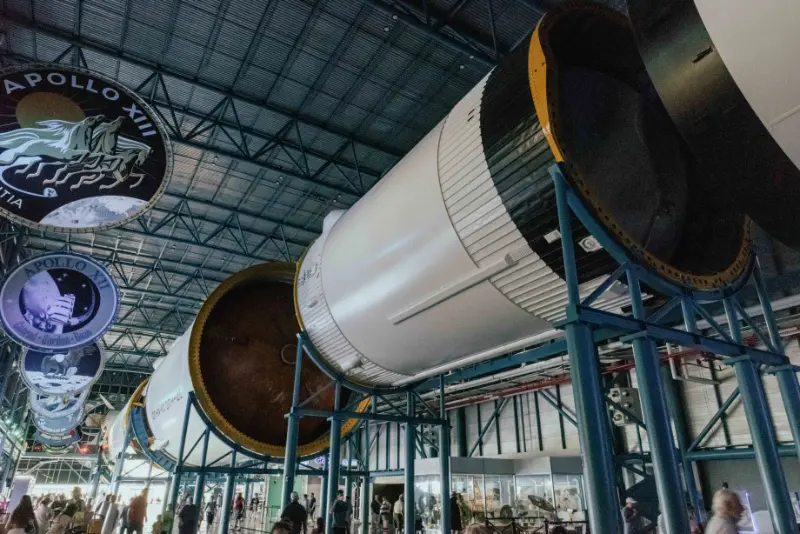
    The Kennedy Space Center Visitor Complex is the trip’s anchor. Space Shuttle Atlantis, the Rocket Garden, the Apollo/Saturn V Center and various interactive exhibits can easily fill a substantial visit. The official itinerary planner distinguishes between half-day and full-day approaches; with teenagers, allowing most of a day is sensible. Arrival time, bus tour availability and ticket options should be checked before the visit, not guessed at the entrance.

    Kennedy Space Center NASA Space Shuttle Display

    Have each teen pick an interest before arriving. One may love engineering, another the human stories behind missions, and another the scale of a Saturn V rocket. Group activities around those interests instead of insisting everybody spend an equal amount of time at every exhibit. For visitors who dislike motion simulators, there are still plenty of compelling exhibits; check age, height and health advisories for rides or immersive experiences. Buy meals or carry approved snacks according to current venue rules and plan rest breaks rather than rushing through the complex.

    Rocket launches are a wonderful possibility but never a guarantee. Schedules change with weather, technical requirements, safety and mission decisions. Even if the forecast looks good, a planned launch may be delayed or moved. Treat a launch as a bonus, consult official mission and visitor guidance, and avoid committing a nonrefundable hotel change solely around an expected launch time.

    Day 3: a real ocean day with a beginner-friendly challenge

    A surf lesson can give teenagers a satisfying sense of progress. Choose a licensed or established local school with instructors experienced in beginners, and confirm whether the lesson covers beach hazards, board handling, safe falls and rip currents. Some teens will prefer bodyboarding or simply walking the shoreline and taking photographs. Do not force everyone into the same water activity. A person who is nervous around waves can enjoy the beach safely from the sand while others take a properly supervised lesson.

    Build the day around the conditions. Early starts may bring gentler heat, but surf, tides and wind determine whether a lesson should proceed. If the instructor advises cancellation, listen and choose an alternative. After the session, keep the afternoon open for food, rest and perhaps a stroll through an accessible public beach area. This is a good time for a family conversation about what everyone enjoyed, not another long-distance drive.

    Families with younger siblings can split into two supervised groups: one taking the lesson, one having a calmer sand-and-snack morning. Agree on a reunion time and beach landmark that is safe and unambiguous. Never make lifeguards responsible for keeping track of your children; they are watching the water, not acting as babysitters.

    Day 4: wildlife and a slower morning on Merritt Island

    Merritt Island National Wildlife Refuge offers a change from hotels and beach shops, with marshes, birds and wildlife-viewing possibilities. Before going, check the U.S. Fish and Wildlife Service for current refuge routes, seasonal closures, fees and vehicle restrictions. Some areas can close for NASA operations, wildlife management or other reasons. A wildlife drive is not a zoo: sightings change with the season, time of day and weather.

    Give teenagers a photo or observation challenge instead of just telling them to “look outside.” They could identify three bird shapes, note how different habitats change along the route or take photos that show landscapes rather than close-ups of animals. Binoculars and a simple identification app can be useful if downloaded ahead of time. Keep windows and doors closed where advised, follow speed limits and never approach, feed or harass alligators or other wildlife. Use designated pull-offs rather than stopping unpredictably on narrow routes.

    A calm afternoon at your accommodation balances the morning’s wildlife outing. If weather is oppressive, shorten the outdoor time. Taking care of your group’s comfort is part of choosing sustainable, respectful nature activities.

    Day 5: pick your own active or creative experience

    Make this a choice day. An outdoors-focused teen might prefer a guided kayak excursion on suitable calm waters, with a responsible outfitter who explains tides, weather, life jackets and wildlife etiquette. Another may prefer learning about conservation at a zoo or nature center. Brevard Zoo in Melbourne is an option worth checking for current animal exhibits and approved experiences; travel time from Cocoa Beach makes it a substantial half-day rather than a ten-minute detour. Explore what is included in general admission before purchasing extras.

    For a teenager who likes history or photography, Cape Canaveral’s port surroundings and the wider Space Coast’s space-related heritage can be more engaging than another swimming day. Look for public viewing areas and established museums rather than trying to enter restricted launch or port facilities. Ask your teen to choose one stop and explain why they want to go. That small sense of ownership can transform a family trip from passive sightseeing into something they genuinely remember.

    If the group has different energy levels, split the afternoon responsibly. Some can rest while others take a supervised activity close to the hotel. This is also the right moment for a no-bookings evening: pizza, a simple board game or a beach sunset if weather and access are safe.

    Day 6: a free-form beach and town day

    By day six, adults sometimes feel the need to fill the schedule because the vacation is nearing its end. Resist that impulse. Give teenagers a realistic budget for a snack or souvenir, agree on boundaries and spend time near your chosen Cocoa Beach district. Browse shops, revisit a favorite spot or rent beach equipment only if conditions and operator requirements permit it. If everyone wants another surf lesson, that may be a better use of money than a completely new attraction.

    This day can also absorb a Kennedy Space Center visit moved for weather or ticket availability. Keep any extra paid activities within budget by checking the full price after fees. A teen interested in space may value a second, more focused museum visit if a suitable ticket product exists, while another may prefer sleeping in and enjoying the pool. The itinerary is supposed to make those different preferences possible, not dictate one “correct” teenage experience.

    Day 7: easy checkout and a realistic journey home

    Prepare bags the night before and confirm airport departure timing. Orlando International Airport may be the arrival point for many visitors, but driving times change with traffic and where you are staying. Leave a generous margin for rental car return, refueling under the rental agreement and security lines. A stop at a new attraction on departure day can create unnecessary stress; breakfast and a short final ocean view are enough if time allows.

    If your family is continuing to Orlando, consider an overnight there rather than combining a long KSC day with a late-night hotel transfer. If you are returning from an international flight, build in contingency for connections. The last day should preserve the trip’s good memories, not end with everyone racing across the airport.

    Budget, safety and choices that matter for teenagers

    Estimate costs in layers: accommodation for six or seven nights; rental car or other realistic transportation; groceries and restaurants; one premium attraction; and one optional paid activity such as a surf lesson. A week with one major ticketed day can cost substantially less than a week of theme parks, but hotels on the beach and lessons still add up. Compare prices across school vacations, holidays and major launch windows. Use refundable bookings where sensible if travel dates are flexible.

    Choose activities based on ability and interest, not age alone. Someone who is 14 may be an experienced swimmer; someone who is 17 may not be comfortable in open water. Instructors should explain the conditions, and teens should feel free to opt out. For those needing sensory adjustments or accessible routes, contact operators about the exact activity, not just the general venue. Check beach wheelchairs or mats through local beach services where relevant, and never promise that all attractions are fully accessible without checking.

    Summer means heat and a higher chance of afternoon thunderstorms. Seek shelter at the first sound of thunder. The Atlantic hurricane season affects travel planning from June through November; review National Hurricane Center forecasts and cancellation rules when applicable. Follow the public beach safety information supplied locally. Respect wildlife, nesting zones, marked paths and property boundaries, including near space facilities.

    Frequently asked questions

    Are there enough activities near Cocoa Beach for teens who dislike rides?

    Yes, especially for teenagers interested in space, surfing, wildlife, photography and beach time. The seven-day plan mixes one major attraction with several low-key choices. Teens who need constant nightlife or large-city shopping may prefer a different base.

    Can we watch a rocket launch during our trip?

    Possibly, but launches are subject to change and may be canceled or delayed. Check authoritative launch and access information close to the date, and treat the experience as a bonus rather than a guaranteed part of a paid itinerary.

    Do we need a car?

    A rental car is usually the most practical way to combine Cocoa Beach, Kennedy Space Center and Merritt Island. Staying directly on the beach can reduce daily driving, but outlying attractions and airport transfers still need planning.


  • One Day in Cedar Key: Best First-Time Itinerary for History, Seafood, Nature and Sunset

    One Day in Cedar Key: Best First-Time Itinerary for History, Seafood, Nature and Sunset

    One day in Cedar Key can be excellent if you resist the urge to turn a small island city into a checklist. The most satisfying first visit combines one history stop, one long waterfront block, a relaxed meal and either nature or sunset. Trying to squeeze in two museums, Shell Mound, a kayak trip, Lower Suwannee refuge roads and a late dinner creates far more driving than the town’s relaxed character deserves.

    Explore this guide

    This itinerary assumes you have a car, arrive in the morning and are not booking a long offshore excursion. If paddling or fishing is the main purpose of the trip, make that the anchor and remove one or two land stops.

    Quick planning summary

    • 9:00–10:30 a.m.: Cedar Key Museum State Park if open, otherwise a downtown walk
    • 10:45 a.m.–12:15 p.m.: Historical Society Museum or marina/Dock Street
    • 12:30–2:00 p.m.: seafood lunch and slow waterfront break
    • 2:15–4:30 p.m.: choose Shell Mound, Cedar Key Scrub or a short boat/kayak activity
    • Late afternoon: return to town, browse shops, rest and position for sunset
    • Best for: first-time visitors who want a realistic overview without an overnight stay

    Important current-status note

    October 2026 information snapshot: this article is scheduled for 2028, so hours, fees, storm recovery, trail conditions, ferry or boat access, museum schedules and wildlife closures should be checked again shortly before travel. Cedar Key and the lower Suwannee coast are low-lying, tide-driven places where weather and restoration work can change practical access faster than in a large city destination.

    9:00–10:30 a.m. — start with context

    If it is Friday through Sunday and the current schedule remains similar, begin at Cedar Key Museum State Park. The museum gives you enough context to recognize the railroad, fishing and natural-history themes you will see later. If the museum is closed, start in the historic core and move this history block to the Historical Society Museum if its schedule works.

    10:45 a.m.–12:15 p.m. — downtown and local history

    Walk Second Street, marina areas and Dock Street at a slow pace. If the Cedar Key Historical Society Museum is open and your group enjoys history, spend about an hour inside. If you are traveling with toddlers or museum-resistant teenagers, skip it and give them more waterfront time.

    12:30–2:00 p.m. — make lunch part of the trip

    A Cedar Key day should include enough time for a local meal. Seafood and clams are part of the destination, not merely fuel between attractions. If your group has dietary needs, look at menus in advance because a small island town may offer fewer same-block alternatives than a city district.

    Florida Indoor Seafood Restaurant with Guests

    2:15–4:30 p.m. — choose one nature experience

    Option A: Shell Mound

    Choose Shell Mound for archaeology, short walking and coastal refuge scenery. This is the best all-around choice when you have a car and want a memorable landscape without a long hike.

    Option B: Cedar Key Scrub

    Choose Cedar Key Scrub State Reserve for hiking, biking and rare scrub habitat. It is better in cooler weather and for groups comfortable on sandy natural trails.

    Option C: short water experience

    Choose a local boat or kayak outing if conditions are calm and you have booked an appropriate trip. Do not improvise an island crossing late in the afternoon if you do not know the tide or wind.

    5:00 p.m. onward — return for sunset

    Return to Cedar Key with enough time to park, use the restroom, get a drink and choose a sunset viewpoint. A good sunset does not need an elaborate plan; the value comes from not being in the car when the light changes.

    One day with young children

    Use only one museum, eat earlier and choose either a short nature walk or waterfront play rather than a long remote refuge drive. Children generally remember boats, pelicans, ice cream and the sunset more clearly than a perfectly complete itinerary.

    One day for senior travelers

    Start with a museum, spend longer at lunch and replace a sandy trail with a scenic drive or refuge stop that requires less walking. Bring a folding cane or trekking pole if uneven surfaces are a concern, and verify accessible restrooms before leaving town.

    Bad-weather backup

    If thunderstorms or strong wind remove the nature block, spend more time in the museums, cafés and shops, then drive only if radar improves. Do not substitute a risky paddle simply because you traveled a long distance to Cedar Key.

    What to skip on a one-day trip

    • trying to visit both Manatee Springs and Fanning Springs
    • a long refuge drive plus a separate island kayak trip
    • two full museums if your group is not genuinely interested in history
    • driving off-island for lunch and back again
    • a late-afternoon remote trail that risks missing sunset or returning after dark

    Official planning sources

    Before departure, check the City of Cedar Key, Cedar Key Chamber, relevant Florida State Parks pages and U.S. Fish & Wildlife Service refuge notices.

    Planning the visit for different ages

    This part of Florida can work very well for mixed-age groups, but the best activity is not always the most adventurous one. Babies and toddlers usually need shade, predictable restrooms and short outdoor blocks; school-age children often enjoy wildlife spotting and simple museum stories; teenagers tend to appreciate paddling, photography and less structured time; older travelers often prefer scenic drives, boardwalks, museums and short trails. Build the day around the least flexible traveler and let everyone else add optional activities around that core plan.

    Weather, tides and the best season

    Late fall through spring usually brings the most comfortable temperatures for walking, birding and exploring historic sites. Summer is hot, humid and storm-prone, with mosquitoes and no-see-ums often more noticeable near marshes. Tropical weather can affect Cedar Key and the Nature Coast from summer into fall. On any coastal day, check radar, tide, wind and local alerts before committing to a long paddle or remote trail, and carry more drinking water than you think you will need.

    Tides matter here in a way they do not on many inland Florida trips. A shoreline, creek or launch that looks easy at high water can become muddy, shallow or difficult at low tide. If your day includes paddling, fishing or island access, look at a local tide table and ask the outfitter or refuge staff how the tide changes the route. For land-only sightseeing, tides are less critical but still shape wildlife viewing and the look of the marsh.

    Accessibility and low-effort alternatives

    Accessibility varies sharply from paved museum grounds to natural-surface refuge roads and sandy trails. Before traveling with a wheelchair, walker or stroller, check the official accessibility notes for the specific site rather than assuming a short trail will be smooth. A useful low-effort backup in this region is to combine a museum, a scenic waterfront drive and a meal instead of forcing a trail when heat, mobility or weather makes it a poor choice.

    What to bring

    • Refillable water bottles and a small cooler for remote sites
    • Sun protection, hat and sunglasses even in winter
    • Insect repellent for marsh and forest stops
    • Closed shoes for shell, sand and uneven trail surfaces
    • A lightweight rain layer in warm months
    • Binoculars for birds and dolphins
    • A paper or downloaded map when cell coverage may be weak
    • Dry bag or waterproof pouch if the day includes boats or kayaks

    How to combine it with nearby places

    If one day feels too compressed, turn this into a two-night stay using the full Cedar Key travel guide. If continuing south, Crystal River is the logical next major Nature Coast cluster; if continuing inland, Ocala works well as the next base.

    Florida River Estuary Nature Reserve Aerial

    Common planning mistakes

    • trying to schedule too many remote sites in one day
    • assuming every natural area has food, shade and full-service restrooms
    • ignoring tide, heat or storm conditions because the route looks short
    • arriving late at a site with limited museum days or early closing
    • treating wildlife sightings as guaranteed
    • forgetting that storm recovery can change access for months or years

    Final planning advice

    The best trips on this stretch of the Nature Coast are intentionally unhurried. Choose one anchor activity, add one nearby secondary stop, and leave room for weather, wildlife, a longer lunch or an unexpectedly good sunset. That rhythm is more realistic than building the day like an Orlando attraction schedule, and it fits the character of Cedar Key and the lower Suwannee coast much better.

    Decision guide: is this stop right for your trip?

    Choose this stop when it matches the purpose of the day rather than because it appears on a “must-see” list. Cedar Key and Levy County reward selective planning. History-focused travelers should prioritize museums and archaeological sites; wildlife travelers should spend more time in refuges; families often do best with one educational stop plus outdoor time; active travelers can build the day around paddling or longer trails. If the attraction duplicates something your group has already done elsewhere in Florida, use the time for a slower meal, sunset or a different habitat instead.

    Budget also includes time, fuel and comfort. A free refuge can cost more in planning effort than a small paid museum because you need water, navigation and a longer drive. Conversely, a low admission fee does not make a museum worthwhile if you arrive fifteen minutes before closing. Compare the total experience—not just ticket price—when deciding what deserves a place in a short itinerary.

    A practical pre-trip checklist

    • Confirm the official opening status on the morning of the visit.
    • Check radar, heat index, wind and tide when the day includes exposed coast or water.
    • Download directions before leaving the town center.
    • Carry water and snacks when heading into refuge or state-reserve areas.
    • Tell someone your route if paddling or hiking away from developed areas.
    • Keep one flexible alternative that does not depend on the same weather condition.

    This simple checklist is especially useful for multigenerational trips. It turns the day from a sequence of optimistic assumptions into a plan that can absorb closures, heat, fatigue or weather without feeling ruined.

  • Florida Citrus Country: A Four-Day Road Trip Through Groves, Gardens and Old Towns

    Florida Citrus Country: A Four-Day Road Trip Through Groves, Gardens and Old Towns

    Orange trees are part of Florida’s identity, but a visitor looking for a picturesque grove must know the difference between working agricultural land, a commercial roadside store, an educational exhibit and a genuine pick-your-own operation. Citrus production has changed because of disease, storm damage, weather and economics. Some places that sold fruit to visitors years ago no longer allow access; others sell citrus from different growing regions. This four-day journey explores the central Florida ridge from Clermont and Lake Wales toward Winter Haven and historic towns, with cultural stops and farm-market alternatives. It is not a promise that visitors can wander onto any grove or harvest a fruit during any month.

    Why citrus shaped this landscape

    Central Florida’s sandy, elevated ridge lands supported citrus farms, lakeside communities, packing houses and the roads that carried fruit to markets. The landscape is not a single plantation-like attraction; it is a patchwork of towns, subdivisions, remaining groves, protected habitat and businesses serving residents. Citrus history can be explored through local museums, heritage signage, market conversations and a drive that reveals the shape of the ridge. The University of Florida’s citrus-season explanation describes a broad October-to-June harvesting period, but actual fruit availability depends on variety, weather and the current crop.

    Visitor Watching Fish through Aquarium Glass

    Visitors should resist the expectation that oranges are available to pick every time the trees look green. Blossoms, developing fruit and ripe fruit belong to different stages. Diseases including citrus greening have affected production and the viability of individual operations. It is respectful to treat groves as private workplaces, not photo props. If a property offers tours, follow designated routes and purchasing arrangements. Never enter planted rows or remove fruit without explicit permission; an orchard behind an attractive fence remains private land.

    Best season and where to begin

    A cooler-season journey generally offers more comfortable walking temperatures than midsummer, and winter can be a useful time to look for fresh citrus. However, November and December are not interchangeable with March or April: varieties and availability evolve over the season. Confirm that any marketed U-pick experience is actively operating on your chosen day. Citrus harvesting is weather dependent, and farm visits may require reservations or close after a sell-out. Check location details rather than trusting an old travel blog’s list of working farms.

    Fly into Orlando if this is part of a longer holiday, then rent a car. This is a car-dependent route because farm stores and small-town attractions are dispersed. An alternative is to base yourself in Winter Haven or Lake Wales and focus on gardens, heritage and local markets without promising a live grove tour. Avoid pushing the trip into the same afternoon as a transatlantic flight. Central Florida’s short winter daylight can make an arrival-day detour less pleasant than a simple dinner and rest.

    Day one: Clermont and the Lake County ridge

    Clermont’s rolling terrain and lakes offer a first introduction to the interior Florida that differs from the theme-park corridor. Walk along a manageable stretch of waterfront before driving through the surrounding ridge landscapes. If a farm business advertises public tasting or seasonal produce, call ahead and ask whether visitors are allowed at the site, whether fruit was grown locally and whether photographs are welcome. A retail citrus stand is still a legitimate stop even when no U-pick activity exists, provided it openly describes what it sells.

    Make this day partly about geography. Compare Clermont’s hills with the flat, heavily developed roads around Orlando. Notice how lakes interrupt the ridges and how older roads sometimes pass homes, agricultural properties and preserved green space. Lunch in downtown Clermont is usually easier than depending on a rural farm kiosk. Spend the afternoon on a waterside walk or in a nearby nature area if there is no currently operating orchard tour. This gives families with small children and older travelers a satisfying day without leaving the success of the visit to fruit availability alone.

    Day two: Lake Wales and Bok Tower Gardens

    Drive toward Lake Wales, where Bok Tower Gardens provides an exceptional way to understand why the state’s central ridge is ecologically and culturally distinctive. Its landscaped grounds and historic singing tower are a destination in their own right, not a substitute for a commercial citrus farm. Follow the official Bok Tower Gardens visitor information to check admission, opening days, concert times and accessible pathways. Give the gardens several unrushed hours and enjoy views over the elevated landscape rather than making a frantic checklist of every path.

    Lake Wales also works as a base for learning about the Lake Wales Ridge’s native scrub habitat. The difference between managed citrus groves and rare native plant communities is instructive. A conservation stop can explain why protecting this landscape matters beyond crop production. Do not leave designated trails to take photographs among sensitive plants. If you are traveling with children, encourage them to compare the shapes of leaves, the birds heard in the gardens and the human-made landscape of nearby towns. A garden visit can be more educational than a superficial farm photo session.

    Day three: Winter Haven and the Chain of Lakes

    Spend day three in Winter Haven, a community shaped by lakes, tourism and its relationship to the wider citrus belt. A lakeside morning gives a comfortable beginning; later, explore the downtown commercial streets and look for locally operated food shops. Families can choose a theme-park visit at LEGOLAND Florida Resort, but this itinerary works without it. The goal is to understand regional character, not to add an expensive attraction simply because it is nearby. Ask local businesses whether any heritage exhibits, orange-themed products or farm experiences are currently available.

    The afternoon is best reserved for an activity chosen according to the weather. A lakefront walk, an indoor museum in a neighboring town or an easy boat outing may be appropriate, provided the operator and conditions are suitable. Lakes are not interchangeable with supervised swimming beaches; stay within designated recreation areas and follow signs about alligators and other wildlife. Winter Haven can also be a practical overnight base for people who prefer not to switch hotels each night. Its everyday restaurants and stores are easier to rely on than a remote tourist-only property.

    Day four: historic towns, seasonal produce and a flexible return

    Use your final day for a modest loop toward Dundee, Haines City or another nearby town that fits your departure direction. Search for legitimate local produce retailers that are currently open, and ask where their fruit originates. There is no reason to assume that every attractive market is selling citrus from its own trees; transparency is a better measure than rustic décor. A jar of regional marmalade, a citrus-based baked item or a conversation with a farm-store employee can be worthwhile without making claims about authenticity unsupported by the seller.

    Take time for one heritage stop, a town center or a small museum with confirmed operating hours. Some museums operate only on limited days and volunteer schedules. If the last day’s travel leads to Orlando, avoid an ambitious circuit that adds hours of backtracking. Road construction and rush-hour traffic can undermine plans even when distances look small. Those returning a rental car should schedule refueling and airport arrival ahead of any final attraction. A calm end to this journey is a better result than reaching one more roadside stand at closing time.

    What to ask before booking a U-pick experience

    A farm advertising visitors should be able to answer basic questions: Is public picking occurring this week? Which fruit is available? Is booking necessary? What are the admission, picking or minimum-purchase charges? Are children allowed to participate and are strollers practical on the surface? Is there drinking water, shade and a restroom? Are dogs permitted? If the farm cannot confirm the experience, make it an optional add-on rather than the foundation of your day. Avoid online photos from earlier seasons that imply current access.

    Make biosecurity part of responsible travel. Do not carry citrus plants or propagate plant material across restricted areas; agricultural transport rules can exist for pest and disease protection. Do not touch trees or equipment unless invited. In the heat, children should wear closed footwear and hats and take breaks. Agricultural ground may be uneven and unsuitable for many mobility devices, even when a shop at the same site is accessible. Ask specifically about the route from parking to the activity rather than assuming a wheelchair symbol on a general business listing means the orchard itself is usable.

    Family experiences beyond fruit picking

    For travelers with children ages four to ten, the best activities combine movement, curiosity and predictable breaks. Let children examine a fruit label, draw a packing-house sketch, compare the fragrance of citrus products in a market or learn how a garden’s plants attract pollinators. Never invite them to taste unidentified plants in gardens or on roadsides. A guided horticulture demonstration may be interesting if one is actually scheduled; the word “educational” on a business page does not guarantee daily programs.

    Teenagers may respond better to the economics and environmental story. Look at how a former agricultural town has changed, consider the role of migration and labor in the citrus industry, and ask why a product sold in Florida might have traveled a long distance. This is a good opportunity to explore where food comes from without romanticizing agricultural work. For grandparents, a seated garden concert or short heritage-museum visit might be more enjoyable than a standing farm tour. Plan these alternatives before committing everybody to the same midday activity.

    Where to stay and how much to budget

    Clermont is practical for travelers combining Orlando with Lake County, while Lake Wales and Winter Haven reduce driving for a ridge-focused journey. Choose accommodation based on parking, breakfast, mobility needs and proximity to your planned first stop. Tourist hotels can add taxes and service charges; compare the total rather than just the nightly rate. An apartment with a refrigerator is convenient for market produce, but check its location before booking. A lower-priced room far from restaurants may not save money after evening drives and parking charges.

    Expect most costs to come from accommodations, car rental, food and paid gardens rather than from fruit itself. Build a flexible amount for admission or a farm event, but do not purchase a tour until its exact date and inclusions are confirmed. Fuel use is moderate if you stay in two bases rather than repeatedly returning to Orlando. A market stop is often free to browse, though purchasing is appreciated. If a day’s planned farm visit cancels, the garden, lakes and town centers ensure the vacation remains worthwhile.

    Food and roadside safety

    Fresh fruit purchased at a roadside stand should be washed appropriately and stored according to the seller’s advice. Travelers with food allergies should evaluate processed products like citrus candy and baked goods for other ingredients rather than assuming the citrus flavor makes them simple. Avoid leaving food or drinks in a hot parked vehicle for long periods. Keep water accessible during countryside drives; some rural stops close earlier than visitors expect. If using navigation apps, confirm that they lead to a public storefront rather than a locked agricultural gate.

    Be mindful of road shoulders. Stopping beside a picturesque grove on a narrow road can be dangerous, especially near heavy agricultural vehicles. Use designated parking only and never block a farm entrance to photograph an orange tree. A sunset landscape may look appealing from the car, but safe photography requires a legal pull-off. Ask permission before photographing identifiable workers or private property. These small choices make travel more welcome in working rural communities.

    When the weather or harvest does not cooperate

    A prolonged thunderstorm, cool spell or period between harvests does not need to ruin the route. Bok Tower Gardens may change outdoor programming during severe weather, and the best substitute might be an indoor local-history stop or a leisurely lunch. Keep two flexible half-days rather than buying fixed activities for every afternoon. In summer, treat outdoor garden time as an early-morning possibility, and choose a shorter trip if heat makes long days uncomfortable. In winter, bring layers for unexpectedly cool mornings.

    Fruit availability is especially uncertain at the individual-farm level. Agriculture is not run like a theme park with a fixed opening-day calendar. Call again shortly before arrival, monitor the operator’s current notices and be prepared for seasonal closure. Visitors seeking a guaranteed tasting should look for confirmed shops, not solely U-pick farms. The deepest reason to make this trip is to understand central Florida’s changing landscape through places and people, not to collect an orange directly from a tree at any cost.

    Four-day route at a glance

    DayBase areaMain experienceFlexible alternative
    1ClermontLake County ridge and market researchWaterfront walk and town cafés
    2Lake WalesBok Tower Gardens and ridge habitatShorter garden visit and indoor break
    3Winter HavenChain of Lakes and downtown heritageLakefront meal or family attraction
    4Dundee / returnConfirmed produce stop and historic townDirect airport transfer or museum

    Frequently asked questions

    Can visitors pick oranges anywhere in Florida?

    No. Most groves are private agricultural property. Use only operations that explicitly allow public U-pick visits, confirm current dates and follow staff instructions.

    When is Florida citrus season?

    Different citrus varieties have different harvest periods; a broad October-to-June window is often cited, but local crops and visitor experiences vary considerably from year to year.

    Is this route possible without a rental car?

    It would be inconvenient. Farms, garden sites and smaller towns are dispersed, and most public transit is not designed for a citrus-country itinerary. Choose a guided excursion or a single town instead.

    Is Bok Tower Gardens a citrus farm?

    No. It is a major garden and cultural attraction on the Lake Wales Ridge. Its landscape setting makes it a valuable regional stop, but admission does not imply fruit-picking access.

    Can a wheelchair user visit a working grove?

    It depends on the individual farm and the route into the fields. Ask about surface, slopes, restrooms and the specific activity; a walkable store may be accessible when the orchard is not.

    Official resources and fact checks

    Review UF/IFAS Extension's description of Florida citrus season, the Florida Department of Citrus and Bok Tower Gardens for current educational and visitor information. Prepared October 2026; farm participation, harvest dates and operations require direct confirmation.

  • Florida Panhandle State Parks: Five-Day Nature Road Trip Without Camping

    Florida Panhandle State Parks: Five-Day Nature Road Trip Without Camping

    Florida’s Panhandle has some of the state’s most beautiful protected beaches, but the scenery extends beyond white sand. Coastal dune lakes, marshes, pine forests, inlets and historic coastal settlements make it an excellent place for day trips into nature. You do not need a tent, an RV or a wilderness background to appreciate its state parks. With a comfortable hotel as your base, you can enjoy two or three hours outdoors each morning and still have time for restaurants, museums and family downtime.

    This five-day route moves from the Pensacola area toward South Walton and Panama City Beach. It is not a promise that every park will be open on every future date: Gulf storms, construction and habitat restoration can close entire parks or particular sections. Before traveling, use the official Florida State Parks site to check live notices and substitute a nearby public beach or museum whenever a preferred stop is unavailable.

    Build the trip around two lodging bases

    A practical way to avoid driving the length of the Panhandle repeatedly is to spend two nights around Pensacola or Perdido Key and three nights around Santa Rosa Beach, Destin or Panama City Beach. These are not interchangeable places. Pensacola offers historic attractions and a longer urban setting; South Walton’s 30A communities have smaller coastal centers and access to dune landscapes; Panama City Beach combines visitor services with several notable coastal natural areas.

    Families with small children may prefer a hotel with an easy breakfast and pool rather than switching rentals every night. Couples can choose small inns closer to restaurants, while older visitors should compare elevator access, parking distance and the walking surface between a property and the shore. A “beachfront” hotel is not necessarily an easy beach hotel: dune crossings may involve stairs, sloped paths or soft sand. Ask about the specific access point you will use.

    A car is the most convenient way to follow this itinerary. Research parking and admission procedures at each park, especially on weekends. Travel times along US 98 and coastal corridors can increase during busy periods, so don’t plan two major outings at opposite ends of the region on the same morning.

    Florida River Estuary Nature Reserve Aerial

    Day one: Pensacola Bay and a gentle introduction

    After arriving in the Pensacola area, use the first day to get oriented. Visit a public waterfront or historic district, enjoy a short walk and choose an early dinner. The city has enough cultural interest to justify a full visit, but this route keeps the first day light to make space for the parks ahead. If the weather is poor, historic museums or indoor attractions can replace a beach stroll without undermining the trip.

    A scenic drive toward Perdido Key introduces the contrast between urban bayfront neighborhoods and protected coastal vegetation. Use official access points rather than pulling onto dunes or informal sandy shoulders. Watch for speed limits and pedestrian crossings around beach communities. Children may enjoy noticing the different shades of water and sand, while adults can begin learning how barrier islands and bays shape the coastline.

    Leave time to buy drinking water, snacks, sun protection and simple picnic ingredients. In smaller day-use park areas, food facilities may be absent or operate on a limited schedule. For a group with mobility needs, call the park or read the detailed amenities page before setting out rather than assuming every beach has a paved route to the water.

    Day two: Big Lagoon and Pensacola’s western coast, if open

    Big Lagoon State Park offers marsh, woodland and lagoon scenery rather than the resort feeling of a busy beachfront. Birdwatching and short walks are rewarding here, and the landscapes are particularly interesting for people who enjoy seeing where freshwater and marine environments meet. Choose only the paths your group can comfortably manage. A short boardwalk with time to observe birds can be more enjoyable than a longer trail completed under pressure.

    Check Big Lagoon’s official park notices before leaving the hotel. Storm-related closures have affected the region in 2026, and a normal published schedule does not necessarily mean a particular day-use facility is accessible. If the park is unavailable, consider an open section of Gulf Islands National Seashore or a well-established local waterfront attraction; confirm entrance information and conditions directly with the site. This substitution keeps the day meaningful without attempting to enter a closed park.

    An afternoon at a public beach can round out the day, but swimming is optional. Families can watch shorebirds or build sandcastles well above the surf. Never walk over protected dunes, and check local beach flags before entering the water. Visitors who struggle with uneven ground may have a better experience at a paved bayfront promenade than on a loose-sand beach.

    Day three: coastal dune lakes and the 30A landscape

    Move east toward South Walton, a distinctive stretch of coast where rare coastal dune lakes appear behind the beaches. These lakes may connect intermittently with the sea, creating habitats that differ from a typical inland pond. Grayton Beach State Park is one place where visitors can appreciate this setting, combining beaches, pine forests and Western Lake. Plan for a short nature trail or observation stop, not necessarily a full hike.

    Grayton Beach is popular, and the park can temporarily close to day visitors when it reaches capacity. Arrival early in the day is wise, but always read same-day alerts. The official page explains the park’s trails, beach arrangements and accessible amenities: Grayton Beach State Park. Beach mats and a beach wheelchair may be available according to conditions; contact staff in advance if you need specific assistance.

    For lunch, explore a nearby 30A community rather than driving far inland. The value of this day is the combination of a protected landscape and a human-scale coastal town. If one attraction is closed, a slower drive, a public viewpoint and a relaxed meal can still show the distinctive character of South Walton.

    Day four: Henderson Beach and the resort coast

    Henderson Beach State Park offers dunes and Gulf views close to Destin’s developed visitor areas. It makes a strong contrast with the more secluded sections of yesterday’s route. Importantly, the state introduced mandatory day-use reservations here in 2026. Do not arrive expecting entry simply because you have a state park pass: all day visitors are covered by the reservation requirement. See the official reservation guidance and check for changes before traveling.

    A beach visit here can be as short or long as conditions permit. With children, set up a shaded rest spot and avoid the temptation to walk far along the shoreline at midday. If the surf is rough, enjoy the dune landscape and a picnic rather than taking risks in the water. Travelers with mobility limitations should ask staff which access route and facilities best suit their needs. Remember that sand itself can be a major obstacle even when the boardwalk to it is accessible.

    Use the afternoon for a restaurant, local shopping or a boat-viewing stop around the harbor rather than immediately heading to another state park. A vacation that alternates protected nature with comfortable breaks is more sustainable for mixed-age groups than a series of exhausting outdoor excursions.

    Day five: Panama City Beach, St. Andrews and the departure plan

    If you are staying around Panama City Beach, St. Andrews State Park is a possible final nature stop, subject to any current closures and storm recovery work. The park sits between Gulf and bay environments and is known for shore scenery, trails and access to boat excursions. Check the official St. Andrews page before making it central to your day. A ferry to Shell Island, when operating, requires additional time, weather suitability and careful planning around departure. It is not essential for enjoying the area.

    Camp Helen State Park near Lake Powell can be another interesting day-use choice when open, especially for people fascinated by coastal dune lakes. However, beach access involves walking and soft-sand sections that may be challenging for some groups. Visitors should read the park’s detailed trail information and check current storm notices rather than assuming that a short map distance means an easy path.

    On departure day, a brief park visit only works if you have enough margin for traffic, fuel and the airport. For many families, a relaxed breakfast and one familiar viewpoint are a better ending than a complicated last-minute outing.

    Understand what makes these parks special

    The Panhandle’s natural diversity is easy to overlook when a vacation advertisement shows nothing but turquoise water. Dune lakes, pine flatwoods, salt marshes and the meeting points of bays and the Gulf support plants and wildlife that depend on protection from development and disturbance. Staying on marked paths, avoiding dunes and observing birds at a distance are basic ways to help keep those ecosystems healthy.

    Different parks specialize in different experiences. Grayton is a strong choice for understanding dunes and coastal lakes; Henderson is convenient for protected beach scenery near Destin; Big Lagoon explores marsh and lagoon country; St. Andrews offers varied coastal habitats. Think about what you most want to see before choosing a park, rather than visiting all of them to collect entrance photographs.

    The best season, and what to do when storms intervene

    Late spring and fall may offer pleasant weather, though conditions are never guaranteed. Summer often brings hot, humid afternoons and thunderstorms, so start early and keep an indoor option for later in the day. Cooler months can be excellent for walks and birdwatching, but the Gulf may not feel inviting for swimming. Holiday periods and summer weekends can bring queues for parking and crowded beach access.

    The Gulf Coast also experiences severe weather. Watch weather advisories, park notices and any local evacuation instructions, especially during Atlantic hurricane season. A park closure is not a suggestion to use a back entrance. Respect it and choose a safe alternative. Accommodation cancellation flexibility is valuable when booking far ahead. Travelers should also avoid relying on old social media photographs to infer that a boardwalk, campground or concession is currently operating.

    What to pack for day visits without camping

    A light daypack with water, sunscreen, hat, insect repellent, snacks, basic first aid and a small towel covers many needs. Shoes that tolerate sand and damp paths are often more useful than dressy sandals, and children may need a spare outfit after a beach outing. Bring binoculars for birds and an offline map for unfamiliar roads. Keep a dry bag for electronics if rain is possible, but never continue an exposed beach walk once lightning becomes a concern.

    For people using wheelchairs, ask about beach chairs or mats well ahead of time; equipment availability, staffing and weather can vary. Parents with strollers should recognize that an accessible parking lot does not guarantee stroller-friendly trails. Bring a carrier if appropriate, but only if the adult can use it safely in the heat. Park staff can often suggest the least demanding route without making guarantees that all surfaces will be smooth.

    A realistic budget for five days

    Budget for two lodging bases, car use, fuel, park admission and meals. State park day-use charges are often modest compared with major attractions, but reservation rules and fees vary by location and time. Don’t repeat an old admission price as if it were permanent. Camping fees and reservation windows generally do not matter for this itinerary because you are using hotels or rentals outside the parks.

    Choose one optional boat or paddling experience if it fits your group, not because an advertisement suggests everyone must do it. A family that wants easy nature and comfortable meals can enjoy this region without booking paid water sports at every stop. The Panhandle’s value lies in access to very different landscapes within one coastal vacation, provided the itinerary remains flexible about conditions, closures and the abilities of the people traveling.

    Frequently asked questions

    Do we need camping equipment for this state park route?

    No. The itinerary is designed for day visits with hotels or other accommodation in established towns. You still need water, sun protection, appropriate footwear and a weather backup. Reserve entry where the specific park requires it and check each park for temporary closures.

    Can we visit Henderson Beach without reserving in advance?

    As of October 2026, motor-vehicle day-use entry requires a reservation, including for annual passholders. Official guidance treats some pedestrian and bicycle arrivals differently. Confirm the current rules on the state park website and book the correct entry type before setting out.

    What should we do if Big Lagoon is closed?

    Do not try to bypass a park closure. Substitute a confirmed-open public waterfront, museum or national seashore access point near Pensacola, checking access, beach flags and road conditions. Keep the rest of the route unchanged rather than adding a long drive to compensate.

  • Florida Lighthouse Road Trip: Six Coastal Beacons, Historic Harbors and Easy Alternatives

    Florida Lighthouse Road Trip: Six Coastal Beacons, Historic Harbors and Easy Alternatives

    Florida’s lighthouses are beautiful from a distance, but their real interest lies in navigation, dangerous reefs, shifting inlets, maritime trade and the lives of keepers who tended their lights. This road trip chooses six major visitor-oriented lighthouse regions along the Atlantic and in the Keys, with an optional Gulf Coast add-on. It is not a challenge to climb every tower. Some lighthouses stand within restricted installations, some are offshore, and some historic sites offer only exterior viewing. Travelers with young children, breathing difficulties or reduced mobility can still enjoy ground-level exhibits, maritime museums and coastal viewpoints. The route is deliberately selective: Florida has many more historic lights than six, and opening rules should always be checked directly with the responsible organization.

    Read the map before setting a driving schedule

    The distance from St. Augustine to Key West is much larger than it appears on a narrow Florida map. A sensible lighthouse journey takes at least a week if you intend to stop at several communities rather than driving straight through. Separate northeast Florida, the central Atlantic coast, southeast Florida and the Keys into distinct overnight regions. Choose an inland highway for long transfers, then return to coastal roads for local exploration. Do not try to drive continuously along A1A: it changes alignment, crosses waterways and is sometimes interrupted. The Florida Lighthouse Association provides a statewide inventory distinguishing historic lights, regions and publicly accessible facilities. Check whether a museum requires timed admission, whether a tower is open for climbs and whether weather has restricted access. Sunset photographs taken legally from public land are preferable to entering a closed site or parking on a dangerous shoulder.

    Stop 1: St. Augustine Lighthouse and a working maritime story

    Start at the St. Augustine Lighthouse and Maritime Museum, where the tower and surrounding historic campus introduce the technologies and people behind coastal navigation. Stairs can be strenuous and climbing opportunities may be limited by age, health or weather. Do not make a child’s successful climb the condition for a happy family day; ground-level interpretation is valuable too. Pair the lighthouse with the city’s harbor and forts to understand why a navigational light mattered to ships approaching a fortified Atlantic settlement. The nearby coastline has been reshaped by storms, shoals and human interventions, so current approach channels do not necessarily resemble historical maps. Allow two or three hours for the museum if your group likes maritime history, but do not assume a precise visit duration or entry time. In the afternoon, choose either an Anastasia Island beach break or a shaded historic-district visit, keeping travel distances small.

    Miami Historic Waterfront Mansion

    Stop 2: Ponce de Leon Inlet and the tallest tower in Florida

    Ponce de Leon Inlet Lighthouse near Daytona is one of the state’s major preserved light stations. Its red-brick tower reaches approximately 175 feet, and the site includes historical buildings and lens exhibits. Multiple stair flights make the tower unsuitable for some visitors; numbers of steps cited in sources may refer to different counting conventions, so rely on official climb requirements. The grounds and exhibits can make this a worthwhile visit even for someone who stays below. Afterward, look at the inlet from a legal public viewing area and watch how currents, channels and boat traffic differ from the neighboring ocean beach. Keep children away from sea walls or rock edges. A light station is a good place to teach a simple navigation lesson: its flash pattern and location conveyed information long before modern electronic systems. An easy evening in New Smyrna Beach or Daytona balances the museum day.

    Stop 3: Jupiter Inlet and the meeting of river and ocean

    Continue farther south toward Jupiter Inlet Lighthouse, where the Loxahatchee River system approaches the Atlantic. Its setting above the waterways makes it an excellent place to discuss why lighthouse positions were chosen. The museum program and grounds are managed separately from any nearby waterfront restaurant or private boat excursion; verify the official ticketing process and current restrictions. Travelers who do not climb can choose the appropriate ground-level interpretation, subject to access. The coastal landscape also offers short nature walks and river views, although paths and terrain vary. If the weather is hot, visit earlier and keep the rest of the day free for indoor activities or rest. Families may enjoy comparing the red tower’s daymark with the look of Ponce Inlet and St. Augustine. This contrast illustrates how lights were designed to be recognized both by day and at night.

    Stop 4: Cape Florida and Key Biscayne's complicated past

    Cape Florida Lighthouse at Bill Baggs Cape Florida State Park is close to Miami but feels like a different chapter of the coast. Its history touches navigation and military conflict as well as the broader stories of people who used these waters. Do not reduce the site to a pretty white tower beside a beach; seek park interpretation that acknowledges the land’s earlier Indigenous history and its role in dangerous nineteenth-century crossings. Tower access can be limited to specific schedules and by staff availability, and park admission or capacity rules are separate from climb eligibility. Key Biscayne’s bridges also mean vehicle traffic can be heavy at peak times. Enjoy a shaded picnic in an approved area and a short coastal walk rather than planning the entire day around ascending the tower. Ask about accessible routes, bathroom facilities and whether the ground-level experience meets your group’s needs.

    Stop 5: Key West lighthouse and old-town maritime life

    The Key West Lighthouse and Keeper’s Quarters add human scale to a story dominated by tall structures and distant horizons. Instead of treating the building as a detached photo location, explore how families lived at a light station and how the island’s shipping, fishing and salvage industries shaped daily life. Key West’s compact historic streets can be visited on foot, though curbs and heat require pacing. Do not presume that a tower climb is available or advisable for every person in the group. Combine the lighthouse with one maritime or local-history museum, then have an unhurried afternoon rather than stacking four attractions. Parking in the historic district can be expensive, so choose a walkable base or confirm transit options. Give children a simple project: sketch the tower and compare its appearance with earlier stops. The differences will make the journey more memorable than one more souvenir photograph.

    Key West Historic Wooden House among Trees

    Stop 6: An optional remote lighthouse interpretation without risky access

    Florida’s reefs and remote islands contain famous lights that are not normal walk-in tourist attractions. Rather than promising a climb at a structure offshore, use an authorized boat or museum-based interpretation if one is available, and accept that sea conditions may cancel excursions. Pigeon Key and the old rail bridges near Marathon provide a complementary engineering story, although they are not themselves a substitute for a lighthouse. In the Dry Tortugas, Garden Key and Loggerhead Key lights can add interest to a national-park visit, but reaching this remote area is a separate expensive expedition with transport, weather and access constraints. Travelers with babies, mobility restrictions or limited budgets should not feel pressured to take it. A Key West museum or a public waterfront walk is an entirely valid sixth maritime stop. Distinguish ‘visible from boat’ from ‘open for public entry’ when reading lighthouse directories.

    Optional western extension: Pensacola, Cape San Blas and St. Marks

    Lighthouse enthusiasts may prefer a second Gulf Coast trip rather than adding hundreds of miles to the Atlantic itinerary. Pensacola Lighthouse stands within a naval-base environment, where current security requirements can restrict civilian or foreign visitor entry. Cape San Blas and St. Marks have their own histories and operating arrangements; do not assume all towers are open or situated on the same kind of beach. A Panhandle circuit can be paired with forts, wildlife refuges and historic towns. The best reason to add this region is the contrast between harbors, coastal marshes and deep Gulf shipping routes, not a desire to accumulate a large number of stairs climbed. Always check official base and park rules, particularly after hurricanes. If a location is inaccessible, there may be a legal public viewpoint or a local museum that tells its history without entering restricted property.

    How to judge a lighthouse visit for different ages

    Ask more than whether a tower has an elevator. Are the grounds step-free? Can a wheelchair enter the exhibits? Are there seats in the museum? Are railings present on stairs, and are children allowed to climb? Is there a place to wait in the shade if members of the group choose different activities? A person with vertigo or knee problems may enjoy the lighthouse’s architecture without visiting the lantern room. Families should decide in advance which adults accompany climbing children and where others will meet them. Heat inside a tower and steep stairs can be challenging even for fit visitors. Give yourself permission to skip the climb. For a traveler with hearing or visual access needs, ask about captioning, large-print descriptions or guided interpretation; such services vary by operator. Accessibility must be checked at each individual site, not inferred from the word ‘museum.’

    Budget and route at a glance

    RegionLighthouse focusSuggested approach
    St. AugustineHistoric tower and campusHalf-day museum visit
    Ponce InletTall brick tower and lens collectionHalf-day plus inlet view
    JupiterRiver and ocean navigationMuseum visit and short walk
    Key BiscayneCape Florida historyState-park day
    Key WestKeeper’s quarters and old townWalkable history afternoon
    Remote lightsMaritime interpretation from legal accessOptional, weather-dependent

    Preservation, official sources and final planning

    Use the Florida Lighthouse Association directory, its Ponce de Leon Inlet profile and the Florida State Parks visitor guidance to begin fact-checking access. Then consult each operating museum for tickets and tower conditions. Fees range from low-cost public viewpoints to paid museums; remote ferry travel can be the largest expense. Some sites support preservation through admissions and donations, which are meaningful ways to help maintain historic structures. Avoid climbing barriers, launching drones without permission or using flash equipment where it is prohibited. Lighthouses mark centuries of commerce and danger, but today’s visitor can approach them with patience and respect. The memorable part of this trip is understanding why each tower stands where it does.

    Frequently asked questions

    Can I climb every lighthouse in Florida?

    No. Some are offshore, on restricted property, closed to climbs or visible only from a public viewpoint. Verify access individually.

    Which lighthouse is Florida's tallest?

    Ponce de Leon Inlet Lighthouse is identified as the tallest in Florida by the Florida Lighthouse Association, at approximately 175 feet.

    Are lighthouse museums good for young children?

    Many have engaging exhibits, but tower rules and stairs vary. Ground-level visits may be better for toddlers or children uncomfortable with heights.

    Is a Florida lighthouse road trip feasible without a car?

    Not easily across the state. Some single-city visits work with rideshare, but the full route requires complex transfers and long distances.

    Can a wheelchair user enjoy the route?

    Yes with selective museum grounds and viewpoints, though most historical tower climbs are not wheelchair accessible. Check each venue’s current services.

  • Three Days in Gainesville and Micanopy: Prairie Wildlife, College-Town Culture and Old Florida

    Three Days in Gainesville and Micanopy: Prairie Wildlife, College-Town Culture and Old Florida

    Gainesville is best known as the home of the University of Florida, but a visit focused only on the campus misses the area's unusual natural landscapes and small historic communities. Just south of the city, Paynes Prairie offers a striking contrast with urban Florida, while Micanopy retains a quieter historic character. Three days allow time for art and neighborhood life, a carefully planned prairie visit and a smaller-town outing without long-distance road-trip pressure. There is an important 2026 planning detail: the Florida Museum of Natural History's public exhibition building remains closed in October for expansion, with reopening announced for November 23. This itinerary offers alternatives rather than sending visitors to an attraction that cannot yet be entered.

    Three-day summary

    DayMain planEasier alternative
    1Gainesville art and cultural venuesOpen museum or comfortable café
    2Paynes Prairie Preserve State ParkShort observation point with wildlife distance
    3Micanopy historic streets and shopsAccessible café or confirmed-open gallery

    Where to stay and how campus events affect the trip

    Central Gainesville can be convenient for cultural venues, restaurants and the university area, but accommodation costs and traffic may change considerably around home football games, graduation and other large events. A hotel beside a major road may offer easier parking and lower rates while requiring more driving between destinations. Travelers primarily interested in Paynes Prairie and Micanopy might prefer a southern Gainesville base; visitors who want evening restaurants may choose closer to downtown. When comparing options, consider actual travel routes, hotel parking fees and how easily the group can return for an afternoon rest.

    If your party includes someone using a wheelchair, ask about room access, bathrooms, parking and whether nearby walking routes have workable crossings. University districts may include busy roads, student foot traffic and event detours; a hotel described as 'five minutes from campus' may not be conveniently placed for your chosen museum or theater. Families with small children may value a refrigerator, predictable breakfast and quiet nights over nightlife proximity. Check whether a rental's assigned parking space is usable with your vehicle and whether luggage can be unloaded close to the entrance. A car is helpful for the prairie and Micanopy portions of this trip.

    Day one morning: campus atmosphere and selected cultural spaces

    Begin in Gainesville with a short neighborhood or campus-area walk, choosing one specific destination rather than wandering across the university in the heat. Public art, landscaped areas and the wider cultural scene can offer an introduction, though individual buildings have access rules and university schedules. Check official visitor guidance for parking and which spaces are open to the public. Students and staff are working or studying; respect classrooms, residence areas and other restricted facilities. A café visit followed by one museum or garden makes a calmer morning than an improvised campus tour that continues for miles.

    The Harn Museum of Art is a possible cultural anchor, subject to current opening hours and exhibits. A parent traveling with children can use selected artworks for simple conversations rather than trying to see every gallery. Visitors who tire easily should confirm seating and wheelchair routes in advance. Local events can be a wonderful addition if their schedules align, but do not assume there will be a performance or market on your particular dates. Choose lunch near the day's main cultural stop, then reconsider the afternoon based on weather. In humid months, stepping indoors at midday makes the rest of the vacation more enjoyable.

    Day one afternoon: understand the Florida Museum closure

    The Florida Museum of Natural History is a major reason some families visit Gainesville. However, its public exhibits, including the Butterfly Rainforest, have been temporarily closed during an expansion that began in March 2025. In September 2026, the museum announced a November 23, 2026 reopening date. Anyone traveling before that date should not plan to visit the closed building. Check its official updates for possible off-site programming or online activities instead. For travel after the stated reopening, confirm that the particular exhibit you want has actually resumed admission and whether timed tickets or separate fees apply.

    Build your afternoon around a venue that is confirmed open, such as another art space, a botanical stop or a comfortable café. That may sound less glamorous than the well-known butterfly exhibit, but it prevents frustration and wasted driving. Families can turn this into a lesson in checking primary sources rather than trusting an old itinerary. If the museum has reopened by the time you visit, decide which galleries matter most instead of rushing all of them. Gainesville has enough other attractions that a short vacation does not depend on one building, especially when nature excursions are still ahead.

    Day two morning: Paynes Prairie's unusual ecology

    Dedicate the second day to Paynes Prairie Preserve State Park south of Gainesville. Its open landscape and ecological history are unlike the beaches, springs and theme parks many visitors associate with Florida. Wild horses and bison occur within the preserve, although sightings are never guaranteed. The park also supports birds, reptiles and other wildlife. Choose a permitted trail or observation area based on today's conditions, and check the official website for any closures or access limitations. A paved regional trail or a shorter interpretive path may suit a different group from one planning a long hike across exposed prairie terrain.

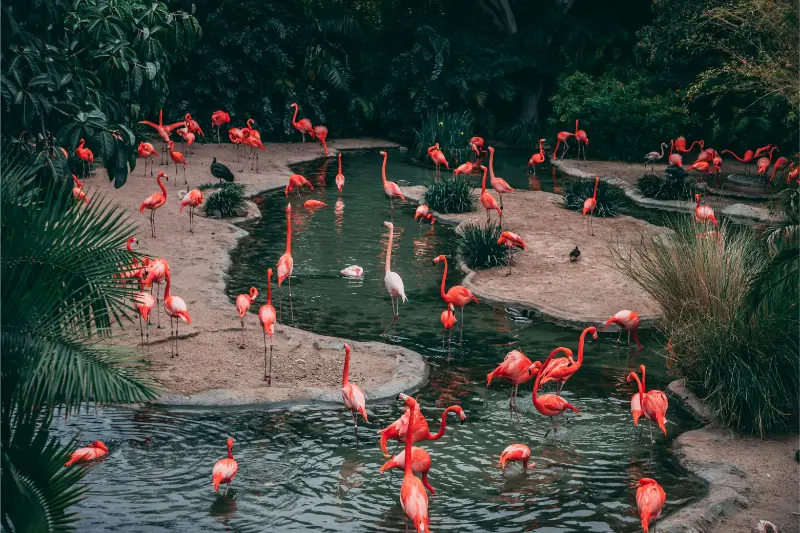
    Pink Flamingos at Florida Wildlife Pond

    Observe all animals from a safe distance, never feed them and do not block trails to approach wildlife. Alligators may be present near freshwater, and bison are large wild animals, not tame attractions. Binoculars are more useful than attempting to get closer for a photograph. The prairie can be very exposed to sun, with little shade in certain areas. Bring water and a hat, start early and plan a clear turnaround point. Visitors with limited mobility should consult park staff about actual trail surfaces and whether an observation point is reachable without stairs or sand. The landscape remains fascinating even when wildlife stays hidden.

    Day two afternoon: an observation point or a different trail

    After lunch, choose either a second short prairie viewpoint or a quiet break, not another strenuous hike by default. The park includes an observation tower and varied trails, but access, physical difficulty and current conditions should determine your choice. Travelers who prefer a gentle outing may enjoy one well-chosen scenic stop more than a loop that leaves them exhausted. If you bring children, explain why prairie grasses, wetlands and uplands support different species. Encourage them to look and listen rather than run toward animals. Keep food secured and pack out all trash.

    Thunderstorms can build quickly, particularly in warmer months. Do not remain on an exposed platform during thunder or lightning, and avoid flooding or muddy paths after heavy rain. For anyone with asthma or heat sensitivity, conditions on open prairie may be uncomfortable; consider a shorter outing or substitute an indoor activity. If you have already seen plenty of wildlife, return to Gainesville for a relaxed dinner instead of chasing a sighting somewhere else. A wildlife visit is successful when the environment is respected, not when a particular animal agrees to appear.

    Day three: Micanopy, antique shops and small-town history

    Micanopy makes a natural third-day destination. Its compact historic streets and independent stores provide a contrast with Gainesville's college-town bustle and the open prairie. Start with a café and a modest walk, leaving time to browse antique shops or learn about local history. Shop hours can be irregular, so check what is open on your chosen weekday. Do not expect every storefront to be an attraction; this is a living community where businesses serve residents as well as visitors. Admire older buildings without entering private gardens, porches or fenced property.

    For a family, an hour or two may be enough before lunch. Older adults might enjoy the chance to browse at their own pace, although old sidewalks and doorways can be uneven. If someone uses a wheelchair, contact individual businesses about accessibility rather than assuming a historic main street is uniformly step-free. A visit during a town festival may offer atmosphere but also higher traffic and difficult parking. If the shops do not appeal to your group, replace some of the time with a short natural-area visit in the same general region. The aim is to appreciate the contrast between Gainesville, Micanopy and the surrounding landscapes without overloading the final day.

    More nature or a slower last afternoon

    The Gainesville region offers additional springs, parks and trails, but three days do not require visiting them all. If a particular spring is on your wish list, check its separate rules about swimming, capacity, water quality and seasonality. Some natural sites are a drive from town and may reach capacity on busy days. Avoid deciding on a second nature stop solely because it appears nearby on a map. If you're departing in the afternoon, eat lunch in Micanopy or Gainesville and plan the drive to the airport with a realistic buffer. Roadworks and event traffic can affect routes.

    A slower afternoon may involve a short garden, a café or an indoor arts venue. That approach is especially sensible after the exposed walking of Paynes Prairie. Wildlife photographers may prefer revisiting a legally accessible viewpoint at a different time of day, but should still maintain distance from animals and stay off closed trails. Families can let children choose one final activity, turning a demanding schedule into a collaborative trip. If rain ruins a hiking plan, do not attempt to walk a flooded trail; water may conceal hazards and wildlife. There are enough alternatives that changing plans does not mean losing the day.

    Families, older travelers and cost-saving decisions

    With toddlers, one principal outing each day is a reasonable target. A compact art visit, a short wildlife viewpoint and a town walk can provide variety without long hours outdoors. School-age children may be fascinated by bison ecology or natural-history concepts, even if the main museum is closed. Teenagers may prefer photography, local food or choosing a contemporary cultural venue. For older visitors, prioritize benches, restroom access, shade and trail information. The university area and prairie have very different accessibility challenges, so one generic assessment will not cover the whole trip.

    Prepare a budget that includes hotel rates during university events, car rental or transport, meals, park fees and any museum tickets. Confirm Paynes Prairie's current entry price and whether passes apply. A grocery breakfast or picnic is useful for wildlife days, but carry food securely and do not feed animals. Independent restaurants around town may have different hours when students are away. Instead of spending on numerous tours, choose one guided or ticketed experience that truly interests the group. Much of the pleasure of Gainesville and Micanopy comes from learning about place and ecology rather than purchasing nonstop entertainment.

    Weather, wildlife safety and a reliable pre-trip checklist

    Central and North Florida can be hot, wet and stormy in summer, while cooler months are generally more comfortable for hiking. Trails may be muddy or temporarily closed after rain. Wild horses, bison, alligators and snakes require appropriate distance; pets should remain under control where they are permitted. Carry insect repellent, water, sun protection and shoes suitable for trail surfaces. Never rely on a cellular signal as your only source of navigation in a natural area. Leave open observation structures and fields when thunder is heard, and take any park staff warning seriously.

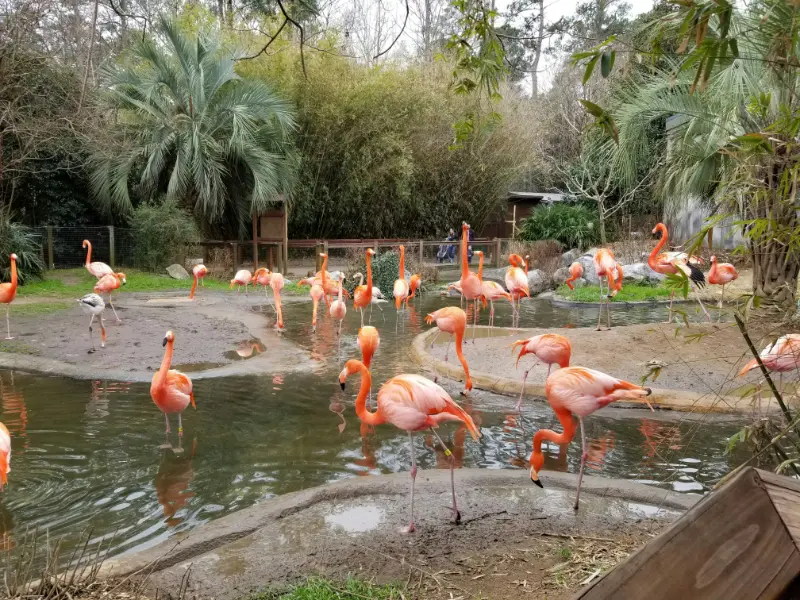
    Pink Flamingos Standing in Florida Wildlife Park

    Before traveling, verify the Florida Museum's reopening updates, Harn Museum hours, Paynes Prairie alerts and Micanopy business schedules. If you are visiting before November 23, 2026, plan on the natural-history exhibition building being closed. Reserve accommodation early for university event weekends and keep an alternative to outdoor activities. Three days here can provide a meaningful combination of cultural life, prairie wildlife and historical small-town character when the itinerary follows current reality rather than outdated attraction lists.

    Frequently asked questions

    Is the Florida Museum of Natural History open now?

    Its public exhibitions remain closed in October 2026; the museum has announced a November 23 reopening. Check official updates.

    Will I definitely see bison at Paynes Prairie?

    No. Wildlife sightings are unpredictable, and all animals must be viewed from safe distances.

    Do I need a car between Gainesville and Micanopy?

    A car is generally convenient for linking town venues, the state preserve and Micanopy without complicated transfers.

    Official information and useful resources

    Explore the area on an interactive map

  • Ocala Springs Without Swimming: Four Days of Glass-Bottom Boats and Forest

    Ocala Springs Without Swimming: Four Days of Glass-Bottom Boats and Forest

    Clear springs and forested waterways are among Central Florida’s most distinctive landscapes, but you do not have to swim, kayak or take on a long hike to appreciate them. The Ocala area can be a good base for travelers who prefer gentle nature, photography and a few well-chosen cultural stops. Glass-bottom boats reveal freshwater habitats, short walks show how the forest changes between sandhills and hammocks, and a small-town afternoon provides a rest from outdoor activities. Four days are enough to enjoy these contrasts without turning the journey into a contest of endurance.

    This itinerary uses Ocala or nearby Silver Springs as a base, with selective visits to Silver Springs State Park, forest recreation areas and local history. It is written for adults, families and older visitors who want to stay mostly dry. Some springs are primarily swimming areas, and not every site has easy land access or comfortable facilities. Check each destination individually and be prepared to replace an outing when storm damage, high water or weather affects access.

    Compare the springs outings

    Place or activity Water entry required? Important check
    Silver Springs glass-bottom boat No Reserve a suitable departure; check accessible boat
    Silver Springs gardens No Confirm open paths and trail surfaces
    Ocala National Forest recreation area No for selected overlooks Site-specific fees and open land access vary
    Downtown Ocala No Opening hours for your preferred cultural stop

    Choose one Ocala-area base for four nights

    Ocala offers hotels, grocery stores and restaurants that make daily logistics easier than staying far inside a forest. A base near Silver Springs may reduce the drive to the famous headspring, but accommodation options can be more limited. Compare the exact routes to your priority stops and whether you prefer a hotel with reliable elevators or a quiet rental with a kitchen. Travelers who need accessible bathrooms should request measurements or photographs rather than accepting the generic description “easy access.”

    A car is the practical choice for this itinerary. Recreational sites are scattered and public transit does not reliably connect the forest’s entrances. Fuel up before leaving town, and do not assume that a remote recreation area has a café, mobile signal or full restroom facilities. For a multigenerational group, planning one main stop a day makes it easier to return for lunch and a rest. The destination is the landscape itself; there is little benefit in adding a long detour for a second spring simply to collect another name.

    Day one: learn how Silver Springs works

    Start at the main entrance of Silver Springs State Park, where the clear water and landscaped setting create an accessible introduction to the region. The park is celebrated for its glass-bottom boat tradition, which allows visitors to see underwater features without entering the spring. Follow the appropriate signs for the main visitor entrance, not the separate camping entrance, because facilities and activities differ. The official Silver Springs park information provides current access notices and visitor arrangements.

    Kayaking on Juniper Springs Creek Florida

    Take time to view the spring from land before boarding a boat. Notice the aquatic vegetation, shadows of large trees and birds feeding along the water. The remarkable clarity is connected to groundwater emerging from limestone formations, not to a swimming-pool filtration system. The spring and river are protected natural environments. No swimming is allowed in the Silver River, making this destination especially suitable for someone who wishes to experience spring scenery entirely from a designated viewing area or boat.

    Make glass-bottom boating the main attraction

    The glass-bottom boat is a historical experience as well as a nature outing. Visitors can look beneath the surface at spring vents, fish, aquatic plants and changes in the riverbed without needing snorkeling equipment. Shorter tours work well for people with limited stamina, while a longer trip may suit wildlife enthusiasts. Book ahead if the excursion is important, because times and availability can sell out. If someone uses a wheelchair, the park states that an accessible boat operates on selected departures; verify the specific reservation rather than assuming every vessel can accommodate the same equipment.

    The Silver Springs boat and amenities page provides useful details about tours, trails and access. Remember that seeing an alligator or manatee is never guaranteed. A cloudy day may change the view through the glass, and rain can affect the schedule. Do not lean dangerously over railings or encourage children to stand during portions when the operator requires passengers to remain seated. After the ride, a quiet garden walk and a long lunch can fill the day beautifully.

    Day two: gardens, the historic setting and an easy trail

    Return to selected parts of Silver Springs State Park rather than driving straight to another distant recreation site. Its landscaped gardens and short paths let visitors experience the place from above the water, which contrasts with the perspective from the boat. The park’s history stretches from nineteenth-century tourism to modern conservation. Look for interpretive displays that explain how tourism changed the spring and why water quality and habitat protection matter today. Avoid assuming that every old viewpoint is open; for example, the park has posted closure of the Sea Hunt Deck while other trails have remained available.

    Choose your walking distance in advance. Families with a stroller may prefer paved areas and frequent stops; keen walkers can ask about longer routes. Some forest sections have sandy surfaces that tire people using walkers or wheelchairs. For a child, observing fish and trees can be more engaging than an extended hike. An older visitor may enjoy the view from one accessible spot for thirty minutes instead of trying to complete several trails. Carry water, and finish before the hottest time of the day.

    Day three: sample Ocala National Forest without a swim

    Ocala National Forest is large, and a map dotted with spring symbols can tempt visitors to schedule too many sites. Select one recreation area with confirmed day-use access and choose a short terrestrial experience there. Juniper Springs, Alexander Springs, Silver Glen Springs and other sites have different parking arrangements, fee structures and facilities, and some areas are designed primarily for swimmers or paddlers. You can still appreciate the water from approved viewpoints, but do not assume that every spring has a full loop trail or public shoreline access outside designated zones.

    Consult the U.S. Forest Service Ocala recreation information and the individual site before leaving. Check whether a concession manages entry, whether a pass covers the area and whether food or potable water is available. On a quiet day, the simple experience of watching ripples and listening to the forest can be sufficient. Do not climb fences to reach the bank, touch fragile submerged plants or feed fish. If access is limited, choose a public forest trail or return to an open state-park facility rather than improvising at a closed gate.

    Understand forest roads and wildlife risks

    Roads through the forest may be remote and poorly served, with sandy side tracks that are inappropriate for some rental cars. Stay on paved or designated public routes and park only where permitted. Cell reception may disappear. Download a map for offline use and tell someone when you expect to return if venturing away from a populated recreation area. Wildlife includes deer, birds, turtles and other animals, but seeing black bears or other uncommon species is not an attraction you can schedule. Never feed or approach them.

    Families should keep children close beside natural water, where shorelines can drop away suddenly and reptiles may be present. Swimming restrictions differ by site, but this itinerary does not require entering any water. Wear shoes with traction for damp surfaces and keep away from deep forest trails when thunderstorms develop. Travelers with a mobility limitation should verify path grade and restrooms before driving an hour to a location. Sometimes the most responsible decision is to enjoy the forest from a roadside observation point and return to town earlier than planned.

    Day four: Ocala town life and a flexible finale

    Spend the final full day exploring Ocala itself, which provides a change of pace from the forest. Choose a historic downtown stroll, local cultural attraction or leisurely lunch according to current opening hours and the group’s interests. Ocala’s horse-country surroundings are part of its identity, but do not approach private paddocks, enter farms without permission or assume every equestrian center offers public tours. A designated visitor activity is very different from an ordinary private training facility.

    The afternoon can be used for an optional return to Silver Springs or for shopping, packing and rest. Families might appreciate a local park with a playground, while a couple may prefer an arts venue or café. If the weather was poor earlier, this day becomes a valuable buffer for the glass-bottom boat. There is no need to cross the state to justify a Florida vacation. Four days focused on freshwater landscapes and local life offer a distinct experience from beaches and theme parks.

    Best season for a gentle springs visit

    Cooler months often make daytime walking more pleasant and reduce the challenge of heat, but they can also bring chilly mornings. Summers are humid, with afternoon thunderstorms common in the region. Even a forested path can be hot and still, and mosquitoes may be active. For travelers who are not swimming, pleasant walking weather may matter more than the water temperature. Choose morning activities and avoid planning an exposed tour during likely lightning periods.

    Holiday weekends bring pressure to some popular recreation areas, and entry may be restricted when parking reaches capacity. Arrive early if a specific spring is important to you, especially when weather looks favorable. Never assume that an annual national-park pass covers all state parks or concession-managed forest sites; admission systems can differ. A short vacation is smoother when major tickets are arranged ahead of time and backup outings are already known.

    Costs, comfort and responsible travel

    Budget for accommodation, car costs, fuel, park admission and a selected boat tour. Most spending decisions are more meaningful than searching for a universal “cheap springs” ranking. A hotel breakfast may reduce meal costs, but a remote recreation area may require a packed picnic. If the group plans to visit several different systems of parks, compare individual fees with any pass available for those exact sites. Confirm prices from the official operator; old travel articles may quote outdated amounts.

    Protect the places you came to see. Springs respond to changes in groundwater, nutrient loading and human pressure. Use restrooms and designated paths, carry out rubbish and avoid trampling vegetation to reach a photo angle. The most rewarding image may be a clear view through a glass-bottom boat rather than a staged pose in sensitive habitat. You can enjoy Ocala’s springs deeply without swimming a single minute, and doing so can be both accessible and conservation-minded.

    Frequently asked questions

    Can you visit Silver Springs without swimming or kayaking?

    Yes. The park’s famous glass-bottom boats, gardens and designated walking routes make it a strong choice for visitors who want to stay dry. Swimming is not permitted in the Silver River.

    Do all Ocala National Forest springs have the same facilities?

    No. Entry arrangements, trails, fees, water access and restrooms differ. Check the Forest Service listing for the specific recreation area before traveling.

    Is the glass-bottom boat suitable for a wheelchair user?

    Silver Springs advertises an accessible boat on selected departures, not necessarily every departure. Verify the available date, boarding and individual equipment needs directly when booking.

  • Ocala Horse Country Without Riding: Four Days of Shows, History and Gentle Nature

    Ocala Horse Country Without Riding: Four Days of Shows, History and Gentle Nature

    You do not need to ride a horse to enjoy one of Florida’s best-known equestrian regions. Ocala combines horse farms, international competitions, museums, springs and leafy downtown streets. For a family with children, a couple who loves animals or an older traveler who enjoys watching sport more than participating, four days here can be varied without demanding a riding lesson. The key is to distinguish places that welcome spectators from private farms and training barns, which are workplaces and generally not open for casual visits.

    Use Ocala as your single base. This reduces luggage transfers and allows a competition schedule to dictate one day without disrupting the rest. The busiest event dates can affect hotel prices and traffic, so check the World Equestrian Center calendar before booking. Make no promise that horses will be visible on an empty training day: competitions and horses are present according to event schedules.

    A four-day Ocala itinerary

    Day Suggested area Highlight If it rains
    1 Downtown Ocala Orientation, food and architecture Museum or café
    2 World Equestrian Center Watch scheduled horse sport Covered arena when operating
    3 Silver Springs area Springs and short nature observation Indoor cultural stop
    4 Ocala museums Local history and art Flexible departure

    The itinerary does not require horse-riding ability or specialized clothing. Comfortable walking shoes, a water bottle and layers for air-conditioned venues are more useful than riding boots. Keep a short list of backup activities in case a show changes dates, a park restricts capacity or severe weather arrives.

    Horse Drawn Carriage at Florida Park

    Day 1: Discover Ocala without rushing to a farm

    Begin with downtown Ocala, which works well as an arrival-day introduction. Look at the architecture, public spaces and restaurants, and pick up local information if a visitor center is available. Horse-country identity appears in the city’s art and businesses, but this is still a functioning community with offices, traffic and daily life. Choose a short walk compatible with the youngest or least mobile member of your group rather than trying to see everything on the first afternoon.

    Dinner is a useful opportunity to review the next day’s show program. Ask younger visitors what they would most like to see—jumping, a beautifully prepared arena, riders’ equipment or the teamwork behind caring for animals. This avoids presenting competitions as a generic animal show. For a non-rider, learning to watch carefully can be as enjoyable as participating. If you have a late arrival, save the sightseeing for tomorrow rather than rushing through dark unfamiliar roads.

    Day 2: How to enjoy World Equestrian Center as a spectator

    The World Equestrian Center–Ocala welcomes the public, and many competitions have complimentary general admission and parking, although special events and experiences may charge. Check the specific show calendar, ring locations and starting times. A listing for an event week does not guarantee that the class you want will take place at the moment you arrive. The facility is large; use its official map before choosing a parking area.

    If you are unfamiliar with equestrian sport, spend time watching a few rounds from designated spectator seating and notice how riders balance speed, accuracy and their horses’ welfare. Ask staff where viewing is permitted, especially in indoor arenas. Do not enter stables or pet horses. Competition horses are working athletes with safety routines, and the venue explicitly directs spectators to remain in designated areas. Keep children nearby and avoid flash photography or behavior that could distract a horse.

    Understand the difference between free admission and paid experiences

    General spectator access to many horse shows does not mean every on-site service is free. Restaurants, spa visits, shops, hospitality seating and select ticketed events operate separately. Decide whether your group wants a simple two-hour visit with a meal elsewhere or a longer event day with dining on the property. The official Ocala World Equestrian Center FAQ is useful for accessibility, schedules, photography and general visitor rules.

    A person using a wheelchair should ask about the specific arena entrance and seating before traveling. Although accessible parking is available, the distances across the campus can be substantial. Travelers with children may appreciate the option of leaving after one interesting competition rather than trying to remain all day. The quality of a spectator visit depends more on choosing the right event than on buying extras.

    How to plan around unpredictable schedules

    Horse shows operate on programs that can change as riders enter classes, weather develops and events progress. Check the daily order of go as close to your visit as practical. Have a second activity nearby so a delayed class does not become a long wait in a corridor. Some show days contain several disciplines and levels; ask which would be most approachable for a first-time spectator rather than assuming the biggest prize class is the only interesting one.

    Avoid planning a farm tour based on a roadside sign. Many of Ocala’s horse properties are private operations with biosecurity rules, valuable animals and no public visitor program. A stable gate is not an invitation to enter. If you want a structured encounter, book through a verified operator that explicitly sells public tours or lessons, confirms ages and accessibility, and explains helmets and staff supervision. None of that is necessary for the itinerary described here.

    Day 3: Silver Springs adds nature to the equestrian story

    Spend a nature-focused day around Silver Springs State Park or another confirmed public park near Ocala. Springs show another side of the region: clear water, forest and opportunities to understand local ecology. Check current state-park notices for admission, boat operations, tour availability and weather conditions. Do not assume every boat is accessible or that the advertised ride operates throughout the day. If a water activity is unsuitable for your group, choose a short land-based view and a relaxed picnic instead.

    Watch wildlife respectfully and never feed monkeys or other animals. Animals can behave unpredictably, and feeding damages natural behavior. Keep children away from the water’s edge and stay on marked paths. This is not a day for comparing one horse venue with another; it is a chance to appreciate the wider limestone-and-spring landscape surrounding Ocala. Bring insect repellent and sufficient water even if you intend to walk only a short distance.

    Day 4: Museums and a flexible last afternoon

    Finish with a museum or learning center that matches your group’s interests. Ocala’s Discovery Center is one option for families seeking an interactive indoor activity; verify opening hours and admission before arriving. The Appleton Museum of Art can be a good alternative for adults and older children who enjoy galleries. Do not promise that exhibitions remain unchanged: check each institution’s current calendar. For travelers who have already had a full weekend, a peaceful breakfast and an early departure may be the best use of the day.

    Build in extra time for any long onward drive. Ocala’s central location makes it tempting to continue to Orlando, Gainesville or the Nature Coast, but those are separate experiences with their own traffic and timing. If adding a fifth day, choose one neighboring region rather than combining three destinations into a tiring loop. A relaxed final museum visit often helps balance a lively competition day.

    Where to stay for different budgets

    Hotels close to the equestrian venue may be convenient on show days and expensive during major competitions. Downtown Ocala can be practical for food and local atmosphere, while properties near major roads may simplify driving to regional parks. Compare the full nightly price, cancellation rules and parking, not only the room photograph. If you use a walker, check the exact accessible room configuration, bathroom layout and distance to elevators.

    A family with two teenagers may prefer two beds and a refrigerator over a decorative room in a themed hotel. Groups planning to spend little time in accommodation should not pay a premium for amenities they will never use. Conversely, a pool and comfortable communal area can make the holiday far more pleasant for relatives who skip an afternoon outing. One base for four nights avoids the fatigue of daily checkouts.

    Visiting with children, teens and older relatives

    For young children, the best horse-show visit may be an hour of observation and a snack. Explain that horses can be frightened by sudden noises, and establish rules before entering an arena. Teenagers may enjoy learning the differences between dressage, jumping and western disciplines, but actual programs vary by date. Older adults who cannot walk long distances may enjoy covered seating at a carefully chosen event, with accessible parking arranged in advance.

    Do not assume that everyone of the same age shares the same stamina. Adults who are active riders may want a long competition day, while others prefer to watch one event and explore downtown. Agree on a meeting point and keep meal timing predictable. A multigenerational holiday works best when people have a legitimate choice about leaving early without feeling they are spoiling anyone’s plan.

    Best time to visit Ocala Horse Country

    The calendar matters more than any generic claim about the best season. Large competition series take place during different parts of the year, but dates and public access vary. Winter often brings pleasant outdoor temperatures and a busy equestrian calendar; warmer months can be very hot and humid. Holiday events may have separate tickets and rules even when ordinary competition admission is free. Consult the official WEC events calendar and the sites of the museums or parks you plan to visit.

    In hot months, favor indoor arenas and museums during the afternoon, with outdoor activities in the morning. Thunderstorms may interrupt outdoor sport, so preserve some flexibility in your plans. Even in cooler weather, carry water and dress for changing temperatures between indoor and outdoor facilities. Book lodging early around headline competitions if your dates are fixed.

    Costs, packing and mistakes to avoid

    The predictable costs are accommodation, transport and meals. Admission to a particular horse show may be free, but paid special events, premium food and shopping can add substantially to the total. Verify the exact event rather than advertising the entire property as free. Set a comfortable daily spending limit before entering the shops. Fuel and parking outside the venue may also be part of your trip budget.

    Bring sun protection, comfortable shoes, a charged phone, a reusable water bottle and a light layer for air-conditioned seating. Do not arrive expecting to ride without a reservation or enter barns to photograph horses up close. Remember that a spectator ticket is not permission to interfere with competition activities. The most satisfying experience comes from curiosity, respectful behavior and a realistic schedule.

    A useful final checklist

    Two weeks before the trip, confirm lodging and the relevant competition week. A few days before, check event start times and park notices. On the morning of the show, look for updates to the ring schedule and plan your parking. Ask staff about accessibility and family amenities. Have a museum or café ready as a weather alternative. With those details in place, Ocala offers a horse-country holiday that is welcoming even to visitors who have never worn a riding helmet.

    Frequently asked questions

    Do we need to ride a horse to enjoy Ocala?

    No. Spectator horse shows, museums and nature parks offer a satisfying itinerary without riding, handling or touching any horse.

    Are horse shows always free?

    Many have complimentary general admission, but some special events or experiences have charges. Check the exact event before arriving.

    Can children enter the stables and pet horses?

    No. Visitors should stay in designated spectator areas and follow venue instructions. Stable access is restricted for safety and animal welfare.

    Is the itinerary suitable for someone who cannot walk far?

    It may be with careful choices. Contact venues about parking, distances, seating and accessible entrances; avoid trying to cover the entire large equestrian campus.

  • Three Days in Crystal River and Homosassa: Manatee Conservation, Springs and Old Florida Nature

    Three Days in Crystal River and Homosassa: Manatee Conservation, Springs and Old Florida Nature

    Crystal River and Homosassa offer a different Florida vacation from beaches and theme parks. Freshwater springs, tidal rivers and protected manatee habitat shape the landscape, while small communities provide places to eat, walk and learn about the region's ecology. Three days here are best organized around respectful wildlife watching, one river-focused outing and a relaxed day that leaves room for changing weather. The most important planning point is that seeing manatees and entering the water are not the same thing. Wildlife protection rules, seasonal closures and visitor access differ from place to place. A comfortable, memorable visit starts by understanding those differences.

    Three-day itinerary at a glance

    DayRecommended focusEasy alternative
    Day 1Three Sisters Springs land visitBoardwalk and Crystal River town
    Day 2Homosassa Springs and riverWildlife education or public viewpoint
    Day 3Permitted guided paddling or town heritageChoose land-based activities instead

    Begin with the seasons and access rules

    Manatees often gather in spring-fed waters when colder Gulf conditions make warm-water refuges especially important. Winter can therefore be an appealing season for viewing, but the animals are wild and cannot be guaranteed on any date. In warmer seasons you can still appreciate the springs and waterways without expecting a dense gathering of animals. Before traveling, read the U.S. Fish and Wildlife Service's Crystal River National Wildlife Refuge information. The rules for paddling, swimming and protected areas can change, particularly during cold weather when officials protect manatees from disturbance.

    Do not assume that an admission ticket to Three Sisters Springs includes swimming from the boardwalk property. Its land-access site provides overlooks and trails, while in-water visitors use designated launches elsewhere on Kings Bay under separate rules. The City of Crystal River and the refuge provide current guidance. This distinction is essential for families and anyone who wants a land-based nature visit. A person who does not swim can still enjoy excellent habitat viewing from approved overlooks, often with far less expense and preparation than a guided in-water activity.

    Day one morning: Three Sisters Springs from land

    Start with a land visit to Three Sisters Springs, reserving time for the boardwalk and wetland habitat. Check the current ticketing or shuttle arrangement through the City of Crystal River; visitors may need to begin at a designated center rather than driving directly to the refuge gate. The boardwalk provides viewing points over the protected spring complex, and staff or volunteers may offer ecological interpretation depending on the day. The surrounding habitat is worth attention even when no manatees are visible. Look for birds, vegetation and the relationship between spring water and the estuary.

    Travelers with mobility needs should examine the current accessibility map rather than assuming every trail is paved. The boardwalk has accessible elements, but surrounding paths can vary in surface. Allow room for seated rest and avoid demanding a full walk through every part of the property. Children can enjoy comparing different shades of water and learning why feeding or touching manatees harms them. Bring binoculars if you have them; standing back with a view is preferable to crowding a rail. Plan the morning as a learning experience, not a wildlife show with a guaranteed performance.

    Day one afternoon: Crystal River's small-town waterfront

    After the refuge, spend the afternoon around downtown Crystal River or another lawful public waterfront area. Independent shops, casual restaurants and small streets offer an easy shift from the concentration of the nature visit. The Kings Bay landscape is more complex than a swimming beach: it includes navigable waterways, docks, conservation zones and designated launches. Observe boating activity from public places and keep children away from unsecured edges. If your group likes local history, look for an interpretive venue or display that is open on your date rather than relying on a specific museum's hours without checking them.

    A relaxed lunch and short waterfront walk can be enough. Winter visitors may want to finish daylight activities early, while summer visitors may need an air-conditioned break from heat and thunderstorms. Travelers with a cane or walker should identify a comfortable parking place and a short level route before arriving. If you stayed in a roadside hotel outside downtown, consider whether returning to the room between activities saves everyone energy. The purpose of the first day is to understand the area's manatee habitat and settle into the town, not to squeeze in a boat charter and another spring excursion before sunset.

    Florida Manatee Rescue Entrance

    Day two: explore Homosassa's character

    On the second day, head toward Homosassa, where natural springs, river scenery and working waterfront traditions create a different impression from Crystal River. Homosassa Springs Wildlife State Park is a prominent educational destination, with opportunities to learn about Florida wildlife in an organized setting. Confirm park transportation, operating hours, admission and exhibit availability on the official Florida State Parks website. The park provides an alternative for people who prefer land-based wildlife learning rather than entering the water. Its animals and habitats should be understood in the context of conservation, not as replacements for seeing healthy wild animals living undisturbed.

    Allow most of the morning for the park and a slow lunch. Families may value interpretive exhibits that make Florida ecology accessible to school-age children; adults can focus on wetland plants and the area's relationship to spring-fed rivers. Visitors with limited mobility should ask which viewing routes and vehicles meet their needs. Some natural settings have boardwalks but also changes in elevation or distance between features. Do not assume that every attraction in the region shares identical accessibility. A deliberate park morning with a quiet afternoon usually works better than chasing a second distant attraction just because there is daylight left.

    Day two afternoon: the river without crowding wildlife

    Spend the afternoon watching the Homosassa River landscape from an approved public location or, if appropriate, joining a guided boat excursion. Ask providers about boat size, shade, life jackets, boarding steps, access to restrooms and how they handle encounters with protected animals. Even on guided outings, manatees, dolphins and birds appear on their own schedule. Operators should follow federal and state wildlife rules and avoid harassment. Any promise of touching, chasing or feeding manatees is a warning sign rather than a selling point. Photographs are valuable only when they do not interfere with animals' natural behavior.

    Visitors who prefer a gentler afternoon can enjoy a restaurant near the water, a short heritage stop or an hour at their lodging. If anyone in the party is easily fatigued, skip the boat tour without feeling that the trip is incomplete. If children want more action, look for an age-appropriate educational program rather than an unsupervised swim in river channels. Tides, vessel traffic and currents demand respect. The attraction of Homosassa is its living landscape; watching it calmly often teaches more than trying to create a close animal encounter.

    Day three: choose paddling, heritage or a restful spring morning

    Use your final full day for one activity, chosen according to the weather and your group's abilities. Confident paddlers may consider a guided route in permitted waterways, but launching areas and seasonal manatee closures must be verified. People inexperienced with current, boat traffic or warm-weather exertion should not treat a kayak as a casual toy. A guide can help interpret wildlife rules, yet participants still need suitable safety equipment and a realistic understanding of their stamina. Always tell someone your route and expected return, and never attempt to enter protected spring sanctuaries when closed.

    Manatee Swimming toward Camera Underwater

    For a land-based alternative, revisit an accessible springs viewpoint, explore an open local heritage site or spend time in a riverside park. A traveler who cannot board a kayak can still have a complete three-day vacation centered on the refuge, wildlife park and town. Families might use this day as a lighter finish with time for packing, while a couple could choose a long riverside lunch. Keep the afternoon flexible if your departure requires driving toward Tampa, Orlando or another part of Florida. A quiet final morning is especially valuable after two days of walking and warm weather.

    Where to stay: Crystal River, Homosassa or the highways

    Crystal River is practical for visitors whose main objective is the refuge and Kings Bay. Homosassa may suit travelers who want to focus on its springs, wildlife park or river environment. Lodgings along the main highways can be convenient for road trips, but they may not allow pleasant walking to dinner. Check the exact property location and whether you will need a car for almost every activity. A rental near the water is not automatically a safe swimming property; some waterfronts are canals or active boat routes. Ask about permitted access, boat lifts and shoreline conditions before booking.

    Compare the final price, including parking, taxes and required charges. A kitchen can be valuable for multi-generational groups, particularly when children need early meals. Couples may prefer a small hotel with less housekeeping. Ask for written confirmation of accessible bathrooms, steps or elevators if needed. In winter, demand near manatee attractions may affect availability and rates; reserve flexible lodging early if your dates are fixed. Summer brings storm considerations, so review cancellation policies and official forecast guidance. Good accommodation here emphasizes comfort and convenience over an unrealistic promise of wildlife outside every window.

    Protecting manatees and other wildlife

    Manatees are federally protected, and the region's conservation rules are designed to prevent disturbance, especially when cold weather makes warm spring refuges essential. Never feed, touch, pursue, surround or block the travel path of a manatee. Keep a respectful distance and obey instructions from refuge personnel and authorized operators. A calm animal does not grant permission for human contact. In-water recreation is subject to designated areas and closures, so consult current refuge guidance immediately before paddling or swimming. Educate children in advance; watching an animal from afar is the right way to demonstrate respect.

    The waterways also support birds, fish, turtles and vegetation sensitive to propellers and anchors. Stay within designated channels, avoid damaging seagrass and dispose of all fishing line and trash properly. If you see a distressed animal, contact the relevant wildlife authority rather than intervening. Photographers should avoid pressuring an animal for a better angle. Respect private docks and residential shorelines as well. These practices help maintain the natural qualities that make Crystal River and Homosassa worth visiting, and they protect visitors from taking unnecessary risks around wild animals.

    All-ages planning and accessible alternatives

    A mixed-age group can share the Three Sisters Springs boardwalk, a wildlife education stop and a waterside meal without anyone needing to swim. For a preschooler, a short morning and predictable snack break may be ideal. School-age children might enjoy wildlife interpretation and identifying bird species. Teenagers may prefer a permitted guided paddling experience; adults should verify fitness and age rules. Seniors or visitors recovering from injury can focus on viewpoints, museums and comfortable restaurants. The ability to see spring habitat from land makes the region appealing to people who do not want strenuous boating.

    Mobility information should be precise. Check shuttle boarding arrangements, available seating, restroom locations, boardwalk widths and any gravel trail surfaces before buying tickets. If someone uses a wheelchair, ask about the exact area and route they can access, not just whether the site is generally accessible. Plan an indoor backup for thunderstorms. Heat can be tiring even in a naturally shaded environment, and water safety is relevant year-round. One meaningful attraction per day, followed by rest and a modest second activity, usually offers better comfort than an ambitious timetable.

    Costs, transport and weather contingencies

    Expect expenses for lodging, meals, car travel, land-entry tickets, and any guided boating or paddling tours. Viewing the refuge from land may be more economical than booking several water activities, but compare official rates close to travel. Water operators may have their own equipment and cancellation charges. A visitor budget should also allow for parking and transport to a designated entry center. Do not rely on an outdated article for exact manatee-season admission prices or sanctuary access; official city and refuge pages are the right sources for current policies.

    Cold winter weather is relevant because it changes manatee movements and protection measures; summer weather matters because thunderstorms, heat and high humidity affect water outings. During hurricane season, monitor forecasts and local emergency instructions. If a boat trip is canceled, substitute an indoor or land-based experience rather than taking avoidable risks. Before departure, save the Three Sisters Springs admission and shuttle information, Homosassa Springs Wildlife State Park visitor details, and any tour confirmation. This three-day region rewards care: respect the animals, accept that sightings vary, and take pleasure in springs and river landscapes on their own terms.

    Frequently asked questions

    Does a Three Sisters Springs boardwalk ticket include swimming?

    No. Land access and in-water activities use different entry arrangements and regulations.

    Are manatees guaranteed in winter?

    No. They are wild and move according to environmental conditions; respect closures and viewing rules.

    Can I plan three days without a boat?

    Yes. Boardwalks, a wildlife park, small-town stops and riverside meals can fill a gentle visit.

    Official visitor information

  • Four Days in Ocala National Forest: Springs, Pinewoods and Quiet Lakes

    Four Days in Ocala National Forest: Springs, Pinewoods and Quiet Lakes

    Ocala National Forest is one of Central Florida’s most interesting places to spend time away from developed resorts. Northeast of Ocala, the landscape holds longleaf and sand-pine habitats, natural springs, quiet lakes and sandy forest roads. It is also an environment where casual travel assumptions can cause problems. Not every road is paved, there are protected wildlife areas, and recreation sites may have separate concession fees or required vehicle reservations. This four-day itinerary keeps the main activities within manageable driving distances and deliberately leaves room for a long lunch or a short scenic walk. It works best with a car, a well-chosen overnight base and realistic plans for heat, insects and occasional limited mobile coverage.

    What is actually inside the national forest?

    Visitors often confuse Ocala National Forest with the city of Ocala and with Silver Springs State Park. The forest extends over a broad region east of the city, and its famous recreation areas include Juniper Springs, Alexander Springs, Silver Glen Springs and lakeside facilities. Silver Springs State Park near the city is a separate state-managed destination. This matters for admission fees, camping systems, park rules and navigation. The forest is not a single gated park where one ticket opens every spring and boat launch. Before leaving, download maps from the U.S. Forest Service and identify the exact road and entrance for your planned activity. Driving an unsuitable rental car down a remote sandy track to save a few minutes is rarely worth the risk.

    Day 1: Juniper Springs and its distinctive setting

    Juniper Springs Recreation Area offers a classic first introduction, with forested scenery, historic recreational infrastructure and spring water. Choose either a short swimming visit when open and safe, or a calm interpretive outing emphasizing the surroundings. The Juniper Creek canoe run is not an automatic beginner paddle: it has route-specific requirements, possible obstacles and shuttle logistics that must be confirmed with the operator. A visitor whose confidence is limited should not book it simply because spring-run photographs look tranquil. Arrive with water, shade protection and dry clothes, and read the facility rules about food, pets and equipment. If you have children, make a pre-agreed departure time so cold-water swimming doesn’t extend into the thunderstorm-prone afternoon. A forest picnic can finish the day without another hour of driving.

    Kayaking on Juniper Springs Creek Florida

    Day 2: Alexander Springs, where reservations can matter

    Alexander Springs Recreation Area has a large clear spring pool and a different feel from Juniper, often appealing to families and visitors interested in swimming or kayaking. The official Recreation.gov listing states that on Saturdays, Sundays and holidays from Memorial Day through Labor Day, visitors using personal vehicles need an advance vehicle access reservation. The reservation is separate from the per-person entry fee, and the system includes its own booking window. Large vehicles and trailers are subject to additional restrictions. Don’t set out with a rented RV expecting that a standard car reservation will cover it. If the appropriate pass is unavailable, choose a forest trail or authorized lakeside facility rather than attempt to park on the roadside or enter illegally. Follow posted water rules and never dive into an unfamiliar part of the pool.

    Day 3: Silver Glen Springs and the Lake George edge

    Silver Glen Springs lies farther east toward Lake George and introduces the relationship between a spring run and one of Florida’s large lakes. The day works well as a short scenic drive with a single recreation stop, rather than another packed day of swimming. Check whether the recreation area is open, the current fee, and which activities are permitted; rules may differ from Juniper or Alexander. The lake itself is an expansive natural environment with changing wind, boat traffic and wildlife. Do not launch a small craft without knowing the return route, conditions and where open water begins. Travelers interested in birding can stay on official paths or overlooks and enjoy the forest canopy. If someone has mobility limitations, ask concession staff about the path from parking to the viewing location before purchasing an admission or equipment ticket.

    Day 4: a quiet lake, a short trail or the neighboring city

    Use the last full day to avoid repeating the same experience. Clearwater Lake Recreation Area offers a forest lake setting distinct from the large spring pools, while other signed trails may suit walkers who enjoy pinewoods and scrub habitat. Decide by weather and energy rather than by the number of attractions remaining on a list. If you have tired children or need more indoor comfort, head back toward Ocala or Silver Springs for a museum or a permitted guided boat option outside the national forest. An especially effective fourth day is a short morning nature walk followed by lunch and an early return to the hotel pool. Forest roads can become slower than expected, and it is better to leave before dark than find a remote trailhead with little cell service.

    Choosing accommodations: Ocala, forest cabin or campground?

    Ocala provides the broadest range of standard hotels, groceries and medical services, but may mean more driving to the eastern recreation areas. A campground in the forest offers shorter access to nature and quieter evenings, but also requires attention to site dimensions, hookups, gate hours, wildlife-safe food storage and campfire restrictions. Alexander Springs and Juniper Springs have established campground options subject to reservation rules; do not presume that a site will be available on arrival. If traveling with an infant or an older relative, assess nighttime bathroom distance, air-conditioning, sleeping arrangements and the ability to leave if weather becomes severe. A cabin listed outside the forest may be a long drive from the spring despite a similar place name. Confirm the exact address and access road before paying.

    Water safety in an apparently crystal-clear environment

    Clear water can create a false sense of security. Spring pools may contain deeper areas, submerged objects and cold water that affects breathing and endurance. A non-swimmer should remain out of deep areas and use appropriate approved flotation where allowed. Never leave children unattended by water, even for a quick photograph. Swimming rules differ across recreation areas, and diving or snorkeling activities may require separate permits or certifications. In Florida, alligators are part of natural freshwater ecosystems; keep a respectful distance and never feed animals. If a sign says no swimming or an area is closed for habitat protection, the prohibition is not optional. Lightning is another serious hazard—leave water and exposed shoreline for a substantial shelter at the first sound of thunder.

    Paddling and boating: hire judgment, not just equipment

    A kayak rental is not proof that a route is suitable for beginners. Ask specifically about paddling distance, downstream obstacles, wind exposure, return transfers, cancellation policies and age limits. A clear spring-fed run can become a more demanding adventure when it joins a broader waterway. Wear the correct personal flotation device, carry drinking water and know how to contact help. New paddlers should favor a guided short outing on an approved route. Senior travelers who want to paddle should be judged by their experience and ability, not an arbitrary age threshold. Families with small children may be happier observing the water from a designated bank rather than committing to several hours with no easy exit.

    Forest driving, parking and wildlife precautions

    Use signed main roads and designated parking facilities; an apparent shortcut on a navigation app can lead to unmaintained sand tracks. Tell someone where you are going if traveling to a quiet trailhead. Fill the fuel tank in town, especially if your phone navigation relies on continuous data service. Watch for wildlife and do not stop in a traffic lane to photograph a bear or deer. Never approach or feed a bear. Keep food secured in a vehicle or approved container, and pack out all trash. Sunscreen alone is insufficient: add protective clothing and insect repellent appropriate for the conditions. Some recreation sites restrict pets, alcohol, glass or grills; verify the chosen facility’s rules before loading the cooler.

    Who will enjoy this forest trip?

    For adults who want quiet, spring viewing and birdwatching may be the central reward. Children aged six to twelve can learn to distinguish a spring, lake and forest habitat and may find a short nature scavenger hunt more fun than a formal lecture. Teenagers could enjoy an appropriately supervised paddle or wildlife photography, but should understand that remote areas are not a place to wander off alone. A visitor with limited mobility can still participate in scenic drives and certain developed recreation areas, though exact path accessibility must be confirmed. People with sensory sensitivities may appreciate a calm weekday visit, while loud weekend crowds around spring pools may be uncomfortable. The trip should be tailored to the least suitable environment for someone in the group, not just the most adventurous person’s preferences.

    Best season, costs and reservation priorities

    Spring and fall are often pleasant for walking, while summer days bring heat and high demand at the swimming areas. Winter air may be cool even when spring water stays comparatively stable in temperature. Book campsites or limited vehicle access ahead, especially for Alexander Springs on designated summer weekends. Keep a budget for separate recreation fees, groceries, equipment and lodging. If staying in Ocala, fuel and driving time may exceed the apparent savings from an inexpensive hotel. Avoid purchasing multiple advance water-activity tickets when the weather forecast is unsettled. Check U.S. Forest Service alerts, county weather and Recreation.gov reservation rules shortly before leaving. An itinerary that keeps an alternate dry-land day is easier on everyone.

    Four-day itinerary table

    DaySiteExperienceMain caution
    1Juniper SpringsHistoric spring setting and optional swimCanoe run requires separate planning
    2Alexander SpringsClear pool and picnic daySummer weekend vehicle reservation
    3Silver Glen / Lake GeorgeSpring-to-lake landscapeOpen-water conditions and site rules
    4Clearwater Lake or OcalaForest lake or gentler indoor outingTrail and road accessibility

    Frequently asked questions

    Are Ocala and Ocala National Forest the same destination?

    No. Ocala is a city, while the national forest spans a broad region farther east. Confirm the exact recreation-area entrance before driving.

    Does one pass cover every spring?

    Not necessarily. Recreation areas may have different concession fees, reservation requirements and pass eligibility. Read each facility’s current policy.

    Is Alexander Springs suitable for a last-minute summer weekend?

    It may not be. Advance vehicle reservations are required on designated weekends and holidays between Memorial Day and Labor Day, and the admission fee is separate.

    Can people who do not swim still enjoy the forest?

    Yes. Developed overlooks, short walks, lake views, picnics and wildlife interpretation provide alternatives to entering spring water.

    Is it wise to drive a normal rental car on remote forest tracks?

    Stay on maintained public roads and permitted routes suitable for the vehicle. Remote sand roads can strand a car and may breach rental restrictions.

    Official references for this trip

    Ocala National Forest deserves more than one hurried dip in a spring. Four days let you notice how water, pinewoods, wildlife and the small towns around the forest shape a very different side of Florida.