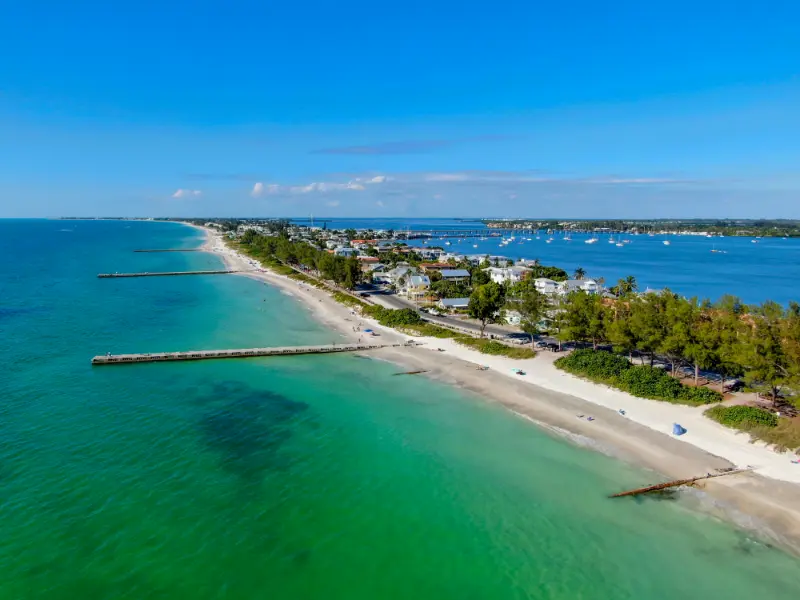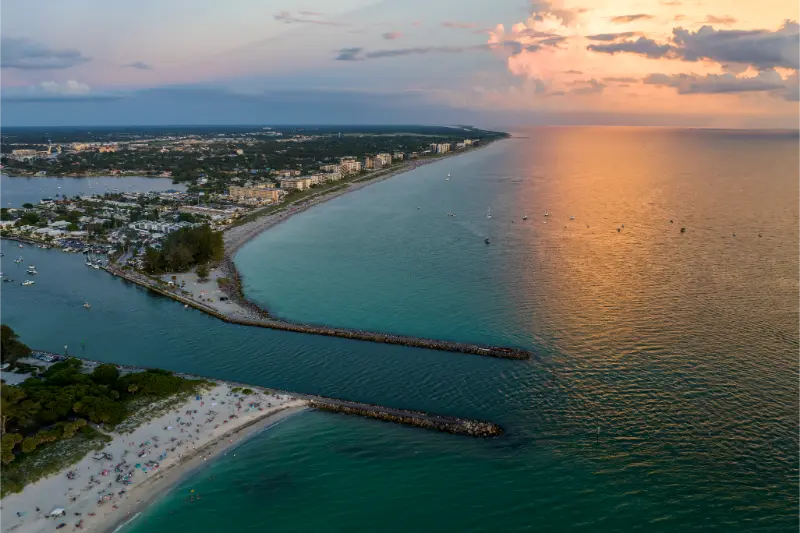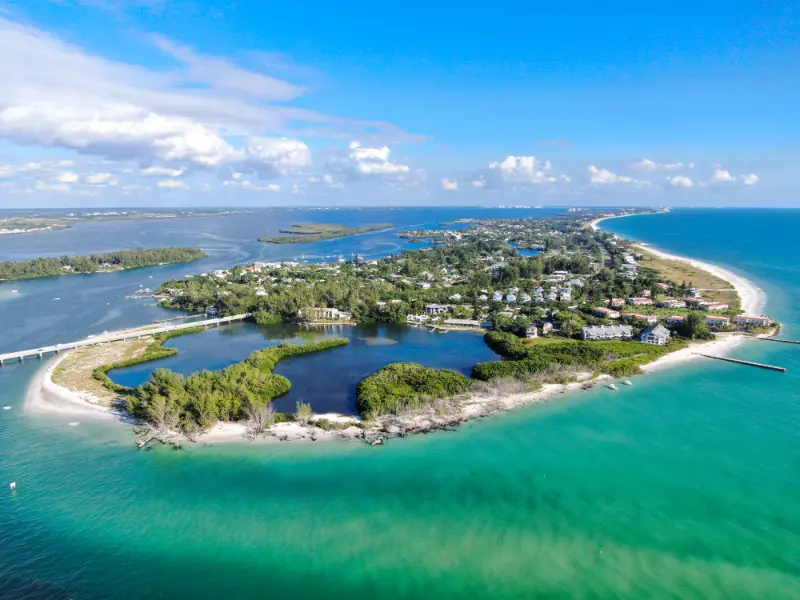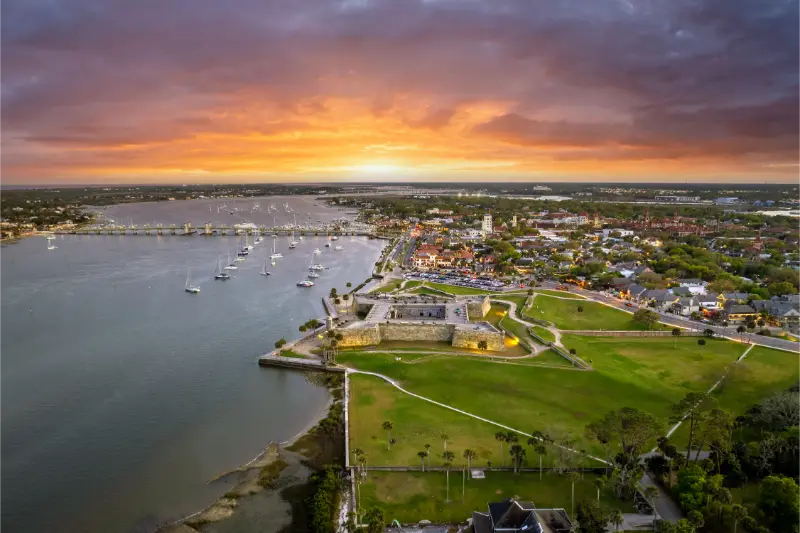
Not everyone wants to measure a Florida vacation in miles walked or attractions conquered. North Florida offers a different kind of trip: historic waterfronts, small museums, shaded squares, coastal views and opportunities to learn about the people who shaped the region. A visitor who prefers short walks—or travels with older relatives, mobility limitations or young children—can explore St. Augustine and Amelia Island without turning every day into a physical challenge.
On this page
- Which base works best for a low-walking visit?
- Day 1: A gentle introduction to St. Augustine
- Day 2: Castillo de San Marcos and a comfortable historic afternoon
- Day 3: Choose a quiet coastal outing or more time in the old city
- Day 4: Travel to Amelia Island and Fernandina Beach
- Day 5: Fort Clinch, coastal views or a peaceful departure
- Optional stop: the Timucuan Preserve near Jacksonville
- How to evaluate accessibility beyond a hotel label
- Best seasons, weather and daily rhythm
- Budget, tickets and transport considerations
- Frequently asked questions
This five-day itinerary uses two nearby bases, or one base with short excursions if your group prefers not to change hotels. It is especially suited to people who like history, quiet restaurants and seeing a place at their own pace. Accessibility is never uniform in a centuries-old town. Cobblestones, uneven paving, sand, stairs and a building’s original design can present real obstacles, so the practical details matter more than descriptions such as “easy stroll” or “accessible attraction.”
Which base works best for a low-walking visit?
St. Augustine has a compact historic center but some roads and walking surfaces are irregular. Staying close to the attractions you plan to visit can reduce journeys, although parking and loading arrangements may be tricky. A quiet hotel a little outside the center may offer easier vehicle access and elevators but require driving to every outing. Amelia Island, with Fernandina Beach as its historic town, offers beaches and a smaller downtown experience. Choose a room that matches your mobility and comfort needs, then build days around it.
For a five-day trip, three nights in the St. Augustine area and two near Fernandina Beach is a sensible division. If changing hotels is tiring, remain in one location and accept a longer single drive for the day trip. Do not choose an accommodation based only on its photograph: check whether there are steps at the entrance, whether the elevator serves your room, what the shower setup is and how far a car can stop from the lobby.
Travelers with an electric mobility device should also confirm battery charging arrangements and exact door measurements. Guests with fatigue may need a room where breakfast is close by and a refrigerator keeps snacks and medication accessible. A well-located, comfortable hotel can make more of the destination available than a cheaper room far from useful facilities.
Day 1: A gentle introduction to St. Augustine
Arrive in St. Augustine with time to settle in, then explore one small part of the historic center. The waterfront near Matanzas Bay offers views of boats, the fort and parts of the old city without requiring a full walking tour. Choose a specific parking facility or hotel drop-off, then identify an accessible route and a place to sit. Remember that a route that looks short on a map may include uneven paving or inconvenient crossings.

A seated lunch followed by one short sightseeing stop may be enough for arrival day. Resist booking a late-afternoon tour when traffic or hotel check-in could delay the schedule. If the group is interested in Spanish colonial history, orient the trip around the Castillo de San Marcos for the following morning. Consider a quiet early dinner and return to the room rather than waiting for the busiest period on tourist streets.
If a member of your party cannot manage outdoor heat for long, use this first day to test conditions. St. Augustine can be hot and humid, and the old town offers variable shade. A brief visit followed by a rest is a successful beginning, not an incomplete day.
Day 2: Castillo de San Marcos and a comfortable historic afternoon
Castillo de San Marcos, the historic waterfront fort, makes a strong centerpiece for a North Florida history day. It rewards visitors who enjoy architecture, coastal views and stories of the region’s complex colonial past. The National Park Service explains that the fort’s lower level and parking area are accessible, while its upper gun deck requires stairs. It also offers captioned, audio-described and other interpretive materials. This detail makes the site worth considering for groups where some people can use stairs and others cannot.
Begin early, when the sun may be less intense and crowds can be lighter. Ask a ranger which parts are open and what route is suitable for the group. One person can explore the upper area while others enjoy the lower-level exhibits, provided everyone has a meeting plan. Take time to understand the history, including the site’s military and colonial context, rather than simply treating it as a scenic photo stop.
Spend the afternoon on a comfortable indoor activity or return to the hotel. St. Augustine has museums and historic buildings, but their access varies widely. Call individual venues before purchasing admission, especially if stairs, standing tours or narrow doorways are difficult. Choosing one museum with reliable seating may be more rewarding than trying three attractions while tired.
Day 3: Choose a quiet coastal outing or more time in the old city
St. Augustine Beach and other nearby coastal viewpoints give the group a change from historic streets. You can enjoy sea air and views without necessarily walking through deep sand. Identify the exact access point in advance and check parking, restrooms, beach mats or mobility equipment availability where applicable. The Atlantic coast can have significant surf and rip-current hazards, so a beach visit should never depend on entering the water. Sit, observe shorebirds and enjoy a leisurely meal instead.
Alternatively, spend a second easy day in the historic town. Visitors interested in architecture may enjoy short walks around Flagler-era buildings, but determine how much walking each stop demands. Many historic interiors have stairs or tours that require extended standing. Ask about accessible entrances and alternatives, and do not purchase a package of attractions you are unlikely to complete comfortably.
This is also a good day to take a proper afternoon rest. Older adults do not all have the same abilities, and younger travelers may also find the combination of sunshine and crowds tiring. A low-walking itinerary should be flexible enough for a visitor to wake up feeling energetic and do more, or wake up needing a shorter day without disrupting the entire party.
Day 4: Travel to Amelia Island and Fernandina Beach
After breakfast, make the journey north toward Amelia Island and check into a second accommodation if that is your plan. The drive is manageable as a regional transfer, but traffic and optional detours can make it longer than a simple map estimate. Keep the first afternoon deliberately relaxed. Fernandina Beach’s historic district has shops, restaurants and architecture, although surfaces, crossing points and parking can vary. Pick one block or waterfront stop rather than trying to cover every street.
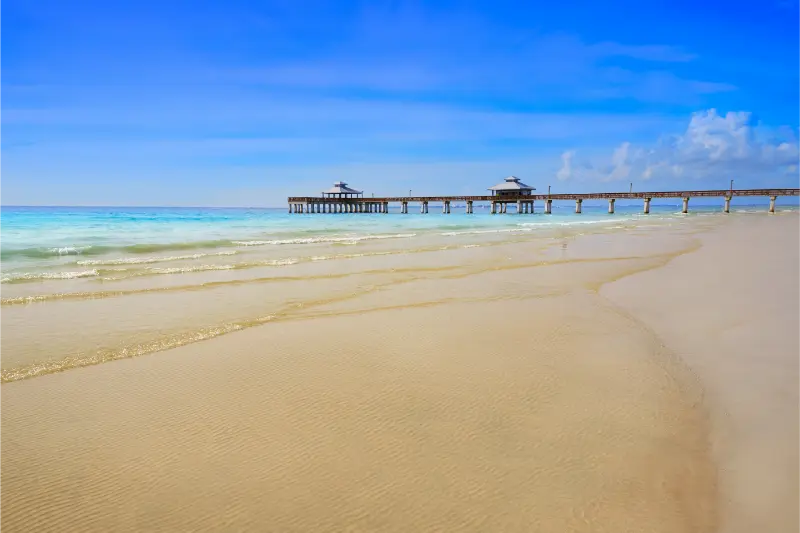
A coastal viewpoint can be particularly satisfying when everyone has different walking abilities. Some travelers may want a longer pier or boardwalk visit, while others prefer a bench close to the car. Agree on a place to meet without making anyone feel that they are slowing down the group. Amelia Island is also a good location for a quiet dinner and time together away from the busier tourist corridors.
If the group values comfort above a strict itinerary, replace one afternoon excursion with a scenic drive and a café stop. There is no rule that meaningful travel requires strenuous activity; learning about a town’s history and noticing coastal landscapes can be rewarding at an unhurried pace.
Day 5: Fort Clinch, coastal views or a peaceful departure
Fort Clinch State Park is an option for visitors interested in coastal fortifications, beaches and natural settings. Because the fort is historic, not every part is equally accessible. Florida State Parks notes that beach access boardwalks, viewpoints and some fort facilities offer accessible features, while some historic portions have limitations. All-terrain wheelchairs may be available by advance arrangement. Ask the park which services are operating on the date you intend to visit.
For travelers with limited stamina, it may be best to choose one park feature rather than doing the fort, beach and trails in succession. A scenic viewpoint and a short conversation with staff can provide context without overtaxing the group. If the park is not suitable, enjoy Fernandina Beach’s historic waterfront or have a leisurely breakfast before leaving. Select the option that fits the weather and everyone’s energy on that particular morning.
If departure flights are from Jacksonville, allow adequate time for the return drive, car rental procedures and airport arrival. If flying from Orlando, remember the drive is considerably longer and should not be combined with a full attraction day. A relaxed finish protects the pleasant pace you have created over the preceding days.
Optional stop: the Timucuan Preserve near Jacksonville
The Timucuan Ecological and Historic Preserve covers separate sites in the Jacksonville area, including Kingsley Plantation and Fort Caroline. These locations are not one contiguous visitor center, so decide which site matches your route. The National Park Service provides accessibility information explaining the surfaces, exhibits, seating and interpretive services available. Kingsley Plantation includes the history of enslavement and forced labor and should be approached with care and attention to the people whose lives are documented there.
For some visitors, an audio tour or short grounds visit can be more comfortable than a long guided walk. Confirm opening days and which buildings are accessible. Some paths are grassy, and historical structures may have steps. Do not count on visiting multiple preserve sites in the time allotted for one short stop. This option fits best if you have an additional day or are already traveling through Jacksonville.
An older relative who enjoys history may find these places especially interesting, but age does not predict comfort with heat, emotional subject matter or walking. Discuss preferences before choosing an activity and allow people to opt out of a particular tour without abandoning the whole outing.
How to evaluate accessibility beyond a hotel label
Ask questions about the specific experience you will have. Can the vehicle unload next to a step-free entrance? Is the accessible bathroom actually near the attraction you plan to visit? Are benches available, and is the path paved, firm gravel or sand? Is a tour fully seated, or must visitors stand for forty minutes? Can a companion join a guest who uses a mobility device? A website’s generic accessibility logo rarely answers all of these.
At a hotel, request confirmation of the room features you need: roll-in shower versus accessible tub, grab bars, bed height, turning space, elevator and distance from parking. Some requirements may be essential while others are preferences, so communicate priorities clearly. A guest who can manage twenty minutes outdoors but not an hour should schedule one main visit per day and keep the afternoon optional.
If you use a rented mobility scooter, check that the vehicle and accommodation can carry and charge it. For oxygen or other equipment, verify power and transport arrangements ahead of time. The goal is for travelers to explore with dignity and choice, not to design a schedule that depends on them tolerating unsuitable facilities.
Best seasons, weather and daily rhythm
Autumn through spring can provide more comfortable conditions for many outdoor visitors than the hottest, most humid days of summer, although North Florida does experience occasional cold snaps. Forecasts and weather warnings remain important year-round. Hurricane season requires flexible planning on the Atlantic coast; check forecasts and hotel cancellation policies when booking. There is no need to give up a trip because of the season, but it is sensible to prepare alternatives.
Start sightseeing early, eat lunch before restaurants become crowded and arrange a quiet period every afternoon. Schedule a longer museum visit only when there is enough seating and cooling. Carry water, medication, sunscreen and comfortable footwear. Do not interpret short distances as trivial: uneven ground and heat can make even a few blocks difficult for some visitors.
Budget, tickets and transport considerations
A rental car provides flexibility for this two-town route, especially if walking long distances is difficult. Compare accessible vehicle rental or transfer services early if ordinary cars do not meet your needs. Historic downtown parking can involve paid facilities and limited spaces; identify appropriate accessible parking before travel and obey local permit rules. Budget separately for attraction admission, park fees and occasional guided tours, since they are not always included with lodging.
Staying in one hotel can reduce expenses and avoid packing, but two carefully selected hotels may make morning sightseeing less demanding. Compare total cost and comfort rather than night rates alone. Reserve a little extra time for unplanned breaks and do not prepay several nonrefundable activities on the same day. A visitor’s best moment may simply be watching the water at the fort or hearing stories about Fernandina’s maritime past.
Quick planning snapshot
| Planning point | Practical guidance |
|---|---|
| Nights 1–3 | St. Augustine and nearby coastal viewpoints |
| Nights 4–5 | Fernandina Beach and Amelia Island |
| Accessibility reality | Historic steps and paving vary significantly |
| Planning rhythm | One main outing daily and comfortable rest periods |
Frequently asked questions
Can I enjoy St. Augustine without walking all day?
Yes. Choose a convenient base, use short visits, enjoy waterfront viewpoints and confirm accessibility at individual historic buildings. Some streets and attractions have uneven surfaces or stairs.
Is the upper deck of Castillo de San Marcos wheelchair accessible?
The National Park Service says its upper gun deck is reached by stairs, while the lower level offers accessible routes and interpretation. Check current facilities and request alternatives when needed.
Should we stay in St. Augustine or Amelia Island?
St. Augustine offers a dense concentration of historic sites; Amelia Island is an appealing coastal and small-town base. For five days, either two hotels or one hotel with selected day trips can work depending on how easily the group changes accommodation.
Does a low-walking holiday mean missing the best parts of North Florida?
No. Fort views, historic exhibits, waterfronts and short coastal outings can be very satisfying. Designing the schedule for comfort gives travelers more time to appreciate the places they do visit.