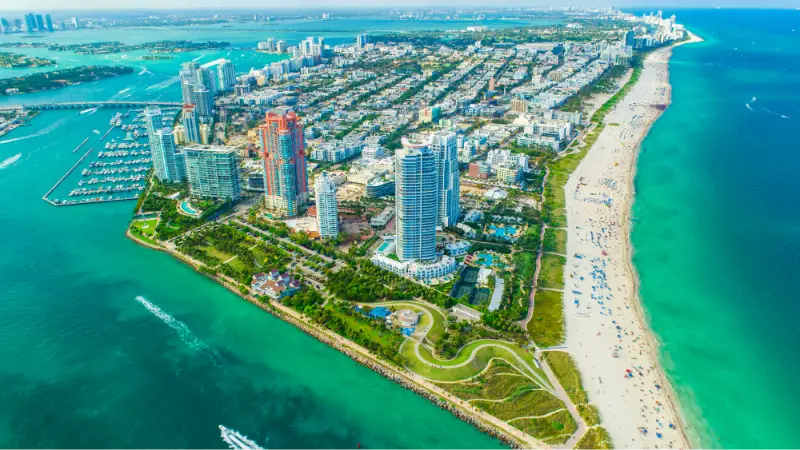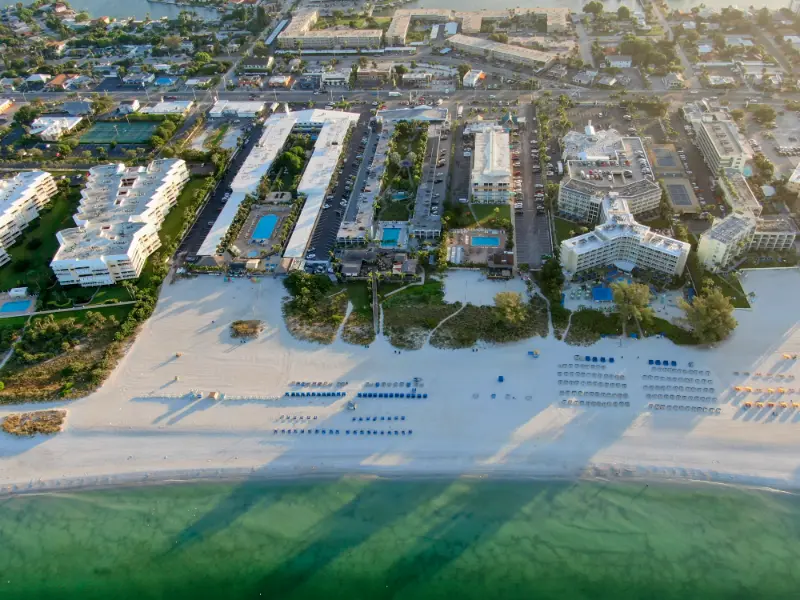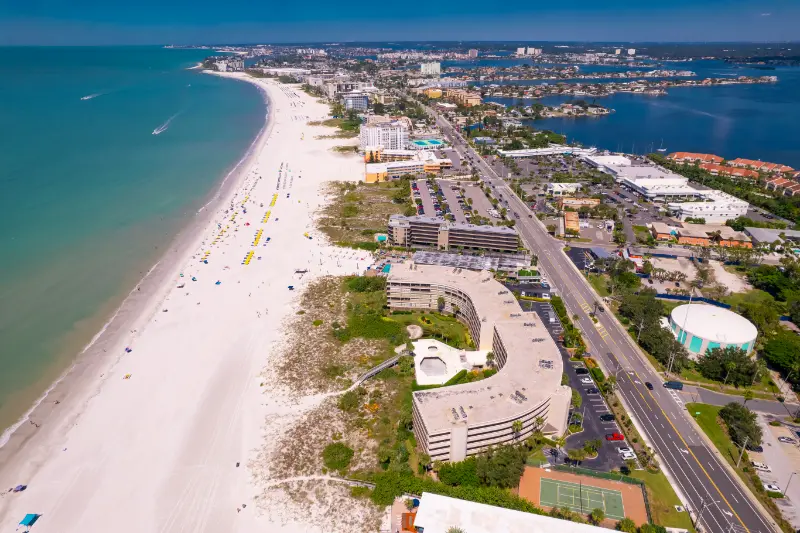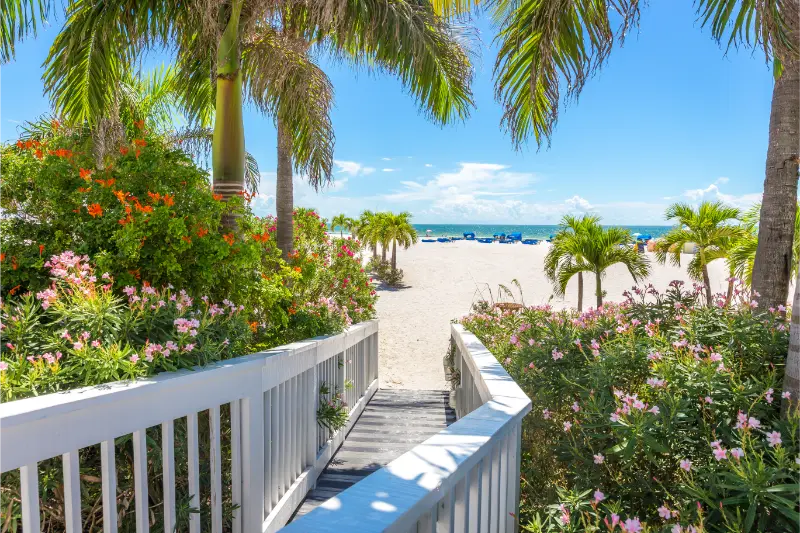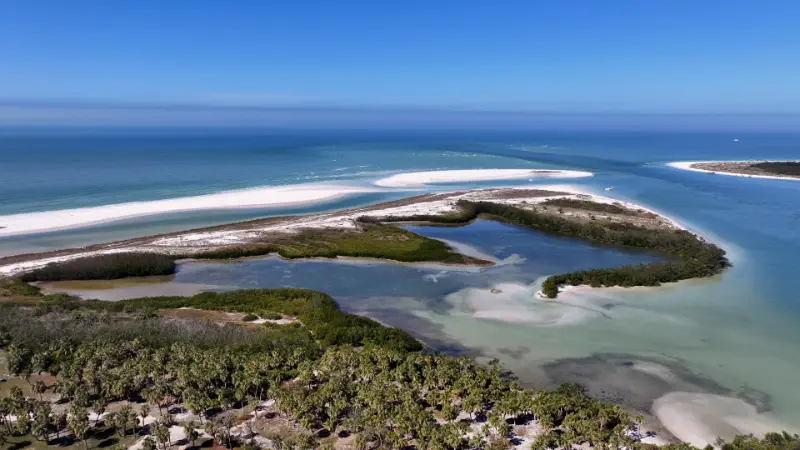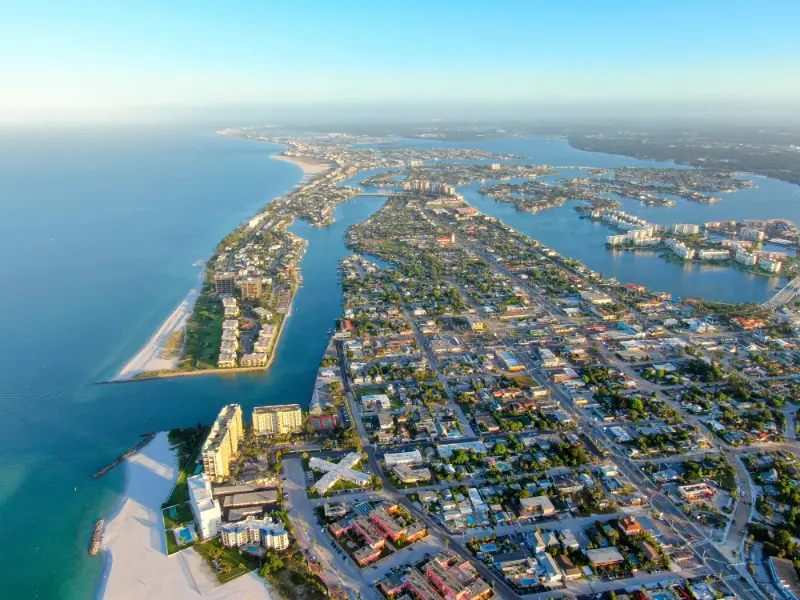
The Florida Panhandle is a rewarding alternative to the theme-park-and-Miami version of a Florida vacation. Here the Gulf Coast shifts between long pale-sand beaches, fishing harbors, military history, coastal dune landscapes and small towns linked by scenic roads. A seven-day road trip from Pensacola toward Apalachicola gives a useful introduction, but only if you resist treating every shore community as an identical beach stop. Pensacola’s historical sites, the Emerald Coast’s waterfronts and the quieter Forgotten Coast have distinct characters, and that difference is the best reason to travel across them.
This west-to-east route works well with a rental car. A return flight from a different airport may reduce backtracking, but check flight schedules and one-way rental charges before choosing it. It is also entirely reasonable to return to Pensacola if you reserve a final travel day. In summer, beaches are tempting, but afternoon thunderstorms and coastal heat call for earlier starts and indoor backups. In shoulder seasons, some tours, ferries or businesses may operate reduced schedules, so verify the actual week of your visit.
A practical week without changing hotels every night
| Days | Suggested base | Experiences |
|---|---|---|
| 1–2 | Pensacola or Pensacola Beach | Historic town, waterfront, Gulf Islands National Seashore |
| 3–4 | Destin or nearby Emerald Coast | Beach and coastal park time, one boat or nature outing |
| 5 | Panama City Beach area | St. Andrews, beach and family activities |
| 6–7 | Port St. Joe, Cape San Blas or Apalachicola | Small coastal communities, heritage and quieter shore |
This plan does not promise an exact journey time between bases, because bridge traffic, storms and seasonal road congestion can radically change the day. Use a live route planner each morning. Choose hotel locations based on what you want to do after parking the car. A central hotel for one night in a working town may be more interesting than a cheaper room near a highway interchange.
Day 1: Pensacola's historic center and bayfront
Arrive in Pensacola and explore downtown at a walking pace. The city’s architecture, historic districts and waterfront reflect several eras of settlement and maritime activity. Choose a history museum, a guided walking tour or a self-directed architectural route, but check opening times before traveling; not all heritage sites keep everyday schedules. Take lunch in the center and spend the afternoon near the bayfront rather than racing straight to the beach after a flight or long drive.
For families, this first day can be a gentle introduction with a small museum, a waterfront walk and an early dinner. Art and history enthusiasts may enjoy adding a gallery or performance if one is scheduled. Travelers who find walking uncomfortable should choose the most accessible blocks and build in places to sit. The area is not a theme-park set, and the most rewarding experience may be learning something about the community rather than collecting landmarks.
Day 2: Pensacola Beach and Fort Pickens
Set aside a day for the barrier islands and the Fort Pickens area of Gulf Islands National Seashore. Fort Pickens is a substantial historic coastal defense site, but access roads, beach facilities and interpretive buildings can change due to repairs or storms. The National Park Service publishes current access notices, which deserve a check before you leave. Some visitor-center facilities have been subject to renovation, so do not assume every exhibit or restroom shown in an old photo is operating. Historic structures can also have uneven ground and exposed areas without shade.
Combine the historical visit with a beach outing at an authorized access point. Check lifeguard information where available, rip-current warnings and surf conditions. On a stormy day, focus on town museums instead of making a long drive to sit in a car near an unsafe shoreline. If the group includes someone who uses a wheelchair, ask the park or local government which exact stops have suitable parking, accessible restrooms and beach access. Bring water and sun protection; coastal wind can make the intensity of the sun easy to underestimate.
Day 3: Travel toward Destin and the Emerald Coast
Move east along the coastal region toward Destin. Plan one main stop rather than many quick detours, because beach approaches and roadside shopping districts can be congested. Destin’s harbor and surrounding beaches explain the Emerald Coast reputation, but you will get more from a planned lunch and one comfortable beach session than from spending the entire afternoon searching for the most famous parking lot. If the main public beach area is full, use a preselected alternative rather than circling endlessly with tired passengers.
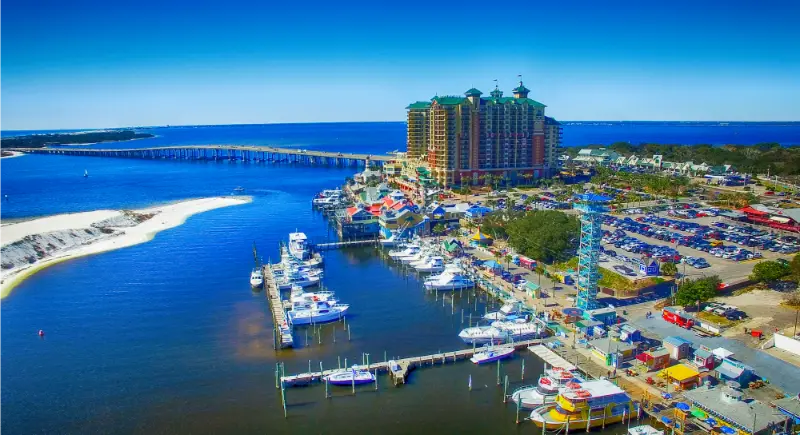
A boat cruise can provide perspective on the harbor and Gulf, but select operators based on vessel access, weather policies and actual itinerary rather than dramatic advertising photographs. For children, find out whether there is shade and a restroom; for older passengers, ask about stability, boarding steps and seating. If you prefer to stay on land, a marina walk and a meal may be exactly right. Reserve the night for resting at your new base, with no obligation to chase another sunset across town.
Day 4: An Emerald Coast nature day
Use this day to enjoy a coastal park or beach area in greater depth. Grayton Beach State Park and other state-managed landscapes in the broader region illustrate Florida’s coastal dune environments, though individual sites differ in access and may reach capacity. Decide between a park walk, scenic nature photography and a swim rather than trying to do all three in full. Coastal dunes are sensitive habitats; follow designated boardwalks and keep off restoration areas. If you are interested in birds, bring binoculars and keep noise low near nesting habitat.
A scenic coastal drive can be an appealing addition, especially through small communities with distinctive architecture, but obey local parking rules and do not block bike lanes. The point is to slow down. Those on a beach-first vacation can stay in one spot with a picnic and a book; an active family might fit an early walk and an afternoon swim. Both versions can work, provided you follow current warnings about lightning, surf and heat.
Day 5: Panama City Beach beyond the hotel pool
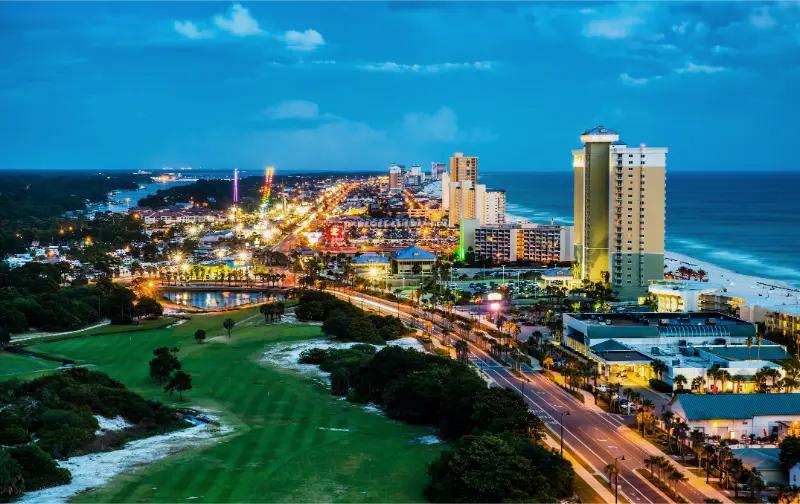
Continue to the Panama City Beach area and choose an activity that complements the beaches you’ve already visited. St. Andrews State Park is a natural candidate for beach scenery and coastal habitats, though water conditions and facilities should be checked with Florida State Parks. An alternative is a shorter beach outing followed by a family attraction or an indoor stop. Panama City Beach has more than enough commercial entertainment to fill several days, but you do not need to book all of it to have a satisfying visit.
If you are traveling with toddlers, prioritize a safe shaded rest and a predictable meal instead of two paid attractions in the afternoon. With teenagers, let them help choose a water activity, while making sure the operator’s safety standards and weather policy are clear. For older travelers, an easy coastal overlook and a comfortable restaurant may be preferable to a physically demanding boat excursion. Use a single hotel night here if you plan to move east tomorrow, or stay longer if this is the trip’s main family beach destination.
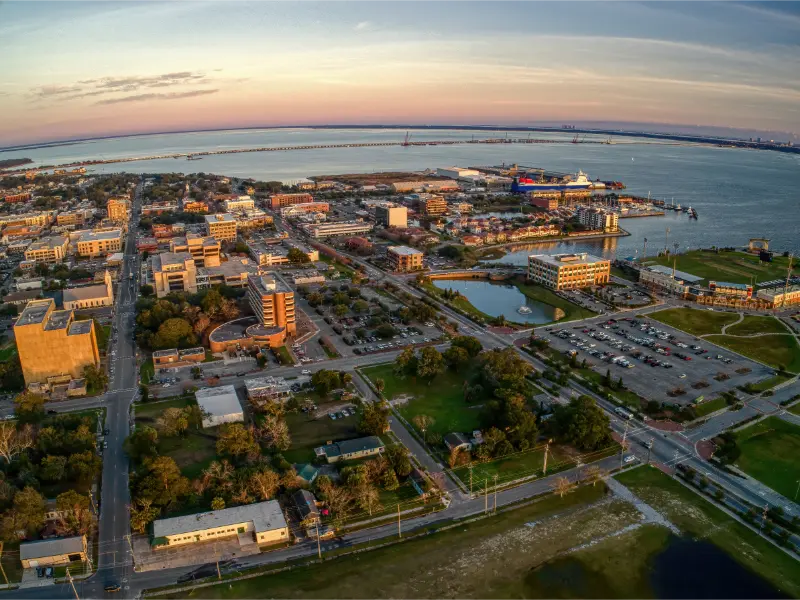
Day 6: Port St. Joe and Cape San Blas country
The landscape becomes quieter as you approach the Forgotten Coast. Around Port St. Joe and Cape San Blas, the appeal lies in relatively undeveloped coastal scenery, local history and a slower daily rhythm. Choose a lawful beach entrance or a state park according to current conditions, and recognize that services can be more spread out than in the bigger resorts. Carry sufficient water, know where restrooms are, and don’t depend on finding a restaurant precisely when a child or traveler with medical needs requires one.
This is an appropriate region for a coastal walk, birdwatching or a calm picnic when conditions allow. If driving through smaller settlements, keep to designated public access areas and respect residential parking. Shorebird nesting and dune protection rules may restrict entry in some places. Those interested in paddling should use a reputable local outfitter and check the wind and tide rather than assuming a sheltered bay is always beginner-friendly. Spend the night in a community that fits your preferred evening pace.
Day 7: Apalachicola, maritime history and a memorable finish
Finish in Apalachicola, a small coastal town whose history is closely connected to the river, bay and maritime trades. A walk among historic buildings and a stop at an interpretive site can provide context for the region’s working waterfront. Ask restaurants about what seafood is actually available rather than assuming every traditional local species is being harvested under unchanged rules. Coastal economies and conservation regulations evolve, and it is worth letting local people explain their town in the present tense.
Leave the afternoon intentionally open for a waterfront seat, a second historical stop or an early departure. If you need to return to your original airport, the drive should be treated as its own substantial part of the itinerary, not as an invisible afterthought. For an extra night, this quieter portion of the coast is a strong place to linger, especially for travelers who care more about scenery and community character than nightlife.
What families, solo travelers and older visitors should change
Families with small children usually benefit from staying at least two nights per base, even if that means cutting a town from the plan. Move the longest drives to morning or nap-friendly periods and stop when everyone needs a break, not only at a scenic viewpoint. School-age children can learn about forts, sea life and dunes, making the trip educational without being classroom-like. Teenagers may welcome a supervised water experience, but they should not be pressured into an activity just because it is marketed to their age group.
Solo travelers can enjoy the same route by selecting accommodations with reliable check-in procedures and planning sunset outings near the hotel. Visitors in their eighties and beyond may appreciate this region’s gentle historical and scenic experiences, provided actual walking surfaces, seating and restroom access match their needs. A car with easy entry and exit may matter more than a trendy hotel location. Ask specific accessibility questions at the chosen attraction instead of relying on a general label such as “suitable for seniors.”
Seasonal conditions and what to budget
The Panhandle has more noticeable winter temperature changes than far South Florida. A January beach walk may be lovely while the water feels much too cold for a swim. Summer offers warmer water but can bring heat, humidity, heavy visitor traffic and thunderstorms. Hurricane season also affects the Gulf coast. A flexible accommodation cancellation policy is particularly valuable for coastal trips. Before entering the water, check local beach flags and rip-current forecasts rather than using the previous day’s conditions as a guide.
Build a budget around four realities: accommodation, rental car and fuel, parking at busy beaches, and one or two paid experiences. Many shoreline visits are inexpensive, but fees at state parks and national seashore units vary. If you travel between several towns, groceries and picnic supplies can save money while making rural stops easier. Do not promise that seafood dinners will always be affordable or that a sunset cruise will operate every day; those are local, changing conditions.
Frequently asked questions
Is one week enough to see the Panhandle coast?
It is enough for an introduction from Pensacola toward Apalachicola, but not for every beach and coastal town. Extra days make the route less rushed.
Can we do this road trip without a car?
Regional public transit is limited for this multi-town route. A rental car or arranged private transfers are usually the practical choice.
Are Panhandle beaches warm all year?
No. Winter air and water temperatures can be much cooler than travelers expect from pictures of South Florida.
Should we book a single hotel for the entire week?
Only if you’re focusing on a smaller section of coast. For the full route, two or three bases avoid repeatedly driving long distances.
What happens after a tropical storm?
Roads, dunes and parks may close or lose facilities. Follow official state, county and National Park Service alerts before setting out.