Category: Florida Itineraries

  • One Week in Sarasota and Bradenton: Beaches, Gardens, Art and Island Days

    One Week in Sarasota and Bradenton: Beaches, Gardens, Art and Island Days

    Sarasota and Bradenton make a useful base for a Florida Gulf Coast week because visitors can alternate soft-sand beaches with gardens, museums, smaller waterfront towns and leisurely meals. They are not a single compact destination, however. Siesta Key, Lido Key, downtown Sarasota, Bradenton and Anna Maria Island require different trips, particularly when traffic gathers near bridges and popular beach parking. This one-week itinerary keeps the days geographically sensible and offers alternatives for families, couples and travelers who want frequent breaks. It favors exploring a different aspect of the region each day rather than moving from one beach to another just to collect photographs of sand.

    Seven-day overview

    DayWhere to focus
    1Downtown Sarasota arrival
    2Siesta Key beach morning
    3Ringling museum or Selby gardens
    4Lido Key and St Armands Circle
    5Bradenton and Manatee River
    6Anna Maria Island
    7Flexible final day and airport

    Day one: settle into Sarasota and find your local rhythm

    Begin by learning the area around your lodging. Downtown Sarasota offers restaurants, cultural venues and a bayfront setting, whereas the barrier islands put sand closer but may involve more traffic and limited parking. If you arrive after a flight, take a short walk along a public waterfront area and have an early dinner. Do not schedule a full beach excursion before you have checked into the accommodation and arranged parking. Your first evening is the moment to confirm which activities require reservations and whether any venue has an unusual closing day.

    Families should identify a nearby grocery store, pharmacy and easy meal option; a long first-night search for necessities can drain energy that is better saved for the morning. A traveler using a walker or wheelchair should ask about the exact hotel entrance, parking-to-room distance and accessible bathroom configuration. Even a property in a flat coastal town can have difficult transitions between parking and sand. If staying in downtown Sarasota without a car, keep the first day local and plan later beach transfers carefully. Choosing convenience over an impressive but remote listing often makes the entire week feel easier.

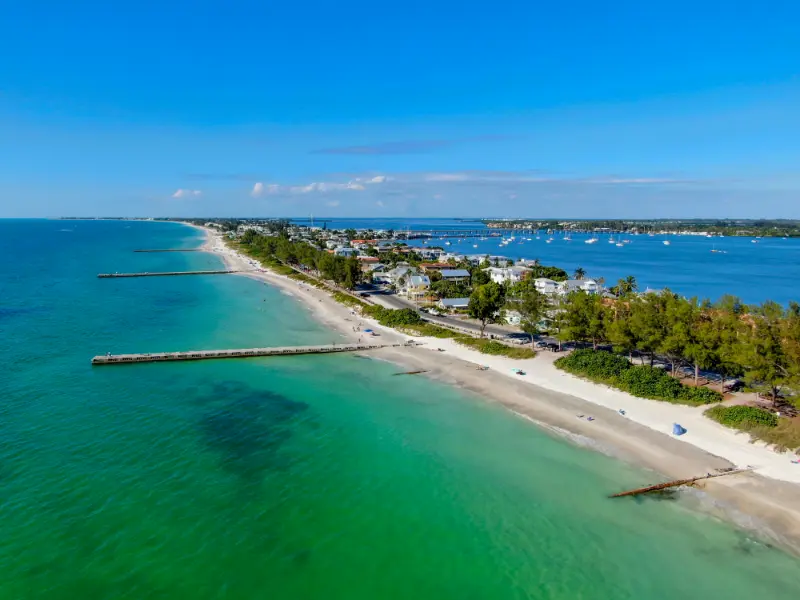
    Sarasota Bay Marina and High Rises at Sunset

    Day two: a well-planned Siesta Key beach morning

    Siesta Key is famous for its pale sandy beaches, but planning a comfortable day involves more than arriving and looking for the brightest patch of white. Public beach parking fills at busy times, and access routes can be demanding when carrying chairs, umbrellas and children's equipment. Choose one entrance, check the services available there and arrive early enough to avoid the hottest hours. Lifeguard coverage and beach conditions should be verified, particularly when waves or red tide advisories affect the region.

    The sand itself can be pleasant for walking, but a visitor with limited stamina may not want to cross a broad beach repeatedly. Agree on a base near an accessible entry point where possible, then keep the outing to a manageable duration. Children can play in the shallows only when local conditions permit and under close supervision. After lunch, return to the accommodation or spend time browsing Siesta Key Village rather than searching for another beach parking place. A satisfying Siesta Key day is often two or three hours of relaxed sea time, followed by a long rest and a memorable Gulf sunset from an approved public area.

    Day three: Sarasota's museum and garden side

    Choose one major cultural attraction on day three. The Ringling offers art, history and an extensive property that can absorb a large part of the day; Marie Selby Botanical Gardens emphasizes plants, waterfront scenery and changing exhibitions. Doing both thoroughly in one day can be exhausting, especially with younger children. Check official admission, opening days, temporary exhibitions and accessible pathways. Select whichever best matches the group, then leave the other as an optional return visit if the week's weather changes.

    Allow time for a meal and shade. Garden visits can be hot and humid even when the coastal breeze feels comfortable at a beach hotel, while museums may have air conditioning that makes an extended stop appealing during a summer storm. If different generations want different things, agree on a shared point of interest and then let people experience the remainder at their own pace. A stroller-friendly attraction can still involve more walking than expected; ask whether wheelchairs or other visitor services are available. Finish the day near your lodging, not with an unnecessary drive to Anna Maria Island simply because it appears on the same regional map.

    Day four: Lido Key and St. Armands Circle

    Spend day four around Lido Key and St. Armands Circle, which are close enough to combine sensibly when traffic and parking cooperate. A morning on an authorized Lido beach access can be followed by lunch or an afternoon browse in the shopping district. Decide which activity is most important; moving the vehicle multiple times to avoid a short walk may be more frustrating than choosing one convenient parking point. Check for temporary beach restrictions, storms and parking enforcement before your visit.

    This is a good day for couples or older travelers who enjoy a slower pace. Families may prefer a shorter beach session and an early return rather than prolonged shopping in the afternoon heat. If the beach is windy or swimming is unsafe, the shops and cafés provide a different use of the outing without forcing the water activity. Do not leave valuables visible in a parked car, and plan a sheltered alternative when lightning threatens. The goal is to appreciate one barrier island's mixture of coast and town life, not to compare Lido, Siesta and every nearby beach in a single afternoon.

    Day five: Bradenton and the Manatee River waterfront

    Travel north to Bradenton to explore a city that has its own identity beyond being a gateway to island beaches. The Riverwalk and nearby cultural or historic areas offer a change from surf and resort streets. Choose a walk that fits the day's weather and the abilities of everyone in the group; sections of waterfront can be sunny and exposed. Check for public events, temporary construction and current museum hours. An indoor museum can be a useful substitute if heavy rain arrives while you are planning the day.
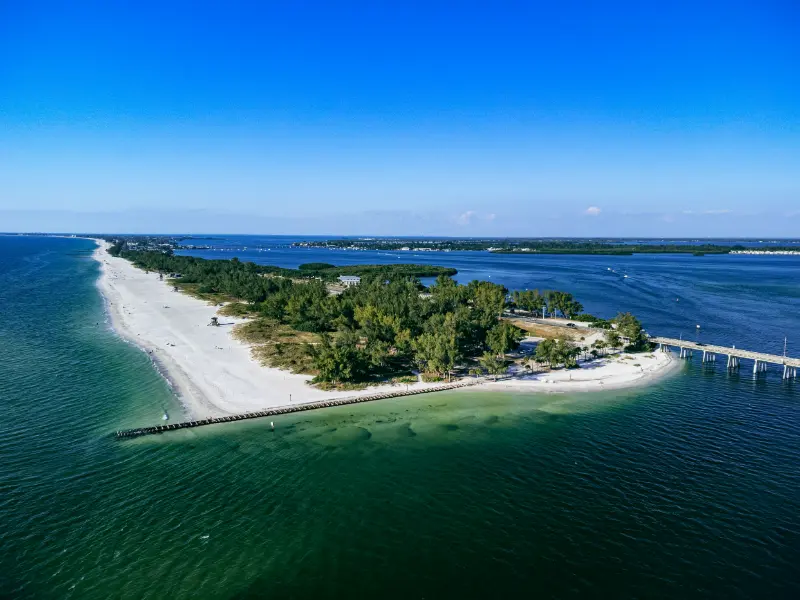
    Coquina Beach Bradenton Florida Aerial

    For children, a playground or a short interactive stop may be preferable to a long downtown walk. Older travelers may enjoy sitting beside the river and watching ordinary local activity. The Manatee River is a different environment from the Gulf beaches, and it should not be treated as a substitute swimming location. If using public transportation or rideshare, check the return route before relying on a late meal. A family staying on Siesta Key should remember that this day involves a meaningful drive rather than a walk across a bridge. Leave time for an easy dinner near your accommodation.

    Day six: Anna Maria Island without rushing between its towns

    Set aside the sixth day for Anna Maria Island, where beach towns, local shops and Gulf views can fill a day without a long list of paid attractions. Anna Maria, Holmes Beach and Bradenton Beach are separate communities with different public accesses and parking arrangements. Pick one beach to enjoy and perhaps one town-center area for a meal. Driving between several crowded beach access points in search of the 'best' sand usually produces less pleasure than simply settling in early.

    A free island trolley can be useful where operating, but check the current route, service frequency and accessibility rather than planning around an old timetable. Beachgoers need to pay attention to local red tide information and safe swimming conditions. Respect marked nesting areas and leave no food or litter for shorebirds. Families carrying large beach gear might benefit from staying close to a chosen access rather than counting on several trolley changes. Travelers with limited mobility should confirm the exact crossing from transit or parking to a firm beach surface. Enjoy an unhurried sunset only when there is a safe place to remain and a realistic plan to get home afterward.

    Day seven: revisit a favorite or finish near your airport

    A week gives visitors permission to repeat what they enjoyed most. If the weather prevented a garden visit, this is a useful chance to do it. If everyone loved the bayfront, return for a shorter stroll and breakfast. Do not force a final trip to a remote island if departure involves a long drive to Tampa, Orlando or another airport. Sarasota Bradenton International Airport may be close to some lodging, but other airports can add considerable transfer time depending on traffic. Confirm the actual terminal and rental-car return location.

    Check out with enough time to retrieve stored luggage, dry beach gear and reach the airport without a frantic rush. Families with young children may prefer a playground close to the hotel rather than a last swim that leaves wet towels in the car. Seniors or travelers managing mobility equipment should build an extra loading buffer. Seven days on this stretch of Gulf Coast are best remembered for contrast: art and gardens, city and island, river and beach. The final morning should preserve that relaxed feeling.

    Where to stay and how to keep transfers manageable

    Downtown Sarasota works well for restaurants, cultural attractions and trips in several directions. Siesta Key suits visitors who want repeated beach days but can involve higher parking and transport effort when they head inland. Lido Key places St. Armands closer, while Bradenton or the mainland may suit travelers prioritizing Anna Maria Island and riverfront experiences. Compare exact addresses, beach access, bridge routes, parking fees, pool availability and the total accommodation price. A property marketed as 'near Sarasota beaches' may be farther from the sand than its photographs suggest.

    A car is usually the most flexible way to cover the full itinerary. Visitors without one can enjoy a concentrated Sarasota stay by limiting the number of island transfers and checking local buses or rideshares. Budget for accommodation taxes and fees, paid attractions, parking, food and at least one adverse-weather alternative. A rental with a useful kitchen can help a family stay within budget, although it may not be worthwhile if shopping and cooking consume too much of the week. Keep two or three days largely free of admission charges. A weeklong vacation need not become more expensive each morning to remain interesting.

    Seasons, accessible routes and responsible beach visits

    The Gulf Coast has seasonal variations in crowd levels, lodging demand and outdoor comfort. Cooler months can favor long walks, while summer brings heat, thunderstorms, strong sun and the wider hurricane season. Coastal water conditions may also be affected by red tide or other advisories; check appropriate Florida environmental and local health sources close to your visit, not a months-old travel article. Avoid swimming during official warnings and leave the beach when lightning is nearby.

    Accessibility requires asking about the particular entrance or venue, not merely whether Sarasota is generally 'accessible.' Museum galleries, botanical paths, trolleys, beach crossings and old sidewalks create different challenges. Confirm seating, restrooms and wheelchair or stroller arrangements. Keep children hydrated and protect them from prolonged sun exposure. Stay out of protected dunes, leave turtle nests undisturbed and use designated public accesses. A thoughtful week here offers varied experiences while leaving the coast intact for the next visitors. It is the balance between sea, culture and open time that makes Sarasota and Bradenton rewarding for travelers of many ages.

    Frequently asked questions

    Can you stay in Sarasota and visit Anna Maria Island for a day?

    Yes, with a suitable driving or transfer plan and awareness that island traffic and beach parking can slow the trip.

    Which base is better for repeated beach days?

    Siesta Key is convenient for its beaches, while downtown Sarasota favors restaurants and museums; compare exact addresses and total costs.

    Does the region suit people who do not swim?

    Yes. Gardens, art museums, island towns, riverfront parks and dining provide a full itinerary without water activities.

    Official information and useful resources

    Explore the area on an interactive map

  • Tampa Soulwalk in Three Days: Black History, Public Art and Heritage Routes

    Tampa Soulwalk in Three Days: Black History, Public Art and Heritage Routes

    Tampa’s best-known visitor attractions can make it easy to overlook the stories of the neighborhoods that built the city. The city’s Soulwalk project offers a different approach: a collection of public art, historical markers, neighborhoods, and cultural landmarks reflecting Tampa’s Black history and continuing creative life. Rather than attempting an exhausting all-city checklist, you can spend three thoughtful days around a few walkable clusters. This plan prioritizes the Central Avenue and Scrub area, selected downtown landmarks, and time for museums, conversation, and local businesses.

    Soulwalk is not one short, continuous trail. The City of Tampa describes a network spanning many neighborhoods and sites. Walking the entire network in one day would be impractical. Instead, consult the city’s maps and route descriptions and choose manageable clusters. The route below treats historic sites respectfully, never assumes a memorial or church is open to tourists, and makes room for rest and meaningful interpretation.

    Before you begin: history is not a photo checklist

    Tampa’s Black communities shaped civic life, business, education, music, labor, and the struggle for equal treatment. Some places commemorate achievements and community organization; others mark exclusion, violence, displacement, or institutions that no longer stand. Reading markers slowly is important because a vanished street or demolished building can be historically significant even when little architecture remains visible. A visitor should resist reducing such stories to a few colorful mural photographs.

    The city’s project presents public art alongside research and markers. These are different forms of evidence and interpretation. A historical marker summarizes a subject; a public artwork may invite emotional or symbolic reflection; a museum can provide deeper documentation. Use all three thoughtfully. When a marker raises a question, look for a related museum resource or reputable local history organization rather than drawing sweeping conclusions from one sentence.

    Day 1: Central Avenue and the Scrub

    Begin with a manageable section of the Central Avenue and Scrub cluster, using the city’s map to identify current walking routes. The neighborhood once served as a significant center of Black business and cultural life. Urban change, clearance, and redevelopment have altered its physical character, so you will be reading the history of a place as much as viewing surviving storefronts. Allow extra time to make sense of what is no longer there.

    Perry Harvey, Sr. Park is an important anchor for understanding the area’s story. Public art and commemorative elements offer points of entry into the history of Central Avenue. Move between installations slowly and read their explanations rather than treating them as decorative backdrops. A parent visiting with older children might discuss why a neighborhood can be central to a city’s identity even after its buildings and street patterns have changed. Take notes about names you want to research later.

    The people behind the plaques and artworks

    A heritage walk becomes richer when you look beyond the most famous names. Workers, clergy, entrepreneurs, musicians, educators, families, and civic organizers all helped sustain community life. Some markers reveal how segregation shaped where people could stay, work, and find entertainment. Others describe successes achieved despite those barriers. Rather than imagining the past as a single era, pay attention to dates and the way conditions changed across generations.

    The city documents historic markers and has announced additional installations. Use the current map because locations, access, and interpretation may be updated. Respect active churches, offices, and residential streets. A heritage route does not turn every private property into a public attraction. Photograph public installations without blocking entrances or disturbing services.

    Plan walking distances for mixed-age groups

    A one-mile urban walk may be easy for some visitors and difficult for others. Tampa heat, road crossings, uneven brick surfaces, and the need to stand while reading markers can make a short distance more demanding. Decide the number of stops before you begin, and build in a shaded break and a nearby restroom. Do not promise a completely step-free route without checking the exact sidewalks and any current construction.

    For older visitors, consider splitting the route into two small outings rather than pushing through one long session. A parent with a stroller should inspect crossings and surfaces. Teenagers may enjoy using a map to locate markers and compare historical images with the modern city. Smaller children may benefit from a shorter route with a clear theme, followed by a park or café break. Everyone can learn from the site without completing every marker.

    Day 2: downtown markers and civic history

    Use the second day for selected downtown Soulwalk locations. The city lists markers and landmarks that address Black civic life, labor, cultural influence, and experiences of discrimination. Some are close enough to combine on foot; others require a separate transport leg. Choose a logical cluster from the current map instead of assuming the nearest markers in numerical order form the best walking route.

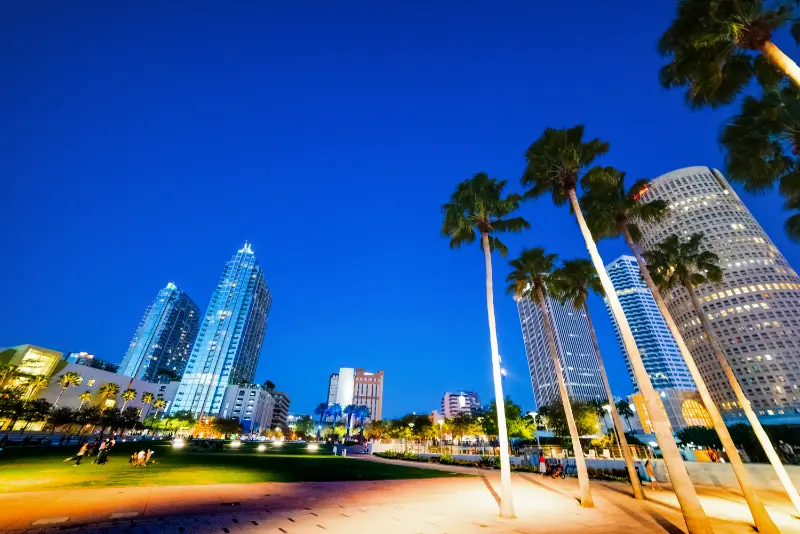
    Downtown Tampa Skyline Lit Up at Night

    Places associated with labor organizing, historical schools, and public life invite questions about whose achievements are usually celebrated in city tourism. A good heritage day is not measured by how many photographs you take. Consider writing down one person and one event to explore in more detail at an afternoon museum stop. The route is emotionally varied, and visitors may appreciate a quiet break after sites dealing with injustice or violence.

    The Jackson House and historic preservation

    The Jackson House is a significant subject in Tampa’s Black heritage history. Its story illustrates how accommodation, travel, and segregation intersected in the city. However, preservation projects and building conditions can affect public access. Do not assume the interior is open or that visitors can walk directly onto a work site. Check authoritative current information and appreciate exterior views only from permitted public space.

    This distinction matters for visitors seeking a rewarding itinerary: a historically important building may be better approached as an interpretive stop than as a conventional museum admission. Pair it with the surrounding marker context and another confirmed open venue. Children can learn that historic preservation is a process involving resources, community effort, and difficult choices, not simply the automatic survival of every old building.

    A museum afternoon that adds depth

    The Tampa Bay History Center can provide broader historical context for a Soulwalk-focused day. Check its official site for current exhibitions, pricing, and accessibility arrangements. Do not assume every temporary exhibit will cover the subjects encountered on your walk. Instead, use the visit to understand Tampa’s growth, its neighborhoods, and the overlapping communities that shaped the region.

    Another option is to spend time with official digital materials or an audio route rather than entering a second ticketed venue. The choice depends on your interests, budget, and energy level. Families with younger children may find one short museum visit enough. Older travelers might appreciate seated interpretation and air conditioning after an outdoor morning. The purpose is to give context to the places already visited, not fill another slot on a timetable.

    Day 3: public art and living culture

    The final day can focus on Soulwalk installations that emphasize artistic expression and living community stories. Consult the city map and select sites you can reach comfortably by your chosen transport. Be aware that murals and public artwork can change as buildings are renovated or redeveloped. A location listed in an older guide may not look the same today. This is especially important when planning a photography-specific outing.

    Art is not separate from history here. Public installations may commemorate local leaders, labor, music, or neighborhood memory. Pause to consider how the artwork tells a story that a plaque alone could not. If visiting a community business, be a normal respectful customer rather than assuming its owner has time to provide a free historical lecture. Ask permission before photographing people or interiors.

    New historical markers and what changes in 2026

    The city announced new Soulwalk-related historical markers in 2026, including subjects connected with Black travelers in segregated Florida, community neighborhoods, organized labor, and fashion designer Ann Lowe. These additions show that urban heritage is an active field of public research and recognition. A trail map or list from several years ago may be incomplete. The city’s announcement provides useful background, while the live maps should guide your actual walk.

    Visitors interested in Black heritage should pay attention to the themes of work and mobility. Places to sleep, routes of travel, and access to services were historically shaped by racial discrimination. Understanding that context makes a simple marker about a motel or a labor organization more meaningful. Avoid presenting all stories as triumphant or all as tragic; the history contains complex personal experiences and community achievements.

    Three-day outline and alternatives

    DayFocusSensible backup
    1Central Avenue, the Scrub, Perry Harvey ParkShorter mapped loop and indoor rest
    2Downtown landmarks and interpretationTampa Bay History Center or audio resources
    3Public art and additional mapped sitesRepeat a meaningful cluster at a slower pace

    Using public transport and parking sensibly

    Tampa’s attractions are spread across a functioning urban area. You can organize some Soulwalk clusters on foot, but the entire project is too large for a single pedestrian route. Check HART transit information or a current rideshare estimate if you are without a rental car. Travelers driving should use legal parking and avoid leaving valuables visible inside the car. A short stop at a marker does not justify parking in an unsafe or prohibited location.

    Consider splitting walking days with a rideshare between clusters. For anyone with limited mobility, exact drop-off location matters more than the nominal distance between sites. Verify accessible museum entries and restrooms directly with venues. Do not rely on a travel website’s generic statement that all of downtown Tampa is accessible; conditions differ between sidewalks, crossings, buildings, and construction zones.

    Tampa Downtown Towers and Roads Illuminated at Night

    Talking about difficult history with children

    Children can understand that some people were unfairly prevented from using services and that communities worked to create schools, businesses, cultural spaces, and safer opportunities. Keep explanations truthful and age-appropriate. Avoid graphic details when a child is not ready, but do not soften the reality of segregation into a harmless misunderstanding. Asking “Who is remembered here, and why?” can open a thoughtful conversation.

    Teenagers may be interested in the way photographs, markers, art, and oral histories tell different parts of a story. Encourage them to notice whose perspective appears on an interpretive sign. If a memorial involves death or racial violence, give family members room to respond without demanding an immediate discussion. This is a different kind of vacation day from a beach or theme park, and that difference can be valuable.

    When to visit and how much time to allow

    Choose a mild morning if possible. Summer heat and thunderstorms can make outdoor walking unpleasant, while special events can change downtown traffic and parking. Arriving early also makes it easier to pause at markers without feeling rushed by lunch reservations. Use the official site maps for distances and plan a realistic time budget for reading; a half-mile of interpretive stops can take longer than a simple recreational walk.

    Most outdoor markers are not ticketed attractions, but transport, meals, parking, and museums still cost money. Build a modest budget and check current museum admission or discount policies. Visitors traveling from another Florida city can make a focused one-day visit, but three days allow a deeper encounter with Central Avenue, downtown, and public art without trying to absorb too much history at once.

    Frequently asked questions

    Is Tampa Soulwalk one continuous walking path?

    No. Soulwalk connects sites across many neighborhoods. Use the city’s current maps and select walkable clusters that fit your mobility, interests, and available time.

    Does every Soulwalk marker have an indoor attraction?

    No. Many sites are public markers or artworks, and some historically important buildings are closed or no longer stand. Check individual venues before planning interior visits.

    Is this itinerary appropriate for teenagers?

    Yes, especially teenagers interested in history, art, civil rights, community culture, or urban change. Choose a manageable route and encourage discussion rather than treating the walk as a sightseeing race.

  • South Florida Without a Car: Six Days by Train from Miami to West Palm Beach

    South Florida Without a Car: Six Days by Train from Miami to West Palm Beach

    A South Florida vacation without a rental car is entirely possible, but the secret is choosing the right stations and being honest about the last mile. Brightline makes it straightforward to move between Miami, Fort Lauderdale, Boca Raton, and West Palm Beach. It does not, however, deliver you directly to every beach, hotel, museum, or waterfront restaurant. The best rail-based trip combines a handful of well-located hotels with short local journeys instead of pretending the whole region is one continuous walkable neighborhood.

    This six-day plan starts in Miami, spends two nights in Fort Lauderdale, and finishes in West Palm Beach. It suits visitors who prefer not to drive, couples who want a flexible urban-and-coastal break, solo travelers, and families with older children. Travelers using mobility aids can adapt the route, although they should confirm station assistance and the exact route from station to hotel before reserving.

    Six-day rail itinerary at a glance

    Day Base Main focus Local transfer to plan
    1 Miami Arrival and downtown Airport-to-hotel transfer
    2 Miami Bayfront, art, neighborhood choice Transit or rideshare
    3 Fort Lauderdale Train north and Las Olas Station-to-hotel connection
    4 Fort Lauderdale Beach or riverfront Local shuttle or taxi
    5 West Palm Beach Train north and downtown Short transfer if needed
    6 West Palm Beach Museum, waterfront, departure Airport or onward-rail connection

    Understand what the train does and does not cover

    Brightline serves MiamiCentral, Aventura, Fort Lauderdale, Boca Raton, West Palm Beach, and Orlando. This itinerary uses its South Florida stations rather than trying to force a long excursion to Orlando into a short trip. Consult the official Brightline website for current schedules, fares, baggage rules, mobility assistance, and station locations. A train ticket is priced by journey and date; it is not an unlimited local transit pass.

    MiamiCentral is not Miami International Airport, and Fort Lauderdale’s train station is not beside its airport either. That difference matters after an overnight flight or with a sleepy child. An airport connection may involve a separate train, shuttle, taxi, or rideshare. Before purchasing a nonrefundable hotel, put each actual address into a route planner and check the entire journey at the time you expect to travel. If the final transfer is expensive and awkward, a slightly more expensive downtown hotel may become the better deal.

    Where to sleep to make the trip easy

    Book two nights in central Miami if this is your first visit and you want urban attractions rather than nightlife. Look around downtown or Brickell for access to places that interest you, but remember that even neighboring blocks can differ in traffic, pedestrian comfort, and hotel fees. Check whether your accommodation is an easy walk from the station with luggage, not merely close as the crow flies. Hotels near Miami Beach may offer the beach vacation you imagine, yet require a separate road transfer each time you use Brightline.

    Fort Lauderdale works best with an accommodation around downtown and Las Olas for food and waterfront activities, or near the beach if you plan one full beach day and accept the extra transfer. In West Palm Beach, staying within a manageable distance of downtown can reduce taxi trips for meals. Ask for the final checkout total, including resort fees, parking even if you do not need it, local taxes, and any required deposit.

    Day one: arrive in Miami without overcommitting

    Use the arrival day to make your travel system work. Save hotel contact details offline, identify where you will have breakfast, and check the next day’s weather. If you have arrived from Europe or another distant time zone, plan only a short daylight outing near the hotel. A waterfront glimpse and an early dinner are more valuable than an ambitious itinerary ruined by fatigue.

    A family might want a room with a refrigerator, laundry access, and separate sleeping space. A solo visitor may value a staffed front desk and a well-lit route from station to hotel. Check-in times and luggage-storage policies deserve attention because the railway may bring you to town several hours before your room is ready. Use that gap for a nearby café, not an attraction requiring a long cross-city ride.

    Day two: choose one version of Miami

    Do not attempt downtown, Little Havana, Miami Beach, and Wynwood all in one day. For an art-focused day, combine a manageable downtown visit with Pérez Art Museum Miami or nearby bayfront views, checking museum schedules. For a neighborhood day, visit Little Havana for food and cultural context while respecting that it is a living community, not a set built for visitors. For a beach day, arrange the transfer to Miami Beach and build in time for changing rooms, sun protection, and a return trip before exhaustion.

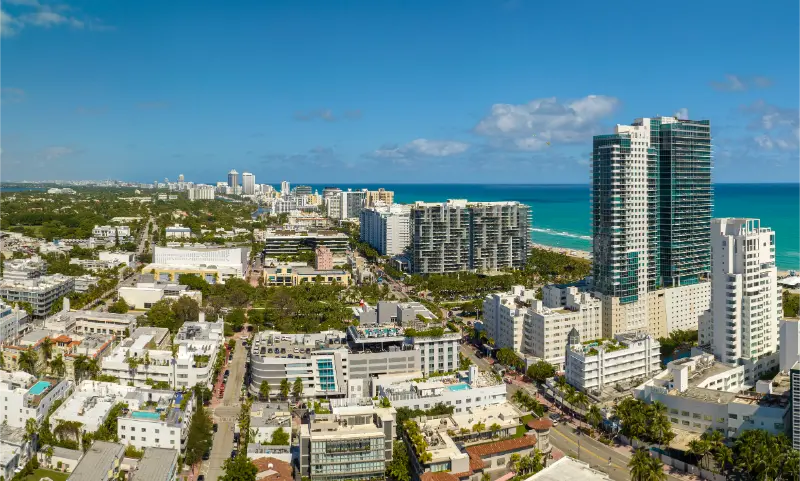
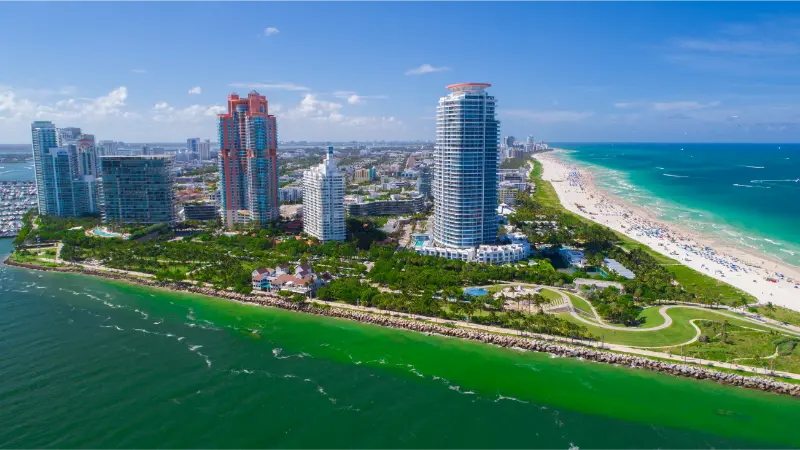
    South Beach Miami Oceanfront Hotels and Turquoise Water

    Miami’s Metromover may help with certain downtown journeys, while other trips need Metrorail, bus, or car. Check Miami-Dade’s transit information for the specific route and service notices rather than assuming one system serves everywhere. Carry water even on apparently short walks; tropical humidity can make distances more tiring than a map suggests.

    Day three: use Brightline to reach Fort Lauderdale

    Travel north after breakfast, leaving a sensible buffer for checkout, station entry, and luggage handling. Recheck departure times on the day. One advantage of the train is avoiding a stressful drive on Interstate 95, but a last-minute change can still affect your plans. Keep essential medication, children’s supplies, a charging cable, and identification in a bag you can access easily.

    After checking in, enjoy part of Las Olas Boulevard or a section of the Riverwalk. Restaurants, galleries, and waterside scenery are close enough to create a pleasant afternoon without stacking attractions. If the heat is intense, start with a shaded indoor stop and wait until later for the waterfront. Boat tours are tempting, but decide whether an additional paid excursion offers something you cannot enjoy from public promenades first.

    Day four: beach, canals, or an indoor fallback

    The beach is the obvious choice, but it is not compulsory. Ask your hotel which route reaches the section with the facilities you need: restrooms, lifeguards, food, shade rentals, or accessible beach equipment. Conditions change, so check local beach flags and weather rather than assuming that calm-looking water is safe. Families should pick a meeting point before anyone goes near the shoreline.

    If you prefer not to swim, explore the canals from a public waterside setting or choose a cultural venue. A water taxi can be scenic transportation, yet its ticket price, boarding arrangements, and routes should be verified independently. This is also a convenient laundry and rest day for a longer holiday. A successful car-free trip needs breathing room; replacing every drive with three connections defeats its purpose.

    Day five: West Palm Beach and a different rhythm

    Ride Brightline to West Palm Beach and settle into your last base. The city offers a different atmosphere from Miami: downtown cafés, public waterfront spaces, and the option of art or shopping without a major highway journey. Visit a small area first and decide how much farther you feel like going. For cultural interest, check the Norton Museum of Art’s current program and admission conditions rather than counting on a particular free-entry period.

    West Palm Beach Florida Waterfront Downtown Skyline

    Palm Beach island is nearby in geographic terms but requires a separate transfer and is not simply part of the rail station neighborhood. If you want to see its architecture or beaches, make that an intentional half-day excursion. Avoid squeezing in both the island and several museums unless you enjoy an intensive pace. Families may be happier with a relaxed evening, ice cream, and an early bedtime.

    Day six: leave enough room for departure logistics

    If you have an afternoon departure, choose one nearby museum, the waterfront, or a café. Do not schedule a prepaid timed attraction immediately before a flight. West Palm Beach station and Palm Beach International Airport are distinct locations; factor in the transfer, security, and the airline’s recommended arrival time. Travelers heading back to Miami for their flight should allow for possible service disruption and avoid betting an international departure on the latest conceivable train.

    A rail itinerary can be reversed if flights are cheaper into West Palm Beach than Miami. What matters is avoiding needless backtracking. Put the longest airport transfer at the end only if the connection is reliable and you have a generous buffer. Check whether the train itinerary saves money after including local fares, rideshares, luggage, and hotel location.

    Realistic transportation budget and booking choices

    Cost category How to estimate it Common surprise
    Intercity rail Price each individual segment Peak-date fares change
    Airport transfers Quote both arrival and departure Station is not inside every airport
    Local journeys Count each day with a non-walkable destination Multiple short rides add up
    Lodging Compare total checkout price Resort and destination fees
    Activities Reserve only the must-do stops Timed tickets and service charges

    Do not promise yourself a fixed per-person dollar total without dates; the spread in hotel and ticket prices is substantial. Compare a two-base version if moving hotels twice feels tiresome. Miami and Fort Lauderdale alone may be better for a four-day trip, while Fort Lauderdale and West Palm Beach may feel calmer for someone uninterested in Miami’s intensity.

    Accessibility, children, and comfortable transfers

    For a wheelchair user, review the train operator’s assistance rules, platform boarding arrangements, and station elevators before booking. Ask hotels about the actual door width, bathroom layout, and usable bed height if these are essential. A station can be accessible while the sidewalk route to your hotel is complicated by roadworks. A prearranged vehicle may be more reliable than arriving and discovering that suitable vehicles are scarce.

    With a stroller, pack light enough to lift what the operator requires and confirm baggage limits. Older children can help track the next stop and plan one interesting activity each day. For travelers who tire easily, pay for a direct transfer rather than insist on saving every dollar. The purpose of going car-free is to make the vacation pleasant, not to turn local bus timetables into a competitive sport.

    Mistakes that can spoil a no-car South Florida holiday

    The biggest mistake is choosing a beachfront property far from a station and then being surprised by repeated road fares. Others include assuming every attraction is close to a Metromover stop, overlooking a train fare’s change rules, booking too many single-night hotels, and forgetting that heavy rain can make a short walk miserable. Many restaurants close on particular days or require reservations on busy weekends; maintain at least one easy food option near your hotel.

    A second mistake is treating the cheapest fare as the only cost worth considering. Consider the value of a well-located room, comfortable shoes, a flexible booking, and a realistic transfer. Before departure, screenshot each hotel address and train confirmation, save a backup payment method, and discuss what everyone in the group would do if a connection is missed.

    A sensible version for different travelers

    Couples who love museums can devote an extra afternoon to Miami’s art scene and skip the beach. Families with younger children might stay three nights in one location and make just one rail move. Visitors over 80 may prefer a central hotel with step-free access, planned door-to-door transfers, and one main outing daily. Travelers keen on swimming should verify lifeguard availability, weather, and local water advisories, not assume that the train corridor guarantees safe beach conditions.

    Above all, remember what the rail itinerary buys you: an opportunity to see contrasting cities without taking responsibility for highway driving. Focus each day on a neighborhood, leave the afternoons adjustable, and treat local transfers as real components of the plan. That combination turns South Florida into an enjoyable multi-city holiday rather than a week of rushing between stations.

    Frequently asked questions

    Can I visit Miami, Fort Lauderdale, and West Palm Beach without renting a car?

    Yes. Brightline connects their rail stations, but you will often need walking, local public transportation, taxis, or rideshares between stations and individual attractions.

    Is Brightline the same as Miami’s local transit?

    No. Brightline is intercity rail. Miami-Dade Transit operates separate local systems, with different routes, fares, and service rules.

    Should I book all my rail tickets before arriving?

    Book important journeys once your hotel plan is firm, especially on busy dates, but read the fare’s change and cancellation conditions before paying.

  • Three Days in Daytona Beach and New Smyrna Beach: Speedway, Surf and Coastal History

    Three Days in Daytona Beach and New Smyrna Beach: Speedway, Surf and Coastal History

    The Daytona Beach area is more varied than its racing reputation suggests. You can tour an internationally recognized speedway, enjoy a classic Atlantic beach atmosphere, explore maritime history around Ponce Inlet and finish in New Smyrna Beach, where galleries and surfing culture create a different coastal mood. Three days are enough to appreciate these contrasts without treating every stop as a hurried roadside attraction. This itinerary is designed for first-time visitors, families, motorsports fans and travelers who prefer gentle beach walks over nonstop activities.

    It helps to have a car, though you may not need to use it constantly once you settle in a beachfront district. Volusia County’s beach-driving tradition comes with special rules, fees and daily conditions, so driving onto the sand should be considered an optional activity rather than the default way to reach the beach. Choose where you sleep based on whether racing, beachfront access or a relaxed New Smyrna evening matters most. Keep weather flexibility: Atlantic surf and thunderstorms can change an otherwise straightforward day.

    A three-day route worth slowing down for

    DayAreaMain activityFlexible alternative
    1Daytona BeachSpeedway, downtown history and beachOne museum or track tour only
    2Ponce InletLighthouse, maritime exhibits and shorelineGround-level history and lunch
    3New Smyrna BeachCanal Street, Flagler Avenue and beachGalleries and relaxed coastal cafés

    You can reverse the days depending on where you stay and when a speedway tour is offered. Racing events may change access and traffic substantially, so always check the event calendar before planning the first day.

    Day 1: The speedway and a classic Daytona afternoon

    Daytona International Speedway is worth considering even if you are not a dedicated racing fan. A guided track tour can give perspective on the enormous scale of the racing complex and explain why motorsports are central to the city’s identity. However, tours and access routes depend on events, operating schedules and weather. Buy the correct product through the official operator, verify where to park and do not assume every tour enters the same areas. Children may enjoy seeing the venue’s scale, while older visitors can evaluate whether boarding and riding the tour vehicle suits their accessibility needs.

    Once you have finished, choose a slower second half of the day. The beachfront around the Boardwalk and pier has a familiar vacation atmosphere with views, food and arcades, but it may be crowded in peak season. If the group includes young children or someone sensitive to noise, a quieter stretch of the shoreline may be more pleasant than a busy entertainment zone. Stop for lunch and a shaded break before walking along the ocean. An afternoon on the Atlantic should not be treated as guaranteed swim time; rip currents, beach flags and weather decide whether entering the water is advisable.

    If you enjoy history more than amusement activities, investigate the city’s heritage museums or Beach Street area as an alternative. Check actual opening days; smaller museums do not necessarily operate every day. A nice first evening might be a coastal dinner rather than another drive. The goal is to connect the speedway’s modern story with Daytona’s older tourist character without forcing your party to complete both halves at maximum speed.

    Daytona Beach Oceanfront Observation Wheel

    Beach driving: a famous tradition with serious conditions

    Volusia County manages designated beach driving and parking areas. It publishes the current visitor fees and rules, and not all shoreline sections are open to vehicles. Access depends on conditions, tide, environmental protections and staff decisions. Follow posted speed limits and never treat a beach ramp as ordinary road access. Pedestrians, children and vehicles can occupy the same general environment in permitted driving areas, so alertness is essential. If you would rather not deal with that complexity, use approved off-beach parking and enter on foot.

    Do not plan your entire day around the idea of parking beside your picnic spot. A tide-related closure may mean relocating to a garage or county parking lot. Keep valuables out of sight and do not drive on protected dunes or unauthorized sand. If you have a rental car, confirm whether the contract permits driving on any beach before attempting it; ordinary rental terms may prohibit off-road surfaces. A beach-drive photograph is not worth a damage claim or a safety incident. Families may find a vehicle-free section far more relaxing.

    Day 2: Ponce Inlet and the maritime side of Volusia County

    Head south toward Ponce Inlet and choose the Ponce de Leon Inlet Lighthouse & Museum as the main cultural stop. The lighthouse’s height and maritime history are compelling, but climbing its tower is a substantial physical activity. Check the operator’s height, age or safety requirements and ask about exhibits that can be enjoyed at ground level. A companion who cannot climb should have an interesting alternative, not simply wait outside. This is a useful place to talk with children about navigation and the hazards faced by ships along the coast.

    After the lighthouse, select a relaxed waterfront or beach stop. The area around the inlet is particularly sensitive to currents where waterways meet the ocean. Do not improvise swimming at an inlet, jetty or fishing area. Use designated beaches and heed posted warnings. An interpretive nature walk or lunch overlooking the water may be the best way to enjoy the scene. Birdwatchers should keep respectful distance from shorebirds and avoid crossing protected habitat, especially during nesting periods.

    If you like marine conservation, investigate a nearby education facility or rescue-focused museum whose current status and opening hours are confirmed. Such stops can add value to a family visit without the heat and physical demands of a long lighthouse climb. Avoid booking several outdoor attractions on a summer afternoon when lightning is possible. Returning to the hotel with time for a swim in an appropriate supervised setting or a quiet dinner can make the day more enjoyable.

    Day 3: New Smyrna Beach's art and coastal atmosphere

    New Smyrna Beach rewards a slower start. Spend the morning around Canal Street or another historic downtown area, where cafés, galleries and local businesses provide an appealing contrast to the Daytona entertainment strip. Check whether your visit coincides with an art event or special market; that may enhance the experience or increase parking demand. Instead of driving repeatedly between inland downtown and the ocean, decide on one shopping or cultural stop and then make a single move toward the coast.

    Flagler Avenue’s commercial area and the nearby shore suit a beach-and-lunch afternoon. As elsewhere along this stretch of Florida, surfing conditions can produce waves and currents unsuitable for casual swimmers. If taking a surfing lesson, use a reputable local provider, follow instruction and respect designated zones. A family with toddlers may prefer watching surfers from dry sand rather than getting into breaking waves. Adults who want a quiet day can make it about food, galleries and the coastal landscape instead of spending hours under the sun.

    New Smyrna is also a good final-night base if you are traveling onward toward Cape Canaveral, Titusville or Central Florida, but verify your onward journey and avoid long after-dark driving when tired. Even a three-day holiday feels longer when you allow a satisfying final afternoon rather than loading too many places into the closing hours.

    Where to stay between Daytona and New Smyrna

    Daytona Beach suits travelers who want direct proximity to the speedway, boardwalk entertainment or a wide choice of beachfront hotels. Ormond Beach may appeal to those seeking another coastal atmosphere, while New Smyrna Beach works for an art-and-beach focus. Check the actual location of an accommodation: ‘Daytona area’ can encompass properties that are not close to either the track or the beach. A hotel close to the ocean may still charge separate parking and resort fees.

    Daytona Beach Florida City and Stadium Aerial

    Families should compare room configuration, beach access and the availability of shaded rest areas. If someone uses a wheelchair, verify whether the route from the room to the shoreline is step-free and whether beach equipment is available. A couple may enjoy a historic inn, but older buildings can have stairs. Travelers attending a race should book far ahead and prioritize reliable transport; major events can transform both pricing and traffic patterns for the entire region.

    Transportation, parking and moving between destinations

    A car makes the three-day circuit easiest, especially Ponce Inlet and New Smyrna. Save parking locations for specific attractions and distinguish beach-driving access from ordinary public beach parking. If you stay beside the beach, walking to meals may reduce daily vehicle use, but do not assume the entire shoreline has a continuous convenient promenade. Bridges and causeways can be congested on holiday weekends. Allow extra time for the speedway or any ticket with a scheduled start.

    Daytona Beach International Airport is conveniently located for some visitors, though flight routes may require connections. Orlando’s airports are another possibility but involve a meaningful road transfer. Compare the full journey rather than airfare alone, including rental-car pickup hours and driving after a long flight. If connecting to St. Augustine or the Space Coast, treat those as the next leg of a road trip, not free extras after day three.

    Budget and planning around major events

    The area’s largest pricing variable is often a racing event or popular beach weekend. Speedway access may be restricted by a race, hotels may require minimum stays and beach parking charges can add up. Build a simple budget with accommodation, attraction ticket, parking, meals and local transportation. A family can spend one paid day at the speedway and use public shoreline access or a modest museum on the other days. Not every afternoon needs a costly attraction.

    If your group loves motorsports, invest in the tour experience that matches your interests and spend less elsewhere. If it does not, skip the track and use the time for art or nature. The itinerary is deliberately modular. Avoid paying for multiple nonrefundable outdoor activities during hurricane season. Restaurant prices along prime beachfront areas can differ from inland neighborhoods; a comfortable lunch away from the busiest strip may be better value than eating on a deadline.

    Ages, access and personal comfort

    Infants need shade, regular breaks and protection from reflected beach sun; the sound and excitement of motorsports may be overwhelming for some small children. School-age children can connect racing technology, lighthouse navigation and coastal ecology, while teens may enjoy surfing or photography. Older adults can participate fully in sightseeing without climbing the lighthouse or driving on the beach. Physical activity is a choice, not a requirement for a meaningful vacation.

    Check museum access directly, including tour vehicle boarding, seated breaks and restrooms. At beaches, confirm accessible parking, paths and any chair reservations. Someone who needs quiet may prefer a weekday shoreline morning to the entertainment district after sunset. Most days work better with one major activity and a flexible second stop. If the heat feels excessive, shorten the outdoor portion; Florida weather should shape the plan rather than being treated as an inconvenience to ignore.

    Storms, tides and the right time of day

    Atlantic coastal conditions change quickly. High surf, rip currents, lightning or tides can limit swimming or vehicle access, even under a bright sky. Start beach visits early in hotter months and consult the National Weather Service plus Volusia County’s beach-safety updates. Hurricane-season travel calls for refundable arrangements when possible. A windier winter day may be ideal for walking and photography but not for a long swim.

    If rain disrupts the plan, a museum or scheduled indoor experience can replace the beach, subject to site operations. Allow one day to move around rather than booking three rigid timed activities. When the speedway has an event, adjusting your order may be the difference between a smooth trip and several hours in traffic. This is a flexible three-day route, not a minute-by-minute schedule.

    Frequently asked questions

    Can visitors drive on Daytona Beach?

    In designated areas when conditions permit, under Volusia County’s rules and current fees. It is optional; off-beach parking is often simpler and may be preferable for families.

    Is New Smyrna Beach worth an entire day?

    Yes, particularly if you enjoy local art, food and a more relaxed coastal environment. Its atmosphere differs enough from central Daytona to justify a separate day.

    Do you have to climb the Ponce Inlet lighthouse?

    No. Check for ground-level museum exhibits and alternative interpretation. The tower climb is substantial and may be inappropriate for some visitors.

    Is this itinerary suitable without a rental car?

    A beach-focused stay is possible without one, but connecting the speedway, lighthouse and New Smyrna Beach is easier by car or carefully arranged transfers.

    Should we book during a major race?

    Only if the event is part of your plans. Prices, road conditions and attraction access can change considerably. Otherwise, pick quieter dates.

    Official resources

  • Three Days in Orlando Beyond Theme Parks: Gardens, Neighborhoods and Easy Nature

    Three Days in Orlando Beyond Theme Parks: Gardens, Neighborhoods and Easy Nature

    Orlando is often treated as a collection of theme-park gates, but its neighborhoods, lakes, art venues and nearby nature offer a very different short vacation. A three-day break outside the major resort complexes can suit a repeat visitor, a family saving its energy for another part of Florida, or anyone who prefers local streets over long attraction queues. This itinerary covers Downtown Orlando, Winter Park and one carefully chosen natural area. The key is to resist mixing far-apart stops just because they share an Orlando mailing address. Good pacing and a sensible hotel can make ordinary Florida places feel like a holiday.

    Three-day summary

    DayMain planEasier alternative
    1Lake Eola and downtown cultureA short lake loop and one museum
    2Winter Park, art and Park AvenueCafé stop and Central Park
    3Leu Gardens or Wekiwa SpringsIndoor museum before departure

    Decide whether to stay downtown or near Winter Park

    Downtown Orlando is a practical base for a city-focused first day, with Lake Eola Park, arts venues and restaurants clustered within a relatively compact area. Winter Park, north of the center, feels smaller and more residential around Park Avenue and its historic streets. Neither should be mistaken for a walkable extension of the Disney or Universal resort districts. If the major theme parks are not on your plan, you may gain comfort by choosing a hotel closer to the neighborhoods you actually intend to explore. Compare parking fees and whether breakfast is included before concluding one hotel is cheaper.

    Orlando Theme Park Street with Night Lights

    Travelers without a car should study exact bus and rail links before booking. SunRail serves stations including downtown Orlando and Winter Park but operates on a defined weekday schedule, not as an all-day theme-park shuttle. Weekend service should never be assumed. A rideshare may be necessary for gardens, evening meals or nature attractions outside the rail corridor. Families may appreciate a hotel with a pool and laundry, while travelers seeking accessibility should check the precise route between reception, elevators and the nearest sidewalk. A central address is not meaningful unless it reduces the effort your particular group must make.

    Day one morning: Lake Eola at your own pace

    Begin beside Lake Eola, a recognizable downtown lake with a walking path, green lawns and views of the city skyline. It is a comfortable introduction to Orlando when you treat it as a short scenic outing rather than insisting on completing the entire circuit. Find a shaded bench, watch the water and orient yourself in relation to surrounding streets. Wildlife lives in this busy park, but do not approach or feed birds and never leave children unattended near the water. The weather can turn hot quickly, making an early start worthwhile for visitors of any age.

    A local café and a short neighborhood stroll can complete the morning. On event days, park pathways or parking arrangements may change, so check city announcements if a festival is scheduled. Families can look for a playground stop, while photographers may prefer the fountain views in the softer morning light. Travelers using mobility devices should plan around their preferred paved paths and accessible crossings, not rely solely on the word “park.” Remember that downtown traffic continues outside the green space. Cross at signals and allow more time than you would in a pedestrian-only visitor attraction.

    Day one afternoon: choose one art or history venue

    Spend the afternoon indoors at a venue that matches your group's interests. The Orange County Regional History Center introduces the region's development, while a live performance or gallery visit can be another worthwhile choice depending on the schedule. Rather than buying tickets because the attraction appears in a tourist ranking, review its exhibits, age suitability and operating hours. Some museums close earlier than restaurants and certain days have reduced hours. A relaxed museum visit can provide welcome relief from the humidity or a summer thunderstorm.

    An art enthusiast may prefer spending longer looking at a few works; younger children may engage better with interactive exhibits or a short visit followed by a snack. Ask about stroller access, elevators, seating and sensory conditions if those features matter. End the afternoon with dinner in a well-chosen downtown area and avoid an unnecessary late-night drive across the metropolitan region. Downtown entertainment streets vary considerably after dark, so select a restaurant and walking route suited to the group. The first day should introduce Orlando beyond the resort image without requiring a tiring evening.

    Day two morning: Park Avenue in Winter Park

    Winter Park makes a pleasant contrast to downtown. Park Avenue is associated with boutiques, cafés and an attractive small-town streetscape, and nearby Central Park offers space to pause between activities. Plan to browse rather than measure the success of the morning by the number of shops visited. A short coffee stop and gentle walk can be particularly satisfying for visitors who want time to talk, photograph architecture and enjoy the surroundings. Be attentive at road crossings and check accessibility of individual older buildings; a quaint storefront may have a step at its entrance.

    If you are coming by rail, confirm SunRail trains in both directions on the exact travel date before setting off. Do not assume that a convenient inbound service guarantees a late-evening return. Those driving should check official public parking information rather than searching indefinitely for a street space. On hot days, arrive early and plan one indoor option. With children, a compact morning followed by a shady park break often works better than dragging them through a succession of shops. Winter Park's appeal is the setting, not a checklist of purchases.

    Day two afternoon: museums or the Scenic Boat Tour

    The Charles Hosmer Morse Museum of American Art is an excellent option for visitors interested in decorative arts, including work associated with Louis Comfort Tiffany. Confirm the museum's current schedule and admission arrangements before travel. Art museums often reward a slower pace; choose a few galleries rather than hurrying through each room. Another option is the Winter Park Scenic Boat Tour through the chain of lakes and canals. It offers a different perspective on the neighborhood, but departures, weather, boarding arrangements and accessibility must be checked directly with the operator. These are alternatives, not activities that every group needs to combine.

    For a family with a young child, a boat trip may be exciting but the absence of a convenient restroom or the requirement to sit still could affect the decision. Guests with balance or mobility concerns should ask how passengers board, whether steps are involved and if the activity can accommodate their needs. If thunderstorms are forecast, keep the museum option available. A couple may finish with an early meal near Park Avenue; a larger family could return to the hotel for swimming and a quieter evening. Flexibility is the advantage of a non-theme-park day.

    Day three morning: a garden or a spring, not an exhausting circuit

    Choose a final-day natural attraction based on your transportation and comfort. Harry P. Leu Gardens offers cultivated garden paths within Orlando, with seasonal displays that change over the year. Verify admission, special closures, parking and the distance between the particular areas you want to see. Gardens may have exposed sections as well as shade, and a detailed map is useful for anyone who cannot comfortably walk the whole site. If you have a car and prefer more natural woodland, Wekiwa Springs State Park is another option, but it requires separate planning for park entry and capacity.

    A spring outing is not simply a guaranteed swim in turquoise water. Popular parks can reach capacity, and rainfall, water conditions or management work can affect use. Review official park alerts, arrive early where appropriate and follow wildlife and swimming restrictions. Alligators inhabit Florida waters, so obey designated swimming areas and official guidance. For small children, a garden may be easier than a full-day park visit with towels, flotation equipment and changing clothes. If the morning is especially hot, keep the excursion short and return before the storm-prone afternoon.

    Day three afternoon: build an easy departure buffer

    Use the final afternoon for something small: a comfortable lunch, a return to Lake Eola, or a short stop at a place missed earlier. This is not the moment to begin a far-off attraction with uncertain parking or a long queue. Orlando International Airport can require significant travel time from north-side neighborhoods, depending on traffic. If your flight departs that evening, calculate the return route from the actual final destination, add time for car returns or luggage pickup, and follow the airline's recommended check-in window. A last-minute lake photograph is not worth a missed flight.

    Travelers continuing elsewhere in Florida should think about their next stop rather than automatically doubling back through downtown. A family driving toward the coast may prefer a simple lunch near the departure road, whereas someone staying another night can enjoy a longer cultural stop. On major holiday weekends, central Florida traffic patterns may be unfamiliar even to experienced drivers. Keep your schedule loose enough that a sudden storm or tired child does not turn the last day into an argument. Finishing comfortably is part of a well-organized vacation.

    Budget, weather and transport realities

    A no-theme-park trip is often easier to budget, but it is not necessarily free. Museums, garden tickets, boat tours, rideshares and hotel parking all add up. Work out the realistic door-to-door cost of a nature excursion rather than comparing admission fees alone. If a state park is inexpensive but requires a rental car, that day may cost more than a central museum visit. Book only the ticketed experiences that genuinely matter to your group. Free lake walks, public parks and an afternoon window-shopping help balance the paid attractions.

    Orlando's summers are hot, humid and regularly stormy; winter mornings may be cooler than visitors expect. Bring drinking water, a lightweight rain layer and shoes suited to paved walks. Lightning is a serious risk around lakes, gardens and open fields, so do not continue an outdoor plan when thunderstorms approach. The weather is not an inconvenience to overcome by sheer determination: it should shape the day's timing. A three-day itinerary with one indoor fallback each day remains useful even when forecasts change at the last minute.

    Make the trip comfortable for children and older companions

    For children, variety matters more than total mileage: a duck-watching morning, one interactive museum, a short boat outing and a pool break can be plenty. Avoid planning two seated cultural activities in a row if a child needs movement. With infants, verify stroller access and family restroom facilities, and remember that a toddler may nap during the day two drive between downtown and Winter Park. Teenagers may enjoy photography, a museum with a subject they choose, or exploring shops and cafés rather than being guided through every exhibit.

    For older visitors or anyone with mobility limitations, two short outings separated by a real seated meal may be ideal. Check the grade and surface of garden trails, accessible parking, museum elevator locations and the actual boarding process for boat tours. Orlando offers many indoor alternatives, so there is no reason to force a difficult trail or long walk simply because it appears in an itinerary. Couples may enjoy an unhurried restaurant and art-focused visit. Travelers of different ages can share the main outing and split briefly when interests differ, then meet for dinner.

    Final checklist for an Orlando trip without theme parks

    Confirm dates and operating times for the museum, gardens or tour you have selected; check SunRail's weekday timetable if it features in your plan; and look for official park-entry alerts before a spring visit. Save addresses of your chosen hotel, parking facility and next destination. Review cancellation terms for any booking that depends on dry weather. If traveling from overseas, arrange reliable phone connectivity and ensure everyone has suitable health coverage. These small decisions matter far more than collecting a long list of attractions.

    Orlando Theme Park Observation Wheel at Night

    Three days reveal why Orlando is a real city as well as a vacation resort. Lake Eola brings the urban waterfront into the picture; Winter Park contributes walkable streets and cultural history; gardens or natural springs show another side of central Florida. The itinerary has room for slow breakfasts and weather changes, making it particularly suitable to travelers who want to see more while feeling less rushed. By choosing a location-based route, you can return home with a clearer sense of place and energy left for the rest of your journey.

    Frequently asked questions

    Can I stay near Disney for this itinerary?

    You can, but a downtown or Winter Park base usually reduces the drives for these non-theme-park activities.

    Does SunRail operate on weekends?

    Ordinary SunRail service is scheduled Monday through Friday; verify any special service directly before planning.

    Are spring swimming trips guaranteed?

    No. Park capacity, weather and current restrictions can affect access; gardens are an excellent alternate choice.

    Official information and useful resources

    Explore the area on an interactive map

  • Pensacola, Milton and Navarre in Six Days: History, Rivers and Gulf Views

    Pensacola, Milton and Navarre in Six Days: History, Rivers and Gulf Views

    Northwest Florida rewards travelers who give it more than one quick beach stop. Pensacola’s historic streets, Milton’s river-town setting, and Navarre’s wide coastal views make a six-day trip that combines history, easy scenery, and a quieter pace. You can enjoy this stretch of the Panhandle with children, as a couple, or with older relatives who prefer short daily outings. You do not need to camp, kayak, or spend every afternoon in the water.

    There is one important planning rule: coastal access and public trails can change after tropical weather. A scenic drive that was possible last season may be restricted now, and a state trail can close for storm damage. Check official park and attraction updates shortly before each outing. The suggested days below are interchangeable so that history and museums can replace an outdoor plan when conditions require it.

    Six days between town streets and the Gulf

    Day Main area Focus Flexible alternative
    One Pensacola Check-in and downtown Easy dinner and rest
    Two Historic Pensacola Museums and historic district One exhibition rather than several
    Three Pensacola Beach Gulf views and fort history Short shoreline access or indoor stop
    Four Milton River town and trail setting Downtown café if trail is closed
    Five Navarre Soundside and beach scenery Museum or park near lodging
    Six Return Repeat favorite stop Allow time for the airport

    Decide how many hotel changes are worth it

    Staying in Pensacola for all six nights minimizes luggage handling and suits anyone who prefers one familiar routine. A split stay with a night or two near Navarre can reduce some coastal driving, but it is not essential. Compare total parking fees, taxes, breakfast, and any resort charges before deciding that a beach hotel is a better value than a centrally located city property. A private rental may give a family extra bedrooms and a kitchen but can also impose cleaning fees and a higher minimum stay.

    If a traveler uses a walker or needs a particular shower arrangement, contact the property in writing. The distance between hotel lobby and beach is sometimes more relevant than the distance stated in a booking description. Consider noise too: a bustling entertainment area may be fun during the day yet unsuitable for someone who needs an early night’s sleep.

    Day one: arrive in Pensacola with no ambitious commitments

    Arrival day is for learning your neighborhood. After check-in, take a modest downtown walk if energy and weather allow, or go directly to an early meal. Identify parking, a grocery store, and a convenient place to return for breakfast. If your flight lands at night, use an agreed pickup point and avoid adding a long trip to Navarre that evening. The next morning will be more enjoyable after a proper rest.

    Families with younger children should unpack essential items first: medication, a change of clothes, sun protection, and a familiar bedtime item. Travelers arriving from another time zone benefit from leaving the first day free of timed tickets. North Florida’s temperatures vary by season, and a winter evening can be cooler than visitors imagining ‘tropical Florida’ expect.

    Day two: Historic Pensacola and the city’s layered history

    Historic Pensacola encompasses museums, preserved structures, and exhibits that explore the region’s Spanish, British, and American past. The particular museums open to visitors may change around storms, special events, and preservation work. Consult Historic Pensacola’s official hours and ticket information before you build the day. In October 2026 the organization reported temporary closure and reopening notices, which makes checking current access especially important.

    Pensacola Florida Waterfront City Sunset Aerial

    Choose one or two venues rather than assuming every building can be explored in a single morning. Some historic structures have stairs, thresholds, or confined rooms. If you need accessible entry, request venue-specific details, not merely assurances about the district in general. Allow time to read exhibits and discuss whose stories are told, including Indigenous peoples, enslaved people, military personnel, and communities whose histories are less visible in older tourist descriptions.

    Enjoy downtown Pensacola without a rigid walking tour

    The historic center is more pleasant when you treat it as several small areas instead of one continuous march. Park once if possible, walk a short selection of blocks, enjoy lunch, and return to the hotel if the heat intensifies. An art gallery, bookstore, or café can provide a useful break. Check event calendars before visiting because festival closures and street events can affect both traffic and parking.

    Traveling with a teen? Invite them to find a building detail or compare a historical photograph with today’s street. Younger children may enjoy a short story about a ship or fort rather than a long chronological lecture. Older relatives can choose a bench or museum foyer while the rest of the group explores a nearby block. This makes the day shared without insisting that everyone cover the same distance.

    Day three: Fort Pickens only if the access is confirmed

    Fort Pickens on Santa Rosa Island tells a fascinating story about coastal defense and the geography of Pensacola Bay. However, the approach road and facilities can be affected by weather, and Gulf Islands National Seashore has specific entrance and site regulations. Check National Park Service Gulf Islands conditions and the official park information before committing to the drive. A published description of the fort is not proof that the road is open today.

    If conditions permit, combine a chosen section of the historic fort area with one short coastal viewpoint. Historic fort surfaces can be uneven and stairs may limit access to certain spaces, so ask about suitable routes. Do not climb barriers or enter closed rooms. If access is not suitable for a companion using a cane or wheelchair, enjoy a permitted shoreline area or return to a Pensacola museum instead. A good itinerary accounts for these decisions rather than making them seem like setbacks.

    Beaches are also for people who do not swim

    Pensacola Beach and Navarre offer views, breezes, birdlife, and places to enjoy the coast without entering the water. Choose public access with toilets and appropriate parking, then inspect conditions before setting up. In warm months, the combination of sun, reflected glare, and humid air can become exhausting. Carry drinking water and make shade and air conditioning part of the plan. In winter, wind can make the shore feel distinctly chilly even when the sun shines.

    Follow beach flags and lifeguards’ instructions. A clear day does not guarantee safe water, and thunderstorms can arrive quickly. Sea oats and dunes protect the coastline; remain on authorized walkovers instead of making shortcuts through vegetation. If someone in your group has limited mobility, check whether access mats or beach wheelchairs are provided, where they can be collected, and whether reservations are necessary.

    Day four: Milton and the Blackwater River setting

    Milton adds a welcome change from the resort coastline. Its historic center, river views, and local businesses offer an Old Florida atmosphere without needing a long boat excursion. Choose a riverside viewpoint or a few blocks of downtown as the day’s main goal. Small shops and museums may have limited hours, so confirm openings before driving. A quiet lunch and the chance to look at the river are enough to make the visit feel distinct from Pensacola.

    Blackwater Heritage State Trail normally offers a paved recreation route through the area, but the Florida State Parks trail page carried a storm closure notice dated October 7, 2026. Do not recommend it as open without checking for a newer official reopening notice. If closed, substitute town sightseeing or a park that is confirmed accessible rather than approaching barricades or trying to use an alternative unsanctioned path.

    Day five: Navarre as a gentler coastal finale

    Navarre works well as a day devoted to scenery and rest. Consider a beach viewpoint, a short soundside stop, and an unhurried meal rather than booking two separate water activities. Public beach facilities, wildlife education sites, and pedestrian access points operate under different schedules. A destination may be open while a particular pier or interpretive venue is closed. Check each operator directly before making it the reason for a long drive.

    Pensacola Beach Florida White Sand and Coastal Houses

    Families can compare the calmer visual environment of the sound with the open Gulf shoreline, observing without promising safe swimming in either location. Children should never wade unsupervised, and wildlife must be left undisturbed. If the wind is too strong for a pleasant beach hour, use the day for local dining and a shorter sheltered outing. An alternate plan is a mark of good travel planning, not a concession.

    Choose your transport carefully

    A rental car provides flexibility because Pensacola, Milton, and Navarre are spread across a wider region. Plan around actual road connections and likely bridge traffic, not straight-line map distances. Parking availability varies between downtown streets, public beaches, and park entrances. Keep fuel, tolls if applicable, and possible airport transfer costs in the budget. If you do not drive, a single-center Pensacola stay with carefully selected excursions may be more practical than the full route.

    For visitors arriving internationally, review the rental agreement’s insurance and driver requirements well before departure. Avoid your first unfamiliar coastal drive immediately after a long flight. On bridges and open causeways, strong rain or wind can make driving uncomfortable; postpone optional travel if an official warning advises against it. Always obey road closures even when navigation software suggests the route is short.

    Budget choices that genuinely change the trip’s cost

    Accommodation and vehicle rental usually drive the biggest expenses. Choose one paid museum experience, then enjoy public scenery and simple meals. Some museums have temporary free admission programs, but these may be linked to reopening periods and can end; check the price when booking. National seashore entry fees may be separate from local beach parking and are not always covered by a state park pass. Distinguish what each pass buys before spending money on one.

    Food costs are easiest to control with grocery breakfasts and an occasional picnic in designated areas. Keep perishable food cool, especially seafood or dairy products. Do not schedule every dinner at a waterfront restaurant when you would be just as happy with a small local place. Leave contingency money for changed weather, extra transportation, or a museum that becomes the afternoon’s best option.

    Respect the coastal environment and local communities

    Coastal dunes, nesting birds, and historic fortifications are vulnerable to trampling. Stay on paths, dispose of waste properly, and do not remove historic materials or wildlife. Fishing, pets, drones, and collecting shells can be subject to location-specific rules. A state or national park does not automatically allow an activity because it is permitted at a nearby municipal beach. Ask staff or consult the site’s regulation page if a particular activity is central to your trip.

    Buy from local businesses where possible and be patient with limited opening hours in smaller towns. A visitor can enjoy the region’s beauty without demanding that every beach, museum, and trail function like a major theme park. That is part of the appeal of Northwest Florida: the landscape and history have room to breathe.

    Make the six days suitable for everyone from children to older adults

    Group members may enjoy the same place in different ways. One adult might explore a military exhibit, a grandparent might prefer its seated interpretive area, and a child may focus on a map or replica. Agree on a time and place to meet rather than splitting up unpredictably. Build in an accessible restroom check, a midday break, and a comfortable return route each day. Do not treat a strenuous fort climb or a long trail as a required part of the vacation.

    With those choices made, this trip can be a satisfying introduction to the Panhandle’s character: Pensacola’s historical layers, Milton’s river-town pace, and Navarre’s coastal air. Keeping the route flexible is what makes it achievable, especially in a region where tropical weather can temporarily change visitor access.

    Frequently asked questions

    Can we do this route without a rental car?

    You can enjoy a more limited Pensacola-based version with selected transfers, but Milton and Navarre excursions are harder without a car. Compare costs before committing.

    Is Blackwater Heritage State Trail currently open?

    An October 2026 official closure notice was posted. Check the Florida State Parks site for a later reopening confirmation before planning a visit.

    Is Fort Pickens suitable for a traveler who cannot climb stairs?

    Some history may be accessible at ground level, but surfaces and access vary. Ask the National Park Service about the current route and avoid assuming the entire historic fort is step-free.

  • Three Days in Pensacola Beach and Perdido Key: Dunes, Historic Forts and Gulf Coast Calm

    Three Days in Pensacola Beach and Perdido Key: Dunes, Historic Forts and Gulf Coast Calm

    Pensacola's Gulf Coast offers two beach settings that are easy to confuse when booking: Pensacola Beach to the east and Perdido Key farther west. Both are known for light-colored sand and protected shorelines, but their access roads, communities and nearby attractions are different. A three-day visit works best when you give each side a day and include the historic downtown or a protected coastal fort only where it fits comfortably. You do not have to drive through every dune road to understand this coast. This route favors beach safety, clear parking decisions, and alternatives for visitors who do not want to swim.

    Three-day itinerary at a glance

    DayRecommended focusEasy alternative
    Day 1Pensacola Beach public shore accessBeach and a convenient early dinner
    Day 2Fort Pickens and coastal historyProtected seashore or downtown museum
    Day 3Perdido Key and Johnson BeachShort shoreline visit and departure

    Know the geography before you reserve a room

    Pensacola Beach lies on Santa Rosa Island, reached by crossing from the Gulf Breeze area. Perdido Key is a separate barrier-island destination west of mainland Pensacola, with its own accommodation clusters and stretches of undeveloped shore. The two are not neighboring beaches separated by a short walk: visiting both means driving around waterways through the mainland road network. For a three-day trip, base yourself in the location where you expect to spend most beach time, and plan the other location as a deliberate day outing rather than an impulsive lunch diversion.

    Pensacola's historic downtown is also not on the Gulf beach. A downtown hotel supports restaurants, museums and evening walks, but driving is generally required to reach swimming beaches. A barrier-island rental can put the sand closer, though groceries and additional dining options may involve travel. Check whether a property provides direct legal beach access or simply a distant water view across a road. Families should review kitchens, laundry and parking; couples may prefer a compact property near restaurants; travelers with reduced mobility should confirm elevators and beach paths rather than trusting the word “accessible” without details.

    Day one: arrive on Pensacola Beach and explore the shore

    Keep day one concentrated on Pensacola Beach. Choose a designated public access near your lodging and use the morning for gentle beach time. Locate restrooms and shade options before committing to several hours on the sand. Pensacola Beach can be breezy, and waves or currents can change quickly. Follow lifeguard flags and posted warnings where available, avoid swimming alone and keep young children within arm's reach near breaking surf. A sandcastle session, reading hour or short shoreline walk is often enough to settle into a vacation rhythm after a journey.

    Pensacola Beach Florida White Sand and Coastal Houses

    In the afternoon, choose one modest change of scene: a public pier area if open, a restaurant or a short local drive to a scenic access. Do not park in a private hotel lot to use a nearby beach unless permitted. People who find sand difficult can still enjoy coastal views from approved boardwalks and public overlooks. A family with a baby may be better served by a shorter beach morning followed by an air-conditioned break, while active adults could choose a surf or paddle lesson with a reputable provider. Ask about weather limits, age restrictions and safety equipment before booking.

    Day two morning: explore Gulf Islands National Seashore

    Gulf Islands National Seashore protects important stretches of barrier island, coastal habitat and historic sites. On the Pensacola Beach side, the Fort Pickens area offers dunes and military history in a landscape that feels different from a developed beach strip. Look up the National Park Service's current information for the appropriate entrance, access road, fees and any closures before driving out. Severe weather and restoration can alter access, and no article should promise that a particular section of road, beach or fort is always open.

    A fort visit is especially useful for families that want educational activity without adding a full theme-park day. The defensive structures help explain why the entrance to Pensacola Bay mattered historically. Historic surfaces, steps and unshaded areas may be difficult for some visitors. If anyone uses a wheelchair or cannot stand for long, ask which viewpoints and interpretive areas are accessible. Bring water, sun protection and a snack; services inside protected seashore areas may be limited compared with a developed beach community. Respect closed structures and avoid walking on fragile dunes.

    Day two afternoon: choose one history or coastal stop

    After visiting Fort Pickens or a protected beach access, spend the afternoon according to the weather and your interests. An indoor stop in historic Pensacola can add cultural context, with architecture, museums and the city's “Five Flags” story. The local historic district is enjoyable at an unhurried pace but may involve uneven sidewalks and summer heat. If your group is focused on relaxation, remain on Pensacola Beach for a second quiet shoreline session instead. Both are reasonable options; what does not work well is insisting on several hours at the fort, a downtown museum circuit and another beach across town before dinner.

    Choose lunch near the next activity rather than driving repeatedly between downtown and the island. Travelers with young children should plan for rest after the exposed seashore. Seniors may appreciate a shorter museum or cafe stop in an air-conditioned space. If anyone is interested in military aviation history, research the National Naval Aviation Museum's current visitor access requirements well ahead of the trip rather than assuming the facility is open to all visitors without restrictions. Military installation rules can change and may require identification or other conditions. Do not add it casually as a last-minute stop.

    Day three: enjoy Perdido Key's quieter atmosphere

    Reserve day three for Perdido Key, a different coastal environment with public beach areas, protected dunes and a more dispersed pattern of lodging. Start early to avoid arriving at the busiest access when parking is already scarce. Johnson Beach is part of Gulf Islands National Seashore; verify National Park Service operating details and fees. Some facilities may be affected by weather or conservation measures. A quieter beach does not mean a supervised beach, and visitors must still check surf conditions and follow posted notices.

    Perdido Key works well for people who want to slow down. Birdwatching, photography, reading and careful observation of the dune environment can fill a morning without swimming. Families may spend their best hours with buckets and beach toys; adults can enjoy a quiet walk at the water's edge. Avoid entering protected dunes or collecting living animals. If a longer walk is impractical, plan around the most accessible approved viewpoint, seating and restroom facilities. Do not rely on an online image of a boardwalk to confirm its present condition; coastal facilities can be altered by storms.

    Where to stay: beach convenience versus town flexibility

    The choice between Pensacola Beach, Perdido Key and downtown Pensacola depends on whether you want a beach-first stay or a cultural city break. Pensacola Beach may work for travelers who prefer a recognizable beach-town core with restaurants and visitor services. Perdido Key may suit those looking for a more residential or relaxed resort feel, depending on the exact property. Downtown Pensacola offers historic streets, dining and potentially easier access to nonbeach entertainment, but requires driving for the Gulf. Read listing maps carefully to understand where the room actually is.

    Pensacola Beach Lifeguard Tower and Sand

    A vacation rental may look inexpensive before mandatory fees are added. Compare the final cost including cleaning, parking, taxes and any resort charges. Ask whether guests have guaranteed access to a specific beach crossing and whether beach chairs or umbrellas are included or rented separately. If the property is on a higher floor, confirm elevator reliability. A family of several generations may benefit from separate sleeping spaces and a kitchen; two adults staying only three nights may prefer an ordinary hotel with less logistical work. No single property type is best for every traveler.

    Build beach days around safety, not assumptions

    The Gulf Coast's beautiful water colors are not safety ratings. Rip currents can develop, and storms may create dangerous conditions even when the morning started clear. Learn local beach-flag meanings and follow lifeguard advice. Never enter the water during lightning or ignore a posted closure. A child who can swim in a pool may still struggle in surf, and a confident adult can also be caught in a current. On protected shorelines, avoid disturbing nesting birds and sea turtles. Stay on designated access routes and do not remove dunes' vegetation.

    Take sensible sun precautions even during breezy spring days, and bring shoes or sandals for hot surfaces. Visitors who do not swim can still experience the seashore through photography, coastal history and natural views. People with mobility limitations should contact park services or local visitor organizations about accessible parking, mats, restrooms and routes. A general park accessibility statement may not describe the specific beach entrance you intend to use. For anyone sensitive to heat, try the shore early and reserve midday for an indoor break.

    Traveling with children, older adults and mixed interests

    The three-day structure gives each age group a chance to choose. One child may want a full beach morning while a grandparent prefers a fort viewpoint or seated cafe stop. Agree on one shared meal and one main attraction each day, then allow optional downtime. Teenagers interested in watersports can join a beginner-appropriate supervised activity, but check age restrictions and weather cancellation terms. For a traveler with limited walking stamina, a beach with the shortest legal access path may be far better than an iconic stretch requiring a long sand crossing.

    Military history can appeal to adults and school-age children, but the exposed setting of Fort Pickens requires attention to heat. Consider a short visit with a clear educational goal rather than a demanding self-guided trek through every structure. If rain interrupts the plan, choose a history museum or restaurant in town. There is no reason to “make up” a lost beach afternoon by cramming three stops into the next morning. A satisfying vacation uses protected reserves and urban culture as alternatives, not as a series of obligations.

    Costs, transport and a realistic departure plan

    Main expenses are lodging, meals and vehicle use, followed by entrance charges to national seashore areas and any optional rentals or tours. Beach parking arrangements can change, and some developed facilities charge while others may not. Before departure, review both the public access map and any park fees for your chosen sites. Booking one guided activity can be worthwhile, but a short stay does not need several paid experiences. Beach days are often memorable because of the scenery, which can be enjoyed without purchasing a cruise or lesson.

    Driving time is important when visiting both barrier islands. Follow the road network rather than trusting a map's straight-line distance across water. If you fly home on the third day, consider moving the Perdido Key excursion earlier or shortening it. Allow time for returning beach equipment, checking out and reaching the airport; a morning of relaxed sightseeing is easier when luggage storage is confirmed. Public transport may be limited for cross-area sightseeing, so visitors without a vehicle should focus on one beach community and pay for carefully chosen transfers rather than assuming frequent connections throughout the coast.

    Seasons, storms and a final trip checklist

    Late spring and fall can offer pleasant shore time, but every season has trade-offs. Summers are hot, often humid and prone to thunderstorms. Winters can be breezy and cool, with water temperatures less appealing for swimming. During hurricane season, monitor official forecasts and understand evacuation procedures and booking cancellations. Coastal storms and restoration work may temporarily affect park roads, piers or public facilities; check the National Park Service and local beach authorities shortly before travel. A closed fort or beach approach should change your day's plan, not force a risky detour.

    Before arriving, confirm your hotel's real location, public beach entrances, Fort Pickens or Johnson Beach access, museum hours and current safety warnings. Pack a flexible daytime schedule and reserve one indoor alternative. Three days is enough to appreciate Pensacola Beach's developed shoreline, the history protected within Gulf Islands National Seashore and the quieter setting of Perdido Key. It is not necessary to visit every coastal community between them. The best memories often come from one early beach walk and enough time to sit beside the dunes without needing to hurry onward.

    Frequently asked questions

    Are Pensacola Beach and Perdido Key connected by a quick coastal drive?

    No. They are separate barrier-island areas, and road travel goes through the mainland network.

    Is Fort Pickens always open?

    Check current National Park Service hours and closures; storm and facility conditions can alter access.

    Can non-swimmers enjoy the national seashore?

    Yes. Public viewpoints, coastal heritage, birdwatching and safe shoreline walks are rewarding alternatives.

    Official visitor information

  • Free Culture in Miami: Five Days of Museums, Art and Neighborhood Walks

    Free Culture in Miami: Five Days of Museums, Art and Neighborhood Walks

    Miami has a reputation for luxury hotels and expensive nightlife, but some of its most interesting cultural experiences cost little or nothing. Public art, neighborhood architecture, free galleries, and a memorable ride on the downtown Metromover can fill several days without buying a premium attraction pass. The trick is knowing what is genuinely free, what requires a timed reservation, and which low-cost experience becomes expensive when you add parking or a long taxi trip.

    This five-day plan is for travelers who want to understand Miami’s character beyond its beaches. It combines downtown public art, the Design District, Miami Beach architecture, and neighborhood exploration. You can use it as a complete culture-first holiday or borrow individual days between other sightseeing. It is especially useful for students, couples, solo visitors, and families with children old enough to enjoy architecture or art.

    Five days of low-cost culture

    Day Area Anchor experience Keep costs under control
    1 Downtown Miami Free Metromover public-art ride Use one central transport network
    2 Design District Free ICA Miami galleries Reserve free admission in advance
    3 Miami Beach Art Deco buildings and public art Choose a self-guided walk
    4 Little Havana Cultural neighborhood and local food Avoid packaged sightseeing extras
    5 Flexible Wynwood murals or free-event day Research any ticketed areas first

    Where to stay when the budget matters

    A hotel in downtown Miami or nearby may help if several planned activities are connected to Metromover or Metrorail. However, a location that looks close on a map could still require a rideshare across a complicated road network. Miami Beach has a different transport pattern, and a cheap inland room may create large daily transfer bills. Compare total costs for your actual itinerary, not only the first hotel price shown in a booking search.

    Look for lodging with access to affordable meals, late-evening transport, and a straightforward route back after dark. For families, a refrigerator and simple breakfast arrangement can make a noticeable difference. Check taxes, resort fees, deposits, and any parking charge. The cheapest accommodation can become a poor value if visiting museums requires repeated long trips. Choosing one neighborhood carefully is the first money-saving decision.

    Day one: public art via Miami’s free Metromover

    Miami’s elevated Metromover offers a distinctive view of the central city and connects to several public-art locations. The Greater Miami tourism organization published a Metromover public-art itinerary in 2026, noting that the system is free to ride and has different loops. Use its recommendations to pick a few stops, but verify service and elevator access with the transit operator before travel.

    Miami Suburban Neighborhood Aerial View

    The best approach is not to ride every loop solely for the sake of completion. Choose two or three stops where you want to spend time, such as a public plaza, an art display, or an area overlooking the bay. Large roads and intersections can still make the walk between a station and a destination uncomfortable. Bring water, take time to understand the station signage, and remember that a free train ride does not make every museum along the route free.

    How to turn a simple train ride into a cultural outing

    Invite children or friends to look for murals, sculpture, distinctive building shapes, and the contrast between modern towers and older streets. Avoid blocking station doors to take photographs. If you use a mobility aid, check elevators and service notices for each station; an otherwise short trip may become difficult when a lift is unavailable. Time the visit for comfortable temperatures rather than attempting a long unsheltered walk at midday.

    A free experience can still have a generous rhythm: start with the view from the train, stop for a small exhibition, enjoy a café, and return to the hotel before exhaustion. This is particularly appealing to solo travelers who prefer freedom to change direction. For visitors interested in the city’s growth, the Metromover also offers a chance to observe how transport shapes the urban landscape.

    Day two: Institute of Contemporary Art in the Design District

    The Institute of Contemporary Art, Miami is one of the area’s standout free cultural destinations. Its official visit page confirms free admission and strongly recommends reserving a ticket because unreserved visitors may not be accommodated when the galleries are full. Current listed museum days are Wednesday through Sunday, so do not automatically schedule it for a Monday or Tuesday.

    Plan an hour or two with contemporary art, allowing time for the outdoor sculpture area when open. Exhibitions change, so focus on what is currently on view instead of promising to see an artwork you saw in an old blog photograph. Some installations may be unsettling or challenging for young children. Parents can preview descriptions and allow a child to skip a room. Adults may enjoy a free tour if offered on their chosen day.

    Exploring the Design District without a shopping budget

    The Design District’s architecture, art, and streetscape can be interesting even if you are not buying designer products. Walk a few blocks, admire public installations where permitted, and enjoy the area’s creative energy. Public art is not a license to enter private courtyards or use commercial spaces without following posted rules. If you plan to photograph people, ask permission rather than treating the whole neighborhood as a backdrop.

    Food and beverages here can be costly. Decide whether lunch in the district is a meaningful treat or whether a café elsewhere better suits your budget. Avoid stacking a museum visit with several distant neighborhoods in one afternoon. A relaxed art day can be as satisfying as an expensive guided shopping excursion, especially if you leave time to discuss what you saw.

    Day three: Miami Beach’s Art Deco district

    Miami Beach is often portrayed as a nightlife destination, yet its architecture tells a fascinating twentieth-century story. The Art Deco Historic District contains buildings with curved corners, geometric ornament, pastel façades, and nautical motifs. The local tourism organization highlights self-guided Miami Beach cultural walks, including public art and architectural routes. These allow you to explore without purchasing a formal guided tour.

    Wynwood Miami Street Art Cafe Exterior

    Start early to avoid the hottest part of the day and choose a manageable stretch around Ocean Drive and neighboring streets. Public sidewalks are free, but tours, museums, parking, and food are separate costs. Look beyond colorful buildings to learn how conservation, tourism, and urban change shaped the area. If someone in the group finds walking difficult, focus on a small central section and plan a shaded stop instead of trying to cover the entire district.

    Add public art without forcing a long walk

    The outdoor sculptures around South Pointe Park and along parts of Miami Beach can make a playful introduction to contemporary art for children. However, the distance between installations can be substantial, especially in heat. Choose two or three pieces from a self-guided route and decide how to travel between them. An attractive promenade is not automatically shaded, and finding toilets or water may require detours.

    Visitors interested in photography should avoid stepping into traffic, blocking pedestrian routes, or climbing on artworks. Public art can invite participation without needing to be touched. For a family, give children a simple theme to notice, such as shapes, colors, or materials. A half-day architecture walk followed by a beach picnic often makes more sense than adding another formal museum immediately afterward.

    Day four: Little Havana with curiosity and respect

    Little Havana is a living neighborhood with restaurants, music, social spaces, and layers of Cuban-American history. Calle Ocho is the best-known corridor, but it should be approached as a community rather than a street built to perform for tourists. Visit public spaces, support local businesses if you can, and learn the context of landmarks before taking photographs. Do not assume that everyone living or working in the area has the same story.

    You can spend modestly by choosing a snack and a simple lunch rather than a full tasting package. If traveling with children, select one short walk and a place to sit. Be courteous around social games and conversations, and never interrupt residents for an uninvited photograph. A local cultural center, event, or performance may enrich the day, but programs are not guaranteed to be free or available every weekday.

    Day five: murals in Wynwood or a scheduled free event

    Wynwood’s street art has helped turn the neighborhood into an international destination. Much outdoor art can be seen from public streets, but the well-known Wynwood Walls attraction is ticketed, and not every visible artwork is on public property. A self-guided walk may suit visitors who enjoy murals and photography; choose daylight hours and stay aware of traffic and changing conditions. The official tourism free-activities guide can help identify public art ideas.

    An alternative is to plan your fifth day around a free museum program, performance, or community event on your actual travel dates. For example, Pérez Art Museum Miami has periodically offered free second-Saturday admission, but check its current calendar and reservation details before promising that to the family. A schedule that works on one weekend may not be available the next month.

    What ‘free’ really costs in Miami

    Expense Can it be free? What still costs money?
    Metromover Normally yes Getting to its service area
    ICA Miami general admission Yes, with reservation recommended Transport, food, special purchases
    Art Deco public-street walk Yes Paid tours or museums
    Little Havana public streets Yes Food, shopping, transport
    Wynwood outdoor murals Many are free to view Ticketed art attractions

    If you are staying in Miami Beach, the transfer to the Design District or downtown is a real expense and takes time. With several travelers, one short rideshare may be economical compared with multiple transit tickets, but check the current fare and demand. With one traveler, the reverse may be true. Keep a daily spending envelope for food, water, and transport rather than treating an itinerary as costless because museum admission is waived.

    Accessibility, safety, and group comfort

    Miami’s cultural districts differ in pedestrian infrastructure. Ask venues about accessible entry, restrooms, sensory accommodation, and any large-print or audio interpretation. Check whether sidewalks on the chosen route are practical for a stroller, wheelchair, or walker. Miami’s tropical sun can be intense; public art walking tours are best organized with water and opportunities to cool down. If rain threatens, use a museum’s indoor opening hours instead of sheltering outside near tall structures during lightning.

    For younger children, an hour in a gallery followed by a playground or snack is often more effective than a full day of exhibitions. Teenagers may enjoy street photography and cultural discussion, while older adults might prefer a compact museum tour and a seated meal. Everyone should feel able to finish early. You do not need to see all the neighborhoods together every day to share a rewarding vacation.

    How to avoid tourist traps and disappointment

    Verify whether an attraction is public or privately ticketed before arriving. Watch for outdated claims about museum free-entry days and special exhibitions. Do not assume a ‘free guided tour’ runs daily. Read the official admission policy and reserve a time where required. Avoid buying a city pass without comparing its price with the attractions you genuinely plan to enter; a free-culture itinerary may make a pass poor value.

    Consider creating a shortlist of two options per day—one outdoors and one indoors. If an exhibition is sold out, you can enjoy nearby public art without turning the whole day into a long detour. This practical flexibility is what makes low-cost cultural travel enjoyable rather than frustrating.

    A meaningful way to experience Miami for less

    Miami’s neighborhoods reflect Cuban, Caribbean, Latin American, Jewish, African American, and many other histories. A culture-first visit should make room for these communities without reducing them to food and decorative façades. Read museum labels, listen to local perspectives, choose independent businesses where appropriate, and acknowledge the complexity of the city’s growth. A few thoughtful conversations are more memorable than a collection of hurried selfies.

    With the right neighborhood base, public transport planning, and current museum information, five days can offer a substantial view of Miami without an expensive admission schedule. Spend where it adds value, keep the free experiences genuinely relaxed, and let the city reveal more than its glossy postcard image.

    Frequently asked questions

    Is the Institute of Contemporary Art Miami really free?

    Yes, general admission is free. Advance reservation is strongly recommended, and current museum days and exhibitions should be checked before visiting.

    Is Miami’s Metromover free for tourists?

    Yes, it is a free local people-mover in central Miami. It does not cover Miami Beach or every neighborhood, so other transportation may be needed.

    Can I see Wynwood street art without paying for Wynwood Walls?

    You can view many murals from public streets, but some specific venues and attractions charge admission. Respect private property and posted rules.

  • Three Days in Winter Park and Maitland: Lakes, Art Museums and a Gentler Orlando Escape

    Three Days in Winter Park and Maitland: Lakes, Art Museums and a Gentler Orlando Escape

    Winter Park and neighboring Maitland offer an appealing alternative to the familiar image of a Central Florida holiday filled with theme-park lines and long drives. Tree-lined streets, lakes, art institutions and cafés make it possible to organize a three-day break around smaller pleasures. The two communities sit near Orlando, but they have their own identity and should not be treated as a single attraction complex. This itinerary gives Winter Park the first day, adds art and quieter Maitland stops on the second, and leaves a third day for gardens or a carefully chosen lake experience. It suits couples, families and visitors who want cultural variety without an exhausting schedule.

    Three-day summary

    DayMain planEasier alternative
    1Park Avenue and Morse MuseumCompact village stroll and museum seating
    2Winter Park lakes and Maitland artShort public lake viewpoint and local exhibit
    3Gardens and quiet neighborhood discoveriesBreakfast, park seating and easy airport transfer

    Where to stay and whether you need a car

    A hotel near Winter Park's Park Avenue can make cafés and parts of the historic center easy to reach on foot. Staying farther out may reduce room costs and provide parking, but a short distance on a map can include busy junctions and less comfortable pedestrian stretches. Maitland accommodation can be practical for drivers who plan to visit both towns. Visitors also consider downtown Orlando, though that adds transit or car travel for most Winter Park activities. Decide where you want to spend your mornings before booking. If strolling to breakfast is a priority, pay attention to the actual walking route, not merely a hotel's neighborhood label.

    Buenaventura Lakes Orlando Florida Suburban Community Aerial

    SunRail serves Winter Park and Maitland, but regular services are primarily weekday commuter-oriented, with schedules and any special event service subject to change. It should not be assumed to solve every weekend outing or airport connection. A car makes wider exploration easier, though parking near popular shopping streets may require patience. Compare the full cost of a rental car, hotel parking and ride-share transfers. Anyone using a stroller or wheelchair should inspect the path between lodging, transit and chosen attractions. Some older commercial buildings and outdoor areas have entrances or surfaces that vary in accessibility.

    Day one morning: Park Avenue without a shopping marathon

    Start in central Winter Park on or near Park Avenue. Choose a pleasant breakfast stop and explore a manageable cluster of shops, gardens and public spaces. The area's character comes from leafy streets, architectural details and the relationship between commercial life and residential neighborhoods. Rather than visit every shop, pick a few that interest your group and make time to sit in Central Park. Families may find a short walk followed by a snack more successful than a long shopping circuit, while couples can linger over coffee and people-watching. Respect private property and use marked crossings on busier streets.

    Before you goCheck current event schedules because markets, festivals and outdoor performances can change the atmosphere and parking situation. A crowded event may be enjoyable for some travelers and overwhelming for others. If visiting with an older relative, plan a place to rest before fatigue sets in, and make sure the café or restroom you have in mind is actually open. In the hotter months, the morning is a better time for walking than midafternoon. Your goal is to understand Winter Park's appeal as a town, not to collect photographs of every storefront in a fixed order.

    Day one afternoon: the Morse Museum and a slower cultural visit

    The Charles Hosmer Morse Museum of American Art is a strong choice for an afternoon focused on design and history, particularly its collection associated with Louis Comfort Tiffany. Check operating days, admission, accessibility and current exhibitions on the museum's official website before arriving. A modest museum visit can be particularly enjoyable after time in outdoor heat. Give yourself enough space to appreciate a few exhibits properly rather than rushing from room to room. Children may respond well to colors, patterns and materials, while adults interested in architecture can connect the works with the wider decorative arts movement.

    If museums are not a favorite, substitute another current cultural venue or a relaxed café break. Winter Park is suitable for a trip with several different interests because outdoor streets and indoor galleries are close enough to combine sensibly. Be mindful that museums can restrict photography, bags or food. Accessible visitors should ask about entry routes and seating rather than assuming older buildings have no barriers. After the museum, return to your hotel or take a short park walk; there is no need to add a drive across Orlando to fill the evening. A local dinner can be part of the day's experience.

    Day two morning: a lake outing with clear expectations

    Winter Park's chain of lakes gives the town much of its appeal. A scenic boat tour is an option for visitors who enjoy looking at shoreline landscapes and hearing local stories from the water. Check the operator's current schedule, weather policy, ticket arrangements and boarding requirements. Boat tours are not automatically appropriate for everyone: a person with balance difficulties or limited mobility may need specific information about steps, seating and assistance. A parent should ask about children, strollers and suitable life jackets before turning up at a departure point. Reserve an alternative land-based morning in case storms or wind cancel the trip.

    If you choose not to take a boat, explore a public lakeside park or a short scenic street route instead. Remember that many lakefront properties are private, and water views do not create a public right of passage. Do not cross a lawn or use a private dock simply because a map shows water behind it. Freshwater areas may contain alligators and other wildlife, so keep children and pets away from unapproved water edges. A lake outing is best as a viewing and learning experience unless you have specifically arranged permitted water recreation with appropriate safety measures.

    Day two afternoon: Maitland and its art connections

    Use the second afternoon to discover Maitland rather than returning automatically to the same Winter Park streets. The Art & History Museums of Maitland includes distinctive architecture and exhibitions; check which buildings are currently open and whether advance entry is necessary. A short visit can introduce local art and history in a way that differs from the Morse Museum's collection. The grounds and historic structures may have varied walking surfaces, so people who need step-free routes should confirm access with the venue directly. Avoid making promises about every gallery being available on a particular day.

    After the cultural stop, choose a café or a nearby public park for a break. Maitland is not an entertainment district designed around a single pedestrian strip, so a car or planned local transfer can be useful. A family may find that one museum and a good meal form a complete afternoon. Couples can linger over art and architecture, while older travelers might appreciate the lack of pressure to cover an expansive attraction. If rain becomes heavy, skip a planned outdoor walk rather than trying to keep up with the schedule. This day is about contrast between communities, not maximizing your step count.

    Day three: gardens, neighborhood discoveries or an easy departure

    Reserve the final day for whichever experience you missed. Travelers who enjoyed Winter Park may revisit a café, explore another short landscaped area or look for current botanical and cultural programming. Those with more energy could choose one outdoor park farther from the center, but inspect hours and transport before departing. Do not add an Orlando theme park as an afterthought; most need a dedicated day, ticket planning and a very different schedule. If you are heading to the airport, keep the morning short and predictable rather than attempting an excursion that risks making you late.

    Winter Park Florida Neighborhood and Gardens Aerial

    A slower final morning can also make the trip more inclusive. Families can let each child select one shop or public space, adults can return to a museum store, and older relatives can enjoy a seated garden view. When choosing parks, check whether the route is paved, the restrooms are open and there are enough benches. If you're interested in local history, read neighborhood interpretive information rather than treating every older building as a public attraction. The region's quality is in its layering of art, town life and water, and you can appreciate those themes without visiting ten locations in one day.

    Food choices and the hidden costs of short urban trips

    Winter Park has dining choices across casual and special-occasion price ranges. A café breakfast, picnic or light lunch can balance the cost of a museum ticket or evening restaurant. Read menus and any automatic gratuity policy, especially when dining with a group. Many sought-after restaurants book quickly on weekends or during special events; make reservations where necessary, but avoid committing to a rigid three-meal schedule. Grocery supplies help families managing naps, dietary restrictions or picky eaters. Check if your lodging has a refrigerator and whether breakfast is included in the final rate.

    Prepare a budget that includes lodging, parking, museums, any boat tour, taxis or train fares and food. A low hotel rate can be offset by paid parking or extra transfers. If your interests are primarily Park Avenue and the Morse Museum, staying near them may save enough transport time to justify a slightly higher rate. For a group driving from another Florida destination, consider an extra night rather than a rushed day trip if the journey would otherwise begin and end in darkness. The goal is not to spend very little, but to use money for experiences the group actually enjoys.

    Different ages, mobility needs and comfortable pacing

    With babies or toddlers, schedule the principal morning activity early and keep afternoons flexible. A stroller can work on many paved streets, though individual curb cuts and entrances vary. School-age children might enjoy discovering Tiffany patterns or comparing different types of artwork, while teenagers can select a café or cultural stop. For older visitors, short downtown walks and an accessible museum can be more enjoyable than a long boat or trail outing. A multigenerational group may choose the boat tour for some participants and a park visit for others, then reunite for lunch without anyone feeling excluded.

    If someone uses a wheelchair, check boat boarding specifically and do not assume accessible grounds mean accessible vessels. Ask museums for details about ramps, restrooms, lifts and seating. Heat and humidity can affect even short walking routes, so allow frequent water breaks and use indoor spaces strategically. People who avoid vigorous activity can still enjoy the area through art, gardens and well-planned meals. Don't overload the itinerary simply because Winter Park lies near Orlando's major attractions. It is perfectly reasonable to treat a quiet afternoon as the highlight of the trip.

    Weather, safety and the final booking checklist

    Central Florida's summers are hot and stormy, while winter and spring can be especially pleasant for town walks. Lightning should immediately end boating or time in exposed parks, even if there is no heavy rain yet. Freshwater lakes require caution, and swimming should occur only where expressly permitted and suitable. Check SunRail's actual operating days, museum schedules, boat departures and local festival calendars before the trip. A single closed museum or canceled boat outing need not ruin the holiday if you have one indoor and one outdoor alternative ready.

    Pack comfortable shoes, a water bottle, sun protection, a light rain layer and a phone with current maps. Keep a note of actual venue addresses, not only their names, and allow extra time for university or community events that affect roads. An accessible itinerary should be built around verified door-to-door routes and realistic rest stops. Three days in Winter Park and Maitland can be a memorable chapter of a Florida vacation precisely because the region invites you to slow down, look at art and enjoy ordinary town life near the lakes.

    Frequently asked questions

    Can I visit Winter Park without driving?

    Central Winter Park is walkable around Park Avenue, but regional trains and other transport options have schedule and route limitations.

    Are all Winter Park lakes safe for swimming?

    No. Permissions differ by park and water body, and freshwater wildlife requires caution; check current city rules.

    Is the Winter Park Scenic Boat Tour wheelchair-accessible?

    Do not assume. Contact the operator for exact boarding steps, seating and assistance before booking.

    Official information and useful resources

    Explore the area on an interactive map

  • Three Days in Fort Myers and Sanibel: River History, Shelling Beaches and Coastal Nature

    Three Days in Fort Myers and Sanibel: River History, Shelling Beaches and Coastal Nature

    The Fort Myers area combines two very different vacations in a relatively small region: an urban riverfront shaped by southwest Florida's history and a barrier-island landscape of shells, birds and coastal habitats. The most rewarding three-day plan gives Fort Myers a day, Sanibel Island a day and leaves the last day for either Fort Myers Beach or additional nature. That balance is especially useful after storms and restoration projects, because beach access and parking may change more often than the places themselves. This itinerary favors clear decisions and flexible alternatives rather than promising that every beach amenity will be available.

    Three-day itinerary at a glance

    DayRecommended focusEasy alternative
    Day 1Fort Myers River District and historic estatesRiverside walk and one cultural attraction
    Day 2Sanibel beaches and conservation habitatShort shelling walk and refuge viewpoints
    Day 3Fort Myers Beach or an easy nature dayRelaxed departure or indoor backup

    What makes these three days work

    Start on the mainland in Fort Myers, travel to Sanibel on the second day and choose Fort Myers Beach or a quieter nature outing on the third. Grouping the islands prevents repeated bridge crossings and extra driving. Downtown Fort Myers sits beside the Caloosahatchee River, not a Gulf swimming beach. Sanibel is a Gulf barrier island known for shorebirds and shelling, while Fort Myers Beach is on Estero Island. Each is attractive, but they serve different purposes. Looking at those distinctions before booking prevents a common disappointment: choosing a riverfront hotel and expecting sand outside the door.

    Road conditions, causeway traffic and parking capacity can vary with season and repair work. Consult current visitor information before reserving a specific beach day. A car will usually provide the most flexibility across these sites, although guided transfers may be practical for one chosen excursion. If traveling with children, include enough time to return to the hotel after the beach. For older travelers, book a property with reliable elevators, step-free paths and nearby dining. A shorter trip with two well-chosen daytime activities can feel much more restful than changing hotels every night.

    Day one: see the Fort Myers River District

    Begin in the River District, where historic streets and the Caloosahatchee waterfront provide a walkable focus. Choose a compact route near your parking location and spend time learning about the city's development as a river and railway center. Small businesses, galleries and restaurants can change frequently, so look up individual opening hours. Architecture fans may enjoy noticing the scale and texture of the older commercial buildings. The river itself is an active waterway; public viewing areas offer scenery, but you should not treat the urban shoreline as a safe place to swim.

    After a relaxed walk, stop for lunch and decide whether to add a museum or cultural attraction. The Edison and Ford Winter Estates are a well-known Fort Myers destination with historic houses, gardens and museum components; check which tours and buildings are included with the ticket and how accessible the paths are. If your group enjoys invention and history, this can become the main afternoon activity rather than an extra stop. Visitors who are tired or sensitive to heat may prefer a short garden visit or an air-conditioned venue. Keeping day one entirely on the mainland reduces pressure on the more weather-dependent coastal days ahead.

    Fort Myers Florida Colorful Buildings and Palms

    Why the Edison and Ford Winter Estates deserve planning

    The estates invite visitors to think about industrial history, winter migration and Florida's landscape rather than merely admire large homes. Exhibits and garden areas allow people to choose between indoor learning and time outdoors. Research tour times and the difference between self-guided and guided options before arriving. Historic properties sometimes contain thresholds or surfaces that are not ideal for every mobility aid; contact the attraction for current accessibility details. If you are traveling with school-age children, select a few science or engineering exhibits that connect to their interests instead of expecting them to remain engaged through every historical explanation.

    The estates can also consume more time than a casual visitor anticipates. Pair them with the River District only if your group has adequate energy. A long museum morning followed by an early dinner is a legitimate full day. On rainy afternoons, consider indoor elements first and leave the gardens until conditions improve; in summer, do the reverse to avoid intense heat. Photography and tours may have separate rules. The site is most rewarding when approached as a specific window into local history, not as a mandatory photo stop on the way to the beach.

    Day two morning: cross to Sanibel Island

    Leave early for Sanibel so that your first experience is the morning light and a calmer pace, not searching repeatedly for a full parking space. Sanibel's coastline differs from a typical resort strip: protected natural areas, low-rise development and shell-rich beaches help define the island. Before choosing an access, consult the area's official beach-condition page for open facilities, parking restrictions and restoration notices. An access advertised online months earlier may have changed, particularly after storm-related repair work. Do not make the entire day dependent on a single parking lot.

    Beachcombing is a highlight even for people who never swim. Walk slowly, watch for birds feeding near the shoreline and enjoy the unusual variety of shells. Follow local shell-collection rules and never take living animals or shells occupied by organisms. Respect posted wildlife nesting areas and use authorized beach paths to protect dunes. Families can turn the morning into a simple natural-history activity, looking at shapes and patterns without collecting everything they see. Visitors with back or balance difficulties may appreciate a chair, a short access route and regular breaks rather than an extended bent-over shell hunt.

    Day two afternoon: choose J.N. “Ding” Darling or more shore time

    J.N. “Ding” Darling National Wildlife Refuge is an important opportunity to understand Sanibel's mangrove and estuary ecosystems. Check the refuge's official website for current access, Wildlife Drive information, closures and any visitor-center services. Wildlife viewing is unpredictable, and the best experience comes from patient observation rather than expecting a particular bird or mammal to appear. Some stops are reachable by vehicle or a short walk, making the refuge a potential alternative for travelers who cannot manage deep beach sand. However, accessibility varies by route and should be confirmed directly.

    If the beach has already been the perfect morning, the afternoon can be as simple as a relaxed meal and rest. Parents may want to return before young children become overtired. A couple can spend longer photographing the island's natural light. Active travelers can choose an approved guided paddle, but should review tides, safety procedures and any wildlife restrictions with the provider. Avoid treating all waterways as safe swimming areas. Sanibel's distinctive value lies in the relationship between shore, marsh and conservation; you can appreciate that even without a strenuous hike or boat excursion.

    Day three: Fort Myers Beach or a quieter coastal choice

    Fort Myers Beach on Estero Island offers a more conventional beach-town setting, with dining and lodging near Gulf sand. It is a good third-day choice if you want a different atmosphere from Sanibel. Check the Town of Fort Myers Beach website for legal beach approaches, parking and accessibility mats. Restoration work may temporarily affect lots or amenities even when a beach itself is open. Do not assume that every previous restroom, access point or parking facility has been restored simply because visitors are again using the shoreline.

    A quieter alternative is a mainland nature outing, a return to a favorite cultural site or an unhurried morning near your lodging. If the forecast brings rough water or thunderstorms, consider an indoor museum, a long lunch or shopping instead of moving from one exposed beach to another. For a family with very young children, a pool day may be ideal after Sanibel. People leaving on a flight should keep this last day closer to their departure route. A three-day getaway gains very little by risking a missed flight for one more hour of sand.

    Decide where to stay: mainland, Sanibel or Estero Island

    A downtown or mainland hotel offers more flexibility for the first day and potentially easier access to larger retail services. Sanibel accommodations can provide an island atmosphere and reduce daily travel to local beaches, but confirm the actual walking distance to the Gulf: some properties are across a road, along canals or next to protected shoreline rather than a swimming beach. Fort Myers Beach properties are better suited to visitors who want a lively beach vacation, though construction, parking and road conditions may affect the experience. Review recent property details and ask specific questions before making a nonrefundable booking.

    Sanibel Island Florida Mangrove Coast Aerial

    The total cost matters more than the headline nightly rate. Taxes, cleaning fees, resort charges, parking and a kitchen's usefulness can all shift the comparison. An apartment with laundry may make sense for a family planning multiple beach days, while two adults may prefer a hotel with breakfast and less housekeeping. Accessibility needs should be confirmed in writing: ask about elevators, shower design, beach routes and temporary construction. Consider cancellation conditions carefully during hurricane season, when island travel plans may need to change on short notice.

    Heat, beach safety and wildlife ethics

    Southwest Florida is hot and humid for much of the year, and shade may be limited at open beaches. Plan sand time for the cooler part of the day, use broad sun protection and carry sufficient drinking water. Thunderstorms can form quickly, and lightning makes open beaches and waterside piers dangerous. Swim only where conditions permit and do not underestimate currents or changing weather. Children need close adult supervision near the water, even on shores that appear calm. Some people will enjoy the islands more through beach walks and scenic viewpoints than swimming.

    The same care applies to wildlife. Never feed dolphins, manatees or shorebirds, and keep appropriate distance from nesting sites. Marine animals and living shells should remain in place. In mangrove waterways, use established operators and marked routes, and learn how to avoid damaging seagrass. Visitors sometimes expect every day to deliver an animal encounter; explaining that wildlife is unpredictable makes the trip more respectful and less disappointing. This coast can be enjoyed through its sounds, vegetation, light and birdlife even when no rare animal appears in photographs.

    A sensible budget and weather backup

    For many travelers, lodging and vehicle expenses will dominate the budget. Paid museum admission, state or refuge access, island parking and optional cruises are separate items. Check rates directly because parking systems, fees and entry rules can change after restoration work. A budget-focused version includes a compact downtown walk, one historical attraction and public beach visits with carefully selected parking. A more comfortable version might pay extra for a convenient island room, a guided nature tour or a balcony suitable for a quiet evening. Neither requires buying an excursion every day.

    Keep one backup for each coastal day: an indoor cultural stop, a favorite cafe, a hotel rest afternoon or an attraction away from the surf. Before departure, check official beach status, the wildlife refuge's current visitor details and the weather forecast. If someone needs a mobility aid, inspect the exact access and current mat availability. For young children, bring spare clothes and shade rather than relying entirely on beachside vendors. The practical preparation supports the pleasure of discovering Fort Myers and Sanibel at their own rhythm.

    Final itinerary checks and an easy pace

    This three-day route works when you give each place a clear role: Fort Myers provides history and city life, Sanibel provides natural coastline and conservation, and the final day gives the group a choice between a busier beach scene and a quieter finish. Book the attractions that require reservations, but leave space between them. Do not schedule Sanibel and Fort Myers Beach as if they were neighboring attractions within the same parking lot. Their different locations and conditions deserve separate time.

    If you only remember one planning rule, make it this: verify current island beach access rather than relying on a generic Florida beach list. Facilities can change after storms and ongoing repair projects. With that simple habit, three days can feel varied and complete without rushing. The coastline offers enough beauty for careful observation, while downtown Fort Myers and the historic estates provide substance for visitors who want more than a beach chair. Allow a slower family day whenever your group needs it.

    Frequently asked questions

    Is downtown Fort Myers on the Gulf beach?

    No. It is on the Caloosahatchee River; Sanibel and Fort Myers Beach are separate coastal areas.

    Are all Sanibel beach facilities fully restored?

    Not necessarily. Check current official beach-status and parking updates before travel.

    Can I visit without swimming?

    Yes. Historic estates, shelling, public viewpoints and conservation learning create a full three-day trip.

    Official visitor information