Category: Florida Itineraries

  • Winter Birding on Florida’s Atlantic Coast: Six Days from St. Augustine to Palm Beach

    Winter Birding on Florida’s Atlantic Coast: Six Days from St. Augustine to Palm Beach

    Florida’s Atlantic coast offers excellent opportunities to look for coastal and wetland birds during the cooler months, but successful birding requires more than a list of famous species. Tides, weather, seasonal migration and protected-habitat rules shape what a visitor may see. This six-day itinerary follows a southbound route from St. Augustine toward Merritt Island, Vero Beach and Palm Beach County, mixing wildlife drives with accessible boardwalks and town breaks. It is designed for beginners carrying binoculars, photographers working with long lenses, families introducing children to nature and older visitors who prefer shorter walks. No particular bird is guaranteed, and the itinerary deliberately avoids advice that would disturb nesting or feeding wildlife.

    Why winter is useful for Atlantic Coast birding

    Cooler weather makes repeated outdoor stops more pleasant and brings migratory waterfowl and other seasonal visitors to parts of Florida. Yet “winter birds” do not all arrive on the same day, and not every marsh becomes more active in December than in March. Rainfall, cold fronts, tide levels and habitat management matter. Winter can also bring busy roads and full parking lots in coastal towns. A birding trip is most flexible when you plan habitat visits rather than guaranteed species: estuaries for shorebirds, managed wetlands for waders and open-water edges for waterfowl.

    Start with binoculars and a field guide or reputable identification app; a camera is optional. Learn to observe posture, bill shape, color pattern and behavior before attempting an identification. Many herons and egrets change plumage with age, and distant birds can look misleadingly similar. A child may find “count three different feeding styles” more engaging than a competition to identify twenty species. An older visitor can enjoy a single productive observation platform without needing to walk a long trail. Patient observation is a legitimate way to experience the Atlantic coastal landscape.

    Day one: St. Augustine and protected coastal habitats

    Begin with an arrival and orientation around St. Augustine, choosing a legal public shoreline observation point or a visit to a coastal research reserve where visitor facilities are open. The Guana Tolomato Matanzas National Estuarine Research Reserve, often shortened to GTM, is an important resource for understanding coastal ecology in this region. Before arriving, confirm its current visitor-center schedule, trail regulations and any storm-related closures. Do not assume every tract can be reached from the same parking lot. Estuaries are made of connected habitats but can have very different roads and access points.
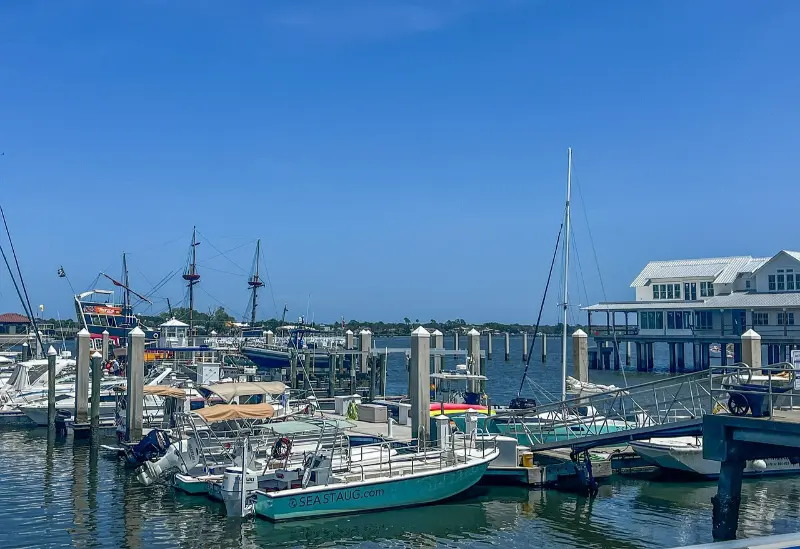
    Sailing Boats in Saint Augustine Florida Marina

    A short late-afternoon observation can reveal how tides influence shorebird feeding and why salt marshes matter to migrating animals. Stay on designated boardwalks or trails and never walk into nesting areas. Bring insect repellent even during cooler months, since mosquitoes are not strictly a summer concern. The first evening is a good time to practice identifying common shapes—egrets, gulls, cormorants or terns—without worrying about a complete checklist. Rest in St. Augustine or farther south only after checking the next day’s driving distance.

    Day two: coastal wetlands and a comfortable transfer

    Use the second morning for another St. Augustine-area habitat or for a nearby nature walk that is officially open. Wildlife tends to be easier to observe when you arrive early and limit noise, but a spectacular sunrise is not required. If you are photographing birds, do not pursue a moving flock from one parking lot to another. Watch what the animals do before you lift the camera. Moving slowly also helps prevent a common error: walking close enough to flush shorebirds from a feeding area simply to obtain a better image.

    In the afternoon, drive south toward Titusville and the Space Coast. This is a transfer, not a second full birding day. Choose accommodation with easy morning access to Merritt Island National Wildlife Refuge, and check NASA-related area notices before setting an exact arrival time. The refuge overlaps Kennedy Space Center land, and operational restrictions can affect roads and visitor facilities. Keep food and water available because birding destinations are not always close to restaurants. Review your observations in the evening and prepare binoculars, hats and sun protection for the next morning.

    Day three: Merritt Island's Black Point Wildlife Drive

    Merritt Island National Wildlife Refuge is a core stop because its Black Point Wildlife Drive provides a slow vehicle-based route through managed marshes. The federal refuge’s visitor information confirms that an entry pass is required for certain areas, and access may change during launch operations. Download or collect current visitor materials and drive patiently, pulling over only at permitted stops. Watch for wading birds along water margins, raptors overlooking marshes and waterfowl in suitable season.

    The route is particularly useful for travelers with limited walking endurance, although some viewing stops require different amounts of mobility. The visitor-center boardwalk is identified by the refuge as the wheelchair-accessible route among its listed trails, while other surfaces may be mowed grass or uneven ground. Ask rangers about conditions instead of assuming every tower is reached by pavement. Do not block the wildlife drive to take photographs from the middle of the road. A slow morning with frequent short pauses can be more productive than a long hike that disturbs birds.

    Day four: Pelican Island near Vero Beach

    Continue south to Pelican Island National Wildlife Refuge, America’s first national wildlife refuge. The official Pelican Island visitor page describes observation opportunities and an accessible Centennial Trail leading toward views of the protected island. This is a place to appreciate conservation history as well as birds. Do not assume the island itself is a visitor destination where you may land. Its value lies partly in protecting habitat from exactly that kind of disturbance.

    Spend time on the boardwalk and watch how birds use the lagoon at different water levels. A spotting scope or telephoto lens makes it easier to view distant individuals without leaving the permitted route. Other refuge trails may be longer or have different surfaces; choose them only if they fit your group’s ability and the weather. Carry water because an open observation platform can feel hot even during winter. If traveling with school-age children, invite them to draw a simple map of the refuge and note why an area can be protected while still allowing visitors at designated observation points.

    Day five: the Indian River Lagoon and a move to Palm Beach

    Use the fifth day as a flexible coastal exploration and transfer toward Palm Beach County. The Indian River Lagoon is a large, diverse estuary, but wildlife habitat and access conditions change along its length. Choose one publicly permitted observation site rather than stopping at every water-facing road. Shorebirds may be far away at high tide or grouped in places that are closed to pedestrians. A quiet hour observing from a legal deck is more valuable than approaching a roost on a sandbar. Respect signs protecting turtles and sensitive coastal vegetation.

    Horse Drawn Carriage in Saint Augustine Florida

    Plan lunch and drive time deliberately. Highway traffic near growing coastal towns can consume much more of a day than a map suggests. If you want to add a beach stop, first check local water and weather advisories; birdwatching does not require entering the ocean. For wheelchair users, review the exact distance from parking to the chosen platform. If a grandparent or younger child is tired, use the afternoon for accommodation check-in and a short local walk. Good birding often depends on returning alert the following morning.

    Day six: constructed wetlands and South Florida birdlife

    Finish in Palm Beach County with a visit to a managed wetland or boardwalk where public access and current conditions are confirmed. Wakodahatchee Wetlands and Green Cay are well-known examples of accessible-style birding experiences, but individual boardwalks, parking and opening conditions can change. Verify county notices before choosing a route, and do not assume that every platform will be usable after maintenance or storm damage. These settings offer a chance to compare human-managed freshwater wetlands with the estuarine habitats farther north.

    Observe from established paths and keep a respectful distance from nests. In a popular wetland, photographers sometimes gather near a single bird; do not form a crowd that blocks wheelchair users or strollers. Put the camera away occasionally and listen to calls or look for smaller birds among vegetation. A final day can be as brief as one careful walk followed by a leisurely meal. If returning to an airport, leave enough time to avoid making the final boardwalk a frantic rush.

    Birding etiquette and conservation rules

    Never use food, sound recordings or flash to manipulate wildlife unless the land manager expressly permits an activity; in many situations the ethical choice is simply not to do it. Do not attempt to relocate or handle chicks, eggs or injured birds. Contact appropriate wildlife authorities if there is a genuine concern. At sensitive nesting sites, follow seasonal closures even if a path appears empty. A protected island may hold important breeding habitat beyond the view of tourists. Viewing from a distance is part of successful wildlife travel, not a failure to get close.

    Use tripods only where allowed and keep them clear of narrow boardwalks. Families should make space for people moving more slowly and teach children not to chase birds. Dogs are restricted in some refuges, while genuine service-animal rules are different; check the site-specific policy. If you record an unusual bird for a public checklist, think carefully before posting a precise location that could attract crowds during sensitive nesting periods. Shared observations can contribute to knowledge without turning conservation land into a competitive spectacle.

    Photographs, notebooks and species identification

    A simple notebook with date, site, weather, tide if relevant and rough behavior observations is more useful than a long unsorted list of guesses. Binoculars allow closer views without disturbing birds, while a field guide can help separate common egrets or shorebirds. Take a few photographs of habitat context as well as close-ups; these help reconstruct where the bird was feeding. If uncertain of a species, record that uncertainty rather than inventing a confident label. Birdwatching is a learning practice, and expert birders make corrections too.

    Beginners can use a short target list based on common forms rather than rare sightings. Look for a tall white wader, a dark diving bird, a soaring raptor and a small shoreline runner. Compare feeding behavior and bill shape. Do not force identification through binoculars when the bird is too distant. A volunteer or ranger may help if available. For children, allow regular breaks and an age-appropriate challenge such as drawing a bird’s posture rather than keeping them quiet for hours.

    Seasons, tides, storms and morning schedules

    Winter has comfortable periods but is not free of storms, wind or cold mornings. Layer clothing and keep a rain plan. Bird concentrations can change with water depth, tidal cycles and maintenance of managed impoundments. A single quiet morning does not mean a refuge has no birds. If a cold front passes, watch for changes in bird activity but do not stand on an exposed platform during lightning. The official operating schedule is more important than an idealized sunrise photograph; gates may open after daylight begins.

    In summer, birding is still possible but heat and mosquitoes can shorten outings, and sea turtle nesting may affect beach access. If visiting during hurricane season, respect emergency closures and avoid remote roads after heavy rain. A six-day itinerary should have at least one flexible afternoon in case weather removes a planned stop. Those wishing to photograph particular species should research migration patterns and permits more deeply, but a general-interest birding vacation can succeed without exact seasonal predictions.

    Accommodation, driving and accessibility

    A practical arrangement is one or two nights near St. Augustine, two around Titusville and the Space Coast, one near Vero Beach and one in Palm Beach County. This requires several hotel changes. If that sounds tiring, shorten the trip and concentrate on Merritt Island and Pelican Island from two bases. A rental car makes the route much easier; public transit rarely takes you directly to scattered refuge trailheads early in the morning. Check parking fees and entry requirements rather than expecting every wildlife stop to be free.

    For wheelchair users, seek named accessible paths and ask about maintenance. A refuge’s “flat trails” may still be grassy or unpaved; the difference can determine whether a visit works. Families with preschoolers may choose one short boardwalk and a nearby lunch rather than a full-day photography session. Older visitors can favor wildlife drives, shaded observation areas and morning breaks. There is no single correct way to be a birder, and physical endurance is not a prerequisite for enjoying protected wetlands.

    Six-day birding table

    DayAreaHabitatPriority check
    1St. AugustineEstuary and coastal reserveSpecific GTM visitor access
    2St. Augustine to TitusvilleOptional shorebirds and transferTravel time
    3Merritt IslandManaged marshes and wildlife driveRefuge pass and launch closures
    4Pelican IslandLagoon and protected rookery viewsBoardwalk and trail conditions
    5Indian River LagoonPublic coastal observation sitesLegal access and tide
    6Palm Beach CountyManaged freshwater wetlandsCurrent boardwalk notices

    Frequently asked questions

    Is December better than February for birdwatching?

    Both can be rewarding, with different weather and bird activity. Exact species depend on migration, tide and habitat rather than a guaranteed calendar date.

    Can we visit Pelican Island itself?

    The refuge protects the island, which is viewed from designated public trails and observation points. Do not assume landing or entering nesting areas is permitted.

    Can a beginner follow this itinerary without a guide?

    Yes, with binoculars, official site maps and modest expectations. A ranger program can enrich the experience when offered, but independent observation at designated sites is worthwhile.

    Is this itinerary suitable for wheelchair users?

    Some highlighted refuges have identified accessible routes or driving opportunities. Check the specific surfaces and closures; do not assume all trails at each refuge are accessible.

    Do I need a big camera to enjoy the birds?

    No. Binoculars and a notebook are enough. Birdwatching values observation and conservation, and an ethical distant view matters more than a close image.

    Official birding references

    Review Merritt Island refuge visitor information, the Pelican Island refuge guide, and the US Fish and Wildlife Service wildlife-watching guidance. Prepared October 2026; public access, tides and weather conditions must be reconfirmed.


  • Sarasota Without a Rental Car: Five Days of Beaches, Gardens and Downtown Life

    Sarasota Without a Rental Car: Five Days of Beaches, Gardens and Downtown Life

    Sarasota is one of Florida’s more approachable destinations for travelers who want a beach vacation without driving every day. Downtown restaurants and cultural attractions are relatively close together, and local transit connects the city with Lido Key and parts of Siesta Key. The important qualification is that Sarasota County is much larger than its compact downtown. A hotel miles from the right route can turn an easy itinerary into a collection of expensive transfers. This five-day plan stays based in downtown Sarasota, uses the Bay Runner trolley for Lido Key and treats other beaches as carefully planned optional trips.

    The route works well for a solo visitor, a couple who prefers not to rent a car, and active older travelers who can walk short distances comfortably. Families with small children can use it too, but must consider car seats for any taxi or rideshare journey. Someone using a wheelchair should check the boarding and hotel access details for each leg; an attraction appearing near a transit stop on a map does not guarantee a safe, step-free connection.

    Where to stay and how the route fits together

    Area Reason to choose it Transport consideration
    Downtown Sarasota Restaurants, cultural sites and several Bay Runner stops Check walking distance to the actual stop
    St. Armands Circle Shopping and dining on Lido Key Beach trolley corridor but higher lodging costs
    Lido Beach More time by the water Some properties are not immediately beside a trolley stop
    Siesta Key Beach-centered vacation Verify the 77 Islander’s current route and connections

    For the exact five days below, a downtown hotel near Main Street is usually the most flexible base. You can enjoy a short evening stroll without transport and board the free Bay Runner trolley toward St. Armands Circle or Lido Beach. Booking a cheap room far inland may erase those advantages. Check the route map before paying a deposit, measure the walk from the hotel entrance to the correct stop and ask whether the room is quiet enough for your preferred sleep schedule.

    Day 1: arrive and learn the neighborhood

    Sarasota Bradenton International Airport is the obvious arrival point when flight options and fares make sense. Public transit to downtown has changed in recent years: older travel articles refer to services that have been retired or reconfigured. Confirm the current Breeze routes serving the airport, their days of operation and how fares are paid before arrival. If traveling with luggage, mobility equipment or children needing car seats, a prearranged appropriate transfer may be worth the extra expense.

    After hotel check-in, walk one or two downtown blocks and have an early dinner. Locate a pharmacy, grocery store and your closest Bay Runner stop. Take a short look at Sarasota Bay from a public waterfront location if energy permits. Do not fill the evening with a long sightseeing walk after a flight. Sarasota’s pleasant streets still become hot and humid, and a person unused to the climate may need a longer break than expected.

    Day 2: downtown art and a waterfront afternoon

    Spend the second morning on cultural attractions within a manageable travel radius. Sarasota has galleries, theater venues and museums, but the precise location and opening hours of each differ. Choose one indoor anchor activity rather than assuming that every institution is within a five-minute stroll. A museum visit can suit visitors of different ages, while a short waterfront walk and a shaded cafe can make the day less tiring for people who cannot remain on their feet for long.

    Sarasota Florida Waterfront Skyline Illuminated at Night

    Book a museum ticket only after checking the current exhibition and day of closure. If the museum requires a separate bus or rideshare trip, group nearby activities together instead of returning to the hotel multiple times. Lunch is an opportunity to rest in air conditioning and recharge a phone. Keep the afternoon flexible: Sarasota’s public waterfront areas can be pleasant for people-watching, but thunderstorms or unusual heat make an indoor alternative more sensible.

    Day 3: ride Bay Runner to St. Armands Circle and Lido Beach

    The City of Sarasota describes Bay Runner as a complimentary trolley connecting downtown with St. Armands Circle and Lido Key. The route lets you enjoy a beach day without arranging parking. Start from a downtown stop convenient to your hotel and verify the latest timetable, because frequency and exact service hours can change. The trolley is open-air, which can be delightful in mild weather but less comfortable during rain or strong heat. Bring water and plan a safe return if thunderstorms develop.

    At St. Armands Circle, choose a restaurant or a short walk before proceeding toward Lido Beach. Some shops and dining areas have varying access from sidewalks, so check entrances if mobility is a concern. For the beach, use a recognized public access point with facilities suitable for your party. Read the posted water-safety guidance and do not assume lifeguard coverage at every access. A leisurely lunch or early return downtown is preferable to spending extra hours in the sun solely to get value out of a free trolley trip.

    Day 4: choose Siesta Key or a garden instead of attempting both

    Siesta Key is another appealing beach option, but transit arrangements deserve careful checking. Sarasota County’s Breeze service includes the 77 Siesta Islander, while its route structure and downtown connections have changed. Do not use an old guide that assumes the trolley operates along a previous route; confirm today’s map and the separate connection needed from your downtown base. For a couple, an occasional rideshare can simplify the transfer, while families should plan how legally required child restraints will be provided.

    If you are not interested in another beach, use day four for a local garden or museum day. Marie Selby Botanical Gardens is one possible focus, but check admission, the relevant garden campus, accessibility and the distance from the transit stop. Outdoor gardens involve sun, walking and changing surfaces, so allow plenty of time and select a shorter route if necessary. One memorable garden is better than two hurried trips across town.

    Day 5: checkout and a straightforward airport transfer

    Keep departure morning close to the hotel. Have breakfast, return any rented mobility or beach equipment and confirm the route to the airport. If leaving after normal checkout time, ask whether luggage storage is offered and whether you can still access the restrooms. Do not assume that a trolley designed for sightseeing will also be a convenient airport shuttle. Use the current Breeze route or a suitable transfer option and leave time for check-in, traffic and any additional airport security needs.

    The final day can include a brief bayfront walk or a coffee stop if the schedule allows. Avoid booking an attraction on the other side of town because a delayed bus could make the entire day stressful. This is especially important when returning from a beach visit with wet clothing or when a family is carrying several pieces of luggage. A car-free holiday works because you spend less time managing vehicles, not because you replace every drive with a difficult series of transfers.

    Understanding Breeze buses, trolleys and payment

    Sarasota County’s transit system distinguishes standard buses and touring routes. The Bay Runner is advertised as a free route linking downtown Sarasota and Lido Key; other standard services may charge a fare and use separate ticket or electronic payment arrangements. In 2026, Breeze introduced mobile ticketing options for standard routes. Never assume that a ticketing policy for one route applies to every trolley. Check the exact current method before boarding and have a backup plan if your phone battery fails.

    For every outward journey, save the return stop and last practical service. The stop across the road may serve the opposite direction but might not be directly reachable from the same crossing. Use marked crossings rather than taking a shortcut through traffic. With a stroller, verify whether it must be folded and whether luggage is permitted. With a wheelchair, ask the operator about boarding, securement and whether the closest stops have accessible approaches.

    Why Siesta Key needs separate planning

    Visitors sometimes treat Siesta Key and Lido Key as if they were stops on one continuous short beach shuttle. In reality they are different barrier islands with different access routes and transport arrangements. If your hotel is downtown, Lido Key is the simpler outing on the Bay Runner corridor. Siesta Key can still be rewarding, but check the 77 route and any transfer carefully. The distance from a trolley stop to the specific part of Siesta Beach you want may be a significant walk in the heat.

    For a family, the best beach is often the one with restrooms, shade and a convenient return route rather than the beach that tops a ranking. People with limited mobility may prefer a different access point, and adults who are not confident swimmers can enjoy the sand and public amenities without entering the water. Build the trip around comfort and safety instead of the number of famous beach names you can visit in one day.

    What a car-free Sarasota vacation really costs

    You save rental charges, fuel, tolls and hotel parking, but your budget still needs airport transfers, occasional rideshare trips and possibly additional transport to a more distant attraction. Compare a central downtown hotel with a cheaper property far from the transit corridor. The full daily cost may favor the more expensive room if you can walk to dinner and use the trolley for beach days. Solo travelers often benefit most from direct routes, while larger families need to compare the cost and practicality of suitable paid transfers.

    Sarasota Florida Downtown Sunset Skyline Aerial

    Write the expected travel method beside every activity before booking. If three attractions require separate long rideshare journeys, remove one or choose a closer alternative. Advance reservations for popular museums or garden exhibits can reduce wasted travel, but nonrefundable tickets create a problem if a thunderstorm or illness changes the day. Keep one unbooked afternoon. Most of Sarasota’s charm is in combining a relaxed meal with a cultural stop or waterfront view, not racing to every destination.

    A trip for older travelers and visitors with disabilities

    Age alone does not determine how much walking someone can do. One older visitor may enjoy miles of city streets, while another needs frequent seating and elevator access. Confirm the actual hotel entrance, bathroom, bed configuration and distance to the trolley stop. For museums and gardens, ask about accessible routes, shaded seating and whether a visitor can leave and re-enter on the same ticket. In a high-heat period, a shorter day with a midday rest can be much safer and more enjoyable.

    If a party includes a person using a wheelchair, check trolley boarding and vehicle access directly with Breeze. Public routes may be accessible overall while an individual stop has a complicated crossing or construction work. For travelers with limited vision, save the stop names and directions in an accessible format before departure. For hearing-impaired visitors, check whether digital service alerts can be read on a phone. A practical itinerary is one you can adapt to actual needs, not a promise that every transfer will be effortless.

    What to do when a beach day becomes a storm day

    Summer showers and thunderstorms can change afternoon plans rapidly. If lightning is in the area, leave exposed beaches and open-air stops for appropriate shelter rather than waiting beneath a small umbrella. Swap a beach day with an indoor museum visit, a restaurant experience or a restful afternoon at your hotel. Keep the return schedule and real-time service alerts available, because severe weather and street closures can affect trolley operations.

    During hurricane season, travelers should follow local authorities and choose flexible booking conditions. A no-car vacation can become especially complicated if evacuation or major service disruption occurs, so ask the hotel about its emergency arrangements. A low-cost fare is not useful if the planned service has been suspended. This does not mean avoiding Sarasota; it means treating weather and transport information as part of the trip rather than as a last-minute afterthought.

    The City of Sarasota Bay Runner page describes the downtown–Lido corridor. The Sarasota County Breeze routes provide current route and payment information. The official Sarasota tourism transport overview offers a useful starting point for airport and trolley planning. Always verify the operator’s latest information for your date, because airport routes and island services have changed since earlier online articles were published.

    Keep copies of your hotel’s address, the nearest stops and airport transfer options. Download offline maps for the central districts and note a suitable taxi or rideshare alternative in case an outing runs late. With a sensible base and just a few well-chosen activities, a Sarasota car-free week can feel like a relaxed coastal vacation rather than a transportation exercise.

    Frequently asked questions

    Can you stay in Sarasota for five days without renting a car?

    Yes, especially from a downtown hotel near Bay Runner stops. Plan airport and any more distant attraction transfers separately, rather than assuming every destination is served by one trolley.

    Is the Bay Runner trolley free?

    The City of Sarasota describes the Bay Runner as complimentary service. Check the operator’s current details for stops, times and any future changes before traveling.

    Can you reach Siesta Key directly from downtown on the same trolley?

    Do not assume so. Siesta Key is served by different transit arrangements, and routes have changed. Review the current Breeze 77 Islander map and plan any connecting journey explicitly.

  • One Week in Key West and the Lower Florida Keys: History, Reefs and Quiet Island Days

    One Week in Key West and the Lower Florida Keys: History, Reefs and Quiet Island Days

    Key West attracts visitors for its colorful streets, historic homes and sunsets, but a full week in the Lower Keys should not be seven days of the same busy downtown blocks. Big Pine Key, Bahia Honda and the islands along the Overseas Highway have a quieter character, with wildlife, coastal landscapes and a different sense of space. This itinerary spends several days in Key West and makes room for nature farther north without promising that every famous excursion will be available. It works for couples, families with older children, independent travelers and multigenerational groups if activities are chosen carefully. Travelers who do not snorkel or stay out late will still find plenty to enjoy.

    One base in Key West—or split the week?

    Staying in Old Town makes it easier to walk to many historic sites, restaurants and evening attractions, but some streets are noisy and parking can be expensive or scarce. New Town has larger properties and may work for travelers who value parking or a pool, though getting to Old Town requires a realistic transport plan. Big Pine Key or other Lower Keys lodging offers a calmer environment for nature-focused travelers, but restaurants and services may be farther apart. A split between Key West and a quieter island can make sense with seven nights, yet it adds a checkout and new check-in. A family with a toddler may prefer one base and fewer transfers. Read the precise accommodation description: waterfront here does not guarantee a swimmable beach, and a ‘short drive’ to downtown can feel inconvenient if you must find parking twice each day. Prioritize quiet sleep, shade, room access and genuine beach or pool facilities.

    Key West Florida Island and Neighborhood Aerial

    Day 1: A compact introduction to Old Town

    Spend the first day walking a modest loop around central Key West rather than trying to cover the entire island. Explore the historic architecture, choose a café for lunch and take a short look at Duval Street without assuming you have to participate in its nightlife. The island’s older houses, narrow streets and garden walls tell a story that is easy to overlook while racing between souvenir shops. Travelers with children can choose a shorter loop and spend the afternoon swimming at their hotel if facilities allow. Older visitors may enjoy a guided walking or vehicle-based tour, provided boarding and rest stops suit them. Look up public parking rules if arriving by car; there is little benefit in moving the vehicle for every stop. Leave the popular sunset spectacle for a later day when you are not tired from travel. Evening dining can be pleasant just away from the busiest blocks, depending on your preferences.

    Day 2: Key West history beyond the postcard

    Choose one or two historic sites, perhaps the Ernest Hemingway Home and Museum, the Harry S. Truman Little White House or a maritime history stop, according to your interests. Museums differ in stair access, guided-tour requirements and how long an engaged visitor wants to stay. Do not attempt every museum in one day. Pair the morning with a shady meal, then browse the quieter lanes of Old Town to notice how the architecture responds to heat and island living. Families can involve children by looking for details in buildings and gardens rather than insisting on lengthy explanations at every stop. Travelers who use a wheelchair should check accessibility at individual historic properties; preservation constraints may limit some rooms. If the weather turns stormy, favor indoor attractions only when safe to travel. This day makes Key West more meaningful than a series of photographs: its history includes shipping, migration, military activity, writers and the changing relationship with the sea.

    Day 3: Fort Zachary Taylor and a real beach afternoon

    Fort Zachary Taylor Historic State Park combines coastal scenery and a historic fort, giving visitors a chance to balance outdoor time with a cultural stop. Check current park admission, parking, swimming warnings and any access advisories before traveling. The beach surface can be rocky or uneven in places, so water shoes may be useful, and it is not a manufactured calm-water resort lagoon. Parents should monitor children in changing conditions and plan shade carefully. Those who do not swim can appreciate the shore and tour the fort if routes and access suit their abilities. Have a picnic where permitted or arrange an easy lunch nearby. Try not to fill the evening with another major attraction; saltwater, sun and walking can be tiring. This is one of the days where people can follow different interests without splitting the party geographically. A traveler who loves military history may spend longer at the fort while companions relax under shade.

    Day 4: Big Pine Key and the National Key Deer Refuge

    Drive northeast toward Big Pine Key for a glimpse of the Lower Keys away from Old Town. The National Key Deer Refuge protects habitat for the endangered Key deer, and road awareness is essential: reduce speed, respect signs and never feed or approach wildlife. Animals are not guaranteed to appear, so do not turn the trip into a search that encourages unsafe stopping. Choose an appropriate public nature stop or visitor information point according to current refuge guidance. The landscape of pinelands, wetlands and mangroves gives a different perspective on the islands. If traveling with small children, keep the outing to a short nature-based visit and lunch; biting insects and heat can make long walks unsuitable. Seniors and travelers with limited stamina can enjoy selected scenic stops without attempting rough trails. Pack water and snacks because services are more spread out than in Key West. Return with plenty of daylight to avoid unnecessary wildlife risks on the road.

    Day 5: Bahia Honda and the bridges of the Keys

    Bahia Honda State Park is one of the most appealing places to appreciate the Lower Keys’ coastal setting. Its different beach areas face different waters, and shade is limited in exposed areas. Official state park information notes that capacity limits can lead to temporary entry closures, especially during busy periods; arrive early and have a backup plan. The historic railroad bridge view provides a powerful reminder of the Overseas Railway, but do not climb closed sections or cross barriers. Beach conditions vary with winds and seasons, so the best activity may be a coastal walk and picnic rather than swimming. The park lists some accessible facilities and a shared beach wheelchair, although availability should be confirmed rather than promised. For families, bring sun shelters and suitable footwear; for non-swimmers, views and birdwatching make the day worthwhile. Leave the afternoon open for a stop on the way back or an unhurried dinner closer to your accommodation.

    Day 6: Dry Tortugas—or a slower alternative in Key West

    Dry Tortugas National Park is an extraordinary but demanding optional day. It lies far west of Key West and is reached by ferry or seaplane rather than road. Transportation needs advance booking, departures are weather-dependent and the excursion can be expensive. Fort Jefferson and the surrounding water are memorable, but visitors should consider travel time, motion sensitivity, limited services, sun exposure and any mobility restrictions before purchasing. A day visitor cannot count on exploring every island in the park; transportation generally brings travelers to Garden Key. For groups with young children or those who would rather stay close, substitute an easy Key West day: a history museum, a shaded garden, a waterfront meal and time to swim at the hotel. This alternate plan is not second-best; it may suit the group’s needs far better. Keep this as a weather-flexible choice rather than the defining requirement of the whole week.

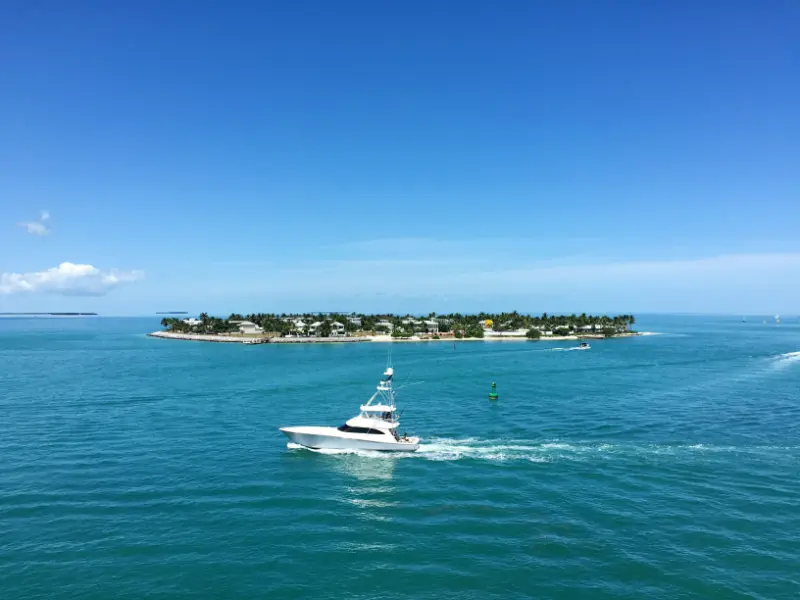
    Sunset Key Island near Key West Florida

    Day 7: Sunset, food and time to revisit a favorite corner

    Use the last day to enjoy the place at the speed you wish the first day had allowed. Browse a quiet street, eat a favorite local dish or return to a gallery you passed too quickly. If you want a famous sunset gathering at Mallory Square, choose an evening with enough time to find a comfortable spot without fighting crowds. Families with small children may prefer sunset from another permitted waterfront point and an earlier dinner. Ask the hotel about luggage storage if checking out before a later flight, but do not leave valuables in an unsecured vehicle. Confirm airport or mainland transfer times and the location of any rental-car return. Visitors departing by road should remember that the Overseas Highway is the main corridor for a long distance. If your departure is early, move sunset plans to another evening and keep the final day light. Ending with breathing room is particularly important after a week with optional boat trips and national-park outings.

    Transportation: walking, bicycles, shuttles and a car

    Within central Key West, walking can work very well for many attractions, though summer heat and uneven sidewalks matter. Bicycle rentals are common, but only suitable for riders who can manage busy junctions and shared space safely. A car is more useful for exploring Big Pine and Bahia Honda than for moving among Old Town sites. Consider renting only for the days that genuinely require it, but compare the availability and total fees before choosing this approach. Hotel shuttles, local buses and rideshares may simplify some journeys, but check present routes and hours. Parking in Key West can be limited, and a property that includes parking can represent real value. Travelers with reduced mobility should verify accessible vehicle availability early, especially for guided tours or boat transfers. Dry Tortugas transportation is an entirely separate booking, not part of a regular island bus network.

    Budget and reservations that matter

    The largest potential costs are lodging in a popular location, paid historic attractions, boat trips and the optional Dry Tortugas day. Build the budget around your group’s actual interests. If no one wants to snorkel or spend hours on a ferry, allocate that money to a comfortable room, guided history tour or memorable meals instead. Book Dry Tortugas transport far in advance when it is central to your trip and understand cancellation and weather policies. Check state park admission, hotel taxes, resort fees and parking before you finalize costs. Restaurants vary from casual counters to high-end dining, so a full week can include both. A rental with a small kitchen may help with breakfasts but do not overlook cleaning or parking fees. Setting aside a reserve for weather-related schedule changes is prudent in the Keys. Avoid quoting fixed seasonal prices without checking the exact dates.

    Families, seniors and non-swimmers

    A Key West week can work for all ages when not every day assumes long walks, open-water adventures or late evenings. Families with babies benefit from a central base, shaded breaks and an early dinner rhythm. Teenagers may enjoy maritime history, boats or photography, while grandparents might prefer guided historic stops and a comfortable waterfront lunch. Ask about stairs in older museums and the precise boarding arrangement for ferries, seaplanes or excursions. Natural beaches may lack smooth access all the way to the water. Swimming skill, not enthusiasm, should determine which marine activities make sense. Wildlife rules matter especially on Big Pine: never approach, touch or feed deer. If a group divides for the Dry Tortugas outing, agree on meeting plans and communication before travelers depart. People who stay ashore have an excellent itinerary of their own.

    Weather, wildlife and practical cautions

    Lower Keys weather is changeable. Hot, humid periods call for early starts and rest in the afternoon; winter winds can affect marine tours and make swimming uncomfortable. The June–November hurricane season requires awareness of evacuation guidance and flexible accommodation arrangements. Check Florida State Parks, the National Park Service and local Keys sources shortly before visiting for current access, marine conditions and transport schedules. Protect yourself from sun exposure even on cloudy days and bring insect repellent for natural areas where appropriate. Do not approach crocodiles, marine wildlife or deer for a photo. A strong coastal breeze is not a substitute for checking boat safety conditions. The most rewarding Lower Keys vacation has a mix of history, water and quiet islands, with enough freedom to postpone an excursion when the sea or the group says no.

    Frequently asked questions

    Is a car necessary for Key West?

    Not always for central Key West, where many places are walkable. A car becomes more useful for Big Pine and Bahia Honda.

    Can I visit Dry Tortugas without booking in advance?

    Do not rely on walk-up transport. Ferry and seaplane capacity is limited and weather can alter service, so review National Park Service guidance before booking.

    Is Bahia Honda a beach suited to non-swimmers?

    Yes for scenery and birdwatching, but access, shade and surface conditions vary. Check park rules and facilities for your own needs.

  • Four Days in Fort Myers and Sanibel: History, Shelling and Wildlife

    Four Days in Fort Myers and Sanibel: History, Shelling and Wildlife

    Southwest Florida looks especially appealing when you give it time to be quiet. Fort Myers has historic estates and a riverfront district, while Sanibel is known for coastal habitats, shelling and the J.N. “Ding” Darling National Wildlife Refuge. Nearby Captiva brings a different island atmosphere, and the beaches around the region invite unhurried afternoons. Four days allow these experiences to complement each other without requiring daily hotel changes or exhausting everyone with multiple drives across the causeway.

    This is a nature-and-culture itinerary for visitors who may not wish to spend all day swimming. A car is strongly recommended for connecting the historic sites, islands and coastal stops. The region has experienced hurricane damage and recovery work in recent years; verify the operational status of individual beaches, businesses, boardwalks, parking areas and refuge facilities before leaving. A generic map pin or old travel article is not sufficient evidence that a visitor center has reopened or that a favorite restaurant is operating as before.

    Four days with separate inland and island time

    DayAreaMain themeSlower alternative
    1Fort MyersEdison and Ford estates, riverfront historyGarden tour and downtown lunch
    2Sanibel IslandWildlife Drive, refuge habitatsShort auto tour with viewing stops
    3Sanibel and CaptivaShelling, beaches and island villagesCoastal lunch and scenic overlooks
    4Fort Myers Beach or nearby coastMound House or another cultural stopRest morning and easy departure

    Try to schedule the wildlife refuge on a day other than Friday. The U.S. Fish and Wildlife Service lists Wildlife Drive as closed on Fridays, and some visitor facilities may have separate closure or reconstruction notices.

    Day 1: The historic side of Fort Myers

    Start with the Edison and Ford Winter Estates, where historic residences, gardens and museum interpretation provide context for Fort Myers beyond its beaches. This is a good morning attraction because much of the interest is in the relationship between industrial history, winter travel and the subtropical landscape. Check the official tour schedule and whether particular areas are included. Visitors with limited mobility should ask about step-free routes and which portions of historic structures are accessible; preserved buildings may have restrictions that differ from contemporary museum galleries.

    Fort Myers Florida Colorful Buildings and Palms

    After lunch, take a measured look at Fort Myers’ riverfront or downtown district. Look for local architecture, public spaces and a suitable place for a sit-down meal rather than treating downtown as a shopping marathon. The Caloosahatchee River is a major geographic feature, but not all waterfront areas connect seamlessly. Choose one sensible walking circuit or short vehicle transfer. If you’re traveling with children, make the day about inventors, gardens and local history, then leave the afternoon free for a rest or a pool at the hotel.

    An evening around downtown Fort Myers is a practical first-night choice when staying on the mainland. Restaurants and events have their own hours, and severe weather can disrupt services; check before heading out. Families may appreciate a suite with a kitchen so the evening is not dominated by searching for dinner. This city day helps distinguish the broader region from a beach-only destination and makes tomorrow’s island ecosystems feel like a true change of scenery.

    Day 2: J.N. “Ding” Darling Refuge on Sanibel

    Cross to Sanibel and visit the J.N. “Ding” Darling National Wildlife Refuge, a nationally important protected mangrove and wetland habitat. The Wildlife Drive is a one-way nature route that can be experienced by car, bicycle or other permitted means, with designated stops for wildlife observation. Bird sightings vary with tide, season and time of day. Alligators may be present, so remain in designated areas and keep a safe distance. Never feed or attempt to attract animals for photographs.

    The most consequential planning detail is the Friday closure of Wildlife Drive. The U.S. Fish and Wildlife Service also publishes current visitor-center information, including construction notices associated with hurricane recovery. In 2026 its pages have reported a temporary visitor-center closure with a projected reopening, while other sections list ordinary hours; because these notices may not update simultaneously, check the latest site-specific alert before assuming the center is operating. The drive itself has remained the more dependable centerpiece, except on its scheduled closure day or when other conditions intervene.

    For a multigenerational group, a vehicle-based wildlife tour can be especially appealing. You can stop where access permits, watch wading birds and enjoy the landscape without completing a long hike. More active visitors may prefer walking a designated trail or joining a licensed nature outing, but should confirm its status and equipment needs. Carry binoculars, drinking water and insect protection. Avoid loud behavior around nesting or feeding birds. A calm, respectful nature afternoon is more rewarding than chasing wildlife sightings between multiple remote spots.

    Day 3: Shelling and the island atmosphere of Sanibel and Captiva

    Sanibel’s beaches are famous for shells, but the best way to experience them is with realistic expectations. Shell abundance changes with tide, weather and season, and no beach can promise a bucket of spectacular finds every morning. Visit a designated public access point with legal parking and appropriate facilities. Bring water and footwear for shell-strewn shoreline, and leave any live shellfish or occupied shells where they belong. Collect only where local rules allow and avoid disturbing protected wildlife or dunes.

    Spend part of the afternoon driving toward Captiva, enjoying the contrast between the islands’ natural setting and smaller developed areas. Do not treat every scenic road shoulder as a parking space. Island parking and beach-access arrangements can be limited and have changed during storm recovery; verify the exact destination rather than relying on a general search map. A casual lunch in an operating restaurant is a better plan than assuming a specific old favorite has reopened. Let the afternoon be open enough for weather, tides and whatever the group genuinely enjoys.

    Small children may love comparing shell shapes more than swimming, though they still need close supervision at the waterline. Teens can photograph shorebirds and learn about conservation. Adults who prefer a relaxed vacation may simply walk a short section of beach, have lunch and return to the hotel. For a wheelchair user, sand access is highly location-specific; contact the relevant county or beach operator about mats or available equipment. Enjoying Sanibel does not require walking its entire coastline.

    Sanibel Island Florida Mangrove Coast Aerial

    Day 4: Fort Myers Beach and a final local-history stop

    Use your final day for Fort Myers Beach or another nearby shoreline that suits your route and current access information. If the Mound House’s historical and archaeological interpretation interests you, check tours and open days in advance; it can provide an illuminating look at the Calusa people and local coastal history. This option works especially well when the weather is too windy for swimming. Choose one cultural stop, lunch and perhaps a short beach walk, rather than booking a boat excursion too close to departure.

    The Fort Myers Beach area has continued rebuilding and adapting after major storms, so verify parking, beach access, restrooms and businesses individually. An old image showing a facility does not prove that it is still available. Beach conditions, red-tide advisories where applicable and weather should influence whether you swim. During unfavorable conditions, a museum or riverfront café is a meaningful alternative, not a consolation prize. Travelers with young children often appreciate this flexibility most on the last day.

    If you need to reach Southwest Florida International Airport, allow time for traffic, car return and the actual location of your accommodation. A hotel on Sanibel may require crossing the causeway before the mainland drive even begins. A final morning that stays close to the departure route reduces stress and leaves room for the small surprises that are part of real travel.

    Where to stay for four days

    A mainland Fort Myers base offers comparatively straightforward access to the estates, restaurants and airport, with day trips to Sanibel. Staying on Sanibel is better for early shelling and island atmosphere, but you may spend more and drive farther for mainland attractions. Fort Myers Beach can suit those who want an ocean-oriented holiday, provided individual properties and access routes are operating as advertised. Compare the actual drive, accommodation charges and parking, not simply a ‘Gulf Coast’ neighborhood label.

    After hurricane damage, check recent property information carefully and contact the hotel if accessibility or services are essential. Ask whether the elevator is operating, whether the pool and beach access are open, and whether nearby construction affects your stay. Travelers with mobility aids need reliable dimensions and step-free routes, not merely a statement that the hotel is newly renovated. A family may save on dining with a kitchenette, while a couple may value staying closer to an island’s quiet evening scene.

    Transport, the causeway and the importance of time buffers

    A rental car is the easiest option for this exact four-day route. Sanibel and Captiva involve island-road travel and limited parking at selected public areas. Build the refuge visit and shelling day together geographically only if doing so does not create a rushed schedule. The Sanibel Causeway and island traffic can be slow at popular times. Save the exact legal beach parking area and any current access instructions before leaving the hotel. Do not assume that a rideshare will be instantly available at a quiet island access point.

    If you are visiting without a car, focus on a walkable mainland or beachside base and book organized transfers or outings with dependable pickup arrangements. Confirm accessibility of vehicles and water-based experiences before paying. For overseas visitors, verify rental license and insurance rules and ask about toll-payment options; different companies use different billing approaches. Give every return drive generous time. The point of the islands is to escape the feeling of being in a hurry.

    Money, reservations and sensible priorities

    The Edison and Ford estates, refuge entrance, some guided tours and parking all have costs, but you do not need to purchase several paid experiences every day. Choose the cultural attraction on day one and the nature experience on day two as your main commitments. Enjoy beach access, scenic walks and relaxed meals the remaining days. Wildlife Drive has a separate fee schedule, and certain passes may be recognized; check the current federal refuge rules rather than assuming admission is identical to a state park.

    Accommodation rates can vary sharply with winter visitor demand and holiday periods. Early booking may help, but cancellation flexibility matters in tropical-weather season. A family should compare food and gear expenses as well as room cost. Bring reusable water bottles, adequate sun protection and suitable shoes rather than purchasing everything at a beach kiosk. The most expensive surprise is often not admission but a room or vehicle plan that requires repeated long trips.

    Inclusive nature travel across generations

    For infants and toddlers, prioritize morning shade, short beach periods and predictable feeding or nap times. School-age children can learn how mangroves support birdlife, why shells belong to living animals and how tidal wetlands differ from hotel pools. Teenagers may enjoy photography and guided kayaking if they meet operator requirements. Older adults often appreciate the refuge’s vehicle-based wildlife viewing and short garden walks. None of these groups needs to spend the whole day in the sun to have an authentic Sanibel experience.

    Ask individual venues about accessible restrooms, transport, seating and wheelchair-friendly viewing areas. The availability of an auto tour does not mean every stop along Wildlife Drive is barrier-free. A traveler with sensory sensitivity may prefer an early quiet nature outing to a crowded midday beach access. If some relatives want a longer trail while others prefer a shorter stop, arrange a meeting location and time. Good planning makes different abilities compatible rather than making one person’s limits define the whole holiday.

    Wildlife, weather and marine advisories

    Tropical heat, lightning and rain can change the trip, and hurricane season calls for especially flexible arrangements. Coastal water conditions may also be affected by red tide and other advisories; use current official public-health and beach updates, not assumptions from last month’s photos. At the refuge, avoid interacting with alligators and keep a safe distance from birds. On the beach, respect turtle nesting areas and never use bright lights where regulations restrict them.

    If heavy rain or refuge closure disrupts day two, move the historic estates or another operating indoor attraction into that slot. The Friday closure of Wildlife Drive is foreseeable; the weather is not. A route with deliberately flexible island afternoons makes it easier to protect visitors and wildlife while still enjoying Southwest Florida’s distinctive coast.

    Frequently asked questions

    Is Ding Darling Wildlife Drive open on Fridays?

    No, the refuge’s official visitor information lists Wildlife Drive as closed on Fridays. Check any holiday, construction or storm alerts before planning an alternative day.

    Is the visitor center fully operational?

    The refuge has published hurricane-recovery construction notices, including a temporary closure and projected reopening. Confirm current status directly rather than relying on an older schedule.

    Is shelling guaranteed on Sanibel?

    No. Tides, weather and natural movement of shells change conditions. Enjoy the shoreline regardless of the number you find, and leave living creatures undisturbed.

    Can children and grandparents enjoy this trip together?

    Yes. Short beach walks, garden visits and vehicle-based wildlife viewing are adaptable. Confirm accessible facilities and allow frequent cooling breaks.

    Should we stay on Sanibel or the mainland?

    Choose Sanibel for the island atmosphere and early beach access; choose Fort Myers for easier airport transfers and mainland attractions. Compare total costs and drive times.

    Official resources

  • One Week in Daytona Beach and New Smyrna Beach: Atlantic Beaches, History and Nature

    One Week in Daytona Beach and New Smyrna Beach: Atlantic Beaches, History and Nature

    A week on this stretch of Florida’s Atlantic coast offers more variety than a beach-and-racetrack postcard suggests. Daytona Beach has a major racing identity, a busy oceanfront and broad public beaches. Ormond Beach to the north brings parks and a calmer coastal feel, while New Smyrna Beach to the south combines galleries, independent restaurants and access to the Indian River Lagoon. Ponce Inlet has lighthouse history and fishing-boat scenery. Because attractions sit along a long coastal corridor, a single well-chosen base matters more than squeezing every sight into a day. This itinerary is suitable for couples, families with children and multigenerational travelers who like the option of rest between outings.

    Where should you stay?

    Daytona Beach works for travelers who want a lively oceanfront, the Speedway and a broad selection of visitor accommodation. Choose your block carefully, because nightlife, traffic and event congestion vary widely. Ormond Beach may be a better fit for a gentler atmosphere and proximity to some scenic parks. New Smyrna Beach suits people who value its walkable commercial streets and a more independent seaside mood; its beachside and mainland areas have different access to sand and restaurants. Ponce Inlet is quieter but has fewer convenient lodging and dining choices. If you want the Speedway and two museum days, a Daytona base is sensible. If quiet mornings, galleries and beach access are your main priorities, New Smyrna may be worth the drive north once or twice. Confirm whether your property is actually oceanfront or across a busy road, and check any parking, resort and beach-access fees.

    Day 1: Daytona’s oceanfront without a strict agenda

    Begin with a manageable beach session near your lodging. Daytona is known for a broad sandy shore, but conditions vary and regulated vehicle access may be permitted on some sections; never assume every part of the beach is traffic-free. Check current Volusia County beach driving rules, tide-related access closures, local flags and lifeguard guidance. Families should choose a section with suitable facilities and watch children closely wherever vehicles or bicycles share access areas. Travelers who do not swim can enjoy the sea views and a nearby café. A short walk around the boardwalk or main beachfront district can introduce the destination without filling the entire first afternoon. Events may make the central area busy or noisy, so adapt your evening. After a long journey, a casual dinner near your hotel and an early night often beat a rushed attraction. Save the famous Speedway for a day when you can appreciate it properly.

    Daytona Beach Boardwalk and Oceanfront Hotels

    Day 2: Daytona International Speedway and motorsports history

    The Daytona International Speedway gives the area its international sporting reputation, but the right experience depends on the event calendar. A track tour and a major race weekend are very different outings, both in price and crowd size. Check whether tours are available on your selected date, where they depart and how long the experience takes; special events can change access. Motorsports fans may enjoy several hours, while children who are not interested in racing might prefer a shorter visit followed by a family-friendly activity elsewhere. Pair the Speedway with one nearby museum or restaurant rather than a long cross-region detour. If attending a race, make that the day’s main plan and allow substantial time for parking, security and post-event traffic. For travelers with mobility limitations, ask about accessible tour vehicles, grandstand seating and routes before booking. A day at the Speedway can be memorable without making the rest of the week’s schedule revolve around it.

    Day 3: Ormond Beach and the northern coastal parks

    Head north for a change of atmosphere. Ormond Beach has attractive coastal scenery and access to parks where the focus shifts toward dunes, shoreline landscapes and quieter walks. Choose a short visit suited to the day’s heat and tides rather than attempting multiple lengthy hikes. Some natural beaches have limited facilities, exposed sand and changing conditions; take water, sunscreen and suitable footwear. A scenic drive along the coast can be enjoyable, but always use legal pullouts instead of stopping on narrow roads. Families may be happy with a picnic and a play stop. Older adults can spend more time at a viewpoint and a comfortable lunch venue. Check whether a nearby state park has temporary closures or storm-related repairs before departure. Returning to the accommodation by midafternoon allows time for a swim or a rest. The value of this day is its quieter rhythm, not the number of separate locations visited.

    Day 4: New Smyrna Beach and its galleries

    Make New Smyrna Beach the center of the day. Explore the local downtown or beachside shopping areas according to your interests, stopping at independent galleries and cafés if they are open. Art walks and community events occur on selected dates, so consult current schedules rather than building the itinerary around an assumed festival. From the commercial blocks, head toward a public beach access for an afternoon by the ocean. The area’s surf reputation is part of its character, but strong waves and rip currents mean not everyone should go into the water. Families with younger children can enjoy the sand and a playground or shaded meal without swimming. Couples may appreciate a slower gallery visit and dinner. If your accommodation is in Daytona, allow time for the return journey rather than committing to a late event after a full day. This is a good contrast to the more commercial central Daytona oceanfront.

    Day 5: Ponce Inlet lighthouse and river scenery

    Ponce Inlet provides a bridge between maritime heritage and coastal nature. The Ponce de Leon Inlet Lighthouse is a notable landmark, but climbing it involves a substantial staircase and is not appropriate for everyone. Check the official site’s current opening times, tickets and access guidance before promising a climb. Visitors who prefer to remain on the ground can still enjoy other historical exhibits and the surrounding waterfront, depending on venue conditions. A meal overlooking the water can make this a comfortable day for older travelers or anyone taking a break from the beach. Boat tours and fishing excursions operate nearby, but availability depends on marine weather and the operator. Children may find the lighthouse story and boats more interesting than another afternoon at the hotel pool. Avoid combining a strenuous climb with a long hot beach walk; choose one main activity and allow a scenic stop afterwards.

    Day 6: Lagoon wildlife, paddling or an easy nature walk

    Give the week a quieter nature day around the Indian River Lagoon and nearby preserves. The best excursion may be a guided eco-cruise, a beginner-friendly paddle or a short walking route, depending on your party’s abilities and the day’s conditions. Ask operators about minimum ages, equipment, distances and what happens in thunderstorms. Do not assume that a sheltered lagoon has no currents or boat traffic. Wildlife sightings are uncertain; keep a respectful distance from dolphins, manatees and shorebirds. For non-paddlers, a public boardwalk or birdwatching stop can reveal the same landscape at a gentler pace. Families should bring drinking water, sun protection and insect repellent as appropriate. Check which public access points are actually open instead of relying on an old social-media pin. If the forecast is poor, swap the nature outing for a museum or a calm local lunch. This day is a reminder that the coast is also an estuary ecosystem, not only an ocean beach.

    Day 7: Repeat a favorite beach or enjoy one last town walk

    The seventh day is a buffer for the trip’s best experiences and any weather disruption earlier in the week. If the family loved Ormond’s quiet sand, return there for an early morning. If galleries and restaurants were the highlight, revisit New Smyrna Beach with enough time to browse. Motorsports fans who missed a tour may be able to reschedule, but do not count on availability until confirmed. On departure day, leave enough time for accommodation checkout, traffic and the airport transfer. Daytona Beach International Airport is convenient for some itineraries, while Orlando airports require more driving and very different travel planning. Do not attempt a faraway nature cruise immediately before a flight. If you are staying longer, the region can connect with St. Augustine or the Space Coast, but a one-week coastal trip does not need to absorb both. A final quiet breakfast overlooking the Atlantic can be a worthwhile last memory.

    Beach driving and safety: know before arriving

    Volusia County has specific rules governing vehicle use on authorized beach sections. These rules can change with tides, wildlife protection, storms and seasonal operating hours. Never enter the beach with a vehicle simply because a road or ramp appears open in a navigation app. Follow official signage, speed rules and instructions from beach safety staff. If walking with children, pick an area where vehicle traffic will not complicate play, or move away from drive-on sections where possible. Ocean conditions are separate from vehicle rules: check rip-current warnings, flags and lifeguard coverage. Fishing piers and jetties are not substitutes for supervised swimming. Nature preserves protect sensitive dunes and nesting habitats; stay on designated paths. Visitors with wheelchairs should confirm beach access mats, chair programs and parking with the actual local authority. The safest plan is the one built around current conditions, not a memory of last year’s beach.

    Transport, parking and the event calendar

    A car is generally helpful for a week spanning Daytona, Ormond, New Smyrna and Ponce Inlet. Visitors staying entirely in one oceanfront district may manage with walking and some rideshares, but the more varied itinerary is harder without reliable road transport. Major racing events transform traffic, parking availability and accommodation prices; check the Speedway calendar before you reserve a hotel. Beach parking and drive-on charges can be separate from state park admission. Some hotel lots charge fees even when the room seems inexpensive. The most efficient approach is to group each day’s activities by town and avoid repeated drives north and south. For families needing car seats, verify the rental arrangement before arrival. Older travelers and people with limited mobility should choose short drop-off-to-attraction routes rather than large parking lots without shade. Do not rely on advertised ‘walking distance’ without checking intersections and actual sidewalks.

    Daytona Beach Oceanfront Parking Area

    Budget for a week of varied activities

    The week can be modestly priced if it balances beach time with one or two major ticketed activities. Speedway tours, lighthouse admission, charter boats and equipment rental all add costs, but none needs to be purchased simply because it is available. A hotel with breakfast and a refrigerator can help reduce food spending, especially for families with different meal schedules. Eating lunch during an outing and making dinner simple may work better than searching for a waterfront restaurant twice a day. Event weekends often raise rates sharply; flexibility with travel dates can save more than choosing a cheaper attraction. Build separate estimates for accommodation, car and parking, food, admission, and a weather reserve. Check rates directly before paying deposits. A couple may prioritize a memorable restaurant; a family may gain more from extra pool time and an apartment-style room. Both can enjoy a full week without buying a ticket every day.

    Families, seniors and visitors with mobility needs

    This region works well for mixed ages if you plan shorter walking loops and use the beach as an option, not an obligation. Toddlers need shade and protected play spaces, while school-age children may enjoy the Speedway or lighthouse exhibits. Teenagers can choose an art stop, an appropriate surf lesson or a bike ride if conditions and abilities allow. Older adults may enjoy waterfront cafés and a driving tour with scenic stops. The lighthouse climb is an optional challenge rather than a required achievement. Confirm accessible museum spaces, restrooms and parking at each location. Do not assume a nature trail is paved or a dune crossing is step-free. Weather and waves determine whether swimming is suitable for any age. By protecting free time in the afternoon, you leave space for family members who enjoy different things to feel they have had a genuine vacation.

    The best season and rainy-day swaps

    Cooler months often make outdoor walks more comfortable, while summer can mean hot pavement, strong sun and frequent afternoon storms. Ocean water and surf conditions vary, and the hurricane season from June through November calls for flexible reservations. Race dates, local festivals and school vacations can create unexpected crowds. If a day turns stormy, visit a suitable indoor museum or shift the Speedway tour if scheduling permits; do not drive into severe weather to preserve a printed itinerary. Check official park and beach notices before each natural-area outing. A strong week here has different options for different conditions: racing history for enthusiasts, galleries for curious visitors, broad shorelines for beach lovers and sheltered places to rest for everyone. The region’s variety is why a full week makes sense, provided the group does not try to see it all on the same day.

    Frequently asked questions

    Can cars drive on Daytona Beach?

    Vehicle access is permitted only in designated areas and is affected by tides, safety restrictions and operating rules. Check Volusia County information.

    Is New Smyrna Beach worth a whole day?

    Yes. Its beach areas, galleries and restaurants offer a different atmosphere from central Daytona.

    Can children visit the Daytona Speedway?

    Many families enjoy the site, but tours and race events have different rules and schedules. Check the operator before planning your day.

  • Three Days in Key West Without a Car: History, Harbor Views and Island Time

    Three Days in Key West Without a Car: History, Harbor Views and Island Time

    Key West makes a compelling destination in its own right, even if you have already driven the Overseas Highway. Its compact Old Town, colorful houses, maritime stories and sunset rituals suit a three-day break far better than a hurried afternoon before returning north. Going without a car is often an advantage here: downtown parking can be expensive, many central streets are enjoyable on foot, and driving between places a few blocks apart usually adds friction instead of freedom. A thoughtfully chosen hotel base matters more than the keys to a rental car.

    This route is suitable for couples, solo travelers and families who can manage short urban walks, with alternatives for visitors who need seated transport or more frequent breaks. It does not promise that all of Key West is wheelchair-friendly; historic homes, uneven sidewalks and boat excursions require checking one by one. Plan one major experience each day, avoid buying several sunset cruises for the same evening, and remember that a car-free stay still needs an arrival transfer from the airport or ferry terminal.

    Three days and two or three nights at a glance

    DayAreaMain focusAlternative
    1Old Town and harborArchitecture, maritime history, sunsetShort waterfront walk and dinner
    2Fort Zachary TaylorHistoric fort and shorelineFort museum spaces and picnic
    3Truman neighborhood and cultural sitesMuseums, galleries, flexible departureOne museum and an easy lunch

    A Dry Tortugas excursion is a separate full-day commitment, not a small add-on to this three-day city route. If you book it, replace a complete day and accept the possibility of cancellation or weather disruption.

    Day 1: Discover Old Town on foot

    Start with an unhurried walk along part of Duval Street, then turn into nearby residential lanes where porches, wooden houses and gardens convey a quieter Key West. Walk only as far as the party comfortably can; the town’s character comes from observing its streets, not completing a rigid route. Keep to public sidewalks and respect homes that are not open to visitors. Choose a specific historic or cultural attraction for the morning, such as a maritime-focused museum or a tour that matches your interest in the island’s trading, salvaging and literary history.

    Sunset Key Island near Key West Florida

    For lunch, avoid waiting until everyone is hungry and overheated. A café or shaded courtyard is part of the sightseeing rhythm. In the afternoon, the harborfront offers views of boats and a different understanding of how the island connects to the sea. Some waterfront businesses are commercial and do not provide unrestricted public access; follow signs and respect working docks. If traveling with children, short observation stops can be more engaging than another museum ticket. Teenagers may enjoy photographing details around the harbor or comparing architecture across Old Town streets.

    In the evening, many visitors head toward Mallory Square for sunset entertainment. Arrive with realistic expectations: it can be lively, noisy and crowded, and the exact quality of the sunset depends on clouds. A traveler who dislikes crowds can choose a different legal waterfront viewpoint or an early dinner. There is no requirement to attend a particular square to say you experienced Key West. Arrange the way back to your lodging before dark if walking or mobility is a concern.

    Day 2: Fort Zachary Taylor and the southern shoreline

    Fort Zachary Taylor Historic State Park combines a Civil War-era coastal fort with a popular beach, giving Key West one of its most useful history-and-nature pairings. Florida State Parks publishes entrance fees, operating hours and available amenities; check the current park information before departure. The fort can be explored with interpretive panels or tours where offered, but historic surfaces and steps may limit access to certain areas. Choose the appropriate level of visit rather than assuming a full fort circuit is possible for every member of the party.

    The shoreline is also worth time, especially for visitors who want to see the meeting of coastal waters without joining a boat tour. Swimming and snorkeling depend on sea conditions, and rocks or coral fragments can make water shoes helpful. Do not stand on living coral or disturb marine wildlife. Check current conditions and never enter the water simply because the beach is famous. With younger children, a picnic in the shade and a short supervised shore visit may be the right way to experience the park.

    Because you have no car, investigate a suitable taxi, bicycle option if comfortable and lawful, or the island’s available local transport. Do not assume every free trolley-style service always operates the same route; confirm current service with the City of Key West. A person using a mobility device should ask the park and transport provider about accessible pickup, ground surfaces and restroom locations. Returning to Old Town for a relaxed dinner is preferable to scheduling another attraction across the island.

    Day 3: A cultural morning and time for the little things

    Make the final day about one place rather than several hurried checkouts. The Harry S. Truman Little White House, Ernest Hemingway Home and Museum or a smaller local history venue can be rewarding depending on personal interest, but they have different access arrangements and tour rules. Check whether the specific building’s historic interior is appropriate for someone who cannot use stairs. A traveler who loves literature might give a whole morning to Hemingway; someone fascinated by politics may choose Truman-related exhibits. Either choice makes more sense than scanning both in a rushed hour.

    Leave the remainder of the day free for an independent gallery, café or return to a favorite stretch of waterfront. If you are catching a ferry or flight, retrieve luggage early and confirm the terminal location; the ferry terminal and Key West International Airport are not interchangeable. Tropical rain may appear suddenly, so a compact umbrella and an indoor backup are useful. The leisurely final morning should feel like part of your vacation, not an anxious extension of checkout time.

    If you have a fourth day, think about whether you want a full-day organized water excursion, more island relaxation or a longer cultural visit. Do not attempt to combine Dry Tortugas with major afternoon attractions: travel there occupies a substantial part of the day, and its remote conditions require separate planning.

    Dry Tortugas: a wonderful trip, but not a casual extra

    Dry Tortugas National Park lies west of Key West and is reached by boat or seaplane, not by road. The National Park Service stresses the need to prepare for a remote destination with very limited services. A ferry day requires an early departure, weather tolerance and enough time for the return journey. Book only through a legitimate authorized provider, review cancellation rules and understand the physical demands of boarding and walking at Fort Jefferson. Do not assume all levels of the fort are wheelchair accessible; NPS states that upper tiers are not.

    Families with infants, travelers prone to seasickness or anyone needing frequent medical or restroom access should assess whether the trip suits them. Some visitors will enjoy it immensely; others will have a better holiday with an extra Key West day. If the excursion is essential, build a fourth day into the trip so that a weather cancellation does not eliminate everything else you wanted to see. An island itinerary should make expectations clear before expensive tickets are purchased.

    Key West Florida Island and Neighborhood Aerial

    Where to stay for a genuinely car-free visit

    Old Town is generally the best base when you want restaurants, museums and the harbor on foot. Properties close to Duval Street can be noisy at night, while quieter blocks may require slightly longer walks. Compare the actual route to your intended attractions and check whether the room faces a busy bar or residential courtyard. A lower-priced property far from Old Town may require enough paid transport to erase the savings. If you are traveling with children, prioritize cooling, laundry and a suitable room arrangement over nightlife proximity.

    A historic guesthouse can be atmospheric, but verify elevators, stairs and bathroom access before booking. Not every charming porch house is suitable for a wheelchair user or someone who cannot climb. Some resorts charge additional fees for parking even if you will not use it; check your final invoice terms. For older visitors, an accommodation with a comfortable shaded sitting area and a short walk to dinner can improve every day of the trip.

    Arrival options and local transport without renting a car

    Key West International Airport works for those arriving by air, while the ferry from mainland Southwest Florida can be attractive for particular itineraries. There are also intercity buses and organized transfers along the Keys, with travel times and schedules varying by provider. Check your actual arrival point before reserving a transfer. If coming from Miami by road transport, the Overseas Highway journey is scenic but subject to traffic, weather and bridge incidents; schedule a substantial buffer rather than treating it as a short city transfer.

    For getting around Old Town, walking is practical for many people, but heat and uneven sidewalks matter. Bicycles and e-bikes may be available, yet traffic, right-of-way rules and parking regulations require attention. Do not rent a bicycle for a visitor who is uncomfortable balancing in crowded streets. Taxis or accessible vans can be worth arranging for selected journeys. Check any current city transit options directly, because route names and schedules can change. The best car-free plan is a small daily area plus occasional planned transfers.

    Budget and avoiding tourist traps

    Key West lodging can be expensive in popular seasons, so compare a two-night and three-night stay before deciding on multiple tours. Most travelers will get more value from a well-located room and one meaningful attraction each day than from daily boat excursions and taxis. Budget separately for lodging, paid museum entries, food, local transportation and any optional water trip. Restaurants in prime harbor and Duval locations may price convenience into the bill; a short walk to a quieter block can be a worthwhile trade.

    If traveling as a family, save on impulse snacks by planning lunch and water breaks. A hotel with breakfast can simplify mornings, but compare the full rate before calling it free. Do not pay for a tour solely because a street promoter says a discount expires immediately. Use official operator information, read cancellation terms and consider whether the experience suits everyone in the group. For budget visitors, the island’s architecture and public waterfront viewing are important parts of the trip that do not require constant ticket purchases.

    Safety, accessible choices and family-friendly pacing

    Key West is small but has intense sun, hot pavement and limited shade on some streets. Babies and toddlers should have short outdoor periods, suitable sun protection and a reliable indoor rest option. School-age children can enjoy fort history, boat spotting and short museum sessions; teenagers may be more interested in photography and maritime stories. Seniors can plan seated interpretation, taxi connections and relaxed meals rather than a long Duval Street walk. Do not assume everybody wants a sunset crowd or a challenging snorkeling tour.

    Accessible travel here requires specific venue checks. Ask historic houses about which rooms are on the ground floor, and ask transport providers about wheelchair capacity before the travel day. At Fort Zachary Taylor, identify suitable routes and restrooms rather than assuming sand and historic fort surfaces are straightforward. Visitors who struggle with sensory overload can use quieter mornings or skip the busiest harbor gathering. The itinerary succeeds when each person has a comfortable way to participate.

    Best time to visit and flexibility in storms

    Winter and early spring can be pleasant for strolling, though accommodation prices and crowds may be high. Summer brings heat, humidity and afternoon storms, with tropical weather risk during hurricane season. Any water trip may be altered by wind and sea state even when it is sunny on the island. Follow National Weather Service warnings, park updates and the boat operator’s actual departure notices. Never assume a forecast for Miami describes water conditions near Key West or Dry Tortugas.

    If rain disrupts the park day, shift a museum visit earlier and preserve Fort Zachary Taylor for better conditions. If a ferry or flight is delayed, a comfortable Old Town base makes the extra time easier to manage. Leave room for unplanned discoveries: a courtyard, a small gallery or an evening breeze may become more memorable than squeezing in a third paid attraction.

    Frequently asked questions

    Is a car necessary in Key West?

    No, particularly if you stay within comfortable walking distance of Old Town’s attractions. Plan transfers for the airport, ferry terminal and more distant park visits.

    Can we visit Dry Tortugas on a three-day trip?

    Yes only if you replace an entire day with the excursion and prepare for weather and a remote island. A fourth day gives much more flexibility.

    Is Key West suitable for children?

    Yes if you emphasize forts, short museum visits, wildlife and comfortable beach time. Not all nightlife areas or long water excursions suit young children.

    Are historic homes fully wheelchair accessible?

    Do not assume they are. Check each operator’s current access details, since stair-only rooms and historic thresholds may limit the tour.

    What if we do not want to swim or snorkel?

    Key West still offers architecture, history, art, gardens, waterfront views and excellent opportunities to explore at a gentle pace. Water activities are optional.

    Official resources

  • A Florida Vacation With One Parent and Kids: A Practical Seven-Day Orlando and Space Coast Plan

    A Florida Vacation With One Parent and Kids: A Practical Seven-Day Orlando and Space Coast Plan

    Traveling through Florida as the only adult with one or more children can be rewarding, but the logistics are different from those of a two-adult family. Somebody must handle the bags while watching the children, manage restroom stops, read maps, organize meals and make decisions when weather changes. The most helpful itinerary is therefore not the one with the most attractions. It is the one that limits transfers, provides predictable breaks and builds in several ways to recover when a child becomes tired or anxious. This seven-day route uses the greater Orlando area as a base and adds the Space Coast as one carefully planned excursion. It is suitable for a single parent, a grandparent traveling alone with grandchildren or another sole caregiver, although documentation and medical needs vary among families.

    Choose a single base before choosing tickets

    Consider staying all seven nights in one location rather than moving between hotels every other day. A hotel with a refrigerator, breakfast option, dependable elevators and laundry facilities can simplify daily routines more than a fashionable address. Lake Buena Vista is convenient for resort attractions, Winter Park for lower-key urban outings and the airport side for early departures. Check the real journey to the places you care about during typical traffic periods. A large resort pool may be wonderful, but if the path from room to parking requires a shuttle, tired children can turn a short outing into an ordeal.

    If one child still naps, look for a quiet room and the ability to return early. Confirm whether a reserved room truly contains two suitable beds; terms such as “sleeps four” may include a sofa bed. Look at parking fees, refundable cancellation terms, any resort charges and what happens if your arrival is delayed. Requesting a room near an elevator can reduce walking but may increase corridor noise. Decide which compromise matters to your family, and keep a simple printed copy of the reservation in case the phone battery runs out.

    Day 1: arrival, supplies and the first calm evening

    An arrival day is not a sightseeing day. Transfer from Orlando International Airport, settle into the room and locate the nearest supermarket or pharmacy. If renting a car, inspect child-seat arrangements before leaving the airport and be sure the driver can fit and use the restraint correctly. Florida law imposes child-restraint requirements; the Florida Senate's 2026 statute is the authoritative text, while safety organizations may recommend restraints beyond the legal minimum. Do not assume a rideshare vehicle will supply the seat you need or that an adult’s arms make a safe substitute.

    Buy water, familiar breakfast foods and a few items your children will eat when restaurant plans collapse. Place a small card with your phone number in each child’s pocket or bag without exposing personal details in public. Establish the room as a meeting location and explain what to do if separated in a crowded venue: stay in a safe public area and ask uniformed staff for assistance. For younger children, practice the instruction rather than assuming they will remember it in a noisy environment. End with an easy meal and an early night.

    Day 2: Winter Park at the family's speed

    Start with a manageable excursion to Winter Park instead of a major park opening. Walk a compact stretch of the downtown neighborhood, take a shaded snack break and, if appropriate, consider a short scenic outing operating that day. A child may find a small fountain, a bookstore or watching boats more interesting than an attraction that requires another forty-minute queue. Park once when possible. Do not expect every block to have continuous shade; bring hats, sunscreen and the ability to step into an air-conditioned space.

    Return to the hotel before the afternoon becomes a battle over fatigue. Quiet time does not require every child to sleep, but it helps everyone reset. The second half of the day can be a hotel swim with active adult supervision or a neighborhood dinner. If you are the only adult, swimming safety is particularly important: choose a pool you can supervise without dividing attention between a toddler and an older sibling. If children of very different abilities want to swim, use life jackets as appropriate and stay within arm’s reach of inexperienced swimmers. Water wings do not replace supervision.

    Day 3: select one theme park or a smaller attraction

    If the family dreams of Disney World or Universal Orlando, reserve one major park day rather than assuming multiple consecutive days are obligatory. Compare rides by age, minimum height and comfort level before paying. Some attractions are more frightening in the dark or louder than publicity suggests. Consider whether the child who cannot ride something will be waiting with you, and what alternative is available; there is no second adult to rotate responsibilities. Confirm current accessibility support, locker rules, stroller arrangements and official ticket conditions directly with the operator.

    Colorful Roller Coaster at Orlando Amusement Park

    Choose three priorities for the morning and treat anything else as a bonus. Sit down for meals, use restroom breaks strategically and identify an indoor place to rest. If you decide against a theme park, substitute an interactive museum, gardens or a low-stakes indoor play activity, verifying availability before leaving the hotel. The benefit is not merely saving money: it allows a child who dislikes noise or crowds to enjoy Florida without feeling that the vacation is a failure. Carry an extra shirt, a phone charger and a small supply of familiar snacks that comply with venue rules.

    Day 4: a genuine rest day with optional local exploration

    Reserve day four for recovery. Many families schedule their most expensive ticket on day three and then leave no room for children to process the experience. Sleep later, wash clothes and plan a simple lunch close to the hotel. A half-day at a playground or quiet lakeside walk may be enough. If everyone still has energy, consider a nearby cultural activity, but avoid prepaying for another full day without knowing how the children feel. This is also the day to check the weather forecast and decide whether the Space Coast excursion should be moved.

    A low-cost day is helpful financially as well as emotionally. Buying breakfast foods and eating one meal in the room can offset a costly attraction without sacrificing the holiday. Do not turn every snack into a bargaining point; establish a simple daily allowance for treats. Older children can help pack the day bag and choose a grocery item for the family meal. Giving each child one manageable responsibility makes the group more cooperative, especially when there is only one adult organizing everything.

    Day 5: Kennedy Space Center with an exit strategy

    Leave early enough for a reasonable arrival at Kennedy Space Center Visitor Complex on Merritt Island, but do not set the alarm so early that everyone is exhausted. Check the official visitor information for hours, exhibit status, security, weather and any special operational announcements. The complex is substantial, with exhibits and activities that vary in emotional intensity and physical effort. Children who enjoy rockets may love seeing Space Shuttle Atlantis and the larger historical exhibits. Others may prefer photographs in the Rocket Garden and a few memorable demonstrations.

    As the sole adult, carry a concise plan: two major exhibits, a meal and one optional activity. Keep a map saved offline and know the route back to the car. Do not promise a rocket launch, which is subject to operational and weather changes. For a child who struggles with loud sounds or simulators, ask staff about alternatives before joining a line. If a toddler is present, check stroller restrictions and possible walking distances. Return to Orlando in daylight if possible, or choose a prebooked Space Coast hotel only if the family benefits from an overnight stay rather than another packing cycle.

    Day 6: Cocoa Beach or an Orlando indoor alternative

    If the weather is favorable, spend a morning on the Space Coast. Choose a beach with clear public access, an achievable walk from parking and lifeguard coverage when available. Keep the visit short enough to end while children are still having fun. Ocean surf can change quickly; younger swimmers should remain actively supervised and everyone must follow warning flags. Have a dry bag, clean clothes and a simple lunch plan. If driving back toward Orlando after lunch, build a rest stop into the journey and do not rely on children falling asleep exactly when you expect.

    Orlando Theme Park Vintage Cinema Entrance

    When the ocean is rough or thunderstorms are predicted, replace the beach with a local indoor attraction or an extra hotel day. Check admissions and hours on the same day. Do not replace a dangerous outdoor plan with an equally stressful cross-state drive. Florida’s predictable-looking summer storms can still be dangerous around beaches and pools, and lightning means getting off the water promptly. A seven-day vacation can be successful even if one planned destination is skipped entirely.

    Day 7: depart with space for the unexpected

    Pack the previous evening and put passports, medications and essential travel documents in a bag that stays with the adult. Review the rental-car return route and airline check-in procedures. Ask children to check beneath beds, behind curtains and in bathroom drawers for personal items. If flights are later in the day, choose a short nearby outing with free cancellation, not an attraction several hours from the airport. Allow extra time for traffic, security, unexpected restroom stops and settling a rental-car fuel question.

    The best ending might be breakfast together at a familiar place. Ask the kids which moments they remember. Many will mention the pool, a funny meal or a small encounter rather than the expensive admission. Keep that perspective when planning future trips: one caregiver and several children can enjoy Florida very successfully when a flexible rhythm matters more than completing every possible attraction.

    Documents, permissions and travel safety for one caregiver

    International visitors should verify current US entry rules for each traveler according to nationality, passport and travel status. A child’s surname may differ from the accompanying adult’s, and family circumstances vary. Airlines and border authorities may request documentation demonstrating parental permission or custodial arrangements in some circumstances. Consult the airline and relevant government sources for your specific situation; do not rely on a blanket statement that one letter always is, or is not, mandatory. Carry any prescribed medicine and a list of emergency contacts, but protect sensitive documents and do not post copies publicly.

    Consider what happens if the sole caregiver becomes ill. Another trusted adult at home should know the broad itinerary and hotel details. Save emergency contacts and the nearest medical care information on your phone and on paper. Carry adequate travel insurance if applicable, with attention to medical care for every family member. Explain to older children how to call 911 in an actual emergency and how to tell staff where they are. This is basic preparedness rather than a reason to be afraid of traveling.

    Money, transport and weather decisions

    A rental vehicle is usually the most straightforward way to combine Orlando and Kennedy Space Center, but compare its full price, child-seat fee, fuel, tolls, hotel parking and collision coverage. Airport transfers and local rideshares can be sensible for a shorter Orlando-only stay, but an excursion to the coast becomes harder. If you use rideshares, confirm age-appropriate child restraints and pickup arrangements in advance. Never assume a child can travel without a suitable seat simply because the distance is short.

    Pay for one marquee experience if it is important, then protect funds for meals, snacks, transportation and unexpected clothing or equipment. Florida’s afternoon thunderstorms and seasonal hurricanes make refund conditions relevant; monitor weather alerts and follow official instructions in severe conditions. Book the least flexible items only after checking the itinerary’s structure, and keep at least one indoor fallback. The easiest way to save money may be not buying an activity the family is too tired to enjoy.

    Seven-day schedule at a glance

    DayMain planBackup choiceEvening
    1Orlando arrivalGroceries and restEarly dinner
    2Winter ParkShaded local walkPool or quiet time
    3One major attractionIndoor museumSimple meal
    4Rest and laundryNeighborhood activityPack for day trip
    5Kennedy Space CenterFewer exhibitsReturn and rest
    6Cocoa BeachOrlando indoorsRelaxed evening
    7Airport departureNo distant outingTravel home

    Frequently asked questions

    Is Florida manageable with one adult and two or three kids?

    Yes, particularly with a single hotel base, short day plans and realistic supervision. The key is avoiding situations that require one adult to be in two places at once, especially at pools and ride queues.

    Should I bring my own car seat?

    That depends on your child’s size, the transport you will use and the airline’s procedures. Confirm compatibility, rental availability and legal requirements well before travel; a reservation alone does not prove installation is correct.

    Does a parent need a permission letter from the other parent?

    Requirements depend on citizenship, custody and specific transport or border procedures. Verify with official authorities and your airline rather than relying on general online checklists.

    How many theme park days should we book?

    For this itinerary, one can be enough. A second may make sense if all children enjoy the experience and the budget allows it, but protect a rest day and assess ride restrictions first.

    What if storms cancel our beach visit?

    Use an Orlando indoor alternative or spend a low-cost day at the hotel. Avoid swimming during lightning and check formal warnings rather than judging safety from a brief sunny interval.

    Official planning resources

    Check Florida child-restraint law, Kennedy Space Center visitor planning and the National Weather Service before finalizing this itinerary. This guidance was reviewed in October 2026; operating procedures and conditions may change.

  • One Week on the Broward Coast: Fort Lauderdale, Hollywood, Pompano and Deerfield Beach

    One Week on the Broward Coast: Fort Lauderdale, Hollywood, Pompano and Deerfield Beach

    Greater Fort Lauderdale is often sold as one beach destination, but its coastal communities are not interchangeable. Fort Lauderdale blends beaches with busy canals and Las Olas Boulevard. Hollywood has a long beachfront Broadwalk, Pompano offers a redeveloped oceanfront district, and Deerfield Beach feels different again around its pier and parks. A seven-day visit gives these places room to breathe instead of collapsing them into a single drive-by tour. This plan suits beach-loving families, couples who want restaurants and art, and travelers who appreciate easy waterfront scenery without spending every day on the sand. Keep the itinerary anchored in one accommodation base whenever possible and check individual beach access conditions.

    Pick the right place to sleep

    Fort Lauderdale beach hotels make sense if you want ocean access, waterfront dining and access to city attractions. Las Olas and downtown suit guests who enjoy galleries, restaurants and water transport but do not need to step onto sand each morning. Hollywood Beach is appealing for families who want the Broadwalk close to their lodging, yet some sections become busy and lodging may have strict parking rules. Lauderdale-by-the-Sea offers a smaller coastal atmosphere, while Pompano or Deerfield can work for a slower trip farther north. There is no perfect center for all four beach towns. Compare the cost of parking, bridge or road travel times, breakfast options and the distance between your room and public access. A property advertised as waterfront may face an intracoastal canal rather than the Atlantic; always inspect the exact map and view description.

    Day 1: Fort Lauderdale beach and a manageable introduction

    Start with the seafront promenade around Fort Lauderdale Beach, walking only the stretch that suits the weather and your group. There are attractive views, restaurants and public access points, but crossing from a beachfront hotel to the ocean is not always the same as having direct private access. Check local flags, rip-current guidance and available facilities before anyone enters the water. Families may enjoy a morning on the sand followed by lunch in an air-conditioned café. Travelers who prefer not to swim can take in the seafront, watch boats and spend more time at a shaded table. If you arrive by plane today, do not add a canal tour just because the airport seems near the city. Settle in, confirm your transport plans for tomorrow and spend an easy evening nearby. The strongest first day is often the one that leaves everyone ready to explore the following morning.

    Fort Lauderdale Waterway Residential Neighborhood Aerial

    Day 2: Las Olas and the waterways

    Las Olas Boulevard offers galleries, cafés and a different side of the destination from the beachfront high-rises. Spend the morning browsing at a comfortable pace, then consider the Riverwalk or a museum depending on your interests. The Fort Lauderdale Water Taxi is useful as an experience in itself, with routes and tickets covering portions of the canal network; its detailed service pattern may change, so check the official operator rather than assuming every dock has frequent departures. Boats create good views of waterfront homes and bridges, but accessibility depends on the specific stop and conditions. Verify boarding requirements before booking for a wheelchair user or a large stroller. Take lunch near a dock to avoid rushing between departures. For children, a scenic boat ride can be the highlight; for some adults, time in a gallery or a historic house may be preferable. Neither option requires covering the entire city on foot.

    Day 3: Hollywood Beach Broadwalk

    Hollywood Beach has a different rhythm: a long paved beachfront Broadwalk that invites strolling, cycling in appropriate lanes and stopping for food. Choose a central section and avoid setting a target to walk its entire length in intense heat. If you are renting bicycles, check rules and rental equipment sizes and explain path etiquette to children before setting off. A short bike ride and a picnic can be more enjoyable than an ambitious route. The beach is broad and popular, with conditions that vary by weather and season. Monitor lifeguard flags and give children clear boundaries in the water. Travelers with limited mobility can appreciate the paved promenade, but reaching the actual sand may still require a specific accessible entrance. A beachfront lunch and a lazy afternoon are enough for a full day; do not add a lengthy drive north unless your group truly wants it. Evening entertainment can be fun, but verify that any advertised live music or event is actually scheduled.

    Day 4: Pompano Beach and its fishing pier district

    Pompano Beach is worth a day rather than an afterthought. Around the main oceanfront area you can combine the pier district, restaurants, a beach walk and time on the sand. Fishing access, pier regulations and possible closures should be checked in advance, because a pier is not necessarily open in full to every visitor at every hour. For families with younger children, the proximity of food and facilities can make a morning beach session more manageable. Adults may prefer lunch and a stroll without swimming. If your group enjoys boats, check whether the Water Taxi’s Pompano route aligns with the day and whether it makes practical sense from your base; a scenic ride is not automatically faster than a road trip. Take a break during the midday heat, particularly in summer. A simple evening in the same town lets you appreciate the place’s character instead of spending the day searching for parking in multiple municipalities.

    Day 5: Deerfield Beach and a quieter coastal perspective

    Deerfield Beach’s oceanfront area around the pier has a friendly scale for an unhurried visit. Begin with a walk and a seat overlooking the water, then choose between beach time, a relaxed meal or a nearby park. Check pier conditions and fishing rules rather than assuming an advertised attraction is unrestricted. This is a good day for travelers who want to compare northern Broward’s atmosphere with Hollywood’s busy Broadwalk. A family can structure the morning around sand and snacks while grandparents enjoy a shaded place nearby. Travelers with limited stamina may prefer a brief beachfront circuit rather than a longer trail. Avoid scheduling a distant evening attraction; it can take time to return toward Fort Lauderdale during heavier traffic. If the sea is rough, the town still offers cafés and an ocean view, and you can switch the beach portion for a more sheltered activity without making the entire day a failure.

    Day 6: Nature, gardens or an indoor alternative

    Give the sixth day a different focus from sand. Hugh Taylor Birch State Park near Fort Lauderdale offers an opportunity to see coastal green space, but entrance rules, facilities and rentals can change. Choose a short trail or outdoor activity suited to the group rather than automatically booking a long paddling session. Another possibility is a museum or gallery near Las Olas, ideal during summer storms. Families with children may enjoy an educational program if available, and seniors may favor a scenic park stop and comfortable lunch. Wildlife should be viewed from a distance and never fed. Mosquito protection, water and closed-toe shoes may be more important in park settings than on the beachfront promenade. This is also the day to slow down if the first five were busy: a hotel pool, a nearby café and an evening walk can provide a good vacation memory without another ticket. Check opening times and any weather-related closures the day before.

    Day 7: Lauderdale-by-the-Sea and an easy departure plan

    Lauderdale-by-the-Sea is a satisfying place to finish because it invites a modest walk, a café stop and a final coastal view. Spend the morning around the small town center and public beach access, and check parking arrangements before arriving. A snorkeling excursion may appeal to confident swimmers in good conditions, but it is not an essential part of the visit, and currents and marine conditions need independent assessment. Non-swimmers can enjoy the shoreline without feeling they have missed the point. If you are heading to Fort Lauderdale–Hollywood International Airport or Port Everglades, do not add a distant northward stop with a hard departure deadline. Allow for return of a rental car, luggage collection and traffic. A last relaxed lunch near your accommodation is often more pleasant than a final paid activity. The week should end with a clear understanding of the different communities, not fatigue from trying to experience each one twice.

    Florida Fort Lauderdale Marina and Beachfront

    Water Taxi, public transport and rental-car decisions

    Fort Lauderdale’s Water Taxi connects selected waterfront stops and can serve as sightseeing as much as transport. It is not a universal ferry along every beach, and its multi-route passes, boarding points and service intervals should be verified on the current operator map. The regional bus network offers additional connections, but a long bus journey may be unattractive with beach bags and small children. Renting a car makes it easier to compare the northern beaches, although beach parking can be costly. If staying near Hollywood’s Broadwalk for most of the week, walking and occasional ride-hailing may be sufficient. For travelers with wheelchairs, the usable dock and vessel arrangement matters; ask the operator about the exact boarding stop, not merely whether it advertises accessibility. Drivers should check the difference between city garages, hotel valet parking and beach meters. Keep the day focused geographically instead of using one central hotel as an excuse for repeated north-south trips.

    Budget, meals and room location

    The best savings often come from choosing a walkable accommodation base that matches most of your days. Daily beachfront parking, resort fees and driving can erase the price advantage of a cheap inland room. Apartment-style lodging may help families with breakfast and snacks, but read cleaning fees and check whether kitchen equipment is usable. Balance occasional waterfront dining with supermarkets, cafés and picnics where permitted. Paid boat rides, museum admission and equipment rental should be treated as optional highlights rather than a daily requirement. For a couple who enjoys meals more than attractions, reserve a suitable restaurant and simplify another afternoon. Check cancellation terms during storm season. Hotels near nightlife can be noisier; reading the property’s location details may be as important as its star rating. Do not rely on an advertised ‘ocean view’ as evidence that the room is convenient for a child who needs a midday nap.

    A genuinely comfortable trip for different ages

    A week on this coast can work for a broad range of travelers if the schedule remains flexible. Babies need shade, safe sleep and easy access to familiar food. School-age children do better when an active morning is followed by a free afternoon. Teenagers may enjoy bikes and street life, while adults may favor museums or canal boats. Older relatives and people who cannot walk far can choose a short promenade segment and a waterfront lunch. Confirm accessible restrooms, beach mats or chair programs with the specific town rather than relying on a countywide assumption. Ocean swimming is not a safe default for everyone: rip currents and strong shorebreak may be present even on sunny days. Choose a common meeting place if people pursue different interests. No one has to swim or cycle to appreciate the coast; the trip is about the landscape and local life as well.

    Weather and the calendar can reshape the week

    Winter and early spring can offer comfortable temperatures for promenades, but higher lodging demand and occasional cool beach days. Summer brings humidity, strong sun and thunderstorms, making early outdoor plans and afternoon indoor options useful. Tropical systems may interrupt travel during the June–November hurricane season. Consult local emergency advice and marine forecasts; neither a fixed itinerary nor an old beach photograph is a substitute for live conditions. Events and school vacations change parking pressure and room rates. Water Taxi routes, municipal piers and park openings require current checks. Fortunately, the route is modular: exchange a museum day and a beach day when rain appears, move a boat outing to calmer conditions, or spend another morning in your favorite town. A comfortable week does not demand that every day unfold in exactly the order printed here.

    Frequently asked questions

    Is Fort Lauderdale a good base for visiting several Broward beaches?

    Yes if you accept some north-south travel. For mainly beach days, a base beside your preferred shore is often easier.

    Does the Water Taxi stop at every beach?

    No. Check current operator routes, docks and schedules; it is a scenic waterfront service rather than a universal coastal shuttle.

    Which beach is easiest for a family that wants a promenade?

    Hollywood Beach is known for its Broadwalk, while other towns offer different beachfront paths and facilities. Confirm the exact lodging location.

  • Five Days in Southwest Florida: Naples, Big Cypress, Everglades City and Marco Island

    Five Days in Southwest Florida: Naples, Big Cypress, Everglades City and Marco Island

    Southwest Florida is much more than a collection of beach resorts. Just beyond Naples and Marco Island, the landscape opens into cypress swamps, mangrove waterways and small communities with close ties to the Everglades. A five-day trip can combine coastal comfort with real ecological discovery, provided you understand how to visit the protected areas. Big Cypress National Preserve and Everglades National Park are neighboring but different units; neither is a drive-through theme park where animals appear on demand. This itinerary makes room for visitor centers, guided experiences, safe wildlife observation and beach time without demanding long hikes or multiple hotel changes.

    Use Naples or the Marco Island area as one base if minimizing hotel changes matters most. Alternatively, spend two or three nights in Naples, then move closer to Everglades City for a quieter nature-oriented end to the trip. A rental car is the most practical way to link these areas. Expect South Florida heat and insects to influence outdoor plans, and note that the Everglades’ Homestead and Shark Valley entrances are not connected to the Everglades City entrance by internal park roads. This route concentrates on the Gulf Coast side rather than promising to cover every entrance.

    A balanced five-day outline

    DayLocationPriority
    1NaplesArrival, historic streets and an easy Gulf sunset
    2NaplesBotanical garden, local culture or beach
    3Big CypressVisitor centers, wildlife observation and ecological context
    4Everglades CityTen Thousand Islands gateway and guided water excursion
    5Marco Island or departure routeBeach, shoreline nature or a restful final morning

    The sequence can be reversed if weather improves later in the week or you fly from an airport that makes Marco Island a better first stop. Avoid booking a boat tour too close to a departure flight. Conditions on the water can delay or cancel a trip, and last-minute changes are easier to accommodate when you have one flexible day left.

    Day 1: Naples at a slower pace

    Settle in around Naples rather than heading directly from an airport toward the swamp. Fifth Avenue South and nearby parts of town offer restaurants, galleries and an urban introduction to the region. Choose a short walk and one restaurant instead of attempting a full sightseeing circuit after travel. If you have daylight and the weather cooperates, spend a little time on the Gulf shoreline from an authorized public access point. Beach access, pier structures and local amenities can change after coastal storms, so verify current municipal notices before counting on a specific facility.

    A comfortable first afternoon makes the nature days more rewarding. Buy water, suitable sun protection and any food you’ll want during a long stretch on the Tamiami Trail. Travelers with small children or limited mobility should identify the easiest restroom and meal options for the coming days. Naples is a convenient place to gather supplies because later nature routes may have fewer services. Keep valuables out of sight in vehicles and plan where to park at your next day’s attractions.

    Day 2: Naples culture and a restful coastal afternoon

    Naples Botanical Garden is one possible anchor for day two, offering a plant-focused visit that contrasts with the later cypress and mangrove landscapes. Confirm its opening schedule, current exhibitions and accessibility information directly. A botanical visit is especially pleasant when you allow time to enjoy the distinct gardens instead of treating every corner as a checklist. If gardens are not your interest, choose a local art or history venue and a neighborhood walk instead. A late lunch gives you a comfortable break during the hottest hours.

    Naples Florida Historic Shopping Street

    Spend the remainder of the day at a suitable Gulf beach or exploring another small part of town. For swimmers, check posted beach conditions, water-quality advisories and lifeguard arrangements where available. For families, a short beach session with reliable shade may be better than hours of exposure. For travelers over eighty or anyone who prefers gentle activities, a garden bench and a scenic lunch can be the highlight, with no need for an ambitious beach walk. The trip should meet travelers where they are, not where a generic itinerary expects them to be.

    Day 3: The Tamiami Trail and Big Cypress National Preserve

    Drive east along U.S. 41 into Big Cypress National Preserve. The National Park Service identifies the Nathaniel P. Reed Visitor Center and Oasis Visitor Center as important orientation stops; check which facilities are currently open and their hours before leaving. Exhibits and ranger information help visitors distinguish a wetland ecosystem from the simplified image of a swamp full of alligators. Some locations provide observation opportunities without a long hike. Stay at designated areas, keep wildlife at a respectful distance and never lean over protective railings for a closer photograph.

    This is not a day to race past the visitor centers in search of one animal sighting. Take time to learn about the habitats, seasonal water levels and the many creatures other than alligators. If you choose an organized wildlife tour, review whether it operates inside the preserve, on neighboring land or elsewhere along the corridor. These are not interchangeable descriptions. The Loop Road is sometimes discussed as a scenic drive, but conditions and closures can change; verify official access and whether your rental agreement allows the road before setting out.

    What Big Cypress requires from visitors

    The landscape may look inviting from a boardwalk or roadside stop, but stepping into wild wetland without a suitable route and preparation is not a casual family activity. Roads and trails can be wet or rough, wildlife deserves space, and insects vary with season and rainfall. Wear appropriate clothing, bring drinking water and carry an offline route. Cell reception can be limited in parts of the region. If anyone in your group needs an accessible surface, contact the visitor center for current facilities instead of assuming all marked nature sites are equally manageable.

    Never feed alligators, pull over dangerously to photograph animals, or block traffic for a wildlife sighting. Respect speed limits and be alert for other people stopping unexpectedly. A patient fifteen-minute watch from a lawful observation area can reveal birds, turtles and changing light that hurried drivers miss. If weather conditions are unsafe, return to an indoor cultural stop near Naples. There is no reason to take a storm-related risk to complete a nature checklist.

    Day 4: Everglades City and the Ten Thousand Islands

    Everglades City is a gateway to the Gulf Coast side of Everglades National Park and the maze of waters called the Ten Thousand Islands. It is a distinct park access area from Shark Valley and Homestead. The National Park Service explains that its entrances do not connect through the interior of the park, so a visitor planning the Gulf Coast should not accidentally navigate to a Miami-side address. Begin with current National Park Service visitor information and choose a water experience that matches the group’s comfort and abilities.

    Guided boat tours and paddling outings can interpret mangrove ecology, coastal birds and the history of people who have lived with these waterways. Ask exactly where a tour operates, whether it is authorized for the particular area, how long passengers remain on the vessel, and what happens in bad weather. Some boat experiences are seated and relatively gentle, while others involve small, exposed craft and physical boarding requirements. Choose deliberately, and keep a shore-based fallback such as a visitor-center program if the excursion is canceled.

    How to enjoy wildlife without disturbing it

    A sighting is a privilege, not something a guide can guarantee. Dolphins, manatees, alligators, turtles and wading birds are wild animals with their own behavior. Stay at the distance required by law and by the guide’s instructions. Never throw food, attempt to touch wildlife, or encourage a boat captain to chase animals for a photograph. In areas where shorebirds nest, obey closures and do not enter posted habitats. A longer camera lens is much better than walking closer to a resting animal.

    If children are interested in wildlife, give them a notebook to record habitats, calls or species seen rather than rewarding only dramatic encounters. Older adults and travelers using mobility aids may prefer a viewing spot or boat with secure seating; check actual boarding specifications and bathroom access beforehand. People who do not swim can still enjoy many guided observation trips if the operator’s requirements are met, but sea conditions must be taken seriously. The goal is to enjoy the ecosystems while leaving them undisturbed.

    Day 5: Marco Island, a beach morning or one more nature stop

    Finish with a gentler coastal day around Marco Island or the Naples area, depending on where you are sleeping and your departure airport. Marco Island offers a different view of the Gulf Coast from the wilder waters around Everglades City, with resort settings and public beach access to research in advance. Beach access points, parking rules and facilities are not identical; choose the right one for your group before leaving the hotel. A short shoreline walk and café lunch can be a more satisfying final day than a rushed excursion with an uncertain return time.

    Marco Island Florida Waterfront at Sunset

    If you particularly enjoy nature, use the last day for a missed visitor center or a guided outing postponed by weather. For a traveler with limited stamina, keep it entirely as a rest day and pack slowly. If an early flight is planned, don’t assume a remote beach or boat dock lies on the most efficient airport route. The last day deserves the same practical planning as the first, especially when returning a rental car.

    Can you include Shark Valley or the Homestead entrance?

    You can, but not casually as an extra hour in this five-day Gulf Coast route. Shark Valley is accessed from the Miami side of the Tamiami Trail, and the Homestead entrance leads toward Royal Palm and Flamingo. The Everglades National Park road system does not connect these entrances internally. Driving between them requires leaving the park and using public roads, and each serves different landscapes and activities. If you want to bike the Shark Valley loop or explore the Anhinga Trail near Royal Palm, consider an additional day and a separate hotel base.

    For a first Southwest Florida visit, I would prioritize Big Cypress and the Everglades City area rather than attempt all three entrances. That offers an intelligible sequence from cypress swamps to mangrove-dominated coastal waterways. You will have a better chance of learning how the region works, and you can return for the Miami-side Everglades on another trip.

    Accommodation, budgeting and travel seasons

    Naples accommodation ranges from urban hotels to upscale coastal properties. Marco Island may appeal to those who prioritize resort facilities, while Everglades City provides a smaller-town base for nature outings. Compare full rates, parking, mandatory fees, food availability and the hours of any hotel restaurant. A cheaper room in an inconvenient location may create long drives on the days you most want to relax. For a family, a refrigerator and easy breakfast arrangements can simplify early starts.

    Southwest Florida’s drier months are often attractive for wildlife tours and cooler outdoor days, but also popular with visitors. Rainy-season travel can mean greater heat, insects, showers and the potential for tropical weather. Conditions affect wildlife visibility and water-based itineraries. Check official National Park Service alerts, marine forecasts and refund rules rather than counting on a fixed schedule. One organized boat trip, a garden admission and several low-cost nature stops can provide a varied budget, especially when meals and hotel extras are planned in advance.

    Families, solo travelers and visitors with access needs

    For children, the best activity may be a short interpreted walk or junior-ranger-style learning opportunity rather than the longest boat tour. Never allow children to approach wildlife or wander alone near waterways. Solo travelers should tell a trusted contact their route for remote nature outings and use reputable operators. Travelers with mobility limitations can still enjoy protected landscapes, but must confirm actual surfaces, boarding ramps, restroom access and rest locations for each chosen site. “Nature accessible” is too general to make a booking decision.

    This itinerary is especially adaptable for multigenerational groups. One traveler can enjoy a garden, another a wildlife boardwalk, and everyone can share an evening meal. If someone is sensitive to heat or insects, reduce outdoor exposure rather than forcing the entire day to follow a predefined schedule. A successful Southwest Florida trip gives visitors a clearer understanding of the coastal ecosystems and time to appreciate them safely.

    Frequently asked questions

    Is Big Cypress the same as Everglades National Park?

    No. They are different federal protected areas with different facilities and activities, though their ecosystems are connected.

    Can we drive from Everglades City to Shark Valley through the park?

    No. The park entrances do not connect by internal roads. You must travel on external public roads to change entrances.

    Do we need a boat tour?

    Not necessarily. Visitor centers, approved observation areas and local history can make an excellent trip, especially when conditions are unsuitable for boating.

    Can young children come along?

    Yes, with careful supervision, appropriate excursions, heat planning and respect for wildlife and water safety.

    When is the best time for wildlife watching?

    It depends on species, water levels, weather and your chosen location. Ask park rangers about current conditions rather than expecting guaranteed sightings.

    Official planning sources

  • One Week in Miami and Miami Beach Without a Rental Car: A Practical Seven-Day Plan

    One Week in Miami and Miami Beach Without a Rental Car: A Practical Seven-Day Plan

    Miami rewards visitors who resist the urge to cross the entire metropolitan area every morning. A week can combine the Atlantic beach, Latin American food, waterfront parks, major museums and neighborhoods with very different personalities, but it becomes frustrating if every outing involves expensive ride-hailing or a long connection. This itinerary uses a deliberate split: several days around Miami Beach and several around the mainland, with one flexible day for a farther excursion. It is particularly helpful for visitors arriving from abroad, adults who prefer not to drive, families traveling with teenagers, and people who want a vacation with regular breaks. It does not assume that every trolley or train serves every neighborhood directly.

    Choose a base that fits the way you will travel

    South Beach is convenient for the beach, Art Deco buildings and evening restaurants. A room near a reliable trolley stop can keep short beach days easy; a quiet side street may be more restful than a hotel in the busiest nightlife blocks. Mid-Beach tends to suit travelers who prioritize beachfront lodging and fewer late nights, although walking distances to restaurants can grow. On the mainland, Brickell works well for transit links, apartment-style accommodations and access to downtown museums; Downtown can be useful for people planning a cruise or several Metromover trips. Coconut Grove is attractive for shade and neighborhood restaurants but is not a substitute for staying on the sand. Compare the full cost of the property, including resort fees, parking you do not need, and the distance to usable transit—not just a map pin.

    Day 1: Find your bearings in South Beach

    Make the first morning intentionally light. Walk a manageable section of Ocean Drive to see the Art Deco streetscape, then turn toward Lummus Park rather than trying to tour every district immediately. Look for a public beach access with facilities that meet your needs; the ocean can have strong currents and warning flags are worth taking seriously. Lunch in a nearby café creates a natural break before the warmer afternoon. If you have children, limit the first swim to the time they can comfortably handle and spend the rest of the day settling into a routine. In the evening, choose a stroll along the promenade or Lincoln Road rather than an elaborate reservation across town. Miami Beach operates its own free trolley service, but the route pattern and stop locations should be checked before leaving the hotel. Travelers with mobility limitations should choose a shorter Ocean Drive segment and ask in advance about beach-access mats and available beach wheelchairs.

    Ocean Drive Miami Beach Hotel Neon Lights

    Day 2: South Pointe, the beach and a quieter afternoon

    South Pointe Park is an excellent contrast to busy central South Beach: passing ships, open water and a pleasant place to sit without arranging a tour. Go early enough to avoid the strongest heat, then walk only as far as the group enjoys. Families can pair the park with a nearby beach interval; adults who prefer scenery over swimming can spend more time at the promenade and watch the boats near Government Cut. Pack water, sun protection and a light layer for an air-conditioned lunch stop. Afterward return to your hotel instead of treating the afternoon as an empty slot to fill. If the weather is unsettled, switch the sequence and use a museum or indoor activity, leaving South Pointe for a clearer window. This day is also useful for people adjusting to a time difference, because it involves little transport and offers plenty of places to pause. Do not confuse a pleasant waterfront path with a guarantee of step-free beach access; individual entrances vary.

    Day 3: Downtown Miami, museums and the bay

    Cross to the mainland and focus on a compact cluster around downtown. The free Metromover makes some downtown connections easier, but it is not a train to Miami Beach. Choose one main museum: the Pérez Art Museum Miami is a good fit for art lovers, while the Phillip and Patricia Frost Museum of Science often appeals to families and curious teenagers. Trying to cover both thoroughly plus a long neighborhood tour can turn a pleasant day into a tiring one. Include time beside Biscayne Bay, and check whether a museum has timed-entry requirements or changing exhibition galleries. A practical lunch stop within the district prevents repeated rides across downtown. If your group includes someone who uses a wheelchair or walker, check accessible entrances, lift operations and the walking distance from the nearest stop on the day of travel. Enjoy the skyline after sunset only if return transport is clear; visitors should not assume a trolley follows the same schedule as a metro service.

    Day 4: Little Havana at a sensible pace

    Set aside a morning for the food, music and history of Little Havana, concentrating on a manageable stretch of Calle Ocho rather than treating a living neighborhood as one giant attraction. Stop at a Cuban bakery, explore the shops and public spaces, and look for cultural exhibits or live music if schedules align. The best experience often comes from taking time for a conversation with a local business owner rather than racing between photographs. Respect that Domino Park is a social space, not a staged performance for visitors. Families may enjoy the bright streets and snacks, though summer heat makes a midday walk demanding. Use a confirmed bus, city trolley route or ride-hail connection from your actual lodging; the Miami city trolley and the Miami Beach trolley are separate systems, and the mainland trolley does not go to the beach. For a low-mobility traveler, organize one drop-off and one pickup close to the central stops, with a seated lunch between them.

    Day 5: Vizcaya and Coconut Grove

    Combine two neighboring-feeling experiences without underestimating how different they are. Vizcaya Museum and Gardens invites a more deliberate visit: historic rooms, waterfront views and landscaped outdoor spaces. Check current admission, weather policies and accessible routes in advance; some historic surfaces can be uneven. Continue to Coconut Grove for a leisurely lunch and a walk near the waterfront, choosing a short loop over an ambitious circuit of the whole neighborhood. Families should allow extra time for shade and hydration in the garden, while art and architecture enthusiasts may stay longer indoors. If afternoon thunderstorms appear, prioritize the museum portion rather than committing to an exposed waterfront activity. Coconut Grove restaurants range from casual to expensive, so check menus before choosing a table. This is a day where a limited rideshare trip can be more efficient than several transfers; compare the real door-to-door time, not only the fare displayed in a transport app.

    Day 6: Wynwood and the Design District—or swap in a rest day

    Street art and contemporary design make a natural pairing, although the districts are not simply one continuous walking attraction. Begin in Wynwood and decide whether you want to enter Wynwood Walls or simply explore the wider streetscape, shops and galleries. Walls on private buildings change, and indoor gallery openings are not guaranteed. Then move to the Design District to see architecture, public art and carefully curated shops; browsing here does not require a luxury shopping budget. For young children the novelty of murals may last less than adults expect, so shorten the afternoon and make room for a playground or hotel pool. In summer, plan indoor breaks rather than assuming colorful streets equal comfortable walking. Travelers who are sensitive to crowds may prefer a weekday morning. If this sounds like too much after five active days, keep only one district and leave the rest of the day free. A good week in Miami has space to appreciate a place, not merely check it off.

    Day 7: Choose the finish that suits your group

    The final day should not be a complicated excursion with a narrow deadline, especially when a flight or cruise is involved. Beach lovers can return to their favorite stretch of Miami Beach for an early swim and a long breakfast. Families with teenagers might prefer one final museum or an outing to a park, while travelers with extra energy can consider an organized excursion farther south—only if departure times and return transport are reliable. A genuine Everglades National Park day trip is a substantial separate commitment and deserves its own plan; the national park has different entrances that do not connect by road within the park. An easy alternative is a short bayfront walk and time for packing. Ask the hotel about luggage storage, confirm the airport terminal and leave a margin for traffic. Ending the trip calmly often does more for the memory of a vacation than squeezing in another distant sight.

    Ocean Drive Miami Beach Illuminated Hotels at Night

    Getting around without a car

    Think in layers: walking within compact districts, city trolley or bus where routes fit, Metromover within the downtown zone, Metrorail for selected mainland corridors, and occasional ride-hailing when transit would consume the afternoon. The City of Miami trolley is free but does not serve Miami Beach. Miami Beach has its own free trolley network, and neither should be mistaken for a frequent direct airport shuttle. Always review accessible boarding arrangements and any service disruption before depending on one connection. An airport transfer is a separate decision: public transportation can work for light luggage and flexible travelers, while a family arriving late may value a direct transfer. If you want to visit the Everglades, Key Biscayne or several scattered districts, the cost and complexity of transport changes substantially. That is a reason to plan one special day, not a reason to rent a vehicle for the entire week automatically.

    Costs, reservations and a realistic daily rhythm

    The largest budget variables are lodging, restaurant choices and paid attractions. Free waterfront walks can balance a major museum ticket and a special meal. Check hotel fees, room taxes, tipping expectations and any charges for umbrellas or loungers on the beach. An apartment with a kitchen can reduce breakfast costs, but only when its location does not create daily transport expenses. Buy timed museum admission only after deciding which day makes sense in the weather forecast; leave flexible beach time unbooked. As a general rhythm, plan one ticketed activity or neighborhood focus in the morning, lunch and shade at midday, then a shorter second outing. A seven-day trip with three different hotels rarely feels restful and may cost more in transfers. Use one base unless your arrival, departure or personal priorities make a split stay worthwhile.

    Families, older travelers and accessibility

    For infants, give the room location, kitchen access and sleep schedule more weight than the size of an attraction list. For school-age children, alternate museum days with beaches and pool time. Teenagers can help select the street-art day or a science exhibition. Adults who prefer slower travel can follow exactly the same route while shortening each neighborhood visit. Miami’s flat coastal terrain does not mean every sidewalk, boat or historic garden is equally accessible: confirm elevators, restroom availability, wheelchair-compatible beach entrances and transfer requirements directly. Keep a small weather kit with drinking water, sun protection and a light rain layer. Everyone benefits from a clear pickup point when a group splits. Parents should not assume that a free trolley has space for a large stroller at every crowded stop.

    When to go and what changes with the seasons

    Winter typically brings more comfortable walking conditions and strong demand for popular hotels; summer is hotter, wetter and better suited to early outdoor outings, pool breaks and indoor afternoons. Tropical-weather risks require flexible bookings during hurricane season, which runs from June through November. Never treat the weekly forecast as a safety guarantee: check National Weather Service guidance, beach flags and official local advisories. An event or major convention can change room rates dramatically. Museum schedules, trolley routes and restaurant openings also change. This itinerary therefore describes a practical shape for a week, not a promise that every attraction will be open on every selected day. Swap days freely and keep a backup close to your lodging rather than spending a rainy afternoon in traffic.

    Frequently asked questions

    Can I spend seven days in Miami without renting a car?

    Yes, if your accommodation is in a walkable neighborhood and you group outings by district. Use local public transport and occasional booked transfers for less-connected places.

    Does the free City of Miami trolley go to Miami Beach?

    No. Miami and Miami Beach operate separate trolley networks; review each official route map before you travel.

    Is this week suitable for older adults and families with young children?

    Yes, with shorter walks, shade breaks, suitable beach access and realistic transport planning. Check the accessibility of each stop rather than assuming every neighborhood is equally easy.