Category: Florida Itineraries

  • Four Days in Pensacola: Historic Downtown, Gulf Beaches and Coastal Forts

    Four Days in Pensacola: Historic Downtown, Gulf Beaches and Coastal Forts

    Pensacola deserves more time than a quick stop on a Florida Panhandle drive. Its walkable historic downtown, strong maritime and military connections, long protected Gulf shorelines and nearby Perdido Key make it an appealing four-day destination. It also has a practical advantage for mixed groups: art and history lovers can enjoy a museum day while others favor a beach, and everyone can meet for a relaxed evening meal. The route works best with a car, but downtown Pensacola itself can be explored without one for short periods.

    Some of the region’s most famous attractions require advance homework. The National Naval Aviation Museum is on an active military base, and visitors who are not U.S. citizens face particular escort and identification rules; do not assume any international tourist can simply drive through the gate. Beaches within Gulf Islands National Seashore have separate park entrance rules and facilities. This itinerary provides alternatives so that a family with young children, an international visitor or someone with limited mobility does not lose an entire day because an attraction turns out to be inaccessible.

    Four days with one main activity per day

    DayAreaMain themeFlexible alternative
    1Historic PensacolaDowntown heritage and waterfrontMuseum and shaded lunch
    2Pensacola Beach/Fort PickensFort, protected beach and dunesShort boardwalk and one fort area
    3Naval aviation or local cultureMuseum if security access is possibleDowntown museum or coastal park
    4Perdido KeyJohnson Beach and a quiet final dayBeach overlook and early departure

    The itinerary does not require all four days of swimming. Even in cooler weather, the shoreline, forts and downtown give it plenty of interest.

    Day 1: Historic Pensacola and a slow waterfront evening

    Start with a walk around downtown Pensacola, where surviving historic buildings, museums, restaurants and public spaces reveal an older Gulf Coast city rather than a single-purpose beach resort. Choose an interpretive visit from the Historic Pensacola complex or another cultural venue whose current tours and ticket rules suit your interests. The area’s history includes Indigenous communities, European colonial powers, maritime trade and military activity; it deserves a more thoughtful approach than a quick row of photographs.

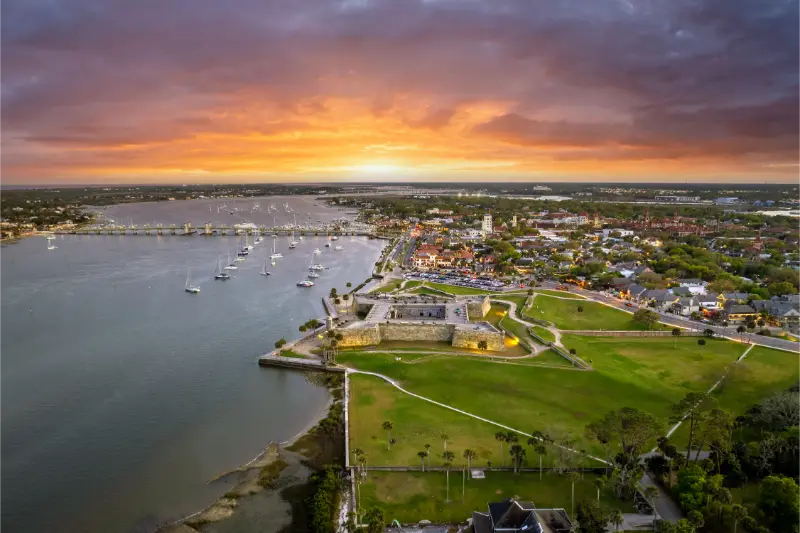
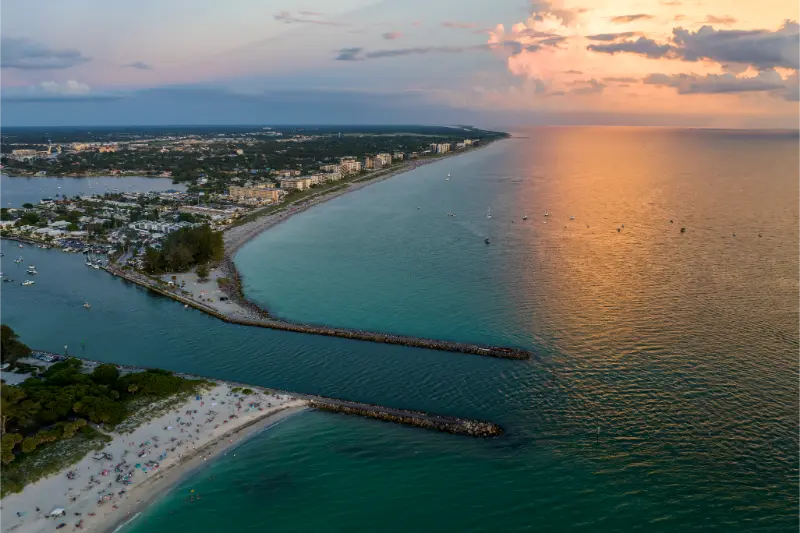
    Pensacola Florida Downtown Skyline at Golden Sunset Aerial

    Make the morning manageable. Parents with children can choose one museum and a short outdoor stop, while history enthusiasts might prefer a longer guided tour. The downtown streets are good for café breaks, but summer heat and occasional event closures can make walking less pleasant. Check which buildings are open that day instead of assuming a historic district ticket grants instant access to every site. An afternoon in a gallery or along the waterfront can be a relaxed addition without a second lengthy drive.

    For dinner, remain downtown if you are sleeping nearby. There is little benefit to driving to the beach just to return after dark on your first night. If your group has a member who uses a wheelchair, check the access arrangements at individual historic properties; old buildings may have uneven paving or stair-only rooms. A slow evening also gives you time to confirm the Gulf Islands National Seashore status for tomorrow, particularly if weather conditions have changed.

    Day 2: Fort Pickens and the protected Gulf shore

    Cross toward Pensacola Beach and allow most of the day for the Fort Pickens area of Gulf Islands National Seashore. The National Park Service maintains historic fortifications, beaches, walking opportunities and designated visitor facilities. Review the park’s operating hours and entrance fee before leaving: the entrance station, fort gate and specific facilities may follow different schedules. Do not rely on an old social-media post about being able to arrive whenever you wish. Pick one historic area and one suitable beach access rather than attempting every battery and shoreline stop.

    The fort’s history helps explain the strategic role of the Gulf Coast, while the beaches show why barrier islands deserve protection. Keep off fragile dunes and use authorized boardwalks. The NPS identifies Langdon Beach as having an accessible swimming area with facilities, though actual service availability and summer lifeguard coverage must be confirmed. Gulf surf can look gentle yet develop dangerous rip currents. Learn local flag meanings and do not enter the water during lightning or unsafe surf conditions.

    For a family, a picnic and one fort walk may fill the day. Adults interested in history can spend longer with interpretive panels and the NPS app; others may prefer seated beach views. If someone cannot navigate sandy paths or fort steps, identify a suitable accessible beach or visitor area before traveling, rather than making decisions in the parking lot. Finish with an early seafood dinner, allowing generous time for the drive back to town.

    Day 3: Naval aviation, with an important international-visitor warning

    The National Naval Aviation Museum is outstanding for visitors interested in aircraft, engineering and military history. Its exhibits include historic naval aircraft and related material, and admission is generally free, but the museum is inside Naval Air Station Pensacola. Security access is not the same as buying a museum ticket. The museum’s official guidance states that adults who are U.S. citizens must present appropriate REAL ID-compliant identification or a passport and use the designated West Gate during public access hours.

    For foreign nationals, the requirements are more restrictive. The official museum FAQ says that non-U.S. visitors generally need a U.S.-citizen escort who is driving the same vehicle and must meet specified documentation and security procedures. Some international tourists will not be eligible, and a valid foreign passport alone may not grant access. Do not make this attraction the sole reason for a non-U.S. family’s visit without reading the current museum security FAQ and confirming eligibility directly. Security policies can change, and staff may deny entry even after a long drive.

    If you cannot access the base—or if the group does not enjoy aircraft—use this day for Pensacola art, a local science museum, or another historic downtown visit. An aviation fan can spend several hours at the museum, while an accompanying child may benefit from shorter sessions and a lunch break. Check current clear-bag restrictions and any simulator or theater pricing. A genuinely useful plan never pretends that a federal installation is an ordinary public shopping mall.

    Day 4: Perdido Key and Johnson Beach at a relaxed pace

    Drive west toward Perdido Key and the Johnson Beach area of Gulf Islands National Seashore. The National Park Service describes beach accesses, picnic facilities, an accessible boardwalk nature trail and a protected barrier-island setting. Entrance fees and capacity restrictions may apply, especially during busy months. The park’s rules forbid casual roadside parking in restricted areas and limit vehicle access. Identify the correct entrance and parking area ahead of time rather than pulling onto shoulders when lots look full.

    This is a day for a walk, views, wildlife observation and a short beach session if conditions permit. Some protected areas have no lifeguards outside specific seasons, and high surf or rip currents can make swimming inappropriate. Stay on approved paths, leave nesting birds undisturbed and do not bring pets onto beaches where rules prohibit them. If your group likes kayaking, research permitted launch areas and tidal conditions with an authorized operator; do not add a spontaneous open-water trip after a long day in the sun.

    A short, scenic final day is especially useful if you have a flight or onward drive. Pack before going out, bring fresh water and return early enough to handle fuel and luggage. If weather is poor, revisit a missed downtown attraction. There is no need to force the beach into a stormy afternoon just because the itinerary labels it ‘day four.’ Pensacola’s variety makes it easy to switch activities when safety takes priority.

    Where to stay: downtown, Pensacola Beach or Perdido Key

    Downtown is a convenient base for culture, restaurants and a relaxed evening on foot. Beachfront hotels provide ocean or Gulf views and immediate shoreline access but can cost more after parking, resort charges and other fees. Perdido Key may suit visitors who favor a quieter final leg, though it places them farther from downtown attractions. Compare total driving for the activities you care about, not only the hotel nightly rate. A four-day visitor with an interest in history may be happier staying downtown than moving hotels twice.

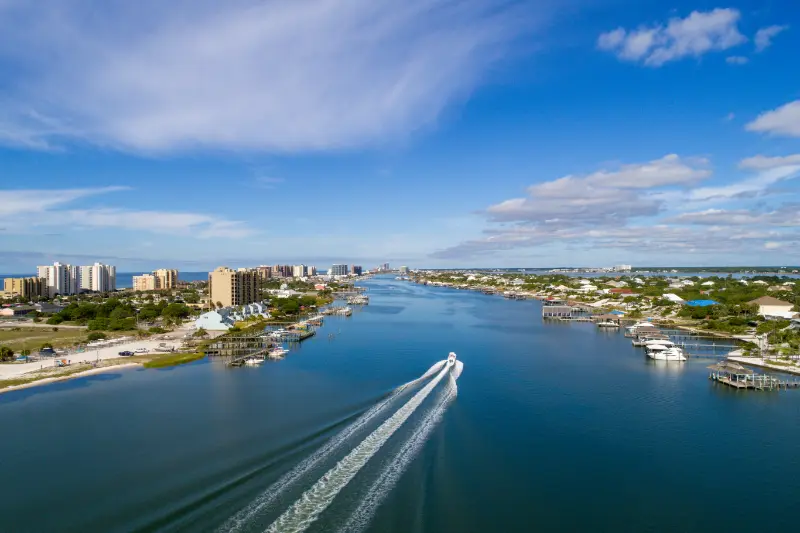
    Pensacola Florida Waterfront City Sunset Aerial

    Families should check sleeping arrangements, kitchen access, laundry and pool facilities. Travelers with disabilities need precise answers about bathroom setup and routes to shore. Historic inns may be charming but have stairs; modern resorts can also have complicated beach access. A hotel claiming to be near the Naval Air Station does not solve foreign-visitor security restrictions. Book the room that works for your actual needs and spend your time on experiences, not avoidable logistical problems.

    Driving, parking and timing the coast

    The easiest route is to separate downtown, Pensacola Beach/Fort Pickens and Perdido Key into their own days. Causeways and beach roads can slow during holidays, and NPS areas have specific entrance and closing times. If you are staying downtown without a car, you can still enjoy day one and arranged museum activities, but the full coastal circuit requires a rental or other planned transport. Verify rental-company rules for tolls and insurance, and never use a beach shoulder as an improvised parking spot.

    If you are planning the Naval Aviation Museum, confirm security access before driving to the base. Passengers and vehicles may be searched. Do not carry prohibited items and do not assume a general map will direct you to the authorized public gate. A visitor who is not a U.S. citizen should arrange a different itinerary unless all current official requirements can be met. This is a major difference from many tourist museums and should be explained clearly to every member of the party.

    Money decisions and what to reserve

    The National Naval Aviation Museum is generally free to enter if you satisfy security rules, but special experiences may cost extra. Gulf Islands National Seashore charges entrance fees in selected areas; official federal passes may be relevant. Historic-district museums and tours each have their own pricing. Choose one or two paid attractions that matter rather than buying tours for every day. A family might prioritize Fort Pickens and a historic-district visit, keeping the rest of the budget for lodging and meals.

    Accommodation and transport often outweigh admission fees on this trip. Compare beachside and downtown rates over the entire stay, especially during school vacations. Check cancellation terms in hurricane season and avoid paying for a boat or outdoor activity when the forecast is uncertain. If traveling on a tighter budget, choose a comfortable inland hotel, pack picnic supplies and use a free waterfront walk for an evening outing. Spending less is compatible with a rewarding Gulf Coast vacation.

    All ages, accessibility and weather comfort

    Young children need a short, predictable rhythm: one attraction, lunch, rest and optional beach time. School-age children can link aircraft exhibits with naval history and coastal fortifications; teenagers may enjoy engineering or photography. Older adults can focus on seated interpretive stops and shorter historic walks. Visitors with limited mobility should ask about fort steps, beach-wheelchair access and the exact distance from parking to facilities. A general ADA listing does not guarantee every historic battery or dune crossing is suitable.

    Summer brings intense sun, humidity and storms; cooler months are often more comfortable for history walks, though the Gulf may be too chilly for some swimmers. The region is exposed to tropical-weather risks during hurricane season. Follow the National Weather Service and the National Park Service’s local alerts, and do not enter water under unsafe surf warnings. If storms disrupt a beach day, the city provides meaningful indoor alternatives. A flexible itinerary is the safest and often the happiest option.

    Frequently asked questions

    Can a European tourist visit the National Naval Aviation Museum?

    Not necessarily. Because it sits on an active Navy base, non-U.S. citizens face escort and documentation requirements that many vacationers cannot meet. Read the official museum security FAQ before making plans.

    Is Fort Pickens separate from downtown Pensacola?

    Yes. It lies in a national seashore area reached by road across the bay and barrier island. Budget for driving, entrance requirements and a substantial visit.

    Are the beaches free?

    Beach and public-park access policies vary. NPS units such as Fort Pickens and Perdido Key’s Johnson Beach area can require admission; parking and concessions may have additional charges.

    Is Pensacola a good destination without swimming?

    Absolutely. Maritime history, museums, historic downtown streets and coastal overlooks make a varied trip even in cooler weather or when surf conditions are unsuitable.

    Should we stay downtown or near the sand?

    Choose downtown for culture and restaurants, beachside for a shoreline-oriented break. For four days, select one main base to avoid unnecessary packing and repeated transfers.


    Official resources

  • Sandhill Cranes and Florida Wetlands: Five Wildlife Days From Orlando to the Space Coast

    Sandhill Cranes and Florida Wetlands: Five Wildlife Days From Orlando to the Space Coast

    One of Florida’s most memorable bird calls can come from an ordinary grassy field rather than a remote wilderness. Sandhill cranes stand tall, travel in pairs or family groups and make loud, rattling calls that carry across wetlands and suburban landscapes. Seeing them can be a wonderful moment, but it is not an invitation to feed them, walk toward their chicks or stop a car in traffic. A respectful nature trip is about observing how birds use open spaces, water and grasslands while keeping the animals safe.

    This five-day plan links the Orlando area’s wetlands with carefully chosen public nature stops toward the Space Coast, including options suitable for families and photographers without long hikes. It combines sandhill cranes with herons, gallinules, egrets, raptors and other wetland birds, not a guarantee of a specific species each day. Before departure, check current access notices, weather and the wildlife-management rules at every location. Wetlands can close after heavy rain or for maintenance, and some areas have rough surfaces that may be unsuitable for mobility aids.

    Know the bird and give it room

    According to the Florida Fish and Wildlife Conservation Commission, Florida sandhill cranes inhabit wetlands, open prairies and even some developed landscapes. Their calls can be heard well before the birds are visible. The Florida population includes resident cranes, and the state also receives migratory sandhill cranes seasonally. Identifying every distant bird by subspecies is not necessary to enjoy the experience; focus first on appearance, behavior and habitat.

    Feeding sandhill cranes is prohibited in Florida and harmful to both birds and people. Human food encourages birds to approach vehicles and settlements, increasing conflict and injury risks. Never offer bread, seeds or leftovers; even accidentally spilled bird seed may attract cranes. If a crane approaches you, remain calm and give it a clear path rather than moving closer for a photograph. Dogs should be controlled and kept away from nesting or feeding birds, subject to park rules.

    Best time of day for comfortable birdwatching

    Early mornings and late afternoons often give softer light and more comfortable temperatures, but birds remain unpredictable. Choose morning walks in warm months and avoid exposed wetland paths when thunderstorm chances rise. Bring binoculars, a hat, water and insect protection. A camera with a moderate zoom is useful, but you can have a good outing without professional gear. If birds are distant, enjoy watching natural movement instead of leaving designated paths to close the gap.

    For toddlers or older adults, a thirty-minute session at one accessible viewpoint may be more satisfying than an extended trail. Keep noise low and explain to children that wildlife observation requires patience. Sit quietly to notice sounds, bird flight paths and changes in vegetation. One crane that remains undisturbed is a better outcome than ten close-up photographs obtained by chasing animals across the grass.

    Day one: Orlando Wetlands and its boardwalk

    Orlando Wetlands east of the urban center is an excellent place to begin learning about managed wetlands and their wildlife. The city describes a cypress boardwalk and visitor center, alongside a larger landscape of roads and natural areas. Choose an approved public route appropriate to your group, and check current access hours, park rules and any transportation services before arriving. The site can attract a variety of wetland birds, although specific sightings are never certain.

    Orlando Florida Palm Trees and Night Ferris Wheel

    Start with the visitor center to understand how the wetland system functions, then take a short boardwalk outing if conditions allow. The structure provides a different perspective from a dirt path, but do not assume every trail beyond it is similarly accessible. A stroller-friendly section and an unpaved route through wetland vegetation are different experiences. Keep children close to adults, and do not stand on railings or lean over edges to photograph wildlife.

    Look for habitat rather than chasing one species

    Wetland birdwatching becomes richer when you notice why birds occupy different parts of the landscape. A heron may stand motionless in shallow water, a gallinule may navigate floating vegetation, and an osprey may circle overhead. These behaviors tell a story about food, shelter and habitat. In a notebook, write where each bird was standing and what it appeared to be doing rather than simply checking its name off a list.

    This method works well with school-age children because it does not demand expert identification skills. Ask what makes shallow water attractive to long-legged birds or why a bird might perch above the marsh. Avoid playing recorded calls to attract wildlife, particularly near active nests. Bird photography should remain passive, with binoculars or a camera doing the work of bringing the scene closer.

    Day two: short nature stops around Central Florida

    Use the second day for one local public park or wildlife viewing area rather than a strenuous trip. Open grassy spaces around the Orlando region sometimes attract sandhill cranes, but do not enter private golf courses, residential yards or roadside drainage areas to approach them. A crane appearing beside a car park does not turn the location into a sanctioned viewing platform. Choose designated public space with safe parking and restrooms, and keep the outing brief in heat.

    If no cranes are visible, shift the objective to listening for calls and identifying other birds. You might spot ibis, egrets or a hawk from a permitted trail. This flexibility helps families avoid pressuring children or animals for a rare sighting. Wildlife travel works best when an empty field is a chance to understand habitat, not evidence that the day’s plan failed.

    Day three: travel toward the Space Coast wetlands

    Move your base toward the Viera or Cocoa area if you want shorter drives for the final days. Choose lodging based on a comfortable route and access to food rather than proximity to a specific wildlife sighting. The Space Coast has a mix of coastal habitat, urban development and managed wetland systems. Roads near reserves can be narrow or used by operational vehicles, so follow all public-access signs and never park on a shoulder that blocks maintenance access.

    The transfer day can include one short approved observation point, followed by a quiet afternoon. People who enjoy photography might make use of early or late light, but daylight and safety come first. Do not walk through tall grass near water at dusk. Florida wetland wildlife includes alligators; view them from a safe distance and never allow children or pets to approach a bank for a better photograph.

    Day four: Ritch Grissom Memorial Wetlands at Viera

    The Brevard County utility-operated wetlands, commonly called Viera Wetlands, provide a well-known place for birdwatching. County information describes the constructed treatment wetland system and publishes visitor hours. Confirm the newest access notices before traveling, because a working environmental facility may adjust entry due to operational needs or weather. Respect gates, closed routes and any restrictions on vehicles or walking access.

    Use the first suitable observation area instead of trying to cover every section. Watch quietly for wading birds, waterfowl and birds of prey. Cranes may be present in suitable surrounding habitat, but the wetlands should be appreciated for their broader ecosystem rather than treated as a guaranteed crane display. Keep noise low and use binoculars from permitted positions. Take a break whenever heat or glare becomes uncomfortable.

    Day five: a coastal habitat comparison

    For the last day, visit an approved public shoreline or lagoon education location around the Space Coast. Compare brackish or coastal habitat with the inland freshwater wetlands you saw earlier. Different birds may appear because food sources and vegetation change near saltwater. A short boardwalk or educational exhibit is often enough. You can also use the day as a buffer if Viera or Orlando Wetlands was closed earlier in the week.

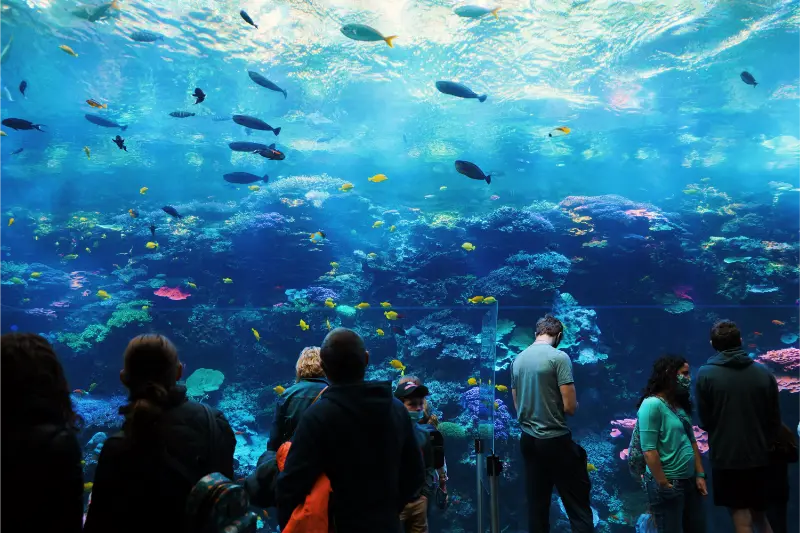
    Orlando Aquarium Underwater Tunnel with Visitors

    Avoid booking a distant paid wildlife cruise simply to increase your species count before departure. A responsible five-day trip allows time for observation, discussion and rest. At the end, ask each person to choose one behavioral detail they noticed: a bird carrying nesting material, a crane calling to its partner or a heron standing still in shallow water. Those memories can be more meaningful than a long species list.

    Sample five-day route

    Day Area Main idea Comfortable alternative
    1 Orlando Wetlands Boardwalk, visitor center and wetland birds Exhibits and shorter route
    2 Greater Orlando Short public grassland or wetland stop City park with benches
    3 Orlando to Space Coast Transfer and one safe viewpoint Travel-only rest afternoon
    4 Viera Wetlands Birdwatching at a managed wetland Short observation stop
    5 Space Coast lagoon Coastal habitat comparison Education center and departure

    A rental car gives the most flexibility, but you should not assume all reserve roads allow ordinary vehicles or that rideshare drivers will pick up from remote trailheads. Review maps, gates and parking rules on official sites. Keep a paper note of your accommodation address and the phone number of the responsible park authority.

    Why not feed cranes for a better photograph?

    A fed crane may start associating humans and vehicles with food, increasing its chances of injury and conflict. Food that is suitable for people is not necessarily healthy for birds. The FWC specifically warns against feeding sandhill cranes and notes that intentional feeding is illegal. Even tossing food on the ground for a bird that appears hungry can do harm. Explain this clearly to children before arriving, so an enthusiastic moment does not result in somebody offering part of a sandwich.

    Keep picnic items packed and dispose of waste in secure containers. Do not use bird-call recordings to bring cranes close, and do not approach nests. If you see a bird that appears injured, contact the appropriate wildlife authority or qualified rehabilitator; do not attempt to capture it. A visitor’s role is to observe responsibly and report concerns through established channels.

    Photography for beginners without a giant lens

    Many good wildlife photographs begin with light and patience rather than an expensive camera. Choose a stable position, hold the camera steady and include some habitat in the frame. A bird standing in its natural setting can tell a more accurate story than an extreme close-up that requires disturbing it. Phone cameras can capture behavior and landscape even when they cannot resolve distant feather details. Avoid using a flash near wildlife, especially at dusk or around nesting birds.

    Be alert to other visitors sharing narrow boardwalks. Tripods and camera bags should not obstruct wheelchair users, children or staff. If a viewpoint is crowded, wait or move to another approved position rather than stepping into vegetation. Respect other photographers’ space and do not assume they owe you directions to a nest location.

    What families, older adults and beginners should know

    With children, give each person a small mission, such as identifying three shapes of bird bills or sketching a marsh plant. Bring snacks for people, but never share them with wildlife. Older travelers may prefer a site with nearby seating and predictable restroom access. Ask whether a wheelchair or walker can navigate the exact route rather than relying on a general park accessibility label. Binoculars can help people with limited walking ability enjoy distant sightings from one place.

    If anyone struggles with heat, insects or sensory stimulation, keep the outing short and return to a comfortable indoor location. A five-day birding vacation should not require five consecutive dawn starts. Rest days and optional activities are especially useful for mixed-age groups. Being quiet and patient is a skill everyone can practice, regardless of experience level.

    Weather, water and wetland hazards

    Thunderstorms can form quickly, and open wetland trails offer little safe shelter. Leave exposed areas when lightning threatens and move to a substantial building or enclosed vehicle. Never walk through floodwater or attempt to cross a closed boardwalk. Stay clear of alligators and avoid leaning over water to photograph turtles or birds. Mosquitoes and sun exposure can be significant even on cool mornings, so dress appropriately and follow health advice relevant to your situation.

    Nature preserves may be flooded or closed for maintenance after storms. Confirm access on the day of your visit rather than assuming that a search result from several months ago remains accurate. In Florida, a temporary closure may protect sensitive wildlife or critical infrastructure; obeying it is part of responsible tourism.

    Frequently asked questions

    Can we guarantee sandhill crane sightings?

    No. Sandhill cranes live in many parts of peninsular Florida, but individual encounters depend on habitat, season and chance. Observe other wetland birds when cranes are not present.

    May children feed cranes in public parks?

    No. Feeding sandhill cranes is illegal in Florida and can make the birds less safe around people and vehicles.

    Is professional photography equipment essential?

    No. Binoculars, a simple camera or a phone can support a rewarding nature visit, provided you observe from an appropriate distance.

    Official wildlife resources

    Check FWC sandhill crane guidance, the City of Orlando Wetlands and Brevard County’s Viera Wetlands page for current access and wildlife-viewing rules.

  • Three Days in St. Augustine: Historic Streets, Forts and an Atlantic Beach

    Three Days in St. Augustine: Historic Streets, Forts and an Atlantic Beach

    St. Augustine rewards visitors who stop treating it as a quick photo opportunity between Orlando and Jacksonville. Its historic district is compact enough to explore on foot, but the wider area includes coastal defenses, maritime history, beaches, tidal wetlands and neighborhoods that deserve unhurried time. This three-day plan balances those experiences without asking a family to walk for eight hours or making an older traveler choose between sightseeing and a comfortable dinner. The trick is to separate the historic core from Anastasia Island and to select only one or two paid attractions each day.

    This itinerary assumes three days and two or three nights, with a car useful for the beach day but not essential for walking around the old town. Start early at the fort, take a long midday pause when the weather is hot, and leave an evening free for the bayfront after day-trip crowds have thinned. You can use St. Augustine as a destination of its own or as a Northeast Florida stop on a larger road trip. Do not mistake the relaxed appearance of old streets for universally step-free conditions; original paving, narrow doorways and historic buildings require attention when planning accessibility.

    At a glance: three days without rushing

    DayMain areaMain experienceLower-energy option
    1Historic district and bayfrontCastillo de San Marcos, old streets, waterfrontShort fort visit and bayfront benches
    2Anastasia IslandBeach, maritime history, dunes and Salt RunScenic beach overlook and picnic
    3Historic neighborhoodsMuseum, architecture and a quieter side streetOne indoor attraction and a café

    A family that wants to add the Alligator Farm or lighthouse can exchange it for one stop, but should resist cramming both into the same afternoon. Weather, museum schedules and parking matter more than covering every square on a sightseeing map.

    Day 1: Castillo de San Marcos before the heat

    Start at Castillo de San Marcos National Monument, the star-shaped coquina fort beside Matanzas Bay. The structure explains why the city’s strategic location mattered for centuries; it is more revealing to study the defensive layout and views from the grounds than merely take a quick photo outside. Allow time for interpretive exhibits and ranger information, and verify the fort’s official hours and any demonstration schedule rather than assuming cannon activities run daily. Families can turn the visit into a short investigation of how the fort was built and why coquina differs from ordinary stone.

    The National Park Service notes that the lower level and restrooms are wheelchair accessible, while the upper gun deck is reached only by stairs. That makes a mixed-ability visit possible if everyone agrees on a regrouping point, but it is not an entirely barrier-free attraction. Cannon noise and smoke may also bother some children or travelers with sensory sensitivities. Download the park’s interpretive material before arriving because cell reception can be unreliable in the walls. Most importantly, choose an early time rather than the hottest midday period.

    Afterward, walk south along the bayfront and toward the Plaza de la Constitución, using shady stops whenever possible. St. George Street is pedestrian-oriented and atmospheric, although it can be busy; the quieter lanes immediately off it often make better places to notice balconies, courtyards and different periods of architecture. For lunch, stay near the historic district rather than returning to the car. An afternoon in a small museum or a genuine hotel rest makes a later sunset walk much more enjoyable than a nonstop sightseeing sprint.

    Day 2: Anastasia Island, dunes and shoreline

    Cross the Bridge of Lions to Anastasia Island and begin with Anastasia State Park. Its protected beach, dunes, maritime hammock and salt-marsh habitat contrast sharply with the busy shops downtown. Florida State Parks lists an entrance fee and daily park hours; check current conditions and capacity before heading over, especially on holiday weekends. Pack drinking water, proper sun protection and shoes for hot sand. This is not a setting in which to promise children calm swimming every day: surf, tides, wind and local advisories determine whether getting into the Atlantic is sensible.

    For a gentler morning, focus on the park’s trails, picnic area or wildlife observation around Salt Run instead of committing to a long beach outing. Bring binoculars if you enjoy birds, but keep distance from nesting or feeding wildlife and respect all dune protection signs. Travelers using mobility devices should confirm the specific beach access option and any beach-wheelchair availability directly with staff; a description such as ‘accessible park’ does not mean every stretch of sand is independently usable. If it rains, swap the park with an indoor museum and return when storms clear.

    In the afternoon, choose between the St. Augustine Lighthouse & Maritime Museum and the St. Augustine Alligator Farm Zoological Park. The lighthouse’s tower climb is demanding and unsuitable for some visitors, although grounds and exhibits provide alternatives. The wildlife park may appeal more to younger children or visitors who prefer interpretation about animals; check current shows and ethical wildlife rules. Doing one thoroughly allows dinner near the beach or a return to the historic center without exhausting everyone.

    Day 3: A museum and the quieter historic city

    Begin with one indoor museum selected for genuine interest: the Lightner Museum for decorative arts and the historic former hotel setting, or another venue focused on the city’s layered Spanish, British and American stories. Review the museum’s opening days and temporary exhibitions before deciding. A ninety-minute thoughtful visit usually feels richer than three quick ticket scans. Follow it with a slow walk in a less-crowded stretch of the historic district, taking note of churches, former residences and the different building materials rather than using the commercial pedestrian street as the whole definition of St. Augustine.

    Saint Augustine Historic Town Aerial

    If everyone still has energy, consider the scenic drive toward Vilano Beach or a quiet waterfront stop north of the old town. Do not add Fort Matanzas National Monument casually to the end of the itinerary: its historic fort is reached by a ranger-operated ferry when service is available, and transport or tour arrangements require checking with the National Park Service. It is a worthy separate outing for enthusiasts, but the journey and visitor process need their own time. Finish early enough to collect bags and leave without turning the last afternoon into a deadline race.

    Where to stay: old town, Anastasia Island or the highway

    Staying within walking distance of the historic district is a strong choice for couples, visitors without a car and anyone who wants to see the waterfront after dinner. You may pay more for the privilege, and historic inns sometimes have stairs, compact bathrooms or limited onsite parking. Ask precise questions about room location, elevator access, step-free entrances and parking costs before reserving, especially if you are traveling with a stroller or mobility equipment. The best room for the photographs is not necessarily the best room for your party.

    Anastasia Island works better for travelers who want beach time or a larger family property. Expect to drive or arrange transport into the old town; a listing with ‘St. Augustine’ in its address may be far from the places you intend to visit. Hotels along major roads can reduce nightly cost but increase time in the car and parking charges downtown. Compare the total stay cost, including parking and breakfast, not simply the price displayed before taxes and required fees.

    Driving, parking and getting around the old streets

    Historic downtown streets can become congested, and garage availability changes dramatically during festivals and weekends. Choose one lawful parking facility for the first day and explore on foot rather than moving the car between places a few blocks apart. The city-operated Historic Downtown Parking Facility is a useful starting point to investigate, but confirm current fees and event arrangements. Do not assume a tourist trolley ticket is necessary: it can be helpful for people who cannot comfortably walk long distances, but specific stops, operating times and step-free options need checking with the operator.

    Saint Augustine Florida Historic Buildings Panorama

    For day two, a car is convenient because the state park, museum choices and lodging are not necessarily near one another. Rideshare can work for a point-to-point transfer but is less reliable as a last-minute exit from a remote beach. If you are flying into Jacksonville or Orlando, leave a realistic buffer after arrival and before departure. Bridges and beach approaches can move slowly during popular travel periods. Build a route that minimizes backtracking; repeated bridge crossings can consume more time than an extra attraction.

    What this trip costs and where to save

    The castle, museums and state park represent different fee structures. Check their official websites for age categories, annual passes or included experiences; do not rely on a two-year-old price chart. The biggest controllable expense is often accommodation and downtown parking. A centrally located room that eliminates two rides or daily parking may be sensible even when its headline price is higher. A family can choose one paid attraction per day and spend the rest of the afternoon at the waterfront or beach.

    For food, plan a sit-down lunch or early dinner away from the busiest tourist rush rather than buying expensive snacks each time someone gets tired. Carry refillable water and sunscreen. If you need to keep spending predictable, decide in advance which attraction is the priority, reserve a realistic meal budget, and treat souvenir shopping as optional. Tickets and restaurant opening times change; the value of this itinerary is in choosing a coherent route, not assuming a fixed dollar total will apply next year.

    Comfort and accessibility for ages zero to 100-plus

    With infants or preschoolers, plan a stroller-friendly path but anticipate uneven historic surfaces and busy pedestrian crossings. A shaded lunch and a nap can take the place of an afternoon museum. Children ages six through twelve usually benefit from one mission per day—spot a fort feature, identify coastal birds or compare two architectural styles—rather than a nonstop lecture. Teens may enjoy photography and the stories behind military defenses. Grandparents and older adults can follow the same three-day sequence with shorter walks and convenient places to sit.

    Anyone sensitive to heat should visit the most exposed sites first. Check the exact museum restroom access and any ramps at the time of travel; aging buildings and changing maintenance work can create barriers that generic accessibility tags overlook. If a member of the party cannot climb a tower or walk on sand, plan a genuinely appealing parallel option instead of asking them to wait for an hour in a parking lot. Sightseeing works best when everybody’s day includes something worth anticipating.

    Seasonal and weather decisions

    St. Augustine’s Atlantic setting can feel cooler in winter and much hotter under summer sun than the forecast number suggests. Rain and thunderstorms can interrupt beach plans, particularly during warmer months. The city’s festival calendar may bring charming events but also higher hotel prices and difficult parking. Reserve ahead for major holidays and winter celebrations, then confirm whether temporary street closures affect your lodging access. In hurricane season, follow official warnings and allow flexibility instead of relying on a nonrefundable sequence of outdoor bookings.

    The most resilient schedule has one museum, one outdoor park and one historical centerpiece that can trade places. Keep a light jacket for breezy waterfront evenings outside summer and keep water accessible whenever you walk. Sunrise at the shore can be beautiful, but nobody needs to sacrifice sleep after a long flight to get the ‘perfect’ picture. An itinerary that adjusts to the people and the conditions is more useful than a timetable optimized only for attraction opening times.

    Frequently asked questions

    Is three days too long for St. Augustine?

    Three days suits visitors who want history and the beach rather than just St. George Street. A fast day trip can cover the fort and waterfront, but it leaves little room for museums, Anastasia Island or rest.

    Can I visit without a rental car?

    You can enjoy a historic-center-focused stay on foot with taxis or rideshares, but accessing the beach and more distant sites will require arranging transportation carefully. Choose accommodation within the old town if car-free travel is important.

    Which day should we visit the fort?

    Choose the earliest suitable day with a comfortable forecast, especially in summer. Confirm NPS hours and any demonstration program in advance; a visit remains interesting without scheduled reenactments.

    Is the lighthouse suitable for older travelers?

    The tower climb is a substantial stair activity, so it is not suitable for everyone. Ask about exhibitions and grounds that can be enjoyed without climbing and use an alternative museum if needed.

    Can we add Jacksonville or Daytona Beach?

    Both can fit into a larger Northeast Florida trip, but neither is an easy extra to squeeze between the fort and a museum. Add an overnight stay or replace a day rather than adding a long round trip.

    Official sources for final planning

  • Three Days in Clearwater Beach and Dunedin: Gulf Sunsets, Marine Life and an Easy Coastal Escape

    Three Days in Clearwater Beach and Dunedin: Gulf Sunsets, Marine Life and an Easy Coastal Escape

    Clearwater Beach is famous for broad white sand and lively sunset evenings, while nearby Dunedin offers a walkable small downtown, cycling culture, and access toward Honeymoon Island. You can enjoy both in three days without trying to cover all of Tampa Bay. The important choice is where to sleep: a beachfront hotel gives you short trips back to your room, while staying in the mainland or in Dunedin changes how often you need to cross bridges and arrange transport. This route is built for a manageable beach break with room for nature, a marine learning stop, and a quiet afternoon.

    Three-day itinerary at a glance

    DayRecommended focusEasy alternative
    Day 1Clearwater Beach and Pier 60 sunsetBeach morning and a relaxed evening
    Day 2Marine learning and downtown DunedinChoose one aquarium or nature stop
    Day 3Honeymoon Island or favorite beachStay near hotel if departing early

    Pick the right home base before planning attractions

    Staying near Pier 60 on Clearwater Beach puts the main shore, restaurants, and evening activity within reach, but it can mean busier sidewalks, significant room rates, and parking charges. The quieter northern stretch suits people who prefer a morning walk and a calmer night, provided they are comfortable with the distance to meals. On the mainland, hotels can cost differently and put you closer to other attractions, though you may have to make the beach crossing each day. Dunedin is a strong alternative if cafés, shops, and cycling matter more than waking up directly beside the Gulf.

    Check whether your room truly faces the beach or merely overlooks a marina or neighboring building. A coastal apartment might offer a kitchen and laundry, but compare cleaning fees, parking arrangements, and check-in conditions before booking. People with limited mobility should ask about elevators, accessible bathrooms, and the distance from the entrance to a usable beach approach. If you intend to spend most evenings in downtown Dunedin, staying on Clearwater Beach may create avoidable driving. Two appealing destinations can be near each other without being interchangeable as overnight bases.

    Day one morning: Clearwater Beach before the busiest hours

    Arrive early for the main beach experience. The sand near Pier 60 is a convenient introduction, with facilities and businesses nearby, while sections farther north can feel less congested. Find the specific public access and understand any parking payment before unloading bags, coolers, and children. An early walk is often the most comfortable way to appreciate the shape of the shoreline; later, the sun is stronger and busy areas fill up. Bringing water, hats, and shade turns a short beach visit into an easy morning instead of a search for supplies.

    Swimming conditions still depend on flags, weather, and lifeguard arrangements. The Gulf often looks gentle, but small children should always have a nearby adult, and nobody should enter during unsafe surf or lightning. A traveler who does not swim can still have an excellent first day by walking the paved promenade, reading in shade, or sitting at a café with a water view. Confirm beach-wheelchair and mat availability from the relevant local service if accessibility matters; an accessible parking stall does not solve the challenge of soft sand.

    Day one afternoon and the Pier 60 sunset

    After lunch, make time for a genuine indoor break. Families who spend all day outside in summer heat often lose the energy they wanted for the evening. Later, walk around the Pier 60 district, allowing time to browse without committing to an expensive activity. The sunset gathering traditionally includes performers and vendors, but exact arrangements can change, so treat it as an appealing possibility rather than a guaranteed daily show with an identical lineup.

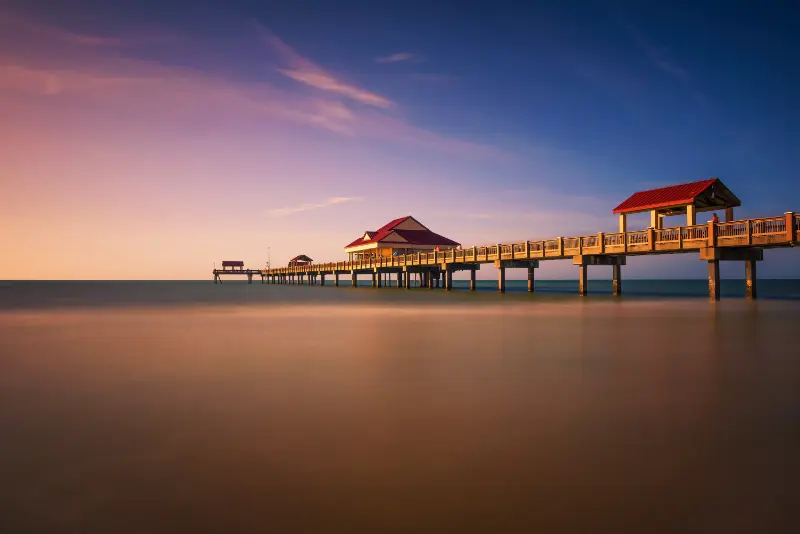
    Pier 60 Clearwater Beach Sunset over Water

    If you prefer a boat ride, consider a short sightseeing or dolphin-viewing excursion instead of adding it automatically on top of the beach. Ask the operator about the actual pier or marina, the boat's shade, restroom, boarding steps, and weather cancellation rules. A family with a stroller may appreciate a large vessel more than a small high-speed craft. Dinner reservations near the beach can simplify the evening during busy periods, although a picnic or casual early supper may be more relaxing for younger children.

    Day two morning: a conservation-centered marine visit

    Clearwater Marine Aquarium is known as a working marine animal rescue and rehabilitation institution. It can be a rewarding stop for children interested in sea turtles and dolphins, and its indoor exhibits provide a change of pace from the beach. Frame the visit around the animals' care and conservation rather than promising close physical encounters. Admission arrangements, exhibit access, and resident animals can change, so read the aquarium's own information shortly before your visit.

    Allow more time than a quick photo stop but avoid packing every hour with scheduled activities. A family may spend longer at a presentation than anticipated; a senior visitor may benefit from a café break or quieter seating. Ask in advance about wheelchair routes and quiet spaces if needed. If the aquarium is not the right fit, substitute a waterfront stroll in mainland Clearwater or a shaded nature stop. One thoughtful activity is more valuable here than driving between several attractions that cover similar themes.

    Day two afternoon: take a slow walk through Dunedin

    Drive or arrange transport to downtown Dunedin for a very different coastal atmosphere. Independent shops, cafés, and the Pinellas Trail give the town a compact, relaxed character. The trail can be attractive for cycling or a short walk, but its crossings and the heat still deserve attention. Don't treat a popular multiuse path as a place for small children to run unsupervised. Choose a section that fits your energy and return for a long drink or an unhurried meal.

    Dunedin is on the mainland; its downtown does not have a Gulf swimming beach. Visitors who see waterfront images online sometimes assume that every part of this area offers sand outside the door. A few blocks of town exploration can be more satisfying than another crowded beach hour, especially for couples, solo travelers, or families with a child tired of swimming. Check the local event calendar before visiting, because a festival can make an ordinary street busier and change the parking situation. For a quiet evening, dine here and return to the hotel without trying to fit in a second sunset event.

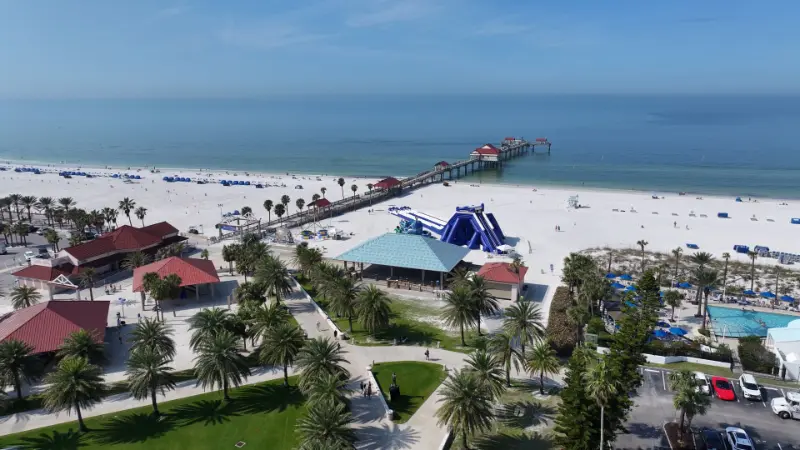
    Clearwater Beach Pier and White Sand

    Day three: Honeymoon Island or an even easier beach day

    Honeymoon Island State Park is a natural third-day choice for travelers who want a less commercial shoreline and a chance to observe coastal habitats. It is reached from the Dunedin area, not by strolling from downtown. Verify the park's current facilities, beach sections, parking, entrance conditions, and any closures related to storms or habitat work. The shoreline can vary with weather and erosion, and nature-focused visitors should stay within marked routes and respect nesting areas.

    Do not promise everyone a long hike and a beach picnic simply because a park map shows several activities. Families with preschool children might enjoy a single shoreline stop. Visitors who walk slowly may prefer a short accessible nature viewpoint or a comfortable bench instead of a long sandy route. If the group has already loved Clearwater Beach, returning to the familiar public access is a completely valid alternative. Three days in this region does not require visiting three different beaches.

    How to visit with children, teens, or older relatives

    For very young children, plan beaches before the strongest heat and attractions after a nap. Bring familiar snacks, refillable water bottles, and dry clothes for moving between outdoor and air-conditioned spaces. School-age children may enjoy comparing the open Gulf beach with a rescue aquarium and a natural island. Teenagers could choose between cycling, boat sightseeing, or an additional beach outing, but set safety boundaries around roads, docks, and the water.

    For older relatives, inspect the real walking distance from the hotel lobby to the sand and to dinner. A central beach address may sound convenient while still involving a long walk in direct sun. Agree ahead of time that one person can return to the accommodation without forcing the whole group to change plans. Travelers who need a sensory break may welcome a quieter lunch or a time-limited museum visit rather than constant music and crowds. A successful multigenerational itinerary has room for different speeds.

    Avoiding parking frustration and unnecessary transfers

    Parking on the barrier island is a major planning consideration. Public lots and on-street spaces can fill quickly, and private hotel parking may be expensive. If you stay on Clearwater Beach, consider leaving the car parked for day one and exploring nearby places on foot. The region has local transit and seasonal or route-specific services, but never assume a ferry, trolley, or shuttle will be operating at the exact hour you need; confirm current schedules and stops before relying on one to reach a booked activity.

    Dunedin and the state park may be easiest by car, depending on the group's requirements. If you are traveling without a car, design the entire visit around one lodging base and fewer distant stops. The time spent transferring can consume a substantial part of a short holiday, especially when walking to stops under the midday sun. Rather than zigzagging across the region, group mainland activities together on the same day, then return to the beach for your final evening.

    What the seasons change on this itinerary

    Summer brings warm beach days, high humidity, busy family travel, and the possibility of afternoon thunderstorms. Spring and fall may feel more comfortable for long walks, though they can still bring crowds or unsettled conditions. Winter is appealing for bright coastal scenery and restaurant visits, but water temperatures may not suit everyone. The best time is not one universal month: it depends on whether you prioritize swimming, cycling, fewer visitors, or a flexible hotel budget.

    Check the forecast every morning, especially lightning risk before a beach or boat activity. If a heavy rain period develops, visit the aquarium at a suitable time, enjoy indoor dining, and save the park for improved conditions. For trips during hurricane season, watch official updates and understand accommodation cancellations rather than relying on a generic forecast issued several days earlier. A carefully spaced three-day trip adapts more comfortably than a calendar of fixed tickets.

    Budget and booking decisions that matter most

    The largest cost difference often comes from accommodation location and parking rather than a single attraction ticket. A walkable beach hotel might cost more per night but reduce driving or rideshare expenses; a mainland rental may be economical if you already have a car and expect several local outings. Add resort fees, parking, taxes, cleaning charges, and beach equipment before making comparisons. Ask what is included, particularly when a property advertises a private pool or beach amenities.

    A cost-conscious plan can still feel special: two Gulf mornings, a sunset walk, a few hours in Dunedin, and one paid marine activity if it appeals. Buy advance tickets only when the schedule is stable and the cancellation rules suit your trip. Restaurant spending is easy to manage by mixing a casual lunch or groceries with one memorable dinner. The best vacation value is not measured by how many attractions you cross off a list but by whether everyone enjoys the time between them.

    Make the last day calm rather than ambitious

    If your flight or drive home begins on day three, replace Honeymoon Island with a short familiar beach walk, breakfast, and a reliable checkout plan. Leave room for traffic across the causeways, returning a rental car, or locating a rideshare pickup point. Keep wet swimsuits separate from luggage that must remain dry. If a person in the group becomes tired, there is no need to complete the full sequence: Clearwater Beach and an evening in Dunedin already make a pleasant coastal getaway.

    Before departure, review the accommodation's parking and checkout instructions, the forecast, and opening or access notices for any place you intend to enter. If a booked animal-care visit or boat excursion is central to your trip, confirm the time directly with the organization. That final check preserves the relaxed rhythm this itinerary is designed to create.

    Frequently asked questions

    Can I visit Clearwater Beach and Dunedin without a car?

    Some activities may be possible with local transit or rideshare, but check current routes and plan fewer transfers.

    Is Dunedin directly on a swimming beach?

    Its downtown is on the mainland. Gulf beach outings require travel to a coastal destination.

    Do I need all day at Clearwater Beach?

    No. A morning on the shore and a sunset outing can be a satisfying introduction.

    Official visitor information

  • Gulf Islands National Seashore: Five Days Around Pensacola, Fort Pickens and Perdido Key

    Gulf Islands National Seashore: Five Days Around Pensacola, Fort Pickens and Perdido Key

    The western Florida Panhandle offers something that busy resort streets can hide: miles of protected shoreline where dunes, historic defenses, birdlife and open water dominate the view. Gulf Islands National Seashore is not a single beach with one entrance. Its Florida units lie in different places around Pensacola Bay, Santa Rosa Island and Perdido Key. A five-day itinerary works best when you understand those distances and choose accommodation close to the activities that matter most to your group.

    This trip suits adults who like relaxed coastal history, families seeking scenery without a daily amusement park, and travelers who prefer to watch the water rather than swim. It is not necessary to enter the Gulf to enjoy it. The weather, beach warning flags, road closures and current National Park Service notices should guide each day’s choices, especially when storms or strong winds affect barrier-island roads.

    Five-day itinerary at a glance

    Day Location Main experience Bad-weather option
    1 Pensacola Historic downtown orientation Indoor museum or café
    2 Fort Pickens Fort history and seashore views Short fort-focused visit
    3 Santa Rosa Island Dunes, beach observation and picnic Short scenic drive
    4 Perdido Key Protected Gulf shoreline Pensacola indoor attractions
    5 Gulf Breeze / departure Easy nature stop and return Relaxed breakfast

    Aim for a Pensacola or Pensacola Beach base. Downtown Pensacola offers evening restaurants and some walkable cultural choices; Pensacola Beach puts you closer to Fort Pickens but can involve bridge and seasonal traffic. Perdido Key is more convenient for the western seashore unit yet farther from downtown. Staying somewhere “central” on a map does not remove the need to drive between distinct units.

    Day 1: Pensacola, an orientation day with history

    Explore downtown Pensacola at a comfortable pace after checking in. Its streets and buildings offer a useful background to the region’s Spanish, British and American chapters, but you do not need to absorb centuries of history on arrival day. Select one small museum or historic area whose opening hours are confirmed and spend the rest of the afternoon getting familiar with your hotel and the route to the island. Families can make a game of recognizing historic architecture while younger children enjoy a shorter outing.

    Pensacola Florida Waterfront City Sunset Aerial

    Plan to buy water, snacks and any sun protection before going to the seashore tomorrow. Facilities and concession options are more limited in protected coastal areas than at commercial resort beaches. Have a dinner reservation only if you need one; the first evening should remain flexible for flight delays, tired travelers and weather. Check the National Park Service website for any temporary access closures before making the day’s schedule.

    Day 2: Fort Pickens and the meaning of a coastal fort

    Drive to the Fort Pickens area to learn how coastal defenses responded to changing military threats. A visit is more rewarding when you read interpretive information and consider the fort’s role in the wider coastal system, rather than treating masonry passages as a playground. Different portions of historic structures may have uneven surfaces, steps, low openings and limited shade. Ask a ranger which areas are suitable for your companions before committing to a long walking loop.

    Bring a flashlight only if park rules allow it, and supervise children carefully around drop-offs and narrow spaces. Do not climb on fragile walls or enter fenced areas. Photographers may prefer morning light, but avoiding heat is usually a more important reason to arrive early. Plan a picnic or return to a town restaurant instead of assuming the fort has full meal service. A history-focused visit can stand on its own without adding a swim.

    Day 3: Santa Rosa Island for people who enjoy the beach dry

    Spend the next day observing the Gulf rather than rushing between attractions. Choose an official access area with restrooms and parking, then walk only the distance your group finds comfortable. Barrier-island dunes are protected habitats, not shortcuts to the sea; use marked boardwalks and access routes. Shorebirds may rest on the sand and need space to conserve energy. Keep food securely stored and avoid attracting gulls with scraps.

    If the surf is rough, treat it as scenery rather than a challenge. Swimming conditions can change quickly, even on a sunny day. Children should understand warning flags, currents and the distinction between shallow-looking water and safe water. People who do not swim can still enjoy shell observation where permitted, sketching, birdwatching and simply listening to the waves. Finish before anyone becomes overheated or tired enough to make poor decisions near the shoreline.

    Day 4: Perdido Key and a quieter seashore perspective

    Perdido Key offers a different setting from the busy commercial sections of Pensacola Beach. Consult the park’s current access information for the Johnson Beach area, including fees, parking availability and any closures or protection zones. It is better to spend a few hours exploring a designated area carefully than to assume the island has continuous public beach access. Walk only on established routes, carry out every item of litter and respect signs protecting nesting birds or sea turtles.

    For visitors with mobility restrictions, ask about the parking-to-beach distance and surface conditions. Sand is not wheelchair-friendly even when a parking area and restroom meet accessibility standards. If walking on sand is not possible, look for places with good views from a maintained path or turn the day into a scenic drive and a comfortable lunch. Do not promise a beach wheelchair is available without checking the specific unit and date.

    Pensacola Beach Lifeguard Tower and Sand

    Day 5: Gulf Breeze and a departure day with room to breathe

    Use the final morning for a short stop closer to the mainland or Gulf Breeze, depending on your lodging and the direction of travel. A nature-oriented location such as the Naval Live Oaks area may be suitable when trails are open, but always check current access rules and select a short route. If the previous days were tiring, an unhurried breakfast and direct drive to the airport are equally sensible. A missed flight is not worth one more photograph of the water.

    Pack damp clothing separately, rinse sand from equipment and check that you have removed any belongings from the rental car. Travelers with children should keep a change of clothes and snacks accessible for the trip home. Return times are affected by bridge traffic, construction and weather, so use realistic margins rather than ideal mapping-app estimates.

    Understanding entrance fees without relying on stale figures

    Gulf Islands National Seashore has separate fee areas, and an entrance pass may cover more than one designated unit over a specified period. However, published amounts can change and third-party pages may disagree. The NPS fee pages and notices are the authority; check official Gulf Islands fees and passes just before your visit. Distinguish entry costs from optional ferry tickets, campsites or special activities.

    If you already have a federal recreation pass, verify whether it applies to the areas and the people traveling in your vehicle. International visitors should check the pass terms that apply to their residency status and dates. Keep your proof of purchase accessible, including an offline copy if the pass is digital. Do not assume a parking receipt at a commercial beach resort is the same as entrance permission for a federal park unit.

    Where to stay: downtown versus barrier island

    Downtown Pensacola is convenient for restaurant choice, evening strolling and indoor alternatives if rain cancels a beach day. Pensacola Beach gives quicker access to Fort Pickens and more of a shoreline holiday atmosphere. Perdido Key is better if you want to focus on the western seashore and limit time in downtown traffic. Compare the full stay price, including parking, resort charges, cleaning fees and bridge travel, not merely the advertised nightly rate.

    A family of five might benefit from a suite and refrigerator more than from an expensive oceanfront view. Couples without a vehicle may find parts of downtown easier than separate seashore units, but this itinerary assumes a car. Ask about elevators, step-free entrances and quiet room locations if someone in your group has limited mobility or needs uninterrupted sleep.

    What to bring to a protected seashore

    Bring a broad-brimmed hat, plenty of drinking water, sunscreen, a reusable bag for waste, binoculars and footwear suitable for hot sand and hard walking surfaces. Protect cameras from salt spray and windblown sand. Large wheeled coolers may be awkward on dunes and boardwalks; a manageable backpack can be more practical. Bring a towel even if you do not swim, as it makes a shaded picnic or rest easier.

    Watch the forecast for thunderstorms and strong winds. Never shelter from lightning under a beach umbrella or isolated structure; follow official guidance to reach a substantial building or enclosed vehicle. Gulf Coast weather can improve later in the day, but an alternative is only useful if you have not already committed to a long and exposed walk. Remember that wildlife protections may limit where you can set up chairs or spend time.

    Designing the trip for different ages and abilities

    For toddlers, one beach activity and a short meal out are often enough for a day. School-age children may be interested in fort history if it becomes a story about engineering and geography. Teenagers might enjoy photography or a ranger-led learning opportunity, depending on the schedule. Older adults vary enormously in physical ability, so plan based on their preferences rather than age labels. Everyone needs shade, water and toilets more reliably than they need a fifth attraction.

    Historic forts have uneven floors, and coastal paths can include loose sand. If someone uses a wheelchair or walker, telephone the relevant NPS unit to ask exactly which routes and programs are accessible today. At beaches, never confuse general accessible parking with a firm path to the shoreline. Some visitors will prefer viewing points or guided interpretive experiences to wandering through sand.

    Family-friendly safety and responsible wildlife viewing

    Avoid entering water when warning flags or local authorities advise against it. Rip currents, sudden drop-offs and strong surf are not visible simply by looking at a calm stretch from the road. Supervise children within reach near water and choose lifeguarded locations when swimming is part of your plan. Respect roped-off nesting areas and never approach sea turtles, eggs or resting shorebirds. Dogs and other pets may be restricted from beaches and historic areas, so verify policies for each unit.

    Do not remove cultural objects from fort areas, carve names into structures or use dunes as a picnic site. Leave shells and natural materials where the park requires; collecting rules vary by site. If you see an injured bird, report it to appropriate staff rather than trying to handle it. Protecting the landscape is part of what makes a national seashore different from a commercial waterfront.

    Camping versus hotels

    Fort Pickens has an established national-park campground, but campgrounds have separate reservations, rules and fees. Review Fort Pickens campground information and the official reservation system before bringing an RV or tent. Do not expect to camp on an arbitrary section of beach. Campsites may have limits on vehicle size and amenities, and the beach environment is exposed to wind and changing weather.

    For older travelers who need reliable temperature control, or families unfamiliar with tent camping, a hotel may be worth the additional cost. Compare the number of nights, cancellation terms and proximity to groceries. Camping can be wonderful, but it is not automatically an inexpensive or comfortable choice once all equipment and travel are included.

    Final checks before leaving home

    Use the Gulf Islands National Seashore official website for closures, fees, visitor maps and wildlife advisories. Check local beach flags on the day you plan to swim. Book necessary lodging early for peak dates and special events, but keep beach-day plans flexible enough to swap activities when storms arrive. This route rewards restraint: fewer stops, better timing and more attention to the Gulf environment.

    A five-day visit is not about covering every acre in the national seashore. It is a chance to understand how the Pensacola coastline holds military history, fragile habitat and spectacular scenery together, while leaving enough time for simple coastal pleasures at any age.

    Frequently asked questions

    Can we visit without swimming?

    Absolutely. Fort interpretation, wildlife watching, beach photography and quiet scenic walks provide a complete trip without entering the water.

    Are all the Florida seashore units next to each other?

    No. Fort Pickens, Santa Rosa and Perdido Key require separate drives. Plan by area instead of treating the park as one continuous road.

    Is a federal entrance pass enough for camping?

    No. Entrance and campground reservations are different purchases, and other optional activities can have separate charges.

    Are beaches in the national seashore accessible to wheelchair users?

    Certain facilities may be accessible, but soft sand and some historic structures pose barriers. Confirm the exact route and any equipment availability with the relevant park unit.

  • Four Days in Jacksonville and Amelia Island: River City to Wild Beaches

    Four Days in Jacksonville and Amelia Island: River City to Wild Beaches

    Jacksonville is sprawling, and that is both its challenge and its appeal. The city stretches along the St. Johns River, encompasses distinctive historic neighborhoods and provides access to some of Northeast Florida’s most natural Atlantic coastline. Add nearby Amelia Island and you can combine art, riverfront cafés, barrier-island beaches and the small-city charm of Fernandina Beach without changing hotels every night. Four days are enough when you organize them by geography rather than trying to drive between riverfront and shoreline attractions repeatedly.

    This itinerary suits a rental-car vacation. Jacksonville’s distances and connections make public transportation less convenient for linking all four days, although individual districts can be enjoyed on foot. Plan two nights in the Jacksonville area and one or two near the beaches or Amelia Island if budget permits, or choose one base and accept longer day trips. The emphasis is deliberately broader than big attractions: a morning in Riverside, a quiet state-park beach and an evening in Fernandina can each be the day’s highlight.

    A practical four-day outline

    DayBase or regionMain planMost useful choice
    1Riverside and downtown JacksonvilleArts, riverfront and local foodStay in one neighborhood
    2Jacksonville’s coastBeaches and Atlantic shorelineChoose one beach town
    3Talbot islandsState park dunes, trails and natureStart early for park access
    4Amelia IslandFernandina historic district and shoreUnhurried village and beach day

    The plan can be reversed if your flight or lodging arrangements make Amelia Island the first stop. Avoid using Florida road-trip estimates as promises, especially near bridges and weekend beach approaches.

    Day 1: Riverside, Avondale and the riverfront

    Begin in Riverside and Avondale, where mature trees, historic homes and walkable pockets make Jacksonville feel more intimate. The Cummer Museum of Art & Gardens is a logical centerpiece for an art lover and a good indoor alternative on a stormy afternoon. If your visit falls on a Saturday, the Riverside Arts Market beneath the Fuller Warren Bridge may be a rewarding stop; check its official event calendar because market schedules and vendors can change. Five Points offers independent shops and cafés, but it is a place to browse, not a reason to keep everyone on their feet for hours.

    Give yourself a proper lunch and then visit the St. Johns River waterfront or another nearby neighborhood rather than crossing town for a third ticketed venue. The city’s river is an organizing feature, but not every riverfront block is connected by a continuous pedestrian promenade. Before setting out, choose a specific legal parking place and destination. For visitors using mobility equipment, ask the museum about its entrances and garden surfaces, and select a short comfortable loop. With children, let the garden and art be a scavenger-hunt experience rather than a formal gallery marathon.

    In the evening, Riverside is a good choice for local dining. Families may prefer an early meal; adults interested in a livelier atmosphere can stay longer if they have a safe route home. Jacksonville is not a resort complex where a shuttle automatically links all attractions. Staying in the same district after sunset helps avoid unnecessary driving and gives the first day a memorable local character.

    Day 2: Jacksonville Beach and the coastal towns

    Drive toward the Atlantic and choose Jacksonville Beach, Neptune Beach or Atlantic Beach as the focus, rather than trying to park at all three. Each offers a different mix of public shore access, services and dining, but the practical questions are the same: Where will you park, where are the restrooms, how far is the sand and what do the beach safety advisories say? Ocean conditions on Florida’s northeast coast can be energetic. Follow lifeguard instructions where present, heed rip-current warnings and avoid inlets or jetties for casual swimming.

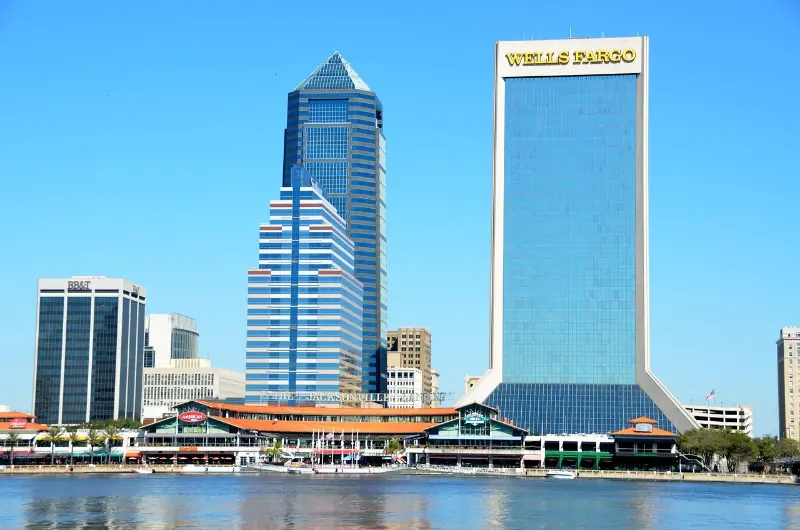
    Jacksonville Skyline Across Saint Johns River 2

    The Beaches Town Center area around Atlantic and Neptune beaches can provide an easy lunch or late-afternoon stroll. A couple may enjoy cafés and the relaxed commercial blocks, while a family with young children might spend only an hour on the sand before heading to shade. In cooler weather, the beach may be more suited to walking and birdwatching than swimming. Consider local parking rules and the distance from hotel to shore before hauling a large load of beach gear; that walk often determines whether a beach day is relaxing.

    If you want a non-beach option, keep a local cultural or nature stop in reserve rather than driving to the city center again. Sand and saltwater are only enjoyable when the whole party is comfortable. A teenager who likes surfing may want a supervised lesson, whereas a grandparent might prefer a protected café terrace with an ocean view. Let people choose how to experience the coast without treating one version as more authentic.

    Day 3: Little Talbot Island and the undeveloped coast

    Drive north for Little Talbot Island State Park, a striking contrast to commercial beachfront. The official state-park information describes a long undeveloped Atlantic shoreline, dune habitat and nature experiences. This is a place for listening to surf, watching birds, photographing the coast and walking only as far as conditions comfortably allow. Check current park operating hours, entrance fee and facility alerts before the drive. Bring water and lunch supplies if you want to avoid leaving early in search of food.

    One safety point matters enormously: Florida State Parks has restrictions on entering the water at the southern end near dangerous currents. Beach swimming is not permitted in signed restricted areas, and the park does not provide lifeguards. Use designated crossovers where water entry is allowed only if the surf conditions are appropriate, and always follow signs and staff guidance. This is not a safe place to improvise a swim because a beach looks empty. The protected beach ecosystem also means dunes and driftwood should be left undisturbed.

    Families can make the day about shells, shorebirds and habitats rather than a long trek. The park’s official accessibility details include options such as beach wheelchairs and a paved pathway, but availability and conditions need checking beforehand. Travelers unable to navigate sand can still enjoy the landscape from selected accessible areas. Do not rush onward to multiple parks simply because the islands are adjacent on a map; a slower nature morning followed by a seafood lunch is a better use of this day.

    Day 4: Fernandina Beach and Amelia Island

    Continue toward Amelia Island and explore the historic downtown of Fernandina Beach. This district is compact enough for a café-led morning, galleries, local shops and architectural details. The island has a maritime and railroad history that is worth learning about rather than using the main streets solely for souvenir shopping. Select a museum, a walking route or a guided history experience based on opening hours. Allow time to sit down; a calm final day is especially welcome if you will be driving to the airport later.

    For the afternoon, visit a suitable Amelia Island beach or Fort Clinch State Park if your group enjoys coastal fortifications and nature. Check state-park details and the route to specific sites before arrival; the fort, camp areas and beaches do not all operate as one doorstep attraction. The Atlantic surf, sun and beach access conditions require the same care as elsewhere along the coast. Visitors with children may prefer playground or picnic time, while photographers might focus on maritime forest and historic structures rather than swimming.

    If departing from Jacksonville International Airport, leave ample time for the drive, refueling and rental-car return. Amelia Island can be a delightful final overnight stop, but it should not become an excuse to book a departure flight with no travel buffer. For a longer vacation, a separate stay here gives the historic district and beach a distinct identity instead of treating them as a Jacksonville suburb.

    Best lodging base and how not to waste time driving

    Riverside or an appropriately located central Jacksonville hotel suits art and dining, but will mean driving to the beaches. Jacksonville Beach provides shoreline access and restaurants but may be more expensive on weekends and holidays. Amelia Island makes sense for a quiet coastal final leg, especially if the island is a major reason for visiting. Choose by your main interest rather than the geographic label ‘Jacksonville’: many hotels with the city name in their address are far from the riverfront and Atlantic coast.

    For families, compare room layout, breakfast arrangements, pool access and parking fees. A condominium can be practical when there are grandparents, several children or special dietary requirements, provided stairs and equipment access are suitable. Independent travelers should verify the walking route from hotel to restaurants rather than relying on a straight-line distance. The city is large enough that a badly positioned hotel can add considerable driving every day.

    Car rental, timing and realistic geography

    A car is the simplest option for this four-day circuit. Plan major geographic moves before checking in, minimize repeated travel between riverfront and beaches, and save a parking location for each day. If a rental car is impractical, focus instead on one walkable neighborhood and use prearranged excursions, acknowledging that the Talbot islands and Amelia Island are harder to combine without driving. Taxi and rideshare coverage may thin in less densely developed coastal locations, so plan your return ride in advance.

    Remember that bridge traffic, weekend beach demand and events can extend journey times. Do not build hotel checkout and an attraction reservation too close together. The state’s toll arrangements vary by route and rental-company policy; confirm those charges along with insurance and permitted drivers. If traveling internationally, verify license and identification requirements before arrival. Long distances do not have to dominate the trip, but they will if every evening ends far from the next day’s first stop.

    Costs, weather and flexible alternatives

    Use a one-major-attraction-per-day rule to control admission spending. Museums and historic sites may have ticket fees; beaches can have parking charges even when shoreline access itself is public. State-park entrance fees are modest relative to some attractions, but still check the current official schedule. The biggest variable may be accommodation, especially in Amelia Island high season. Calculate lodging, parking, fuel and meals together before concluding that a beachside bargain is cheaper than a city hotel.

    The Atlantic can be breezy and cool in winter; hot weather brings humidity, strong UV and afternoon storms. Spring and fall can make walking comfortable, though individual days still vary. Tropical storms and hurricanes can disrupt the coast during hurricane season. Consult National Weather Service updates and park notices, and avoid rigid nonrefundable outdoor plans. On a wet day, swap beach and museum visits; on a very hot one, begin early and plan a long shaded lunch.

    Planning for families, seniors and different abilities

    Small children often do best with the museum on day one, a short beach outing on day two and one nature walk on day three. School-age children can compare river and ocean habitats; teens may enjoy arts-market shopping or a surfing lesson booked with an appropriate provider. Adults who dislike sand can spend more time in galleries or historic downtown. Older travelers can enjoy a shorter version of every day, with vehicle transfers between selected accessible stops and time for seated meals.

    Jacksonville Florida Downtown Buildings and River

    At specific sites, check ramps, restroom access, wheelchair-friendly pathways and whether beach equipment is available; generalized claims about a city being accessible are inadequate. Ask about staff-supported accommodations for visual or hearing access when booking guided tours. Travelers with sensory sensitivity may prefer quieter parks at opening time over busy market or boardwalk periods. The best inclusive itinerary does not expect every person to participate in every activity: it provides appealing options and simple places to reunite.

    Frequently asked questions

    Is Jacksonville too spread out for a four-day trip?

    Not if you organize the route by neighborhood and coast. The problem is repeated cross-town driving, not the number of attractions. A sensible base and geographic sequence solve much of it.

    Can I visit Amelia Island as a day trip?

    Yes, but staying overnight gives you a calmer evening downtown and more beach time. If you day-trip, select one historical and one coastal experience rather than several scattered sites.

    Can we swim at Little Talbot Island?

    Only where water entry is permitted and when conditions are safe. Parts of the southern shore are restricted because of dangerous currents, and there are no lifeguards. Read official signs carefully.

    What should we do if rain ruins a beach day?

    Move the Cummer Museum or a historic site to that day and visit the shore when conditions improve. Many outdoor experiences are better with a flexible schedule.

    Is the area suitable for a three-generation vacation?

    Yes. Choose a hotel with comfortable access, limit walking distances and let the beach and nature days include seated alternatives. Children and older relatives need not follow identical schedules to enjoy the trip together.

    Official resources

  • Three Days in Fort Lauderdale: Waterways, Beaches and Art Beyond Miami

    Three Days in Fort Lauderdale: Waterways, Beaches and Art Beyond Miami

    Fort Lauderdale is often reduced to a cruise departure port or a less crowded version of Miami. That misses what makes the city rewarding in its own right: canals and the New River, a walkable Las Olas dining district, preserved homes, Atlantic beaches and an urban state park unexpectedly close to the towers. Three days give you enough time to use the waterways as part of your sightseeing instead of driving from parking garage to parking garage. They also give the trip variety for families, couples, solo visitors and travelers who favor slower outings.

    For this itinerary, make downtown or the beach your overnight base and plan just one significant paid attraction per day. The Water Taxi can be enjoyable transportation, but its route and timetable must match your actual stops; it is not a substitute for every local journey. A car is helpful for some extensions, though not essential if you stay centrally and use organized transfers. Most importantly, leave room for a shaded midday break and remember that Fort Lauderdale’s coastal geography turns short-looking trips into bridge crossings and traffic delays.

    Three-day route and sensible starting points

    DayAreaMain planEasy substitute
    1Las Olas and New RiverRiverwalk, museums, canal cruiseWaterfront cafés and short water ride
    2Beach and Birch State ParkAtlantic shoreline, native coastal habitatPark scenic loop and museum
    3Bonnet House and nearby districtsHistoric estate, local art and flexible afternoonOne attraction followed by a relaxed lunch

    Select the Water Taxi ride around its latest official schedule rather than treating the departure times here as a promise. If you are staying after a cruise or before one, make the embarkation day a transfer-only day and shift your attractions to the remaining full days.

    Day 1: Las Olas Boulevard, the Riverwalk and a ride on the water

    Begin along Las Olas Boulevard, where shops, galleries and cafés give the city a neighborhood feel distinct from the beachfront strip. A morning stroll toward the New River leads naturally to Riverwalk Fort Lauderdale, an appealing place to orient yourself with views of bridges, passing vessels and downtown buildings. Choose an indoor stop according to interests: history-focused travelers might favor the Historic Stranahan House Museum, while a family with children may find the Museum of Discovery and Science more engaging. Check opening schedules and tour requirements before arriving, since historic-house experiences may not work as spontaneous walk-ins.

    Make the afternoon the water portion of your day. Greater Fort Lauderdale’s Water Taxi operates a sightseeing-oriented hop-on, hop-off service, and the visitor bureau explains the current routing and ticket options. A boat can make the area’s canals and Intracoastal Waterway understandable in a way a street map does not. However, do not assume every restaurant or attraction is beside a stop, or that the last service will match your dinner reservation. Verify boarding access, ticket rules and the latest sailing time before using it as a return journey.

    For dinner, choose downtown or Las Olas rather than driving unnecessarily to another beach town. If your group includes a child who becomes tired early, use a short scenic ride rather than the entire network. An older traveler may enjoy seated water views more than hours of shopping; someone uncomfortable on moving vessels can visit riverside parks instead. This flexibility lets everyone appreciate the water-centered identity of Fort Lauderdale without forcing one activity onto the whole group.

    Day 2: Fort Lauderdale Beach and Hugh Taylor Birch State Park

    Visit the beachfront in the morning, when the light is softer and parking may be less competitive. Choose an access point based on restrooms, transit, lifeguard availability where provided and the route between sidewalk and sand. The promenade is excellent for views, but the Atlantic is not a supervised swimming pool: check weather, posted beach warnings and rip-current guidance. In warm weather, a shorter beach visit followed by lunch in air conditioning may be far more enjoyable than staying through a thunderstorm-prone afternoon.

    Spend the afternoon in Hugh Taylor Birch State Park. Florida State Parks describes it as a barrier-island green space between the ocean and Intracoastal Waterway, with walking, picnicking, wildlife viewing and paddling opportunities. It is a practical change of pace after the exposed beach. Not every amenity will necessarily be operating: the official park page has carried construction notices about restrooms, pavilions and a floating dock, so check current alerts instead of building a plan around a particular facility. Trails and a scenic loop can be adapted to how much walking feels comfortable.

    For families, watch for native wildlife from respectful distances, take a shaded snack break and decide beforehand whether children are going to the beach or doing a nature walk, not an exhausting combination of both. For photographers, the mix of urban skyline and coastal forest creates a different backdrop from Las Olas. For visitors who prefer minimal walking, ask park staff about current accessible amenities and use a shorter route. An evening by the ocean is optional; a restful hotel dinner can be the wiser choice after a day in coastal heat.

    Fort Lauderdale Florida Oceanfront Skyline and Bay

    Day 3: Bonnet House and a neighborhood you actually enjoy

    The Bonnet House Museum & Gardens is one of the city’s strongest cultural experiences. Its estate history, art collections and gardens help explain the development of this coastline before modern hotels arrived. Verify tour hours, ticket formats and which grounds are included. Historic properties can have uneven approaches or restrictions in certain rooms, so check access with the operator. Put the visit in the morning or at another comfortably timed hour rather than squeezing it between a checkout deadline and the airport.

    Afterward, deliberately choose one neighborhood. Downtown art and cafés are an easy continuation if you stayed near Las Olas. A beachside lunch is convenient if your accommodation is by the ocean. Travelers interested in a larger regional excursion could consider nearby Hollywood’s Broadwalk, but doing so changes the journey and may be better on a fourth day. Do not promise yourself Pompano, Hollywood and Lauderdale-by-the-Sea on a single ‘free afternoon’: bridges, parking and beach gear make that far less relaxing than it sounds.

    If you want a sunset water experience, consult the Water Taxi’s route and schedule or book a clearly defined cruise; the two are not interchangeable. Families may prefer an early restaurant reservation, while nightlife visitors can investigate Las Olas after dark. Have a clear ride home arranged if consuming alcohol. A successful final day means ending with enough energy to enjoy dinner and depart the next morning, not collecting the maximum possible number of attraction photos.

    Where to stay: Las Olas, beach or near the airport

    Downtown and Las Olas are strong bases for restaurants, the Riverwalk and transit-oriented sightseeing. They work particularly well for a visitor without a car, provided the hotel is truly within comfortable walking distance of planned stops. Hotels on or near Fort Lauderdale Beach prioritize sea views and quick shoreline access, although parking, resort charges and beach service fees can add significantly to advertised room rates. Check which side of A1A the property sits on and whether reaching the beach involves an ordinary crossing or additional infrastructure.

    Airport and Port Everglades-area hotels can be economical for cruise transfers or early departures, but may leave you relying on rideshares for every sightseeing trip. For a family, a suite with a kitchenette may matter more than an ocean-facing balcony. For a wheelchair user, confirm room turning space, shower layout, accessible arrival route and actual transportation pickup point directly rather than interpreting a generic ‘accessible’ symbol as sufficient. If arriving late at night, choose convenience and comfort over an elaborate first-evening plan.

    Transportation: airport, bridges, Water Taxi and parking

    Fort Lauderdale-Hollywood International Airport is close to the city but traffic varies with cruise schedules and road conditions. Port Everglades is a working cruise harbor, not a neighborhood to explore without planning. If embarking, follow the cruise line’s terminal instructions and leave abundant transfer time. If using Brightline or another rail service as part of a wider South Florida vacation, check the current station location and transfer route to your hotel; do not assume the train delivers you directly to the beach.

    A rental car becomes more attractive for excursions beyond the center, but compare total parking charges against rideshares or arranged shuttles. Bridges over waterways can create delays, especially in high season. On your phone, save your hotel’s exact entrance and the parking garage address, not just the street name. If using a boat ride, ask the operator about step-free boarding, wheelchair space, service animals and whether high winds can change operations. Flexible transportation is the most effective way to avoid turning a water-focused vacation into a string of costly transfers.

    Budget planning and worthwhile tradeoffs

    Do not buy every museum and tour in advance. Pick one headline paid experience—the Water Taxi, Bonnet House or a museum—and keep one free or inexpensive waterfront walk each day. If traveling with teenagers, let them help select an activity and a food stop so that time in a museum has a purpose. Watch for hotel parking, local taxes, mandatory resort fees, cancellation policies and beach-equipment rentals. These costs can exceed the admission to a small museum, especially for three nights.

    Fort Lauderdale is often busy around holidays, boat-related events and cruise departures. Budget-conscious visitors can compare downtown and nearby areas rather than assuming a more distant highway hotel is automatically cheaper after daily transport. A centrally located stay may reduce the need for a car. Food planning is another lever: a substantial late breakfast or lunch with a simple evening meal can be easier with children, while adults may prefer a special dinner and a modest breakfast. Match spending to what you genuinely value rather than following every recommendation simultaneously.

    Different ages, accessibility and sensory comfort

    With babies, a beach stroller is rarely a substitute for appropriate sand access; choose a hotel with a comfortable indoor rest area and bring sun protection suited to the child. Elementary-age children often enjoy the science museum and short boat rides. Teenagers can choose between photography at the shoreline, waterways and art-focused stops. Travelers over sixty or eighty can focus on seated tours, museums and short promenades if they wish; age alone should not determine activities, but actual mobility and heat tolerance should.

    Humidity and direct sunlight make some routes more demanding than mileage suggests. Ask venues about accessible restrooms and lifts, and confirm that a boat operator can accommodate the person’s equipment rather than making assumptions. For a traveler who finds crowds or loud sound difficult, the park can provide a calmer middle day; choose quieter morning hours and carry hearing protection as needed. Anyone with breathing or heat-related concerns should keep a reliable indoor alternative and prioritize medical advice for personal limitations.

    When to go and how to handle bad weather

    Cooler, drier months often make walking more comfortable, but they can also bring higher demand and hotel prices. Summer weather is hotter and humid, with thunderstorms frequently changing outdoor plans. Tropical systems are a separate risk during hurricane season, and travel insurance terms must be read before booking. Do not assume that a storm will pass quickly or that every boat service operates through lightning. Check National Weather Service alerts and official attraction notices each day.

    A useful order swap is simple: put the museum or Bonnet House in the wettest period, move beach time to the next suitable morning and use indoor meals as natural breaks. Because the three main areas are fairly close, the itinerary tolerates changes without abandoning the whole vacation. If traveling immediately before a cruise, avoid a weather-sensitive offshore excursion on the last free day; flight, port and boarding commitments matter more than chasing another photograph.

    Frequently asked questions

    Is Fort Lauderdale worth visiting if I already know Miami?

    Yes. Its New River and Intracoastal setting, historic houses and beach-adjacent state park create a different experience. The cities are close enough to combine, but Fort Lauderdale merits several days of its own.

    Fort Lauderdale Florida Harborfront and Shops

    Can we do this itinerary without renting a car?

    Yes if you stay centrally, select sites carefully and use Water Taxi, taxis or rideshares. Verify the exact last-mile routes, and do not assume a beach hotel is walkable to downtown.

    Is the Water Taxi practical transportation or just sightseeing?

    It can serve both purposes when its operating stops and timetable match the trip. Treat it as a scenic transit experience first, with a backup plan for late departures or service changes.

    Which stop is best on a rainy day?

    A museum, historic-house tour when operating, or an indoor lunch is generally more weather-resilient than the beach or park. Check for storm-related closures rather than assuming indoor sites always remain open.

    How many days should I allow before a cruise?

    Two or three nights are useful if you want real sightseeing; one night before departure is mainly a buffer for travel disruption. Always prioritize arrival at your assigned cruise terminal on time.

    Official resources

  • Seven Days in Florida Without Renting a Car: Orlando and Miami by Train

    Seven Days in Florida Without Renting a Car: Orlando and Miami by Train

    A car-free Florida vacation is possible, but it succeeds only when you choose the right places. Many beaches, springs and nature preserves are difficult to reach without a vehicle. Orlando and Miami are a more workable pair because Brightline operates intercity passenger trains between Orlando International Airport and Miami, with intermediate South Florida stops. Within each destination, a carefully located hotel, walking, transit and targeted rideshares can cover a satisfying range of experiences. The important qualification is that the train solves the long intercity link; it does not magically put every attraction beside the station.

    This seven-day itinerary gives three days to Orlando and four to Miami, including the travel day. It is designed for people who prefer not to drive abroad, solo travelers, couples, families and older adults who would rather avoid the stress of Florida expressways. It also makes the financial trade-off clear: no rental-car counter or parking bill, but station transfers and occasional taxis still cost money. The best itinerary is not the one with zero cars under any circumstances, but the one that avoids owning a car for a week while keeping every transfer manageable.

    The itinerary at a glance

    DayStayPlanGround transportation
    1OrlandoArrival, hotel and restAirport transfer
    2OrlandoOne attraction or resort-area dayHotel shuttle, taxi or rideshare
    3OrlandoLocal neighborhood or second selected activityPreplanned transfers
    4MiamiBrightline to MiamiCentral, downtown orientationTrain, Metromover and walking
    5MiamiMiami Beach and Art Deco architectureBus, trolley where operating or rideshare
    6MiamiLittle Havana and museum choiceBus or rideshare
    7DepartureAirport transferMetrorail where suitable, taxi or rideshare

    If your flight home leaves very early, spend the last night near a suitable airport connection, not necessarily near the beach. For international travel, allow ample time for security and baggage. Check station and hotel locations before deciding whether to reverse the cities; the train route operates in both directions, but airline schedules may make one sequence easier.

    Day 1: Orlando arrival with no rental desk

    At Orlando International Airport, follow the instructions for your booked hotel shuttle, authorized transfer or rideshare pickup. Do not assume a hotel advertises a free shuttle to every theme park or runs it late into the night. Confirm exactly which services are included, whether advance reservations are needed, and how luggage, child safety seats or wheelchairs are handled. A hotel close to a particular park may still require crossing high-traffic roads unsuitable for walking.

    For the first night, prioritize convenience and sleep. Check in, buy basic supplies near the hotel if accessible, and enjoy a simple meal. Car-free travel involves a little more planning for groceries and laundry, so a hotel with dependable on-site facilities can be worth more than one with an impressive view but no nearby food options. If traveling with a toddler, verify crib requests and stroller storage directly.

    Day 2: One Orlando attraction, properly planned

    Choose one Orlando headline experience: a theme park, a museum-focused day or a resort-area attraction that genuinely interests you. Theme parks are easier without a car if your hotel has a reliable shuttle serving the exact park you want, but read the departure and return times before buying admission. Some shuttles operate only a few trips per day. If you use rideshare, factor in pickup zones, end-of-day queues and higher fares around closing time. Arriving at the correct entrance is more important than winning a theoretical fare comparison.

    A full park day can be exhausting regardless of age. Identify the top three experiences, plan rest periods and note where the group can get food and water. If accessibility is important, review the operator’s queue, mobility-device and transport information. Some hotel shuttles cannot accommodate all equipment even when the park itself can. Ask rather than assuming. You do not have to visit a theme park for the trip to be worthwhile; one major local attraction chosen well can fill the day.

    Day 3: Another Orlando experience without pretending distances disappear

    Use the third day for a second activity that is relatively easy to reach from your hotel. A Winter Park outing may appeal to museum and café lovers, while another resort-area attraction suits families looking for entertainment. Make the transport plan before you leave: the return trip from a beautiful but isolated attraction can be harder to arrange at night. A guided excursion can occasionally be more economical than two long rideshares, especially for a solo visitor, though you must compare full costs and cancellation terms.

    Do not put Kennedy Space Center into this day automatically. It is east of Orlando and not beside the Brightline station. If space exploration is essential, consider a tour with confirmed transport and check its full itinerary, pickup location and return time. Otherwise, save the Space Coast for a future car-based trip. A car-free itinerary improves when it acknowledges limitations instead of making travelers spend much of the day solving them in real time.

    Day 4: Brightline from Orlando Airport to MiamiCentral

    Book the Brightline train for a departure that allows a relaxed hotel checkout and transfer. The Orlando station is beside Terminal C at Orlando International Airport, not in downtown Orlando. Give yourself time to reach it from the hotel and navigate the station. Check the operator’s baggage policy, ticket conditions and check-in guidance before paying. Brightline’s official station information lists MiamiCentral, Aventura, Fort Lauderdale, Boca Raton and West Palm Beach as South Florida stops on the route, making Miami a logical destination for this plan.

    When you arrive at MiamiCentral, take a little time to orient yourself. If your hotel is Downtown or Brickell, you may be able to combine a short transfer with the free Metromover, depending on luggage and route accessibility. If staying in Miami Beach, use a bus or direct paid transfer; Miami Beach is not served by Metromover. Check how the hotel handles luggage before check-in. An easy evening waterfront walk is more sensible than crossing to three separate neighborhoods after the train journey.

    Day 5: Miami Beach by transit or rideshare

    Plan a South Beach day, beginning with the Art Deco Historic District and an ocean walk. Visit in the morning if possible, when taking photographs and exploring the streets is more comfortable in warm weather. Miami Beach is geographically separate from Downtown Miami and requires a bridge crossing. Use current public-transit schedules, the city’s operating trolley services where available, or an authorized rideshare. Price the whole family’s transfer, not just a single ticket, and consider whether a direct ride will avoid a difficult stroller or mobility-device connection.

    Miami Downtown Causeway at Night

    Make the afternoon deliberately light. The beach can be a main attraction, or it can be a thirty-minute shoreline visit followed by lunch and a shaded neighborhood stroll. Observe warning flags and lifeguard directions before swimming. Families should never rely on flotation toys as a replacement for close adult supervision. Finish with an early evening in South Beach or return to the mainland before traffic and fatigue build.

    Day 6: Little Havana and a Downtown museum

    Spend the morning in Little Havana for food, cultural context and a neighborhood walk focused around Calle Ocho. A guided interpretation can help connect landmarks to Cuban American history. Treat the area as a lived-in community and respect residents and private businesses. Rather than stacking multiple disconnected destinations, take a meal break and decide if you want an indoor attraction that afternoon. Pérez Art Museum Miami and Frost Science offer different experiences around Museum Park; one is usually enough after a full morning.

    If you prefer a lower-effort day, choose just the museum and the nearby waterfront. Miami’s free Metromover can be useful between downtown areas, but routes and station service should be checked before relying on it for a timed event. Some official tourism pages publish different hours as services are updated; use the transit agency’s current alert feed as the final authority. Ask staff about accessible entrances if that matters to your party.

    Day 7: Getting to the airport without a missed connection

    Miami International Airport can be reached using a combination of local transport options, including a Metrorail connection through the airport’s intermodal center, but only when your hotel and luggage make that realistic. A direct taxi or rideshare may be preferable for a family with many bags or a traveler with reduced mobility. Work backward from your airline’s recommended airport arrival time, allowing time for the transfer itself and potential delays. Do not schedule a final museum visit against a tight international departure window.

    If you are returning from Fort Lauderdale rather than Miami, calculate the actual airport transfer instead of assuming the cities are interchangeable. Brightline serves Fort Lauderdale city station, which is not inside the airport. Check the last mile using the operator’s current station guidance. The appeal of a car-free trip is fewer driving responsibilities, not immunity from transfer planning.

    Can this trip include an Everglades excursion?

    Yes, but treat it as a substantial optional replacement for a Miami day, not a quick public-bus add-on. The Everglades’ principal entrances do not connect by interior roads, and the National Park Service explains that public transit is not available within the park. A guided tour with clear pickup arrangements is the realistic option for many car-free visitors. Read precisely which entrance and experience are offered; an airboat ride at a private attraction is not identical to a National Park Service experience inside the park.

    Discuss physical access and safety in advance. Wildlife viewing, tram rides and boardwalks can be wonderful for different ages, but actual boarding conditions and accessible restrooms vary. The itinerary works perfectly well without the Everglades, and it is better to enjoy Miami deeply than buy an unsuitable tour because it appears on a “must-see” list.

    Comparing the real cost with renting a car

    Add together the Brightline fare for your exact travel day, hotel-to-station transfers, airport transfers, local rideshares and transit fares. Compare that with the full rental-car rate, insurance or coverage choices, hotel parking, toll arrangements and fuel. A train can be especially attractive for a solo traveler who would otherwise pay every driving cost alone. For a family of five, the same calculation may favor a car, particularly if the planned hotel is far from transit. Do not use headline fares to make the comparison.

    Where to sleep matters as much as the transport mode. A Downtown Miami hotel near Metromover may reduce local travel costs, while a remote inexpensive hotel can force several taxi rides each day. In Orlando, a good shuttle schedule may justify a higher room rate. When comparing options, use the total week’s budget and the number of stressful transfers, not merely the cheapest nightly price.

    Who should adapt this car-free route?

    Travelers with strollers should check whether a transit transfer involves elevators, accessible boarding and a manageable walk on both ends. Wheelchair users need exact access information for train boarding, hotel bathrooms and any planned shuttles. Older adults who prefer a shorter walking day might choose a central hotel and one museum per afternoon rather than the maximum number of stops. Teenagers can take responsibility for navigation while adults handle reservations and safety decisions.

    For everyone, save transit maps, hotel addresses and booking references offline. Florida’s thunderstorms can slow traffic and interrupt outdoor activities, so keep nearby indoor alternatives. This itinerary demonstrates a useful principle: choose places around the transport network, rather than choosing scattered attractions and hoping a transport network will appear afterward.

    Frequently asked questions

    Does Brightline go to Downtown Orlando?

    No. The Orlando Brightline station is at Orlando International Airport next to Terminal C, requiring a separate local transfer.

    Orlando Florida Downtown Skyline at Dusk

    Does Brightline stop at Miami Beach?

    No. Its MiamiCentral station is in Downtown Miami; Miami Beach needs an additional bus, trolley connection where suitable or paid transfer.

    Can we visit the Everglades without driving?

    An organized guided tour may work, but the park’s internal roads are not a public-transit network. Check the exact entrance and pickup details.

    Is this suitable for visitors over 70?

    Yes if individual mobility, accommodation and transfer arrangements fit the traveler. Age itself should not determine the activity choices.

    Is a week enough for Orlando and Miami?

    Yes for a focused introduction. Avoid adding Key West and the Gulf Coast unless you have substantially more time.

    Official planning sources

  • Three Days in Sarasota and Siesta Key: Culture, Gardens and a Gulf Beach Weekend

    Three Days in Sarasota and Siesta Key: Culture, Gardens and a Gulf Beach Weekend

    Sarasota is one of the easiest places in Florida to combine a Gulf Coast vacation with museums, gardens, and a lively city center. Siesta Key is famous for its pale sand, but it is not simply a neighborhood of downtown Sarasota; crossing between island and mainland takes time, particularly during busy beach periods. This three-day itinerary keeps one full morning for the beach, one for the city's cultural side, and one for nature or a favorite return visit. It works for couples, families, older travelers, and anyone who wants a beach holiday with variety but not endless driving.

    Three-day itinerary at a glance

    DayRecommended focusEasy alternative
    Day 1Siesta Beach and a quiet eveningEnjoy one public beach access
    Day 2The Ringling and bayfront or gardenOne cultural focus
    Day 3Myakka River or favorite beachNature only if conditions suit

    Choose between a beach stay and the Sarasota mainland

    Staying on Siesta Key can be ideal if your priority is reaching the sand early without searching for parking. Its different areas, however, have different walking routes, dining options, and beach access arrangements. A rental described as “on Siesta Key” may be on the bay side, where the view is over sheltered water rather than the Gulf. Sarasota mainland hotels can offer access to restaurants and cultural attractions, but a beach trip then requires a bridge crossing and transport planning.

    Look carefully at what is included in the total accommodation price. Condominiums and short rentals may add cleaning, service, and parking fees; hotels may add resort charges. For a group with grandparents or young children, a kitchen, lift, and predictable pool access can be useful. Ask for the precise distance to a legal beach entrance and whether the path involves steps or a busy road. An expensive room near the shore may be worthwhile when members of the group need frequent rests; the cheaper mainland room is not automatically better value once you account for transport.

    Day one morning: give Siesta Beach time to breathe

    Spend the first morning on Siesta Beach, choosing the public access that best matches your mobility and parking needs. Arrive early and carry sun protection, shade, drinking water, and simple snacks. The sand's appearance and the broad shoreline are a major reason people visit, but even here beach conditions change. Watch warnings about surf, currents, lightning, and marine life. Young children need close adult supervision at the waterline, and a sunny sky is not a reason to ignore flags.

    Siesta Key Florida Turquoise Water Aerial

    A person who does not swim can still enjoy the setting through a short walk, a good view, and time beneath shade. Accessibility services and beach equipment depend on local provision; confirm availability for your dates rather than assume a mat or beach wheelchair will be waiting. Families with babies should plan to leave before the strongest heat and return for naps. A two-hour visit often creates a more pleasant memory than pushing everyone into an entire morning and afternoon on open sand.

    Day one afternoon and evening: a gentle return to the island

    After lunch, allow a long hotel break. Then decide whether to stay on Siesta Key for an early evening stroll or return to Sarasota's mainland dining areas. Siesta Key Village has restaurants and shops, but it can become lively and congested. A calm dinner within walking distance of your accommodation may be more appealing than a search for parking after sunset. If staying on the mainland, avoid crossing the bridge repeatedly simply to take photographs of the same beach.

    Older visitors may prefer a seated sunset viewpoint; parents may want a familiar restaurant with a short wait. If the beach is busy, choose a quieter public area you have confirmed is accessible. Do not treat every piece of shoreline as public just because there is sand beyond a gate. Travelers who appreciate quiet evenings might return directly to their accommodation, saving their energy for the museum or garden visit planned for the next day. A slow first evening is a feature of a well-balanced vacation, not wasted time.

    Day two morning: The Ringling and Sarasota's cultural identity

    The Ringling is a standout cultural attraction that can introduce visitors to art, circus history, gardens, and an important chapter of Sarasota's development. It deserves time rather than a rushed stop between beaches. Check the institution's official website for which museum buildings and grounds are open, exhibition schedules, separate admissions, and accessibility arrangements. Some parts of a complex cultural site may have different tickets or opening times. Agree on the components most interesting to your group before arrival.

    Children may be particularly drawn to circus-related displays, while art enthusiasts might spend longer in the galleries. For older relatives, one building and a short outdoor walk may be preferable to attempting the entire site. Make time for drinking water and a seated break, especially when moving between indoor exhibits and exposed grounds. Some families will find a half-day sufficient; others can spend much longer. The point of day two is to experience Sarasota's cultural character instead of treating it as an afterthought to Siesta Key.

    Nokomis Beach Sarasota County Florida at Sunset Aerial

    Day two afternoon: the bayfront or a botanical garden

    After the museum, choose a single second experience. Downtown Sarasota and its bayfront offer places to stroll and enjoy a meal, while Marie Selby Botanical Gardens provides a beautiful plant-focused alternative. Both can work well, but their appeal differs. The bayfront is about the city's relationship with the water and restaurants; a botanical garden is more deliberate, with admissions, planned paths, and exhibits. Check the garden's current visitor arrangements before deciding, including open hours and wheelchair-friendly routes.

    For travelers with small children, a long museum morning plus a formal garden afternoon may be too much. In that case, choose lunch and a short bayfront stop instead. Couples might prefer an hour among tropical plants, followed by a quiet dinner. If a thunderstorm is approaching, avoid exposed waterfront areas and move indoors. There is no reason to cover every Sarasota attraction just because a weekend itinerary can look impressive on paper. Choose one memorable afternoon and let the group set the pace.

    Day three option one: natural Florida at Myakka River

    Myakka River State Park provides a very different side of the Sarasota area, with wetlands, open landscapes, and wildlife. It is a worthwhile final-day option when nature is a priority and everyone is comfortable with a drive inland. Read the official park updates for access, trail conditions, services, and any activities requiring separate reservations. Wildlife, including alligators, must always be observed from a safe distance; never approach or feed animals. Open landscapes can be hot, and insect conditions vary.

    Do not promise yourself a long hike and a boat tour on the same short morning. Choose one approved route or viewpoint, carry sufficient water, and ask about the current condition of any boardwalk or viewing structure. A family with young children might spend an hour watching birds and learning about marsh habitat before returning for lunch. For a visitor using a mobility aid, a shorter firm-surface option may be more comfortable than a trail that looks easy in a brochure. If the weather is unstable, leave the park for another trip.

    Day three option two: another beach, with no extra driving

    If your group came chiefly for the Gulf, returning to the beach you enjoyed most may be the ideal final day. You could choose a different public access on Siesta Key or remain close to your lodging, depending on parking and conditions. People often feel compelled to visit Lido Key, Longboat Key, and Venice in the same short vacation, but those destinations add drive time and different parking challenges. Three days are not enough to experience the entire region deeply, and there is no need to try.

    A relaxed beach morning can be paired with an early lunch and a carefully timed departure. Travelers who do not wish to swim can enjoy a shaded stroll or waterfront café. Families with older children might favor a water activity, but check operator qualifications, age restrictions, and weather. For grandparents, minimize difficult sand approaches and choose an ocean view they can comfortably reach. The successful version of this day feels restful rather than like a final race around Sarasota County.

    Building the weekend around different ages

    With babies and toddlers, plan a reliable nap each day and choose a hotel or rental where meals and laundry are straightforward. An early beach morning is ideal, and a museum visit should be shortened as needed. With school-age children, The Ringling and a simple nature stop can provide variety beyond sand play. Teenagers may enjoy choosing a water-based activity or an independent browsing stop in a safe, agreed area, but beaches and roads still require close attention.

    For seniors or people who need breaks, prioritize smooth surfaces, seating, and predictable travel times. Large museum grounds and tropical gardens can involve more walking than expected, while beach sand can be particularly difficult. Ask for current accessibility information directly from each venue. A couple might focus on an art museum, an elegant dinner, and one beach morning. A multigenerational group can divide for an afternoon and meet later rather than expecting everyone to cover every attraction at the same speed.

    Driving, parking, and keeping the trip affordable

    Having a car makes it easier to combine Siesta Key with Sarasota's museums and Myakka River, but parking and bridge traffic can be frustrating in popular periods. Group your day geographically: beach on day one, cultural attractions on day two, and one optional nature destination on day three. If you will not have a car, choose a compact lodging area and accept fewer distant excursions. Check public transportation or rideshare coverage before relying on it; proximity on a map does not guarantee a convenient connection.

    For budgeting, consider one significant paid attraction, one optional garden or park admission, and plenty of free or low-cost time near the water. Restaurant meals and lodging often cost more than the basic activities. A rental kitchen helps only if your group actually intends to use it; add all fees when comparing properties. Watch for parking costs at beaches and museums and avoid buying fixed tickets for a day when poor weather would make the visit unsuitable. A modest itinerary can feel luxurious when nobody is rushing.

    Weather, coastal care, and the best rhythm

    Sarasota is warm for much of the year, but summer can be hot, humid, and stormy in the afternoon. A winter trip may offer comfortable outdoor sightseeing even if the water is cooler for swimming. School holidays and popular winter weeks affect room availability and traffic. Check day-by-day conditions rather than relying on broad seasonal claims. Lightning requires leaving beaches and open waterfront spaces promptly, and tropical-weather alerts should always take precedence over holiday plans.

    Respect dune vegetation and sea turtle restrictions along the Gulf shore. At Myakka, keep safe distances from wildlife and stay on open routes. In botanical gardens, do not remove plant material. These are practical ways to preserve the experiences you came to enjoy. The nicest schedule often places the outdoor activity early, the main meal or museum visit around midday, and an easy sunset outing at the end of the day. That pattern gives people of many ages the chance to enjoy Sarasota comfortably.

    What to verify before your three days begin

    Confirm beach access and parking on Siesta Key, The Ringling's current exhibits and tickets, and whichever second attraction you hope to visit. If choosing Myakka River State Park, check official access notices and the weather. Review lodging fees and whether a car is worth having for the whole stay. Travelers with mobility requirements should contact attractions to confirm routes, equipment, and bathrooms rather than making assumptions from promotional photographs.

    A three-day visit centered on one excellent beach morning, one cultural day, and one optional nature experience captures Sarasota's strongest qualities. If the weather changes or a child wants more beach time, swap the order. The city's appeal lies in the combination of coastline, art, and natural landscapes, not in completing every attraction before checkout.

    Frequently asked questions

    Is Siesta Key the same as downtown Sarasota?

    No. Siesta Key is on a barrier island and bridge crossings take time.

    Can we visit The Ringling and Myakka River in one day?

    Both deserve time; putting them on different days usually makes the trip more comfortable.

    Does a Siesta Key rental guarantee public beach access?

    No. Confirm the exact legal approach and whether the property is on the Gulf or the bay side.

    Official visitor information

  • Gainesville to St. Augustine in Six Days: Natural History and Coastal Heritage

    Gainesville to St. Augustine in Six Days: Natural History and Coastal Heritage

    North Florida in late fall has a different character from the Florida vacation shown in many advertisements. The heat can be gentler, gardens and historic streets are comfortable to explore, and the region’s museums make weather changes easier to manage. A six-day journey from Gainesville to St. Augustine brings together natural history, university-town culture, wildlife habitats, and centuries of complicated coastal history. It is particularly appealing to curious adults, families with school-age children, and grandparents who enjoy substantial but unhurried days.

    One date matters for this route: the Florida Museum of Natural History in Gainesville has announced that its public exhibition building will reopen on November 23, 2026 after renovations. Before that date, plan around other Gainesville experiences rather than implying that the museum’s permanent galleries are available. Even after the announced reopening, verify actual public hours and individual exhibits before traveling.

    The six-day itinerary

    Day Main destination Focus Optional adjustment
    Arrival Gainesville Settle in and short downtown walk Rest after driving
    One Gainesville Natural history or garden Use alternate venue before Nov. 23
    Two Gainesville area Wetlands and university-town culture Short indoor stop after rain
    Three Travel toward St. Augustine Transfer and historic center Break the drive with a meal
    Four St. Augustine Fort and historical interpretation Pick one main attraction
    Five St. Augustine Coastal setting and neighborhood heritage Return to a preferred museum
    Six Departure Breakfast and transfer No rigid timed attraction

    When to go and how to use a date-specific opening

    Late November through early spring can bring cooler days than South Florida, and the exact experience varies with cold fronts and rain. Pack a light outer layer alongside ordinary warm-weather clothes. If you visit in October or early November 2026, do not build your itinerary around the Gainesville natural history museum’s galleries. The Florida Museum reopening announcement identifies November 23, 2026 as the planned public reopening date; this is a scheduled event that should be checked for changes.

    If you travel around the Thanksgiving holiday, expect altered museum hours, restaurant schedules, and traffic. A reopening announcement does not establish holiday hours for every venue in town. Families may prefer early December or another less crowded period, but weather and prices still depend on the exact dates. Choose the season according to the activities you actually want, not a generic claim that North Florida is always sunny.

    Choose two bases rather than commuting repeatedly

    Three nights in Gainesville and three around St. Augustine create a relaxed structure. A single Gainesville base would produce unnecessary round-trip driving for the coast, while a single St. Augustine base would make local Gainesville days tiring. Look for parking, breakfast options, and quiet rooms, especially if traveling with older adults or young children. Historic accommodations may have character but also stairs, limited elevators, or a tricky route from the car.

    Check what the room rate actually includes. In St. Augustine, some central accommodations have limited on-site parking or charge separately. A property a little farther from the historic core may be more convenient for a family with luggage, provided there is a reliable way to reach attractions. In Gainesville, think about access to the destinations you want rather than assuming that a hotel described as ‘near the university’ is a short walk from every campus building.

    Saint Augustine Florida Historic District Aerial

    Arrival in Gainesville: get oriented before planning a full day

    After reaching Gainesville, take a modest downtown or neighborhood outing according to your energy. The aim is to understand the surroundings: find a grocery store, identify parking for tomorrow, and choose an easy dinner. If you arrive from an airport after a long flight, do not reserve a timed museum program for the same afternoon. Gainesville’s roads and campus traffic may be unfamiliar to first-time visitors, especially around university events.

    A short walk and a café can be enough. Children might enjoy seeing how a university town differs from a coastal resort; adults may notice bookstores, public art, or local businesses. Save a little time for checking tomorrow’s weather and the attraction’s operating hours. In North Florida, a chilly or rainy morning can change the appeal of an outdoor itinerary even when the afternoon forecast looks pleasant.

    Day one: make a genuine plan for the natural history museum

    The Florida Museum of Natural History is a major reason to visit Gainesville, with collections and displays related to biological and cultural history. The public exhibits have been closed during a substantial renovation, and the museum has announced reopening on November 23, 2026. See the official Florida Museum website for current visiting details. Never assume that a reopening date guarantees a particular gallery, butterfly experience, or program will be available at your visit time.

    If the museum is open, choose a theme that interests the group: evolution, Florida ecosystems, fossils, or cultural history. Spend time understanding a few displays rather than rushing through all of them. For younger children, asking what surprised them works better than reading every label. If visiting before the reopening, select a botanical garden, another suitable museum, or the museum’s published community programs where available. An honest alternative is better than directing readers to a closed entrance.

    Use Gainesville gardens and natural areas thoughtfully

    Gainesville is surrounded by distinctive habitats, including wetlands, oak landscapes, and areas where wildlife can be observed from designated paths. Pick one outing with a suitable trail surface and the right distance for your group. If you plan to visit Sweetwater Wetlands Park or a similar wetland, verify current opening and trail conditions with the relevant local authority. Rain can leave paths muddy, and alligators or other wildlife may be present even when a trail looks peaceful.

    Carry binoculars rather than approaching animals. Do not feed birds or reptiles, and keep children close to water edges. Insects can be active even outside summer. Some boardwalks lack shade; take water and plan a morning outing. For a traveler using a wheelchair or walker, ask about the actual pathway material, slopes, available seating, and accessible parking. Nature can be enjoyed through a short observation rather than a lengthy walk.

    Day two: a Gainesville day built around choice

    Use the second full day to explore a different side of the city. It could be an art exhibition, a carefully selected university-area cultural venue, or a second nature outing if the weather is excellent. Check campus access and event conditions in advance. Public exhibits may be free while parking is not, and a special lecture may require registration. Pick activities that offer real value to your companions rather than selecting places solely because they appear on lists of top things to do.

    A family with an enthusiastic young scientist could revisit a natural history topic; a couple may prefer a garden and a relaxed lunch. Grandparents might welcome an afternoon rest before a dinner reservation. Gainesville is best appreciated as a lived-in place, not a quick checklist of attractions. Reserve time to notice local food, architecture, and the surrounding vegetation.

    Day three: move to St. Augustine without treating the drive as sightseeing

    Check out after breakfast and travel toward the Atlantic Coast. The journey is manageable as part of a longer itinerary, but road conditions and traffic can make the trip longer than a simple map estimate. Do not insert multiple attractions along the way unless the group specifically wants them. Carry water, allow a proper rest stop, and arrive at the St. Augustine hotel with enough daylight to learn the parking arrangement.

    Spend the afternoon on a few blocks of the historic center rather than attempting a complete walking tour. St. Augustine’s older streets may have uneven paving, narrow sections, and heavy pedestrian traffic. A family with a stroller or a traveler using a walking aid should choose a short loop and confirm accessible approaches to buildings. If everyone is tired, sit down for a meal and save the main history day for tomorrow.

    Saint Augustine Historic Town Aerial

    Day four: understand St. Augustine beyond the postcard

    Castillo de San Marcos is one of the city’s signature historic places. Check the National Park Service Castillo page for current hours, admission, programming, and accessibility. Historic masonry, ramps, and elevated defensive features mean different areas may have different access conditions. Children may enjoy the fort’s shape and sea views, while adults can explore how colonial power, conflict, and trade influenced the region. Avoid presenting the fort as merely a scenic photo stop divorced from its history.

    Allow time for one additional history venue only if the group remains comfortable. St. Augustine has many commercial attractions, and a high number of tickets can make the day costly and exhausting. Choose historical interpretation with care. Include perspectives of Indigenous communities, people of African descent, and later residents, rather than repeating a story limited to European explorers. Quality of learning matters more than the number of themed shops visited.

    Day five: Lincolnville, the coast, or a quieter museum

    On the final full day, consider exploring the city’s African American heritage in or around Lincolnville, where museums and preserved places help explain community life and the civil rights movement. Check the current opening details for any cultural institution before planning to enter; smaller museums can operate on limited schedules. Treat these sites as places of learning and memory rather than quick background scenery for a photo shoot.

    Alternatively, make a short coastal visit with time to sit near the water, or return to a historical venue that deserved more attention. The choice depends on weather, children’s interests, and whether the group needs a slower day. St. Augustine Beach is enjoyable for views, but follow lifeguard flags and local access rules if anyone enters the ocean. Do not assume there is a staffed lifeguard at every access point year-round.

    Food, admission, and budget decisions

    This itinerary combines some paid museums with accessible public spaces. Set a daily admission budget and choose one main ticket per day rather than buying passes for attractions you may never visit. In St. Augustine, parking can be a notable cost, so evaluate the actual location of your hotel and the public garage or lots you expect to use. Gainesville’s campus-area parking requires separate attention during events.

    A hotel breakfast or simple grocery meal can keep expenses manageable. Try local restaurants, but consider dietary needs and meal times for children. Review automatic service charges and tipping rather than adding money blindly. Keep a flexible amount available for an unexpectedly rainy afternoon museum or a direct taxi back to the hotel. A thoughtful budget protects the quality of the trip without forcing you to economize on every small pleasure.

    Accessibility and planning for a wide age range

    Six days can work for a preschool child, a teenager, and a grandparent if the itinerary respects different limits. Historic sites may have stairs, museums can involve long corridors, and natural areas may be hot or uneven. Check specific facilities for accessible restrooms, elevators, quieter spaces, and drop-off options. A shorter visit is not necessarily a lesser one. Family members can enjoy one place differently: one may study exhibit labels while another photographs architecture from a permitted viewpoint.

    If a member of the group needs medical support or mobility equipment, arrange it before departure and carry important records. International travelers should review insurance coverage for emergencies. Do not leave essential medication in a parked car exposed to heat. Allow rest between transfers, especially after a late flight or long drive. The purpose of the itinerary is to make history and nature enjoyable, not to test anyone’s stamina.

    Help children connect the two cities

    Gainesville introduces biological history, landscapes, and the work of researchers. St. Augustine opens questions about settlement, trade, conflict, and cultural memory. Invite children to compare the two: how do a natural history specimen and a historic building tell different stories? What can each source reveal, and what cannot it tell us? These questions give the trip a thread that extends beyond tickets and photographs.

    A small notebook can hold one discovery from each day: an animal adapted to wetlands, a plant noticed in a garden, a fort detail, or a new historical name. Do not demand a full travel diary from tired children. One interesting question shared over dinner is enough. Adults may find the same approach refreshing because it encourages curiosity rather than hurried sightseeing.

    Keep the return journey unhurried

    Plan the airport route and car return the evening before departure. If flying from Jacksonville, Orlando, or another airport, check the actual distance and likely traffic rather than assuming every major Florida airport is nearby. Do not arrange a nonrefundable attraction just before a flight. Keep the last morning for breakfast, packing, and a final comfortable walk if time permits.

    The appeal of this North Florida route lies in contrast. Gainesville’s research and natural landscapes complement St. Augustine’s long, complex urban history. With honest attention to the museum reopening schedule and the access limits of older sites, six days offer an engaging vacation without needing a theme park or a frantic succession of hotel changes.

    Frequently asked questions

    Is the Florida Museum of Natural History open in October 2026?

    Its public exhibition building is closed for renovation as of October 16, 2026. The museum has announced a November 23, 2026 reopening, subject to current official updates.

    Should we stay in one hotel for all six days?

    Two bases are more practical: one in Gainesville and one in St. Augustine. That avoids repeated long round trips between the cities.

    Is the trip suitable for older adults and school-age children?

    Yes, with short museum visits, shaded breaks, and attention to historic surfaces and nature trail conditions. Choose one principal outing each day.