Category: Florida Museums

  • Pérez Art Museum Miami: Waterfront Architecture, Modern Art and Visitor Planning

    Pérez Art Museum Miami: Waterfront Architecture, Modern Art and Visitor Planning

    A visit to Pérez Art Museum Miami, usually called PAMM, combines two experiences that are easy to overlook when planning a museum day: contemporary art and the feeling of standing on the edge of Biscayne Bay beneath an extraordinary building. The exhibitions change, but the waterfront setting, shaded terrace and relationship between architecture and landscape help give the museum its identity. PAMM can be a welcome pause between energetic Miami neighborhoods, a purposeful cultural stop for adults or a family introduction to art that is not limited to paintings in traditional frames.

    What is PAMM and why visit it?

    PAMM focuses on modern and contemporary art with particular attention to the Americas, the Caribbean and the communities that shape Miami. The museum’s collection and temporary exhibitions can present photography, painting, sculpture, film, installation or projects that use unfamiliar materials. This variety is a strength, but it also means that the art on display may differ substantially between two visits. Check the exhibitions calendar before promising a specific work to a friend or child.

    The building itself is part of the visit. Designed by Herzog & de Meuron, it faces the bay and uses broad terraces and an interplay of shade, vegetation and open views. Rather than rushing straight to the first gallery, take a few minutes to orient yourself between the entrance, the water and the surrounding park. The changing relationship between the city skyline and the museum makes PAMM a particularly satisfying choice for visitors who enjoy architecture as much as art.

    Current opening days, admission and timing

    The official museum visit page checked in October 2026 lists Monday 11 a.m.–6 p.m., Tuesday and Wednesday closed, Thursday 11 a.m.–9 p.m., and Friday through Sunday 11 a.m.–6 p.m. The museum currently publishes adult admission of $18, concessions for certain groups and free admission for children six and younger. It also lists free admission on Thursdays after 5 p.m. and other eligibility-based offers. Fees and programs change; confirm the specific date, eligibility documentation and available capacity before traveling.

    Tickets can be capacity-controlled, especially on free-entry evenings or during popular exhibitions. The official page notes that sales end before closing, so arriving at the last minute may mean no admission at all. For a first visit, allow two hours as a baseline, with an additional half hour for the terrace, a meal or temporary exhibitions that interest you. If you primarily want a calm gallery experience rather than a lively social night, a less crowded daytime slot may suit you better.

    Finding the museum and avoiding parking surprises

    PAMM is at 1103 Biscayne Boulevard, Miami, FL 33132, near Maurice A. Ferré Park, the Adrienne Arsht Center area and Downtown Miami’s waterfront. Its central location makes it easier to combine with a neighborhood outing than with a far-flung beach excursion. Driving is possible, but do not mistake a museum address for free parking: the museum operates a paid garage with limited space, and nearby independent garages have their own rates and rules.

    As of the checked official directions page, PAMM lists a flat self-parking rate of $18 for its garage. Treat that as a snapshot rather than a guaranteed future price. Visitors staying downtown may find walking or public transit more economical. Plan the return journey as well as the arrival: Miami heat, downpours and traffic can make a seemingly short walk harder for children or older adults. If using a rideshare, confirm the pickup point where the driver can stop legally.
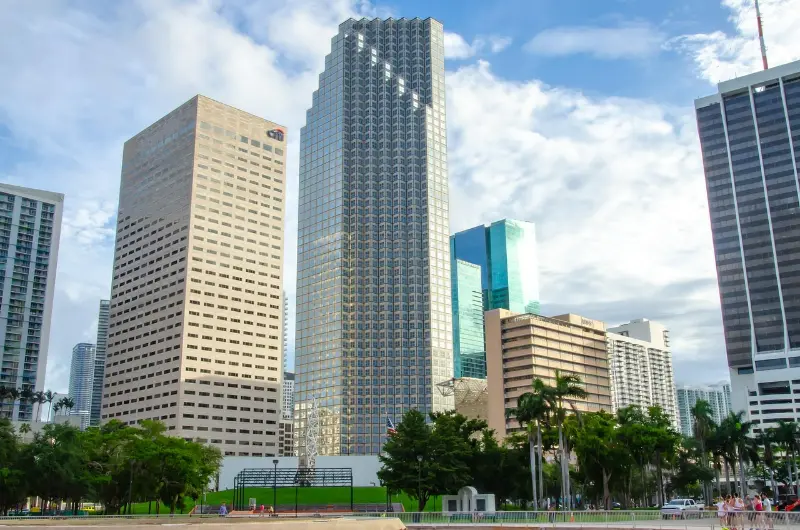
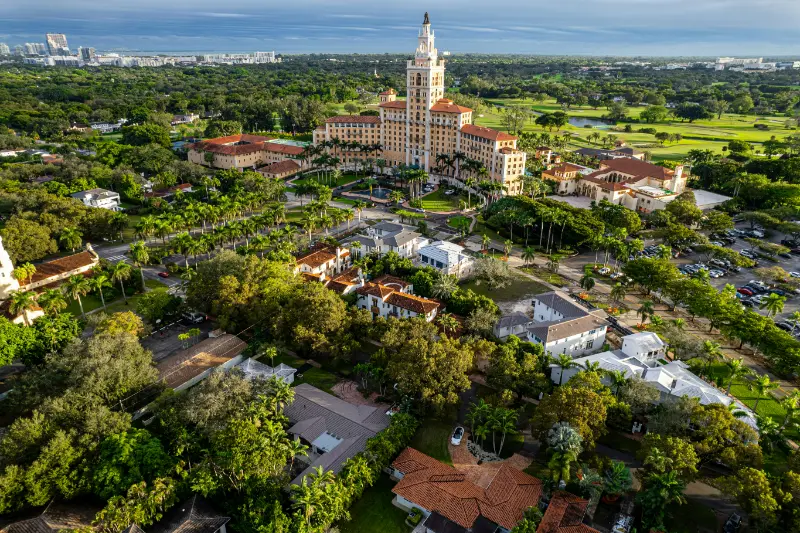
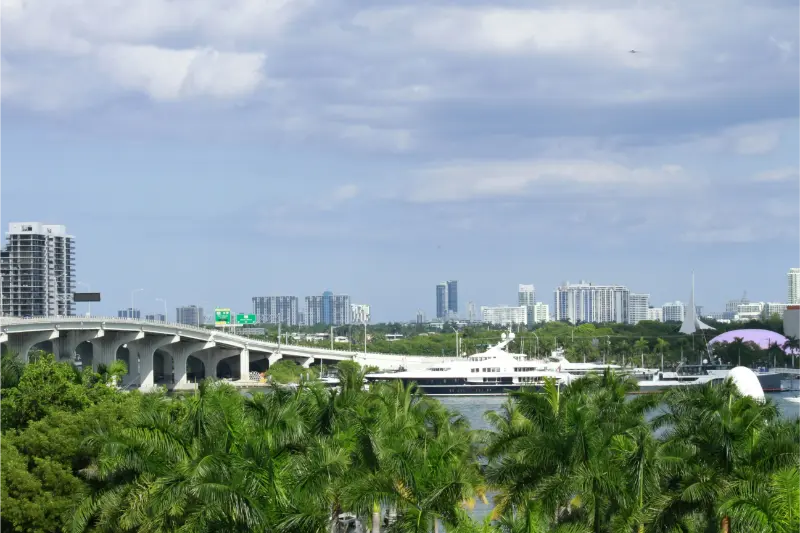
    Downtown Miami Modern Glass Skyscrapers

    How to look at contemporary art without feeling lost

    You do not need specialist training or a knowledge of art history to enjoy PAMM. Begin with one exhibition rather than trying to absorb everything. Read the introductory wall text for its main question, then choose a few works that make you curious. What does the artist ask you to notice? How do size, sound or material change the experience? If something feels confusing, that is a starting point for conversation rather than evidence that you have misunderstood the museum.

    For a family visit, invite children to choose their favorite shape, find an unexpected material or describe how a sculpture might look from another side without touching it. Avoid assigning them long written tasks in every gallery. Adults and teenagers might be interested in how local histories, migration and environmental questions appear in the exhibitions. Guided tours and special programs may add useful context; check whether they are available on the particular day instead of assuming a daily schedule.

    Architecture, terrace and outdoor spaces

    The shaded outdoor areas give PAMM a character unlike a museum in an enclosed shopping district. Look from the terrace toward Biscayne Bay, then back toward the building’s structural lines and vegetation. The waterfront can offer a refreshing change of pace after indoor galleries, although Miami’s humidity can make shade preferable to direct sunlight. It is also a good place to reassess how much more of the museum everyone wants to see.

    Respect any restrictions around sculptures, planted areas or private events. Photography rules can differ by gallery or exhibition, and flash or selfie sticks may be restricted. Follow posted notices rather than assuming that a public terrace has no rules. If the weather changes, remember that open coastal environments are not safe during lightning. Move indoors and follow staff instructions instead of trying to capture storm clouds over the bay.

    Accessibility and sensory needs

    PAMM publishes meaningful accessibility information. It identifies an accessible entrance near the main lobby, wheelchair-accessible galleries and facilities, and complimentary wheelchairs available through Visitor Services, with an ID requirement. Access to certain sculpture-garden areas may require requesting a cart in advance. The museum also welcomes trained service animals under applicable ADA rules, while ordinary pets and emotional-support animals are not permitted in galleries.

    For travelers with low vision, hearing differences, sensory sensitivities or stamina limitations, contact the museum before the trip and explain the specific support needed. Ask about exhibition lighting, audio, seating or guided interpretation rather than expecting every accommodation to fit every visitor. A short, focused route may be more satisfying than hours of gallery fatigue. Caregivers should plan a nearby rest stop and allow time for elevators and transitions between indoor and outdoor areas.

    PAMM with toddlers, school-age children and teens

    Families often underestimate how differently children respond to art museums. Babies may be content in a stroller during a quiet gallery walk, but feeding and diaper-change needs still matter. School-age children tend to do better with a simple mission, such as choosing two works that tell different stories or comparing a sculpture with the skyline outside. Teenagers may be drawn to photography, video, installations or social themes; invite them to shape the route instead of prescribing a complete adult itinerary.

    Museum etiquette should be explained before entering. Art is not a climbing structure, and barriers may be intentionally subtle. Maintain close supervision near fragile objects and respect other visitors’ need for quiet. If everyone becomes restless after one exhibition, use the terrace or stop for refreshments rather than turning an educational visit into a struggle. The museum’s value does not depend on seeing every room.

    Combining PAMM with Downtown Miami

    Because PAMM sits near other central attractions, it works well within a single Downtown Miami day. You might enjoy the museum in the morning, take a waterfront walk when weather allows and then explore another cultural site or restaurant rather than cross the county in traffic. Frost Science is nearby but is a separate ticketed attraction with its own aquarium and planetarium policies. Combining both museums can be rewarding for some families, yet tiring for younger children who need unstructured breaks.

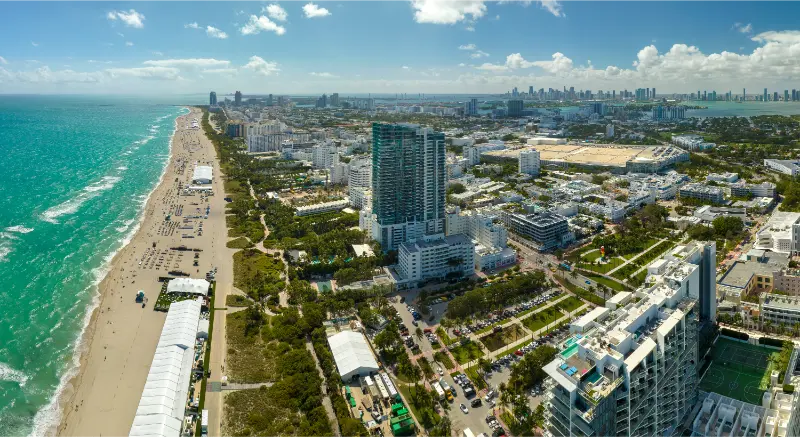
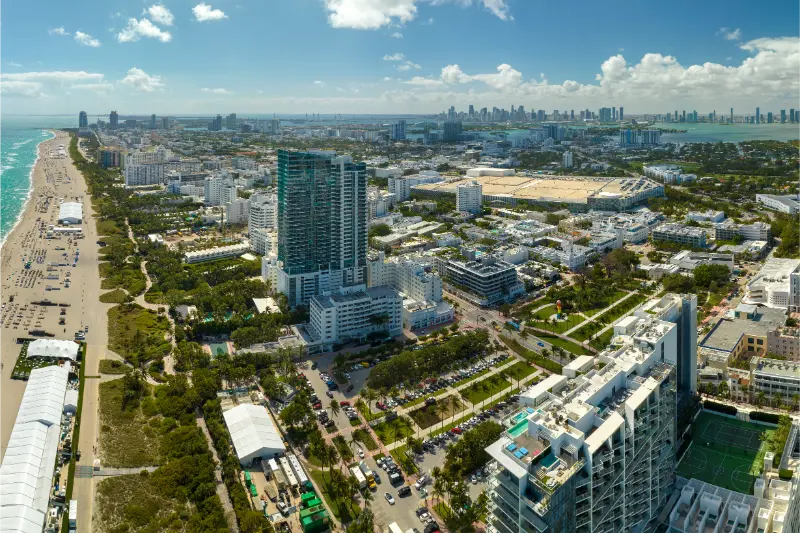
    One Thousand Museum Miami Tower and Downtown

    The same caution applies to pairing PAMM with Miami Beach. A map may make destinations appear close, but bridge traffic and parking consume valuable time. For travelers with mobility limitations, booking one cultural area per day often makes more sense than trying to see many landmarks. Keep lunch and transfer options flexible, and remember that museums sometimes adjust opening times for private events or changing exhibitions.

    Choosing the right kind of visit

    Art enthusiasts could spend half a day reading exhibition labels and attending a tour. First-time Miami visitors might prefer two concentrated hours with extra time on the terrace. A multigenerational group should choose exhibits around shared interests, arrange comfortable transport and avoid the hottest exterior walking periods. People who prefer traditional historical collections may want to browse PAMM’s current exhibition list before buying, since contemporary works can be experimental and the content changes.

    A free-admission period can be excellent value, but only if the extra crowds do not undermine your intended visit. The best bargain is not necessarily the lowest ticket cost: it is the combination of art, manageable travel, crowd levels and time. If you have only one museum afternoon in Miami, think about whether your group is more interested in contemporary art, science, local history or architecture. PAMM’s waterfront setting makes it especially attractive for visitors who enjoy more than the galleries alone.

    At-a-glance planning table

    Planning question Practical answer
    Location 1103 Biscayne Boulevard, Downtown Miami
    Main attraction Modern/contemporary art and waterfront architecture
    Usual time Around two to three hours
    Closing days Tuesday and Wednesday on the checked schedule
    Parking Paid museum garage; alternatives nearby
    Accessibility Wheelchairs and accessible facilities; ask about garden cart
    Pair with Downtown waterfront or a separate Frost Science visit

    Frequently asked questions

    Is PAMM a good choice if I do not know contemporary art?

    Yes. Choose a small number of works, use labels as conversation starters and take time to enjoy the architecture. A rewarding visit does not require recognizing any particular artist.

    Can you visit PAMM for free?

    The museum currently lists free-entry periods and exemptions for eligible visitors, including Thursday evenings. Recheck the official ticket page, capacity and documentation rules for your date.

    Is the museum wheelchair accessible?

    The official accessibility page reports accessible galleries and facilities, courtesy wheelchairs and specific access assistance for certain outdoor areas. Contact Visitor Services if your route depends on particular equipment.

    Can I combine PAMM and Frost Science in one day?

    Yes, they are close together, but each has separate admission and substantial exhibits. Families with young children might prefer choosing one museum and allowing outdoor or meal breaks.

    Should I book tickets ahead?

    Online booking is sensible when visiting during a popular exhibition, weekend or free-admission period. The museum indicates that capacity limits may apply and tickets can sell out.

    Official sources and final planning advice

    Check the PAMM visitor page, accessibility information and directions and parking before your visit. A successful PAMM day leaves room for the building, the bay and the unexpected: arrive curious, focus on a few works that speak to you and let the waterfront provide a break between exhibitions.


  • The Ringling in Sarasota: Art Museum, Circus Museum, Ca’ d’Zan and Gardens

    The Ringling in Sarasota: Art Museum, Circus Museum, Ca’ d’Zan and Gardens

    The Ringling is one of Sarasota’s most substantial cultural attractions, and its name can mislead first-time visitors. It is not only a museum about the circus. On a landscaped bayfront estate you can explore a major art museum, circus history, gardens, and the spectacular Ca’ d’Zan mansion associated with John and Mable Ringling. The different areas appeal to different interests and have distinct admission arrangements. That makes the most important decision the one you make before buying tickets: which parts of the estate do you actually want to see, and how much time can your group comfortably spend there?

    Understanding the estate before buying a ticket

    The Ringling occupies a large Sarasota campus, and its official description names the Museum of Art, Circus Museum, Ca’ d’Zan, Bayfront Gardens, Historic Asolo Theater, and visitor facilities. It is tempting to imagine that a single admission offers unrestricted access to everything. In practice, certain tours and mansion experiences can be separately ticketed or time-specific. Before purchasing, compare admission products and read which venues are included. If you have only two hours, one or two sections are more rewarding than a frantic attempt to cover the entire estate.

    Families often gravitate toward the Circus Museum. Art enthusiasts may want most of their time in the gallery spaces. Architecture lovers may make the mansion the centerpiece. Visitors who enjoy a slower outdoor outing can also appreciate the bayfront gardens, provided the weather is comfortable. These preferences matter more than a generic ‘must-see’ list. Create an itinerary around your main interest, then add a second area only if your group has energy to spare.

    Museum of Art: what to look for

    The Museum of Art is Florida’s official state art museum and holds works spanning different periods and traditions. The building itself and the circulation through galleries add to the experience. Rather than trying to absorb every room, choose a manageable path and read selected labels carefully. A few works understood well can be more satisfying than a hundred seen in a blur. The collection’s scope also helps visitors place Sarasota within a wider cultural landscape, far beyond the beaches for which the region is famous.

    For children, choose a simple theme such as animals, portraits, colors, or architectural details, and let them search within approved visitor areas. Teens studying art history may enjoy comparing different styles or discussing what a museum label tells us about an object’s origins. If an exhibition addresses sensitive historical themes, spend a moment framing the subject before moving through it. For older visitors, the art museum can provide a calmer pace than long outdoor garden walks, but check the location of seating, elevators, and restrooms.

    Circus Museum: Sarasota's theatrical history

    Sarasota’s circus connection is a major reason The Ringling is distinctive. The Circus Museum interprets the history, design, spectacle, and working culture of the American circus, including exhibits associated with the Tibbals Learning Center and historical galleries. It can captivate children, but it also presents interesting questions for adults: how huge performances traveled, how advertisements shaped public expectations, and what everyday work stood behind the polished show.

    Sarasota Florida Canalfront Houses Aerial

    Look beyond colorful costumes and model displays. The story includes logistics, labor, technical creativity, and changing attitudes toward entertainment. Families can talk about how performers and crews coordinated complex events before digital technology, or compare historic advertising with today’s theme-park marketing. Young children may need shorter viewing periods; alternate exhibits with a break outside or in a designated resting area. Check which galleries are open, as temporary changes can affect the visit.

    Ca' d'Zan: mansion or architectural highlight?

    Ca’ d’Zan, the Ringlings’ Venetian-inspired waterfront residence, is visually striking even from the estate grounds. But interior admission requires more attention than walking up to a regular museum gallery. Current Ringling ticketing advertises first-floor exploration and specialized tours with specific departure times. Do not assume an art-museum ticket lets you enter every mansion room or that an upstairs tour will be available on arrival. If Ca’ d’Zan is the main reason for your trip, secure the correct experience in advance where reservations are offered.

    The building is also historic, with the access considerations that come with older architecture. Ask whether a chosen tour is step-free and how much standing or stair climbing it involves. On a hot day, the waterfront setting may look like a perfect place to linger, but open terrace areas can be exposed to sun and weather. A thoughtful itinerary can pair a confirmed mansion time with a shorter art or garden stop, leaving enough room for check-in and travel across the campus.

    The gardens and Sarasota Bay

    The Bayfront Gardens are not filler between ticketed buildings. Their mature trees, landscaped areas, and views across Sarasota Bay help explain the estate’s setting and the way leisure, architecture, and landscape were intended to work together. Strolling here can be a quieter part of the visit, especially after visually dense exhibits. Some visitors may decide that a garden-oriented admission is a better match than the complete cultural package, provided the current ticket options allow it.

    Use marked walkways, avoid protected planting beds, and remember that the campus is larger than it might appear in photographs. Midday heat can make outdoor transfers tiring. If you are traveling with an elderly relative, consult the campus map and decide which stops are realistically close together. The open waterfront and garden sections are also weather-dependent: thunderstorms, strong wind, or heavy rain can alter the best order of activities.

    Hours, holidays, and the right ticket

    The Ringling’s ticketing information lists regular opening from 10 a.m. to 5 p.m. and identifies closures on Thanksgiving, Christmas, and New Year’s Day. Thursday evening discounted access is advertised for the Museum of Art and Bayfront Gardens, not as blanket access to every venue. Special performances, touring exhibitions, and mansion experiences may carry their own hours. Always compare the official calendar and ticket product for your intended date.

    For cost planning, decide whether you want art, circus history, the gardens, a mansion tour, or a combination. Check eligibility for child, student, or senior discounts rather than assuming rates are identical across products. Ask whether you need an actual timed reservation for Ca’ d’Zan. Arriving with an incorrect ticket can lead to disappointment even if the museum campus itself is open. Keep digital confirmation accessible offline in case reception is poor at check-in.

    How to get there and where to stay

    The Ringling is in Sarasota near the bayfront and is conveniently located for travelers staying in Sarasota, Bradenton, or the Lido Key area. Driving is practical for many visitors, but local traffic varies with season and event schedules. Verify the current entrance and parking arrangement on the official site; do not assume a map application will take you to the correct visitor pavilion. Guests using rideshare should select the designated pickup/drop-off area so they do not have to cross busy internal roads.

    If you are choosing accommodation mainly for The Ringling, one night in Sarasota is rarely necessary unless the museum is part of a broader itinerary. A visit fits naturally within a longer Sarasota vacation with beaches, dining, and cultural stops. Keep it as a central half-day or full-day activity rather than squeezing it between unrelated attractions at opposite ends of the county. On a family road trip, staying near your next planned destination may be more useful than moving hotels for a single museum.

    Planning for babies, children and seniors

    Families with babies should review stroller rules, changing facilities, and any restrictions within historic interiors before arrival. A stroller may be useful for outdoor sections yet less practical in confined or historic rooms. Children ages five to twelve often enjoy the circus exhibits more when you present the visit as a search for how a traveling show operated. Teens may prefer art, architectural photography, or conversations about the economics of a huge entertainment industry.

    Older visitors may benefit from starting indoors, using benches, and limiting long back-and-forth walks. The right schedule for grandparents and young children is not necessarily the same: consider dividing a party briefly, with a clear meeting place, if everyone is comfortable. Visitors with disabilities should verify accessible entrances, routes, and the accessibility of the exact Ca’ d’Zan tour they plan to buy. No cultural experience is worth creating a stressful and exhausting day for someone in your group.

    Food, rest, and weather decisions

    The visitors pavilion area provides dining and shopping options, but restaurant menus and opening times may differ from gallery hours. Factor in a meal or water break, especially if you plan to remain three or four hours. Do not assume outside food can be carried into museum rooms. A small day bag, comfortable shoes, water where permitted, and a light layer for air-conditioned galleries are sensible. Keep personal items secure and follow bag-check policies if requested.

    Rain can make museum galleries a useful choice, but it does not make the entire estate weatherproof. A thunderstorm can disrupt garden exploration and waterfront views. If the forecast looks uncertain, begin with an indoor priority and leave the outdoor part flexible. Summer visits often require an earlier arrival and a lower expectation of prolonged walking in direct sun. During popular school breaks, advance online tickets may also make the visit smoother.

    Vizcaya Museum Waterfront Garden and Stone Boats

    Choose an itinerary based on your interests

    For art-focused adults, spend the majority of your time in the art museum and use the gardens for a refreshing break. For a family, start with the Circus Museum, then cross to another highlight if the children remain engaged. For an architecture-focused traveler, build the schedule around the actual Ca’ d’Zan ticket time and add other sections around it. If the party has mixed interests, identify one shared venue and allow flexibility afterward.

    A full-day visit can be rewarding, but it should include time for food and genuine rest. Do not assume every group needs every museum. If you want to combine The Ringling with Marie Selby Botanical Gardens, it is usually more comfortable to place the attractions on different days or intentionally keep one of them short. Both merit attention; neither benefits from being reduced to a thirty-minute stop just to complete a list.

    Planning table

    Priority Suggested focus Check before booking
    Families with school-age children Circus Museum plus one other section Gallery hours and ticket inclusions
    Art enthusiasts Museum of Art, selected galleries Rotating exhibitions
    Architecture fans Ca’ d’Zan scheduled experience Access level and timed reservation
    Slow-paced travelers Gardens and selected interiors Distances, shade, seating
    Visitors with mobility needs Confirmed accessible route Mansion tour stair requirements
    Sarasota weekend Ringling as a half-day anchor Parking, seasonal traffic

    Frequently asked questions

    Is The Ringling only a circus museum?

    No. It includes a major art museum, circus history exhibits, a mansion, gardens, and other cultural spaces across one campus.

    Can I visit Ca' d'Zan with general admission?

    Do not assume full access. Mansion experiences can be separately scheduled or ticketed, and access may be limited to particular floors or tour formats.

    Is there an evening visit option?

    The official calendar advertises discounted Thursday evening access for the Museum of Art and gardens. Verify what is included for your exact date.

    How much time should I allow?

    Two to three hours can cover a focused selection; a broad visit may require most of a day. Include walking, meals, and ticketed tour times.

    Is The Ringling suitable for visitors with reduced mobility?

    Many areas have visitor-access facilities, but the campus is extensive and specific historic-house experiences may have restrictions. Request the current accessibility details before purchasing a tour.

    Official planning sources

    Use The Ringling’s estate venues guide and official ticket calendar to check exact inclusions and availability. A visit here works best when you choose the art, circus, architecture, or garden story that truly interests you, rather than trying to consume the whole estate in one hurried afternoon.

  • From Tampa to Parrish and Winter Garden: Five Days of Railway History

    From Tampa to Parrish and Winter Garden: Five Days of Railway History

    Railroads shaped where many Florida towns grew, how citrus and other goods reached markets, and how winter visitors traveled long before modern highways and airports. You can explore that history through restored equipment, former railway hotels, depots and museums without spending five days staring at tracks. This itinerary connects Tampa Bay, Parrish and Central Florida, combining a heritage train ride where available with broader context in historic towns.

    The journey requires a car for most connections because the heritage attractions themselves do not form a modern passenger rail route. It is suitable for train enthusiasts, children interested in machines, retired travelers and anyone curious about why a once-remote peninsula became a major tourist destination. The essential rule is to check the actual operating calendar: heritage railways often run special trains on limited dates, while indoor museums may close on certain weekdays or for restoration work.

    Understand what kind of rail experience you are booking

    There are three different experiences in this itinerary. A heritage train ride places visitors aboard operating equipment, often on limited routes with designated departure times. A railway museum may display locomotives, historic photographs and artifacts but provide no regular passenger service. A railroad-history attraction such as a preserved hotel or depot explores how trains changed the wider community. Mixing these makes the week educational and keeps it enjoyable for family members who are not fascinated by engines.

    Before buying anything, check whether the attraction offers an actual train ride on your chosen date and whether it has coach seating, air conditioning, restrooms and step-free boarding. Historic rolling stock may be difficult for someone who uses a wheelchair, and not every heritage car can carry a stroller. Book assistance directly and do not infer accessibility from a photo of a modern station. Families with children should also ask about seating assignments, noise, moving between cars and food policies.

    Day one: Tampa’s railway resort history

    Start with the Henry B. Plant Museum in Tampa, housed in part of the former Tampa Bay Hotel. Its history connects Henry Plant’s transportation network with the growth of leisure travel. The museum explains the Gilded Age resort, its original furnishings and the experiences of people who helped operate it. The story is not simply one of glamorous visitors; it also raises questions about labor and who benefited from the new infrastructure. Take time to read the exhibits rather than focusing only on the building’s striking architecture.

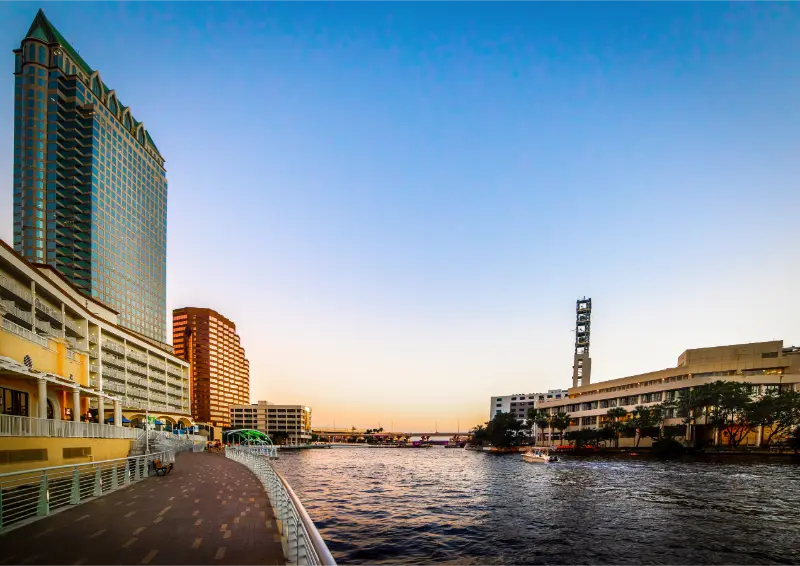
    Tampa Florida City Skyline with Palm Trees at Dusk

    The museum has its own opening schedule and may close on Monday or certain holidays, so confirm before arrival. Combine the visit with a short downtown lunch and waterfront walk rather than racing to a second distant museum. Older visitors may appreciate a seated pause after galleries, while children can look for clues about how travel worked before modern airports: luggage, uniforms, passenger information and historical photographs. If the weather is poor, the indoor museum makes a valuable introduction to a rail-themed trip.

    Day two: book a Florida Railroad Museum excursion at Parrish

    The Florida Railroad Museum in Parrish is a logical centerpiece when heritage train service is available. Its excursions can introduce the sounds and movement of historic railway travel in a way photographs cannot. Operating calendars, route details, special event trains and boarding instructions change, so review the museum’s official schedule before finalizing your hotel nights. Do not assume service every day or book a hotel solely on the basis of a generic travel listing.

    Arrive before the published boarding time and follow crew directions near tracks and rolling stock. Children should stay with adults, and everyone should remain behind safety lines. If a family member uses mobility equipment or cannot climb steps, arrange boarding accommodations directly with the museum well in advance. Ask whether a particular excursion uses open windows, air conditioning or themed performances; that can affect comfort for toddlers, older visitors and people sensitive to noise. Enjoy the train ride as the main event, then keep the remainder of the day relaxed.

    Day three: a heritage day without another long train ride

    Use day three for a slower look at the towns and landscapes the railroads once served. Around Tampa Bay, you can seek out a preserved depot, local historical display or neighborhood whose growth was tied to trains. Rather than presenting every historic building as railway-related, rely on local museum interpretation and signage. A casual walk among older commercial buildings may raise useful questions: Where did goods arrive? Why are roads laid out in a grid? How did train access influence hotel location and agricultural shipping?

    If your group has young children, a railroad day can include an ordinary park or playground. Older children may enjoy drawing a map of how oranges moved from grove to port. For adults, this is an opportunity to explore local history without needing another ticket. Preserve the flexibility to move the day if the heritage excursion is rescheduled for weather or operational reasons. A train trip with one guaranteed attraction and several optional stops is less fragile than a chain of nonrefundable admissions.

    Day four: head toward Central Florida and Winter Garden

    Travel toward the Orlando area with time for a stop in Winter Garden. Its historic downtown and former rail corridor make a useful contrast with the bigger resort zones nearby. Look for official local-history resources or a railway heritage museum if open, but verify current addresses and hours; smaller collections may depend heavily on volunteers and may not open daily. The downtown area’s public spaces offer a chance to see how rail-era streets have been reused for shops, cafes and walking or cycling routes.

    Tampa Florida Downtown Skyline from Waterfront

    The popular West Orange Trail passes through this region, reflecting how some former transport corridors have become community recreation spaces. If you plan to ride bicycles, check trail rules and safe road crossings. You can also simply walk a short section and visit nearby businesses. Families should not attempt a long ride in midday heat after a road transfer. Choose one enjoyable hour and keep the evening free. For visitors whose railway interest is technical, local historical societies can help identify photographs and information about former lines.

    Day five: finish with a museum or a train-themed family activity

    Use the final day for a local museum that covers transportation or regional history, or simply enjoy Winter Garden before departure. If a specific railroad museum is unexpectedly closed, a preserved downtown and thoughtful historical walk still fit the trip’s theme. Do not force a distant detour across Orlando solely to complete a list. If your departure airport is nearby, plan a short outing with enough time to return the rental car and clear airport security. For families with young children, the hotel pool or an indoor science attraction can be a pleasant alternative after several educational days.

    This is also a chance to compare old and new travel. Florida has modern intercity rail service in some corridors, but it does not follow the same tourist itinerary as the heritage attractions described here. Treat heritage trains as experiences rather than as transportation between cities. If you choose to ride a modern passenger train on a separate day, check current routes, luggage policies and station transfers; do not try to combine unfamiliar rail systems without a realistic connection plan.

    Five-day practical route

    Day Area Rail connection What to book
    1 Tampa Henry Plant railway-era resort history Museum hours/admission
    2 Parrish Historic excursion train Exact train date and boarding needs
    3 Tampa Bay Depots, community history and flexible stops Optional local museum only
    4 Winter Garden Historic downtown and rail corridor reuse Check small-museum schedule
    5 Central Florida Final cultural stop and departure Airport transfer

    The route can be condensed to three days by focusing on Tampa and Parrish, or stretched with more time in Central Florida. The choice should reflect your family’s attention span and operating schedules. During special holiday train events, tickets and accommodation may need to be booked much earlier than for a normal week. Verify refund and weather policies before paying for a limited-date excursion.

    Where to stay and when to travel

    A Tampa-area hotel for three nights and an Orlando- or Winter Garden-area hotel for two nights minimizes hotel changes. Select lodging by parking and access to the attractions, not just the city name. Tampa Bay is geographically large, and traffic can turn a ‘nearby’ hotel into a frustrating commute. For the heritage train day, check the exact boarding station in Parrish and the preferred arrival time before comparing accommodation. Hotels with breakfast or a refrigerator are helpful for early departures.

    Rail events often attract families during weekends and holidays. If you travel in summer, consider indoor museums or morning outdoor stops; Florida humidity can be uncomfortable near uncovered platforms. Winter weather may be mild but not always warm, particularly on open-air carriages. Pack a light layer and closed-toe shoes. Ticket prices vary by type of excursion, seat category and season, so use date-specific official quotes instead of a universal estimate.

    How to make it interesting for all ages

    Preschoolers may simply enjoy the sight and sound of a locomotive but lose interest in detailed historical text. Choose a short experience and allow time to stretch afterward. Elementary-age children can look for rails, signal lights and station signs, then compare them with modern road signs. Teenagers might research a specific historic route before departure and lead a small discussion. Retired railway workers or older travelers may enjoy museums’ technical details and historical documents, but should still verify seating and accessible boarding.

    For a mixed-age family, alternate interpretation with breaks. Ask children to imagine how a family packed for a long rail journey a century ago, or how workers prepared a station for arrivals. Avoid romanticizing the past as uniformly comfortable. Early rail travel could be expensive, segregated or difficult, and construction relied on workers whose stories deserve attention. Understanding these realities gives the museum exhibits depth beyond the excitement of old machinery.

    Safety, access and responsible museum visits

    Never cross tracks outside designated crossings, climb on equipment or enter restricted maintenance areas. Even a stationary carriage can have heavy steps, sharp metal or narrow passageways. Listen to staff and obey photography rules; some museums restrict flash or images of special exhibitions. Children should be supervised around platforms. If a train is operating, avoid leaning out of windows and keep hands inside the vehicle. For guests with hearing or vision needs, request available assistance before booking rather than arriving with essential questions unanswered.
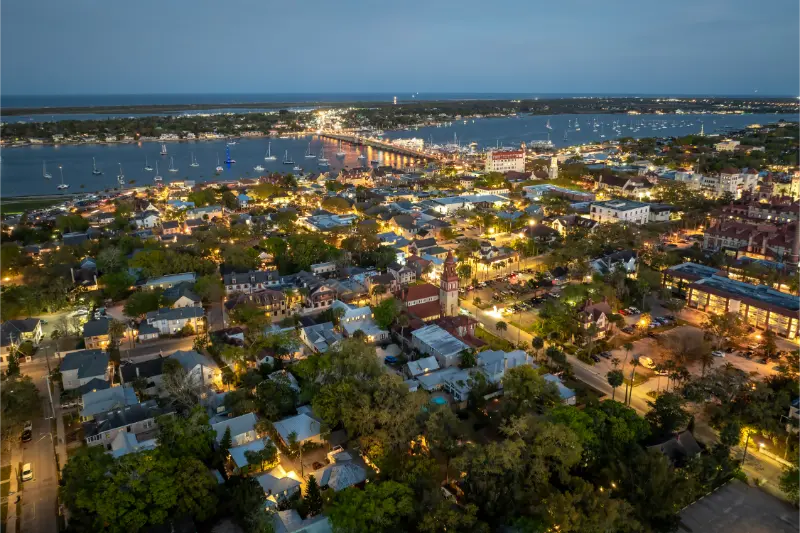
    Support preservation organizations by respecting volunteer time, purchasing a ticket where required and asking before photographing staff or workshop areas. Historic equipment demands constant maintenance, and temporary cancellations do not necessarily indicate poor organization. Build a flexible schedule that can accommodate an operational change. A well-planned heritage vacation gives you room to enjoy the people and places that keep Florida’s railway story alive.

    Frequently asked questions

    Can we travel between these museums by train?

    Not as a continuous heritage passenger route. The historic attractions are in different cities; a car is the practical transport for this itinerary. Museum train rides are separate excursions.

    Are the heritage train rides suitable for wheelchairs?

    Some services may offer accommodations, but equipment and boarding arrangements vary. Contact the operator for the exact train, car and date before purchasing.

    What happens if the heritage train is not running?

    Make Tampa’s historical museum and Winter Garden’s downtown the core of the trip, or reschedule around an advertised departure. Avoid relying on daily train service that does not exist.

    Official resources

    Check the Henry B. Plant Museum for its historical exhibits and hours; use the Florida Railroad Museum for excursion dates, fares and access needs. For the Winter Garden area, consult the City of Winter Garden and Orange County Parks for trail and public-space information.

  • Free University Art Museums in Florida: Miami, Gainesville and Tampa Without Admission Fees

    Free University Art Museums in Florida: Miami, Gainesville and Tampa Without Admission Fees

    Visiting an art museum on a Florida vacation does not have to consume a theme-park-sized budget. Several university museums welcome the public and charge no general admission, making them especially attractive for couples, retirees, students and families looking for an indoor cultural break. The Patricia & Phillip Frost Art Museum at Florida International University in Miami, the Harn Museum of Art at the University of Florida in Gainesville and the University of South Florida Contemporary Art Museum in Tampa all offer useful possibilities. Yet 'free admission' is not the same as a completely free trip: parking, transport, special events and the time required to cross a campus can still matter. This guide focuses on how the three museums differ and how to visit them without confusing ordinary college opening hours with public gallery access.

    ChoiceBest fitCheck before visiting
    MiamiFrost Art Museum FIUFree admission, campus parking rules
    GainesvilleHarn Museum of ArtCollections and changing shows
    TampaUSF Contemporary Art MuseumCheck exhibition changeovers

    Why campus museums can be excellent travel stops

    University art museums often combine collections, changing exhibitions, research and education. They are not merely classrooms for students. A visitor may see works that connect Florida with artistic traditions from around the world, encounter contemporary questions presented through exhibitions or discover photography and design alongside paintings and sculpture. Because the public may enter without paying a general admission charge, you can plan a short visit without feeling that you must stay for hours to justify the price. This is particularly valuable for travelers with children who may lose interest after a few galleries, or older companions who prefer gentle indoor activities. Free entry also encourages visitors to take their time with a few works rather than race through an entire building. The practical difficulty is that a museum may be surrounded by a working campus with separate parking systems, holidays and event schedules. Check the precise museum address and visitor information first. A university's main entrance or campus address may not lead directly to the gallery.

    Frost Art Museum at FIU in Miami

    The Patricia & Phillip Frost Art Museum is located at Florida International University's Modesto A. Maidique Campus in west Miami-Dade County. Its official visitor page states that general admission is always free. The museum features changing exhibitions and offers accessibility information, including wheelchair access to its galleries. This makes it a strong choice for visitors who want art without committing to the busier tourist districts of Miami Beach or downtown. However, 'in Miami' can cover a large geographic area. If your hotel is on Miami Beach, the drive to FIU may take considerably longer than expected during traffic peaks. Check the official directions and available visitor parking, and distinguish between any metered spaces and other campus parking arrangements. The museum's opening hours do not necessarily match those of the university's academic buildings. Plan the visit around the galleries you want to see, allowing time to arrive from the correct campus entrance. If a particular temporary exhibition is your main reason to go, check its closing date before traveling.

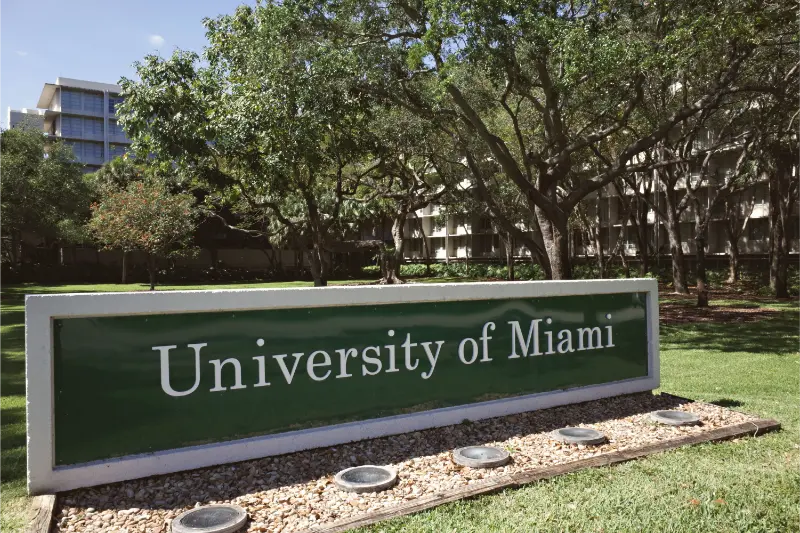
    University of Miami Campus with Tower Aerial

    Harn Museum of Art in Gainesville

    The Harn Museum of Art belongs to the University of Florida in Gainesville and advertises free general admission. Its collections and exhibitions include African, Asian, modern and contemporary art, along with photography. For tourists visiting North Central Florida, it can be an appealing complement to springs, geological sites or the historic downtown. The benefit is not only the price: a visit can introduce art from regions and traditions that are not always represented in a standard Florida beach itinerary. Before setting out, look at the museum's current hours and any evening programming. The Harn's official site notes changing exhibitions and specific holiday exceptions, so a timetable copied from an older article could be wrong. Travelers should check where visitors can park on or near campus. Do not assume every university parking space becomes available simply because museum admission is free. If a family includes a preschooler, choose a few galleries and stop before the child becomes exhausted. An indoor art visit works best when nobody feels obliged to see every piece on display.

    USF Contemporary Art Museum in Tampa

    The University of South Florida Contemporary Art Museum, often called USFCAM, is based on the Tampa campus and focuses on contemporary art. Its official visitor information states that exhibitions and events are free and open to the public unless otherwise noted. However, the museum closes between exhibitions as well as on certain university holidays. This is a crucial detail for visitors: a campus may be active and full of students while the museum is not open to visitors. Check the exhibition calendar before driving there. USFCAM also gives detailed parking directions, with visitor permits or payment arrangements that are separate from free museum admission. Travelers interested in recent artistic ideas and experimental forms may enjoy this institution more than a museum dominated by traditional historical paintings. If you are not sure contemporary art will appeal to everyone in your group, keep the visit flexible. Read a little about the current exhibition and discuss its themes beforehand, especially when traveling with children or teenagers.

    Choosing the right museum for a Florida itinerary

    Location should settle most decisions. The Frost Art Museum is suitable for travelers already exploring the Miami-Dade area; the Harn belongs naturally in a Gainesville trip; and USFCAM works for visitors spending time in Tampa. These are not three stops to combine on one day. The distances are substantial and would turn an inexpensive cultural outing into an expensive drive. If you are deciding between two museums along a longer road trip, compare the exhibition schedules, parking arrangements and how much time you have in the city. Contemporary art at USFCAM may appeal to one group, while the Harn's broader permanent collecting areas suit another. Miami visitors may prefer the Frost because it adds a cultural stop in a less familiar part of the metropolitan area. Remember that exhibitions rotate, so no museum can promise the same works throughout the year. Choose according to the program actually on view during your travel dates, not a photograph from a past exhibition.

    Florida International University Miami Aerial View

    What 'free' really means on a college campus

    The ticket price may be zero, but other costs remain. A campus garage or visitor lot can require payment, and a rideshare journey from a distant hotel may cost more than admission to a neighborhood museum. Restaurants and museum shops are optional purchases. Some special lectures, fundraisers or evening events may have their own registration requirements or tickets. Check whether guided tours require advance booking and whether groups above a certain size must contact the museum. If you are staying only briefly, calculate travel time as a real cost. A two-hour round trip to a free attraction is not always the best use of a short vacation. When visiting with a senior or person with mobility limitations, parking close to the entrance may be worth a reasonable charge. Keep any payment receipt and pay attention to campus enforcement signs. A free museum is a wonderful resource when the visit fits comfortably into the rest of the trip.

    Visiting art museums with babies and children

    Children are often more interested in art than adults expect, provided the visit is tailored to their attention span. With a baby, prioritize accessible entrances, convenient bathrooms, feeding arrangements and a stroller route. With a preschooler, look for color, shape and familiar objects, spending only a few minutes with each work. School-age children can choose a favorite piece and explain what it reminds them of; teenagers may enjoy discussing the story or social context behind an exhibition. Explain the rules before entering: artworks must not be touched unless a display explicitly invites interaction, and running between galleries can endanger people and objects. Ask whether a museum offers family guides, educator programs or short activities during your visit. These programs may be scheduled, not automatically available every day. Some exhibitions cover difficult historical or contemporary topics, so read descriptions in advance if you are choosing for young children. It is perfectly reasonable to see three galleries and leave for lunch while everyone is still interested.

    Accessibility and sensory comfort

    College museums may provide good accessibility information, but needs vary. Confirm step-free entrance routes, elevators, accessible restrooms and the distance from designated parking spaces. A visitor who can walk short distances but not stand for an hour may need seating or a quieter route. Ask whether exhibitions contain flashing lights, loud sound or dark rooms if someone in the family has sensory sensitivities. Some contemporary works are immersive installations that behave very differently from ordinary paintings. Visitors with hearing needs may benefit from printed exhibition text or captioned media; those with visual impairments may want to know whether guided interpretation is available. The Frost Art Museum and USFCAM publish accessibility details, but an individual's requirements should be discussed directly with the institution. Keep the possibility of a short visit in mind. You do not need to finish the exhibition to make the outing worthwhile. A museum should invite curiosity, not create a physical or sensory endurance test.

    An easy half-day plan near each museum

    In Miami, plan the Frost Art Museum as one deliberate stop rather than trying to add it casually to a South Beach walking route. Account for the drive and then consider a meal in the surrounding area. In Gainesville, the Harn can follow or precede another museum or a light local activity, but do not assume all nearby campus buildings share the same public access policies. In Tampa, USFCAM works as a short cultural anchor for a day that also includes lunch, provided the current exhibition is open. If you are traveling by public transport, check both directions and avoid assuming that every campus entrance is served equally. Families with young children often do better with an art visit before lunchtime than after a full day outdoors. Older travelers may prefer a quieter weekday session rather than a special event. The common principle is simple: pick one nearby museum, explore what genuinely interests you, and keep the remainder of the day unhurried.

    What to verify on the official website

    Check that the museum is open on the exact date, especially during university holidays and exhibition changeovers. Look at the current exhibition descriptions, confirm whether general admission is free and whether a special program requires booking. Read parking instructions rather than navigating to the university's main address and expecting a free lot. Ask about accessibility features, family facilities and photography rules. Some galleries permit photographs without flash for personal use, while others restrict certain works; always follow local signs. If an artwork pictured in an online review is essential to your visit, ask whether it is currently on display. Keep a copy of directions and opening information on your phone, and have a nearby indoor alternative for a sudden closure. A free university museum can become one of the best-value cultural stops of a Florida trip when its schedule and campus logistics are treated as part of the outing.

    FAQ

    Can tourists visit these university museums without being students? Yes. These museums offer public visiting hours; check each institution's current calendar.

    Is general admission really free? The Frost Art Museum, Harn and USFCAM currently publish free general admission, though parking or special activities may cost money.

    Are university museums open during school holidays? Not always. Museums can close for university holidays or between exhibitions; verify before travel.

    Can families bring strollers? Policies differ. Contact the museum about routes, gallery restrictions and any relevant accessibility needs.

    Official resources

  • Orlando Science Center with Kids: KidsTown, DinoDigs and a Smart Rainy-Day Plan

    Orlando Science Center with Kids: KidsTown, DinoDigs and a Smart Rainy-Day Plan

    Select the right science exhibits for toddlers, school-age children and adults on a day away from rides. Orlando vacations tend to focus on the large resorts, yet the city has a substantial science museum that works particularly well when families want a break from roller coasters, outdoor heat or unpredictable rain. Orlando Science Center offers hands-on science exhibits, demonstrations, films and play-based learning. The strongest reason to visit is not that it will fill an empty afternoon automatically, but that different members of the family can become curious about different things. Parents should check the daily calendar rather than planning around a favorite exhibit that may have changed.

    Explore this guide

    At a glance: is this visit right for you?

    • Where: Loch Haven Cultural Park, Orlando.
    • Main attraction: Orlando Science Center.
    • Why it is worth considering: Select the right science exhibits for toddlers, school-age children and adults on a day away from rides.
    • Other places to consider nearby: Orlando Museum of Art; Mennello Museum of American Art; downtown Orlando.
    • Booking rule: Check the official attraction or national-park page on the date you plan to visit; some activities require a separate reservation..
    • Travel style: Works best as one clearly chosen experience, with flexibility for children, adults, older travelers and people who need breaks..

    What makes Orlando Science Center different?

    There is no single best Florida attraction for every visitor. Orlando Science Center deserves its own decision rather than being grouped uncritically with big resort theme parks. Consider the pace, environment, transportation and experience that actually matters to your party. Families with babies, groups with older relatives and travelers who want an educational or nature-focused visit may have different priorities from thrill seekers. The following sections explain how to evaluate those trade-offs without promising that every scheduled activity or animal encounter will always be available.

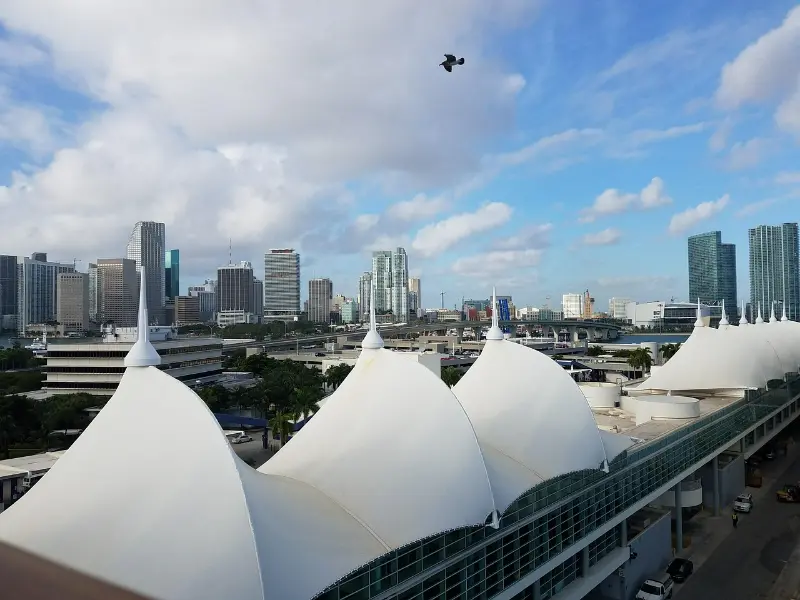
    Orlando City Amway Center and Tents

    KidsTown is much more than a playroom

    KidsTown is designed for younger visitors, broadly ages seven and under, with an emphasis on imaginative play, experimentation and movement. The Orange Grove encourages children to move pretend fruit through interactive systems, while Drip Drop Splash introduces cause and effect through water play. Toddler Town offers a dedicated setting for the youngest visitors, and other zones use climbing, role-play and building to make abstract ideas physical. A toddler does not need to explain the physics of moving water to learn from it. Schedule plenty of time here rather than dragging small children through all the upper-floor exhibits. Bring a change of clothes if your child particularly enjoys wet or active play.

    DinoDigs, Kinetic Zone and exhibits for older children

    DinoDigs invites visitors to consider prehistoric creatures and how scientists reconstruct lost worlds. For school-age children, it can open questions about fossils, evidence and the difference between a replica and a discovery. Kinetic Zone shifts the focus toward engineering, motion and making ideas work. Other exhibit halls may explore living systems, space or the intersection of art and science. These experiences are engaging because visitors can test a prediction rather than merely read a wall label. Teens with strong interests can spend longer at one area, while adults might enjoy discussing the science behind the demonstrations. Check which galleries are operating on the day you visit; temporary installations change.

    Plan around demonstrations and films

    One of the easiest mistakes is choosing a sequence based only on exhibits and discovering later that a live science presentation ended ten minutes before your arrival. Read the current program when entering. If a show particularly interests your family, build the visit around that fixed event and use the open galleries flexibly. Immersive film presentations can be a welcome seated break, but check age suitability, volume and any motion or visual effects that could bother sensitive guests. Children who struggle in dark theaters may enjoy the interactive halls instead. It is better to experience one well-chosen demonstration and a few exhibits thoroughly than to feel obligated to visit every floor in a single session.

    Princeton Street arrival and parking

    The science center sits near Orlando's Loch Haven cultural area, not in the International Drive theme-park strip. Driving time can be longer than anticipated from resort hotels, especially around commuter periods. Its official visitor information describes a parking garage across Princeton Street with an elevated bridge connection into the building. Paid parking is separate from admission, so account for it when comparing the outing with other attractions. SunRail's AdventHealth station is within walking distance for travelers who understand the railway operating calendar and their onward travel options. If using a stroller, follow the museum's size guidance and check the route from the garage before unloading multiple bags.

    Accessibility, sensory spaces and family comfort

    The center publishes practical accessibility information, including wheelchair availability, accessible restrooms and KultureCity sensory resources. Its sensory room can be especially valuable for visitors who need a quiet, predictable break. Parents of infants should look for baby-changing and nursing spaces, and people with mobility needs should identify elevator routes early. Interactive museums can be noisy even on relatively uncrowded days, so headphones, short visits and clear meeting points may help. A child with sensory sensitivities may thrive in one carefully selected gallery while finding a crowded demonstration overwhelming. Ask staff about current facilities and any accommodations that require advance notice rather than assuming every visitor has the same ideal route.

    Pricing and whether membership makes sense

    Orlando Science Center uses admission categories for different ages and lists online versus on-site rates. It also offers membership and some reduced-admission arrangements. For a single vacation visit, compare the regular ticket and the actual number of experiences you hope to enjoy. For residents or families staying in Orlando repeatedly, membership might be worth evaluating, but only after checking benefits and exclusions. Food and garage parking can add to the total. If your children are tired after several theme-park days, a shorter museum experience can still be good value even if it means skipping part of the building. Do not treat the desire to get every possible dollar's worth as a reason to exhaust the family.

    Build a balanced learning day in Orlando

    The surrounding Loch Haven cultural district offers possibilities for extending the outing, including other museums and green space. But a young child who has spent three hours in KidsTown may be more interested in lunch and a rest than a second institution. School-age children could compare an interactive science experience with an art museum on another day. A good itinerary includes an arrival buffer, one special demonstration, time for free exploration and a quiet break. If it is raining heavily, account for the walk from parking to the building even when parts of the route are sheltered. The best outcome is curiosity and shared conversation, not a race to photograph every exhibit.

    A low-stress route through the building

    Start by choosing a base point on the second level near admissions, where your group can regroup if it splits for different exhibits. Families with toddlers can visit KidsTown early, while parents of older children may prefer an engineering or science demonstration first. Identify restrooms and the next scheduled event before taking the elevator to another floor. Four floors of activity can be more tiring than the words “science museum” suggest. A stroller, a quiet break and a flexible timetable keep exploration enjoyable. If you travel with grandparents, avoid repeated backtracking by grouping exhibits on the same level. This approach allows everybody to participate without treating the museum like a competition to complete all displays.

    Science learning without turning vacation into school

    Ask questions that invite children to make predictions: which object will roll further, how could a model be stronger, what might a dinosaur fossil tell us about its environment? Let them test ideas instead of immediately providing the correct answer. When an experiment fails, talk about what changed and what they might try differently. That is a more authentic science experience than memorizing exhibit titles. Older children can look for links between the engineering gallery and the real technologies that make Florida attractions work. Adults can add context without lecturing. A visit becomes memorable when one surprising experiment is discussed again at dinner, not when every educational display has been photographed.

    Budgeting a whole family visit

    The official website publishes online and walk-up rates as well as age brackets, memberships and discounted access programs. Prices are subject to change and some discounts require documentation or an on-site purchase. Build the family total using your children's actual ages, add parking and decide whether lunch will be purchased at the museum. Taking your own food does not mean you can eat it anywhere in the building; the science center publishes rules about outside food in exhibit spaces. Adjacent cultural park areas may be suitable for a picnic if weather permits. Compare the experience to the total cost of another ticketed attraction, including travel time, rather than viewing a museum as necessarily cheap.

    A useful stop on a longer Orlando holiday

    The science center can fit into a trip otherwise dominated by rides and resort pools, especially on a day when children need a different kind of stimulation. It is also worthwhile for adults without children who enjoy interactive museums, although they should check the current temporary exhibitions before allocating a full day. Because the museum is located near other cultural institutions rather than on the theme-park strip, it may be more efficient to devote a morning or afternoon to that part of Orlando. Avoid scheduling an evening dining reservation across town too tightly after closing time; parking-exit delays and traffic can undo the calm created by a relaxed museum visit.

    Orlando Theme Park Shops and Restaurants

    A manageable visit: morning, main activity and departure

    1. Arrive near opening, check the program board and head first to the exhibit that best matches your children’s ages.
    2. Pause for a science demonstration or film, followed by a lunch break and one other gallery; younger children may prefer a return to KidsTown.
    3. Leave while the group is still enthusiastic, not after everyone is worn out. Combine with a low-key afternoon around Loch Haven only if energy remains.

    Planning choices for different ages and travel styles

    VisitorPractical approach
    Families with babies or toddlersPick one short priority and plan meals, naps, sun protection and restroom access before entering. Ask about stroller rules and do not schedule every hour.
    School-age childrenLet them choose one exhibit, trail, animal question or attraction they are genuinely curious about. Set a clear spending and snack plan.
    Teenagers and adultsCheck whether the venue matches an interest in history, nature, science, creative play or thrills. An independent activity can be a better use of time than a forced group itinerary.
    Seniors and reduced-mobility visitorsInvestigate the actual boarding, walking surfaces, wheelchair routes, seating and bathrooms rather than relying on a broad accessibility label.
    Travelers on a limited budgetCompare the full cost: admission or tour, ground transport, parking, food, extras and the opportunity cost of a second activity.

    The goal is not to make every person complete the same checklist. If one member wants a demanding experience while another prefers a gentle one, identify a suitable supervised activity or a comfortable place to regroup. Check the operator’s latest rules if any participant needs a companion, transfer support, medication or a particular dietary arrangement. Never treat a general travel article as medical advice or a substitute for the accessibility details of the actual service provider.

    Useful questions before you book

    Is KidsTown appropriate for babies?

    Yes, it has areas for very young children, including Toddler Town; supervise continuously.

    Is this a good rainy-day attraction?

    Yes, the main experience is indoors, though travel and parking still involve outdoor conditions.

    Where do I park?

    The museum describes a paid parking garage on Princeton Street with a bridge connection.

    Is the museum accessible for sensory needs?

    The museum offers accessibility information and sensory resources; check current arrangements before visiting.

    Official information and final verification

    Verify the official visitor information for Orlando Science Center and consult the relevant official planning or visitor-assistance page for details that may change, including prices, hours, tour availability and accessibility. These are informational links, not affiliate booking links.

    Updated 9 October 2026. Research-based travel information; no first-hand visit or personal experience is claimed. Always recheck operating rules and availability before purchasing tickets or traveling.

  • MOSI Tampa: Science Exhibits, Planetarium and Family-Friendly Visiting Tips

    MOSI Tampa: Science Exhibits, Planetarium and Family-Friendly Visiting Tips

    Tampa’s MOSI — Museum of Science & Innovation is an indoor attraction that makes experimentation and discovery part of a vacation day. It suits families looking for a break from beaches and theme-park lines, but it is not just a rainy-day substitute. Interactive exhibits can turn science into something tangible for children, while curious teenagers and adults may find plenty to discuss about technology, engineering and the natural world. The secret to enjoying MOSI is to choose a few activities that match your group instead of assuming every hands-on exhibit is equally appealing to every age.

    Understanding what MOSI offers

    MOSI is a science center rather than a conventional collection of historic artifacts. The museum presents hands-on learning, changing exhibitions, science demonstrations and special programs. Some exhibits ask visitors to experiment, make choices or observe physical processes. Others provide more structured explanations or immersive presentations. Because the museum changes programs and temporary attractions, use the current exhibit calendar as your guide rather than relying on a video or blog post from a past year.

    The educational value comes from making connections. Children can test a concept and ask why the result changed; teenagers might question how technology is used; adults can help relate an exhibit to everyday life. Avoid trying to explain every scientific principle before your child touches anything. Let curiosity lead, then use the display’s explanation to build the conversation. A visit is most memorable when a family leaves with a few interesting questions rather than a list of rooms completed.

    Location, current hours and ticket structure

    MOSI lists its address as 4801 E. Fowler Avenue, Tampa, FL, near the University of South Florida. The official site checked in October 2026 lists regular opening 10 a.m. to 5 p.m. daily, with holiday closures and occasional exhibit maintenance changes. Its visitor information confirms free guest parking. As with any attraction, verify the opening calendar before traveling, particularly around Thanksgiving, Christmas and events that may alter normal operations.

    Tampa Downtown Skyline at Dusk Aerial

    General admission is the starting ticket, but some experiences require an additional purchase. The official booking page shows the Saunders Planetarium included with general admission for the standard experience while certain additional shows, a virtual-reality simulator or miniature golf may involve a separate fee. Clarify exactly which attraction your child has seen advertised before purchasing tickets; a museum admission wristband is not automatically a pass to every extra activity.

    How to organize a first visit

    Begin by looking at the day’s showtimes and identifying anything that runs only at a specific hour. Build your route around one scheduled experience and use flexible exhibits before or afterward. This prevents the familiar problem of discovering a favorite presentation just as you are ready to leave. The planetarium can be particularly attractive on a hot afternoon, though parents should check the show content, recommended ages and sensitivity to sound or darkness.

    Most families can plan a meaningful visit in roughly three hours, but a science-loving group could stay longer. Do not schedule an expensive, timed activity across town immediately afterward. Children immersed in an experiment may need more time to finish, and waiting for a planetarium presentation can lengthen the visit. Eat before arriving or check the museum’s available food options, because a hungry child can lose interest in even the best interactive display.

    Planetarium, space and immersive learning

    A planetarium experience can add another dimension to the museum, placing visitors in an environment designed to explore space and astronomy. Unlike simply reading a panel about planets, a dome presentation may use sound, projection and dark surroundings. This can be exciting for school-age children and adults, but visitors with sensory differences should ask about brightness, volume and the option to leave a presentation if overwhelmed.

    MOSI also offers changing special shows, laser events and seasonal science programs. Some evening experiences are designed for older audiences and should not be confused with regular daytime family admissions. The official events calendar is essential for these plans: an advertisement for a Halloween or space-themed activity does not mean it is always running. Make your booking decision around the actual date, time and price, not just the headline of a future event.

    Hands-on exhibits with younger children

    Preschool visitors learn through motion, repetition and exploration, but a science museum can also be noisy and crowded. Choose activities that allow brief, safe interaction and build in transitions between stimulation and rest. A caregiver can offer simple prompts: ‘What changed when you pushed that?’ or ‘What happened the second time?’ This helps the activity become learning without turning the outing into a school test. If an exhibit has an age, height or supervision rule, follow it even when the child appears confident.

    For families with multiple children, divide attention deliberately. One adult may help a younger child with a tactile activity while another accompanies a teenager to a more technical exhibit. Agree on a meeting point before separating. During school visits or holidays, popular interactive stations may have lines; allow children to move to another exhibit instead of waiting too long for one experience. The goal is engaged exploration, not completing a fixed checklist.

    Engaging teenagers and adults

    Older students may appreciate the way science centers invite experimentation, although some areas naturally appeal more to small children. Review the current exhibits together and let teenagers choose an investigation or program. Ask them to compare what an exhibit demonstrates with what happens outside the museum — from weather prediction to the technology used in a car, smartphone or medical instrument. A planetarium presentation or special evening event may also suit this age group.

    Adults visiting without children should check current offerings rather than assuming the museum is exclusively for families. Science After Dark and themed events may offer a different atmosphere from daytime exhibitions. These events often have separate dates and tickets, so they are best planned as specific experiences. Visitors who prefer quiet, reflective galleries may still enjoy MOSI, but should know that the typical daytime environment encourages interaction, movement and conversation.

    Accessibility and sensory planning

    A science center can be wonderfully inclusive, yet accessibility is more specific than the presence of an elevator. Ask MOSI about the route to particular exhibits, wheelchair access to show seating, audio or visual supports, and the physical demands of add-on experiences. Some simulators or interactive activities can have restrictions that do not apply to the museum as a whole. Checking in advance avoids disappointment for a member of your group who expected to participate in a highlighted activity.

    Sensory needs deserve their own planning. Interactive rooms may contain unexpected noises, flashing visuals and crowded stations. The museum advertises selected sensory-focused programming, including Sensory Saturday events; ask whether those dates would make the visit more comfortable. Noise-reducing headphones, a short visit or permission to take regular breaks can be valuable. Families should identify quieter stopping points before everyone reaches the point of exhaustion.

    Parking, public transport and nearby activities

    The official MOSI site lists free parking for museum guests at its Fowler Avenue location, which is useful in a city where attraction parking can add to the day’s budget. Driving from Downtown Tampa, a beach resort or the airport will take different amounts of time depending on traffic. The museum is near the USF area rather than directly on the downtown waterfront, so pair it with nearby north-Tampa activities instead of treating it as a short walk from the riverfront.

    Tampa Downtown Skyline Reflected across Water

    Public transportation may be an option, but check current service frequency and the final walking route. The MOSI directions page describes bus stops several blocks away and a bridge connection in the USF area. In Florida heat, those last blocks can matter for toddlers or visitors with limited mobility. If you will use a rideshare, save the exact pickup address and decide how you will return before entering the museum. Combine the outing with a practical meal stop rather than squeezing in a long cross-city transfer.

    Budgeting beyond the headline ticket

    Families often compare admission prices without considering add-ons, food and transport. Build a simple total: admission for eligible age groups, any special show, parking, snacks and the journey. MOSI’s published free parking can offset an add-on, while a virtual-reality or golf experience may not be necessary for every child. If your group is interested mostly in science exhibits and the standard planetarium experience, check whether basic admission covers your priorities.

    A special event can deliver a stronger memory than spending on several unrelated extras. Equally, you may discover that a regular visit offers plenty without any upgrades. Ask the group what they actually want to do. A child who loves making things might value more time in a workshop-style area than a simulator; a teenager fascinated by space might prefer a planetarium show. Paying for activities based on interest is usually better value than purchasing them simply because they are available.

    An adaptable three-hour visit

    Arrive near opening and check today’s presentation schedule. Choose one timed planetarium or demonstration slot and explore the most interesting nearby exhibits while waiting. After the first hour, pause for water and a snack rather than marching into the next room. Spend the second portion in hands-on areas selected by each family member. Finish with any remaining highlights, allowing a final half hour for questions, the gift shop if desired and an unhurried departure.

    During a rainy day, allow additional time for parking and crowds, because many families may make the same indoor plan. If a child is tired or someone has a limited tolerance for stimulation, cut the itinerary to two priority areas. An attraction should adapt to the visitor, not the other way around. The flexibility is one of MOSI’s advantages: learning can be meaningful even when the visit is shorter than expected.

    Quick planning table

    Topic What to know
    Address 4801 E. Fowler Avenue, Tampa
    Main draw Interactive science exhibits and special programs
    Normal schedule 10 a.m.–5 p.m. on the checked official page
    Parking Free guest parking listed by the museum
    Extra activities Some shows or experiences carry separate charges
    Good age range Most flexible for curious school-age children and families
    Accessibility Ask about individual exhibits and sensory programs

    Frequently asked questions

    Is MOSI suitable for children younger than five?

    It can be, provided an adult selects age-appropriate interactive areas and allows rest breaks. Check individual exhibit rules and remember that older children may want activities with more complexity.

    Are planetarium shows included with admission?

    The official visit page lists a standard Saunders Planetarium offering with admission, but certain additional shows have separate charges. Confirm the program you want on your date.

    Can you visit MOSI without a car?

    Yes, but plan the final connection carefully. Check local bus routes, the walk from the stop and your return option rather than assuming it is beside the downtown waterfront.

    How much time should we allow?

    Three hours is a useful first-visit estimate, longer for workshops, special events or a family very interested in interactive science. A shorter focused visit can also be worthwhile.

    Is MOSI only for children?

    No. Adults and teens can enjoy the exhibits, planetarium and selected evening or themed programs. Look at the exact event calendar to find an experience matching your interests.

    Official sources and final advice

    Use the MOSI official website, visitor and ticket information and directions page to confirm shows, hours and add-on pricing. MOSI is at its best when you arrive with curiosity but not a rigid schedule. Select a few things to explore deeply, ask questions together and let the museum turn a Tampa vacation day into an opportunity to experiment.

  • South Florida Museums with Accessible Visits: Five Days from Miami to West Palm Beach

    South Florida Museums with Accessible Visits: Five Days from Miami to West Palm Beach

    South Florida’s galleries, science exhibitions and cultural institutions can make a deeply enjoyable vacation for travelers who use wheelchairs, walkers or other mobility aids. The main obstacle is often not what happens inside a museum. It is the journey from hotel room to car or train, the route from parking to the entrance, the distance between exhibits and the availability of a comfortable place to rest. This five-day itinerary focuses on Miami, Fort Lauderdale and West Palm Beach while offering choices for adults, children and older companions.

    This guide does not claim that every gallery or temporary exhibition will suit every disability. Accessible facilities, borrowed wheelchairs and sensory supports vary, and a description on a website may not answer an individual traveler’s requirements. Before reserving nonrefundable tickets, contact the museums that matter most and explain the features you need. The reward is a cultural trip with fewer logistical surprises and more time to appreciate art, architecture, science and the people traveling with you.

    Choose transport and rooms before attractions

    If traveling from Miami to West Palm Beach, consider a combination of a rail journey, local accessible transportation and occasional car service, or use a rental vehicle appropriate for the passenger’s mobility equipment. Rail services may have assistance procedures, limitations around mobility-device dimensions and station-specific boarding arrangements. Check your exact station and train rather than assuming that any reference to accessible travel guarantees a completely step-free door-to-door trip.

    For lodging, confirm an actual accessible room rather than a request attached to a standard reservation. Ask about bed height, door clearance, roll-in shower versus tub, grab-bar location, toilet transfer side, elevator dimensions and accessible parking or drop-off. Photographs are useful but insufficient. If you use an electric wheelchair or scooter, discuss safe charging and storage. A centrally placed hotel may cost more but reduce tiring transfers and help the group return for midday rest.

    Day one: Pérez Art Museum Miami by the bay

    Pérez Art Museum Miami, often called PAMM, makes a strong introduction to the region because the art and Biscayne Bay setting can be enjoyed at a gentle pace. The museum publishes an accessibility guide describing wheelchair access to galleries, accessible entrances, elevators, courtesy wheelchairs and procedures for some garden access. Travelers who need a mobility device should ask whether loan equipment is available on the day, whether identification is required and which entry point is best from the garage or transit station.

    Miami Beach South Beach Coastal Buildings Aerial

    Choose a limited number of galleries rather than attempting to see the entire museum. Spend time with one exhibition, pause for a seated conversation and enjoy the waterfront view when conditions permit. Children can choose one artwork each and describe what they notice. A grandparent who tires easily may appreciate a shorter visit and a calm lunch more than an ambitious afternoon walk. If you plan to use the adjacent public park or outdoor areas, check the route separately; indoor accessibility does not mean every exterior surface is equally comfortable.

    Day two: Frost Science, a different kind of museum day

    The Phillip and Patricia Frost Museum of Science is well suited to a second Miami day because its exhibits appeal to several ages. The museum publishes information about accessible parking, elevators, seating, tactile experiences and assistive listening at the planetarium. These are useful starting points, but a family with an autistic child or someone with low vision should ask about the specific exhibition or show they plan to attend. Noise, darkness and crowds can be very different in a planetarium from those in a conventional gallery.

    Decide which two or three experiences matter most. A child who loves aquariums and marine science may need longer in those areas, while another visitor may prefer the planetarium. Leave unstructured time between floors so that equipment, restrooms and snacks do not turn into an emergency. If the museum is crowded, pause in a quieter space rather than pressing onward. The organization publishes accessibility information, but temporary exhibits may create different routing; check current maps when you arrive.

    Day three: Fort Lauderdale and the art of choosing one good stop

    Travel north toward Fort Lauderdale. NSU Art Museum Fort Lauderdale is one possible art-focused stop near the city’s cultural district, with the details of its current exhibitions and accessibility to be verified directly. Pair it with a comfortable lunch rather than trying to cover the beach, downtown and multiple museums in one day. Even when attractions seem close on a map, busy intersections, curb cuts and parking arrangements may change the effort required.

    For families with children, give everybody a simple museum mission: find a portrait, identify an unusual material or compare two artists’ approaches to color. For adults who prefer quiet, avoid building the day around a late evening event. If a visitor uses a wheelchair, discuss restroom access and elevator status before purchasing tickets. If the group is tired after the transfer, replace the museum with a café and a shorter downtown visit. Cultural travel should be adaptable to the day people actually have.

    Day four: West Palm Beach and the Norton Museum of Art

    The Norton Museum of Art in West Palm Beach provides an excellent anchor for a cultural day. Its visitor guidelines describe wheelchair-accessible public entrances, elevators and restrooms, plus wheelchairs and walkers that may be borrowed on a first-come, first-served basis. The museum also identifies accessible parking options. If a particular aid is essential, bring your own or confirm availability before travel; a limited loan supply should not be treated as a guaranteed reservation.

    South Pointe Park Miami Beach Palm Lined Promenade

    Allow time for a thoughtful visit rather than measuring success by the number of rooms entered. Choose exhibitions based on current programming and the group’s interests. A teenager may enjoy photography or contemporary work, while another traveler gravitates toward painting or sculpture. A museum café or nearby restaurant can become part of the day’s pleasure. Before planning a stroll in the surrounding neighborhood, check the forecast and whether the route provides shade and smooth crossings.

    Day five: Gardens, a smaller exhibit or a rest day

    The last day works best as an open choice. A garden near West Palm Beach can offer a contrasting outdoor experience, but garden accessibility deserves the same attention as a museum: path material, slopes, shade, wheelchair turning space and accessible toilets. Mounts Botanical Garden is one possible candidate; check its current accessibility description and weather conditions. An indoor alternative might be a smaller gallery or a return to an exhibit you especially enjoyed.

    Do not fill the last morning if you must drive back to Miami or catch an afternoon flight. Accessibility logistics take time: elevators, baggage handling, boarding assistance and transportation can extend a transfer. A quiet breakfast and reliable departure may be worth more than a final admission ticket. Travelers interested in a longer holiday can divide this itinerary into two bases and spend extra nights in Fort Lauderdale or West Palm Beach.

    Five-day itinerary and choices

    Day Main location Focus Flexible option
    1 Miami PAMM art and bay views Shorter gallery visit
    2 Miami Frost Science One major exhibition only
    3 Fort Lauderdale NSU Art Museum area Downtown café and rest
    4 West Palm Beach Norton Museum of Art Seated tour or select galleries
    5 Palm Beach County Garden or smaller exhibit Rest and airport transfer

    How to ask the right accessibility questions

    An inquiry such as ‘Is the museum accessible?’ often produces an answer that is too broad. A better question is, ‘Can someone using a power wheelchair enter from your visitor drop-off point, reach the current exhibition, use a restroom and return without stairs?’ Mention any required transfer space or assistance. For visitors who are deaf or hard of hearing, ask whether talks have captions, transcripts or assistive listening. For low-vision visitors, ask about audio description, tactile resources and staff orientation rather than assuming audio tours are always available.

    Families with sensory-sensitive members can ask about quiet rooms, busy periods, dimly lit exhibits and reentry rules. Parents of babies should ask about changing tables and stroller storage. Travelers with fatigue may want a list of benches and seating areas. It is useful to request a contact email and keep the reply. Needs differ, and an honest response from the museum is more valuable than a generic accessibility symbol on a ticket page.

    Admission, parking and the real budget

    Museum admissions vary with special exhibitions, age, membership and temporary programs. Some institutions have discounted or free periods; however, these should be checked for the exact visit date rather than repeated as permanent promises. Budget for parking, rideshares, train tickets, meals and any mobility-equipment transportation. A room near transit can reduce total costs if you are not driving, but only when the final connection from the station is workable.

    If using a car, confirm accessible garage clearance and whether the marked spaces suit your vehicle. Some garages have low ceilings that restrict taller accessible vans. A less central hotel may offer easier parking but create longer drives. If using public transit, plan a transfer buffer and check service disruption notices. Keep printed tickets and emergency contact information available in case a phone battery fails. For visitors who need medication or medical equipment, arrange storage and transport in consultation with their usual care providers before departure.

    Pacing a museum holiday for several generations

    An adult may want to read every wall label, while a child has finished after an hour. Rather than treating this as a conflict, agree on a small shared core and allow optional time. A museum with a café can be a comfortable place for one companion to wait while others explore. Take photographs where permitted, but avoid flash or tripods if prohibited. Museums are shared spaces, so keep children close around fragile exhibits without discouraging their questions.

    For an older traveler, ask about the distance from the car to the entrance before setting off. Standing in a ticket line may be harder than walking through a gallery, so look for timed admission or assistance options when relevant. Make lunch reservations only when the group’s energy is predictable. The itinerary can be completed in five days, but three meaningful museums across five relaxed days may be a better experience than seven museums approached as an endurance challenge.

    Weather, heat and indoor comfort

    The museum-centered route is particularly useful when rain or heat makes outdoor sightseeing uncomfortable. Nevertheless, the walk between a transit stop, parking garage and entrance can expose visitors to heavy rain or sun. Carry a small umbrella, breathable clothing, water and a light layer for air-conditioned rooms. During thunderstorms, postpone outdoor waterfront walks and use safe enclosed routes. A gallery may be calm, but getting there still requires weather planning.

    If traveling with someone whose mobility changes from day to day, put the most important museum early in the itinerary and leave an open day at the end. Confirm whether tickets are refundable or transferable before paying. Do not ask a person to continue simply because the group purchased entry. The purpose of an accessible vacation is that everybody can participate comfortably in experiences that matter to them.

    Frequently asked questions

    Are all the museums on this route wheelchair accessible?

    The larger institutions publish accessibility information, but routes and services vary. Confirm your equipment dimensions and the current exhibition’s access directly with each museum.

    Is it possible to visit without renting a car?

    Potentially, by combining intercity rail, local transit and accessible ground transfers. The journey between stations and museum doors must be checked individually.

    Which museum is best for children?

    Frost Science is especially relevant to science-curious families, while PAMM and the Norton can work well with short, engaging art-focused visits.

    Official visitor information

  • Frost Science in Miami: Aquarium, Planetarium, Tickets and Car-Free Visiting

    Frost Science in Miami: Aquarium, Planetarium, Tickets and Car-Free Visiting

    The Phillip and Patricia Frost Museum of Science is one of Miami’s strongest options for travelers who want serious science, engaging family activities, and a break from a beach-centered itinerary. Located in Maurice A. Ferré Park on Biscayne Boulevard, the museum brings together aquarium experiences, interactive galleries, and the spectacular Frost Planetarium. It is appealing to children, but adults can enjoy it just as much when they approach the exhibits with curiosity. Planning matters because planetarium seats are limited, Miami parking can be expensive, and the campus includes rooftop areas that remain exposed to sun and rain.

    Understanding Frost Science before arriving

    Frost Science is a large downtown museum, not just an aquarium or a single immersive theater. The institution offers multiple floors of science galleries, changing exhibitions, aquarium environments, and a planetarium under a large dome. A visit can last several hours, depending on the interests and stamina of your party. The best itinerary begins by identifying one or two priorities rather than spending the first hour wandering from floor to floor without a plan.

    For a family with children of different ages, mix interactive and observational exhibits. A younger child may be happiest with visually dramatic displays and manageable hands-on experiences. A teenager interested in physics, the ocean, or space may prefer longer sessions reading the science behind the exhibits. Adults can use the displays to connect Miami’s coastal setting with larger issues such as marine ecosystems and environmental science. This variety is a major strength, but it makes it easy to underestimate the time needed.

    Miami Coastal Skyline and Causeway Aerial

    Aquarium exhibits and the ocean story

    The aquarium’s appeal lies partly in how it interprets marine habitats rather than simply showing animals through glass. As you move through exhibits, compare species that occupy different parts of the water column, from surface environments to deeper habitats. A visit becomes more educational when children are encouraged to ask why an animal has a particular body shape, how it feeds, or which features help it survive. The aquarium is also a useful starting point for conversations about protecting reefs, avoiding plastic waste, and respecting wild marine life.

    Do not assume that every species shown in past advertisements or visitor photographs will be present when you go. Animal-care needs and exhibit updates can change the experience. Respect any signs that prohibit flash photography or touching enclosures. Keep your party together in crowded viewing spaces and step aside when finished so others can see. If someone finds dark rooms or loud ambient sound overwhelming, identify an alternative quieter gallery before the group becomes stressed.

    The planetarium: plan this first

    The Frost Planetarium can be the day’s most memorable experience, but admission to the museum does not necessarily mean you can enter any show at any time. The official site explains that show reservations are made on the visit date through an onsite kiosk or a visitor’s smartphone. Places are limited and allocated on a first-come, first-served basis. Check the day’s schedule early, choose a suitable presentation for your group, and plan the surrounding museum time around that reservation.

    The institution instructs visitors to arrive before the scheduled show and states that entry is not permitted once the doors close. Food, drink, and strollers are not allowed inside the theater. A family with a baby should clarify the current age and sensory considerations for dome presentations; darkness, loud sound, and motion effects may be uncomfortable for some guests. A visually impressive space show is not automatically the best match for someone prone to motion sickness or sensory overload.

    How to organize a two- to four-hour visit

    Arrive close to opening if your schedule allows. Reserve the planetarium show you want, check the daily exhibit map, and then begin with a favorite science area while the group is still fresh. Rotate between visually engaging aquarium exhibits and interactive galleries. Schedule food and restroom breaks at natural transitions rather than leaving them until everyone is tired. Use your remaining time to revisit one intriguing exhibit instead of racing to cover every floor.

    For a shorter visit, choose aquarium plus one exhibition, with a planetarium show only if timing aligns. For a full afternoon, plan a longer route but be realistic about young children’s attention spans. Someone with reduced mobility may prefer elevators and a compact sequence of exhibits rather than backtracking across levels. The exact layout and temporarily unavailable exhibits should be checked against the current museum map.

    Tickets, hours, and current operating information

    Frost Science’s official website provides its current ticket calendar and advises buying online in advance. The Plan Your Day page lists regular opening at 10 a.m., with closing times that differ across weekdays and weekends. It is safer to check the date-specific schedule than to rely on an old printed museum brochure, because exhibit hours and special events change. Some evening events or limited experiences require separate registration.

    Ticket prices can vary by age and visitor category. A family should calculate the full cost, including parking, meals, and any special exhibition add-ons, before committing. Members receive separate benefits, but visitors on a one-time Miami trip should compare the price of a regular ticket with their likely actual use. Do not assume that buying admission is the same as securing a particular planetarium performance; follow the museum’s show-reservation instructions.

    The easiest way to arrive without a car

    The museum is at 1101 Biscayne Boulevard in Downtown Miami, beside Maurice A. Ferré Park. The free Miami-Dade Metromover serves Museum Park station near the entrance, a valuable option for people already staying or connecting in central Miami. Metrobus and other transit services offer additional approaches. Travelers coming from farther afield can consider Brightline to MiamiCentral and then the relevant local connection, depending on their starting point and mobility requirements.

    Miami Biscayne Bay with Cruise Ship Aerial

    If you have never used Miami’s transit network, save the return route before you leave the hotel. A theoretically short walk may feel longer in midday heat, especially with a stroller. Use the correct Metromover loop and confirm any service disruptions. Guests with wheelchairs or heavy family gear should evaluate elevator availability and step-free routes, not just map distance. A free ride can be convenient, but only if the whole transfer is workable for the people in your group.

    Driving and parking costs

    Frost Science offers paid parking in its onsite garage, with limited spaces. The official transportation page also lists alternative garages and parking lots operated by third parties. Paying a garage fee may be worth it for a family with infants or equipment, but downtown Miami parking is not an afterthought. Read the current rate and payment conditions before entering. Several payment points are card-only, and posted clearance limits matter for taller accessible vans or rented vehicles.

    If you are traveling with someone who uses an accessible parking permit, check the museum’s current instructions and space availability. An accessible space in a garage does not guarantee availability when you arrive, especially on busy weekends. Rideshare may be easier for a couple staying on Miami Beach, but compare traffic and cost. Always follow legal pickup areas, and do not leave bags or electronics visible in any parked vehicle.

    Museum accessibility and sensory planning

    Science museums can be excellent for a mixed-age, mixed-ability party when visitors make use of accessible lifts, seating, and staff support. Frost Science provides information about accessibility on its website and has guest ambassadors who can assist with practical questions. Contact the museum before visiting if you need details about wheelchair routes, accessible planetarium seating, hearing support, or quiet-space options. Do not assume that every immersive exhibit works equally well for visitors with sensory or mobility needs.

    A child who enjoys animals but dislikes loud sounds might prefer a slower aquarium route to a dramatic theater presentation. Someone with low vision may benefit from describing exhibit content together and looking for accessible interpretive features. People sensitive to crowds may prefer weekday opening hours, avoiding large school groups where possible. If a member of your party becomes separated, alert a uniformed staff member immediately rather than searching independently in opposite directions.

    Rainy days, rooftop spaces, and the Florida climate

    Frost Science is a valuable option during Miami’s hot or rainy weather, but the building is not completely sealed from the elements. The museum advises visitors that certain rooftop terraces and aquarium levels are exposed to outdoor conditions. Bring sun protection, even if you expect most of the day to be indoors. During lightning or heavy rain, follow staff instructions and do not remain in exposed viewing areas.

    For summer travel, consider using the museum as the centerpiece of a hot afternoon after a lighter morning activity. In winter, it can still be popular during school breaks and weekends. You may spend more time than expected in queues for tickets, elevators, or particular exhibits. A flexible schedule keeps those delays from spoiling the day and reduces pressure on children and older visitors.

    Eating, museum etiquette and nearby activities

    Check the current café opening times, allergy procedures, and policies for outside food before arriving. Many families are better off taking a mid-visit meal break than trying to rush through the museum hungry. A small refillable water bottle may be useful where permitted, but food and beverages should never be taken into areas that prohibit them. Respect exhibit signs, avoid flash photography around animals, and refrain from setting up tripods or professional lighting without permission.

    The museum’s setting in Maurice A. Ferré Park makes it possible to enjoy a brief waterfront or park walk after the visit when weather and stamina permit. Nearby downtown attractions can be tempting additions, but do not turn a science day into an exhausting checklist. For families, choosing one substantial museum plus a relaxed meal often works better than scheduling several costly attractions back-to-back. Consider a short park stop before heading back to the hotel.

    A visitor plan for different interests

    A family with elementary-school children can prioritize aquarium exhibits, one interactive gallery, a snack, and a suitable planetarium show. Science-minded teens may want more time in specialist galleries and a chance to discuss what they learned. Adult visitors who are not traveling with children can explore at their own pace, taking in the architecture and waterfront context as well as the scientific exhibits. Older visitors may prefer quieter periods and a route with predictable seating.

    Whichever approach you choose, check show availability at the start. The easiest way to feel disappointed at Frost Science is to assume the planetarium can be fitted in at the very end after the day’s seats have gone. A little planning makes the rest of the visit much more relaxed.

    Planning comparison

    Visit goal Priority Check ahead
    Family science day Aquarium plus interactive exhibits Age fit and visit duration
    Planetarium fan Reserve show early on arrival Available titles and seating
    Rainy-day option Indoor galleries Outdoor exposed sections
    Car-free traveler Museum Park Metromover station Lift and transit status
    Driver Onsite or nearby paid garage Rate, height and availability
    Sensory-sensitive guest Short targeted exhibit route Sound, lighting and quiet options

    Frequently asked questions

    Is Frost Science the same as the Miami aquarium?

    The museum includes aquarium experiences along with science galleries and a planetarium. It is broader than a stand-alone aquarium attraction.

    Does my ticket guarantee any planetarium show?

    No. The museum uses day-of-visit show reservations, with limited seating. Check the current process as soon as you arrive.

    Is the Metromover useful for getting there?

    Yes. Museum Park station is very close to Frost Science and the Metromover is a convenient free downtown connection for many travelers.

    Can I bring a stroller into the planetarium?

    The official planetarium rules do not allow strollers inside the theater. Ask about designated storage and seating arrangements before showtime.

    Is the museum suitable during thunderstorms?

    Many exhibits are indoors, but some rooftop and aquarium spaces are exposed. Follow staff directions and avoid those spaces when lightning is a risk.

    Official information

    Use Frost Science’s visitor tips, parking and transportation guide, and planetarium information to confirm the schedule. This is one of Miami’s most rewarding places to explore science without losing sight of the city’s extraordinary coastal environment.

  • Rainy Days in Orlando: Five Museum-First Vacation Days Without Theme Parks

    Rainy Days in Orlando: Five Museum-First Vacation Days Without Theme Parks

    Florida rain does not have to turn an Orlando vacation into a week of shopping malls and television. The region has science exhibits, history collections, art museums, theaters and indoor activities that are worthwhile in their own right. What needs adjusting is the expectation that everyone will want eight hours of indoor sightseeing each day. Children need movement and breaks, older travelers may prefer shorter visits, and thunderstorms can complicate the walk between a parking garage and a museum entrance.

    This five-day plan is for visitors who want a real vacation without Disney or Universal tickets, either because the weather is unhelpful or because they simply prefer local culture. It uses Orlando, Winter Park and nearby communities rather than suggesting long drives across the state. Hours, programs and admission conditions can change, and some attractions close one or more days each week. Book only after verifying the actual calendar for your travel dates.

    Choose a base with easy parking or good local access

    A hotel near downtown Orlando or Winter Park makes sense if museums are the main focus. A resort along International Drive may have a wider choice of indoor entertainment but often requires additional driving or rideshare journeys to local cultural sites. Compare the door-to-door trip, not just the map distance. A downtown parking garage may add a walk in rain; a cheaper suburban hotel may add tolls and heavy commuter traffic. If mobility is important, ask about covered drop-off points and how far it is from parking to the elevator.

    Before paying for lodging, review any destination fees, mandatory parking charges and cancellation conditions. Families may value an indoor pool, but indoor or enclosed water activities must still follow lightning and venue safety policies. A separate sleeping area can be useful when a child needs an afternoon nap while adults relax. Keep a small umbrella, dry shoes and an extra layer within reach rather than leaving all rain gear in the checked suitcase.

    Day one: begin at Orlando Science Center

    Orlando Science Center in Loch Haven Park is a strong starting point for families because it combines interactive exhibits with science demonstrations and films. Its current calendar normally lists Wednesday as a closure day outside specified school breaks, making a quick opening-hour check essential. Reserve enough time to explore at your group’s pace but avoid treating the entry price as a challenge to stay until closing. Younger children may focus intensely on one exhibit rather than moving efficiently between floors.

    Orlando Skyline and Theme Park at Night

    Look at the day’s presentation schedule when you arrive, then prioritize one or two experiences. Ask about sensory-friendly resources if noise, crowds or lighting could be difficult for somebody in your group. An adult may enjoy a science film while children prefer hands-on stations; dividing briefly into supervised groups can improve the visit. Check parking arrangements and cafe hours before arrival. Lunch inside or near the building is more comfortable than searching for a distant restaurant during a lightning storm.

    Make the second half of day one flexible

    After a substantial science visit, leave the afternoon open. In lighter rain without thunder, a short stroll around the cultural park may be pleasant; if lightning is approaching, stay in a substantial building and wait for conditions to improve. Florida summer weather can move quickly, so a forecast icon showing a storm does not necessarily mean twelve straight hours of rain. Conversely, a brief sunny break is not proof that conditions are safe for an exposed park or lakefront.

    A low-cost evening can be a casual dinner near the hotel followed by a family game, photo sorting or quiet reading. Resist booking another expensive indoor attraction just because the rain interrupted a beach plan. Children often appreciate downtime after a noisy museum. Travelers who have trouble standing may particularly welcome a rest day with one successful outing rather than a forced late-night schedule.

    Day two: discover Central Florida’s history downtown

    The Orange County Regional History Center explores the area beyond the modern tourist economy, including its communities, environment and development. Its downtown location is suitable for visitors interested in learning how Central Florida changed over time. The museum information describes multiple floors and elevators, but ask about any temporary exhibitions, program changes and accessible entrance arrangements before visiting. A family can explore one floor deeply and still have a rewarding experience.

    Bring a simple question for younger visitors: How did people travel here before highways? What changed when tourism expanded? Which histories are represented, and whose stories may be less obvious? Older teenagers might prefer researching a particular exhibit rather than completing a child-oriented worksheet. Keep the museum visit within a reasonable time window and then choose lunch nearby, factoring in downtown parking and the possibility of a wet walk.

    Day three: an art-focused Winter Park afternoon

    Winter Park offers a different urban atmosphere from downtown Orlando. The Charles Hosmer Morse Museum is especially known for its collection of works by Louis Comfort Tiffany, including stained glass and decorative art. Check open days and current exhibition details because smaller museums often have different weekly schedules from major theme parks. This is more suitable for visitors who enjoy looking carefully at objects than for toddlers who need a climbing space every twenty minutes.

    Orlando Theme Park Entrance Plaza

    Plan a short, well-paced visit, then spend time in a cafe or bookstore nearby if the weather allows. An arts-focused day is also a chance to explore the area’s architecture and town center without forcing everyone onto an outdoor boat tour. The scenic boat tour is a fine-weather option only when operators are running safely. Do not buy a fixed departure as your rain backup and then feel pressured to board in unsettled weather.

    Day four: pick an indoor activity around your group’s interests

    There is no single perfect rainy-day activity. For younger children, choose a reputable indoor play or discovery venue with a defined age range and clear supervision rules. For teenagers, a reserved escape room, guided creative workshop or interactive exhibit may be more engaging. Adults might prefer a gallery, performance or special exhibition. Look for actual operating hours, age restrictions, refund policies and recent customer information rather than using an old ‘top ten indoor activities’ list.

    Be skeptical of entertainment complexes that advertise a cheap starting price while charging separately for each activity, parking and refreshments. Review the final booking cost. For families with sensory needs, call ahead about music volume, flashing lights, small rooms and crowd patterns. A venue described as family-friendly is not necessarily quiet or accessible. Choose one activity with enough time for an unhurried meal and transport.

    Day five: choose the weather window, not a fixed outdoor promise

    By the final day, you may have a clear morning even during a wet week. If so, choose a short outdoor stop such as a downtown lakeside walk, a garden or a neighborhood playground, always checking current conditions. If rain continues, return to the indoor experience everyone enjoyed most, browse a library or enjoy a longer sit-down lunch. A five-day plan should have flexibility: your group might prefer two days at the science center over five unrelated museums.

    For travelers leaving by air, do not schedule a paid activity too close to departure. Weather can affect airport roads and flights as well as outdoor attractions. Plan airport transport, keep essential medications and documents in hand luggage, and check the carrier’s current flight updates. If your return journey is delayed, a hotel lobby or nearby library may be more useful than another attraction ticket.

    Practical itinerary at a glance

    Day Primary plan If it clears up Low-energy option
    1 Orlando Science Center Short Loch Haven park walk Exhibits only, early dinner
    2 Orange County Regional History Center Downtown historic streets One museum floor and cafe
    3 Morse Museum, Winter Park Short town walk Gallery and quiet lunch
    4 Indoor play, workshop or theater Neighborhood park One reserved activity
    5 Favorite indoor return visit Short garden or lakefront stop Library, lunch and departure

    Do not treat this table as a timetable. Local school holidays can shift opening days, and storms can make even short transfers unpleasant. Museums may have timed admission or limited capacity for popular programs, so check before traveling rather than improvising at the ticket desk.

    Understand the difference between rain and lightning

    A warm shower can be a minor inconvenience; lightning requires serious changes. Avoid outdoor pools, boat tours, golf, exposed parking lots and lakeside paths when thunderstorms threaten. Follow official warnings and the instructions of venue staff. Waiting in a substantial enclosed building is a much better approach than sheltering under a picnic umbrella or an isolated tree. Do not attempt to cross flooded streets; water can conceal hazards and stalled vehicles can block routes.

    The National Weather Service provides forecasts and alerts. Tropical weather is a separate planning issue from ordinary afternoon thunderstorms. If a named storm is developing, follow local government instructions and airline updates rather than assuming a museum plan makes the day safe. Booking flexible tickets and allowing free time protects your money as well as your schedule.

    What to do with children of different ages

    For babies and toddlers, pack dry clothes, snacks, diapers and a compact stroller that fits through crowded entrances. Many children become tired in indoor venues that require sustained attention; choose one major outing and one easy break. School-age children may enjoy a small notebook to sketch an exhibit or write a question. Teenagers are more likely to participate if they can choose a topic, performance or dinner venue rather than being asked to follow a preschool itinerary.

    A grandparent or older relative may prefer seated interpretation and a short route. Ask museums about benches, loaner wheelchairs, elevators or assistive listening services instead of assuming they are available everywhere. If one person wants a quiet hour while others continue, agree on a safe meeting point indoors and a specific return time. The goal is a shared holiday, not identical energy levels.

    Keep food and transport manageable

    Build a small food plan around reliable opening hours. Lunch inside a museum can cost more but may avoid a difficult rainy drive; a nearby cafe can be better when conditions are settled. Before visiting restaurants with food allergies, contact the venue directly about ingredient handling and cross-contact. Carry water even on a rainy day, because enclosed attractions and parking garages can feel warm and humid.

    A rental car gives flexibility, but downtown parking and wet-road driving have costs. If relying on rideshare, allow extra time during heavy rain; vehicles may be delayed and pickup areas crowded. Families needing child seats or travelers requiring wheelchair-accessible transport should arrange suitable transportation rather than expecting an appropriate vehicle to appear instantly.

    Costs that are easy to overlook

    A museum itinerary can be affordable compared with major theme parks, but it is not free. Admission for multiple people, paid parking, films or special exhibits, workshops and meals add up. Compare an attraction’s member and reciprocal programs only if you genuinely qualify, and confirm that a reciprocal benefit covers the exact ticket you want. Discounts for seniors, military families, teachers or residents may require documentation and do not necessarily apply to foreign visitors.

    Plan at least one genuinely low-cost day with a public library, a short historic walk if weather permits and a simple meal. It may be sensible to save money on a hotel with fewer amenities if you will spend the day indoors elsewhere, but check the transport costs before choosing a distant bargain. A financially comfortable rainy holiday has money left over for the next sunny day, not a fresh ticket bought out of frustration after every shower.

    Frequently asked questions

    Is the Orlando Science Center open every day?

    No. It normally closes Wednesdays except during specified school breaks and has holiday exceptions. Check the official daily calendar before setting your itinerary.

    Can I rely on outdoor scenic boat tours as a rain backup?

    No. Boats may be postponed or canceled in unsafe weather. Choose indoor attractions as your firm backup and save tours for favorable conditions.

    What is the best rainy-day plan for grandparents and toddlers together?

    A short museum visit with nearby seating, accessible restrooms and a flexible early return often works better than an all-day entertainment complex.

    Use Orlando Science Center, the Orange County Regional History Center, the Morse Museum and National Weather Service alerts to build an up-to-date plan.

  • Gainesville to St. Augustine in Six Days: Natural History and Coastal Heritage

    Gainesville to St. Augustine in Six Days: Natural History and Coastal Heritage

    North Florida in late fall has a different character from the Florida vacation shown in many advertisements. The heat can be gentler, gardens and historic streets are comfortable to explore, and the region’s museums make weather changes easier to manage. A six-day journey from Gainesville to St. Augustine brings together natural history, university-town culture, wildlife habitats, and centuries of complicated coastal history. It is particularly appealing to curious adults, families with school-age children, and grandparents who enjoy substantial but unhurried days.

    One date matters for this route: the Florida Museum of Natural History in Gainesville has announced that its public exhibition building will reopen on November 23, 2026 after renovations. Before that date, plan around other Gainesville experiences rather than implying that the museum’s permanent galleries are available. Even after the announced reopening, verify actual public hours and individual exhibits before traveling.

    The six-day itinerary

    Day Main destination Focus Optional adjustment
    Arrival Gainesville Settle in and short downtown walk Rest after driving
    One Gainesville Natural history or garden Use alternate venue before Nov. 23
    Two Gainesville area Wetlands and university-town culture Short indoor stop after rain
    Three Travel toward St. Augustine Transfer and historic center Break the drive with a meal
    Four St. Augustine Fort and historical interpretation Pick one main attraction
    Five St. Augustine Coastal setting and neighborhood heritage Return to a preferred museum
    Six Departure Breakfast and transfer No rigid timed attraction

    When to go and how to use a date-specific opening

    Late November through early spring can bring cooler days than South Florida, and the exact experience varies with cold fronts and rain. Pack a light outer layer alongside ordinary warm-weather clothes. If you visit in October or early November 2026, do not build your itinerary around the Gainesville natural history museum’s galleries. The Florida Museum reopening announcement identifies November 23, 2026 as the planned public reopening date; this is a scheduled event that should be checked for changes.

    If you travel around the Thanksgiving holiday, expect altered museum hours, restaurant schedules, and traffic. A reopening announcement does not establish holiday hours for every venue in town. Families may prefer early December or another less crowded period, but weather and prices still depend on the exact dates. Choose the season according to the activities you actually want, not a generic claim that North Florida is always sunny.

    Choose two bases rather than commuting repeatedly

    Three nights in Gainesville and three around St. Augustine create a relaxed structure. A single Gainesville base would produce unnecessary round-trip driving for the coast, while a single St. Augustine base would make local Gainesville days tiring. Look for parking, breakfast options, and quiet rooms, especially if traveling with older adults or young children. Historic accommodations may have character but also stairs, limited elevators, or a tricky route from the car.

    Check what the room rate actually includes. In St. Augustine, some central accommodations have limited on-site parking or charge separately. A property a little farther from the historic core may be more convenient for a family with luggage, provided there is a reliable way to reach attractions. In Gainesville, think about access to the destinations you want rather than assuming that a hotel described as ‘near the university’ is a short walk from every campus building.

    Saint Augustine Florida Historic District Aerial

    Arrival in Gainesville: get oriented before planning a full day

    After reaching Gainesville, take a modest downtown or neighborhood outing according to your energy. The aim is to understand the surroundings: find a grocery store, identify parking for tomorrow, and choose an easy dinner. If you arrive from an airport after a long flight, do not reserve a timed museum program for the same afternoon. Gainesville’s roads and campus traffic may be unfamiliar to first-time visitors, especially around university events.

    A short walk and a café can be enough. Children might enjoy seeing how a university town differs from a coastal resort; adults may notice bookstores, public art, or local businesses. Save a little time for checking tomorrow’s weather and the attraction’s operating hours. In North Florida, a chilly or rainy morning can change the appeal of an outdoor itinerary even when the afternoon forecast looks pleasant.

    Day one: make a genuine plan for the natural history museum

    The Florida Museum of Natural History is a major reason to visit Gainesville, with collections and displays related to biological and cultural history. The public exhibits have been closed during a substantial renovation, and the museum has announced reopening on November 23, 2026. See the official Florida Museum website for current visiting details. Never assume that a reopening date guarantees a particular gallery, butterfly experience, or program will be available at your visit time.

    If the museum is open, choose a theme that interests the group: evolution, Florida ecosystems, fossils, or cultural history. Spend time understanding a few displays rather than rushing through all of them. For younger children, asking what surprised them works better than reading every label. If visiting before the reopening, select a botanical garden, another suitable museum, or the museum’s published community programs where available. An honest alternative is better than directing readers to a closed entrance.

    Use Gainesville gardens and natural areas thoughtfully

    Gainesville is surrounded by distinctive habitats, including wetlands, oak landscapes, and areas where wildlife can be observed from designated paths. Pick one outing with a suitable trail surface and the right distance for your group. If you plan to visit Sweetwater Wetlands Park or a similar wetland, verify current opening and trail conditions with the relevant local authority. Rain can leave paths muddy, and alligators or other wildlife may be present even when a trail looks peaceful.

    Carry binoculars rather than approaching animals. Do not feed birds or reptiles, and keep children close to water edges. Insects can be active even outside summer. Some boardwalks lack shade; take water and plan a morning outing. For a traveler using a wheelchair or walker, ask about the actual pathway material, slopes, available seating, and accessible parking. Nature can be enjoyed through a short observation rather than a lengthy walk.

    Day two: a Gainesville day built around choice

    Use the second full day to explore a different side of the city. It could be an art exhibition, a carefully selected university-area cultural venue, or a second nature outing if the weather is excellent. Check campus access and event conditions in advance. Public exhibits may be free while parking is not, and a special lecture may require registration. Pick activities that offer real value to your companions rather than selecting places solely because they appear on lists of top things to do.

    A family with an enthusiastic young scientist could revisit a natural history topic; a couple may prefer a garden and a relaxed lunch. Grandparents might welcome an afternoon rest before a dinner reservation. Gainesville is best appreciated as a lived-in place, not a quick checklist of attractions. Reserve time to notice local food, architecture, and the surrounding vegetation.

    Day three: move to St. Augustine without treating the drive as sightseeing

    Check out after breakfast and travel toward the Atlantic Coast. The journey is manageable as part of a longer itinerary, but road conditions and traffic can make the trip longer than a simple map estimate. Do not insert multiple attractions along the way unless the group specifically wants them. Carry water, allow a proper rest stop, and arrive at the St. Augustine hotel with enough daylight to learn the parking arrangement.

    Spend the afternoon on a few blocks of the historic center rather than attempting a complete walking tour. St. Augustine’s older streets may have uneven paving, narrow sections, and heavy pedestrian traffic. A family with a stroller or a traveler using a walking aid should choose a short loop and confirm accessible approaches to buildings. If everyone is tired, sit down for a meal and save the main history day for tomorrow.

    Saint Augustine Historic Town Aerial

    Day four: understand St. Augustine beyond the postcard

    Castillo de San Marcos is one of the city’s signature historic places. Check the National Park Service Castillo page for current hours, admission, programming, and accessibility. Historic masonry, ramps, and elevated defensive features mean different areas may have different access conditions. Children may enjoy the fort’s shape and sea views, while adults can explore how colonial power, conflict, and trade influenced the region. Avoid presenting the fort as merely a scenic photo stop divorced from its history.

    Allow time for one additional history venue only if the group remains comfortable. St. Augustine has many commercial attractions, and a high number of tickets can make the day costly and exhausting. Choose historical interpretation with care. Include perspectives of Indigenous communities, people of African descent, and later residents, rather than repeating a story limited to European explorers. Quality of learning matters more than the number of themed shops visited.

    Day five: Lincolnville, the coast, or a quieter museum

    On the final full day, consider exploring the city’s African American heritage in or around Lincolnville, where museums and preserved places help explain community life and the civil rights movement. Check the current opening details for any cultural institution before planning to enter; smaller museums can operate on limited schedules. Treat these sites as places of learning and memory rather than quick background scenery for a photo shoot.

    Alternatively, make a short coastal visit with time to sit near the water, or return to a historical venue that deserved more attention. The choice depends on weather, children’s interests, and whether the group needs a slower day. St. Augustine Beach is enjoyable for views, but follow lifeguard flags and local access rules if anyone enters the ocean. Do not assume there is a staffed lifeguard at every access point year-round.

    Food, admission, and budget decisions

    This itinerary combines some paid museums with accessible public spaces. Set a daily admission budget and choose one main ticket per day rather than buying passes for attractions you may never visit. In St. Augustine, parking can be a notable cost, so evaluate the actual location of your hotel and the public garage or lots you expect to use. Gainesville’s campus-area parking requires separate attention during events.

    A hotel breakfast or simple grocery meal can keep expenses manageable. Try local restaurants, but consider dietary needs and meal times for children. Review automatic service charges and tipping rather than adding money blindly. Keep a flexible amount available for an unexpectedly rainy afternoon museum or a direct taxi back to the hotel. A thoughtful budget protects the quality of the trip without forcing you to economize on every small pleasure.

    Accessibility and planning for a wide age range

    Six days can work for a preschool child, a teenager, and a grandparent if the itinerary respects different limits. Historic sites may have stairs, museums can involve long corridors, and natural areas may be hot or uneven. Check specific facilities for accessible restrooms, elevators, quieter spaces, and drop-off options. A shorter visit is not necessarily a lesser one. Family members can enjoy one place differently: one may study exhibit labels while another photographs architecture from a permitted viewpoint.

    If a member of the group needs medical support or mobility equipment, arrange it before departure and carry important records. International travelers should review insurance coverage for emergencies. Do not leave essential medication in a parked car exposed to heat. Allow rest between transfers, especially after a late flight or long drive. The purpose of the itinerary is to make history and nature enjoyable, not to test anyone’s stamina.

    Help children connect the two cities

    Gainesville introduces biological history, landscapes, and the work of researchers. St. Augustine opens questions about settlement, trade, conflict, and cultural memory. Invite children to compare the two: how do a natural history specimen and a historic building tell different stories? What can each source reveal, and what cannot it tell us? These questions give the trip a thread that extends beyond tickets and photographs.

    A small notebook can hold one discovery from each day: an animal adapted to wetlands, a plant noticed in a garden, a fort detail, or a new historical name. Do not demand a full travel diary from tired children. One interesting question shared over dinner is enough. Adults may find the same approach refreshing because it encourages curiosity rather than hurried sightseeing.

    Keep the return journey unhurried

    Plan the airport route and car return the evening before departure. If flying from Jacksonville, Orlando, or another airport, check the actual distance and likely traffic rather than assuming every major Florida airport is nearby. Do not arrange a nonrefundable attraction just before a flight. Keep the last morning for breakfast, packing, and a final comfortable walk if time permits.

    The appeal of this North Florida route lies in contrast. Gainesville’s research and natural landscapes complement St. Augustine’s long, complex urban history. With honest attention to the museum reopening schedule and the access limits of older sites, six days offer an engaging vacation without needing a theme park or a frantic succession of hotel changes.

    Frequently asked questions

    Is the Florida Museum of Natural History open in October 2026?

    Its public exhibition building is closed for renovation as of October 16, 2026. The museum has announced a November 23, 2026 reopening, subject to current official updates.

    Should we stay in one hotel for all six days?

    Two bases are more practical: one in Gainesville and one in St. Augustine. That avoids repeated long round trips between the cities.

    Is the trip suitable for older adults and school-age children?

    Yes, with short museum visits, shaded breaks, and attention to historic surfaces and nature trail conditions. Choose one principal outing each day.