Category: Florida Travel Planning

  • Fort Pierce Florida Travel Guide: Downtown, Beaches, Navy SEAL Museum, Lagoon and Where to Stay

    Fort Pierce Florida Travel Guide: Downtown, Beaches, Navy SEAL Museum, Lagoon and Where to Stay

    Fort Pierce is one of the Treasure Coast’s most complete small-city bases because downtown, the Indian River Lagoon, beaches and marine attractions are close enough to combine without turning every day into a road trip. It still feels connected to fishing and working-waterfront Florida, yet there is enough culture and family activity for travelers who do not want to spend every hour on the sand.

    For a first visit, I would plan Fort Pierce Florida around two questions: what do you want to do before lunch, and where do you want to be after dinner? Those choices determine whether a central hotel, a beach-side base or a more practical inland property will save the most time. The destination is easier when you protect mornings for the priority experience, use the hottest part of the day for lunch or an indoor stop, and leave enough flexibility for Florida weather.

    Quick planning summary

    • Downtown waterfront and marina — The compact waterfront gives Fort Pierce a clear center.
    • National Navy UDT-SEAL Museum — A distinctive military-history museum on North Hutchinson Island.
    • St. Lucie County Aquarium — A small but worthwhile Smithsonian-affiliated marine stop focused on local coastal ecosystems.
    • Manatee Observation and Education Center — A convenient downtown stop for learning about the Indian River Lagoon and seasonal wildlife before taking a boat or paddling trip.
    • Best pacing: one major activity plus one flexible neighborhood, park or beach stop each day.
    • Who it suits: couples, families, senior travelers and multigenerational groups who prefer a balanced Florida itinerary.
    • Transport: a car is usually helpful even when one district is walkable.

    In this guide

    Why visit Fort Pierce Florida?

    Fort Pierce is one of the Treasure Coast’s most complete small-city bases because downtown, the Indian River Lagoon, beaches and marine attractions are close enough to combine without turning every day into a road trip. It still feels connected to fishing and working-waterfront Florida, yet there is enough culture and family activity for travelers who do not want to spend every hour on the sand.

    The strongest reason to stay rather than rush through is the ability to experience different parts of the day. Morning light, lunchtime heat and the evening waterfront or downtown atmosphere can completely change a place. An overnight also lets you choose the best weather window for a beach, boat, trail or wildlife activity instead of forcing it into one fixed hour.

    I would not use Fort Pierce Florida as a base for a long drive every day. It works better when at least half the trip is genuinely local. Pick two or three regional excursions, keep the rest close to the hotel, and allow enough unstructured time for a park, café, sunset or local event you did not know about before arrival.

    Where to stay

    Downtown Fort Pierce

    Best for waterfront walks, the marina, restaurants, markets and the Sunrise Theatre. Choose it if evenings matter as much as beach mornings.

    Hutchinson Island

    Best for beach-first trips, ocean sunrises and quick access to the Navy SEAL Museum and coastal parks.

    Near I-95 or Florida’s Turnpike

    Usually the practical option for road trippers, late arrivals and travelers using Fort Pierce as a base for the wider Treasure Coast.

    Before booking, compare the total trip cost. A centrally located room can cost more per night but save parking, fuel and rideshare. A larger room farther out can be better for a family if it includes a kitchen, laundry and free parking. Senior travelers should check walking distance, elevator access and bathroom layout; families should look beyond the advertised occupancy and consider whether everyone can actually sleep comfortably for several nights.

    Best things to do

    Downtown waterfront and marina

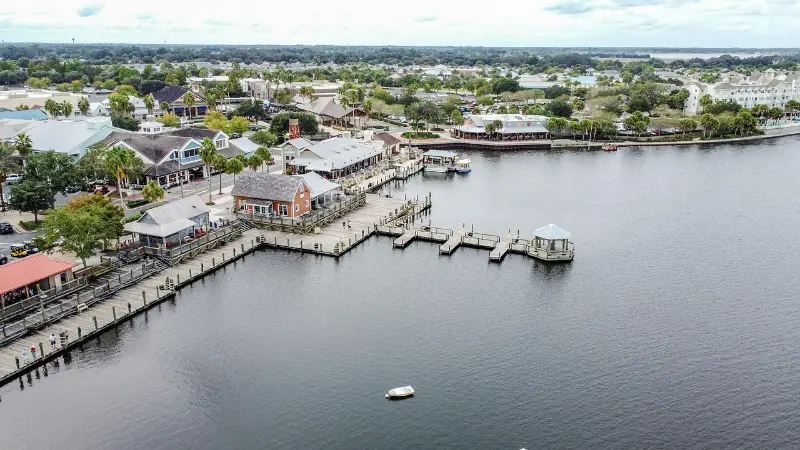
    The compact waterfront gives Fort Pierce a clear center. Pair the marina with the farmers market or an evening event instead of treating downtown as a quick photo stop.

    One Thousand Museum Miami Tower and Downtown

    National Navy UDT-SEAL Museum

    A distinctive military-history museum on North Hutchinson Island. It is a strong indoor option and can be combined with Pepper Park Beach.

    St. Lucie County Aquarium

    A small but worthwhile Smithsonian-affiliated marine stop focused on local coastal ecosystems. It works especially well with younger children.

    Manatee Observation and Education Center

    A convenient downtown stop for learning about the Indian River Lagoon and seasonal wildlife before taking a boat or paddling trip.

    Fort Pierce Inlet State Park

    A strong coastal choice for beach, surfing, fishing and watching boat traffic through the inlet.

    Sunrise Theatre and local events

    Evening performances, Friday events and markets give the city more depth than a simple beach stop.

    Nature, beaches and outdoor time

    The Indian River Lagoon is the natural backbone of the area. Boat tours, paddling and shoreline parks can produce dolphin, manatee and bird sightings, but wildlife should be treated as a possibility rather than a guarantee. Ocean conditions at the inlet can be stronger than at sheltered lagoon sites.

    Outdoor planning in Florida works best by temperature rather than by a rigid clock. Put the longest walk, bike ride, paddle or beach session early, then use lunch and an indoor attraction for the hottest hours. Later afternoon can be excellent again, but summer storms may arrive quickly. If swimming is part of the day, check flags, lifeguard coverage and local conditions instead of assuming calm-looking water is safe.

    Wildlife encounters should stay observational. Do not feed birds, dolphins, manatees, alligators or other animals, and never block an animal’s movement for a photograph. When nesting areas, rookeries or protected habitats have seasonal restrictions, treat those rules as part of the experience rather than an inconvenience.

    Getting there and around

    A car is useful for moving between downtown and Hutchinson Island. Palm Beach International is often the most convenient large airport, while Orlando can work for a longer road trip. The Brightline corridor reaches nearby South Florida cities but does not replace a car for local beaches.

    For rental cars, add parking and tolls to the budget before pickup. If you plan a partly car-free stay, verify the exact hotel address and not just the neighborhood name. A one-mile walk on a map can feel very different in midday humidity, across a wide arterial road or with a stroller. Airport choice should be based on nonstop flights and total transfer time, not only straight-line distance.

    Best time to visit

    For most travelers, late fall through spring gives the easiest combination of comfortable outdoor weather and lower humidity, although winter can also bring higher accommodation prices and busier weekends. Summer is workable if you start outside early, take a real midday break and expect afternoon thunderstorms. Shoulder-season travel can offer better value, but tropical systems and heat should stay in the planning conversation.

    Event weekends can change both prices and traffic, especially in smaller towns where one festival fills much of the hotel inventory. If a specific event is the reason for the trip, book early. If it is not, checking the calendar before choosing dates can help you avoid paying festival-weekend rates for an ordinary getaway.

    Families, teenagers, seniors and accessibility

    Family tipFor families with babies or toddlers, reduce transitions: one major attraction plus pool, park or beach time is enough for a good day. Teenagers usually respond better when the plan includes something active or independent such as paddling, cycling, shopping or a waterfront district. Senior travelers benefit from the same pacing—shorter outdoor blocks, dependable seating and a hotel close to dinner. If accessibility is essential, confirm ramps, beach mats, accessible restrooms, boat boarding and parking directly with the operator or local authority before arrival.

    Multigenerational trips do not need to keep everyone together every hour. One shared morning anchor, followed by optional afternoon choices, often works better than forcing the youngest child and oldest adult through the same pace. Regrouping for dinner can turn a difficult schedule into an easy one.

    A practical 3-day itinerary

    Day 1: learn the center

    Arrive, check in and explore the main downtown or waterfront district. Choose one short attraction and an easy dinner within a few minutes of the hotel. Avoid expensive prepaid activities on arrival day because flight delays, rental-car lines and traffic can turn them into stress.

    Day 2: signature outdoor experience

    Use the morning for the destination’s strongest beach, preserve, boat, trail or cultural activity. Take a real lunch break, then choose one secondary attraction from the list above. Finish with a sunset or neighborhood dinner rather than adding another long drive.

    Day 3: culture, nature or a selective day trip

    Choose the experience you skipped on day two or make one regional excursion. If the weather is poor, switch to a museum, shopping district or indoor family attraction. Keep the final evening simple so departure does not become a rushed ending to the trip.

    Vizcaya Museum and Gardens Miami Waterfront Villa

    Food and evening planning

    Downtown is the easiest area for a walkable dinner, while Hutchinson Island has beach and marina-oriented choices. Leave room for casual seafood but do not schedule a tight meal after a fishing or boat tour that can return late.

    For families, breakfast in the room and one planned restaurant meal can make the day easier. For couples, a walkable dinner district is often worth paying slightly more for the hotel. In winter and during special events, reserve only the meals that really matter; too many fixed bookings can make outdoor days feel rushed.

    Budget and booking strategy

    The largest costs are usually lodging, transport and paid experiences. Compare the full stay, not only the room rate: parking, resort or destination fees, breakfast, beach equipment and rideshare can change the real price. Free parks and beaches still create parking and food costs, while one well-chosen paid attraction can deliver several hours of useful family time. Keep at least one flexible day so poor weather does not force you to waste a prepaid outdoor booking.

    A useful budget test is to compare three lodging scenarios: the central hotel, the resort or beach property, and a larger room or rental farther out. Add parking, breakfast, local transport and the amount of driving each requires. The cheapest nightly rate is not always the cheapest trip.

    Best day trips and regional combinations

    Stuart, Vero Beach and Port St. Lucie are easy regional extensions. If you are already staying in Fort Pierce, I would choose one neighboring town per day and keep the lagoon or beach as the main anchor.

    Avoid stacking substantial drives on consecutive days. If you take a long day trip, make the following morning local. Florida roads can be easy when traffic is light and exhausting when crashes, storms, bridge delays or weekend beach traffic intervene.

    Common mistakes to avoid

    • Booking the cheapest hotel without checking the actual daily driving pattern.
    • Trying to combine a full beach day, a major attraction and a long-distance day trip in one schedule.
    • Ignoring afternoon heat or thunderstorms when planning outdoor time.
    • Assuming every beach access or park has the same parking, lifeguards and restroom facilities.
    • Building every evening around a fixed reservation when boat tours, traffic or weather can run late.
    • For multigenerational groups, keeping everyone together all day instead of planning one shared anchor and optional split time.

    Official resources

    Hours, admission prices, beach access, parking systems, ferry schedules, construction and storm-recovery conditions can change. If a specific attraction or service is essential to your trip, confirm it with the official source shortly before travel.

    Frequently asked questions

    How many days do you need in Fort Pierce Florida?

    Two full days is enough for a focused introduction, while three or four nights gives you room for the signature outdoor experience, the main cultural district and one nearby excursion without rushing. Stay longer if the hotel, beach or boating itself is a major part of the vacation.

    Do you need a car?

    For most visitors, yes. One central district may be walkable, but beaches, preserves, airports and day trips are easier with a car. A partly car-free trip can work when you deliberately choose a central hotel and limit regional excursions.

    Is Fort Pierce Florida good for families?

    Yes, especially when you keep days simple. One destination-specific attraction plus beach, park or pool time is usually more successful than filling every hour. Check age, height and boarding requirements before paying for water activities.

    Is it suitable for senior travelers?

    Usually yes. Choose lodging close to dinner, schedule outdoor sightseeing in the cooler morning and verify accessibility details when they are essential. Boat steps, soft sand and long boardwalks can matter more than an attraction’s general “accessible” label.

    What is the biggest planning mistake?

    Trying to use the destination as a launch point for a long drive every day. Protect enough local time to enjoy the place you actually booked, and treat day trips as optional additions rather than the whole vacation.

    Final advice

    Fort Pierce Florida is most rewarding when you let its strongest experiences set the pace. Choose the right base, protect the morning for what matters most, leave room for Florida weather and build the itinerary around the people traveling with you. A thoughtful three-night stay usually feels richer than a longer checklist with too much driving.


  • Tarpon Springs Florida Travel Guide: Sponge Docks, Greek Culture, Beaches and Where to Stay

    Tarpon Springs Florida Travel Guide: Sponge Docks, Greek Culture, Beaches and Where to Stay

    Tarpon Springs is one of Florida’s most distinctive cultural day trips, but it deserves more than a quick lunch stop. Greek sponge-diving heritage still shapes the Sponge Docks, restaurants and festivals, while historic downtown, the Anclote River, Fred Howard Park and Sunset Beach add enough variety for an overnight or two-night stay. The key is to treat the docks as one neighborhood, not the whole city.

    For a first visit, I would plan Tarpon Springs Florida around two questions: what do you want to do before lunch, and where do you want to be after dinner? Those choices determine whether a central hotel, a beach-side base or a more practical inland property will save the most time. The destination is easier when you protect mornings for the priority experience, use the hottest part of the day for lunch or an indoor stop, and leave enough flexibility for Florida weather.

    Quick planning summary

    • Sponge Docks — Dodecanese Boulevard is the center of the historic sponge industry, with boats, shops, Greek restaurants and cruises.
    • Greek food and culture — Tarpon Springs is not simply a themed district; Greek heritage is woven into community life.
    • Historic downtown — The older commercial streets provide a second walkable district with antiques, local businesses and a different pace from the docks.
    • Fred Howard Park — A causeway leads to a Gulf beach with parking, family facilities and sunset views.
    • Best pacing: one major activity plus one flexible neighborhood, park or beach stop each day.
    • Who it suits: couples, families, senior travelers and multigenerational groups who prefer a balanced Florida itinerary.
    • Transport: a car is usually helpful even when one district is walkable.

    In this guide

    Why visit Tarpon Springs Florida?

    Tarpon Springs is one of Florida’s most distinctive cultural day trips, but it deserves more than a quick lunch stop. Greek sponge-diving heritage still shapes the Sponge Docks, restaurants and festivals, while historic downtown, the Anclote River, Fred Howard Park and Sunset Beach add enough variety for an overnight or two-night stay. The key is to treat the docks as one neighborhood, not the whole city.

    Manatee Swimming in Clearwater Florida Springs

    The strongest reason to stay rather than rush through is the ability to experience different parts of the day. Morning light, lunchtime heat and the evening waterfront or downtown atmosphere can completely change a place. An overnight also lets you choose the best weather window for a beach, boat, trail or wildlife activity instead of forcing it into one fixed hour.

    I would not use Tarpon Springs Florida as a base for a long drive every day. It works better when at least half the trip is genuinely local. Pick two or three regional excursions, keep the rest close to the hotel, and allow enough unstructured time for a park, café, sunset or local event you did not know about before arrival.

    Where to stay

    Sponge Docks area

    Best for atmosphere, Greek food and an evening walk by the working waterfront. It can be busy during events, so check noise and parking before booking.

    Historic downtown Tarpon Springs

    Quieter and more local, with antiques, cafés and access to the Pinellas Trail.

    Near Fred Howard Park or the Gulf side

    A practical choice for travelers who care more about water and sunsets than being able to walk to restaurants.

    Before booking, compare the total trip cost. A centrally located room can cost more per night but save parking, fuel and rideshare. A larger room farther out can be better for a family if it includes a kitchen, laundry and free parking. Senior travelers should check walking distance, elevator access and bathroom layout; families should look beyond the advertised occupancy and consider whether everyone can actually sleep comfortably for several nights.

    Best things to do

    Sponge Docks

    Dodecanese Boulevard is the center of the historic sponge industry, with boats, shops, Greek restaurants and cruises. Go early or late if you prefer a calmer experience.

    Greek food and culture

    Tarpon Springs is not simply a themed district; Greek heritage is woven into community life. Make time for a proper meal and bakery stop rather than treating food as a quick snack.

    Historic downtown

    The older commercial streets provide a second walkable district with antiques, local businesses and a different pace from the docks.

    Fred Howard Park

    A causeway leads to a Gulf beach with parking, family facilities and sunset views. It is a useful afternoon after a cultural morning.

    Sunset Beach

    A smaller local beach that can be especially appealing for evening light and live-music events.

    Leepa-Rattner Museum of Art and local museums

    These add an indoor cultural option and help extend a visit beyond food and waterfront sightseeing.

    Nature, beaches and outdoor time

    The Anclote River and Gulf coast make boating and wildlife part of the destination, but the most rewarding nature time often comes from simple beach or park visits rather than a rushed multi-stop itinerary. Water conditions and thunderstorms can change quickly.

    Outdoor planning in Florida works best by temperature rather than by a rigid clock. Put the longest walk, bike ride, paddle or beach session early, then use lunch and an indoor attraction for the hottest hours. Later afternoon can be excellent again, but summer storms may arrive quickly. If swimming is part of the day, check flags, lifeguard coverage and local conditions instead of assuming calm-looking water is safe.

    Wildlife encounters should stay observational. Do not feed birds, dolphins, manatees, alligators or other animals, and never block an animal’s movement for a photograph. When nesting areas, rookeries or protected habitats have seasonal restrictions, treat those rules as part of the experience rather than an inconvenience.

    Getting there and around

    Tarpon Springs is north of Clearwater and is easiest with a car, although the Pinellas Trail and local transit can help once you are in the area. Tampa International is the main airport. On festival weekends, arrive early because parking near the Sponge Docks can become the main challenge.

    For rental cars, add parking and tolls to the budget before pickup. If you plan a partly car-free stay, verify the exact hotel address and not just the neighborhood name. A one-mile walk on a map can feel very different in midday humidity, across a wide arterial road or with a stroller. Airport choice should be based on nonstop flights and total transfer time, not only straight-line distance.

    Best time to visit

    For most travelers, late fall through spring gives the easiest combination of comfortable outdoor weather and lower humidity, although winter can also bring higher accommodation prices and busier weekends. Summer is workable if you start outside early, take a real midday break and expect afternoon thunderstorms. Shoulder-season travel can offer better value, but tropical systems and heat should stay in the planning conversation.

    Event weekends can change both prices and traffic, especially in smaller towns where one festival fills much of the hotel inventory. If a specific event is the reason for the trip, book early. If it is not, checking the calendar before choosing dates can help you avoid paying festival-weekend rates for an ordinary getaway.

    Families, teenagers, seniors and accessibility

    Family tipFor families with babies or toddlers, reduce transitions: one major attraction plus pool, park or beach time is enough for a good day. Teenagers usually respond better when the plan includes something active or independent such as paddling, cycling, shopping or a waterfront district. Senior travelers benefit from the same pacing—shorter outdoor blocks, dependable seating and a hotel close to dinner. If accessibility is essential, confirm ramps, beach mats, accessible restrooms, boat boarding and parking directly with the operator or local authority before arrival.

    Florida Riverfront Homes and Boat Docks Aerial

    Multigenerational trips do not need to keep everyone together every hour. One shared morning anchor, followed by optional afternoon choices, often works better than forcing the youngest child and oldest adult through the same pace. Regrouping for dinner can turn a difficult schedule into an easy one.

    A practical 3-day itinerary

    Day 1: learn the center

    Arrive, check in and explore the main downtown or waterfront district. Choose one short attraction and an easy dinner within a few minutes of the hotel. Avoid expensive prepaid activities on arrival day because flight delays, rental-car lines and traffic can turn them into stress.

    Day 2: signature outdoor experience

    Use the morning for the destination’s strongest beach, preserve, boat, trail or cultural activity. Take a real lunch break, then choose one secondary attraction from the list above. Finish with a sunset or neighborhood dinner rather than adding another long drive.

    Day 3: culture, nature or a selective day trip

    Choose the experience you skipped on day two or make one regional excursion. If the weather is poor, switch to a museum, shopping district or indoor family attraction. Keep the final evening simple so departure does not become a rushed ending to the trip.

    Food and evening planning

    This is one of the few Florida destinations where food is a core cultural attraction. Greek seafood, pastries, coffee and family recipes are central to the experience. Try one traditional sit-down meal and one bakery stop instead of sampling ten things in a hurry.

    For families, breakfast in the room and one planned restaurant meal can make the day easier. For couples, a walkable dinner district is often worth paying slightly more for the hotel. In winter and during special events, reserve only the meals that really matter; too many fixed bookings can make outdoor days feel rushed.

    Budget and booking strategy

    The largest costs are usually lodging, transport and paid experiences. Compare the full stay, not only the room rate: parking, resort or destination fees, breakfast, beach equipment and rideshare can change the real price. Free parks and beaches still create parking and food costs, while one well-chosen paid attraction can deliver several hours of useful family time. Keep at least one flexible day so poor weather does not force you to waste a prepaid outdoor booking.

    A useful budget test is to compare three lodging scenarios: the central hotel, the resort or beach property, and a larger room or rental farther out. Add parking, breakfast, local transport and the amount of driving each requires. The cheapest nightly rate is not always the cheapest trip.

    Best day trips and regional combinations

    Dunedin, Honeymoon Island and Clearwater are easy to combine. If you are sleeping in Tarpon Springs, use one day for the town itself and one for a beach or coastal outing rather than commuting to Tampa every morning.

    Avoid stacking substantial drives on consecutive days. If you take a long day trip, make the following morning local. Florida roads can be easy when traffic is light and exhausting when crashes, storms, bridge delays or weekend beach traffic intervene.

    Common mistakes to avoid

    • Booking the cheapest hotel without checking the actual daily driving pattern.
    • Trying to combine a full beach day, a major attraction and a long-distance day trip in one schedule.
    • Ignoring afternoon heat or thunderstorms when planning outdoor time.
    • Assuming every beach access or park has the same parking, lifeguards and restroom facilities.
    • Building every evening around a fixed reservation when boat tours, traffic or weather can run late.
    • For multigenerational groups, keeping everyone together all day instead of planning one shared anchor and optional split time.

    Official resources

    Hours, admission prices, beach access, parking systems, ferry schedules, construction and storm-recovery conditions can change. If a specific attraction or service is essential to your trip, confirm it with the official source shortly before travel.

    Frequently asked questions

    How many days do you need in Tarpon Springs Florida?

    Two full days is enough for a focused introduction, while three or four nights gives you room for the signature outdoor experience, the main cultural district and one nearby excursion without rushing. Stay longer if the hotel, beach or boating itself is a major part of the vacation.

    Do you need a car?

    For most visitors, yes. One central district may be walkable, but beaches, preserves, airports and day trips are easier with a car. A partly car-free trip can work when you deliberately choose a central hotel and limit regional excursions.

    Is Tarpon Springs Florida good for families?

    Yes, especially when you keep days simple. One destination-specific attraction plus beach, park or pool time is usually more successful than filling every hour. Check age, height and boarding requirements before paying for water activities.

    Is it suitable for senior travelers?

    Usually yes. Choose lodging close to dinner, schedule outdoor sightseeing in the cooler morning and verify accessibility details when they are essential. Boat steps, soft sand and long boardwalks can matter more than an attraction’s general “accessible” label.

    What is the biggest planning mistake?

    Trying to use the destination as a launch point for a long drive every day. Protect enough local time to enjoy the place you actually booked, and treat day trips as optional additions rather than the whole vacation.

    Final advice

    Tarpon Springs Florida is most rewarding when you let its strongest experiences set the pace. Choose the right base, protect the morning for what matters most, leave room for Florida weather and build the itinerary around the people traveling with you. A thoughtful three-night stay usually feels richer than a longer checklist with too much driving.
  • Stuart Florida Travel Guide: Downtown Riverwalk, Beaches, Wildlife, Museums and Where to Stay

    Stuart Florida Travel Guide: Downtown Riverwalk, Beaches, Wildlife, Museums and Where to Stay

    Stuart is a compact Treasure Coast destination where a real historic downtown sits close to beaches, the St. Lucie River and the Indian River Lagoon. It is especially good for travelers who want a walkable dinner district but still expect fishing, wildlife, paddling and beach time to be the core of the trip. Three nights is enough for a focused visit; four or five makes room for the wider Martin County coast.

    For a first visit, I would plan Stuart Florida around two questions: what do you want to do before lunch, and where do you want to be after dinner? Those choices determine whether a central hotel, a beach-side base or a more practical inland property will save the most time. The destination is easier when you protect mornings for the priority experience, use the hottest part of the day for lunch or an indoor stop, and leave enough flexibility for Florida weather.

    Quick planning summary

    • Historic Downtown and Riverwalk — Locally owned shops, restaurants and the boardwalk make this the easiest place to slow down after a beach day.
    • Florida Oceanographic Coastal Center — A family-friendly marine education center with hands-on experiences and local ecosystem interpretation.
    • Elliott Museum — An indoor cultural stop with transportation, local history and changing exhibits that is easy to pair with Hutchinson Island.
    • House of Refuge — A small historic site in a dramatic coastal setting at Gilbert’s Bar.
    • Best pacing: one major activity plus one flexible neighborhood, park or beach stop each day.
    • Who it suits: couples, families, senior travelers and multigenerational groups who prefer a balanced Florida itinerary.
    • Transport: a car is usually helpful even when one district is walkable.

    In this guide

    Why visit Stuart Florida?

    Stuart is a compact Treasure Coast destination where a real historic downtown sits close to beaches, the St. Lucie River and the Indian River Lagoon. It is especially good for travelers who want a walkable dinner district but still expect fishing, wildlife, paddling and beach time to be the core of the trip. Three nights is enough for a focused visit; four or five makes room for the wider Martin County coast.

    The strongest reason to stay rather than rush through is the ability to experience different parts of the day. Morning light, lunchtime heat and the evening waterfront or downtown atmosphere can completely change a place. An overnight also lets you choose the best weather window for a beach, boat, trail or wildlife activity instead of forcing it into one fixed hour.

    I would not use Stuart Florida as a base for a long drive every day. It works better when at least half the trip is genuinely local. Pick two or three regional excursions, keep the rest close to the hotel, and allow enough unstructured time for a park, café, sunset or local event you did not know about before arrival.

    Where to stay

    Historic Downtown Stuart

    Best for Riverwalk, restaurants, galleries and evening atmosphere. It is my first choice for a short stay if beach-front lodging is not essential.

    Florida Bridge and Downtown Towers

    Hutchinson Island

    Choose the island for early beach walks, ocean views and quick access to Florida Oceanographic, Elliott Museum and House of Refuge.

    Palm City or inland Stuart

    Useful for larger rooms, parking and road-trip access when the hotel is a base rather than the main experience.

    Before booking, compare the total trip cost. A centrally located room can cost more per night but save parking, fuel and rideshare. A larger room farther out can be better for a family if it includes a kitchen, laundry and free parking. Senior travelers should check walking distance, elevator access and bathroom layout; families should look beyond the advertised occupancy and consider whether everyone can actually sleep comfortably for several nights.

    Best things to do

    Historic Downtown and Riverwalk

    Locally owned shops, restaurants and the boardwalk make this the easiest place to slow down after a beach day.

    Florida Oceanographic Coastal Center

    A family-friendly marine education center with hands-on experiences and local ecosystem interpretation.

    Elliott Museum

    An indoor cultural stop with transportation, local history and changing exhibits that is easy to pair with Hutchinson Island.

    House of Refuge

    A small historic site in a dramatic coastal setting at Gilbert’s Bar. The combination of history and shoreline is more memorable than the museum size suggests.

    Stuart Beach and Bathtub Beach area

    These beaches serve different moods; always check current conditions and access because tides and restoration work can affect the experience.

    St. Lucie Inlet and on-water activities

    Fishing, sailing, paddling and boat tours are central to Stuart’s identity. Choose operators based on the experience you want, not just the shortest trip.

    Nature, beaches and outdoor time

    Martin County has an unusually strong mix of ocean beach, inlet, river and lagoon habitat. For wildlife, quieter mornings are usually better than a busy midday. Sea turtle nesting season also brings extra responsibility around beach lighting and marked nests.

    Outdoor planning in Florida works best by temperature rather than by a rigid clock. Put the longest walk, bike ride, paddle or beach session early, then use lunch and an indoor attraction for the hottest hours. Later afternoon can be excellent again, but summer storms may arrive quickly. If swimming is part of the day, check flags, lifeguard coverage and local conditions instead of assuming calm-looking water is safe.

    Wildlife encounters should stay observational. Do not feed birds, dolphins, manatees, alligators or other animals, and never block an animal’s movement for a photograph. When nesting areas, rookeries or protected habitats have seasonal restrictions, treat those rules as part of the experience rather than an inconvenience.

    Getting there and around

    A car remains useful even if you stay downtown because the coast and museums are across bridges. Palm Beach International is convenient for many visitors. Build extra time around bridge openings, weekend beach traffic and summer thunderstorms.

    For rental cars, add parking and tolls to the budget before pickup. If you plan a partly car-free stay, verify the exact hotel address and not just the neighborhood name. A one-mile walk on a map can feel very different in midday humidity, across a wide arterial road or with a stroller. Airport choice should be based on nonstop flights and total transfer time, not only straight-line distance.

    Best time to visit

    For most travelers, late fall through spring gives the easiest combination of comfortable outdoor weather and lower humidity, although winter can also bring higher accommodation prices and busier weekends. Summer is workable if you start outside early, take a real midday break and expect afternoon thunderstorms. Shoulder-season travel can offer better value, but tropical systems and heat should stay in the planning conversation.

    Event weekends can change both prices and traffic, especially in smaller towns where one festival fills much of the hotel inventory. If a specific event is the reason for the trip, book early. If it is not, checking the calendar before choosing dates can help you avoid paying festival-weekend rates for an ordinary getaway.

    Families, teenagers, seniors and accessibility

    Family tipFor families with babies or toddlers, reduce transitions: one major attraction plus pool, park or beach time is enough for a good day. Teenagers usually respond better when the plan includes something active or independent such as paddling, cycling, shopping or a waterfront district. Senior travelers benefit from the same pacing—shorter outdoor blocks, dependable seating and a hotel close to dinner. If accessibility is essential, confirm ramps, beach mats, accessible restrooms, boat boarding and parking directly with the operator or local authority before arrival.

    Multigenerational trips do not need to keep everyone together every hour. One shared morning anchor, followed by optional afternoon choices, often works better than forcing the youngest child and oldest adult through the same pace. Regrouping for dinner can turn a difficult schedule into an easy one.

    A practical 3-day itinerary

    Day 1: learn the center

    Arrive, check in and explore the main downtown or waterfront district. Choose one short attraction and an easy dinner within a few minutes of the hotel. Avoid expensive prepaid activities on arrival day because flight delays, rental-car lines and traffic can turn them into stress.

    Day 2: signature outdoor experience

    Use the morning for the destination’s strongest beach, preserve, boat, trail or cultural activity. Take a real lunch break, then choose one secondary attraction from the list above. Finish with a sunset or neighborhood dinner rather than adding another long drive.

    Day 3: culture, nature or a selective day trip

    Choose the experience you skipped on day two or make one regional excursion. If the weather is poor, switch to a museum, shopping district or indoor family attraction. Keep the final evening simple so departure does not become a rushed ending to the trip.

    Food and evening planning

    Downtown Stuart is the strongest dining cluster and makes it easy to park once and walk. Waterfront seafood is part of the experience, but the city also has cafés and more contemporary restaurants that keep a multi-night stay varied.

    Florida City Waterfront Bridge after Dark

    For families, breakfast in the room and one planned restaurant meal can make the day easier. For couples, a walkable dinner district is often worth paying slightly more for the hotel. In winter and during special events, reserve only the meals that really matter; too many fixed bookings can make outdoor days feel rushed.

    Budget and booking strategy

    The largest costs are usually lodging, transport and paid experiences. Compare the full stay, not only the room rate: parking, resort or destination fees, breakfast, beach equipment and rideshare can change the real price. Free parks and beaches still create parking and food costs, while one well-chosen paid attraction can deliver several hours of useful family time. Keep at least one flexible day so poor weather does not force you to waste a prepaid outdoor booking.

    A useful budget test is to compare three lodging scenarios: the central hotel, the resort or beach property, and a larger room or rental farther out. Add parking, breakfast, local transport and the amount of driving each requires. The cheapest nightly rate is not always the cheapest trip.

    Best day trips and regional combinations

    Jensen Beach, Hobe Sound, Jupiter and Fort Pierce all work. The best day trips are short enough that you can still return to Stuart for dinner rather than spending the whole day in the car.

    Avoid stacking substantial drives on consecutive days. If you take a long day trip, make the following morning local. Florida roads can be easy when traffic is light and exhausting when crashes, storms, bridge delays or weekend beach traffic intervene.

    Common mistakes to avoid

    • Booking the cheapest hotel without checking the actual daily driving pattern.
    • Trying to combine a full beach day, a major attraction and a long-distance day trip in one schedule.
    • Ignoring afternoon heat or thunderstorms when planning outdoor time.
    • Assuming every beach access or park has the same parking, lifeguards and restroom facilities.
    • Building every evening around a fixed reservation when boat tours, traffic or weather can run late.
    • For multigenerational groups, keeping everyone together all day instead of planning one shared anchor and optional split time.

    Official resources

    Hours, admission prices, beach access, parking systems, ferry schedules, construction and storm-recovery conditions can change. If a specific attraction or service is essential to your trip, confirm it with the official source shortly before travel.

    Frequently asked questions

    How many days do you need in Stuart Florida?

    Two full days is enough for a focused introduction, while three or four nights gives you room for the signature outdoor experience, the main cultural district and one nearby excursion without rushing. Stay longer if the hotel, beach or boating itself is a major part of the vacation.

    Do you need a car?

    For most visitors, yes. One central district may be walkable, but beaches, preserves, airports and day trips are easier with a car. A partly car-free trip can work when you deliberately choose a central hotel and limit regional excursions.

    Is Stuart Florida good for families?

    Yes, especially when you keep days simple. One destination-specific attraction plus beach, park or pool time is usually more successful than filling every hour. Check age, height and boarding requirements before paying for water activities.

    Is it suitable for senior travelers?

    Usually yes. Choose lodging close to dinner, schedule outdoor sightseeing in the cooler morning and verify accessibility details when they are essential. Boat steps, soft sand and long boardwalks can matter more than an attraction’s general “accessible” label.

    What is the biggest planning mistake?

    Trying to use the destination as a launch point for a long drive every day. Protect enough local time to enjoy the place you actually booked, and treat day trips as optional additions rather than the whole vacation.

    Final advice

    Stuart Florida is most rewarding when you let its strongest experiences set the pace. Choose the right base, protect the morning for what matters most, leave room for Florida weather and build the itinerary around the people traveling with you. A thoughtful three-night stay usually feels richer than a longer checklist with too much driving.

  • Lake Wales Florida Travel Guide: Bok Tower Gardens, Historic Downtown, Lakes and Where to Stay

    Lake Wales Florida Travel Guide: Bok Tower Gardens, Historic Downtown, Lakes and Where to Stay

    Lake Wales is a strong choice when you want a small ridge-country city built around gardens, historic architecture, lakes and one of Florida’s most distinctive cultural landmarks. It is not a destination that requires a packed checklist to feel worthwhile. The better approach is to identify the one or two experiences that matter most to your group, choose a convenient base, and leave enough open time to enjoy the local pace.

    For a first visit, I would plan around 2–3 nights. That gives you enough time to understand the area without turning the trip into a sequence of parking lots and short photo stops. Lake Wales is especially well suited to garden lovers, couples, families, photographers, architecture fans and travelers seeking a quieter Central Florida stop.

    This guide focuses on practical trip design: where to stay, what deserves priority, how much driving to expect, how to adapt the trip for children or older travelers, and how to connect Lake Wales with the rest of Central Florida. Hours, admission policies, road conditions and event schedules can change, so always confirm time-sensitive details on official sites before the day of your visit.

    Quick planning summary

    • Recommended stay: 2–3 nights for a balanced first visit.
    • Best for: garden lovers, couples, families, photographers, architecture fans and travelers seeking a quieter Central Florida stop.
    • Main strength: a small ridge-country city built around gardens, historic architecture, lakes and one of Florida’s most distinctive cultural landmarks.
    • Transport: a car is usually the easiest way to combine the destination with surrounding attractions, even when the central district itself is walkable.
    • Best planning rule: organize each day by area instead of zig-zagging across the region.

    In this guide

    Why visit Lake Wales?

    Lake Wales works because it gives a Florida trip a different rhythm from the state’s biggest resort corridors. You can still build full sightseeing days, but you do not need to. The destination rewards slower mornings, one substantial activity, a relaxed lunch and enough time for the setting itself.

    That makes it particularly useful in a longer Florida itinerary. After several intense theme-park, city or driving days, a stop in Lake Wales can reset the pace without feeling like a “nothing day.” The experience is still specific to Central Florida, but the pressure to maximize every hour is lower.

    It is also a good place for travelers with different energy levels. A teenager can choose a more active experience, younger children can focus on parks or simple outdoor time, and grandparents can stay involved through scenic stops, short walks, museums, waterfront areas or meals that do not require a major physical commitment.

    My preferred way to approach the destination is to identify one anchor experience for each day, then add secondary stops only if the group still has time and energy. That simple rule prevents the most common Florida planning problem: trying to force too much into a hot, spread-out destination.

    Where to stay in Lake Wales

    The best area is not automatically the most luxurious one. For most visitors, convenience matters more than a small difference in room quality. Look at parking fees, breakfast, pool hours, room size, elevator access, cancellation policy and the real door-to-door drive to your priority attractions.

    Historic Downtown Lake Wales

    Best for: best for local character, architecture, dining and short walks. Before booking, compare the exact route to the places you expect to visit most often. A hotel that looks close on a regional map can still create repeated driving, parking or bridge time.

    Bok Tower Gardens side of town

    Best for: useful for travelers who want the gardens to be the centerpiece of the trip. Before booking, compare the exact route to the places you expect to visit most often. A hotel that looks close on a regional map can still create repeated driving, parking or bridge time.

    US 27 corridor

    Best for: practical for larger hotels, road-trip services and regional drives. Before booking, compare the exact route to the places you expect to visit most often. A hotel that looks close on a regional map can still create repeated driving, parking or bridge time.

    Family tipFor families, a refrigerator, laundry access and a pool can be more valuable than an elaborate lobby. Couples may prefer walkability and evening atmosphere. Senior travelers should check elevator availability, shower design, the distance from parking to the room and whether restaurants are reachable without crossing wide roads.

    If you are using a vacation rental, compare the full price after cleaning and service fees, read parking and occupancy rules carefully, and confirm whether beach equipment, bicycles or other advertised extras are actually included.

    Best things to do in Lake Wales

    1. Bok Tower Gardens

    The Singing Tower, Olmsted-designed landscape and ridge-top setting make this one of Central Florida’s signature cultural and garden experiences. Give this stop enough time to enjoy it without immediately rushing to the next item. For mixed-age groups, it is usually better to shorten the list and leave room for breaks than to plan a full day of tightly timed stops.

    Florida Water Tower in Suburban Neighborhood

    2. Historic Downtown Lake Wales

    The downtown core gives context to the city beyond its famous garden, with historic streets, local businesses and civic architecture. Give this stop enough time to enjoy it without immediately rushing to the next item. For mixed-age groups, it is usually better to shorten the list and leave room for breaks than to plan a full day of tightly timed stops.

    3. Spook Hill

    This short roadside curiosity is a classic piece of Florida travel folklore and an easy add-on rather than a destination requiring a large time block. Give this stop enough time to enjoy it without immediately rushing to the next item. For mixed-age groups, it is usually better to shorten the list and leave room for breaks than to plan a full day of tightly timed stops.

    4. Lake Wales History Museum

    A good indoor stop for understanding rail, citrus and local development, especially useful on hot afternoons. Give this stop enough time to enjoy it without immediately rushing to the next item. For mixed-age groups, it is usually better to shorten the list and leave room for breaks than to plan a full day of tightly timed stops.

    5. Lake and ridge scenery

    The surrounding landscape is part of the experience: the Lake Wales Ridge has different elevation, vegetation and views from much of peninsular Florida. Give this stop enough time to enjoy it without immediately rushing to the next item. For mixed-age groups, it is usually better to shorten the list and leave room for breaks than to plan a full day of tightly timed stops.

    Nature and outdoor time

    Bok Tower Gardens provides the most accessible landscaped outdoor experience, while nearby lakes and ridge-country roads add birding and quiet scenic drives.

    Florida weather changes how an outdoor day feels. In warm months, the same trail or beach that is comfortable at 8:00 a.m. can feel completely different at 1:00 p.m. Use shade, water, sun protection and realistic walking distances, and check radar rather than assuming a forecast icon means an entire day will be lost.

    If wildlife is part of the experience, treat observation distance as part of the attraction rather than an inconvenience. Do not feed animals, block nesting areas or approach wildlife for a photograph. For beaches and waterways, follow posted flags, closures and local safety advice.

    Getting there and around

    A car is the easiest way to visit because attractions are spread between downtown, the gardens and regional highways. Walking works within downtown and inside the major attractions, not as a complete transport strategy.

    When planning a Florida road trip, think in terms of actual travel time rather than map distance. Bridges, beach traffic, event crowds and parking searches can add significant time. Build at least one buffer period into each day, especially if you have a timed tour or reservation.

    For air travel, compare the total trip from the airport to your hotel rather than the flight price alone. A cheaper airport can lose its advantage once rental-car rates, tolls and a longer drive are included. If anyone in the group uses a mobility aid, confirm vehicle size before pickup.

    Best time to visit

    Fall through spring is ideal for long garden walks. Summer can be beautiful but demands shade, water and a willingness to move indoor during the hottest hours.

    Florida’s peak travel periods can also include school holidays, major events and winter escapes from colder states. If your dates are fixed, book the hardest-to-replace item first: a special hotel, event ticket, campground or vacation rental. Flexible travelers can often find better value by avoiding Friday and Saturday arrivals.

    During hurricane season, keep reservations and insurance terms clear. A tropical system does not mean every Florida trip will be disrupted, but refundable or changeable bookings are valuable when uncertainty increases.

    Families, teenagers, seniors and accessibility

    With babies and toddlers

    Keep the first day simple. Choose one outdoor stop, return to the room for a nap or pool break, and avoid scheduling a long dinner after a full afternoon in the sun. Shade and access to restrooms matter more than adding another attraction.

    With school-age children

    Alternate “look and learn” attractions with something active. A museum followed by a park, a historic district followed by swimming, or a nature center followed by ice cream usually works better than three educational stops in a row.

    Florida Historic Water Tower

    With teenagers

    Give teenagers a role in choosing one activity, restaurant or photo stop. Destinations feel more engaging when they have some control over the day rather than simply following an adult itinerary.

    For seniors and multigenerational groups

    Plan shorter walking loops, more seated breaks and easy meal access. Avoid treating every group member as if they have the same heat tolerance. One traveler can do a longer walk while another enjoys a shaded viewpoint, museum or cafe.

    Accessibility

    Accessible facilities can vary between beaches, historic buildings, parks and private attractions. Check current accessibility pages directly, especially for beach mats, wheelchairs, ramps, elevators, companion restrooms, sensory resources and accessible parking. Historic properties may have unavoidable stairs even when part of the visit is accessible.

    A practical 3-day Lake Wales itinerary

    Day 1: orientation and local character

    Start with the most walkable central area and give yourself time to understand the street layout, parking and restaurant options. Choose one signature attraction for late morning or early afternoon, then keep the evening close to the hotel. The first day should establish the rhythm of the trip rather than exhaust the group.

    Day 2: the major experience

    Use the second day for the attraction or outdoor area you would be most disappointed to miss. Start early if parking or heat could become an issue. After lunch, choose a flexible secondary activity that can be shortened if weather or energy levels change.

    Day 3: nature, beach or regional extension

    Finish with a contrasting experience: if the first two days were history and dining, choose nature; if they were beach-focused, add culture or a nearby town. Keep the final afternoon light if you are driving onward, because Florida traffic often makes late-day transfers more tiring than expected.

    If you have a fourth day, use it for a larger regional day trip rather than adding more small local stops. That gives the trip a clearer structure and reduces repeated packing and hotel changes.

    Food and evenings

    Downtown is the best place to slow down for a local meal, while the highway corridor provides fast, predictable choices for road trips and families.

    For families, an early dinner often solves several problems at once: shorter waits, easier parking and a calmer bedtime. For couples, sunset or a post-dinner walk can be more memorable than adding another paid attraction.

    Florida White Stucco Historic House and Palm Trees

    Do not build the entire trip around famous restaurants seen on social media. Keep one or two priority meals, then leave space for a cafe, bakery, seafood counter or casual local place you discover while walking.

    Budget and booking strategy

    Separate your budget into lodging, transport, food and paid attractions. Beach and park time may be inexpensive, but parking, rental-car costs and resort fees can change the total quickly. Always compare the final hotel price, not only the advertised nightly rate.

    For a value-focused trip, spend on location rather than on constant upgrades. A slightly more expensive room in the right area can save fuel, parking and time. Use free outdoor attractions to balance one or two paid experiences that genuinely matter to the group.

    Book time-sensitive attractions through official sellers whenever possible. If the schedule is uncertain, prioritize flexible tickets or refundable reservations. For outdoor plans, avoid paying for multiple weather-dependent activities on consecutive afternoons.

    Best day trips from Lake Wales

    Winter Haven, Sebring, Clermont, LEGOLAND Florida and other Polk County lakes can be combined with Lake Wales.

    Keep a day trip to one main destination. A two-hour drive followed by four separate attractions and another long return is rarely a good use of vacation time. Choose one anchor experience and one meal stop, then treat anything else as optional.

    If you are moving hotels after the day trip, pack the car once in the morning and avoid returning to the old base. That turns a transfer day into a useful sightseeing day without adding another long drive.

    Mistakes to avoid

    • Booking by map distance only: bridges, parking and traffic matter as much as mileage.
    • Overloading the hottest hours: schedule outdoor priorities early and keep midday flexible.
    • Ignoring event calendars: festivals, races, holidays and school breaks can change prices and parking.
    • Assuming every beach, park or historic site has the same accessibility: verify individual facilities.
    • Planning every meal in advance: reserve only the truly important ones and leave room for discovery.
    • Forgetting weather flexibility: one indoor backup activity can rescue a stormy afternoon.

    Official resources

    Use official sources for current hours, closures, event schedules, access rules and safety information before you travel:

    Frequently asked questions

    How many days do you need in Lake Wales?

    2–3 nights is a good first-trip target. A shorter stay works if you focus on one neighborhood or attraction, while a longer stay makes sense if you want several regional day trips.

    Do you need a car in Lake Wales?

    For most visitors, yes. Some central areas can be explored on foot, but a car makes it much easier to connect parks, beaches, nature areas and neighboring towns.

    Is Lake Wales good for families?

    Yes, especially when the itinerary is paced around the age of the youngest traveler. The strongest family days usually combine one structured attraction with simple outdoor time and a pool or rest break.

    Is Lake Wales suitable for senior travelers?

    Yes. Choose lodging with easy parking and elevators, prioritize shaded or seated attractions, and keep midday heat exposure under control. Confirm accessibility directly for historic buildings and outdoor sites.

    What should first-time visitors avoid?

    Avoid trying to turn the destination into a checklist. The trip is better when you choose a convenient base, group activities geographically and leave enough time to enjoy the setting instead of driving constantly.

    Travel information can change. Always verify current hours, admission, road conditions, weather alerts, beach flags and accessibility details on official websites before departure.

  • Pompano Beach Florida Travel Guide: Pier, Diving, Beaches, Families and Where to Stay

    Pompano Beach Florida Travel Guide: Pier, Diving, Beaches, Families and Where to Stay

    Pompano Beach is a useful alternative to busier South Florida beach bases because it combines a strong oceanfront, a modern pier area, diving and fishing with straightforward access to Fort Lauderdale. You can have a classic beach morning, spend the afternoon on the water or at a cultural stop, then reach a much larger dining and nightlife scene without sleeping in the middle of it.

    I would choose Pompano Beach for families, divers, anglers, couples and senior travelers who want an Atlantic beach vacation with practical parking and a less intense atmosphere than central Miami. It is also one of the better bases for combining shore time with wreck and reef diving.

    The easiest way to enjoy Pompano Beach is to decide what deserves your freshest hours. Put the activity that matters most first, use midday for lunch, shade or an indoor stop, and keep sunset or dinner close to the hotel. This simple rhythm is especially useful for families, senior travelers and anyone who does not want a vacation dominated by driving.

    Quick planning summary

    • Recommended stay: 3–4 nights for a first visit.
    • Best first stop: Fisher Family Pier and the beach.
    • Best for: travelers who want a mix of local character, outdoor time and realistic day-to-day logistics.
    • Transport: choose lodging by the places you will visit most often, not only by the advertised destination name.
    • Planning rule: one priority activity in the morning, one flexible afternoon option and an easy evening close to the hotel.

    In this guide

    Why visit Pompano Beach?

    Pompano Beach is a useful alternative to busier South Florida beach bases because it combines a strong oceanfront, a modern pier area, diving and fishing with straightforward access to Fort Lauderdale. You can have a classic beach morning, spend the afternoon on the water or at a cultural stop, then reach a much larger dining and nightlife scene without sleeping in the middle of it.

    I would choose Pompano Beach for families, divers, anglers, couples and senior travelers who want an Atlantic beach vacation with practical parking and a less intense atmosphere than central Miami. It is also one of the better bases for combining shore time with wreck and reef diving.

    Pompano Beach is most rewarding when you give it enough time to change pace during the day. Early morning is often the best window for beaches, gardens, trails, wildlife or water activities; lunch and the hottest hours are better for museums, shaded districts or a real rest; late afternoon can bring a second outdoor window. Staying at least a few nights also gives you a backup day if wind, storms, capacity limits or traffic interfere with the original plan.

    I would not judge the destination only by the number of famous attractions. The quality of the trip usually comes from the combination of a good base, short transfers, one or two signature experiences and unstructured time for a neighborhood, park, café or sunset that was not on the original checklist.

    Where to stay

    Oceanfront and Fishing Village area

    Best for travelers who want to walk to the pier, beach and restaurants. Paying more for location can reduce parking and rideshare costs across several days.

    Intracoastal and east Pompano

    A good compromise for boating access and short drives to the beach. Verify whether a waterfront property has usable public access or only a view.

    West Pompano and I-95 corridor

    Often more practical for value, longer stays and road trips. It is less atmospheric, but it can be efficient if Fort Lauderdale, Boca Raton and multiple beaches are on the itinerary.

    Before booking, compare the full trip rather than the nightly rate. Look at parking, resort fees, breakfast, kitchen and laundry facilities, beach or park access, elevator availability and the first drive of the morning. If anyone in the group has limited mobility, confirm the route from the room to the parking area, pool, beach or restaurant instead of relying on a generic accessibility icon.

    Family tipFor families, a slightly larger room with a refrigerator can make mornings much easier. Couples may prefer a smaller but walkable property near dinner. Senior travelers often benefit from avoiding properties where every meal, attraction and sunset requires another car trip. The best area is the one that removes friction from the part of the day your group values most.

    Best things to do

    Fisher Family Pier and the beach

    The pier area is the easiest introduction to Pompano Beach, with ocean views, beach access, restaurants and a public-space feel that works for all ages.

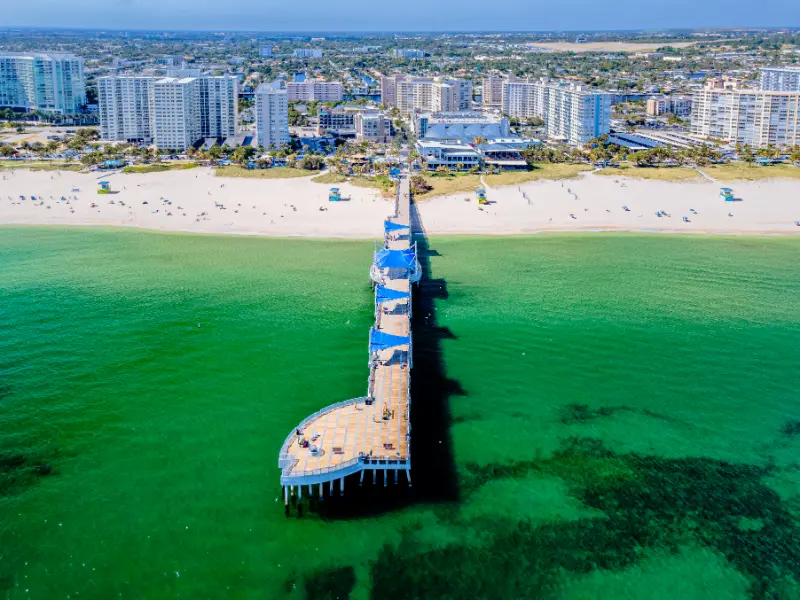
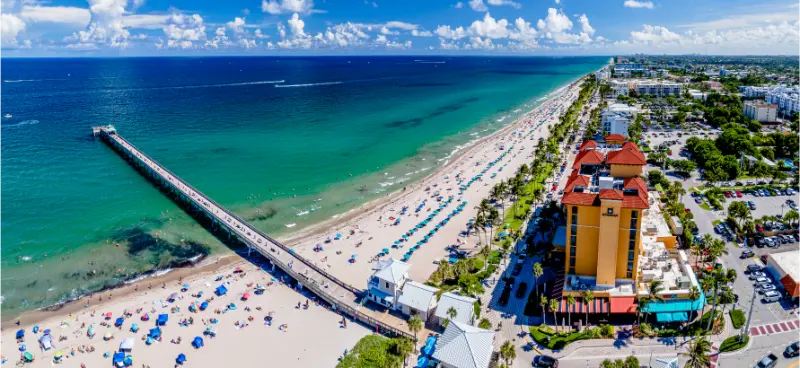
    Florida Coastal Pier and Beach Aerial View

    Diving and Shipwreck Park

    Experienced divers know Pompano for reefs and wrecks. Beginners should choose operators that clearly explain certification requirements, sea conditions and what is realistic for their skill level.

    Fishing and boating

    The city’s name reflects its fishing heritage. A half-day charter can be easier for families than a full offshore trip, while shore-based options suit travelers who do not want to commit to a boat.

    Bailey Contemporary Arts and local culture

    A useful indoor or evening complement to beach time, particularly when weather changes the outdoor plan.

    Sample-McDougald House and local history

    A small historical stop that adds context to a destination often viewed only through its shoreline.

    Do not try to fit all of these into one day. Choose the two experiences that define the destination for you, then use the others as weather alternatives or shorter additions. If a boat tour, guided activity or timed attraction is important, reserve that first and keep nearby flexible stops around it rather than creating a chain of nonrefundable bookings.

    Nature, beaches and outdoor time

    Atlantic conditions can change quickly with wind, current and passing storms. If diving or snorkeling is the priority, build enough flexibility into the stay to move the water activity by a day. For ordinary beach time, follow lifeguard and flag guidance and remember that a clear, sunny morning does not eliminate rip-current risk.

    Outdoor planning in Florida works best by conditions rather than by a rigid clock. Check heat, lightning, wind, tides, surf flags and local alerts before leaving the hotel. Carry water and sun protection even when the morning feels comfortable. On beaches and waterways, follow lifeguard or ranger guidance and never assume that calm-looking water means there is no current or marine risk.

    Wildlife should stay wild. Do not feed animals, block their movement, approach nests or turn a close photograph into the goal of the encounter. Ethical viewing usually produces a better experience anyway because animals behave more naturally when people give them space.

    Getting there and around

    Fort Lauderdale-Hollywood International Airport is convenient for many visitors, while Palm Beach International can work well for travelers combining Pompano with Boca Raton or the Palm Beaches. A car is useful but not essential for every day if you stay near the pier. Brightline stations in the broader South Florida corridor can reduce some longer regional driving, though local transfers remain necessary.

    For rental cars, add tolls, parking and fuel to the budget before pickup. If part of the stay is meant to be car-free, verify the exact walking route from the hotel rather than only the distance. A mile in humidity, across a multi-lane road or with a stroller can feel very different from a mile on a shaded pedestrian street.

    Arrival day should stay intentionally light. Flights, baggage, rental-car lines and traffic can consume more time than expected, so I would avoid placing the most expensive tour on the first afternoon. Use arrival day to learn the area, buy water or groceries and have an easy dinner near the hotel.

    Best time to visit

    Winter and spring are popular for comfortable beach weather and lower humidity. Summer brings warmer water, heavy heat and afternoon thunderstorms, while fall can offer value with greater tropical-weather uncertainty. Diving visibility and sea conditions are not guaranteed by season alone, so check the operator’s forecast close to departure.

    Prices and crowds can be driven by school calendars, festivals, sporting events and holiday weekends as much as by weather. If a specific event is not the reason for the trip, check the calendar before choosing dates. Shoulder periods can provide excellent value, but flexible cancellation terms are worth more than the absolute lowest rate when tropical weather is part of the season.

    Families, teenagers, seniors and accessibility

    Accessibility should be checked at the exact attraction or beach access you plan to use. A destination may advertise itself as accessible while individual boardwalks, boat docks, sand paths or historic buildings have limitations. Confirm accessible parking, restrooms, ramps, beach mats or wheelchairs, elevator access and boarding procedures when those details are essential.

    Families with babies or toddlers usually do best with one major outing and one easy reset—pool, playground, beach or hotel rest—rather than three ticketed stops. Teenagers often enjoy the trip more when at least one activity feels active or independent, such as paddling, cycling, shopping, photography or a boat excursion. Senior travelers benefit from the same principle: shorter outdoor blocks, reliable seating and fewer hotel changes.

    Heat management matters across every age group. Build shade, indoor time and hydration into the schedule before anyone feels exhausted. A good vacation day does not have to last from breakfast until midnight; one memorable experience plus an easy evening can be more successful than three attractions completed by force.

    A practical 3-day itinerary

    Day 1: orientation and an easy local evening

    Check in, learn the immediate area and choose Fisher Family Pier and the beach or another short signature stop that does not require a long transfer. Keep dinner close to the hotel. Arrival day is for understanding the destination, not proving how much can fit into six hours.

    Day 2: the signature experience

    Use the coolest part of the morning for Diving and Shipwreck Park or the most weather-sensitive activity on your list. Take a real midday break, then add Fishing and boating if energy and conditions are good. Finish with a sunset, waterfront walk or neighborhood dinner instead of another long drive.

    Florida Sunset from Waterfront Pier

    Day 3: nature, culture or a selective excursion

    Choose Bailey Contemporary Arts and local culture, spend more time at the beach or park you liked most, or make one of the day trips below. If the weather turns poor, use a museum, shopping district, historic site or long lunch as the backup. Leave enough space at the end of the day to pack and prepare for departure without ruining the final evening.

    If you have 3–4 nights, slow this itinerary down rather than adding more distant places. Repeat a favorite beach, schedule a second water activity, add a rest morning or take one full regional day trip. Repetition is often what turns a checklist vacation into an actual holiday.

    Food and evening planning

    The beach and pier district is convenient for seafood and casual meals, while inland neighborhoods and nearby Fort Lauderdale broaden the choices. Avoid driving south for dinner every night; one reason to stay in Pompano is to enjoy a slower local evening instead of turning the vacation into traffic.

    For mixed-age groups, dinner location matters almost as much as the restaurant. A twenty-minute drive after a full beach or park day can feel much longer than it did on the map. Choose at least half of your evening meals close to the hotel and save the longer drive for one restaurant that is genuinely worth it.

    Budget and booking strategy

    To control costs, decide which experiences are worth paying for and let parks, beaches, walking districts and scenic drives fill the rest of the schedule. Families can save significantly with a refrigerator or kitchen, while couples may prefer to spend more on one memorable dinner and keep lunches casual.

    The real budget is larger than the room rate. Add parking, resort or destination fees, tolls, equipment rentals, breakfast, beach gear and the cost of getting from the airport. A more expensive hotel can be the better value when it includes parking, a kitchen or a location that eliminates repeated rideshare trips.

    Reserve popular lodging and one must-do experience first. Everything else can be layered around those anchors. Avoid paying in advance for multiple outdoor activities on consecutive days unless cancellation policies are generous; one windy or stormy period can otherwise affect several reservations at once.

    Best day trips

    Fort Lauderdale

    An easy urban-waterfront day for Las Olas, museums, canals and a broader restaurant scene.

    Deerfield Beach

    A short northward trip for another beach atmosphere, fishing pier and family parks.

    Deerfield Beach Florida Oceanfront Fishing Pier

    Boca Raton

    Useful for gardens, museums, shopping and a more polished city day.

    A day trip should add contrast, not simply duplicate what you can do near the hotel. Pick one destination and spend enough time there to understand it. If the round-trip drive is long, an overnight may be a better use of vacation time—especially with young children, senior travelers or anyone who dislikes repeated packing and early starts.

    Mistakes to avoid

    The biggest mistake is trying to use Pompano Beach only as a sleeping base for distant attractions every day. If most mornings begin with a long drive, the hotel location is working against the trip. Protect enough local time to enjoy the destination you actually booked.

    Another common mistake is planning by map distance instead of real Florida travel time. Bridges, beach traffic, school breaks, thunderstorms, road work and limited parking can turn a short-looking transfer into the most tiring part of the day. Leave buffer time and avoid stacking fixed reservations back to back.

    Do not assume every waterfront hotel has a usable beach, every beach has lifeguards, or every nature attraction operates the same way year-round. Read the current access rules and official alerts shortly before the visit, especially when parking, capacity, weather or wildlife protections can change the plan.

    Finally, do not overbook the final day. Weather delays, traffic and longer-than-expected meals are normal parts of Florida travel. Leaving one open block protects the experiences that came before it and gives you somewhere to move an activity that had to be postponed.

    Use these guides to expand the trip without repeating the same research:

    Official resources to check before you go

    Hours, parking rules, capacity limits, tours and weather-related closures can change. Check the official sources shortly before travel:

    Frequently asked questions

    Is Pompano Beach worth visiting?

    Yes, if the experiences in this guide match the way you like to travel. Pompano Beach is strongest when you allow enough time for its local character rather than using it only as a stop between two more famous places.

    How many days should I spend in Pompano Beach?

    3–4 nights is a useful first-trip range. Shorter stays work when you have one clear goal; longer stays are better for water activities, families, slower travelers and anyone who wants a weather backup day.

    Do I need a car?

    For most itineraries, a car is helpful even when one neighborhood is walkable. The answer depends on the hotel location and whether your plans include parks, beaches, day trips or airports outside the immediate center.

    Is Pompano Beach good for families and senior travelers?

    Usually yes. The key is matching activity length, heat exposure and accommodation location to the group. Confirm accessibility details directly when ramps, beach access, boat boarding or elevators are essential.

    What should I book first?

    Book the accommodation and the one experience that would be difficult to replace. Then keep enough flexibility for weather, traffic and changes in energy. A vacation with a little empty space is usually easier to enjoy.

    Final advice

    Pompano Beach works best when the itinerary reflects the place rather than fighting it. Stay close to what matters, use mornings intelligently, respect Florida weather and wildlife, and let one or two excellent experiences carry each day. That approach works just as well for a couple as it does for a family with children or a multigenerational group.

  • Winter Park Florida Travel Guide: Park Avenue, Museums, Gardens, Dining and Where to Stay

    Winter Park Florida Travel Guide: Park Avenue, Museums, Gardens, Dining and Where to Stay

    Winter Park Florida is a compact, elegant city just north of Orlando where tree-lined streets, lakes, museums, gardens and café life create a strong contrast to the theme-park corridor. The easiest way to enjoy it is to decide what role it should play in the wider Florida trip. It can be a self-contained two- or three-night stop, a quieter base near a larger destination, or a practical part of a longer road trip. What usually goes wrong is trying to make one hotel location serve beaches, museums, nature, nightlife and distant day trips equally well.

    I would plan Winter Park Florida around two priorities: where you want to spend the early morning and where you want to be after dinner. Those two choices determine whether you should stay by the beach, near the main downtown district or in a more spacious property farther out. The destination is particularly good for couples, art lovers, senior travelers, food-focused visitors, families wanting a calm day and anyone who wants to see a more local side of the Orlando area.

    Quick planning summary

    • Park Avenue and Central Park — Park Avenue is the natural starting point, with shops, cafés, restaurants and Central Park all close together.
    • Charles Hosmer Morse Museum of American Art — The Morse Museum is famous for its Tiffany collection and is one of the strongest cultural reasons to visit Winter Park.
    • Lakes and scenic boat experiences — Winter Park’s chain of lakes gives the city a character that is easy to miss from the road.
    • Mead Botanical Garden and Kraft Azalea Garden — These gardens provide quiet green space without the scale or cost of a full botanical-attraction day.
    • Best stay strategy: choose the district that matches your first and last activity of the day, not the cheapest room on a map.
    • Best pacing: one major activity plus one flexible neighborhood, beach or park stop per day.
    • For families and seniors: protect a midday rest during hot weather and verify parking, shade and accessible routes before arrival.

    In this guide

    Why visit Winter Park Florida?

    Winter Park Florida works because it offers a clear identity without forcing every traveler into the same itinerary. A beach-first visitor can spend long mornings outdoors, while someone interested in culture can build the day around museums, local districts and dining. Families can alternate active mornings with easier afternoons, and couples can keep evenings walkable instead of driving from one isolated attraction to another.

    Winter Park Florida Shaded Garden Waterway

    The destination also fits a broader Florida strategy. Rather than changing hotels every night, use it as a base and make selective day trips. This is usually more enjoyable than collecting cities. The reward comes from learning the rhythm of one place: which mornings are quiet, where parking becomes difficult, when the waterfront is comfortable and how much downtime your group actually needs.

    Where to stay in Winter Park Florida

    Staying near Park Avenue gives the best walkability and makes mornings and evenings especially pleasant. Many visitors simply day-trip from Orlando, which is sensible if theme parks are the main purpose of the vacation. If Winter Park itself is a priority, one or two nights near the center can feel far more relaxed than commuting back after dinner.

    Before booking, compare the full stay cost rather than the nightly rate. Parking, resort or destination fees, breakfast, beach equipment, kitchen access and the need for rideshare can change the value dramatically. A slightly more expensive hotel in the right district can be cheaper than a low room rate that requires two paid car trips every day.

    Families should also check room layout, not just occupancy. A sofa bed that technically sleeps two children may be fine for one night but uncomfortable for a week. For senior travelers, elevator reliability, walk-in showers, short routes to the lobby and shade around the property can matter more than a rooftop pool.

    Best things to do in Winter Park Florida

    Park Avenue and Central Park

    Park Avenue is the natural starting point, with shops, cafés, restaurants and Central Park all close together. It works best at walking pace. Leave room for sitting outside, browsing and changing plans rather than treating the street like an attraction checklist.

    Charles Hosmer Morse Museum of American Art

    The Morse Museum is famous for its Tiffany collection and is one of the strongest cultural reasons to visit Winter Park. It can be paired with Park Avenue without moving the car repeatedly, making it ideal during hot or rainy weather.

    Lakes and scenic boat experiences

    Winter Park’s chain of lakes gives the city a character that is easy to miss from the road. A guided boat outing can provide views of canals, homes and shoreline greenery. Check current schedules and accessibility if boarding assistance is important.

    Mead Botanical Garden and Kraft Azalea Garden

    These gardens provide quiet green space without the scale or cost of a full botanical-attraction day. They are excellent for a morning walk, photography or a decompression break after several theme-park days.

    Hannibal Square, Rollins and local culture

    Hannibal Square adds important local history and cultural context, while Rollins College and its arts institutions deepen the city’s museum scene. These stops are especially valuable for travelers who want more than shopping and restaurants.

    Beaches, parks and outdoor time

    Winter Park’s outdoor appeal is gentle rather than adventurous: lake views, gardens, parks, cycling and walking. That makes it particularly good for multigenerational groups. Summer midday heat can still be intense, so use museums and lunch as a natural indoor break.

    Florida outdoor days are easiest when you schedule by temperature rather than by a rigid list. Put the longest walk, beach session, bike ride or wildlife activity early. Use lunch, a museum or the hotel for the hottest part of the day, then return outside later. In summer, thunderstorms can be brief but intense; in winter, a windy cold front can make an exposed beach far less comfortable than the air temperature suggests.

    Whenever swimming is part of the plan, check local flags, lifeguard coverage and current conditions. Never assume a calm-looking ocean or Gulf is risk-free, and do not build a family beach day around a tiny access point if you know you need toilets, shade and an accessible path.

    Getting there and around

    The core around Park Avenue is walkable, and SunRail can be useful on operating days for some Central Florida itineraries. A car is helpful for gardens and wider Orlando-area sightseeing. Theme-park visitors should remember that Winter Park is north of downtown Orlando, so park commutes can be long during traffic.

    Orlando Florida City Avenue with Cars and Palm Trees

    For a rental car, include parking and tolls in the budget before pickup. For a car-free or partly car-free stay, check whether the hotel is truly within comfortable walking distance of restaurants and the activities you care about. Florida heat turns a pleasant-looking one-mile map walk into a very different experience at midday.

    Airport choice should be based on total transfer time and flight convenience, not only distance. A nonstop flight to a slightly farther airport can be easier than a connection that saves twenty minutes on the ground. If your trip combines several Florida regions, consider collecting or returning the rental car only for the road-trip segment.

    Best time to visit

    For most travelers, the cooler and drier part of the year offers the easiest outdoor conditions, but it also brings stronger seasonal demand in many Florida destinations. Spring can balance warm weather with fewer winter visitors, while summer offers long daylight and family travel availability at the cost of heat, humidity and frequent thunderstorms. Fall can be quieter, but tropical weather planning matters.

    Do not choose a month only from average temperature. Think about the activities that define your trip. Beach swimming, wildlife viewing, outdoor festivals, theme parks and restaurant-focused weekends all have different ideal conditions. Check event calendars and local school-holiday patterns before paying a non-refundable rate.

    Families, teens, seniors and accessibility

    Family tipFor families with babies or toddlers, reduce the number of transitions. One beach, one lunch area and one easy afternoon stop is enough for a good day. Teenagers usually enjoy having one activity with independence or adrenaline—surfing, cycling, shopping, paddling or an evening district—rather than being moved through adult sightseeing all day.

    Senior travelers often benefit from the same strategy: shorter walks, earlier starts, reliable seating and a hotel near dinner. If mobility is limited, verify accessible parking, ramps, beach mats, wheelchairs or boarding assistance directly with the responsible attraction or local authority. “Accessible” can mean very different things depending on whether the challenge is a museum floor, soft sand or a small boat.

    Multigenerational groups do not need to remain together every hour. Plan one shared anchor each day, then allow a split. Grandparents can return to the hotel while teenagers stay at the beach; one adult can take children to a playground while another visits a museum. Regrouping for dinner is often more successful than forcing everyone to follow the most demanding itinerary.

    A practical 3-day Winter Park Florida itinerary

    Day 1: understand the center

    Check in, explore the primary downtown or visitor district and keep the first evening easy. Choose a walkable dinner and one short attraction or waterfront stop. Arrival days are the wrong time to schedule a prepaid activity that becomes stressful if the flight, rental car or traffic is late.

    Day 2: the signature experience

    Use the morning for the destination’s main outdoor or cultural priority, then take a real break at lunch. In the afternoon, choose one secondary attraction from the list above rather than trying to complete all of them. Finish in the district you most want to experience after dark.

    Day 3: nature or a selective day trip

    Use the final full day for nature, a neighboring community or a second beach. If the weather is poor, swap in a museum, shopping district or indoor family attraction. Keep the last evening simple so packing and departure do not turn a good trip into a rushed finish.

    Food and evening planning

    Dining is one of the main reasons to stay into the evening. Park Avenue has everything from casual cafés to date-night restaurants. Weekend brunch and popular dinner times can be busy, so reserve one priority restaurant and keep the rest spontaneous.

    Florida dining times can become competitive in winter and on event weekends. Reserve only the meals that really matter; too many fixed reservations can make a beach or wildlife day feel rushed. For breakfast, a hotel room with a refrigerator or small kitchen can save both money and time, especially for families.

    Modern Florida Vacation Home Dining Room

    Budget and booking strategy

    The biggest costs are usually lodging, transport and the activities that require a ticket or boat. Build the budget in that order. Free beaches and parks do not always mean a free day once parking, rentals and food are included. Conversely, a paid attraction with included parking and several hours of entertainment can be good value for a family.

    I would compare at least three lodging scenarios: the convenient central hotel, a beach or resort property, and a larger room or rental farther out. Add parking and local transport to each. For a short stay, location often wins. For a week with children, kitchen and laundry access can justify a little more driving.

    Keep cancellation terms visible in your planning notes. Florida weather can change, and boat tours, outdoor attractions and beach days are more enjoyable when one weather delay does not threaten the value of the whole trip.

    Day trips and how to combine the region

    Downtown Orlando is close, while museums and neighborhoods around the city make an easy cultural extension. Kissimmee and the theme-park corridor are farther south. Winter Park works especially well as the calm day between two intense park days rather than as another item squeezed into an already packed schedule.

    A useful rule is to avoid more than one substantial drive on consecutive days. If you take a long day trip, make the following morning local. Florida roads can be easy when traffic is light and exhausting when weather, crashes or weekend beach traffic intervene. A slower plan usually produces more usable vacation time.

    Common mistakes to avoid

    • Booking the cheapest hotel without checking the real driving pattern of the trip.
    • Scheduling beach, museum, wildlife and nightlife priorities into the same day.
    • Ignoring parking costs or assuming every beach access has the same facilities.
    • Planning long outdoor activities at midday in the hottest months.
    • Using drive-time estimates that do not include event, bridge, theme-park or beach traffic.
    • Forgetting that a good multigenerational itinerary needs rest, shade and easy meal options.
    • Treating a weather-sensitive activity as guaranteed instead of keeping a flexible backup.

    Official resources

    Hours, parking systems, admission prices, beach rules, event schedules and construction can change. When a particular attraction or service is essential to your trip, confirm it on the official source shortly before travel.

    Frequently asked questions

    How many days do you need in Winter Park Florida?

    Two full days is enough for a focused first visit, while three nights gives you room for a beach or nature day, the main cultural district and one nearby excursion without rushing. Longer stays make sense if the accommodation itself—such as a beach resort or vacation home—is part of the vacation.

    Do you need a car in Winter Park Florida?

    That depends on the neighborhood. A central stay can reduce driving for meals and evening walks, but a car is usually helpful once you add beaches, nature preserves, family attractions or day trips. Check the actual address before deciding.

    Is Winter Park Florida good for families?

    Yes, especially when you build the day around short activity blocks and a midday rest. The strongest family trips mix one destination-specific attraction with beach, park or pool time rather than trying to entertain children continuously.

    Is Winter Park Florida suitable for senior travelers?

    Usually yes. Choose lodging close to dinner, check walking surfaces and parking, and use the cooler morning for outdoor sightseeing. Call ahead when wheelchair, scooter or accessible beach equipment is essential.

    What is the biggest planning mistake?

    Trying to use Winter Park Florida as both a relaxed vacation base and a launch point for a long drive every day. Pick a few regional excursions and protect enough local time to enjoy the destination you actually booked.

    Final advice

    Winter Park Florida is most rewarding when you let its strongest experiences set the pace. Choose the right neighborhood, protect the morning for what matters most, leave room for Florida weather and build the trip around the people traveling with you. A thoughtful two- or three-day stay will usually feel richer than a longer checklist with too much driving.

  • Boca Raton Florida Travel Guide: Beaches, Mizner Park, Nature, Families and Where to Stay

    Boca Raton Florida Travel Guide: Beaches, Mizner Park, Nature, Families and Where to Stay

    Boca Raton Florida is a polished coastal city where beaches, landscaped neighborhoods, nature centers and a compact cultural district create a calmer alternative to Miami or Fort Lauderdale. The easiest way to enjoy it is to decide what role it should play in the wider Florida trip. It can be a self-contained two- or three-night stop, a quieter base near a larger destination, or a practical part of a longer road trip. What usually goes wrong is trying to make one hotel location serve beaches, museums, nature, nightlife and distant day trips equally well.

    I would plan Boca Raton Florida around two priorities: where you want to spend the early morning and where you want to be after dinner. Those two choices determine whether you should stay by the beach, near the main downtown district or in a more spacious property farther out. The destination is particularly good for couples, families, senior travelers, beach visitors who value clean facilities, and travelers who prefer an organized base with culture and nature nearby.

    Quick planning summary

    • Mizner Park and downtown Boca — Mizner Park is the easiest place to understand Boca Raton’s character: shopping, restaurants, landscaped public space, the art museum and evening activity all sit close together.
    • Red Reef Park and the oceanfront — Red Reef Park combines beach access with a more natural setting than a hotel-only beach day.
    • Gumbo Limbo Nature Center — Gumbo Limbo is one of Boca’s best family and conservation stops, with coastal habitat, marine education and sea-turtle context.
    • Sugar Sand Park — Sugar Sand Park is a strong choice for younger children and for families that need a non-beach break.
    • Best stay strategy: choose the district that matches your first and last activity of the day, not the cheapest room on a map.
    • Best pacing: one major activity plus one flexible neighborhood, beach or park stop per day.
    • For families and seniors: protect a midday rest during hot weather and verify parking, shade and accessible routes before arrival.

    In this guide

    Why visit Boca Raton Florida?

    Boca Raton Florida works because it offers a clear identity without forcing every traveler into the same itinerary. A beach-first visitor can spend long mornings outdoors, while someone interested in culture can build the day around museums, local districts and dining. Families can alternate active mornings with easier afternoons, and couples can keep evenings walkable instead of driving from one isolated attraction to another.

    The destination also fits a broader Florida strategy. Rather than changing hotels every night, use it as a base and make selective day trips. This is usually more enjoyable than collecting cities. The reward comes from learning the rhythm of one place: which mornings are quiet, where parking becomes difficult, when the waterfront is comfortable and how much downtime your group actually needs.

    Where to stay in Boca Raton Florida

    Stay near Mizner Park if walkable dining and evening atmosphere matter most. Oceanfront or beach-adjacent lodging suits travelers who want early swims and minimal beach driving. Western Boca is practical for visiting family or reaching inland attractions, but it is less useful for a first leisure trip because most sightseeing requires a car.

    Before booking, compare the full stay cost rather than the nightly rate. Parking, resort or destination fees, breakfast, beach equipment, kitchen access and the need for rideshare can change the value dramatically. A slightly more expensive hotel in the right district can be cheaper than a low room rate that requires two paid car trips every day.

    Families should also check room layout, not just occupancy. A sofa bed that technically sleeps two children may be fine for one night but uncomfortable for a week. For senior travelers, elevator reliability, walk-in showers, short routes to the lobby and shade around the property can matter more than a rooftop pool.

    Best things to do in Boca Raton Florida

    Mizner Park and downtown Boca

    Mizner Park is the easiest place to understand Boca Raton’s character: shopping, restaurants, landscaped public space, the art museum and evening activity all sit close together. It works well on arrival day because the area is easy to explore without a strict schedule.

    Red Reef Park and the oceanfront

    Red Reef Park combines beach access with a more natural setting than a hotel-only beach day. Water conditions matter for snorkeling, so treat underwater visibility as a bonus rather than a guarantee. Parking can be a meaningful part of the day’s cost.

    Gumbo Limbo Nature Center

    Gumbo Limbo is one of Boca’s best family and conservation stops, with coastal habitat, marine education and sea-turtle context. It pairs naturally with Red Reef Park and is far more rewarding when you allow time to read the exhibits instead of rushing through.

    Sugar Sand Park

    Sugar Sand Park is a strong choice for younger children and for families that need a non-beach break. It is also useful during hot weather because you can build a shorter activity window around shade, indoor components and a meal nearby.

    Spanish River Park and quiet outdoor time

    Spanish River Park offers another way to experience Boca beyond Mizner Park. It is a good option for a picnic-style morning, walking and beach access, especially for travelers who prefer a slower day to a long list of ticketed attractions.

    Florida River Estuary Nature Reserve Aerial

    Beaches, parks and outdoor time

    Boca’s beaches are attractive, but the most enjoyable beach is often the one with the facilities your group needs. Red Reef and Spanish River are useful choices, while nature centers and parks add shade and wildlife interpretation. For families, alternate water time with an indoor or shaded attraction rather than planning six straight hours in the sun.

    Florida outdoor days are easiest when you schedule by temperature rather than by a rigid list. Put the longest walk, beach session, bike ride or wildlife activity early. Use lunch, a museum or the hotel for the hottest part of the day, then return outside later. In summer, thunderstorms can be brief but intense; in winter, a windy cold front can make an exposed beach far less comfortable than the air temperature suggests.

    Whenever swimming is part of the plan, check local flags, lifeguard coverage and current conditions. Never assume a calm-looking ocean or Gulf is risk-free, and do not build a family beach day around a tiny access point if you know you need toilets, shade and an accessible path.

    Getting there and around

    Brightline serves Boca Raton, making rail practical for a city-to-city South Florida trip. A car remains helpful for beach parks and family attractions spread across the city. If you are staying near Mizner Park, walking and rideshare can reduce parking hassle for dinner and evening plans.

    For a rental car, include parking and tolls in the budget before pickup. For a car-free or partly car-free stay, check whether the hotel is truly within comfortable walking distance of restaurants and the activities you care about. Florida heat turns a pleasant-looking one-mile map walk into a very different experience at midday.

    Airport choice should be based on total transfer time and flight convenience, not only distance. A nonstop flight to a slightly farther airport can be easier than a connection that saves twenty minutes on the ground. If your trip combines several Florida regions, consider collecting or returning the rental car only for the road-trip segment.

    Best time to visit

    For most travelers, the cooler and drier part of the year offers the easiest outdoor conditions, but it also brings stronger seasonal demand in many Florida destinations. Spring can balance warm weather with fewer winter visitors, while summer offers long daylight and family travel availability at the cost of heat, humidity and frequent thunderstorms. Fall can be quieter, but tropical weather planning matters.

    Suburban House with Front Garden in Florida

    Do not choose a month only from average temperature. Think about the activities that define your trip. Beach swimming, wildlife viewing, outdoor festivals, theme parks and restaurant-focused weekends all have different ideal conditions. Check event calendars and local school-holiday patterns before paying a non-refundable rate.

    Families, teens, seniors and accessibility

    Family tipFor families with babies or toddlers, reduce the number of transitions. One beach, one lunch area and one easy afternoon stop is enough for a good day. Teenagers usually enjoy having one activity with independence or adrenaline—surfing, cycling, shopping, paddling or an evening district—rather than being moved through adult sightseeing all day.

    Senior travelers often benefit from the same strategy: shorter walks, earlier starts, reliable seating and a hotel near dinner. If mobility is limited, verify accessible parking, ramps, beach mats, wheelchairs or boarding assistance directly with the responsible attraction or local authority. “Accessible” can mean very different things depending on whether the challenge is a museum floor, soft sand or a small boat.

    Multigenerational groups do not need to remain together every hour. Plan one shared anchor each day, then allow a split. Grandparents can return to the hotel while teenagers stay at the beach; one adult can take children to a playground while another visits a museum. Regrouping for dinner is often more successful than forcing everyone to follow the most demanding itinerary.

    A practical 3-day Boca Raton Florida itinerary

    Day 1: understand the center

    Check in, explore the primary downtown or visitor district and keep the first evening easy. Choose a walkable dinner and one short attraction or waterfront stop. Arrival days are the wrong time to schedule a prepaid activity that becomes stressful if the flight, rental car or traffic is late.

    Day 2: the signature experience

    Use the morning for the destination’s main outdoor or cultural priority, then take a real break at lunch. In the afternoon, choose one secondary attraction from the list above rather than trying to complete all of them. Finish in the district you most want to experience after dark.

    Day 3: nature or a selective day trip

    Use the final full day for nature, a neighboring community or a second beach. If the weather is poor, swap in a museum, shopping district or indoor family attraction. Keep the last evening simple so packing and departure do not turn a good trip into a rushed finish.

    Food and evening planning

    Mizner Park and nearby downtown streets have the greatest concentration of dining for visitors. Beach days work better when lunch is planned before hunger hits, because parking and changing locations can take time. For multigenerational groups, an early dinner is often easier than waiting for the busiest evening seating.

    Florida dining times can become competitive in winter and on event weekends. Reserve only the meals that really matter; too many fixed reservations can make a beach or wildlife day feel rushed. For breakfast, a hotel room with a refrigerator or small kitchen can save both money and time, especially for families.

    Budget and booking strategy

    The biggest costs are usually lodging, transport and the activities that require a ticket or boat. Build the budget in that order. Free beaches and parks do not always mean a free day once parking, rentals and food are included. Conversely, a paid attraction with included parking and several hours of entertainment can be good value for a family.

    I would compare at least three lodging scenarios: the convenient central hotel, a beach or resort property, and a larger room or rental farther out. Add parking and local transport to each. For a short stay, location often wins. For a week with children, kitchen and laundry access can justify a little more driving.

    Florida Resort with Pool and Palm Trees Aerial

    Keep cancellation terms visible in your planning notes. Florida weather can change, and boat tours, outdoor attractions and beach days are more enjoyable when one weather delay does not threaten the value of the whole trip.

    Day trips and how to combine the region

    Delray Beach is the easiest neighboring change of pace, especially for Atlantic Avenue and a livelier evening. West Palm Beach adds major museums and a larger downtown, while Fort Lauderdale works for waterways and nightlife. Keep the radius modest; Boca is better when you use it as a base, not a place you only sleep between long drives.

    A useful rule is to avoid more than one substantial drive on consecutive days. If you take a long day trip, make the following morning local. Florida roads can be easy when traffic is light and exhausting when weather, crashes or weekend beach traffic intervene. A slower plan usually produces more usable vacation time.

    Common mistakes to avoid

    • Booking the cheapest hotel without checking the real driving pattern of the trip.
    • Scheduling beach, museum, wildlife and nightlife priorities into the same day.
    • Ignoring parking costs or assuming every beach access has the same facilities.
    • Planning long outdoor activities at midday in the hottest months.
    • Using drive-time estimates that do not include event, bridge, theme-park or beach traffic.
    • Forgetting that a good multigenerational itinerary needs rest, shade and easy meal options.
    • Treating a weather-sensitive activity as guaranteed instead of keeping a flexible backup.

    Official resources

    Hours, parking systems, admission prices, beach rules, event schedules and construction can change. When a particular attraction or service is essential to your trip, confirm it on the official source shortly before travel.

    Frequently asked questions

    How many days do you need in Boca Raton Florida?

    Two full days is enough for a focused first visit, while three nights gives you room for a beach or nature day, the main cultural district and one nearby excursion without rushing. Longer stays make sense if the accommodation itself—such as a beach resort or vacation home—is part of the vacation.

    Do you need a car in Boca Raton Florida?

    That depends on the neighborhood. A central stay can reduce driving for meals and evening walks, but a car is usually helpful once you add beaches, nature preserves, family attractions or day trips. Check the actual address before deciding.

    Is Boca Raton Florida good for families?

    Yes, especially when you build the day around short activity blocks and a midday rest. The strongest family trips mix one destination-specific attraction with beach, park or pool time rather than trying to entertain children continuously.

    Is Boca Raton Florida suitable for senior travelers?

    Usually yes. Choose lodging close to dinner, check walking surfaces and parking, and use the cooler morning for outdoor sightseeing. Call ahead when wheelchair, scooter or accessible beach equipment is essential.

    What is the biggest planning mistake?

    Trying to use Boca Raton Florida as both a relaxed vacation base and a launch point for a long drive every day. Pick a few regional excursions and protect enough local time to enjoy the destination you actually booked.

    Final advice

    Boca Raton Florida is most rewarding when you let its strongest experiences set the pace. Choose the right neighborhood, protect the morning for what matters most, leave room for Florida weather and build the trip around the people traveling with you. A thoughtful two- or three-day stay will usually feel richer than a longer checklist with too much driving.

  • Where to Stay in Ocala: Best Areas for Horse Shows, Springs, Downtown, Families and Road Trips

    Where to Stay in Ocala: Best Areas for Horse Shows, Springs, Downtown, Families and Road Trips

    Where you stay in Ocala matters more than many visitors expect because the attractions are spread across a large county. A hotel that looks “central” on a Florida map may still put you forty minutes from the spring or horse venue you plan to visit at 8 a.m. The best area is therefore not the fanciest neighborhood; it is the base that reduces repeated driving for your specific itinerary.

    Explore this guide

    This guide compares the most useful areas for first-time visitors, horse-show travelers, families, spring trips, road trips and campers. It focuses on location strategy rather than ranking individual hotels that can change ownership, price and quality before your travel date.

    Quick answer: best areas to stay in Ocala

    • Best for first-time visitors: central/west Ocala near I-75 and State Road 200
    • Best for evening atmosphere: Downtown Ocala
    • Best for World Equestrian Center: west/northwest Ocala near the venue and horse country
    • Best for Silver Springs: east Ocala / Silver Springs side
    • Best for Ocala National Forest: forest campgrounds, cabins or eastern Marion County
    • Best for Rainbow Springs: Dunnellon area
    • Best for RV travelers: choose a campground based on your primary park or trail rather than defaulting to I-75

    1. Central and west Ocala: best all-around base

    For a first trip that mixes Silver Springs, horse country, restaurants and a possible day trip, the I-75/State Road 200 corridor is usually the easiest compromise. You gain freeway access, a large choice of hotels and food, and shorter drives toward western horse venues than you would have from the forest.

    The trade-off is atmosphere. This area feels practical rather than romantic. Choose it when convenience and predictable services matter more than walking from your room to a historic square.

    2. Downtown Ocala: best for restaurants and evening walks

    Staying near Downtown Ocala makes dinner, bars, coffee and the square easier. Couples and travelers who dislike driving after dinner often prefer this. It also gives the trip more sense of place than a highway hotel.

    Florida Resort Hotel Complex with Swimming Pools Aerial

    Downtown is not the shortest base for every attraction. World Equestrian Center is west, Silver Springs is east and the national forest stretches much farther east. If you plan to leave before sunrise every day, the walkability advantage may not matter enough to justify the location.

    3. West and northwest Ocala: best for horse shows and farm tours

    If your trip revolves around World Equestrian Center, farm tours or several days of horse competition, stay close to horse country. Event traffic and large venue campuses make “only 20 minutes away” feel much longer when you are repeating the drive morning and evening.

    This area also makes it easy to combine a horse weekend with Sholom Park or western restaurants, but it is less convenient for early-morning national-forest springs.

    4. East Ocala and Silver Springs: best for Silver Springs State Park

    Choose the east side if your priority is Silver Springs, Appleton Museum and the Highway 40 route into Ocala National Forest. This is especially useful for travelers heading east toward Juniper Springs the next morning. The trade-off is a longer drive to WEC and much of the western horse country.

    5. Dunnellon: best for Rainbow Springs and river trips

    Dunnellon is not just an “Ocala suburb.” It is a logical base for Rainbow Springs, the Rainbow River and western outdoor activities. Paddlers and families planning multiple water days can save meaningful drive time by sleeping closer to the river instead of returning to central Ocala each night.

    6. Ocala National Forest: best for camping and nature-first trips

    If your itinerary is built around Juniper Springs, Salt Springs, Silver Glen Springs and Alexander Springs, consider camping or a nature-oriented base east of the city. The official tourism bureau notes more than 50 campgrounds and RV parks across the county, including options near state parks, forest recreation areas and Santos.

    The trade-off is services. Cell reception, restaurant choice and late-night shopping can be limited. Bring food, download maps and confirm gate times before treating a forest campground like a normal suburban hotel.

    Best area for families

    Most families doing a mixed itinerary will be happiest near I-75 or central Ocala because restaurant choice, pools and quick errands reduce friction. A family focused almost entirely on springs may prefer Dunnellon or a campground. See Ocala with kids before choosing.

    Best area for couples

    Downtown is the easiest recommendation for couples who want dinner and drinks without another car ride. Horse-focused couples may prefer a resort-style stay near World Equestrian Center. Nature-focused couples should consider a cabin or campground if they genuinely enjoy quiet evenings rather than expecting nightlife.

    Best area for seniors

    Prioritize short drives, elevators, accessible showers and on-site breakfast over a scenic address. Central Ocala generally offers the largest inventory of practical hotels. If a particular spring or equestrian event is the reason for the trip, staying close to that activity can be worth more than saving a small amount on room rate.

    Best area for road trippers

    I-75 is the obvious choice when Ocala is a one-night stop between regions. Don Garlits Museum is also on the south side of Ocala, making a highway base particularly efficient for travelers who want one attraction before continuing north or south.

    How many nights should you stay?

    One night works for a single spring or horse event. Two nights is ideal for a first balanced trip. Three or four nights makes sense if you are paddling, cycling, attending a multi-day horse show or exploring several national-forest springs. More nights are justified by a specific interest rather than by the number of attractions on a list.

    Booking strategy for horse-show weekends

    Check the event calendar before booking a refundable hotel. Major equestrian weeks can tighten inventory near the venue and change traffic patterns. If your dates are tied to a competition, secure the room first and refine the sightseeing later. If your dates are flexible, avoid paying a premium for proximity to a venue you are not actually visiting.

    Horse Drawn Carriage at Florida Park

    Booking strategy for spring weekends

    A hotel reservation does not guarantee spring admission. If Rainbow Springs or a seasonal vehicle-reservation program is central to your trip, secure that access separately. Staying closer helps with an early arrival, but it does not override capacity rules.

    Current official accommodation resources

    The Ocala/Marion County official accommodation directory currently organizes hotels, motels, campgrounds, RV parks, vacation rentals and bed-and-breakfasts. Use it to build a shortlist, then compare current cancellation policies, accessible-room details and total price directly with the property or your preferred booking platform.

    Final recommendation

    For most first-time visitors, choose central/west Ocala for two nights. Choose Downtown if evening walkability matters more than absolute driving efficiency. Stay near WEC only if horses are central to the trip, near Dunnellon if Rainbow River is central, and inside or beside the national forest only if you are comfortable trading restaurants and connectivity for proximity to nature. The best hotel area is the one that removes the most repeated driving from your actual itinerary.

    How location changes the total trip cost

    A room that is $25 cheaper can cost more overall if it adds two long round trips every day. Fuel matters, but so do parking, restaurant choices and the temptation to buy convenience meals when everyone returns late. Compare lodging by total itinerary cost, not nightly rate alone.

    The opposite can also happen: paying a large premium to stay beside a venue is unnecessary if you visit it once for two hours. Proximity is most valuable when you repeat the same drive on multiple days.

    When a vacation rental makes sense

    Vacation rentals can work well for multigenerational groups that need bedrooms, a kitchen and laundry, especially on a three- or four-night stay. Check the exact location carefully; “Ocala area” listings can be far from your planned attractions. Also compare cleaning fees, cancellation rules and pool safety if children are traveling.

    When camping makes sense

    Camp if waking up near a spring or trail is part of the experience, not merely because camping appears cheaper. Equipment, food storage, weather and campground rules add logistics. RV travelers should compare full-hookup needs with the specific facilities at Salt Springs, private parks or other campgrounds before reserving.

    Questions to ask before booking a room

    • What is the real drive time to my first activity at the hour I will travel?
    • Is breakfast early enough for a spring reservation or horse show?
    • Does the property charge parking, resort or pet fees?
    • Is the pool usable year-round or seasonally heated?
    • Can the property guarantee the accessible room features I need?
    • What is the cancellation policy if weather or an event schedule changes?

    Those questions matter more than a small difference in star rating. Ocala trips are activity-driven, so lodging should make the activities easier.

    Practical planning checklist

    • save the official address and current operating information before leaving your hotel
    • check weather, heat index and lightning risk on the morning of the visit
    • keep water, dry clothing and basic first-aid supplies in the vehicle
    • confirm any reservation or timed-entry requirement separately from admission
    • leave enough time between activities for food, restrooms and traffic

    Ocala and Marion County are easiest to enjoy when the schedule has room to absorb a change. A delayed tour, full parking lot or sudden storm should alter the order of the day, not destroy the entire itinerary.

    Extra planning advice for a smoother Ocala trip

    Ocala looks compact when viewed on a statewide map, but the county spreads across horse country, the I-75 corridor, Silver Springs, Dunnellon and the Ocala National Forest. Before committing to a schedule, plot the exact entrances of the places you intend to visit. A route that appears to involve three nearby attractions can become several hours of driving when one stop is west of the city and another is deep in the forest. Grouping activities by area usually improves the trip more than adding one extra attraction.

    Weather deserves the same attention. From late spring through early fall, start strenuous outdoor activities early, protect the hottest part of the afternoon for lunch or an indoor stop, and keep a rain alternative available. Thunderstorms can arrive quickly and may close swimming areas, outdoor arenas or trails even when the morning was clear. In winter, the opposite problem appears: spring water remains relatively constant while cool air makes getting out of the water uncomfortable, especially for children and older travelers.

    Carry drinking water in the car even when the attraction sells beverages. Rural recreation areas may have limited service, and a short delay can become uncomfortable in heat. Download maps, reservation confirmations and important phone numbers before leaving strong cell coverage. If you have medication, mobility equipment or food that must stay cool, plan for those needs before entering the forest rather than assuming facilities will be equivalent to a city attraction.

    Finally, leave at least one flexible block in every day. Ocala is most enjoyable when a spring, horse event, museum or scenic drive has enough time to breathe. The region is not improved by rushing from one parking lot to another. A slower schedule also makes it easier to respond to capacity limits, delayed shows, a child who needs a rest, or a storm that changes the order of the day.

  • Where to Stay in Panama City Beach: Best Areas for Families, Beaches, Nightlife and Quiet Trips

    Where to Stay in Panama City Beach: Best Areas for Families, Beaches, Nightlife and Quiet Trips

    Where you stay in Panama City Beach can change the vacation more than the difference between two similar hotels. The destination stretches along the Gulf, and the West End, Pier Park area, Open Sands, Middle Beach and Grand Lagoon each create a different daily rhythm. A family that wants to walk to dinner may choose differently from a couple prioritizing quiet sunsets, while travelers booking boat excursions may save time by staying closer to Grand Lagoon. Instead of asking for the single ‘best’ neighborhood, match the base to the activity you expect to do most often.

    Explore this guide

    Quick planning summary

    • Best for: First-time visitors choosing between a quiet beach base, walkable evening entertainment, central attractions or easy access to boating.
    • Ideal trip length: Any trip length; choosing the right area matters even more on short stays because crossing the resort strip repeatedly wastes time.
    • Getting around: A car gives the most flexibility across Panama City Beach, state parks and Panama City, but a resort-focused stay near one activity cluster can reduce driving.
    • Safety priority: Check current beach warning flags before entering the Gulf and move indoors early when thunderstorms approach.

    How to use this guide

    First-time visitors choosing between a quiet beach base, walkable evening entertainment, central attractions or easy access to boating. The goal is not to create a schedule that looks impressive on paper. Panama City Beach is easiest when the most weather-dependent activity happens early, the middle of the day includes shade or indoor time, and the evening stays flexible. Travel time along Front Beach Road can be longer than the mileage suggests during busy periods, so group activities by area.

    West End: best for a quieter beach rhythm

    The West End is a strong choice for travelers who want a calmer atmosphere and easier access toward Camp Helen State Park and the Highway 30A side of the region. The destination tourism office describes it as a quieter stretch with fewer high-rise buildings. It can suit couples, families with young children and repeat visitors who do not need to be beside the largest entertainment hubs every evening. The trade-off is that you may drive farther for some central attractions and restaurants, so check the exact property location rather than assuming every West End address is equally convenient.

    Pier Park: best for easy evenings and first-time convenience

    Staying around Pier Park puts shopping, restaurants, entertainment and the Russell-Fields Pier close together. Families with older children and teenagers often appreciate having something to do after the beach without planning a major outing. It can also be practical for short stays because the evening plan is simple. The area is busier, and traffic or event crowds may matter, so visitors who want a very quiet beach experience should compare it with the West End. Check whether your property is genuinely walkable to Pier Park or merely marketed as being ‘near’ it.

    Open Sands: best for classic resort variety

    Open Sands combines resorts, restaurants and traditional beach-vacation attractions. It can suit travelers who want the familiar Panama City Beach mix without committing to one specific entertainment district. The advantage is choice; the challenge is that Front Beach Road traffic can make a short distance feel longer at popular times. Look closely at beach access, parking and whether restaurants are safely walkable from your property. For families, a building with a pool and easy food options can reduce the need to drive for every small part of the day.

    Panama City Beach Skyline and Shoreline Aerial

    Middle Beach: best for a central base

    Middle Beach places you near a broad cross-section of dining, resorts and beach access, making it a useful compromise for first-time visitors who plan to explore both east and west. Central location does not mean every trip will be traffic-free, but it can reduce the number of times you cross the full destination. This area works well for travelers who expect to spend most mornings on the beach and use the car for one planned outing later. Compare the room itself carefully because condo layouts and parking arrangements vary widely.

    Grand Lagoon and the East End: best for boating and water excursions

    Grand Lagoon is the logical base for travelers whose trip centers on fishing, dolphin cruises, boat rentals, Shell Island excursions or other water-based activities. Being closer to the departure point can make an early morning much easier, especially with children or fishing equipment. The area also has locally owned restaurants and a different feel from the central beachfront corridor. If direct Gulf-front lodging is your top priority, compare the exact property position, because a Grand Lagoon address does not automatically mean your room opens directly onto the beach.

    Hotel versus condo: decide by how you live on vacation

    A hotel can be easier for short stays, daily housekeeping and simple check-in, while a condo is often more practical for families who want a kitchen, laundry and separate sleeping areas. Condo fees, parking rules and cleaning charges can change the real nightly cost. Read the full price before booking. For a one- or two-night stop, a hotel may be simpler; for a week with children, the ability to prepare breakfast and wash beach clothes can be worth more than a polished lobby.

    Families, age groups and different travel styles

    Families with toddlers often benefit from the shortest possible route between room, beach and nap. Teenagers may prefer Pier Park access. Couples may choose the quieter West End or a property with a stronger sunset setting. Senior travelers and wheelchair users should prioritize verified parking, elevator and beach routes over neighborhood reputation alone. There is no universally best area because the practical needs are different.

    For a mixed-age group, decide which activity everyone truly wants to share and let the rest of the day be modular. A vacation becomes easier when a toddler can nap, a teenager can choose an activity and an older traveler can skip a long exposed walk without the group treating those choices as problems.

    Where to stay

    The official destination framework is useful: West End, Pier Park, Open Sands, Middle Beach and Grand Lagoon each function as recognizable planning zones. Start by marking your top two daily priorities, then choose the zone that minimizes those trips. Once the area is correct, compare individual properties by total price, cancellation terms, parking, beach route, pool, elevator, kitchen and sleeping layout.

    Compare the total accommodation cost rather than only the first nightly rate shown. Parking, resort fees, cleaning charges, taxes and cancellation rules can materially change the value. For families and longer stays, laundry and a kitchen may save time as well as money. For travelers with mobility needs, confirm the route from parking to room to beach or pool directly with the property.

    Beach safety: the rule that should shape every itinerary

    Panama City Beach uses a beach warning flag system. A green flag still means use caution; yellow indicates a medium hazard; red signals high hazard; purple warns of dangerous marine life; and double red means the water is closed to the public. Conditions can look calm from a balcony while currents remain dangerous. Check the current flag status before entering the Gulf and follow lifeguard and local-authority instructions.

    Rip currents are a major Gulf hazard. Swim near lifeguarded areas when possible, keep children within direct reach appropriate to their ability and do not use inflatable toys as safety devices. If lightning develops, leave the water and beach early and move to a safe indoor location. A trip can be rearranged; water and thunderstorm warnings should not be negotiated with an itinerary.

    Weather, heat and the best daily rhythm

    In warm months, an early outdoor block followed by lunch, indoor time or a hotel break usually works better than staying exposed through the hottest hours. Afternoon thunderstorms can be localized and fast-moving, so keep one indoor alternative available. In cooler months, mornings may require a light layer even when the afternoon is pleasant. Check the actual forecast shortly before travel instead of relying on long-term climate averages.

    Sun, humidity and saltwater add fatigue gradually. Drink water throughout the day, reapply sun protection and schedule recovery time after long beach or boat sessions. This matters for children, senior travelers and visitors arriving from cooler climates, but it also affects healthy adults who underestimate how much energy a full day outside requires.

    Driving, parking and getting around

    Panama City Beach is long rather than compact. Before leaving, enter the exact parking area or attraction—not only the destination name—into navigation. Group stops on the same side of town, and avoid driving from east to west and back again for minor errands. During busy seasons, add buffer time for Front Beach Road and popular access points. Never park on dunes, landscaped areas or private property because a map pin appears close to the beach.

    If you are flying into ECP and plan to explore state parks, Panama City, the West End or other Panhandle destinations, a rental car is usually the most flexible choice. Resort-focused travelers may be able to combine transfers or rideshare with walking, but compare the real cost against parking and rental fees before deciding.

    Food and budget planning

    Use geography to control both cost and stress. Eat near the activity you are already doing instead of driving across the city for every meal. A condo kitchen can make breakfast, snacks and one simple dinner inexpensive, leaving more budget for a boat trip or attraction that matters. Families should keep water and familiar snacks available, while travelers with dietary restrictions should identify a few reliable options before arriving.

    Ticket prices and operating schedules can change, so compare current official prices shortly before travel. Do not assume a multi-attraction day is automatically better value. One well-chosen paid experience plus free beach time, a park walk and sunset can create a stronger day than several rushed admissions.

    Common mistakes to avoid

    • Choosing only by nightly price without mapping daily drive times
    • Assuming “near Pier Park” means comfortably walkable
    • Booking a condo without checking cleaning, parking and resort fees
    • Ignoring elevator and parking logistics in a large beachfront building
    • Selecting a quiet area when the group actually wants nightlife every evening
    • Leaving no flexibility for Gulf weather, traffic or a tired traveler.

    Useful Wonderful Florida guides to combine with this article

    Depending on your itinerary, continue with Panama City Beach travel guide, Pier Park guide, Russell-Fields City Pier guide, Camp Helen State Park guide and Shell Island guide.

    Panama City Beach Florida Pier over Turquoise Sea

    Official information to check before travel

    Opening hours, access conditions, beach flags, parking arrangements, attraction restrictions and transportation services can change. Use official or primary sources shortly before travel when a specific feature is essential to your day.

    Final planning advice

    Panama City Beach is easiest to enjoy when the beach is treated as part of the schedule rather than the entire schedule. Choose one anchor experience, leave room for weather and rest, and keep the final hours of the day simple. That approach works for families, couples, teenagers, senior travelers and visitors with accessibility needs because it gives the trip enough structure to be useful without turning a Florida vacation into a sequence of deadlines.

  • Coconut Grove Florida Travel Guide: Biscayne Bay, Vizcaya, Parks, Dining and Where to Stay

    Coconut Grove Florida Travel Guide: Biscayne Bay, Vizcaya, Parks, Dining and Where to Stay

    Coconut Grove offers a side of Miami that feels older, greener and more connected to Biscayne Bay than the city’s famous beach districts. Historic homes, waterfront parks, sailing culture, shaded streets and a strong restaurant scene make the Grove a destination in its own right rather than only a neighborhood to visit for dinner.

    I would choose Coconut Grove for couples, families and travelers who want walkable cafés and parks with easier access to Coral Gables and South Miami. It is especially appealing for a first or final Miami stay when you want tropical atmosphere without the nonstop energy of South Beach.

    The easiest way to enjoy Coconut Grove is to decide what deserves your freshest hours. Put the activity that matters most first, use midday for lunch, shade or an indoor stop, and keep sunset or dinner close to the hotel. This simple rhythm is especially useful for families, senior travelers and anyone who does not want a vacation dominated by driving.

    Quick planning summary

    • Recommended stay: 2–4 nights for a first visit.
    • Best first stop: Vizcaya Museum and Gardens.
    • Best for: travelers who want a mix of local character, outdoor time and realistic day-to-day logistics.
    • Transport: choose lodging by the places you will visit most often, not only by the advertised destination name.
    • Planning rule: one priority activity in the morning, one flexible afternoon option and an easy evening close to the hotel.

    In this guide

    Why visit Coconut Grove?

    Coconut Grove offers a side of Miami that feels older, greener and more connected to Biscayne Bay than the city’s famous beach districts. Historic homes, waterfront parks, sailing culture, shaded streets and a strong restaurant scene make the Grove a destination in its own right rather than only a neighborhood to visit for dinner.

    I would choose Coconut Grove for couples, families and travelers who want walkable cafés and parks with easier access to Coral Gables and South Miami. It is especially appealing for a first or final Miami stay when you want tropical atmosphere without the nonstop energy of South Beach.

    Coconut Grove is most rewarding when you give it enough time to change pace during the day. Early morning is often the best window for beaches, gardens, trails, wildlife or water activities; lunch and the hottest hours are better for museums, shaded districts or a real rest; late afternoon can bring a second outdoor window. Staying at least a few nights also gives you a backup day if wind, storms, capacity limits or traffic interfere with the original plan.

    I would not judge the destination only by the number of famous attractions. The quality of the trip usually comes from the combination of a good base, short transfers, one or two signature experiences and unstructured time for a neighborhood, park, café or sunset that was not on the original checklist.

    Where to stay

    CocoWalk and village center

    Best for restaurants, shops and a walkable evening. You can keep several days partly car-free if most plans stay within the Grove.

    Waterfront hotels

    A good option when Biscayne Bay views, pools and sailing atmosphere are part of the vacation. Compare parking and resort costs carefully.

    Edge of the Grove toward Coral Gables

    Useful for combining both neighborhoods and keeping road access simple. Confirm how comfortable the walk is at night rather than judging only by map distance.

    Before booking, compare the full trip rather than the nightly rate. Look at parking, resort fees, breakfast, kitchen and laundry facilities, beach or park access, elevator availability and the first drive of the morning. If anyone in the group has limited mobility, confirm the route from the room to the parking area, pool, beach or restaurant instead of relying on a generic accessibility icon.

    Family tipFor families, a slightly larger room with a refrigerator can make mornings much easier. Couples may prefer a smaller but walkable property near dinner. Senior travelers often benefit from avoiding properties where every meal, attraction and sunset requires another car trip. The best area is the one that removes friction from the part of the day your group values most.

    Best things to do

    Vizcaya Museum and Gardens

    A major Miami cultural site where architecture, decorative arts, formal gardens and Biscayne Bay come together. Go early if you want cooler outdoor time and fewer people in the gardens.

    The Barnacle Historic State Park

    A small but meaningful window into old Miami, with a historic home and shaded bayfront grounds.

    Peacock Park and waterfront green spaces

    These parks make the Grove work for families and slower itineraries. They also give you an easy reset between a museum and dinner.

    CocoWalk and village streets

    The commercial center is most enjoyable as part of a wider walk rather than a standalone attraction. Use it for meals, shopping and an easy evening.

    Sailing and Biscayne Bay

    Coconut Grove is closely tied to sailing. Beginners can look for lessons or guided experiences, while non-sailors can simply enjoy the marinas and waterfront atmosphere.

    Miami Downtown Skyline and Biscayne Bay at Sunset

    Do not try to fit all of these into one day. Choose the two experiences that define the destination for you, then use the others as weather alternatives or shorter additions. If a boat tour, guided activity or timed attraction is important, reserve that first and keep nearby flexible stops around it rather than creating a chain of nonrefundable bookings.

    Nature, beaches and outdoor time

    The Grove’s tree canopy helps, but humidity is still real. Morning is the best time for long walks, Vizcaya gardens and waterfront parks. Afternoon storms can arrive quickly in summer, so keep one indoor option nearby. Around the bay, wildlife and shallow-water habitats deserve the same respectful distance you would use in a state or national park.

    Outdoor planning in Florida works best by conditions rather than by a rigid clock. Check heat, lightning, wind, tides, surf flags and local alerts before leaving the hotel. Carry water and sun protection even when the morning feels comfortable. On beaches and waterways, follow lifeguard or ranger guidance and never assume that calm-looking water means there is no current or marine risk.

    Wildlife should stay wild. Do not feed animals, block their movement, approach nests or turn a close photograph into the goal of the encounter. Ethical viewing usually produces a better experience anyway because animals behave more naturally when people give them space.

    Getting there and around

    Metrorail and rideshare can make Coconut Grove more car-light than many Florida destinations, though station-to-hotel distances matter in heat. Miami International Airport is convenient, and Coral Gables is nearby. If you rent a car, choose lodging with clear parking terms because daily hotel parking can change the real cost of the stay.

    For rental cars, add tolls, parking and fuel to the budget before pickup. If part of the stay is meant to be car-free, verify the exact walking route from the hotel rather than only the distance. A mile in humidity, across a multi-lane road or with a stroller can feel very different from a mile on a shaded pedestrian street.

    Arrival day should stay intentionally light. Flights, baggage, rental-car lines and traffic can consume more time than expected, so I would avoid placing the most expensive tour on the first afternoon. Use arrival day to learn the area, buy water or groceries and have an easy dinner near the hotel.

    Best time to visit

    Winter and spring bring the most comfortable walking weather and a busy event calendar. Summer is lush and tropical but demands heat-aware pacing and storm flexibility. Major art, sailing and holiday weekends can raise hotel prices, so check the calendar before committing to nonrefundable rates.

    Prices and crowds can be driven by school calendars, festivals, sporting events and holiday weekends as much as by weather. If a specific event is not the reason for the trip, check the calendar before choosing dates. Shoulder periods can provide excellent value, but flexible cancellation terms are worth more than the absolute lowest rate when tropical weather is part of the season.

    Families, teenagers, seniors and accessibility

    Families with babies or toddlers usually do best with one major outing and one easy reset—pool, playground, beach or hotel rest—rather than three ticketed stops. Teenagers often enjoy the trip more when at least one activity feels active or independent, such as paddling, cycling, shopping, photography or a boat excursion. Senior travelers benefit from the same principle: shorter outdoor blocks, reliable seating and fewer hotel changes.

    For multigenerational groups, do not force everyone through the same pace. Choose one shared morning anchor, then split for a few hours if needed and regroup for dinner. Parents can use nap or pool time, teenagers can add an activity, and older travelers can choose a museum, café or shaded walk without feeling that they are slowing the group down.

    Heat management matters across every age group. Build shade, indoor time and hydration into the schedule before anyone feels exhausted. A good vacation day does not have to last from breakfast until midnight; one memorable experience plus an easy evening can be more successful than three attractions completed by force.

    A practical 3-day itinerary

    Day 1: orientation and an easy local evening

    Check in, learn the immediate area and choose Vizcaya Museum and Gardens or another short signature stop that does not require a long transfer. Keep dinner close to the hotel. Arrival day is for understanding the destination, not proving how much can fit into six hours.

    Day 2: the signature experience

    Use the coolest part of the morning for The Barnacle Historic State Park or the most weather-sensitive activity on your list. Take a real midday break, then add Peacock Park and waterfront green spaces if energy and conditions are good. Finish with a sunset, waterfront walk or neighborhood dinner instead of another long drive.

    Day 3: nature, culture or a selective excursion

    Choose CocoWalk and village streets, spend more time at the beach or park you liked most, or make one of the day trips below. If the weather turns poor, use a museum, shopping district, historic site or long lunch as the backup. Leave enough space at the end of the day to pack and prepare for departure without ruining the final evening.

    If you have 2–4 nights, slow this itinerary down rather than adding more distant places. Repeat a favorite beach, schedule a second water activity, add a rest morning or take one full regional day trip. Repetition is often what turns a checklist vacation into an actual holiday.

    Food and evening planning

    Dining is one of the Grove’s strongest reasons to stay overnight. Brunch, cafés, waterfront restaurants and newer chef-driven spots create enough variety for several days. Reserve one priority dinner but keep the rest flexible; an afternoon at Vizcaya or a perfect sunset is worth more than racing the clock for every meal.

    For mixed-age groups, dinner location matters almost as much as the restaurant. A twenty-minute drive after a full beach or park day can feel much longer than it did on the map. Choose at least half of your evening meals close to the hotel and save the longer drive for one restaurant that is genuinely worth it.

    Budget and booking strategy

    To control costs, decide which experiences are worth paying for and let parks, beaches, walking districts and scenic drives fill the rest of the schedule. Families can save significantly with a refrigerator or kitchen, while couples may prefer to spend more on one memorable dinner and keep lunches casual.

    The real budget is larger than the room rate. Add parking, resort or destination fees, tolls, equipment rentals, breakfast, beach gear and the cost of getting from the airport. A more expensive hotel can be the better value when it includes parking, a kitchen or a location that eliminates repeated rideshare trips.

    Reserve popular lodging and one must-do experience first. Everything else can be layered around those anchors. Avoid paying in advance for multiple outdoor activities on consecutive days unless cancellation policies are generous; one windy or stormy period can otherwise affect several reservations at once.

    Best day trips

    Coral Gables

    Very close for Miracle Mile, Venetian Pool, Fairchild and Mediterranean Revival architecture.

    Key Biscayne

    An easy beach-and-park day with Crandon Park and Bill Baggs Cape Florida State Park.

    Downtown Miami and Little Havana

    A good urban contrast with museums, culture and dining.

    A day trip should add contrast, not simply duplicate what you can do near the hotel. Pick one destination and spend enough time there to understand it. If the round-trip drive is long, an overnight may be a better use of vacation time—especially with young children, senior travelers or anyone who dislikes repeated packing and early starts.

    Mistakes to avoid

    The biggest mistake is trying to use Coconut Grove only as a sleeping base for distant attractions every day. If most mornings begin with a long drive, the hotel location is working against the trip. Protect enough local time to enjoy the destination you actually booked.

    Another common mistake is planning by map distance instead of real Florida travel time. Bridges, beach traffic, school breaks, thunderstorms, road work and limited parking can turn a short-looking transfer into the most tiring part of the day. Leave buffer time and avoid stacking fixed reservations back to back.

    Do not assume every waterfront hotel has a usable beach, every beach has lifeguards, or every nature attraction operates the same way year-round. Read the current access rules and official alerts shortly before the visit, especially when parking, capacity, weather or wildlife protections can change the plan.

    Finally, do not overbook the final day. Weather delays, traffic and longer-than-expected meals are normal parts of Florida travel. Leaving one open block protects the experiences that came before it and gives you somewhere to move an activity that had to be postponed.

    Use these guides to expand the trip without repeating the same research:

    Official resources to check before you go

    Hours, parking rules, capacity limits, tours and weather-related closures can change. Check the official sources shortly before travel:

    Frequently asked questions

    Is Coconut Grove worth visiting?

    Yes, if the experiences in this guide match the way you like to travel. Coconut Grove is strongest when you allow enough time for its local character rather than using it only as a stop between two more famous places.

    How many days should I spend in Coconut Grove?

    2–4 nights is a useful first-trip range. Shorter stays work when you have one clear goal; longer stays are better for water activities, families, slower travelers and anyone who wants a weather backup day.

    Do I need a car?

    For most itineraries, a car is helpful even when one neighborhood is walkable. The answer depends on the hotel location and whether your plans include parks, beaches, day trips or airports outside the immediate center.

    Is Coconut Grove good for families and senior travelers?

    Usually yes. The key is matching activity length, heat exposure and accommodation location to the group. Confirm accessibility details directly when ramps, beach access, boat boarding or elevators are essential.

    What should I book first?

    Book the accommodation and the one experience that would be difficult to replace. Then keep enough flexibility for weather, traffic and changes in energy. A vacation with a little empty space is usually easier to enjoy.

    Final advice

    Coconut Grove works best when the itinerary reflects the place rather than fighting it. Stay close to what matters, use mornings intelligently, respect Florida weather and wildlife, and let one or two excellent experiences carry each day. That approach works just as well for a couple as it does for a family with children or a multigenerational group.