Category: Florida Travel Planning

  • Florida Wildlife Safety Guide: Alligators, Snakes, Sharks, Stingrays, Mosquitoes and Responsible Encounters

    Florida Wildlife Safety Guide: Alligators, Snakes, Sharks, Stingrays, Mosquitoes and Responsible Encounters

    Wildlife is one of the reasons Florida feels different from an ordinary beach destination. Alligators live in freshwater habitats across the state, manatees gather in warm-water areas, sea turtles nest on beaches, and coastal waters support rays, sharks, dolphins and countless fish. The goal is not to be afraid of these animals. It is to understand that a vacation landscape is also habitat.

    Most safe encounters follow the same rule: keep distance, never feed wildlife, use designated swimming and walking areas, and follow local closures. The greatest risk often comes from trying to turn a wild animal into a close-up photo opportunity. This guide explains practical habits for common Florida wildlife encounters without sensationalizing them.

    Quick Planning Summary

    • Never feed or approach alligators or other wild animals.
    • Near alligator habitat, swim only in designated areas during permitted times and keep pets away from the water’s edge.
    • Use the “stingray shuffle” in shallow coastal water where rays may rest in sand.
    • Respect sea-turtle nesting zones, manatee rules and wildlife-viewing distances.
    • Heat, insects and water conditions are often more likely to affect a day than a dramatic wildlife encounter.

    In this guide

    Alligator safety

    Alligators occur throughout Florida in lakes, ponds, rivers, canals and wetlands. FWC advises keeping a safe distance, never feeding them and swimming only in designated swimming areas during daylight hours. Pets should remain leashed and away from the water’s edge because small animals can resemble natural prey.

    Do not approach an alligator for a photograph, and never assume a small pond near a hotel or golf course is wildlife-free. If an alligator appears threatening in a developed area, use the official FWC nuisance-alligator reporting system rather than attempting to move or interact with it yourself.

    Snakes on trails and around water

    Florida has many snake species, most of which avoid people. The useful behavior is simple: watch where you step, stay on established trails, use a light after dark and never handle a snake you cannot identify. Give any snake space to move away.

    Children should be taught to point out wildlife rather than pick it up. In remote hiking areas, closed shoes and long trousers can provide practical protection from vegetation, insects and rough ground as well as reducing accidental contact with wildlife.

    Sharks and ocean swimming

    Sharks are part of Florida’s marine ecosystem, but beach safety should focus on overall water conditions rather than fear. Swim near lifeguards when available, follow local warnings and avoid entering water when officials close or restrict an area. Do not swim around active fishing or baitfish activity.

    If a beach posts a specific wildlife advisory, take it seriously. Conditions differ by place and day, so a statewide generalization is less useful than local lifeguard and beach-patrol information.

    Stingrays in shallow water

    Stingrays can rest on sandy bottoms in shallow coastal water. Florida wildlife guidance commonly recommends shuffling the feet rather than taking high steps when wading; the vibration can encourage a ray to move before it is accidentally stepped on.

    Rays are not waiting to attack swimmers. Their spine is defensive. Avoid handling them, give visible rays room and use extra caution in shallow, calm water where the bottom is difficult to see.

    Mosquitoes and biting insects

    Mosquito exposure varies greatly by season, location and recent weather. Wetlands, mangroves and still air can be much more challenging than breezy urban beaches. Use an appropriate insect repellent, cover exposed skin when practical and avoid leaving standing water around longer stays.

    No-see-ums and other biting insects can be especially noticeable around coastal marshes at dawn and dusk. If someone in the group reacts strongly to bites, carry the products they already know work for them rather than experimenting during the trip.

    Sea turtles and nesting beaches

    Florida beaches support important sea-turtle nesting habitat. During nesting season, obey local lighting rules, keep distance from turtles and marked nests, and never use flash or block an animal’s path to or from the ocean. Furniture and holes left in the sand can also create obstacles.

    A guided turtle walk through an authorized program can be a much better experience than searching independently. It combines education with rules designed to protect the animal.

    Manatees, dolphins and ethical viewing

    Manatees and dolphins can appear remarkably calm around boats and paddlers, which makes respectful distance especially important. Do not chase, touch, feed or surround wildlife. Follow sanctuary and speed-zone rules, and choose operators that explain viewing etiquette before the trip.

    A wildlife encounter is successful when the animal changes its behavior as little as possible. If it moves away, let it go. A longer lens or binoculars create a better memory than forcing a closer interaction.

    Traveling with pets around Florida wildlife

    Pets should remain leashed where required and should not be allowed to investigate pond edges, mangroves or wildlife on beaches. Alligator habitat is an obvious concern, but snakes, heat and sharp shells can also affect pets.
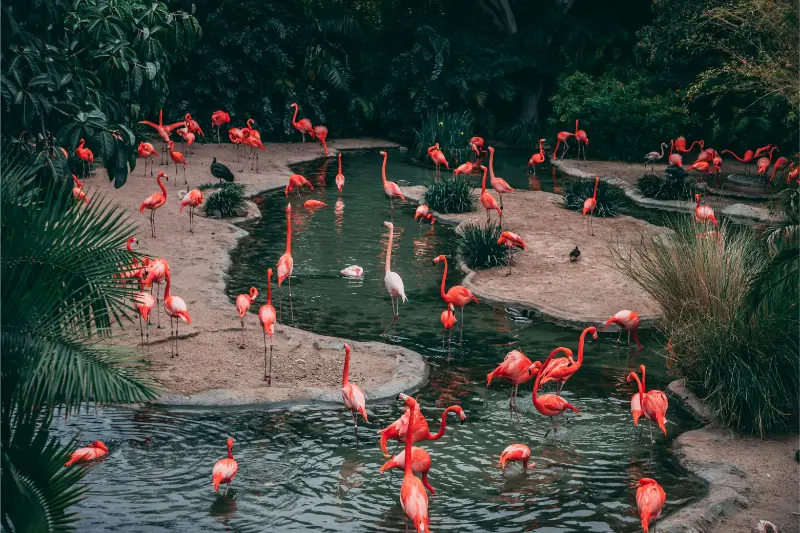
    Pink Flamingos at Florida Wildlife Pond

    Check pet rules at parks and beaches before arrival. Bring water and avoid leaving animals in vehicles. A pet-friendly destination is not automatically safe for off-leash exploration.

    Birds, raccoons and smaller wildlife

    Not every wildlife conflict involves a large animal. Gulls, raccoons, squirrels and other animals can quickly learn that visitors carry food. Feeding them encourages aggressive behavior, changes natural habits and can create problems for the next traveler. Keep food secured, use proper trash containers and never invite an animal closer for a photograph.

    Bird nesting areas deserve particular space. Shorebirds may nest directly on open sand, and adults can leave nests when people, pets or drones approach too closely. Respect posted buffers and keep dogs out of protected zones. On boardwalks and picnic areas, remember that a cute animal taking food from a hand is not a harmless souvenir; it is a wild animal being trained to seek people.

    Wildlife-viewing etiquette for photos and tours

    Use zoom rather than your feet when an animal is already aware of you. If wildlife stops feeding, changes direction, raises its head repeatedly or tries to leave, the viewing distance may be too close. Give the animal a clear escape route and never surround it with a group.

    On guided tours, choose operators that explain wildlife rules before the encounter and are willing to leave when animals need space. Guarantees of touching or extremely close encounters are not a sign of a better nature experience. Responsible viewing may produce a more distant photograph, but it protects the animal and keeps the experience available for future visitors.

    Families, seniors and accessibility

    Children usually respond well to one simple wildlife rule: look, point and photograph, but do not touch or feed. Give them binoculars and turn distance into part of the activity. Teenagers who want close photos should understand that wildlife ethics apply even when nobody is visibly enforcing them.

    Senior travelers and visitors with limited mobility can choose boardwalks, wildlife drives and boat tours that provide excellent viewing without difficult trails. Ask about shade, seating and accessible restrooms when choosing a viewing site.

    Budget and booking strategy

    Wildlife viewing does not need an expensive tour. Many state parks, refuges and wetlands provide low-cost or free observation. Spend on a qualified guide when local knowledge, boat access or specialized viewing meaningfully improves the experience.

    Avoid operators that advertise touching, feeding or guaranteed close encounters with wild animals. Ethical distance is a quality signal, not a disappointment.

    What to check before travel

    Before visiting a wildlife area, check FWC, the park or refuge website for closures, seasonal protections and current safety notices. For beaches, use local lifeguard or beach-patrol information. For marine tours, ask the operator how it handles protected species and weather cancellations.
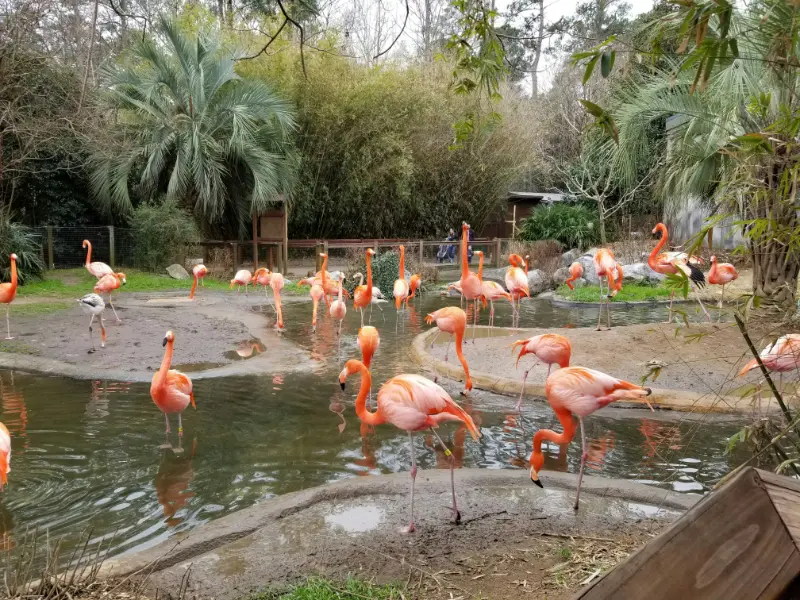
    Pink Flamingos Standing in Florida Wildlife Park

    Wildlife rules can be location-specific. A behavior allowed on one type of waterway may be restricted in a sanctuary or nesting zone.

    Common mistakes to avoid

    • Approaching an alligator or other wildlife for a closer photograph.
    • Letting a dog walk at the water’s edge in alligator habitat.
    • Assuming every snake or shark encounter is dangerous and reacting unpredictably.
    • Touching or feeding manatees, dolphins, birds or other wildlife.
    • Ignoring insects, heat and water conditions because the trip is focused on larger animals.

    Florida Beach Safety Guide, Best Florida State Parks, Florida Birdwatching Guide, Florida with Kids, Florida Photography Guide.

    Official resources

    Rules, prices, access arrangements, reservation systems and operating procedures can change. When a detail is important to the trip, confirm it with the responsible agency, park, attraction, hotel or local authority shortly before travel.

    Final advice

    Florida wildlife is safest and most rewarding when it stays wild. Give animals room, follow local water and trail rules, keep pets controlled and let a distant encounter be enough. The goal is to leave with photographs and respect for the habitat, not a story about how close you managed to get.
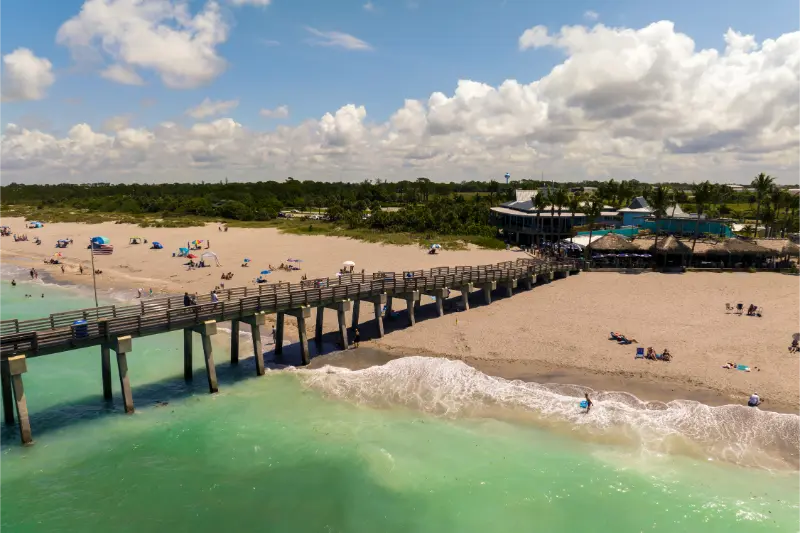

  • Venice Florida Travel Guide: Beaches, Shark Teeth, Downtown, Cycling and Where to Stay

    Venice Florida Travel Guide: Beaches, Shark Teeth, Downtown, Cycling and Where to Stay

    Venice Florida is a relaxed Sarasota County Gulf Coast city with a walkable historic downtown, fossil-hunting beaches, cycling and a noticeably calmer pace than larger resort centers. The easiest way to enjoy it is to decide what role it should play in the wider Florida trip. It can be a self-contained two- or three-night stop, a quieter base near a larger destination, or a practical part of a longer road trip. What usually goes wrong is trying to make one hotel location serve beaches, museums, nature, nightlife and distant day trips equally well.

    I would plan Venice Florida around two priorities: where you want to spend the early morning and where you want to be after dinner. Those two choices determine whether you should stay by the beach, near the main downtown district or in a more spacious property farther out. The destination is particularly good for couples, senior travelers, families who prefer low-key beach days, cyclists, shell and fossil hunters, and road trippers linking Sarasota with Southwest Florida.

    Quick planning summary

    • Historic Downtown Venice — Downtown Venice is compact, attractive and easy to enjoy without an agenda.
    • Venice Beach — Venice Beach is the simple classic beach choice close to downtown.
    • Caspersen Beach and shark-tooth hunting — Caspersen is famous for fossilized shark teeth and feels more natural than many urban beaches.
    • The Legacy Trail and cycling — The Legacy Trail is one of the best reasons to add active time to a Venice stay.
    • Best stay strategy: choose the district that matches your first and last activity of the day, not the cheapest room on a map.
    • Best pacing: one major activity plus one flexible neighborhood, beach or park stop per day.
    • For families and seniors: protect a midday rest during hot weather and verify parking, shade and accessible routes before arrival.

    In this guide

    Why visit Venice Florida?

    Venice Florida works because it offers a clear identity without forcing every traveler into the same itinerary. A beach-first visitor can spend long mornings outdoors, while someone interested in culture can build the day around museums, local districts and dining. Families can alternate active mornings with easier afternoons, and couples can keep evenings walkable instead of driving from one isolated attraction to another.

    The destination also fits a broader Florida strategy. Rather than changing hotels every night, use it as a base and make selective day trips. This is usually more enjoyable than collecting cities. The reward comes from learning the rhythm of one place: which mornings are quiet, where parking becomes difficult, when the waterfront is comfortable and how much downtime your group actually needs.

    Where to stay in Venice Florida

    Historic downtown is the best base for restaurants, architecture and evening walks. Beach-adjacent lodging is better if you want sunrise or sunset access without driving. South Venice and newer areas can offer more space and value, but a car is usually required for sightseeing.

    Before booking, compare the full stay cost rather than the nightly rate. Parking, resort or destination fees, breakfast, beach equipment, kitchen access and the need for rideshare can change the value dramatically. A slightly more expensive hotel in the right district can be cheaper than a low room rate that requires two paid car trips every day.

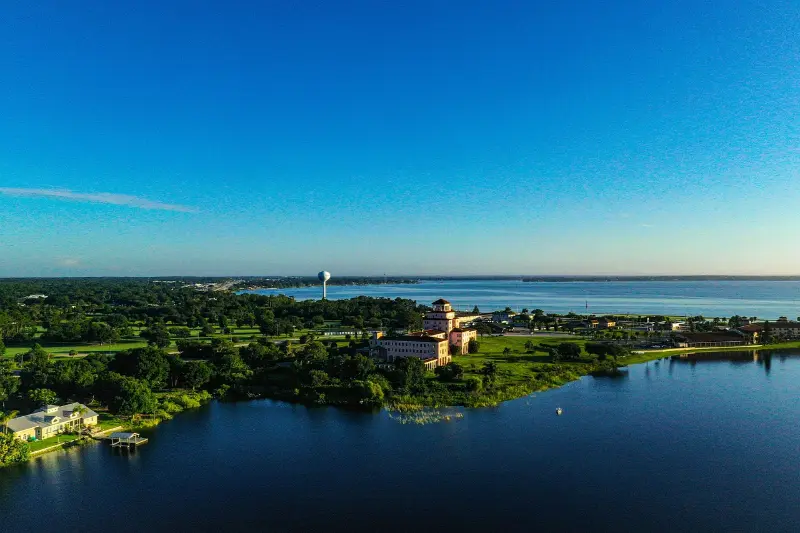
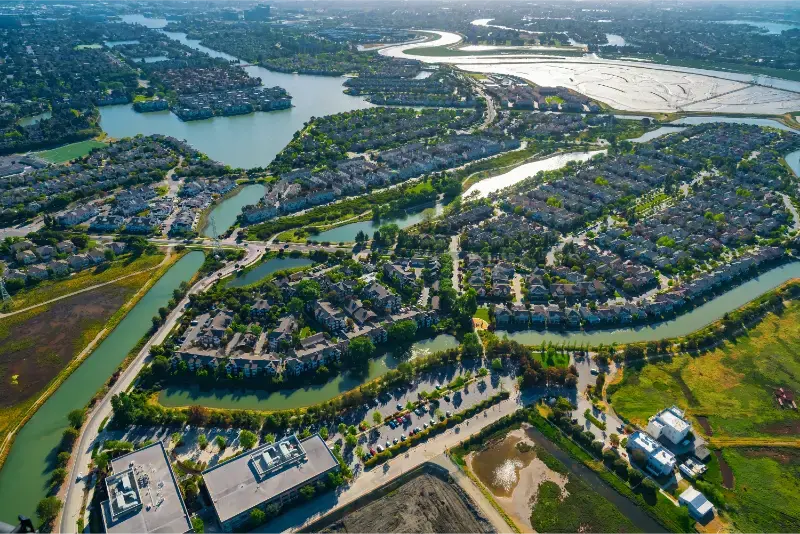
    Florida Resort with Circular Building Aerial View

    Families should also check room layout, not just occupancy. A sofa bed that technically sleeps two children may be fine for one night but uncomfortable for a week. For senior travelers, elevator reliability, walk-in showers, short routes to the lobby and shade around the property can matter more than a rooftop pool.

    Best things to do in Venice Florida

    Historic Downtown Venice

    Downtown Venice is compact, attractive and easy to enjoy without an agenda. Shops, cafés, landscaped streets and historic architecture make it a natural morning or evening walk. It is also a good base for travelers who value short distances over a resort-style property.

    Venice Beach

    Venice Beach is the simple classic beach choice close to downtown. Arrive early in busy winter periods and check current parking and facility information. The Gulf is often gentler than the Atlantic, but conditions still change and water safety remains important.

    Caspersen Beach and shark-tooth hunting

    Caspersen is famous for fossilized shark teeth and feels more natural than many urban beaches. Bring a small sifter if you enjoy searching, but do not let the hunt replace awareness of surf, heat and children near the water.

    The Legacy Trail and cycling

    The Legacy Trail is one of the best reasons to add active time to a Venice stay. Cycling can connect communities and provide a different view of Sarasota County. Start early in warm months, carry water and choose a distance that leaves energy for the return ride.

    Parks, jetties and nearby nature

    Venice offers easy access to waterfront parks and coastal nature, while Myakka River State Park is a strong inland day trip. Fishing-pier and jetty conditions can change after storms, so verify access before building a day around a specific structure.

    Beaches, parks and outdoor time

    Venice is ideal for mixing short beach sessions with cycling and nature. The city is less about a single “must-see” attraction and more about a comfortable rhythm: beach in the morning, downtown lunch, rest, then a sunset walk. That pace works particularly well for seniors and families with younger children.

    Florida outdoor days are easiest when you schedule by temperature rather than by a rigid list. Put the longest walk, beach session, bike ride or wildlife activity early. Use lunch, a museum or the hotel for the hottest part of the day, then return outside later. In summer, thunderstorms can be brief but intense; in winter, a windy cold front can make an exposed beach far less comfortable than the air temperature suggests.

    Whenever swimming is part of the plan, check local flags, lifeguard coverage and current conditions. Never assume a calm-looking ocean or Gulf is risk-free, and do not build a family beach day around a tiny access point if you know you need toilets, shade and an accessible path.

    Getting there and around

    A car is useful for Caspersen Beach, Myakka River and wider Sarasota County, but downtown itself is walkable. Cyclists can use the trail network for recreation, though it should not be treated as a complete replacement for a vehicle if your accommodation is far from the center.

    For a rental car, include parking and tolls in the budget before pickup. For a car-free or partly car-free stay, check whether the hotel is truly within comfortable walking distance of restaurants and the activities you care about. Florida heat turns a pleasant-looking one-mile map walk into a very different experience at midday.

    Airport choice should be based on total transfer time and flight convenience, not only distance. A nonstop flight to a slightly farther airport can be easier than a connection that saves twenty minutes on the ground. If your trip combines several Florida regions, consider collecting or returning the rental car only for the road-trip segment.

    Best time to visit

    For most travelers, the cooler and drier part of the year offers the easiest outdoor conditions, but it also brings stronger seasonal demand in many Florida destinations. Spring can balance warm weather with fewer winter visitors, while summer offers long daylight and family travel availability at the cost of heat, humidity and frequent thunderstorms. Fall can be quieter, but tropical weather planning matters.

    Do not choose a month only from average temperature. Think about the activities that define your trip. Beach swimming, wildlife viewing, outdoor festivals, theme parks and restaurant-focused weekends all have different ideal conditions. Check event calendars and local school-holiday patterns before paying a non-refundable rate.

    Families, teens, seniors and accessibility

    Family tipFor families with babies or toddlers, reduce the number of transitions. One beach, one lunch area and one easy afternoon stop is enough for a good day. Teenagers usually enjoy having one activity with independence or adrenaline—surfing, cycling, shopping, paddling or an evening district—rather than being moved through adult sightseeing all day.

    Senior travelers often benefit from the same strategy: shorter walks, earlier starts, reliable seating and a hotel near dinner. If mobility is limited, verify accessible parking, ramps, beach mats, wheelchairs or boarding assistance directly with the responsible attraction or local authority. “Accessible” can mean very different things depending on whether the challenge is a museum floor, soft sand or a small boat.

    Multigenerational groups do not need to remain together every hour. Plan one shared anchor each day, then allow a split. Grandparents can return to the hotel while teenagers stay at the beach; one adult can take children to a playground while another visits a museum. Regrouping for dinner is often more successful than forcing everyone to follow the most demanding itinerary.

    A practical 3-day Venice Florida itinerary

    Day 1: understand the center

    Check in, explore the primary downtown or visitor district and keep the first evening easy. Choose a walkable dinner and one short attraction or waterfront stop. Arrival days are the wrong time to schedule a prepaid activity that becomes stressful if the flight, rental car or traffic is late.

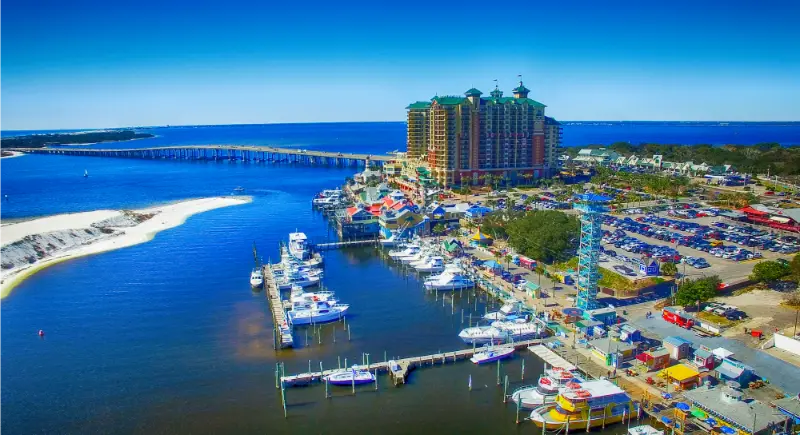
    Downtown Florida Waterfront and Bridge

    Day 2: the signature experience

    Use the morning for the destination’s main outdoor or cultural priority, then take a real break at lunch. In the afternoon, choose one secondary attraction from the list above rather than trying to complete all of them. Finish in the district you most want to experience after dark.

    Day 3: nature or a selective day trip

    Use the final full day for nature, a neighboring community or a second beach. If the weather is poor, swap in a museum, shopping district or indoor family attraction. Keep the last evening simple so packing and departure do not turn a good trip into a rushed finish.

    Food and evening planning

    Downtown is the easiest place to find a range of dining without driving between every stop. Seafood and casual Gulf Coast restaurants are popular, but make room for breakfast cafés and simple lunches. In winter, reserve the dinner you care about most because seasonal demand can be high.

    Florida dining times can become competitive in winter and on event weekends. Reserve only the meals that really matter; too many fixed reservations can make a beach or wildlife day feel rushed. For breakfast, a hotel room with a refrigerator or small kitchen can save both money and time, especially for families.

    Budget and booking strategy

    The biggest costs are usually lodging, transport and the activities that require a ticket or boat. Build the budget in that order. Free beaches and parks do not always mean a free day once parking, rentals and food are included. Conversely, a paid attraction with included parking and several hours of entertainment can be good value for a family.

    I would compare at least three lodging scenarios: the convenient central hotel, a beach or resort property, and a larger room or rental farther out. Add parking and local transport to each. For a short stay, location often wins. For a week with children, kitchen and laundry access can justify a little more driving.

    Keep cancellation terms visible in your planning notes. Florida weather can change, and boat tours, outdoor attractions and beach days are more enjoyable when one weather delay does not threaten the value of the whole trip.

    Day trips and how to combine the region

    Sarasota and Siesta Key are obvious northbound additions, while Englewood and Boca Grande fit a quieter Gulf Coast theme farther south. Myakka River State Park adds wetlands and wildlife inland. Avoid turning each day into a long loop; Venice is most enjoyable when at least one day remains local.

    A useful rule is to avoid more than one substantial drive on consecutive days. If you take a long day trip, make the following morning local. Florida roads can be easy when traffic is light and exhausting when weather, crashes or weekend beach traffic intervene. A slower plan usually produces more usable vacation time.

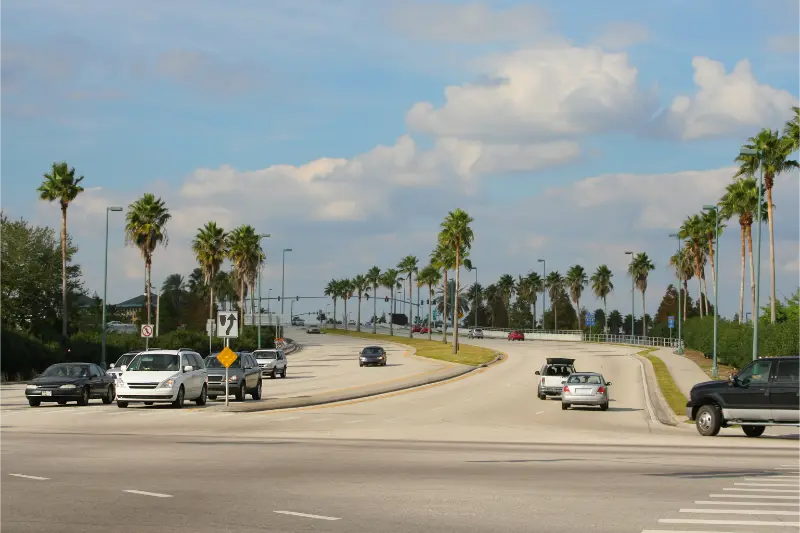
    Florida Urban Highway at Night with Light Trails

    Common mistakes to avoid

    • Booking the cheapest hotel without checking the real driving pattern of the trip.
    • Scheduling beach, museum, wildlife and nightlife priorities into the same day.
    • Ignoring parking costs or assuming every beach access has the same facilities.
    • Planning long outdoor activities at midday in the hottest months.
    • Using drive-time estimates that do not include event, bridge, theme-park or beach traffic.
    • Forgetting that a good multigenerational itinerary needs rest, shade and easy meal options.
    • Treating a weather-sensitive activity as guaranteed instead of keeping a flexible backup.

    Official resources

    Hours, parking systems, admission prices, beach rules, event schedules and construction can change. When a particular attraction or service is essential to your trip, confirm it on the official source shortly before travel.

    Frequently asked questions

    How many days do you need in Venice Florida?

    Two full days is enough for a focused first visit, while three nights gives you room for a beach or nature day, the main cultural district and one nearby excursion without rushing. Longer stays make sense if the accommodation itself—such as a beach resort or vacation home—is part of the vacation.

    Do you need a car in Venice Florida?

    That depends on the neighborhood. A central stay can reduce driving for meals and evening walks, but a car is usually helpful once you add beaches, nature preserves, family attractions or day trips. Check the actual address before deciding.

    Is Venice Florida good for families?

    Yes, especially when you build the day around short activity blocks and a midday rest. The strongest family trips mix one destination-specific attraction with beach, park or pool time rather than trying to entertain children continuously.

    Is Venice Florida suitable for senior travelers?

    Usually yes. Choose lodging close to dinner, check walking surfaces and parking, and use the cooler morning for outdoor sightseeing. Call ahead when wheelchair, scooter or accessible beach equipment is essential.

    What is the biggest planning mistake?

    Trying to use Venice Florida as both a relaxed vacation base and a launch point for a long drive every day. Pick a few regional excursions and protect enough local time to enjoy the destination you actually booked.

    Final advice

    Venice Florida is most rewarding when you let its strongest experiences set the pace. Choose the right neighborhood, protect the morning for what matters most, leave room for Florida weather and build the trip around the people traveling with you. A thoughtful two- or three-day stay will usually feel richer than a longer checklist with too much driving.

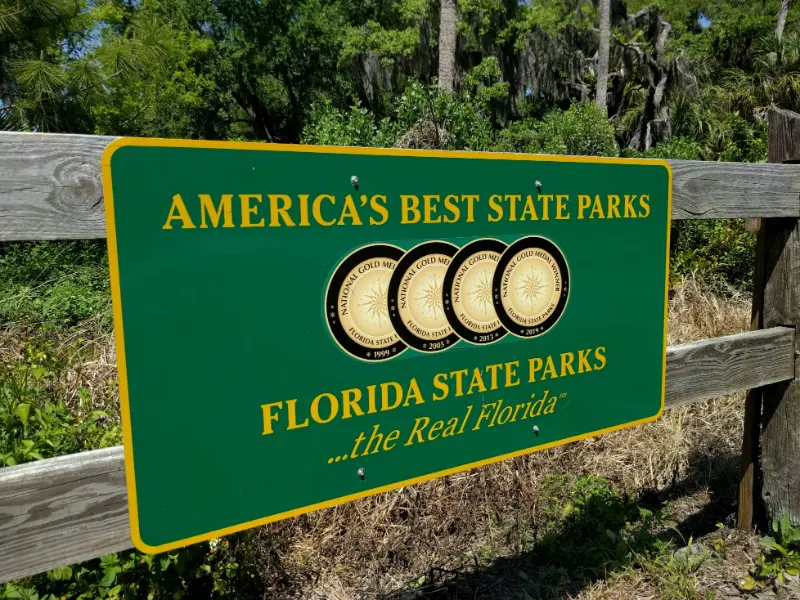
  • Best Florida State Parks: Springs, Beaches, Wildlife, Camping and First-Time Planning

    Best Florida State Parks: Springs, Beaches, Wildlife, Camping and First-Time Planning

    Florida’s state parks are one of the best ways to understand the state beyond beaches and theme parks. The system protects springs, barrier islands, coral reefs, forests, historic forts, rivers and wildlife habitat, and many parks are inexpensive enough to become the backbone of a longer road trip. The difficulty is not finding a good park; it is choosing the right one for your season, age group and activity level.

    Explore this guide

    For a first trip, I would not chase a list of ‘top ten’ parks across hundreds of miles. Instead, choose two or three parks that fit the route you already want to drive. A spring park near Orlando, a beach park on the Gulf and a historic or wildlife park in North Florida will show more variety than five similar beach parks visited in a rush.

    Quick planning summary

    • Best for: nature, beaches, springs, wildlife, camping, history, families, seniors and low-cost Florida days.
    • How many parks? One substantial park per day is enough when swimming, paddling or hiking is involved.
    • Reservations: Some popular parks now require day-use reservations; rules can change, so check the individual park page.
    • Annual pass: Frequent visitors should compare day-use fees with the current individual or family annual entrance pass.
    • Most important habit: Check capacity, weather, water conditions and closures the day before you go.

    How the Florida State Parks system works

    Florida State Parks currently promotes a system of 175 parks. Most are generally open from morning to sunset, but museums, historic buildings, boat tours and concession activities can have different schedules. Camping and cabins use a reservation system, and the booking window differs for Florida residents and nonresidents.

    Day-use entry has also changed at several high-demand parks. As of 2026, Wekiwa Springs, Rainbow Springs, Henderson Beach and Blue Spring require reservations for at least certain day-use entry. That is exactly why I avoid publishing a permanent ‘just arrive early’ rule: the correct procedure depends on the park and date.

    Best Florida state parks for a first trip

    Blue Spring State Park — best for winter manatees

    Blue Spring near Orange City is famous for manatee season, a long spring run and boardwalk views. It works for families and seniors because much of the wildlife experience can be enjoyed without entering the water. Swimming rules change during manatee season, and day-use reservations are currently required, so plan this park rather than improvising it.

    Silver Springs State Park — best for glass-bottom boats

    Silver Springs near Ocala combines one of Florida’s most historic attractions with clear water, wildlife, paddling and trails. The glass-bottom boats make the park unusually inclusive for visitors who do not swim or paddle, while kayakers can experience the river at water level.

    Pink Flamingos Standing in Florida Wildlife Park

    Rainbow Springs State Park — best for swimming and scenery

    Rainbow Springs near Dunnellon is a classic clear-water destination with headsprings swimming, gardens and access to the Rainbow River. The park has introduced reservation requirements for the main day-use entrance, and tubing uses a separate area, so confirm the exact entrance for your activity.

    Ichetucknee Springs State Park — best for tubing

    Ichetucknee is the spring-river day many visitors imagine when they think about North Florida. Tubing, paddling and swimming are seasonal and access-specific, so read the park’s current instructions before driving there with rental equipment or a tightly timed schedule.

    Wekiwa Springs State Park — best spring day near Orlando

    Wekiwa gives Orlando visitors a dramatically different day without crossing the state. Swimming, paddling and trails make it useful for families and active adults. Because day-use reservations are required, it is now a park to book into the itinerary rather than treat as a spontaneous backup.

    Henderson Beach State Park — best easy Gulf beach park

    In Destin, Henderson Beach protects sugar-white dunes and a beautiful stretch of Gulf shoreline. It is one of the easiest state parks to understand immediately: beach, boardwalks, picnics and camping close to a major resort area. Vehicle day-use reservations are currently part of the entry system.

    St. Andrews State Park — best for beach plus snorkeling

    Near Panama City Beach, St. Andrews offers Gulf and pass-side water, jetties, snorkeling potential, camping and access toward Shell Island. Water conditions matter, so families should follow flags and local safety guidance rather than assuming the protected-looking shoreline is always calm.

    Bahia Honda State Park — best Florida Keys scenery

    Bahia Honda is a Keys classic for turquoise water, beaches, snorkeling and views of the old bridge. Its remote geography means it works best inside a Keys itinerary rather than as a day trip from mainland South Florida.

    John Pennekamp Coral Reef State Park — best for reef access

    Key Largo’s Pennekamp is the marine counterpart to inland spring parks. Snorkel and glass-bottom boat trips bring visitors toward reef environments, while paddling and shoreline activities work for travelers who prefer to stay closer to land.

    Myakka River State Park — best for big landscapes

    Near Sarasota, Myakka combines wetlands, prairies, wildlife and a sense of scale. It is a strong choice for travelers who want birding and alligator habitat without driving deep into South Florida. Heat and sun exposure make early starts valuable.

    Paynes Prairie Preserve State Park — best for wildlife near Gainesville

    Paynes Prairie protects a huge basin landscape where bison, wild horses, birds and alligators may be seen. Wildlife is never guaranteed, but the park is worth visiting for the scenery alone. Choose trails and overlooks based on current water levels and mobility.

    Flock of Flamingos at Florida Wildlife Park

    Fort Clinch State Park — best history-plus-beach combination

    On Amelia Island, Fort Clinch combines a substantial historic fort, maritime forest, beaches and trails. That makes it especially good for families whose interests are split between history and the coast.

    Honeymoon Island State Park — best Tampa Bay beach escape

    Honeymoon Island is a convenient Gulf-coast nature day from the Tampa Bay area, with beaches and trails. Coastal storms and restoration work can affect facilities, so check current park notices before promising a particular access point.

    Weeki Wachee Springs State Park — best for classic Florida spectacle

    Weeki Wachee is different from a typical state park because its mermaid shows and spring attraction are the main draw. Families can combine the cultural icon with water recreation, but capacity and attraction schedules make advance planning important.

    Florida Caverns State Park — best unexpected landscape

    Near Marianna, Florida Caverns shows a side of the state many visitors do not expect: guided cave tours, forest and camping. It is especially valuable on a Panhandle road trip because it adds geology and an indoor component to a region often planned only around beaches.

    Reservations, fees and annual passes

    Florida State Parks lists an individual annual entrance pass and a family annual entrance pass, with separate rules for special attractions and additional fees. The annual pass covers entrance rather than every activity; boat tours, tubing, camping, gardens or special events may cost extra.

    For camping, the official reservation system is the source to trust. Current policy allows Florida residents a longer advance window than nonresidents. If a particular campsite or cabin matters, book when your window opens; if the road trip is flexible, midweek dates and less famous parks can be easier.

    Families, seniors and accessibility

    A state-park vacation can work from toddler age through senior travel, but the right park matters more than the label. Glass-bottom boats, boardwalks, beaches with accessible mats, paved gardens and wildlife drives are very different experiences from remote paddling or long sand trails.

    Florida State Parks has an Access for All program and states that wheelchairs and manually powered mobility aids are allowed wherever foot traffic is allowed. Some parks have all-terrain wheelchairs, accessible boat tours or other accommodations. Because equipment and terrain vary, contact the individual park when a feature is essential.

    Best state parks by travel style

    • With toddlers: Silver Springs, Blue Spring boardwalks, Fort Clinch and parks with short paved routes.
    • With teenagers: Ichetucknee tubing, snorkeling at St. Andrews or Pennekamp, paddling and mountain-bike opportunities.
    • For seniors: Glass-bottom boats, scenic drives, historic forts, gardens and boardwalk wildlife areas.
    • For beach lovers: Henderson Beach, St. Andrews, Bahia Honda, Honeymoon Island and Gulf barrier-island parks.
    • For wildlife: Myakka River, Paynes Prairie, Blue Spring and wetland-rich parks.
    • For camping: Reserve around the park experience you want, not just campsite availability; coastal, spring and forest campgrounds create very different trips.

    Common mistakes to avoid

    • Driving to a famous park without checking whether day-use reservations are required.
    • Assuming a state-park annual pass covers camping, boat tours or every special activity.
    • Planning exposed trails at midday in summer.
    • Getting too close to alligators, bison, horses or manatees for a photograph.
    • Trying to collect parks as checkmarks instead of spending a full day in the landscapes that interest you.
    • Ignoring individual park alerts after storms, wildfire, flooding or construction.

    Useful Wonderful Florida guides

    Official resources

    Final thoughts

    The best Florida state park is not the one with the most famous photograph; it is the one that fits your route, season and group. Build the road trip around a few different landscapes, reserve the high-demand parks early, and give each place enough time to become an experience rather than a parking lot. That approach is cheaper, calmer and far more memorable than trying to visit a different park every few hours.

  • Florida Vacation Rental Guide: Condos, Beach Houses, Fees, Rules and Family Planning

    Florida Vacation Rental Guide: Condos, Beach Houses, Fees, Rules and Family Planning

    A vacation rental can be the best way to travel in Florida when you need bedrooms, a kitchen, laundry, parking or space for several generations. It can also become unexpectedly expensive once cleaning charges, parking, resort fees, taxes and strict cancellation rules are added. The property photos are the easy part. The real work is understanding exactly where the rental is, what is included and how the building or neighborhood operates.

    I would choose a Florida rental by daily routine before choosing it by décor. Families may need a washer and separate sleeping area more than an ocean view. Beach travelers need to know the true walking route to the sand. Theme-park groups should calculate driving and toll time. Senior travelers may care about elevators and step-free access, while long-stay visitors need groceries, pharmacies and comfortable seating. A rental succeeds when ordinary life is easy.

    Quick planning summary

    • Best for: families, multigenerational groups, longer stays and travelers who value kitchens or laundry.
    • Compare total price: include taxes, cleaning, parking, resort and platform fees before deciding.
    • Verify location: map the exact route to the beach, parks or attractions that matter.
    • Read house rules: occupancy, visitors, pets, parking and quiet hours can be strict.
    • Keep weather flexibility: understand cancellation and hurricane policies before paying.

    In this guide

    Condo, house or apartment-style stay?

    Florida rentals range from high-rise beach condos and suburban pool homes to cottages, townhouses and apartment-style units. Condos often provide shared pools, elevators and beach access but may have association rules, parking limits and slower elevators at peak times. Houses offer privacy and space but can require more driving and maintenance responsibility.

    For an Orlando theme-park trip, a house with bedrooms and a private pool can suit a large family, but the daily drive may outweigh the extra space. On the coast, a condo may put you closer to the beach but offer limited parking. Choose the type that solves the main problem of the trip.

    Location: measure the real trip, not the marketing description

    Listings use phrases such as ‘minutes from the beach’ or ‘near Disney’ loosely. Put the exact address or map pin into your own map and test the route at the time of day you expect to travel. A property may be geographically close but separated by a bridge, highway, paid parking area or long public-access walk.

    On islands and barrier beaches, one mile can feel much farther in peak traffic. In Orlando, a low nightly rate outside the main resort zones may add substantial daily driving. In Miami or Fort Lauderdale, parking charges can change the economics completely. Location is part of the accommodation price.

    Fees, deposits and the true nightly cost

    Always compare the final checkout total, not the headline nightly rate. Cleaning fees, service charges, taxes, parking, resort fees, pet charges and refundable deposits can materially change the price. For short stays, a hotel may be cheaper once a large cleaning fee is spread over only two nights.

    Ask what the cleaning fee actually covers and what departure tasks remain. Some properties require guests to take out trash, start laundry or load the dishwasher despite a significant fee. That may be acceptable, but it should not be a surprise at 5 a.m. before a flight.

    Florida rules and licensing: what travelers should know

    Florida regulates many vacation rentals as public lodging establishments, and local governments or condominium associations may also impose rules. DBPR guidance distinguishes vacation-rental dwellings and condominiums and explains licensing requirements for operators. Travelers do not need to become licensing experts, but they should book through a transparent host or manager and be cautious with off-platform payment requests.

    Local rules can cover occupancy, parking, noise, minimum stays and registration. A legal rental in one city may face different requirements in another. If a listing seems to encourage hiding cars, avoiding a front desk or misleading neighbors, I would choose another property.

    Beachfront and waterfront rentals

    Waterfront photos can hide practical issues. Ask whether beach access is private or public, whether stairs are required, how far the unit is from the elevator, and whether beach chairs are included. On the Gulf and Atlantic coasts, storms, erosion and restoration work can change access from what older reviews describe.

    Florida Canal and Waterfront Condos

    Canal and river homes may include docks, but that does not mean every dock is suitable for swimming or every boat can use it. Families should ask about pool fencing, door alarms and water barriers. Never assume a picturesque backyard is child-safe.

    Cancellation policies, hurricanes and trip interruption

    Florida weather makes cancellation language important. A host’s policy may not refund simply because the forecast looks unpleasant. Mandatory evacuation, named storms, transportation disruption and voluntary changes can be treated differently by the contract and travel-insurance policy.

    Read the written terms before booking, especially for late-summer and fall coastal stays. If flexibility matters, pay more for a rate you can change rather than hoping an inflexible policy will be waived later. Save all messages and payment records inside the booking platform when possible.

    How to read vacation-rental reviews intelligently

    Reviews are most useful when you look for patterns rather than one dramatic complaint. Repeated comments about elevator delays, street noise, parking difficulty, uncomfortable beds or misleading beach distance deserve attention. A single complaint about weather or a personal disagreement may say little about the property.

    Sort recent reviews when possible because management, furniture and neighborhood construction can change. For accessibility, family safety or internet reliability, ask the host directly after reading reviews. A written answer becomes more useful than assuming an old guest had the same needs.

    Arrival-day checklist for a rental

    Confirm the exact address, parking instructions, door code procedure and local contact before traveling. Check whether the building has staffed hours or after-hours access requirements. On arrival, verify smoke detectors, pool barriers, locks, basic kitchen equipment and any damage you could otherwise be blamed for later.

    Save checkout rules on the first day rather than reading them only at departure. If the property has unusual trash collection, parking permits or quiet-hour rules, put them into the group chat. Small operational details are what separate a relaxed rental stay from a week of avoidable messages.

    Families, seniors and accessibility

    Families should check crib or high-chair availability, pool barriers, balcony railings, stairs, laundry and bedroom placement. Teenagers may value privacy and Wi-Fi more than a fancy lobby. Multigenerational groups should avoid placing the only accessible bathroom upstairs or forcing grandparents to cross a slippery pool deck for every entrance.

    Accessibility descriptions in rental listings can be vague. Ask for exact measurements, elevator information, threshold heights, shower design and the route from parking to the unit when these features matter. ‘Ground floor’ does not always mean step-free, especially in older coastal buildings.

    Florida Atlantic Ocean Beach and Resort Buildings

    Best time to go

    Rental demand follows Florida’s regional seasons. South Florida and Gulf winter destinations can be expensive during colder months, while family beach markets often peak around school breaks and summer. Orlando demand changes around holidays and major events. Booking earlier is most important when you need a specific bedroom count, pet policy or accessible layout.

    Hurricane-season bookings deserve especially careful cancellation terms. Shoulder seasons can provide good value, but only if you are comfortable with some weather flexibility.

    Budget and booking

    A rental often saves money through shared bedrooms, kitchens and laundry, but it can encourage overspending on a larger property than the group needs. Compare the total accommodation cost per person and then add transport. A remote house with free parking can still cost more than a smaller central condo once daily driving is included.

    Do not pay by wire transfer or unusual method merely to obtain a discount. Keep payments within a trusted booking or property-management system and verify who you are dealing with before sending large deposits.

    How to build a realistic day

    On arrival day, inspect the property while there is still daylight, photograph any existing damage and learn parking, trash, pool and entry rules immediately. Buy only basic groceries until you know what the kitchen actually contains.

    Before departure, allow extra time for required checkout tasks. A rental should reduce stress, not create a final-morning race through an unfamiliar rulebook.

    Common mistakes to avoid

    • Comparing nightly rates instead of final totals.
    • Assuming ‘walk to beach’ means an easy stroller or wheelchair route.
    • Ignoring parking limits for a multicar group.
    • Booking a pool home without asking about child-safety barriers.
    • Paying outside a trusted system to save a small percentage.
    • Failing to read hurricane and cancellation terms before the nonrefundable date.

    Where to stay in Florida, Florida with kids, Multigenerational Florida travel guide, Florida travel insurance guide, Florida snowbird and long-stay guide.

    Official resources to check

    Hours, fees, access rules, wildlife conditions, weather impacts and reservation requirements can change. If a particular experience is essential to your trip, check the responsible agency, destination or operator again shortly before you travel.

    Final advice

    A Florida vacation rental is valuable when it makes the trip simpler: fewer restaurant meals, easier laundry, more sleep and a location that fits the itinerary. Ignore decorative extras until you have checked total cost, rules, parking, access and cancellation terms. The best property is the one that supports the way your group will actually live for the week.

  • Florida with Teenagers: Theme Parks, Beaches, Space, Wildlife, Water Sports and Trip Planning

    Florida with Teenagers: Theme Parks, Beaches, Space, Wildlife, Water Sports and Trip Planning

    Florida with teenagers works best when the trip gives them some ownership. A schedule designed entirely around what adults think a family should enjoy can produce resistance, even when the attractions are excellent. I would ask each teenager to choose one priority—thrill ride, beach activity, shopping district, space experience, wildlife encounter or food stop—and then build the route around a few shared anchors.

    Explore this guide

    The state is unusually good for this age because high-energy and low-pressure experiences can sit side by side. A morning can involve a launch site or roller coasters, while the afternoon is a beach or hotel-pool reset. The goal is not constant entertainment. Teenagers also need downtime, privacy and a chance to use their phones without adults treating every quiet minute as wasted vacation.

    Quick planning summary

    • Best for thrill rides: Orlando and Tampa
    • Best for space and science: Kennedy Space Center and the Space Coast
    • Best for water sports: Keys, Gulf beaches and Atlantic surf towns
    • Best for wildlife: Everglades, springs and refuges
    • Best city energy: Miami, Fort Lauderdale and St. Petersburg
    • Family strategy: give teens real choices and protect some unscheduled time

    Theme parks without turning the trip into a marathon

    Teenagers may be ready for Florida’s biggest rides, but that does not mean they want fourteen hours in a park every day. Choose the parks that match their interests, learn the current queue systems and allow enough time for the attractions they care about rather than collecting every ride.

    Older teens can take more responsibility for navigation, mobile orders and checking wait times. Giving them a practical role changes the trip from something being done to them into something they are helping run.

    Beaches, surfing and water sports

    A beach day becomes more attractive to many teenagers when it includes an activity: surfing lesson, paddleboard, snorkeling, kayaking, fishing or beach volleyball. The Atlantic coast generally offers more surf potential, while many Gulf destinations are known for calmer-looking water, though daily conditions vary everywhere.

    Use professional operators for activities that require local knowledge, and do not treat strong swimming as a substitute for understanding rip currents, weather or boat safety.

    Kennedy Space Center and the Space Coast

    Kennedy Space Center can work extremely well with teenagers because it combines engineering, history, large-scale hardware and the possibility of launch-related excitement. Give the visit enough time; rushing through major exhibits removes much of the impact.

    Kennedy Space Center Directional Sign

    If a launch is part of the dream, remember schedules can move for technical and weather reasons. Build the trip around the Space Coast rather than making a nonrefundable vacation depend on one launch time.

    Wildlife and springs

    Teenagers who are bored by a passive scenic drive may become engaged when wildlife involves paddling, snorkeling, photography or a guided tour. Springs in North and Central Florida, Everglades ecosystems and coastal refuges can all provide that sense of discovery.

    Respect wildlife distance and operator rules. Social-media photos are not worth crowding an alligator, manatee or nesting bird.

    Cities, food and independent-feeling time

    Miami, St. Petersburg, Tampa, Fort Lauderdale and other cities can give teenagers a different Florida from beaches and parks: murals, music, sports, cafés, shopping and neighborhoods. A food stop chosen by the teenager can sometimes create more enthusiasm than another museum chosen by adults.

    Depending on age and family comfort, give older teens limited independent-feeling time in a safe, agreed area while adults stay nearby. Clear meeting points and charged phones are essential.

    Phones, photos and social media without fighting all day

    Phones are part camera, ticket wallet, map and communication device, so a total ban is unrealistic. Set a few boundaries that protect shared time: perhaps no phones during one meal, but free use during long drives or queues.

    Carry battery packs. A dead phone can become a practical problem when tickets, reservations and family communication are stored digitally.

    Let teenagers help plan the route

    Give each teen a small research assignment: choose one restaurant, one beach, one attraction or one roadside stop. Set the budget and geographic boundaries, then take the choice seriously. This creates buy-in without surrendering the whole itinerary.

    For siblings with very different interests, alternate priorities. One high-adrenaline day followed by a slower wildlife or beach day often works better than trying to satisfy everyone in every hour.

    Families, older travelers and accessibility

    Younger teens may still need the structure of a family itinerary, while older teens can handle more responsibility and may care about Wi-Fi, privacy and evening options. Multigenerational groups should not assume the teenager and grandparent have opposite interests; both may enjoy a space center, boat tour, baseball game or food market. Accessibility needs should be discussed directly with the teen rather than through assumptions about what they can or cannot do.

    For mixed-age groups, I would plan the day around the person with the lowest heat tolerance or the strongest mobility, feeding or rest requirement, then let more energetic travelers add optional activities. Florida becomes much easier when the group does not have to move as one unit every minute. Build obvious meeting points, keep phones charged and choose a hotel or base that allows someone to stop early without collapsing the rest of the day.

    Budget and booking strategy

    Teenagers can increase food and activity costs because they may be adult-priced at attractions while still traveling as part of the family. Agree in advance on souvenir, snack and optional-activity budgets. Letting a teen control a small personal trip budget can reduce repeated negotiations. Balance expensive park or water-sport days with beaches, city walks, state parks and hotel downtime.

    When comparing prices, look at the total daily cost rather than one headline number. Parking, tolls, resort fees, food, equipment rental, transfers and cancellation rules can change which option is actually cheaper. I also prefer reservations that can be modified when weather or family needs are likely to affect the plan, even if the flexible rate costs a little more.

    Best timing and seasonal planning

    School calendars make summer and holiday periods common, but heat and crowds can be intense. Early starts, midday indoor time and evening returns work well. Spring-break periods vary by district and destination. If the trip includes hurricane season, keep the route flexible and make sure teens know where official weather information comes from rather than relying on social media.

    Florida is large enough that conditions vary by region. A cool morning in North Florida can coexist with beach weather in the Keys, and a thunderstorm in one part of a metro area does not mean the entire day is lost. Check local forecasts, water conditions and official attraction notices close to the visit rather than relying on a statewide forecast saved weeks earlier.

    A practical way to use this guide

    Start by choosing the one outcome that would make the trip feel successful. Then protect the time, location and budget for that priority before adding optional experiences. This prevents a common Florida problem: an itinerary with many individually good ideas that becomes tiring because the driving, heat and check-in times do not fit together.

    I would also separate fixed commitments from flexible choices. Flights, cruises, major attraction reservations and special tours belong in the fixed group. Beaches, neighborhood walks, parks, casual restaurants and hotel-pool time can usually remain flexible. When weather or fatigue changes the day, move the flexible pieces instead of trying to force the original schedule.

    Hotel rooms and family privacy with teenagers

    Accommodation can decide whether a teen trip feels easy. Two beds in one small room may be fine for a weekend, but on a longer stay a suite, connecting rooms or a condo can reduce friction dramatically. Teenagers sleep later, use bathrooms longer and may want a little privacy after a full day with family. If the budget allows, space is often a better upgrade than a fancier lobby.

    Location matters too. A walkable hotel near restaurants, beach or entertainment can give older teens a sense of independence without requiring adults to drive every short trip. Establish clear boundaries and meeting points. The goal is not unsupervised travel; it is creating a trip where every family member has moments of autonomy as well as shared experiences.

    Common mistakes to avoid

    • Planning every activity without giving teenagers a meaningful choice.
    • Assuming a beach alone will entertain everyone for eight hours.
    • Overloading consecutive theme-park days.
    • Treating phone use as laziness when the phone is also the camera, map and ticket wallet.
    • Scheduling only educational stops or only thrill rides instead of mixing styles.
    • Leaving no unscheduled time for sleep, friends or hotel-pool downtime.

    Useful Wonderful Florida guides

    Official resources to check before you go

    Hours, access rules, reservation systems, transportation schedules and weather-related closures can change. Check the official source shortly before travel when a specific attraction, service or route is essential to the trip.

    Final thoughts

    Teenagers do not need a separate vacation from the family; they need some influence over the shared one. Give them real choices, alternate high-energy and low-pressure days, and leave room for downtime. Florida’s variety makes that balance easier than in many destinations.

  • Islamorada Florida Travel Guide: Fishing, Reefs, Arts, History and Where to Stay

    Islamorada Florida Travel Guide: Fishing, Reefs, Arts, History and Where to Stay

    Islamorada is one of the easiest places in the Florida Keys to build a trip around the water without making every day feel the same. Offshore fishing, backcountry flats, reef snorkeling, paddling and sunset dining all fit naturally here, while museums, galleries and historic sites give you useful alternatives when wind or storms change the marine plan.

    I would choose Islamorada for couples, families and anglers who want a polished Keys base with strong dining and water access but less urban energy than Key West. The village stretches across several islands, so it is not one walkable center; where you sleep should match the marina, beach or attraction you expect to use most.

    The easiest way to enjoy Islamorada is to decide what deserves your freshest hours. Put the activity that matters most first, use midday for lunch, shade or an indoor stop, and keep sunset or dinner close to the hotel. This simple rhythm is especially useful for families, senior travelers and anyone who does not want a vacation dominated by driving.

    Quick planning summary

    • Recommended stay: 3–4 nights for a first visit.
    • Best first stop: History of Diving Museum.
    • Best for: travelers who want a mix of local character, outdoor time and realistic day-to-day logistics.
    • Transport: choose lodging by the places you will visit most often, not only by the advertised destination name.
    • Planning rule: one priority activity in the morning, one flexible afternoon option and an easy evening close to the hotel.

    In this guide

    Why visit Islamorada?

    Islamorada is one of the easiest places in the Florida Keys to build a trip around the water without making every day feel the same. Offshore fishing, backcountry flats, reef snorkeling, paddling and sunset dining all fit naturally here, while museums, galleries and historic sites give you useful alternatives when wind or storms change the marine plan.

    I would choose Islamorada for couples, families and anglers who want a polished Keys base with strong dining and water access but less urban energy than Key West. The village stretches across several islands, so it is not one walkable center; where you sleep should match the marina, beach or attraction you expect to use most.

    Islamorada is most rewarding when you give it enough time to change pace during the day. Early morning is often the best window for beaches, gardens, trails, wildlife or water activities; lunch and the hottest hours are better for museums, shaded districts or a real rest; late afternoon can bring a second outdoor window. Staying at least a few nights also gives you a backup day if wind, storms, capacity limits or traffic interfere with the original plan.

    I would not judge the destination only by the number of famous attractions. The quality of the trip usually comes from the combination of a good base, short transfers, one or two signature experiences and unstructured time for a neighborhood, park, café or sunset that was not on the original checklist.

    Where to stay

    Upper Matecumbe Key

    The most convenient base for restaurants, galleries and a stronger village feel. It suits travelers who like to walk to dinner after a day on the water.

    Plantation Key

    Practical for visitors arriving from Miami or Key Largo and useful for longer stays with easy road access. Lodging here can make northern Keys day trips simpler.

    Lower Matecumbe and quieter resort areas

    Best for travelers prioritizing water views, resort time and a slower pace. Confirm exactly what beach or dock access is included because Keys waterfront does not always mean a broad sandy beach.

    Before booking, compare the full trip rather than the nightly rate. Look at parking, resort fees, breakfast, kitchen and laundry facilities, beach or park access, elevator availability and the first drive of the morning. If anyone in the group has limited mobility, confirm the route from the room to the parking area, pool, beach or restaurant instead of relying on a generic accessibility icon.

    Family tipFor families, a slightly larger room with a refrigerator can make mornings much easier. Couples may prefer a smaller but walkable property near dinner. Senior travelers often benefit from avoiding properties where every meal, attraction and sunset requires another car trip. The best area is the one that removes friction from the part of the day your group values most.

    Best things to do

    History of Diving Museum

    A smart first-day or rainy-day stop that explains how diving evolved and why the Keys became such an important underwater destination.

    Windley Key Fossil Reef Geological State Park

    An unusual place to see exposed fossilized coral and old quarry walls. It adds geology and short shaded walks to an itinerary dominated by boats and beaches.

    Morada Way Arts & Cultural District

    A good evening or late-afternoon change of pace, especially when galleries, studios or community events are active.

    Anne’s Beach and shallow-water stops

    Useful for a gentle shoreline break, particularly for travelers who want a low-commitment beach stop rather than a full resort day. Check current access and conditions.

    Reef, fishing and backcountry excursions

    Islamorada’s identity is tied to the water. Choose the trip by the traveler, not by prestige: a shorter family snorkel, backcountry eco-tour or half-day fishing charter can be better than an ambitious all-day outing.

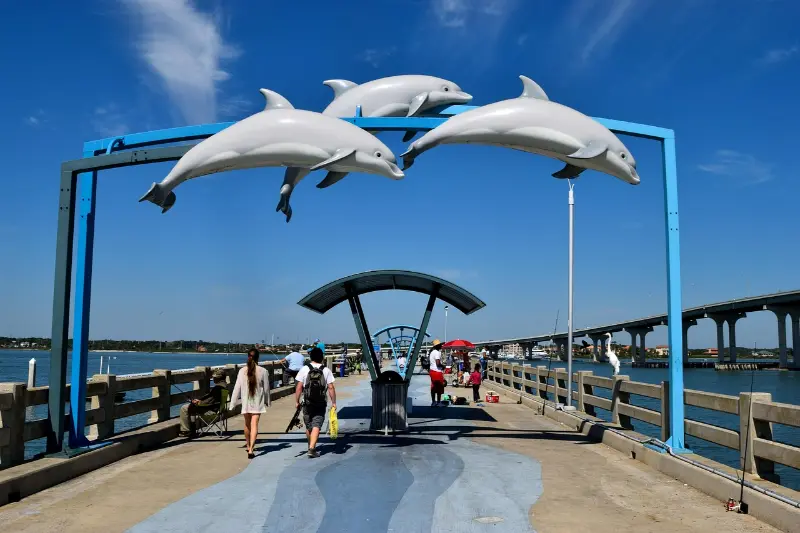
    Dolphin Sculptures at Florida Fishing Pier

    Do not try to fit all of these into one day. Choose the two experiences that define the destination for you, then use the others as weather alternatives or shorter additions. If a boat tour, guided activity or timed attraction is important, reserve that first and keep nearby flexible stops around it rather than creating a chain of nonrefundable bookings.

    Nature, beaches and outdoor time

    Islamorada rewards flexible water planning. Reef conditions depend on wind and sea state, while Florida Bay and mangrove areas may offer calmer alternatives on days when the Atlantic side is rough. For paddling, start early and pay attention to heat, wind direction and boat traffic. Never assume that shallow turquoise water is automatically easy or safe.

    Outdoor planning in Florida works best by conditions rather than by a rigid clock. Check heat, lightning, wind, tides, surf flags and local alerts before leaving the hotel. Carry water and sun protection even when the morning feels comfortable. On beaches and waterways, follow lifeguard or ranger guidance and never assume that calm-looking water means there is no current or marine risk.

    Wildlife should stay wild. Do not feed animals, block their movement, approach nests or turn a close photograph into the goal of the encounter. Ethical viewing usually produces a better experience anyway because animals behave more naturally when people give them space.

    Getting there and around

    A rental car remains the simplest option because Islamorada is linear and spread along the Overseas Highway. Miami International Airport is a common gateway, with Fort Lauderdale another option when airfare is better. Build extra time into the drive south, especially Friday afternoons, holiday periods and days with incidents on U.S. 1.

    For rental cars, add tolls, parking and fuel to the budget before pickup. If part of the stay is meant to be car-free, verify the exact walking route from the hotel rather than only the distance. A mile in humidity, across a multi-lane road or with a stroller can feel very different from a mile on a shaded pedestrian street.

    Arrival day should stay intentionally light. Flights, baggage, rental-car lines and traffic can consume more time than expected, so I would avoid placing the most expensive tour on the first afternoon. Use arrival day to learn the area, buy water or groceries and have an easy dinner near the hotel.

    Best time to visit

    December through April is popular for comfortable temperatures and lower humidity, while late spring can be excellent if you accept warmer afternoons. Summer brings heat, thunderstorms and potential tropical weather but also a different pace. Fishing and diving have seasonal patterns, so if a specific species or water activity is the main reason for the trip, ask local operators about conditions rather than relying only on a monthly weather chart.

    Prices and crowds can be driven by school calendars, festivals, sporting events and holiday weekends as much as by weather. If a specific event is not the reason for the trip, check the calendar before choosing dates. Shoulder periods can provide excellent value, but flexible cancellation terms are worth more than the absolute lowest rate when tropical weather is part of the season.

    Families, teenagers, seniors and accessibility

    For multigenerational groups, do not force everyone through the same pace. Choose one shared morning anchor, then split for a few hours if needed and regroup for dinner. Parents can use nap or pool time, teenagers can add an activity, and older travelers can choose a museum, café or shaded walk without feeling that they are slowing the group down.

    Accessibility should be checked at the exact attraction or beach access you plan to use. A destination may advertise itself as accessible while individual boardwalks, boat docks, sand paths or historic buildings have limitations. Confirm accessible parking, restrooms, ramps, beach mats or wheelchairs, elevator access and boarding procedures when those details are essential.

    Florida Historic Pink Beachfront Hotel

    Heat management matters across every age group. Build shade, indoor time and hydration into the schedule before anyone feels exhausted. A good vacation day does not have to last from breakfast until midnight; one memorable experience plus an easy evening can be more successful than three attractions completed by force.

    A practical 3-day itinerary

    Day 1: orientation and an easy local evening

    Check in, learn the immediate area and choose History of Diving Museum or another short signature stop that does not require a long transfer. Keep dinner close to the hotel. Arrival day is for understanding the destination, not proving how much can fit into six hours.

    Day 2: the signature experience

    Use the coolest part of the morning for Windley Key Fossil Reef Geological State Park or the most weather-sensitive activity on your list. Take a real midday break, then add Morada Way Arts & Cultural District if energy and conditions are good. Finish with a sunset, waterfront walk or neighborhood dinner instead of another long drive.

    Day 3: nature, culture or a selective excursion

    Choose Anne’s Beach and shallow-water stops, spend more time at the beach or park you liked most, or make one of the day trips below. If the weather turns poor, use a museum, shopping district, historic site or long lunch as the backup. Leave enough space at the end of the day to pack and prepare for departure without ruining the final evening.

    If you have 3–4 nights, slow this itinerary down rather than adding more distant places. Repeat a favorite beach, schedule a second water activity, add a rest morning or take one full regional day trip. Repetition is often what turns a checklist vacation into an actual holiday.

    Food and evening planning

    Islamorada is one of the Keys’ strongest dining stops, especially for seafood and sunset views. Reserve the one dinner that matters most, then keep the rest flexible around boat returns and weather. If you catch fish with a charter, ask in advance whether a local restaurant currently offers a cook-your-catch option and what preparation rules apply.

    For mixed-age groups, dinner location matters almost as much as the restaurant. A twenty-minute drive after a full beach or park day can feel much longer than it did on the map. Choose at least half of your evening meals close to the hotel and save the longer drive for one restaurant that is genuinely worth it.

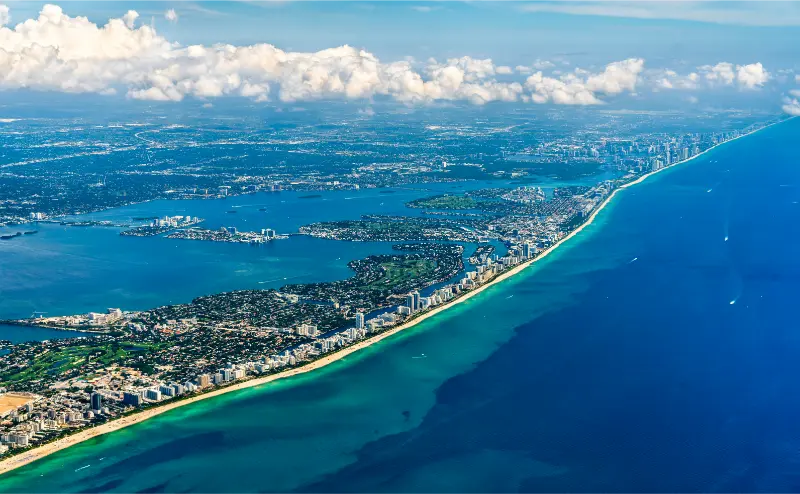
    Florida Marina and High Rise Buildings Aerial View

    Budget and booking strategy

    To control costs, decide which experiences are worth paying for and let parks, beaches, walking districts and scenic drives fill the rest of the schedule. Families can save significantly with a refrigerator or kitchen, while couples may prefer to spend more on one memorable dinner and keep lunches casual.

    The real budget is larger than the room rate. Add parking, resort or destination fees, tolls, equipment rentals, breakfast, beach gear and the cost of getting from the airport. A more expensive hotel can be the better value when it includes parking, a kitchen or a location that eliminates repeated rideshare trips.

    Reserve popular lodging and one must-do experience first. Everything else can be layered around those anchors. Avoid paying in advance for multiple outdoor activities on consecutive days unless cancellation policies are generous; one windy or stormy period can otherwise affect several reservations at once.

    Best day trips

    Key Largo

    Good for John Pennekamp-area reef activities, wildlife centers and an easy change of scenery without a long drive.

    Marathon

    A practical Middle Keys day for the Turtle Hospital, Sombrero Beach and Seven Mile Bridge scenery.

    Everglades National Park

    Possible from the Upper Keys, but choose the entrance carefully because distances around South Florida can be longer than they appear.

    A day trip should add contrast, not simply duplicate what you can do near the hotel. Pick one destination and spend enough time there to understand it. If the round-trip drive is long, an overnight may be a better use of vacation time—especially with young children, senior travelers or anyone who dislikes repeated packing and early starts.

    Mistakes to avoid

    The biggest mistake is trying to use Islamorada only as a sleeping base for distant attractions every day. If most mornings begin with a long drive, the hotel location is working against the trip. Protect enough local time to enjoy the destination you actually booked.

    Another common mistake is planning by map distance instead of real Florida travel time. Bridges, beach traffic, school breaks, thunderstorms, road work and limited parking can turn a short-looking transfer into the most tiring part of the day. Leave buffer time and avoid stacking fixed reservations back to back.

    Do not assume every waterfront hotel has a usable beach, every beach has lifeguards, or every nature attraction operates the same way year-round. Read the current access rules and official alerts shortly before the visit, especially when parking, capacity, weather or wildlife protections can change the plan.

    Finally, do not overbook the final day. Weather delays, traffic and longer-than-expected meals are normal parts of Florida travel. Leaving one open block protects the experiences that came before it and gives you somewhere to move an activity that had to be postponed.

    Use these guides to expand the trip without repeating the same research:

    Official resources to check before you go

    Hours, parking rules, capacity limits, tours and weather-related closures can change. Check the official sources shortly before travel:

    Frequently asked questions

    Is Islamorada worth visiting?

    Yes, if the experiences in this guide match the way you like to travel. Islamorada is strongest when you allow enough time for its local character rather than using it only as a stop between two more famous places.

    How many days should I spend in Islamorada?

    3–4 nights is a useful first-trip range. Shorter stays work when you have one clear goal; longer stays are better for water activities, families, slower travelers and anyone who wants a weather backup day.

    Do I need a car?

    For most itineraries, a car is helpful even when one neighborhood is walkable. The answer depends on the hotel location and whether your plans include parks, beaches, day trips or airports outside the immediate center.

    Is Islamorada good for families and senior travelers?

    Usually yes. The key is matching activity length, heat exposure and accommodation location to the group. Confirm accessibility details directly when ramps, beach access, boat boarding or elevators are essential.

    What should I book first?

    Book the accommodation and the one experience that would be difficult to replace. Then keep enough flexibility for weather, traffic and changes in energy. A vacation with a little empty space is usually easier to enjoy.

    Final advice

    Islamorada works best when the itinerary reflects the place rather than fighting it. Stay close to what matters, use mornings intelligently, respect Florida weather and wildlife, and let one or two excellent experiences carry each day. That approach works just as well for a couple as it does for a family with children or a multigenerational group.

  • Florida Gulf Coast vs Atlantic Coast: Beaches, Waves, Sunsets, Families and Which Side to Choose

    Florida Gulf Coast vs Atlantic Coast: Beaches, Waves, Sunsets, Families and Which Side to Choose

    One of the most common Florida planning questions is whether the Gulf Coast or Atlantic Coast is better. The useful answer is that the two coasts create different trips, but neither behaves the same from north to south. Destin is not Naples, and Amelia Island is not Miami Beach. Gulf water can be rough; Atlantic beaches can be calm. Instead of choosing from a stereotype, compare the kind of beach, town, activities and driving pattern you want, then select the destination that fits.

    Explore this guide

    Quick planning summary

    • There is no universally better coast; the right choice depends on beach style, activities and region.
    • Gulf destinations often emphasize calmer-looking water, west-facing sunsets and white-sand beach towns.
    • Atlantic destinations offer ocean swell, surfing culture, sunrise and a long chain of major cities and historic towns.
    • Local conditions can override broad coast stereotypes on any given day.
    • Choose a specific destination, not just a coast, because access, parking and atmosphere vary enormously.

    The Gulf Coast appeal

    Florida’s Gulf side is famous for broad sunset views, many white-sand beaches and destinations where the water can feel gentler than the open Atlantic. The Panhandle’s emerald-water image is different from the mangrove and shelling landscapes farther south, so the coast still contains major variety. Gulf destinations such as Clearwater, Sarasota, Sanibel-area islands, Naples, Destin and Pensacola can work very well for families, couples and slower beach trips.

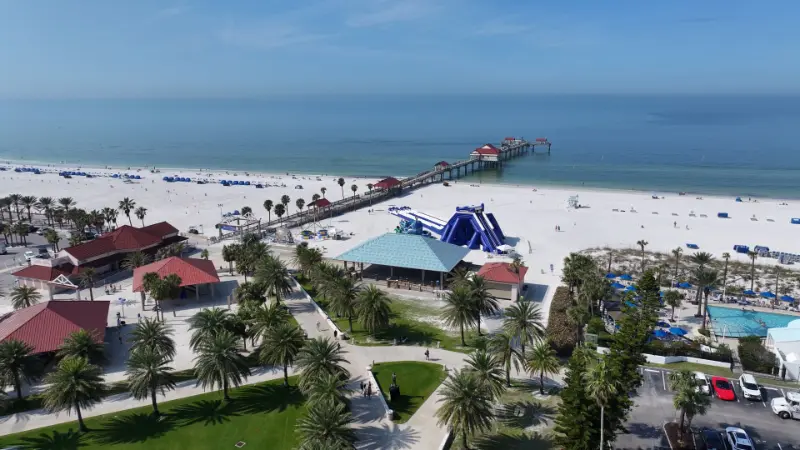
    Clearwater Beach Florida Gulf Coast White Sand Resorts

    The Atlantic Coast appeal

    The Atlantic side brings more exposure to ocean swell, a stronger surfing identity and sunrise over the water. It also connects several major urban and historic destinations: Miami, Fort Lauderdale, Palm Beaches, Space Coast, Daytona Beach, St. Augustine and Jacksonville-area beaches. For travelers who want beaches plus nightlife, space attractions, historic towns or surfing, the Atlantic can integrate more naturally into the itinerary. Beach character changes significantly between South Florida and the northeast.

    Waves and swimming are not guaranteed by coast

    The Atlantic often has more surf, but a flag, current, storm or wind can make either coast unsafe for casual swimming. Gulf beaches can develop strong currents and high surf during weather events. Never choose a coast because someone described it as always calm. Check beach flags, lifeguard information and local advisories on the day. Families with weak swimmers should prioritize lifeguarded beaches and protected conditions over brand-name sand.

    Sand and water color vary by region

    Northwest Florida is known for pale quartz sand and clear-looking emerald water in favorable conditions, while Southwest Florida has shell-rich beaches and warm Gulf environments. Atlantic beaches range from wide pale strands to darker, coarser sand depending on geology and location. Water clarity changes with wind, tide, runoff and waves. A promotional photograph is a moment, not a guarantee for your dates. Choose the larger destination experience rather than booking purely for expected water color.

    Sunrise versus sunset changes the rhythm of the day

    Atlantic travelers can walk the beach at sunrise, while many Gulf destinations are naturally built around sunset. That sounds cosmetic, but it affects meal times, photography and how families pace the day. A Gulf sunset may become the evening anchor after an afternoon break. On the Atlantic, an early beach walk can happen before crowds and heat. Travelers should use the coast’s orientation as a planning advantage rather than trying to copy the same daily routine everywhere.

    Families often care more about infrastructure than coastline

    Parking, restrooms, lifeguards, stroller access, shade, food and the distance from hotel to sand usually matter more than whether the beach faces east or west. Clearwater Beach and Miami Beach are both developed but feel very different; Anna Maria Island and Amelia Island are both islands but have different traffic and neighborhood patterns. Parents should compare a specific beach access point and accommodation route instead of a generic coast comparison.

    Surfing favors the Atlantic, but water sports exist everywhere

    Atlantic destinations such as Cocoa Beach, New Smyrna Beach and parts of Northeast Florida have strong surfing traditions. The Gulf provides excellent paddleboarding, kayaking, fishing and boating, especially in bays and protected areas. The Keys blur the simple east-versus-west choice because their water experiences depend more on reefs, channels and island geography than a conventional mainland beach. Pick the activity first, then the coast that supports it.

    Hurricane and weather planning does not disappear on either side

    Both coasts can be affected by tropical systems. A storm does not need to make landfall at your hotel to alter surf, flights, roads or excursions. Seasonal weather differences are also regional: a winter beach day in Miami is not the same as one in Pensacola. Use the best-time-to-visit decision at the destination level. Flexible bookings matter more during higher-risk periods than selecting one coast because it feels safer.

    How to choose in five questions

    Ask whether surfing matters, whether sunset is a priority, whether the trip needs a major city, whether small beach towns are preferred and how much driving you will tolerate. Then compare three actual destinations on each coast. A family might end up choosing Sarasota over Fort Lauderdale because of pace; a couple might choose Miami Beach over the Gulf for food and nightlife; a surfer will likely favor the Atlantic. The coast is a useful filter, not the final decision.

    Planning for families, seniors and accessibility

    Families and senior travelers should evaluate the exact beach access, parking surface, boardwalk length and restroom availability. For accessibility, look for beach mats, beach wheelchairs, accessible parking and nearby facilities, then confirm the current setup with the local authority. Some beaches have excellent accessible infrastructure while another beach on the same coast may require crossing deep sand with no assistance.

    Build the day around the traveler with the lowest tolerance for heat, long walks, rough water or late nights. That does not mean the entire group must do the same thing. Split time can make a multigenerational Florida vacation much easier: one person can take a longer activity while another returns to the hotel, pool or a shaded attraction. The best itinerary is the one everyone can recover from, not the one that looks fullest on paper.

    Budget, booking and timing

    Price varies more by destination, season and lodging type than by coast. Gulf resort towns can be expensive in peak beach periods, while Atlantic cities may add high parking and resort fees. Compare the complete stay: room or rental, parking, beach equipment, tolls, airport transfer and dining. A cheaper hotel 20 miles inland can lose its advantage if every beach day begins with traffic and paid parking.

    Destin Florida Turquoise Gulf Beach and Hotels

    Florida prices can change sharply by school calendar, major event, holiday weekend and weather-sensitive season. Compare the total cost instead of the headline price, and keep the cancellation policy with the booking confirmation. When one experience is the main reason for the trip, reserve that item first and build flexible activities around it. A free afternoon is not wasted time; it is protection against traffic, weather, fatigue and the inevitable delay that appears on a real vacation.

    Common mistakes to avoid

    • Treating either coast as uniformly calm or rough.
    • Choosing from water-color photos alone.
    • Ignoring the exact beach-access logistics.
    • Assuming the Gulf is always cheaper or the Atlantic always busier.
    • Forgetting regional winter temperature differences.
    • Picking a coast before deciding what activities matter most.

    Useful Wonderful Florida guides to combine with this article

    Best beaches in Florida, Best time to visit Florida, Destin and Fort Walton Beach guide, St. Petersburg and Clearwater guide, Space Coast and Cocoa Beach guide.

    Official resources to check before travel

    Opening hours, reservation systems, prices, road conditions, access rules, wildlife protections and weather-related operations can change. If a specific feature is essential to the trip, confirm it with the operator or public agency shortly before travel rather than relying on an old screenshot or saved social post.

    How to build a realistic day

    Start with one anchor activity and place the most weather-sensitive part of the day where conditions are usually best. Leave at least one meal unscheduled when driving between regions, because traffic around beaches, bridges, theme parks and major cities can change quickly. Keep water, sun protection and a light layer in the car, and save the next address offline before leaving reliable mobile coverage. For families, a midday reset can preserve the evening; for older travelers, shorter activity blocks often produce a better trip than one long excursion. If something closes or weather changes, switch to the backup rather than spending an hour trying to rescue the original plan.

    When comparing two options, choose the one with simpler logistics unless the harder option is genuinely the reason for the trip. Florida vacations often become expensive because visitors pay to solve preventable transportation and timing problems. A well-located hotel, an early reservation or one fewer destination can be more valuable than adding another ticketed attraction. Keep confirmation numbers together, photograph important parking or meeting-point instructions and verify the next morning’s first activity before going to bed. These small habits reduce friction without turning the vacation into a rigid schedule.

    Final planning advice

    The strongest Florida trips leave room for conditions and energy levels to change. Choose a clear priority for each day, keep one realistic alternative and avoid making every meal, transfer and attraction dependent on perfect timing. That approach works for first-time visitors, families, solo travelers and older travelers alike, and it makes it much easier to enjoy the part of Florida you actually came to see.

  • Florida Shopping Guide: Outlets, Malls, Local Districts, Markets and Souvenirs

    Florida Shopping Guide: Outlets, Malls, Local Districts, Markets and Souvenirs

    Shopping is rarely the only reason I would recommend a Florida vacation, but it can be a useful part of one—especially on a stormy afternoon, before a flight or when travelers want something more local than a generic souvenir shop. Florida ranges from giant outlet centers and luxury malls to walkable shopping streets, farmers markets and independent galleries. The main mistake is letting shopping create another long cross-city drive. Choose a district that fits the rest of the day’s geography and decide in advance whether the goal is bargains, luxury brands, local art or practical trip supplies.

    Quick planning summary

    • Orlando and South Florida have some of the state’s largest outlet and mall options.
    • Local districts such as Worth Avenue, St. Armands and historic downtowns offer a different experience from enclosed malls.
    • Parking and traffic can turn a bargain-shopping day into a long logistics exercise.
    • International visitors should check current customs and duty rules for their home country before making major purchases.
    • Markets and locally made products often create more memorable souvenirs than generic resort merchandise.

    In this guide

    Orlando is the obvious outlet-shopping base

    Orlando’s tourism scale supports major outlet centers, large malls and entertainment-shopping districts. International Drive and the Lake Buena Vista area are convenient for visitors already staying near theme parks, but traffic can be heavy at peak times. If outlet shopping is important, schedule it as a dedicated half-day rather than trying to squeeze it between two parks. Families should decide where to meet if people split between stores.

    Illuminated Shopping Complex at Night

    South Florida covers both luxury and enormous malls

    Aventura Mall, Sawgrass Mills, Bal Harbour and other South Florida centers serve very different shoppers. Aventura combines a major mall with dining and easy access to the Brightline station, while Sawgrass is a large outlet-style destination that can consume much of a day. Bal Harbour targets luxury shopping. Choose based on brands and location rather than visiting several simply because they are famous.

    Palm Beach and Sarasota offer walkable shopping districts

    Worth Avenue in Palm Beach and St. Armands Circle in Sarasota are as much about atmosphere as purchases. They work well when paired with a beach, museum or meal, and they are easier for mixed-interest groups than a full outlet day. Even travelers who do not plan to buy luxury goods can enjoy architecture, windows and cafés. Parking and event traffic still deserve a quick check.

    Historic downtowns are better for local souvenirs

    St. Augustine, Fernandina Beach, Mount Dora, Winter Park, Naples and other walkable centers offer independent shops, galleries and locally themed gifts. These districts are good places to buy art, books, food products or small items tied to the destination. They also support an itinerary better because shopping can be combined with historic streets and meals. Look for products actually made in Florida rather than assuming every coastal souvenir is local.

    Markets can turn shopping into a travel experience

    Farmers markets, craft fairs, flea markets and food halls make shopping less transactional. Operating days can be limited, so verify the current calendar before driving. Markets are especially useful for families because people can choose snacks or small purchases without committing to a long mall visit. If buying food for travel, consider heat and airline restrictions before purchasing items that may not survive the trip home.

    Theme-park shopping is convenient but easy to overdo

    Disney Springs, Universal CityWalk-area retail and resort shops make souvenirs easy to find, but convenience often encourages impulse purchases. Decide what kind of keepsake matters before the final day. Children can set a budget for one item rather than asking at every shop. If you are flying, remember luggage space and fragile items. Shipping services may be available, but cost and timing should be checked before relying on them.

    Rainy-day shopping works best when it is nearby

    Shopping centers are useful weather backups, but crossing Orlando or Miami in a thunderstorm to reach a specific mall can create more stress than it solves. Save one indoor shopping option near each major base. A rainy beach morning can become a local outlet or downtown day, while a stormy city afternoon can become a mall and dinner plan. Keep the backup geographically simple.

    Colorful Shopping Street in Florida

    International visitors should think about tax and customs separately

    Florida sales tax is added to many retail purchases, and local surtaxes can affect the final price. The United States does not offer a broad tourist VAT refund system like some countries. Travelers taking expensive goods home should check their own country’s customs allowances and declaration rules. Warranty service and voltage compatibility also matter for electronics, making a low sticker price only one part of the decision.

    Families, seniors and accessibility

    Shopping with children is easier when the trip has a time limit and a meal or play break. Teenagers may enjoy choosing a store district themselves. Senior travelers should consider the walking scale of very large outlet centers and use seating breaks. For accessible travel, major malls are generally easier than historic districts with uneven sidewalks, but parking location and elevator access still matter. Ask customer service about mobility services when needed.

    For a mixed-age group, protect the needs that are hardest to change: heat tolerance, medication timing, mobility, naps and the ability to stand in lines. Split the group when that creates a better day instead of treating separation as a planning failure. Confirm accessibility directly with the attraction, hotel, park or operator when a specific feature is essential, because the word accessible can describe very different real-world conditions.

    Budget and booking

    A sale is not a saving if it produces luggage fees, customs costs or items you did not need. Set a spending ceiling before outlet shopping and compare prices on expensive products rather than relying on a percentage-off sign. Include parking and transport in the day cost. For souvenirs, one locally made item often has more value than several generic purchases. Travelers on a tight budget can use markets and window-shopping districts as entertainment without a large retail spend.

    Compare total trip cost rather than headline price. Parking, resort fees, taxes, cleaning charges, rideshares, rental-car costs and food can change which option is genuinely affordable. Keep weather-sensitive elements flexible when possible, and save confirmation numbers in one place. If one experience is the main reason for the trip, secure that first before building nonrefundable lodging around it.

    How to build a realistic day

    Start with one anchor activity and place it at the time when the group has the most energy and conditions are usually best. Leave enough space for parking, meals and unexpected delays rather than stacking timed reservations back to back. In warm months, a morning outdoor block followed by lunch and an indoor or shaded afternoon is often more comfortable than continuous sightseeing. On driving days, stop before fatigue becomes a problem and keep water, sun protection and a simple snack available.

    Keep one nearby backup plan that does not require crossing a major metro area. A museum, shopping district, hotel pool, scenic drive or relaxed meal can rescue a day when weather or energy changes. The goal is not to complete the maximum number of attractions; it is to finish the day with enough energy to enjoy the next one. This approach is particularly valuable for children, older travelers and anyone visiting Florida for the first time.

    Common mistakes to avoid

    • Driving across a large metro area for several malls in one day.
    • Assuming every outlet price is automatically a bargain.
    • Forgetting sales tax when comparing prices.
    • Buying bulky items without checking luggage space.
    • Planning a long shopping day with no seating or meal break.
    • Treating generic souvenirs as locally made without checking the label.

    Florida on a budget, Orlando travel guide, Miami and Miami Beach travel guide, The Palm Beaches travel guide, Sarasota and Siesta Key travel guide.

    Official resources to check

    Rules, opening hours, prices, transport schedules, access arrangements and weather-related operations can change. If a detail is essential to the trip, confirm it with the responsible operator or public agency shortly before travel rather than relying on an old screenshot, saved social post or third-party summary.

    Final planning advice

    The strongest Florida itineraries are clear about priorities without becoming rigid. Choose what genuinely matters, keep the day geographically compact and allow conditions to change. A trip with a little breathing room usually produces better meals, easier family decisions and more memorable experiences than a schedule that depends on perfect traffic, perfect weather and perfect energy from morning to night.

  • Best Indoor Things to Do in Florida: Museums, Aquariums, Space, Culture and Rainy-Day Ideas

    Best Indoor Things to Do in Florida: Museums, Aquariums, Space, Culture and Rainy-Day Ideas

    Florida is famous for outdoor days, but some of its best experiences happen under a roof. Heat, thunderstorms, a cold front or simple travel fatigue can make an indoor plan more appealing than another beach or theme-park marathon. I like to keep one indoor option near every major overnight base because it turns bad weather into a change of pace instead of a lost day. The strongest choices are not only emergency backups: museums, aquariums, space exhibits, historic houses, galleries and performing arts can be highlights in their own right.

    Quick planning summary

    • Keep one indoor backup within 20–30 minutes of each overnight base.
    • Museums and aquariums work best when chosen for genuine interest, not only because it is raining.
    • In summer, an indoor afternoon can be useful even on a sunny day because of heat and thunderstorms.
    • Book timed-entry attractions only when they are important enough to justify losing flexibility.
    • For multigenerational groups, prioritize seating, elevators, food and easy parking as well as exhibits.

    In this guide

    Orlando: theme-park alternatives, science and resort time

    Orlando has more indoor options than most visitors need. Large theme parks include extensive indoor rides and shows, but a true weather backup can also mean a science center, aquarium-style attraction, shopping complex, bowling, interactive entertainment or simply returning to the resort for a pool-and-rest afternoon between storms. The key is geography: an indoor attraction on the opposite side of the metro area may create more stress than the weather itself.

    If a storm interrupts a park day, follow the park’s safety procedures rather than racing to another reservation. Florida thunderstorms can move quickly, and many outdoor operations resume after conditions improve. On a deliberately lighter day, a museum or indoor attraction can give children and older adults a break from long outdoor walking.

    Miami and South Florida: art, science and aquariums

    Miami, Fort Lauderdale and the Palm Beaches have enough museums and cultural venues to fill several rainy days. Art museums, science exhibits, historic estates and aquariums let a trip continue without requiring perfect beach weather. I would choose a venue near the neighborhood you already planned to visit, then combine it with lunch rather than treating rain as a reason to cross the entire metro area.

    South Florida rain can be intense and localized. A wet morning does not always mean a wet evening, so keep the second half of the day flexible. Parking garages and covered drop-off areas can make a major difference for travelers with mobility needs or families handling strollers in heavy rain.

    Space Coast: Kennedy Space Center as a major all-weather anchor

    Kennedy Space Center Visitor Complex includes substantial indoor exhibits and is one of the rare places that can justify a full destination day even when the beach forecast is poor. Outdoor elements and bus operations can still be affected by severe weather, so check current conditions, but the scale of the indoor content makes the Space Coast less dependent on sunshine than many beach regions.

    Kennedy Space Center NASA Globe Monument

    Pair the space center with a flexible Cocoa Beach plan rather than locking the day into multiple timed stops. If a launch is part of the trip, remember that launch schedules can change. Treat the launch as a bonus unless you have built enough flexibility to wait for a new attempt.

    Tampa Bay, St. Petersburg and Sarasota: museums and cultural depth

    Tampa Bay and Sarasota are particularly strong for visitors who enjoy art, history and marine life. St. Petersburg has major art institutions, Tampa has museums and an aquarium, and Sarasota adds The Ringling and other cultural venues. These are not consolation prizes for bad weather; they are among the reasons to visit the region.

    A good Gulf Coast rainy-day plan keeps one district together. Museum, lunch and a nearby gallery or shopping street usually work better than driving from Tampa to Sarasota and back because the beach is wet. If conditions clear late, finish with a waterfront walk rather than forcing a full beach session.

    St. Augustine, Jacksonville and North Florida: history indoors

    Historic houses, museums, galleries and visitor centers make North Florida easier to enjoy during cold rain or summer storms. St. Augustine is especially useful because many indoor sites sit close together in the historic core. Jacksonville offers larger museums and cultural venues, while Tallahassee combines state history, science and museums.

    Historic buildings may have stairs or narrow passages, so visitors who need step-free access should check the individual site. A compact historic district is also easier on a rainy day when the hotel is nearby; long suburban drives reduce the value of an otherwise good backup plan.

    Aquariums, wildlife centers and marine science

    Aquariums and indoor wildlife facilities can be strong choices for children, but not every animal attraction has the same conservation standards or amount of indoor space. Look for accredited institutions, clear educational programs and transparent animal-care practices. In coastal regions, smaller marine science centers can offer a meaningful two-hour visit without the cost or scale of a major aquarium.

    NASA Kennedy Space Center Spacecraft Hangar

    Weather can also affect animal programs, outdoor touch areas or boat-linked experiences. Check the day’s schedule before purchasing add-ons. The best family backup is one that still feels worthwhile if some outdoor components are closed.

    Shopping, food halls and entertainment districts

    Shopping is an obvious indoor fallback in Orlando and South Florida, but it works best when the group actually wants it. Outlets can be crowded during storms because everyone has the same idea. A local market, food hall, bookstore or neighborhood shopping street may create a more relaxed afternoon than a giant mall.

    For teenagers and mixed groups, indoor entertainment such as bowling, interactive games or cinemas can be useful after several museum-heavy days. I would keep these as flexible options rather than prebooking every hour. Sometimes the most restorative rainy-day plan is lunch, laundry and an early night.

    How to read the forecast without cancelling the whole day

    Florida forecasts often show a chance of rain or thunderstorms even when much of the day is usable. Look at hourly timing and radar, not only the weather icon. In warm months, outdoor mornings and indoor afternoons often work well. When lightning is present, follow safety guidance immediately; do not wait under a beach umbrella or open shelter for a storm to pass.

    If the weather system is widespread and persistent, commit to the indoor day and enjoy it. Repeatedly driving between beaches in search of a dry patch can waste more time than the rain itself. Keep one strong indoor choice close to the hotel and treat sunshine later as a bonus.

    Families, seniors and accessibility

    Indoor attractions are especially valuable for families with small children, older travelers and anyone who needs climate-controlled breaks. Check seating, elevators, sensory accommodations, stroller rules and the walking distance from parking. A museum that looks small online can still require several hours of standing. For mixed-age groups, choose places with multiple layers of interest so one person can focus on art or history while another prefers interactive exhibits, animals or a café break.

    Budget and booking

    Indoor attractions range from free museums and historic buildings to major ticketed aquariums and entertainment complexes. Compare the total day cost, including parking and food, rather than admission alone. If bad weather is only a possibility, avoid locking every backup option into a nonrefundable ticket. City passes can help only when you would genuinely visit enough included attractions; otherwise one carefully chosen museum and a good meal may cost less and feel less rushed.

    How to build a realistic day

    Choose one substantial indoor attraction, not four. Pair it with lunch and one flexible stop nearby. If the weather improves, add a short outdoor walk rather than crossing the city for a second reservation. When storms are moving through, keep the route compact so you are not driving repeatedly in heavy rain. A hotel pool, café or movie can be a legitimate part of the day when everyone is tired.

    Common mistakes to avoid

    • Driving across a metro area just because an attraction is indoors.
    • Buying multiple nonrefundable backup tickets before seeing the forecast.
    • Treating every rainy forecast as an all-day washout.
    • Forgetting parking, timed-entry and security requirements.
    • Choosing only child-focused venues in a multigenerational group.
    • Assuming indoor means low walking or guaranteed seating.

    Best museums in Florida, Florida botanical gardens, Florida with kids, Florida shopping guide, Florida weather guide.

    Official resources to check

    Rules, schedules, access arrangements, fees and weather-related operations can change. If a detail is essential to the trip, confirm it with the responsible public agency, attraction, venue or operator shortly before travel rather than relying on an old screenshot or third-party summary.

    Final planning advice

    The strongest Florida trips balance ambition with flexibility. Choose the experiences that genuinely matter, keep each day geographically sensible and leave room for weather, traffic and energy to change. A little breathing space usually produces a better vacation than a schedule that depends on everything running perfectly.

  • Florida for Seniors: Comfortable Itineraries, Accessible Beaches, Driving and Travel Tips

    Florida for Seniors: Comfortable Itineraries, Accessible Beaches, Driving and Travel Tips

    Florida can be an excellent destination for senior travelers because many of its strongest experiences do not depend on strenuous hiking. Beaches, scenic drives, historic towns, wildlife boardwalks, boat tours, gardens, museums and resort stays can all be adapted to a comfortable pace. The challenge is usually not finding things to do; it is managing heat, walking distance, parking, medication, mobility and the temptation to fit too much into each day.

    Explore this guide

    This guide is written for independent older travelers, couples, grandparents traveling with family and anyone planning a Florida trip with limited stamina or mobility needs. It does not assume that senior travelers want the same pace or activities. Instead, it shows how to build flexibility into accommodation, transport and daily planning so the vacation can be active where desired and easier where needed.

    Quick planning summary

    • Best for: Older adults, retired couples, grandparents, travelers with limited stamina and families planning a multigenerational Florida vacation.
    • Ideal trip length: 5–7 nights in one region; 10–14 nights for a two- or three-base road trip with slower travel days.
    • Getting around: A car provides flexibility in most regions, but walkable bases and resort transport can reduce driving in Orlando, Miami Beach and Key West.
    • Best planning principle: Design around comfort first: short transfers, shade, seating, accessible rooms and a realistic pace create more freedom, not less.

    Best Florida destinations for a comfortable pace

    St. Augustine is strong for history, museums and a compact old-city experience, though uneven surfaces mean route planning matters. Amelia Island combines beaches and a quieter town atmosphere. Naples and southwest Florida can work well for waterfront dining, gardens and scenic drives. The Florida Keys offer beautiful road-trip scenery and boat experiences, but travelers should limit hotel changes. Orlando can be surprisingly senior-friendly when resort transportation, shows, dining and shorter park days are used strategically.

    The Everglades can also fit a lower-exertion trip through tram tours, scenic drives, boardwalks and boat tours. Miami is easier when the hotel is chosen near the activities you actually want rather than forcing long transfers. The Panhandle offers quieter beaches and small towns, especially outside major school-break periods. The best destination is the one that reduces daily friction.

    Florida Yellow School Bus on Road

    Heat management should shape the itinerary

    Florida heat and humidity can turn a modest walk into a difficult activity. In warmer months, use early morning for outdoor sightseeing, schedule a long lunch or hotel break, then return outside later. Carry water and do not wait until you feel thirsty. Lightweight clothing, a hat and sun protection matter even on days that feel breezy near the coast.

    Air-conditioned breaks should be planned rather than treated as emergency recovery. Museums, cafés, visitor centers and scenic drives can fill the hottest hours. Travelers taking medications that affect heat tolerance or hydration should follow medical advice before the trip. Florida weather varies by region and season, so a winter trip to north Florida can require layers while South Florida remains much warmer.

    Accommodation: the details that matter most

    An accessible room label does not answer every question. Confirm step-free entrance, elevator reliability, shower configuration, grab bars, bed height, parking distance and the route to breakfast, pool or beach. In a resort, the walk from room to lobby can be substantial. In historic inns, charm may come with stairs and smaller bathrooms. Ask direct questions before booking when a feature is essential.

    A central hotel may justify a higher price if it eliminates long evening drives. Ground-floor rooms can be convenient in smaller properties, while upper floors may be quieter when elevators are dependable. Refrigerators are useful for medication and simple meals, and laundry can make a longer trip easier. Flexible cancellation is valuable when health or weather may change plans.

    Driving and transportation

    Florida is large, and senior travelers often enjoy it more when driving days are intentionally short. A road trip with two or three nights per base is usually more comfortable than changing hotels every day. Avoid arriving after a long flight and then driving several hours at night. If possible, schedule the longest drive after a good night’s sleep and include an interesting lunch stop.

    Florida Winding Suburban Road Aerial View

    In cities, consider whether a rental car is helping or creating stress. Miami Beach parking can be expensive, and Key West is easier once the car is parked. Orlando resort transportation can reduce driving on theme-park days. Rideshare may be useful for dinner or short transfers, but remote nature destinations generally require a vehicle and should not rely on on-demand return transportation.

    Beaches and accessible coastal experiences

    Many Florida communities provide beach mats, accessible boardwalks or beach wheelchairs, but services vary and sometimes require reservations. Call the local park, city or county before travel. A hotel marketed as beachfront may still require crossing deep sand or stairs. If the ocean itself is not accessible to every traveler, choose beaches with promenades, piers, shaded seating or waterfront dining so the entire group can enjoy the coast.

    Water conditions matter at every age. Rip currents can affect strong swimmers, and sudden drop-offs or waves can make entry difficult. Use lifeguarded areas when available and follow beach flags. For boat trips, ask about boarding steps, handrails, restroom access and shade. A calm sightseeing cruise may suit some travelers better than a high-speed wildlife excursion.

    Theme parks, museums and attractions

    Orlando theme parks can be enjoyable for senior travelers, but they involve significant walking and standing. Mobility scooters, wheelchairs and frequent breaks can transform the experience. Prioritize a smaller number of attractions, dining and shows instead of trying to match a younger group’s pace. If traveling with family, split up for parts of the day and meet for meals or specific experiences.

    Museums, historic sites, gardens and visitor centers across Florida can provide excellent lower-exertion days. Check seating and accessibility in advance. Historic buildings are sometimes less straightforward because of stairs or older layouts, while modern attractions often provide clearer access information. A half-day attraction followed by a scenic meal can be a complete vacation day.

    Medication, health and practical preparation

    Carry essential medication in hand luggage rather than checked baggage, keep prescriptions clearly labeled and bring enough for travel delays. Know where the nearest pharmacy and urgent care are at your base, particularly in smaller Keys or rural destinations. Travelers with mobility equipment should bring charger information, spare parts or tools as appropriate and confirm airline procedures before flying.

    Travel insurance can be especially useful when prepaid costs are high or health may affect travel. Read the policy rather than assuming every medical or weather scenario is covered. For international visitors, medical coverage deserves particular attention. None of this should dominate the vacation; good preparation exists so the trip can feel freer once it begins.

    Multigenerational travel with grandchildren

    Grandparents do not need to attend every ride, beach session or late-night event. Build shared anchors—breakfast, one attraction, dinner or sunset—then allow the group to split. This makes the trip more enjoyable for everyone. A grandparent may prefer a tram tour in the Everglades while teenagers cycle, or a show and restaurant while younger travelers stay for thrill rides.

    Choose accommodation with multiple gathering spaces. A condo, suite or resort lobby can give the family somewhere to be together without standing in a queue. Clear meeting points and charged phones reduce stress. Most importantly, let different energy levels coexist instead of forcing one pace on the entire family.

    A gentle 10-day Florida itinerary

    A comfortable itinerary might include three nights in Orlando with one full theme-park day and one lighter day, two nights in St. Augustine, then four or five nights at a Gulf Coast beach such as Clearwater-area or southwest Florida. Another option is three nights in Miami, one night in Homestead after the Everglades and four nights in the Upper or Middle Keys. Both examples limit hotel changes and provide rest between major activities.

    For travelers who dislike long drives, choose one region and explore deeply. A week based in St. Petersburg or Naples can include beaches, museums, gardens, waterfront dining and short day trips without packing every morning. A Florida vacation does not need a statewide route to feel complete.

    Common mistakes senior travelers can avoid

    Comfort comes from practical choices more than from choosing “senior” attractions. The same destinations can work at many ages when the pace is right.

    • Booking an accessible room without confirming the full route through the property.
    • Planning the longest outdoor walk in the hottest part of the day.
    • Driving several hours immediately after a flight.
    • Changing hotels too frequently.
    • Assuming boat boarding or beach access will be easy without checking.
    • Trying to keep the entire multigenerational group together all day.

    Useful Wonderful Florida guides to read next

    Continue planning with best Florida beaches, Everglades National Park, Orlando and St. Augustine itinerary.

    Official resources to check before you travel

    Opening hours, road conditions, park rules, transportation services, weather alerts and reservation requirements can change. Check the official source again shortly before the trip whenever a specific attraction, route or service is essential to your plans.

    Final thoughts

    Florida is not only a destination for fast-paced family vacations. With a well-located hotel, shorter driving days, heat-aware timing and confirmed accessibility details, it can be exceptionally comfortable for older travelers. Plan the trip around what you want to enjoy rather than how much you can fit in, and leave enough space for good meals, views and rest to become part of the experience.