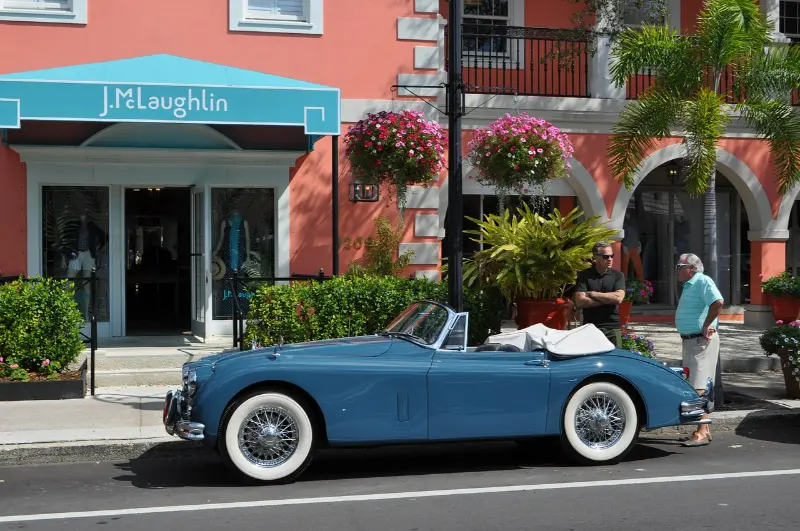
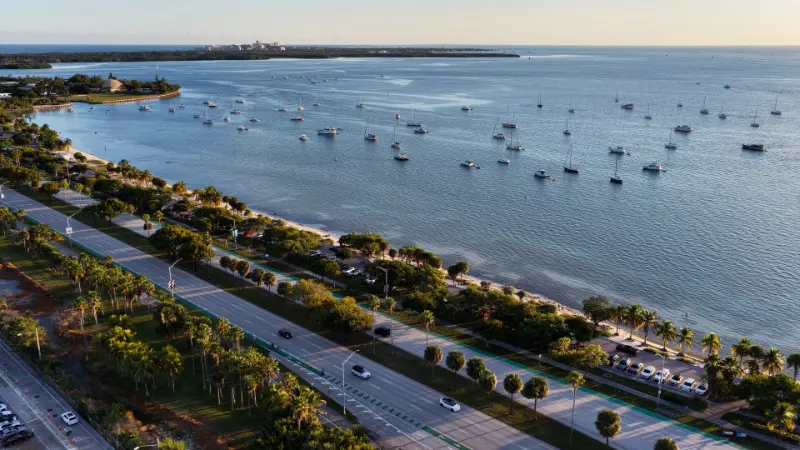
Sustainable travel in Florida is less about trying to make a vacation perfectly impact-free and more about making better choices around fragile places. Beaches, springs, coral reefs, wetlands, wildlife habitat and historic communities can all be affected by how visitors move, park, boat, paddle, choose lodging and interact with animals. I prefer practical decisions that improve the trip at the same time: staying longer in fewer places, using rail where it genuinely works, choosing established access points and giving wildlife more space.
Quick planning summary
- Stay longer in fewer places to reduce driving and make the trip calmer.
- Use established boardwalks, beach access points and trails to protect dunes, reefs, springs and wetlands.
- Never feed or crowd wildlife for photographs.
- Look for specific environmental programs rather than vague green marketing.
- Rail, walking and cycling can reduce car use in selected corridors, but choose practicality over ideology.
In this guide
- Quick planning summary
- Start with geography: fewer bases, less backtracking
- Eco-friendly lodging and Florida Green Lodging
- Protecting beaches, dunes and sea-turtle habitat
- Springs, rivers and paddling with less impact
- Wildlife viewing: distance is part of the experience
- Local food, markets and spending
- Low-impact outdoor recreation
- Volunteering and conservation experiences
- Families, seniors and accessibility
- Budget and booking
- How to build a realistic day
- Common mistakes to avoid
- Related Wonderful Florida guides
- Official resources to check
- Final planning advice
Start with geography: fewer bases, less backtracking
Planning tipThe easiest way to reduce the impact of a Florida road trip is also one of the best ways to improve it: stop changing hotels every night. Two or three well-chosen bases reduce driving, laundry, packing and repeated check-in. A week split between Orlando and the Space Coast or Miami and the Keys can feel richer than a race through five regions.
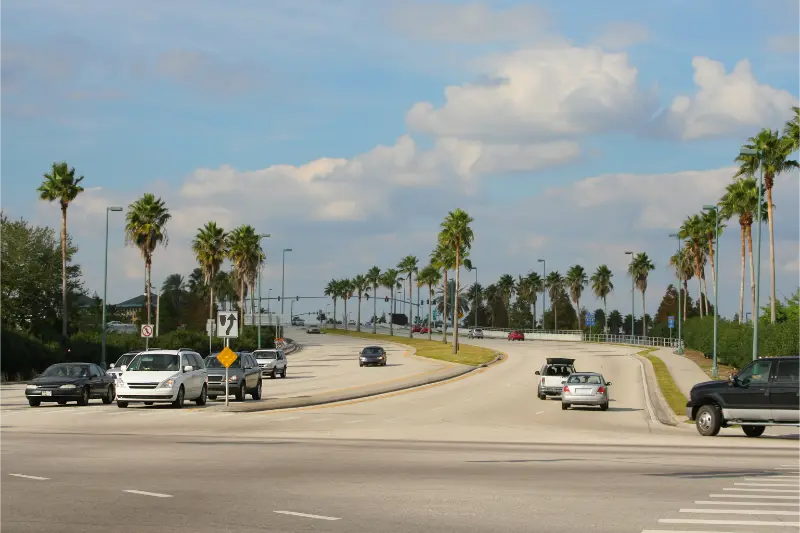
When a car is necessary, group attractions geographically and avoid crossing a metro area several times in a day. If Brightline, SunRail or local transit genuinely fits the route, use it. If it does not, driving efficiently is more sensible than constructing an impractical itinerary solely to claim it is car-free.
Eco-friendly lodging and Florida Green Lodging
Florida has an official Green Lodging Program that recognizes participating accommodation properties for environmental practices. A designation can be one useful signal, but I would still compare location, energy and water practices, housekeeping policy and transport needs. A certified hotel far from everything may create more daily driving than a centrally located alternative.
Guests can make simple choices without turning the vacation into work: reuse towels when practical, turn off lights and climate control when leaving for long periods, and avoid requesting unnecessary linen changes. The most meaningful decisions are usually structural—where you stay and how you move—not whether you decline one plastic straw.
Protecting beaches, dunes and sea-turtle habitat
Florida beaches are living systems, not empty sand. Use designated access rather than crossing dunes, follow local lighting rules during turtle season and remove chairs, tents and trash as required. Never approach a nesting turtle or hatchlings. Beach rules differ by county and season, so local government or wildlife agencies are the correct source.
Choose reef-safe behavior even when product labels are confusing: use shade and protective clothing, avoid standing on coral, do not collect live organisms and keep distance from wildlife. On snorkeling or diving trips, select operators that explain conservation practices rather than treating reefs as props.
Springs, rivers and paddling with less impact
Florida springs are popular because of clear water and stable temperatures, but heavy use can stress shorelines and wildlife. Enter at designated points, avoid trampling submerged vegetation and follow rules about food, alcohol, tubes and disposable containers. State parks and local managers may use reservations or capacity limits at popular springs.
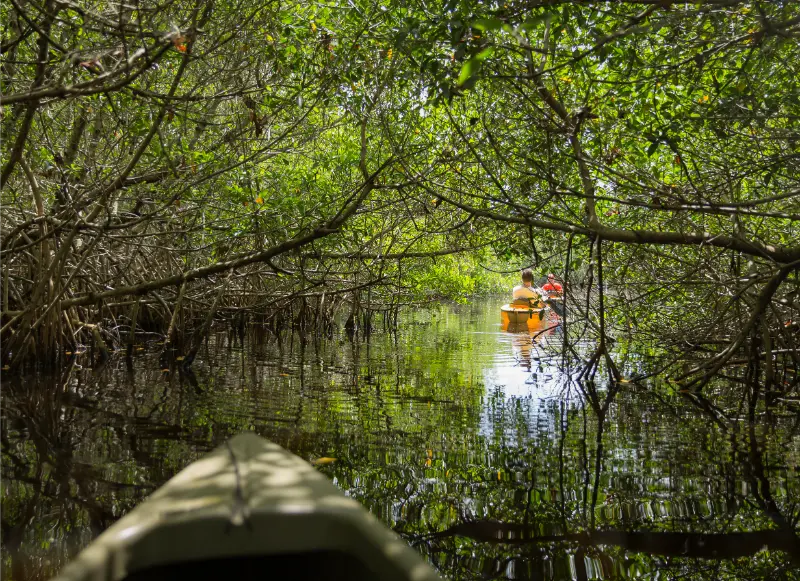
On paddling trips, keep a respectful distance from manatees and other wildlife. Do not chase an animal for a closer photo or block its path. Guided eco-tours can be valuable when operators emphasize interpretation and wildlife ethics rather than guaranteed close contact.
Wildlife viewing: distance is part of the experience
Florida’s wildlife is one of the strongest reasons to visit, but it is easy for popular viewing areas to turn into crowding. Use binoculars or a longer camera lens instead of moving closer. Never feed alligators, birds, monkeys, dolphins or other wildlife. Feeding changes behavior and can create danger for both animals and people.
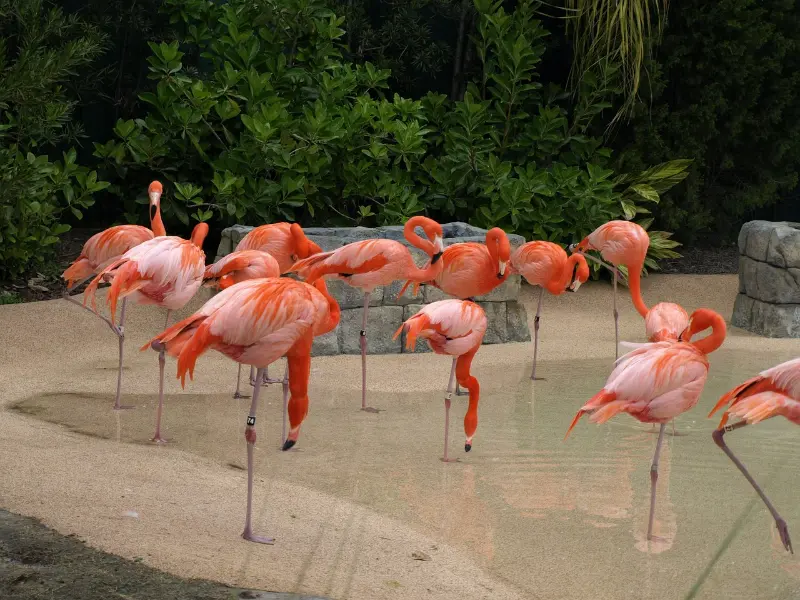
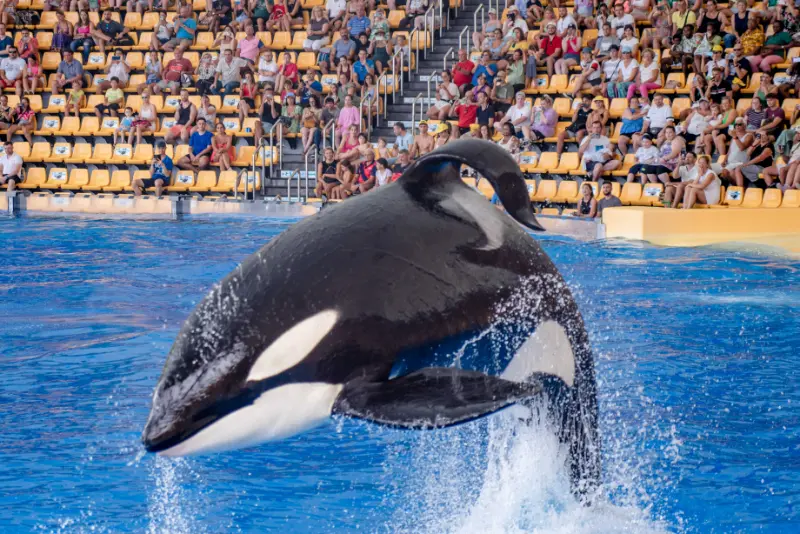
Choose accredited wildlife facilities and conservation-focused tours. A sanctuary or aquarium should be transparent about its mission, animal care and education. Avoid attractions built mainly around handling or posing with wild animals. Ethical viewing often produces better behavior and photographs because the animal is not being pressured.
Local food, markets and spending
Sustainable travel is also economic. Eating at locally owned restaurants, buying from regional markets and using local guides keeps more tourism value in the community. This does not mean every meal must be artisanal or expensive. One neighborhood restaurant and a farmers market can add more sense of place than another chain stop.
Seafood is complicated because sustainability varies by species, season and source. Ask restaurants where products come from when that matters to you, and check current fishery guidance rather than relying on a static list from years ago.
Low-impact outdoor recreation
Hiking, cycling and paddling can be low-impact ways to see Florida when visitors stay on designated routes and respect closures. Boardwalks are especially useful because they protect wetlands while creating access for a wide range of travelers. Carry reusable water containers where facilities allow and bring only the gear you actually need.
Do not confuse low-impact with low-risk. Heat, lightning, tides and wildlife still require preparation. An environmentally responsible trip should also be a safe one; rescues and off-trail shortcuts are not improvements.
Volunteering and conservation experiences
Some destinations offer beach cleanups, citizen-science programs or volunteer opportunities. These can add meaning to a longer stay, but use established organizations rather than inventing your own wildlife intervention. Never handle animals, nests or sensitive habitat without authorization and training.
A short-term visitor can also support conservation by paying park entrance fees, choosing responsible operators and following rules that may seem restrictive. Capacity limits, closed dunes and protected zones exist because access has a cost. Respecting them is part of seeing the place well.
Families, seniors and accessibility
Sustainable planning can improve accessibility rather than compete with it. A central hotel reduces transfers, a boardwalk protects habitat while creating an easier route, and a smaller itinerary reduces fatigue. Families can make conservation tangible through ranger programs and wildlife centers. Older travelers can choose guided tours that reduce walking while still supporting protected places. The goal is not to shame visitors for needing a car, air conditioning or mobility support; it is to reduce avoidable impact where practical.

Budget and booking
Low-impact choices are not always more expensive. Walking a compact district, using a refillable bottle, avoiding unnecessary linen changes and choosing a nearby activity can all reduce both cost and impact. Green-certified lodging may command a premium in some markets, but location and total transport cost still matter. Do not pay extra for vague environmental marketing without understanding the actual practice. Look for specific programs, conservation measures or recognized designations.
How to build a realistic day
Pick one region and reduce unnecessary backtracking. Use a central base, choose protected areas with established visitor infrastructure and combine nearby experiences. A morning paddle, local lunch and boardwalk walk can create a full day without several long drives. When rail or public transport works well, use it; when it does not, a car may still be the practical option. Sustainability should simplify the itinerary, not turn it into a complicated performance.
Common mistakes to avoid
- Treating sustainability as a reason to lecture other travelers.
- Approaching wildlife for photos or feeding animals.
- Walking through dunes or closed habitat instead of using established access.
- Assuming any hotel using the word green follows a recognized program.
- Driving long distances for a short activity when a local alternative exists.
- Buying disposable gear for one day instead of renting or reusing.
Related Wonderful Florida guides
Florida wildlife guide, Florida national parks guide, Best Florida state parks, Florida by train, Florida kayaking guide.
Official resources to check
- VISIT FLORIDA – eco-friendly travel
- Florida Green Lodging Program
- Florida Fish and Wildlife Conservation Commission
- Florida State Parks
Rules, schedules, access arrangements, fees and weather-related operations can change. If a detail is essential to the trip, confirm it with the responsible public agency, attraction, venue or operator shortly before travel rather than relying on an old screenshot or third-party summary.
Trip design checklist
Before booking, write down the one experience that would make this trip feel successful, the maximum daily driving you are comfortable with, the walking or activity level that suits the group and the amount of flexibility you need for weather. Then choose accommodation and transport around those answers. This simple exercise prevents a common Florida problem: collecting attractive places on a map without noticing that they create an exhausting route. Keep one unscheduled half-day in every three or four days so the itinerary can absorb weather, laundry, a late start or an experience you discover after arrival.
Recheck the practical details a few days before travel. Confirm opening hours, parking, reservation requirements, accessibility, current advisories and any equipment you need. Save confirmations offline and share the main plan with the group. Florida rewards flexible travelers because conditions can change quickly, yet there is almost always a useful alternative nearby. The goal is not to remove uncertainty; it is to make sure a change of plan does not become a crisis.
Final planning advice
The strongest Florida trips balance ambition with flexibility. Choose the experiences that genuinely matter, keep each day geographically sensible and leave room for weather, traffic and energy to change. A little breathing space usually produces a better vacation than a schedule that depends on everything running perfectly.