Category: Florida History

  • St. Augustine’s Civil Rights History: A Two-Day Walking and Museum Guide

    St. Augustine’s Civil Rights History: A Two-Day Walking and Museum Guide

    St. Augustine is famous for Spanish-era stone walls, narrow streets and views across Matanzas Bay, but its twentieth-century history also deserves attention. In 1963 and 1964, local activists and national civil rights organizers challenged segregation in the city. Their efforts brought violence, mass arrests, national news coverage and lasting change. A visit that includes Lincolnville, the ACCORD Freedom Trail and community-led interpretation can deepen a Florida vacation without treating painful history as entertainment. This two-day plan is designed for curious adults, teenagers and multigenerational groups who prefer to travel at a thoughtful pace.

    Understand the story before choosing your stops

    The Civil Rights Movement in St. Augustine did not begin with a famous national figure arriving for a photograph. Black residents organized locally, confronted discriminatory employment and public-accommodation practices, and faced intimidation while pressing for equal rights. Dentist and activist Dr. Robert B. Hayling was a central local figure, and the city’s campaigns later intersected with the Southern Christian Leadership Conference and Martin Luther King Jr. A short historical overview before arrival helps visitors recognize the difference between local leadership and national attention.

    The events of 1964 unfolded as the United States debated federal civil rights legislation. Demonstrations, attacks and arrests in St. Augustine drew wide publicity, while peaceful advocates continued to insist on change. Families should be prepared for descriptions of racist violence rather than expecting every historical display to be appropriate for very young children. For older students, visiting actual streets and community museums can make broad textbook terms more understandable. The best approach is not to race from marker to marker but to pause and consider who is speaking in each account.

    Begin in Lincolnville, not at the busiest tourist corner

    Lincolnville is a historically Black neighborhood south of St. Augustine’s busiest visitor streets. It provides important context for the civic, religious and educational life that supported organizing. Streets in the neighborhood are part of an active residential community, so explore with ordinary courtesy: respect homes and private property, keep conversation volumes low and avoid pointing cameras into people’s yards. A short walk with a map can reveal more than a hurried drive to a famous plaque.

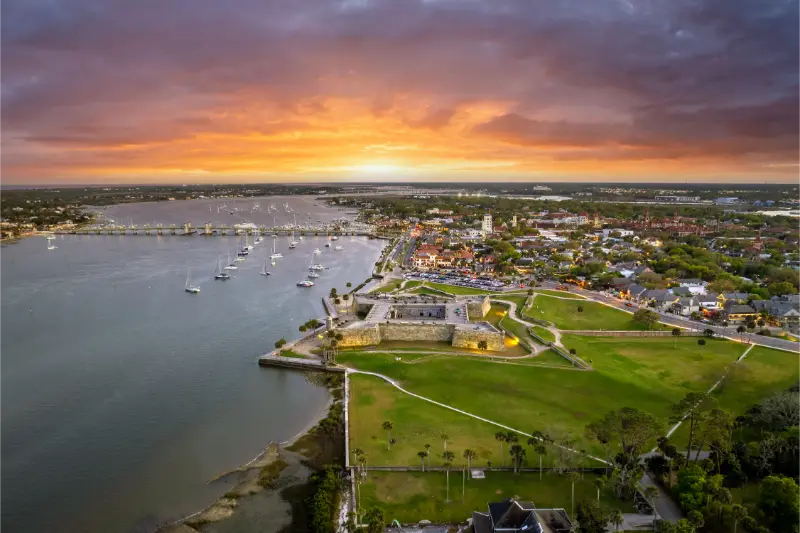
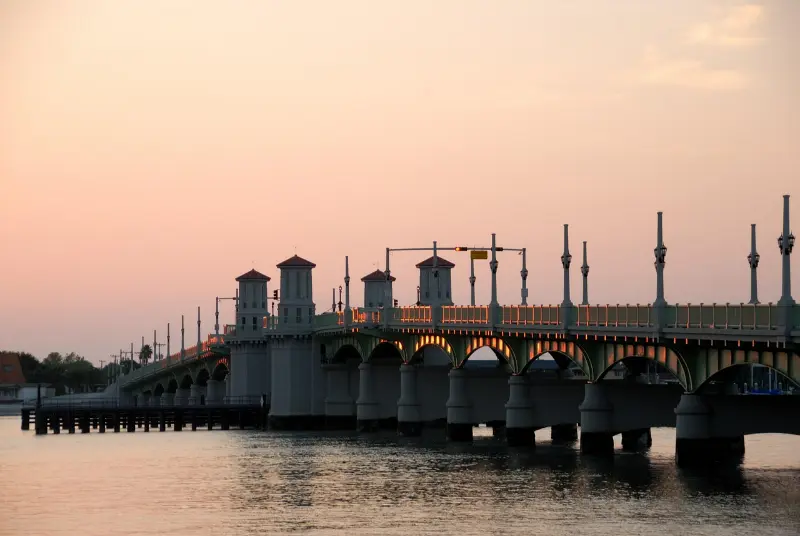
    Saint Augustine Florida Historic Waterfront at Night

    Start by identifying a manageable route around one or two places you genuinely intend to interpret. Parking rules change, and narrow sidewalks or uneven surfaces can complicate travel with strollers or mobility aids. Do not plan an uninterrupted march across every landmark. Read the neighborhood’s history and decide whether you would rather visit the Lincolnville Museum and Cultural Center before walking or afterward. Indoor interpretation can provide the names and chronology that make the streets meaningful rather than anonymous.

    Visit the Lincolnville Museum and Cultural Center

    The Lincolnville Museum and Cultural Center preserves and interprets African American history in St. Augustine and the surrounding region. Its exhibitions provide a broader perspective than the demonstrations of a single year, connecting education, community leadership and cultural life. Confirm current hours, special exhibitions and admission arrangements directly with the museum before making it the centerpiece of a day. A building may offer limited hours even when online maps display a regular listing. Give the visit enough time to read rather than treating it as a quick photo stop.

    If your group includes children, invite them to select a person or object they want to learn more about, then discuss it over lunch. Avoid asking them to summarize centuries of injustice in a few sentences. Older relatives may recognize school, church and community traditions that help bring the material into perspective. Ask museum staff whether any portion of the exhibition includes upsetting imagery if a visitor is sensitive to graphic historical material. The museum is also an opportunity to support local institutions whose work keeps this history visible year-round.

    Practical comparison at a glance

    ConsiderationChoice or stopWhat to know
    Main settingLincolnville and museumACCORD trail and downtown
    ExperienceCommunity interpretationOutdoor historical markers
    Time neededHalf day or moreSelected marker cluster
    Access noteConfirm museum scheduleMap outdoor routes in advance

    How the ACCORD Freedom Trail works

    The ACCORD Freedom Trail marks locations connected to the city’s civil rights struggle. It is a distributed collection of historical plaques rather than one enclosed attraction with a ticket gate. The ACCORD Civil Rights Museum is associated with the broader effort and has operated with restricted or appointment-based access at times. Before departure, check the museum’s own information and the local tourism listing to understand whether the building is open, requires an appointment, or is unavailable on your chosen day. The trail markers are a separate outdoor resource.

    Download or collect the trail map and select a modest cluster of stops rather than trying to cover every marker in one outing. The collection includes more than thirty markers, and sites can be separated by more distance than a quick glance at a downtown map suggests. A smartphone audio resource can help, but take a printed copy if you prefer paper or expect limited battery life. Read the language on each marker carefully; it names people and places that can be overlooked in more general accounts of the movement.

    Day one: museums, neighborhood history and a short trail section

    On the first morning, visit the Lincolnville Museum if its operating day fits your trip. Follow with lunch near the historic district, then explore a small part of the ACCORD trail on foot or using short vehicle transfers. Prioritize quality over quantity: three carefully understood stops can be more rewarding than a rushed tour of twelve. Keep water handy, choose shaded breaks and consider how crowded St. Augustine becomes during holidays and weekends. Heat makes even modest walking distances tiring for young children and older adults.
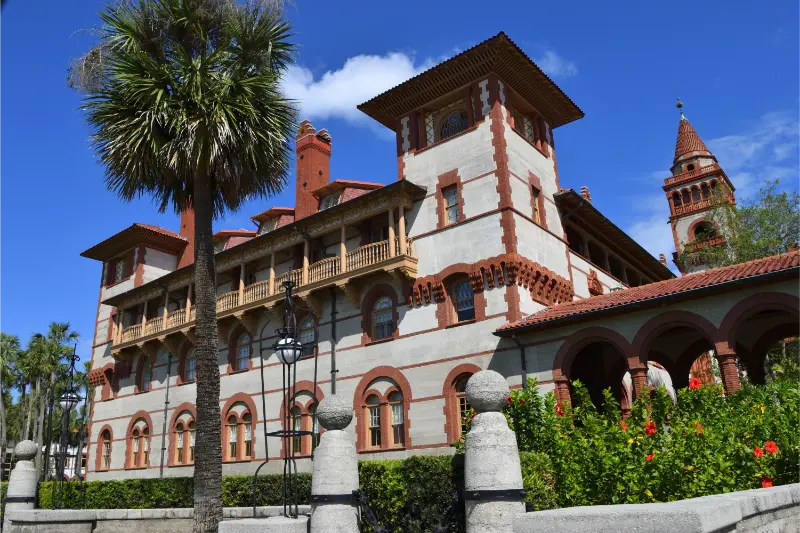
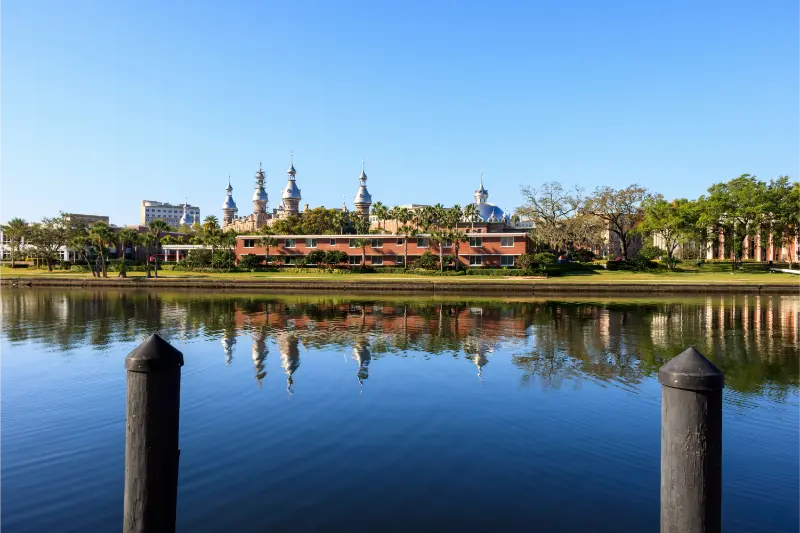
    Flagler College Saint Augustine Historic Building

    In the afternoon, spend time connecting the neighborhood story to the national debate of 1964. Florida Memory’s archival photographs and documents record demonstrations, counterdemonstrations and public responses. Viewed alongside local interpretation, these materials reveal how local action became national news. Do not invent conversations that historical participants might have had; let documented evidence and community storytelling guide the discussion. Finish the day with a quiet meal rather than scheduling a loud ghost tour immediately after confronting difficult material, unless your group clearly wants that change of pace.

    Day two: the city center and the public-accommodations struggle

    The second day can focus on the city center and the public spaces where the movement sought equal treatment. Restaurants, hotels, beaches and other places of everyday leisure became settings for debates over who had the right to participate. The historical events often discussed in St. Augustine include sit-ins and protests connected to segregated accommodations. Avoid assuming the present-day business operating at an old address occupies the exact interior from 1964; buildings and ownership can change. Use the ACCORD material to locate historically relevant sites and understand what remains.

    For families, explain what segregation meant in practical terms: being denied a table, a room or access to a public facility because of race. That explanation often communicates more than a list of dates. Adults may wish to read about the role of local organizers, the press and federal law, but allow younger visitors to ask questions at their own pace. If you book a guided heritage tour, seek a knowledgeable local operator and check whether its route actually addresses civil rights history instead of offering only colonial architecture and general sightseeing.

    Connect the movement with Fort Mose carefully

    Fort Mose Historic State Park is an important place to learn about an earlier era of Black history. It commemorates the eighteenth-century community associated with formerly enslaved people who gained freedom under Spanish rule. Its story is not the same as the twentieth-century civil rights movement, yet placing the two in conversation can help travelers understand the long and changing history of freedom, citizenship and exclusion in Florida. Keep the timeline explicit so that visitors do not blend centuries of different circumstances into one simplistic narrative.

    Fort Mose can be an optional extension when the park’s facilities and access suit your group. Check the current state-park information for museum exhibitions, trails, admission, hours and accessible features. Outdoor terrain may not feel the same as a downtown sidewalk. Avoid squeezing it into the middle of a tightly scheduled museum day; a separate morning often works better. If the group is mainly interested in 1964, you can skip Fort Mose and spend more time on the ACCORD sites without feeling that the historical itinerary is incomplete.

    Accessibility and comfort across two days

    St. Augustine’s age is part of its charm and part of its logistical challenge. Some streets include uneven paving, narrow sidewalks and heavy pedestrian traffic. Historical properties may have steps, thresholds or limited interior access. A museum’s accessible entrance does not guarantee that every nearby trail marker can be approached using the same route. Contact the venues you plan to enter, use a street-level map and identify parking close to the specific cluster of stops you intend to visit.

    A sensible day for visitors with limited stamina might include one indoor museum, two outdoor markers and a relaxed meal. Someone traveling with a wheelchair, stroller, cane or walker can still engage deeply with the subject without covering the entire trail. Consider a companion who can help with wayfinding and reading when desired, but do not assume a visitor wants assistance without asking. If the weather turns hot or stormy, return to indoor exhibits or saved archival material; the history does not disappear because the day’s walk becomes shorter.

    How to discuss painful history with children and teenagers

    Children may be surprised that the events described happened in a familiar-looking tourist city rather than a distant place. Keep explanations factual and age appropriate. With younger children, focus on the idea that people challenged unfair rules and worked together for equal treatment. With teenagers, introduce the complications: the differing roles of residents, activists, police, business owners, churches, journalists and elected officials. Avoid presenting the movement as a story in which a few famous people solved everything overnight.

    Make room for the emotions that historical material can bring, and let a young visitor step away from upsetting imagery. Ask an open question such as which local organizer’s story they want to remember. Do not pressure anyone to pose for cheerful photos at a site connected to violence. Traveling respectfully is about listening as well as looking. Museums and community organizations often provide educational resources that continue the learning after the vacation, especially when students want to research a person whose name was unfamiliar before the visit.

    Where to stay, park and eat

    A central St. Augustine hotel can be convenient for a mostly walking itinerary, but proximity on a map does not always mean a comfortable route over uneven paving. Compare the actual path between the hotel, Lincolnville and the city center, and ask about onsite parking, elevator access and quiet rooms if these are important. If driving, check whether your hotel charges for parking and whether the car will remain unused most of the day. An accommodation just outside the busiest streets may offer easier vehicle access at the cost of additional trips downtown.

    Choose meals that support the day’s schedule instead of turning lunch into a complicated extra expedition. Check restaurant accessibility, seating arrangements and hours, particularly when traveling with a large family group. If a local Black-owned business is part of your planned visit, support it as a real business rather than a symbolic backdrop. Keep enough time for conversation after the museum. A reflective historical trip is often remembered for a few thoughtful exchanges as much as for the number of landmarks seen.

    A budget and planning checklist that avoids surprises

    The ACCORD trail itself can be explored outdoors, but museum admission and guided tours may have separate fees. Add transport, parking, meals and any special program charges to the budget; do not assume that every institution operates the same schedule or ticket policy. The two-day trip works as an extension of a Northeast Florida beach vacation or a Jacksonville stay, so visitors need not book a full week dedicated to one theme. If you are already spending time at St. Augustine’s colonial sites, reserve one entire morning for twentieth-century history rather than adding it as an afterthought.

    Before leaving, confirm the Lincolnville Museum schedule, any ACCORD Museum appointment requirement and the current trail map. Save the Florida Memory archive page for the 1964 St. Augustine demonstrations and read a short overview of the civil rights legislation of that period. Prepare two or three core stops per day, plus an optional one for energetic travelers. Done thoughtfully, the itinerary honors the people whose choices shaped St. Augustine and shows that Florida’s past reaches far beyond its most photographed buildings.

    Frequently asked questions

    Is the ACCORD Freedom Trail a single indoor museum?

    No. It is a series of historical markers in St. Augustine. The associated museum has its own access arrangements, which should be checked before the visit.

    Is this itinerary suitable for younger children?

    Yes, with selective stops and age-appropriate explanations, although some archival accounts involve racist violence and may require parental guidance.

    Can I combine Lincolnville and the colonial historic district in one day?

    You can see parts of both, but a separate half-day for civil rights heritage allows enough time to understand the museum and trail rather than rushing past them.
    Official information and useful maps

  • Cold War Florida: Four Days of Missile History, Miami Stories and the Everglades

    Cold War Florida: Four Days of Missile History, Miami Stories and the Everglades

    Florida’s Cold War history is not confined to a museum display. During the decades when the United States and the Soviet Union watched each other closely, South Florida was a strategic frontier. Military airfields, coastal surveillance, immigration, and the Cuban Missile Crisis shaped communities that now welcome vacationers. A thoughtful trip can connect those stories without turning a serious period into a collection of weapons photographs. Base yourself around Miami and Homestead for four days, then add Key West or the Space Coast only if your schedule permits.

    Why South Florida makes a compelling history trip

    Geography explains much of the story. The Florida Straits separate Key West from Cuba by roughly ninety miles, and the southern peninsula offered locations for radar, air defense, and military logistics. The Cuban Missile Crisis of October 1962 intensified existing security concerns and made the relationship between local communities and national strategy unusually visible. A visitor can see the contrast between the quiet landscapes of today and the strategic calculations once attached to them. Start with that larger story before searching for particular bunkers or aircraft; the trip becomes easier to understand and more respectful.

    Do not assume every former military property welcomes casual visitors. Some sites remain active installations, others operate only through scheduled programs, and several survive mainly through photographs and archives. A museum that explains military aviation may be open when a historic missile installation is not. Build an itinerary with one confirmed indoor attraction each day and treat ranger-led access as an optional addition. Children can engage with maps, technology and personal stories, while older relatives may appreciate the slower pace and places to sit.

    Day one: Miami's neighborhoods and the Cuban story

    Begin in Miami with a visit focused on the city’s Cuban and wider Caribbean history. Little Havana is a living neighborhood rather than a Cold War theme park. Its restaurants, memorials and cultural spaces represent different generations of migration, political opinion, family reunification and community life. Walk a manageable stretch of Calle Ocho, stop for a meal at a local business and avoid treating a mural or memorial as proof of a single uniform perspective. Different residents experienced the same international events in very different ways.

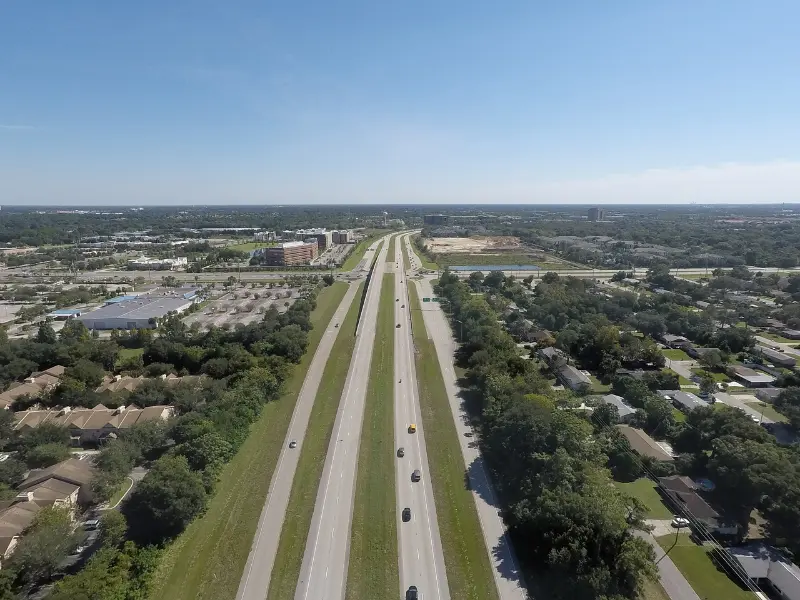
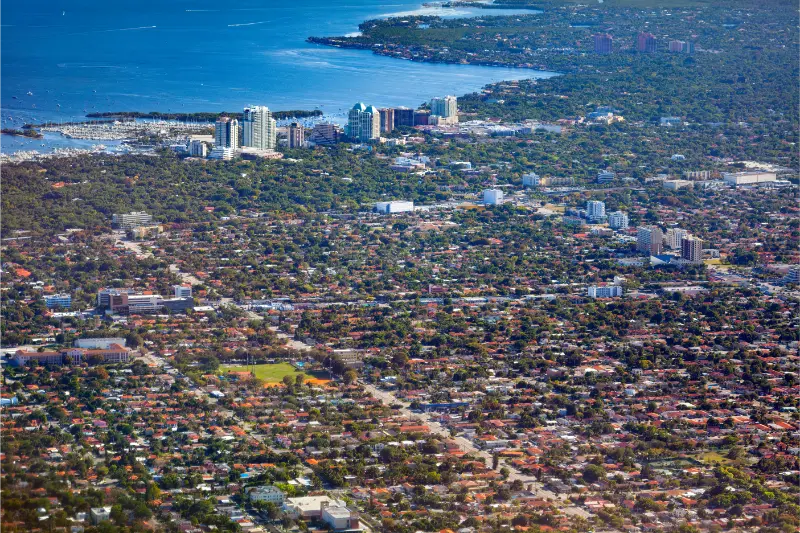
    Miami Suburban Neighborhood Aerial View

    If a museum exhibition or guided cultural tour addresses the Cuban Revolution, the Bay of Pigs invasion or the 1962 crisis, read the institution’s description before reserving. Contemporary exhibits can change, and a general sightseeing tour may offer little historical interpretation. Build time into the afternoon to review archival photographs from Florida Memory or the National Archives. Those records can make an ordinary downtown drive more meaningful, especially when explaining to teenagers why South Florida became so important to federal decision-makers.

    Day two: Homestead and the military landscape

    The Homestead area offers a practical transition from urban history to the landscape of national defense. Homestead Air Reserve Base has a long aviation history, but it is a working military facility, not a visitor attraction where travelers can simply drive through the gate. Seek out public museum programs, heritage material and visitor information from official military or local sources instead of relying on an online map pin. The difference between viewing aircraft in a public exhibition and attempting to access an installation should be explained to children before departure.

    Use the remaining day to explore the agricultural roads and visitor-friendly stops around Homestead and Florida City. This is also a convenient place to stay before an Everglades excursion. Choose a hotel with straightforward parking and a flexible breakfast time; the next day’s ranger activities may have a limited window. Carry water and sun protection even if you expect to spend most of the day indoors. The region’s heat, short thunderstorms and relatively long distances between stops can affect a history-focused trip as much as a wildlife vacation.

    Practical comparison at a glance

    ConsiderationChoice or stopWhat to know
    FocusMiami neighborhoods and archivesHM-69 missile heritage
    Public accessCultural places and museumsSeasonal programs only
    Best baseMiami or HomesteadHomestead for early park start
    Day lengthFlexible urban walksPark drive plus confirmed tour

    Day three: the Nike Missile Site inside Everglades National Park

    The Nike Missile Site HM-69 is among the most memorable places to learn about the Cold War in Florida. It is preserved within Everglades National Park near the Homestead entrance. Nike Hercules missiles once formed part of the country’s air-defense network, and the site’s buildings help visitors understand the personnel, equipment and procedures behind that system. The surrounding sawgrass landscape can feel unexpectedly peaceful. That contrast is precisely why a guided explanation matters: without it, the site is a group of utilitarian structures with little context.

    Do not promise yourself entry on a particular date. The National Park Service has offered seasonal guided programs, open houses and special events, but these are not equivalent to unrestricted daily opening hours. Check the Everglades event calendar and ask staff at the Ernest F. Coe Visitor Center whether HM-69 access is scheduled during your visit. If no program runs, make the visitor center and a short, open trail your planned activities, and learn about the missile site using the park’s official material. Never try to enter locked areas or follow an unmarked route.

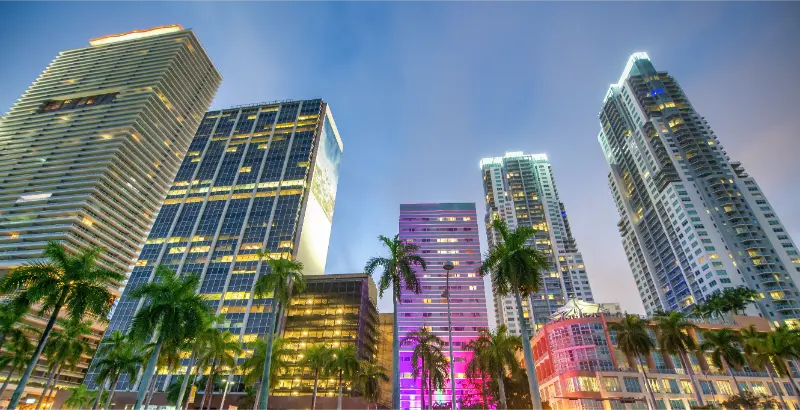
    Miami Downtown Bayfront Park with Skyscrapers

    How to make an Everglades day work for different ages

    A group ranging from a schoolchild to a grandparent does not need a long hike to appreciate the southern Everglades. Confirm current conditions at the Ernest F. Coe Visitor Center and choose one accessible boardwalk or short trail that meets the needs of the least mobile traveler. Boardwalk surfaces, shade, distance from parking and restroom access vary, so ask specific questions rather than assuming the label “easy” guarantees a suitable visit. The wildlife experience is a bonus, not a promise: alligators and birds follow their own schedules.

    Plan lunch and hydration conservatively, particularly during warmer months. Avoid squeezing the Nike Site, a lengthy Flamingo excursion and several trails into a single afternoon. Flamingo is significantly farther south within the park and involves additional driving that many families underestimate. A teenager who is interested in military technology may prefer time discussing the missile installation; a younger child may value ten minutes watching birds more than another history lecture. Choose one main theme for the day and let the rest be optional.

    Day four: choose a museum, a neighborhood or a quieter return

    Keep the final day flexible. One choice is a Miami museum or documented local heritage exhibit with aviation, immigration or twentieth-century political history. Another is a slower return through Homestead, perhaps stopping for a meal and reviewing the places that shaped the trip. If you have an evening flight, do not schedule a remote park program whose end time could jeopardize your airport transfer. Miami traffic can be unpredictable, and a rental-car return adds time beyond the drive to the terminal.

    Families with older children can create a simple timeline: the postwar years, the 1959 Cuban Revolution, the 1961 Bay of Pigs invasion, the 1962 missile crisis and later migration waves. The goal is not to turn a vacation into a test. It is to give photographs, monuments and exhibits some connection to real people’s lives. For visitors who enjoy deeper research, Florida Memory and the National Park Service provide material that can be read before or after the trip without requiring admission to another attraction.

    Should you add Key West?

    Key West adds an island perspective, including the Harry S. Truman Little White House, where Truman spent working visits during his presidency. It can help explain the early Cold War presidency, but it is not a substitute for visiting the missile site or for understanding Miami’s Cuban communities. From the mainland, the Florida Keys require substantial driving, especially if your hotel is in central Miami. Treat Key West as an additional one- or two-night stay, not a casual detour after an already full Everglades day.

    The Overseas Highway is scenic but often slow, with limited alternatives when traffic stalls. If someone in the group becomes tired on long drives, stop in the Upper or Middle Keys rather than forcing the entire route. Verify the Little White House tour schedule and the accessibility of the specific areas you hope to see. Historical homes frequently have narrow circulation, stairs or rooms that cannot accommodate every mobility aid. A shorter, enjoyable visit is better than an exhausting attempt to include every famous location.

    What about Cape Canaveral and the Space Coast?

    The Space Coast contributes another dimension: rockets, the space race and the civilian and military infrastructure of launch operations. Kennedy Space Center Visitor Complex provides a substantial public visitor experience, though its exhibitions do not replace specialized research into every Cold War defense installation. It is far enough from Homestead that combining both areas in a four-day South Florida trip usually creates too much driving. If space exploration is the main interest, split the vacation into two bases or save the Space Coast for a separate trip.

    On a longer itinerary, explain the difference between military missile development, human spaceflight and the later commercial space industry. They overlap historically but are not identical. Do not build an itinerary around a launch whose date might move for technical or weather reasons. Choose museums and exhibits that remain rewarding when no rocket takes off. An interested child can learn a great deal from a carefully selected exhibition without needing to witness a launch or travel hundreds of extra miles.

    Budgeting a Cold War history vacation

    The largest costs are usually accommodation, transportation and any major admission tickets rather than simply looking at memorials. Compare a Miami hotel with a Homestead hotel for the same nights, including parking charges, breakfast and the cost of traveling to each stop. A two-base trip can save driving but adds the inconvenience of changing rooms. For a four-day itinerary centered on Homestead and the southern Everglades, a single base near the south end of Miami-Dade may be more comfortable than returning to Miami Beach every evening.

    Use a simple budget with separate rows for rental car, fuel, parking, national-park admission, paid museum admissions, meals and contingency spending. National park fees and passes differ by residency and the visitor’s eligibility, and rules can change. Read the official entrance information before choosing a pass. Do not purchase a tour solely because its title contains “secret bunker”; confirm who operates it, where it actually enters, whether photography is allowed, and what cancellation terms apply.

    Accessibility, weather and responsible behavior

    Cold War heritage sites can be physically awkward: some include unshaded paved surfaces, older buildings and limited seating. Ask about accessible parking, restroom locations and actual interior routes, not just whether a site describes itself as accessible. At Everglades, mobility conditions can differ between the visitor center, open trails and special-event areas. Bringing a stroller, walker or wheelchair does not mean all parts of a historical installation are automatically usable. Contact the operator before making a nonrefundable booking if access is central to your visit.

    Treat memorials and places tied to political conflict respectfully. Do not stage lighthearted reenactments at sites where people experienced displacement, imprisonment or fear. When discussing the Cuban Missile Crisis, make room for the experiences of people in Cuba as well as those in Florida; both international tensions and individual choices matter. If you photograph an interpretive panel, also read the date and source. Florida’s Cold War history becomes more interesting when visitors notice its complexity rather than reducing it to a dramatic headline.

    A realistic four-day schedule and final checks

    For a compact trip, use day one for Miami’s Cuban and Caribbean context; day two for Homestead heritage and a relaxed local afternoon; day three for Everglades, with Nike Site access only if a confirmed ranger program exists; and day four for a museum, archival exhibition or flexible return. This is deliberately not a checklist of every missile and airplane in Florida. It gives each part of the story enough time and leaves room for heat, weather, traffic and a traveler’s energy level.

    Before leaving, check Everglades operating alerts, the current Nike Site program calendar, official military-public-access rules and the opening times of any museums on your plan. Book a rental car only after checking the driver’s age, coverage and parking needs. Save two nearby alternatives in case a guided event is canceled. With those details settled, the trip offers a meaningful perspective on a part of Florida that visitors often overlook between the beaches and theme parks.

    Frequently asked questions

    Can visitors enter the Nike Missile Site every day?

    No. Access is program-dependent. Check the National Park Service calendar or ask the Ernest F. Coe Visitor Center about scheduled tours or open houses.

    Is Homestead Air Reserve Base open to ordinary tourists?

    It is an active military installation, so public access is restricted. Visit approved public exhibits or programs rather than assuming the base itself offers walk-in sightseeing.

    Can I do Key West and the Everglades in one day?

    That would involve a great deal of driving and little meaningful time at either place. Plan separate days or overnight stays.

    Official information and useful maps

  • Women Who Shaped Florida: A Seven-Day History Road Trip from Jacksonville to Miami

    Women Who Shaped Florida: A Seven-Day History Road Trip from Jacksonville to Miami

    Florida’s history is often told through explorers, developers and military campaigns, but women helped shape its schools, journalism, literature, environmental movements, neighborhoods and public institutions. Their stories are visible in museums, historic houses, libraries, college campuses and landscapes where preservation became a civic cause. This seven-day route links Jacksonville, St. Augustine, Daytona Beach, Eatonville, central Florida and Miami. It is an interpretive itinerary, not a list of buildings where every interior is guaranteed open. Some historically significant homes have limited tour schedules, and some stories are best encountered through a museum exhibition or a public archive. Check current access and be willing to change a stop while keeping the historical theme intact.

    Begin with the right approach to women's history

    A meaningful historical trip asks whose work was recognized at the time, whose work was ignored and what sources survive. Florida’s women were never one group with one story. Enslaved women, Indigenous women, wealthy settlers, migrant workers, educators and environmental advocates faced very different opportunities and constraints. Avoid presenting every historic house as an inspiring success story while ignoring labor and inequality. When visiting a museum, read about the cooks, seamstresses, teachers and organizers as well as prominent owners. For children, focus on a concrete question: who was allowed to attend school, vote, own property or publish a book, and when did those possibilities change? The route includes nationally known figures but encourages attention to the local women whose stories appear on plaques and in community collections.

    Day 1: Jacksonville and the world of Harriet Beecher Stowe

    Begin in Jacksonville with the broader historical context of the St. Johns River and the Mandarin area, which became associated with writer Harriet Beecher Stowe during winters in Florida. She is best known for her antislavery novel Uncle Tom’s Cabin, but her Florida experiences also included observing and writing about landscapes and local life. Be cautious about turning her story into proof that one person’s activism resolved the injustices of slavery and segregation. Look for public historical interpretation and libraries rather than assuming an old private address admits visitors. Use the rest of the day for a waterfront walk or a local history collection that situates Stowe in the Reconstruction era. From Jacksonville, an overnight in St. Augustine can shorten the next morning‘s drive. Travelers with limited mobility can emphasize museums and riverfront viewpoints instead of uneven walking trails.

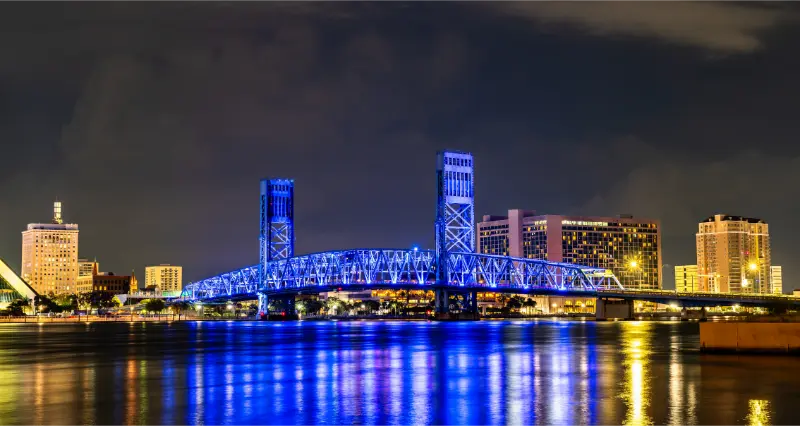
    Jacksonville Main Street Bridge Illuminated Blue at Night

    Day 2: St. Augustine and women in historic households

    St. Augustine offers a different entry to women’s history: boardinghouses, household work, commerce and the everyday labor behind the oldest European-established city in the continental United States. The Ximenez-Fatio House Museum presents the history of a nineteenth-century boardinghouse managed by women at different times. Its exhibits can make the invisible work of maintaining lodging tangible: supplies, meals, hospitality and the economic choices of women operating within the restrictions of their period. Verify the museum’s tour schedule, admission and step-free access before traveling; a historic property can have stairs and narrow spaces. Pair this visit with a short waterfront walk rather than an exhausting afternoon of unrelated attractions. Ask children to compare the work of running a boardinghouse in the 1800s with a modern hotel. Finish with a discussion of who cleaned, cooked and served, not only who owned the rooms.

    Day 3: Daytona Beach and Mary McLeod Bethune

    The most important anchor of day three is the legacy of educator and civil-rights leader Mary McLeod Bethune. She founded a school for African American girls in Daytona Beach in 1904 that eventually developed into Bethune-Cookman University. Her home on the university campus is a National Historic Landmark; access should be checked through the university or managing institution rather than assumed from its listing on a historic register. Bethune’s work combined education, organizing and national public service. Present her as a sophisticated political and educational leader, not simply as a comforting story about one remarkable teacher. A campus visit may require advance arrangements, identification or restrictions during university events. If the home is unavailable, an exterior or institutional history stop supplemented by National Park Service interpretive material can still anchor the day. Overnight near Daytona or Orlando depending on your next morning‘s plans.

    Day 4: Eatonville and Zora Neale Hurston's literary legacy

    Travel toward Eatonville, a historically significant Black municipality associated with writer, anthropologist and folklorist Zora Neale Hurston. Her fiction and collections of oral traditions illuminate Black life, language and culture without requiring the people she documented to serve as stereotypes. Eatonville’s historic identity deserves more attention than a brief author photograph. Seek current information about the Zora Neale Hurston National Museum of Fine Arts and any public cultural programming, because exhibitions and seasonal festivals do not run on the same schedule every week. This is an ideal day for a teenager interested in writing: compare a historic building or street with a literary description, then ask how a storyteller decides whose voice is heard. If you visit during a festival, allow extra time for traffic and crowd management. The town remains a community, not just a literary landmark.

    Day 5: Sarasota and Mable Ringling's role in a cultural estate

    Travel from Eatonville toward Sarasota, giving this day a clear purpose at The Ringling estate. Mable Ringling’s interests are visible in the design of Ca’ d’Zan and the gardens, not merely in the museum’s famous surname. The institution’s education materials explain that she influenced the Venetian-inspired home’s design and loved cultivating roses; the estate preserves a named rose garden associated with her. Visit the public grounds and a tour of the house if currently offered, checking the particular access level beforehand. A ticket for the grounds or art museum does not necessarily include every interior. The surviving evidence of Mable’s personal life is comparatively limited, which is itself a useful historical lesson: wealth and public visibility did not guarantee equal documentation of women and men. Ask who made decisions, who performed maintenance and which records historians can actually use. Sarasota also offers a restful waterfront evening before the trip continues south.

    Day 6: South Florida and Marjory Stoneman Douglas

    Continue toward South Florida, where journalist and environmental advocate Marjory Stoneman Douglas is closely associated with modern understanding of the Everglades. Her book The Everglades: River of Grass helped recast the region as an interconnected ecological system rather than disposable swamp. A visit to the Everglades or a museum with environmental-history material provides a way to explore that influence in the landscape itself. Select a visitor-center stop instead of undertaking a risky or strenuous hike merely to be close to the wetlands. The ecological story should include Indigenous stewardship, scientists, farmers and communities affected by changing water management; Douglas was influential but not the sole voice. At a boardwalk, study how the water surface, vegetation and birds demonstrate the connected system described in the literature. Avoid approaching wildlife or leaving paved paths for a photograph.

    Day 7: Miami and Julia Tuttle's part in the city's founding

    End with the story of Julia Tuttle, whose landownership and involvement in efforts to bring the railroad were important to Miami’s development. This is a good place to challenge the traditional idea that cities were created by one founder. Rail connections, labor, land promotion, environmental changes and the decisions of many groups shaped modern Miami. Choose a history museum or public interpretation that covers early settlement rather than searching for a privately owned building associated with her name. Compare a map of nineteenth-century Biscayne Bay with today’s dense street network and discuss what urban growth gained and what it displaced. Families may prefer an hour indoors followed by a waterfront stop. Travelers arriving directly in Miami can reverse the route, though the long drives still need to be planned realistically.

    The seven-day route at a glance

    DayBase or regionWoman or theme
    1Jacksonville / MandarinHarriet Beecher Stowe and Reconstruction-era writing
    2St. AugustineWomen in lodging, work and commerce
    3Daytona BeachMary McLeod Bethune and education
    4EatonvilleZora Neale Hurston and cultural storytelling
    5SarasotaMable Ringling, gardens and estate history
    6Everglades / South FloridaMarjory Stoneman Douglas and conservation
    7MiamiJulia Tuttle, railroads and city formation

    Driving distances and sensible overnight bases

    This is a north-to-south road trip, not seven days of strolling around one neighborhood. Jacksonville to St. Augustine is manageable, and St. Augustine to Daytona is a logical next segment, but the move south toward Miami is substantial. Overnight near the actual next day’s stop rather than continually returning to one central hotel. Build in extra time for I-95 traffic, breaks, parking, hurricane-season detours and fatigue. Avoid making day six a full Everglades excursion after a late-night intercity drive. A rental car is the easiest way to link the destinations, though visitors could adapt parts using intercity trains and local transport. A mixed-age group benefits from one museum, one short outdoor activity and one rest period per day, not three major attractions and a long drive.

    What to verify before making reservations

    Historic-place listings establish significance but do not guarantee normal visitor access. The Bethune home is connected with a working university; the Eatonville museum may have exhibition-specific schedules; and old houses can close for preservation projects. Confirm the day and time of each intended tour directly with the venue. Read descriptions of historical content so a sensitive visitor can prepare for discussions of slavery, racism and violence. Check current admission charges and whether children require advance tickets. A venue’s accessibility page may apply to modern galleries but not upper floors of a preserved building. International visitors should allow extra time for identification requirements at institutional campuses. Make reservations refundable where possible and avoid promises that a particular interpreter or docent will be available on arrival.

    How to make the stories useful for children and teens

    Give younger children an age-appropriate question each day: what did people learn at school, how did a boardinghouse feed guests, or what does a writer collect from a community? Ask teenagers to build a timeline with education, voting rights, publishing and environmental protection milestones. The aim is to recognize agency while understanding structural barriers, not to turn history into a competition of famous names. A teen might compare Bethune’s organizing with Douglas’s environmental campaigning and ask what tools each used to influence policy. For grandparents, let personal memories and experiences contribute if they wish, but do not demand emotional disclosure. After an especially demanding museum, choose a quiet café or park, not another site with heavy historical content. Learning requires space to think.

    Accessibility, weather and costs

    As with any statewide trip, hotel and transport costs are more predictable if you compare entire itineraries, not just advertised nightly prices. Museum admissions are a smaller share of the budget than rental cars, parking and multi-city accommodation. In warm months, put outdoor interpretation early and schedule air-conditioned museums at midday. Before booking, request details about accessible paths, seating, captions and restrooms at the exact venue. Many older buildings have constraints that cannot be inferred from a generic accessible-site symbol. If someone cannot manage the driving, reduce the itinerary to a three-day cluster such as St. Augustine–Daytona–Eatonville, or Sarasota–Everglades. A shorter, thoughtful visit is not a lesser version of history.

    Primary sources for deeper reading

    Start with the National Park Service Mary McLeod Bethune Home profile, the Ringling estate and museum visitor information, and the National Park Service Everglades planning pages. Supplement these with the actual operating institution’s current calendar, especially before requesting tours. For a broader context, a public library catalog can identify writings by Hurston, Bethune and Douglas, allowing their own words to accompany the trip. Treat secondary tourist summaries as starting points, not as evidence of specific opening hours or access. The itinerary succeeds when visitors leave with a richer sense of who shaped Florida and why many achievements took collective effort.

    Frequently asked questions

    Are all historic homes on this route open daily?

    No. Some require pre-booked tours, are managed by universities or have limited exhibition access. Verify each operating institution’s calendar.

    Can I do the itinerary by public transportation alone?

    Not easily in seven days. Intercity links exist but several heritage sites require local transfers and advance coordination.

    Is the itinerary suitable for teenagers?

    Yes. Literature, civil rights, education and environmental history offer strong discussion topics, especially if each day has one focused question.

    How do I shorten the journey to three days?

    Choose one regional cluster: St. Augustine, Daytona and Eatonville in Central/Northeast Florida, or a Miami and Everglades focus in the south.

    Does this route cover every important woman in Florida history?

    No. It introduces selected figures and themes. Indigenous women, migrant workers and many community leaders deserve further research and representation.

  • Florida Native American History and Archaeology Travel Guide: Mounds, Museums and Living Cultures

    Florida Native American History and Archaeology Travel Guide: Mounds, Museums and Living Cultures

    Florida’s Indigenous history stretches back more than 12,000 years, and the story is not limited to archaeological sites: living tribal nations and communities remain central to Florida today.

    Florida Native American History and Archaeology Travel Guide is best approached as a trip-planning framework rather than a checklist. Florida is large, conditions vary by region, and many of the most memorable experiences depend on timing, weather, reservations, mobility needs and the pace of the people traveling with you.

    This guide is written for travelers of many ages and abilities. It includes practical choices for families with young children, teenagers, couples, solo travelers, senior visitors and multigenerational groups, while avoiding the assumption that every traveler wants the same level of activity.

    Quick planning summary

    • Best approach: Plan by cultural landscape rather than trying to collect mound sites. North Florida, the Gulf Coast and South Florida each tell different stories. Give tribal museums and tribally presented history the same priority as state archaeological parks.
    • Who it suits: Outdoor archaeological sites can involve heat, uneven trails and limited shade. Families should keep visits short and use museum exhibits to provide context. Senior travelers and visitors with mobility needs should check trail surfaces and viewing options before arrival.
    • Important rule: Archaeological sites are protected. Never remove pottery, shell, bone, stone tools or other cultural material, never climb closed mounds and never dig. Be especially respectful at places that may contain burials or sacred landscapes.
    • Planning principle: verify hours, access rules, reservations and temporary closures on official websites shortly before travel.
    • Pacing: choose fewer high-quality stops and allow time for parking, heat, weather and rest.

    In this guide

    Why this belongs in a Florida itinerary

    Florida’s Indigenous history stretches back more than 12,000 years, and the story is not limited to archaeological sites: living tribal nations and communities remain central to Florida today. The value of this type of trip is that it reveals a layer of Florida beyond the standard theme-park-and-beach combination. It can also be mixed into a conventional vacation: one historic stop on a road trip, one accessible beach day between attraction days, or one evening under dark skies can add variety without forcing the entire vacation into a niche theme.

    The key is to choose experiences that fit the group. A site that is perfect for a history enthusiast may involve steep stairs, uneven surfaces or long outdoor exposure. A location that is excellent for children may feel busy or sensory-intense. Reading the access notes and deciding what your group actually wants to do is more important than collecting famous names.

    Best places and experiences to consider

    Lake Jackson Mounds

    Near Tallahassee, Lake Jackson Mounds Archaeological State Park offers a landscape-based introduction to Mississippian-era ceremonial life. Trails and earthworks help visitors understand that archaeology is not only about objects in display cases.

    Crystal River Archaeological State Park

    Crystal River preserves a complex of mounds and archaeological features along the Gulf Coast. A museum visit before walking the grounds can make the landscape easier to interpret.

    Shell Mound and the Cedar Key area

    The Shell Mound area near Cedar Key connects archaeology with estuary ecology. Visitors should remain on designated routes and avoid disturbing shell deposits or artifacts.

    South Florida tribal museums and cultural centers

    South Florida offers opportunities to learn directly from living Seminole and Miccosukee communities. Tribal museums and cultural programs should be treated as primary sources for contemporary identity, not as extensions of archaeological tourism.

    Seminole Wars sites

    Battlefields, forts and heritage trails document the violence and displacement associated with the Seminole Wars. These stops are more meaningful when the narrative includes Native resistance and survival rather than presenting the story only from a military perspective.

    Museum collections

    Regional museums across Florida hold archaeological collections that can help connect pottery, tools, trade and ceremonial objects to specific places. Museum interpretation is especially useful before visiting outdoor mound sites.

    The official statewide heritage trail

    Florida’s Native American Heritage Trail identifies more than 100 destinations and emphasizes both ancient heritage and living cultures. It is a strong starting point for choosing sites by region.

    Classic American Vintage Cars on a Florida Street

    How to build a realistic route

    Plan by cultural landscape rather than trying to collect mound sites. North Florida, the Gulf Coast and South Florida each tell different stories. Give tribal museums and tribally presented history the same priority as state archaeological parks. Avoid linking distant stops simply because they appear on the same statewide list. Florida driving times can be substantial, and bridges, beach traffic, weather, event congestion and urban rush hours can add time. Build clusters: Northeast Florida, Central Florida, the Gulf Coast, South Florida or the Panhandle, then choose the strongest stops inside one cluster.

    For a road trip, alternate one demanding day with one lighter day. A demanding day might include a long museum visit, a climb, several miles of walking or a remote nature excursion. A lighter day can be a waterfront district, short boardwalk, scenic drive or hotel-pool afternoon. This rhythm works especially well for families and multigenerational groups.

    Families, seniors and accessibility

    Outdoor archaeological sites can involve heat, uneven trails and limited shade. Families should keep visits short and use museum exhibits to provide context. Senior travelers and visitors with mobility needs should check trail surfaces and viewing options before arrival. Before arrival, check the exact route from parking to the main experience, restroom locations, shade, seating and whether wheelchairs or other adaptive equipment must be reserved. Historic structures and natural landscapes can have unavoidable barriers even when the visitor center itself is accessible.

    Families with younger children should use shorter interpretive stops and allow time for snacks and movement. Teenagers often engage more when they can photograph, navigate, choose the next stop or connect the visit to a larger story. Senior travelers may prefer morning visits, shorter distances and a nearby lunch stop rather than stacking multiple demanding sites in one day.

    Rules, etiquette and safety

    Archaeological sites are protected. Never remove pottery, shell, bone, stone tools or other cultural material, never climb closed mounds and never dig. Be especially respectful at places that may contain burials or sacred landscapes. Rules may differ on federal, state, county, tribal and private land. Never assume that collecting, climbing, entering after dark, using a drone, touching artifacts, leaving a boardwalk or bringing a pet is allowed just because it was permitted somewhere else.

    For current statewide or official guidance, consult Florida Department of State Native American Heritage Trail before travel. If a site has its own official page, that page should take priority for hours, closures, reservations and accessibility details.

    Budget, reservations and timing

    Many experiences in this guide can be inexpensive, but costs add up through parking, tolls, tours, museum admission, boat trips and lodging. Decide which experience benefits from a paid tour and which is better self-guided. A guided visit can be worthwhile when access is restricted, interpretation is important or logistics are complicated; otherwise, a free trail, museum day or scenic stop may offer better value.

    Reserve early when the experience has limited capacity, timed entry, small-group tours or scarce campsites. For everything else, flexibility can be more valuable. A refundable room or movable day plan gives you room to react to heat, storms, wind, closures and the energy level of the group.

    A sample multi-day approach

    1. Day 1: Start at a museum or visitor center to understand chronology and terminology.
    2. Day 2: Visit one archaeological landscape slowly rather than several in a rush.
    3. Day 3: Add a tribally operated museum or cultural program where possible.
    4. Day 4: Use the final day for a related fort, battlefield or heritage trail while keeping Native perspectives central to the story.

    Treat this as a planning pattern rather than a fixed schedule. If one stop becomes the highlight of the trip, stay longer. The purpose of a good itinerary is not to complete a list; it is to create enough structure that the group can enjoy the day without constantly negotiating what comes next.

    Common mistakes to avoid

    • Trying to cover too many regions in one short trip.
    • Relying on third-party opening hours without checking the official site.
    • Ignoring accessibility details until arrival.
    • Treating wildlife, historic resources or archaeological material as props rather than protected resources.
    • Building a schedule with no weather backup or rest time.

    Frequently asked questions

    How many days do I need?

    A focused regional trip can work in two or three days, while a statewide route needs substantially more time. Choose depth over mileage.

    Is this suitable for children?

    Usually, if you select age-appropriate stops and keep individual visits shorter. Interactive museums, boardwalks, short trails and scenic stops often work better than long lecture-style visits.

    Can senior travelers enjoy this type of trip?

    Yes. Prioritize parking proximity, shade, seating, restrooms, step-free routes and a slower daily schedule. Call ahead when the experience depends on adaptive equipment or staff assistance.

    Should I book tours in advance?

    Book early for limited-capacity tours, special access, holiday periods and small-group experiences. For open-access parks and districts, keep more flexibility.

  • Florida History With Kids Ages 7–11: Six Days from St. Augustine to the Space Coast

    Florida History With Kids Ages 7–11: Six Days from St. Augustine to the Space Coast

    History becomes much more interesting to children when they can stand inside a real fort, look across an old harbor or see an actual spacecraft instead of memorizing dates from a textbook. Florida is particularly good for this kind of family travel because its Atlantic coast connects stories of Indigenous communities, Spanish colonial power, maritime trade, coastal defense and the American space program. Those subjects deserve honest explanations, but they can be explored in a way that welcomes curious children.

    This six-day route is designed for families with children roughly ages 7–11. It begins in St. Augustine and finishes on the Space Coast, with three nights in each region. A rental car makes the journey easier; the daily schedule includes only one major attraction because young children can learn plenty from an hour of careful exploration followed by a swim or a restful lunch. The aim is an enjoyable family vacation, not a demanding history course.

    Choose the right approach to history for children

    Before departure, ask your children what interests them: castles, ships, stories about people, unusual buildings or rockets. Let each child pick a question to investigate. At a fort, it may be “How did people carry water?” or “What happened when someone was sick?” At a space exhibit, it could be “How did astronauts eat?” Questions that connect daily life to a historic place are more engaging than simply asking children to remember names and years.

    Florida’s history is not a story of only one group of settlers. Long before European colonization, Indigenous nations and communities lived across the peninsula, and their descendants remain part of Florida today. Colonial forts also connect to enslavement, conflict, migration and resistance. Present these themes honestly, using age-appropriate language and interpretation from official museums and parks. Avoid describing painful histories as amusing battles or treating living cultures as exotic decorations.

    Pack notebooks if your children enjoy drawing, but do not make every activity into homework. One sketch, one question and one favorite fact are enough to turn a visit into a conversation over dinner.

    Day one: arrive in St. Augustine and explore the old streets

    St. Augustine provides a strong introduction because its historic core is compact enough for a short afternoon walk, yet different attractions require different amounts of time. After checking in, choose a public square or short street section near your accommodation and enjoy the buildings, waterways and lively atmosphere. Older streets can have uneven paving, so a family using a stroller or mobility aid should plan the exact route rather than assuming all historic areas are smooth.

    Saint Augustine Florida Historic Waterfront at Night

    Let children compare old building styles with the places they know at home. Ask them which features might have helped people cope with heat, storms or daily work. A waterfront view can lead naturally to questions about transportation before cars. Do not overload the afternoon with paid tours: the sense of place is part of the lesson.

    If you choose a hotel near the historic center, verify whether parking is included. Some lodgings in older buildings have stairs or limited family room options. Eating dinner near the hotel helps children settle and leaves everyone rested for the fort the next morning.

    Day two: Castillo de San Marcos and its Junior Ranger program

    The Castillo de San Marcos National Monument is one of Florida’s most vivid places to explore colonial military history. Its walls, rooms and position beside the Matanzas River help explain how the city was defended. The National Park Service visitor guidance recommends allowing time for the visit, while its Junior Ranger resources provide an engaging way for children to explore, ask questions and learn.

    Do not promise a cannon demonstration without checking the current program calendar. Even when special activities are unavailable, the site’s architecture and exhibits make an interesting visit. Invite children to identify where food might have been stored and what life inside a defensive structure could have felt like. Keep discussions sensitive: military sites tell stories of people under threat, not merely exciting battles.

    Take water and plan shade breaks. Parts of historic structures can involve stairs, exposed areas and uneven surfaces, so families traveling with grandparents or wheelchairs should consult accessibility guidance. After the visit, choose a casual lunch and one short neighborhood activity at most. The fort deserves time for questions and reflection rather than being squeezed between attractions.

    Day three: Fort Mose or Fort Matanzas—choose one

    The third day offers two distinct historical stories. Fort Mose Historic State Park, north of the center, introduces the history of freedom seekers and a community of formerly enslaved people associated with Spanish Florida. It is an important corrective to accounts of the region that focus solely on governors and forts. The official state park page lists visitor center and tour arrangements, which do not necessarily match grounds opening days. Check before you plan the day’s timing.

    Fort Matanzas National Monument, south of St. Augustine, offers another approach through maritime defense and a short passenger ferry to a historic fort. The National Park Service says free boarding passes must be collected in person from its own visitor center and that ferry tours do not run on Tuesdays and Wednesdays. Every family member needs a pass, including babies. Because passes are first come, first served and the historic fort involves stairs and other constraints, this is not a guaranteed accessible outing.

    Choose the site that fits the children’s interests and your group’s mobility. Fort Mose emphasizes a profound story of freedom and resilience; Fort Matanzas emphasizes the geography and defense of a waterway. Attempting both in one day can be stressful. A short beach visit afterward, if conditions are safe, provides a change of pace.

    Day four: drive south and tell the story of coastal navigation

    Move toward the Space Coast, allowing time for a modest heritage stop along the way. The Ponce de Leon Inlet Lighthouse near Daytona Beach is one potential place to explore the importance of coastal navigation. Some visitors enjoy the museum grounds and historic context without climbing the tower. The climb is strenuous and involves many steps, so check current rules, height restrictions and access considerations before telling children they will reach the top.

    Discuss how a lighthouse helped mariners navigate before satellite positioning and modern electronic instruments. Invite kids to compare a lighthouse with a phone map: both communicate location, but the tools and risks are very different. If the lighthouse stop would make the day too long, drive directly to your accommodation and save the lesson for a coastal viewpoint near your destination.

    Settle into a hotel around Titusville, Cocoa Beach or another Space Coast base that suits your next two days. The best location depends on which attractions matter most. Hotels near the ocean may be farther from Kennedy Space Center than expected, while an inland base could be less convenient for evening beach walks. Check actual driving times and parking, not just the regional label.

    Day five: Kennedy Space Center and Florida’s modern history

    The Kennedy Space Center Visitor Complex connects the historic journey with a different era of exploration. Children can encounter the scale of rockets, learn about astronaut training and see how spaceflight involves engineering, teamwork and risk. Use the official visitor complex website to check current tickets, operating schedules, exhibits and any tour requirements. Launch times and special activities can change, so never build a family’s entire trip around an unconfirmed launch.

    Choose two or three major exhibits instead of assuming every experience can be completed in one day. Some films and presentations may be loud or dark, which is worth considering for children with sensory sensitivities. Families with younger siblings can split temporarily with an adult accompanying each group. Allow time for meals and sitting down, and check stroller or mobility equipment rules in advance.

    Turn the visit into a discussion about curiosity and evidence. What problem did engineers have to solve? What equipment helped protect astronauts? What would children ask a scientist who works there today? The site is especially effective when children are encouraged to wonder rather than feel tested on technical facts.

    Day six: coastal ecosystems and the trip home

    End with a gentle Space Coast morning. A suitable beach access, nature center or small local museum can help children connect historical exploration with the landscape they have been traveling through. Look at dunes, notice birds from a respectful distance and talk about why shorelines need protection. If conditions are good, a brief beach stop can be relaxing; if surf or lightning is a concern, choose an indoor alternative or return to the hotel.

    If you are departing from Orlando or another airport that day, do not add an ambitious excursion. Allow time to check out, drive, return the car and reach the terminal. A final breakfast conversation is a fine way to summarize what each child enjoyed. They may remember an animal at the water’s edge as strongly as the historic fort, and that is part of the value of travel.

    Families with seven or eight nights can add a free day in St. Augustine or on the Space Coast. A rest day makes a substantial difference to children who need time to process new surroundings.

    What to pack and how to keep learning fun

    Bring sun protection, water, comfortable shoes, a small notebook and spare clothing for a possible beach outing. Historic sites often have exposed stone surfaces and limited shade. Some buildings or tours have stairs, narrow passages or noise, so read visitor guidance before arrival. A lightweight pair of binoculars can make a waterfront stop more interesting, but expensive special equipment is unnecessary.

    Give children age-appropriate jobs: reading a sign aloud, spotting an old building feature, choosing one photo, or asking a ranger a question. Do not pressure them to perform for the camera or finish every Junior Ranger page in a hurry. If a subject becomes emotionally difficult, discuss it plainly and leave room for questions. Learning does not require dramatizing war or human suffering.

    Set one realistic daily spending limit for paid attractions, food and souvenirs. National Park Service fees, special tours and Kennedy Space Center tickets have different price structures, and some programs have limited capacity. Buying tickets from official providers helps avoid unclear cancellation conditions. Balance costly days with small-town strolls and free public viewpoints.

    The six days in one view

    Day Main story Key experience
    1 St. Augustine as a historic city Short old-town exploration
    2 Colonial defense and everyday life Castillo de San Marcos
    3 Freedom and coastal history Fort Mose or Fort Matanzas
    4 Maritime navigation Optional Ponce Inlet Lighthouse stop
    5 Modern science and exploration Kennedy Space Center
    6 People and coastal landscapes Easy Space Coast nature outing

    The route works best with thoughtful choices. The children do not need to visit every fort or complete every educational exhibit. A meaningful historic trip is one where they understand that Florida has many stories and remain curious enough to ask about them long after coming home.

    Frequently asked questions

    What age is best for this history itinerary?

    Ages 7–11 are a good fit because many children in this range enjoy forts, Junior Ranger activities and space exhibits, but the route can be adapted for younger siblings and teenagers.

    Can we visit Fort Matanzas any day of the week?

    No. The National Park Service currently lists no ferry service on Tuesdays and Wednesdays, and visitors need free same-day boarding passes. Check for updates and weather cancellations.

    Is Kennedy Space Center essential for the last part of the trip?

    No, but it creates a strong contrast with colonial history. Families on a tighter budget can choose local heritage or nature activities instead and keep the trip focused on enjoyable learning.

  • St. Augustine vs Amelia Island: Where to Stay for History and Beaches

    St. Augustine vs Amelia Island: Where to Stay for History and Beaches

    St. Augustine and Amelia Island both reward people who want more than a typical Florida beach resort, yet they offer very different ways to spend a day. St. Augustine is a historic city where a dense collection of museums, old streets, and Spanish colonial landmarks attracts day visitors throughout the year. Amelia Island pairs the working history of Fernandina Beach with broad coastal scenery, Fort Clinch State Park, and a slower island vacation rhythm. Choosing between them requires understanding where the historic attractions sit relative to the hotels, beaches, parking, and your group’s tolerance for walking. The most memorable trip is often the one with fewer stressful transfers rather than the longer list of famous sights.

    Quick decision table

    CompareOption AOption B / planning note
    HistorySt. Augustine: dense historic district and CastilloAmelia: Fernandina heritage and Fort Clinch
    Beach baseBeach areas separate from old townSeveral coastal options on the island
    Mobility detailCastillo gun deck requires stairsFort Clinch has selected accessible services

    What a normal morning looks like in each place

    In St. Augustine, you might have breakfast near the historic district, walk to the Castillo de San Marcos, and spend the rest of the morning exploring streets and courtyards. That city-based experience feels rich in history, but it also means uneven pavements, popular pedestrian routes, and potentially busy car parks. On Amelia Island, a morning may begin with a stroll through Fernandina Beach’s center or a drive into Fort Clinch, followed by more time beside the ocean. You can enjoy history on both trips, but St. Augustine invites you to visit several compact sites in one day while Amelia spreads activities between town, fort, beaches, and natural landscapes. Consider which pace your travel companions genuinely enjoy.

    St. Augustine's historic appeal is unusually concentrated

    The Castillo, historic buildings, old gates, churches, and museums make St. Augustine attractive for people who like to learn through walking from one place to another. A guided history tour can add context, but the city can also be explored independently with a map and a few carefully chosen admissions. Avoid treating every attraction with a historic-looking facade as essential: select a couple with a clear subject and suitable opening hours. Some privately operated activities are highly commercial, which may appeal to families seeking entertainment but not to everyone interested in history. If you are visiting with children, alternate one educational stop with a courtyard, a snack, or an open-air walk instead of booking consecutive museum sessions.

    Saint Augustine Castillo de San Marcos Historic Fort at Sunset

    The accessibility limits of the Castillo matter

    The National Park Service’s accessibility information states that the Castillo’s main level, including certain rooms and facilities, is wheelchair accessible, but the upper gun deck is reached only by stairs. This is a practical detail for a traveler with a walker or wheelchair, not a reason to dismiss the visit altogether. Those who cannot climb can still experience important aspects of the fort and use the park’s interpretive resources. Visitors with sensory sensitivities should be aware that firing demonstrations can involve sudden noise and smoke. Ask about current programs when planning. In the wider historic district, inspect walking surfaces and the location of resting places, especially during hot afternoons when short distances can feel much longer.

    Amelia Island's heritage is quieter but substantial

    Fernandina Beach has a distinctive downtown with Victorian-era and other historic buildings, waterfront views, and stories tied to port activity, fishing, and the area’s changing political history. Fort Clinch State Park is the most obvious landmark for a history-focused stay, combining a preserved nineteenth-century military site with maritime forest and beaches. The town can feel easier to enjoy at a relaxed pace because the main aim need not be visiting several ticketed attractions in succession. People who like history but also want long periods outdoors may find this balance ideal. Allow time for the island’s African American heritage as well, including the story of American Beach, rather than treating the area solely as a pretty historic resort town.

    Fort Clinch is not only about the fort

    The official Florida State Parks visitor information describes the park’s forest roads, trails, shoreline, and historic fort experiences. A family can make a half-day of an interpretive visit and a picnic without tackling the more strenuous trail system. The park’s historic structures do have accessibility constraints, but the agency describes assistance and equipment for selected areas; reserve or discuss those needs in advance. The beach environment and currents require care, and not every area is suitable for swimming. Anyone hoping to cycle should distinguish the paved park road from the more demanding off-road trail. This is an example of a destination where reading the detailed official guide yields a better day than simply arriving at the gate.

    Which destination is better for a proper beach holiday?

    Amelia Island is often the more natural choice for guests whose main aim is the ocean with optional historic stops. Its coastal setting includes multiple beach access options, and a comfortable rental or hotel can serve as a beach base. St. Augustine also has beaches and nearby coastal communities, but the beach area is separate from many of the city’s famous old-town attractions. Staying downtown and making repeated beach trips can be inconvenient; staying by the beach and visiting history requires transport. Before booking, decide whether your morning priority is walking to breakfast and a museum or stepping onto sand. Do not underestimate the value of a direct beach access route when traveling with several children or beach equipment.

    Hotels in St. Augustine: downtown or the beach?

    A historic-district stay can allow you to explore after day-trip crowds decline, enjoy dinner on foot, and avoid some daytime parking searches. The disadvantages may include older buildings without lifts, tight rooms, traffic restrictions, and premium central parking. Beach-area accommodation can provide more vacation-style facilities and a less intense evening atmosphere, but daily trips into town will require planning. Look up the property entrance and parking instructions rather than only its location pin. Guests traveling with mobility aids should ask about stairs, thresholds, the bathroom door width, and routes to restaurants. If you choose a rental on a residential street, confirm the authorized parking spaces and quiet hours.

    Saint Augustine Florida Historic District Aerial

    Hotels on Amelia Island: town, beach, or resort?

    Fernandina Beach’s center is useful if you like dining and browsing on foot, but it is not automatically the best address for spending every day on the sand. Oceanfront or beach-adjacent properties reduce daily transfers, although they may be farther from the historic waterfront. Some island resorts emphasize amenities and planned activities; smaller inns and vacation rentals provide different kinds of flexibility. Families can benefit from kitchens and laundry facilities, while couples might prefer a short walk to dinner. Check whether a property’s ‘ocean view’ room has direct access to a public beach or merely looks toward the water across a road. Ask how the surrounding area has changed after coastal storms or construction.

    A three-day itinerary in St. Augustine

    Arrive with enough time to park, settle in, and enjoy a short orientation walk around the historic district. On the first full morning, visit the Castillo and one nearby attraction with a different subject, keeping the afternoon open for rest or a selected museum. On the second full day, choose between a beach excursion and a more detailed heritage experience rather than trying to do both before lunch. Dinner in the center is especially pleasant when you are not rushing back to a faraway hotel. Include a rain backup and avoid assumptions about reenactments or specialist tours running every day. If your group contains preschoolers, one main attraction per morning can be more effective than a crowded all-day schedule.

    A three-day itinerary on Amelia Island

    Use arrival afternoon for Fernandina Beach’s waterfront and a meal, then allow the following morning for Fort Clinch’s visitor experiences. A picnic or comfortable lunch break separates the fort from any beach time. On the second full day, explore a selected public beach and, if interest and energy allow, a small museum or heritage neighborhood. The itinerary works especially well when you stay in one place and treat optional activities as genuinely optional. Weather may make beach swimming or a long outdoor walk unsuitable, so keep a cultural alternative in reserve. A good Amelia Island holiday does not require visiting every access point or treating each coastal view as a mandatory stop.

    Families, teenagers, and grandparents

    St. Augustine may be more compelling for school-age children interested in forts, stories, ships, and museums; Amelia can suit those who want wider intervals for swimming and outdoor play. Teenagers who like photography and history might enjoy either, but there is no universal teenage preference. Older travelers who enjoy gentle museums may prefer St. Augustine only if their chosen attractions and hotel are accessible. For grandparents who want fewer queues and quieter evenings, Amelia may feel more relaxed, depending on the season and lodging location. Avoid selecting a destination from an age label alone. Ask each traveler to choose one experience they would be disappointed to miss and organize the itinerary around those priorities.

    Costs, parking, and the risk of false savings

    St. Augustine’s popular historic experiences can create several separate admission expenses in one day, in addition to downtown parking. Amelia Island can produce higher daily costs through beachfront lodging or long transport between town and shore, even if fewer attractions require tickets. Compare the entire stay with taxes, mandatory fees, paid parking, meals, and your preferred activities. A hotel outside St. Augustine’s center may cost less but require a daily parking payment and travel time; an Amelia vacation home may offer kitchen savings but add a cleaning fee and minimum-night requirement. Prices change dramatically with holidays and events, so calculating a universal ‘average trip price’ is less reliable than building a quote for your dates.

    Weather and visiting seasons

    Both are in northeast Florida and experience hot summers, occasional intense thunderstorms, cooler winter periods, and tropical-storm risks during the Atlantic hurricane season. Their Atlantic beaches can have rough surf even on attractive sunny days. Historic streets also become tiring in midday heat, so plan the more demanding walks early. Cooler months and major holiday weekends can be popular for heritage tourism; event calendars may change restaurant availability and parking. When a fort program or festival is the main draw, verify the date directly from the operator. Travelers who must use accessible transportation or special equipment should arrange those services in advance rather than expecting immediate availability.

    Could you enjoy both destinations in one trip?

    Yes, but the decision depends on the length of the visit and how often you want to move hotels. The two destinations are a reasonable pairing for a longer northeast Florida road trip, with Jacksonville-area attractions potentially fitting into the wider route. For a short three-night holiday, choosing one base generally produces more time to enjoy the coast. If you have six or seven nights, split the itinerary only when two distinct experiences justify packing and checking out again. A simpler alternative is a day excursion, allowing for travel time, meals, and parking. Visitors arriving at a distant airport should account for the transfer before adding another leg to an already long journey.

    The choice that tends to work best

    Choose St. Augustine when history is the primary purpose of the trip and you want several attractions concentrated in a lively historic city. Choose Amelia Island when beaches, relaxed town life, and a combined fort-and-nature experience better suit your group. Either can be a good option for multigenerational travel when you check accessibility, distance to sand, and evening transport carefully. Consult the National Park Service’s Castillo information and the Fort Clinch State Park details before reserving timed activities or relying on specialized facilities.

    Frequently asked questions

    Is St. Augustine's historic district right on the beach?

    No. Many famous old-town sights are separate from the main beach communities, so you will need to plan the journey between them.

    Can wheelchair users visit the Castillo de San Marcos?

    The main level is accessible, while the gun deck requires stairs. Review the National Park Service’s current information for details.

    Does Amelia Island offer historic attractions?

    Yes, including Fernandina Beach heritage and Fort Clinch State Park, alongside the island’s beach and nature experiences.

  • Florida Forts Beyond St. Augustine: A Six-Day History and Coast Road Trip

    Florida Forts Beyond St. Augustine: A Six-Day History and Coast Road Trip

    Castillo de San Marcos in St. Augustine is rightly famous, but it is not the whole story of Florida's fortifications. Across the state, coastal batteries, frontier posts and preserved military landscapes reveal conflicting empires, maritime commerce, forced labor, warfare and changing ideas of defense. A six-day route focused on Northeast Florida, the Panhandle and selected Gulf Coast sites can be fascinating, provided the itinerary acknowledges the immense distances between them. Rather than promising to visit every fort in the state, this guide shows how to choose a realistic heritage journey and understand what a structure was built to protect—and whose lives were threatened by it. Some sites are substantial historic masonry forts; others are earthworks, commemorative landscapes or interpretive locations. Families, veterans, history enthusiasts and older travelers will find different layers of interest, but none should expect uniform accessibility or daily reenactments.

    On this page

    What counts as a Florida fort?

    Florida's military sites span Spanish colonial defenses, British and United States fortification programs, Seminole War landscapes and coastal artillery installations. The word 'fort' can describe buildings that survive, vanished sites known from records, modern reconstructions or a place where a military position once stood. Good interpretation makes those differences clear. It also recognizes that forts were often instruments of territorial control as well as shelter for a particular group. Stories of Indigenous resistance, enslavement, civilian displacement and disease deserve space beside architecture and uniforms. When you read a plaque, note who produced it and when. An old interpretive panel may emphasize heroic military narratives while newer scholarship raises questions that the earlier presentation did not address. Visit with curiosity instead of searching for one uncomplicated version of the past.

    Day 1: Fort Clinch and Amelia Island

    Begin at Fort Clinch State Park on Amelia Island, where a large nineteenth-century brick fort gives visitors a concrete sense of coastal defense engineering. Verify opening hours for both the state park and the fort interior, as they may have separate fees and access arrangements. A guided program, when offered, can explain how garrisons lived and how the fort relates to the surrounding coast. Thick walls, stairs and uneven historic surfaces can limit access to certain areas. Visitors with mobility needs should contact the park about the route they can actually use rather than rely on a general facility label. Spend the afternoon in Fernandina Beach, examining the town's maritime and trading history. Overnight locally for a relaxed start, and avoid trying to combine this day with a distant Panhandle destination.

    Day 2: Jacksonville and the Fort Caroline story

    Around Jacksonville, the Fort Caroline National Memorial area explores French colonial history and European competition, but the site's interpretation should be approached carefully: today's visitor landscape does not mean every surviving structure is the original colonial fort. Consult the National Park Service for current trail, visitor-center and access notices. Connect the visit to Timucua history and the broader ecological setting around the St. Johns River. Be explicit that European forts existed within territories with long Indigenous histories. A family visit can focus on maps and the question of why river mouths mattered strategically. Avoid describing the landscape as empty wilderness before European settlement. Plan a second local historical stop only if it fits daylight and current access, then sleep in Jacksonville or move a manageable distance west.

    The long westward transfer needs its own time

    Northeast Florida and Pensacola are far apart; a driving route that pretends otherwise is poor holiday advice. Use Day 3 mainly for moving west through North Florida, with a short historic downtown or river stop along the way. Check live traffic and choose accommodation before the end of the day. On a long-drive day, children need routine stops and older travelers may appreciate a longer lunch. Do not plan a late-night arrival at a remote site or assume a park museum will stay open until sunset. Alternative plans can shorten the trip to just Amelia Island and Jacksonville, or split the Panhandle section into a separate holiday. This is a modular itinerary, not a competition to cover the most miles.

    Bridge of Lions Saint Augustine at Sunset

    Day 4: Pensacola's coastal defenses

    Pensacola's strategic Gulf location produced layers of coastal military history. Fort Pickens on Santa Rosa Island is one of the best-known preserved fortifications associated with Gulf Islands National Seashore. The National Park Service provides current access rules, which matter because storm damage, road conditions and temporary closures can alter what visitors reach. Historic masonry structures can have sandy approaches, steps or low passages, so check accessibility before committing to a long tour. A ranger-led activity, if scheduled, may help explain artillery design and the evolution of coastal defense. Avoid treating the site merely as a backdrop for military-themed photographs. The beach and seashore environment is fragile in its own right; protect dunes, respect nesting areas and follow park road restrictions.

    Day 5: Fort Barrancas and naval-base access

    A second Pensacola day can consider Fort Barrancas, which sits in a different access context from many public state parks because of the surrounding Naval Air Station Pensacola installation. Base entry policies and security procedures may restrict visitor access, including for people without accepted identification or particular immigration or citizenship status. Do not promise foreign tourists that they can enter simply because a guidebook lists the fort. Review the National Park Service and base's current notices before planning a special journey. If entry is unavailable, substitute a publicly accessible downtown museum, heritage trail or maritime history activity. This flexibility is crucial for international families who may otherwise waste a holiday day driving to a gate. Sensitive military areas are not places to argue with guards or bypass screening rules.

    Day 6: Choose a return with one meaningful stop

    Spend the final day either exploring Pensacola's broader historic district or heading toward a departure airport. If flying from the Panhandle, allow an unhurried final museum and meal; if returning to Jacksonville or Orlando, the drive will consume most of the day. A detour toward another fort should be based on actual access and your group's stamina, not a desire to list more sites. Many historic military places are located near coastal recreation areas, so the most balanced final stop may be a short nature walk or waterfront viewpoint. Good historical travel leaves room to process complex subjects. It also leaves sufficient daylight for safe driving and does not end with everyone exhausted at a rental-car counter.

    Saint Augustine Historic Bridge of Lions Pier

    How fort architecture reveals a changing threat

    Look for differences in wall thickness, bastions, gun positions and orientation toward water or land. Older masonry designs responded to particular weapons and expected attacks; later works reflect changes in artillery technology and strategic geography. Interpretation will be more accurate if it identifies when a structure was built, modified and actually used. A fort completed after its original strategic purpose changed still has historical significance. Children can compare two maps and ask what each fort could see from its location, while adults can read about logistics, labor and supply networks. Avoid touching fragile stone, entering closed chambers or climbing onto walls for a photograph. Even a well-preserved fort is an archaeological and historical resource, not a playground with unlimited access.

    Whose history should a fort tour include?

    An honest military history route does not isolate uniforms from society. Ask whose land a fort occupied, who supplied construction labor, how civilians lived nearby, what treaties or wars shaped events, and how people of different backgrounds experienced the site. In Florida, the histories of Seminole peoples, African Americans, enslaved people and free communities are essential to interpreting territorial power. Some institutions now include broader perspectives that older displays missed. When speaking with a ranger, ask an open question about current historical research rather than assuming the placard gives the entire story. Younger visitors may need age-appropriate explanations of conflict and displacement. The goal is understanding, not entertainment through violence or treating historic suffering as a dramatic attraction.

    Practical access, weather and photography

    Historic sites frequently have short visitor-center hours, seasonal programs or closed zones after storms. Always inspect official notices, not solely a search engine hours panel. Summer heat inside and around masonry forts can be intense, and open ramparts create lightning exposure. Carry water and use closed-toe footwear suitable for old stairs and uneven surfaces. Some interiors have limited light, echo or narrow passages. Travelers sensitive to enclosed spaces can enjoy exterior interpretation without entering every chamber. Photography policies vary, particularly on military properties. Do not fly a drone around sensitive sites without authorization. For families, a site with restrooms and a staffed visitor center is usually a more comfortable anchor than a remote ruin without services.

    Where to stay and how to shorten the route

    The full six-day route is a driving itinerary, with Amelia Island/Jacksonville and Pensacola as distinct clusters. Travelers with small children, reduced mobility or limited funds should often select one cluster and explore it well rather than attempt both. A Northeast Florida short trip can combine Fort Clinch and the Jacksonville heritage sites. A Pensacola-centered visit can focus on Fort Pickens, downtown history and optional Fort Barrancas only if entry is confirmed. Choose lodging for parking, elevators and proximity to your main stops, not an abstract claim that it lies halfway across the state. Consult the operating agency for each site as the source of truth. A fort trip is most successful when it replaces heroic assumptions with the questions that history actually deserves.

    Planning at a glance

    Planning itemRecommendation
    Typical paceOne substantive activity each day; avoid stacking distant stops
    Getting aroundCheck regional distances and accessible transport before committing
    ReservationsVerify actual tours, rentals, gate times and cancellation rules
    Weather backupKeep one indoor alternative for lightning, heat or heavy rain
    Before travelReconfirm official operating notices, local rules and access needs

    Frequently asked questions

    Is Fort Clinch the same as Castillo de San Marcos?

    No. Fort Clinch is a distinct nineteenth-century fort on Amelia Island with different history and management.

    Can international visitors enter Fort Barrancas?

    Access may be limited by Naval Air Station security rules; verify current entry eligibility before traveling.

    Are all these forts wheelchair accessible?

    No. Historic stairs, sand and uneven surfaces can restrict access; ask each park about specific routes.

    Can I drive the entire route in six days?

    Yes with a dedicated westward transfer, but two shorter regional trips may be much more comfortable.

    Do reenactments happen daily?

    No. Interpretive events depend on staffing, schedules and site conditions; check official calendars.

    Reliable sources and further reading

    Travel planning note: opening hours, fees, access rules and local conditions may change. Recheck official sources before making reservations. This guide does not claim firsthand experience.

  • Florida Lighthouses Travel Guide: Best Historic Lights, Climbs, Views and Road Trip Planning

    Florida Lighthouses Travel Guide: Best Historic Lights, Climbs, Views and Road Trip Planning

    Florida’s lighthouses combine maritime history, coastal scenery and some of the most distinctive viewpoints in the state, but each light has different access rules and climbing conditions.

    Florida Lighthouses Travel Guide is best approached as a trip-planning framework rather than a checklist. Florida is large, conditions vary by region, and many of the most memorable experiences depend on timing, weather, reservations, mobility needs and the pace of the people traveling with you.

    This guide is written for travelers of many ages and abilities. It includes practical choices for families with young children, teenagers, couples, solo travelers, senior visitors and multigenerational groups, while avoiding the assumption that every traveler wants the same level of activity.

    Quick planning summary

    • Best approach: Choose two or three lighthouses within one region rather than attempting a statewide lighthouse checklist in a short trip. Northeast Florida, the Space Coast/Central East corridor and the Panhandle each support their own lighthouse-focused itinerary.
    • Who it suits: Families should check minimum height or age rules for tower climbs. Senior travelers and visitors with mobility limitations can still enjoy many lighthouse grounds and museums even when the tower itself is not accessible; historic stairs are often narrow and steep.
    • Important rule: Climbing schedules, weather closures, security requirements and tour capacity vary by lighthouse. Never assume that grounds access means tower access, and respect restricted areas around active navigation facilities.
    • Planning principle: verify hours, access rules, reservations and temporary closures on official websites shortly before travel.
    • Pacing: choose fewer high-quality stops and allow time for parking, heat, weather and rest.

    In this guide

    Why this belongs in a Florida itinerary

    Florida’s lighthouses combine maritime history, coastal scenery and some of the most distinctive viewpoints in the state, but each light has different access rules and climbing conditions. The value of this type of trip is that it reveals a layer of Florida beyond the standard theme-park-and-beach combination. It can also be mixed into a conventional vacation: one historic stop on a road trip, one accessible beach day between attraction days, or one evening under dark skies can add variety without forcing the entire vacation into a niche theme.

    Florida Suburban Highway Interchange Aerial View

    The key is to choose experiences that fit the group. A site that is perfect for a history enthusiast may involve steep stairs, uneven surfaces or long outdoor exposure. A location that is excellent for children may feel busy or sensory-intense. Reading the access notes and deciding what your group actually wants to do is more important than collecting famous names.

    Best places and experiences to consider

    St. Augustine Lighthouse

    The St. Augustine Lighthouse is one of the state’s best-known tower experiences and works naturally with a historic-city itinerary. The climb is substantial, so families should check height and safety rules, while visitors who do not climb can still enjoy the museum and grounds.

    Ponce Inlet Lighthouse

    South of Daytona Beach, Ponce Inlet offers a classic lighthouse-and-museum stop that pairs well with the Central East Florida coast. It is a strong choice for travelers who enjoy maritime technology, historic lenses and panoramic views.

    Jupiter Inlet Lighthouse

    Jupiter Inlet Lighthouse adds a South Florida option with river and inlet scenery. The surrounding area makes it easy to combine history with beaches, wildlife and a relaxed coastal day.

    Pensacola Lighthouse

    The Pensacola light connects lighthouse history with the region’s deep naval and military story. Access can involve security procedures because of its location, so advance planning matters more here than at a simple roadside stop.

    Cape Florida Lighthouse

    At Bill Baggs Cape Florida State Park on Key Biscayne, the lighthouse can be combined with beach time, Biscayne Bay views and a park day. The tower is historic, and climbing or tour availability should be checked before arrival.

    St. Marks and Forgotten Coast lights

    The St. Marks area and the lighthouses around the Forgotten Coast offer a quieter, nature-oriented alternative. These are ideal for travelers who prefer wildlife refuges, coastal roads and photography to busy attraction districts.

    Amelia Island and Northeast Florida

    Amelia Island Lighthouse and nearby Fort Clinch create an excellent history cluster. The island is also easy to pair with Fernandina Beach, making it one of the most complete lighthouse-oriented weekend destinations in Florida.

    How to build a realistic route

    Choose two or three lighthouses within one region rather than attempting a statewide lighthouse checklist in a short trip. Northeast Florida, the Space Coast/Central East corridor and the Panhandle each support their own lighthouse-focused itinerary. Avoid linking distant stops simply because they appear on the same statewide list. Florida driving times can be substantial, and bridges, beach traffic, weather, event congestion and urban rush hours can add time. Build clusters: Northeast Florida, Central Florida, the Gulf Coast, South Florida or the Panhandle, then choose the strongest stops inside one cluster.

    For a road trip, alternate one demanding day with one lighter day. A demanding day might include a long museum visit, a climb, several miles of walking or a remote nature excursion. A lighter day can be a waterfront district, short boardwalk, scenic drive or hotel-pool afternoon. This rhythm works especially well for families and multigenerational groups.

    Florida Highway Stretching to Horizon Aerial

    Families, seniors and accessibility

    Families should check minimum height or age rules for tower climbs. Senior travelers and visitors with mobility limitations can still enjoy many lighthouse grounds and museums even when the tower itself is not accessible; historic stairs are often narrow and steep. Before arrival, check the exact route from parking to the main experience, restroom locations, shade, seating and whether wheelchairs or other adaptive equipment must be reserved. Historic structures and natural landscapes can have unavoidable barriers even when the visitor center itself is accessible.

    Families with younger children should use shorter interpretive stops and allow time for snacks and movement. Teenagers often engage more when they can photograph, navigate, choose the next stop or connect the visit to a larger story. Senior travelers may prefer morning visits, shorter distances and a nearby lunch stop rather than stacking multiple demanding sites in one day.

    Rules, etiquette and safety

    Climbing schedules, weather closures, security requirements and tour capacity vary by lighthouse. Never assume that grounds access means tower access, and respect restricted areas around active navigation facilities. Rules may differ on federal, state, county, tribal and private land. Never assume that collecting, climbing, entering after dark, using a drone, touching artifacts, leaving a boardwalk or bringing a pet is allowed just because it was permitted somewhere else.

    For current statewide or official guidance, consult Florida State Parks information for Bill Baggs Cape Florida State Park before travel. If a site has its own official page, that page should take priority for hours, closures, reservations and accessibility details.

    Budget, reservations and timing

    Many experiences in this guide can be inexpensive, but costs add up through parking, tolls, tours, museum admission, boat trips and lodging. Decide which experience benefits from a paid tour and which is better self-guided. A guided visit can be worthwhile when access is restricted, interpretation is important or logistics are complicated; otherwise, a free trail, museum day or scenic stop may offer better value.

    Reserve early when the experience has limited capacity, timed entry, small-group tours or scarce campsites. For everything else, flexibility can be more valuable. A refundable room or movable day plan gives you room to react to heat, storms, wind, closures and the energy level of the group.

    A sample multi-day approach

    1. Day 1: Begin with a major lighthouse and museum while energy is high.
    2. Day 2: Add a nearby beach, historic district or waterfront for a lower-intensity afternoon.
    3. Day 3: Use the second day for a second lighthouse plus a state park, fort or maritime museum.
    4. Day 4: Keep the final morning flexible for photography or a short coastal walk before departure.

    Treat this as a planning pattern rather than a fixed schedule. If one stop becomes the highlight of the trip, stay longer. The purpose of a good itinerary is not to complete a list; it is to create enough structure that the group can enjoy the day without constantly negotiating what comes next.

    Common mistakes to avoid

    • Trying to cover too many regions in one short trip.
    • Relying on third-party opening hours without checking the official site.
    • Ignoring accessibility details until arrival.
    • Treating wildlife, historic resources or archaeological material as props rather than protected resources.
    • Building a schedule with no weather backup or rest time.

    Frequently asked questions

    How many days do I need?

    A focused regional trip can work in two or three days, while a statewide route needs substantially more time. Choose depth over mileage.

    Is this suitable for children?

    Usually, if you select age-appropriate stops and keep individual visits shorter. Interactive museums, boardwalks, short trails and scenic stops often work better than long lecture-style visits.

    Can senior travelers enjoy this type of trip?

    Yes. Prioritize parking proximity, shade, seating, restrooms, step-free routes and a slower daily schedule. Call ahead when the experience depends on adaptive equipment or staff assistance.

    Should I book tours in advance?

    Book early for limited-capacity tours, special access, holiday periods and small-group experiences. For open-access parks and districts, keep more flexibility.

  • Florida Food Heritage Road Trip: Six Days in Tampa, Ybor City, Plant City, Tarpon Springs and Cortez

    Florida Food Heritage Road Trip: Six Days in Tampa, Ybor City, Plant City, Tarpon Springs and Cortez

    Florida’s food is often reduced to key lime pie, seafood and colorful cocktails. A more rewarding trip explores why different dishes became important, who prepared them, and how working communities continue to shape the table. Around Tampa Bay, a short drive can lead from Ybor City’s cigar-worker history to Greek-influenced sponge-dock restaurants, seasonal strawberry growing in Plant City and the fishing traditions of Cortez. This is a food-history itinerary, not a ranking of restaurants or a promise that one shop serves the definitive version of a dish.

    Six days allow time to learn, taste and rest without visiting five cities in a single afternoon. Base yourself near Tampa or St. Petersburg, choose restaurants with current operating information, and combine each food-focused stop with something that does not require purchasing a meal. For families, this helps avoid a trip made entirely of waiting for tables. For travelers with food allergies, it also leaves enough time to ask questions and select places that can explain ingredients and preparation.

    Understand Tampa Bay’s food story before ordering

    Tampa’s culinary history is closely connected to migration, labor and trade. The cigar industry helped make Ybor City a multicultural neighborhood where Cuban, Spanish, Italian and other communities shared streets, businesses and dining traditions. The local Cuban sandwich is often associated with roast pork, ham, salami, Swiss cheese, pickles and mustard on Cuban bread, although individual shops and families may have variations. Asking why a recipe developed is more interesting than arguing over a single ‘authentic’ version.

    Tarpon Springs’ sponge industry brought Greek immigrants and their descendants into the area’s cultural story, while Cortez reflects generations of commercial fishing. Plant City’s strawberry production has shaped the area’s seasonal identity. These histories are not frozen museum exhibits; they are communities that continue to change. Treat restaurants as working businesses, not stages for tourists, and avoid assuming that every dish or person represents an entire ethnic community.

    Henry B Plant Museum Tampa Historic Architecture

    Day one: settle in and visit a local market

    Choose a hotel with easy access to the neighborhoods you intend to visit. Downtown Tampa can reduce driving for Ybor City and museum outings, while a St. Petersburg base may make the Cortez and Gulf Coast days more convenient. Compare parking fees, the cost of crossing the bay and the time you are prepared to spend in traffic. Stay in one hotel if moving every night would turn a pleasant food vacation into constant packing and checkout.

    Use the first afternoon for a farmers market or a reputable food shop with current opening days. Rather than buying large quantities, select one locally grown seasonal fruit or a small treat you can keep safely. Check origin labels instead of assuming ‘Florida-style’ means locally produced. Florida’s climate supports varied crops, but availability changes with growing seasons and weather. End the day with a simple dinner and make tomorrow’s museum visit the first substantial cultural outing.

    Day two: Ybor City beyond the sandwich

    Begin at Ybor City Museum State Park, checking the current admission and weekly opening days. The museum provides context about immigrant communities and the city’s cigar-making past. A guided walk or independently planned heritage stroll can then connect the neighborhood’s architecture, former industrial buildings and public spaces with the food you will try later. Keep walks manageable in summer heat and respect private property and active businesses.

    For lunch, sample a Cuban sandwich or another dish associated with the neighborhood. Pay attention to bread texture, fillings and preparation rather than treating a meal as a competition between restaurants. People with pork restrictions or gluten allergies should not assume a sandwich can simply be modified; ask about ingredients, shared surfaces and safe alternatives. In the afternoon, choose a cafe, heritage site or short rest. Ybor’s nightlife atmosphere differs from its daytime heritage experience, so families and early sleepers may prefer to return before late evening.

    A cigar heritage lesson without romanticizing working conditions

    Cigar manufacturing was an important economic engine in Ybor City, but the story includes working conditions, labor organizing and the lives of families whose livelihoods depended on factories. Learning about the readers known as lectors, workers’ social clubs and immigration patterns can help visitors understand why the neighborhood developed its particular character. Check local museum and heritage resources for current exhibits rather than repeating simplified stories from souvenir menus.

    If traveling with children, compare the neighborhood’s past and present: what happened in its factories, where workers lived, and how food businesses served people who worked long hours. There is no need to visit a smoking venue to understand the history of tobacco manufacturing. Choose family-appropriate interpretation and avoid buying products that conflict with your health or values merely because they are presented as heritage.

    Day three: Plant City and seasonal strawberries

    Plant City is strongly associated with strawberry agriculture. Timing matters: fresh local berries and strawberry-themed events are not year-round guarantees. Before traveling, consult farm websites or Florida’s official agritourism resources for current public access and seasonal picking conditions. Many farms are working agricultural businesses and may allow visitors only during specified hours or by reservation. Do not turn down a private farm road simply because a map labels the surrounding area as strawberry country.

    If a permitted farm tour or picking session is available, ask about footwear, sun exposure, restroom access and rules for young children. A family can learn about how berries grow, why harvest timing matters and what happens to produce after picking. If farms are not open, visit a public market or explore Plant City’s historic downtown instead. A seasonally closed farm does not make the day a failure; understanding the relationship between food, weather and workers is part of the lesson.

    How to buy berries without wasting them

    Strawberries are fragile in Florida heat. Keep purchases cool and eat them promptly rather than leaving boxes in a parked car while you visit another attraction. If you are staying in a hotel without refrigeration, buy only what your group will eat soon. Ask vendors where fruit was grown rather than relying on picturesque packaging. Prepared desserts may contain ingredients important to travelers with allergies, so request specific information before ordering.

    Children may love a berry dessert but tire of standing in a hot line for an hour. Keep the day short and have water and a shaded alternative. A quiet stop on the way back to Tampa can prevent a snack-focused excursion from becoming an exhausting drive. During the summer rainy season, use the morning for any farm activity and leave a weather-flexible afternoon.

    Tampa Florida Highway and Skyscrapers at Sunset

    Day four: Tarpon Springs and Greek food traditions

    Tarpon Springs is closely associated with the sponge industry and Greek American heritage. Around the sponge docks, restaurants, shops and cultural sites tell overlapping but not identical stories. Start by learning how sponge diving affected the town and how communities developed around maritime work. Avoid assuming that every tourist-oriented sponge display explains the risks, regulation and economic changes involved in the industry. Museums and local historical organizations can provide broader context.

    Lunch might feature Greek-style baked dishes, seafood, salads or pastries, depending on your preferences and dietary needs. Compare menus carefully because fish preparations, cheese, wheat, nuts and other allergens can be common in various dishes. For families, a short waterfront stroll and one museum stop may be enough. The sponge docks can be busy, so choose a parking area before arrival and avoid standing in roadways for photographs. A boat tour is optional, not necessary to enjoy the district.

    Distinguish cultural exchange from stereotypes

    Greek heritage is important in Tarpon Springs, but the town contains people with many backgrounds and contemporary lives. Ask thoughtful questions and listen to local historians, residents or guides rather than treating the area as an open-air replica of Greece. Shopping for a sponge or a pastry can be pleasant, but you can learn just as much by reading a museum exhibit or noticing the working waterfront. Check whether an item described as natural or local is actually sourced nearby before purchasing it as a souvenir.

    This approach matters for children. Explain that communities carry food traditions across generations, adapting ingredients and techniques to new places. Encourage curiosity without asking strangers to perform their identity for visitors. Keep a small travel notebook in which everyone records one detail they learned rather than rating every restaurant out of ten.

    Day five: Cortez and the working fishing waterfront

    Cortez, near Bradenton and Anna Maria Island, preserves an important part of Gulf Coast fishing heritage. Research the Florida Maritime Museum and local public heritage resources for current exhibits and opening arrangements. The goal is to understand fishing boats, net-making, seafood distribution and the people who have worked in the industry, not to wander across active docks where visitors may create hazards. Respect signs, private work spaces and fishermen who are completing demanding jobs.

    A local seafood meal can connect history to the present, but check what is in season and ask whether a fish is local rather than assuming. Commercial fishing seasons, catch rules and availability change. Families who prefer not to eat seafood can still enjoy a museum and waterfront outing. People sensitive to seafood allergens should take cross-contact seriously in restaurants that handle fish and shellfish extensively. When in doubt, select a venue where staff can clearly explain safe options.

    Day six: choose a favorite and leave room for the journey home

    Return to whichever place most interested the group. Some visitors may enjoy a second Ybor City museum or architectural walk; others may prefer a quiet breakfast in St. Petersburg or a market near the airport. Do not schedule a long restaurant tasting menu just before a flight. Transport, luggage and airport security leave little room for a leisurely final meal. If buying packaged sweets or food gifts, check customs restrictions for your destination country and airline rules for carrying liquids or perishables.

    A useful souvenir might be a locally published cookbook, a small crafted item or a product with clearly identified local origins. Fresh produce may not travel well, especially internationally. End the trip with a stronger sense of how immigration, agriculture and working waterfronts shaped Florida rather than a long list of dishes purchased under pressure.

    Six-day route summary

    Day Area History focus Flexible food experience
    1 Tampa Bay base Seasonal agriculture and local markets Small market purchase
    2 Ybor City Cigar workers and migration Cuban sandwich and cafe
    3 Plant City Strawberry growing and seasonal labor Seasonal berries or market
    4 Tarpon Springs Greek heritage and sponge diving Greek-influenced meal
    5 Cortez Commercial fishing and maritime culture Seafood or museum visit
    6 Chosen base Revisit favorite story Simple breakfast before departure

    The route is manageable with a car, but exact drive times depend on traffic, bridge conditions and where you stay. Do not assume that a public bus serves every farm or heritage site. If traveling without a car, focus on Tampa and Ybor City or another walkable cluster rather than attempting all four communities.

    Budget, accessibility and dietary planning

    Budget for hotel nights, parking, fuel or tolls, museums, meals and optional classes. A food-history trip need not involve expensive restaurant reservations every night; an inexpensive lunch and a meaningful museum visit can be more rewarding than a high-priced dinner. Some attractions offer senior, student or local-resident rates with eligibility restrictions. Verify them directly. Many working waterfront areas have uneven pavement, sun-exposed paths and limited seating, so ask about accessible routes and drop-off points.

    People with severe food allergies should contact restaurants about ingredients and preparation practices, not rely on generic ‘allergy-friendly’ labels. A food tour may combine dishes from several kitchens, making cross-contact assessment difficult. Travelers who have dietary restrictions can focus on the history and choose food independently; no one needs to eat something unsafe to participate in cultural tourism.

    Travel respectfully through living communities

    Food tourism is more meaningful when it supports businesses and respects the people who work there. Ask before photographing kitchen staff or customers, avoid blocking market aisles and do not enter agricultural fields without permission. Tip according to local service practices, but verify whether large-party gratuity has already been added. If you buy a local product, look for a reliable origin description instead of trusting a nostalgic label.

    Children can learn the distinction between a working fishing village and a themed waterfront attraction. Older visitors may appreciate historical interpretation and opportunities to sit rather than rushing from shop to shop. A good travel day balances the taste of a place with the time needed to understand how it became what it is.

    Frequently asked questions

    Is the best time to visit Plant City the same as beach season?

    Not necessarily. Strawberry growing and public farm experiences are seasonal; check individual farms and event calendars before choosing travel dates.

    Must we rent a car for this itinerary?

    A car makes travel between the four communities far easier. Without one, focus on fewer places with reliable transport rather than trying to replicate the whole route.

    Is this trip worthwhile for people who do not eat seafood or pork?

    Yes. Museums, neighborhood walks, markets and historical interpretation remain valuable, with alternative meals selected according to individual needs.

    Official resources

    Consult Ybor City Museum State Park, the Florida Maritime Museum, the City of Tarpon Springs and Visit Florida for public information and updates.

  • Florida Historical Markers Road Trip: Four Days from Tampa to Sarasota

    Florida Historical Markers Road Trip: Four Days from Tampa to Sarasota

    Florida’s historical markers are easy to overlook. A small plaque beside a road or old building may tell the story of a former school, a community leader, a local business or an event that transformed a neighborhood. They offer a low-cost way to see more than the famous attractions, especially when travelers select a compact route instead of driving hundreds of miles to collect markers. This four-day journey through Tampa Bay and the Sarasota area uses official state resources to turn roadside stops into a meaningful cultural vacation, with museums and shaded breaks where they genuinely add context.

    What a state historical marker can and cannot tell you

    The Florida Historical Marker Program is administered through the Florida Department of State’s Division of Historical Resources. Its purpose is to identify significant historical places and stories, including schools, churches, archaeological sites and private homes. The department maintains a searchable marker list with county, city and keyword filters. That resource is an excellent starting point, but it explicitly notes that not every marker and text has yet been included. Treat the database as a research tool rather than a guarantee that the physical marker is easy to find or that the site welcomes visitors.

    A marker offers a brief interpretation, not a complete history of a place. It may summarize a hundred years in a few sentences. The wording, date of dedication and sources matter, and some subjects deserve additional reading. A marked private residence remains private property. If a plaque sits near a church, cemetery or occupied building, respect signs and ordinary boundaries. A worthwhile historical tour does not require entering every site. Often the experience consists of reading, noticing the surroundings and learning why the location mattered.

    Plan the route before you start driving

    For a manageable short trip, use Tampa, Safety Harbor or Dunedin, Bradenton and Sarasota as a southward sequence. You could stay in one centrally located base and make day trips, but two bases may be easier if you want several afternoons around Sarasota. Use the official historical-marker directory to select no more than three or four markers per day, then plot them on a map with nearby public parking. Some are along busy roads where pulling over would be unsafe; skip those unless a legal parking location is clearly available.

    Add an indoor venue related to each day’s theme. A museum, cultural center or visitor information office can provide photographs and interpretation that an outdoor plaque cannot. Give the journey a little structure: day one the industrial and immigrant history of Tampa, day two the history of the bay and smaller communities, day three Manatee County and Bradenton, and day four Sarasota’s cultural development. That framework prevents the itinerary from feeling like a random sequence of map pins.

    Day one: Ybor City and Tampa's working history

    Ybor City is a strong place to begin because its streets, architecture and former cigar-industry spaces make it easier to picture an earlier Florida economy. The state marker directory includes a Ybor City Historic District marker along East 7th Avenue. Read it as an introduction, then explore a short public route rather than attempting to cover the whole neighborhood in one afternoon. The district’s history involves Cuban, Spanish, Italian and other communities as well as cigar manufacturing, labor organization and social institutions.

    Consider a stop at the Ybor City Museum State Park when it is open and relevant to your plan. Verify hours and any admission fee on the official state-park site. The museum provides context that a plaque cannot supply, especially for visitors unfamiliar with the distinctive architecture and work patterns of the cigar industry. Leave time for lunch at a local business. If visiting with teenagers, ask them to compare an old factory-era photograph with the current street rather than turning the day into a lecture. The neighborhood is still a lived-in commercial district, not an open-air museum frozen in time.

    Practical comparison at a glance

    ConsiderationChoice or stopWhat to know
    Day 1Ybor CityCigar and immigrant history
    Day 2Safety HarborSprings and bayfront community
    Day 3BradentonOrganizations and civic heritage
    Day 4SarasotaCulture and architectural history

    Use Tampa's streetcar without confusing it with the entire city

    Tampa’s TECO Line Streetcar is useful for certain downtown, Channel District and Ybor City movements. It advertises fare-free rides, but its limited corridor does not reach every marker on a metropolitan map. If you are visiting mainly around Ybor City, it may reduce parking changes. Confirm the current service schedule and station locations before planning an evening return. A visitor with a mobility aid should examine stop access and the final walking route, not only the transit vehicle’s features.

    Tampa Downtown High Rises and Traffic at Night

    When markers lie beyond the streetcar corridor, a rental car or rideshare may be more practical. Avoid loading the day’s schedule with disconnected addresses simply because they appear in one county search. A handful of well-related sites gives the day a coherent theme and allows time for shade and rest. If you are arriving at Tampa International Airport, consider completing the Ybor portion on a separate day from flight arrival rather than making luggage and vehicle pickup part of the historical tour.

    Day two: Safety Harbor, springs and small-town history

    Safety Harbor offers a change of pace, with a walkable town center and waterfront views. Florida’s marker directory includes the Espiritu Santo Springs historical marker in the area. Its history relates to the springs and the long evolution of local ideas about health and tourism. The location can lead to discussion about how the reputation of a natural resource shapes a community. Read the marker’s text before visiting, because the historic spring story is not the same as a guarantee that visitors can freely enter every modern facility associated with the name.

    Pair the marker with a gentle walk and a meal in town. Nearby Philippe Park is an option for open-air time, but do not assume every path or archaeological feature is suitable for climbing or unrestricted access. Confirm county park hours and facilities. Travelers in their seventies or eighties may appreciate a route with benches and short distances, while children often enjoy the waterfront more than another indoor exhibition. The marker becomes most useful when you give the group time to notice how the waterfront, town streets and historic tourism image connect.

    Day three: Bradenton and Manatee County communities

    Continue south to Bradenton, where the history of community associations, education, agriculture and riverfront development offers a different perspective from Tampa’s cigar industry. The official state list includes a marker associated with the West Bradenton Woman’s Club and 13th Avenue Youth Center. It is an example of why important history does not always come with a grand building or an admission desk. The significance lies in the work of people and organizations, not merely the age of the structure.

    Build the afternoon around the publicly accessible resources you can confirm. Bradenton’s riverfront, local museums and cultural spaces can provide alternatives if a marker is difficult to reach or sits beside active private property. Avoid claiming that every commemorated building is open for interior tours. If a child is interested in local civic life, ask what kinds of services people might have organized before modern leisure centers and municipal facilities became common. A quiet conversation about a community organization can be as informative as a visit to a spectacular monument.

    Day four: Sarasota's people, buildings and cultural growth

    End the journey in Sarasota, where architectural and cultural history can be explored through public streets, museums and official historical interpretation. Search the state marker directory using Sarasota County or a specific person, then choose a small set near the downtown area. The city offers layers of history: early settlement, tourism development, civic investment and twentieth-century design. Instead of trying to incorporate every famous building, use two or three markers to follow one theme, such as public life or the growth of cultural institutions.

    Sarasota’s downtown has modern traffic and practical parking restrictions, so plan a compact route before arriving. Architecture Sarasota and Sarasota Art Museum are possible sources for guided interpretation, but they have separate exhibitions and event calendars. If you choose a paid program, verify the actual content and date; it may focus on architecture rather than historical markers. Keep an easy lunchtime break and choose an indoor stop when heat rises. A good final day should leave enough time for everyone to discuss which local story surprised them most.

    How to use the historical-marker database well

    Search first by county, then narrow by city or keyword. Copy the marker title and reported address, but verify the location on a current map and look for recent visitor photographs only as secondary evidence. If an entry has no address, do not invent one or navigate by the marker title alone. Some markers can be relocated, removed temporarily during construction or approached only from a particular sidewalk. A cautious traveler should mark uncertain stops as optional and bring a nearby alternative.

    Review the date and subject of the marker. A single community may have multiple markers addressing different people and periods. If you’re interested in a particular topic, such as women’s organizations or immigrant businesses, group entries by subject instead of merely by distance. Keep the state’s public list available offline if mobile service is unreliable. The most useful trip notes include a marker’s exact title, a map pin, parking details, a short explanation of why it matters and a reminder of whether the site is public or private.

    Children, older visitors and accessibility

    Historical-marker trips can suit a wide range of ages because they do not always require long trails or ticketed attractions. However, roadside plaques can be awkward to reach, especially when a curb has no ramp, the sidewalk is narrow or the marker stands close to traffic. Never encourage children to cross an uncontrolled road just to read the text. If someone uses a wheelchair or walker, identify a legal drop-off point and a safe public route before setting out; a marker on a map is not proof of accessible access.

    Break the day into short, meaningful sections. A group with a toddler might choose one museum and one marker before a playground break. Older relatives may enjoy shaded town centers with places to sit, while teenagers can research an unfamiliar name on the plaque. Offer optional stops rather than insisting that every traveler participate in all four days. The itinerary should work as a vacation with an educational theme, not as a compulsory survey of every historical inscription between Tampa and Sarasota.

    Budget, weather and meals along the way

    Most roadside markers do not charge admission, but the total trip can still involve substantial spending on lodging, fuel, parking, meals and museum visits. Choose one or two paid exhibitions that genuinely improve your understanding of the topic and allow the outdoor portion to remain flexible. Compare a Tampa base with a Tampa-and-Sarasota split stay; two hotels may reduce daily driving but make luggage handling less convenient. A family planning beach afternoons can combine those with morning historical stops when temperatures are usually more comfortable.

    Florida thunderstorms can arrive quickly. Do not shelter under an isolated tree while reading a plaque, and avoid standing near a busy roadway during heavy rain. If weather changes, swap the outdoor markers for a museum or simply enjoy a long indoor lunch. Hydration and sun protection matter even when each individual stop looks short on paper. Build the journey around towns with practical facilities rather than driving to a remote roadside marker without food, restrooms or a safe parking place nearby.

    Respect history rather than collecting plaques

    The marker system is valuable because it makes lesser-known lives and events visible. Some plaques relate to difficult subjects such as displacement, segregation, conflict or the destruction of historic communities. Read with care, look for additional perspectives and resist reducing every location to a cheerful social-media stop. A short inscription may reflect what historians knew or emphasized when it was installed; other archival resources may add nuance. Respect religious sites, cemeteries and occupied buildings, and avoid entering private property for a better photo.

    For visitors who want to learn more, the Florida Department of State’s Heritage Trails publications offer themed routes on subjects including Black history, Spanish colonial heritage, women’s history and more. These are excellent next steps after a short marker trip. There is no need to finish the entire series on one vacation. Choose a theme that sparks genuine curiosity and follow it over several visits. A slow approach lets the state’s less obvious history become part of how you understand each town.

    The final four-day route at a glance

    Spend day one around Ybor City’s cigar and immigrant history; day two near Safety Harbor and its spring heritage; day three around Bradenton and the Manatee River area; and day four in Sarasota with a focus on civic history and architecture. Reserve one confirmed indoor stop and a handful of legally accessible markers for each day. Use the state directory to confirm marker titles and locations immediately before travel, and substitute another nearby public site if a road or property is inaccessible.

    By building the route around a few connected stories, you can experience Florida beyond its most advertised attractions without spending the holiday on a frantic search for roadside signs. The plaques are invitations to learn, not a scorecard. Allow time for conversations, local meals and ordinary town life, and this inexpensive historical journey becomes a memorable part of a much broader Florida vacation.

    Frequently asked questions

    Are Florida historical markers free to see?

    The roadside markers themselves are generally visible in public areas, but related museums, parks and tours may charge admission. Always respect property boundaries.

    Does the state database include every marker?

    No. The Florida Division of Historical Resources says its online list is still being completed. Confirm addresses and current access before driving.

    Is this road trip suitable without a car?

    Some central Tampa stops can be reached on foot and by streetcar, but the full Tampa-to-Sarasota route is easier by car or a combination of local transport and rideshares.

    Official information and useful maps